Historical Ceramics and Vessels

A variety of antique vases and bowls, showcasing intricate designs and craftsmanship from different cultures and eras.

Vase with decor of four equal geometric ornaments, Willem C. Brouwer, 1905 Vase of earthenware, decorated with a incised backdrop of four equal geometric ornaments in brown, against a green stock. The inside is green. Leiddorp earthenware Vase of earthenware, decorated with a incised backdrop of four equal geometric ornaments in brown, against a green stock. The inside is green. Leiddorp earthenware
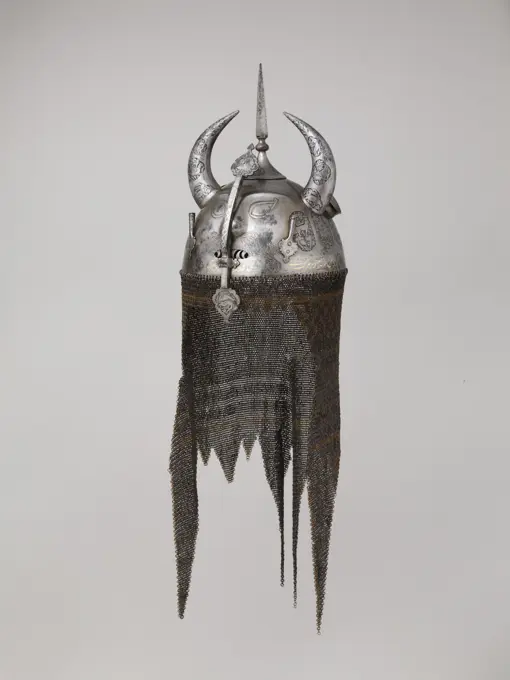
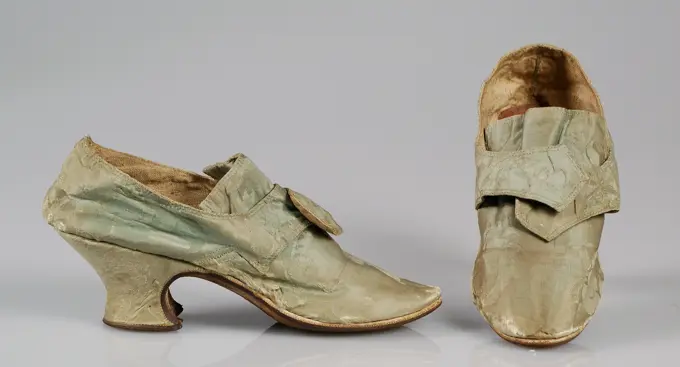
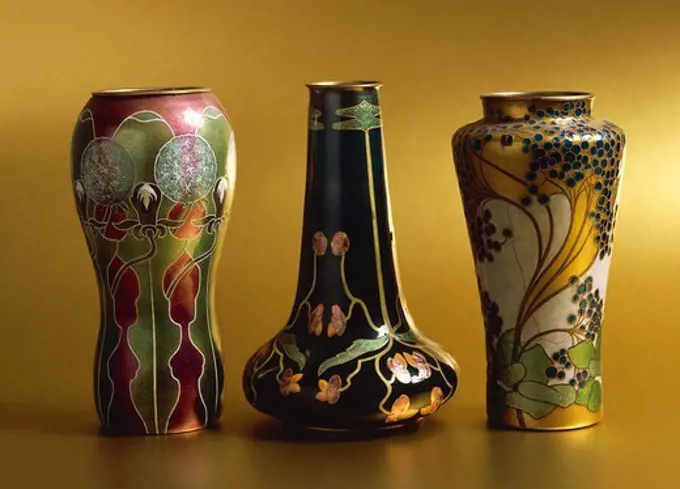
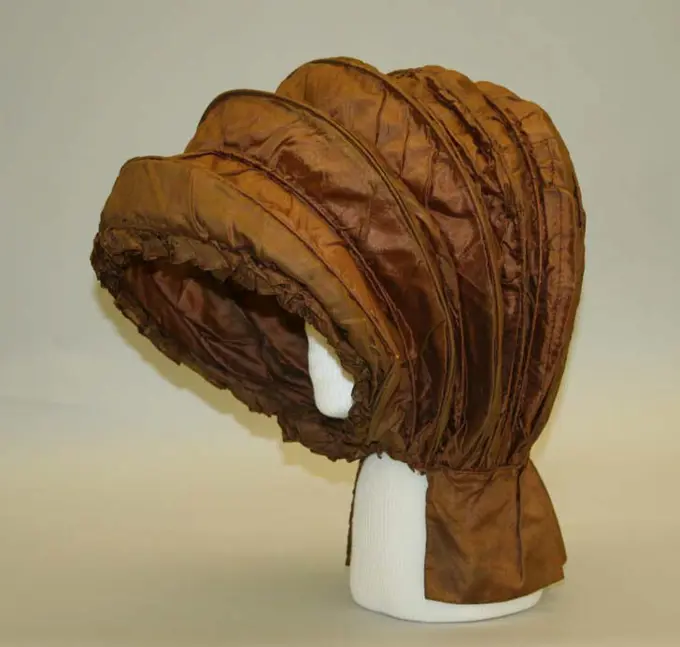
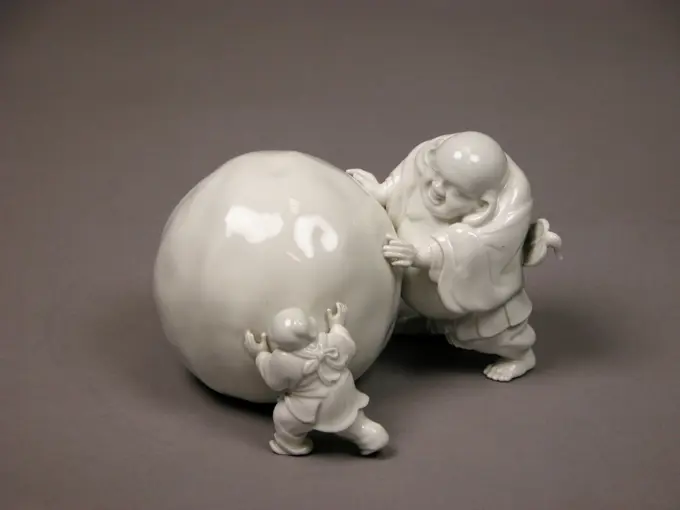
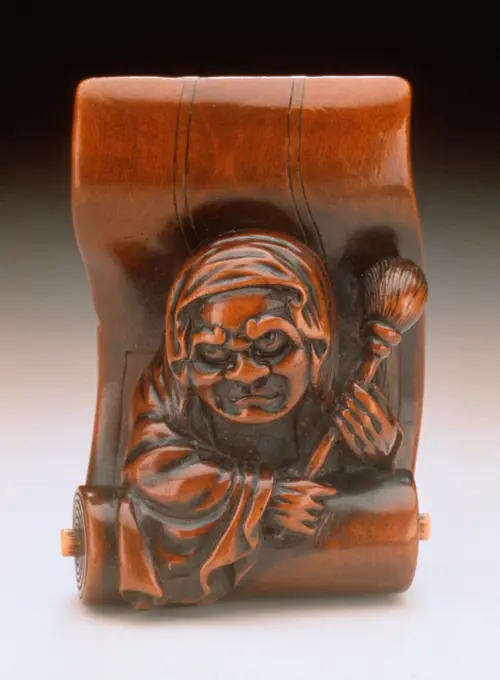
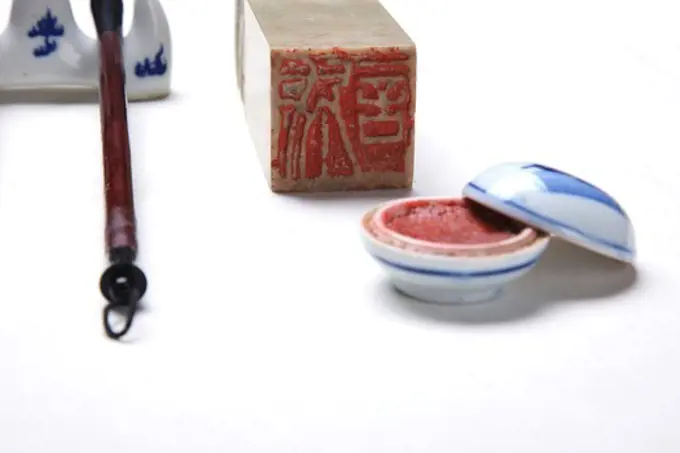
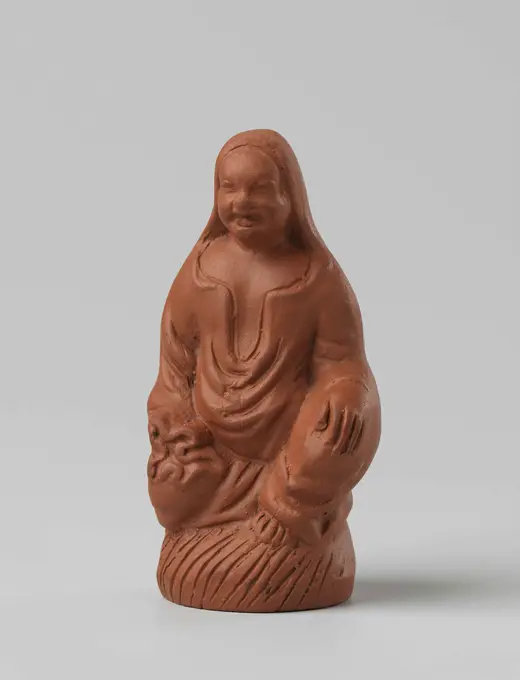
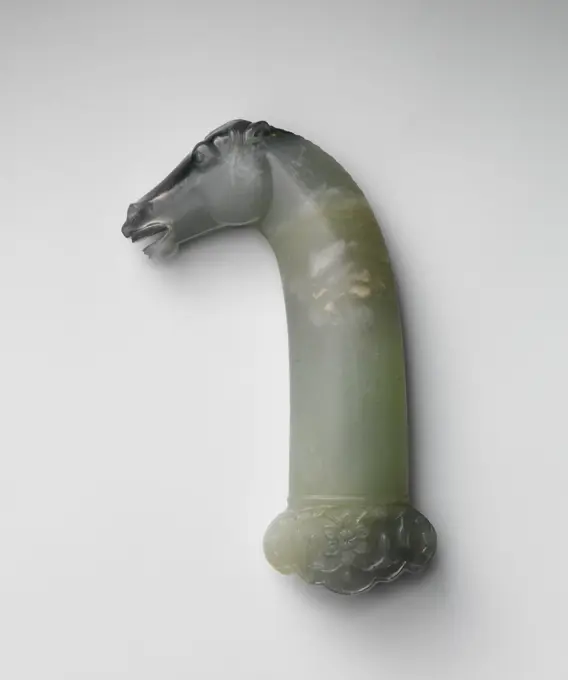
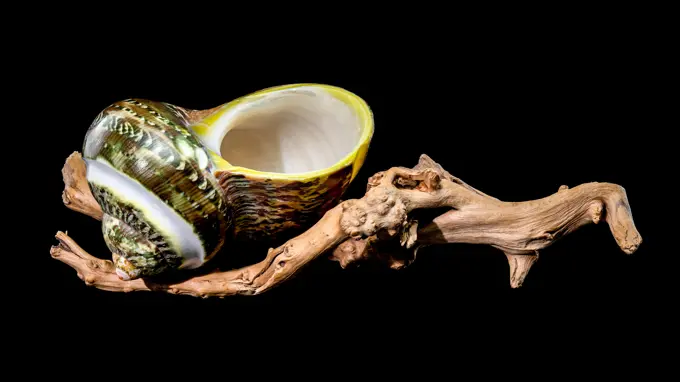
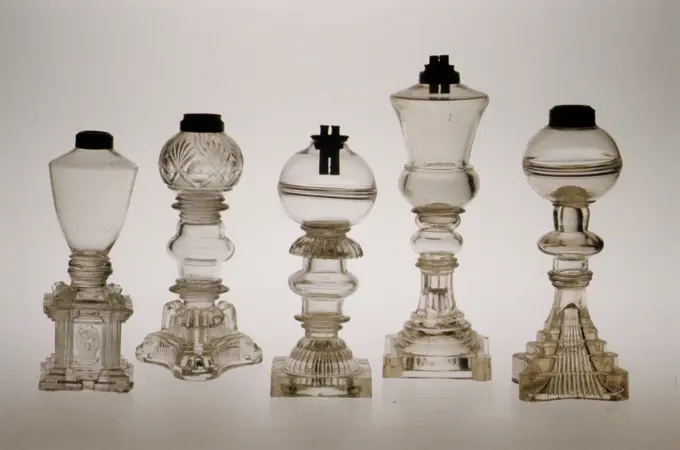
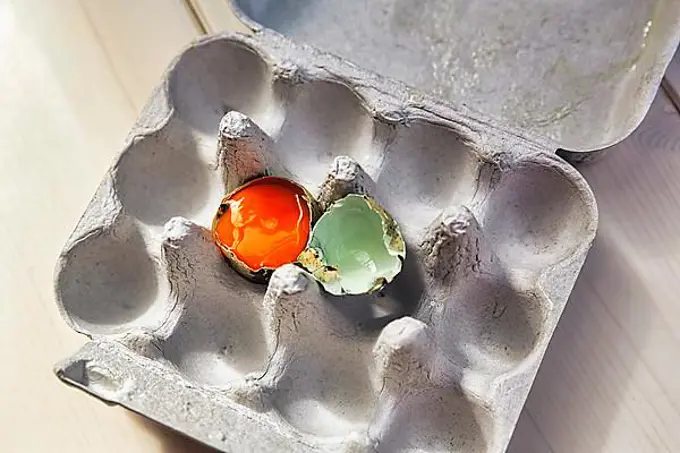
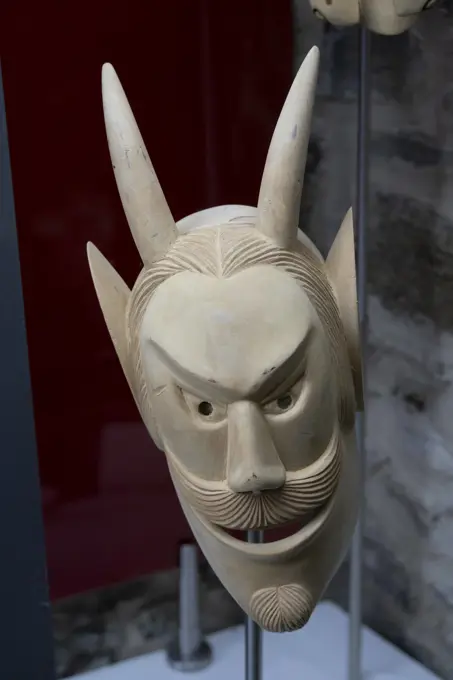
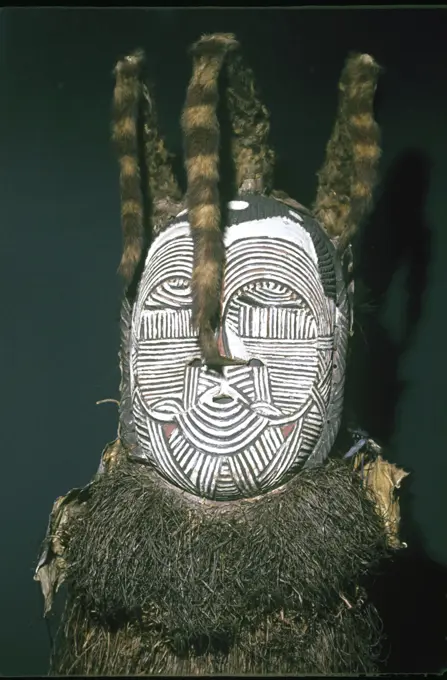
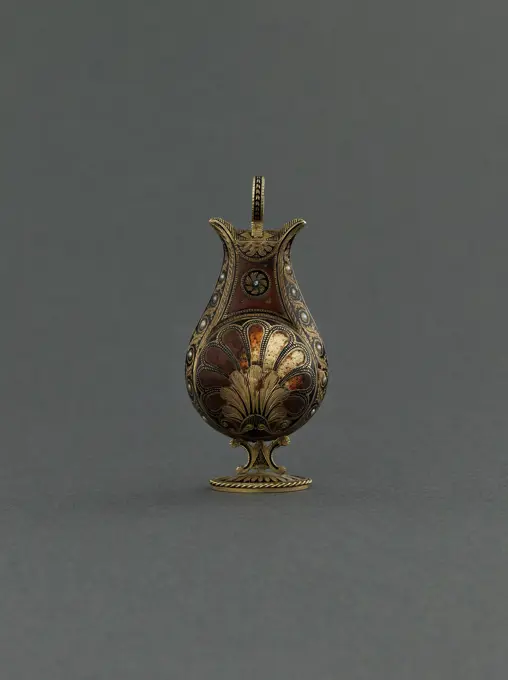
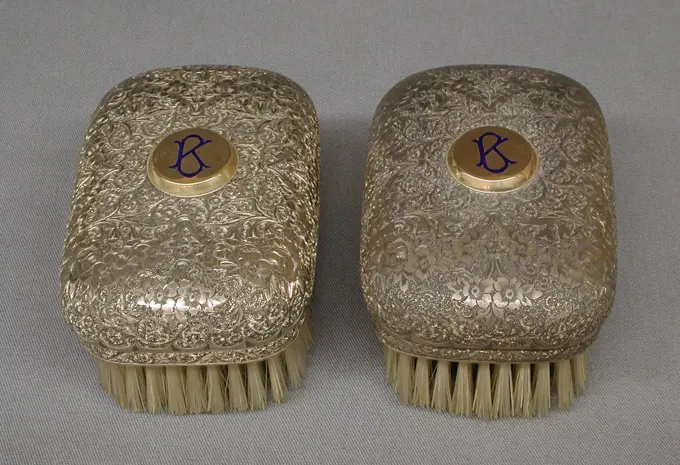
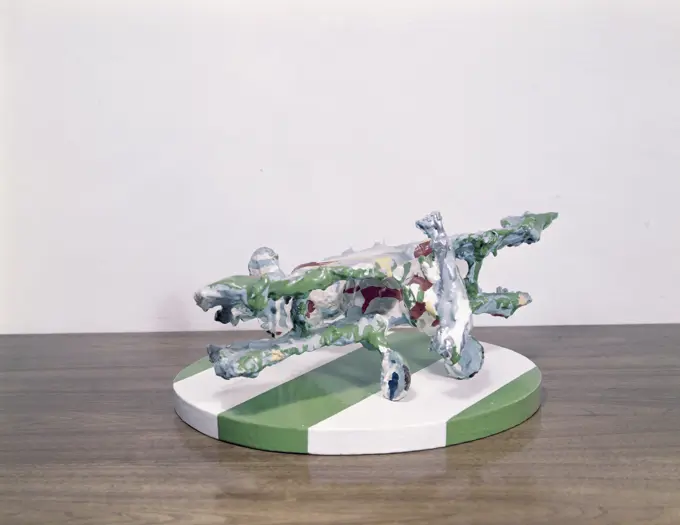
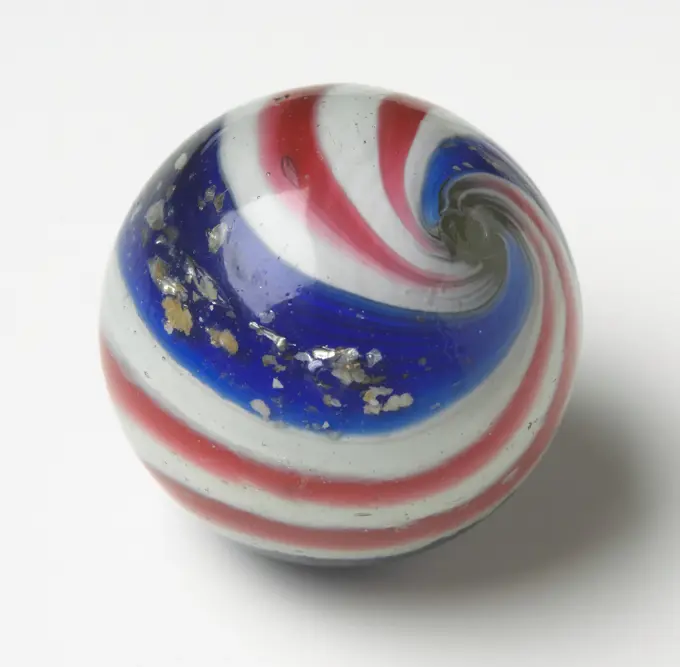
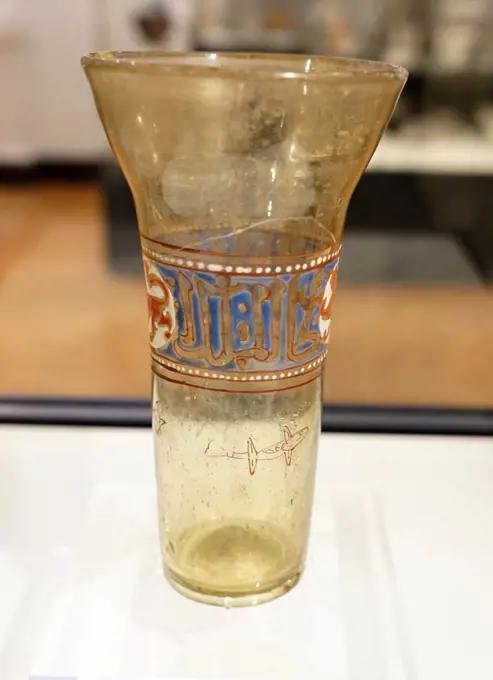
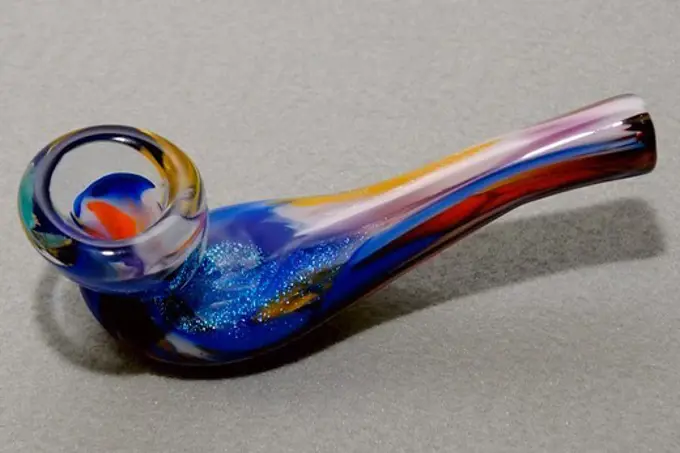
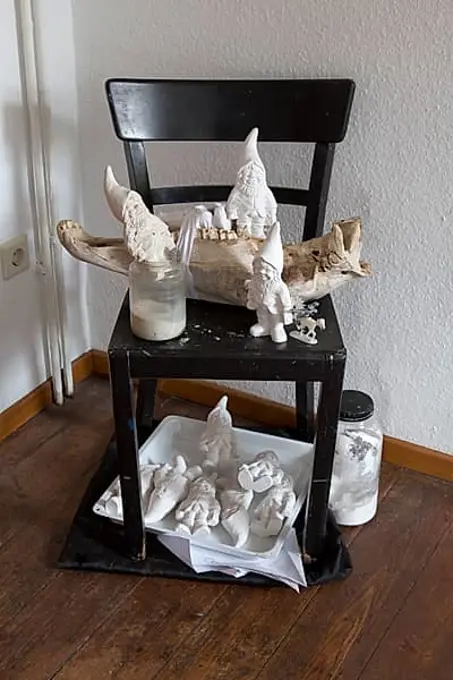
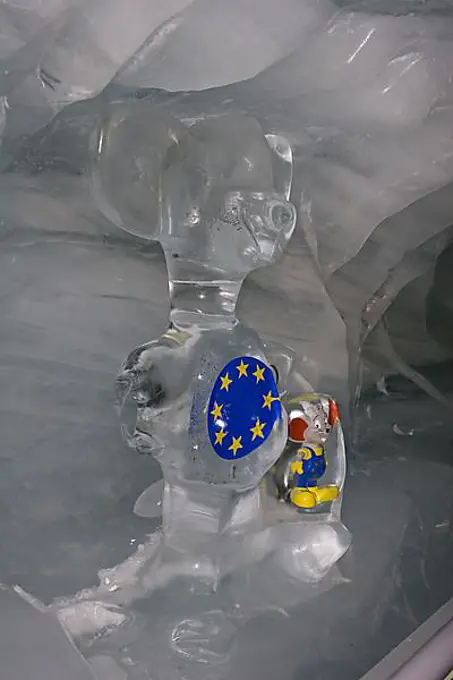
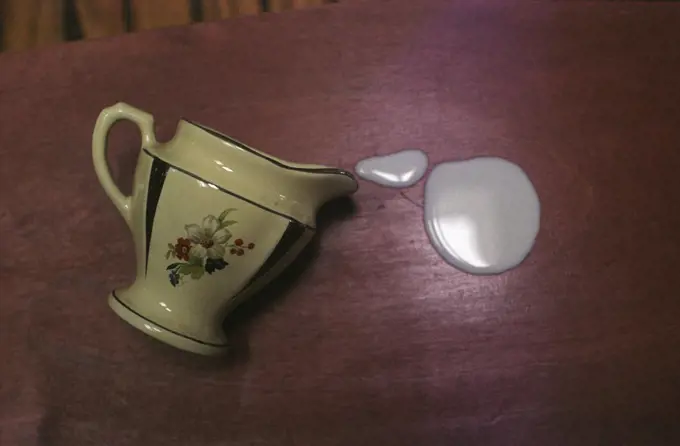
Creamer and Spilled Milk on Table Hand holding Beautiful sea shell on a white backgroundHelmet (Khula Khud) first half 19th century Iranian Despite the modernization of Irans military in the nineteenth century, traditional armor continued to be manufactured. Its purpose, however, is uncertain: for military parades, as costume for religious or historical plays, or as romantic souvenirs for the tourist trade. This helmet, with its feline face and horns, features imagery inspired by Irans national epic, the Shahnama (Book of Kings)—notably, the tiger-skin headdress and the horned ox-headed mace that were the distinguishing arms of the hero Rustam. Inscriptions in Persian refer to Rustam and several other heroes from the poem.. Helmet (Khula Khud). Iranian. first half 19th century. Steel, iron, copper alloy. HelmetsEpaulettes from H.L. Frans, 1st lieutenant at the 1st battalion field artillery, field battery no 12., anonymous, 1800 - 1830  Epaulet consisting of a tongue of golden galon, in which a lane of silver spacer is woven. On the tongue a fire -gilt knot on which two crossed guns in a stylized wreath. The oval leaf is surrounded with a wider edge of gold galon cord with hanging gold frills. Bottom Epaulet made of dark blue sheet, stitched with yellow wire. Under the tongue a yellow metal hook. One of the epaulettes has a loose dark blue Lakense Halveman -shaped pillow. The other epaulette has a ditto pillow that still hangs on one side on the leaf. From H.L. Frans, in 1830-1832 at the 1st battalion field artillery, field battery no 12. Netherlands silver thread. wool   BelgiumCup with two rows of studs, anonymous, c. 1550 - c. 1600 Cup with inserted soil. Smooth stand ring. Ton -shaped body, set with two rows of flat studs under a smooth thread. Low Countries glass glassblowing Cup with inserted soil. Smooth stand ring. Ton -shaped body, set with two rows of flat studs under a smooth thread. Low Countries glass glassblowingShoes 1740-60 possibly British. Shoes 168945Goldsmith's art, 20th century. Enamelled metal vases by J.Pflugmacher, 1900-1901; at sides, vases by Else Unger; in the center, vase by Jutte Sika.Model for Spiral Staircase, pearwood, Spiral staircase model with two revolutions., 19th century, models and prototypes, Decorative ArtsCalash 1810-20 American. Calash 98077Snowball Pushed by Hotei and a Child mid-19th century Japan. Snowball Pushed by Hotei and a Child 52444Daruma Emerging from Scroll. Isshinsai Masanao (Japan, active late 18th-early 19th century). Japan, early 19th century. Costumes; Accessories. Wood with inlaysExhibition Arita Porcelain from now. .Close-up of a dollar bill burring in a smoking pipeDry leaf put on a little model chair on a white backgroundPair of Child's Stirrups. Culture: German or Spanish. Dimensions: Stirrup (n); H. 5 in. (12.7 cm); W. 3 3/4 in. (9.5 cm); D. 2 3/4 in. (7 cm); Wt. 5.2 oz. (147.4 g); stirrup (o); H. 4 3/4 in. (12.1 cm); W. 3 3/4 in. (9.5 cm); D. 2 3/4 in. (7 cm); Wt. 5.5 oz. (155.9 g). Date: late 17th-18th century.The small size of these stirrups means that they were probably made for a child. Children from wealthy families would start riding lessons as soon as they could sit on a pony, usually around the age of 3. Horsemanship was an important component of European noble society, and children of the elite were expected to master the art of equitation. Moreover, as many nobles served in the cavalry, it was essential for them to be skillful riders by the time they were old enough to go to war. Museum: Metropolitan Museum of Art, New York, USA.Snuff Bottle, 19th century, 2 3/8 x 1 3/8in. (6 x 3.5cm), Agate, green jade, China, 19th centurySpeciality mushrooms in a ceramic bowl still life on top down shotBrush pen and Chinese traditional chopCase (Inrō) with Design of Praying Mantis Standing on a Flowering Chrysanthemum (obverse); Large Red Blossom (reverse) 18th century Japan. Case (Inrō) with Design of Praying Mantis Standing on a Flowering Chrysanthemum (obverse); Large Red Blossom (reverse) 58476Human figure of redbaging pottery. Human figure of red-baked potteryHilt of a Dagger late 17th-early 18th century Indian, Mughal Horse-head dagger hilts are first depicted in paintings of the Padshahnama (Chronicle of the King of the World), about 1635, a manuscript documenting the reign of the Mughal emperor Shah Jahan (r. 1628-58). As horses were highly prized in Mughal culture, it is not surprising that horse-head daggers were the most popular subject for zoomorphic hilts for several centuries. This example is notable for its sensitive carving of the horses head and mane.. Hilt of a Dagger. Indian, Mughal. late 17th-early 18th century. Nephrite. DaggersFeature, Les hautes bruyèresGreen Jade Banded Turbo Shell On driftwood black background green Jade Banded Turbo Shell on driftwood black background copyright: xzoonar.com/serhiixzarevx 23059586Whale Oil Lamp 1813-30 Probably designed by Thomas Cains. Whale Oil Lamp. American. 1813-30. Free-blown lead glass. Made in Boston, Massachusetts, United StatesKnives stuck on a white cabbage put on a wooden stool Symbolic conceptual image of a white cabbage on a white wooden stool. Knives are stuck into the vegetable and symbolize cooking, violence, crime, suffering. On black background. Copyright: xZoonar.com/AlainxdexMaximyx 14972423Cracked, broken quail egg in egg cartonBead or Amulet in the Shape of Two Birds. Egyptian. Date: 1550 BC-1186 BC. Dimensions: 1 × 2.5 × 2.2 cm (3/8 × 1 × 7/8 in.). Glass. Origin: Egypt. Museum: The Chicago Art Institute, Chicago, USA. Author: Ancient Egyptian.Typical manual mask for a traditional mask festival typical manual mask for a traditional mask festival copyright: xzoonar.com/bartomeuxbalaguerxrotgerx 22630659Dog figurineceramic toy house on a white backgroundGolden Artifact From Alto Cauca Tribe (Frog) In The Gold Museum In La Candelaria, The Old Town Of Bogota, ColombiaCanada, Nunavut, Qikiqtaaluk, Cape Dorset. Carvings by artist (and Mayor) Palaya Qiatsuq. Sculpture on polar bear fur. (Large format sizes available)Lamp eggMiniature figurine, 1500-1150 BCE, 1 15/16 in. (4.9 cm), Earthenware, Mexico, Pre-ClassicAfrica, Zaire. Mask of wood, Fibre and animal fur. Zaire.Anonymous Swiss. Golden watch enamelled in the shape of a lyre. Paris, Cognacq-Jay museum. 56025-10 Dress, lyre shape, music instrument, watch, gold, back viewQuetzal (one of a pair) Manufactory Meissen Manufactory German Modeler Johann Joachim Kändler German 1733Two small vases.Pink-opal glass vase with gold leaf (pulverized) in the shape of a kam shell, a winding hose on the handle.Skull with stones pipe between the teeth; Walvazing exhibition in the Golden Age. .Paper button - KO and Ma Pa;  XVIII-XIX century (1700-00-00-1800-00-00);Canada, Nunavut, King William Island, Gjoa Haven. Nattlik Heritage Centre, interior. Display showing traditional fishing tools made of antler.Crafts on sale at a shop. The Galle Fort, also known as the Dutch Fort or the Ramparts of Galle was built first in 1588 by the Portuguese, then extensively fortified by the Dutch during the 17th century from 1649 onwards. It is a historical, archaeological and architectural heritage monument, which even after more than 432 years maintains a polished appearance. It is a UNESCO World Heritage Site. Southern province. Galle. Sri Lanka.Dish 18th century India. Dish 56237Clothes brush (one of a pair) 1874-75 Barnard Brothers The building of railroads during the first half of the nineteenth century led to a tremendous increase in travel, which stimulated the demand for the sumptuous dressing cases retailed by Frederick Jenner and Fabian James Knewstub and other London firms. This luxury case (61.78.1-.50), with its pivoting compartments, secret storage areas, and myriad fittings "which quite exhaust the requisites for the road or the boudoir," certainly made travel as comfortable as it was cumbersome.. Clothes brush (one of a pair) 238147Green and White by Claes Oldenburg, sculpture, born 1929Centennial marble, c. 1876, 1 3/4 x 1 3/4 x 1 3/4 in. (4.45 x 4.45 x 4.45 cm), Glass, 19th centuryFire bucket, 18th century, 11 1/4 in. (28.58 cm), Leather, United States, 18th centuryFree-blown glass beaker with enamel and gilt, From Egypt. Dated 14th CenturyContent of 1/2 Ned Head, Anonymous, c. 1825  Turned wooden content of 1/2 liters. Netherlands wood (plant material)   NetherlandsAfrica, Togo, Kpalime. Artisan handicraft center & training school. Pottery fish vase.Methamphetamine  PipeMiniature garden, anonymous, c. 1700 - c. 1724 Image in the form of a rock of porcelain, painted on the biscuit in blue, red, green, yellow, eggplant and black. Large pine trees, various pavilions, a bridge and a tower are incorporated in the rock. In and around these buildings there are small human figures, involved in daily activities. Example of miniature garden architecture. Email sur Biscuit. China porcelain. glaze. painting / vitrification Image in the form of a rock of porcelain, painted on the biscuit in blue, red, green, yellow, eggplant and black. Large pine trees, various pavilions, a bridge and a tower are incorporated in the rock. In and around these buildings there are small human figures, involved in daily activities. Example of miniature garden architecture. Email sur Biscuit. China porcelain. glaze. painting / vitrificationEngland, Dorset, Boscombe, Dinosaur Head in front of the Feathered Nest Childrens Dance Supplies ShopKrefeld, Kuhdyk 20, studio and residence of the painter Will CasselIce sculpture of Mickey Mouse with an European flag in the Ice Palace, Jungfraujoch, Bernese Oberland, Switzerland, Europe