Historical Clothing Accessories

A collection of vintage garments and accessories including a bustle, collar, baptismal rug, and children's sleeve, showcasing historical fashion craftsmanship.
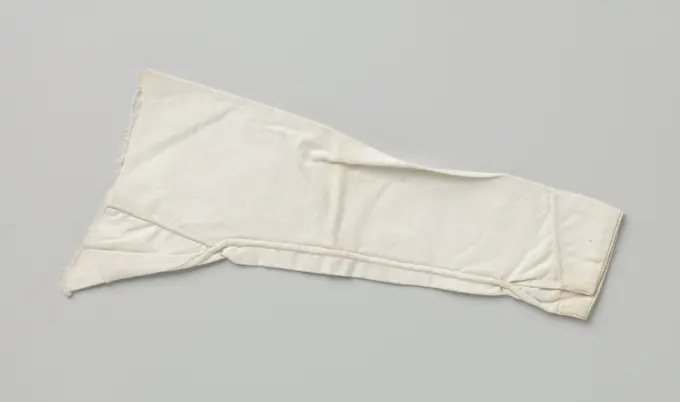
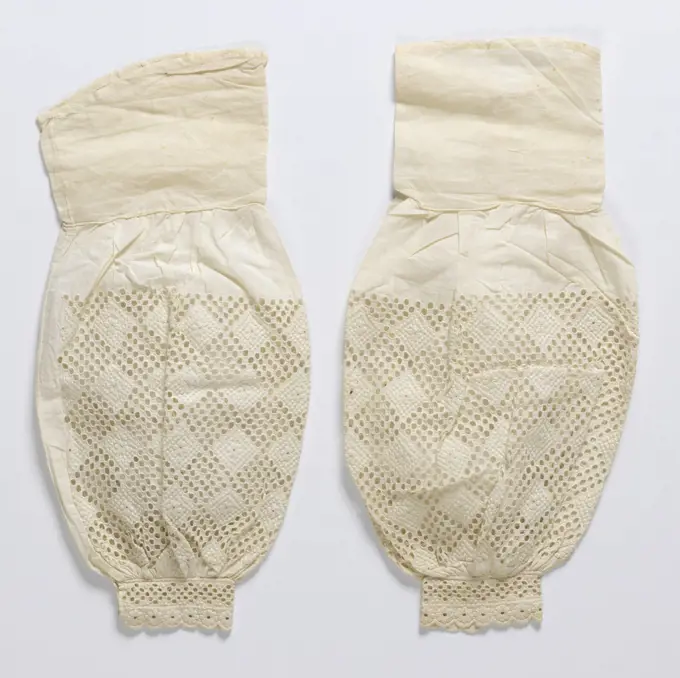
Children's sleeve of white linen with storage, G. Glas, c. 1888 - c. 1894 Children's sleeve of white linen with storage. Deventer whole: Linen (Material) sewing Children's sleeve of white linen with storage. Deventer whole: Linen (Material) sewing
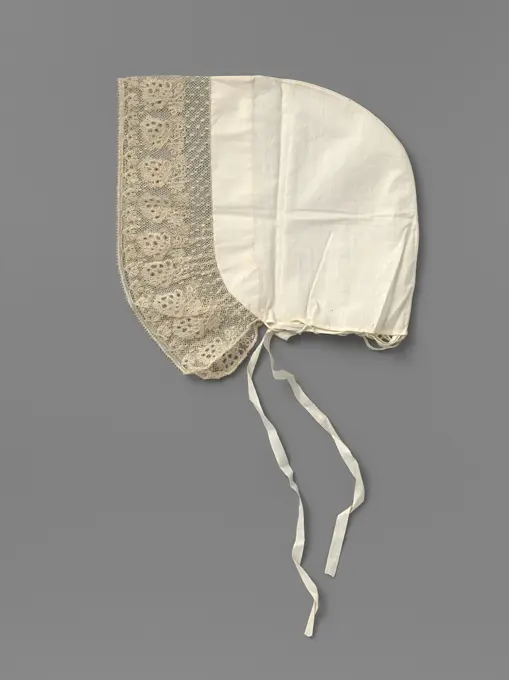
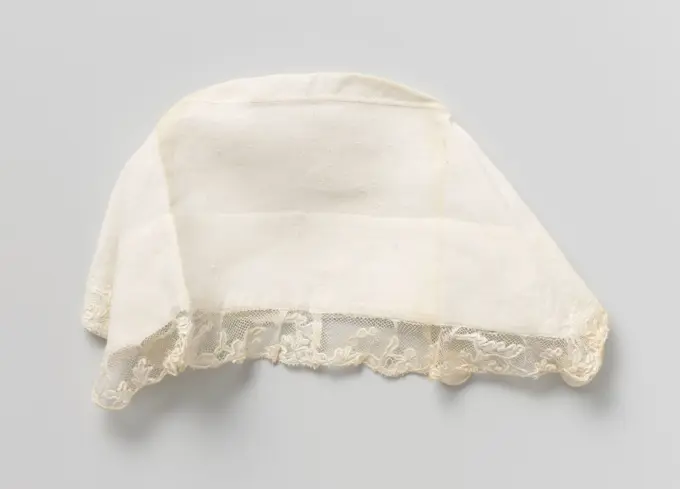
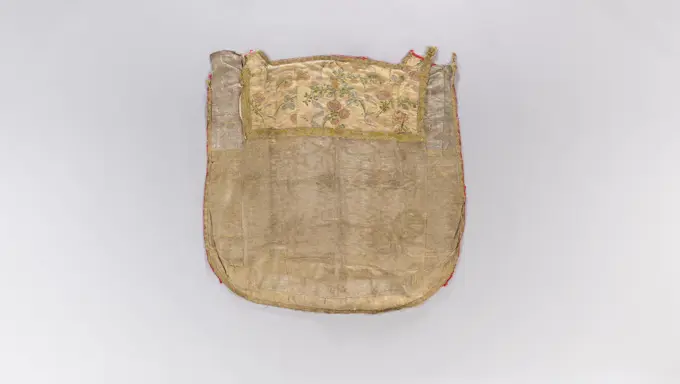
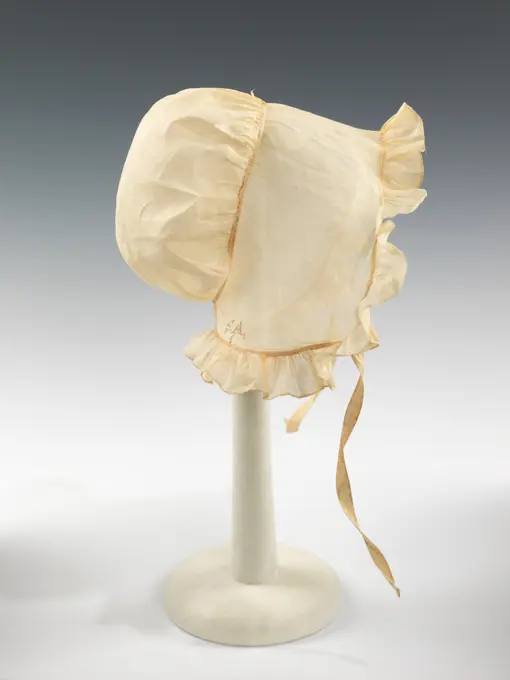
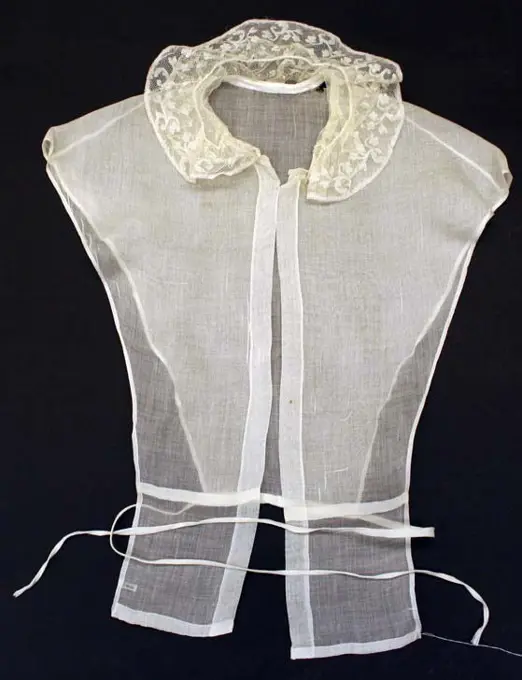
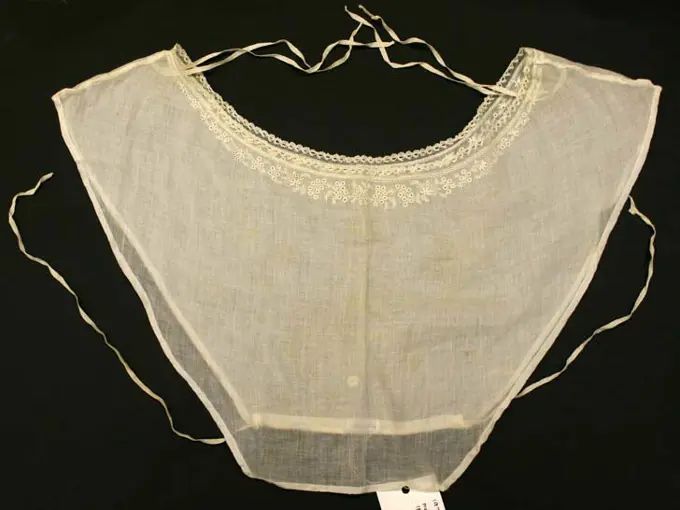
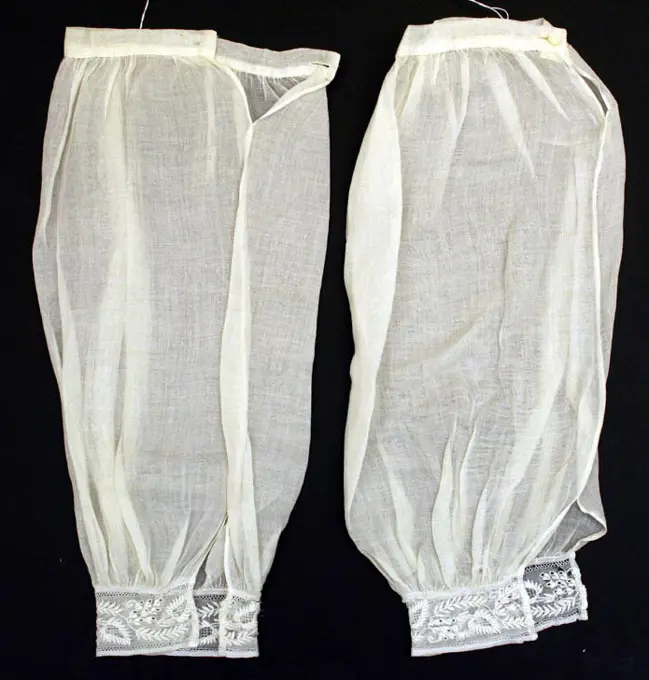
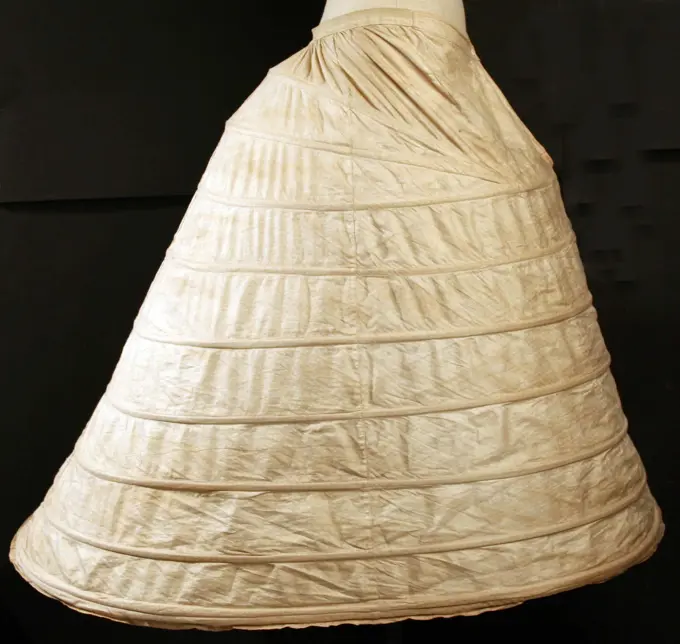
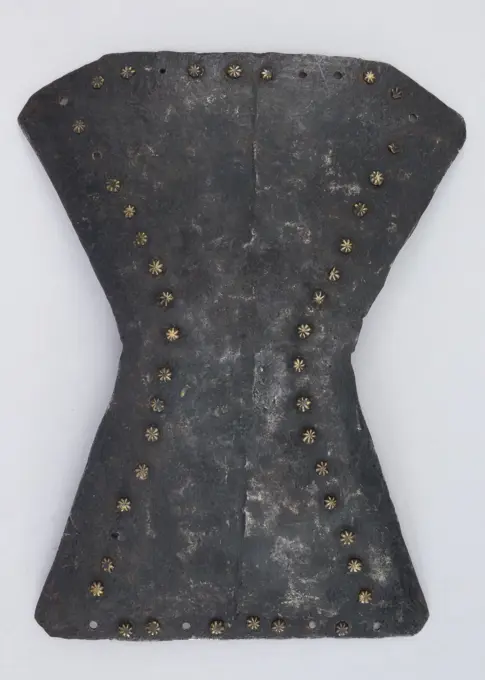
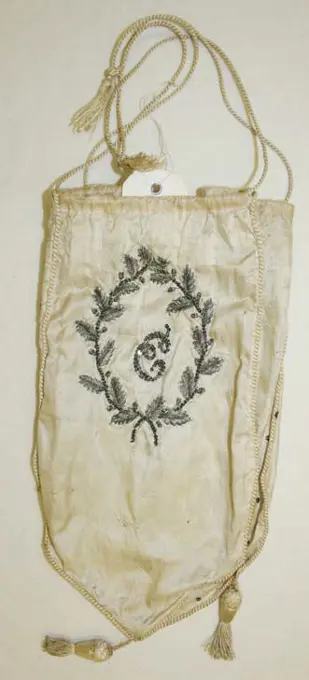
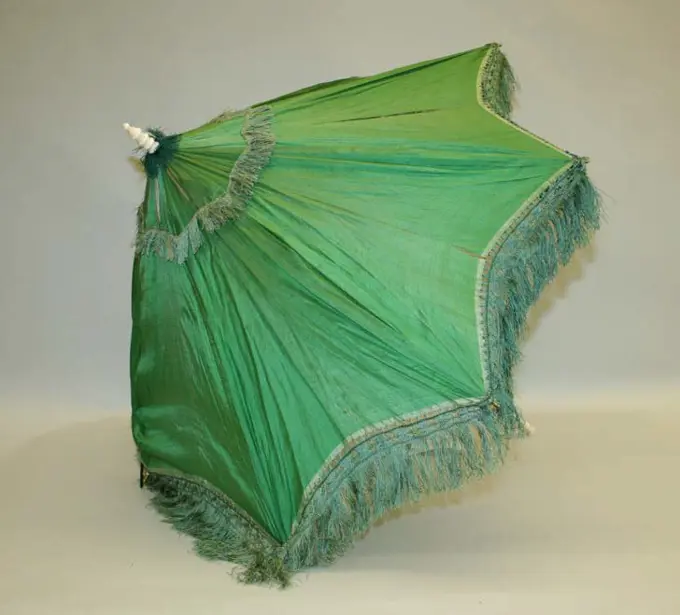
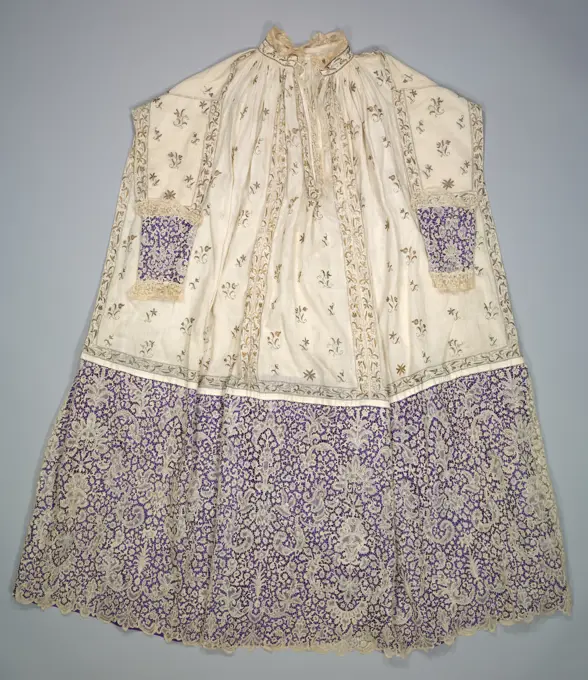
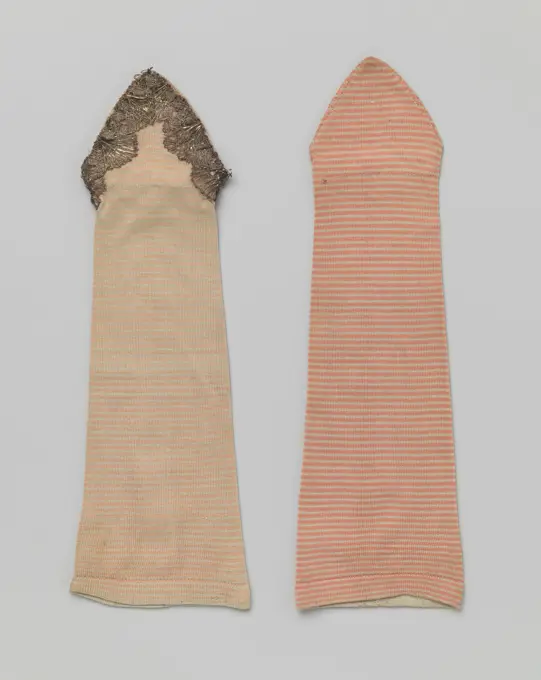
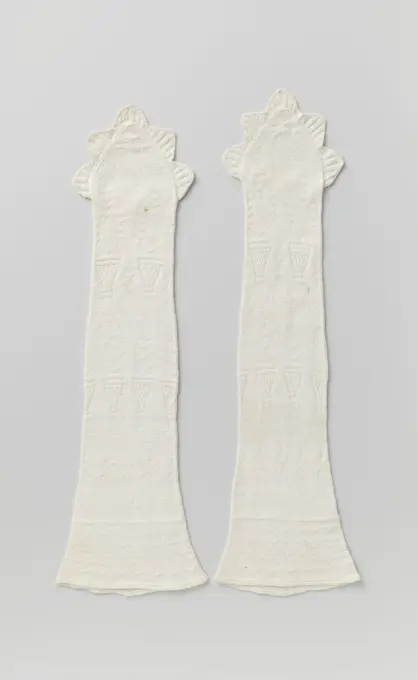
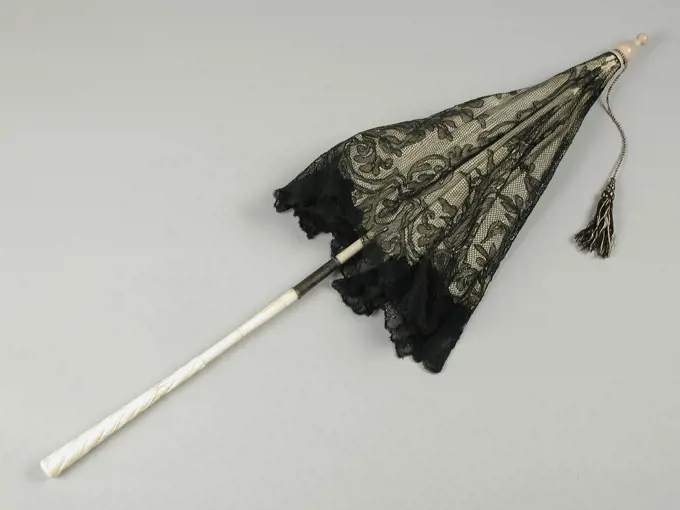
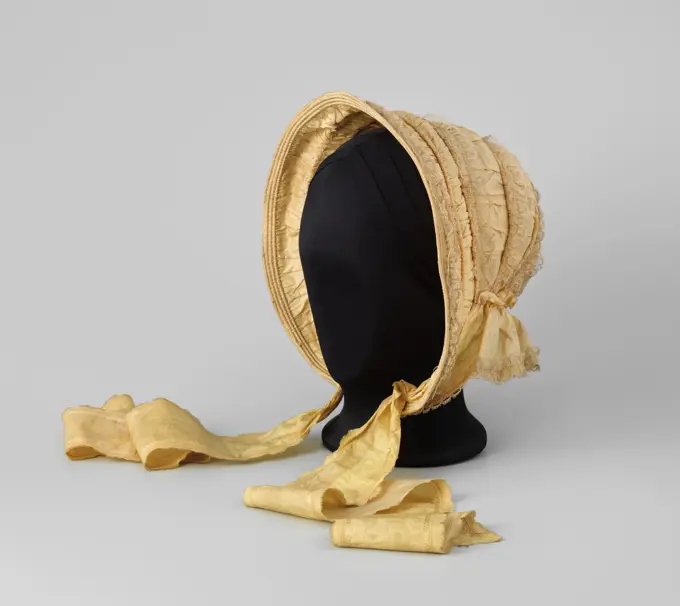
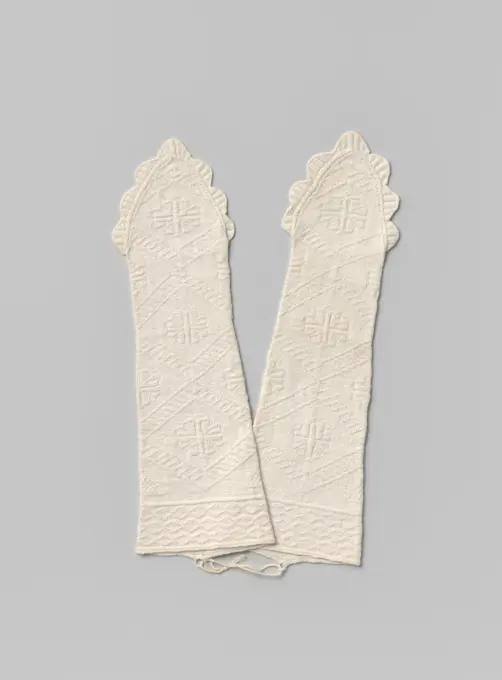
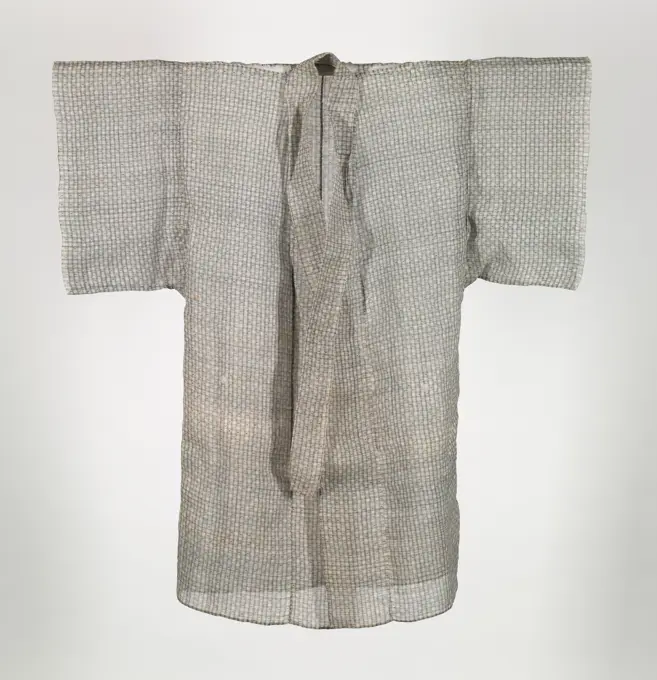
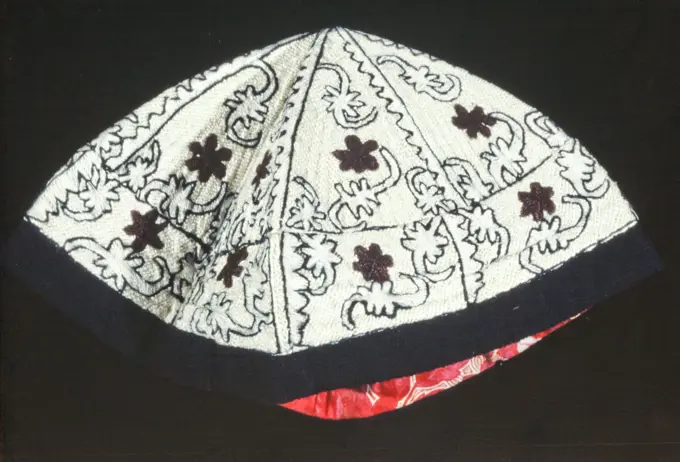
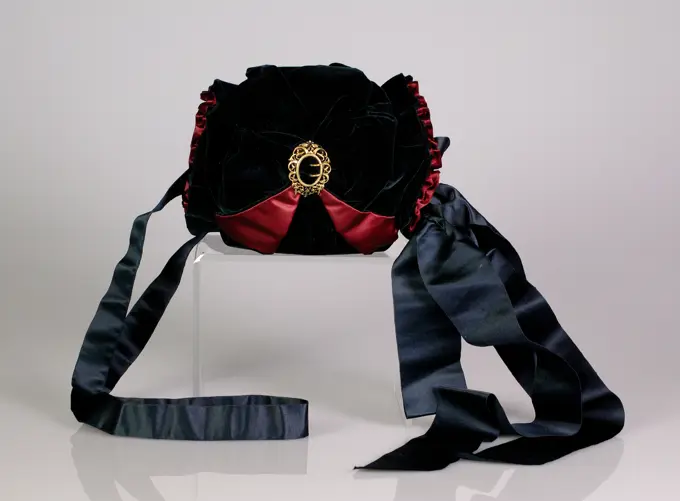
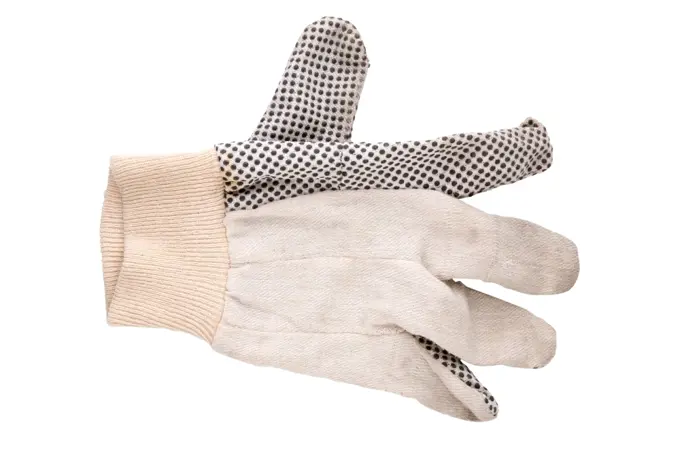
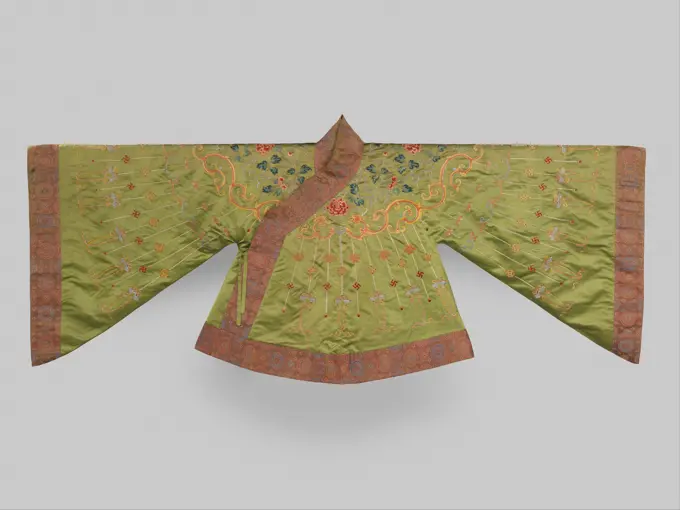
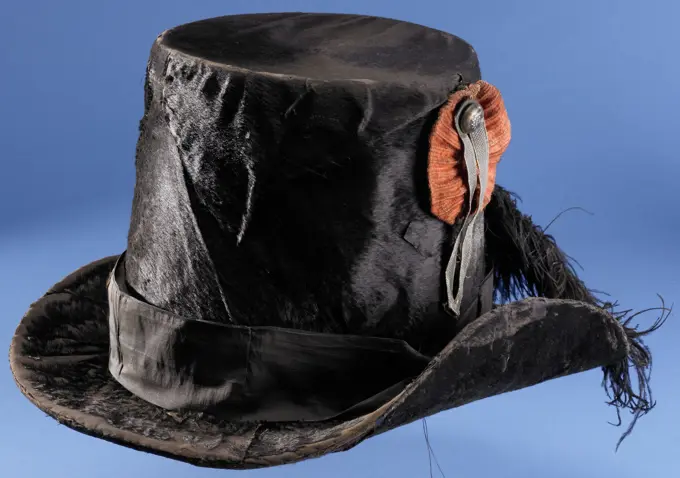
Bustle 1870-75 American. Bustle 175520Collar ca. 1818 European. Collar 119116Baptismal rug of silk damask with rows of flowers connected to accolades and finished all around with a strip of bobbin, anonymous, c. 1725 Baptismal rug of cream-colored Zijddamast, with a pattern of and all-finished with a strip of natural-colored bobbin: binche side. Rectangular model where one side is strongly wrinkled. The rug is fed with a solid cream -colored side. Damast: The repeating pattern consists of rows of flowers that are connected to each other with accolade rows. There are two types of flowers, one type per row. Side: The repeating pattern consists of a rivière of feathered leaf volutes with flowers and palmets. The motifs are largely made in linen battle with openwork edges and netslag has been used in a few leaves and flowers. The motifs are connected by a ringed snowflake land. The strip is put on the damask, with the exception of the corners where the strip side is folded around the damask. The underside (outside) of the strip side is straight finished with picotsFrisian hat with strip of a climbing side with raspberries. Frisian hat, deposited at the front with a strip of natural colosside: Lille side. Strip with an ongoing pattern of hanging, one-sided shunning raspberries, marking against a meshed meshes with meshes.Children's sleeve of white linen with storage, G. Glas, c. 1888 - c. 1894 Children's sleeve of white linen with storage. Deventer whole: Linen (Material) sewing Children's sleeve of white linen with storage. Deventer whole: Linen (Material) sewingBonnet ca. 1850 American. Bonnet 168315Baby covers with ramps and ajour work, trimmed with Mechelen side, anonymous, c. 1700 - c. 1800 Baby covers with ramps and ajour work. The hat is trimmed with Mechelse side. Europe . Mechlin (lace) Baby covers with ramps and ajour work. The hat is trimmed with Mechelse side. Europe . Mechlin (lace)Drawers 1840s American or European. Drawers. American or European. 1840s. cottonBliżej Kultury unknownKościelna Kapa;  18th century (1701-00-00-1800-00-00);Poke bonnet ca. 1830 American. Poke bonnet 157543Corset 1900 American. Corset 86393Fichu with small scarf collar, made of linen batist decorated with floral and fantasy motifs in whitework and needle side stitches of cotton, anonymous, c. 1850 - c. 1900 Fichu with scarf collar, made of linen glass batist decorated with whitework. Model: cut into shoulder shape, round from the back and pointed from the front. Doubled with a scarf collar and finished with a double, smooth strip. Against the strip a series of cross slots for a ride slip. Ornament: scattered ovals in plumetisbobruikwerk with thick pearl edges and fine seam lace stitches in the heart are interspersed with leaf edges, while along the finely scooped edge, motifs run on flies. Netherlands (possibly) whole: Linen (Material). Embroidery: Cotton (textile) embroidering Fichu with scarf collar, made of linen glass batist decorated with whitework. Model: cut into shoulder shape, round from the back and pointed from the front. Doubled with a scarf collar and finished with a double, smooth strip. Against the strip aAccessory set ca. 1860 American. Accessory set 170400Chasuble made of silk fabric unknownFragments of silk fabric from the sides of the chasuble  a pattern of flowered trees forming wrap unknownBatist's fall with a machine side, for a taboeret, anonymous, c. 1800 - c. 1920 Batists fall with machine side for a taboeret in a boudoir. Netherlands batiste. Batists fall with machine side for a taboeret in a boudoir. Netherlands batiste.Fontaneldoek of white linen with lace; marked in Red Cross stitch: LH8, Anonymous, c. 1750 - c. 1900 12 linen fontanelletjes with different side deposited, 4 marked LH8, 3 gem. H8, 5 Gem. HVS (Gr. Hoogenhuize "1772-1852" tr. 1802 S.E. von Schmid "1771-1843"). 1 of Damast gem. HH6 (W.R. Hoogenhuize "1747-1804" TR 1787 W. Helmerich "1752"). Europe linen (material). 12 linen fontanelletjes with different side deposited, 4 marked LH8, 3 gem. H8, 5 Gem. HVS (Gr. Hoogenhuize "1772-1852" tr. 1802 S.E. von Schmid "1771-1843"). 1 of Damast gem. HH6 (W.R. Hoogenhuize "1747-1804" TR 1787 W. Helmerich "1752"). Europe linen (material).Dickey early 19th century American or European. Dickey 119429Cap. Culture: British. Date: 18th century. Museum: Metropolitan Museum of Art, New York, USA.Vest with lapel collar, three side pockets and six mother -of -pearl knots made of stamped light brown cotton; lining of white cotton, anonymous The song BK-1979-210 was indicated on a note, related to three men's jackets (now A, B and C) as well as the origin of Gevers of Marquette. A Livreivest.  cotton (textile). mother of pearl The song BK-1979-210 was indicated on a note, related to three men's jackets (now A, B and C) as well as the origin of Gevers of Marquette. A Livreivest.  cotton (textile). mother of pearlChemisette 1850s probably American. Chemisette 94241Stockings (England); cottonStudio shot of dress dummy and tape measureQuaker Cape. Dated: c. 1938. Dimensions: overall: 45.5 x 36.6 cm (17 15/16 x 14 7/16 in.) Original IAD Object: 46" long;. Medium: watercolor and graphite on paper. Museum: National Gallery of Art, Washington DC. Author: Melita Hofmann.Chasuble with Orphreys Italian 16th centurySleeve with cuff with whitework, anonymous, c. 1850 - c. 1930  Europe textile materials  Europe textile materialsUndersleeves 1865-68 British. Undersleeves 138900Bliżej Kultury unknownStockings third quarter 19th century American. Stockings 173442Slippers 1775-95 European. Slippers 168957Slip 1880-89 American. Slip 104453Undersleeves ca. 1860 American or European. Undersleeves 118692Chasuble with embroidered column unknownCage crinoline ca. 1862 British. Cage crinoline 108686Gloves American 1880-84Cap first quarter 18th century Dutch. Cap 79071Drawers late 19th century American. Drawers 104459Brigandine Plate 1400-1450 Italian This is part of a large find of medieval armor discovered in 1840 in the ruins of the fortress of Chalcis, on the Greek island of Euboea (then a Venetian colony called Negroponte). The fortress had been captured and destroyed by the Turks in 1470. Now divided largely between the Ethnological Museum, Athens, and The Metropolitan Museum of Art, the Chalcis hoard contains many rare and unusual elements of fourteenth- and fifteenth-century armor. Of particular importance are the variety of headpieces and the many fragments of brigandines (armor for the torso constructed of small plates riveted to layers of fabric), some of which retain portions of their original velvet covering. The Chalcis armor provides a unique picture of the armament used in the Aegean, one of the easternmost military outposts of the Venetian empire.. Brigandine Plate 34345Batist sub -sleek with English embroidery, anonymous, c. 1860 - c. 1875 Onderemen of Batist, wide model. The sleeve is wrinkled to the cuff. Both the sleeve and the cuff are decorated with English embroidery in the form of flower and leaf vines and moesjes. The cuff has one knot. Netherlands Batiste. Button: Glass Onderemen of Batist, wide model. The sleeve is wrinkled to the cuff. Both the sleeve and the cuff are decorated with English embroidery in the form of flower and leaf vines and moesjes. The cuff has one knot. Netherlands Batiste. Button: GlassStockings ca. 1894 French. Stockings 121212Pair or Gloves with Scalloped Broder. Right gloves of glacering leather, deposited with an edge of green leather. Small hood. Three hand, black-stitched lines existing, tires. The natural leather ends at the hood in slot and points. The shelters are each perforated with one hole. Address (in the left glove a stamp): "Prima Donna" / Exp ..... / Maison de Bonneterie / Amsterdam The Hague, (in the right glove a stamp): 7.Purse 1800-1810 European. Purse 116949Cap 17th century Bolivia or Peru. Cap 320615Empty wooden rectangular cutting board on a plain background, flatley with copy space Empty wooden rectangular cutting board on a plain background, flatley with copy space. Kitchen utensils in home kitchen Copyright: xZoonar.com/TetianaxChernykovax 21757935Sticky white side with an embroidered zigzag line on the latch, ending in a star -shaped motif, along the board a single blue line, anonymous, c. 1800 - c. 1820 Sticky white side with an embroidered zigzag line on the latch, ending in a star -shaped motif, a single blue line along the board. France (possibly) whole: Silk knitting / embroidering Sticky white side with an embroidered zigzag line on the latch, ending in a star -shaped motif, a single blue line along the board. France (possibly) whole: Silk knitting / embroideringParasol ca. 1855 French. Parasol 98264Headdress, 1700s. France, 18th century. Silk, metallic thread; overall: 24.1 x 31.8 cm (9 1/2 x 12 1/2 in.).Fontaneldoek of white linen with lace; marked in Red Cross stitch: HS12, Anonymous, c. 1750 - c. 1900 12 linen fontanelletjes with different side deposited, 4 marked LH8, 3 gem. H8, 5 Gem. HVS (Gr. Hoogenhuize "1772-1852" tr. 1802 S.E. von Schmid "1771-1843"). 1 of Damast gem. HH6 (W.R. Hoogenhuize "1747-1804" TR 1787 W. Helmerich "1752"). Europe linen (material). 12 linen fontanelletjes with different side deposited, 4 marked LH8, 3 gem. H8, 5 Gem. HVS (Gr. Hoogenhuize "1772-1852" tr. 1802 S.E. von Schmid "1771-1843"). 1 of Damast gem. HH6 (W.R. Hoogenhuize "1747-1804" TR 1787 W. Helmerich "1752"). Europe linen (material).Long ladies stocking of green silk jersey with decorated sounds, c. 1900 - c. 1940 Long ladies stocking of green silk jersey with decorated sound. Model: seam in the middle. Reinforced forefoot and heel. Double board at the top. Decoration: From the heel to halfway through the calf is a handle on which a stylized tree -shaped ornament covers. Germany (possibly) whole: Silk. Long ladies stocking of green silk jersey with decorated sound. Model: seam in the middle. Reinforced forefoot and heel. Double board at the top. Decoration: From the heel to halfway through the calf is a handle on which a stylized tree -shaped ornament covers. Germany (possibly) whole: Silk.Alb, 17th century. Spain or Flanders, 17th century: embroidered linen; 18th century: flounce. Linen embroidered in gold and silver; average: 342.9 x 61 cm (135 x 24 in.). This beautiful vestment, called an alb, was worn under other liturgical garments by the clergy who served at the altar. Embroidered with gilt-metal thread flora on a linen ground, it is trimmed with a flounce and cuffs of lace, the most fashionable and expensive material at the time. Its purple silk lining indicates that it belonged to an archbishop. The exquisitely worked bobbin lace consists of two large composite floral designs flanked by popular curved forms on an elaborate bar ground that repeats ten times around the flounce.Basque. Culture: American. Date: 1880s. Museum: Metropolitan Museum of Art, New York, USA.Mitaine of pink and white striped silk, anonymous, c. 1800 - c. 1820 Mitaine of pink and white striped silk, trimmed with silver spot. Zaanstreek whole: Silk. Turn off: Mitaine of pink and white striped silk, trimmed with silver spot. Zaanstreek whole: Silk. Turn off:Chasuble;  18th century (1701-00-00-1800-00-00);Mitts 1870-79 American. Mitts 169921Gloves. Culture: British. Date: ca. 1630. Museum: Metropolitan Museum of Art, New York, USA.Noh costume (surihaku), 1900s, Unknown Japanese, 46 1/2 × 56 5/16 in. (118.11 × 143.03 cm), Silk, Japan, 20th centurySpencer. Culture: British. Date: ca. 1820. Museum: Metropolitan Museum of Art, New York, USA.Evening cape 1856-60 American or European. Evening cape 107693Cap 1700-1750 German. Cap 116700Mitts. Culture: American. Date: 1800-1824. Museum: Metropolitan Museum of Art, New York, USA.Shirt ca. 1865 French. Shirt. French. ca. 1865. cottonCollar ca. 1835 American. Collar 170227Fragment silk tissue with embroidery. Fragment dark silk tissue with embroidery in red, silver and yellow. There are half beads between the embroidery.A pair of women's slippers unknownMoney bag with euro banknotes and coins Money bag with euro banknotes. Euro banknotes from a money bag on a white background. Copyright: xZoonar.com/ThomasxThielemannx 10879608Evening cape ca. 1899 Caroline Reboux French. Evening cape 106686Mitaine of white knitted cotton, anonymous, c. 1750 - c. 1820 Mitaine of white knitted cotton, with a pattern of thwarts, each with a different motif. At the top seven scoops around. West-Europa whole: Cotton (textile) knitting Mitaine of white knitted cotton, with a pattern of thwarts, each with a different motif. At the top seven scoops around. West-Europa whole: Cotton (textile) knittingCarriage umbrella with ivory-colored silk trim, black lace, carved handle, carriage parasol clothing accessory women's clothing clothes leg tooth ivory wood metal iron copper silver textile silk lace cotton linen folded, textile machine side turned Driving Parasol with white silk lining and upholstery with black lace (embroided tulle). The upper half of the handle is made of white lacquered wood, the lower half of worked ivory or bone. Black lacquered metal ribs. Metal silver-plated Wide ring over the hinge White lacquered wooden tip with black-and-white brush attached to it sunlight sun protection material material womanIn the Image, bag from 1935.. Mitaine of white knitted cotton, with a pattern of zigzag stripes between which a flower consisting of four hearts. Hand ruck with seven slots.Gloves third quarter 19th century American. Gloves 169924Canopy hat from yellow taf side, anonymous, c. 1845 Laifel hat made of yellow taf side, decorated with white lace, colorful silk 'blonde'. Semi -round ball wealthy against the back of the head, wrinkled strip in the neck, 'bavolette'. In the bol four, three hoops in the canopy. Two yellow moiré ribbons. West-Europa whole: Silk. Completely: Taffeta. ribbon:. Lint: Silk blonde (lace) Laifel hat made of yellow taf side, decorated with white lace, colorful silk 'blonde'. Semi -round ball wealthy against the back of the head, wrinkled strip in the neck, 'bavolette'. In the bol four, three hoops in the canopy. Two yellow moiré ribbons. West-Europa whole: Silk. Completely: Taffeta. ribbon:. Lint: Silk blonde (lace)Glove of Black Glacéleer, c. 1900 - c. 1915 Right glove made of black glacé leather lined with gray silk. France whole:. whole: Silk. Goatskin Right glove made of black glacé leather lined with gray silk. France whole:. whole: Silk. GoatskinMitaine of white knitted cotton, anonymous, c. 1750 - c. 1800 Mitaine of white knitted cotton, with a pattern of large staggered windows with arcs between which a cross pattern. Hand ridge with seven scoops. West-Europa whole: Cotton (textile) knitting Mitaine of white knitted cotton, with a pattern of large staggered windows with arcs between which a cross pattern. Hand ridge with seven scoops. West-Europa whole: Cotton (textile) knittingGlove of white wool, anonymous, c. 1900 - c. 1920 Left (skate) gloves of white wool knitted, so -called 'Ringwood'. Double, closed wrist board. Pattern of barley grain. Amsterdam (possibly) whole: Wool knitting Left (skate) gloves of white wool knitted, so -called 'Ringwood'. Double, closed wrist board. Pattern of barley grain. Amsterdam (possibly) whole: Wool knittingRobe, early 19th century. Japan, Lu Chu Islands, 19th century. Banana cloth, tabby weave; overall: 124.5 x 129.5 cm (49 x 51 in.).Socks ca. 1885 American. Socks 174809Helmet 19th century Bhutanese or Indian, Sikkimese. Helmet 32122Christ Child's dress 17th or 18th century Italian. Christ Child's dress 460296Cap 1815-20 American. Cap 82056Cape;  2. PO. 19th century (1851-00-00-1900-00-00);Spa. Sapa. Vietnam.Collar ca. 1895 Maltese. Collar 168442Detail of draped pink fleece fabric against black backgroundSkull Cap, 19th-20th century, 5 1/2 in. (14 cm) (edge to peak), Silk; needlework, Armenia or Syria, 19th-20th centuryUndersleeves, Medium: linen, cotton Technique: cutwork, Full undersleeves with band at top and narrow cuffs closing with two buttons and loops. Embroidery on undersleeves and cuffs in the design of lozenge shapes filled either with open flowers and dots ore with small squares in cutwork., USA, ca. 1860, embroidery & stitching, UndersleevesGloves from Beige felt. Decorated with floral pattern on the hood. Left glove from beige felt. Decorated with floral pattern on the hood inside and outside. Three radiating cords on the back. Fully lined with felt. Glove from the Haarlem giant D. Cajanus.Man's cloak (Capixay), 1960, 40 x 27 in. (101.6 x 68.58 cm), Wool, metallic, acrylic; felting, embroidery, Guatemala, 20th centuryEvening muff American 1880-89Stockings. Culture: American. Date: 1825-40. Museum: Metropolitan Museum of Art, New York, USA.Corset. Culture: probably British. Date: early 19th century. Museum: Metropolitan Museum of Art, New York, USA.Cap of striped pink silk bordered with green roses, consisting of four pattes, each with a turned edge that has been dropped, in the middle of the bulb a knot coated. Cap, maternity hat or groomsmut, of striped pink silk bordered with green roses. Model: four pattes, each with a turned edge that has been dropped. In the middle of the sphere a knot coated. The edge is lined with bottle green side. On the transition from the lining to the edge a 1.5 cm wide tunnel where a purple ribbon is pulled through. In the middle of two scented holes so that the ribbon can be stretched on the outside. The tunnel and the upper part of the edge are reinforced.Morion ca. 1570 Italian. Morion 27155Work glove isolated on a white backgroundFragment 18th century Spanish. Fragment 216388Theatrical jacket with designs from Buddhist jewelry 18th century China The pattern of this jacketpart of a theatrical ensemble with matching skirt 30.76.21features peony leaves and flowers on the shoulders, above a band of scrollwork that resolves into a pair of confronting dragons. The lower part of the pattern consists of suspended beads, punctuated by various auspicious motifsendless knots, swastikas (wan in Chinese, meaning “ten thousand” and signifying eternality), bats, coins, musical stones, and ribbons. These decorations are often found on Buddhist jewelry (yingluo) usually worn by a bodhisattva.. Theatrical jacket with designs from Buddhist jewelry 69004Hat van Vrouw Schoonderwoert, market star Zuidhollandse Schutterij 1830-1831, outdoor model, Willem Pauwels & Zn., C. 1830 hat Head cover of black lacquered felt, stored one side of the edge. Hat covered with a cabinet, round hat black or green ribbon, above stored side, an orange chef with white metal lis and button, on which a grenade, in the ribbon around the corner and black or green ostrich spring in a paper with the text: NO .93 a hat of wife Schoonderwoert market star at the Z.H. () Schutterij de Department. Inside Learn edge, substances interior. On the bottom label with royal weapon, including text: Willem Pauwels and son Hate manufacturers of Z.M. den Koning The Hague, Westeinde R.no 317. On weapon above signature: your Maintiendrai. The Hague leather. velvet (fabric weave). silk. wool. silver (metal).. paper   South-HollandGlove from ambassador Allard Merens, c. 1945 - c. 1976  White seater glove (right) belonging to the diplomatic official clothing of ambassador Allard Merens. London chamois (animal material)Miser's purse, Medium: silk, metal beads Technique: netting, Silk net bag with red triangular pattern at each end, white silk in the middle. Ornamented with cut steel beads outlining the triangles and forming diamond-like designs on the mid portion. Two heavily cut rings control side opening; cut steel drops at either end., Europe, 1810-30, costume & accessories, Miser's purse