Historical Clothing Accessories

A collection of vintage garments and accessories including a bustle, collar, baptismal rug, and children's sleeve, showcasing historical fashion craftsmanship.
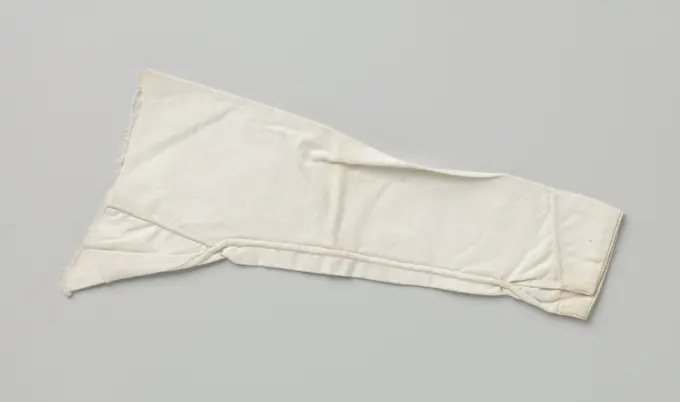
Children's sleeve of white linen with storage, G. Glas, c. 1888 - c. 1894 Children's sleeve of white linen with storage. Deventer whole: Linen (Material) sewing Children's sleeve of white linen with storage. Deventer whole: Linen (Material) sewing
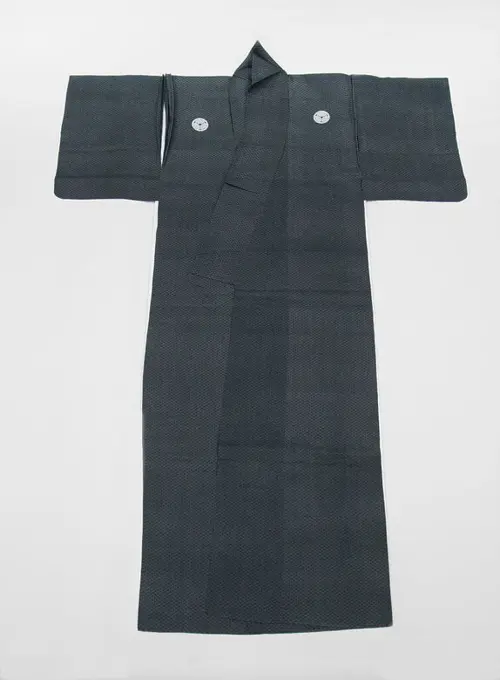
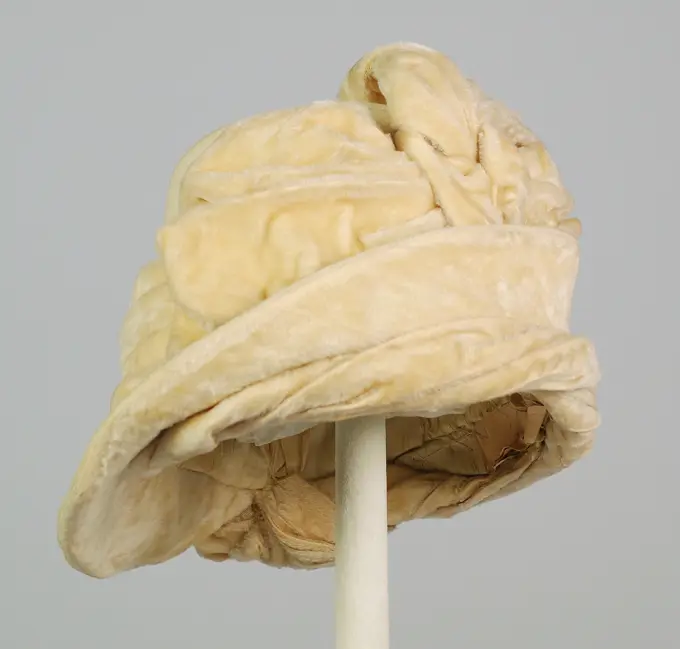
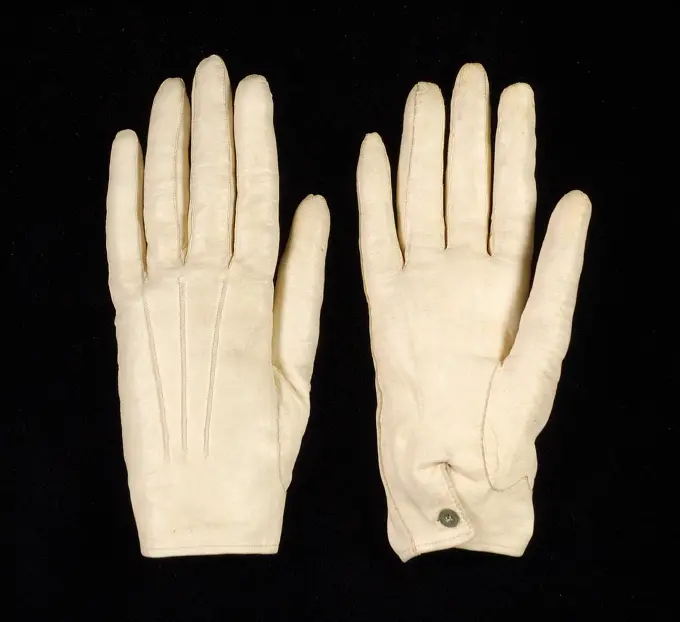
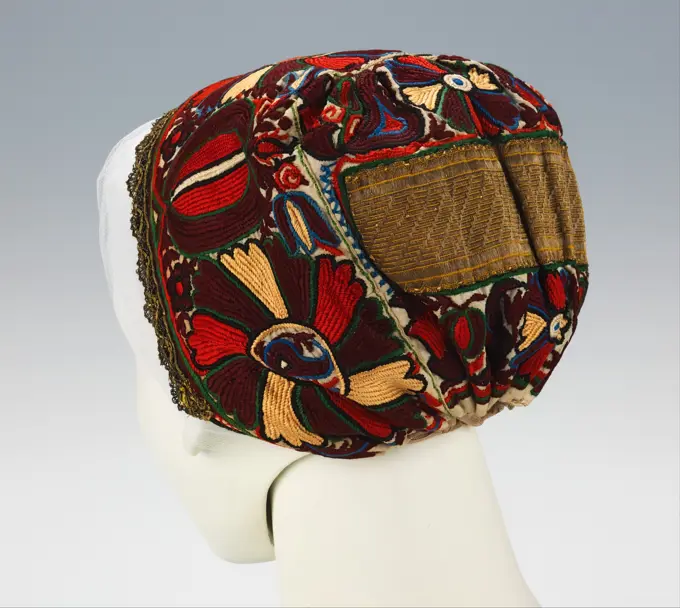
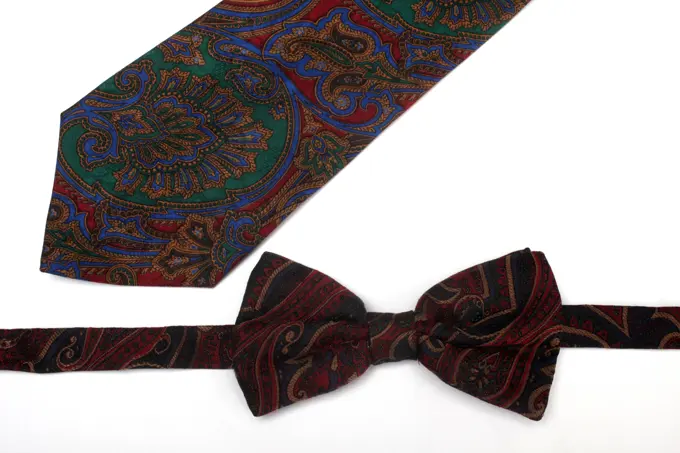
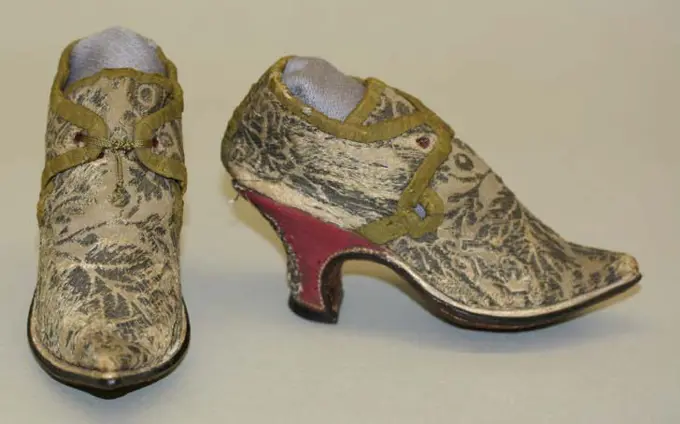
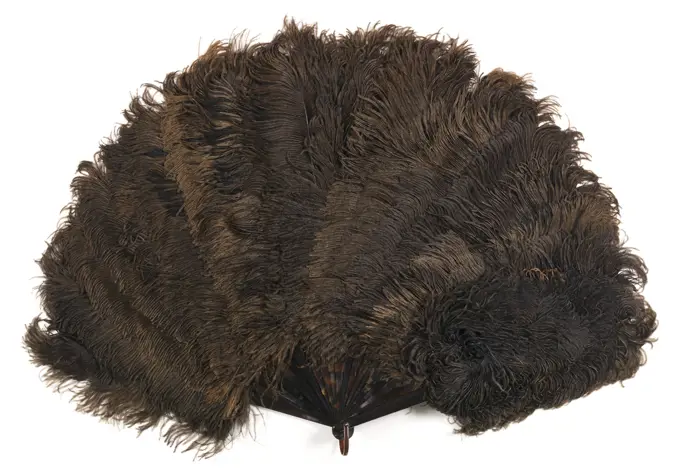
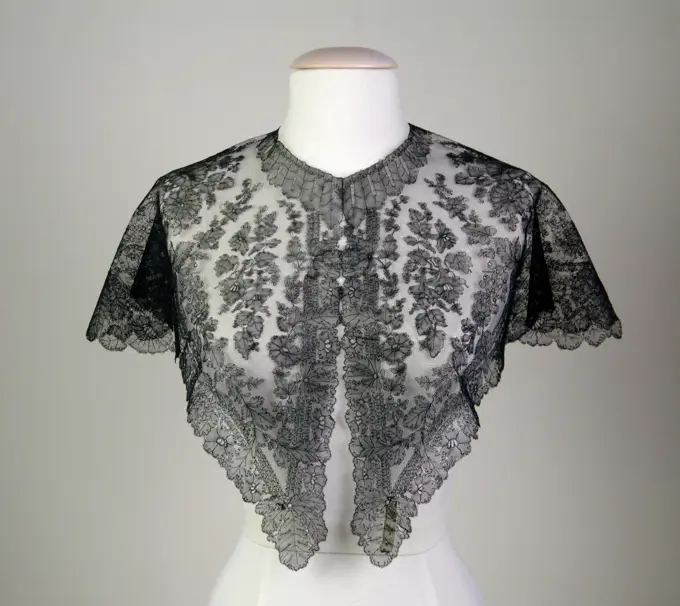
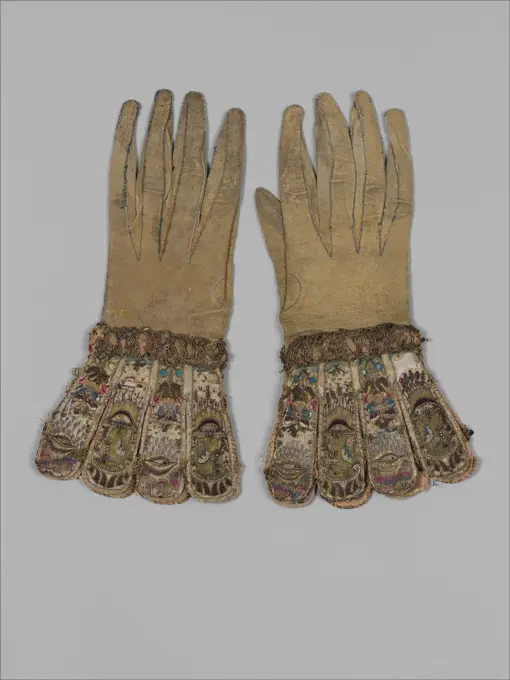
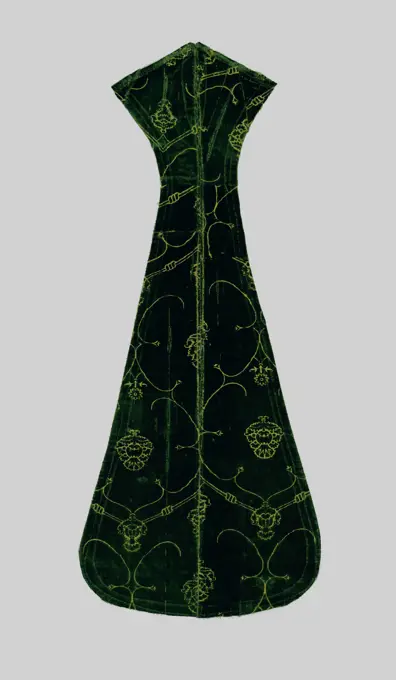
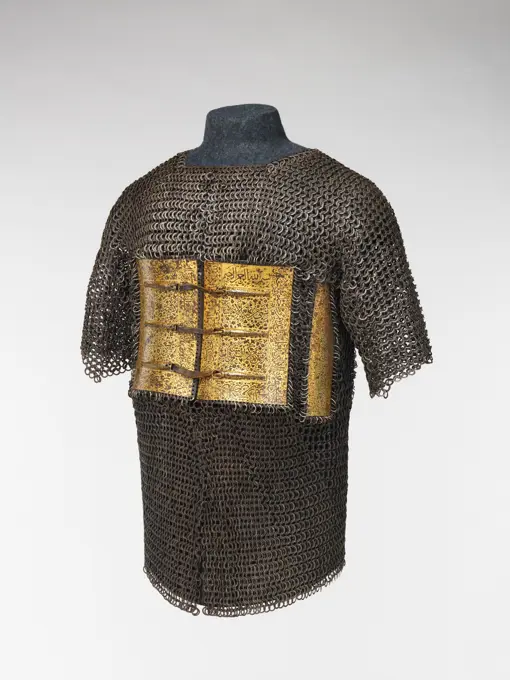
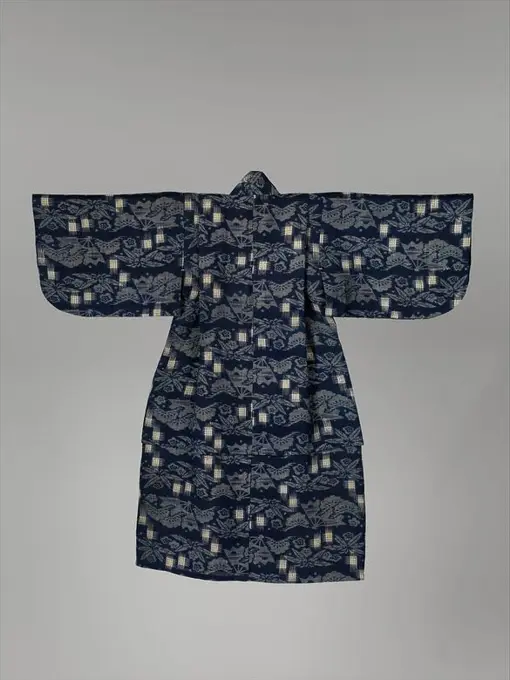
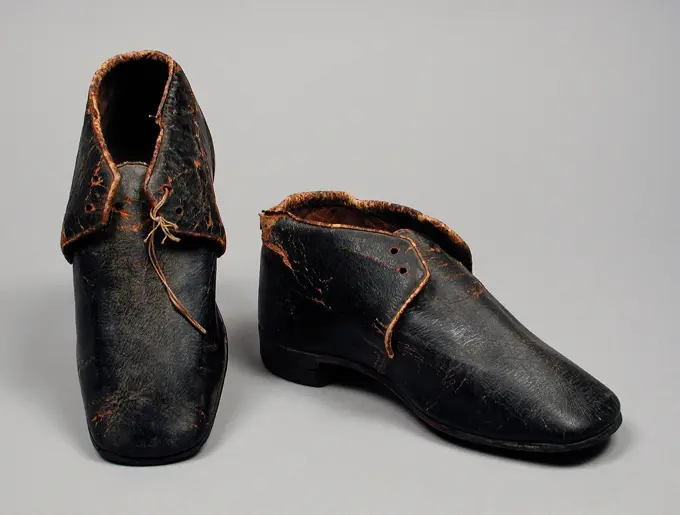
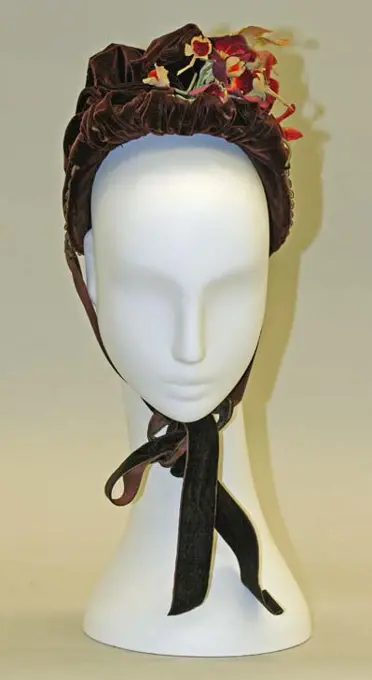
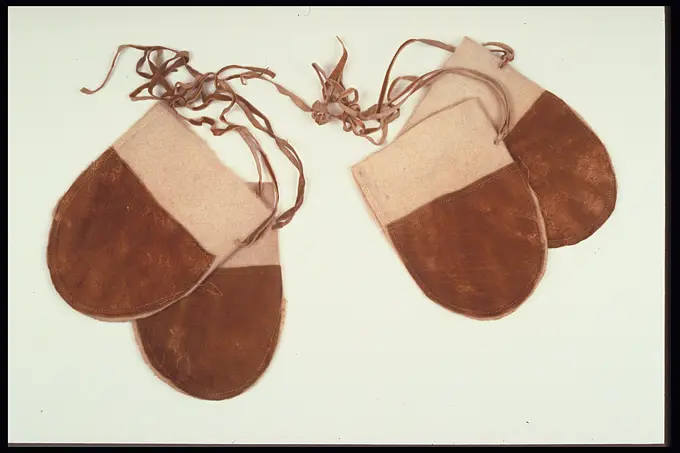
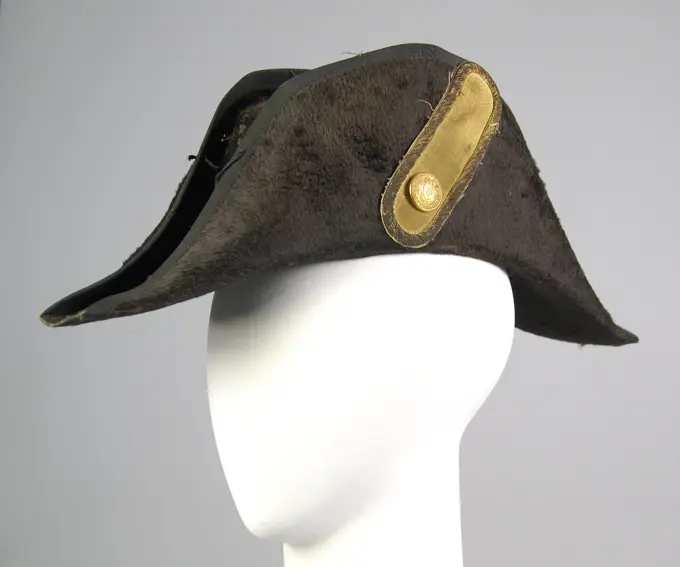
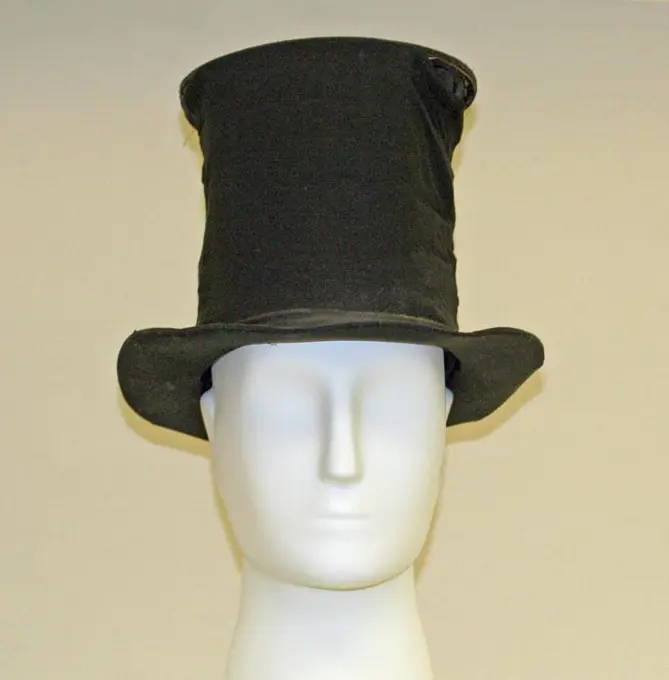
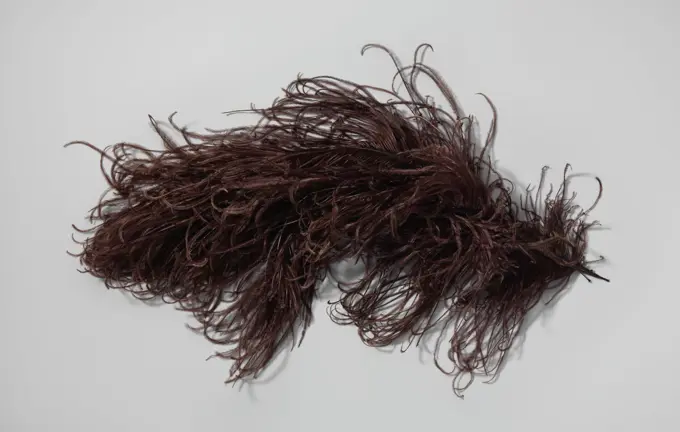
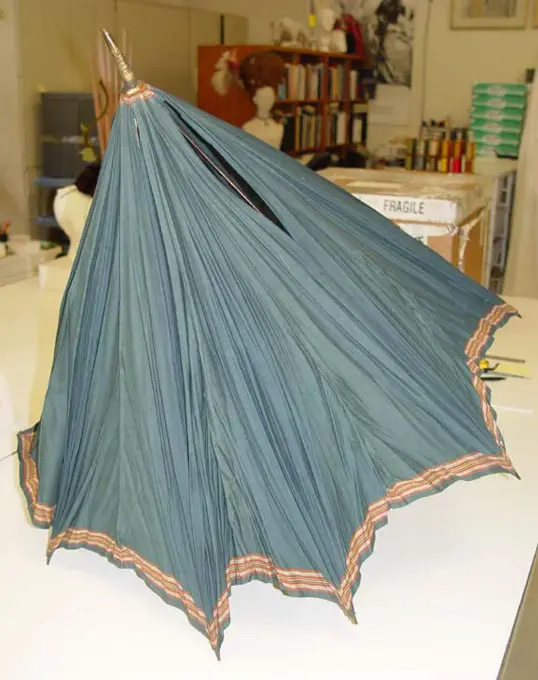
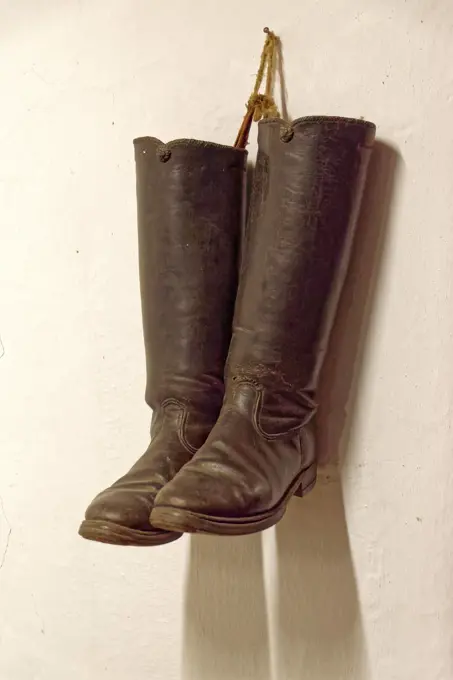
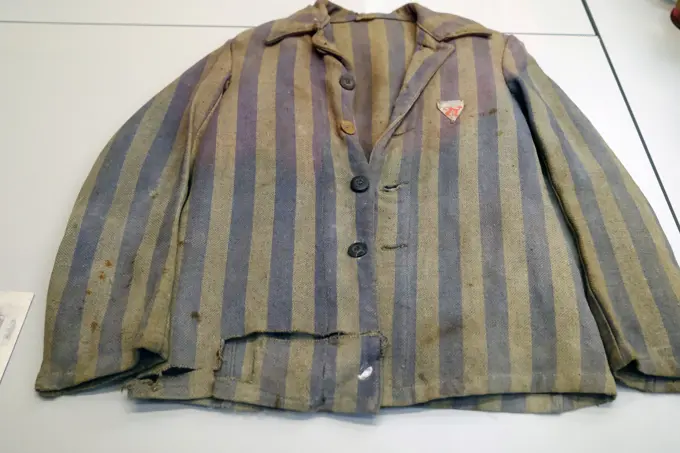
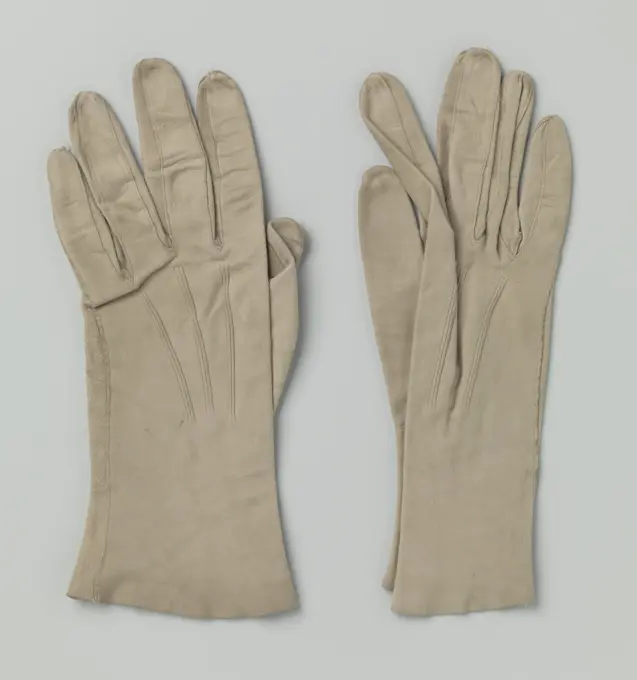
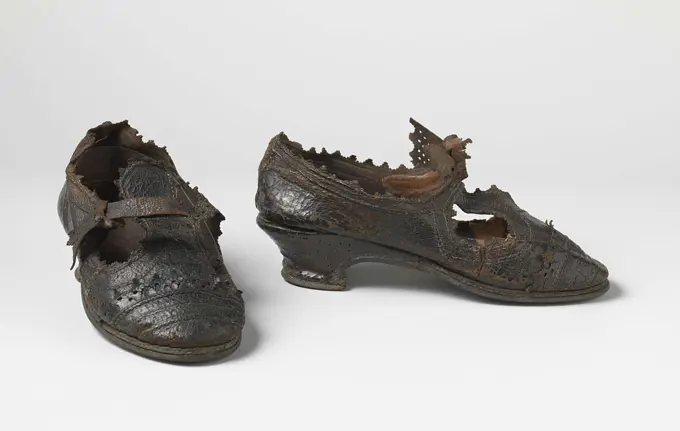
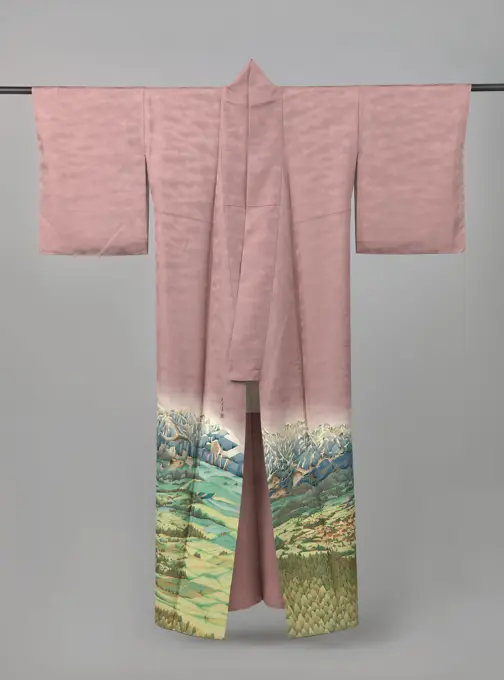
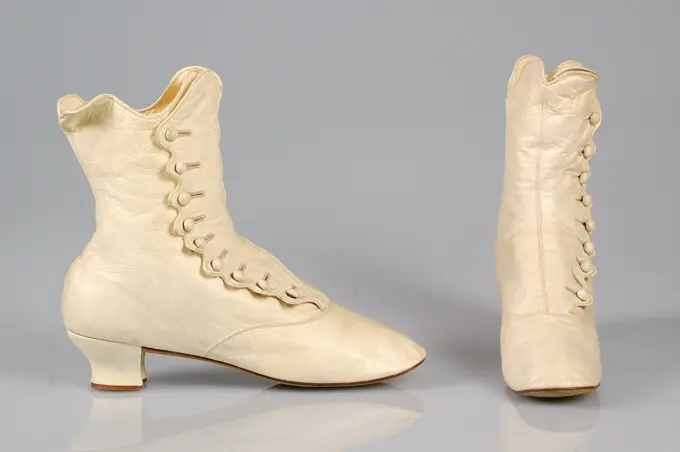
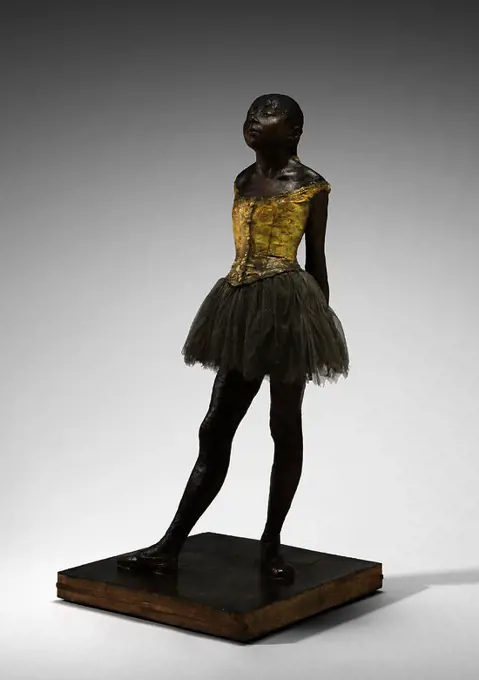
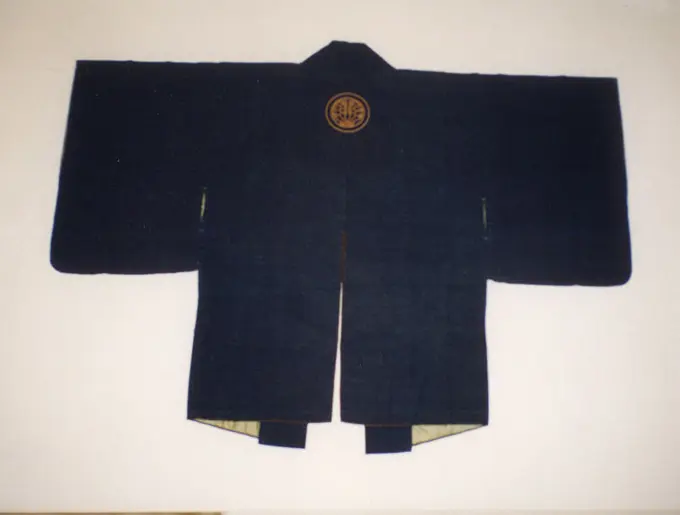
Cap 1864-65 American or European. Cap 113107Glove of light blue leather, c. 1900 - c. 1915 Right glove of light blue leather. Decorated on the back with three stitched thickened lines. West-Europa whole: Leather Right glove of light blue leather. Decorated on the back with three stitched thickened lines. West-Europa whole: LeatherKosode. Culture: Japan. Dimensions: 66 in. × 46 1/2 in. (167.6 × 118.1 cm). Date: 18th-19th century. Museum: Metropolitan Museum of Art, New York, USA.Mitenki;  19th/20th century (1890-00-00-1910-00-00);Wedding hat 1887 American. Wedding hat 169150Menning awarded to participants of the International Arts Congress in Paris, 1912, 1912 medal Elongated, bell -shaped medal with wearing wear. Front: sitting half -naked woman, whose right hand supports her head and who holds a flat object on her knees with her left hand. Painting utensils on her feet. With signature. Reverse: building including a laurel wreath with ribbon with inscription. Above and below building inscription. France metal striking (metalworking)  ParisEnsemble 1894 Flaven. Ensemble 106616Gloves early 19th century American or European. Gloves. American or European. early 19th century. leather, woolEvening gloves 1848 French. Evening gloves 170503Apron 1838 French. Apron 104380. Left handc shoe from brown suede and black leather. Lined with nylon lining.. Cap or 'Montero' of floral pink and silver silk brocade with two comforts, deposited with ostrich or mara farming. On label: "Boerenmuts worn in the Veluwe." Model: Globe consisting of four pattes (parts) and made up of a layer of thick, black painted and linen from a washbase from a washing layer above which creme-colored paper (there the brocade is beaten around), then indigoous wool felt and a black silk lining. The whole has been put together with coarse stitches of blue linen and brown rope. Decoration: In the middle of the globe a wooden knot wound with silver or gold thread around a silk core. Mid-rear rolled brown / black silk ribbon and brown / white linen band.Cap 1840-70 Slovak Similar to that of the wheat ear, the pomegranate motif is representative of fertility and growth due to the abundance of seeds produced from a single fruit. The vibrant embroidery of the Hron Valley region of Polokna, Slovakia is evident in this particularly lively cap.This object was collected by Stewart Culin (1858-1929) during a collection expedition in 1921. Culin was the Brooklyn Museum's first Curator of Ethnology, serving from 1903 to 1929. Possessing an insatiable curiosity and appetite for collecting objects of all kinds, Culin conducted over twenty worldwide collecting expeditions between 1901 and 1928. The trips covered American Indian territories, New England, Asia, India, Great Britain, and all of Eastern and Western Europe. The seven expeditions between 1917 and 1928 were specifically focused on collecting regional textiles and costumes from Eastern and Western Europe and, to a lesser extent, New England. Culin's goals for these trips were not just to pair of UndersleevesWalking boots 1855-65 American. Walking boots 169699Ties Ties Copyright: xZoonar.com/ZvonimirxAtleticx 2218902Shoes 18th century probably French. Shoes 105022Brisé Fan; tortoise shell sticks, ostrich feathersDrawers -Pelerine ca. 1860 French. Pelerine 168519Pair of gloves ca. 1600 British Portraits from the late sixteenth and early seventeenth centuries are replete with minutely detailed representations of garments and accessories decorated with emblematic motifs. The gauntlets of these gloves are embroidered with motifs which also appear on other objects made in the late Elizabethan eraa disembodied eye raining pale blue and silver tears, a colorful pansy flower, and a bright green parrot with pearls on its wings. The weeping eye is related to a contemporary emblem book, Henry Peacham's Minerva Britanna, or A Garden of Heroical Devises of 1612, though this motif was known as a symbol of unrequited love well before the publication of Peacham's book.The pansy, watered by the tears of the weeping eye, was a popular flower in the Elizabethan era. It was known to be a favorite of the queen herself and the pansy continued to appear in embroidery well into the seventeenth century.Despite the present fragile and somewhat degraded condition of tA pair of dirty used work gloves isolated on white backgroundFragment of a Chasuble (front) mid-15th century Italian This fragment together with another in the Lehman Collection (1975.1.1792B) form the front and back of a chasuble (a liturgical garment used during the celebration of the Mass). The dark green silk velvet of these chasuble fragments is patterned in al allover stepped repeat of a symmetrically placed five-lobed shield filled with a stylized plant reminiscent of a pomegranate. The shield is surmounted by a smaller stylized blossom on a branch with a triple knotting device. Two copes in the Robert Lehman Collection (1975.1.1843, 1975.1.1840) are made of cut and voided velevt in a nearly identical pattern.. Fragment of a Chasuble (front). Italian. mid-15th century. Velvet. Textiles-VelvetsShirt of Mail and Plate of Emperor Shah Jahan (reigned 1624-58) dated A.H. 1042/A.D. 1632-33 Indian This shirt ranks as one of the most beautiful surviving Mughal armors and is among the earliest dated examples. The armor plates are covered in two-color gold and incised through to the dark iron with Qur'anic inscriptions in elegant calligraphy entwined with delicate foliage. An engraved inscription inside one of the plates identifies this armor as a gift from Saif Khan, a high-ranking Mughal prince and military official at the court of the Mughal emperor Shah Jahan (reigned 1624-58). Additional inscriptions inside the plates record valuations assigned to the armor in the later years of Shah Jahan's rule, suggesting that the armor had belonged to the emperor.The decorated plates are fitted into a sturdy shirt of thick double-riveted mail of earlier date, possibly the fifteenth century. Each ring is stamped on one side with several of the ninety-nine names of God. The multiple religious Galoshes. Culture: probably Central American. Date: 1820-39.Between 1820 and 1850, the introduction of rubber to the European and American markets and development of the rubber shoe industry effected the gradual replacement of pattens and clogs by galoshes. Made in Central or South America for the Western market prior to the development of the vulcanization process in the late 1830s, the earliest type of galoshes, like these from the collection, would become soft and gummy in hot weather and hard and brittle in the cold. Sometimes plain, this pair is stamped with elaborate foliate motif and has the additional option of a leather sole for increased durability and utility. Museum: Metropolitan Museum of Art, New York, USA.Glove of white cotton, c. 1785 - c. 1815 Right glove of white knitted cotton, men's model. Netherlands whole: Cotton (textile) knitting Right glove of white knitted cotton, men's model. Netherlands whole: Cotton (textile) knittingOstrich, black, held together by two pieces of black RipSlint.Ostrich, Black, Held Together at the Rear by Two Pieces of Black Ripping Ribbon.Bruidsschoen plat model met enkelband en dunne witte zijden linten van crème satijn, versierd met een kleine witte satijnen strik.Bridal shoe from cream satin. Flat model with anklets. Cover sheet with truncated nose. Rear leaf closed, one piece. Opening with a sledlochje finished and with a plug cord. Flat chopless sole, without left / right difference, nosed in middle and round heel. Thin white silk ribbons to turn crosslings to wind the lower leg. From the front a minimal small bow from white satin ribbon. Behave in 1835 by Barones H.A.F. Van Slingelandt (see map).Bliżej Kultury unknownChild's Kimono with Pine, Bamboo, Plum Blossoms, and Fans. Culture: Japan. Dimensions: Overall: 31 x 33 in. (78.7 x 83.8 cm). Date: late 19th-early 20th century.The waist and shoulder on a child's kimono have tucks (extra fabric) that can be let out as a child grows. This kimono could be enlarged nearly fifteen inches in length and over four inches in width and was thus able to accommodate several years of growth. Pine, bamboo, and plum blossoms often occur together as a trio of congratulatory motifs. The fan is also auspicious because its shape--widening at one end--signifies increase or growth. Museum: Metropolitan Museum of Art, New York, USA.Womans hatDalmatics of gold brocade with flower pattern, so -called "bizarre" design, c. 1706 - c. 1707 Dalmatics of gold brocade with flower pattern, so -called. "Bizarre" design. France (possibly) textile materials Dalmatics of gold brocade with flower pattern, so -called. "Bizarre" design. France (possibly) textile materialsHunting hat unknownBoy's Shoes. United States, circa 1860. Costumes; Accessories. LeatherBliżej Kultury unknownShirt -Slippers 1785-95 British. Slippers 98231Hat 1880s American. Hat 113073Hat 1870s American. Hat 116551Train railVase with ladies and boys late 18th-19th century China. Vase with ladies and boys 45909Strip of green silk with buttonholes., Anonymous, c. 1700 - c. 1800 Strip of green silk with buttonholes. A strip of white linen is sewn on the strip. The strip has a linen lining. Netherlands (possibly) silk. linen (material) Strip of green silk with buttonholes. A strip of white linen is sewn on the strip. The strip has a linen lining. Netherlands (possibly) silk. linen (material)Stocky of gray rayon jersey with latch Ajour knitted in vertical stripes, plain above the calf, anonymous, c. 1945 - c. 1955 Kous from Gray Rayon Tricot with a latch Ajour knitted in vertical stripes, overflowing in a job with a fantasy pattern, halfway through the leg, above which plain. Narrow board, beaten in. Inside on a label 'C.C.' and 'mm'. Netherlands whole: district knitting Kous from Gray Rayon Tricot with a latch Ajour knitted in vertical stripes, overflowing in a job with a fantasy pattern, halfway through the leg, above which plain. Narrow board, beaten in. Inside on a label 'C.C.' and 'mm'. Netherlands whole: district knittingMitten liner -Bonnet. Culture: American. Date: ca. 1870.High-style verticality and luxurious material are blended with witty detailing in this fetching winter bonnet. The whimsical mink head ornament with upright tails evokes the playful and impish charm of the mischievous animal. Family history records that this hat was worn by the wife of Joseph Wechsler, a partner of the firm Wechsler and Abraham, predecessor to the great Brooklyn retailer Abraham & Straus. Museum: Metropolitan Museum of Art, New York, USA.Part of a skirt third quarter 19th century possibly French. Part of a skirt 226549Military bicorne 1875-80 Bent & Bush. Military bicorne 173613Opera hat British 1848-49Ostrich, eggplant of color, anonymous, c. 1895 - c. 1915 Ostrich, eggplant of color. West-Europa . painting Ostrich, eggplant of color. West-Europa . paintingDetail of hanging blue fleece fabric against black backgroundCerveliere (Cap Worn Under Mail). Culture: possibly German. Date: 15th century. Museum: Metropolitan Museum of Art, New York, USA.Cap 1863-65 probably American. Cap 116705Left glove of dark brown leather, aris, c. 1900 - c. 1915 Left glove made of dark brown leather. France whole: Leather Left glove made of dark brown leather. France whole: LeatherWedding slippers ca. 1875 possibly American. Wedding slippers 169235Army water canteen isolated on a white backgroundUmbrella early 19th century British. Umbrella 98236Pair of Leggings for Bound Feet, mid to late 19th century, 11 1/4 x 7 3/8 x 1/4 in. (28.6 x 18.7 x 0.6 cm) (each), Silk, China, 19th centurysanta claus isolated on whiteOld Black Leather Boots 1033902748Muff bag made of dark brown lapin fur and satin ribbons, metal clasp and frame with circle handle, fashion accessories, Italy, late 19th century.Surcoat (Jinbaori) late 18th-19th century Japanese A high-ranking samurai would have worn a jinbaori over his armor for protection against the elements and as a display of his status and his mon (family crest). This example shows on the back a triple tomoe crest enclosed within a lozenge (hishi) and on top of the vent a shishigami (also referred to as shigami), the angry face of a lion symbolizing the animal's strength and bravery and protecting against evil.. Surcoat (Jinbaori) 22130Regensburg Museum of History. Jewish deportee clothing.  Regensburg. Germany.Shoes. Culture: American. Date: ca. 1859. Museum: Metropolitan Museum of Art, New York, USA.Aryballos in the form of a foot ca. 400 B.C. Greek, Attic Vase in the form a right foot.. Aryballos in the form of a foot. Greek, Attic. ca. 400 B.C.. Terracotta. Classical. VasesSmall fragment of drinking glass with fine ribs, clear glass, goblet drinking glass drinking utensils tableware holder soil find glass, blown into molded wall fragment. Drinking glass tapered. Fine vertical ribs archeology Valckensteyn Poortugaal Albrandswaard indigenous glassware import drinking beer wine serving Soil discovery: Kasteel Valckensteyn Poortugaal.Glove in liver -colored chamois leather, anonymous, c. 1926 - c. 1950 Left glove in liver -colored chamois leather. Three radiating cords on the back. West-Europa whole: Chamois (Animal Material) Left glove in liver -colored chamois leather. Three radiating cords on the back. West-Europa whole: Chamois (Animal Material)Pair of overshoes, anonymous, c. 1819 - c. 1840  Caoutchouc shoes or nature rubber, with bred decoration of flowers and leaves. Research by the ICN (written announcement Thea van Oostveen, 4-8-1998) shows that the shoes are made of nature rubber. There is a very small amount of sulfur in the rubber that indicates that Ubber is very little vulcanized. The rubber became harder, but because virtually nothing has been added, these shoes were very elastic. They have been affected by oxygen over the years. According to tradition one of the first pairs of overshoes and given the elasticity of the material this could very well. England (possibly) whole: rubber (material) scoringSilver wire tres band with tassels at the ends. Silver wire tres band with tassels at the ends. Belonging to jacket (C-1).Collar 1700-1945 American or European. Collar 119272Tobacco pouchU.S.A., California, San Diego Bazaar del Mundo, Old Town Embroidered purse of traditional Mexican danceChoga late 19th century. Choga 86176Hat. Culture: French. Date: ca. 1811. Museum: Metropolitan Museum of Art, New York, USA.Shoe of black leather, probably so-called clapper. The sole expires from narrow, at the heel, to a wide forefoot, round nose. The low plates ends in a valve, over which a belt is closed. No difference between left and rightcoat of different colors on a hangerHomongi with mountain landscape, 1980 - 2000 Semi-formal women's kimono for visitors (homongi), with a decoration of a landscape scene with countless houses, fields and mountains; Probably seen the Alps from Bavaria. Pink fine crepe silk (kinsha) with a damask woven (rinzu) decoration of cloud motifs and a painted yuzen decoration, detailing and the white lines completely covered with gold color and further detailing in pearl nut. Signature and seal Maker 'Taizo', added name Yoko. White silk lining. Only family crest (Mon) of Komma Motives (Tomoe). Set with AK-RAK-2009-3-118-B. Japan silk painting Semi-formal women's kimono for visitors (homongi), with a decoration of a landscape scene with countless houses, fields and mountains; Probably seen the Alps from Bavaria. Pink fine crepe silk (kinsha) with a damask woven (rinzu) decoration of cloud motifs and a painted yuzen decoration, detailing and the white lines completely covered with gold color and further detailing in pearl nut. SignaHat late 19th century American. Hat 113058Child's hat, 19th century, 8 3/4 in. (22.2 cm) (diameter), Satin, China, 19th centuryGlove from white cotton. Right glove from white cotton.Gloves early 19th century American or European. Gloves 98321Paper bag , Easter bag packagingOrnate masks isolated on the white backgroundNobleman Mi Nia (Meissen)Latvian national partisans. Stanislau Urbans partisan hat. Occupation Museum of Latvia. Riga.Muiltje van Faïence, Anonymous, c. 1750 - c. 1780 Mile of Faïence. Multicolored painted with flowers. Delft . Mile of Faïence. Multicolored painted with flowers. Delft .Degenbandelier of wide, blue, edited silk tire with wood rope closure, anonymous, c. 1740 - c. 1770 Degenbandelier of wide, blue, edited silk tire with wood-string closure. Part of costume. Netherlands (possibly) silk Degenbandelier of wide, blue, edited silk tire with wood-string closure. Part of costume. Netherlands (possibly) silkWoman's Wedding Shoe late 19th-early 20th century China. Woman's Wedding Shoe 69854Tabs from a Tie orSash.  Artist: UnknownNanjing,Jiangsu,ChinaFROPLE;  19th century (1801-00-00-1900-00-00);Bag, Medium: silk, birch bark, grass stems Technique: painted silk plain weave; birch bark embroidered with stem, satin and knot stitches using dyed grass stems, White silk bag with a panel of birch bark applied to one side, embroidered with a garland of flowers. The other side embroidered with a female figure churning butter, USA, 1800-1850, costume & accessories, BagBoots ca. 1875 American. Boots 168629horse headpiece, 16th century, Álava Armory Museum, Vitoria, Basque Country, Spain.Little Dancer Aged Fourteen. Dated: 1878-1881. Dimensions: overall without base: 98.9 x 34.7 x 35.2 cm (38 15/16 x 13 11/16 x 13 7/8 in) weight: 49 lb. (22.226 kg). Medium: pigmented beeswax, clay, metal armature, rope, paintbrushes, human hair, silk and linen ribbon, cotton faille bodice, cotton and silk tutu, linen slippers, on wooden base. Museum: National Gallery of Art, Washington DC. Author: EDGAR DEGAS.Knee pants, brown, with valve closure and two side pockets, anonymous, c. 1740 - c. 1760  Knee pants, brown, with valve closure and two side pockets. Woven in solid/flat binding with eleven Z-slipped chain wires and nine Z-slipped impact wires per centimeter. Corresponding an iron pin.  wool   Spitsbergen. Zeeuwsche UytkyckFireman's jacket, plastron and sash 19th century Japan In the course of the Edo period, the commoners' fire brigades took on more and more of the responsibility and expense of fighting the fires that all too often turned Edo into an inferno. The samurai firefighters' focus was to protect Edo castle.This costume is made from a blend of cotton and wool. Wool was expensive and not commonly worn in Japan before the Meiji period (1868-1912); however, it can be seen in both battle jackets (jinbaori) and firefighting garments, including capelike hoods, for high-ranking samurai of the Edo period. Wool has self-extinguishing properties that help to protect the wearer from stray sparks and make it a good choice for firefighters' clothing.The crest (mon) seen here incorporates the Japanese ginger plant (myoga), as did the mon of more than seventy families during the Edo period. The particular family to which this version of the myoga crest belongs has not been identified.. Fireman's jacket, plastSash, anonymous, c. 1798 ribbon (material) Donker -colored ribbon with frills of gilded silver and a wavy line of gilded silver thread along the edges. In the middle embroidered with gilded silver thread the inscription representative. The ribbon is made of a layer of velor or velvet that is mounted on a layer of linen with a molton lining. The velor is strongly worn out and only the ground tissue is left. Traces of the velvet are still visible along the letters. The original color of the ribbon may have been dark brown or black. Netherlands velvet (fabric weave). silk. silver thread. gilding (material). linen (material). embroidering