Historical Clothing and Accessories

A collection of vintage garments including capes, veils, and coats, showcasing intricate embroidery and diverse cultural influences in soft colors.

Shawl;  1. PO. 19th century (1801-00-00-1850-00-00);
Shawl; 1. PO. 19th century (1801-00-00-1850-00-00);
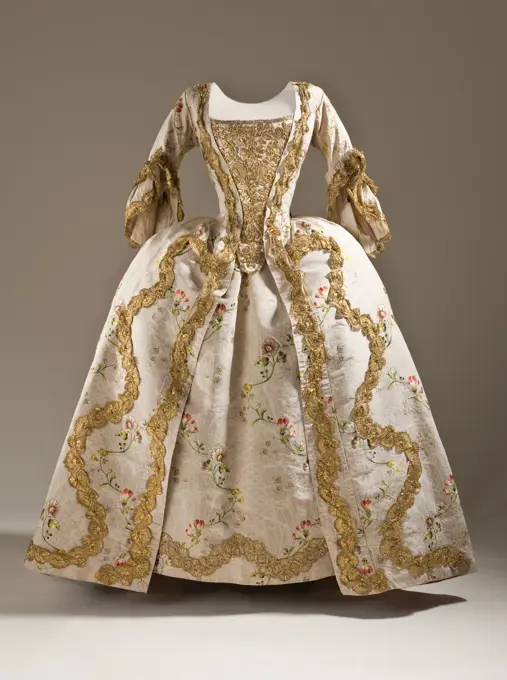
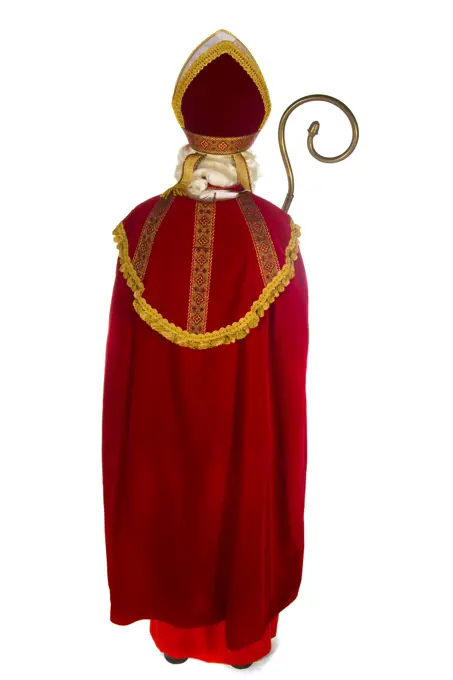
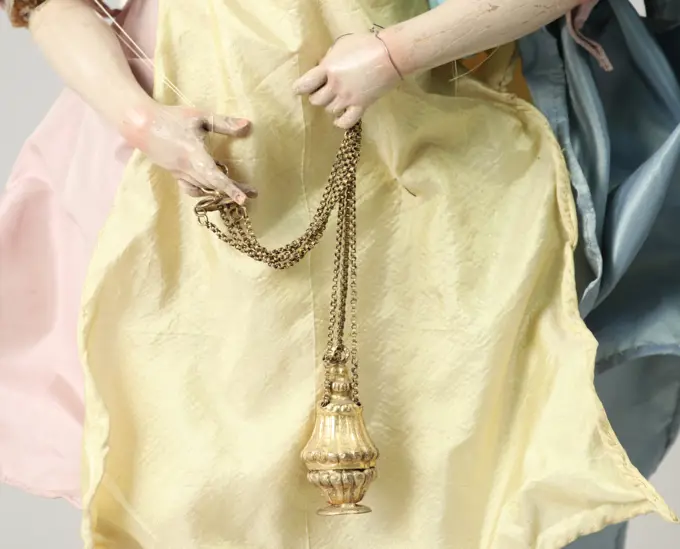
Parasol ca. 1880 American The most prevalent type of parasol in the Brooklyn Museum Costume Collection is light colored taffeta overlaid with black lace. The parasol seen here is set apart from the rest by the charming configuration of the handle. Very unique, the ivory horse's hoof is complete with studs at the bottom.. Parasol 157895Bliżej Kultury unknownPair of Mail Sleeves. European. Date: 1550-1600. Dimensions: . Steel. Origin: . Museum: The Chicago Art Institute, Chicago, USA.Carnival mask, bear noseWoman's Dress (Robe à la française and Petticoat). France or England, 1760-1765. Costumes; ensembles. Silk plain weave (faille) with silk and metallic-thread supplementary-weft patterning and metallic-thread laceEnsemble 1880-89 American. Ensemble 174454Cap 1861-65 American. Cap 112701Doll  a standing boy with a kite unknownBliżej Kultury unknownBack from Sinterklaas Back side from Dutch Sinterklaas isolated over white ,model released, Symbolfoto Copyright: xZoonar.com/IvonnexWierinkx 7226956 ,model released, Symbolfoto ,property releasedMali, Timbuktu. A beautifully decorated leather purse hangs round the neck of a Tuareg man.Traditional Japanese female doll. Isolated Traditional Japanese female doll. Isolated Copyright: xZoonar.com/NataliexHaninx 19617182Diversity concept with arab on whiteShadow Puppet Head, 20th century, 5 in. (12.7 cm), China, 20th centuryHat 1870-74 American. Hat 116817Old Russian Traditional Folk Doll Old Russian traditional folk doll on a studio background Copyright: xZoonar.com/AndreyxSkatx 9861157Fireman's short coat (hikeshi-banten) for a volunteer, late 19th-early 20th century, Unknown Japanese, 51 × 49 1/4 in. (129.54 × 125.1 cm), Cloth: cotton; sashiko (decorative reinforcement stitching), Japan, 19th-20th centuryClose up of ornately embroidered red and white Mexican sombrero hatBliżej Kultury unknownCenser second half 18th century Italian, Naples In 1964, Loretta Hines Howard generously presented to the Museum over 140 Neapolitan crèche figures, dating from the second half of the eighteenth century. The varied assortment includes figures from the three traditional scenes of a complete Neapolitan presepio: the Nativity, with angels, shepherds, and sheep; the procession of the three Magi, with their colorful retinue of attendants; and the varied and gay crowd of country and town people thronging the tavern, or inn, of Bethlehem  the diversorium mentioned by St. Luke, where on the Holy Night there was no place for Mary and Joseph. Averaging between twelve and fifteen inches in height, according to the position they were to take in perspective in the stage set, the figures are pliable and can be given poses at will, according to their facial expressions. Their bodies are made of tow and wire, their arms and legs are finely carved of wood, and their heads and shoulders are modeled of