Historical Clothing and Accessories

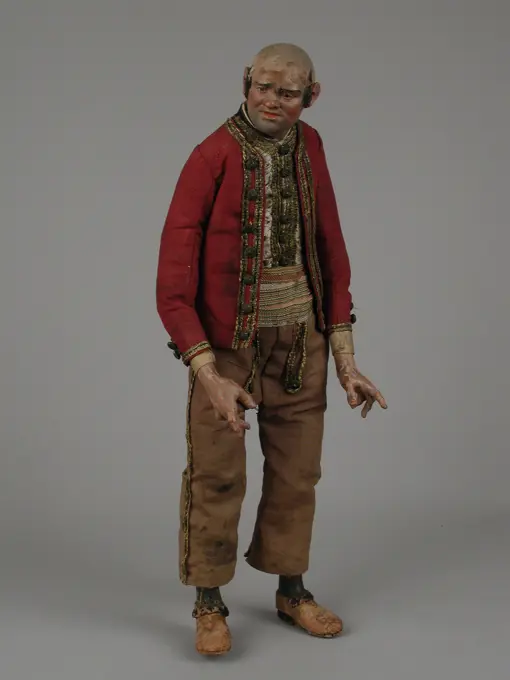
Artifacts including a vintage doll, knitted hat, court train, and antique shoes, highlighting historical fashion styles and materials.

Knitted hat of white cotton with a spray pattern and jersey stitch with cover with ajour and zigzag edge; marked in pink cross stitch: VG6, Anonymous, c. 1840 - c. 1850 Three white cotton babymuts. Netherlands cotton (textile) knitting Three white cotton babymuts. Netherlands cotton (textile) knitting
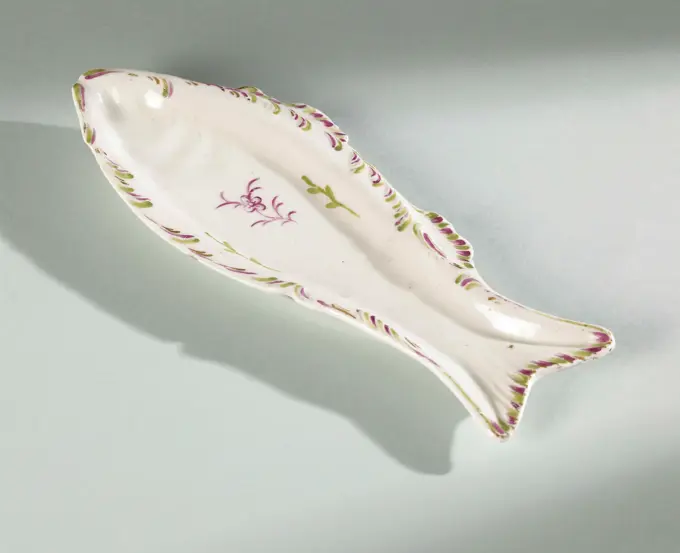
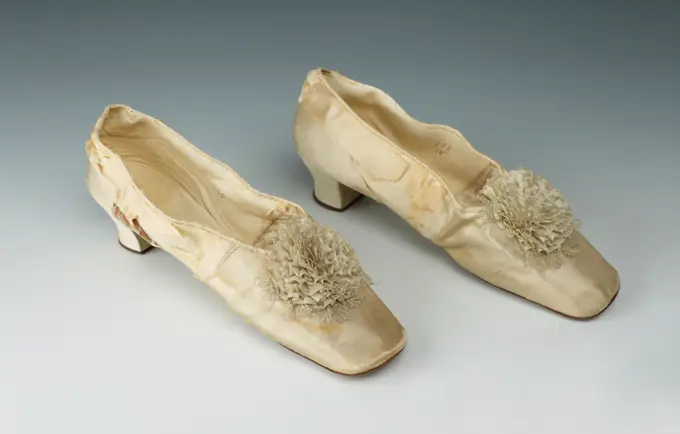
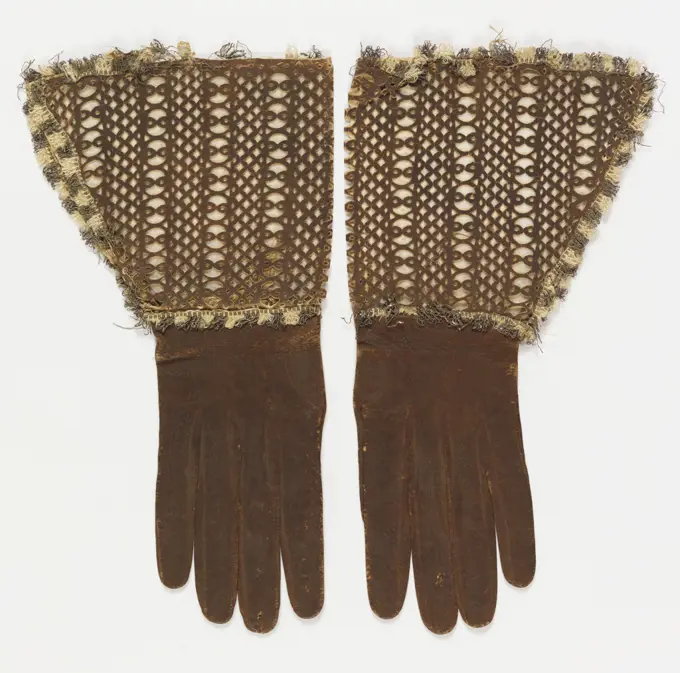
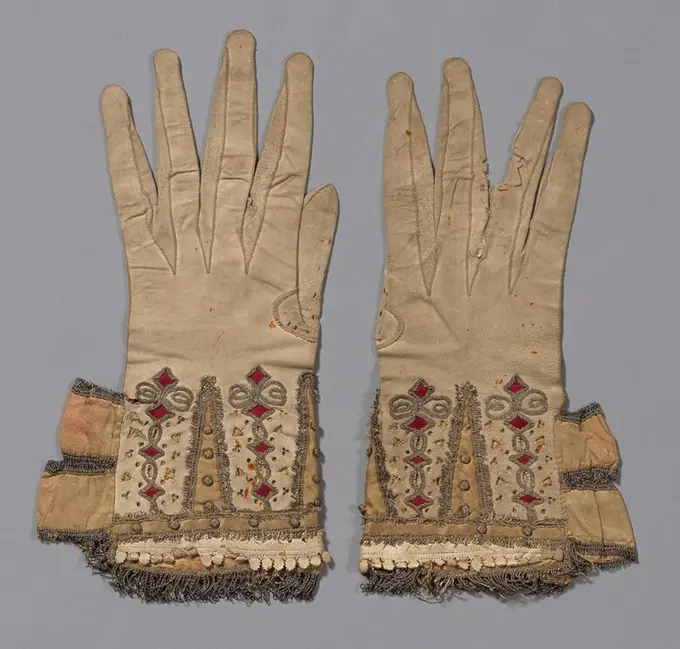
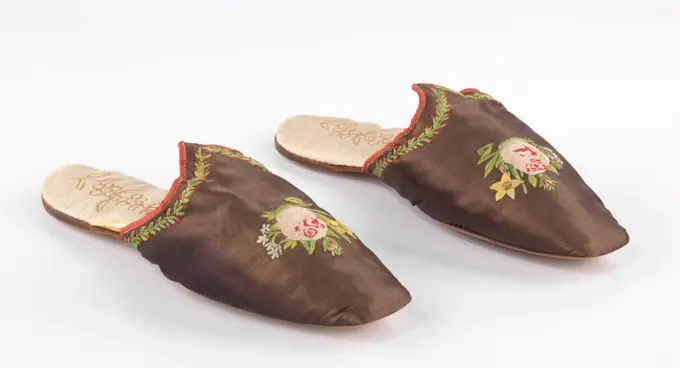
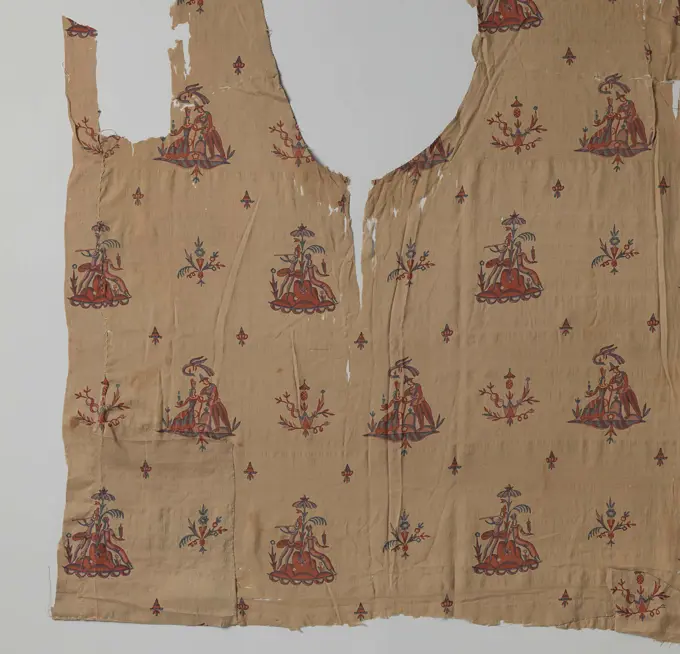
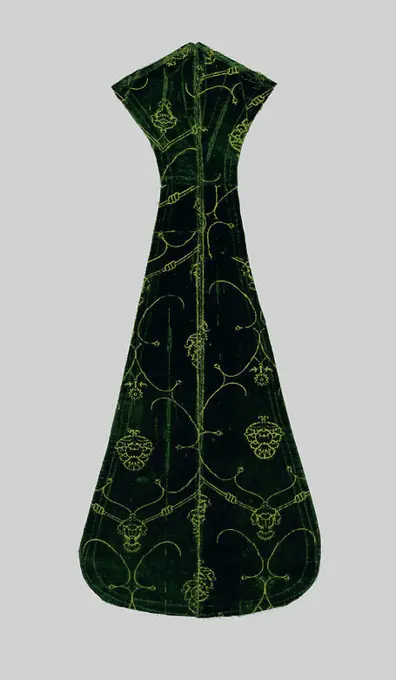
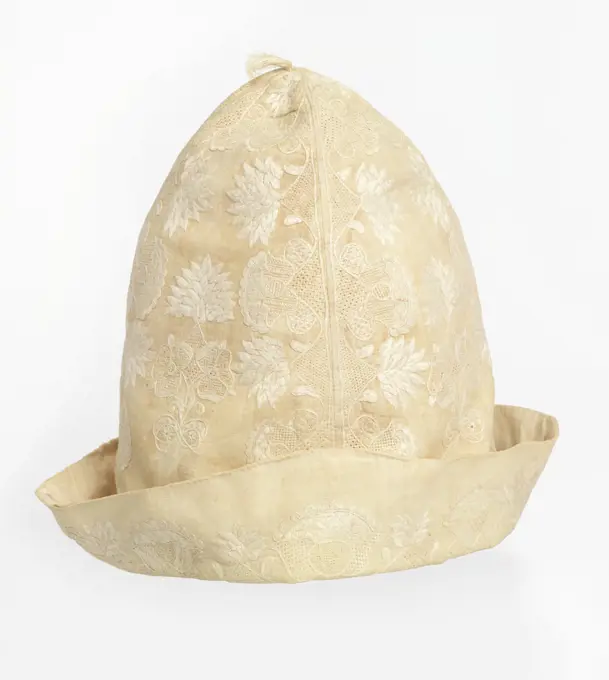
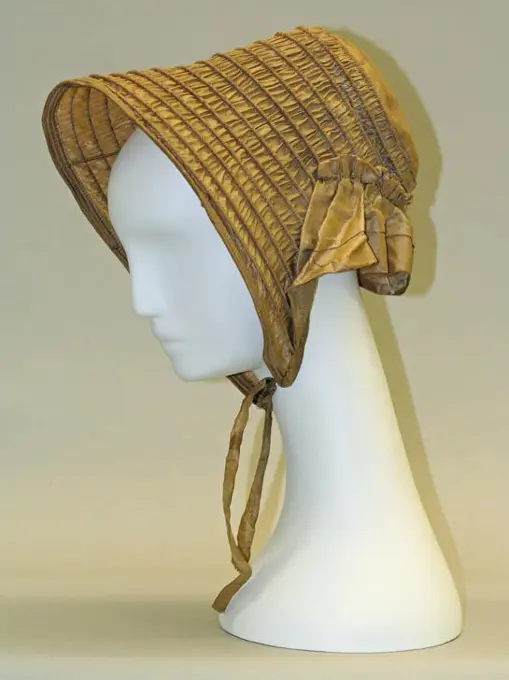
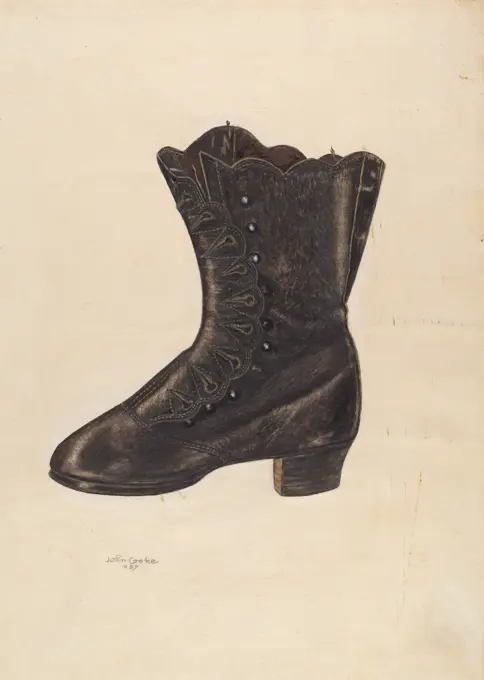
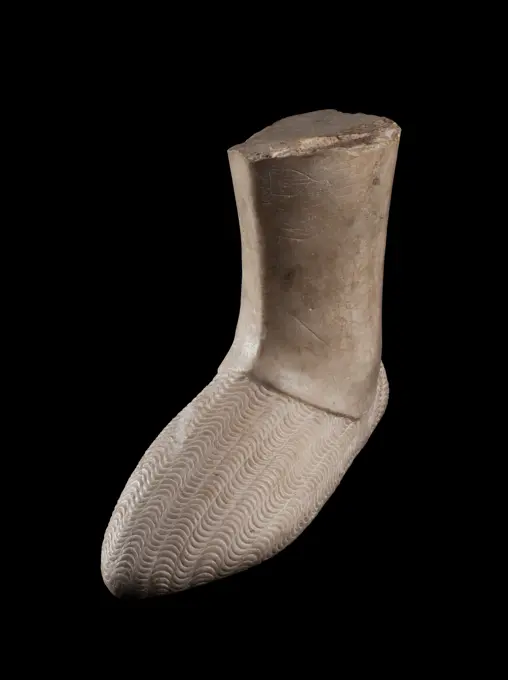
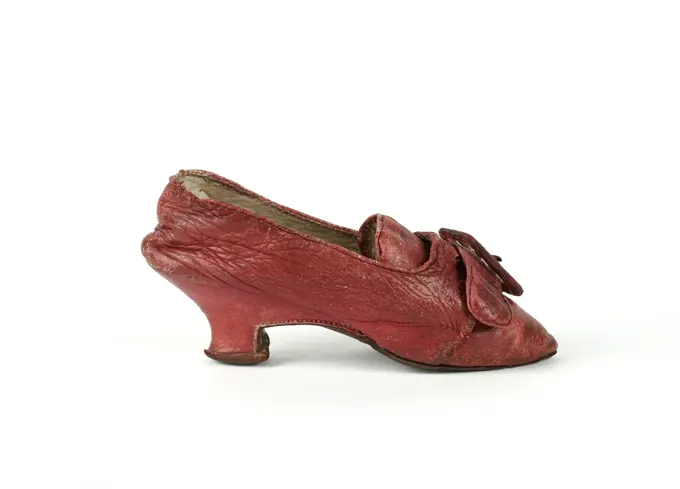
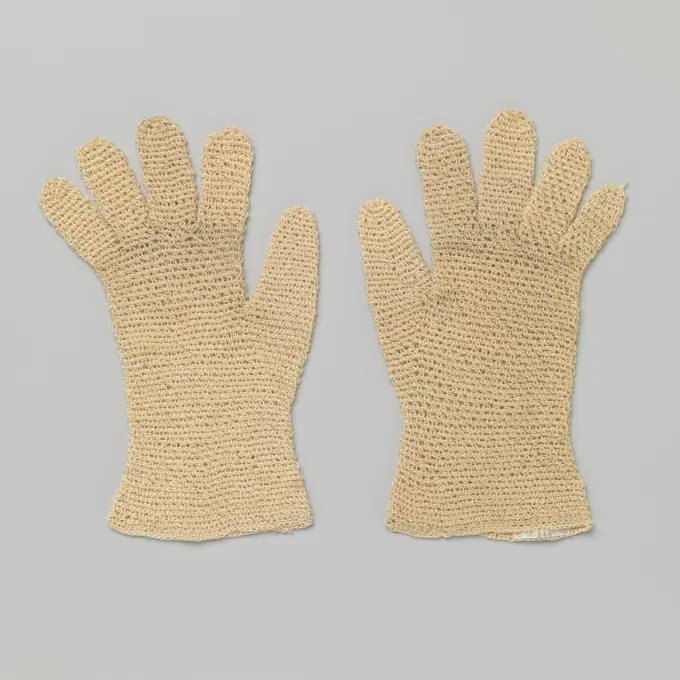
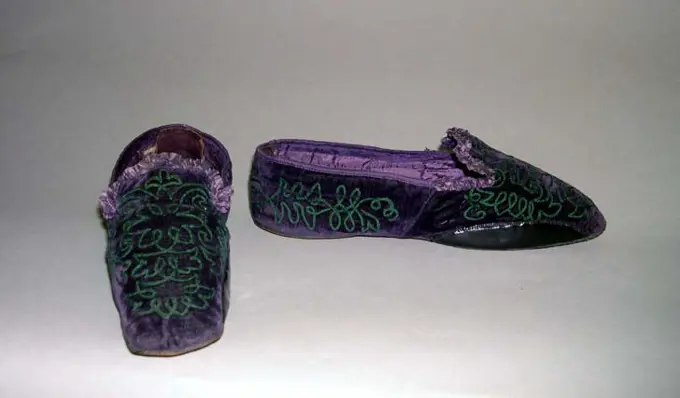
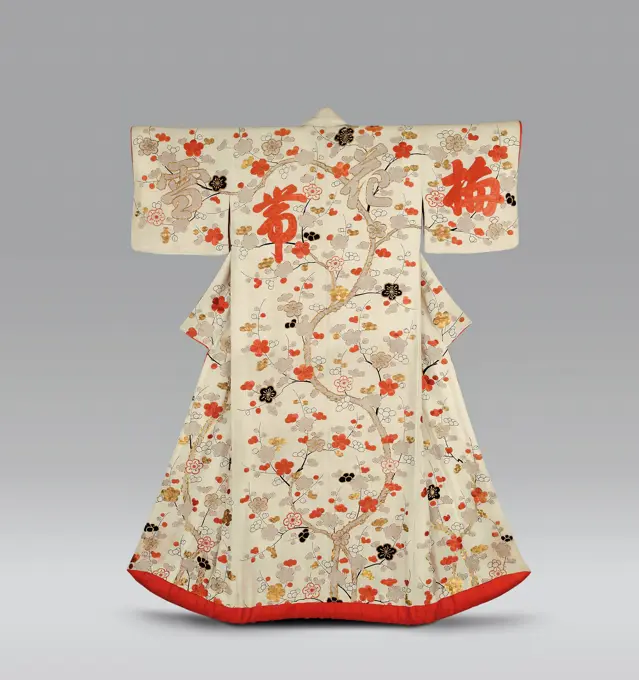
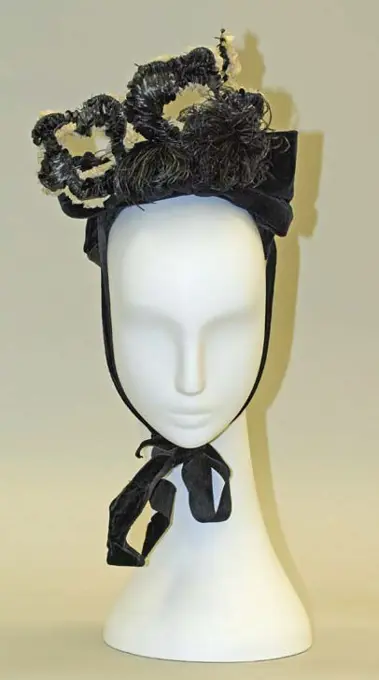
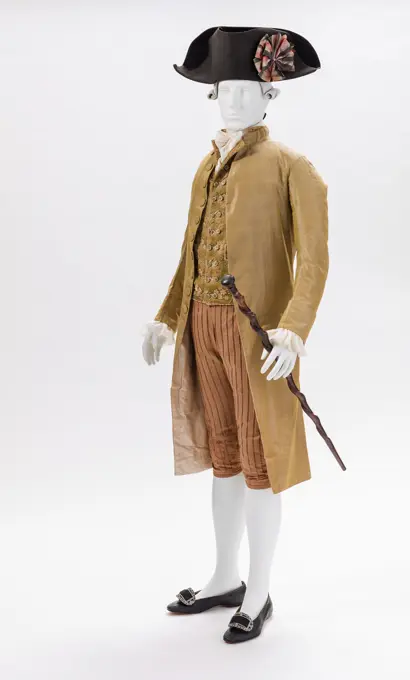
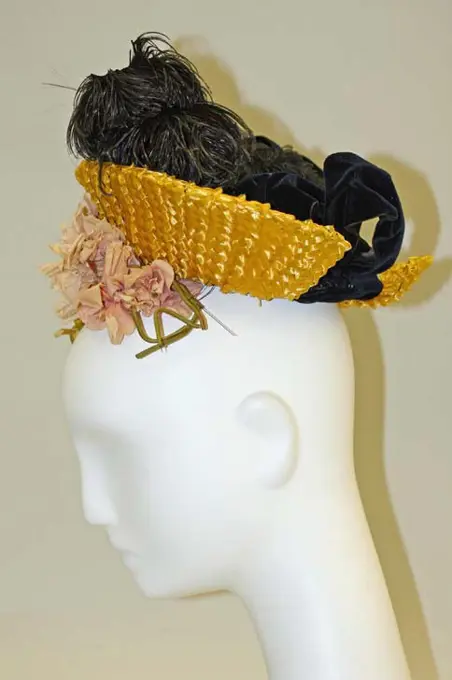
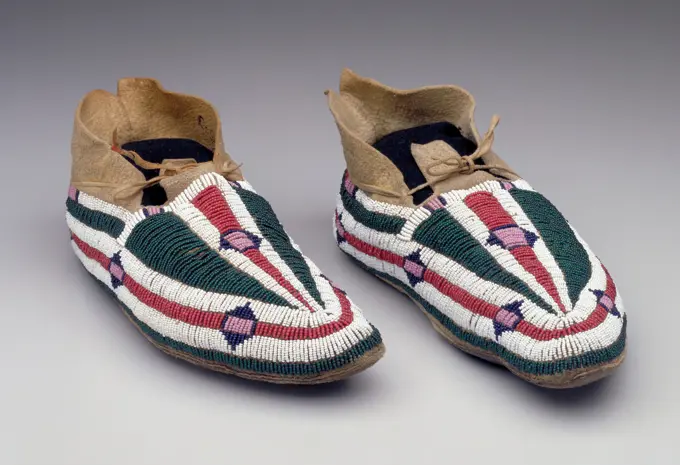
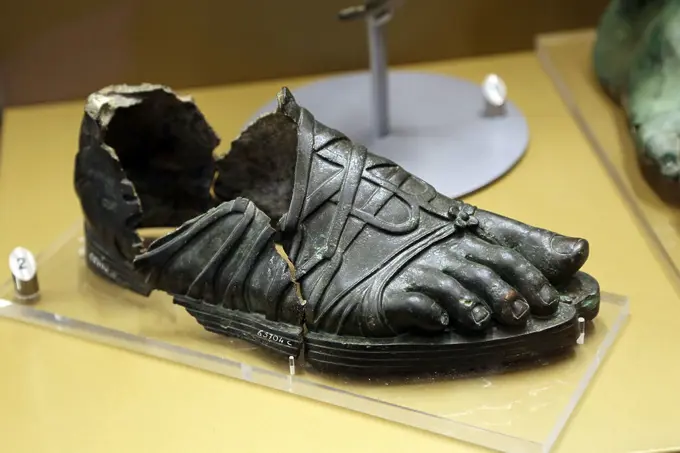
Kindernachtjapon of white cotton, trimmed along the short sleeve and neck with an openwork edge; marked in pink cross stitch: DCM9., Anonymous, 1890 - 1900  Netherlands cotton (textile)  Netherlands cotton (textile)Ensemble ca. 1865 probably American. Ensemble 106152. Right glove from white leather. Closure with copper snap button decorated with rhombus and dots. Decorated with three stitched lines on the back.Hookah Base in the Form of a Yaks Horn. Pakistan, Gilgit-Baltistan, Skardu, circa 1775-1800. Tools and Equipment; hookahs. Iron with openwork brass and copper mounts. Herring shell of porcelain. In the form of a fish, with seed beads embossed along the edges. The yellow-white porcelain has a border decoration in beet red, green and gold and on the flat sprigs in green or beet red.Loop with chain.A pair of slippers Unknown, Hanicki Jan Nepomucen near Górala ul. Florja Ska 500Pair of Shoes. England. Date: 1720-1749. Dimensions: . Silk, compound weave, with buckles and guimpe. Origin: England. Museum: The Chicago Art Institute, Chicago, USA.Shoe made of black leather low model with double plug, c. 1750 - c. 1780 Shoe of black leather. Model with lighter pointed nose, heirs and low heel. The shoe is made up of three blades: a front piece and a heel piece from two parts, with the buckle straps sewn with a angular spanner on the heel. The heel is entirely of leather. The shoe is partially lined with white chamois leather. North Netherlands whole: Leather. buckle: Metal Shoe of black leather. Model with lighter pointed nose, heirs and low heel. The shoe is made up of three blades: a front piece and a heel piece from two parts, with the buckle straps sewn with a angular spanner on the heel. The heel is entirely of leather. The shoe is partially lined with white chamois leather. North Netherlands whole: Leather. buckle: MetalWilliam Frank, Baby's Shoe, c 1937 Baby's ShoeBoot Prince Willem V. Baars (right boot) of fittings, with silver galon and fat gates. White leather laces. According to tradition worn by Prince Willem V.Gloves, Medium: leather, silk, metallic thread, Leather gloves with gauntlet cuffs of cut leather in a lace-like pattern. Lined with brown silk and edged with fringe., Italy, 17th century, costume & accessories, GlovesWooden hands prayingA pair of children's slippers unknownRobe 19th century. Robe 86241Boot -Pair of Gloves. England. Date: 1601-1650. Dimensions: a: 30 × 14.6 cm (11 3/4 × 5 3/4 in.)b: 28 × 14.2 cm (11 × 5 5/8 in.). Leather, cut, pricked and slashed; silk satin appliqué; gilt-metal-strip-wrapped silk couching; gilt-metal-strip-wrapped silk woven fringe; balls covered with gilt-metal-wrapped-silk; ribbons of silk, plain weave edged with gilt-metal-strip-wrapped silk woven fringe; lining: silk, plain weave; interlining: linen, plain weave. Origin: England. Museum: The Chicago Art Institute, Chicago, USA.Skeleton suit ca. 1795-1805 British. Skeleton suit 84398Slippers 1835-49 American Throughout the Victorian era, middle and upper class women were expected to exhibit their domestic and needleworking skills in the making of useful and attractive items. In a style typical of the period, these slippers include and appealing garland border and bouquet design, probably embroidered by family member of the man who wore them. The maker has taken special care to execute the central floral pattern in mirror image. The embroidered pieces were then taken to a professional cobbler to be made up into finished shoes.. Slippers 157856Fragment silk tissue with printed pattern. Fragment silk tissue. A beige or liver-colored ground has a pattern of staggered rows with different patterns. One row has flour branches between a ground with a tree including two people, the other row has flower branches between a ground on which two standing figures (man and woman), In the colors blue, pink and red.Umbrella 1700-1725 Italian. Umbrella 126866Fragment of a Chasuble (front). Culture: Italian. Dimensions: 18 x 20 in. (121.9 x 50.8 cm). Date: mid-15th century.This fragment together with another in the Lehman Collection (1975.1.1792B) form the front and back of a chasuble (a liturgical garment used during the celebration of the Mass). The dark green silk velvet of these chasuble fragments is patterned in al allover stepped repeat of a symmetrically placed five-lobed shield filled with a stylized plant reminiscent of a pomegranate. The shield is surmounted by a smaller stylized blossom on a branch with a triple knotting device. Two copes in the Robert Lehman Collection (1975.1.1843, 1975.1.1840) are made of cut and voided velevt in a nearly identical pattern. Museum: Metropolitan Museum of Art, New York, USA.Bonnet 1860-70 American or European. Bonnet. American or European. 1860-70. woolBliżej Kultury unknownCap, Medium: linen foundation, cotton embroidery Technique: buttonhole, chain, satin and stem stitch embroidery on plain weave; deflected element work with overcasting and cross stitch, Man's night cap of white linen, made in four tapering sections, ornamented with embroidery in drawn fabric stitches in designs of conventionalized flowers., Germany, 18th century, costume & accessories, CapBonnet 1840s American. Bonnet 113055Ribbon of light blue rips side, with sewn -up bow, anonymous, c. 1800 - c. 1825 Lint of light blue rips side, which is decorated along the sides with a woven or embroidered white stripe. A bow is sewn on the ribbon. West-Europa silk. Lint of light blue rips side, which is decorated along the sides with a woven or embroidered white stripe. A bow is sewn on the ribbon. West-Europa silk.Hood 1860-75 American. Hood 116760Bliżej Kultury unknownShirt late 19th century Hungarian The dramatic form of this shirt provides a large canvas for embroidery. Its sleeves are exaggerated both in length and fullness and likely originated in ancient ecclesiastical garments, such as the alb. This object was collected by Stewart Culin (1858-1929) during a collection expedition in 1920. Culin was the Brooklyn Museum's first Curator of Ethnology, serving from 1903 to 1929. Possessing an insatiable curiosity and appetite for collecting objects of all kinds, Culin conducted over twenty worldwide collecting expeditions between 1901 and 1928. The trips covered American Indian territories, New England, Asia, India, Great Britain, and all of Eastern and Western Europe. The seven expeditions between 1917 and 1928 were specifically focused on collecting regional textiles and costumes from Eastern and Western Europe and, to a lesser extent, New England. Culin's goals for these trips were not just to expand the Museum's holdings, but also to preserve thLadies clog with a covering moss-green paint painted. Model: The front shoe runs narrow and ends in a square nose. Leather decorated tire over the instep attached to both sides with two nail. Inside shoe unpainted wood. Wooden sole and black painted low heel. Decoration: On the forefoot, embossed tendrils with flowers and leaves are cut.Christmas clogs or sabots de Noel and box with lid and handles from Delft, Netherlands, 18th century. Hand-finished chromolithograph from Ris Paquot's General History of Ancient French and Foreign Glazed Pottery, Chez l'Auteur, Paris, 1874.Children's journey of white suede with square nose. Children's boot from white suede. Model: square nose, one plates, two side sheets and a suede tongue. Closure Mid-front by means of a row of ten metal fat gates with a white silk lace. Suffer stitched from suede along the rear of the shaft. Flat leather sole. Lined with cream colored cotton. The rows of fat gates are lined with cream-colored leather. No left / right difference.Bliżej Kultury unknownWomen's panther for lotus feet with butterfly and bats motifs unknownJohn Cooke, Woman's Shoe, 1937 Woman's ShoeFoot of the recumbent of Charles de Valois, from the Jacobins of Paris. Marble, 1325. Paris, Carnavalet museum. 54612-8 Count Angouleme, marble, foot, valois, opposite view, protectionAnonymous, shoe. Bright red leather, interior in white leather. Palais Galliera, fashion museum of the city of Paris.Glove of Glacéleer, Short Model, Closure with three knots of mother -of -pearl, M. Laimböck, c. 1900 - c. 1925 Left glove from Glacéleer. At the wrist a split with three mother -of -pearl buttons. Three stitched lines on the hand. Netherlands (possibly) whole:. Buttons: Mother of Pearl Left glove from Glacéleer. At the wrist a split with three mother -of -pearl buttons. Three stitched lines on the hand. Netherlands (possibly) whole:. Buttons: Mother of PearlRight glove of beige crochet in silk, anonymous, c. 1935 Right glove from Beige Ajour Haakwerk in silk, no closure Netherlands (possibly) whole: Silk crocheting Right glove from Beige Ajour Haakwerk in silk, no closure Netherlands (possibly) whole: Silk crochetingShoes 1840s American or European. Shoes 112785Glove of white cotton, c. 1950 - c. 1970 Right glove of white cotton. Faced pair with brand label attached to it and price tag of the Bijenkorf available. Netherlands whole: Cotton (textile) Right glove of white cotton. Faced pair with brand label attached to it and price tag of the Bijenkorf available. Netherlands whole: Cotton (textile)Kosode with plum trees and Chinese poem, second half 17th century, Unknown Japanese, 66 1/2 × 48 1/8 in. (168.91 × 122.24 cm), Silk, embroidery, and tie-dyeing, Japan, 17th century, poem by Zhang Xiaobiao 孝標 (fl. c. 830)Bonnet 1887-90 American or European. Bonnet 113054Gloves 17th century British During the seventeenth century, elaborately embroidered gloves were commissioned to be made as presents for distinguished visitors, patrons, and heads of state. Their status as purely decorative objects, rather than practical everyday wear, has resulted in the survival of an unusually large number of gloves of this type.. Gloves 81540Poke bonnet 1820s American or European. Poke bonnet. American or European. 1820s. paper, silkWoman's Shoes. United States, 1860s. Costumes; Accessories. Kid leatherApron. Culture: Spanish. Date: 1840-70.This object was collected by Stewart Culin (1858-1929) during a collection expedition in 1922. Culin was the Brooklyn Museum's first Curator of Ethnology, serving from 1903 to 1929. Possessing an insatiable curiosity and appetite for collecting objects of all kinds, Culin conducted over twenty worldwide collecting expeditions between 1901 and 1928. The trips covered American Indian territories, New England, Asia, India, Great Britain, and all of Eastern and Western Europe. The seven expeditions between 1917 and 1928 were specifically focused on collecting regional textiles and costumes from Eastern and Western Europe and, to a lesser extent, New England. Culin's goals for these trips were not just to expand the Museum's holdings, but also to preserve their cultural contexts. He did so through amassing photographs, notebooks, and ephemera which documented the social, commercial, and cultural circumstances surrounding their acquisition. His collectFolder of pink ostrich feathers on a frame of plastic turtle with ditto hook with copper closing pin, anonymous, c. 1920 - c. 1925 Folder of pink ostrich feathers on a frame of plastic turtle with ditto hook with copper closing pin. Model: closed hand part of 18 unadorned, polished legs. The ostriches are tied to this with a string. The wide end of the outdoor legs is sculpted. Netherlands frame:. sheet:. closing pin: copper (metal) Folder of pink ostrich feathers on a frame of plastic turtle with ditto hook with copper closing pin. Model: closed hand part of 18 unadorned, polished legs. The ostriches are tied to this with a string. The wide end of the outdoor legs is sculpted. Netherlands frame:. sheet:. closing pin: copper (metal)Poke bonnet 1879-84 American. Poke bonnet 113206Evening bonnet ca. 1880 probably French This evening hat features a dramatic use and placement of whole birds. Rather than being integrated into the shape of the hat, the birds, combined with the vertical point d'esprit are used to create a dramatic sense of upward movement and height.. Evening bonnet 156893Shoe Buckles. England, late 18th century. Costumes; Accessories. Pewter and steelWoman's Shoe. Dated: c. 1940. Dimensions: overall: 36.8 x 44.5 cm (14 1/2 x 17 1/2 in.). Medium: watercolor and graphite on paperboard. Museum: National Gallery of Art, Washington DC. Author: Daniel Marshack.Glove of white chamois leather, c. 1900 - c. 1915 Left glove of white chamois leather. Decorated on the back with three stitched thickened cords. On the inside wrist with three mother -of -pearl buttons. West-Europa whole: Chamois (Animal Material). button: Left glove of white chamois leather. Decorated on the back with three stitched thickened cords. On the inside wrist with three mother -of -pearl buttons. West-Europa whole: Chamois (Animal Material). button:Hat ca. 1890 French. Hat 113213Anonymous. "Band of two hairstyle insignia from the Hitlerjogend (HJ)". Shaped fabric. 1933-1945. General Leclerc Museum of Hauteclocque and the Liberation of Paris, Jean Moulin Museum. 158814-5Drawers -Pair of Moccasins, 1880, 10 3/4 x 4 x 4 in. (27.31 x 10.16 x 10.16 cm) (a, left)10 3/4 x 3 3/4 x 4 in. (27.31 x 9.53 x 10.16 cm) (b, right), Buffalo hide, beads, United States, 19th centuryBootees 1870-80 American. Bootees. American. 1870-80. WoolChildren's Shoes Made 1775-1825 China. Silk, satin weave, with needlework .Campania Caserta Capua Museo Campano67. Hutzel, Max 1960-1990 Medieval: Byzantine architectural fragments; parchment fragments with miniatures (12th century) from Montecassino; painted wooden crucifix (13th century); Carolingian crucifixes; Bishop's miter (11th century) of gold and silver damask; fresco (13th century). Post-medieval: Architecture (15th century). Formerly the Palazzo Antignano. Unusual Catalan/Moorish-style portal; Paintings on panel and canvas (15th-18th centuries); marble intarsia (16th century); marble sculpture: busts of Christ and Mary (17th century); sculpture of saints in marble and in wood (15th century); painted and gilded sculpture in wood; marble grave sculpture (16th century); sarcophagus with allegorical carvings; gold reliquary "Rosa d'Oro"; crucifix made of elephant tusk Specific Location: Pianterreno Antiquities: Italic sculpture (seated women holding babies); inscription. Photo campaign #1: 533 photos. Roman relief and sculpture; cinerary urns; Greek anRoman art. Right foot of female statue. shod with sandals. Bronze. First imperial age. Otricoli, Italy. Vatican Museums. Vatican city.England, London, Greenwich, National Maritime Museum, Naval Uniform worn by Nelson when Shot and Killed at The Battle of Trafalgar1890 Kiowa child's beaded high top moccasins made from deerhide.A pair of children's footwear (Opane) unknownMan second half 18th century Italian, Naples In 1964, Loretta Hines Howard generously presented to the Museum over 140 Neapolitan crèche figures, dating from the second half of the eighteenth century. The varied assortment includes figures from the three traditional scenes of a complete Neapolitan presepio: the Nativity, with angels, shepherds, and sheep; the procession of the three Magi, with their colorful retinue of attendants; and the varied and gay crowd of country and town people thronging the tavern, or inn, of Bethlehem  the diversorium mentioned by St. Luke, where on the Holy Night there was no place for Mary and Joseph. Averaging between twelve and fifteen inches in height, according to the position they were to take in perspective in the stage set, the figures are pliable and can be given poses at will, according to their facial expressions. Their bodies are made of tow and wire, their arms and legs are finely carved of wood, and their heads and shoulders are modeled of ter