Historical Clothing Artifacts

An assortment of historical garments and fabric fragments featuring intricate designs, floral patterns, and embroidered details representing various fashion styles from different eras.

Under skirt of white cotton deposited on the bottom with two strips of lace, anonymous, c. 1850 - c. 1920 The skirt closes with a metal hook. Europe Cotton (textile). Hook: Metal. The skirt closes with a metal hook. Europe Cotton (textile). Hook: Metal.
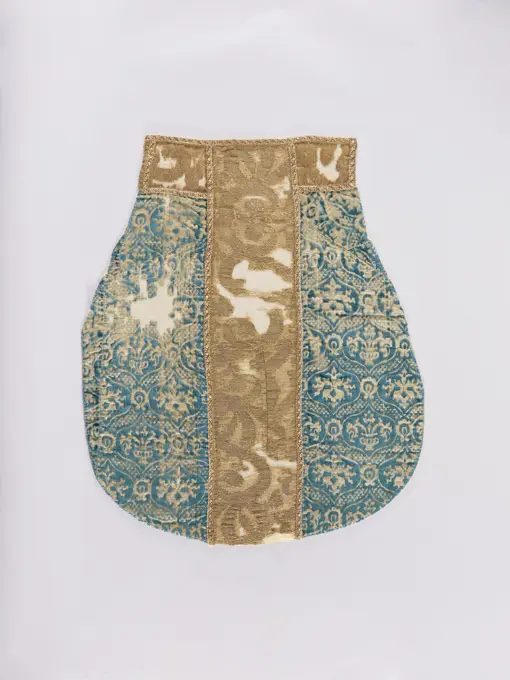
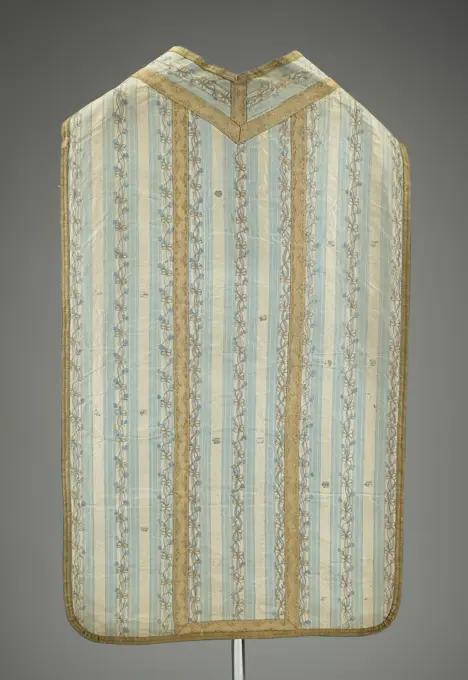
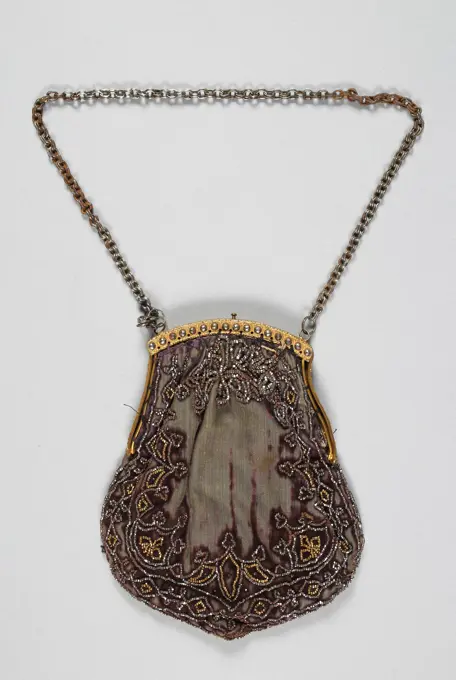
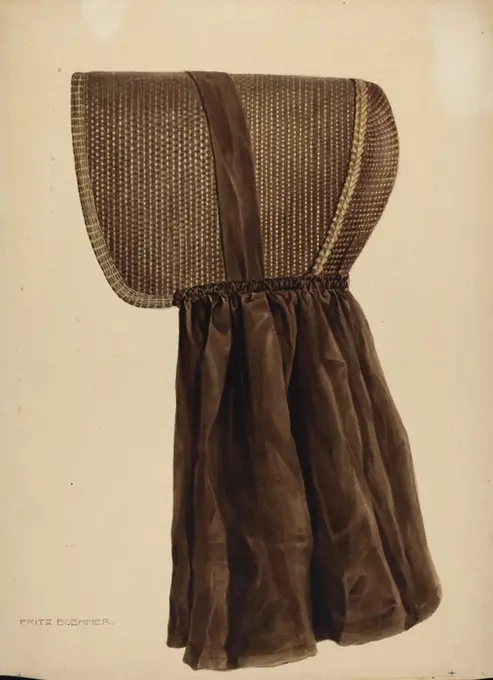
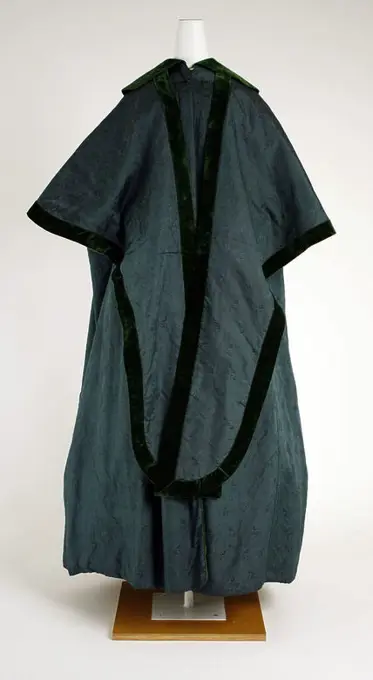
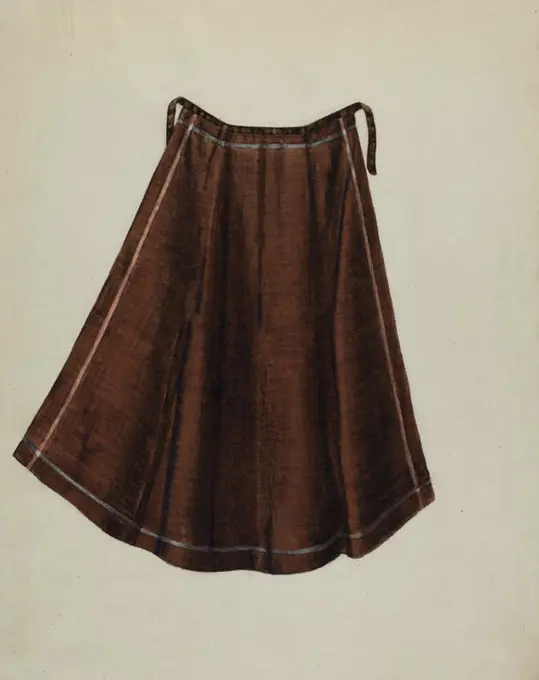
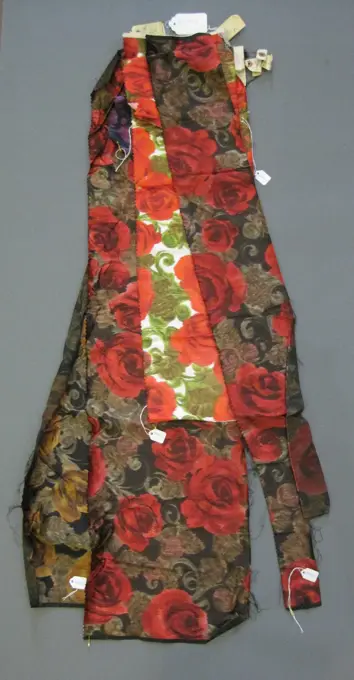
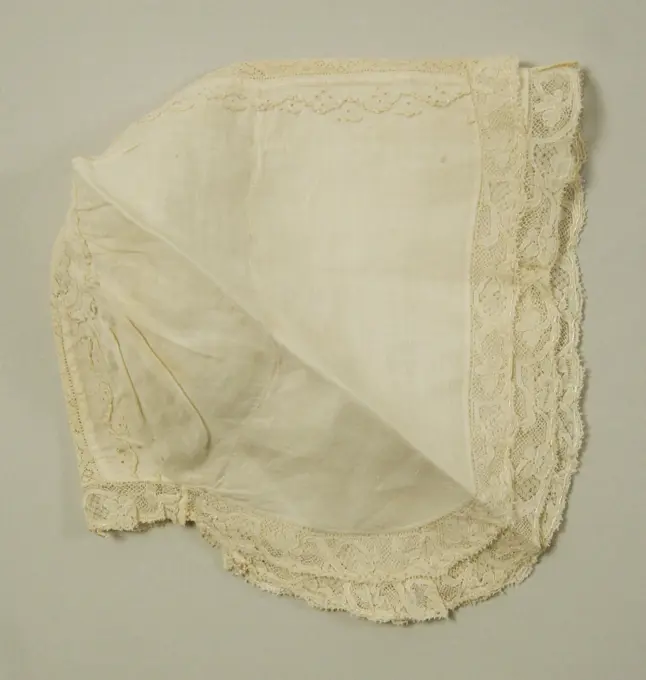
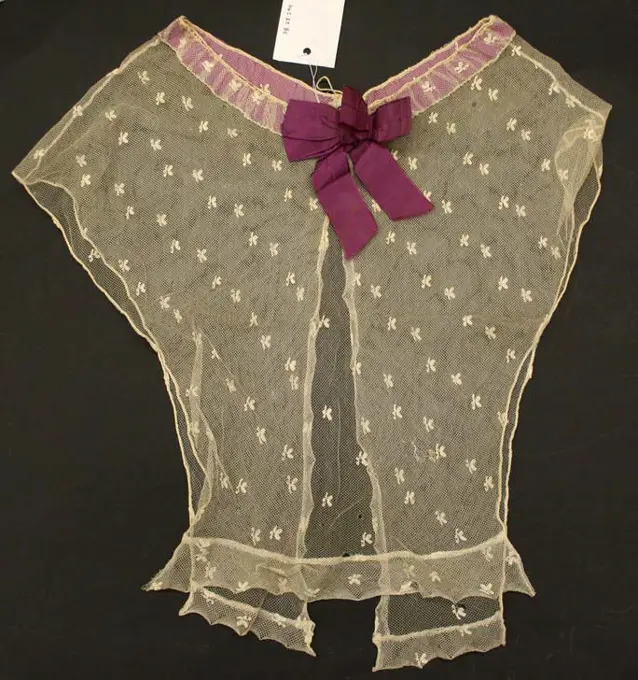
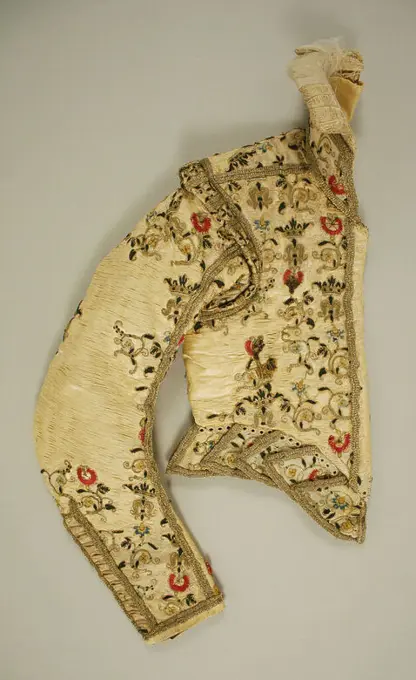
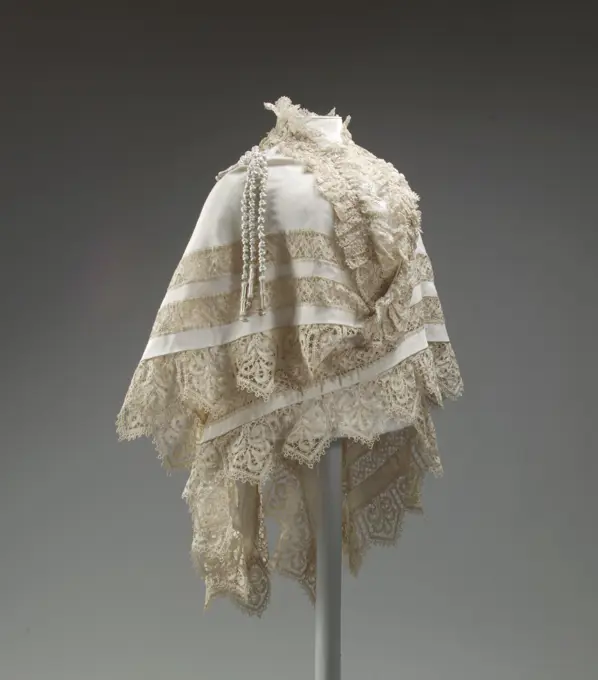
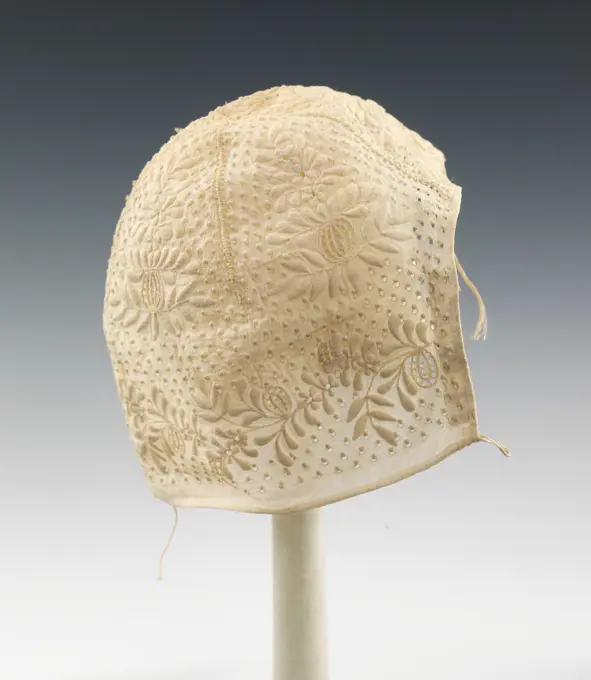
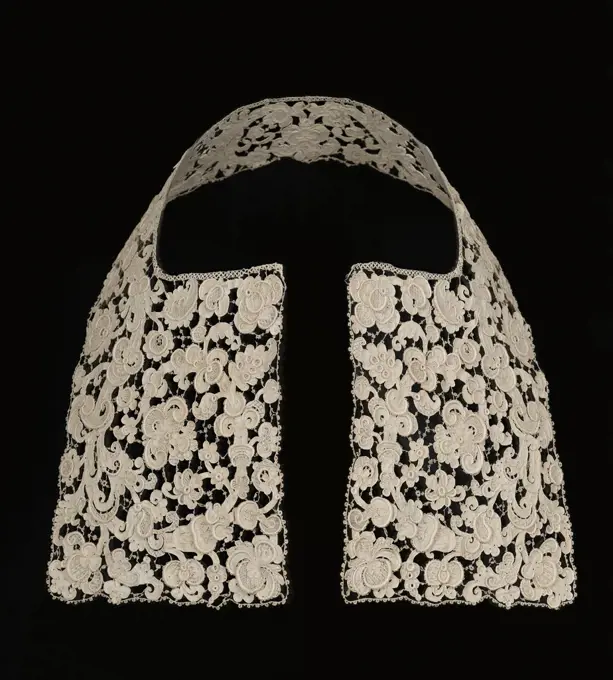
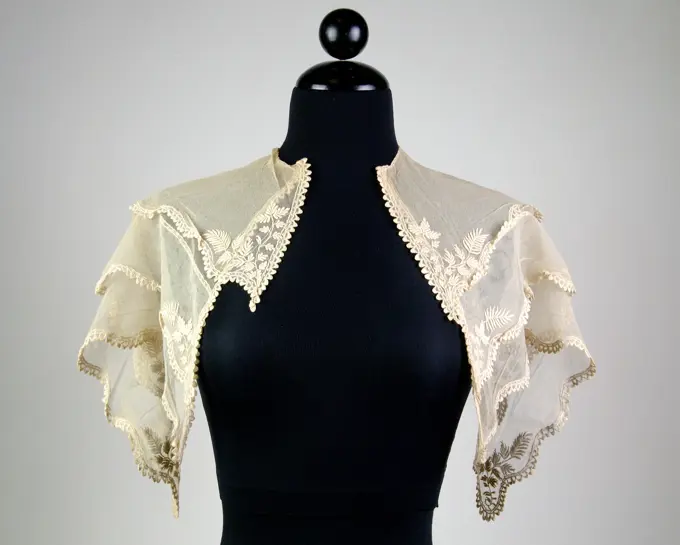
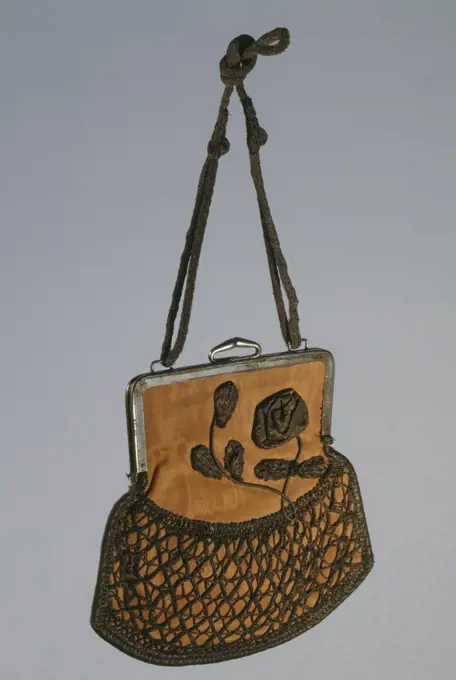
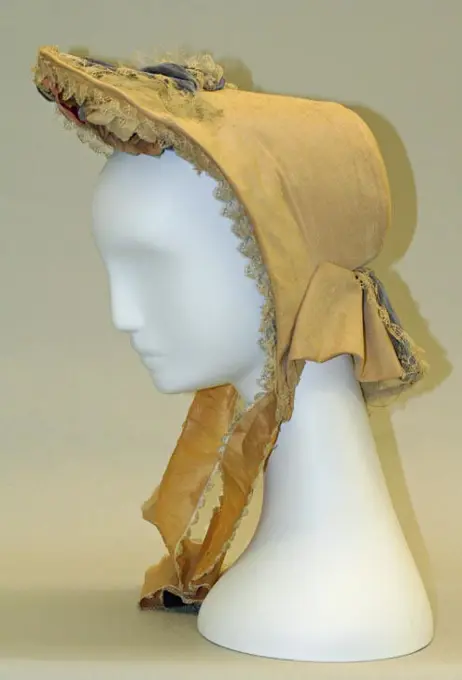
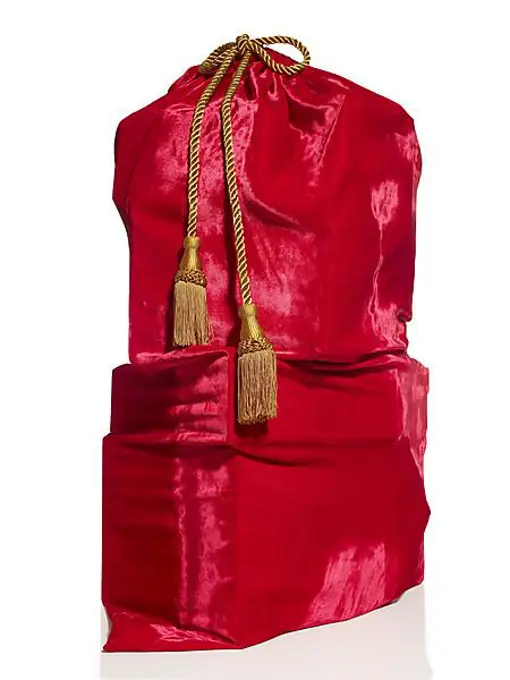
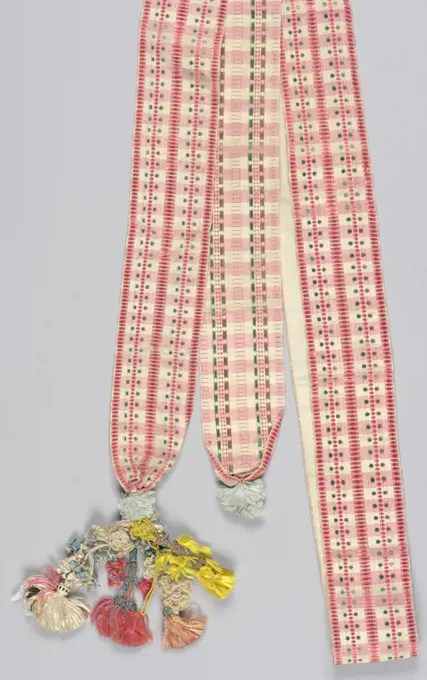
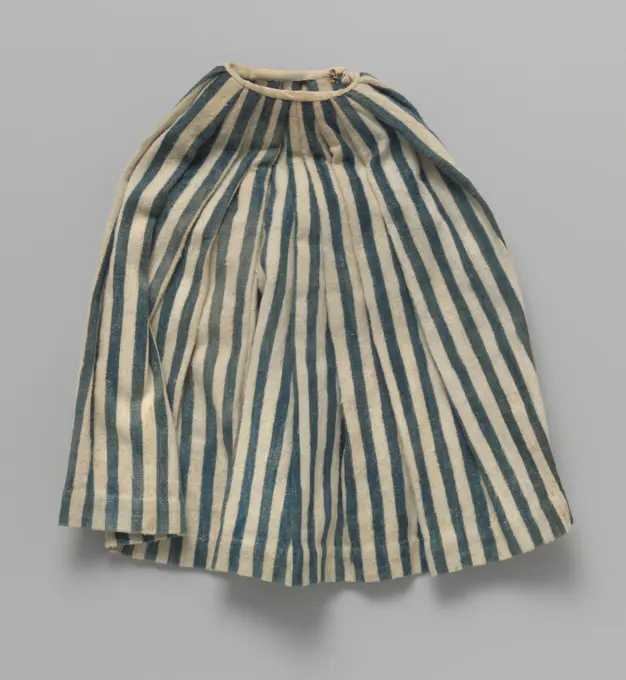
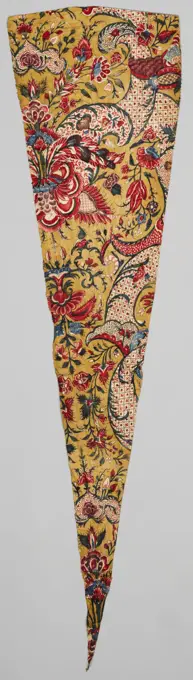
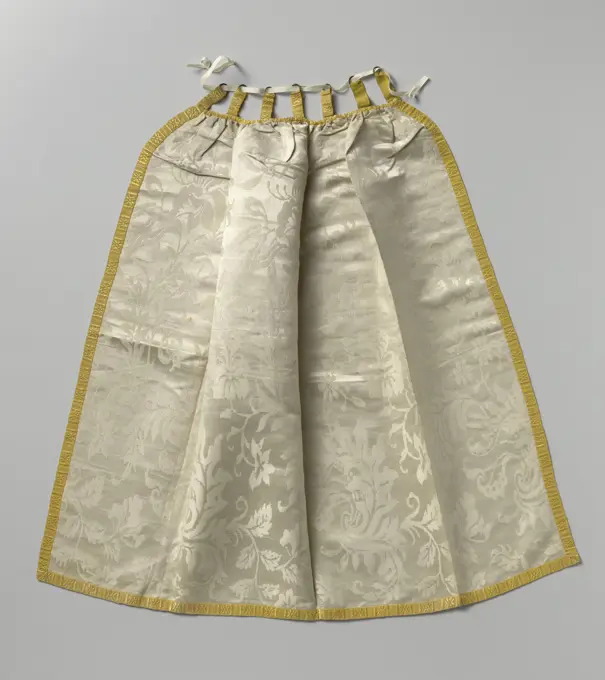
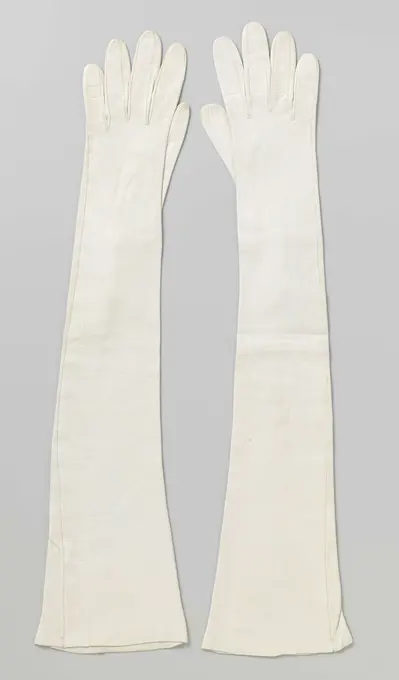
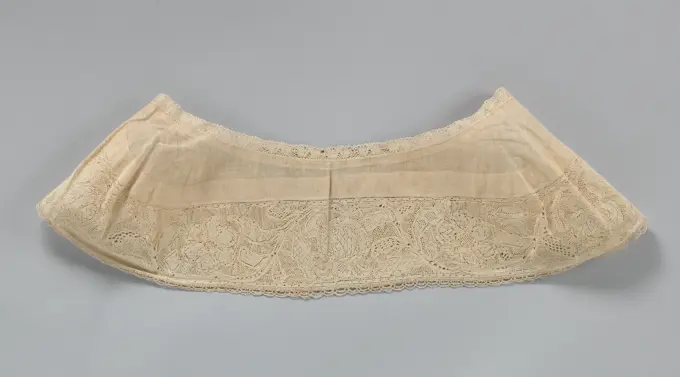
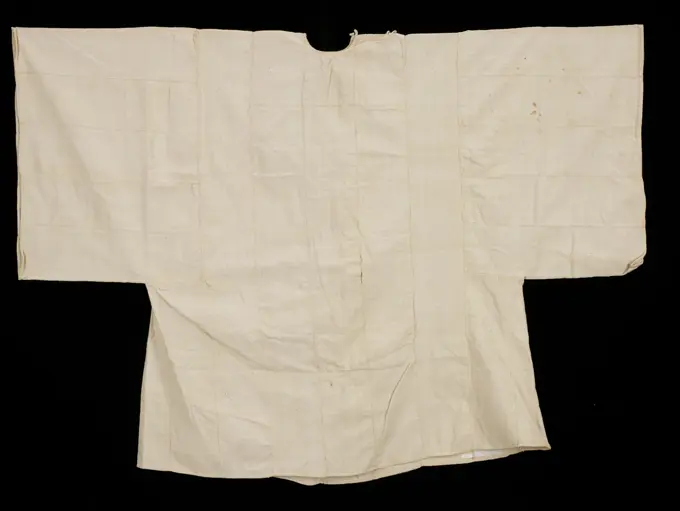
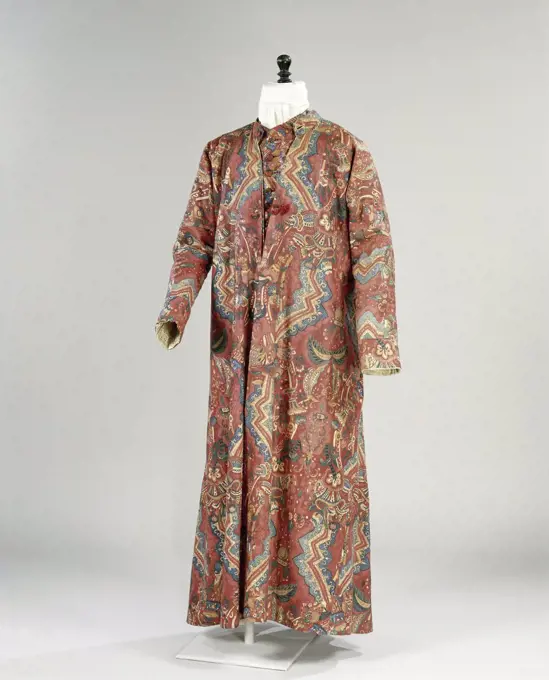
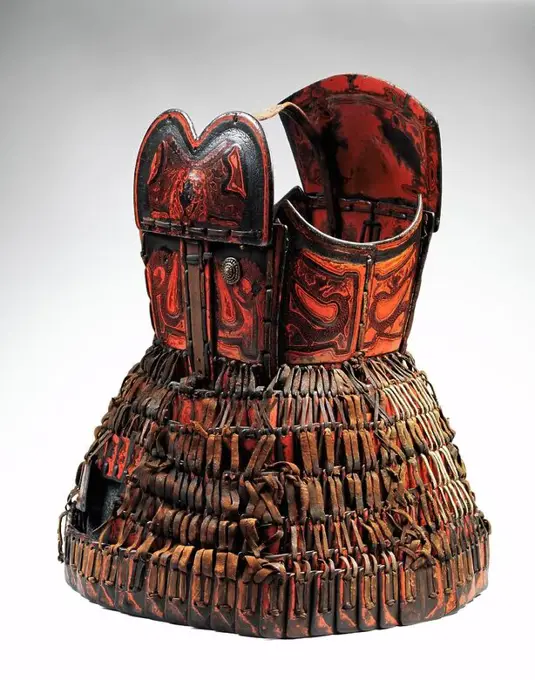
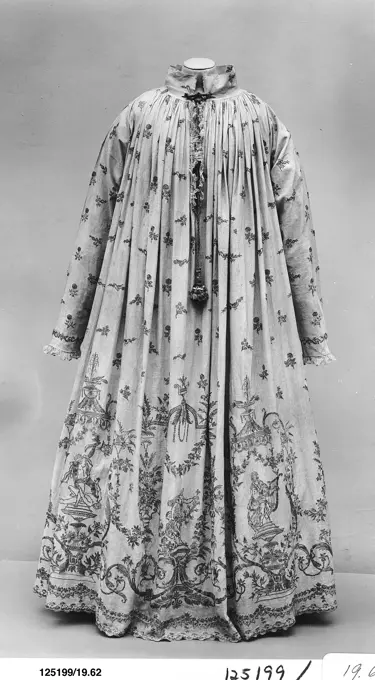
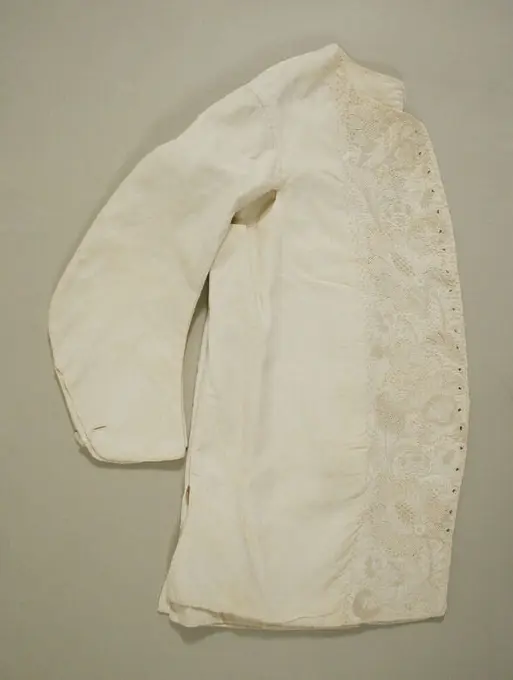
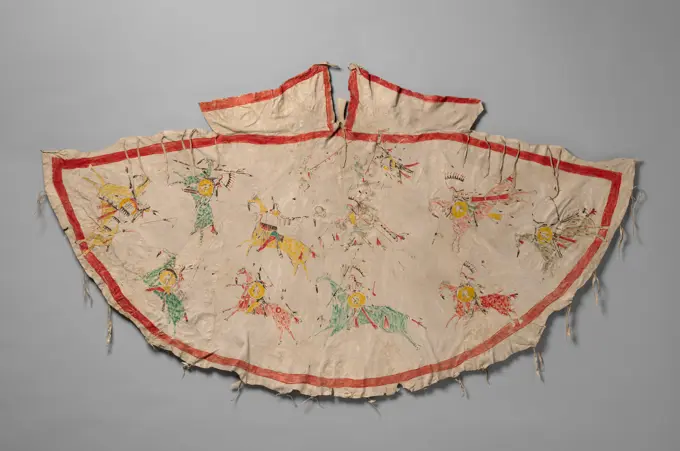
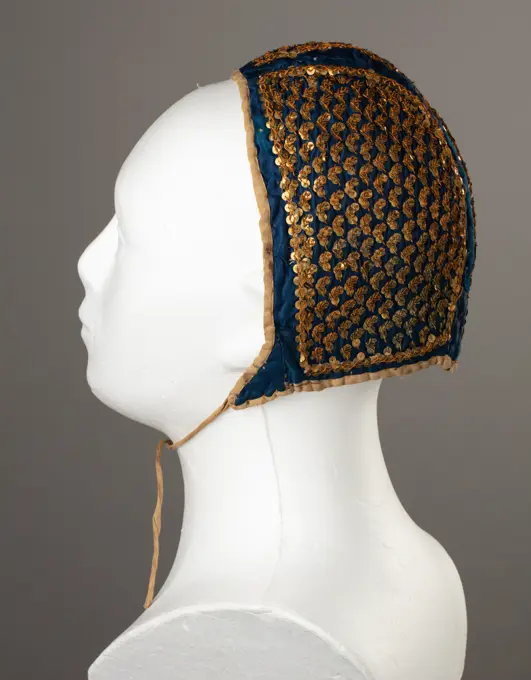
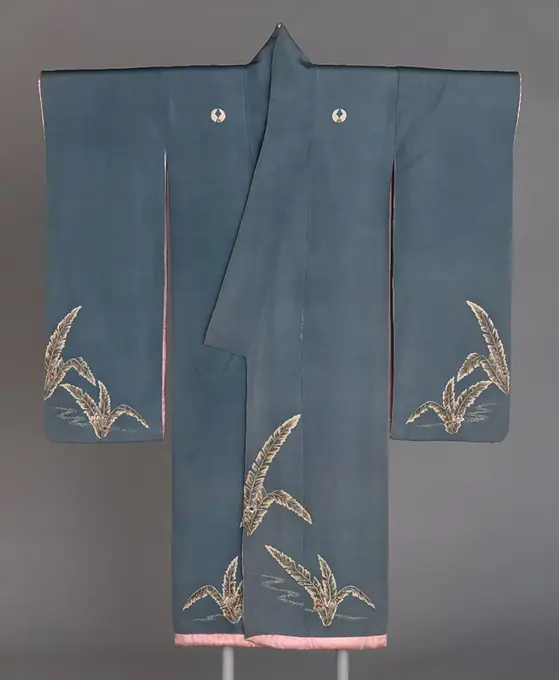
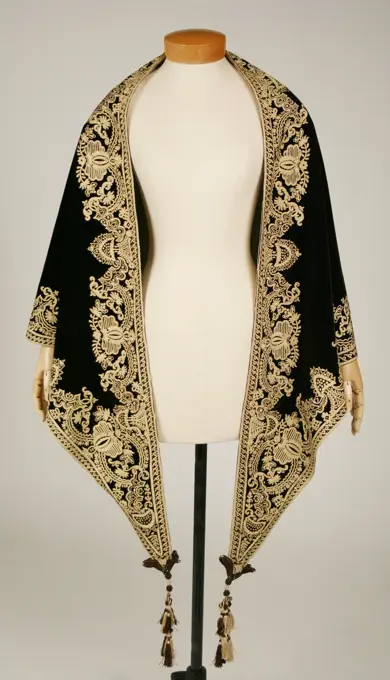
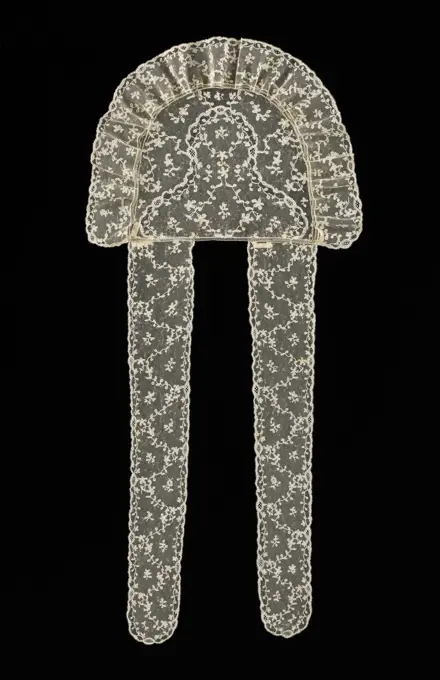
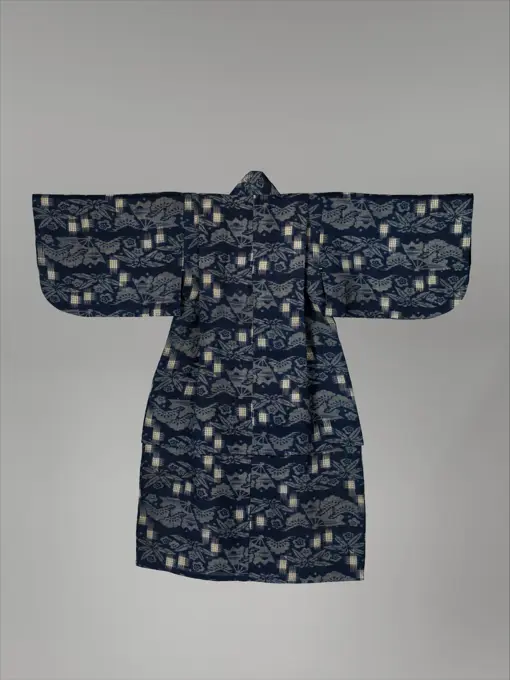
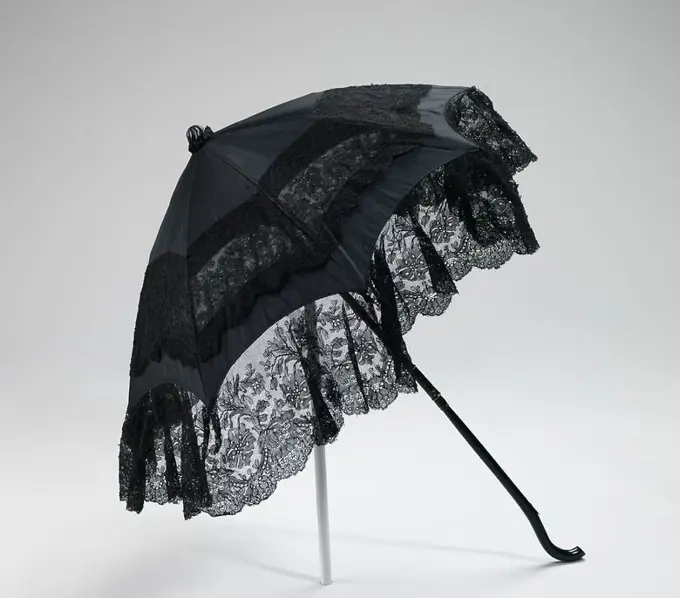
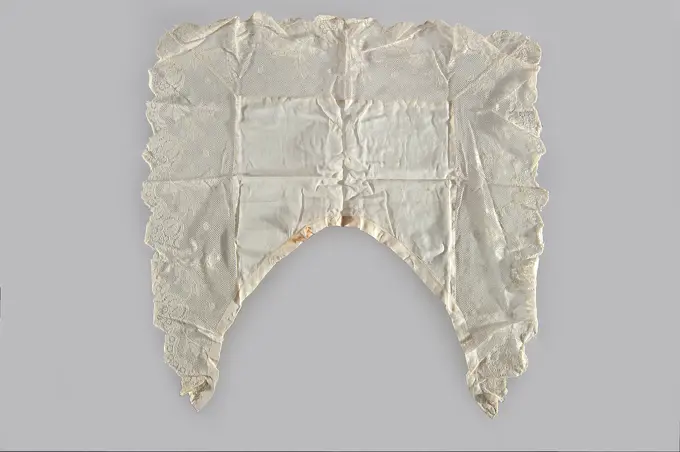
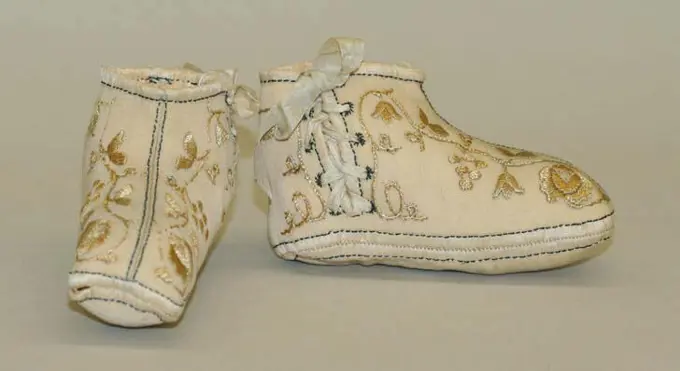
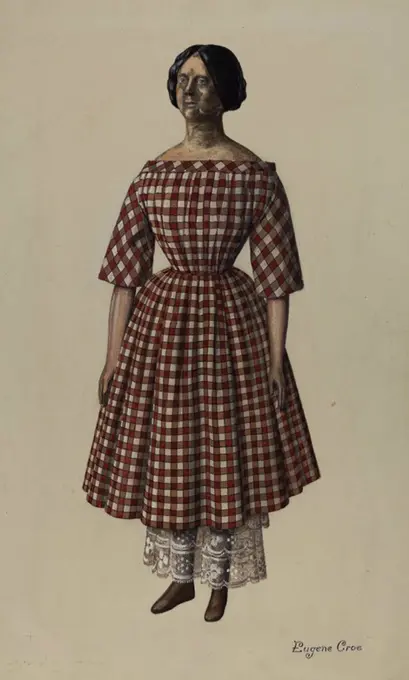
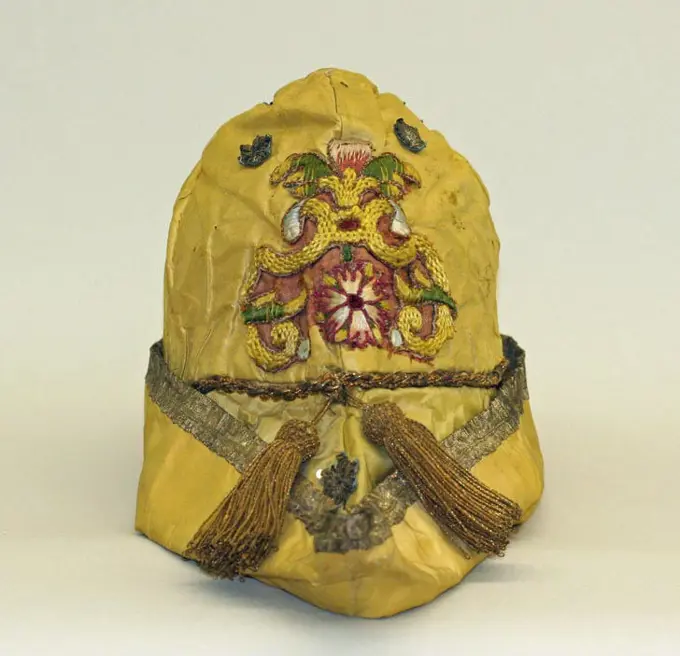
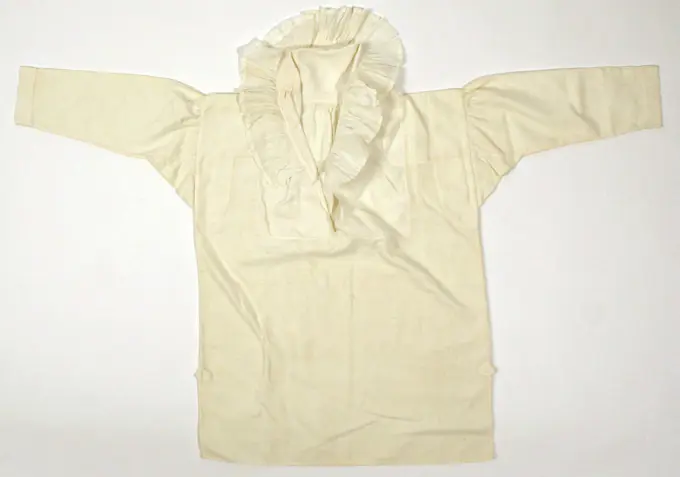
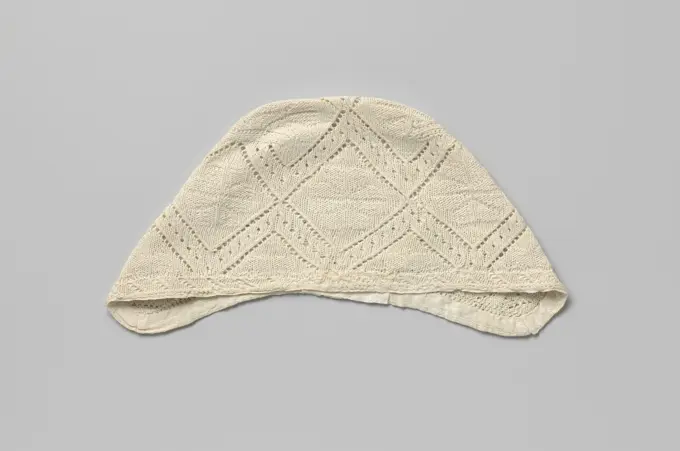
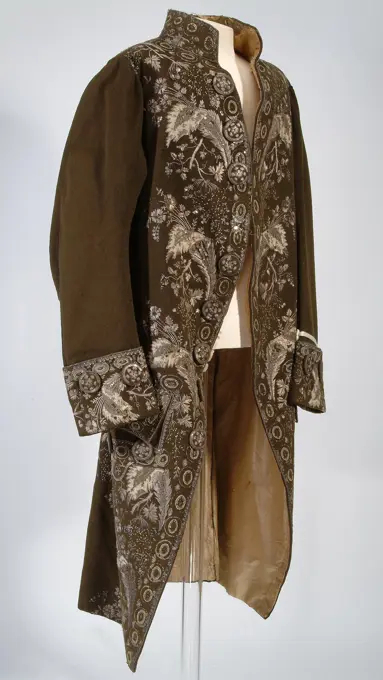
Habit;  1780-1810 (1780-00-00-1810-00-00);State Art Collections (Warsaw - 1922-1939) - collections, Warsaw government theaters (Warsaw - 1810-1915), Warsaw government theaters (Warsaw - 1810-1915) - collection, habit á la française, flowers, men's fashion, plant ornaments message (provenance), TeatraliaChasuble. unknown, authorChasuble, embroidered unknownExcerpt striped multi -colored silk tissue with flower branches., Anonymous, 1700 - 1799 Fragment multicolored silk tissue. The pattern has straight and zigzagging stripes in red and white. The straight, white stripes have flower branches in red and green. France (possibly) silk Fragment multicolored silk tissue. The pattern has straight and zigzagging stripes in red and white. The straight, white stripes have flower branches in red and green. France (possibly) silkBag. 1860. Peulled purple velvet. GAL1956.26.2Ball gown ca. 1887 House of Worth French. Ball gown. French. ca. 1887. silk, glass, metallic threadZoar Summer Bonnet. Dated: c. 1937. Dimensions: overall: 38.4 x 28.2 cm (15 1/8 x 11 1/8 in.) Original IAD Object: 11" high; 20" wide. Medium: watercolor and graphite on paperboard. Museum: National Gallery of Art, Washington DC. Author: Fritz Boehmer.Hat (India); silk, mirror glassUnder skirt of white cotton deposited on the bottom with two strips of lace, anonymous, c. 1850 - c. 1920 The skirt closes with a metal hook. Europe Cotton (textile). Hook: Metal. The skirt closes with a metal hook. Europe Cotton (textile). Hook: Metal.Ensemble. Culture: American. Date: 1830s. Museum: Metropolitan Museum of Art, New York, USA.Shaker Work Apron. Dated: c. 1936. Dimensions: overall: 35 x 28.1 cm (13 3/4 x 11 1/16 in.). Medium: watercolor, graphite, and pen and ink on paperboard. Museum: National Gallery of Art, Washington DC. Author: Lucille Chabot.Textile Swatches Onondaga Silk Company, Inc. (1925-1981). , 1948-1959. Silk, largest fragment of a-g: 41 x 10 1/2 in. (104.1 x 26.7 cm).    1948-1959Cap 18th century British. Cap 98180Fichu 1700-1938 European. Fichu 119083Doublet. Culture: European, Eastern. Date: 1600. Museum: Metropolitan Museum of Art, New York, USA.Children's hat of white cotton () Said with lace and numbered in Red Cross stitch with H8; two bow tires, anonymous Linen baby under hats, with lace front and side sides gem. H8.  cotton (textile). Linen baby under hats, with lace front and side sides gem. H8.  cotton (textile).A children's skirt of fine linen, decorated with ramps and English embroidery, anonymous, c. 1850 - c. 1900 A children's skirt of fine linen, decorated with ramps and English embroidery. Victorian. Netherlands linen (material) A children's skirt of fine linen, decorated with ramps and English embroidery. Victorian. Netherlands linen (material)BOOK;  1840-1860 (1840-00-00-1860-00-00);Mantle ca. 1863 Jay's of London British. Mantle 83760Stole mid-19th century Irish. Stole 169183Cap ca. 1820 American Women and children wore caps such as these throughout the eighteenth and nineteenth centuries to cover their heads from drafts, or underneath other headwear. This cap in particular is very beautifully detailed, and showcases the hand-work that was commonly done to decorate caps. The eyelet openings in particular are visually effective, the drawstring cord is very fine and the delicate flowering branch motif makes for an overall pleasing effect.. Cap 157584Cradle of straw with mattress and cushion and curtain. Cradle of straw with mattress and cushion and curtain.. Left mitaine from silver gray flossy, knitted around in floral motif, with separately astonished thumb.Cap; linen, woolBlue blows with white or faded orange piping, c. 1600 - c. 1999 Strik made from a blue silk ribbon that is trimmed along both long sides with a white (or faded orange) piping. West-Europa silk Strik made from a blue silk ribbon that is trimmed along both long sides with a white (or faded orange) piping. West-Europa silkPiece 16th-17th century Italian. Piece 223414Stole ca. 1895 American. Stole. American. ca. 1895. SilkBliżej Kultury unknownPocket 19th century Russian. Pocket 98458Glove made of fine crem-colored art silk with closure of two press studs. Left glove Made of Fine Cryptin Art Silk with Closure of Two Beige Press Buttons and Three Radiating Cords on the back.Cape 1900 European. Cape 106760Collar, Medium: linen Technique: needle lace Label: linen needle lace, A deep, squared man's collar in Venetian-style needle lace, with large, baroque floral motifs and foliated scrolls with thick raised edges and finely worked connecting bars., Italy, 1650-75, lace, CollarCzepiec unknownPelerine ca. 1835 American. Pelerine 169861Cape ca. 1895 American. Cape 156221Wrapper ca. 1862 American. Wrapper 103792Chasuble Made 1575-1625 Spain. Silk, plain weave; slashed; appliquÈd with silk, warp-float faced 7 1 satin weave, slashed and interlaced with a warp-float faced 7 1 satin weave strip, and gilt-metal-strip-wrapped silk, bobbin-made tapes; edged with silk, twined fringe; lined with cotton, plain weave .Rust-colored moire bag and floral crochet application in brocade lame, fashion accessories, Italy, early 20th century.Poke bonnet 1845-55 American. Poke bonnet 113358Chasuble;  16th century (1501-00-00-1600-00-00);Poke bonnet ca. 1860 American. Poke bonnet 98075Collar ca. 1835 French. Collar 168337Wallow, Velouté, with heavy treks with leaf and praise above a panel with panels, in green and red, anonymous, c. 1675 - c. 1725 Seven excerpts Velouté wallpaper, which shows a pattern of green velouté with red and light green fillings on a broken white stock. The pattern consists of large heavy tendrils with leaf and praise above a low panel with panels. Northern NetherlandsNetherlands linen (material). wool Seven excerpts Velouté wallpaper, which shows a pattern of green velouté with red and light green fillings on a broken white stock. The pattern consists of large heavy tendrils with leaf and praise above a low panel with panels. Northern NetherlandsNetherlands linen (material). woolSlobkous of coarse ecrinke -like linen cotton, on which four pearl -colored knots and a linen cotton belt with metal buckle under the foot, anonymous, c. 1900 - c. 1930 Slobkous of coarse ecrinkey linen cotton, on which four pearl -colored knots and a linen cotton belt with a silver -colored metal buckle under the foot. Feeded with fine ecrinkey linen cotton. Netherlands whole: Cotton (textile). lining: cotton (textile). Buttons: Mother of Pearl. buckle: Metal Slobkous of coarse ecrinkey linen cotton, on which four pearl -colored knots and a linen cotton belt with a silver -colored metal buckle under the foot. Feeded with fine ecrinkey linen cotton. Netherlands whole: Cotton (textile). lining: cotton (textile). Buttons: Mother of Pearl. buckle: MetalPurse early 17th century British. Purse. British. early 17th century. Canvas worked with silk and metal thread; Gobelin, tent, knots and plaited braid stitches, silk and metal thread cord and tassels. Textiles-EmbroideredSanta BagWaistcoat Fragment; silk; Bequest of Richard Cranch Greenleaf in memory of his mother, Adeline Emma Greenleaf; 1962-56-171Fragment; silkRibbon, Medium: silk Technique: woven, Narrow ribbon in pinks and greenin a repeated, small-scale striped pattern. Elaborate tassels at either end., France, 18th century, trimmings, RibbonBourse, pigeon throat type.Skirt of dark blue and white striped, ruined fabric, anonymous, 1850 - 1900 Skirt made of dark blue and white striped, ruined fabric. Netherlands Skirt made of dark blue and white striped, ruined fabric. NetherlandsFragment sits with symmetrical edge pattern and flower vines on ocher yellow stock, c. 1720 - c. 1730 Fragment sits. Dessin: Symmetrically built -up band work, filled with grid pattern, supposedly lace pattern, and flower vines; In the ashes large flower arrangements in red, blue, eggplant, yellow and green against an ocher yellow stock; The stock of the band work is white. Hindeloopens fur. Note: rather other inv.nrs. Got in: BK-NM-3725 and BK-NM-12206-B, with references to the catalog of textile art in the Dutch Museum of History and Art in Amsterdam (1903), Cat.nrs 344 and 345. Coromandelkust cotton (textile). stain (coating). paint (coating) Fragment sits. Dessin: Symmetrically built -up band work, filled with grid pattern, supposedly lace pattern, and flower vines; In the ashes large flower arrangements in red, blue, eggplant, yellow and green against an ocher yellow stock; The stock of the band work is white. Hindeloopens fur. Note: rather other inv.nrs. Got in: BK-NM-3725 and BKChasuble. unknown, authorCurtain of écru silk damask with design of large flower and leaf vines, c. 1700 - c. 1799 Curtain of Écru silk damask with dessine of trote of flower and leaf vines and lined with yellow silk passion. Seven bands with rings on top.  silk damask Curtain of Écru silk damask with dessine of trote of flower and leaf vines and lined with yellow silk passion. Seven bands with rings on top.  silk damaskTobacco pouch -Right glove from white glaceré leather. A split with three pearl-like knots at the wrist.Cap (France); cotton, linen, silk, metallicRobe; cottonCap 18th century French. Cap 102543Dalmatic Made 1601-1700 Italy. Red velvet with design of gold brocaded panels .Fragment 17th century Italian. Fragment 230431Suspenders 1892 American. Suspenders 122454Miser's Purse (France); silk, metalCollar 1660 Flemish. Collar. Flemish. 1660. Bobbin lace. Textiles-LacesAgbada (shirt), from a two-piece set, 20th century, 49 1/2 x 72 1/2 in. (125.73 x 184.15 cm) (at shoulder), Cotton, Mali, 20th centuryHeaddress 19th century French. Headdress 89774Christmas Embroidered Sock Christmas sock on a white isolated background Copyright: xZoonar.com/AndreyxSkatx 14714570Quilted robe of cotton, stained and painted with multicolored floral motifs on red fond, lined with striped silk, Anonymous, c. 1740 - c. 1770Armor for the Torso and Hips. Culture: Dali Kingdom (present-day Yunnan, China). Dimensions: H. as mounted 24 in. (61 cm); W. 18 in. (45.7 cm); D. 18 in. (45.7 cm). Date: 12th-13th century.This armor is one of only two early examples of this type known to exist. Its distinctive form and construction are unique to Yunnan province in southwestern China. It is made of rigid leather panels coated with layers of red and black lacquer and joined together by leather laces. The layered lacquer technique, tixi (marbled) or ticai (carved colors), was well known in China from the fourteenth or fifteenth century onward. Scientific testing establishes the armor's date to the time of the Dali Kingdom, an independent state that ruled the region before it was renamed Yunnan and incorporated into China during the Yuan dynasty (1271-1368). The armor, therefore, is extremely important as one of the earliest and most complete examples of this technique and for being identifiable as lacquerwCloth cap -Bottle -Apron ca. 1856 American. Apron 104372Kontusz. unknown, authorKościelna Kapa;  18th century (1701-00-00-1800-00-00);Handle-Shaped Jade 1300 BCE-1000 BCE China. Jade .Mantle 1840s American or European. Mantle 82134Alb late 18th century Spanish. Alb 220050Waistcoat. Culture: British. Date: ca. 1740. Museum: Metropolitan Museum of Art, New York, USA.Miser's purse, Medium: silk, metal Technique: crocheted, Crocheted dark green silk ornamented with cut steel beads in a diamond repeat pattern. An ornate steel ring controls side closing; steel band tassels at each end., France, early 19th century, costume & accessories, Miser's purseFragment late 15th century Italian, Venice. Fragment. Italian, Venice. late 15th century. Silk, metal thread. Textiles-VelvetsVest 1885-90 American. Vest 91124Model tipi cover ca. 1885 Sicaugu Oyate Lakota/ Teton Sioux, Native American This flattened miniature version of a traditional tipi was created by a warrior-artist who decorated it with painted images of accomplishments in battle. Although most of the depictions are generic representations of warriors and horses, the images of encounters with the enemy in the upper center record specific events. During early reservation life, Plains people created objects such as this for sale to visiting military personnel, government officials, teachers, and missionaries.. Model tipi cover. Sicaugu Oyate Lakota/ Teton Sioux, Native American. ca. 1885. Tanned leather and pigment. Made in Rosebud Reservation, South Dakota, United StatesBliżej Kultury unknownBonnet 1875 American. Bonnet 169876Furisode. Japan. Date: 1880-1900. Dimensions: 169 x 127.5 cm (66 x 50 1/4 in.). Silk, plain weave (shioze); resist dyed (tsutsugaki and hikizome) and painted with pigment and silver; embroidered with silk and gold-leaf-over-lacquered-paper strip in satin and single back stitches; lined with silk, satin damask weave. Origin: Japan. Museum: The Chicago Art Institute, Chicago, USA.Retro handmade natural flax purseTextile Swatches Onondaga Silk Company, Inc. (1925-1981). , 1948-1959. Silk, 23 x 18 in. (58.4 x 45.7 cm).    1948-1959Mantle 1857-60 American. Mantle. American. 1857-60. silkBag (tobacco Pouch) (Germany); silk, glass beads, linen liningAccessory set ca. 1750 French While many 18th century lace lappets and cap backs have been preserved, it is rare to have a complete lace headwear set with all four components such as this one.. Accessory set 156993Child's Kimono with Pine, Bamboo, Plum Blossoms, and Fans late 19th-early 20th century Japan The waist and shoulder on a childs kimono have tucks (extra fabric) that can be let out as a child grows. This kimono could be enlarged nearly fifteen inches in length and over four inches in width and was thus able to accommodate several years of growth. Pine, bamboo, and plum blossoms often occur together as a trio of congratulatory motifs. The fan is also auspicious because its shape—widening at one end—signifies increase or growth.. Child's Kimono with Pine, Bamboo, Plum Blossoms, and Fans 44287Parasol. Culture: American. Date: 1845-55. Museum: Metropolitan Museum of Art, New York, USA.Saint's Shirt, c. 1965, 28 x 38 in. (71.12 x 96.52 cm), Cotton, satin; woven fabric, Guatemala, 20th centuryCollar;  1920s (1915-00-00-1925-00-00);Magdalena, Witwińska, Dar (provenance)Bootees mid-19th century American. Bootees 104008Doll: "Rose Anne". Dated: c. 1937. Dimensions: overall: 48.6 x 30.5 cm (19 1/8 x 12 in.) Original IAD Object: 8 1/2" high. Medium: watercolor, gouache, and graphite on paperboard. Museum: National Gallery of Art, Washington DC. Author: Eugene Croe.Cap mid-19th century American. Cap 82058Hat 16th century Italian. Hat. Italian. 16th century. silk, metallic threadShirt 1800-1850 American. Shirt 103170Knitted hat of white cotton with open worked zigza edges, between which a closed motif, anonymous, c. 1800 - c. 1900 Knitted hat of white cotton with open worked zigza edges, between which a closed motif. Europe cotton (textile) knitting Knitted hat of white cotton with open worked zigza edges, between which a closed motif. Europe cotton (textile) knitting