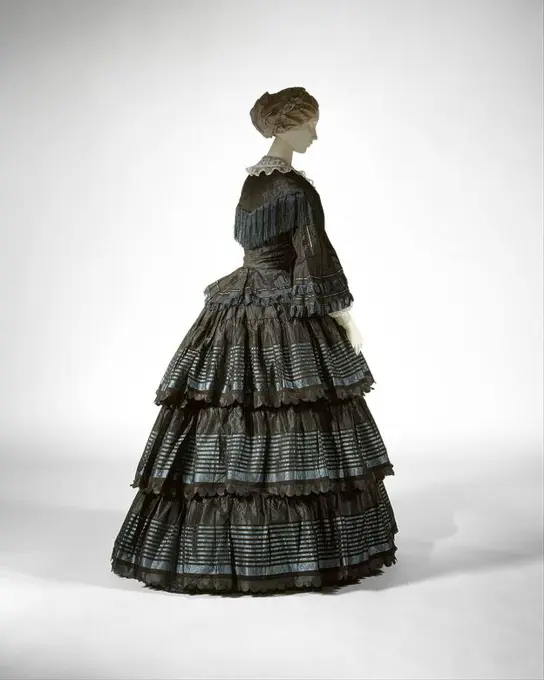
Historical Clothing Artifacts

An assortment of historical garments and fabric fragments featuring intricate designs, floral patterns, and embroidered details representing various fashion styles from different eras.

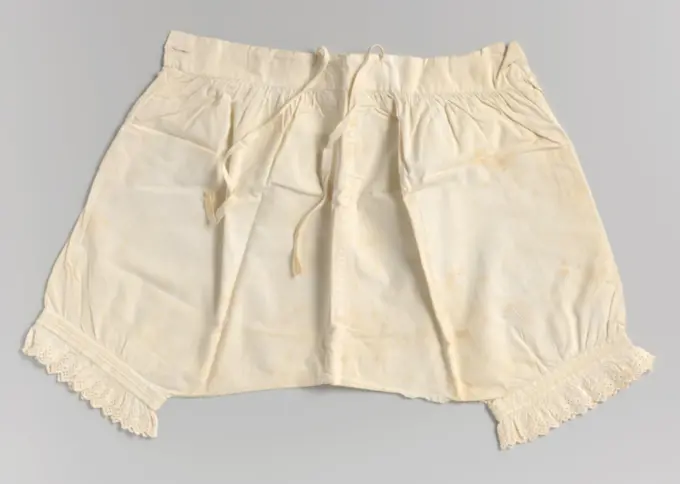
Under skirt of white cotton deposited on the bottom with two strips of lace, anonymous, c. 1850 - c. 1920 The skirt closes with a metal hook. Europe Cotton (textile). Hook: Metal. The skirt closes with a metal hook. Europe Cotton (textile). Hook: Metal.
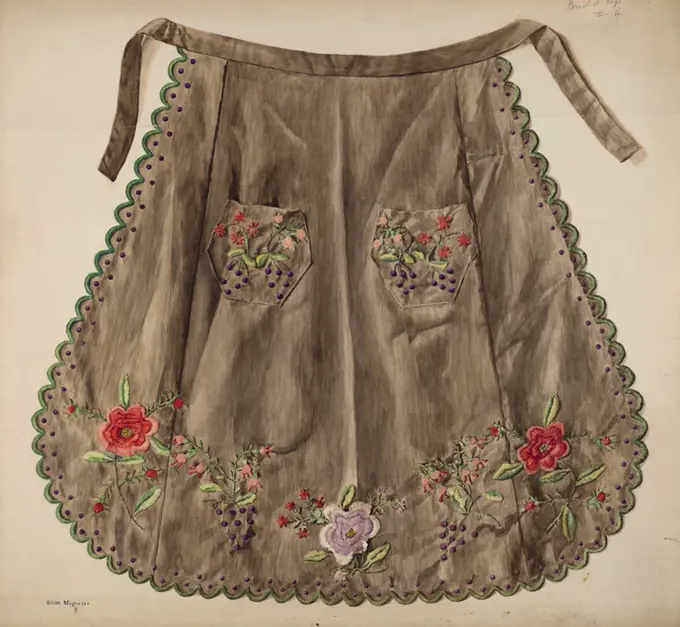
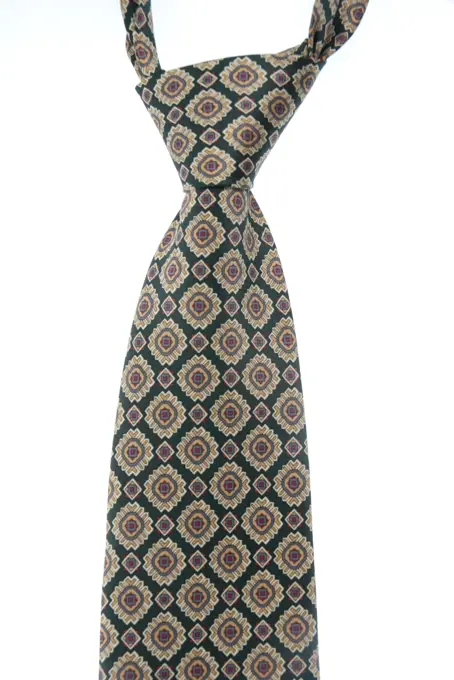
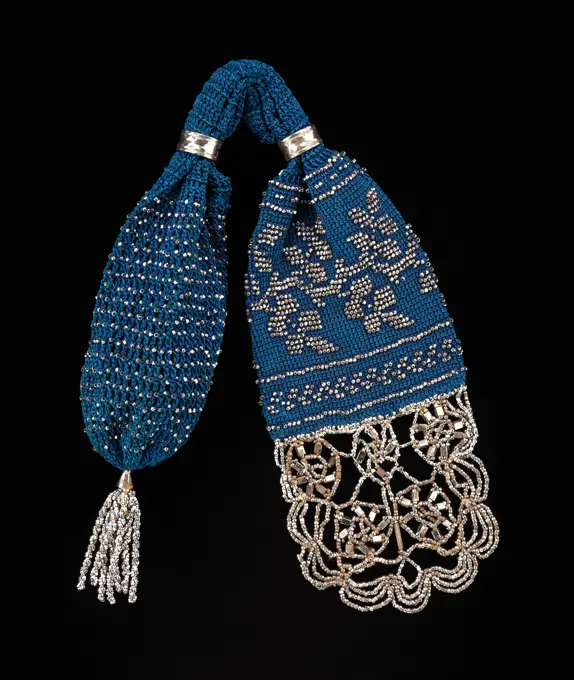
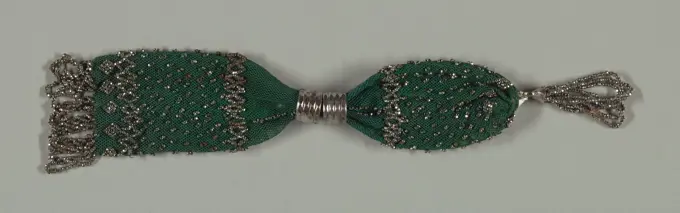
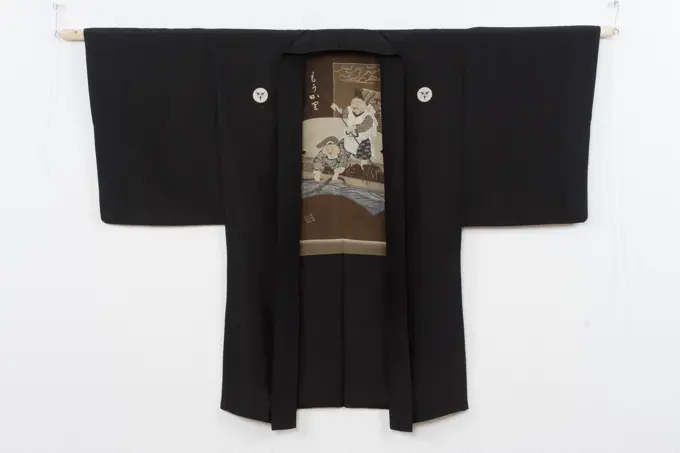
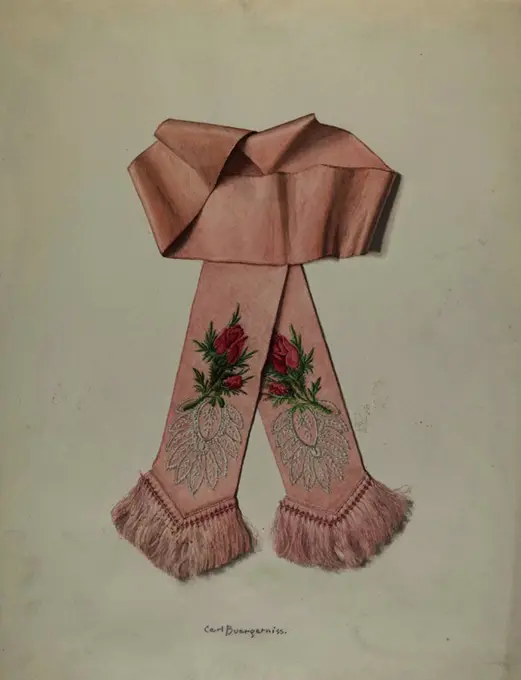
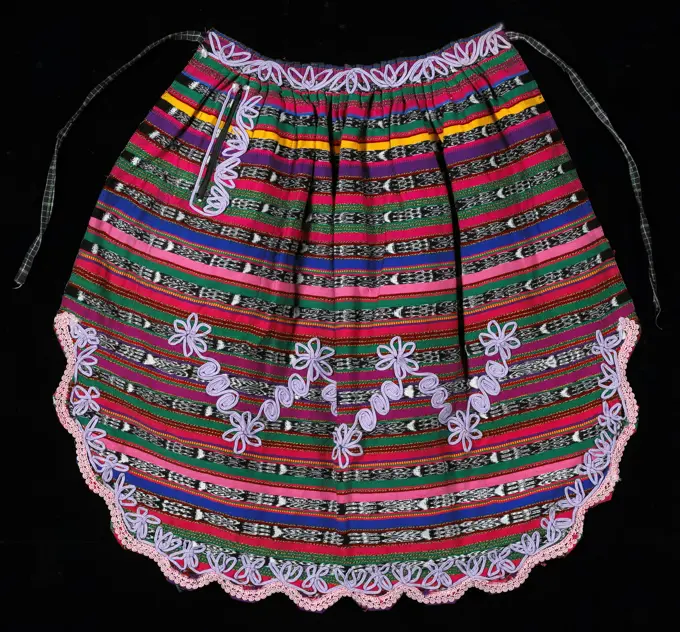
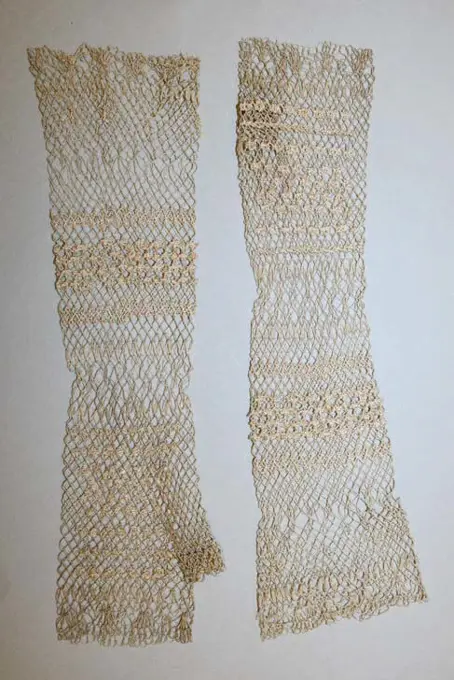
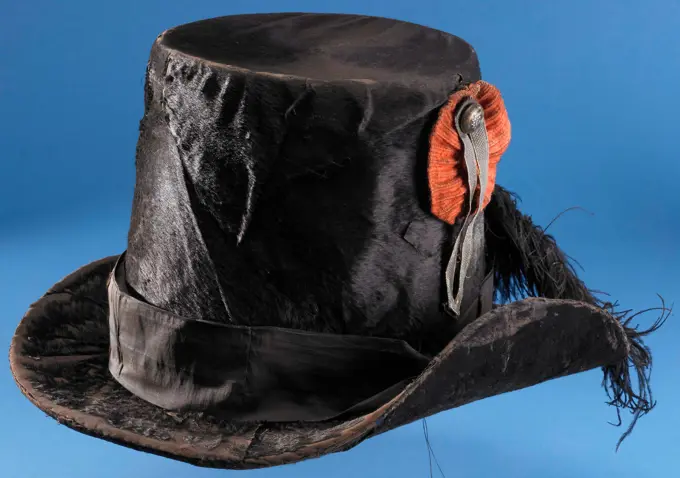
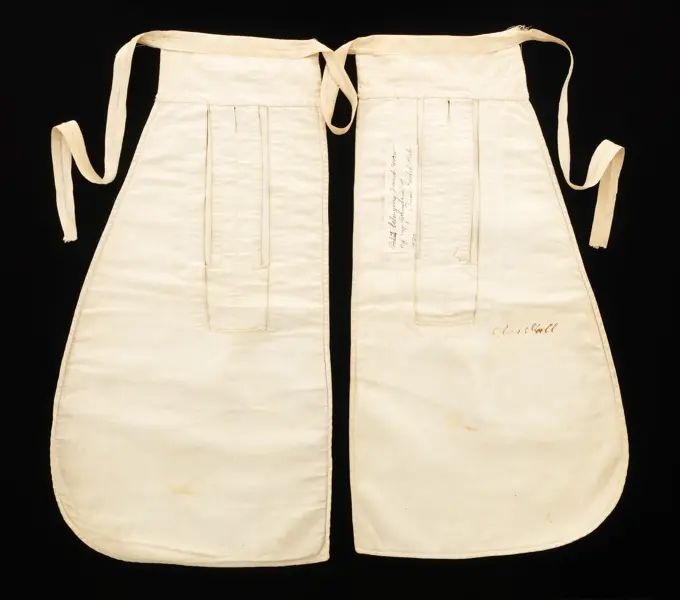
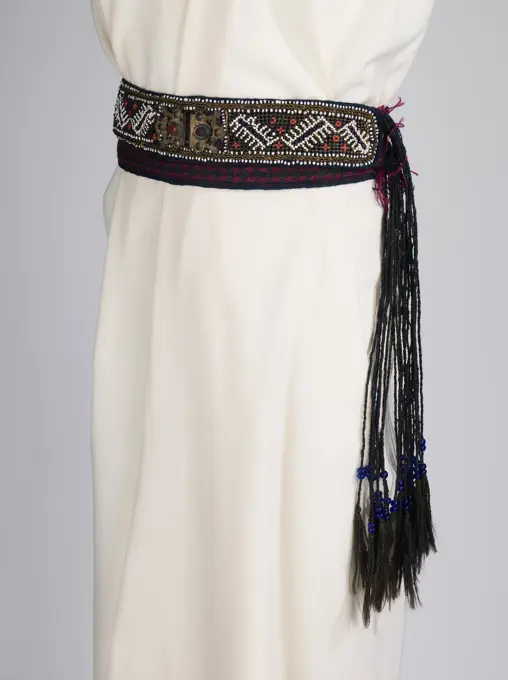
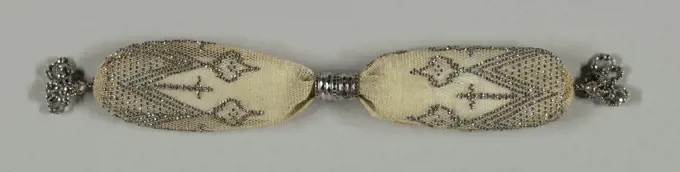
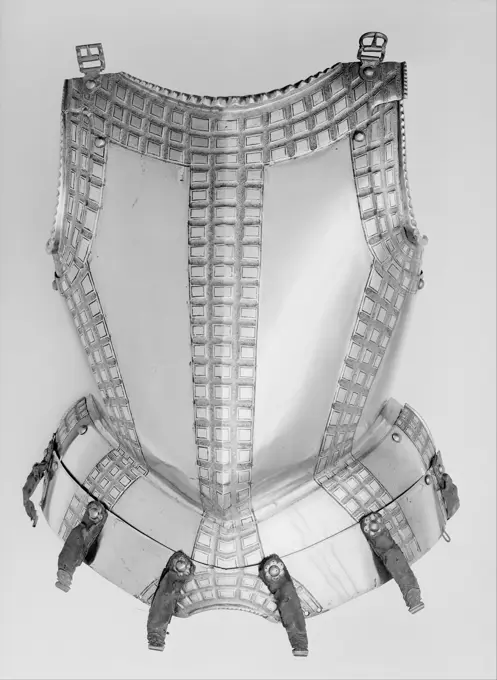
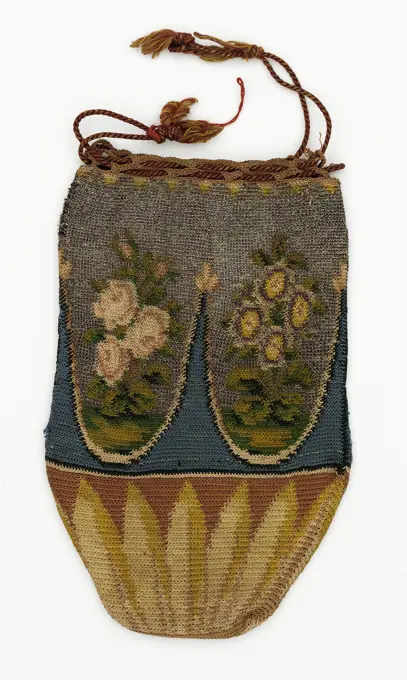
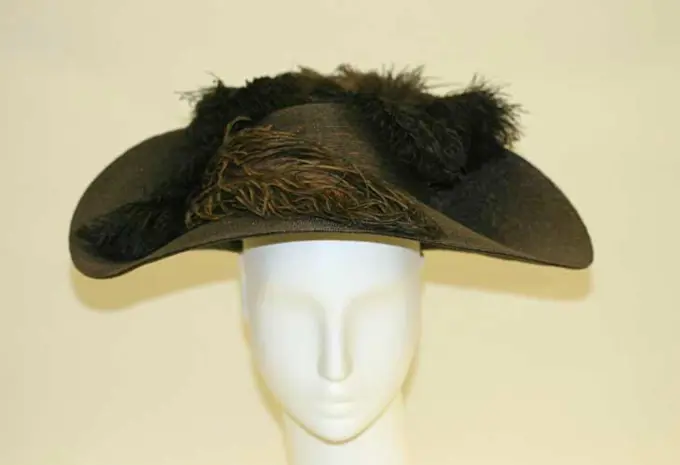
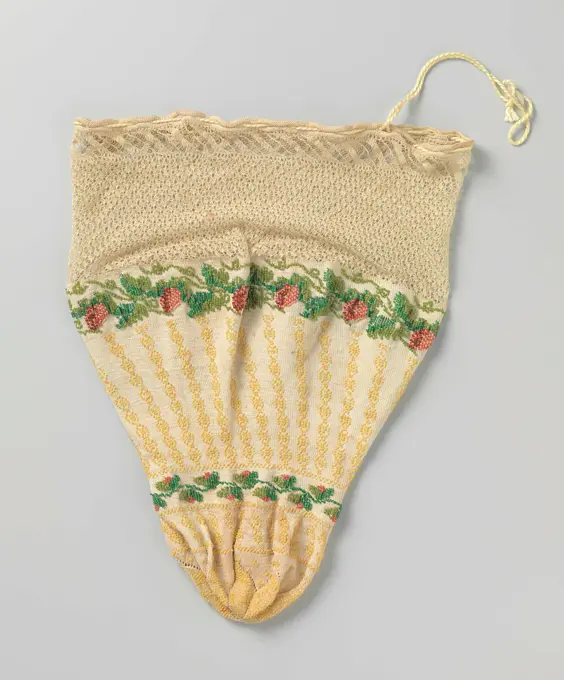
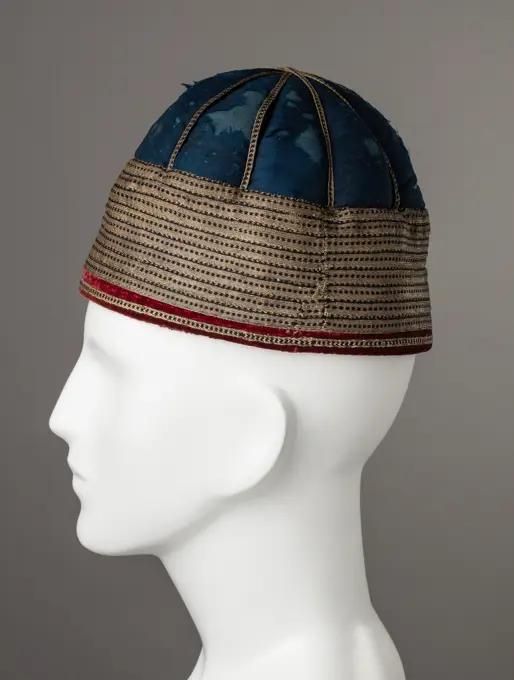
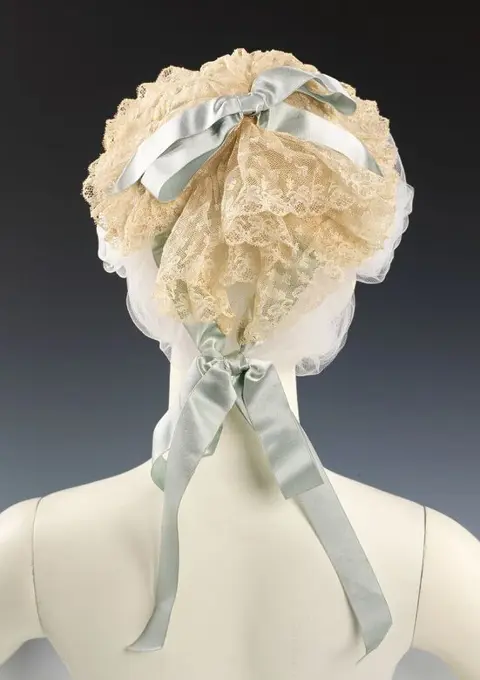
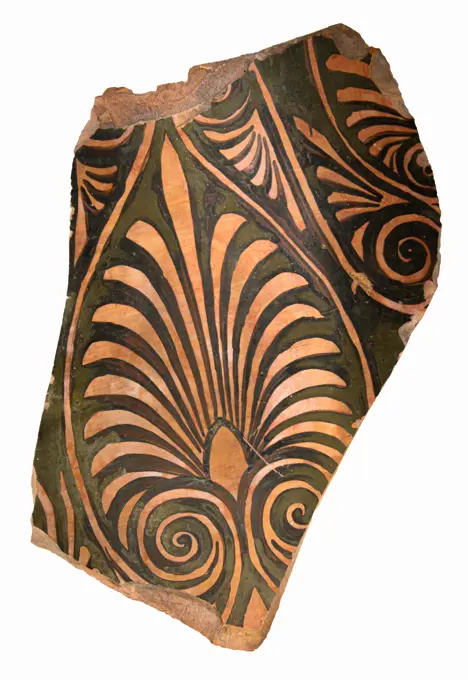
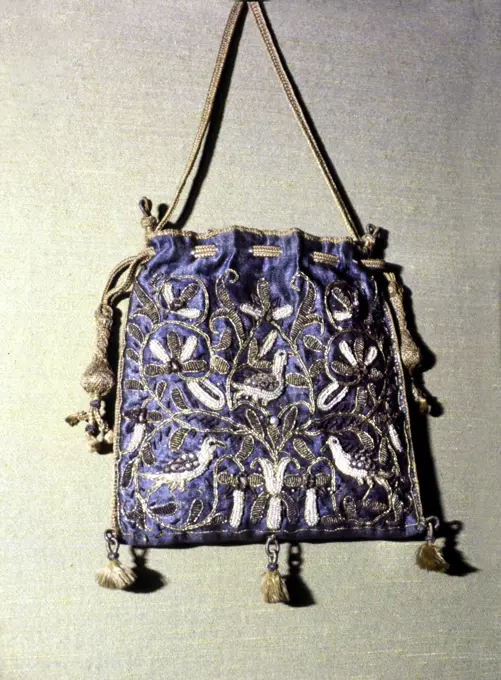
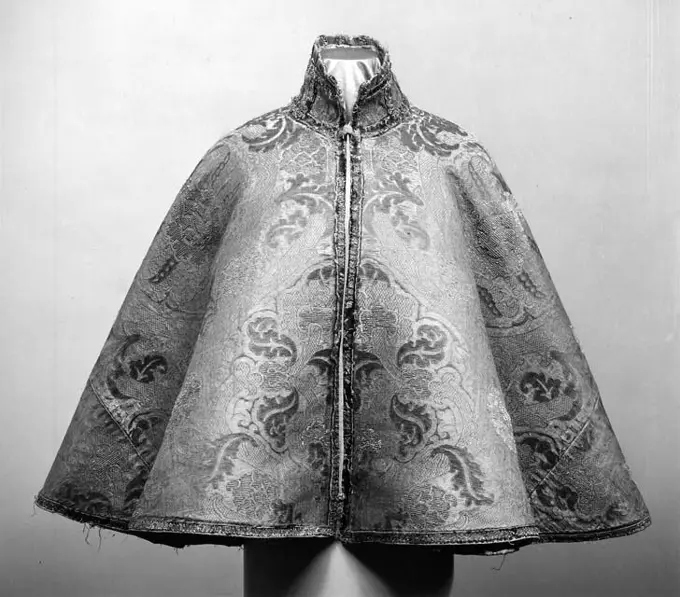
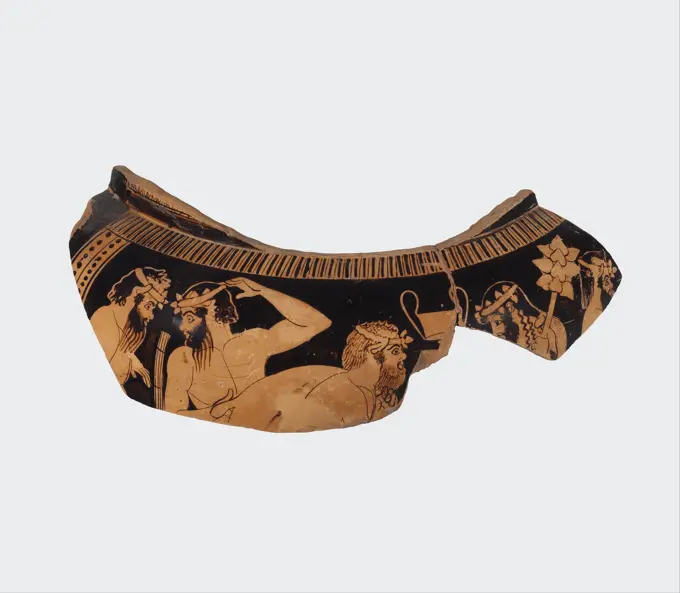
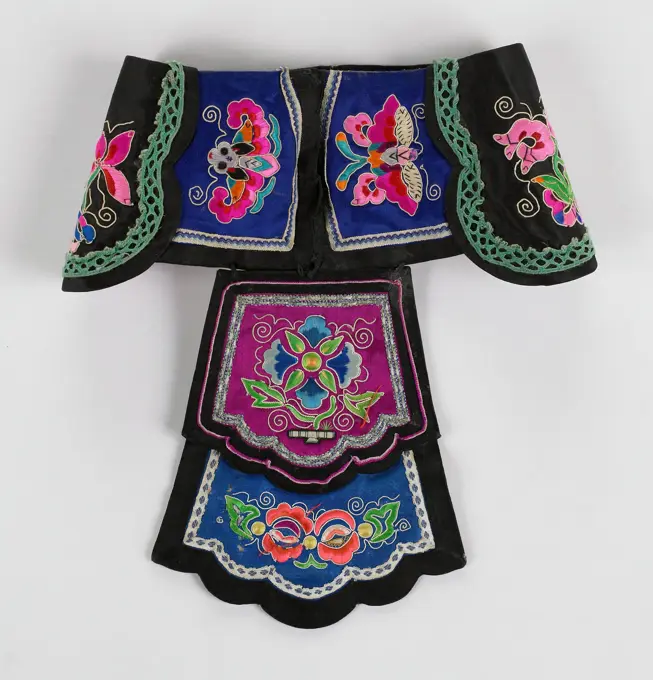
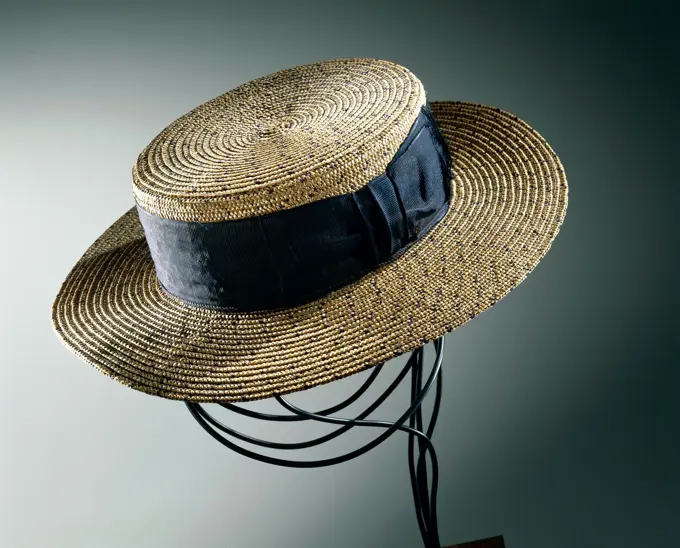
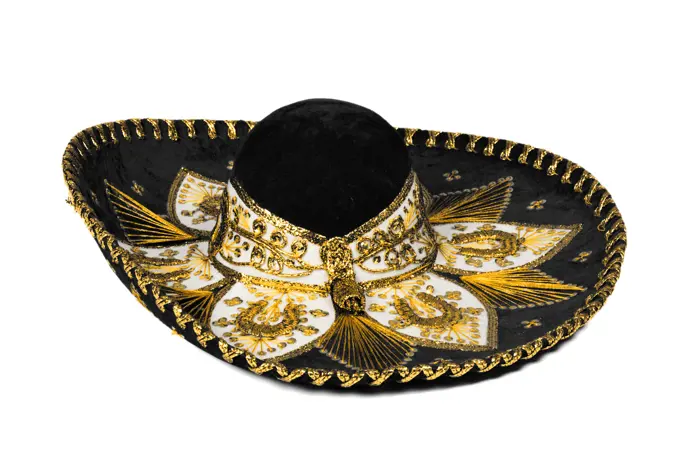
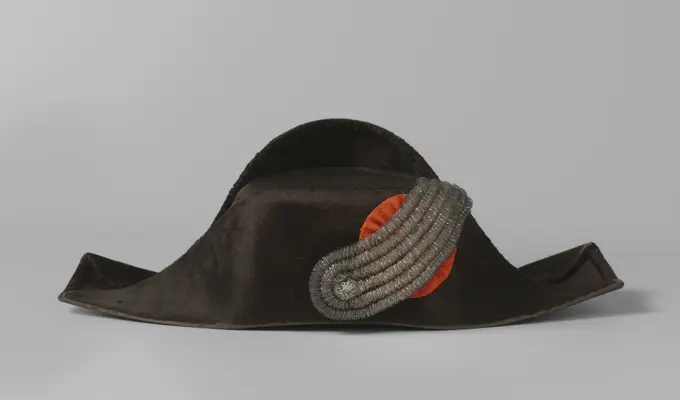
Bonnet American 1800-1875PurseFragments of embroidery with habit  a small floral ornament unknownUndersleeves ca. 1850 American. Undersleeves 168619Sewing Apron. Dated: c. 1939. Dimensions: overall: 55.5 x 60 cm (21 7/8 x 23 5/8 in.) Original IAD Object: 23 7/8" wide; 21 7/8" long. Medium: watercolor and graphite on paperboard. Museum: National Gallery of Art, Washington DC. Author: Edith Magnette.Shalvar Pants, c. 1920, 35 x 57 1/2 in. (88.9 x 146.05 cm), Cotton, plastic; needlework, Syria, 20th centuryTie lace isolate on white backgroundStocking of ajour knitted white cotton in a pattern of peacock springs, with a border in a pattern of fan motifs, anonymous, in or before 1912 Study knitted white cotton in a pattern of peacock springs, with a border in a pattern of fan motifs. Netherlands whole: Cotton (textile) knitting Study knitted white cotton in a pattern of peacock springs, with a border in a pattern of fan motifs. Netherlands whole: Cotton (textile) knittingApron with embroidery. Kampleven. Apron with embroidery Kampleven in the Dutch East Indies. White apron with top and bottom of a red border. Two loops on the sides and two ribbons on the top. On the apron a bag of sewn with two crossed brooms embroidered on it. Bottom 5 objects embroidered (pan, basket, sweeper, bucket,), On the upper part 3 objects. Left and right in the corners text.Cage crinoline. Culture: American. Date: ca. 1880. Museum: Metropolitan Museum of Art, New York, USA.Double Bag. France. Date: 1701-1725. Dimensions: 34 × 19 cm (13 3/8 × 7 1/2 in.)E×tended width (with drawstring): 60.9 cm (21 in.). Silk, warp float-faced satin weave; with supplementary patterning and brocading wefts tied by main warp in twill weave; under side: silk, satin damask weave; blue lining: silk, satin damask weave; red lining: silk, warp-faced weft rib plain weave with ground weft fringe; braid and drawstring of silk. Origin: France. Museum: The Chicago Art Institute, Chicago, USA.Miser's purse third quarter 19th century American. Miser's purse 157829Miser's Purse (France); silk, metal; L: 25 cm (9 13/16 in.)Pouch, ChinaShirt isolated on the white backgroundPantalets ca. 1830 American. Pantalets. American. ca. 1830. linen, cottonMilitaria, Italy, 19th century. Saddle-bow holster (cavalry saddle-bow).Square bag of black and white floral wine red silk, 1785 - 1800   silk   silkMANNEN HAORI MET EBISU EN DAIKOKU, 1920-1940 Haori For a man with a decoration on the lining of the happiness gods Ebisu and Daikoku, standing and sitting in a flat bottom, while harvesting seaweed, in the background a square cartouche with an image in white lines of their vehicle, estimating it Ship; Images of valuables spread around it with the text "Akinai wa mo kari fun ya takarabune" ("things went well with the ship - a treasure ship"). Black shiny silk (habutae) with decoration in stenciled yuzen. Five family weapons (Mon) of three folding fans (OGI). Japan silk painting Haori For a man with a decoration on the lining of the happiness gods Ebisu and Daikoku, standing and sitting in a flat bottom, while harvesting seaweed, in the background a square cartouche with an image in white lines of their vehicle, estimating it Ship; Images of valuables spread around it with the text "Akinai wa mo kari fun ya takarabune" ("things went well with the ship - a treasure ship"). Black shiny silBelt, 39 3/16 x 1 5/8 in. (99.54 x 4.13 cm) (without ties), Cotton, silver, ChinaInfant's Slippers. United States, 1850s. Costumes; Accessories. Silk plain weave (taffeta), with silk embroidery, metal buttons, and leatherBliżej Kultury unknownVirginia Berge, Pelerine, 1935 1942 PelerineA baptismal dress of glass batist with scallops, with a gold -headed necor, anonymous, c. 1835 - c. 1840 A baptismal dress of glass batist with scallops, with a gold -headed necor. Hereby a baptismal rug: inv. no. BK-1980-1-B. Netherlands batiste. A baptismal dress of glass batist with scallops, with a gold -headed necor. Hereby a baptismal rug: inv. no. BK-1980-1-B. Netherlands batiste.Bonnet 1880s American. Bonnet 116718Child's bib, Medium: cotton Technique: resist printed on plain weave, Child's bib with a design of a very stylized cat and flower arrangement in off-white on blue background., China or Japan, 19th century, printed, dyed & painted textiles, Child's bibBasket 19th century Japan. Basket 62202Bible Book Marker. Dated: 1941. Dimensions: overall: 44.4 x 34.2 cm (17 1/2 x 13 7/16 in.). Medium: watercolor and graphite on paper. Museum: National Gallery of Art, Washington DC. Author: Carl Buergerniss.Jacket, ChinaWoman's apron, c. 1995, 26 x 32 1/2 in. (66.04 x 82.55 cm), Cotton; ikat (jaspé), Guatemala, 20th centuryMen Nagajuban with Kabuki actors, c. 1920 - c. 1940 Lower kimono (Nagajuban) for a man with a decoration on the upper half of the backs of four partly overlapping rectangular images, two of actors in checkered Kimono, one with a cloth around the head, two with paper strips with texts; Two wide horizontal tires with large and small block motifs. The actor with the headscarf is 'kirare yosa' ('yosa with the cuts'), with two scars from cuts on the chest, the other 'komori yasu' ('yasu de bat'), to the tattooed bat on (here (here (here ( Not visible) Wang. Both men are a shareholder in the crime in the Kabuki play 'Yo wa Nasaki Ukina No Yokogushi'. The paper strips are probably business cards of sponsors. On the left -hand back three black family weapons (Mon), from the Nakamura Shikan, Morita Kanya and Ichikawa Sadanji actors; Two family weapons on the front of the right sleeve, from Ichikawa Sadanji and Jitsukawa Ensaburo. Gray crepe silk (Chirimen) with stenciled Yuzen decorations. WhitMitts ca. 1882 French. Mitts 104204Hat of woman Schoonderwoert, Marketer Zuidhollandse Schutterij 1830-1831, Buitenmodel. Headpiece of black varnished felt, a side of the edge saved. Hat covered with castor, around hat black or green ribbon, top stored side, to corpus an orange cooking with white metal lis and knot on which a garnet, in the ribbon around the corner and black or green ostrich feather in a paper with the text: no .93 a Hat by woman Schoonderwoert Marketer at the Department Zh () Schutterij. Leather edge, fabric inside. On bottom label with royal weapon, including text: Willem Pauwels and son Hat manufacturers of Z.M. Den Koning's Gravenhage, Westeinde R.NO 317. On weapon above signature: Your Maintiendrai.Under sleeve of cotton batist with English embroidery, c. 1850 - c. 1900  Underemen of cotton batist with English embroidery. The sleeve has a changed cuff from slanted batist, decorated with white embroidery with a scalloped edge. West-Europa Sleeve: Batiste. cuff:. whole: Cotton (textile) embroideringPocket 1820 British. Pocket 158413Tobacco pouch -Belt 19th century probably Eastern European This belt contains a number of interesting elements that suggest the wearer's status: intricately patterned handspun wool; variation in shapes and sizes of beads, which indicates that they are handmade; chain as trim and eye-catching bright blue beads. The inclusion of minute green beads in two small areas of the appliqué most likely has some symbolic meaning. It is important to note that while this object is identified as being from Yugoslavia, that entity did not exist until after World War I--first as the Kingdom of the Serbs, Croats, and Slovenes, then, after 1929, as Yugoslavia (land of south Slavs"). The belt was given to the collection in 1932 by Henry F. DuPont, who had an important folk costume collection, when the countries in that Balkan region were known under that name.. Belt 157140Miser's purse, Medium: silk, steel Technique: knotted netting, White silk netted purse ornamented with cut steel bands in pattern of triple zigzags, dots and crosses. Two faceted steel rings control side opening; tassels of cut steel beads at either end., France, early 19th century, costume & accessories, Miser's purseElements from a Garniture Made for Christian I of Saxony (1560-1591) 1582 Anton Peffenhauser German Peffenhauser was among the most celebrated and long-lived armorers of Augsburg, a city famous for its armor-makers. The pieces displayed here are thought to be part of a garniture commissioned by Elector August of Saxony (1526-1586) in 1582. Because of its slender proportions, the armor is assumed to have been ordered as a present for the electors son, Christian (1560-1591), who later succeeded his father as archduke and elector of Saxony. These elements were intended for light cavalry or infantry use. The original garniture also included a complete armor for heavy cavalry with exchange pieces for the tournament, parts of which are still preserved in the Saxon Electoral Armory in Dresden.. Elements from a Garniture Made for Christian I of Saxony (1560-1591) 26534Kissing van Bergère, Falconet, c. 1750  France leather. cotton (textile) embroidering  France leather. cotton (textile) embroideringWoman's Reticule. Probably France, circa 1800. Costumes; Accessories. Silk, metallic threadHat ca. 1890 American or European. Hat 113960Bliżej Kultury unknownReticule in a brochure model, of ecru-colored knitted cotton, with a pattern of blended yellow, green and pink beads. Reticule in a wreath model, of ecru-colored knitted cotton. The top is very fine, ajour knitted. The lower part is made up of a pattern of vertical rows of switched off yellow beads, between two paths beads from green leaves with pink flowers. Down from beads an eight-pointed yellow star and per notch six studs of four yellow beads. The bag is unlined, and the hardening in the soil has not yet been made.Ceremonial Uniform: Armpit Gusset, 1644-1911. China, Qing dynasty (1644-1911). Satin weave silk with gold metal thread embroidery; supplementary weft; black velvet; metal (brass); lined in blue silk; overall: 26 x 27.6 cm (10 1/4 x 10 7/8 in.).Cap ca. 1820 European. Cap 112698Hat -Bliżej Kultury unknownMorning cap. Culture: American. Date: ca. 1890. Museum: Metropolitan Museum of Art, New York, USA.Volute-krater fragment ca. 360-340 B.C. Greek, South Italian, Apulian. Volute-krater fragment. Greek, South Italian, Apulian. ca. 360-340 B.C.. Terracotta; red-figure. Late Classical. VasesBreastplate of black painted rider harness, 1599 - 1699  Breastplate, iron, black painted, made from one plate, the neck cut and arm cuts have an overflow edge. At the height of the arm cuts, two yellow -cutting hooks with buttons to which the buckle of the back plate can be attached to. Around these edges yellow -leaking. Vertical middle bone that ends in a small bulge just above the abdominal demand. The edge of the abdominal demand is surrounded and has rivets all around. Inside is painted black. Netherlands (possibly) iron (metal). copper (metal)Textile Swatches Onondaga Silk Company, Inc. (1925-1981). , 1948-1959. Silk, 23 1/2 x 9 in. (59.7 x 22.9 cm).    1948-1959Cap 1840-70 Slovak. Cap 157094Cloche van Blauw Haarvilt with a double ripband in green and blue, Katja Robinski, c. 1958 - c. 1965 Cloche van Blauw Haarvilt with a double rip band in green and blue and yellow -cut ring. Amsterdam felt (textile). cotton (textile) Cloche van Blauw Haarvilt with a double rip band in green and blue and yellow -cut ring. Amsterdam felt (textile). cotton (textile)Elizabethan embroidered purse. ENGLAND.Man's shoulder bag, 20th century, 12 1/4 x 13 1/2 in. (31.12 x 34.29 cm) (pouch only, without pompons), Cotton, Thailand, 20th centuryBelt, 86 x 2 1/2 in. (218.44 x 6.35 cm) (including fringe), Silk, cotton, ChinaClose-up of a dollA sash from the funeral of Adam Mickiewicz in Krakow on July 4, 1890Cape 1560-80 Spanish. Cape 102652Fragment of a terracotta column-krater (mixing bowl for wine and water) ca. 460 B.C. Attributed to the Florence Painter Obverse, Dionysos and four satyrsThe wreaths and gestures characterize the satyrs very much as human revelers.. Fragment of a terracotta column-krater (mixing bowl for wine and water) 252943 : Attributed to the Florence Painter, Fragment of a terracotta column-krater (mixing bowl for wine and water), ca. 460 B.C., Terracotta, H. 4 3/8 in. (11.1 cm) diameter 12 3/16 in. (31 cm). The Metropolitan Museum of Art, New York. Fletcher Fund, 1927 (27.122.28)Man's Hat, 20th century, 21 x 7 x 7 in. (53.3 x 17.8 x 17.8 cm), Silk, China, 20th century. Straw hat, so-called boater or canotier, speckled blue, middle and sewn band straw, with dark blue ripping ribbon. Low, oval, flat. Beige leather entrée. Capeline of white rips silk with plipper strip on the bottom, gauze rebellion. With the entrance of leather in which a blind stamped motif.Pair of Shoes for Bound Feet, 2 1/8 x 5 3/4 x 2 in. (5.4 x 14.61 x 5.08 cm) (each), Cotton, silk, ChinaVirginia Berge, Woman's Slipper, c 1941 Woman's SlipperGirls underpantsTobacco pouch. 1860. GAL1961.89.9Cap ca. 1890 Balch, Price & Company American. Cap 168597Stockings first quarter 19th century British. Stockings 175497Laws of the Swiss armyWentke mid-18th century Dutch. Wentke 172427Vlasbatist with embroidery and lace, anonymous, c. 1860 - c. 1880 Vlasbatist forefront. The straight cuff is decorated with three strips of batist on which white embroidery in the shape of leaves, and two intermediate sorts of Rijsselse Kloskant. The cuff is trimmed with a Mechelen side. The closure consists of three white glass buttons. West-Europa Batiste. cuff:. Button: Glass Lille lace / Mechlin (lace) / embroidering Vlasbatist forefront. The straight cuff is decorated with three strips of batist on which white embroidery in the shape of leaves, and two intermediate sorts of Rijsselse Kloskant. The cuff is trimmed with a Mechelen side. The closure consists of three white glass buttons. West-Europa Batiste. cuff:. Button: Glass Lille lace / Mechlin (lace) / embroideringBonnet 1880s R.H. Stearns Company. Bonnet 113301Green-blue side on rod, anonymous, c. 1750 A Gordin of Soft Green-Blue Silk with large Damas pattern of flower and leaf motifs; lined on side and bottom; Top turned around copper rod, piercing it above the passage between bedroom and anti-chambre. France (possibly) silk. copper (metal) A Gordin of Soft Green-Blue Silk with large Damas pattern of flower and leaf motifs; lined on side and bottom; Top turned around copper rod, piercing it above the passage between bedroom and anti-chambre. France (possibly) silk. copper (metal)Black mexican sombrero from Mexico isolated on white backgroundBronze belt clasp. Culture: Greek. Dimensions: Overall: 2 1/2 x 9 3/4 in. (6.4 x 24.8 cm). Date: 7th century B.C..This type of object is characteristic of northern Greece, particularly Macedonia. The extraordinary delicacy and technical mastery in the execution of the triangles and concentric circles are especially noteworthy. Museum: Metropolitan Museum of Art, New York, USA.Bliżej Kultury unknownEnsemble ca. 1856 probably British. Ensemble 108176Shaker-style cloth Christmas angel decoration with cream dress and silver beading wingsBeach pareo isolated on the white backgroundPut a silver loop of three double torsades with a knot with crowned letter W in relief, anonymous, c. 1900 Stick velvet from long -haired silk on a stiff cardboard () Support, with orange cocarde. Boldly reclaimed edge, the left of which is higher. Lining brown satinet, leather headband. On the lower valve an Orange Cockard over a silver loop of three double torades. A metal knot with crowned W in relief on this. Address (gold stamp): Fashion de Paris in a crowned edge. Belongs to the gala tenue of an assistant resident, BK-1973-384. Paris whole: velvet (fabric weave). Lining: Silk. lining: cardboard. lining:. whole: Leather. BOL: Stick velvet from long -haired silk on a stiff cardboard () Support, with orange cocarde. Boldly reclaimed edge, the left of which is higher. Lining brown satinet, leather headband. On the lower valve an Orange Cockard over a silver loop of three double torades. A metal knot with crowned W in relief on this. Address (gold stamp): Fashion de Paris in a crownedHat 1895-97 American. Hat 113245Doll from South Africa,  1925-1992Garter Wedding Bridal Garter Lace Ribbon With Bow Copyright: xZoonar.com/MarkoxBericx 7970740ai1657216301554_436.epsApulian Red-Figure Kantharos. Kantharos Group (Greek (Apulian))Dress. Culture: British. Date: 1854-56. Museum: Metropolitan Museum of Art, New York, USA.Judaica Symbols - Kippah188.eps