Historical Coins

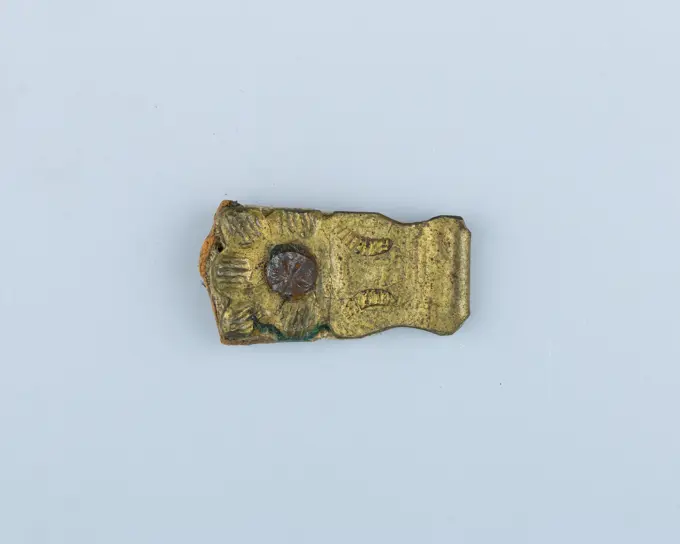
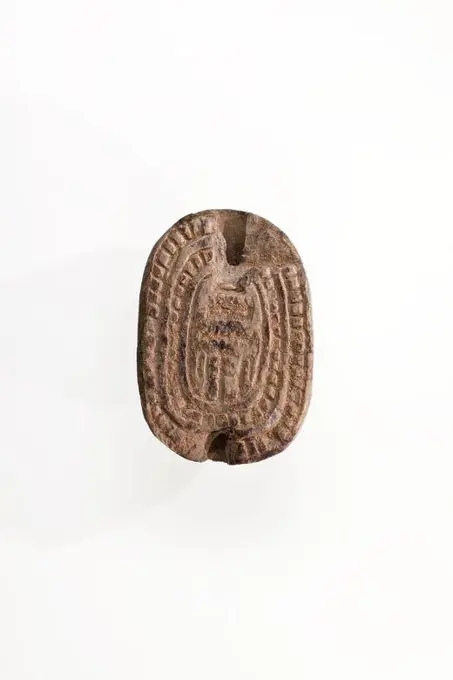
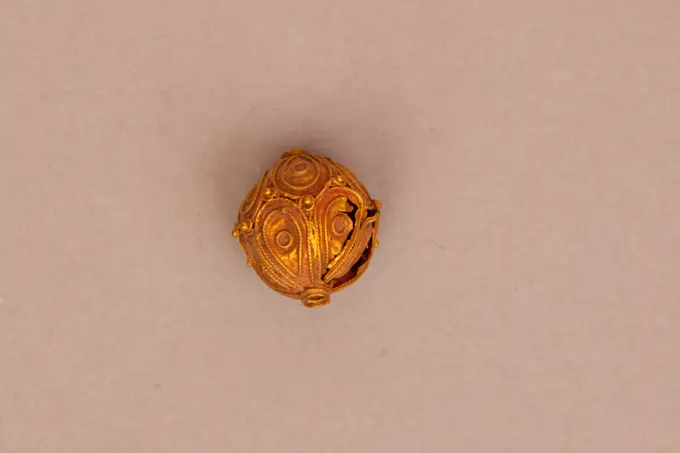
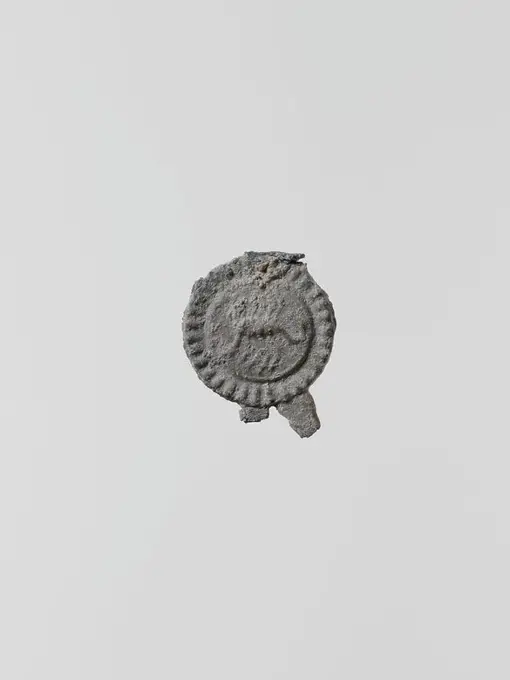
Depictions of ancient coins and artifacts including denars and scarabs, illustrating historical currency and cultural significance.
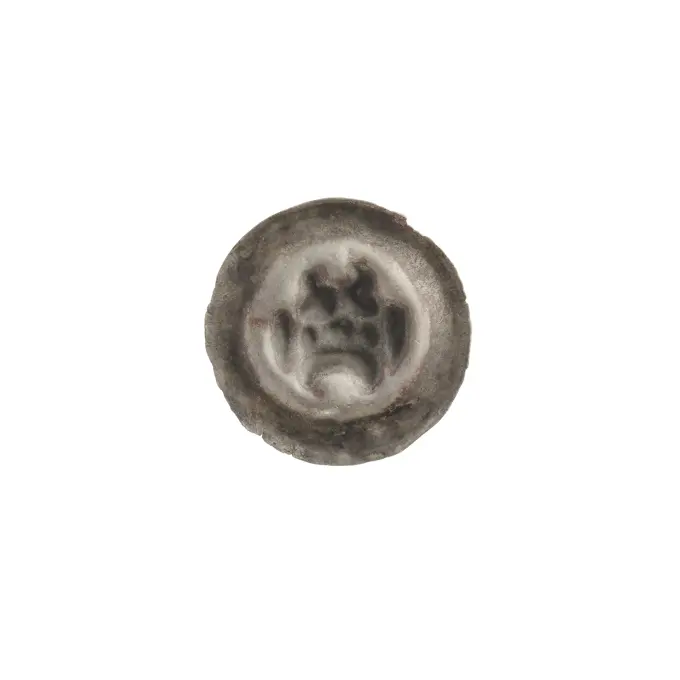
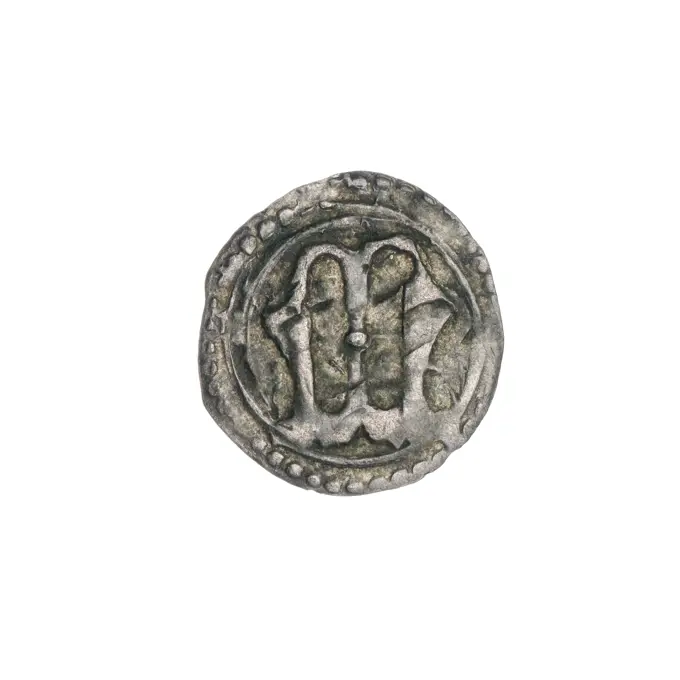
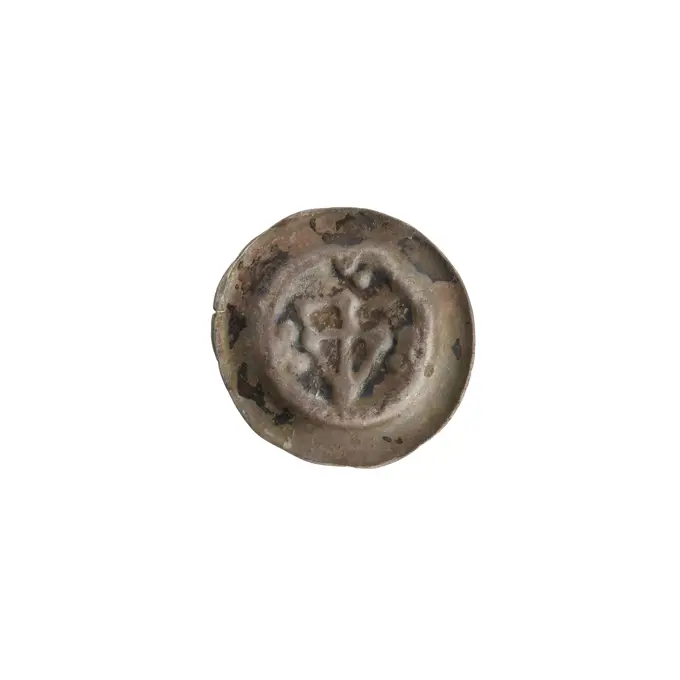
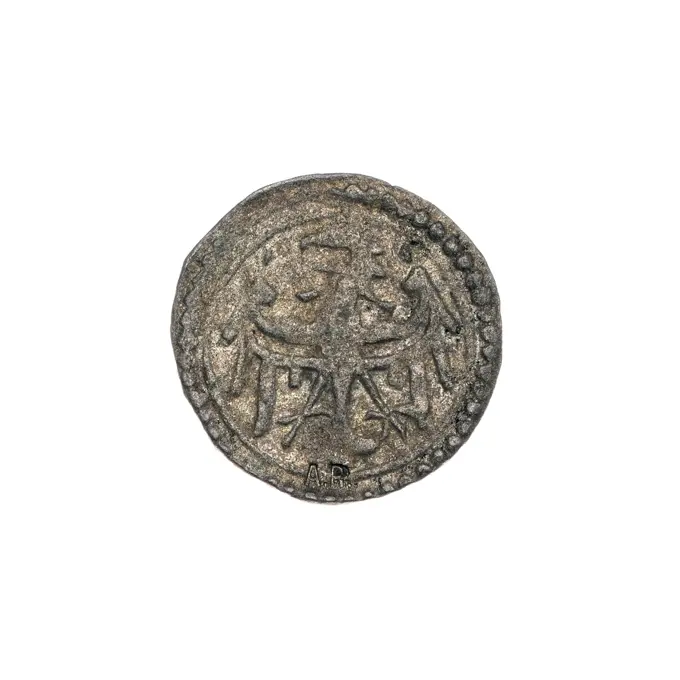
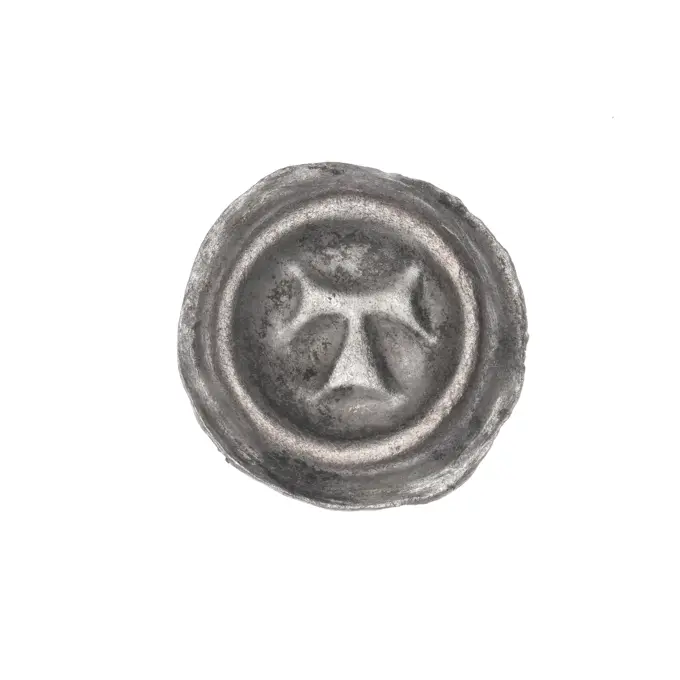
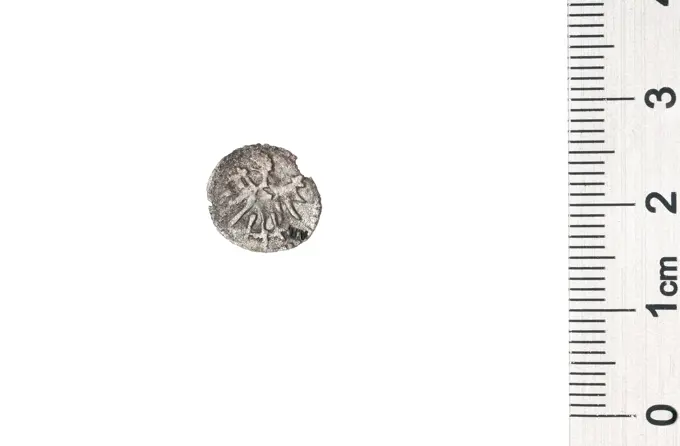
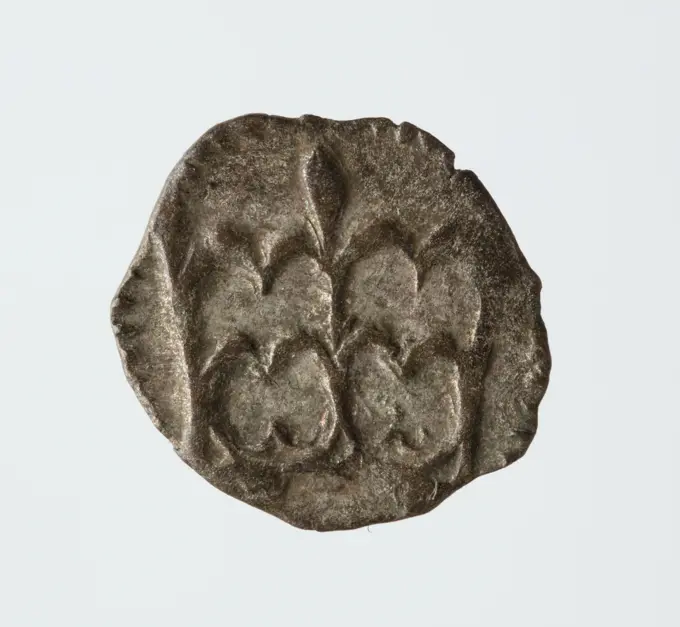
Denar - Brakteat; approx. 1327/1328-OK. 1337/1338 (1327-00-00-1338-00-00);
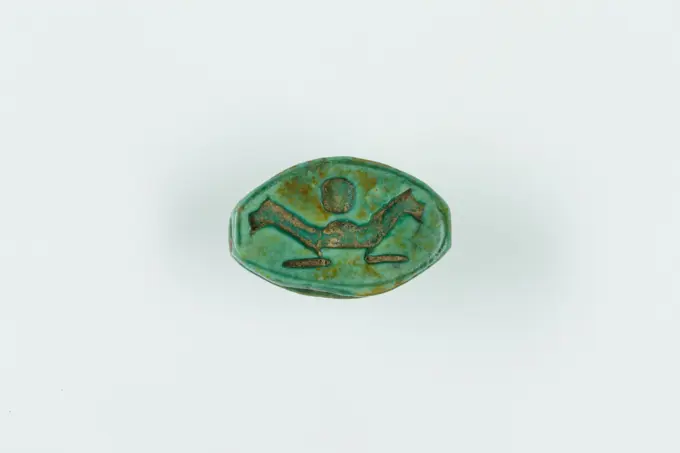
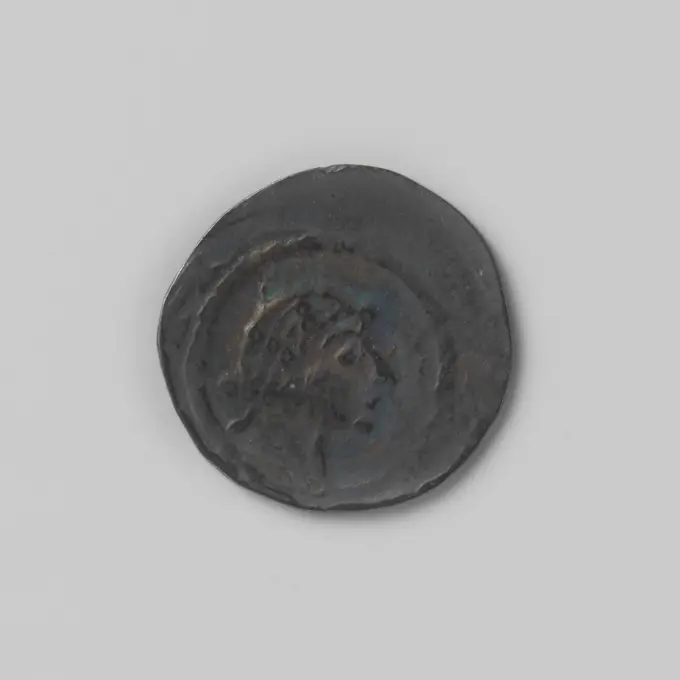
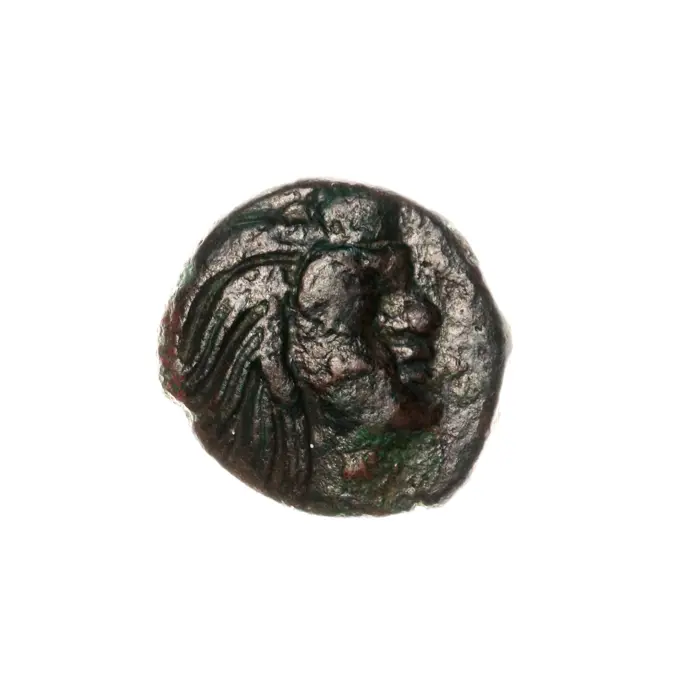
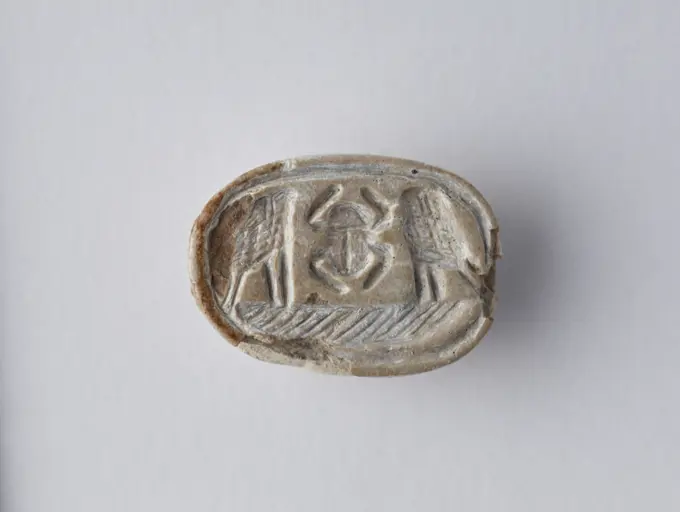
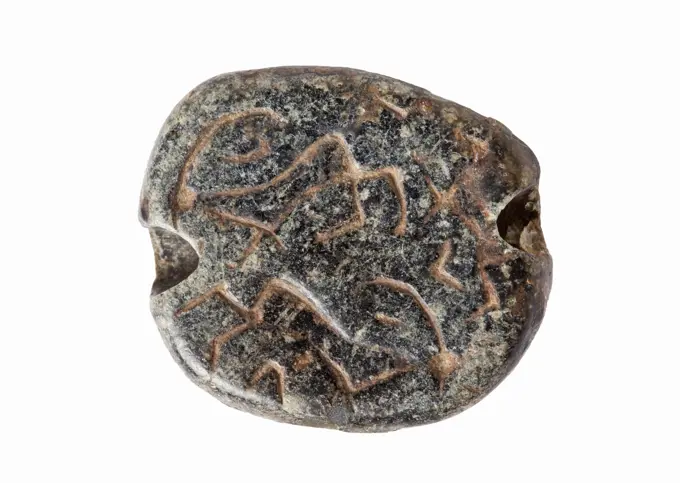
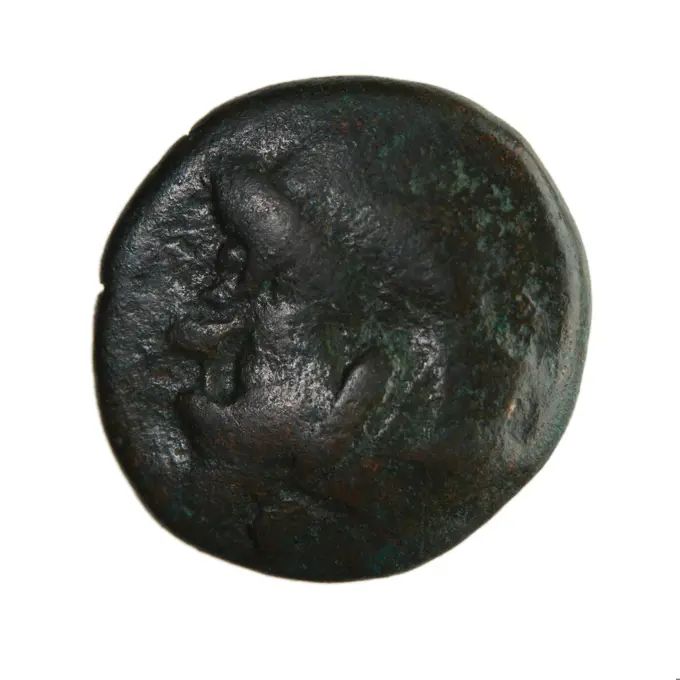
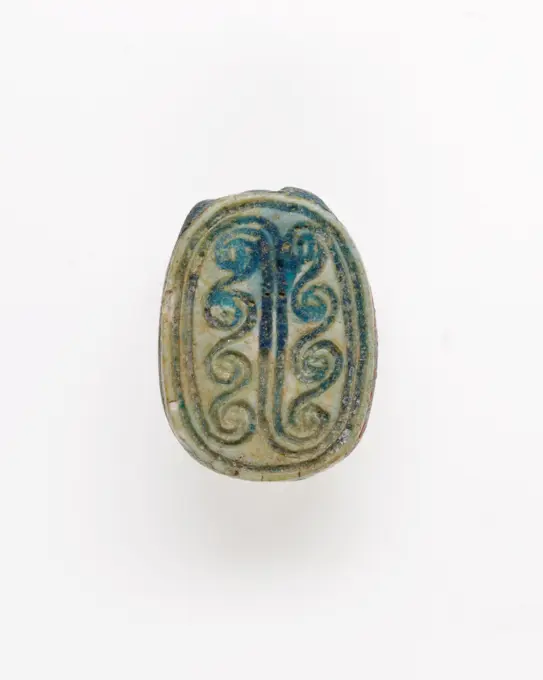
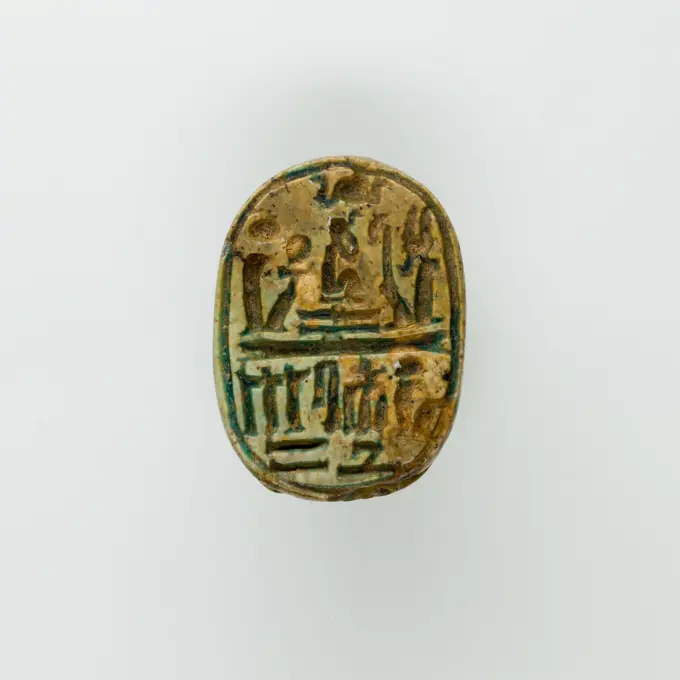
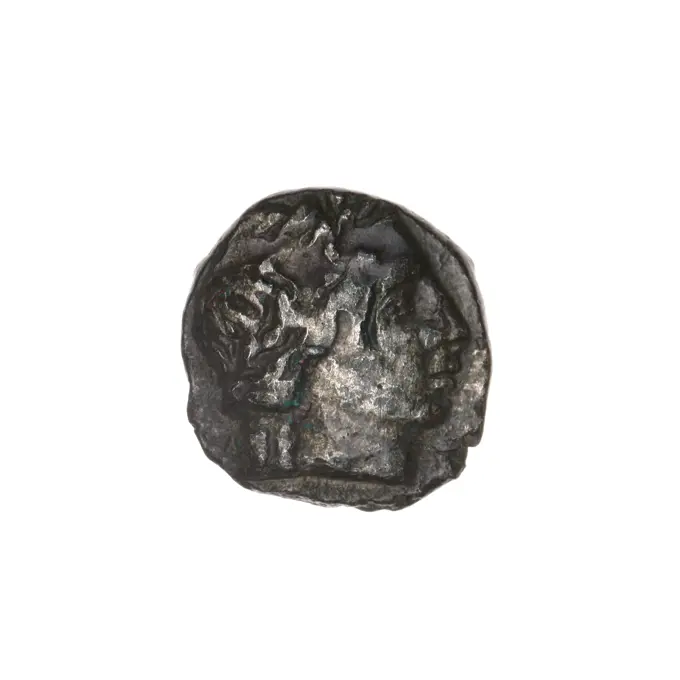
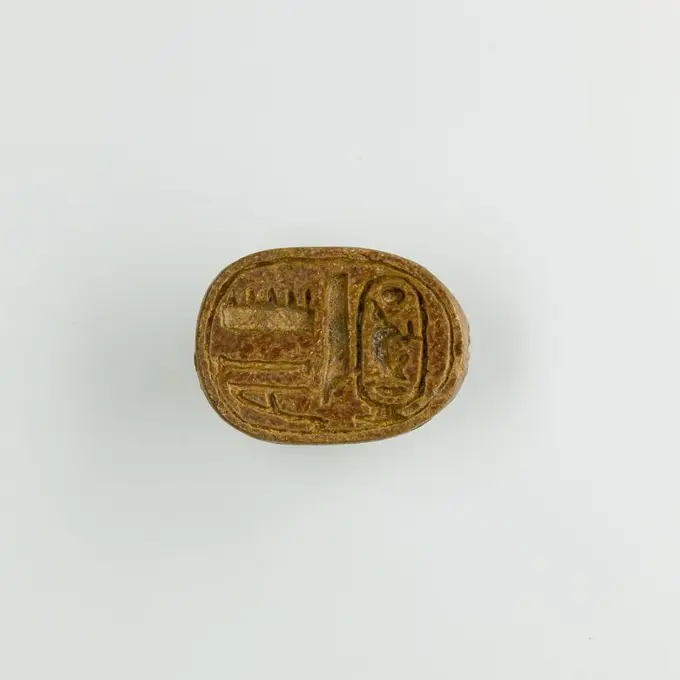
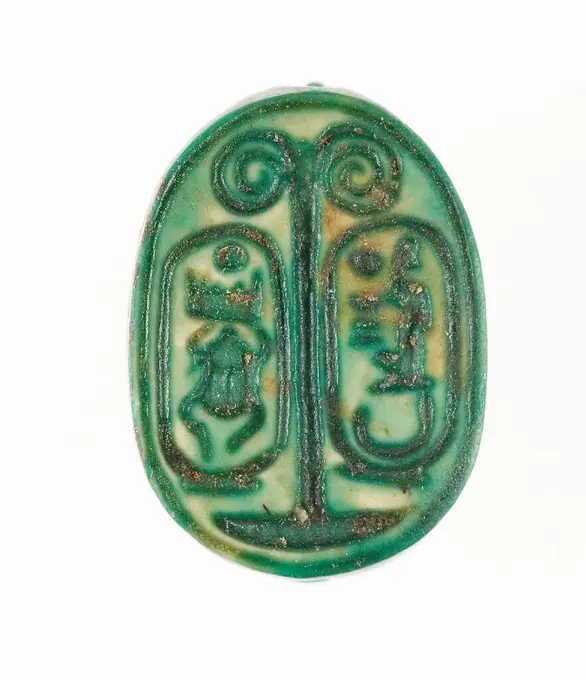
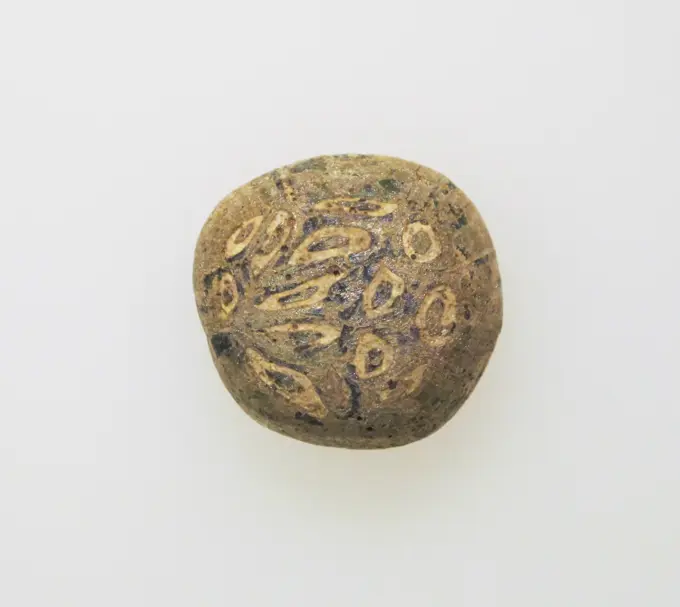
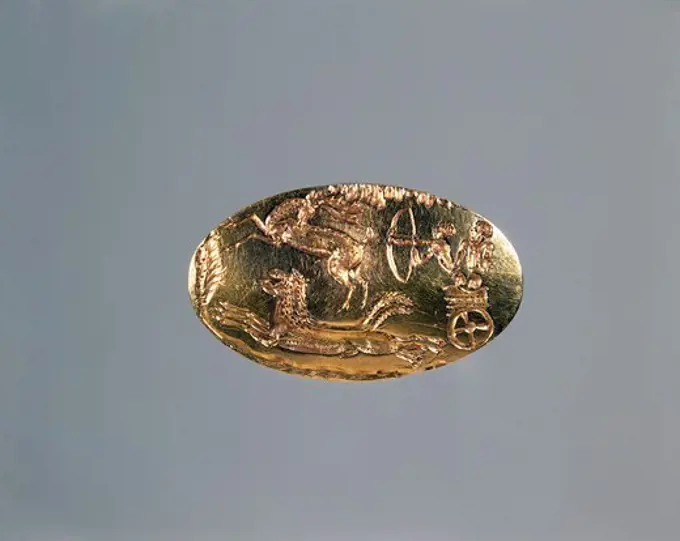
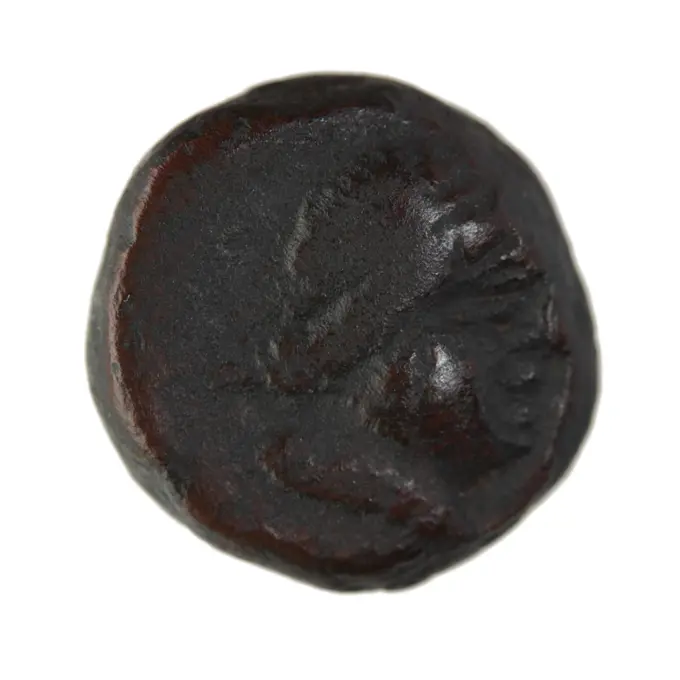
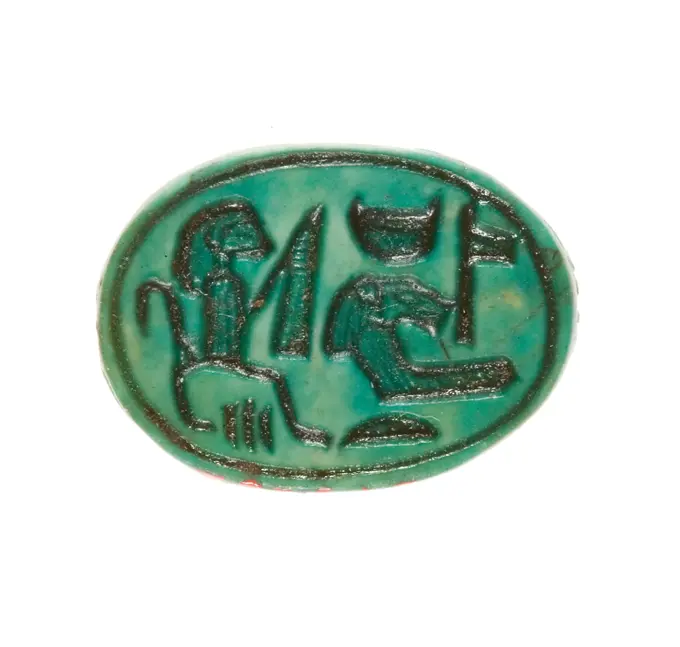
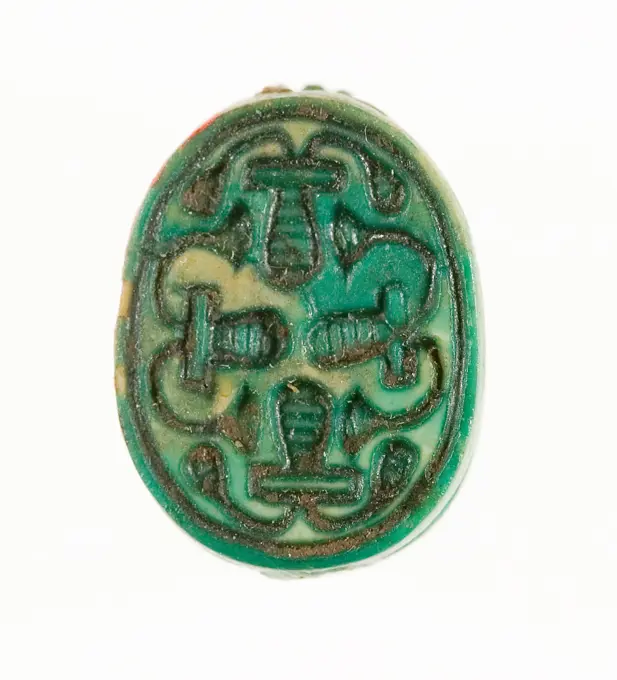
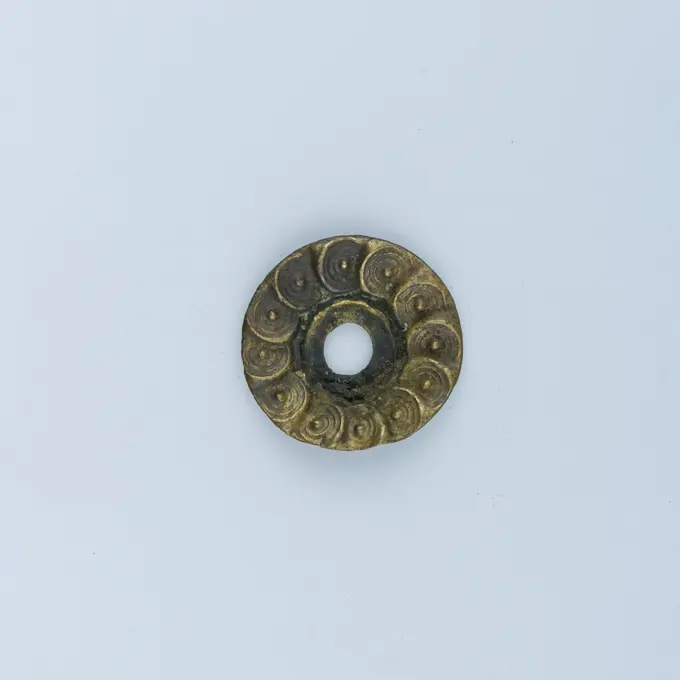
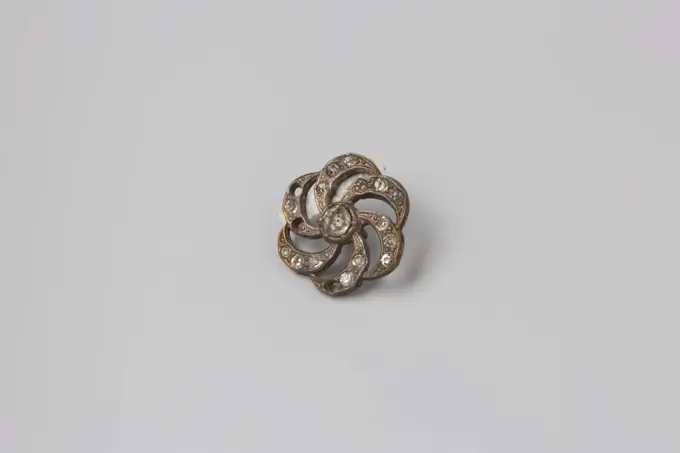
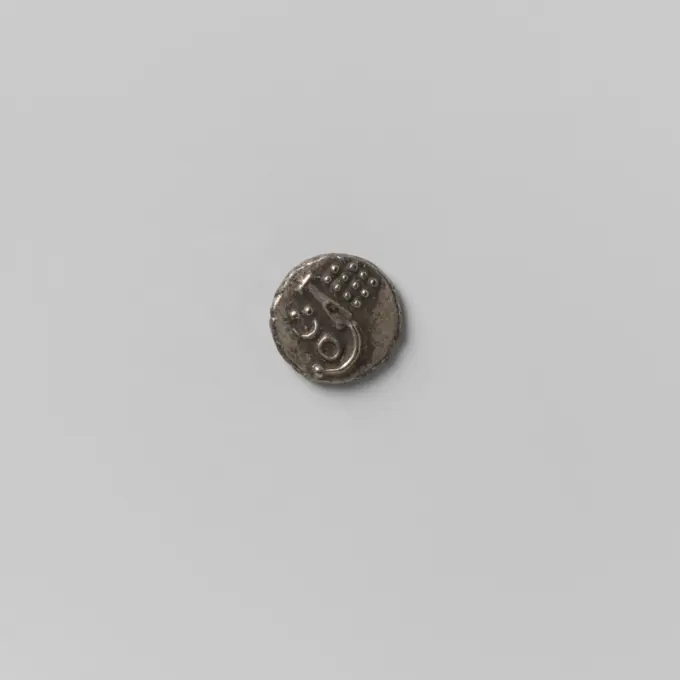
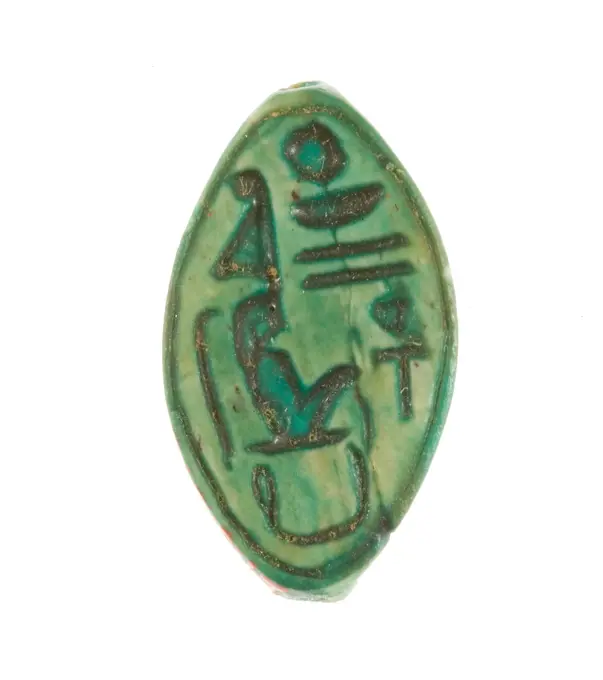
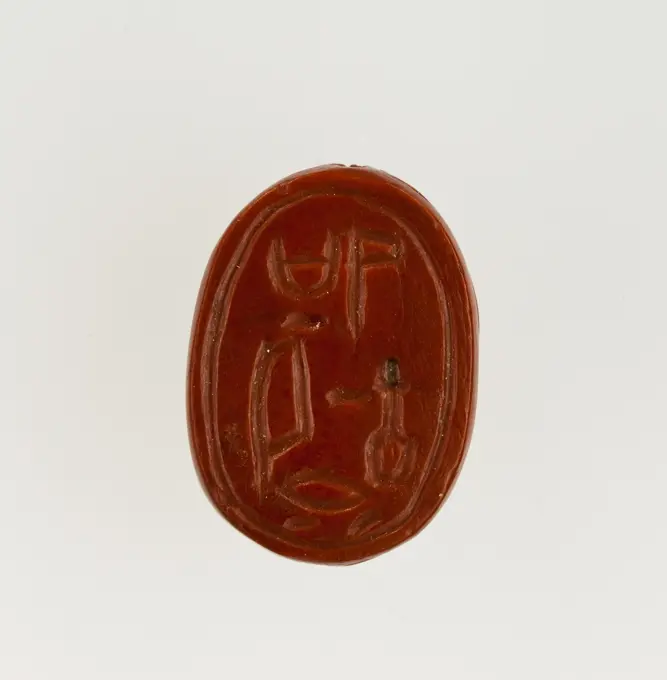
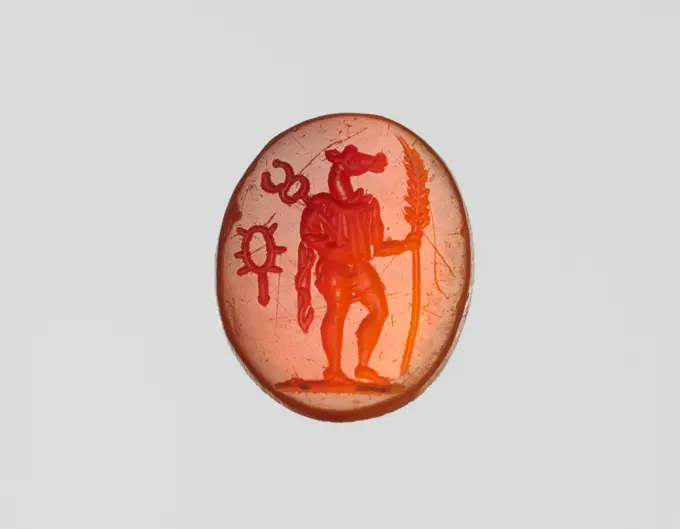
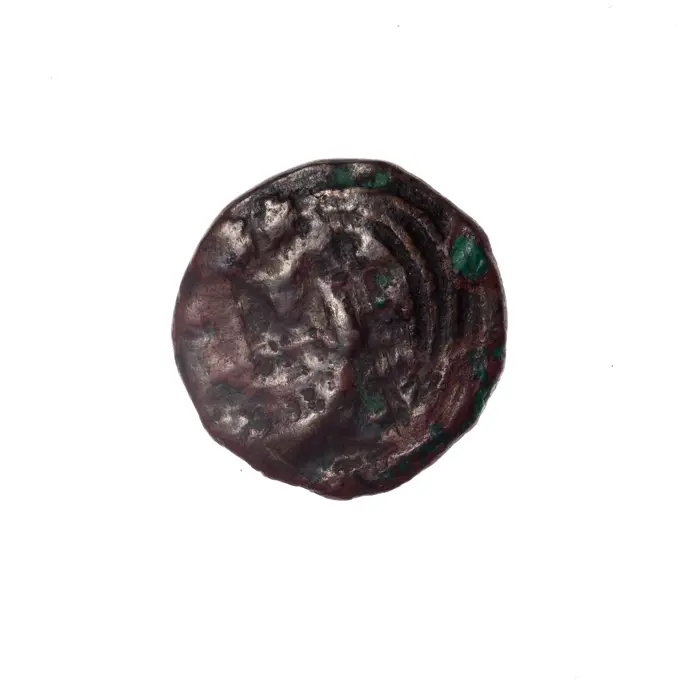
Denar - Brakteat; approx. 1327/1328-OK. 1337/1338 (1327-00-00-1338-00-00);heller; 15th century (1401-00-00-1500-00-00);Szymoński, Jan (1887-1954), Szymoński, Jan (1887-1954)-collections, buildings, letter M, letters, city coins, tower (iconogr.)Scarab. Dimensions: L.1.5 cm (9/16 in). Dynasty: Dynasty 12-18. Date: ca. 1981-1295 B.C.. Museum: Metropolitan Museum of Art, New York, USA.Denar - Brakteat; approx. 1307/1308- 1317/1318 (1307-00-00-1318-00-00);Denar - Brakteat; approx. 1327/1328-OK. 1337/1338 (1327-00-00-1338-00-00);Denar - Brakteat; approx. 1307/1308- 1317/1318 (1307-00-00-1318-00-00);Cowroid with Outward-facing Merged Lions and Sun Disk ca. 1550-664 B.C. New Kingdom-Third Intermediate Period This is a cowroid, a seal-amulet imitating the cowrie shell. As early as prehistoric times, cowrie shells were worn as adornment and amulets in Egypt, and their imitations in stone or faience appear in the early 2nd millennium B.C. They are often associated with fertility because the ventral opening of the shell looks similar to female genitalia.This cowroids underside shows a pair of merged lions, a design rarely found on seal-amulets. A sun disk sits above. The pair of lions may refer to the twin gods Shu and Tefnut, respectively gods of the air and the rain according to the creation myth of Heliopolis: Shu and his sister Tefnut can take the shape of lions placed back-to-back, supporting the sun disk. This pair of lions, however, are merged at the shoulders, as seen in Ptolemaic inscriptions where they refer to the lunar god Khonsu.. Cowroid with Outward-facing Merged Lions Denar - Brakteat; approx. 1307/1308- 1317/1318 (1307-00-00-1318-00-00);Glass pendant with lion Roman 4th-5th century CE Translucent amber yellow.Oval disk with thick rounded edge on right half; uneven, flat bottom; pierced suspension loop applied to front of disk, folded over, and pressed on to back edge.On obverse, off-center circular stamp with lion in relief walking to right; in field above, two stars flanking crescent moon.Intact; some pitting of surface bubbles and brilliant iridescent weathering. View more. Glass pendant with lion. Roman. 4th-5th century CE. Glass; stamped and tooled. Late Imperial. Glassheller; 15th century (1401-00-00-1500-00-00);letter L, letters, letters K - L, city coins, Silesian Eagle (iconogr.), Eagles, a shield with an eagle (iconogr.), Shield with Silesian Eagle (iconogr.)Dutch medal of Floris V, 1256-1296, Floris V (Graaf van Holland and Zeeland), 1256 - 1258 coin. penny Silver coin. Front: head with digging cap to the right. Reverse: long double -mine cross. Dordrecht silver (metal) striking (metalworking)Scarab Inscribed with the Name Maatkare Over a Papyrus Thicket ca. 1479-1458 B.C. New Kingdom During the 1926-1927 excavation season, the Museum's Egyptian Expedition uncovered three foundation deposits along the eastern enclosure wall of Hatshepsut's funerary temple at Deir el-Bahri in Western Thebes. Among the contents were 299 scarabs and stamp-seals. Sixty-five of these are now in the Egyptian Museum, Cairo, and the rest were acquired by the Museum in the division of finds.Among the inscriptions on the bases of these scarabs and seals are examples of every title Hatshepsut held, from the time she was "king's daughter" during the reign of her father, Thutmose I; through the time she was queen of her half-brother, Thutmose II; and during her regency and co-reign with her nephew/step-son, Thutmose III.After the death of her husband, Hatshepsut became regent for her nephew who was a small child. The length of this regency period is uncertain, with estimates ranging from two to seven yedenarius; W ADSAW II JAGIEC (King of Poland; 1386-1434); 1386-1434 (1386-00-00-1434-00-00);Denar - Brakteat; 2 after. XIII century (1233-00-00-1299-00-00);Engraved Gem. UnknownWall light, anonymous, -800 --500 Decor consisting of the head and body of two myths. The patina is gray -green. China bronze (metal) Decor consisting of the head and body of two myths. The patina is gray -green. China bronze (metal)Cowroid Hathor Sistrum Flanked by Uraei 1550 BCE-1295 BCE Egypt. Steatite . Ancient EgyptianBrown coin; Pantikapaion; 330-315 BC (330-00-00-315-00-00);Chynowski, Józef (1833 -Ca 1915), Chynowski, Józef (1833 -Ca 1915) - collections, Nadczarzyorze, Pegasus (Mitol.), Satyr (Mitol.), Society of Fine Arts encouragement (Warsaw - 1860-1940) - collection, Protoma Pegasus (iconogr.)Skarabeuszheller; 15th century (1401-00-00-1500-00-00);Piotr (Saint), Klucze, city coins, Silesian Eagle (iconogr.), Eagles, Saint. Piotr with keysStamp Seal, Hemispheroid. Western Iran, about 4th millennium B.C.. Tools and Equipment; seals. Gray-mottled black serpentineScarab Inscribed with the Name Amenhotep ca. 1525-1504 B.C. New Kingdom. Scarab Inscribed with the Name Amenhotep. ca. 1525-1504 B.C.. Ivory. New Kingdom. From Egypt. Dynasty 18Anonymous. "Camée: the quadrige of the dawn". Brown glass paste. Museum of Fine Arts of the City of Paris, Petit Palais. 99933-17 Antiquity, brown, ancient glass pasteFalse coin, pennyAnpomeyimyery, give up his penéit w. P..t. see,. FanagoriaScarab Decorated with Scrolls ca. 1740-1640 B.C. Middle Kingdom Scrolls and spirals -whether single or interlocking, or in combination with hieroglyphs or floral motifs- already decorate the earliest types of scarabs and are common throughout the first half of the second millennium B.C. While their meaning and source of inspiration remains unknown, scroll designs are also appealing to the eye. A wide variety of combinations, some of which more complex than others, is found on Egyptian scarabs of the Middle Kingdom and scrolls become particularly popular during late Dynasty 12 and Dynasty 13 (ca. 1850-1640 B.C.). While these designs continue to appear on scarabs in the Second Intermediate Period (ca. 1640-1550 B.C.) and on contemporary Canaanite imitations, details in the composition or on the scarabs back or its legs allow the seal-amulet to be more precisely dated. This scarab shows, for example, features on its back and sides that are characteristic for mid to late Dynasty 13 scarabScarab of Ramesses II ca. 1295-1070 B.C. New Kingdom, Ramesside. Scarab of Ramesses II 560045Drachma; Pantikapaion; 270-201 BC (270-00-00-201-00-00);Apollo (mitol. ), plants, purchase (provenance)Scarab of Amenhotep III. Dimensions: L. 1.7 cm (5/8 in.). Dynasty: Dynasty 19-20. Date: ca. 1295-1070 B.C.. Museum: Metropolitan Museum of Art, New York, USA.Scarab with the Throne Names of Thutmoses III and Hatshepsut. Dimensions: L. 1.9 cm (3/4 in); w. 1.3 cm (1/2 in); h. 0.7 cm (1/4 in). Dynasty: Dynasty 18. Reign: Joint reign of Hatshepsut and Thutmose III. Date: ca. 1479-1458 B.C.. Museum: Metropolitan Museum of Art, New York, USA.heller. Oleśnica, issuerGrahal-Manzara. Carnavalet 2013-2016 collection sites. Numismatics.Snuffbox. unknown, authorPinhead Roman Circular opaque brown and white millefiori pinhead.. Pinhead. Roman. Glass. Glassheller. Kożuchów, issuerScarab Inscribed with the Name of the God Amun-Re ca. 1479-1458 B.C. New Kingdom. Scarab Inscribed with the Name of the God Amun-Re. ca. 1479-1458 B.C.. Steatite (glazed). New Kingdom. From Egypt, Upper Egypt, Thebes, Deir el-Bahri, Temple of Hatshepsut, Foundation Deposit 9 (I), MMA excavations, 1926-27. Dynasty 18, earlyFalse coin, crown shilIIng, John II Casimir (1649 1668)Grahal-Manzara. Carnavalet 2013-2016 collection sites. Numismatics.Brakedate Halter; 15th century (1401-00-00-1500-00-00);The letter T, letters, one -sided coins, city coinsSealing pistonGold signet ring with relief of deer hunting from Mycenae, Grave Circle A, Tomb IVCarnavalet museum, medal collection Bust law of Denis Affre in priest costume of three-quarters face; Reverse inscription on seven lines surmounted by a crown containing a cross and two glumes in a long necklace.Glass pendant. Culture: Roman. Dimensions: 1 × 3/4 × 1/8 in. (2.5 × 1.8 × 0.4 cm). Date: mid-5th-early 6th century A.D..Translucent pale yellow with greenish tinge; loop in same color.Circular disk with thick rounded edge surrounding stamped center; flat back; pierced suspension loop applied to front of disk, folded over, and pressed on to back edge.On obverse, circular stamp with human figure standing at center holding two objects in outstretched arms; at his feet, two animals or birds. The design is very indistinct but may be identified as a shepherd-kriophoros.Complete, but slight weathered chip on edge to proper right of loop; pitting, thick creamy weathering, and patches of brilliant iridescence. Museum: Metropolitan Museum of Art, New York, USA.False coin, crown shilIIng, 1664, John II Casimir (1649 1668)Scarab ca. 1479-1458 B.C. New Kingdom. Scarab. ca. 1479-1458 B.C.. Faience. New Kingdom. From Egypt, Upper Egypt, Thebes, Deir el-Bahri, Hatshepsut Hole, Hathor Shrine, MMA excavations, 1922-23. Dynasty 18Scarboid Amulet with the Eye of the God Horus (Wedjat) 1550 BCE-1295 BCE Egypt. Faience . Ancient EgyptianKiterian Bospor, Panticbajon, 1st Half of the Second Century BC; AEE Panticapaeum mintEngraved Gem. Unknownheller. Krosno, issuerSealing ca. 7th century A.D. Sasanian. Sealing 323413Scarab Inscribed for the God's Wife Hatshepsut ca. 1479-1458 B.C. New Kingdom This scarab was found in a foundation deposit associated with Hatshepsut's funerary temple at Deir el-Bahri. The base is inscribed with her personal name, Hatshepsut ("foremost of noblewomen") linked with the title God's Wife. Hatshepsut inherited the title while she served as principal queen of her half-brother, Thutmose II. Later in her life, after taking on the titles of King, Hatshepsut passed the title to her daughter, Neferure (see scarab 27.3.326).. Scarab Inscribed for the God's Wife Hatshepsut. ca. 1479-1458 B.C.. Steatite (glazed). New Kingdom. From Egypt, Upper Egypt, Thebes, Deir el-Bahri, Temple of Hatshepsut, Foundation Deposit 7 (G), MMA excavations, 1926-27. Dynasty 18, earlyMint: Ephesus, 1/24 Stater fromEphesus, 550-500 B.C., Silver, 0.47 g, 7mm, Made in Ephesus, Ionia, Greek, 6th century B.C., NumismaticsGlass bead. Glass bead. Glass. GlassCoin weight. unknown, craftsmanScarab Inscribed with a Geometric Pattern ca. 1479-1458 B.C. New Kingdom. Scarab Inscribed with a Geometric Pattern. ca. 1479-1458 B.C.. Steatite (glazed). New Kingdom. From Egypt, Upper Egypt, Thebes, Deir el-Bahri, Temple of Hatshepsut, Foundation Deposit 9 (I), MMA excavations, 1926-27. Dynasty 18, earlyWeightScarab Inscribed Wosretkau (Hatshepsut) ca. 1479-1458 B.C. New Kingdom. Scarab Inscribed Wosretkau (Hatshepsut). ca. 1479-1458 B.C.. Steatite (glazed). New Kingdom. From Egypt, Upper Egypt, Thebes, Deir el-Bahri, Temple of Hatshepsut, Foundation Deposit 7 (G), MMA excavations, 1926-27. Dynasty 18, earlyMordant 16th century German. Mordant. German. 16th century. Brass. Miscellaneous-Buckles & Ornamentszel g; Pfahler, Ernest; 1625 (1625-00-00-1625-00-00);Deployment;  VIII-XII century (701-00-00-1200-00-00);Arabic (culture), Islam (culture), message (provenance), Islamic artScarab. Dimensions: l. 2.2 cm (7/8 in). Dynasty: Dynasty 12-18. Date: ca. 1981-1295 B.C.. Museum: Metropolitan Museum of Art, New York, USA.Bead 11th century. Bead. 11th century. Gold; filigree and granulation. Attributed to Egypt or Syria. JewelryStud Button. UnknownOne of a Group of Bone Ornaments. Culture: Japan. Dimensions: H. 5/8 in. (1.6 cm); Diam. 1 1/4 in. (3.2 cm). Museum: Metropolitan Museum of Art, New York, USA.Statuette of a warrior-7. Culture: Greek, Laconian. Dimensions: Height: 7/8 in. (2.2 cm). Museum: Metropolitan Museum of Art, New York, USA.Molded Gem Inset Into a Fragmentary Ring. UnknownPendant with lion's head 7th-5th Century B.C. Etruscan. Pendant with lion's head. Etruscan. 7th-5th Century B.C.. Gold. Gold and SilverBliżej Kultury Mint of Kraków, Władysław Warneńczyk (King of Poland, 1434 1444)Seal Amulet Decorated with a Hippopotamus ca. 1390-1353 B.C. New Kingdom The back of this seal amulet has been carved in the form of a hippopotamus. The image of another hippo is inscribed on the base.. Seal Amulet Decorated with a Hippopotamus. ca. 1390-1353 B.C.. White mica schist. New Kingdom. From Egypt, Upper Egypt, Thebes, Malqata, No exact location recorded, MMA excavations, 1910-11. Dynasty 18Cylinder seal ca. 2649-2100 B.C. Old Kingdom. Cylinder seal. ca. 2649-2100 B.C.. Steatite. Old Kingdom. From Egypt. Dynasty 2-5heller. Wołów, issuerPlanets-manager. Cornalet Collection Sites 2013-2016. Numismatic.Livreiknoop of silver with weapon Teding van Berkhout, Hendricus & Zn. Really, c. 1853 - c. 1866 Livreiknoop of silver with weapon teding from Berkhout. Bolle front in which the weapon is beaten. The weapon of Berkhout (1815): in gold seven red bugs, a standing silver crane in a blue release. Equipped with a copper eye at the back. Utrecht whole: Silver (Metal). Eye: Copper (Metal) forging Livreiknoop of silver with weapon teding from Berkhout. Bolle front in which the weapon is beaten. The weapon of Berkhout (1815): in gold seven red bugs, a standing silver crane in a blue release. Equipped with a copper eye at the back. Utrecht whole: Silver (Metal). Eye: Copper (Metal) forgingPlaque with Head. Culture: China (Xinjiang Autonomous Region, Central Asia). Dimensions: H. 1 5/8 in. (4.1 cm); W. 1 in. (2.5 cm). Date: 7th-9th century.The nomadic communities of Central Asia used such plaques to embellish clothing and horse trappings. As these nomadic cultures herded animals and were constantly moving, their artistic production was expressed in portable objects that marked the wearer's status and wealth. The outstanding preservation of these fragile ornaments suggests they were used in conjunction with burials, where the body was aggrandized with valuable textiles and augmented with gold. Although it is difficult to date and place these objects geographically, their presence in Central Asia and has a long, established history. Museum: Metropolitan Museum of Art, New York, USA.Roundel, disk with three graces 4th century B.C.. Roundel, disk with three graces. 4th century B.C.. Gold. Gold and SilverModel for a decorative element of a chatelaine, anonymous, c. 1750 - c. 1775 The model made from plate for a mold has a driven decoration, which is then recited and engraved. It consists of a medallion surrounded by rococo ornament and flowers with a putto at a torch (). At the top three eyes. Amsterdam copper (metal) engraving The model made from plate for a mold has a driven decoration, which is then recited and engraved. It consists of a medallion surrounded by rococo ornament and flowers with a putto at a torch (). At the top three eyes. Amsterdam copper (metal) engravingPeridot ring stone. Culture: Roman. Dimensions: Length: 7/8 in. (2.2 cm). Date: 1st century B.C.-2nd century A.D..Apollo leaning on a pillar, bow in one handAdaptation of a Greek work of the 4th century B.C. Museum: Metropolitan Museum of Art, New York, USA.Coin Weight 13th-16th century. Coin Weight 442880Denar - Brakteat; approx. 1307/1308- 1317/1318 (1307-00-00-1318-00-00);Circular Plaque with Design of a Fantastic Animal China. Circular Plaque with Design of a Fantastic Animal. China. Jade (nephrite). Qing dynasty (1644-1911). JadeRosette 16th century German, Saxony. Rosette. German, Saxony. 16th century. Brass. Miscellaneous-Buckles & OrnamentPilgrim's Badge 14th-16th century French. Pilgrim's Badge. French. 14th-16th century. Lead. Metalwork-LeadKnot of silver -colored metal and stras, anonymous, c. 1700 - c. 1800 Button of silver -colored metal and stras. Six rotating, ajour, spalls of metal with three rhinestones are around a large middle stone. France (possibly) Completely: Metal. Decoration: Paste (Glass) forging / grinding Button of silver -colored metal and stras. Six rotating, ajour, spalls of metal with three rhinestones are around a large middle stone. France (possibly) Completely: Metal. Decoration: Paste (Glass) forging / grindingDrohiczy seal;  XI-XIII century (1090-00-00-1110-00-00);guild seals, customs seals, touches, seals of customs chambers, official seals, seals with a cross, seal with the image of the faceSealing pistonSilver Fanam van Cochin, Voor -India, United East India Company, 1782 - 1783 coin Silver coin. Front: Kali figure with 12 points on the chest in three rows of four. Reverse: lying J, OC and at the bottom of twelve points in three rows of four. Smooth edge. Kochi silver (metal) striking (metalworking)Onyx intaglio: Incantation in Greek letters ca. 2nd-3rd century A.D. Roman Amulet with inscriptions on both sides.. Onyx intaglio: Incantation in Greek letters. Roman. ca. 2nd-3rd century A.D.. Onyx. Imperial. GemsCowroid Inscribed Lord of the Two Lands Maatkare (Hatshepsut), Living ca. 1479-1458 B.C. New Kingdom. Cowroid Inscribed Lord of the Two Lands Maatkare (Hatshepsut), Living. ca. 1479-1458 B.C.. Steatite (glazed). New Kingdom. From Egypt, Upper Egypt, Thebes, Deir el-Bahri, Temple of Hatshepsut, Foundation Deposit 8 (H), MMA excavations, 1926-27. Dynasty 18, earlyScarab Inscribed with a Blessing Related to Amun-Re ca. 1479-1295 B.C. New Kingdom. Scarab Inscribed with a Blessing Related to Amun-Re 545236Scarab Inscribed for (Ahmose-)Nefertari ca. 1550-1504 B.C. New Kingdom. Scarab Inscribed for (Ahmose-)Nefertari. ca. 1550-1504 B.C.. Jasper. New Kingdom. From Egypt. early Dynasty 18Carnelian intaglio: Standing Anubis ca. 2nd-3rd century A.D. Roman. Carnelian intaglio: Standing Anubis 253786 Roman, Carnelian intaglio: Standing Anubis, ca. 2nd3rd century A.D., Carnelian, Other: 7/16 x 3/8 x 1/16 in. (1.2 x 0.9 x 0.2 cm). The Metropolitan Museum of Art, New York. Bequest of W. Gedney Beatty, 1941 (41.160.643)Disk ornament 13th-16th century Colombia. Disk ornament. Colombia. 13th-16th century. Gold. Colombia. Metal-OrnamentsGlass oval set in a gilt bronze ring 3rd-2nd century B.C. Greek Aphrodite holding her himation behind her body.. Glass oval set in a gilt bronze ring. Greek. 3rd-2nd century B.C.. Glass, brown. Hellenistic. GemsCarnavalet museum, medal collection Alphonse de Lamartine's right to right; Reverse registration on fourteen lines.Engraved Gem. UnknownBrown coin; Pantikapaion; 4. W. II century BC (-125-00-00--101-00-00);Dioskurów (mitol.), Nadczarzyorze, satir (mitol.), Dioskur caps (iconogr.), Horn of abundance (iconogr.), Purchase (provenance)Tiles and ornaments from the palace of Ramesses II ca. 1279-1213 B.C. New Kingdom, Ramesside. Tiles and ornaments from the palace of Ramesses II. ca. 1279-1213 B.C.. Faience. New Kingdom, Ramesside. From Egypt, Eastern Delta, Qantir (Piramesse), Palace of Ramesses II, Private apartments. Dynasty 19Ring Figure of Tawaret (Thoeris), with sa (protection) sign 1390 BCE Egypt. Faience . Ancient EgyptianCowroid Seal Amulet Inscribed with a Hieroglyphic Motif ca. 1479-1458 B.C. New Kingdom. Cowroid Seal Amulet Inscribed with a Hieroglyphic Motif. ca. 1479-1458 B.C.. Steatite (glazed). New Kingdom. From Egypt, Upper Egypt, Thebes, Deir el-Bahri, Temple of Hatshepsut, Foundation Deposit 7 (G), MMA excavations, 1926-27. Dynasty 18, earlyLamp, miniature Greek Unglazed pinkish clay.. Lamp, miniature. Greek. Terracotta