Historical Coins

Depictions of ancient coins and artifacts including denars and scarabs, illustrating historical currency and cultural significance.
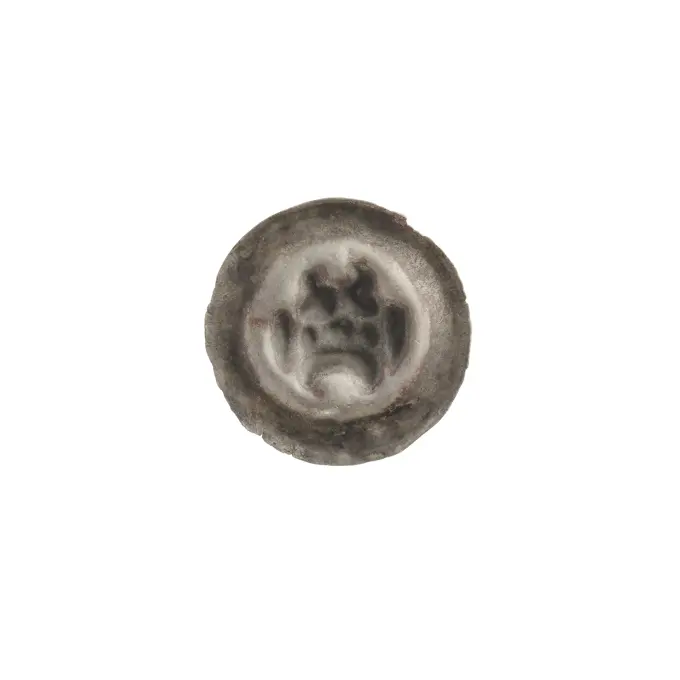
Denar - Brakteat; approx. 1327/1328-OK. 1337/1338 (1327-00-00-1338-00-00);
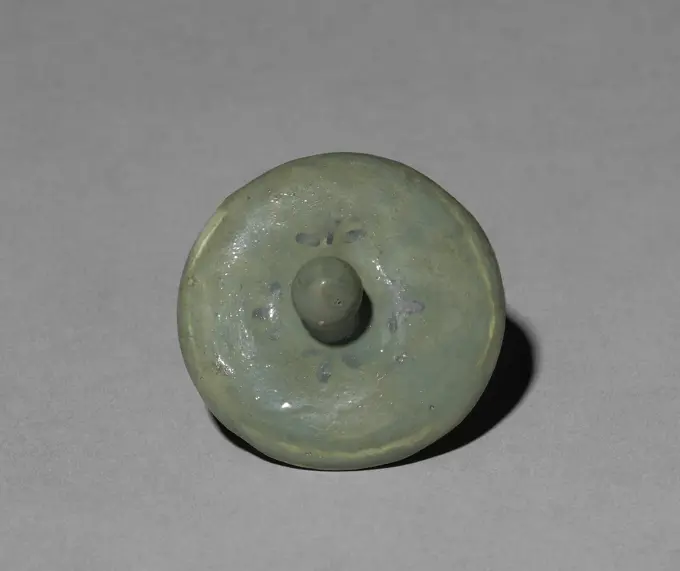
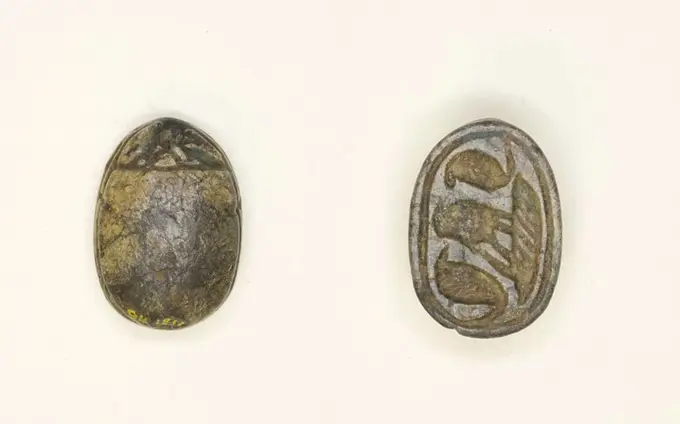
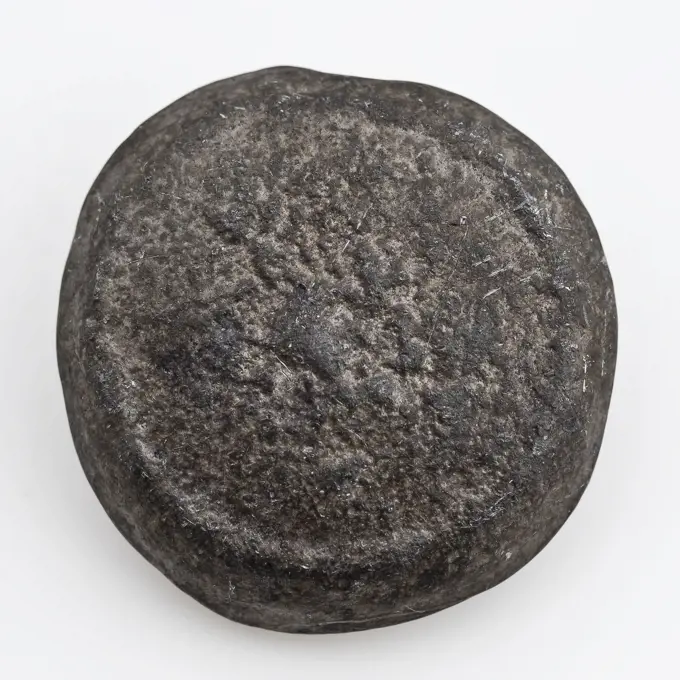
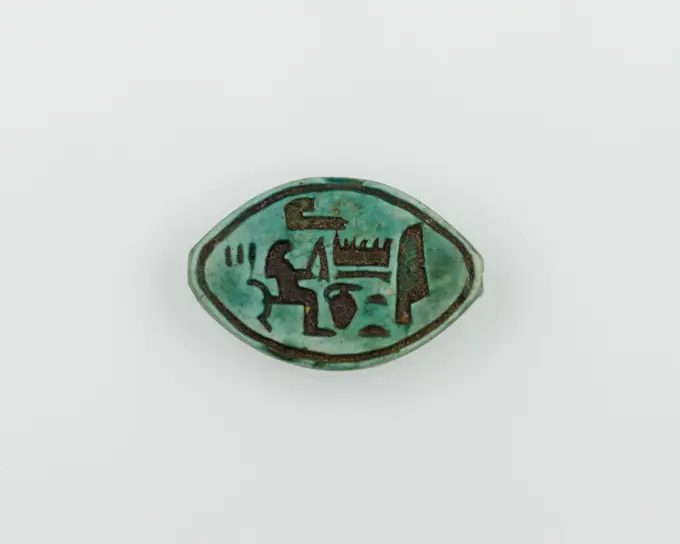
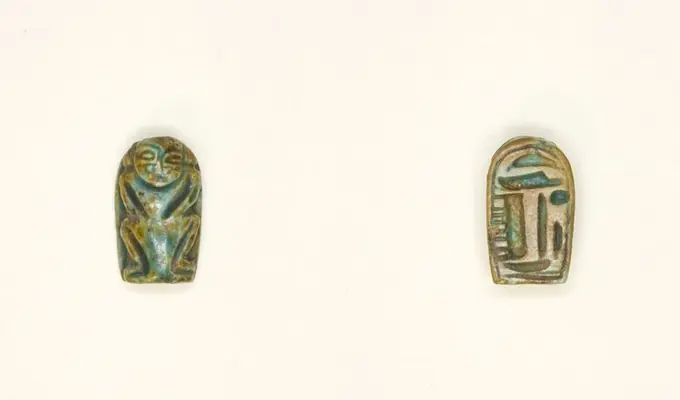
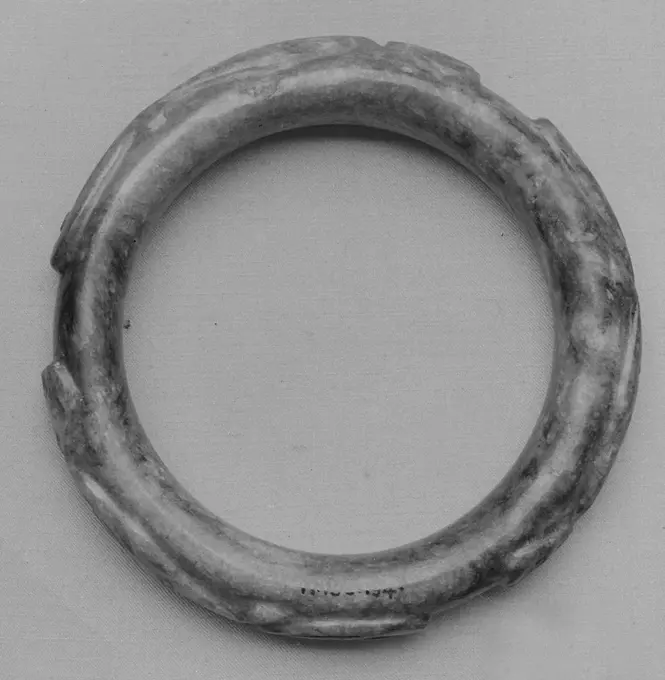
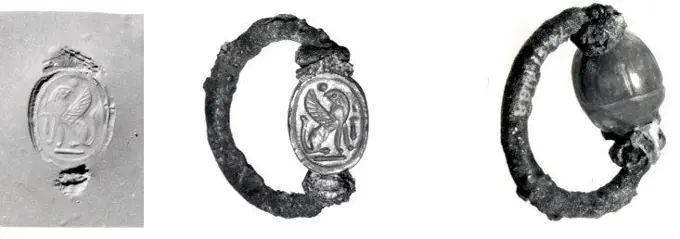
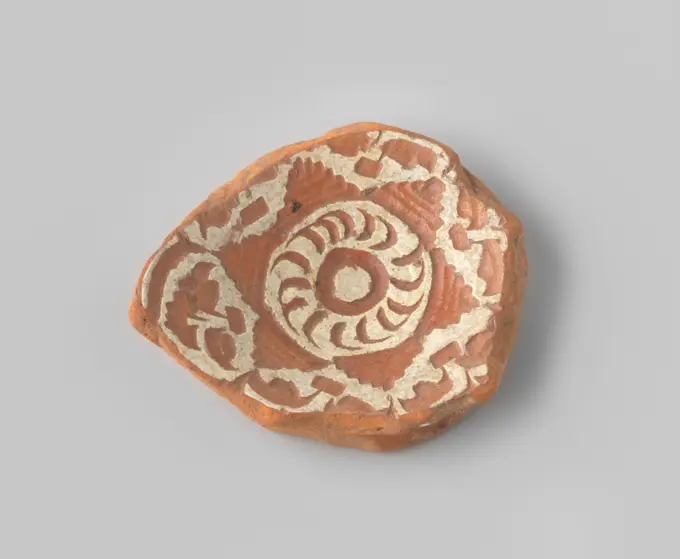
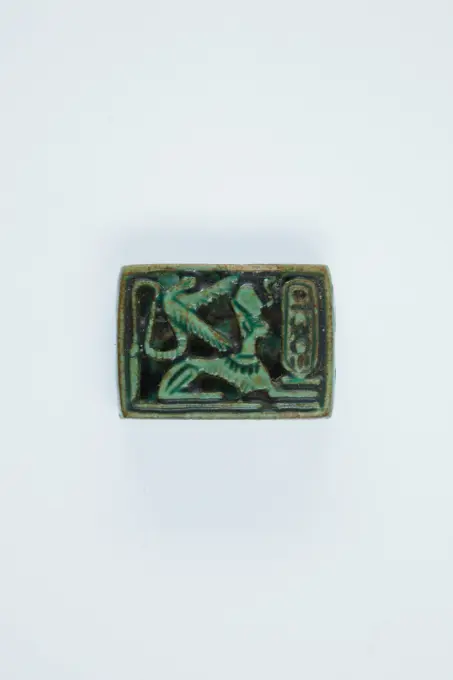
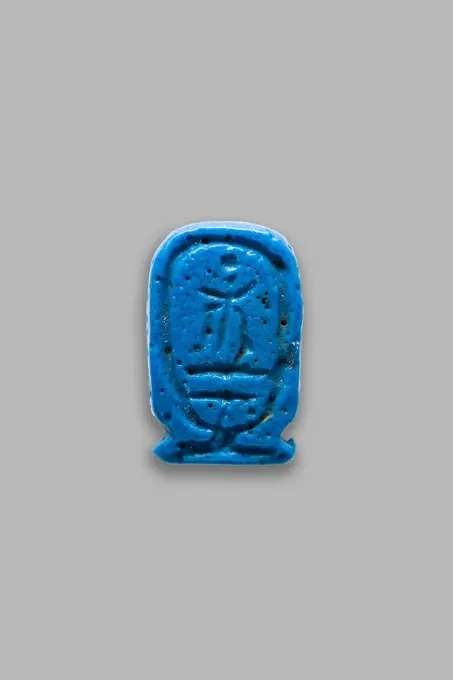
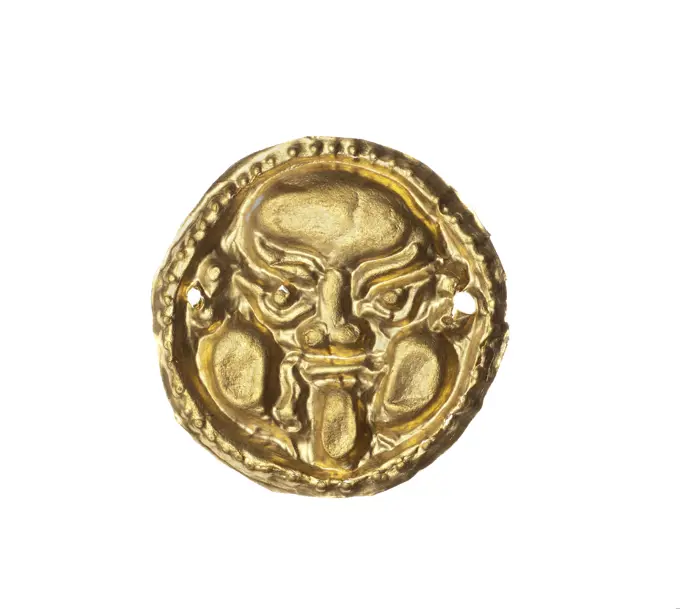
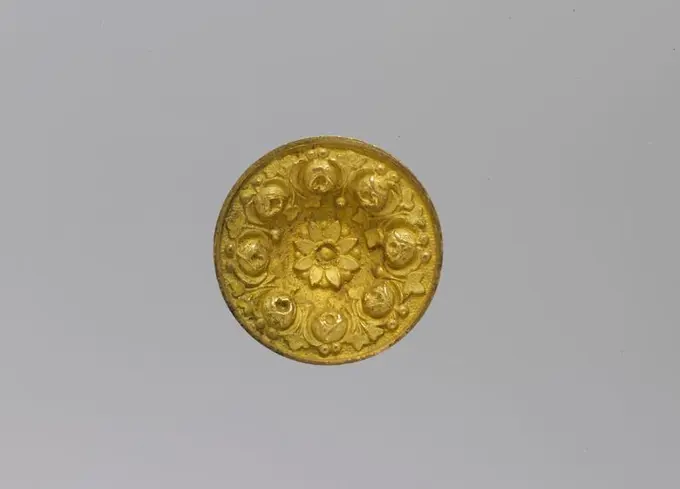
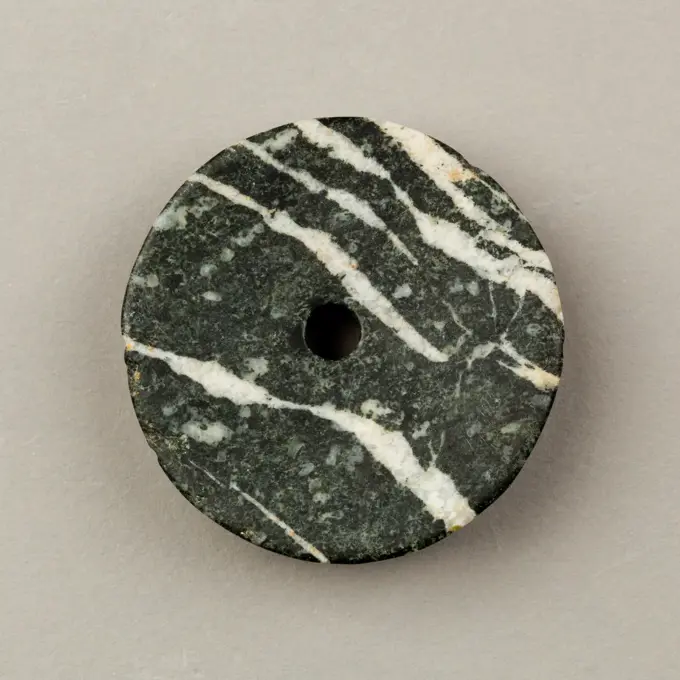
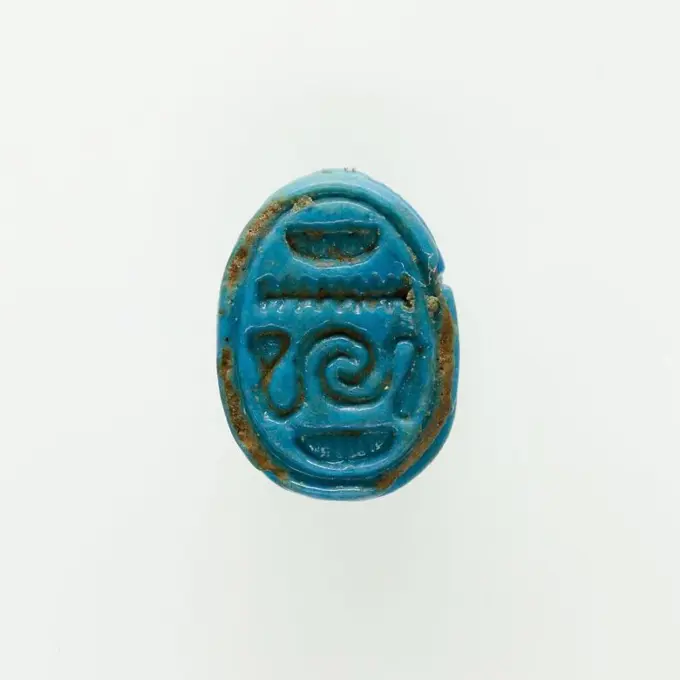
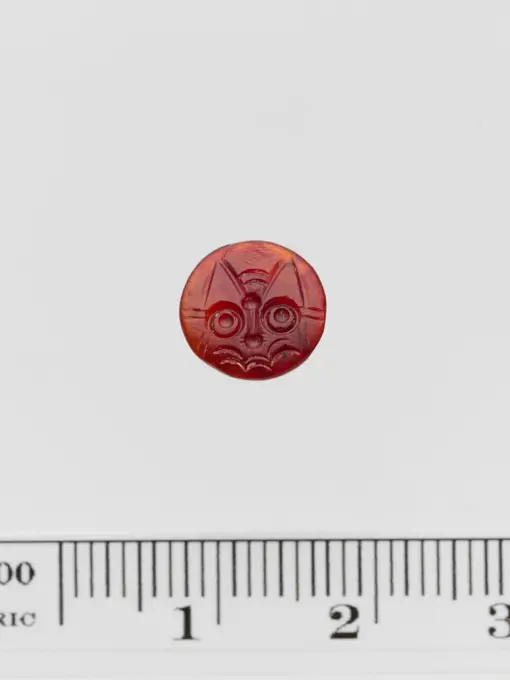
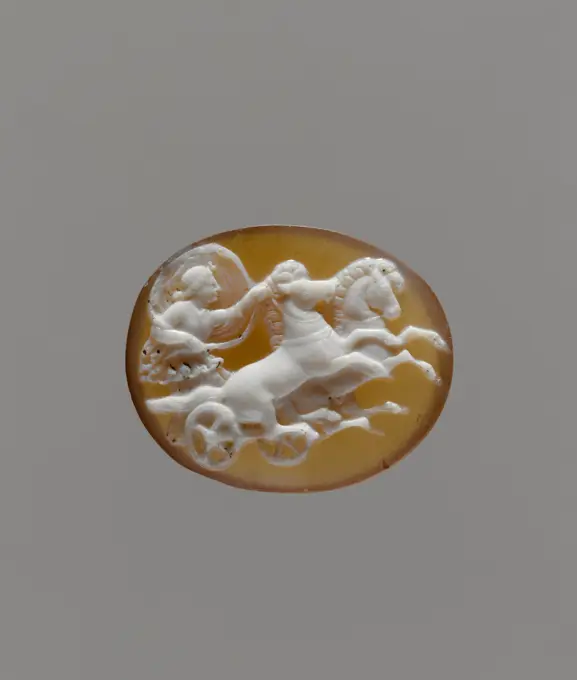
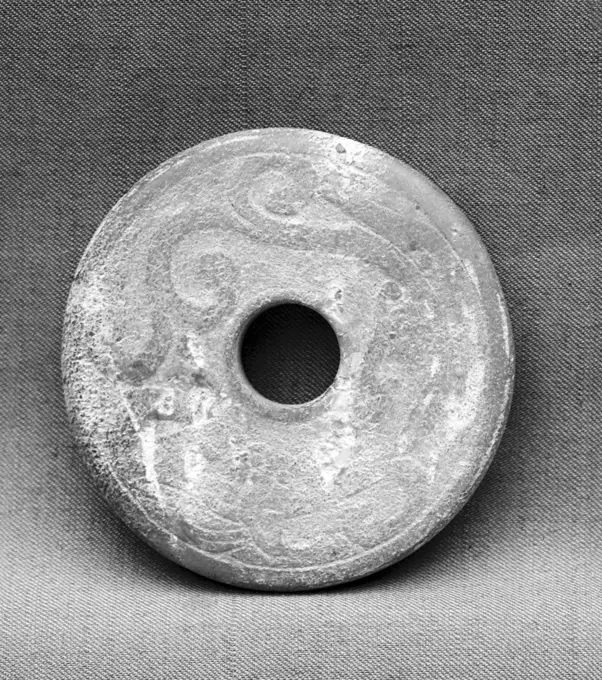
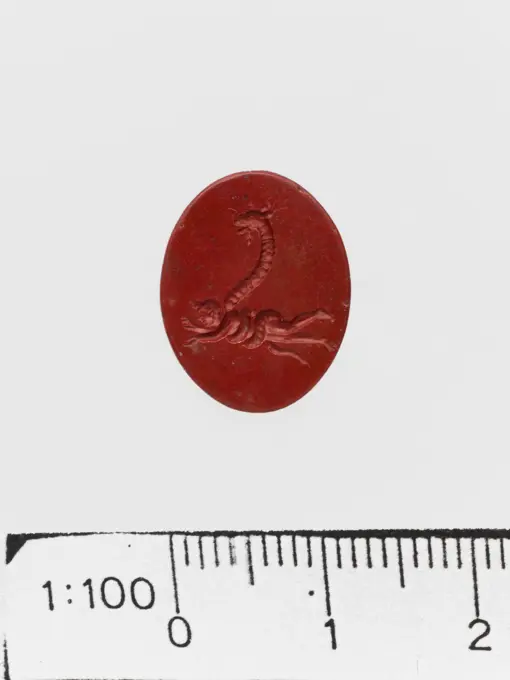
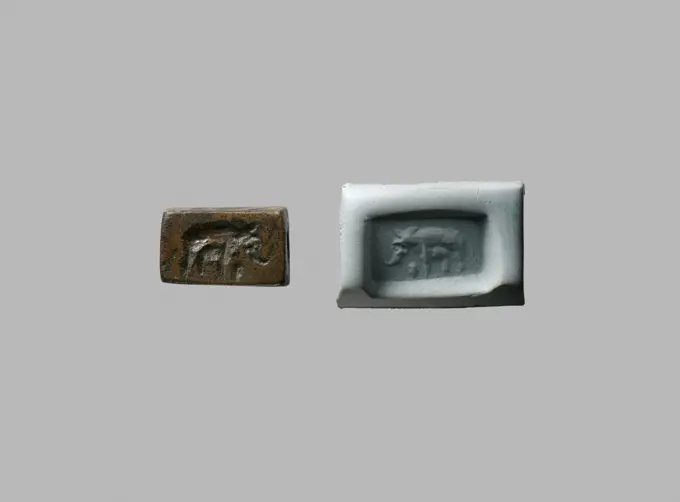
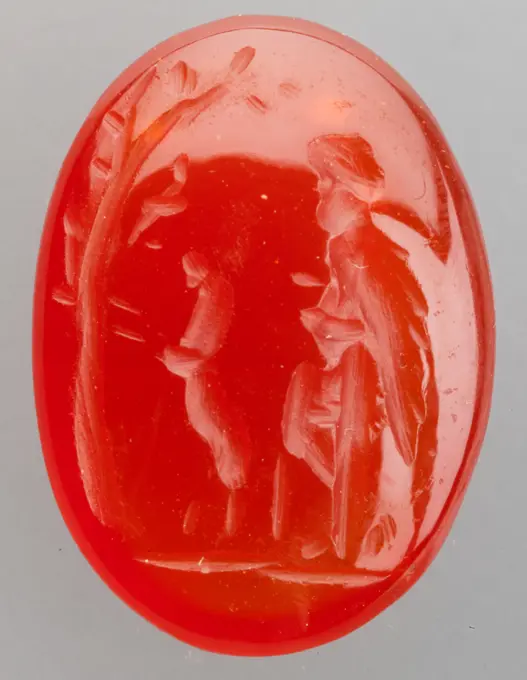
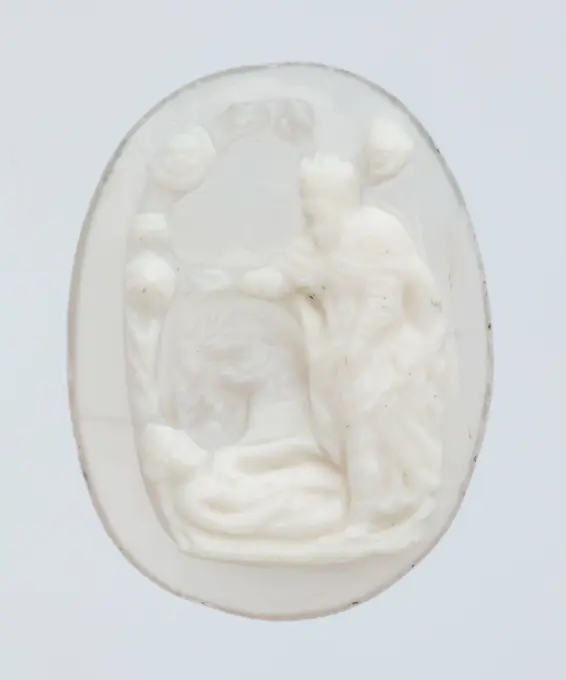
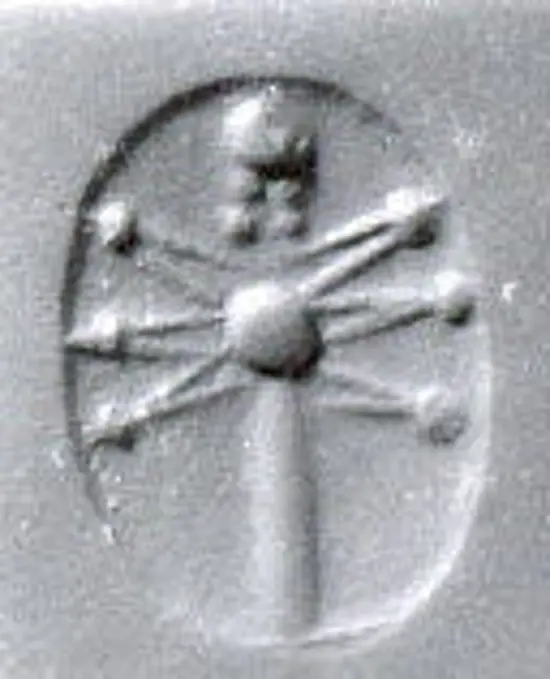
Scarab ca. 1479-1458 B.C. New Kingdom. Scarab. ca. 1479-1458 B.C.. Faience. New Kingdom. From Egypt, Upper Egypt, Thebes, Deir el-Bahri, Hatshepsut Hole, Hathor Shrine, MMA excavations, 1922-23. Dynasty 18Melon-shaped Ewer with Incised Peony Design (lid), 918-1392. Korea, Goryeo period (918-1392). Plaster with acrylic paint; overall: 20.4 cm (8 1/16 in.); lid: 2.5 x 4.5 cm (1 x 1 3/4 in.). This melon-shaped pitcher is adorned with a delicate drawing that renders chrysanthemum buds with full blossoms in white and black inlays. In Korea, chrysanthemum flowers and leaves were made into both tea and wine. Chrysanthemum wine was enjoyed during the the Double Nine Festival (the ninth day of the ninth month in the lunar calendar) when praying for longevity.Belt Hook. Culture: China. Dimensions: W. 1 3/16 in. (3 cm); L. 2 5/8 in. (6.7 cm). Museum: Metropolitan Museum of Art, New York, USA.Half-Cylinder Stamp Seal ca. 1525-1504 B.C. New Kingdom. Half-Cylinder Stamp Seal. ca. 1525-1504 B.C.. Pottery. New Kingdom. From Egypt. Dynasty 18Scarab: Confronted Cobras with Falcon. Egyptian. Date: 1650 BC-1550 BC. Dimensions: 1.6 × 1.3 × 0.6 cm (5/8 × 1/2 × 1/4 in.). Glazed steatite. Origin: Egypt. Museum: The Chicago Art Institute, Chicago, USA. Author: Ancient Egyptian.Loden disk, probably playing stone or playing disc, disc game ground find lead metal, gram cast Loden disk with flat side and slightly curved side. Slightly along the inside of the edge on the convex side. Probably playing stone or playing disc archeologyAmulet of the Word "Establish" ca. 1390-1353 B.C. New Kingdom. Amulet of the Word "Establish". ca. 1390-1353 B.C.. Faience. New Kingdom. From Egypt, Upper Egypt, Thebes, Malqata, South Village, MMA excavations, 1910-11. Dynasty 18Disk ornament 13th-16th century Colombia. Disk ornament. Colombia. 13th-16th century. Gold. Colombia. Metal-OrnamentsCowroid with the Name and Image of Hatshepsut ca. 1479-1458 B.C. New Kingdom. Cowroid with the Name and Image of Hatshepsut. ca. 1479-1458 B.C.. Steatite (glazed). New Kingdom. From Egypt. Dynasty 18denarius; Eliusz (101-138; successor to Hadriana 136-138); 137 (137-00-00-137-00-00);Eliusz (heir to the throne - 101-137) - iconography, bearded head (iconogr.), HeadBliżej Kultury Mint of Kraków, Władysław Warneńczyk (King of Poland, 1434 1444)Disc. UnknownStamp seal (scaraboid with pointed top) with monster 7th - 6th century B.C. Assyro-Babylonian. Stamp seal (scaraboid with pointed top) with monster. Assyro-Babylonian. 7th - 6th century B.C.. Neutral Chalcedony (Quartz). Neo-Assyrian / Neo-Babylonian. MesopotamiaScaraboid: Dwarf Figure. Egyptian. Date: 1295 BC-1069 BC. Dimensions: 1.3 × 1 × 0.6 cm (1/8 × 3/8 × 1/4 in.). Glazed steatite. Origin: Egypt. Museum: The Chicago Art Institute, Chicago, USA. Author: Ancient Egyptian.Bracelet China. Bracelet. China. Jade. Han dynasty (206 B.C.-A.D. 220). JadeMordant dated 1540 German. Mordant. German. dated 1540. Brass. Miscellaneous-Buckles & OrnamentScarab of Ramesses II. Dimensions: L. 1.6 cm (5/8 in.). Dynasty: Dynasty 19-20. Date: ca. 1295-1070 B.C.. Museum: Metropolitan Museum of Art, New York, USA.Pilgrim's Badge 14th-16th century French. Pilgrim's Badge. French. 14th-16th century. Lead. Metalwork-LeadBonk van 1 Stuiver of the Dutch East Indies, 1818, William I (King of the Netherlands), 1818 coin Copper rectangular mint. Front: Within a rectangular list value indication 1 St. Reverside: within a rectangular frame year. Surabaya copper (metal) striking (metalworking)Stamp seal ca. 3rd-7th century A.D. Sasanian. Stamp seal. Sasanian. ca. 3rd-7th century A.D.. Chalcedony, gray. Sasanian. Iran or MesopotamiaIntaglio ofDianaPrinting seal, Medium: baked clay, Small reddish-brown cylinder in a high-relief of a simple running fret pattern which may represent snakes. Inside each of the frets is a head with two eyes, each one slightly different., Guanacaste, Costa Rica, 15th century, appliances & tools, Printing sealSilver swivel ring with sard scarab 8th-early 7th century B.C. Cypriot Swivel ring with sard scarab; hawk headed sphinx and ankh-sign.. Silver swivel ring with sard scarab 243600Seal Stamp 1698-1708. Seal Stamp 452242Coin Weight 9th-10th century. Coin Weight 454681Fragment (foot) with reddish shard, with a stylized sun and geometric shapes in sgraffito technique with white glaze, anonymous, 1200 - 1899  Italy earthenware  Italy earthenwareFalse coin, crown shilIIng, John II Casimir (1649 1668)Plaque Inscribed for Amenhotep II ca. 1427-1400 B.C. New Kingdom. Plaque Inscribed for Amenhotep II. ca. 1427-1400 B.C.. Glazed steatite. New Kingdom. From Egypt, Upper Egypt, Thebes. Dynasty 18Foundation Deposit Plaque New Kingdom, Ramesside ca. 1153-1147 B.C. View more. Foundation Deposit Plaque. ca. 1153-1147 B.C.. Faience. New Kingdom, Ramesside. From Egypt, Upper Egypt, Thebes, Asasif, Ramesses IV temple over Valley Temple of Hatshepsut, foundation deposit, Carnarvon excavations, 1911. Dynasty 20Intaglio with Medici Faun 1775-1799 Burslem. Stoneware (jasperware) . Wedgwood Manufactory (Manufacturer)Obol. Culture: Parthian. Dimensions: 3/8 in. (0.9 cm). Date: ca. 150-100 B.C.. Museum: Metropolitan Museum of Art, New York, USA.Bowl. Culture: China. Dimensions: Diam. 5 1/2 in. (14 cm). Date: 18th-19th century. Museum: Metropolitan Museum of Art, New York, USA.StoneintaglioCoin Weight 11th century. Coin Weight 442879Drilled oval hemispheroid seal ca. 3500-2900 B.C.. Drilled oval hemispheroid seal 324131bracteate heller. Świdnica, issuerPilgrim's Badge 14th-16th century French. Pilgrim's Badge. French. 14th-16th century. Lead. Metalwork-LeadBadge (probably from Horse Harness). Culture: Spanish. Dimensions: H. 1 1/2 in. (3.8 cm); W. 7/8 in. (2.2 cm); Wt. 0.5 oz. (14.2 g). Date: ca. 1400. Museum: Metropolitan Museum of Art, New York, USA.Stamp seal ca. 3rd-7th century A.D. Sasanian. Stamp seal. Sasanian. ca. 3rd-7th century A.D.. Garnet, almandine. Sasanian. Iran or MesopotamiaAplika w kształcie głowy Gorgony. unknown, authorDisk: Emblem of Heaven China. Disk: Emblem of Heaven. China. Jade. Han dynasty (206 B.C.-A.D. 220). JadeCarnelian ring stone 1st century B.C.-3rd century A.D. Roman Two Nemeseis facing each other.. Carnelian ring stone. Roman. 1st century B.C.-3rd century A.D.. Carnelian. Late Republican or Imperial. GemsDrawer pull. Dimensions: Diam. 1 3/8 in. (3.5 cm). Retailer: Henry Kellam Hancock (1816-1851). Date: ca. 1810-30. Museum: Metropolitan Museum of Art, New York, USA.Portrait of a young octavianMace head ca. 3850-2960 B.C. Predynastic Period. Mace head 574089Engraved Scaraboid with Athena. UnknownStamp seal ca. 3rd-7th century A.D. Sasanian. Stamp seal. Sasanian. ca. 3rd-7th century A.D.. Chalcedony, brown. Sasanian. Iran or MesopotamiaScarab. Dimensions: L. 1.2 cm (1/2 in.); W. 0.9 cm (3/8 in.); H. 0.6 cm (1/4 in.). Dynasty: Dynasty 18, early. Reign: reign of Thutmose II-Early Joint reign. Date: ca. 1492-1473 B.C..This scarab was found with twenty-three other scarabs and seal-amulets in the coffin of a young woman who was buried in Hatnefer's tomb (see 36.3.1 and 36.3 26). The base is inscribed with a decorative pattern. Museum: Metropolitan Museum of Art, New York, USA.Carnelian stamp seal ca. 1900-1600 B.C. Minoan Cat's head.. Carnelian stamp seal. Minoan. ca. 1900-1600 B.C.. Carnelian. Middle Minoan II-III. GemsSardonyx cameo of Aurora in a chariot 1st century B.C.-1st century A.D. Greek or Roman Cameo with a winged woman driving a two-horse chariot, Aurora, Victory, or Psyche; in modern gold setting.. Sardonyx cameo of Aurora in a chariot. Greek or Roman. 1st century B.C.-1st century A.D.. Sardonyx, gold. Hellenistic or Early Imperial. GemsChalcedony intaglio: Head of Jupiter Ammon. Culture: Roman. Dimensions: H.: 3/4 x 9/16 in. (2 x 1.5 cm). Date: 1st-3rd century A.D..The pantheistic head has the ram's horns of Zeus Ammon, the modius headdress of Serapis, and the rays of Sol Invictus. Museum: Metropolitan Museum of Art, New York, USA.Stamp seal ca. 5th-7th century A.D. Sasanian. Stamp seal. Sasanian. ca. 5th-7th century A.D.. Stone. Sasanian. IranDisk China. Disk 42826Earring with Male Figure with Sword 8th-12th century Indonesia (Central Java). Earring with Male Figure with Sword 64353Red jasper ring stone ca. 1st century B.C.-3rd century A.D. Roman Serpent carries off the child OpheltesThe story of Opheltes of Nemea in the Peloponnese, who was put in charge of Hypistyle, the banished daughter of king Thoas of Lemnos, and who was killed by a dragon while he was left alone for a short while, is the subject of a tragedy named Hypistyle by the Classical Greek playright Euripides.. Red jasper ring stone. Roman. ca. 1st century B.C.-3rd century A.D.. Jasper, red. Late Republican or Imperial. GemsStamp seal ca. 3rd-4th century A.D. Gandhara. Stamp seal. Gandhara. ca. 3rd-4th century A.D.. Bronze. Gandhara. Indus regionShepherd with a goatBliżej KulturyVictoriaBead China. Bead 43134Harpokrates figurine Late Period-Ptolemaic Period 664-30 B.C. View more. Harpokrates figurine. 664-30 B.C.. Blue and yellow faience. Late Period-Ptolemaic Period. From Egypt, Upper Egypt, ThebesBonk from 2 pennies of the Dutch East Indies, 1818, William I (King of the Netherlands), 1818 coin Copper rectangular mint. Front: Within a rectangular list value indication 2 St. Rail side: within a rectangular frame year. Surabaya copper (metal) striking (metalworking)Scarab ca. 1479-1458 B.C. New Kingdom. Scarab. ca. 1479-1458 B.C.. Faience. New Kingdom. From Egypt, Upper Egypt, Thebes, Deir el-Bahri, Hatshepsut Hole, Hathor Shrine, MMA excavations, 1922-23. Dynasty 18Stamp seal (oval conoid) with deity 7th - 6th century B.C. Assyro-Babylonian. Stamp seal (oval conoid) with deity. Assyro-Babylonian. 7th - 6th century B.C.. Lapis lazuli. Neo-Assyrian / Neo-Babylonian. MesopotamiaEye of Horus (Wedjat) Amulet 305 BCE-30 BCE Egypt. Referred to as wedjat, these amulets represent a human eye enhanced or combined with the characteristic markings of a falcon, and refer to the god Horus. Made in many variations for over 3,000 years, they convey wholeness and health.. Faience . Ancient EgyptianFour Square Applique with Blossoms. Unknown