Historical Coins and Medals

A collection of antique coins and medals, highlighting intricate designs and historical significance. Perfect for numismatic interests.

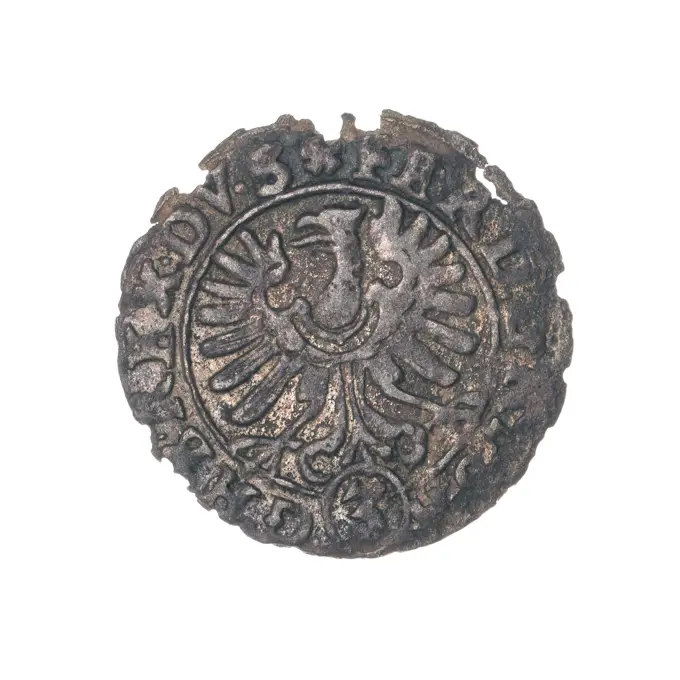
szel g; Gotard Kettler (Ksi  Kurland and Semigalia; 1561-1587); 1576 (1576-00-00-1576-00-00);
szel g; Gotard Kettler (Ksi Kurland and Semigalia; 1561-1587); 1576 (1576-00-00-1576-00-00);
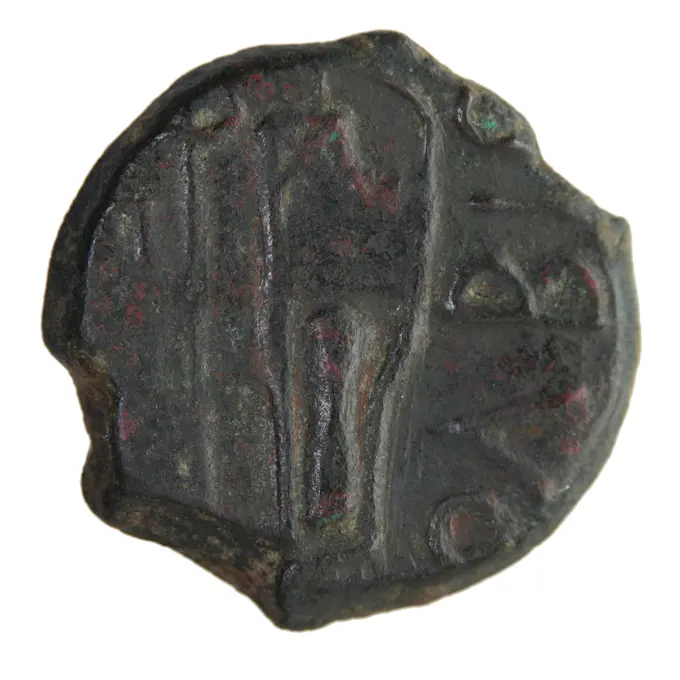
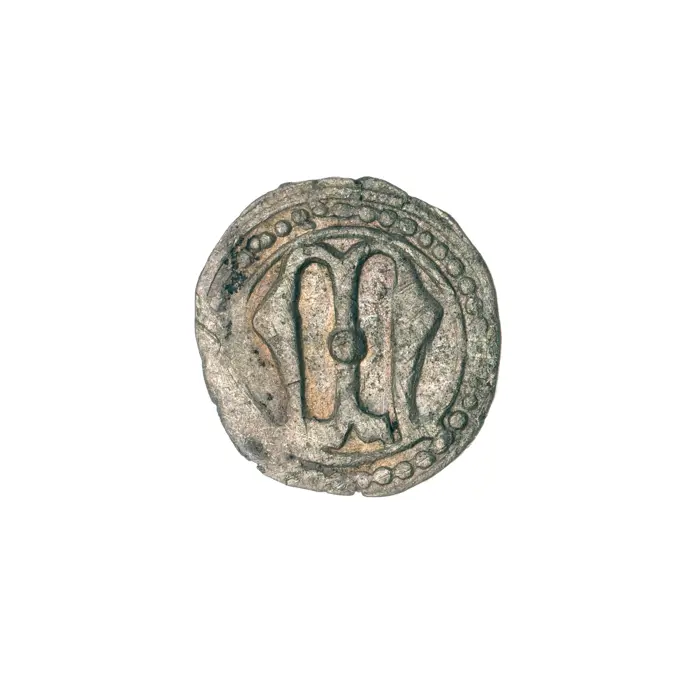
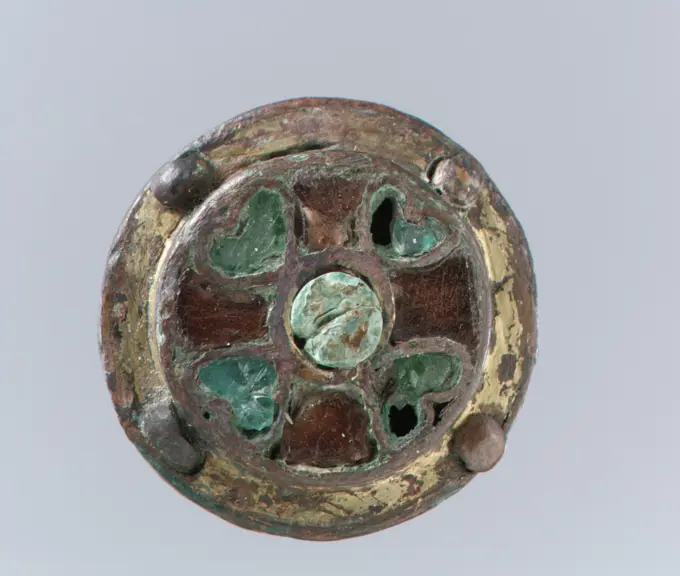
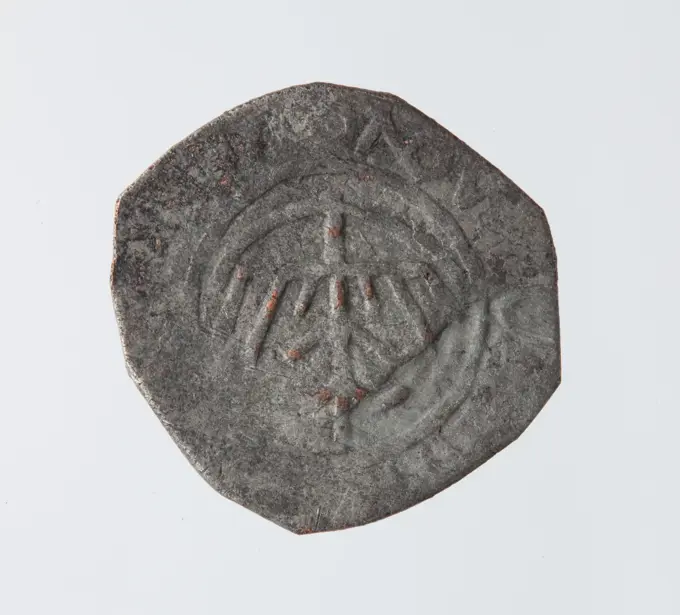
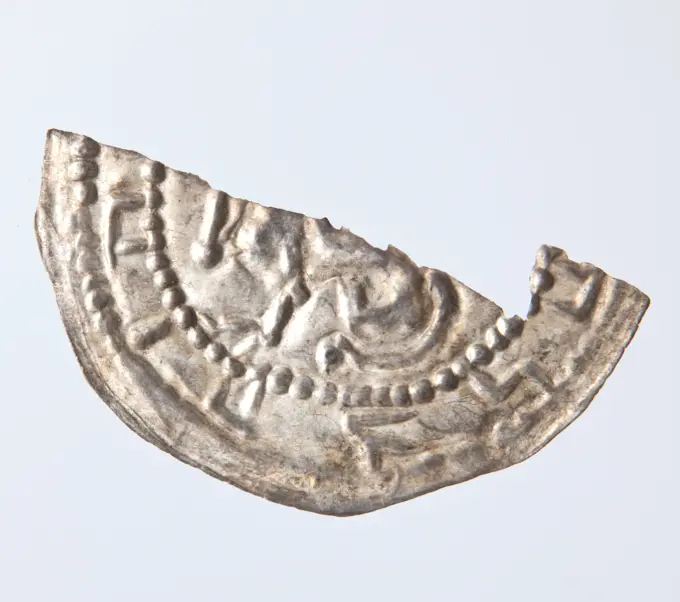
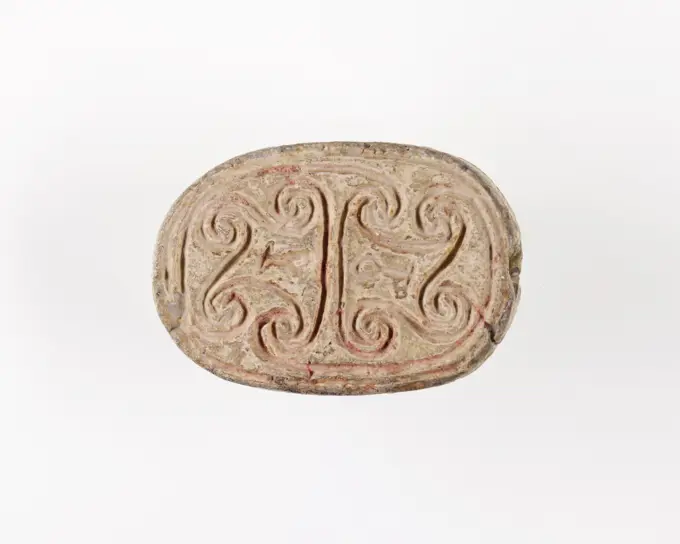
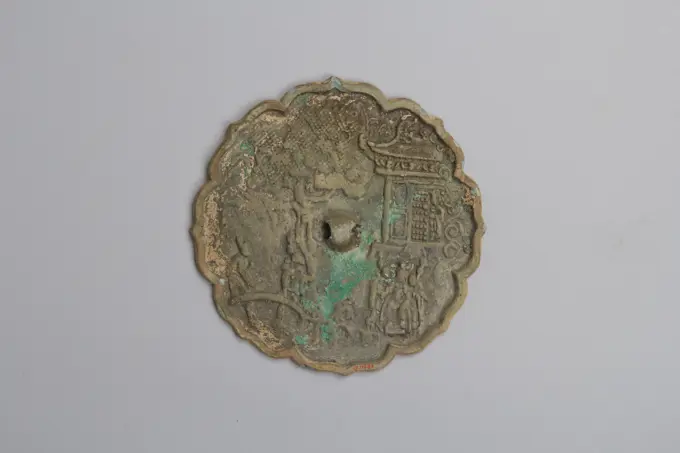
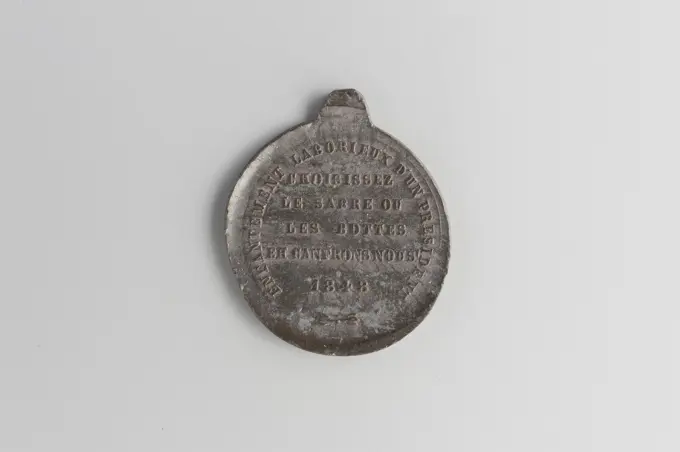
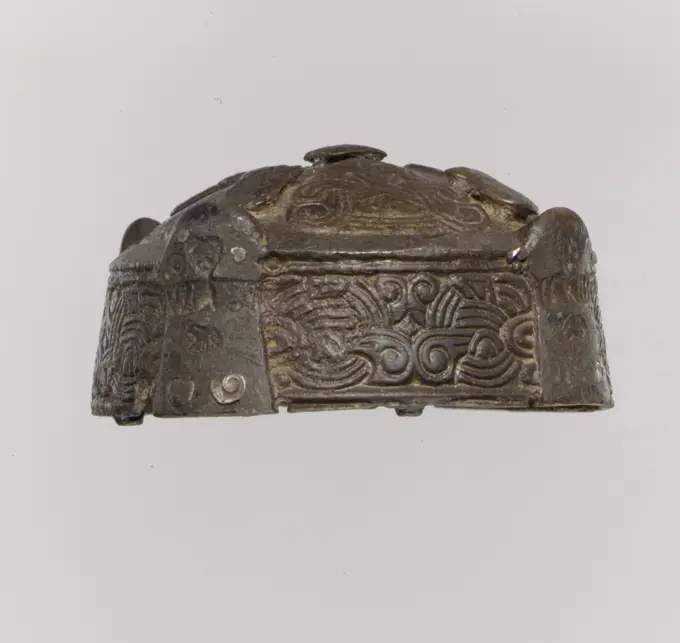
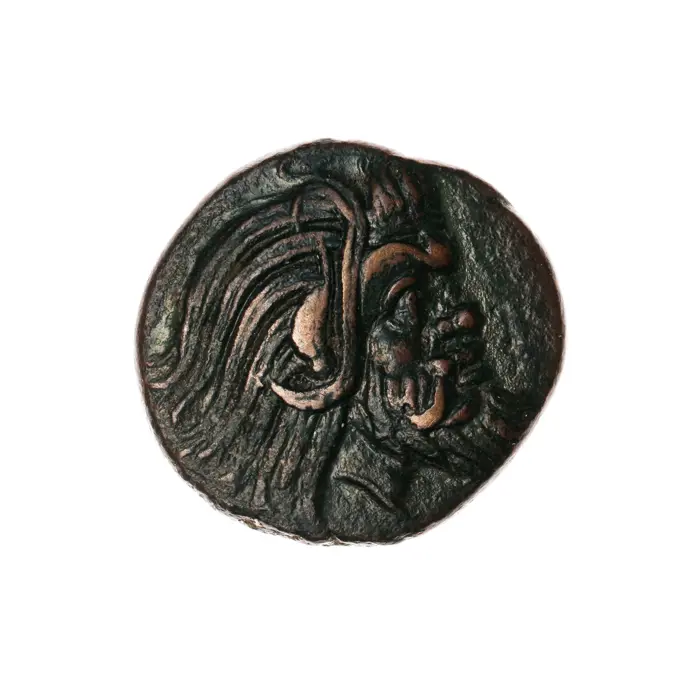
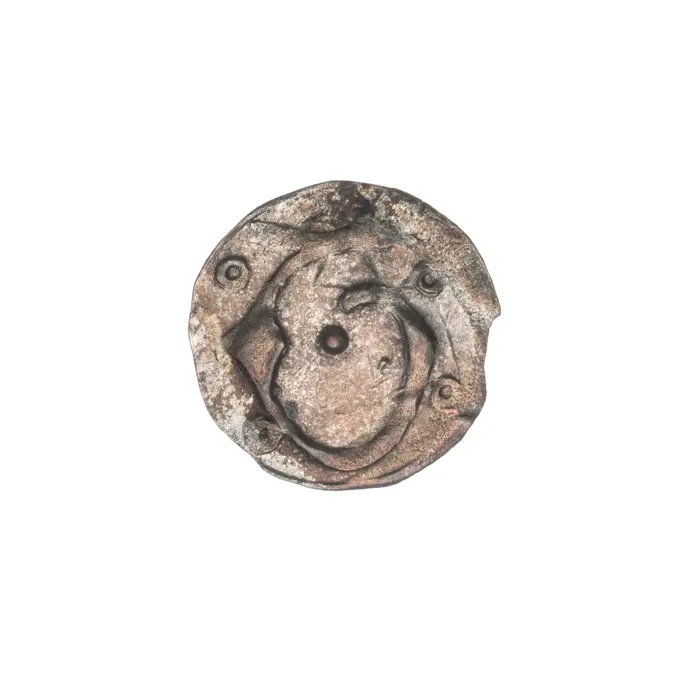
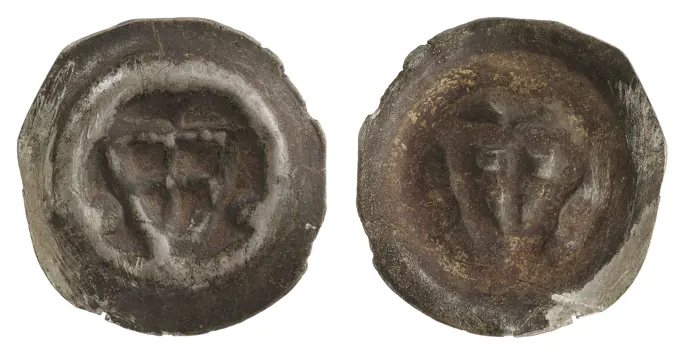
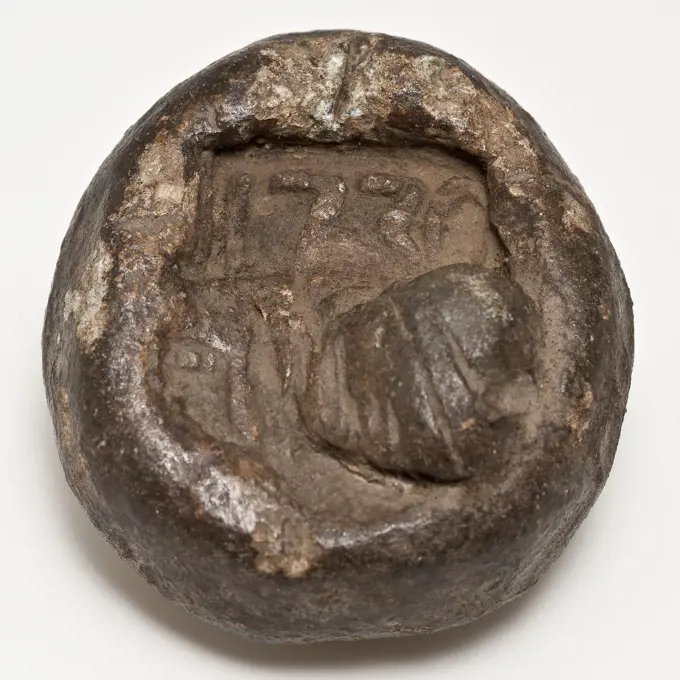
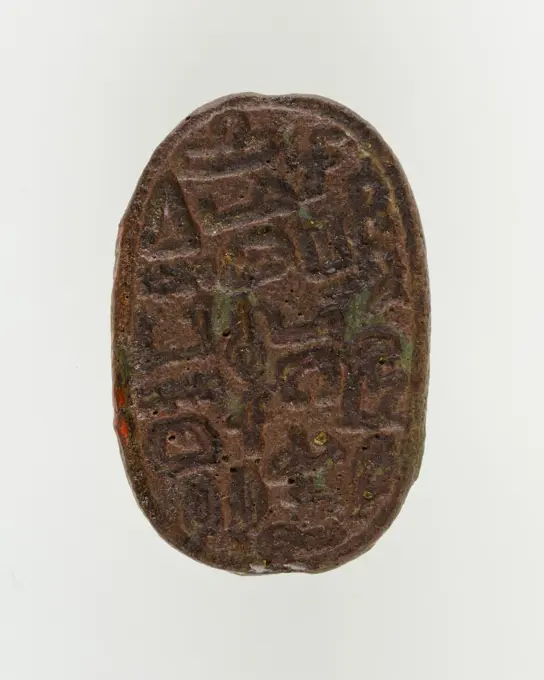
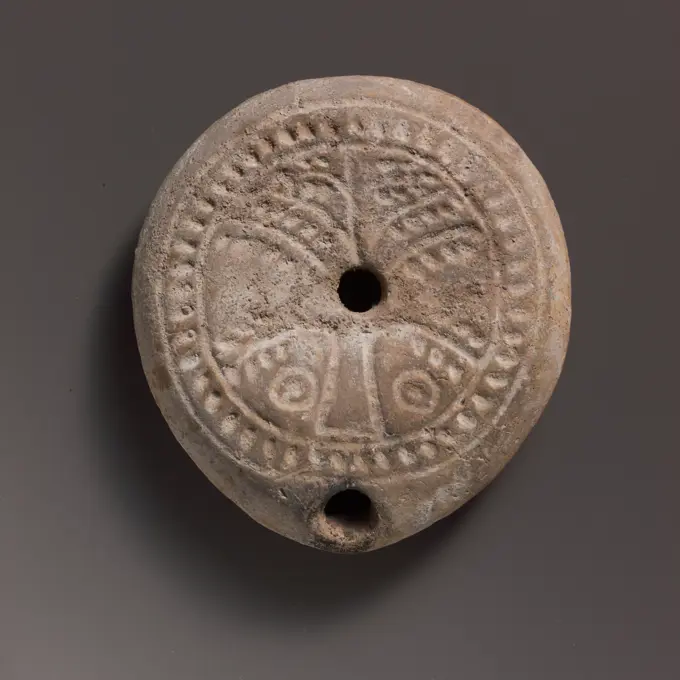
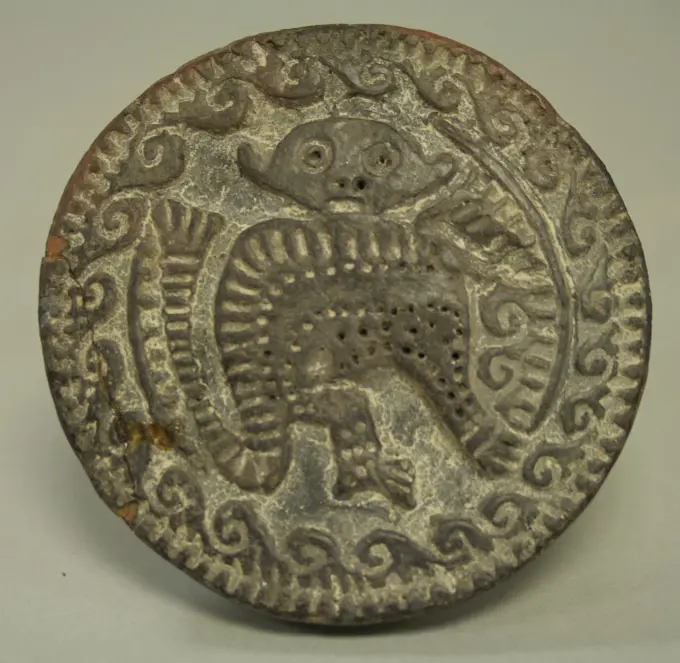
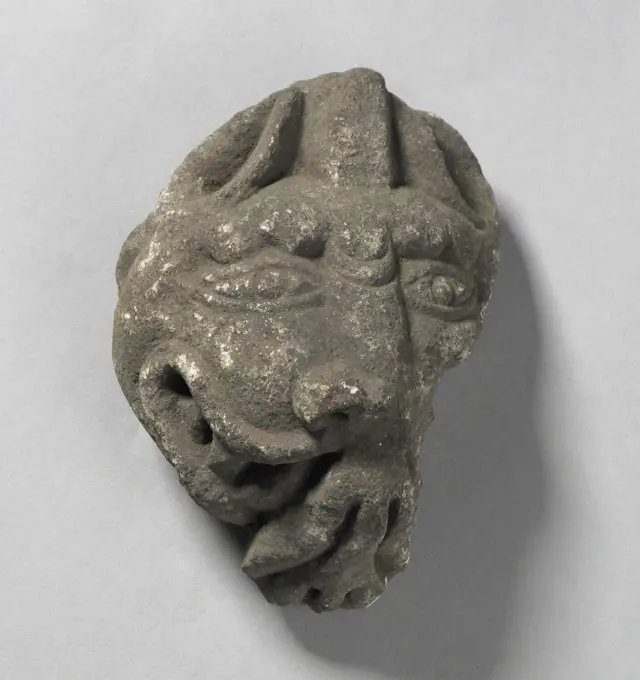
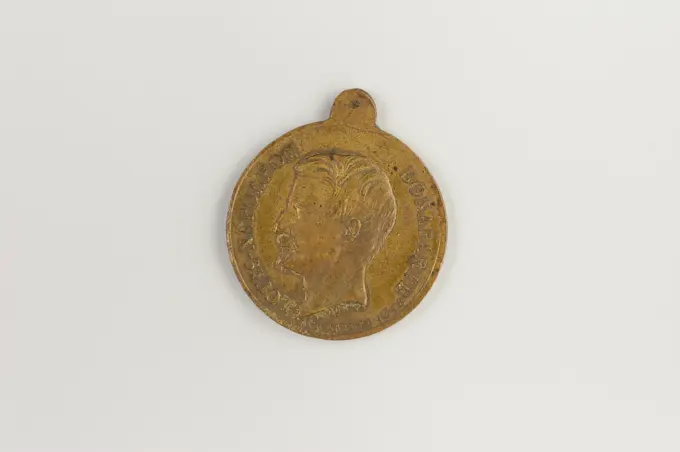
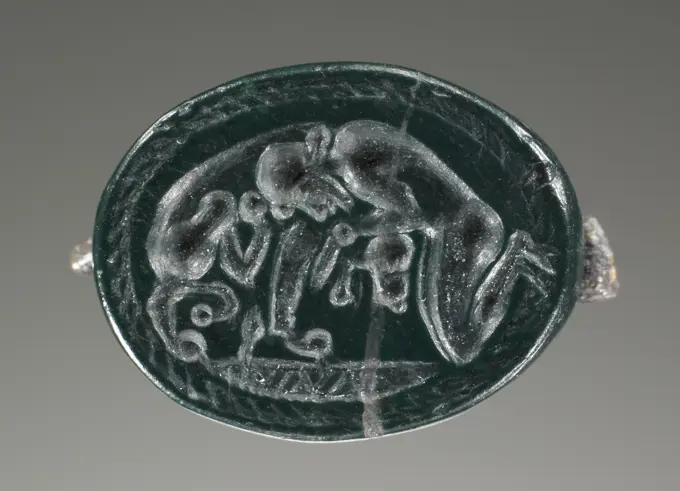
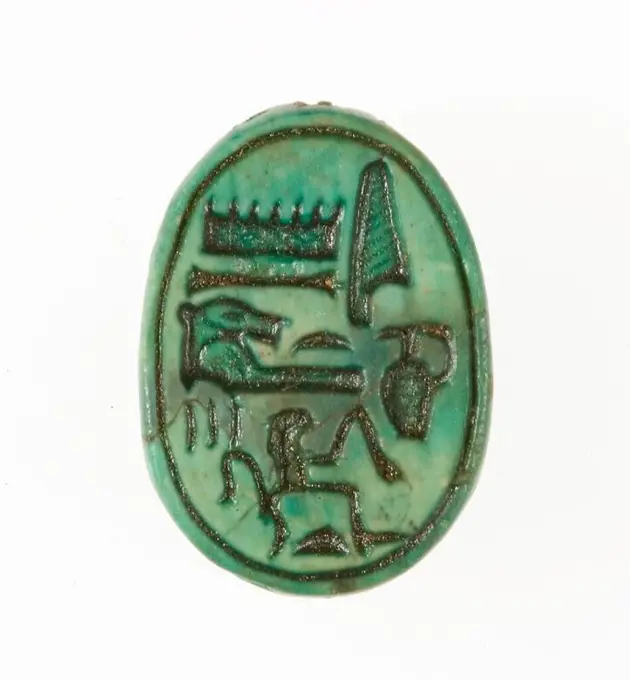
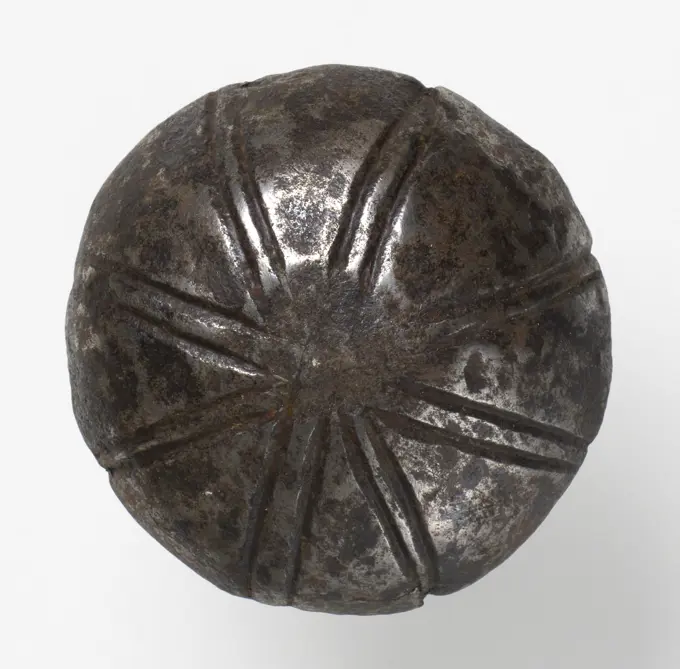
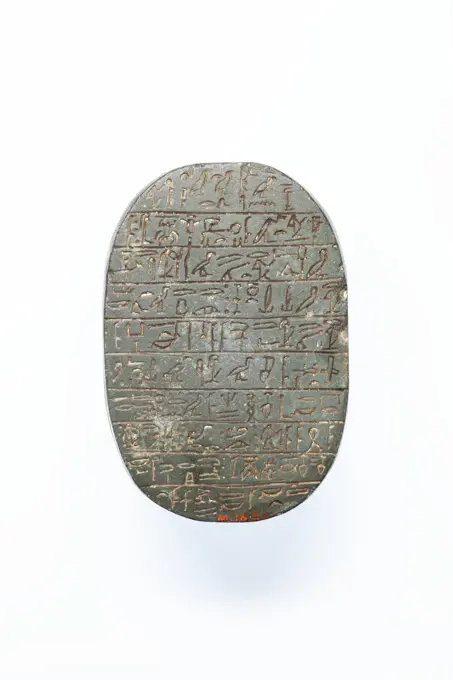
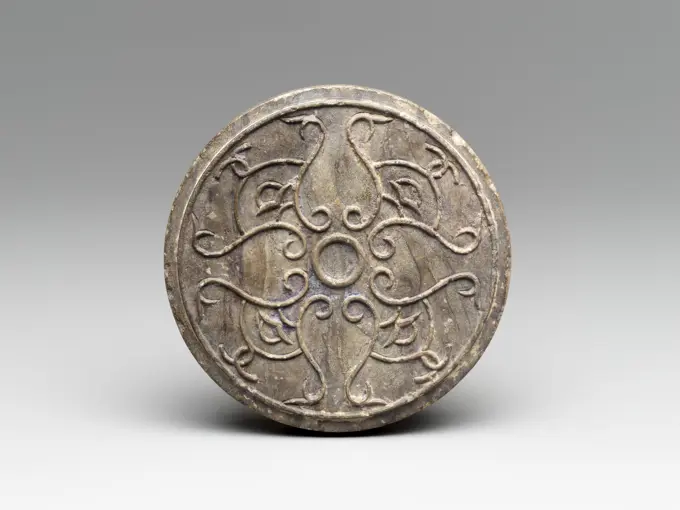
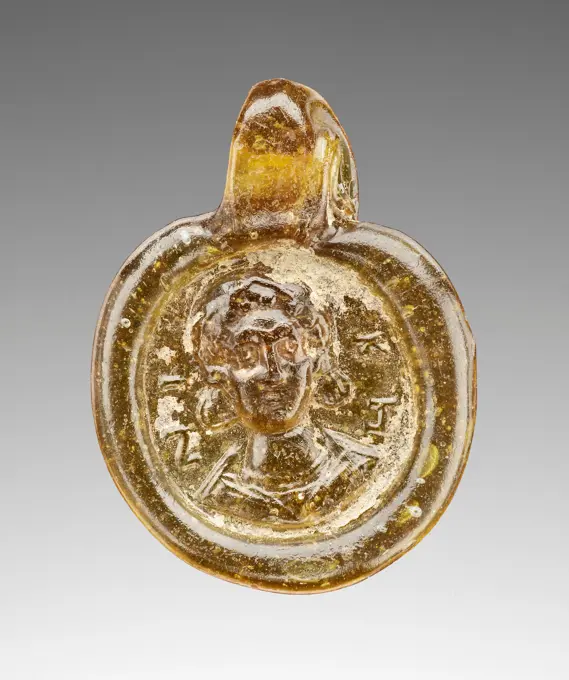
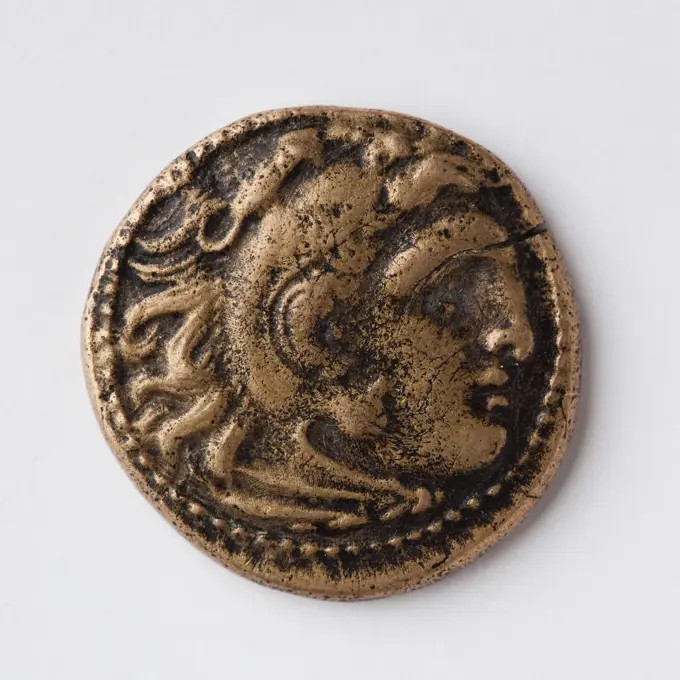
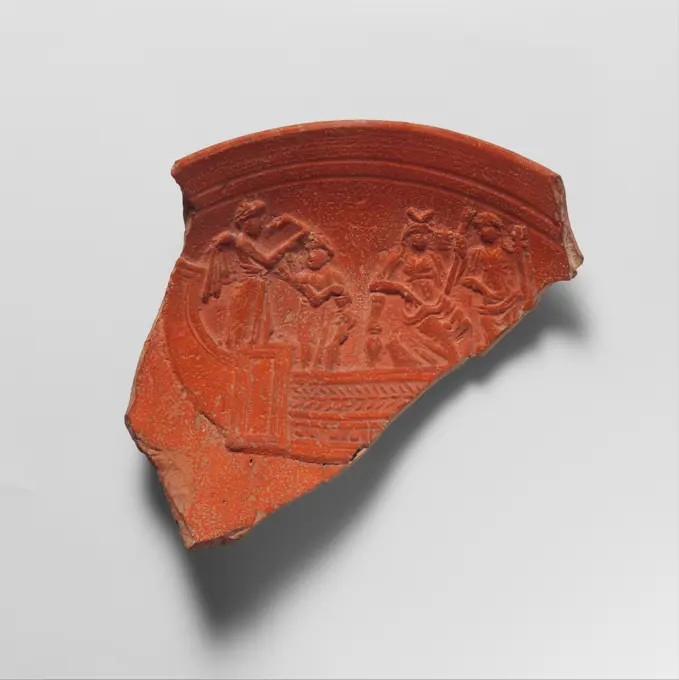
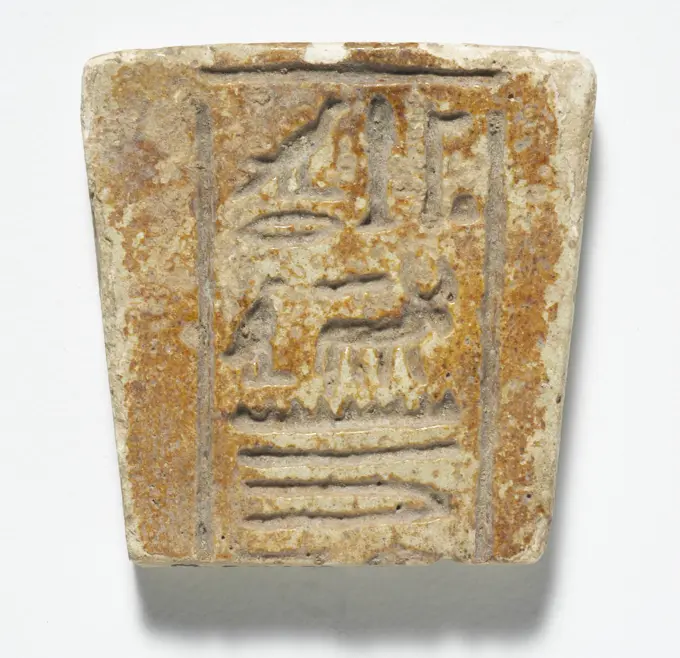
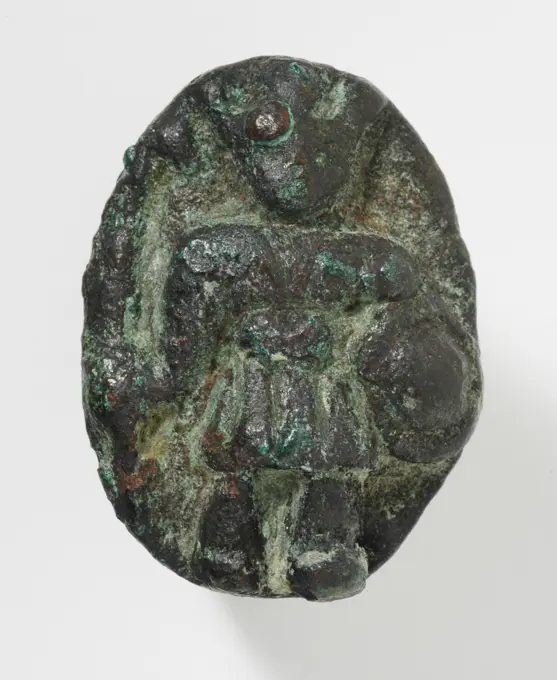
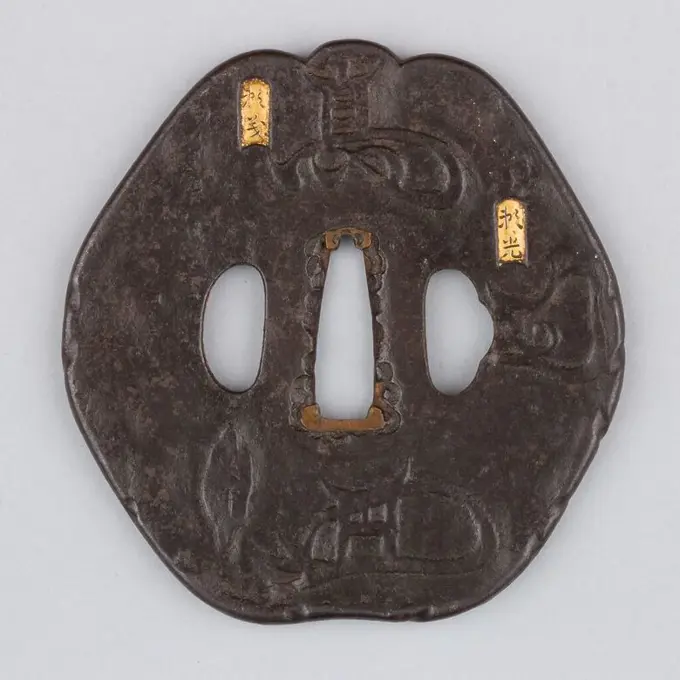
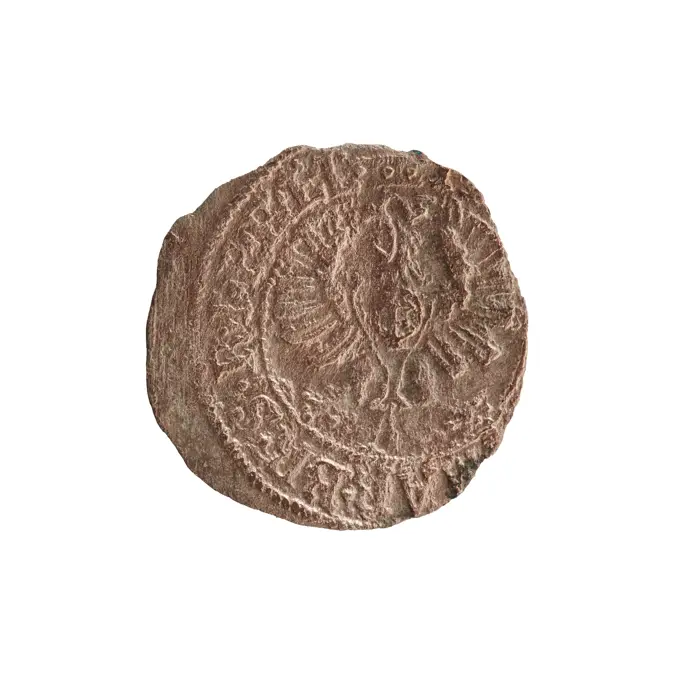
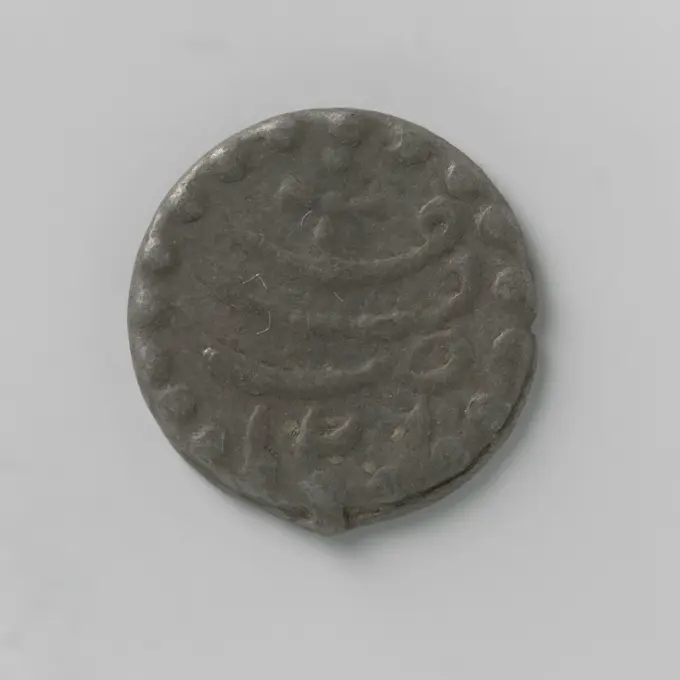
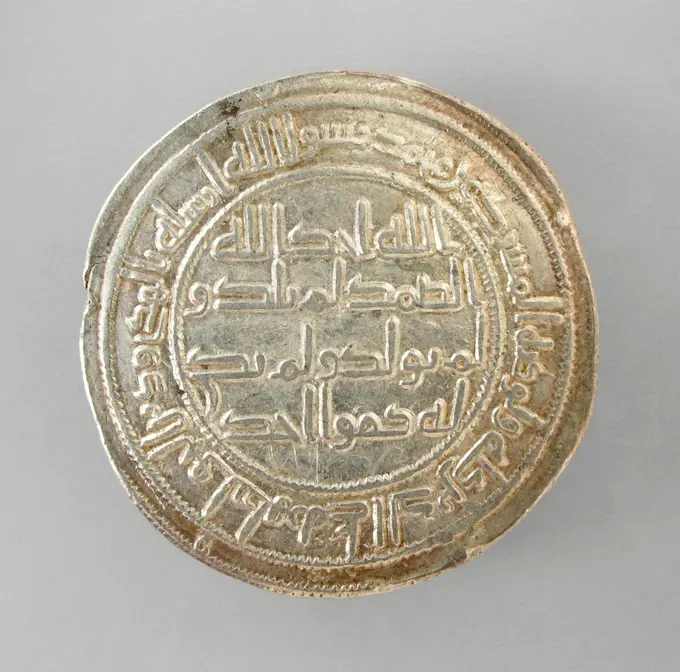
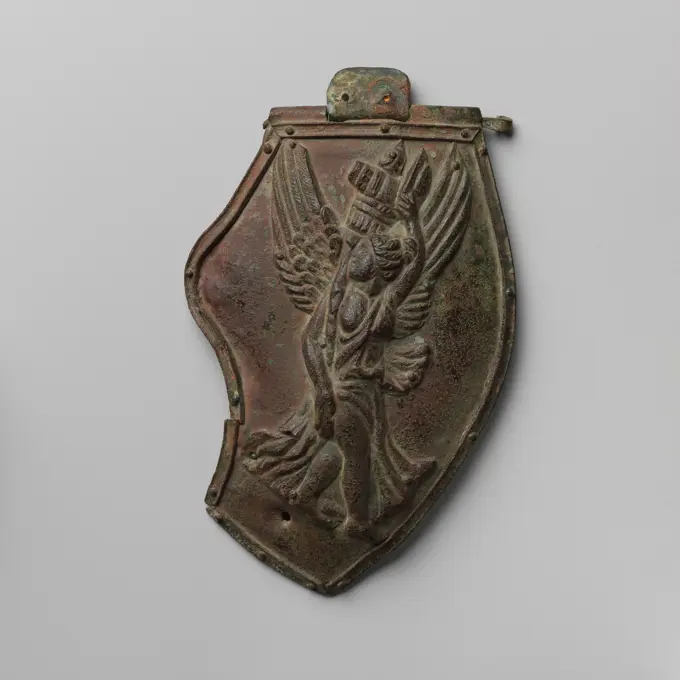
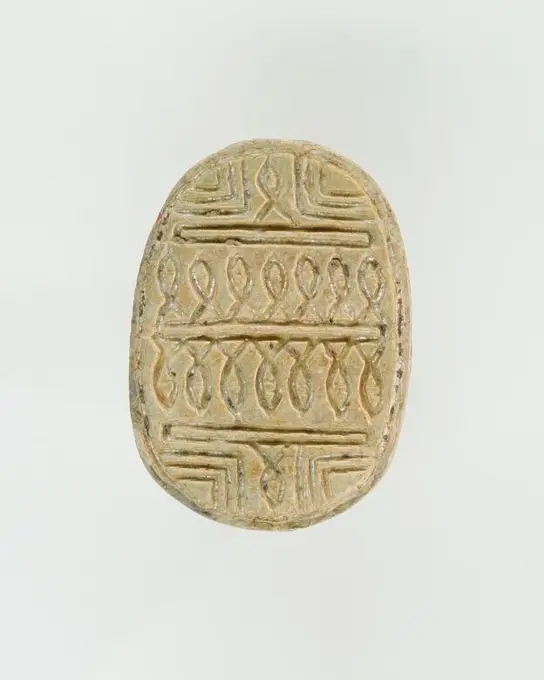
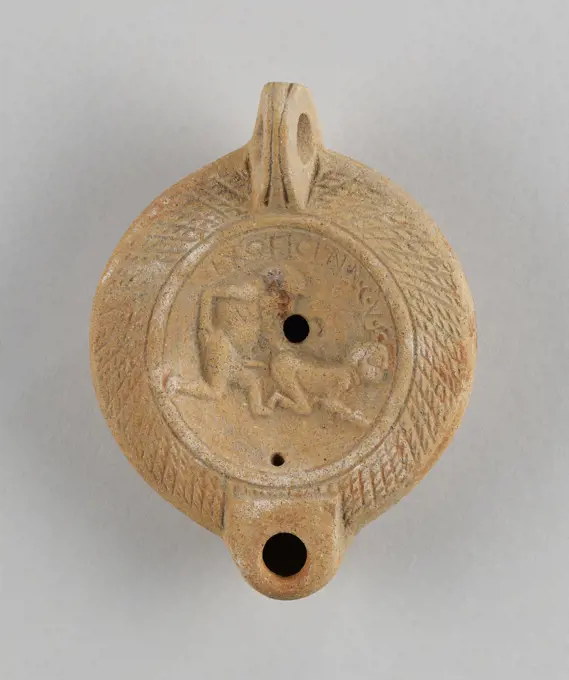
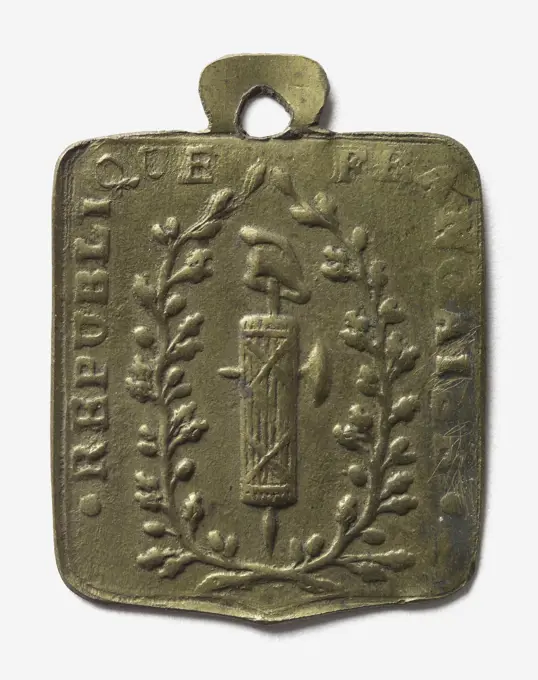
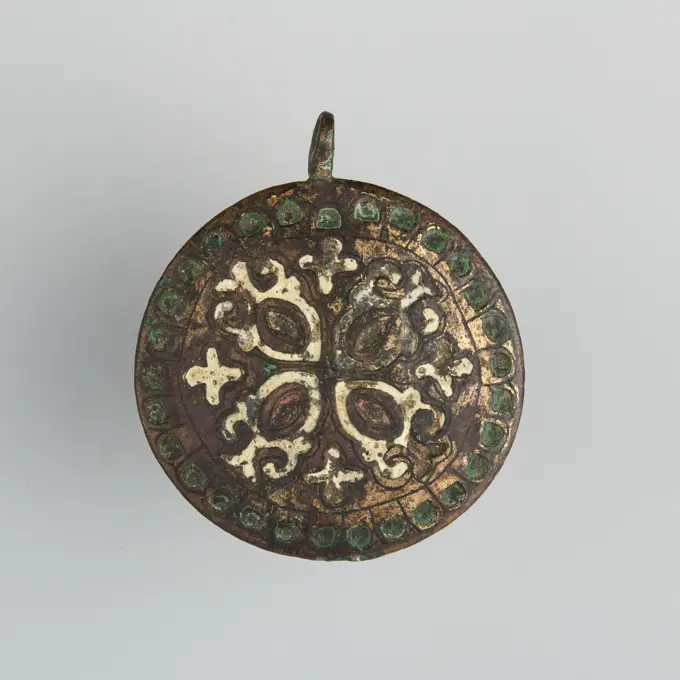
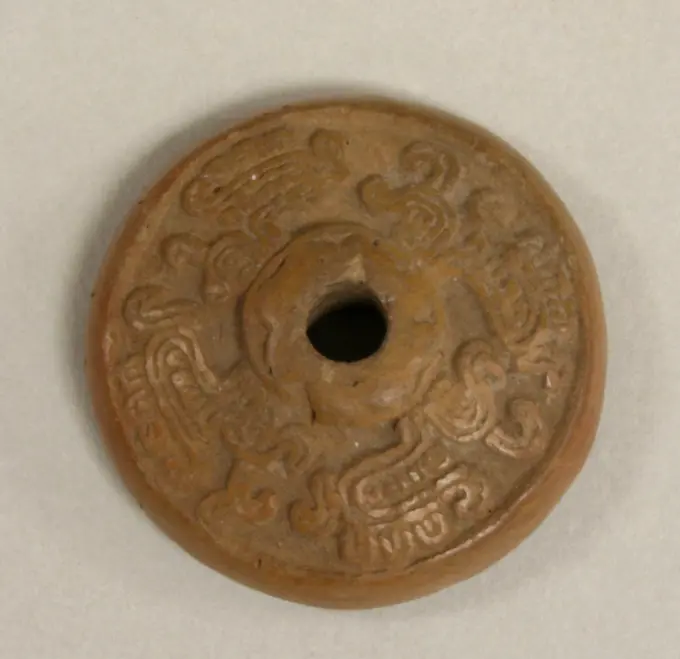
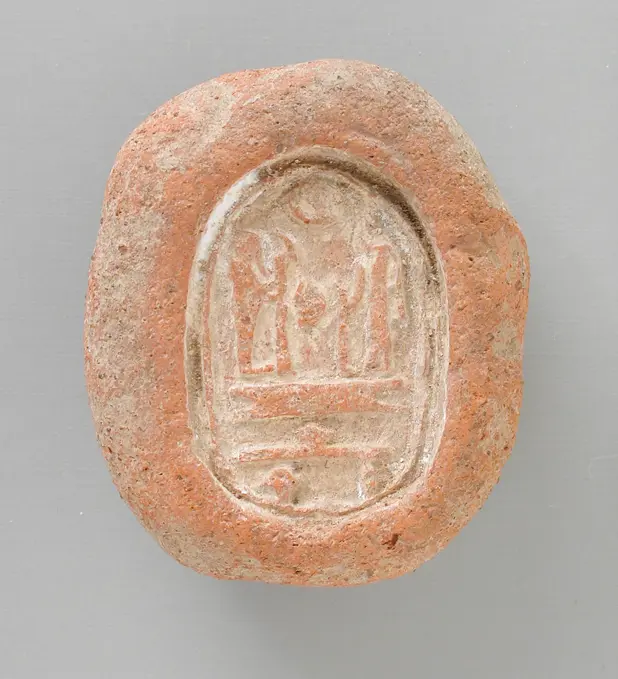
Carnavalet Museum, Medals CollectionBLIŻEJ KULTURY Mint of Kraków, Władysław Warneńczyk (King of Poland, 1434 1444)Planets-manager. Cornalet Collection Sites 2013-2016. Numismatic.Greece, Sarmacja, Olbia, around 330 240 BCE, AE MintPlanets-manager. Cornalet Collection Sites 2013-2016. Numismatic.Carnavalet Museum, Medals Collectionheller; 15th century (1401-00-00-1500-00-00);buildings, letter M, letters, city coins, tower (iconogr.)Scarab of an Official. Dimensions: L. 2.3 cm (7/8 in). Dynasty: Dynasty 12-18. Date: ca. 1981-1550 B.C.. Museum: Metropolitan Museum of Art, New York, USA.szel g; Gotard Kettler (Ksi  Kurland and Semigalia; 1561-1587); 1576 (1576-00-00-1576-00-00);Disk Brooch 6th century Frankish. Disk Brooch 464864 Frankish, Disk Brooch, 6th century, Copper alloy, gilded, mother-of-pear; garnets and green glass inlaid with silver foil backings; copper alloy back, no spring/pin extant, Overall: 1 x 11/16 in. (2.6 x 1.7 cm). The Metropolitan Museum of Art, New York. Gift of J. Pierpont Morgan, 1917 (17.191.17)False Coin, Władysław Jagiełło (1386 1434), Kwartalnik Mały (Ternar); 1399/1400 unknownHardstone, blankdd, anonymousy, 1606 Highstone, glazed, with two climbing lions and the year 1606. Southern Netherlands earthenware Highstone, glazed, with two climbing lions and the year 1606. Southern Netherlands earthenwareFibula, boat-shaped type 8th century B.C. Italic The bow is hollow and open on its underside. The outer surface is decorated with incised patterns, zigzag lines, hatched bands and punctured concentric circles.. Fibula, boat-shaped type. Italic. 8th century B.C.. Bronze. BronzesMieszko III Stary (1173-1202), Brakteat, Kruszwica , 1186 1202 Mieszko III Stary (1173 1202)Scarab with Uraeus and Papyrus Plants ca. 1740-1640 B.C. Middle Kingdom A large uraeus, its tail curled up behind him and its body decorated with fine hatched lines, dominates the design on the underside of this late Middle Kingdom scarab (late Dynasty 12-13, ca. 1850-1640 B.C.). On either side are papyrus plants, consisting of one straight and one bent stem. They are placed tête-bêche, that is upside down to each other, and parallel lines connect the stems. Plants are a popular theme on Egyptian seal-amulets because they refer to life, renewal, and regeneration, and during the Middle Kingdom they are often paired with other powerful signs. While the papyrus plants are found on seals throughout the Middle Kingdom, the large uraeus is not introduced into the repertoire of motifs until late Dynasty 12 (ca. 1850-1802 B.C.).. Scarab with Uraeus and Papyrus Plants 557510Scarab Incised with Hieroglyphs and Scrolls ca. 1760-1670 B.C. Middle Kingdom The majority of design scarabs of the late Middle Kingdom (late Dynasty 12-Dynasty 13, ca. 1850-1640 B.C.) are incised with symmetric compositions of protective hieroglyphs and/or scrolls. This scarab shows the sign for good and beautiful (nefer) and a decorative pattern of scrolls, making the scarabs underside highly decorative.. Scarab Incised with Hieroglyphs and Scrolls 557094Mirror Korea. Mirror. Korea. Bronze. Goryeo dynasty (918-1392). MirrorsGlazed fireplace .. Glazed fireplace. The stone belongs to six equal stones (BK-NM-1642 to BK-NM-1648).Grahal-Manzara. Carnavalet 2013-2016 collection sites. Numismatics. Right registration on five lines.Hearing stone with a representation of a Roman emperor, c. 1499 - c. 1699 Hearing stone with a representation of a Roman emperor. Southern Netherlands earthenware Hearing stone with a representation of a Roman emperor. Southern Netherlands earthenwareRound Box Brooch 1000-1100 Viking Women on the Scandinavian island of Gotland wore box brooches to secure their shawls at the collarbone; the brooches doubled as a container to hold small objects. This example is decorated with tiny beasts, which inhabit the interlace patterns on the top and sides. Viking art generally eschews figural decoration in favor of lively patterns based on stylized animals.. Round Box Brooch 466090Brown coin; Pantikapaion; 330-315 BC (330-00-00-315-00-00);Nadczarzyorze, satir (mitol.), Terlecki, Ignacy (1860-1916), Terlecki, Ignacy (1860-1916)-collection, griffins, sturgeons, a Protoma griffin (iconogr.), Fish, purchase (provenance)Scarab Inscribed Lord of the Two Lands Maatkare (Hatshepsut), Living Forever ca. 1479-1458 B.C. New Kingdom. Scarab Inscribed Lord of the Two Lands Maatkare (Hatshepsut), Living Forever. ca. 1479-1458 B.C.. Steatite (glazed). New Kingdom. From Egypt, Upper Egypt, Thebes, Deir el-Bahri, Temple of Hatshepsut, Foundation Deposit 9 (I), MMA excavations, 1926-27. Dynasty 18, earlyRing. UnknownPlanets-manager. Cornalet Collection Sites 2013-2016. Numismatic.Firepage, glazed. Fireplace, glazed, with two climbing lions and the year 1606.Carnavalet Museum, Medals CollectionBelt Buckle Plate. Culture: Frankish. Dimensions: Overall: 1 7/16 x 1 3/8 x 5/16 in. (3.6 x 3.5 x 0.8 cm). Date: 6th-7th century. Museum: Metropolitan Museum of Art, New York, USA.Denar - Brakteat; 2 after. XIII century (1233-00-00-1299-00-00);Planets-manager. Cornalet Collection Sites 2013-2016. Numismatic.heller; W Adys 1452-1460 (1452-00-00-1460-00-00);Litera T, letters, city coins, Silesian Eagle (iconogr.), Eagles, Herb shield, shields, unitedBelt Buckle 7th century Frankish. Belt Buckle. Frankish. 7th century. Iron, silver niello, gold, copper alloy. Miscellaneous-Buckles & OrnamentCarnavalet museum, tokens collectionbracteate denarius. Zakon krzyżacki (1190-), issuerSeal Impression with Obelisk and Seated God. Egypt, Late Period - Ptolemaic Period (664 - 30 BCE). Tools and Equipment; seals. Blackened clayApplique, Anonymous, 1700 - 1800 Open worked, oval -shaped Applique representing a Chinese fabeldier in the midst of ranks and flowers. Kham iron (metal). silver (metal). gilding (material). amalgam gilding Open worked, oval -shaped Applique representing a Chinese fabeldier in the midst of ranks and flowers. Kham iron (metal). silver (metal). gilding (material). amalgam gildingLead weight with deeply stamped year 1730, weight soil finding lead metal, d 1,6 die-cast stamped Lead weight Flat and slightly oval in shape. Deeply stamped stamp with year Thick lead slender on the topside function unknown Struck year: 1730 and unreadable mark archeology Rotterdam railroad tunnel roads dosing sales trade Soil discovery: rail tunnel route.Archstone with image of flower arrangements and windows, anonymous, c. 1400 - c. 1950 Archstone with image of flower arrangements and windows Southern Netherlands earthenware Archstone with image of flower arrangements and windows Southern Netherlands earthenwareScarab Hieroglyphs (wAs-sign, Dd-sign, anx-sign) 1550 BCE-1069 BCE Egypt. Steatite . Ancient EgyptianCarnavalet museum, medal collection Bust law of Mgr Denis Affre on the right; Reverse registration on seven lines.Silver and Gilt Plaque from Kama River region, USSR, 3rd century BC-8th century Artist: Unknown.Carnavalet Museum, Medals CollectionScarab of an Official ca. 1850-1640 B.C. Middle Kingdom Administrative changes during Dynasty 12 lead to an increase in bureaucracy and, subsequently, in the production and use of seals. This is reflected in the beginning of the mass production of scarabs, the most popular shape for amulets, in late Dynasty 12 through Dynasty 13 (ca. 1850-1640 B.C.). Thousands of these late Middle Kingdom scarabs bear the names and titles of officials, who would wear them as amulets, but who could also use them to seal documents, containers or doors. However, the scarabs primary function remained that of a protective amulet. Several inscriptions add a funerary epithet to the owners name, indicating that the amulet was manufactured after the owner had passed away. The elaborate inscription on this scarab mentions the name and title of Ay, the hall-keeper of the royal counting house. A funerary epithet follows his name, and the inscription mentions an offering to the god Ptah, indicating that Ay is decTerracotta oil lamp late 5th-6th century A.D. Roman Vessberg Type 20. Mold-made, with flat lentoid shape. Discus: stylized palm tree with circles flanking trunk at bottom, surrounded by a narrow band of short impressed lines. A single central filling hole; wick hole in front edge of shoulder. On underside, a central circular pattern and bands running off to edge at front and back.Intact. Encrustation obscuring part of impressed design.The impressed decoration in the form of a stylized date-palm tree is unusual.. Terracotta oil lamp 241597Ceramic Staff with Profile Figure 6th-11th century Manteño. Ceramic Staff with Profile Figure 314176Scaraboid: Face Motif on Top; Two Figures Holding Flower on Base. Egyptian. Date: 1650 BC-1550 BC. Dimensions: 0.6 × 1.9 × 1.3 cm (1/4 × 3/4 × 1/2 in.). Steatite. Origin: Egypt. Museum: The Chicago Art Institute, Chicago, USA. Author: Ancient Egyptian.Art and science -promoting society under the meaning "Progress through science", awarded to D. van Coppenaal, Hendrik de Heus, 1806 - 1814 award medal Silver medal to wear and carrying ring. Front: letters V and W in circle. Reverse: Inscription Amsterdam silver (metal) engraving  AmsterdamCorbel second half 12th century Catalan. Corbel. Catalan. second half 12th century. Stone. Made in present-day France. Sculpture-ArchitecturalCarnavalet museum, medal collection Right head of Louis-Napoleon Bonaparte on the left.3 Krajcary; Ferdynand II Habsburg (Roman-German emperor; 1617-1637), Rieger, Hans (1580-1653); 1622 (1622-00-00-1622-00-00);Wrocław (coat of arms), letters, letters HR, urban coat of arms (iconogr.), City coins, Silesian Eagle (iconogr.), Eagles, four -track shield with heart field, coat of arms, shields, shieldsScarab. UnknownScarab Inscribed for the God's Wife Neferure ca. 1479-1458 B.C. New Kingdom. Scarab Inscribed for the God's Wife Neferure. ca. 1479-1458 B.C.. Steatite (glazed). New Kingdom. From Egypt, Upper Egypt, Thebes, Deir el-Bahri, Temple of Hatshepsut, Foundation Deposit 7 (G), MMA excavations, 1926-27. Dynasty 18, earlyEar Stud, 1540-1069 BC. Egypt, New Kingdom, Dynasty 18. Turquoise faience; overall: 1.8 cm (11/16 in.); diameter of top: 4.7 cm (1 7/8 in.); diameter of base: 4.5 cm (1 3/4 in.).Scarabs from Hatshepsut Foundation Deposits. Dimensions: L. 1.7 cm (11/16 in); w. 1.3 cm (1/2 in); h. 0.7 cm (1/4 in). Dynasty: Dynasty 18, early. Reign: Joint reign of Hatshepsut and Thutmose III. Date: ca. 1479-1458 B.C..During the 1926-1927 excavation season, the Museum's Egyptian Expedition uncovered three foundation deposits along the eastern enclosure wall of Hatshepsut's funerary temple at Deir el-Bahri in Western Thebes. Among the contents were 299 scarabs and stamp-seals. Sixty-five of these are now in the Egyptian Museum, Cairo, and the rest were acquired by the Museum in the division of finds.Among the inscriptions on the bases of these scarabs and seals are examples of every title Hatshepsut held, from the time she was "king's daughter" during the reign of her father, Thutmose I; through the time she was queen of her half-brother, Thutmose II; and during her co-reign with her nephew/step-son, Thutmose III.Thirteen of the scarabs (27.3.199 to 27.3.212) are inscribed with Scarab. Dimensions: l. 1.4 cm (9/16 in). Dynasty: Dynasty 18. Date: ca. 1550-1295 B.C.. Museum: Metropolitan Museum of Art, New York, USA.Nail 15th-16th century European. Nail. European. 15th-16th century. Iron. Metalwork-IronHeart Scarab 664-332 B.C. Late Period. Heart Scarab. 664-332 B.C.. Dark green stone. Late Period. From Egypt. Dynasty 26-30Glazed fireplace with year., Anonymous, 1606 Glazed fireplace with the year 1606. The stone includes a stone with inv. No. BK-NM-1649. Southern Netherlands earthenware Glazed fireplace with the year 1606. The stone includes a stone with inv. No. BK-NM-1649. Southern Netherlands earthenwareDisk Stone with a Four-Part Tracery Design of Palmettes 1st century B.C. India. Disk Stone with a Four-Part Tracery Design of Palmettes. India. 1st century B.C.. Stone. SculptureScarab Hieroglyphs (scarab beetle, nfr-sign, red crown) 2055 BCE-1550 BCE Egypt. Steatite . Ancient EgyptianScarab of Queen Inni ca. 1700-1676 B.C. Middle Kingdom This scarab-shaped seal-amulet is inscribed with the name and royal titles of Queen Inni (Dynasty 13).. Scarab of Queen Inni. ca. 1700-1676 B.C.. Green glazed steatite. Middle Kingdom. From Egypt, Memphite Region, Lisht North, Cemetery, debris, MMA excavations, 1920-22. Dynasty 13Denar - Brakteat; approx. 1277/1278-OK. 1287/1288 (1277-00-00-1288-00-00);Pendant. Unknown 6th-7th century Dark amber-colored glass bearing a frontal portrait bust in the Imperial Byzantine style. It appears to be a female wearing a crown with pendilia. Inscribed in the field: NI to the left; KH to the right.Stad Gouda, Lood Good for a Ton Turf and a Gift in Money, Anonymous, 1795  Penning of irregular form. Front: coat of arms in graceful cartouche. Reverse: Monogram of letters A and E above year Gouda copper (metal) casting / gilding  GoudaMacedonia, Alexander the Great (336 323), bronze coin, Macedonian mint; 323 310 BC Aleksander III Wielki (356 323 BC), Macedonia MintTerracotta bowl fragment A.D. 350-430 Roman Other more complete bowls decorated with a similar scene are known. Isis sits on a throne amidships, flanked by Demeter holding a cornucopiae. In the stern of the boat a winged cupid sings to the goddess, and another figure probably accompanies him on a musical instrument.. Terracotta bowl fragment 250383 Roman, Terracotta bowl fragment, A.D. 350430, Terracotta, width 5 1/4in. (13.3cm). The Metropolitan Museum of Art, New York. Gift of J. Pierpont Morgan, 1917 (17.194.2039)Key Handle 1st-7th century Roman. Key Handle 462911Plaque Fragment with Inscription. Egypt, New Kingdom - Late Period (1569 - 333 BCE). Sculpture. StoneScarab ca. 1479-1458 B.C. New Kingdom. Scarab. ca. 1479-1458 B.C.. Faience. New Kingdom. From Egypt, Upper Egypt, Thebes, Deir el-Bahri, Hatshepsut Hole, Hathor Shrine, MMA excavations, 1922-23. Dynasty 18Carnavalet Museum, Medals CollectionDouble-Bottomed Bowl with Repousee Decoration 14th-15th century Chimú. Double-Bottomed Bowl with Repousee Decoration 315380Coin Weight 11th century. Coin Weight 442881Ring Depicting a Roman Soldier. Egypt, Roman Period (30 BCE - 395 CE). Sculpture. BronzeSword Guard (Tsuba). Culture: Japanese. Dimensions: H. 3 5/8 in. (9.2 cm); W. 3 1/2 in. (8.9 cm); thickness 3/16 in. (0.5 cm); Wt. 5.8 oz. (164.4 g). Date: 17th-18th century. Museum: Metropolitan Museum of Art, New York, USA.Freedom Tree, 1793 (Title Title) Tree of Freedom, Etain, 1793.Roundel with Botanical Decoration Coptic. Roundel with Botanical Decoration, 5th-7th century C.E. Flax, wool, 3 3/8 x 3 3/8 in. (8.5 x 8.5 cm).   Egyptian, Classical, Ancient Near Eastern Art 5th-7th century C.E.Model tambourine with rosette border, Bastet on one side, her boat with naos on the other. Dimensions: H. 16.5 × W. 23.3 × D. 2.1 cm (6 1/2 × 9 1/8 × 13/16 in.). Date: ca. 1070-712 B.C..Faience model tambourines such as this one were festival offerings to Bastet, who, like the other great goddesses, is associated with the myth in which a daughter or quasi-daughter of the god Re had to be lured back to Egypt from self-imposed exile in Nubia. At festivals in Bubastis celebrating Bastet's return, the goddess sailed upon her Isheru, or temple lake, which is the event being illustrated on the model tambourine. Museum: Metropolitan Museum of Art, New York, USA.Badge or Harness Pendant 15th century Spanish or Moorish Heraldry, or coat-of-arms, were vitally important in Europe throughout the Middle Ages and the Renaissance. Heraldic emblems were used to identify noble families, cities, regions, and even countries. In addition to being displayed on shields and flags, heraldry was incorporated into architectural decoration on the interior and the exterior of buildings, on furniture, works of art, clothing, and horse equipment. Harness pendants, like this example, would have been attached to a headstall, bridle, or other straps making up the tack of a horse ridden by a nobleman or noblewoman, or a member of their household. Many harness pendants also have decoration that is simply ornamental, or have symbols that are not specifically heraldic in nature.. Badge or Harness Pendant. Spanish or Moorish. 15th century. Copper, gold, enamel. Miscellaneous-BadgesPlaque ca. 5th-4th century B.C. Scytho-Sarmatian. Plaque. Scytho-Sarmatian. ca. 5th-4th century B.C.. Gold. Eurasian steppesSheet metal from the caps of Prussian physiliersszel g;  (0-00-00-0-00-00);Kasja Van Sultan Ala Ed-Din Mansouer II VAN Atjeh, Sumatra, Ah 1260 (1844) ,, 1844 coin Pewter mint. Front: three -faced inscription in Arabic characters. Reverse: Three -layer inscription in Arabic characters, including year in Islamic era Aceh tin (metal) castingBrakedate Halter; 15th century (1401-00-00-1500-00-00);Dzik's head (iconogr.), Unilateral coins, city coinsBelt plate (common name). Silver damask iron. Carnavalet museum, history of Paris.10 reales, 1652, 015798-N. Museu Nacional d'Art de Catalunya.Denar - Brakteat; Albrecht Hohenzollern (Ksi  in Prussia; Grand Master; 1490-1568); 1511-1525 (1511-00-00-1525-00-00);Dirham. Iraq, Wasit, 712-713/94 A.H.. Tools and Equipment; coins. CoinBronze cheek piece of a helmet late 2nd century A.D. Roman This left cheek piece is decorated with the figure of Victory bearing a trophy. It probably belongs to an officer's helmet, since its ornate workmanship would accord with the owner's high rank.. Bronze cheek piece of a helmet. Roman. late 2nd century A.D.. Bronze. Mid-Imperial. BronzesScarab. Dimensions: l. 2 cm (13/16 in). Dynasty: Dynasty 12-18. Date: ca. 1981-1550 B.C.. Museum: Metropolitan Museum of Art, New York, USA.Lamp, North Africa; 1st century; Terracotta; 2.4 × 8.2 × 11.2 cm (15,16 × 3 1,4 × 4 7,16 in.)Copper Disk Ornament. Culture: Vicús (). Dimensions: Diameter 3-3/8 in. (8.5 cm). Date: 3rd century B.C.-A.D. 2nd century. Museum: Metropolitan Museum of Art, New York, USA.Mirror with paired birds and floral designs 8th century China. Mirror with paired birds and floral designs. China. 8th century. Bronze. Tang dynasty (618-907). MirrorsFragment 14th-15th century. Fragment 445153Mas van Sultan Alaád -Din bin Ali van Atjeh, Sumatra ,, 1537 - 1571 coin Gold coin. Front: Tweeregeline inscription in Arabic characters. Reverse: three -faced inscription in Arabic characters. Aceh gold (metal) striking (metalworking)Hearing stone of baked earth with diamond -shaped distribution, anonymous, 1588 Hearing stone of baked earth with diamond -shaped distribution. In the entire windows the portrait of a king and the year 1588. In the other windows rosettes. Southern Netherlands earthenware Hearing stone of baked earth with diamond -shaped distribution. In the entire windows the portrait of a king and the year 1588. In the other windows rosettes. Southern Netherlands earthenwareRepublican medal, s. d. (Dummy title) Anonymous. Republican Medal, around 1848 (Apers).Badge or Harness Pendant 14th century Spanish Heraldry, or coat-of-arms, were vitally important in Europe throughout the Middle Ages and the Renaissance. Heraldic emblems were used to identify noble families, cities, regions, and even countries. In addition to being displayed on shields and flags, heraldry was incorporated into architectural decoration on the interior and the exterior of buildings, on furniture, works of art, clothing, and horse equipment. Harness pendants, like this example, would have been attached to a headstall, bridle, or other straps making up the tack of a horse ridden by a nobleman or noblewoman, or a member of their household. Many harness pendants also have decoration that is simply ornamental, or have symbols that are not specifically heraldic in nature.. Badge or Harness Pendant. Spanish. 14th century. Copper, gold, enamel. Miscellaneous-BadgesSpindle Whorl 9th-15th century Mexican. Spindle Whorl 315831Viking metalwork from a hoard on the Isle of Man. Artist: UnknownMold with Birth Name of Merneptah. Egypt, New Kingdom, 19th Dynasty, probably reign of Merneptah (1237 - 1226 BCE). Tools and Equipment; molds. Clay, terracotta