Historical Coins and Medals

A collection of antique coins and medals, highlighting intricate designs and historical significance. Perfect for numismatic interests.

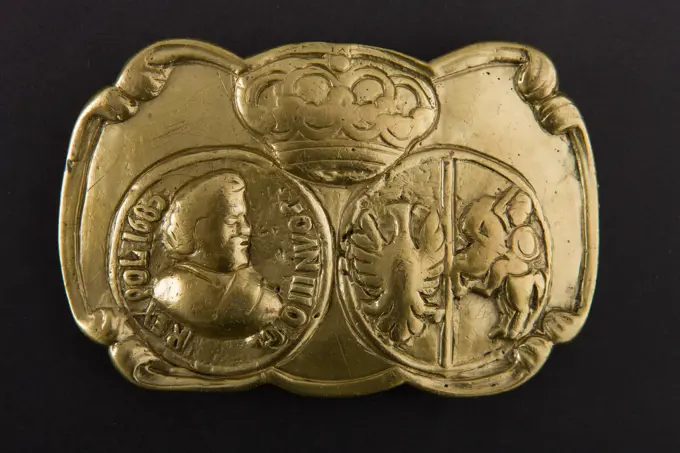
szel g; Gotard Kettler (Ksi  Kurland and Semigalia; 1561-1587); 1576 (1576-00-00-1576-00-00);
szel g; Gotard Kettler (Ksi Kurland and Semigalia; 1561-1587); 1576 (1576-00-00-1576-00-00);
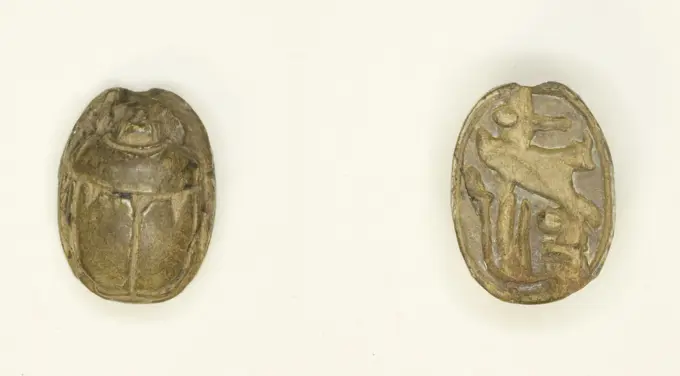
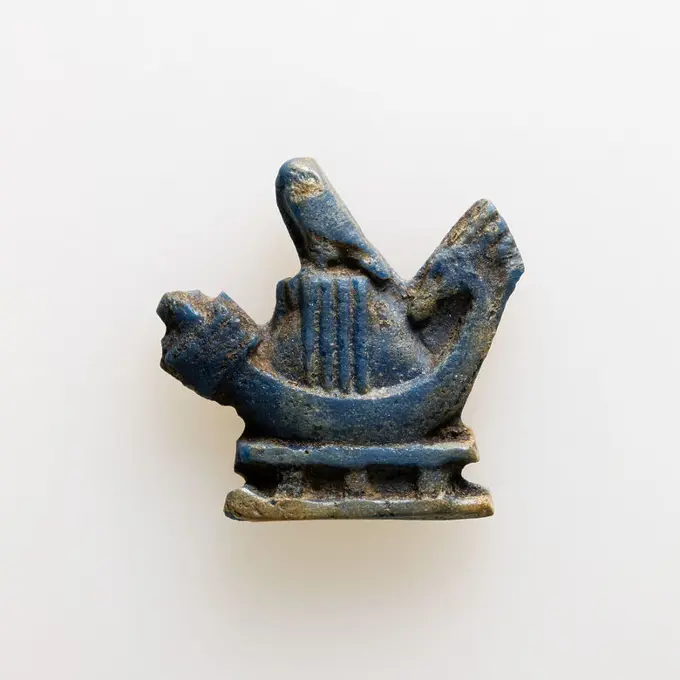
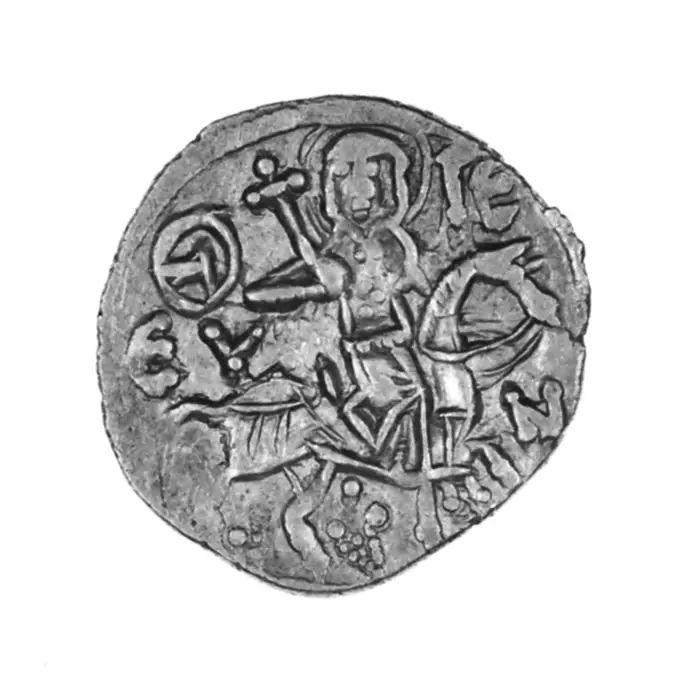
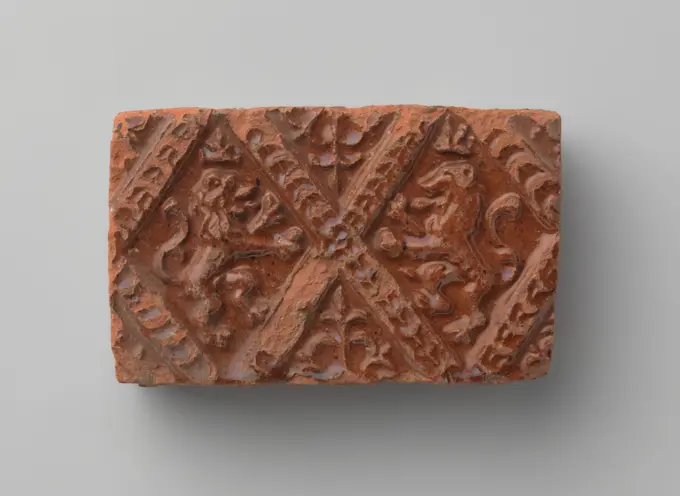
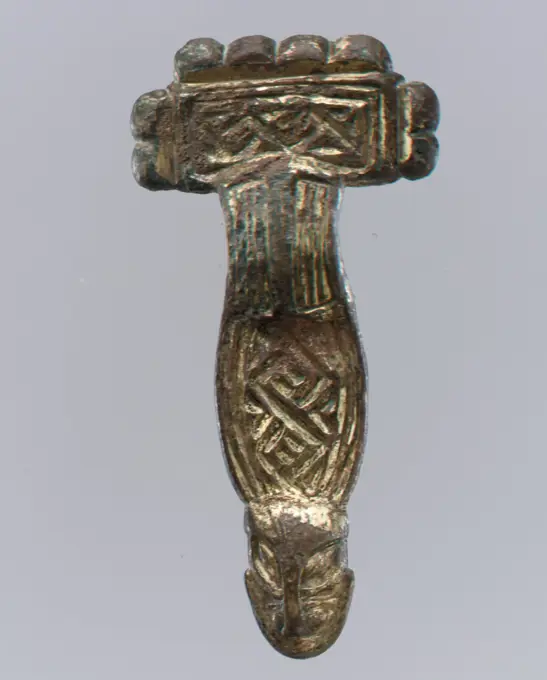
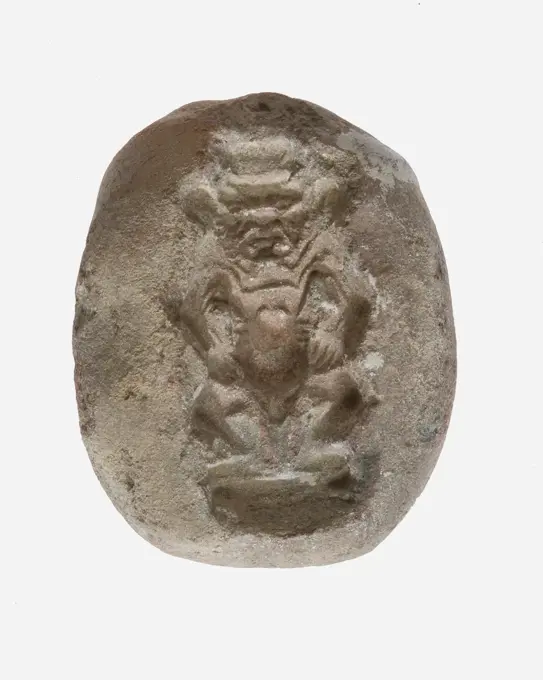
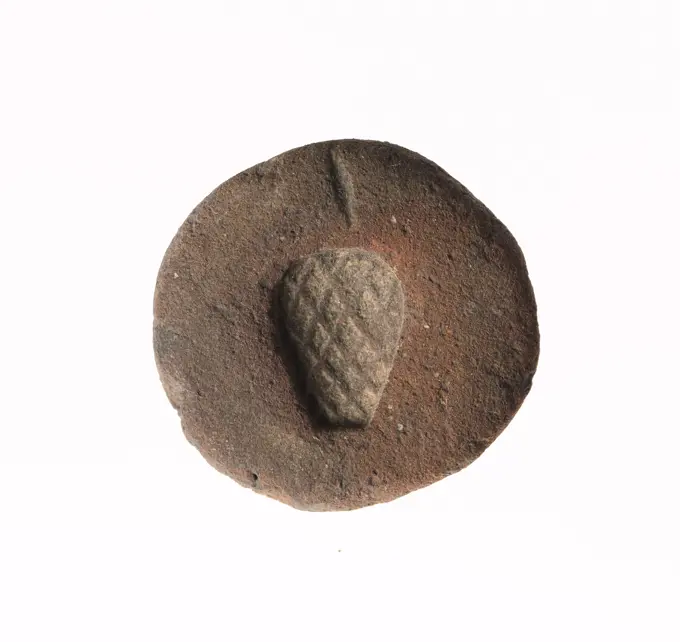
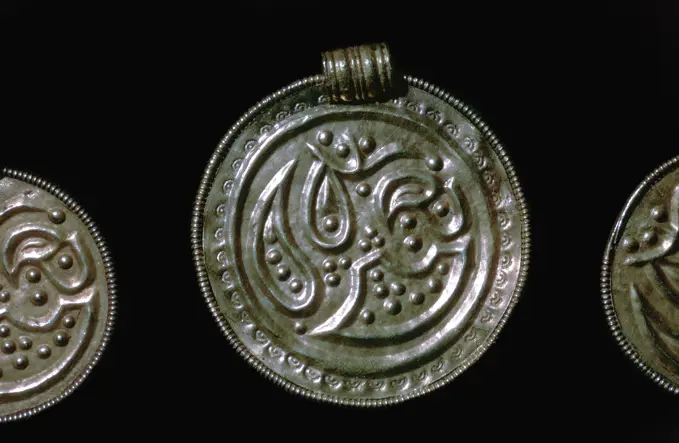
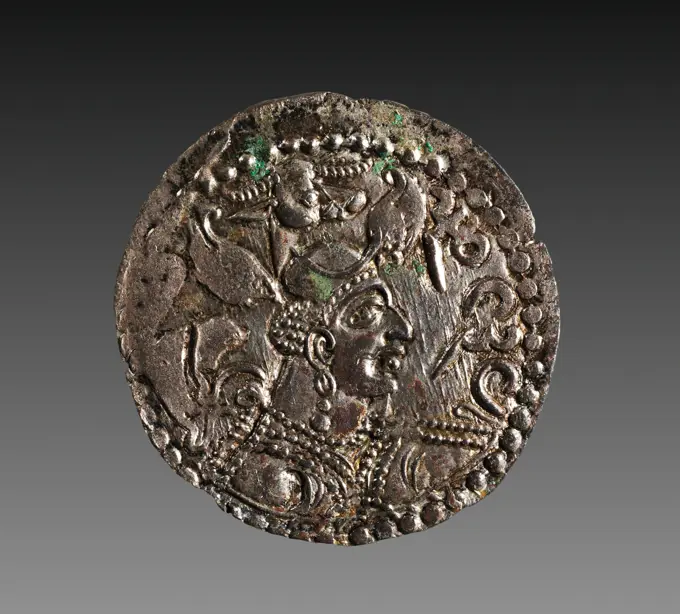
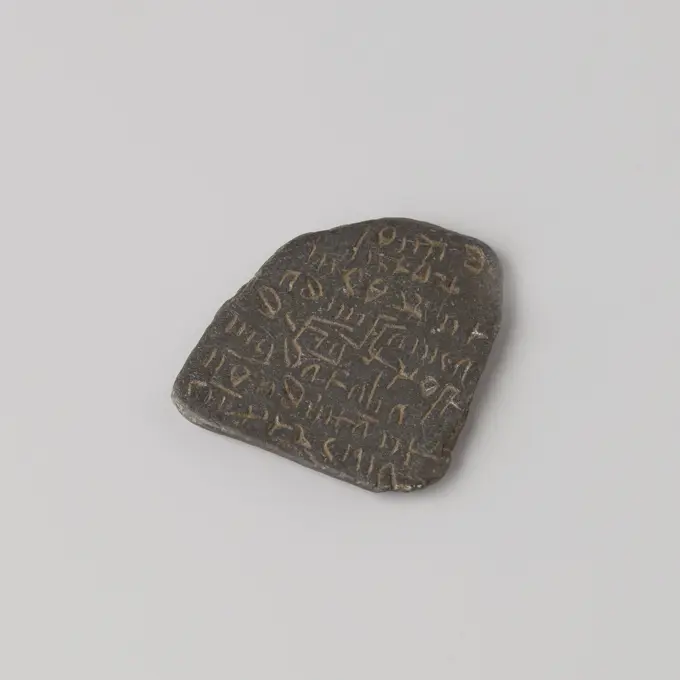
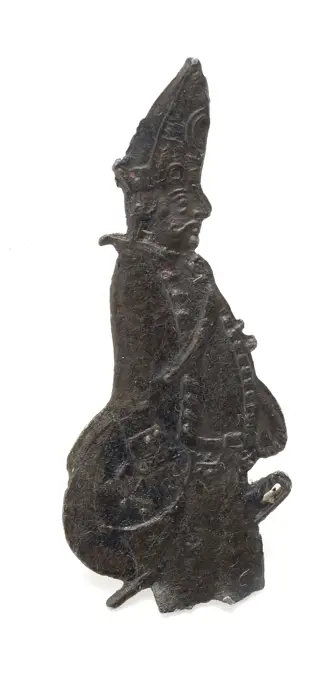
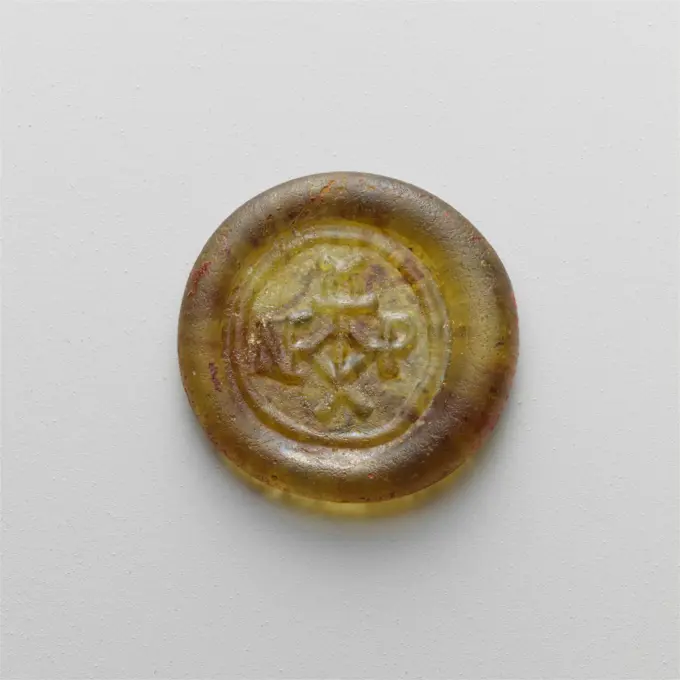
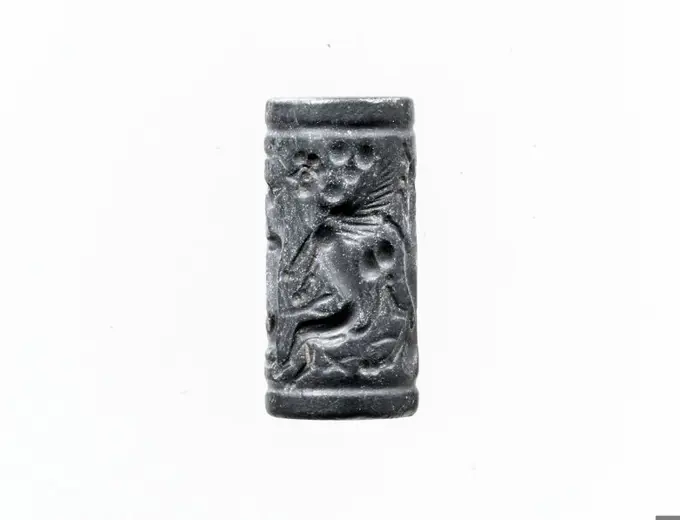
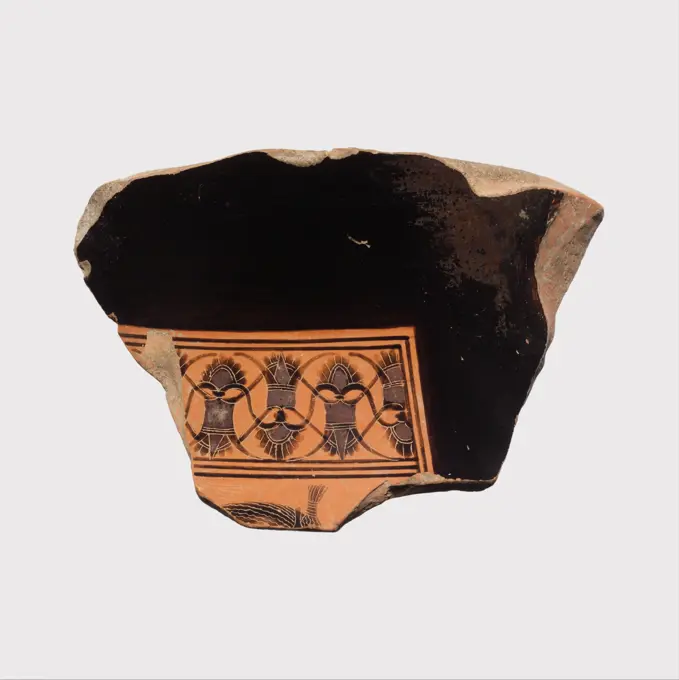
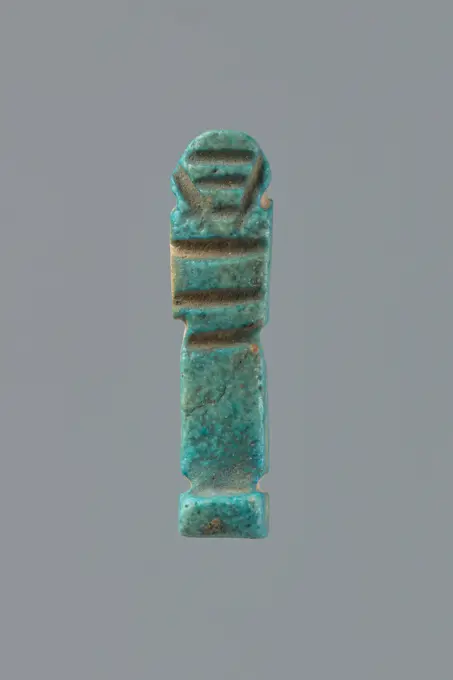
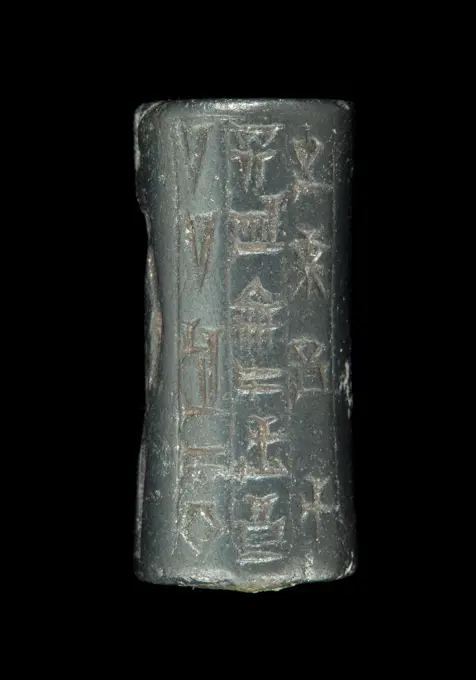
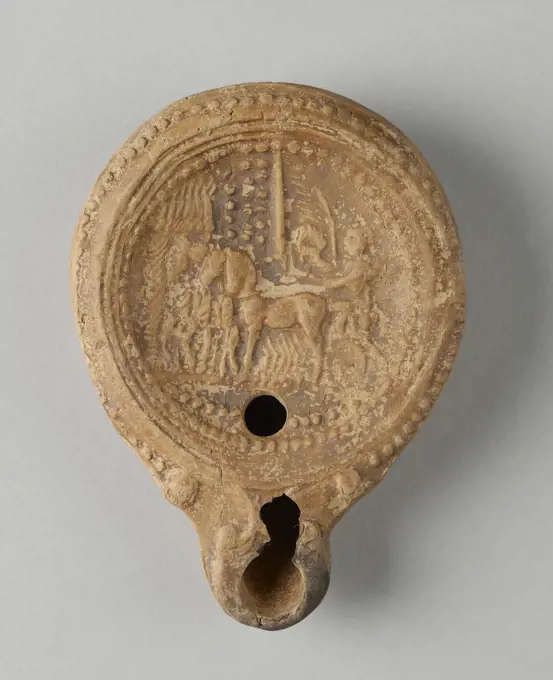
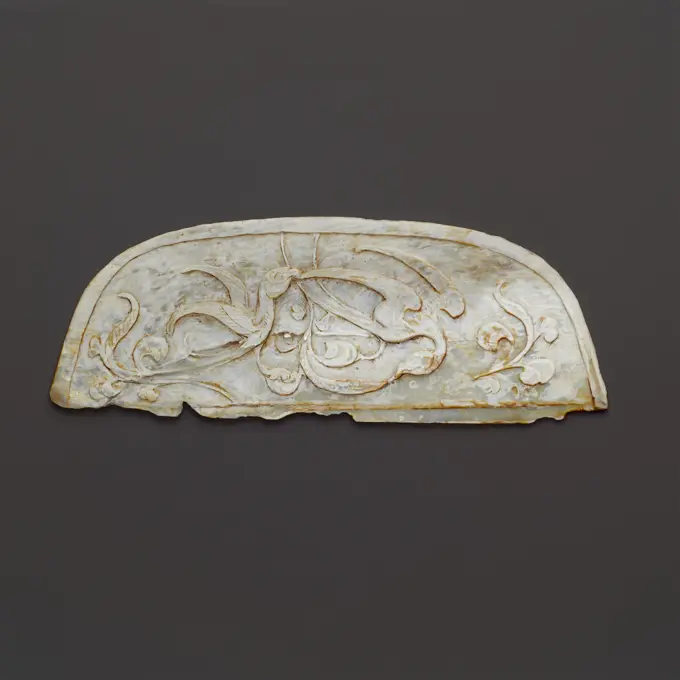
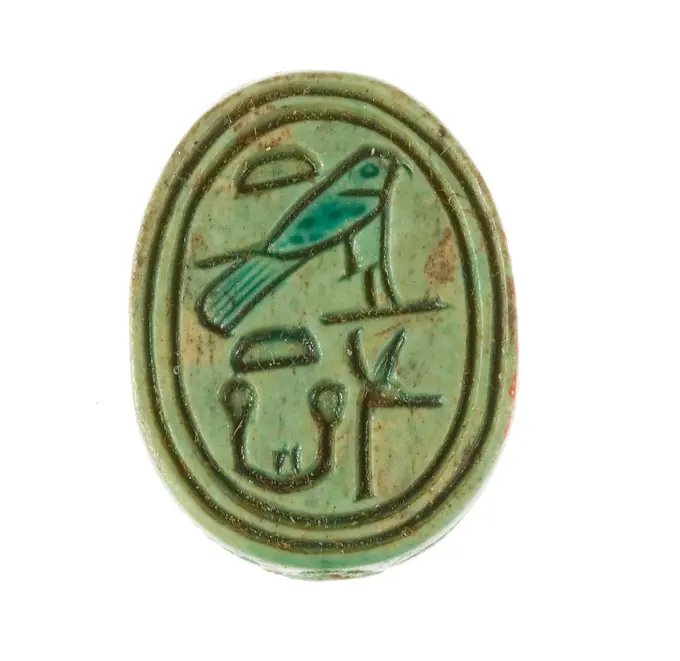
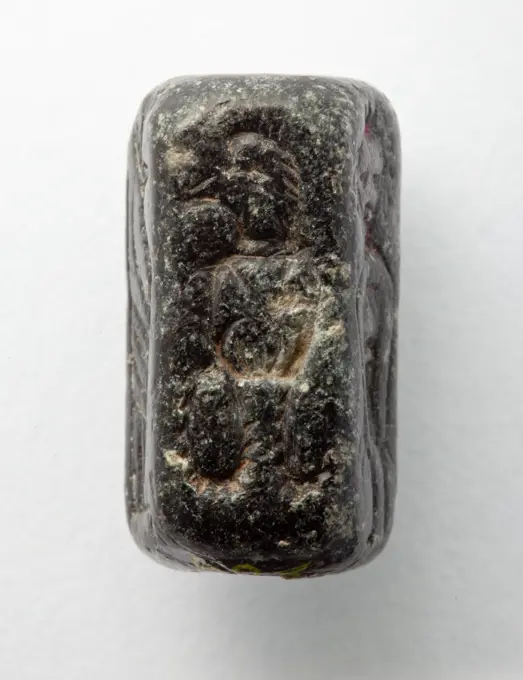
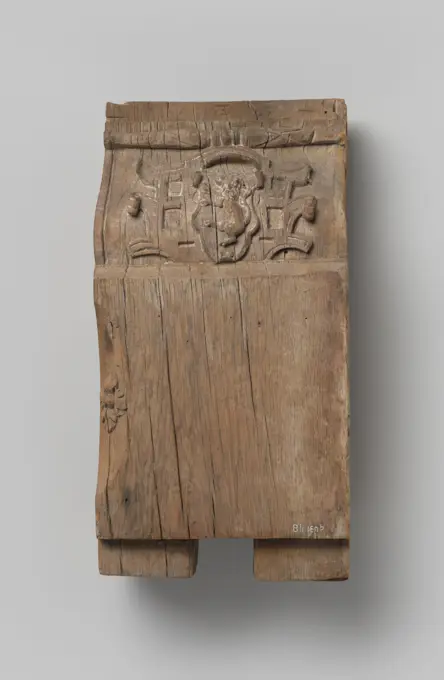
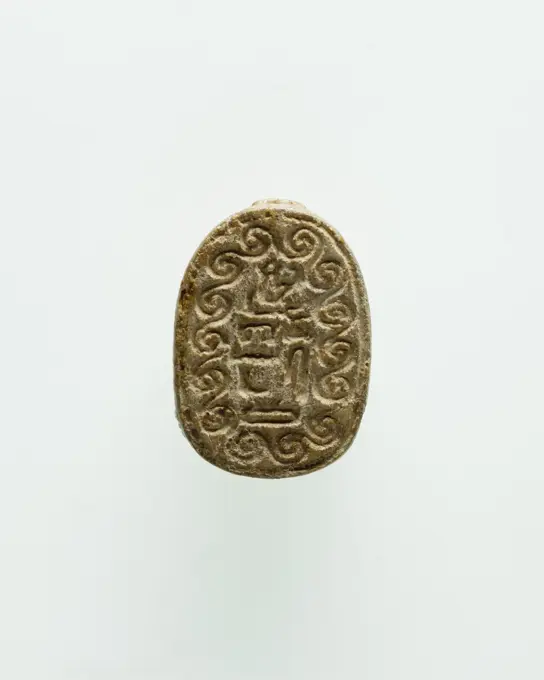
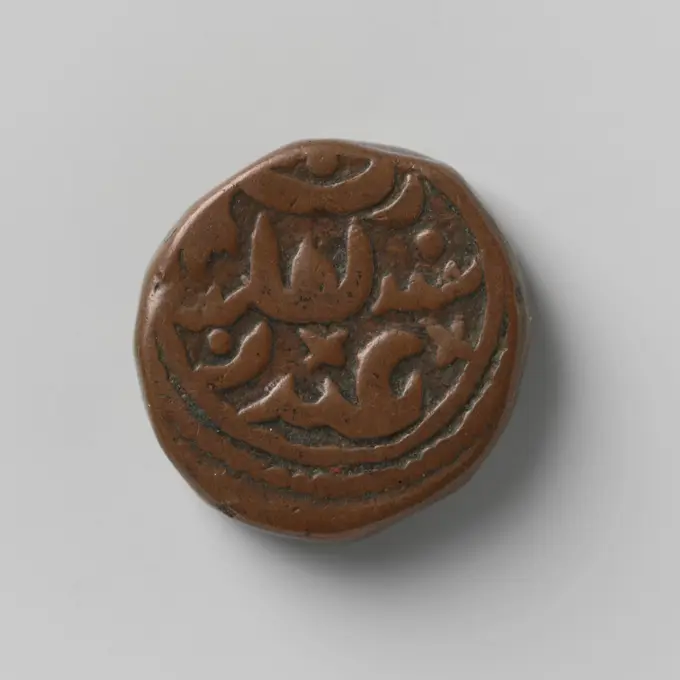
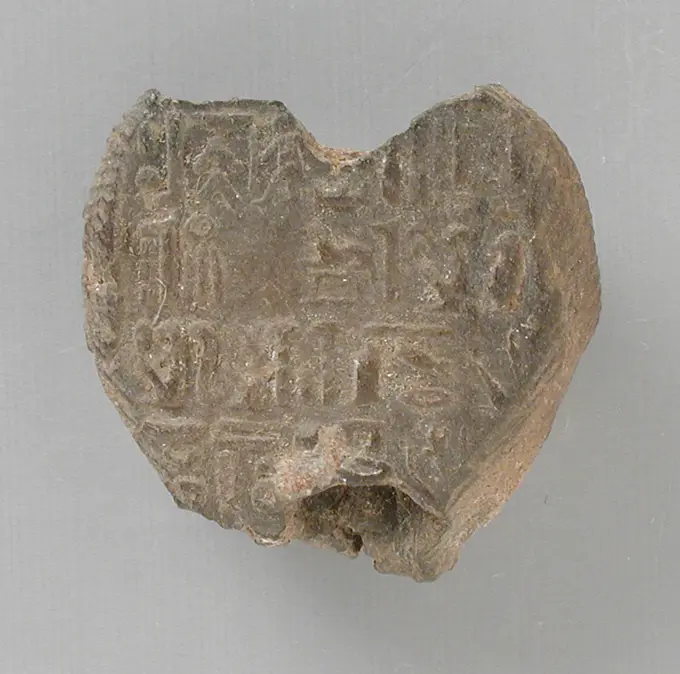
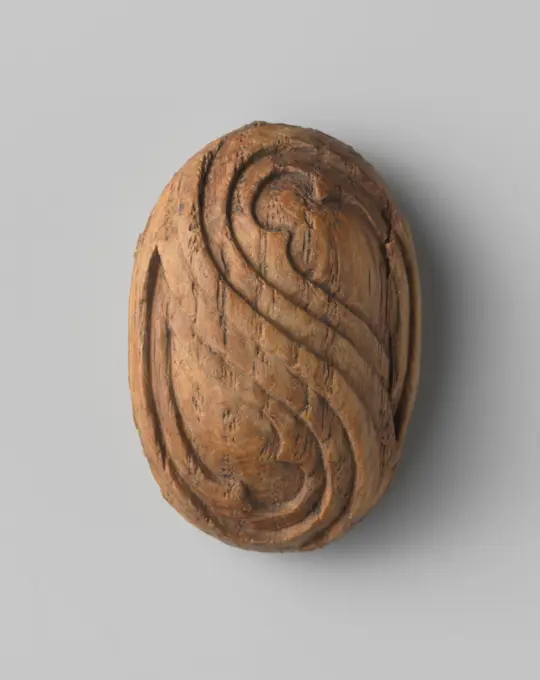
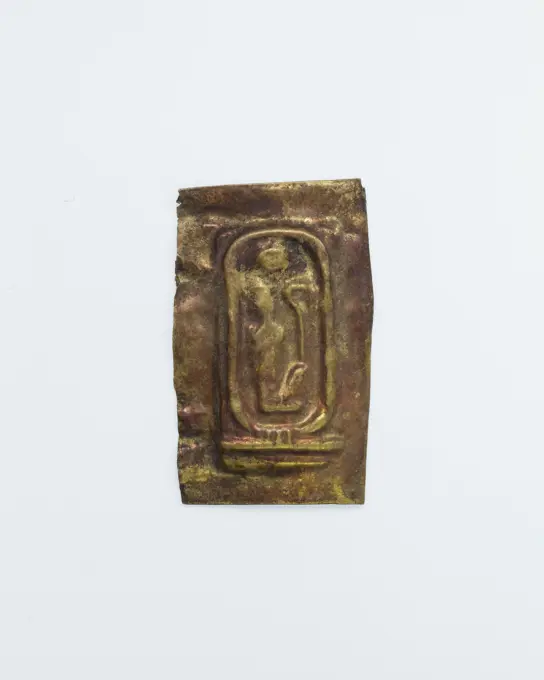
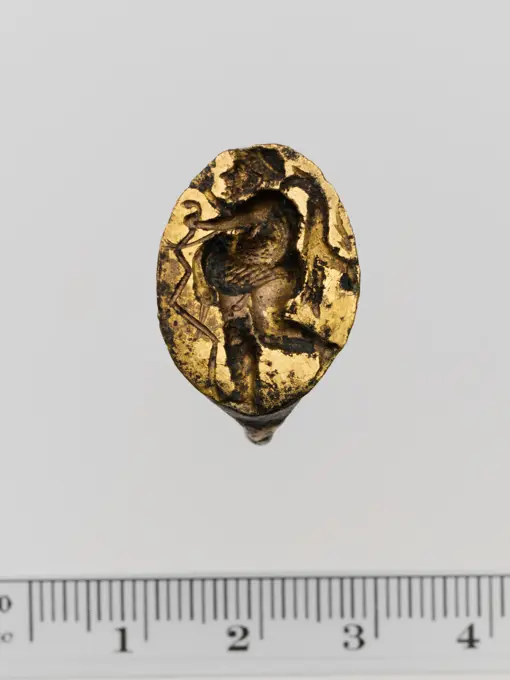
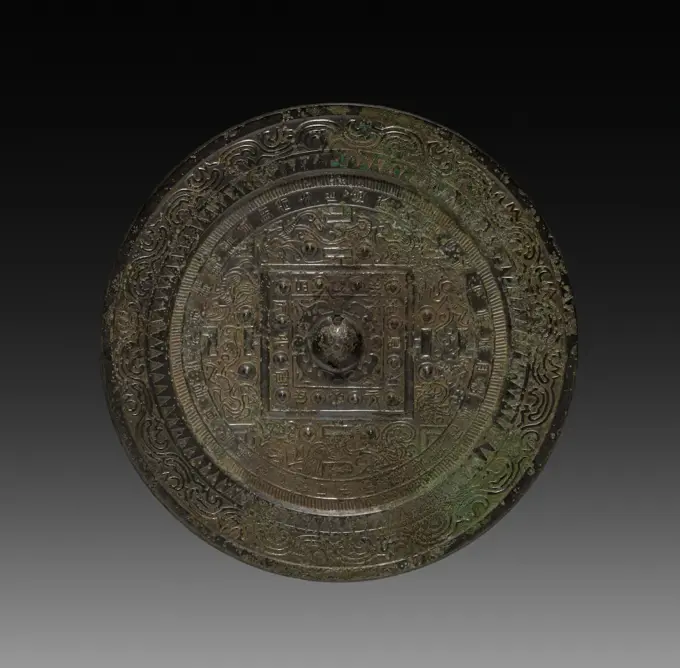
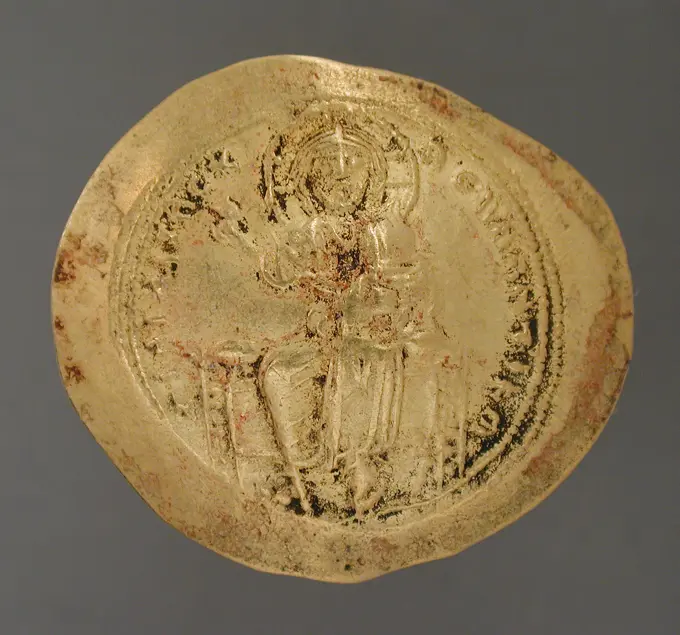
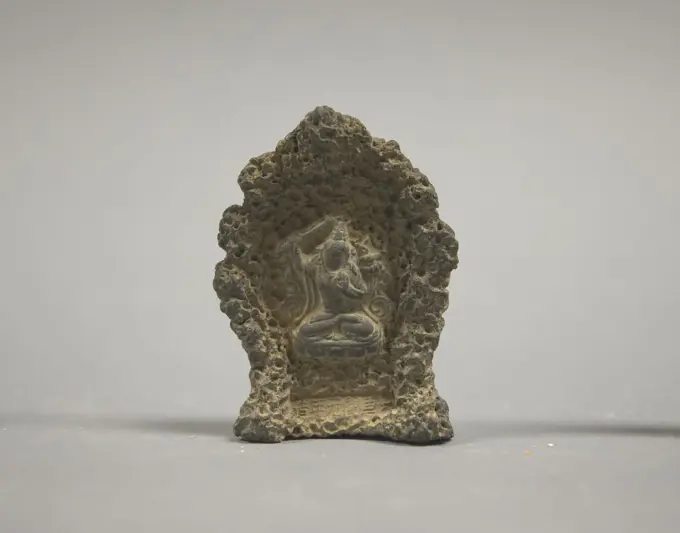
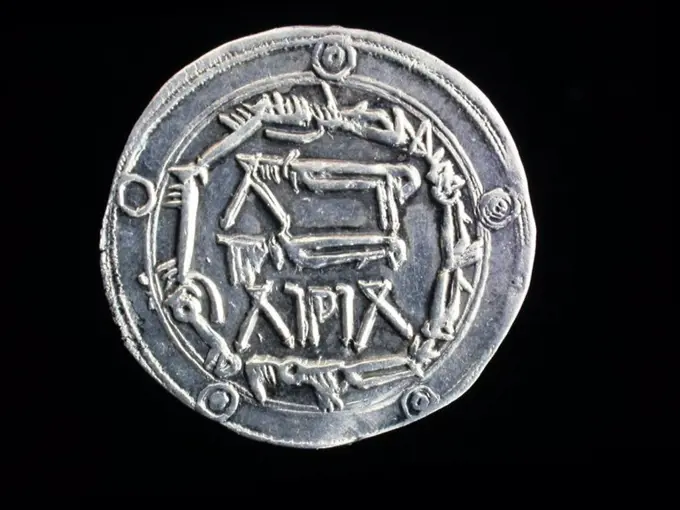
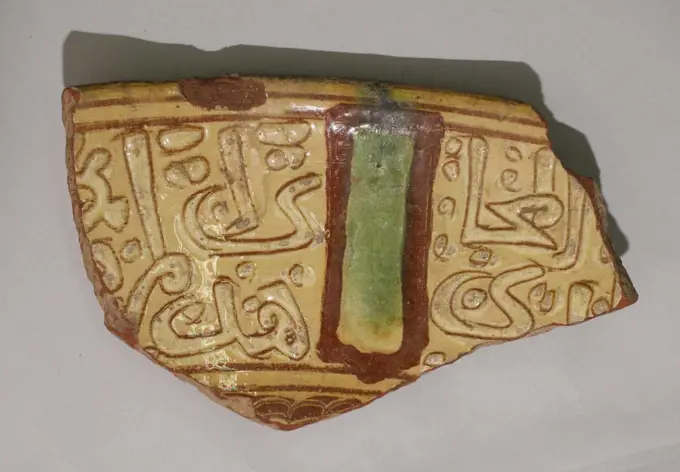
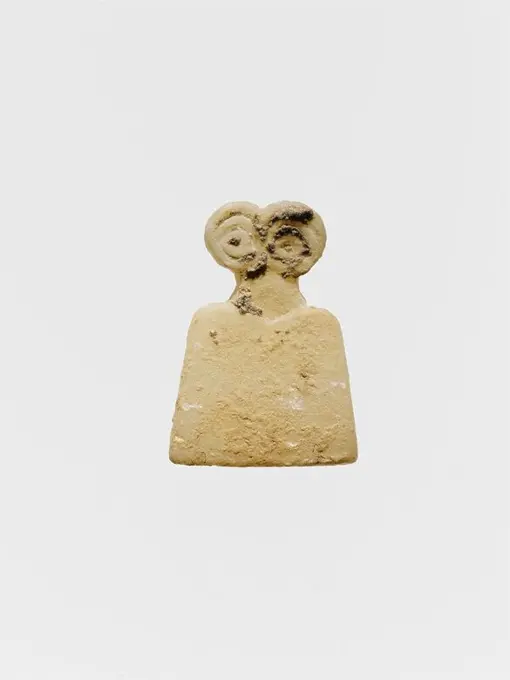
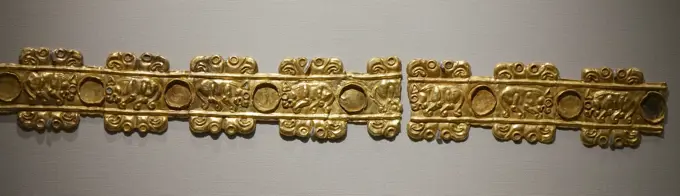
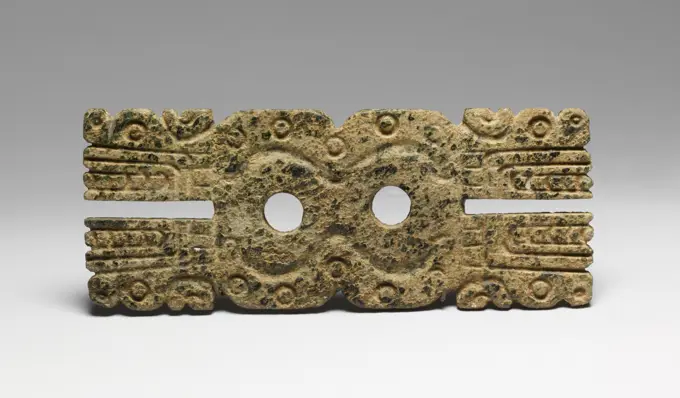
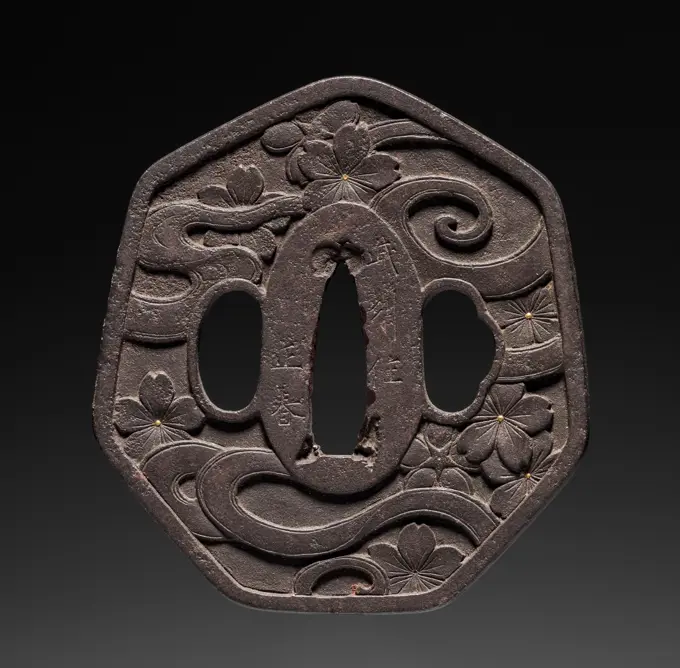
Carnavalet Museum, Medals Collectionhalbscoter. Zakon krzyżacki (1190-), issuer, Winrych von Kniprode (wielki mistrz ; 1351-1382), grand masterScarab Wish Formula 1295 BCE-525 BCE Egypt. Steatite . Ancient EgyptianScaraboid: Cat. Egyptian. Date: 1550 BC-1295 BC. Dimensions: 1 × 1.3 × 0.6 cm (3/8 × 1/2 × 1/4 in.). Glazed steatite. Origin: Egypt. Museum: The Chicago Art Institute, Chicago, USA. Author: Ancient Egyptian.Henu barque amulet. Dimensions: H. 3.4 × W. 3.4 cm (1 5/16 × 1 5/16 in.). Date: 525-30 BC.Starting in the later Late Period and continuing through the Ptolemaic Period, a type of glass amulet cast by pressing the glass into a shallow open mold appears. The back was left rough, and the amulets may look ragged because glass overflowed the mold around the edges. The earlier amulets are monochrome, bi- or multicolor amulets supplement the repertoire during the Ptolemaic Period. Some of the amulets can be specifically tied to spells of the Book of the Dead - for example, acc. no. 17.194.2526 - and most are clearly funerary amulets, presumably meant to be wrapped between the bandages of the mummy where the presence of the amulet would do its job irrespective of its degree of finish. Museum: Metropolitan Museum of Art, New York, USA.Scarab Ankhesenamun 1336 BCE-1327 BCE Egypt. Faience . Ancient EgyptianMiliaresion of Theophilus I fromUnknownSkarabeuszMacedonia, Demetriusz Polietes (306 283), Amphipolis, OK. 294 288 p.n.e., BRąZ (AE) Demetriusz Polioretes (306 283), Amphipolis, MacedoniaUnattributed Trebizond Coin. UnknownHearing stone with representation of two climbing lions, c. 1875 - c. 1900 Hearing stone with representation of two climbing lions, placed in profiled window. The half windows at the top and bottom are filled with arrow pattern. Glazed. Netherlands earthenware vitrification Hearing stone with representation of two climbing lions, placed in profiled window. The half windows at the top and bottom are filled with arrow pattern. Glazed. Netherlands earthenware vitrificationPendant. Unknown 6th-7th century Dark amber-colored glass bearing a rooster facing left with a well-defined comb and tail.Stater. UnknownSquare-Headed Bow Brooch first half of 6th century Langobardic. Square-Headed Bow Brooch 465196 Langobardic, Square-Headed Bow Brooch, first half of 6th century, Copper alloy, gilt, silvered on inner face, Overall: 2 1/2 x 1 1/4 x 1/2 in. (6.4 x 3.2 x 1.2 cm). The Metropolitan Museum of Art, New York. Gift of J. Pierpont Morgan, 1917 (17.192.139)Mold for a Bes Amulet ca. 1390-1353 B.C. New Kingdom. Mold for a Bes Amulet. ca. 1390-1353 B.C.. Pottery. New Kingdom. From Egypt, Upper Egypt, Thebes, Malqata, Khor west of camp or E. side of S. Village, MMA excavations, probably 1911-12. Dynasty 18Scarab Wish Formula Made 1069 BCE-664 BCE Egypt. Glazed steatite . Ancient EgyptianCarnavalet museum, medal collection Bust law of Denis Affre from the front; Reverse registration on eight lines under a winged cross.Sundial from Batavia. Square, pewter plate with a compound protractor on the edge with arabic and Roman numerals. Rosette decorations are engraved in the corners. In the middle, just above 5.5 cm long slot a son disc with eyes, nose and mouth. Signed, dated and inscription.Keyhole, isolated on black background Keyhole, isolated on black background Copyright: xZoonar.com/OleksandrxKostiuchenkox 9750044Stamp, Gabled with Rounded Back. Northern Syria or southeast Anatolia, circa 3500 - 3100 B.C.. Tools and Equipment; stamps. Black chloriteLead ornament, possibly imitating jewelry. Culture: Greek, Laconian. Dimensions: Height: 1 1/4 in. (3.2 cm). Date: 6th-5th century B.C..Small flat votive figurines of cast lead have been found in great quantities at the ancient sanctuaries of Laconia; over one hundred thousand, dating from the seventh century B.C. to the Classical period, were dedicated to the goddess Artemis Orthia in Sparta. Museum: Metropolitan Museum of Art, New York, USA.Mold for Umbel of Cornflower Pendant ca. 1353-1336 B.C. New Kingdom, Amarna Period. Mold for Umbel of Cornflower Pendant 569910Hearing stone with representation of two climbing lions, placed in two windows, Anonymous, c. 1575 - c. 1625 Hearing stone with representation of two climbing lions, placed in two windows. The half windows at the top and bottom are filled with diamond-shaped flowers. Southern Netherlands (possibly) earthenware Hearing stone with representation of two climbing lions, placed in two windows. The half windows at the top and bottom are filled with diamond-shaped flowers. Southern Netherlands (possibly) earthenwareGold Iron Age Bracteate. Artist: UnknownAnonymous. Bulb of Saint Ménas. Molded terracotta. 7th century. Paris, Carnavalet museum. Saint Menas bulb, terracotta, archeological vestigePlanets-manager. Cornalet Collection Sites 2013-2016. Numismatic.Bowl with a medallion and ornamental borders, anonymous, c. 1170 - c. 1200 Come with a spreading wall of gray-baking quartz frit goods painted on the inside in Luster on the glaze with an edge filled with an ornament-similar ornament, including an edge with an ornament of hexagonal boxes and semi-circles. On the bottom one medallion with a wheel with six spokes, loops and stripes on the outside. is the earthenware. glaze. luster (textile) painting / vitrification Come with a spreading wall of gray-baking quartz frit goods painted on the inside in Luster on the glaze with an edge filled with an ornament-similar ornament, including an edge with an ornament of hexagonal boxes and semi-circles. On the bottom one medallion with a wheel with six spokes, loops and stripes on the outside. is the earthenware. glaze. luster (textile) painting / vitrificationBLIŻEJ KULTURY Mint of Kraków, Władysław Warneńczyk (King of Poland, 1434 1444)Drachma: Bust of a King (obverse), 600-700. Afghanistan, Hephtalite Period, 7th-8th century. Silver; diameter: 2.2 x 0.1 cm (7/8 x 1/16 in.).Latin Grafschrift, Anonymous, 500 - 1000  Piece of slate with wrecked inscription. Coming from Deventer. Was once wrapped in one piece of paper together with two others. Deventer slate (rock)   DeventerTin soldier with high hat, in uniform with musket, very thin, soldier toy recreation tool miniature soil find tin metal, w 1,7 die Tin soldier. Toy Thin performance of soldier in uniform with knapsack and bullet bag High pointed hat Wears musket in the left hand and has saber on the belt archeology Rotterdam indigenous tin child play child's play archaeological find in the soil Rotterdam.Glass weight 6th-early 7th century A.D. Roman Translucent pale yellow green.Circular disk with rounded edge; impressed upper surface; flat bottom.On obverse, stamp in low relief, comprising a cruciform monogram, encircled by a line.Intact; dulling and pitting, with traces of brownish weathering.The weight is stamped with a Greek monogram to guarantee its authenticity. Such small glass weights were used by the Byzantines and later by the Arabs to check the value of gold and silver coins. This example weighs the equivalent of a semissis (half of a solidus, the standard gold coin).. Glass weight 245304Scaraboid ca. 2030-1640 B.C. Middle Kingdom. Scaraboid. ca. 2030-1640 B.C.. Faience, blue. Middle Kingdom. From Egypt, Memphite Region, Lisht North, Cemetery, Pit 919, MMA excavations, 1920-22Haematite cylinder seal. Culture: Minoan, Aegeo-Cypriot. Dimensions: L. 1.8 cm; Diameter 0.85 cm. Date: ca. 1400-1300 B.C..Animal combats. Museum: Metropolitan Museum of Art, New York, USA.Scarab Inscribed with Hieroglyphs in a Rope Border ca. 1740-1640 B.C. Middle Kingdom. Scarab Inscribed with Hieroglyphs in a Rope Border 557110Scarab Inscribed with the Name Hatshepsut ca. 1479-1458 B.C. New Kingdom During the 1926-1927 excavation season, the Museum's Egyptian Expedition uncovered three foundation deposits along the eastern enclosure wall of Hatshepsut's funerary temple at Deir el-Bahri in Western Thebes. Among the contents were 299 scarabs and stamp-seals. Sixty-five of these are now in the Egyptian Museum, Cairo, and the rest were acquired by the Museum in the division of finds.Among the inscriptions on the bases of these scarabs and seals are examples of every title Hatshepsut held, from the time she was "king's daughter" during the reign of her father, Thutmose I; through the time she was queen of her half-brother, Thutmose II; and during her co-reign with her nephew/step-son, Thutmose III.Thirteen of the scarabs (27.3.199 to 27.3.212) are inscribed with various writings of the extended form of Hatshepsuts personal name, Hatshepsut-united-with-Amun, which sometimes appears, enclosed in a cartouche, as theFragment of a terracotta amphora (jar) ca. 550 B.C. Attributed to the Amasis Painter Top of the mane, ear, and topknot of a horse in a quadriga (four-horse chariot)The style of the Amasis Painter is so distinct, in the rendering of ornament as much as in the figure work, that fragments of his vases are readily recognizable.. Fragment of a terracotta amphora (jar) 255834Carnavalet Museum, Medals CollectionBoat;  Unspile (0-00-00-0-00-00);Cylinder Seal. Mesopotamia, Old Babylonian period, circa 2000-1600 B.C.. Tools and Equipment; seals. HematiteLamp, Anatolia; 1st - 4th century; Terracotta; 2.5 x 8 x 10.5 cm (1 x 3 1,8 x 4 1,8 in.)Costume Ornament 11th-12th century Central coast (). Costume Ornament 308776Mirror with Fish ca. 13th century The back of this mirror shows fish against a background suggestive of a stream of water, and a medallion with a six-petal rosette surrounding the central knob. The mirrors undecorated side would have been polished into a highly reflective surface. Metal cast mirrors were common in the medieval Islamic period, when they might have also been used as talismans and for magical practices.. Mirror with Fish. ca. 13th century. Leaded bronze alloy. Country of Origin Central Asia or Iran. MetalComb top 8th-9th century China From the late eighth to the tenth century, it was fashionable for Chinese women to wear decorated combs as part of their coiffure. Comb tops were made of such precious materials as gold, silver, jade, and mother-of- pearl and were ornamented with popular decorative motifs.. Comb top 44616Seal stamp of Cornelis Tromp, Anonymous, 1676 stamp Oval copper stamp with thickly turned wooden handle with flattened head, black wood. The stamp surrounded by a triple pearl edge. The shield has four quarters of a time and a hand in the middle, above the shield a helmet, above it a lion with a crowned lily in his leg. On either side of the shield a griffin with a small shield on the shoulder. Under a banderole with the weapon spell: Fortes Creantvr Fortibvs. Netherlands copper (metal). ebony (wood) engravingSCHAUTERE UND Höhfeld, Verwunden -Abzeichen, Schwarz - Blout Ball injured insignia, War taken by Georges Aboubadra (13th genius) (title awarded), 1939. Metal. Museum of the Liberation of Paris - General Leclerc Museum - Jean Moulin Museum.as Marek Aureliusz (121-180; Roman emperor 161-180); 161-180 (161-00-00-180-00-00);Scarab Inscribed for the Female Horus Wosretkau (Hatshepsut) ca. 1479-1458 B.C. New Kingdom. Scarab Inscribed for the Female Horus Wosretkau (Hatshepsut). ca. 1479-1458 B.C.. Steatite (glazed). New Kingdom. From Egypt, Upper Egypt, Thebes, Deir el-Bahri, Temple of Hatshepsut, Foundation Deposit 7 (G), MMA excavations, 1926-27. Dynasty 18, earlyAmulet, Pentagonal. West Asia, circa 4th century B.C. and later. Jewelry and Adornments; amulets. Brown serpentineBuckleThe smell; Five senses. Rectangular, bronze, plaque with beveled edges. A woman, looking forward to the right, is cleaning it for her stooping, naked child. Left behind her a nude boy who loves his nose. Trees in the landscape and in the background mountains on the water.Key piece (fragment), anonymous, c. 1550 - c. 1600 Fragment of a key piece of oak, cut off from a korbeel. Coming from the broken house Warmoesstraat 145 in Amsterdam. Northern Netherlands oak (wood) Fragment of a key piece of oak, cut off from a korbeel. Coming from the broken house Warmoesstraat 145 in Amsterdam. Northern Netherlands oak (wood)Scarab of an Official ca. 1760-1670 B.C. Middle Kingdom Administrative changes during Dynasty 12 lead to an increase in bureaucracy and, subsequently, in the production and use of seals. This is reflected in the beginning of the mass production of scarabs, the most popular shape for amulets, in late Dynasty 12 through Dynasty 13 (ca. 1850-1640 B.C.). Thousands of these late Middle Kingdom scarabs bear the names and titles of officials, who would wear them as amulets, but who could also use them to seal documents, containers or doors. However, the scarabs primary function remained that of a protective amulet. Several inscriptions add a funerary epithet to the owners name, indicating that the amulet was manufactured after the owner had passed away. The hieroglyphs inscribed on this scarab form the name and title of an official named Seneb, surrounded by a decorative border of interlocking scrolls.. Scarab of an Official. ca. 1760-1670 B.C.. Glazed steatite. Middle Kingdom. From Egypt, 10 Kas or Stuiver of the VOC of Paliakate for Ceylon, United Oostindische Compagnie, 1650 - 1700 coin Copper mint. Front: monogram of the VOC, above which value-designation X. Tours side: three-faced inscription in Arabic characters. Smooth edge. Paliact it copper (metal) striking (metalworking)Saying in Rotterdam, Penning intended as evidence for peat carriers, fillers or tunners to be allowed to enter peat from the newlyered veins, Anonymous, 1769 identification medal One-sided lead medal with round top and rectangular underside, and hole in it. Front: Standing lion with coat of arms on chest between the year within Kerschrift. Reverse: Blanco. Rotterdam lead (metal) casting  RotterdamDrachma; Kawades I (Szachinszach Persia; 488-496 and 498-531); 488-496 and 498-531 (488-00-00-497-00-00);Planets-manager. Cornalet Collection Sites 2013-2016. Numismatic.Bulla. UnknownStamp Seal, Gabled. Northern Syria or southeast Anatolia, circa 3500 - 3100 B.C.. Tools and Equipment; seals. Black chloriteSeal Impression Mentioning the Gods Anubis and Hapy. Egypt, possibly Late Period (724 - 333 BCE). Tools and Equipment; seal impressions. Dark gray semi-baked clayDragonfly amulet ca. 1981-1640 B.C. Middle Kingdom. Dragonfly amulet. ca. 1981-1640 B.C.. Faience. Middle Kingdom. From Egypt, Memphite Region, Lisht North, Cemetery, Pit 963, MMA excavations, 1920-22. Dynasty 12-13Fragment of God the Father, part of a coronation of Mary, Master of the Madonna or La Gleize (Possible), c. 1330 - c. 1360 Oval covering of the relic room on the chest. Added later and removed during restoration. Liège oak (wood) Oval covering of the relic room on the chest. Added later and removed during restoration. Liège oak (wood)Foundation Deposit Plaque ca. 1200-1085 B.C. New Kingdom, Ramesside. Foundation Deposit Plaque. ca. 1200-1085 B.C.. Gold. New Kingdom, Ramesside. From Egypt, Upper Egypt, Thebes, Asasif, MMA excavations, 1935-36. Dynasty 20Schippersgilde, Gildepenning by Jan Jansen van Gulick, Anonymous, c. 1600 - c. 1800 medal Brass oval medal. Front: Left sailing ship inside blower with four flowers. Reverse: Inscription within three rings Netherlands brass (alloy) engravingGilt bronze ring early 4th century B.C. Greek Fat hunter carrying quadruped and bird.. Gilt bronze ring. Greek. early 4th century B.C.. Bronze, gold. Classical. GemsCuneiform tablet: quittance. Culture: Old Assyrian Trading Colony. Dimensions: 3.7 x 4.5 x 1.4 cm (1 1/2 x 1 3/4 x 1/2 in.). Date: ca. 20th-19th century B.C.. Museum: Metropolitan Museum of Art, New York, USA.Mummy Label with Drawing of a Mummy. Egypt, late Ptolemaic - early Roman Period (100 BCE - 100 CE), perhaps reign of Augustus (30 BCE - 41 CE). Tablets. LimestoneMold late 9th-early 10th century. Mold. late 9th-early 10th century. Clay; molded. Excavated in Iran, Nishapur. CeramicsScarab of King Sheshi. Egypt, Second Intermediate Period, 15th dynasty (1664-1555 BCE). Sculpture. Steatite with blue-green glazeScarab seal ca. 1700-1560 B.C.. Scarab seal. ca. 1700-1560 B.C.. Faience, white (). Dynasty 15-17, 2nd Intermediate Period, Hyksos. Levant or SyriaBill for one fat ox ,Scarab Inscribed with the Name of the God Amun-Re ca. 1479-1458 B.C. New Kingdom. Scarab Inscribed with the Name of the God Amun-Re. ca. 1479-1458 B.C.. Steatite (glazed). New Kingdom. From Egypt, Upper Egypt, Thebes, Deir el-Bahri, Temple of Hatshepsut, Foundation Deposit 7 (G), MMA excavations, 1926-27. Dynasty 18Fragment of a Jar 12th-13th century. Fragment of a Jar 451673Mirror, 25-220. China, Eastern Han dynasty (25-220). Bronze; diameter: 21 cm (8 1/4 in.).Disk Brooch 6th century Frankish. Disk Brooch 464849 Frankish, Disk Brooch, 6th century, Silver-gilt, paste or garnet, iron core, metal foil, Overall: 7/8 x 1/4 in. (2.2 x 0.7 cm). The Metropolitan Museum of Art, New York. Gift of J. Pierpont Morgan, 1917 (17.191.156)Hearing stone with representation of two climbing lions and a coat of arms, 1610 Hearing stone with representation of two climbing lions and the year 1610, placed in profiled window. The half windows at the top and bottom are filled with a weapon, a crown and star motif. Southern Netherlands earthenware Hearing stone with representation of two climbing lions and the year 1610, placed in profiled window. The half windows at the top and bottom are filled with a weapon, a crown and star motif. Southern Netherlands earthenwareConstantine X Solidus. Eastern Mediterranean, Byzantine, 1059-1067. Tools and Equipment; coins. GoldTajlandia, Rama VIII (1935-1946), 20 Satang, 1945 AD (2488 BE)Votive Plaque with Manjushri ca. 8th century or later Tibet. Votive Plaque with Manjushri. Tibet. ca. 8th century or later. Clay. SculptureCylinder Seal. Mesopotamia, 2200-1600 B.C.. Tools and Equipment; seals. StoneHard plate with the city coat of arms of Groningen, Anonymous, c. 1625 - c. 1675 Cast iron fireplace, with a semicircular top. Central can be seen the crowned city coat of arms of Groningen, with a festoon on either side. At the top a angel's head with flower ornaments, a symmetrical rank ornament at the bottom. The whole is crowned with a pomegranate with a few decorative elements on either side. Germany iron (metal) casting  Groningen Cast iron fireplace, with a semicircular top. Central can be seen the crowned city coat of arms of Groningen, with a festoon on either side. At the top a angel's head with flower ornaments, a symmetrical rank ornament at the bottom. The whole is crowned with a pomegranate with a few decorative elements on either side. Germany iron (metal) casting  GroningenFragment 12th-14th century French. Fragment. French. 12th-14th century. Pot-metal glass, vitreous paint. Glass-StainedBattle of Waterloo to Pieneman, Albertus Willem Sijthoff, 1865  In black round frame behind glass a copper relief, representing a battle (the Battle of Waterloo to Pieneman's painting). Upstairs a banderole with inscription, two branches and the lion of Waterloo hangs on a pedestal. Reverse: Green felt on which label with guarantee against counterfeit, signed by the artist. Bandwriting: 1815 1865 Wellington. Bluecher. ORANGE. Inscription on Banderol: with God for the Netherlands and Orange. Signed downside on label: A. W. Sythoff. Netherlands wood (plant material). glass. copper (metal). felt (textile). paper castingStamp seal ca. 3rd-7th century A.D. Sasanian. Stamp seal. Sasanian. ca. 3rd-7th century A.D.. Chalcedony, brown. Sasanian. Iran or MesopotamiaNUMISMATICA. MONEDA HISPANO-ARABE. DIRHAM DE PLATA, DE ABD-AL-RAHMAN. ANVERSO. 162 HEGIRA/779 D.C. (DEPOSITO: MUSEO ARQUEOLOGICO NACIONAL).Spindle Whorl, one of sixteen, 15th century, 1 3/8 x 1 5/8 in. (3.49 x 4.13 cm), Stone, Mexico, 15th centuryFragment of a Bowl 14th-15th century. Fragment of a Bowl 445148Eye idol. Dimensions: 1 3/8 x 1 in. (3.6 x 2.5 cm). Date: ca. 3700-3500 B.C..This type of figurine known as an eye idol, made of stone and having incised eyes, has been excavated at Tell Brak, where thousands were found in a building now called the Eye Temple. They were probably dedicated there as offerings. Many are incised with multiple sets of eyes, others with jewelry, and still others with representations of "children"--smaller eyes and body carved on the body of the larger idol. Wide eyes demonstrate attentiveness to the gods in much of Mesopotamian art. Museum: Metropolitan Museum of Art, New York, USA.Reaal van Achten, beaten in Mexico, mint from the wreck of the East Indians' t Vliegend Hart, Nicolas de Roxes, 1730  Highly worn silver coin, beaten on irregular coin plate. Front: crowned coat of arms; on the left: letters omr, placed one above the other; Van Omnift is only visible last figure of the year. Reverse: Cross in multi -pass; Between cross arms: arms figures. Mexico silver (metal) striking (metalworking)  MexicoDenar - Brakteat; approx. 1317/1318-OK. 1327/1328 (1317-00-00-1328-00-00);Bird-Shaped Brooch ca. 500-550 Frankish. Bird-Shaped Brooch 465125 Frankish, Bird-Shaped Brooch, ca. 500550, Silver-gilt, Overall: 13/16 x 1/2 x 1/4 in. (2.1 x 1.2 x 0.7 cm). The Metropolitan Museum of Art, New York. Gift of J. Pierpont Morgan, 1917 (17.191.75)Coin Weight 11th century Muhammad al 'Audi. Coin Weight. 11th century. Glass. Attributed to Egypt. GlassScarab Decorated with Loops ca. 1770-1670 B.C. Middle Kingdom Designs with twirling continuous lines and coils, sometimes forming complicated woven patterns, appear on scarabs in the early Middle Kingdom and become particularly popular from the later part of Dynasty 12 onward, during the late Middle Kingdom (late Dynasty 12-Dynasty 13, ca. 1850-1640 B.C.). In some cases they are accompanied by hieroglyphs with protective meaning. Soon afterwards, these often complex linear designs were imitated on Canaanite scarabs of the Middle Bronze Age (contemporary with the Second Intermediate Period in Egypt, ca. 1640-1550 B.C.). This scarab shows morphologic details that are characteristic for the late Middle Kingdom. The manner in which its back and sides are carved indicate that it was probably made in a scarab workshop near Lisht, where the Middle Kingdom capital was located. The scarab dates to the middle of Dynasty 13 (ca. 1766-1677 B.C.).. Scarab Decorated with Loops. ca. 1770-1670 B.C.. SSword Guard (Tsuba). Culture: Japanese. Dimensions: H. 3 in. (7.6 cm); W. 2 7/8 in. (7.3 cm). Date: 17th century. Museum: Metropolitan Museum of Art, New York, USA.Decorated metal belt. Scythian, Koban culture of the central Caucasus, Late 8th century BC, Ziwiye, from north-west Iran.Pendant 12th-14th century Mixtec This flat, rectangular pendant depicts four profile faces with long, toothy snouts at each corner joined to undulating, spotted bodies separated by two round holes. The creatures may represent serpents, felines, or crocodilians, or a combination of these animals. All were commonly associated with water and fertility in Mesoamerica. The composition is bilaterally symmetrical on both horizontal and vertical axes. Two small holes at the top in back are for suspension.The pendant is worked in a stone of green color, a hue symbolic of water, fertility, and life. Greenstone was thus considered more precious than gold by the peoples of ancient Mexico. The pendant is attributed to the Mixtecs of southern Mexico, renowned for their lapidary artistry.. Pendant 310569Stamp seal ca. 3rd-7th century A.D. Sasanian. Stamp seal. Sasanian. ca. 3rd-7th century A.D.. Agate. Sasanian. Iran or MesopotamiaCoin Weight 10th-12th century. Coin Weight 443183Sword Guard (Tsuba) with Cherry Blossoms on River, c. 1615-1868. Japan, possibly Edo period (1615-1868). Iron; diameter: 6.8 cm (2 11/16 in.).Stamped silver foil. Dated 18th Century