Historical Coins and Medals

A collection of antique coins and medals, highlighting intricate designs and historical significance. Perfect for numismatic interests.

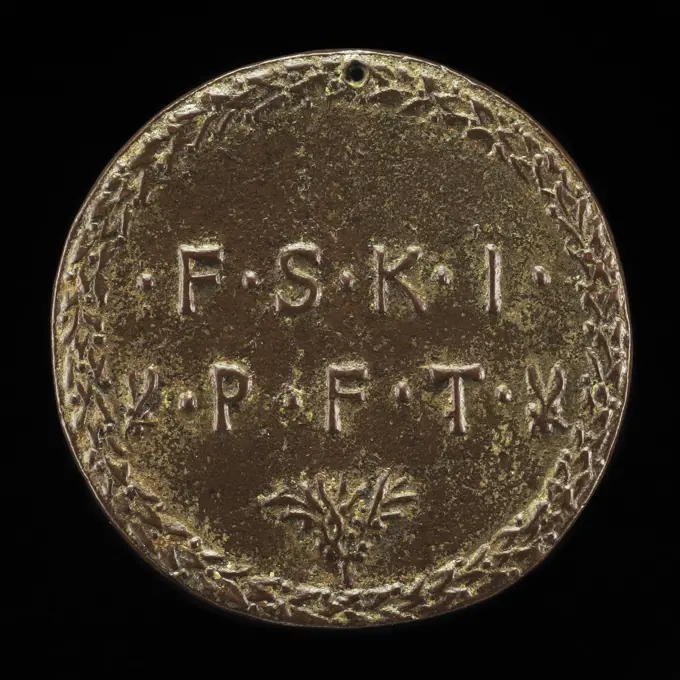
szel g; Gotard Kettler (Ksi  Kurland and Semigalia; 1561-1587); 1576 (1576-00-00-1576-00-00);
szel g; Gotard Kettler (Ksi Kurland and Semigalia; 1561-1587); 1576 (1576-00-00-1576-00-00);
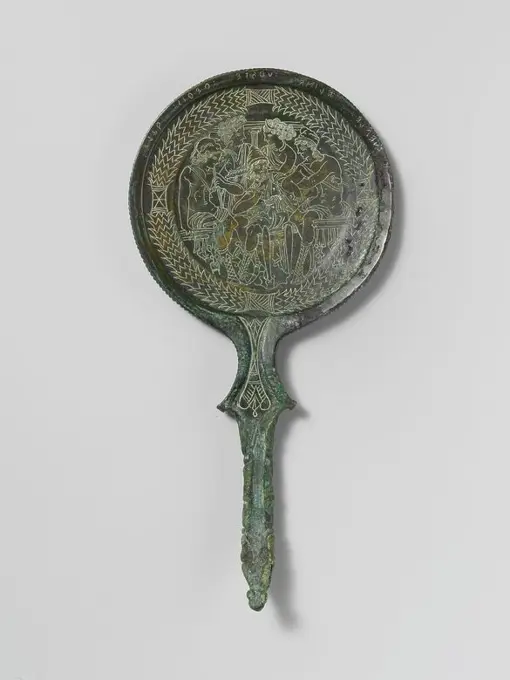
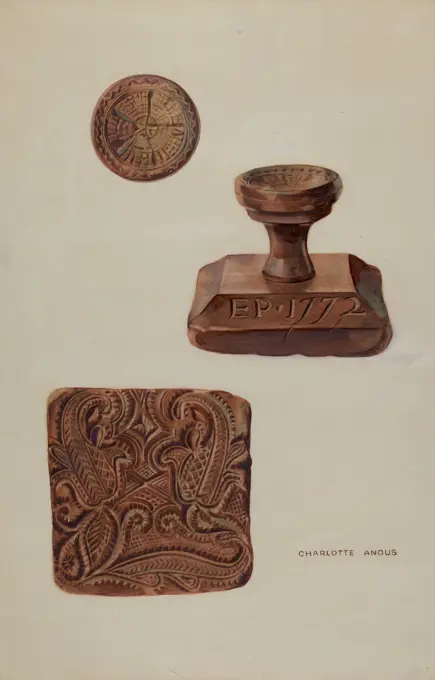
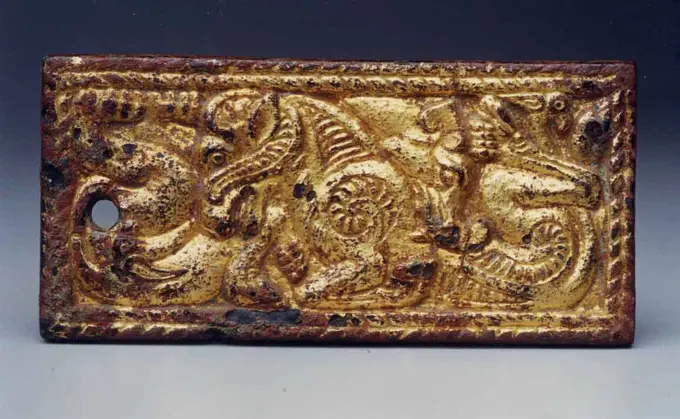
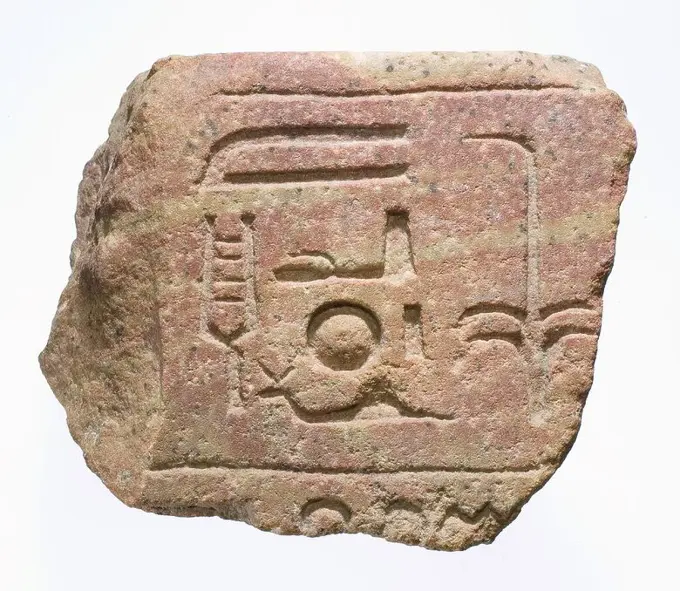
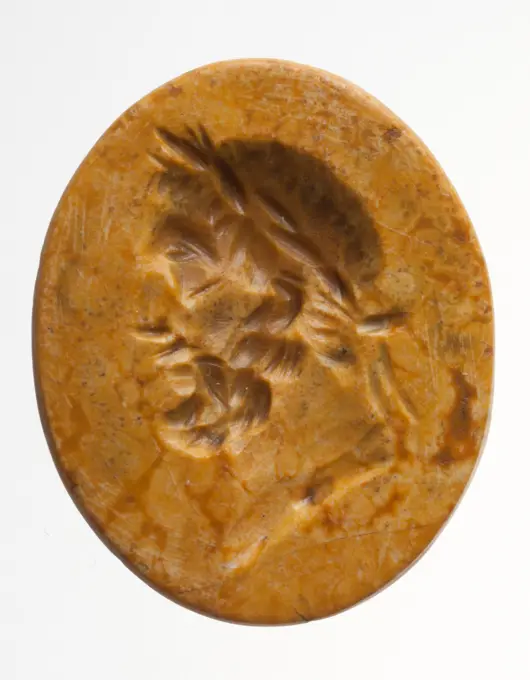
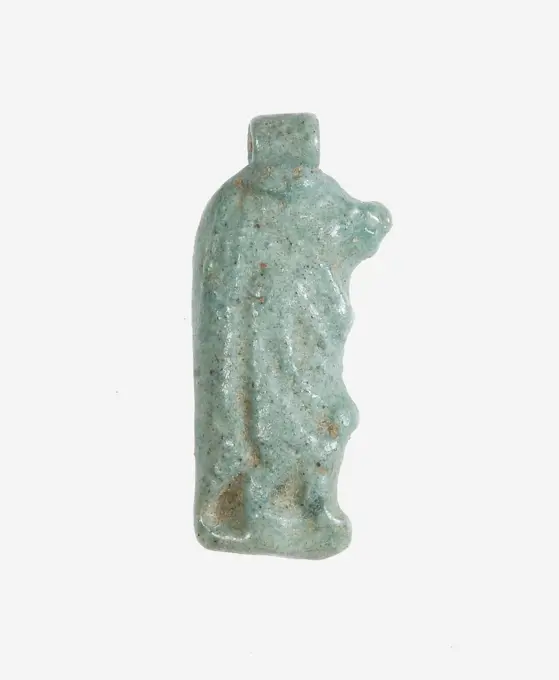
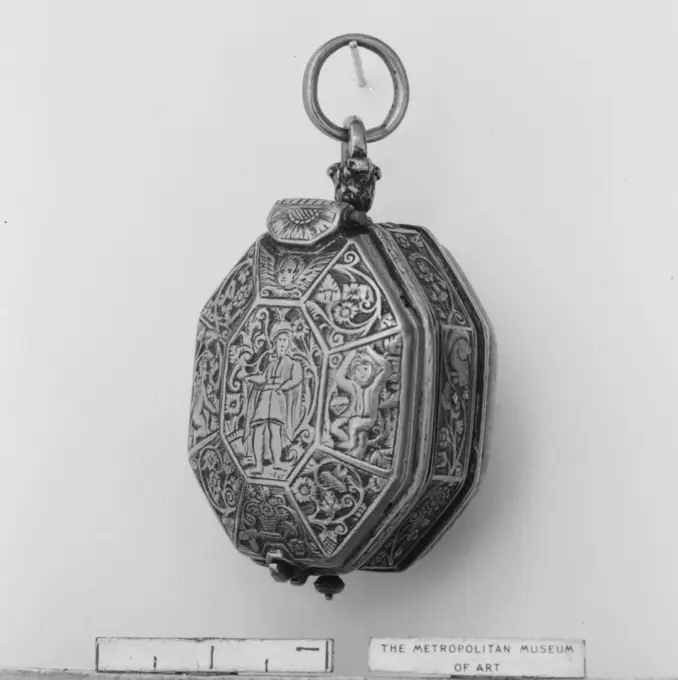
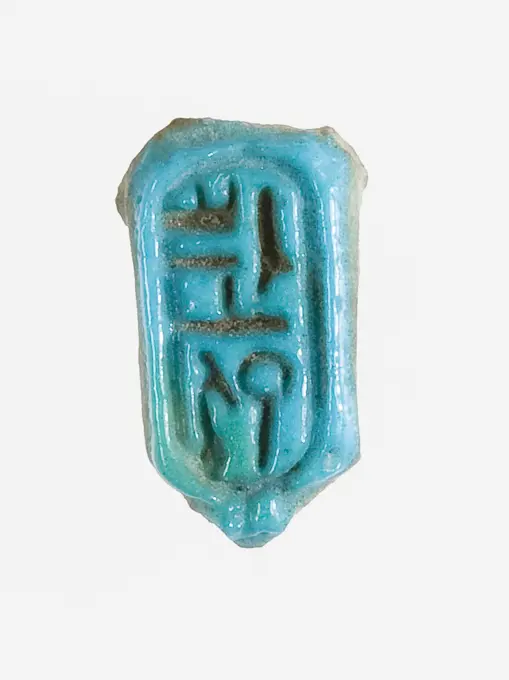
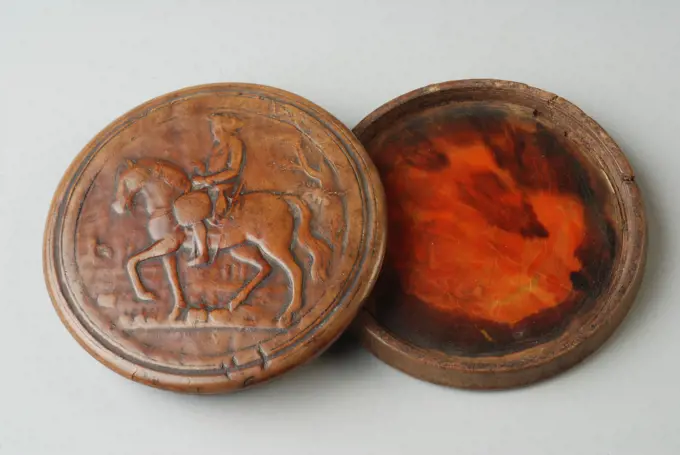
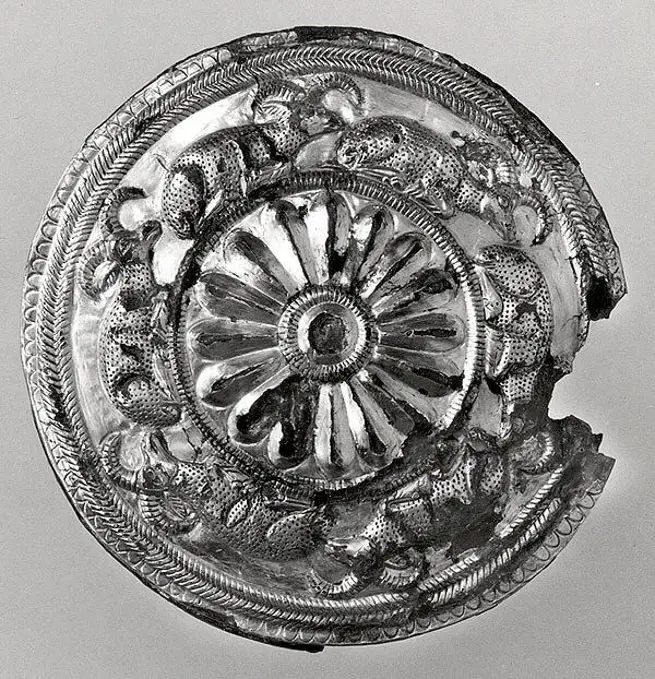
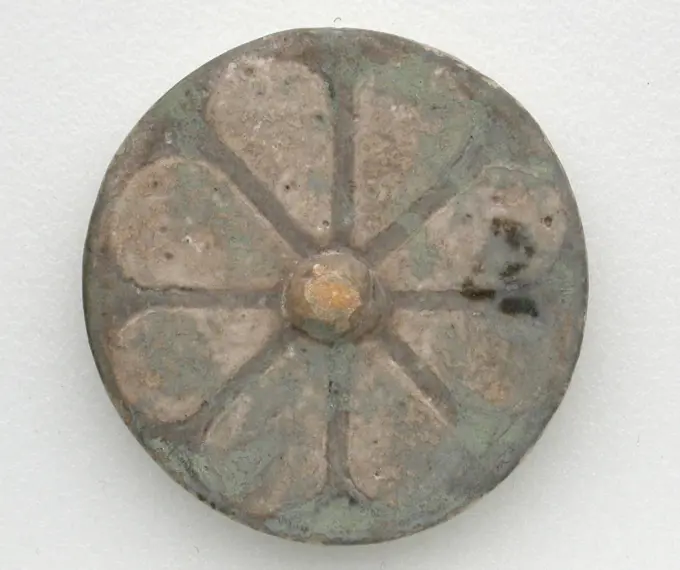
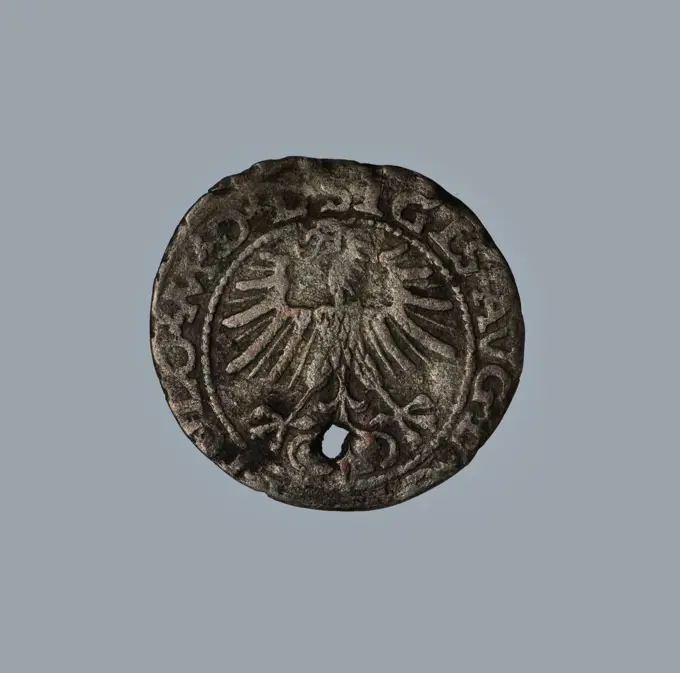
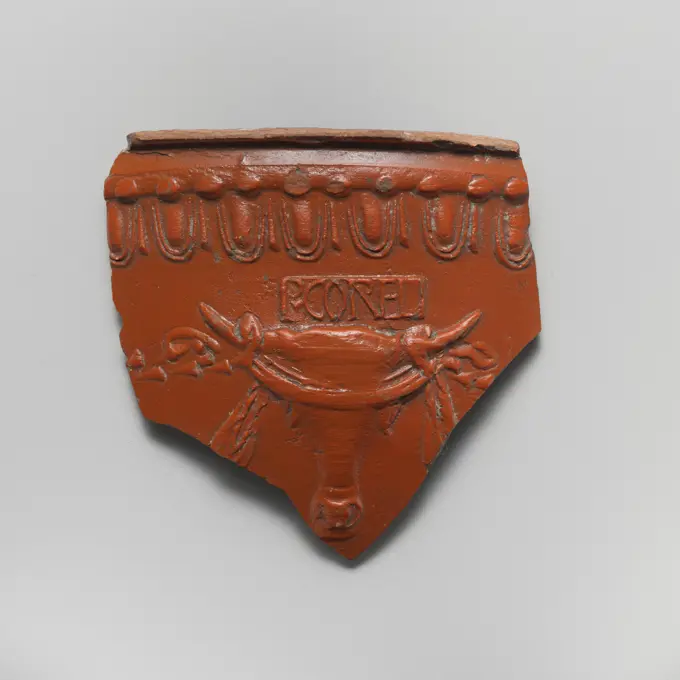
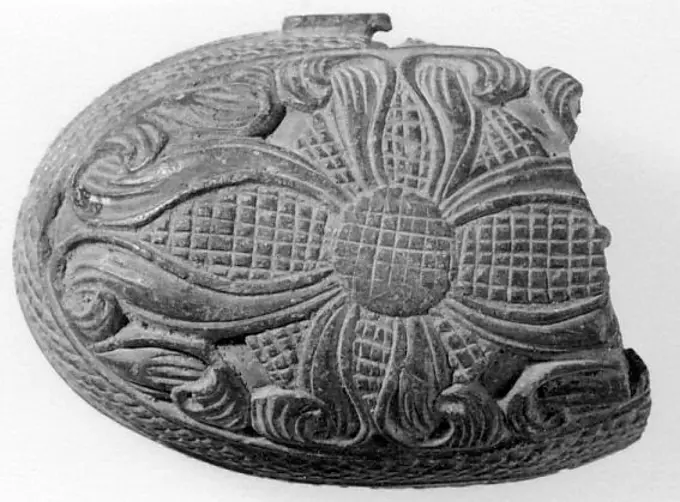
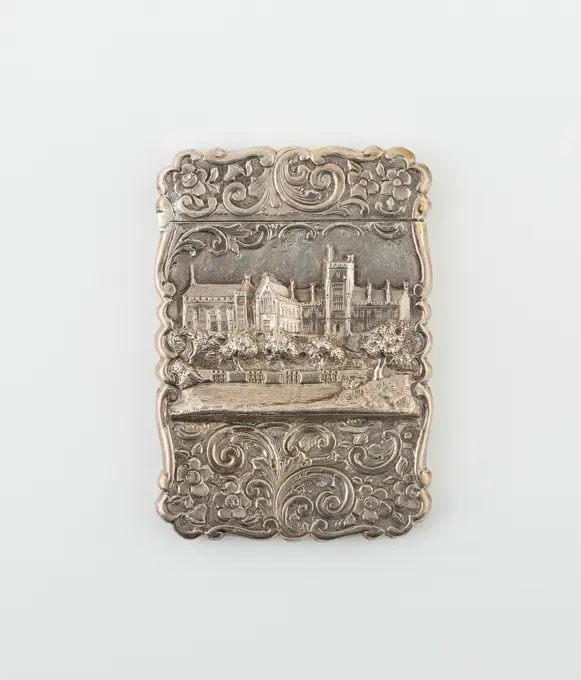
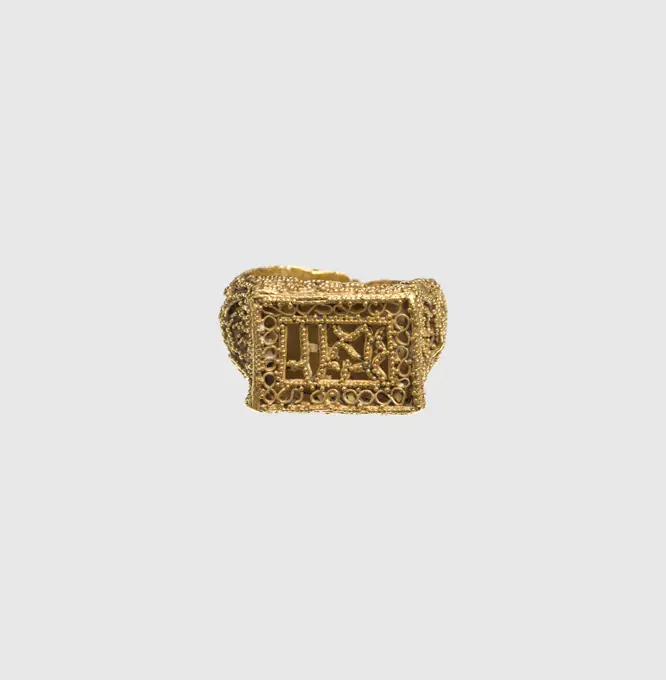
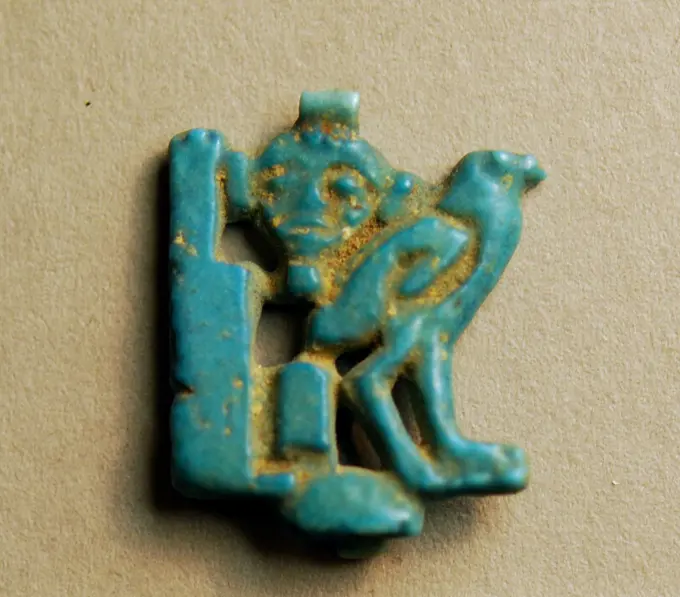
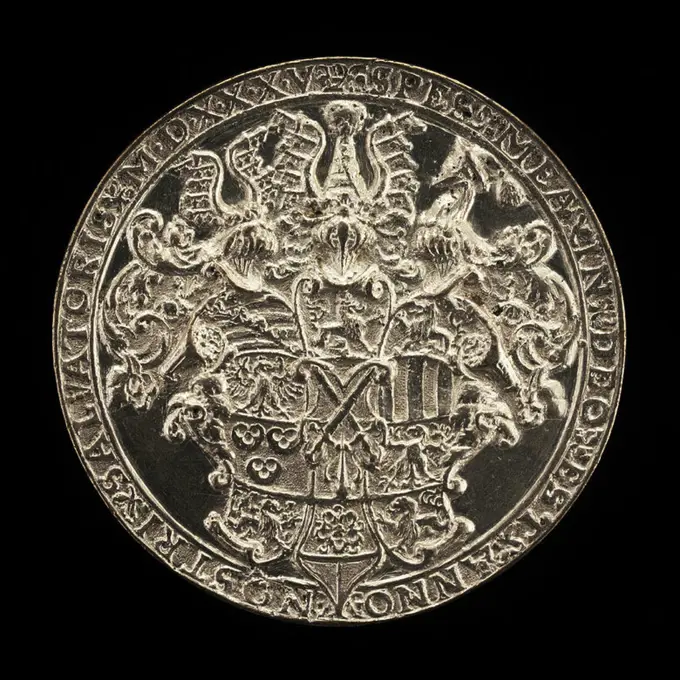
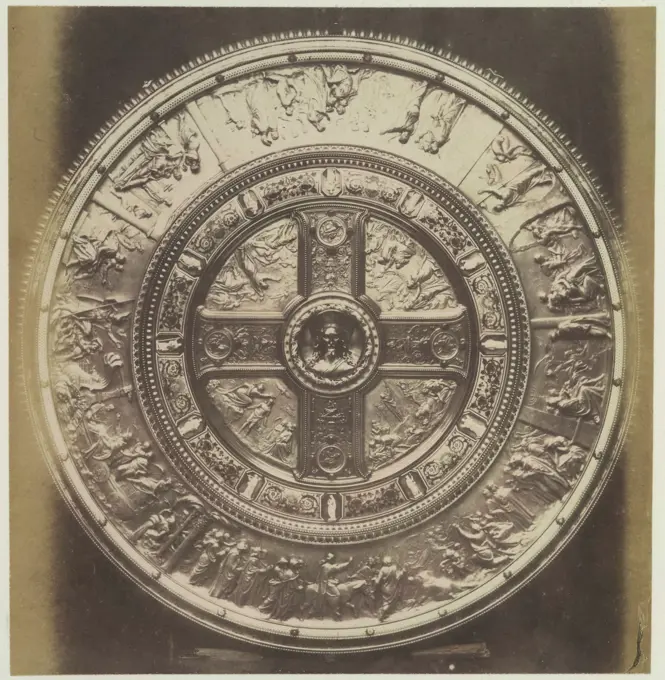
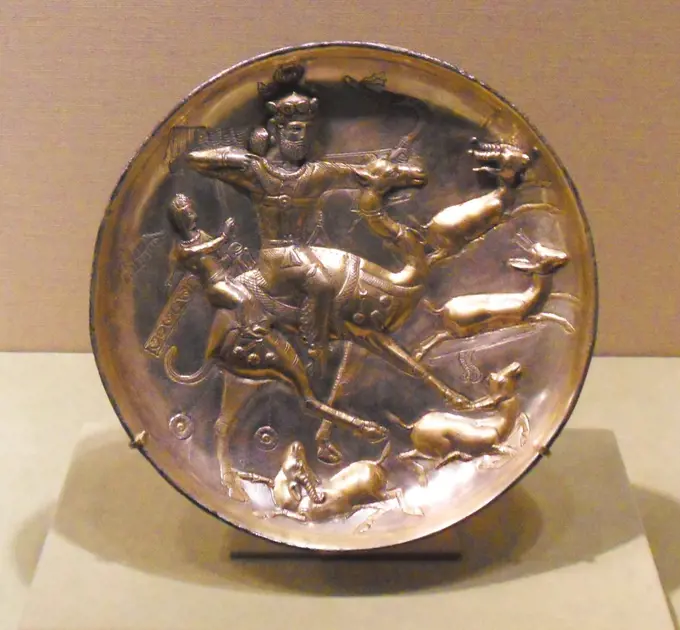
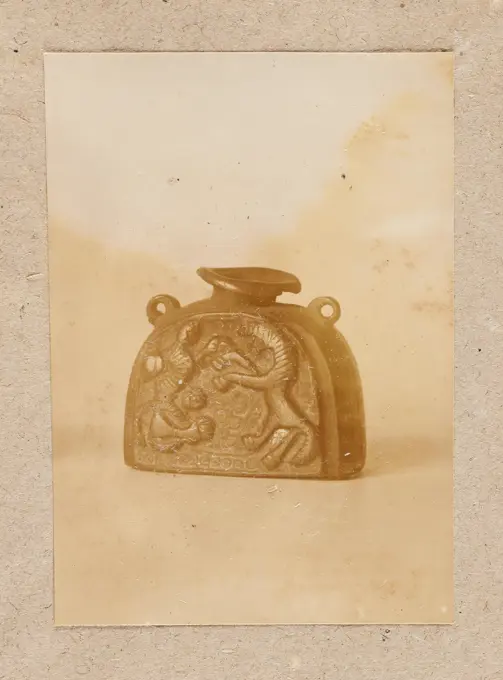
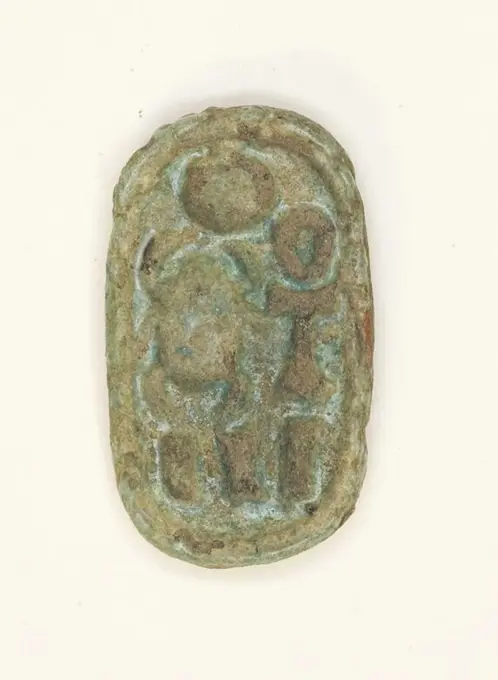
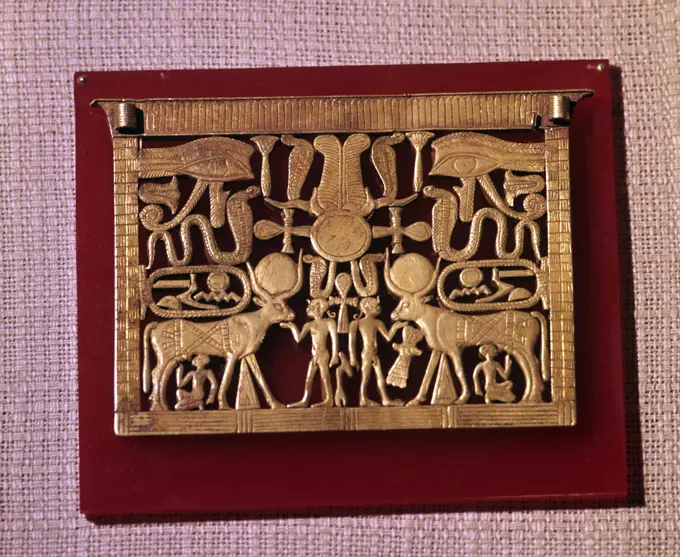
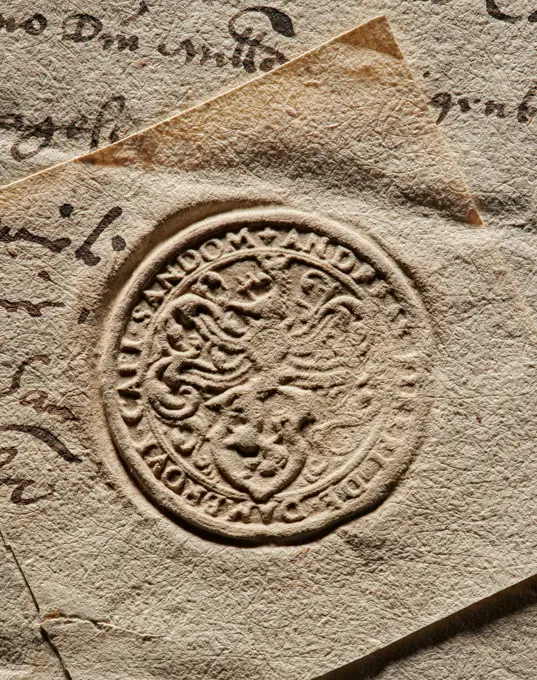
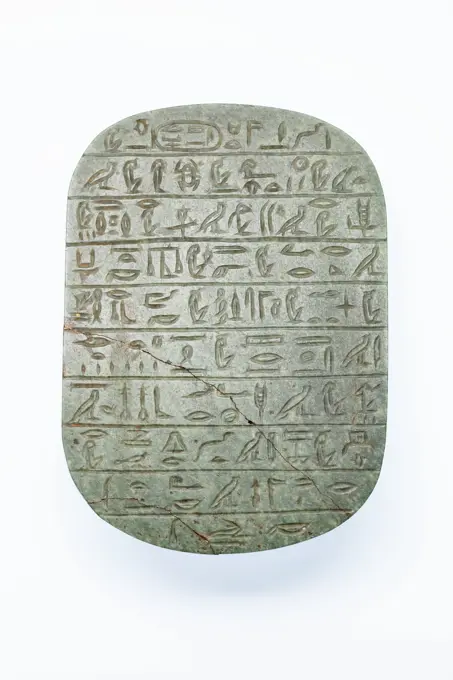
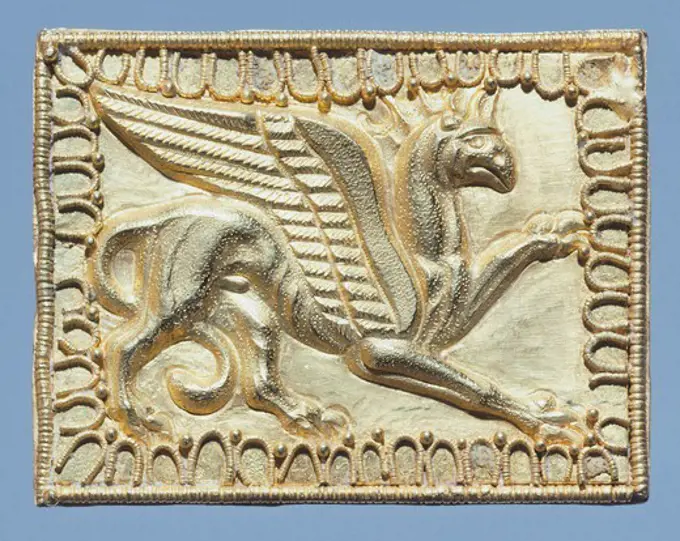
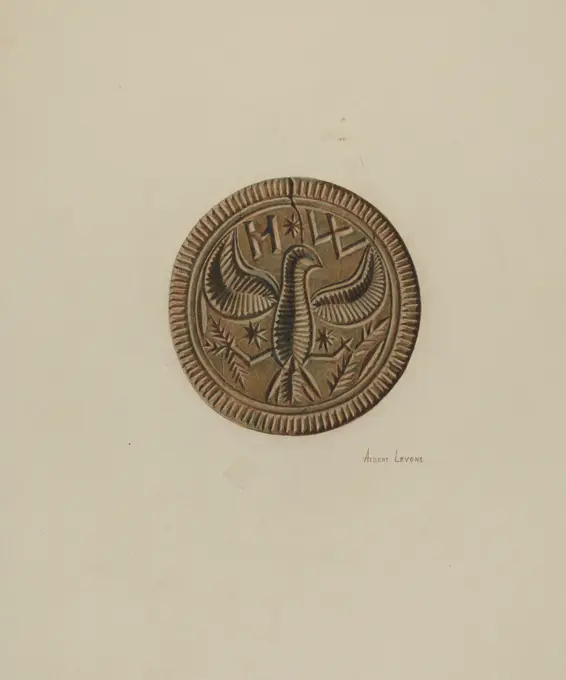
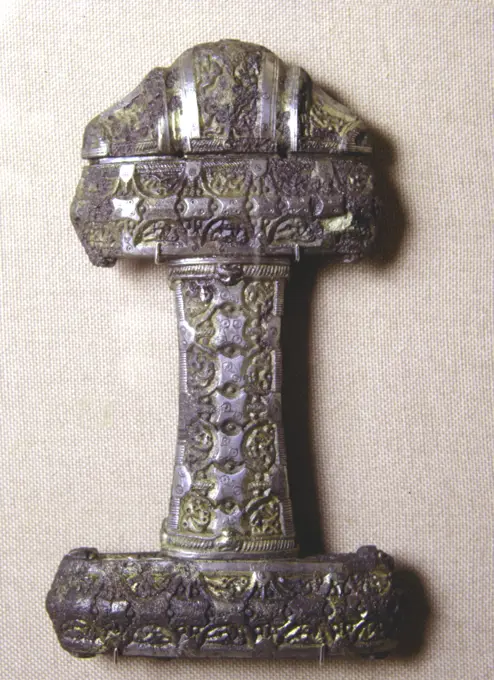
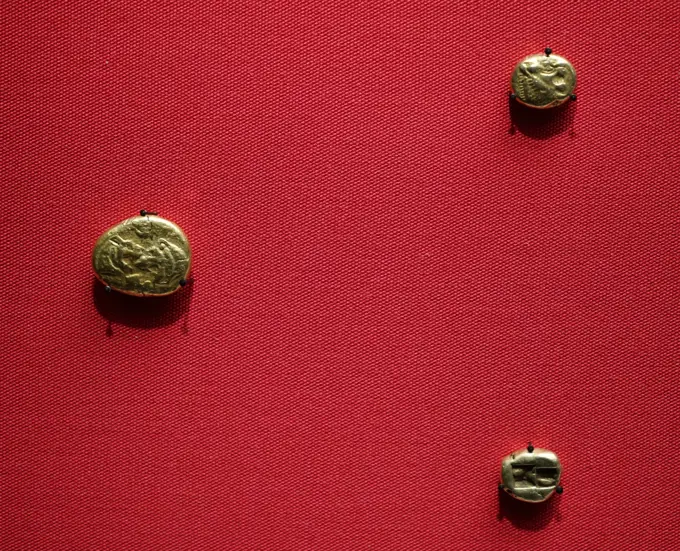
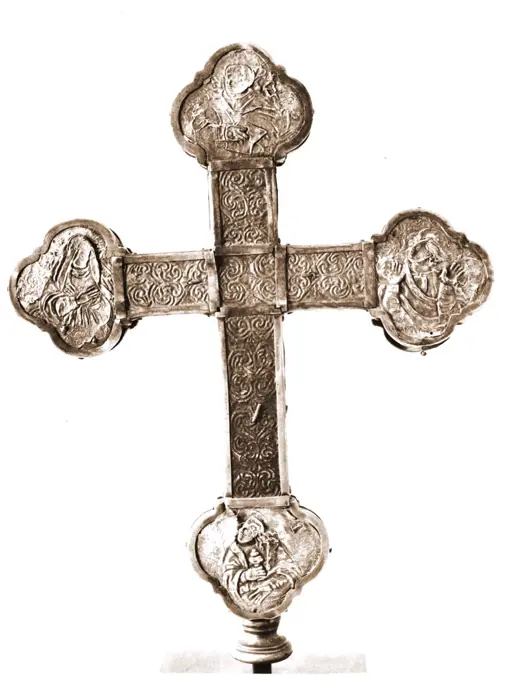
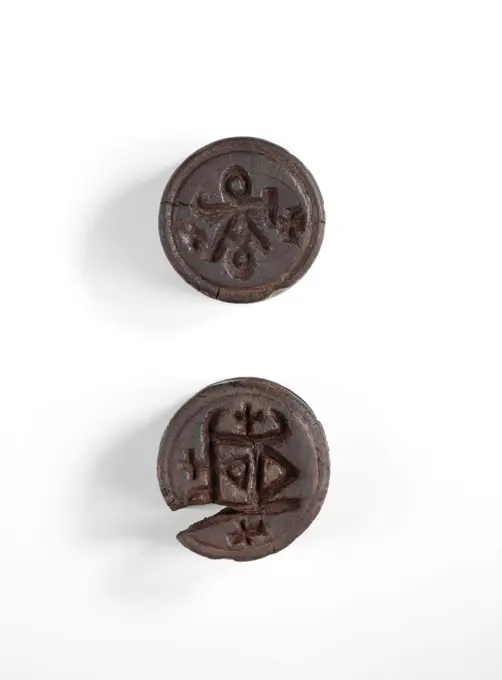
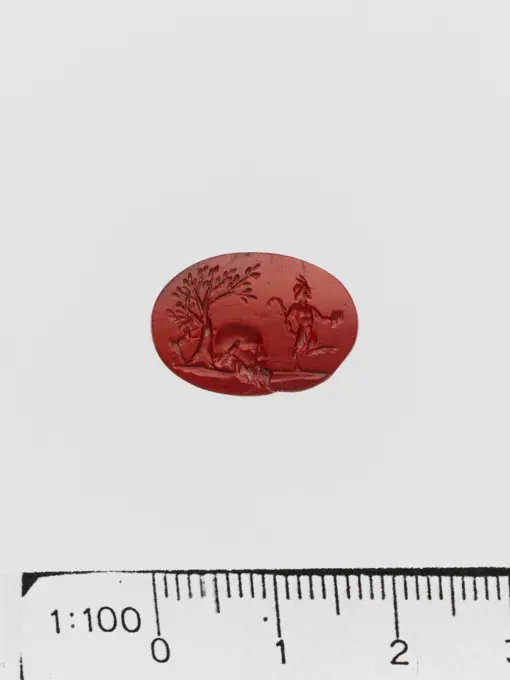
Snuffbox 1760-70 Myer Myers American. Snuffbox 7565Hearing stone with representation of the two -headed eagle, c. 1550 - c. 1600 Hearing stone with representation of the two -headed eagle. Right side is crumbled. Southern Netherlands earthenware Hearing stone with representation of the two -headed eagle. Right side is crumbled. Southern Netherlands earthenwareBronze mirror. Culture: Etruscan. Dimensions: Other: 5 1/4 x 10 9/16 in. (13.3 x 26.8 cm). Date: 3rd century B.C..Inscribed (retrograde): Achle (Achilles), Thethis (Thetis), Uthste (Odysseus), Elinei (Helen), Menle (Menelaus). Museum: Metropolitan Museum of Art, New York, USA.Charlotte Angus, Textile Stamp, c 1937 Textile StampBelt Plaque with Feline and Ram 2nd century B.C. North China. Belt Plaque with Feline and Ram 59521Fragments from a Scribe's Writing Board ca. 2130-1981 B.C. Middle Kingdom. Fragments from a Scribe's Writing Board 547557Base fragment inscribed with epithets of the king. Dimensions: H. 11.7 × W. 14 × D. 10.5 cm (4 5/8 × 5 1/2 × 4 1/8 in.). Dynasty: Dynasty 18. Reign: reign of Akhenaten. Date: ca. 1353-1336 B.C.. Museum: Metropolitan Museum of Art, New York, USA.Portrait of JupiterAmulet: Taweret ca. 1390-1353 B.C. New Kingdom. Amulet: Taweret. ca. 1390-1353 B.C.. Faience. New Kingdom. From Egypt, Upper Egypt, Thebes, Malqata, Palace of Amenhotep III, MMA excavations, 1911-12. Dynasty 18Watch ca. 1660 Watchmaker: Judith Lelement. Watch. French, Autun. ca. 1660. Metal. HorologyAugustin Dupré (1748-1833). Punch: fountain of regeneration, August 10, 1793. Steel. 1793. Paris, Carnavalet museum. Medal, numismaticsSpeelhuisensning from Thailand worth a Salung, 1760-1871 ,, 1760 - 1871 coin Round porcelain playing house pencil, which is also used as a mint. Front: Four Chinese characters. Rail side: a Chinese character.  porcelainAmulet: Cartouche of Amenhotep III ca. 1390-1353 B.C. New Kingdom. Amulet: Cartouche of Amenhotep III. ca. 1390-1353 B.C.. Faience. New Kingdom. From Egypt, Upper Egypt, Thebes, Malqata, Palace of Amenhotep III, South Village, MMA excavations, 1910-11. Dynasty 18Amulet  Menat AegisCoin Weight 12th century. Coin Weight 453550Pendant 3rd-12th century. Pendant 446064Fragment majolica plate, blue on white, with four-leaved motif in the middle, plate dish crockery holder soil find ceramic earthenware glaze, baked underside covered with lead glaze milky white sparingly applied Monochrome Heavy-walled coarse pottery archeology decorate serving craft stonewareBronze mirror, China. Chinese Civilisation, Han Dynasty, 3rd century.Wooden snuff box with rider embossed on the lid, snuffbox holder walnut wood turtle, Round. Wood on the outside; turtle inside. On the cover of man on horseback Frederick the Great King of Prussia. Snuff box personal attribute personal equipment smokehouse tobacco snuff sniffing keep tobacco box animal material keratinRoundel with a rosette and recumbent horned animals ca. 14th-13th century B.C. Elamite. Roundel with a rosette and recumbent horned animals. Elamite. ca. 14th-13th century B.C.. Gold, silver foil, bronze, bitumen. Middle Elamite. Southwestern IranGlass Fragment 14th century European. Glass Fragment. European. 14th century. Colorless glass. Glass-StainedRosette 1186 BCE-1069 BCE Egypt. Faience . Ancient EgyptianFalse Coin, Iithuanian Half Groschen, 1563, Sigismund II Augustus (1544 1572)Bowl Base with Christ Giving Martyrs Crowns to Saints Peter and Paul ca. 350 Roman or Byzantine This fragment is embedded in the mortar in which it was found.. Bowl Base with Christ Giving Martyrs Crowns to Saints Peter and Paul. Roman or Byzantine. ca. 350. Glass, gold leaf. Made in probably Rome. Glass-Gold glassTerracotta vase fragment ca. 5 B.C.-A.D. 40 Roman This fragment of a large vessel has a bucranion (ox skull) decked with garlands below the stamp of the potter, P. Cornel(ius).. Terracotta vase fragment. Roman. ca. 5 B.C.-A.D. 40. Terracotta; Arretine ware. Early Imperial, Julio-Claudian. VasesBox and Lid with Flower ca. 5th century Pakistan (ancient region of Gandhara) Box lids are rare examples of nonreligious art of the fifth century, little of which has survived. They are closely related in style and imagery. Their dating is based on the decorative scrolls of the Gupta period.. Box and Lid with Flower 38184Card Case with View of Oxford 1860-1861 Birmingham. Silver .Coin dated A.H. 189/ A.D. 805. Coin 457633Ring 11th century The construction of this gold ring is entirely wire filigree and granulation, with a thin gold sheet lining the interior. An s” shaped border, also seen in a pair of earrings (1979.278.2a, b), borders the central design. It is difficult to make out whether the ring is inscribed with Allah” or whether it is a closely resembling pseudo-epigraphic design. The ring may have had an apotropaic function, similar to those of talismanic scrolls and tiraz fabrics also produced in the Fatimid world.. Ring. 11th century. Gold; filigree and granulation. Attributed to Egypt. JewelryCarnavalet museum, medal collection Right head of Louis-Napoleon Bonaparte wearing a bicorn on the body of an eagle holding a lightning; Reverse registration on six lines.Fragment of a Bowl 12th-13th century. Fragment of a Bowl 447220Joachim Deschler, Two Shields (reverse), 1565 Two Shields reverseFragment 11th-12th century. Fragment. 11th-12th century. Earthenware; slip covered with molded decoration, unglazed. Excavated in Iran, Nishapur. CeramicsProof of access to the linen room of the DiaconieWeeshuis in Amsterdam, access handling with no. 76. Brass medal with hole in it. Front: letters slide, above Letter W. Reverse: Letters I, below no. And figure 76Oval plaque of Ramesses II ca. 1295-1070 B.C. New Kingdom, Ramesside. Oval plaque of Ramesses II 550673Hieroglyphic Amulet ca. 1390-1352 B.C. New Kingdom. Hieroglyphic Amulet. ca. 1390-1352 B.C.. Faience. New Kingdom. From Egypt, Upper Egypt, Thebes, West Valley of the Kings, Tomb of Amenhotep III (WV 22), Carnarvon/Carter excavations, 1915. Dynasty 18Coin Weight 11th century Muhammad al 'Audi. Coin Weight 453527Shield with Helms and Crests reverse. Dated: 1535. Dimensions: overall (diameter): 6.51 cm (2 9/16 in.) gross weight: 66.65 gr (0.147 lb.) axis: 12:006.51. Medium: silver. Museum: National Gallery of Art, Washington DC. Author: Hans Reinhart the Elder.Tile 15th-16th century Spanish. Tile 467578Engraved Gem with a Goatherd. UnknownBelt plate. Bronze. III-nth centuries before J.-C. Northern China. Paris, Cernuschi museum. 59514-15 Chinese antiquity, bronze, belt plate, ancientShield donated by the king of Prussia to the Prince of Wales, exhibited on the Great Exhibition of the Works of Industry of All Nations of 1851 in London; Shield presented to the prince of wales by the king of prussia.Plate with a hunting scene from the tale of Bahram Gur and Azadeh. Sasanian (Iran, Persia), ca. 5th century A.D. Silver, mercury gildingScarab of the Overseer of the Seal. Egypt, 13th - 16th Dynasties (1786 - 1600 BCE). Sculpture. Steatite with modern green color. Quartz frying star tile decorated with scripture, hare and flowers in green luster, blue and turquoise on surface of white glaze.Door of a cupboard with sliced griffin with a coat of arms with beam and lily, anonymous, 1500 - 1550 Door of a cupboard of oak. The middle part shows, stabbed on a deepened soil, a griffin with a coat of arms in relief. In the shield a beam and a lily. On either side are richly decorated pilasters with cherubs above it. The batter consists of a smooth locking plate with scalloped sides, a heart -shaped tractor on a rosette with a dragon head and two tail rods with worked tifes on a bottom layer, deposited by striking bars, which are forged in a monster head. Northern Netherlands wood (plant material). oak (wood). iron (metal) Door of a cupboard of oak. The middle part shows, stabbed on a deepened soil, a griffin with a coat of arms in relief. In the shield a beam and a lily. On either side are richly decorated pilasters with cherubs above it. The batter consists of a smooth locking plate with scalloped sides, a heart -shaped tractor on a rosette with a dragon head and two tail rods wiEastern clerk with decorations Animalistic, in the collections of the National Museum in Warsaw since 1920 - general view;  around 1920 (not after 16.05.1922) (1918-00-00-1922-00-00);Cross 3rd-12th century. Cross 446052Ring: Ankhkheprure (Smenkhkare). Egyptian. Date: 1338 BC-1336 BC. Dimensions: 1.9 × 1.1 × 0.3 cm (3/4 × 7/16 × 1/8 in.). Glazed ceramic. Origin: Egypt. Museum: The Chicago Art Institute, Chicago, USA. Author: Ancient Egyptian.Asia, Lebanon. Lebanon. Gold pectoral. Egyptian style pendant.Carnelian scaraboid seal ca. 450-400 B.C. Greek, Ionian Wolf with tail between legs.. Carnelian scaraboid seal. Greek, Ionian. ca. 450-400 B.C.. Carnelian, burnt. Classical. GemsBlock-printed Talismanic Circular Leaf 11th century. Block-printed Talismanic Circular Leaf 452898seal of Andrzej Firlej, Starost of Sandomierz. Firlej Andrzej (1537-1585), signatoryHeart Scarab with the Cartouche of Amenirdis ca. 760-747 B.C. Third Intermediate Period. Heart Scarab with the Cartouche of Amenirdis. ca. 760-747 B.C.. Porphyry. Third Intermediate Period. From Egypt and Sudan. Dynasty 25 (Kushite)Gold plate with a griffin, from Kralevo, Bulgaria. Goldsmith art. Thracian Civilization, 3rd Century BC.Engraved Scarab; Lyre Player Group; Northern Syria, Syria; second half of 8th century B.C; Dark brown serpentine; 2 × 1.5 × 1 cm (13,16 × 9,16 × 3,8 in.)FigurineBlock-printed Talismanic Circular Leaf. Dimensions: 3 x 2 3/4 in. (7.6 x 7cm). Date: 11th century. Museum: Metropolitan Museum of Art, New York, USA.Albert Levone, Butter Mold, 1935 1942 Butter MoldSword hilt, gilt decoration, 8th-10th cent. Scotland. VIKING.Early electrum coins, circa 650 BC. Found in Lydia in TurkeyAbruzzo, L'Aquila, Sulmona, Museo Civico, Italy, 20th century, photo, photography, EuropeBliżej Kultury Pulański, Kazimierz (1861 1921)Baking Unknown Nubian workshop, unknown Egyptian workshop; VI-VII century (501-00-00-700-00-00);Deposit of the University of Warsaw from 1937-1939, inscriptions, monograms, seals, crafts, woodcarvingDenar - Brakteat; approx. 1317/1318-OK. 1327/1328 (1317-00-00-1328-00-00);Anklet with Repeated Incised and Stippled Pattern 8th-early 10th century Indonesia (Java). Anklet with Repeated Incised and Stippled Pattern 50422Abruzzo, L'Aquila, Sulmona, Museo Civico, Italy, 20th century, photo, photography, EuropeAntonio Marescotti, Initials of the Seven Virtues (reverse), c 1440 1443 Initials of the Seven Virtues reverseInscribed Rectangular Plaque ca. 1153-1147 B.C. New Kingdom, Ramesside This rectangular plaque bears the name of Ramesses IV who initiated several building projects and sent large expeditions to mining regions and quarries early on in his reign. His plans and ambitions were cut short by his death in the sixth year of his reign, but he had been able to complete and decorate his tomb in the Valley of the Kings. He also began work on a gigantic processional temple in Thebes, in which a number of intact foundation deposit were found with literally hundreds of plaques and other objects inscribed with his names, like this plaque.. Inscribed Rectangular Plaque. ca. 1153-1147 B.C.. Faience. New Kingdom, Ramesside. From Egypt, Upper Egypt, Thebes, Asasif, Temple of Ramesses IV, MMA excavations, 1915-16. Dynasty 20Collection of Parthian coins. These coins were used during the Parthian period in Ancient Iraq. Dated 1st Century BC.  Shoemakers- and Leerlooiersgilde van Groningen, Gildepenning with No. 59, Anonymous, 1716 medal Brass medal with hole in it. Front: St. Crispinus with miter on head holds bishop's staff in right and alder in the left hand; Left of his: Number 5, Right: Number 9. Championship: Inscription Groningen brass (alloy) engraving  Groningenbake  Miejska M.OGROD Ca; Ogrodzieniec; 1780 (1780-00-00-1780-00-00);urban seals, seals at documents, official seals, seal with the coat of arms, Żurakowski, Witold ( -1927)- collectionFeathered Serpent Ornament 15th-16th century Aztec. Feathered Serpent Ornament 313345Mold for a Lily Bead. Dimensions: diam. 2 cm (13/16 in). Dynasty: Dynasty 18. Reign: reign of Amenhotep III. Date: ca. 1390-1353 B.C.. Museum: Metropolitan Museum of Art, New York, USA.Impression Of Seal Cylinder; 1902-20-20Red jasper ring stone ca. 1st century B.C.-3rd century A.D. Roman Pan with syrinx and staff dancing before mask and tree.. Red jasper ring stone. Roman. ca. 1st century B.C.-3rd century A.D.. Jasper, red. Late Republican or Imperial. GemsFoliate Capital early 12th century French. Foliate Capital 471330Vinaigrette with View of Windsor Castle 1837-1838 Birmingham. Silver and silver gilt .Germany, Baltic Sea, Mecklenburg-Western Pomerania, Mecklenburg Lake District, Teterow, MühlenviertelJade tablets, central square museum, Chichicastenango, municipality of the department of El Quiché, Guatemala, Central America.Scarab With Throne Name of Amenemhat VII (Sedjefakare). Dimensions: L. 2.2 × W. 1.4 × H. 1 cm (7/8 × 9/16 × 3/8 in.). Dynasty: Dynasty 13-17. Date: ca. 1768-1765 B.C.. Museum: Metropolitan Museum of Art, New York, USA.