Historical Coins Collection

Collection of ancient coins, each showcasing unique historical designs and inscriptions, displayed on neutral backgrounds.
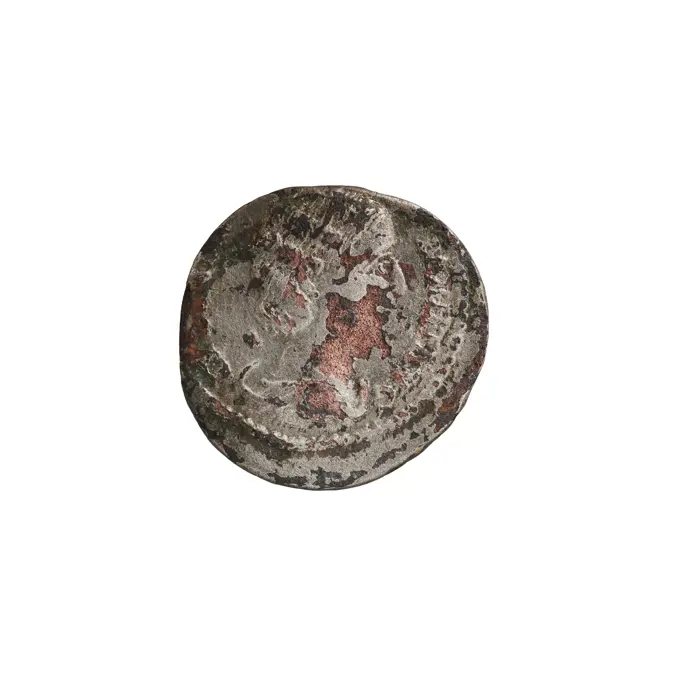
Denar (hybrid, subbrait); Aleksander Sewer (208-235; Roman emperor 222-235), Julia Mamaaea (Ca 180-235; Augusta 222-235); 225-235 () (1260-00-00-1260-00-00);
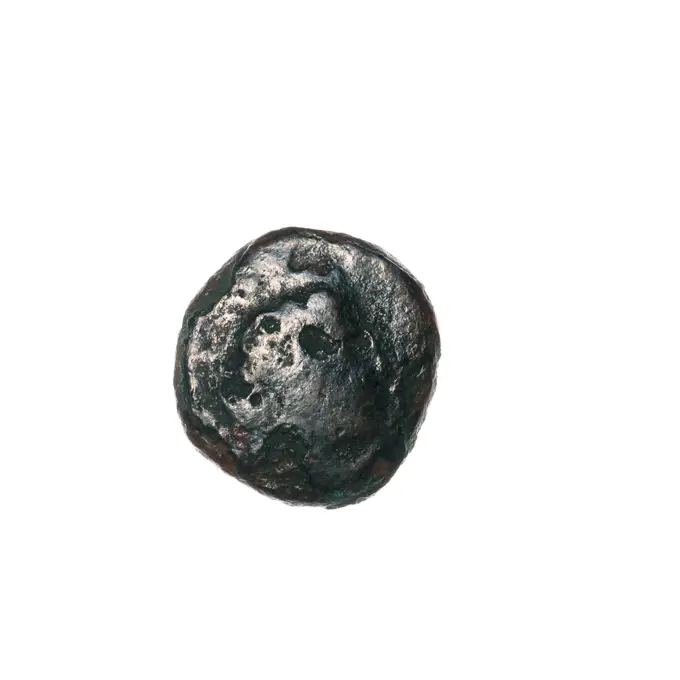
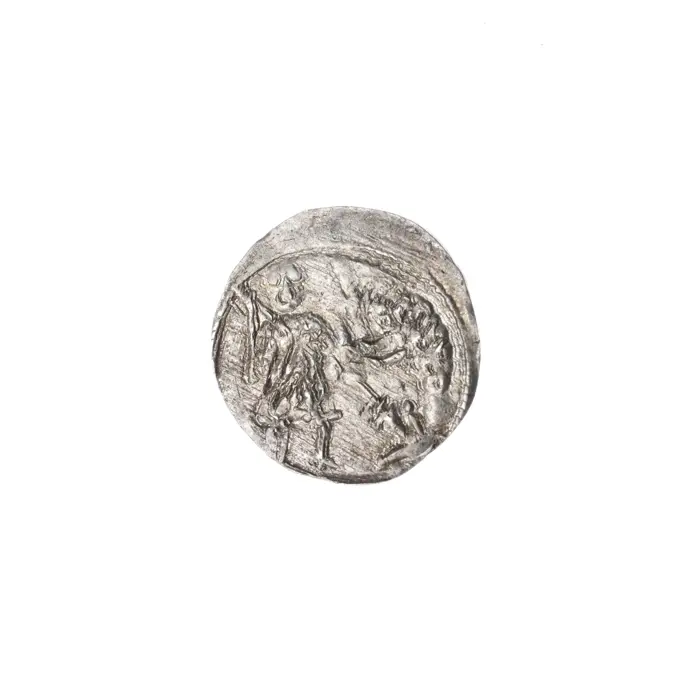
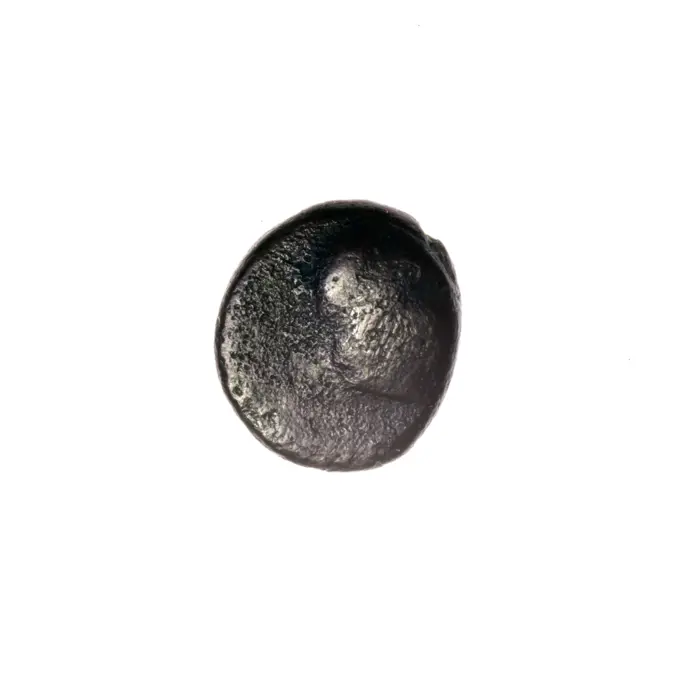
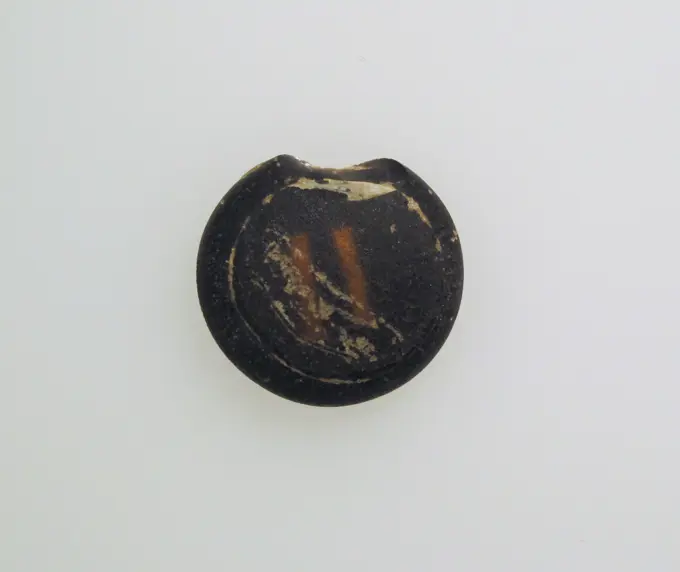
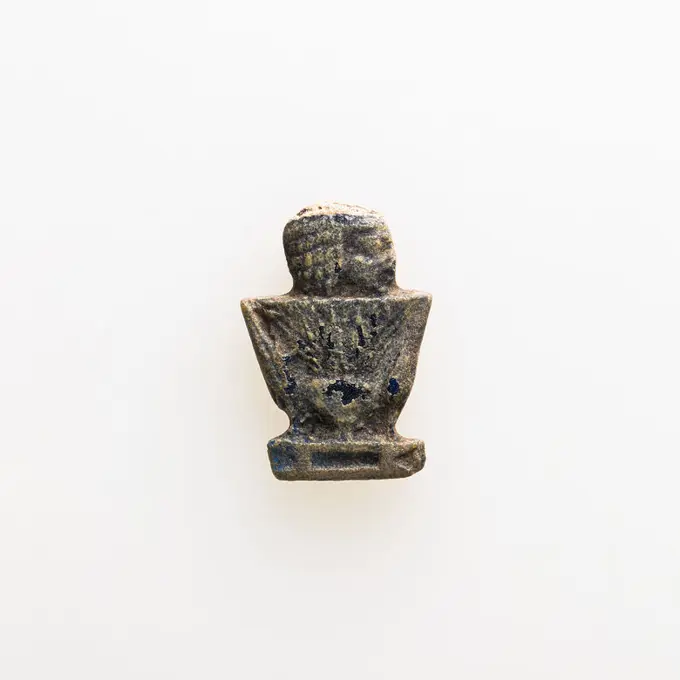
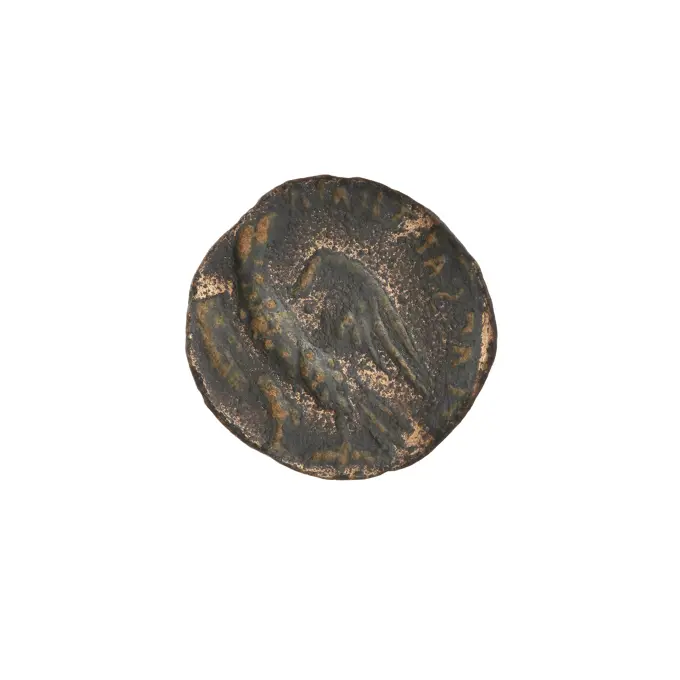
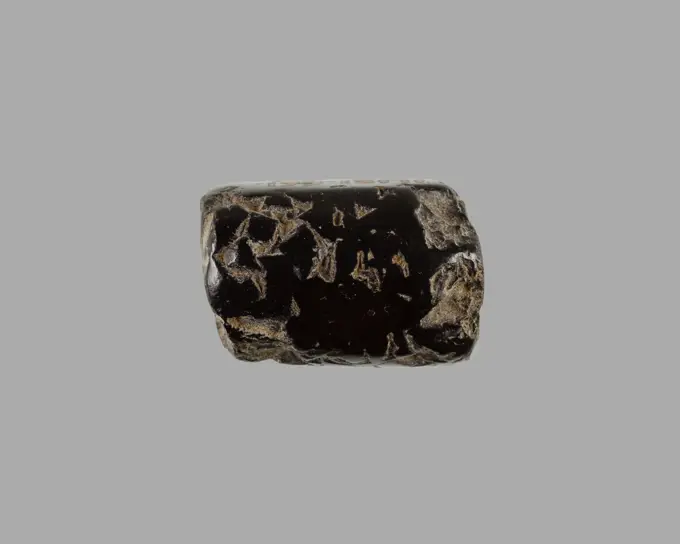
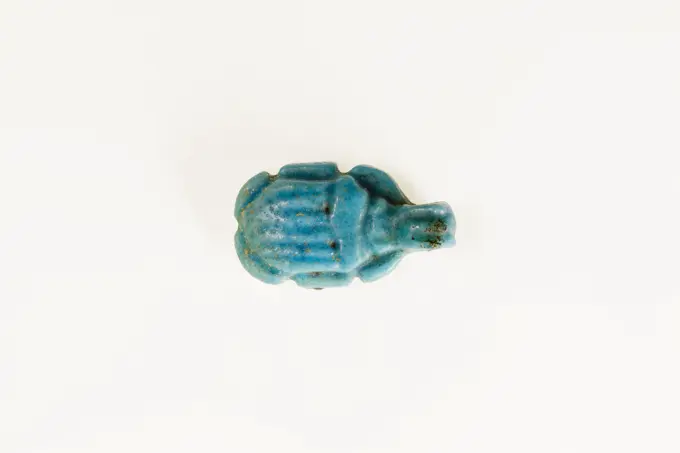
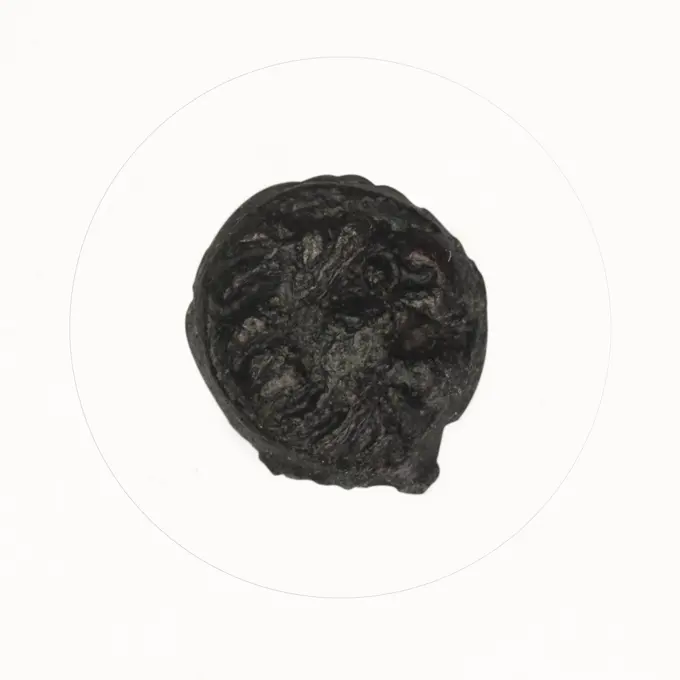
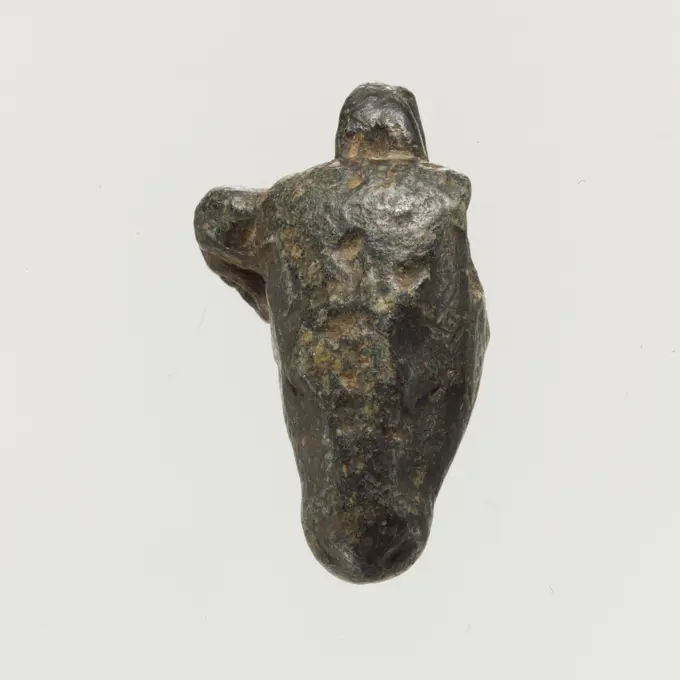
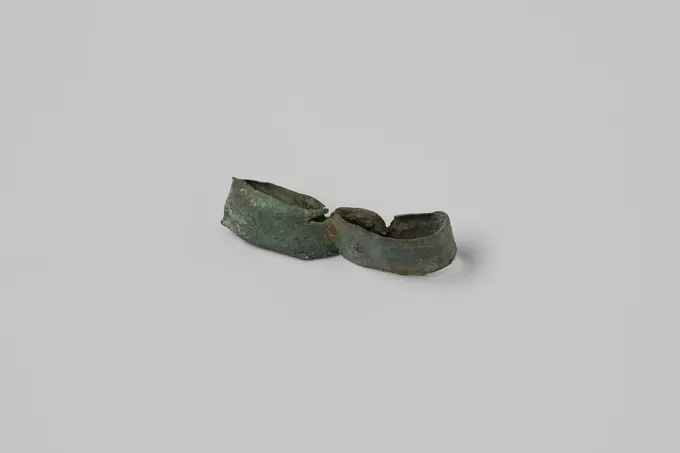
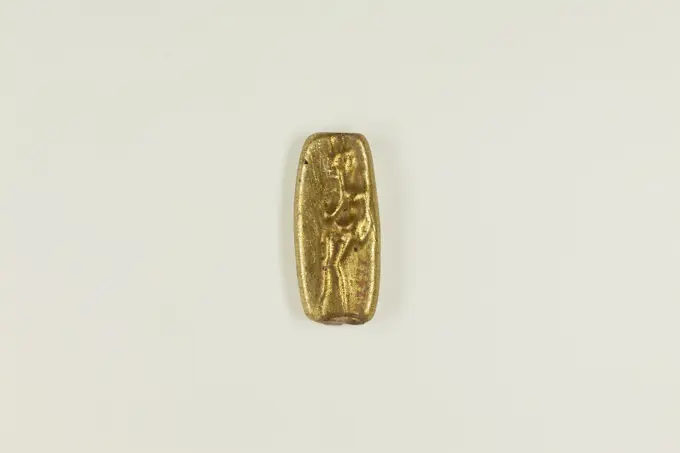
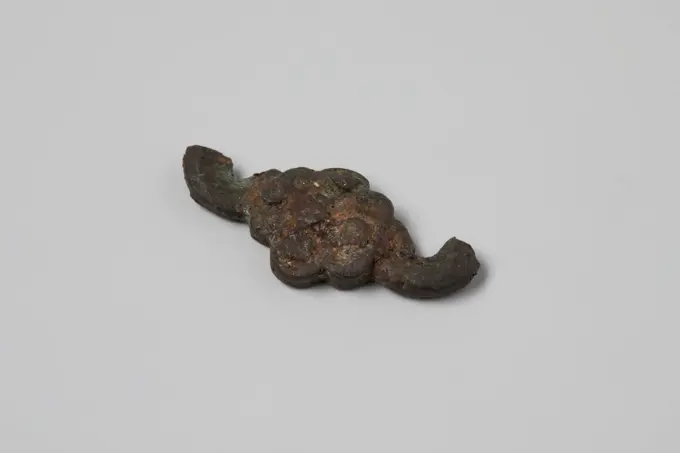
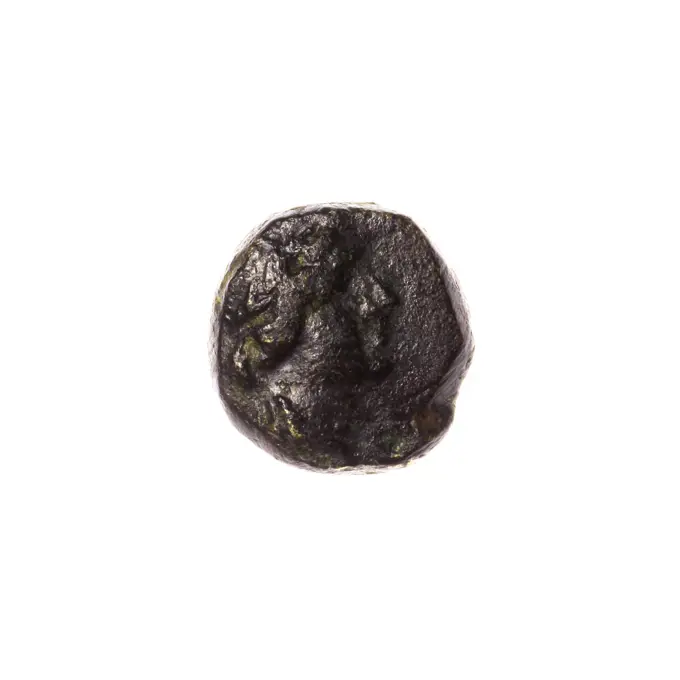
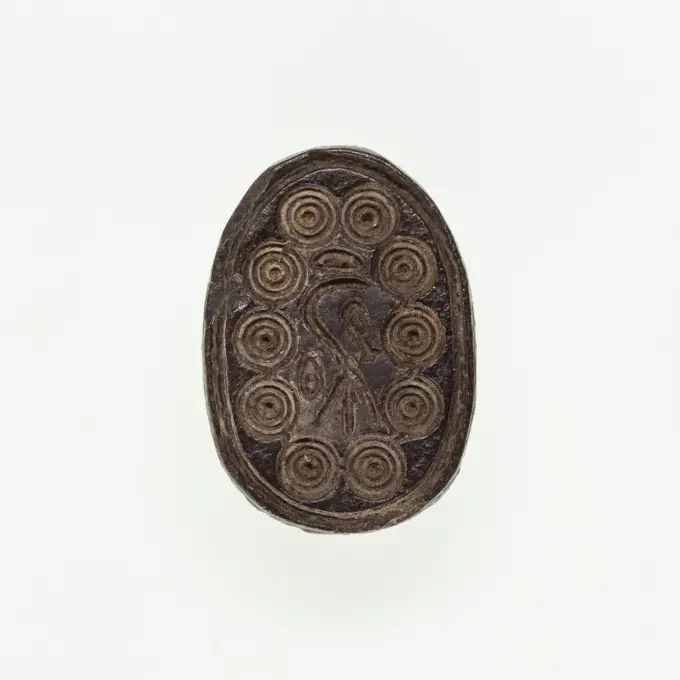
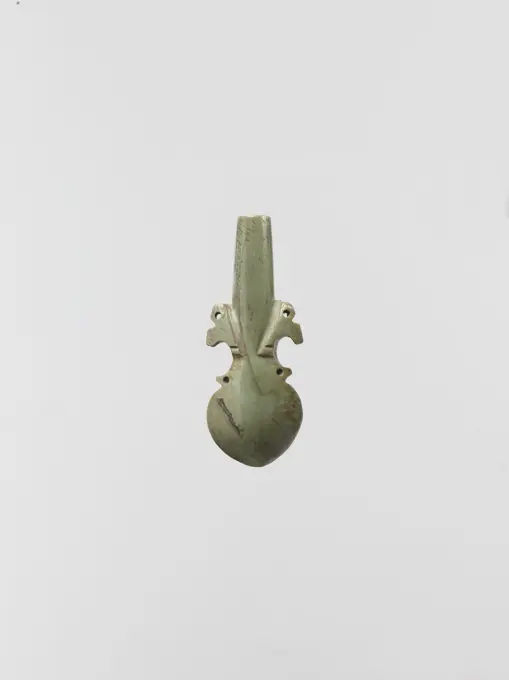
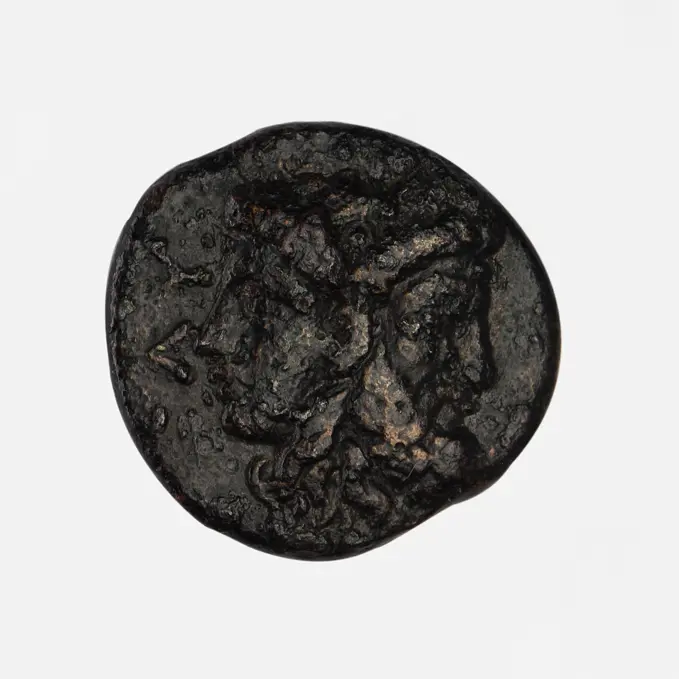
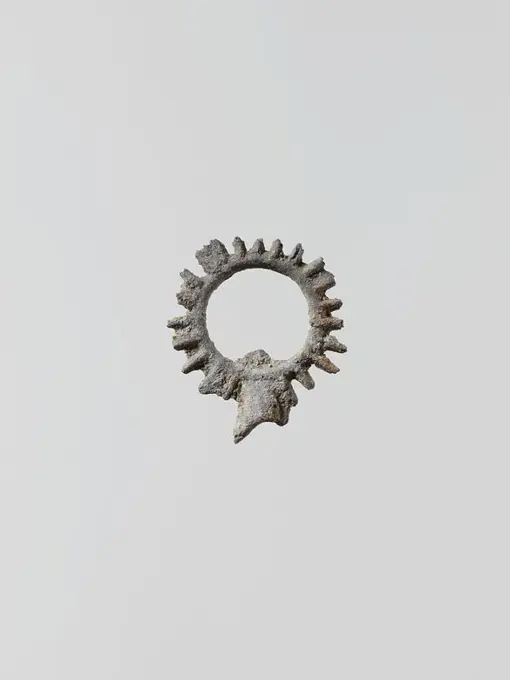
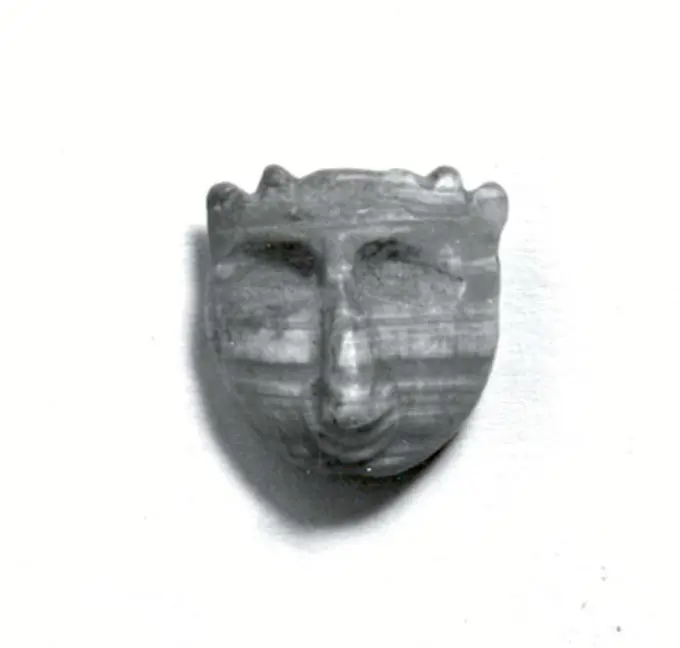
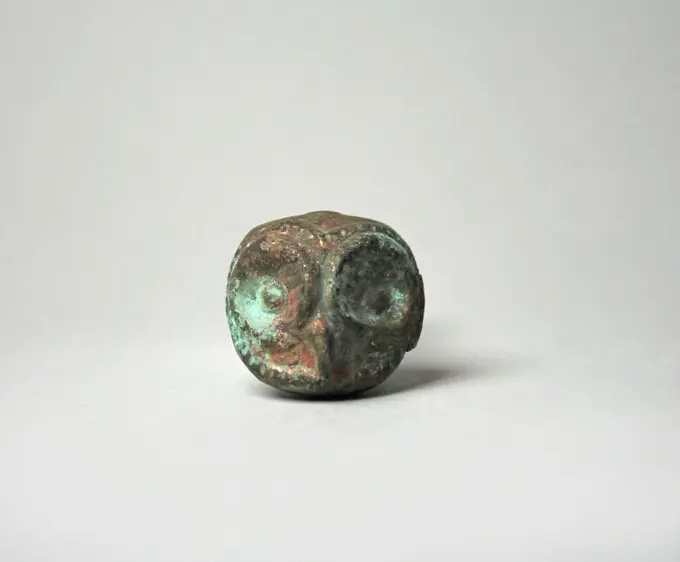
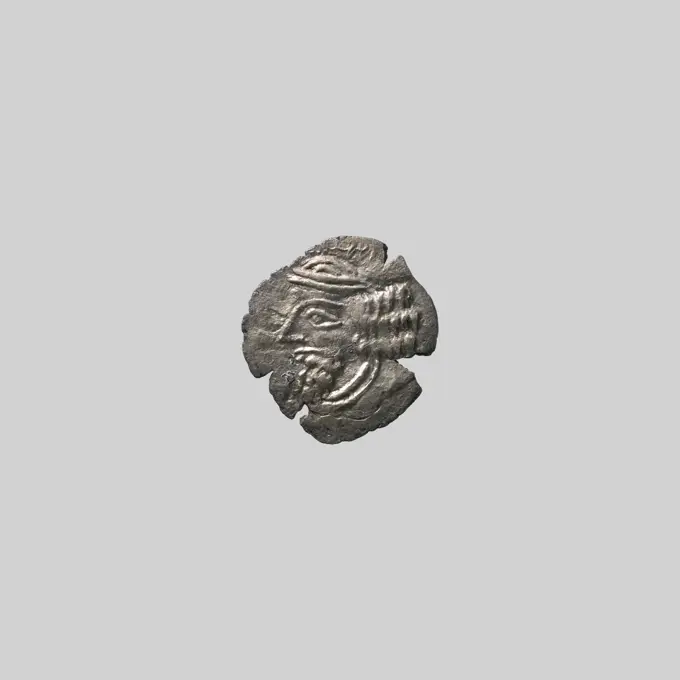
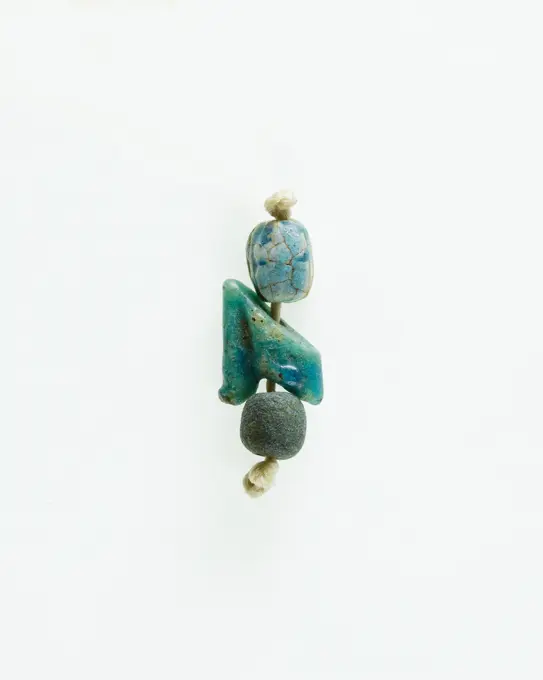
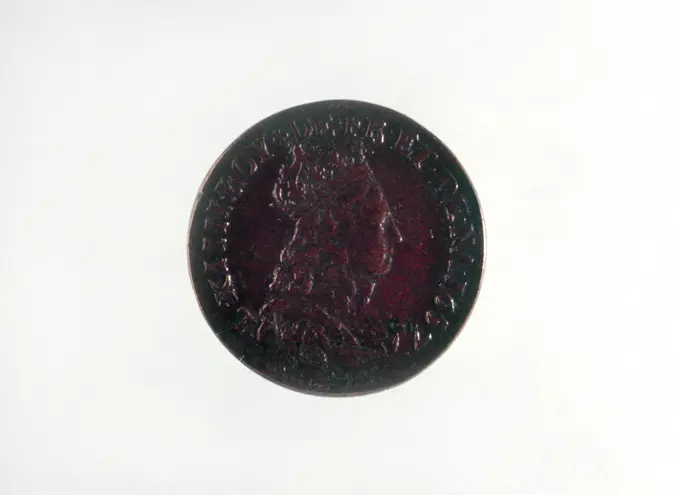
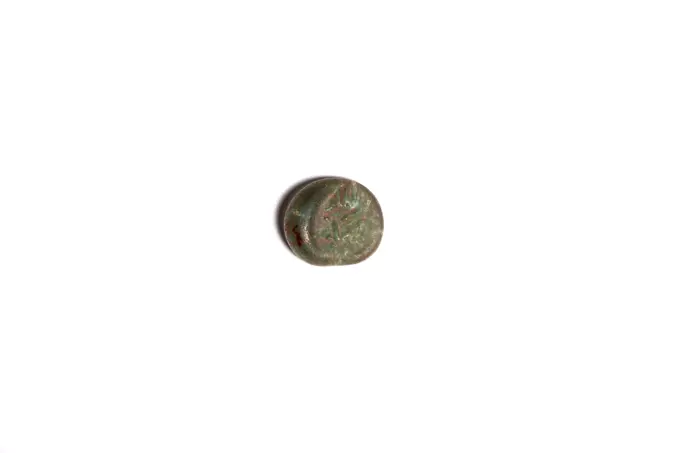
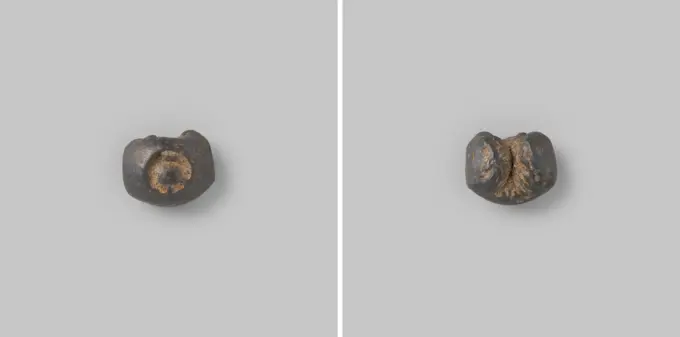
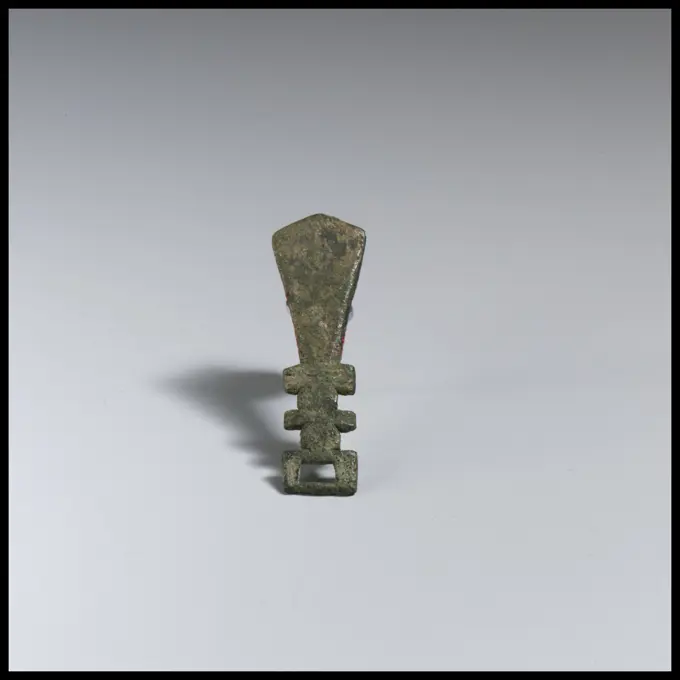
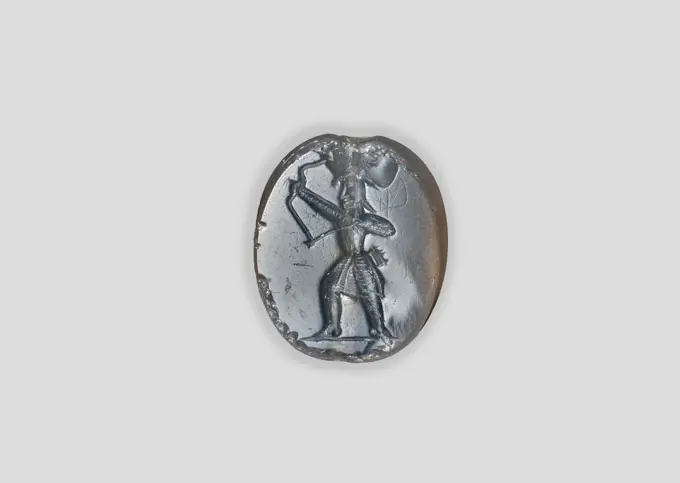
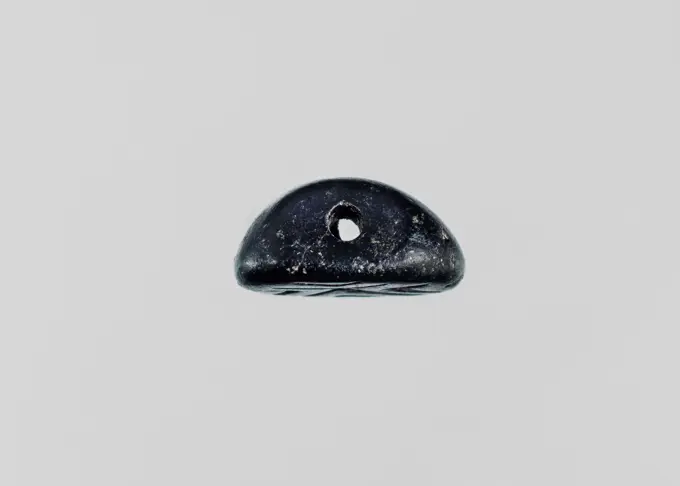
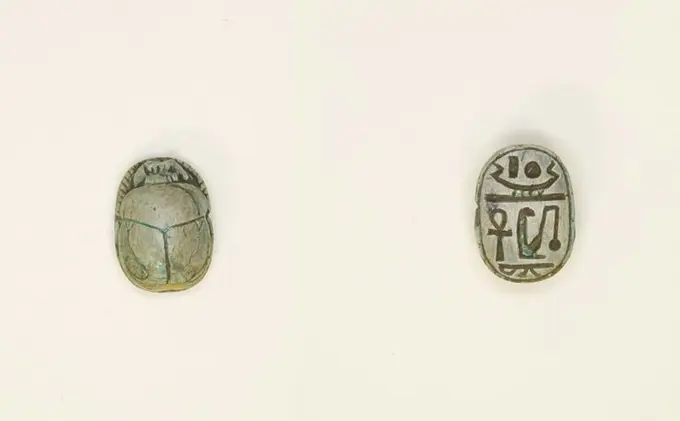
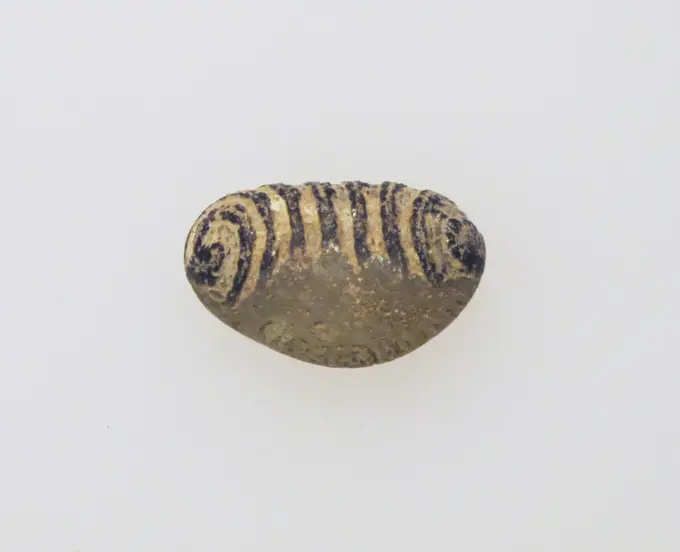
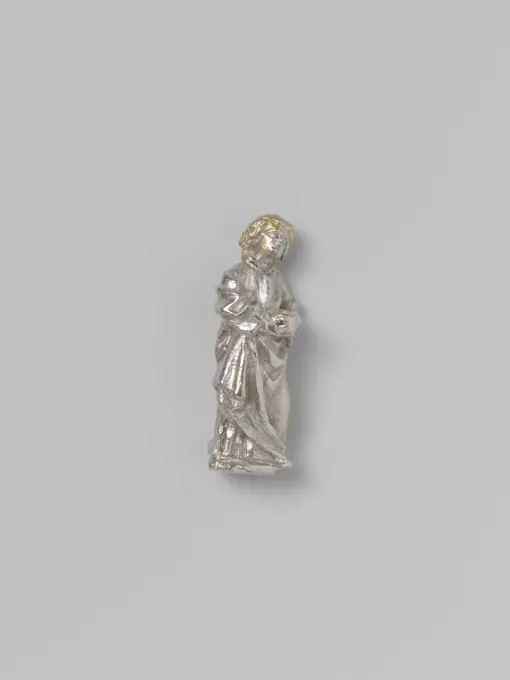
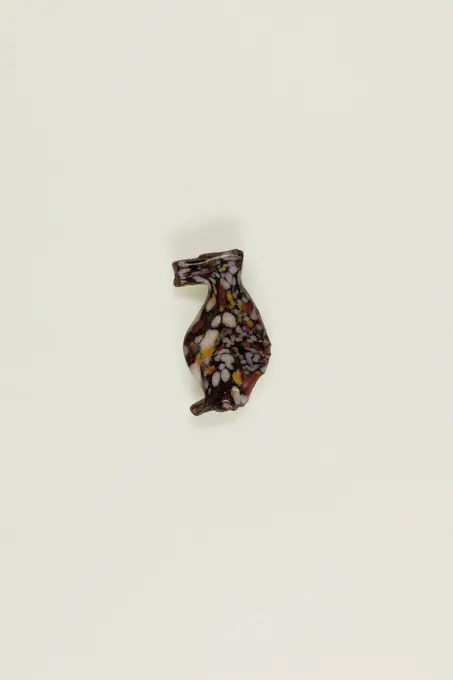
False coin, crown shilIIng, John II Casimir (1649 1668)heller; 15th century (1401-00-00-1500-00-00);Letter M, letter M above the shield, letters, letters B - P, city coins, shield with eagle (iconogr.), shields, united MDenarius; Antoninus Pius (86-161; Roman emperor 138-161);  (0-00-00-0-00-00);heller. Zygmunt Luksemburski (cesarz rzymsko-niemiecki ; 1419-1437), ruler, Wrocław, issuerBrown coin; Pantikapaion; 1. PO. II-PO. II century BC (-200-00-00--146-00-00);Apollo (mitol. .)Denar (hybrid, subbrait); Aleksander Sewer (208-235; Roman emperor 222-235), Julia Mamaaea (Ca 180-235; Augusta 222-235); 225-235 () (1260-00-00-1260-00-00);Excerpt copper from the wreck of the East Indies Hollandia, 1700 - in or before 1743 fragment Parts of artefacts; eroded fragments: materials; copper. Netherlands copper (metal)   Seconddenarius; Boles Aw III Krzywousty (Ksi  Polish; 1107-1138); around 1125-1138 (1125-00-00-1138-00-00);Bolesław III Krzywousty (Polish Prince-1086-1138), Jastrzębowski, Stanisław (1898-1980), Jastrzębowski, Stanisław (1898-1980)-collection, Wojciech (Saint-Ca. 956-997), allegories, spear cave (sign emissions), chain mail (iconogr.), Chaincias, isosceles (iconogr.), Crosses, martyrs, mouth (iconogr.), Laws, Romanesque (Style), Knight (iconogr.), Knights, Dragon (iconogr.), Dragons , struggle of good with evil (iconogr.), Fight with pagans (iconogr.), Spear (iconogr.), Spears, Middle Ages (era)Brown coin; Pantikapaion; 1. PO. II-PO. II century BC (-200-00-00--146-00-00);Apollo (mitol. ), arches (army)Pinhead 1st century B.C.-5th century A.D. Roman. Pinhead. Roman. 1st century B.C.-5th century A.D.. Glass. Glassdenarius; Kommodus (161-192; Roman emperor 177-192); 186 (186-00-00-186-00-00);Denar - Brakteat; approx. 1327/1328-OK. 1337/1338 (1327-00-00-1338-00-00);Gold pendant in the form of a lion's head 2nd half of the 5th century B.C. Cypriot Control bead in the shape of a lion's head.. Gold pendant in the form of a lion's head. Cypriot. 2nd half of the 5th century B.C.. Gold. Classical. Gold and SilverCarnavalet museum, tokens collectionheller. Zygmunt Luksemburski (cesarz rzymsko-niemiecki ; 1419-1437), ruler, Wrocław, issuerDenar - Brakteat; around 1345 1353 (1345-00-00-1353-00-00);Amulet depicting human head emerging from lotus. Dimensions: H. 1.8 × W. 2.6 cm (11/16 × 1 in.). Date: 525-30 BC.Starting in the later Late Period and continuing through the Ptolemaic Period, a type of glass amulet cast by pressing the glass into a shallow open mold appears. The back was left rough, and the amulets may look ragged because glass overflowed the mold around the edges. The earlier amulets are monochrome, bi- or multicolor amulets supplement the repertoire during the Ptolemaic Period. Some of the amulets can be specifically tied to spells of the Book of the Dead: a human head rising out of a lotus, like this amulet, is associated with Book of the Dead chapter 81. And most are clearly funerary amulets, presumably meant to be wrapped between the bandages of the mummy where the presence of the amulet would do its job irrespective of its degree of finish. Museum: Metropolitan Museum of Art, New York, USA.False coin, crown shilIIng, John II Casimir (1649 1668)Knoop of mother -of -pearl from the wreck of the East Indians' tvlagend Hart ,, 1700 - 1735 in 1735 button Pearl knot. Middelburg mother of pearlGold pendant in the form of a bull's head. Culture: Cypriot. Dimensions: L. 13/16 in. (2.1 cm). Date: ca. 1400-1050 B.C..Pendant in the form of a bull's head. Museum: Metropolitan Museum of Art, New York, USA.quarter of an hour; Hadrian (76-138; Roman emperor 117-138); 119-138 (119-00-00-122-00-00);Eagles, feathers, wingsPolygonal cylinder seal; possibly reworked at a later date; possibly inscribed ca. 1802-1450 B.C. (reworking) Late Middle Kingdom-Early New Kingdom. Polygonal cylinder seal; possibly reworked at a later date; possibly inscribed. ca. 1802-1450 B.C. (reworking). Hematite. Late Middle Kingdom-Early New Kingdom. From Egypt, Memphite Region, Lisht North, Cemetery, debris, MMA excavations. Dynasty 12-2nd Intermediate Periodszel g; Pfahler, Ernest; 1628 (1628-00-00-1628-00-00);Agate ring stone. Culture: Italic. Dimensions: Length: 3/4 in. (1.9 cm). Date: ca. 3rd-2nd century B.C..Bound captive seated on a shield. Museum: Metropolitan Museum of Art, New York, USA.Glass pendant in the form of a demonic mask 6th-5th century B.C. Phoenician Translucent cobalt blue, with additions in same color and opaque yellow and white.Conical, splayed at bottom in triangular shape with rounded edge; rod hole underneath.Applied horns (or ears) in blue, bulging globular eyes in blue over white, and beard in yellow.Weathered break in top of head, forming hole through to underside, and no trace of suspension loop remaining; pitting, creamy weathering, and iridescence.. Glass pendant in the form of a demonic mask. Phoenician. 6th-5th century B.C.. Glass; rod-formed, trailed, and tooled. Archaic or Classical. GlassHandle with a head of a satyr 5th century B.C. Greek or Etruscan. Handle with a head of a satyr 252944 Greek or Etruscan, Handle with a head of a satyr, 5th century B.C., Bronze, H.: 1 5/8 x 2 1/16 x 5/8 in. (4.1 x 5.2 x 1.6 cm). The Metropolitan Museum of Art, New York. Fletcher Fund, 1927 (27.122.29)Scarab amulet Late Period ca. 712-332 B.C. View more. Scarab amulet. ca. 712-332 B.C.. Blue Faience. Late Period. From Egypt, Upper Egypt, Thebes, Khokha, Tomb MMA 830-A, MMA excavations. Dynasty 25-30Brown coin; Chersonez; around 350 BC (-355-00-00--346-00-00);Nadczarzyorze, Terlecki, Ignacy (1860-1916), Terlecki, Ignacy (1860-1916)-collection, six-pointed star (iconogr.), Stars, head of the lion (iconogr.), Lions, purchase (provenance), animalsWeight. unknown, craftsmanSilver Vira Raya Fanam from Travancore in India, 1600-1800 ,, 1600 - 1800 coin Silver coin. Front: "Vira Raya" image with the dots above the characters. Tour: "Vira Raya" image with the dots under the signs.  silver (metal) striking (metalworking)Carnavalet museum, medal collection Right bust of Henri V on the right; Reverse three heraldic lily flowers.Wreaths, 6 Greek, Laconian. Wreaths, 6 251739 Greek, Laconian, Wreaths, 6, Lead, 15/16  3/4 in. (2.3  1.9 cm). The Metropolitan Museum of Art, New York. Gift of A. J. B. Wace, 1924 (24.195.173)Shah of the Cross; Pawe von Russdorf (Grand Master; 1422-1441); 1425-1441 (1425-00-00-1441-00-00);False coin, crown shilIIng, John II Casimir (1649 1668)Messenlift ring from the wreck of the East Indians Hollandia, Anonymous, 1700 - in Or Before 1743  Knife-handle, ferrule; broad ring, tapering, hexagonal faceted. Netherlands silver (metal)   SecondSteatite () pendant in the form of a bull's head ca. 2200-1050 B.C. Minoan Bull's head.. Steatite () pendant in the form of a bull's head 252432 Minoan, Steatite () pendant in the form of a bull's head, ca. 22001050 B.C., Steatite , H. 1 3/4 in. (3.44 cm); Diameter 1 in. (2.54 cm). The Metropolitan Museum of Art, New York. Bequest of Richard B. Seager, 1926 (26.31.513)Silver ring with carnelian scarab. Culture: Greek. Dimensions: Diam.: 1 in. (2.5 cm). Date: 6th-5th century B.C..Ring with scarab. Museum: Metropolitan Museum of Art, New York, USA.Carnavalet museum, medal collection Bust law of Mgr Denis Affre on the right; Reverse registration on seven lines.False coin, crown penny, Ladislaus Jagiello (1386 1434)False coin, IIthuanian shilIIng, John II Casimir (1649 1668)Knife leftring from the wreck of the East Indiesman Hollandia. Knife-Handle, Ferrule; ID. NG 1980-27H426.Oval board knot of Niello silver decorated with seven stars. Oval board knot of Niello silver decorated with seven stars.Bead with figure of Harpokrates 100 BC-100 AD Ptolemaic or Roman Period Gold glass beads were a Hellenistic development. They were created by combining drawn tubes of colorless glass with gold foil. The earliest examples were finished bead by bead. These are all modern stringings; most ancient stringing patterns are lost as the string decays.. Bead with figure of Harpokrates 558843Decorative batter from the wreck of the East Indies Hollandia, Anonymous, 1700 - in or Before 1743  Fitting, decorative fitting or fragment; fragm, flat, circular with scrolling outline, 2 curved lateral extensions broken off, 5 rivets in central part. Netherlands copper (metal)   Secondheller. Władysław II (książę cieszyński ; 1452-1460), ruler, Przemysław II (książę cieszyński ; 1452-1460), ruler, Cieszyn, issuerGlass spindle whorl ca. 1st-2nd century A.D. Roman Translucent greenish yellow.Domed body, with ridges on sides and circular groove at top; slight lip at center around hole; flat bottom but with shallow, spiral grooves; vertical hole, larger on bottom.One weathered chip in bottom near edge; cracks running across body; dulling and creamy iridescent weathering.Made by winding trail in a spiral around rod.. Glass spindle whorl 239923False coin, crown shilIIng, John II Casimir (1649 1668)Bronze ring. Culture: Greek. Dimensions: L. 2.5 cm. Date: late 5th-4th century B.C..Herakles standing with one foot resting on a rock. Museum: Metropolitan Museum of Art, New York, USA.Amulet - plakietka z kartuszem Mencheperre i bóstwem. unknown, authorBrown coin; Pantikapaion; 1. PO. II-PO. II century BC (-200-00-00--146-00-00);Apollo (mitol.Wig inlay and shoulder of figure Late Period 522-343 B.C. View more. Wig inlay and shoulder of figure. 522-343 B.C.. Lapis, ivory. Late Period. From Egypt, Upper Egypt, Thebes, Southern Asasif, Unfinished Temple Site, MMA excavations, 1920-22. Dynasty 26Glass pendant in the form of an amphora Phoenician Translucent cobalt blue, with handles in same color; base knob and trails in opaque pale yellow.Uneven, rounded rim; concave neck; ovoid body tapering to point; trailed base knob with hole in one side; two ring handles applied at sides of neck.One horizontal trail around rim, another around body at point of greatest diameter.Body complete, but one handle broken and partially missing; dulling and pitting.. Glass pendant in the form of an amphora. Phoenician. Glass; rod-formed and trailed. GlassScarab Incised with Hierolgyphs and Flower in Circle Border ca. 1700-1600 B.C. (Middle Bronze Age IIB) Second Intermediate Period In the early second millennium B.C., many Egyptian stamp seals are incised with decorative compositions of circles or scrolls. Compositions with circles become even more popular on Second Intermediate Period Egyptian scarabs and on Canaanite scarabs of the Middle Bronze Age (ca. 1700-1500 B.C.). Hieroglyphs and a stylized lotus flower decorate the underside of this scarab. They are surrounded by a border of circles, a design frequently found on Canaanite scarabs like this one. The hieroglyphs are not meant to form words, but were chosen for their decorative and general protective powers.. Scarab Incised with Hierolgyphs and Flower in Circle Border 557083Bead Roman. Bead. Roman. Glass. GlassTweezers Roman. Tweezers. Roman. Bronze. BronzesKohl Flasks probably 10th-12th century These charming objects were designed to hold kohl, a black cosmetic powder applied around the eyes. In the past, kohl was widely used by men and children as well as women. It was thought not only to accentuate the beauty of the eyes, but also to guard against the glaring sun, ward off evil, and discourage eye disease. The narrow drill hole at the top of these flasks would have accommodated a slender stick to collect the cosmetic.. Kohl Flasks. probably 10th-12th century. Serpentine; carved, incised. Made in Iran or Central Asia. StoneBell Cypriot 4th century BCEDrohiczyn seal. unknown, managerBrown coin; Chersonez; 350-330 BC (350-00-00-330-00-00);Hera (mitol. ), lion attacking the ox (iconogr.), Lions, oxen, purchase (provenance), animalsWreaths, 11. Culture: Greek, Laconian. Dimensions: 15/16 × 3/4 in. (2.3 × 2 cm). Museum: Metropolitan Museum of Art, New York, USA.Bead Roman. Bead. Roman. Glass. GlassSpinning stone, anonymous, c. 1600 - c. 1699 Spider of stoneware. A tire of Ingangrifted lines on the widest part of the stone. Germany stoneware. glaze vitrification Spider of stoneware. A tire of Ingangrifted lines on the widest part of the stone. Germany stoneware. glaze vitrificationDemon-headed amulet ca. 2900-2700 B.C. Sumerian. Demon-headed amulet 323774Owl Bell Ornament. Culture: Moche (Loma Negra). Dimensions: H x W: 1 3/8 x 1 7/16in. (3.5 x 3.6cm). Date: 390-450. Museum: Metropolitan Museum of Art, New York, USA.Drohiczyn seal. unknown, managerDutch Cent, 1925, Wilhelmina (Queen of the Netherlands), 1925 coin Bronze mint. Front: in a field of government weapons. Year at the bottom of the change. Reverse: within two tied orange branches value designation 1 cent. Cartel edge. Utrecht bronze (metal) striking (metalworking)Hemidrachm ca. 1st century A.D. Parthian Numismatists - the scholars who study coins - refer to the front’ side of the coin, which usually features the head of a person or god, as the obverse,’ and the back’ side as the reverse.’On the obverse of this small silver coin, a bust of the king faces to the left. He has a long, curly beard, long hair and a large nose, and wears a domed hat (called a tiara’) with a diadem (the headband worn by victorious athletes in ancient Greece) tied over it. He also wears a necklace or torque around his neck. The reverse type is all but impossible to discern.This coin was minted by King Pakor I of Persis, sometime in the first century A.D. Persis refers to a region in southwestern Iran which was the heartland of the Achaemenid Empire. Under the Seleucids and Parthians, Persis was ruled by client kings like Pakor, who combined elements of Achaemenid, Seleucid and Parthian iconography on their coins. The diadem worn by Pakor, for example, is a common fGlass mosaic bead ca. 1st century A.D. Roman, Egyptian Opaque brick red ground; details in opaque white and pale yellow, and translucent blue.Globular, slightly flattened at top and bottom; vertical hole; made from four sections pressed together.Each section decorated with same design: central square in blue with leaf-shaped white overlay marked with eight-armed star in blue, surrounded by irregular splashes of yellow on red ground.Intact; slight pitting and faint weathering.The piece is perhaps related to the face beads that are also displayed here.. Glass mosaic bead 249740Grahal-Manzara. Carnavalet 2013-2016 collection sites. Numismatics.Sordel hook, anonymous, c. -300 - c. -200 Seat hook in the shape of a bird. The patina is dark green. China bronze (metal) Seat hook in the shape of a bird. The patina is dark green. China bronze (metal)Drohiczy seal;  XI-XIII century (1090-00-00-1110-00-00);guild seals, customs seals, touches, seals of customs chambers, official seals, seals with a crossDriekantje van Curacao, made from a Dutch guilder of 1838, Anonymous, 1838 coin Triangular mint with round base. Front: back of King William I Inside Cover. Reverse: part of coat of arms bottom left; links and under the value indication within the change; Beat: Ovale, deepened stamp with letter C Utrecht silver (metal) striking (metalworking)  CuraçaoMessenlift ring from the wreck of the East Indians Hollandia, Anonymous, 1700 - in Or Before 1743  Knife-handle, ferrule; id. NG 1980-27H563. Netherlands copper (metal)   SecondIntaglio Post-Classical On one side, head of Alexander; other, Apollo and Aphrodite.. Intaglio 245107Cart;  19th century (1801-00-00-1900-00-00);Scarab Inscribed with a Blessing Related to Re ca. 1850-1640 B.C. Middle Kingdom During the late Middle Kingdom (late Dynasty 12-13, ca. 1850-1640 B.C.), numerous scarabs were incised with inscriptions related to the sun god Re. These scarabs are often quite small. The precise meaning of the inscriptions remains unclear: they can be interpreted as forming the name Re, or as a phrase or wish meaning (may) Re give. Such inscriptions summon the sun gods protection. These so-called ‘rdi ra scarabs continue to be manufactured during the Second Intermediate Period (ca. 1640-1550 B.C.), but show different details on the back and sides.. Scarab Inscribed with a Blessing Related to Re. ca. 1850-1640 B.C.. Blue glazed steatite. Middle Kingdom. From Egypt, Memphite Region, Lisht North, cemetery west of the tomb of Senwosret (758), Surface burial 787, MMA excavations, 1906-07. late Dynasty 12-13Perennambuco siege, emergency coin of ten pennies, beaten at the burden of the Dutch West Indian Company. Unilateral, diamond-shaped, silver emergency. Front: Round pearl edge: Monogram of Letters G, W and C under Roman numeral X. Reverse: Blank.LIARD DE FRANCE, 1657, Louis XIV (Avers) ". Numismatics. Paris, Musée Carnavalet. 38413-15 Liard, currency, numismatics, profile, portrait, king of FranceCoin weight. unknown, craftsmanPipe () Fragment. UnknownCoin probably A.H. 170-93/A.D. 786-808. Coin. probably A.H. 170-93/A.D. 786-808. Copper. Excavated in Iran, Nishapur. Coins1/8 Tical of Fuang from Thailand, 1650-1850 ,, 1650 - 1850 coin Silver, grain -shaped mint. Equipped with one set of (KRA): Water Pot .  silver (metal) castingButton consisting of a round sphere with copper wire eye, anonymous, c. 1590 - c. 1596 button Button consisting of a round sphere with copper wire eye. Textile residues are on the knot.  copper (metal). glass   Nova Zembla. Saving HuysFragment of a pipes stem from the wreck of the East India Flying Heart. Two fragments of stems of earthen gold pipes with rean stroke. Fragments or bowls and votes.Lazio Roma Grottaferrata Museo29. Hutzel, Max 1960-1990 German-born photographer and scholar Max Hutzel (1911-1988) photographed in Italy from the early 1960s until his death. The result of this project, referred to by Hutzel as Foto Arte Minore, is thorough documentation of art historical development in Italy up to the 18th century, including objects of the Etruscans and the Romans, as well as early Medieval, Romanesque, Gothic, Renaissance and Baroque monuments. Images are organized by geographic region in Italy, then by province, city, site complex and monument.Buckle. Buckle 256756Intaglio z przedstawieniem łucznika. nieznany warsztat w Sardes, workshopBead Roman. Bead. Roman. Glass. GlassAttic Red-Figure Bell Krater Fragment. Dinos Painter (Greek (Attic))Pieczęć stemplowa z ornamentem geometrycznym. unknown, authorScarab: Wish Formula. Egyptian. Date: 1550 BC-1096 BC. Dimensions: 1.3 × 1 × 0.6 cm (1/2 × 3/8 × 1/4 in.). Glazed steatite. Origin: Egypt. Museum: The Chicago Art Institute, Chicago, USA. Author: Ancient Egyptian.Gold hoop with glass pendant stamped disk. Culture: Roman. Dimensions: Other (Pendant): 1 1/16 x 7/8 x 3/16 in. (2.7 x 2.2 x 0.5 cm)Diameter (earing): 7/8 in. (2.3 cm). Date: late 4th-5th century A.D..Pendant:Translucent greenish yellow.Oval disk with rounded edge and slightly uneven, flat underside; at top, rounded suspension tab pierced with hole sideways and flattened.Stamped with a lion springing to right with mane flowing behind his back.Intact; many pinprick bubbles; dulling, faint iridescence, and small patches of weathering. Museum: Metropolitan Museum of Art, New York, USA.Pinhead Roman. Pinhead. Roman. Glass. Glass. Image of cast silver, representing a saint in a long draped robe and with hands folded. From behind 2 protrusions to attach it to an object.Bronze ring. Culture: Greek. Dimensions: Length: 13/16 in. (2.1 cm). Date: 4th century B.C..Deer suckling fawn. Museum: Metropolitan Museum of Art, New York, USA.Taweret amulet 100 BC-100 AD Ptolemaic or Roman Period. Taweret amulet. 100 BC-100 AD. Mosaic glass. Ptolemaic or Roman Period. From EgyptMil or Wen from Hong Kong by Queen Victoria, 1863 ,, 1863 coin Bronze mint. Front: Round recess all around in the middle four crucifixed Chinese characters, including the right line = a. Reverse: all around recess in the middle year. Below value indication: One Mil, above which the letters VR = Victoria Regina. Smooth edge.  bronze (metal) striking (metalworking)Owl Bell Ornament 6th-7th century Moche (Loma Negra). Owl Bell Ornament 315190Drohiczyn seal. unknown, managerCameo with the Archangel Michael. Culture: Byzantine. Dimensions: Overall: 1 1/8 x 13/16 x 3/16 in. (2.8 x 2.1 x 0.4 cm). Date: probably late 14th century.The archangel Michael, commander of the heavenly host, became one of the most popular saints during Byzantium's last centuries. Depictions usually show him in the robes worn by the Byzantine emperor or dressed in armor. Museum: Metropolitan Museum of Art, New York, USA.