Historical Coins Collection

Collection of ancient coins, each showcasing unique historical designs and inscriptions, displayed on neutral backgrounds.
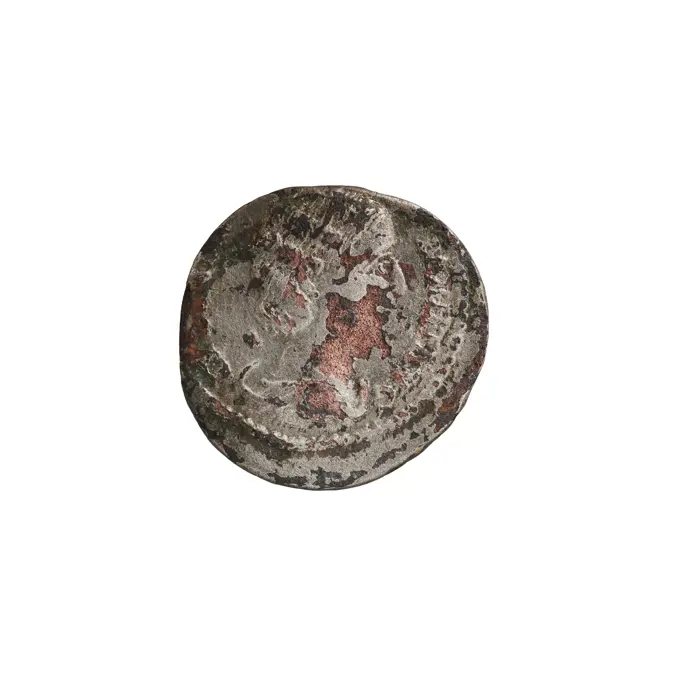
Denar (hybrid, subbrait); Aleksander Sewer (208-235; Roman emperor 222-235), Julia Mamaaea (Ca 180-235; Augusta 222-235); 225-235 () (1260-00-00-1260-00-00);
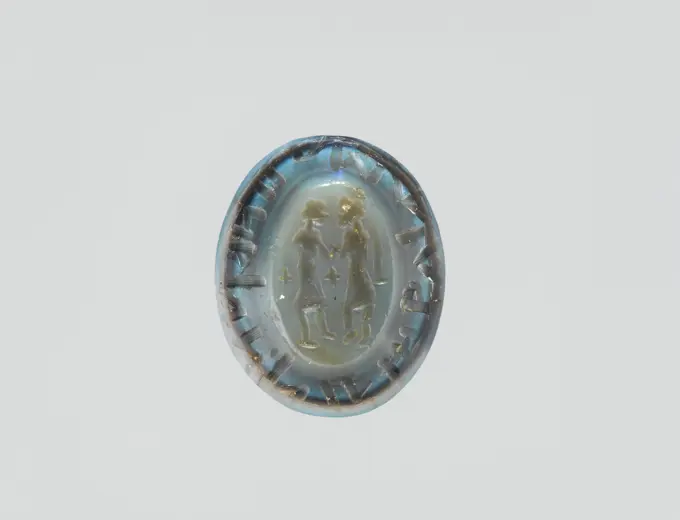
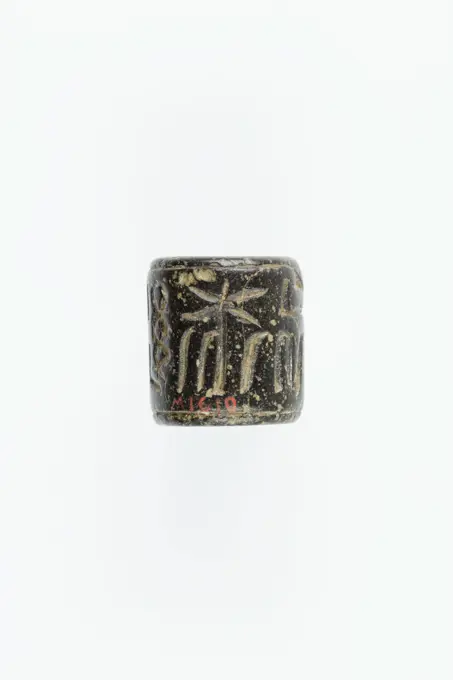
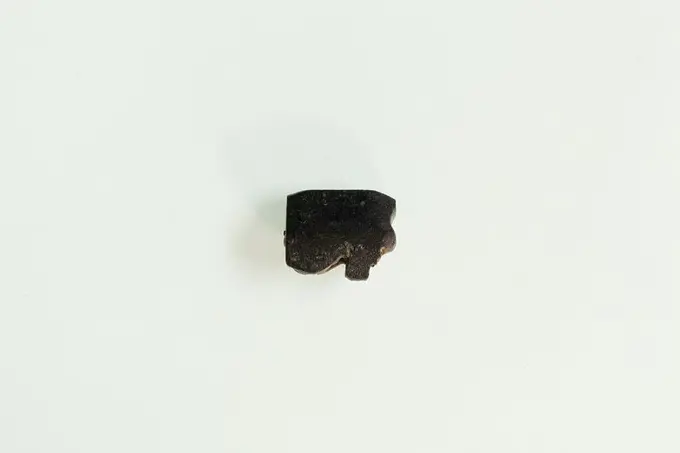
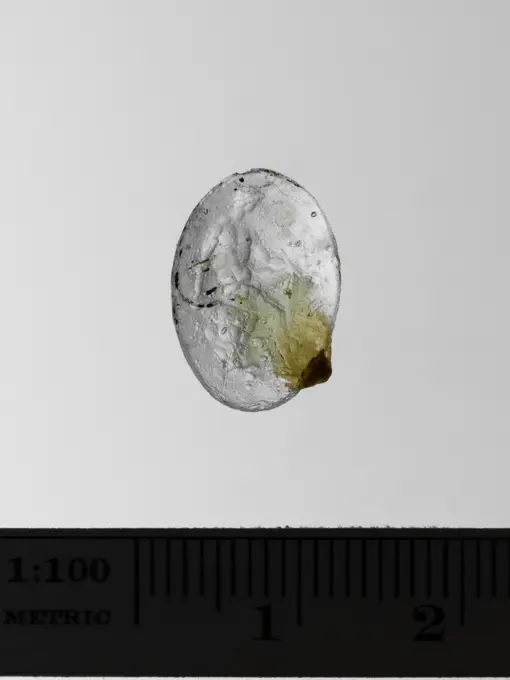
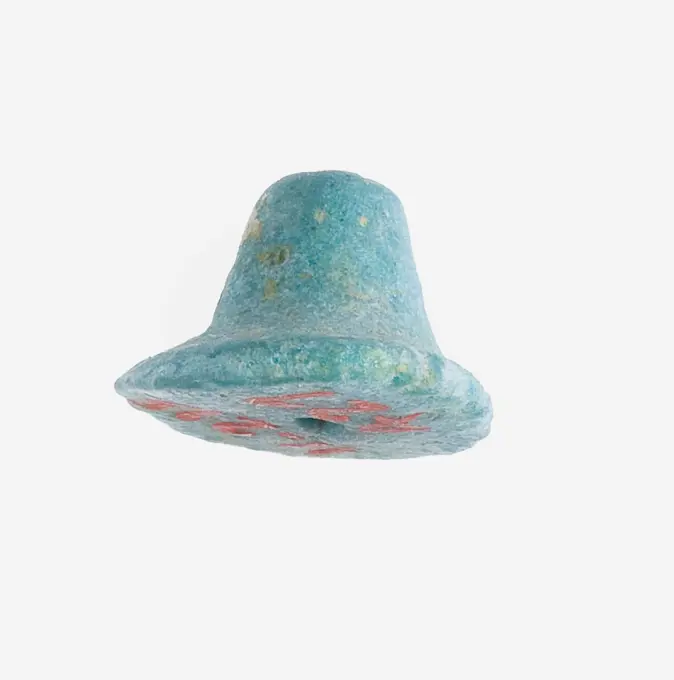
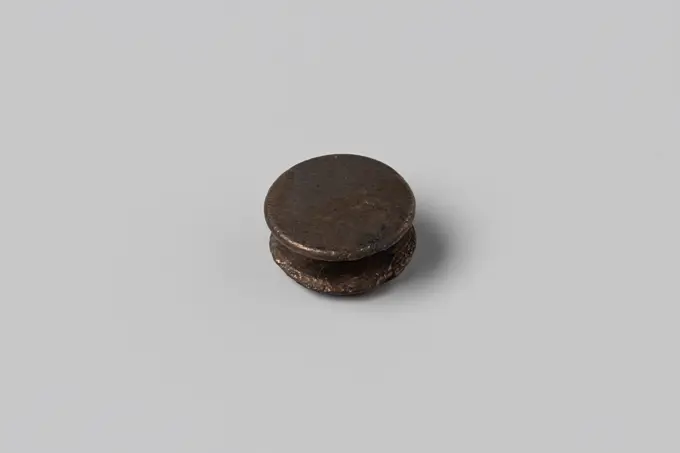
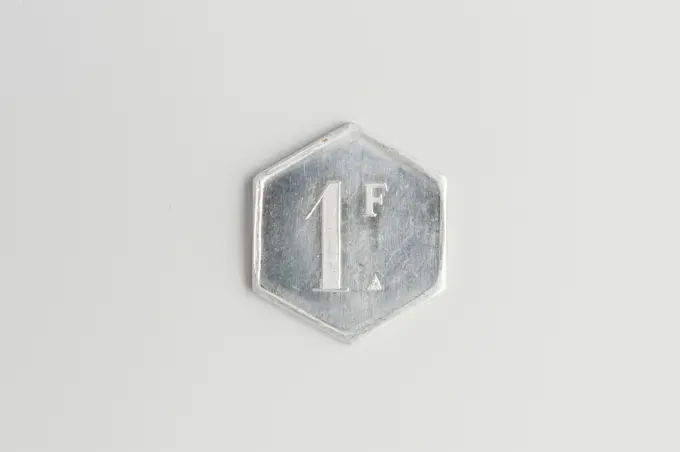
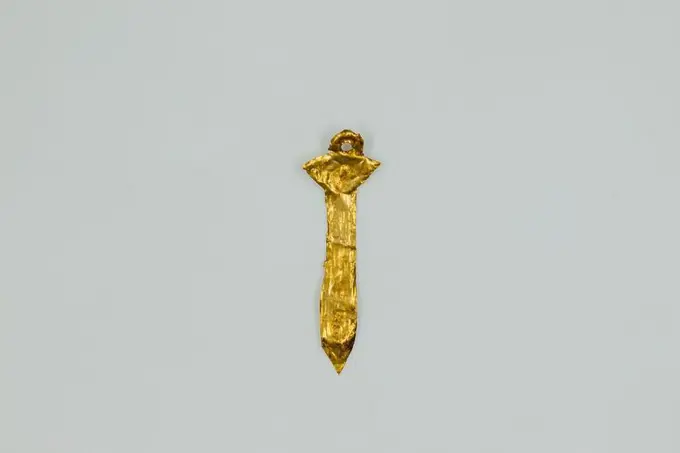
Papyrus scepter (wadj) amulet. Dimensions: l. 2.6 cm (1 in.) × h. 0.8 cm (5/16 in.). Dynasty: Dynasty 26-29. Date: 664-380 B.C.. Museum: Metropolitan Museum of Art, New York, USA.Food Model Amulet: Haunch of Beef, 1295-1069 BC. Egypt, New Kingdom, Dynasties 19-20. Turquoise faience; overall: 3.7 cm (1 7/16 in.).Round Applique with Eight-Pointed Star. UnknownVase fragment Roman Fragment of a green glazed vase.. Vase fragment. Roman. Terracotta. VasesNicolo intaglio: Two standing figures ca. 2nd-3rd century A.D. Roman Gnostic gem with two standing figures.. Nicolo intaglio: Two standing figures 245134Cylinder seal ca. 2960-2649 B.C. Early Dynastic Period. Cylinder seal. ca. 2960-2649 B.C.. Stone. Early Dynastic Period. From Egypt. Dynasty 1Wedjat eye from string of amulets. Dimensions: H. 0.7 × W. 0.8 cm (1/4 × 5/16 in.). Dynasty: Dynasty 21. Date: ca. 1070-945 B.C..Nine amulets of various materials were found threaded together in a tight group around the throat of the Lady Djedmutesankh; two of these, of green glass, disintegrated after they were discovered. This is a wedjat, the mythological eye of Horus that was wounded and then magically made whole. It was thus considered a powerful symbol of healing and regeneration.For the amulet group, see 25.3.169-related. Museum: Metropolitan Museum of Art, New York, USA.False coin, penny of Kuyavia, Ladislaus I Elbow high (1306 1333)Coin Portraying Empress Theodora. Roman. Date: 292 AD-306 AD. Dimensions: Diam. 1.4 cm; 1.47 g. Bronze. Origin: Roman Empire. Museum: The Chicago Art Institute, USA. Author: ANCIENT ROMAN.Silver spiral 9th-4th century B.C. Cypriot Produced in Cyprus over a very long time, in metals both precious and base, such spirals may have served as finger rings or hair spirals, or both.. Silver spiral. Cypriot. 9th-4th century B.C.. Silver. Geometric-Classical. Gold and SilverMechanical part of the wreck of the East Indians Hollandia, Anonymous, 1700 - in Or Before 1743 part Varied parts or fragments, mechanical parts; small, double cogged wheel; flat circular disc, outer rim cogged, on one side cogged rim around central hole. Netherlands copper (metal)   SecondStatuette of a swan, fragment Roman. Statuette of a swan, fragment 256655SealDish fragment, gazelle New Kingdom, Ramesside ca. 1295-1070 B.C. View more. Dish fragment, gazelle. ca. 1295-1070 B.C.. Faience. New Kingdom, Ramesside. From Egypt. Dynasty 19-20Amulet ca. 3000 B.C.. Amulet. ca. 3000 B.C.. Gypsum alabaster. IranAppliqué ca. 5th-4th century B.C.. Appliqué 327503Lead ornament 6th-5th century B.C. Greek, Laconian Small flat votive figurines of cast lead have been found in great quantities at the ancient sanctuaries of Laconia; over one hundred thousand, dating from the seventh century B.C. to the Classical period, were dedicated to the goddess Artemis Orthia in Sparta.. Lead ornament 251713 Greek, Laconian, Lead ornament, 6th5th century B.C., Lead, Height: 15/16 in. (2.4 cm). The Metropolitan Museum of Art, New York. Gift of A. J. B. Wace, 1924 (24.195.147)Colorless glass ring stone ca. 1st century B.C.-3rd century A.D. Roman Hermes sitting on a rock with a kerykeion (herald's staff).Adaptation of a Greek work of the 4th century B.C.. Colorless glass ring stone. Roman. ca. 1st century B.C.-3rd century A.D.. Glass. Late Republican or Imperial. GemsCylinder seal ca. 2649-2100 B.C. Old Kingdom. Cylinder seal. ca. 2649-2100 B.C.. Steatite. Old Kingdom. From Egypt. Dynasty 4Denar - Brakteat; approx. 1307/1308- 1317/1318 (1307-00-00-1318-00-00);Umbel Pendant ca. 1390-1353 B.C. New Kingdom. Umbel Pendant. ca. 1390-1353 B.C.. Faience. New Kingdom. From Egypt, Upper Egypt, Thebes, Malqata, Palace of Amenhotep III, MMA excavations, 1910-11. Dynasty 18Carnelian Intaglio 3rd-1st century B.C. Greek Head of Medusa.. Carnelian Intaglio. Greek. 3rd-1st century B.C.. Carnelian. Hellenistic. GemsChalcedony ring stone. Culture: Roman. Dimensions: Length: 1/2 in. (1.3 cm). Date: ca. 1st century B.C.-3rd century A.D..Nike sacrificing a bull. Museum: Metropolitan Museum of Art, New York, USA.Pilgrim's Badge 14th-16th century French. Pilgrim's Badge. French. 14th-16th century. Lead. Metalwork-LeadCarved Intaglio Gemstone with standing male figure, possiblyPoseidon?Carnavalet museum, tokens collectionFalse coin, crown shilIIng, 1661, John II Casimir (1649 1668)Document Sealing With the Throne Name of Amenhotep III ca. 1390-1353 B.C. New Kingdom. Document Sealing With the Throne Name of Amenhotep III. ca. 1390-1353 B.C.. Mud. New Kingdom. From Egypt, Upper Egypt, Thebes, Malqata, no exact location recorded, MMA excavations, 1910-12. Dynasty 18Board knot out of the wreck of the East India Hollandia.boordewnoop. Stud; (1) Flat, Circular Top (1.1D), Plain.Amulet - jądra i fallus. unknown, authorCup Plate Depicting MajorRinggold. Maker, possibly by: Excelsior Glass Works, American, 1840-1857  Subject: Major Samuel B. Ringgold, American, 1796-1846bracteate heller. Toszek, issuerTit amulet Late Period ca. 712-332 B.C. View more. Tit amulet. ca. 712-332 B.C.. Blue Faience. Late Period. From Egypt, Upper Egypt, Thebes, Khokha, Tomb MMA 830-D, MMA excavations. Dynasty 25-30Scarab ca. 1479-1458 B.C. New Kingdom. Scarab. ca. 1479-1458 B.C.. Faience. New Kingdom. From Egypt, Upper Egypt, Thebes, Deir el-Bahri, Hatshepsut Hole, Hathor Shrine, MMA excavations, 1922-23. Dynasty 18False coin, crown shilIIng, John II Casimir (1649 1668)False coin, crown shilIIng, 1664, John II Casimir (1649 1668)Decorative elementPlanets-manager. Cornalet Collection Sites 2013-2016. Numismatic.Attic Vase Fragment. Unknown 6th-4th century B.C.Uniform hat with SJ emblem ..