Historical Currency and Medals

Collection of ancient coins and medals showcasing intricate designs. These pieces reflect cultural significance and historical heritage.
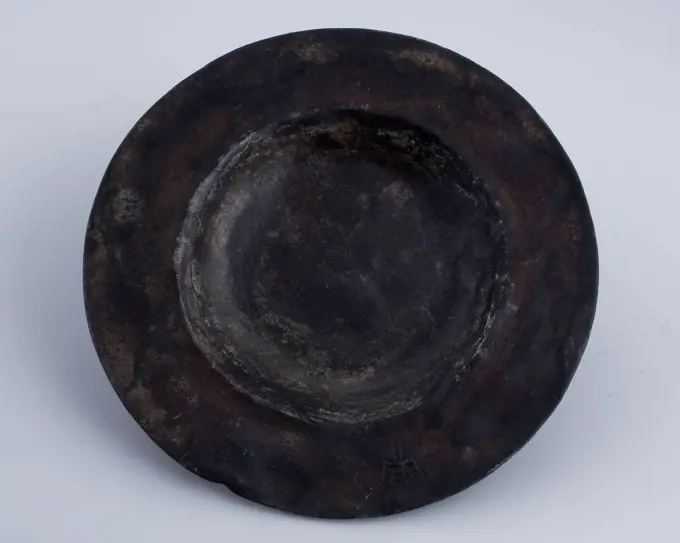
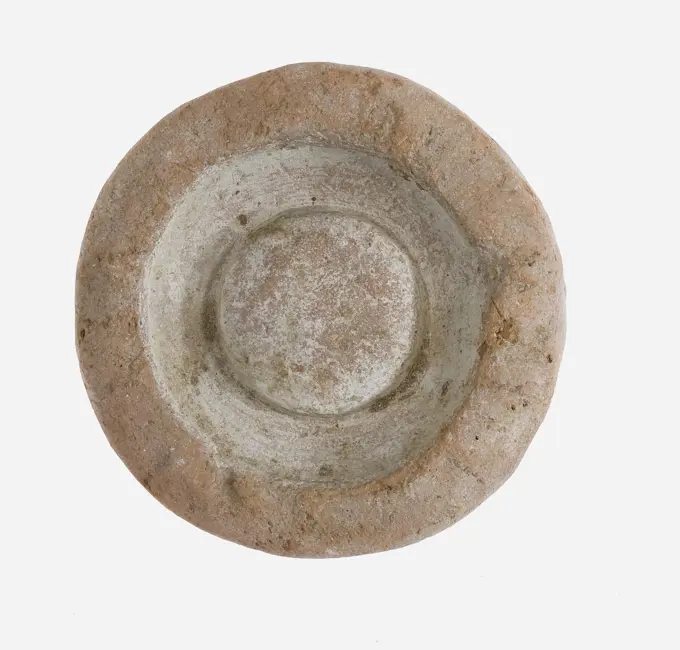
Dice, small pewter dish with outstanding rim, marked, dish crockery holder soil find tin metal, cast Shallow dish flat bottom wide flat edge Marked on the dish edge and on the underside with scratched mark property mark on edge: crowned hammer archeology serve serving table
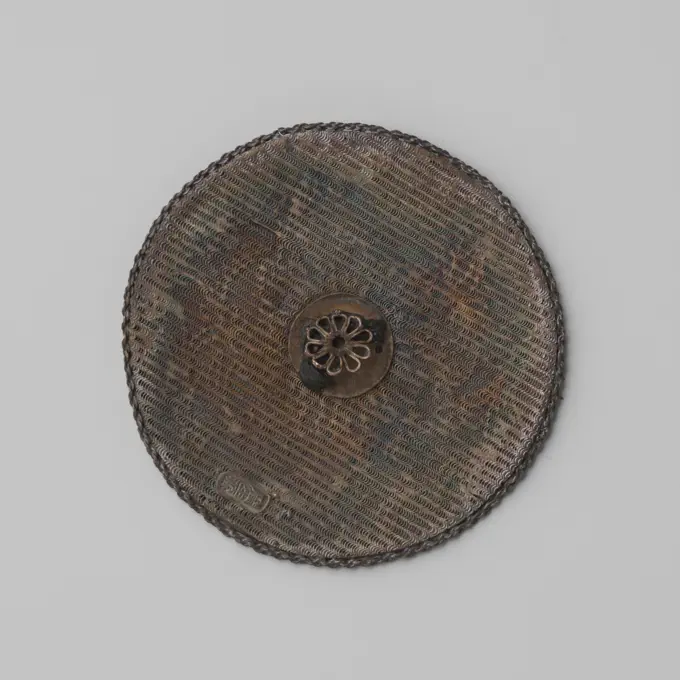
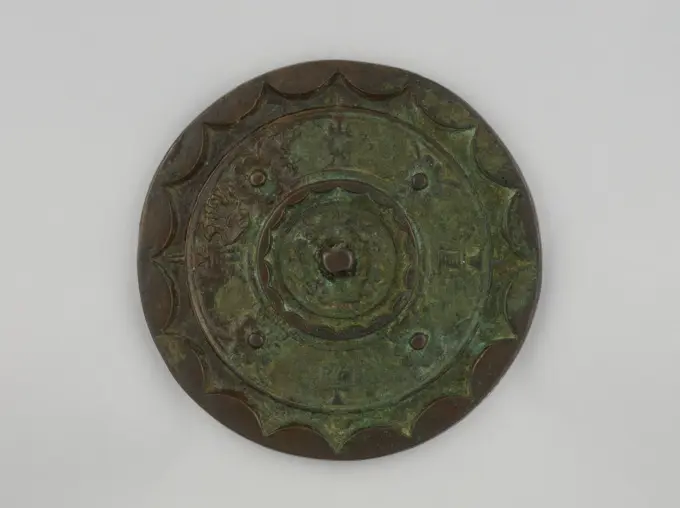
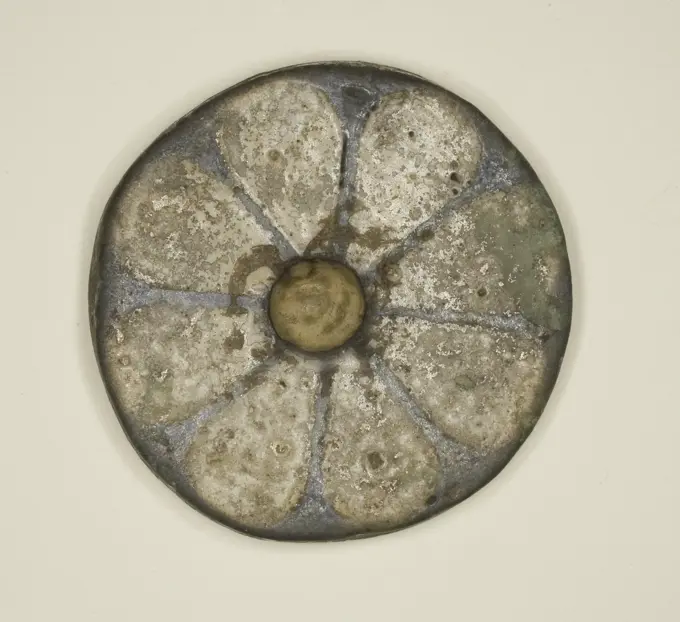
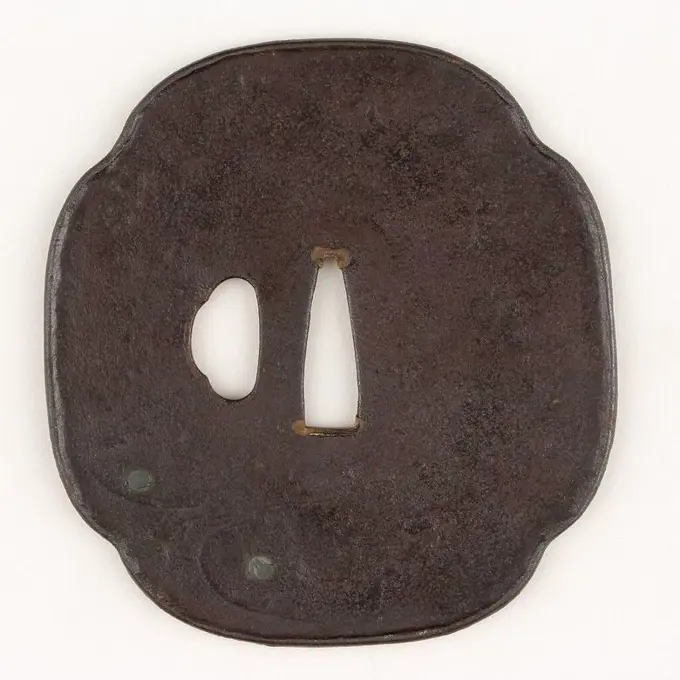
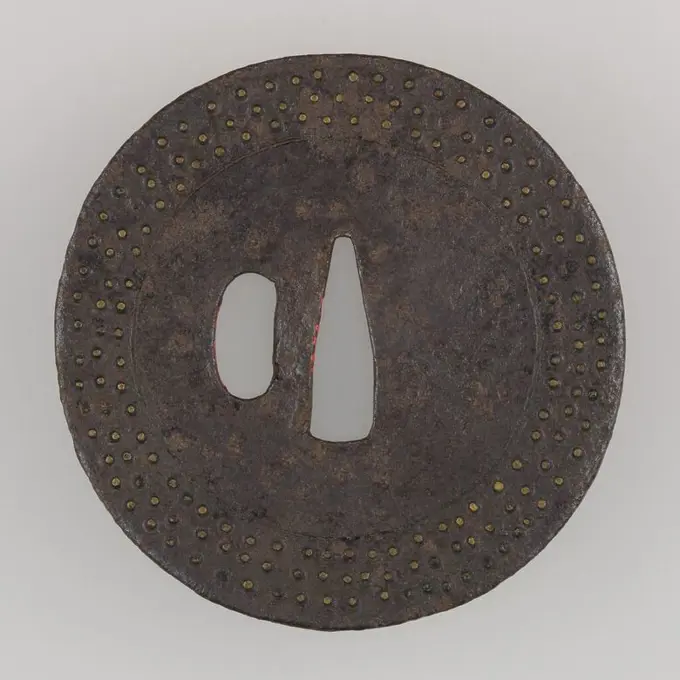
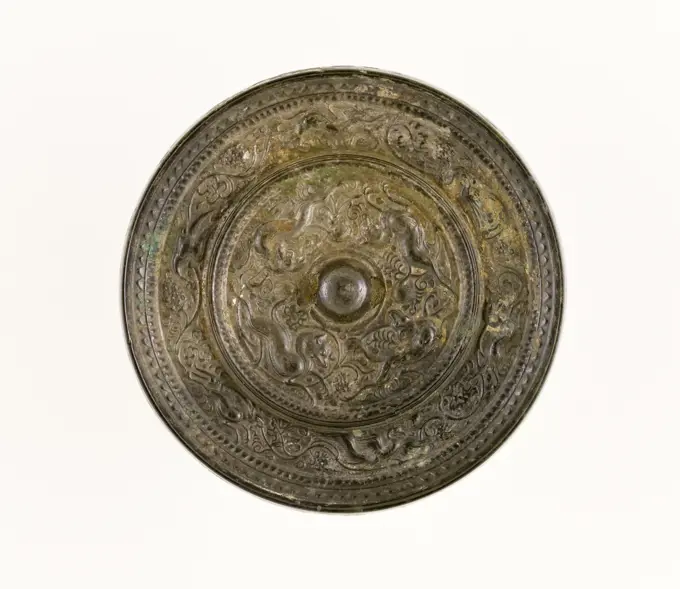
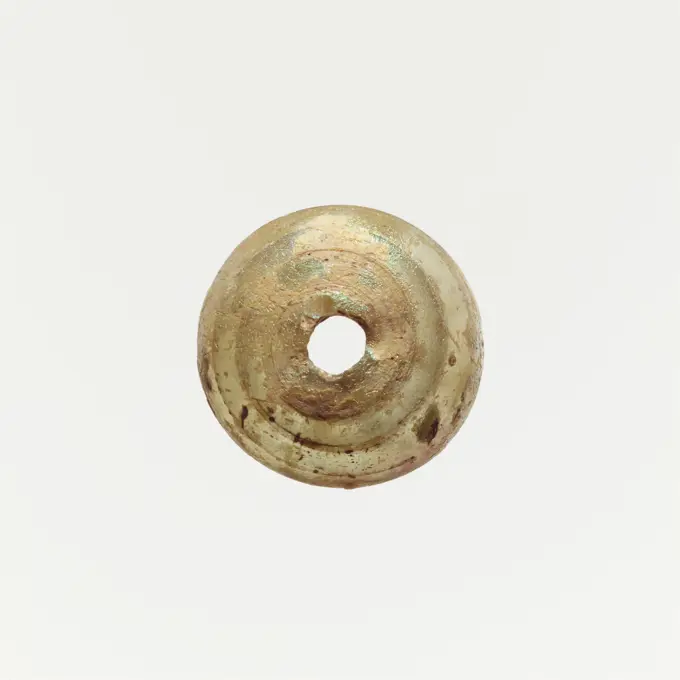
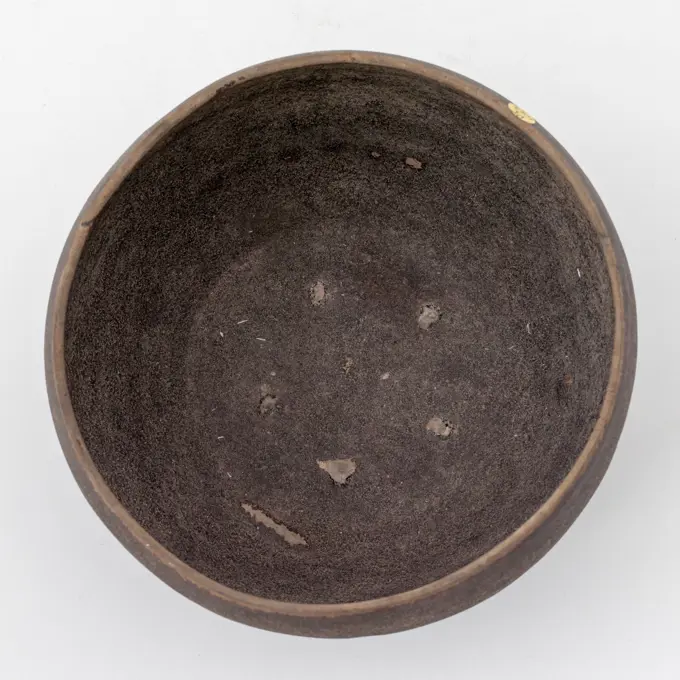
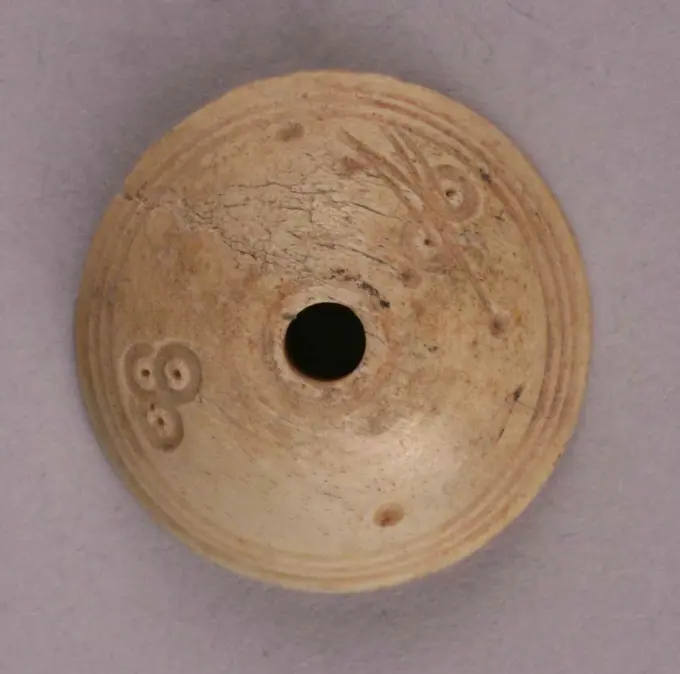
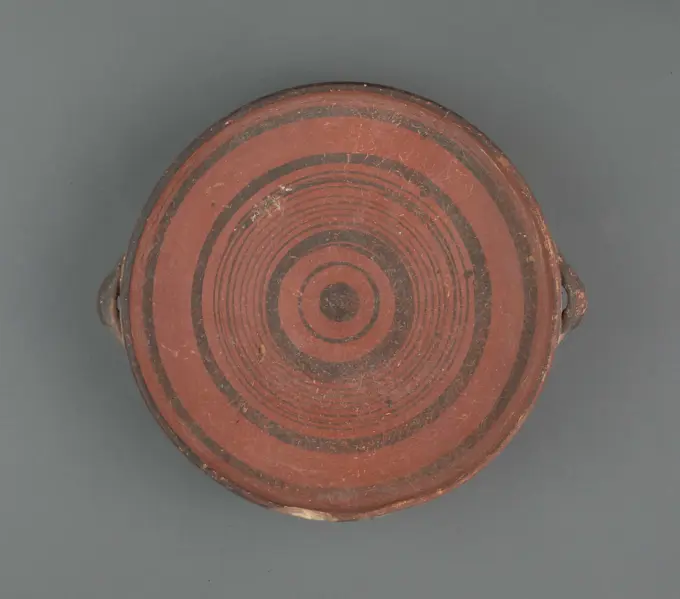
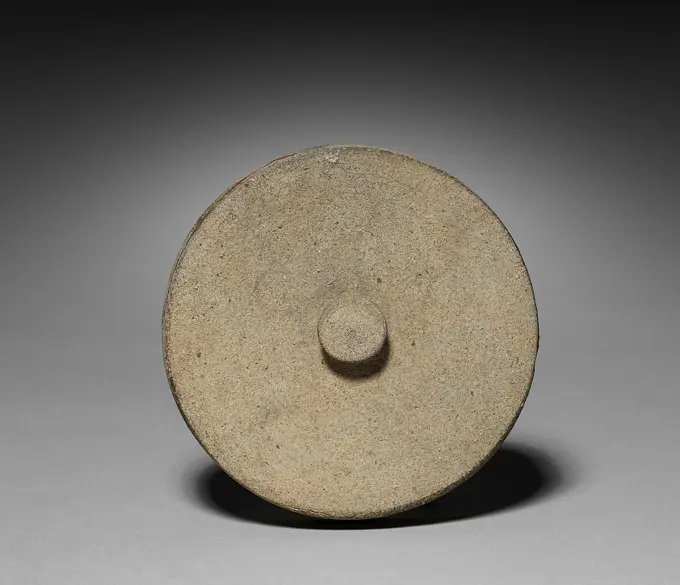
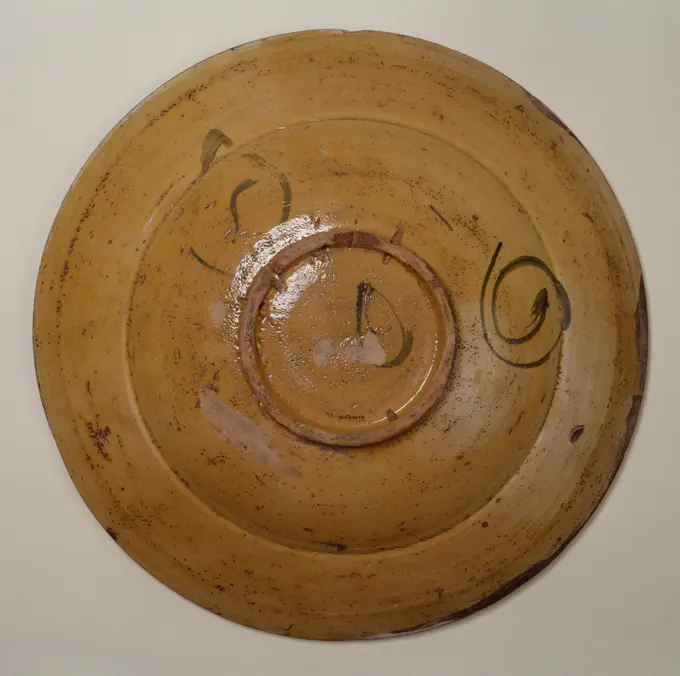
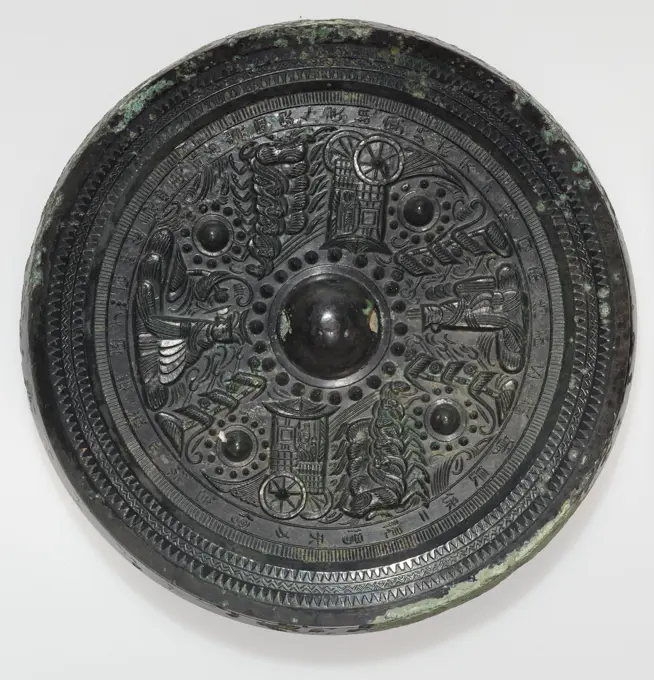
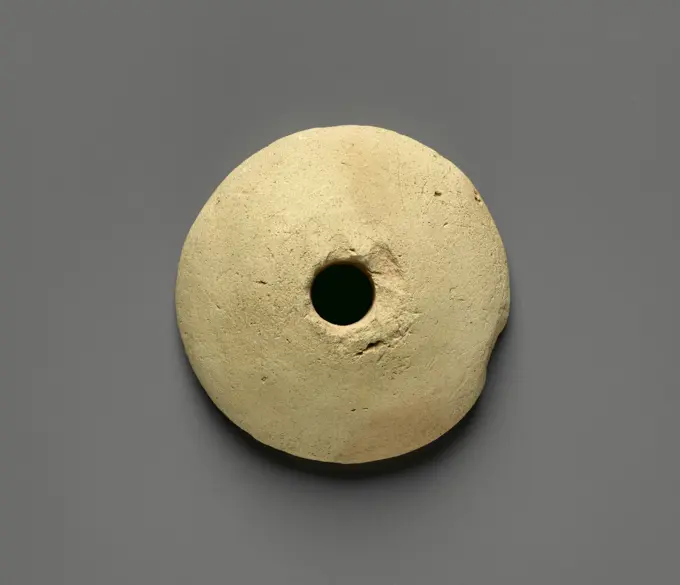
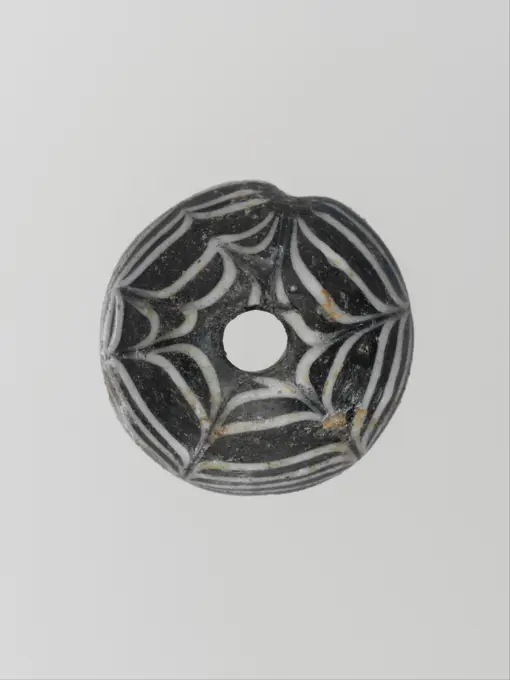
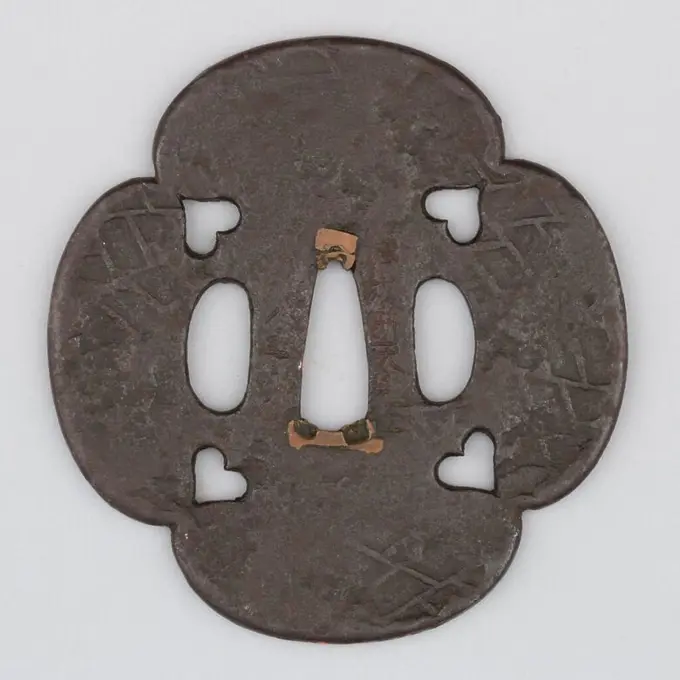
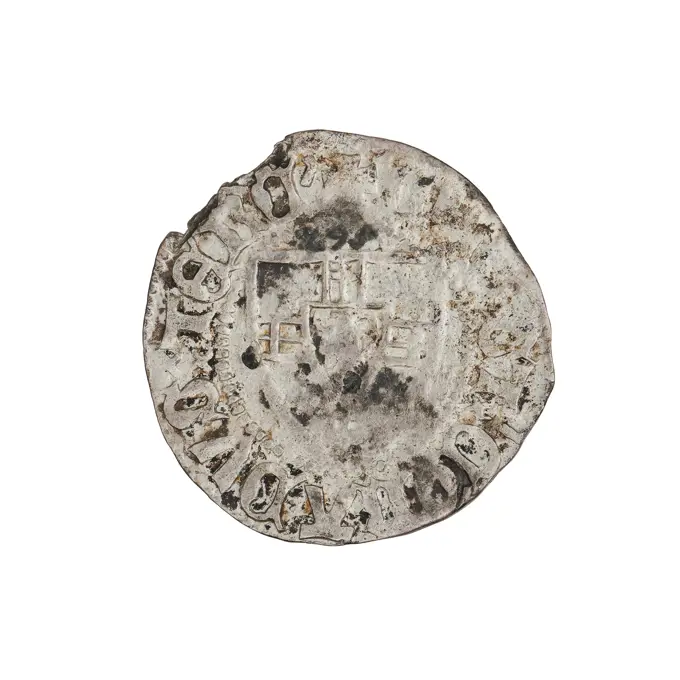
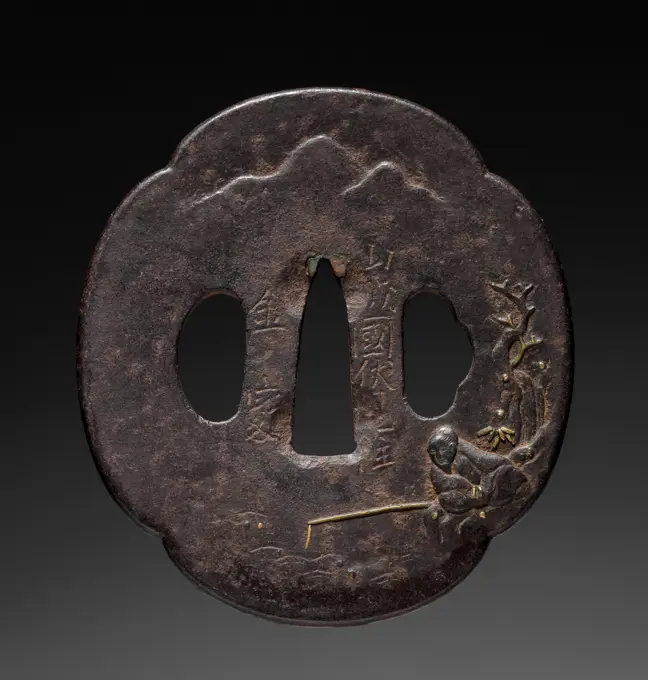
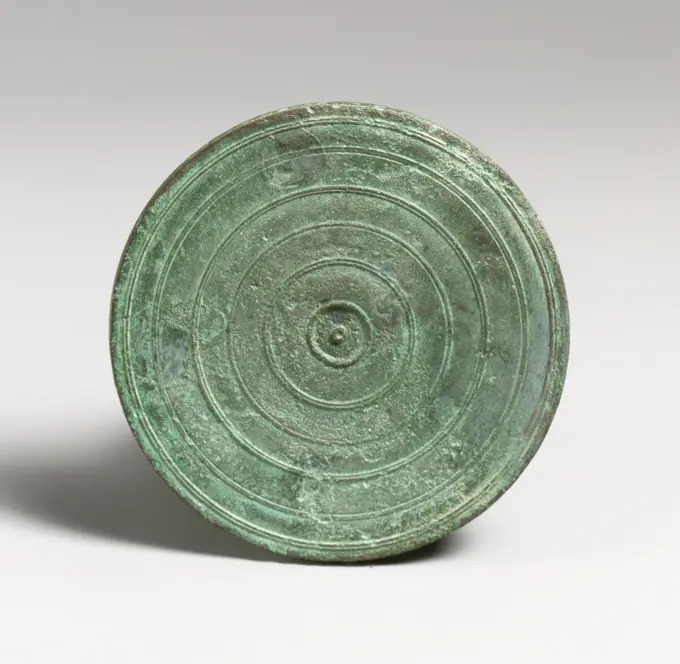
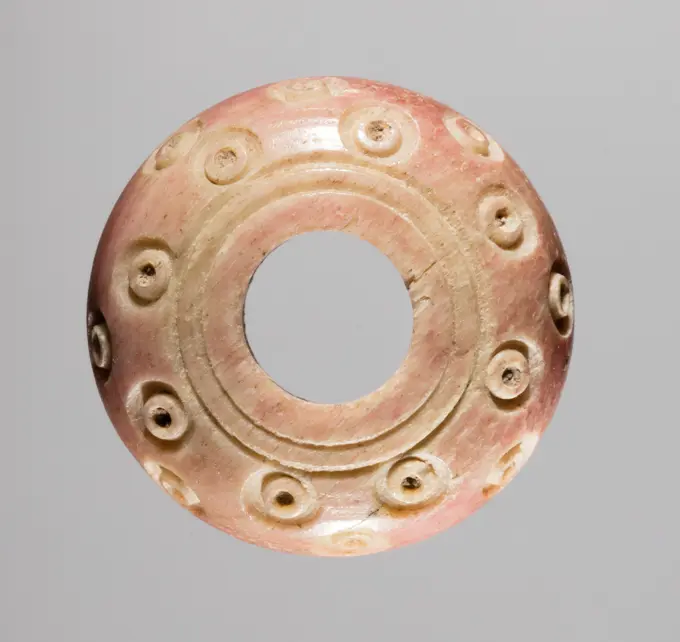
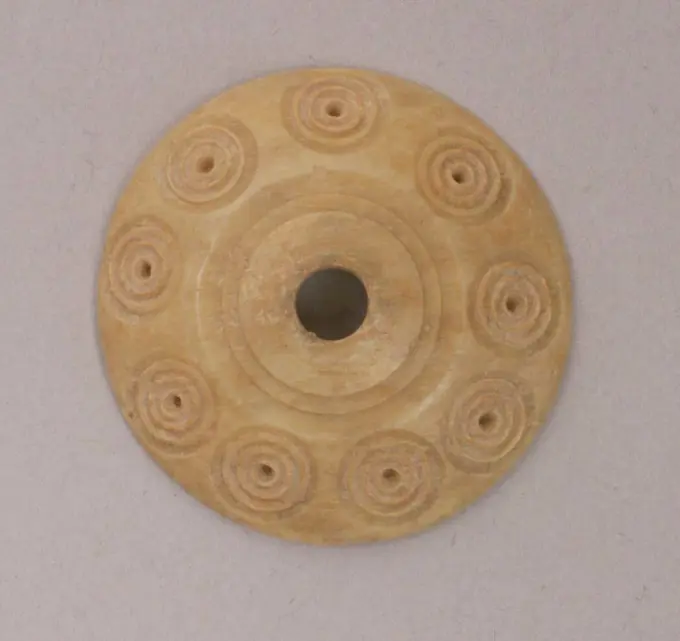
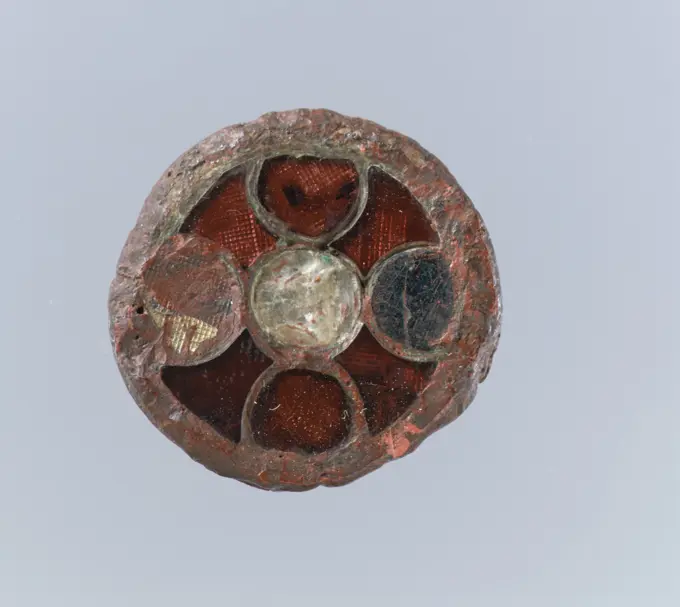
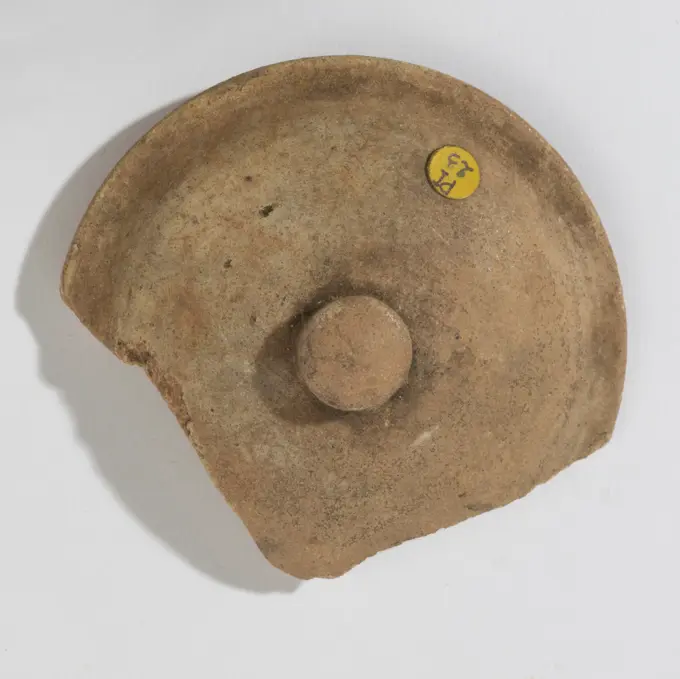
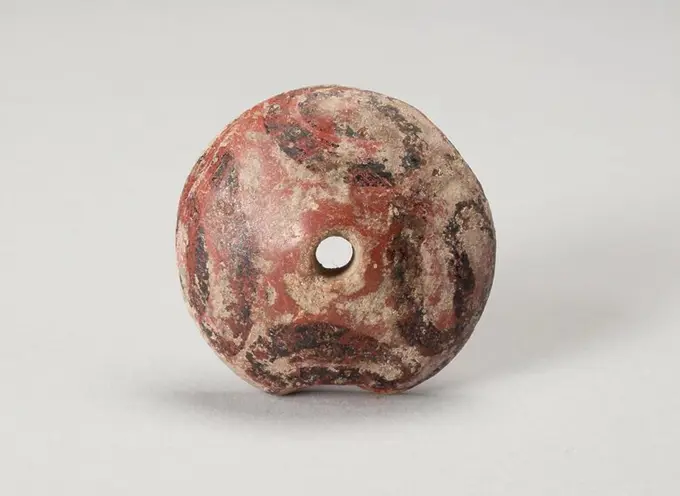
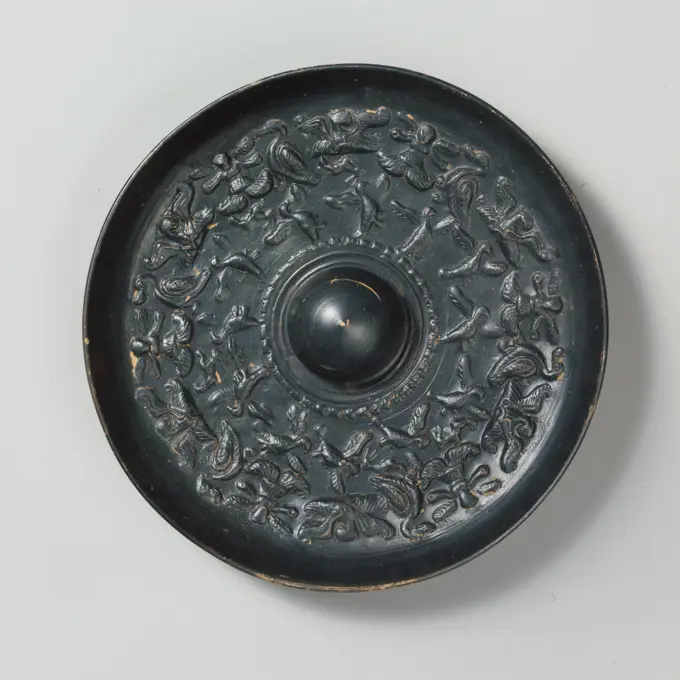
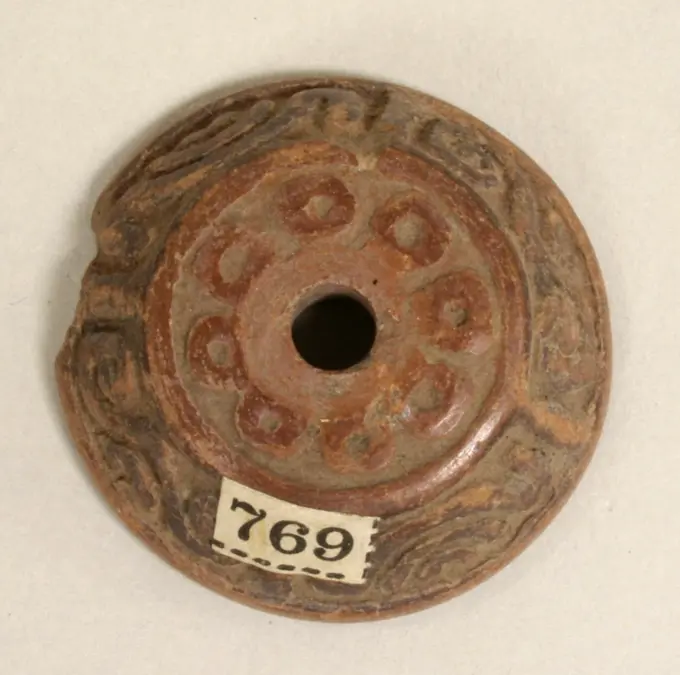
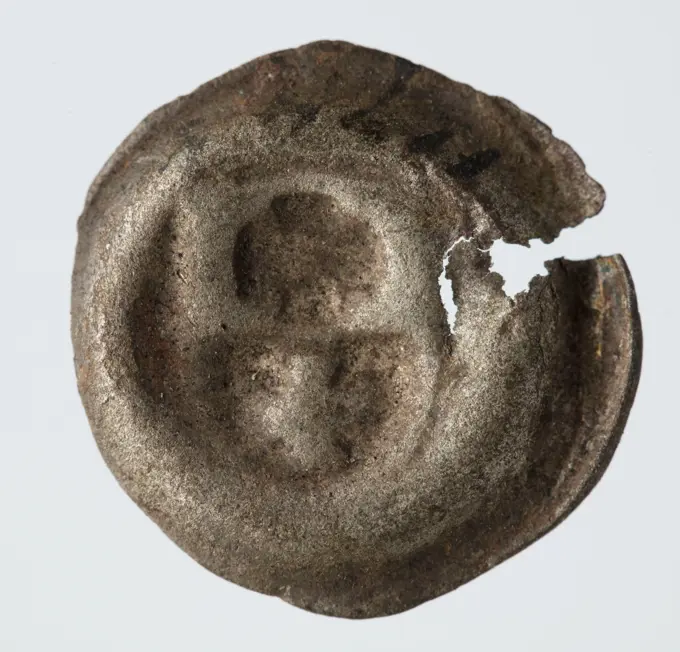
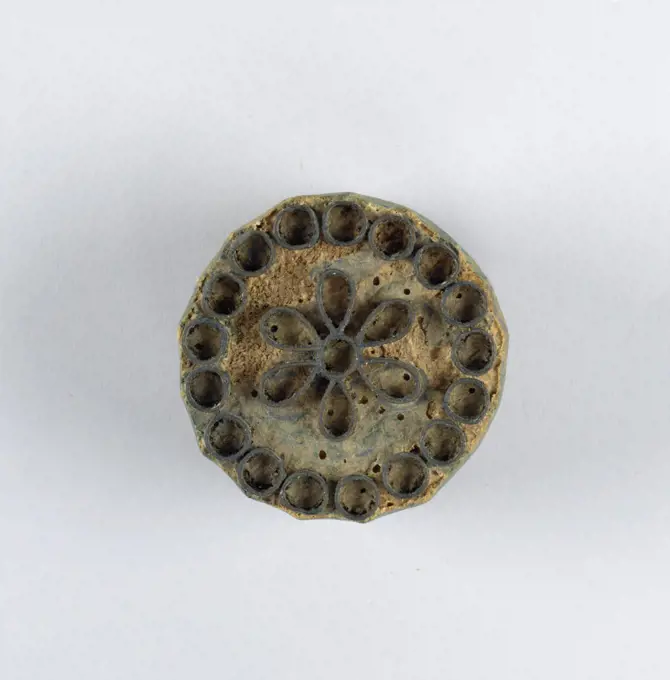
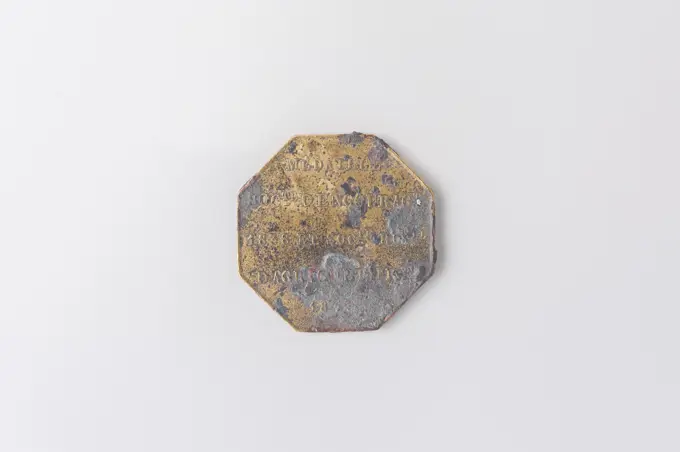
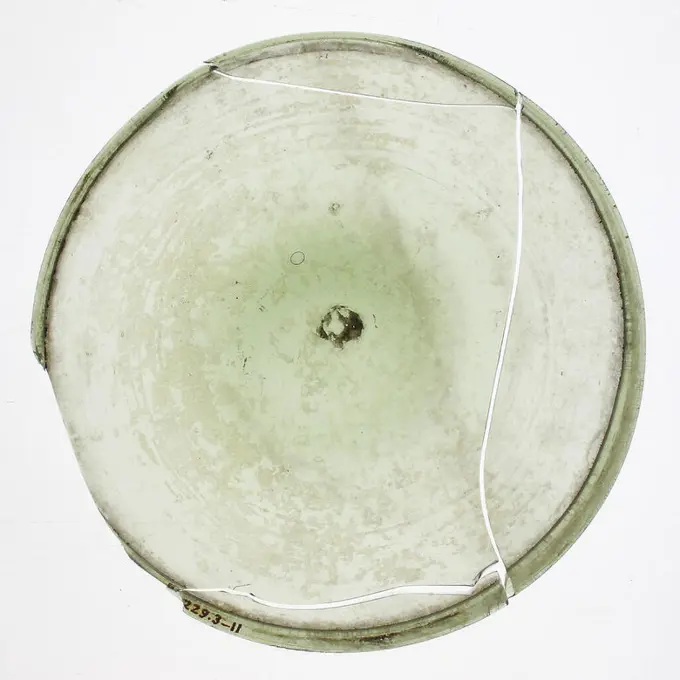
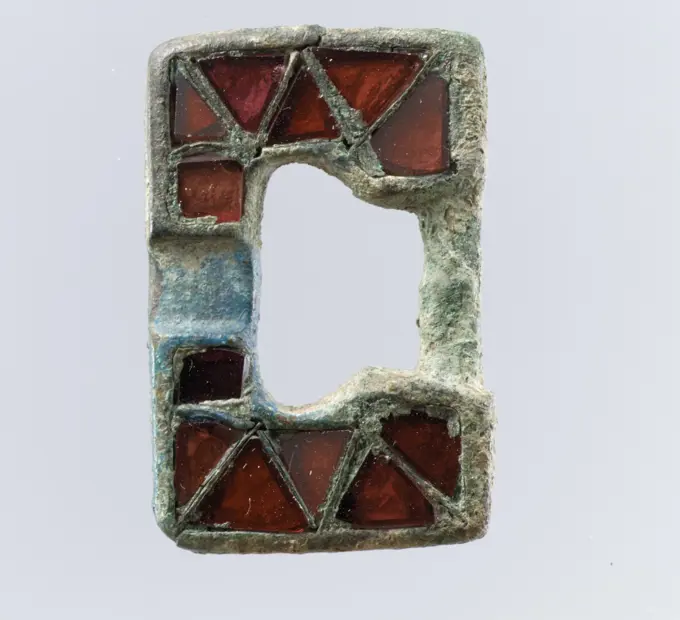
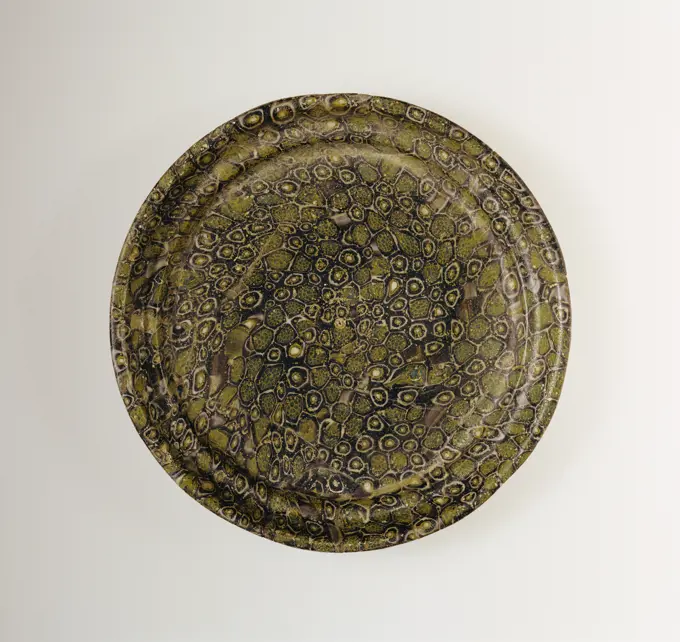
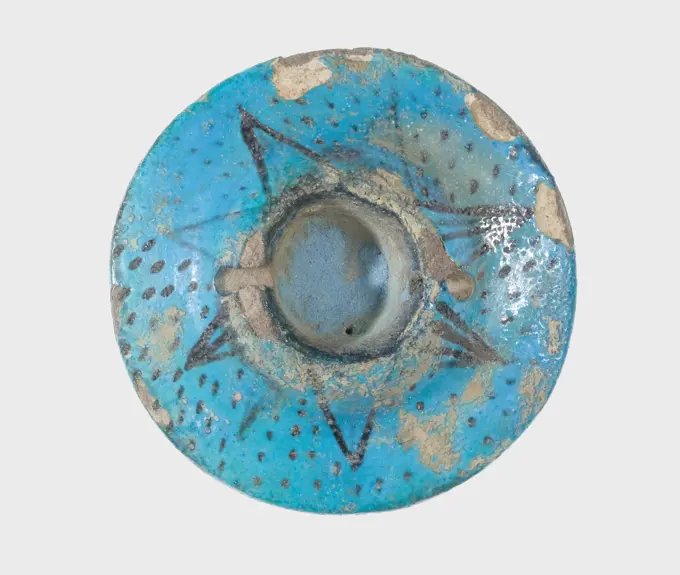
Carnavalet museum, medal collectionPlanets-manager. Cornalet Collection Sites 2013-2016. Numismatic.Hand guard, Hazama, 1600 - 1900 Round tsuba with shirnut shirome bundles noshi (strips of smoked meat from the Awabi snail); On the outside of the edge of gold and silver Nunome-Zogan; Signed "Hazama". Japan iron (metal). gold (metal). silver (metal). tin (metal) Round tsuba with shirnut shirome bundles noshi (strips of smoked meat from the Awabi snail); On the outside of the edge of gold and silver Nunome-Zogan; Signed "Hazama". Japan iron (metal). gold (metal). silver (metal). tin (metal). Oval tsuba with in positive silhouette and relief flowers and plants; details in gold; The Ryo-Hitsu are coated with gold on the inside; Signed "seiryusai tadafumi".Plaque. Circular plaque, flower-shaped middle rosette with floral districts.Mirror (common name). Copper alloy. Dark gray patina. Silver -colored face. Cernuschi Museum, Asia Museum of Asia in the city of Paris.Rosette from the Temple of Ramesses III 1186 BCE-1069 BCE Egypt. Faience . Ancient EgyptianSword Guard (Tsuba). Culture: Japanese. Dimensions: 3 7/8 x 3 5/8 in. (9.8 x 9.2 cm). Date: 17th-18th century. Museum: Metropolitan Museum of Art, New York, USA.Sword Guard (Tsuba). Culture: Japanese. Dimensions: H. 2 5/8 in. (6.7 cm); W. 2 3/8 in. (6 cm); thickness 1/4 in. (0.6 cm); Wt. 3.7 oz. (104.9 g). Date: ca. 1615-1868. Museum: Metropolitan Museum of Art, New York, USA.Dice, small pewter dish with outstanding rim, marked, dish crockery holder soil find tin metal, cast Shallow dish flat bottom wide flat edge Marked on the dish edge and on the underside with scratched mark property mark on edge: crowned hammer archeology serve serving tableDeployment;  VIII-XII century (701-00-00-1200-00-00);transmission (provenance)Sword Guard (Tsuba) 16th century Japanese A tsuba is a sword guard and part of a sword mounting. It is mounted between the swords blade and grip to protect the users hands.. Sword Guard (Tsuba) 33383Sword Guard (Tsuba). Culture: Japanese. Dimensions: H. 3 1/8 in. (7.9 cm); W. 2 7/8 in. (7.3 cm); thickness 3/16 in. (0.5 cm); Wt. 5.2 oz. (147.2 g). Date: ca. 1615-1868. Museum: Metropolitan Museum of Art, New York, USA.Carnavalet Museum, Medals CollectionMold for a Rings ca. 1390-1353 B.C. New Kingdom. Mold for a Rings. ca. 1390-1353 B.C.. Pottery. New Kingdom. From Egypt, Upper Egypt, Thebes, Malqata, various, MMA excavations, 1910-11. Dynasty 18Sword Guard (Tsuba). Culture: Japanese. Dimensions: Diam. 3 1/4 in. (8.3 cm); thickness 1/8 in. (0.3 cm); Wt. 3.2 oz. (90.7 g). Date: late 16th-early 17th century. Museum: Metropolitan Museum of Art, New York, USA.Discoidal fibula of bronze, which would be topped with a mosaic of small pieces of glass or semiprecious stones. Diameter 30mm Width 18mm Thickness 1mm (6 th CE ) - Visigoth period, from the "Afflicted Necropolis " - Archaeological site of Complutum in Alcalá de Henares ( Madrid ). SPAIN.Hand guard, Nagahara (possibly), 1600 - 1900 Round, tsuba with ishime soil to the edge; At the front in Iroe Takazogan two grasshoppers and a butterfly and at the rear a grasshopper and a kind of ant eater; Signed "Nagahara". Japan copper (metal). gold (metal). Round, tsuba with ishime soil to the edge; At the front in Iroe Takazogan two grasshoppers and a butterfly and at the rear a grasshopper and a kind of ant eater; Signed "Nagahara". Japan copper (metal). gold (metal).Mirror (Jing) with the Symbols of the Four Directions. China, Late Western Han dynasty, about 100 B.C.-A.D. 25. Furnishings; Accessories. Cast bronzeButton with four lilies, anonymous, c. 1590 - c. 1596 button Button, decorated with four lilies. The NG-NM-7723-7 buttons, NG-NM-7723-8 and NG-NM-7723-10 are not identical. Amsterdam brass (alloy)   Nova Zembla. Saving Huys. Oval tsuba with at the front embossed Congo Rikishi, one of the two temple guards (NIO); Some details in gold Nunome-Zogan; A fencing at the rear.False Coin, Penny, 1013 1025, Mieszko II (1025 1031)Glass spindle whorl 1st-4th century A.D. Roman Colorless with yellow green tinge.Rough upper edge around hole; domed body; flat bottom; vertical hole larger on bottom.Intact; pinprick bubbles; dulling and iridescent weathering.Made by winding trail in a spiral around rod.. Glass spindle whorl 239916Sword Guard (Tsuba) ca. 1615-1868 Japanese A tsuba is a sword guard and part of a sword mounting. It is mounted between the swords blade and grip to protect the users hands.. Sword Guard (Tsuba) 33487Sword Guard (Tsuba) ca. 1615-1868 Japanese A tsuba is a sword guard and part of a sword mounting. It is mounted between the swords blade and grip to protect the users hands.. Sword Guard (Tsuba) 25750Corend carriers and depths guild of Amsterdam, guild pendant by Jan Arens Adel from here. Copper medal with hole in it; v.z: to the right used man with burden on head. Downside: inscriptionSmall pewter dish with bevelled edge and partly curved bottom, marked, plate crockery holder soil find tin, cast Small tin plate. No flat platform raised around. Wide slightly rising edge Marked on the edge crowned Tudorroos (knocked in front of the outer edge) archeology Rotterdam railway tunnel serving food Soil discovery: collapsed Railway tunnel route summer 1989.Bol Opening Rtracte ". GRS covered brown. Paris, Muse Cernuschi. Bol Opening Rtracte Asian art, extreme-East art, Vietnamese art, bowl, ceramic, gres, dishesSpindle Whorl 9th-10th century Spindle whorls aided in the making of thread by maintaining the momentum of the spindle. This semi-spherical, flat bottomed spindle whorl was excavated at Nishapur. It is decorated with an incised cluster of three dot-in-circles, as well as two semi-circles with dots on either side of zigzag lines. The base is encircled by three incised lines. Hundreds of spindle whorls were excavated at Nishapur, providing further evidence that the city possessed a thriving textile industry. Their incised designs exhibit a wide variety of motifs ranging from geometric forms to zoomorphic figures.. Spindle Whorl 450010Bowl. Western Iran, circa 1350-800 B.C.. Furnishings; Serviceware. BronzeHorse Tack Ornament. Culture: Roman-German. Dimensions: Diam. 2 1/2 in. (6.4 cm); Wt. 1 oz. (28.3 g). Date: 2nd-3rd century.This small bronze element, shaped as a pelta shield, decorated the horse tack of a German-Roman rider, probably fighting in the Imperial army.The pelta was the traditional Thracian light infantry shield during Hellenistic times, and the shield of the legendary Amazons. During the Roman period it was used as an apotropaic ornament (a protection from the evil eye) and possibly a symbol of the warrior's virtues. Museum: Metropolitan Museum of Art, New York, USA.Coin Nomisma Isaac II 12th century Byzantine. Coin Nomisma Isaac II 32954Sword Guard (Tsuba) 18th century Japanese A tsuba is a sword guard and part of a sword mounting. It is mounted between the swords blade and grip to protect the users hands.. Sword Guard (Tsuba) 643319Bowl ca. 1050-900 B.C. Cypriot. Bowl. Cypriot. ca. 1050-900 B.C.. Terracotta. Iron Age. VasesPlate with medallion. Plate with medallion 244573Sword Guard (Tsuba). Culture: Japanese. Dimensions: H. 3 1/4 in. (8.3 cm); W. 3 1/8 in. (7.9 cm); thickness 3/16 in. (0.5 cm); Wt. 4.1 oz. (116.2 g). Date: ca. 1615-1868. Museum: Metropolitan Museum of Art, New York, USA.Cinerary Urn (lid), c. 800-850. Japan, Heian period (794-1185). Stoneware with slight natural ash glaze (Sue ware); diameter: 24 cm (9 7/16 in.); overall: 22.5 cm (8 7/8 in.); without cover: 21.2 cm (8 3/8 in.); diameter without lid: 11 cm (4 5/16 in.).Plate 1655-56 T. G., London. Plate. British, London. 1655-56. Silver. Metalwork-SilverSword Guard (Tsuba) 18th century Japanese A tsuba is a sword guard and part of a sword mounting. It is mounted between the swords blade and grip to protect the users hands.. Sword Guard (Tsuba) 29975Plat: young woman's bust, Italian majolica of Deruta, early 16th century (reverse). Museum of Fine Arts of the City of Paris, Petit Palais. 27010-2 Ceramic, deruta, faience, Italy, Italian majolica, reverse, dishMirror, 1st-2nd century, 8 3/4 in. (22.23 cm), Bronze, China, 1st-2nd centuryWhorl 4th millennium B.C.. Whorl. 4th millennium B.C.. Ceramic. Uruk. Mesopotamia, NippurGlass spindle whorl ca. 1st-2nd century A.D. Roman Translucent cobalt blue, with opaque white trail.Tall, domed body; flat bottom; vertical hole, larger on bottom.Trail applied to upper surface and tooled with seven unevenly spaced downward strokes to form feather pattern.Intact but chips on lower edge and bottom; some dulling, pitting, and faint iridescent weathering.Made by winding trail in a spiral around rod.Black opaque spindle-whorl with white glass thread pattern.. Glass spindle whorl 239919Sword Guard (Tsuba). Culture: Japanese. Dimensions: H. 3 5/16 in. (8.4 cm); W. 3 1/8 in. (7.9 cm); thickness 1/8 in. (0.3 cm); Wt. 3.6 oz. (102.1 g). Date: 18th century. Museum: Metropolitan Museum of Art, New York, USA.Notched Disc Made 1200 BCE-1000 BCE China. Jade .Cymbal. Cymbal 244534Button or Bead 9th-10th century The dot-in-circle motif recalls designs presumed to be of magical significance, most likely an abstract eye to ward off the evil-eye, which serves an apotropaic function. Easily reproduced with a tool and visible in many cultures and times, this symbol may have lost its meaning, and become simply a decorative pattern, or may have one that we have not yet discovered.Shah of the Cross; Konrad von Jungingen (Grand Master; 1393-1407); 1393-1407 (1393-00-00-1407-00-00);Suppling ring from the wreck of the East Indians Hollandia, Anonymous, 1700 - in Or Before 1743  Varied parts or fragments, washers; circular, flat, circular central hole, bevelled inner and outer rim. Netherlands copper (metal)   SecondButton or Bead 9th-10th century The dot-in-circle motif recalls designs presumed to be of magical significance, most likely an abstract eye to ward off the evil-eye, which serves an apotropaic function. Easily reproduced with a tool and visible in many cultures and times, this symbol may have lost its meaning, and become simply a decorative pattern, or may have one that we have not yet discovered.. Button or Bead 449262Ritual Disk(Bi)Sword Guard (Tsuba) with Fishing Sage, late 1600s. Japan, Edo period (1615-1868). Iron; overall: 7 x 7.4 cm (2 3/4 x 2 15/16 in.).Basin (so-called Temperance Dish) (model), Montbéliard, late 16th century François Briot French. Basin (so-called Temperance Dish) 461147Mirror Greek, Cypriot. Mirror 244304Fragment of Buckle dated 1540 German. Fragment of Buckle. German. dated 1540. Brass. Miscellaneous-Buckles & OrnamentSpindle Whorl, 700s - 900s. Iran, early Islamic period, 8th - 10th century. Bone, incised; overall: 0.6 x 1.6 x 1.6 cm (1/4 x 5/8 x 5/8 in.).Sword Guard (Tsuba) ca. 1615-1868 Japanese A tsuba is a sword guard and part of a sword mounting. It is mounted between the swords blade and grip to protect the users hands.. Sword Guard (Tsuba) 34384Glass mosaic dish. Culture: Roman. Dimensions: H. 13/16 in. (2 cm)diameter 6 5/16 in. (16 cm). Date: late 1st century B.C.-early 1st century A.D..Translucent purple, colorless, opaque white, opaque red, and opaque yellow; base ring in uncertain color.Horizontal rim with rounded edge; carinated, shallow side, with two convex curves; flat bottom; low applied base ring, formed from a single round trail.Composite mosaic pattern formed from polygonal sections of two similar canes: one in a purple ground outlined in white, each with a red circle surrounded a cluster of yellow rods, the other in a purple ground outlined in white, each with a red circle surrounded a cluster of white rods. On interior, central relief knob and small raised circle.Intact; half of interior covered with dulling and iridescent weathering; all of exterior covered with briiliant iridescence; limy encrustation around rim. Museum: Metropolitan Museum of Art, New York, USA.Sword Guard (Tsuba). Culture: Japanese. Dimensions: H. 2 15/16 in. (7.5 cm); W. 2 11/16 in. (6.8 cm); thickness 3/16 in. (0.5 cm); Wt. 3.4 oz. (96.4 g). Date: ca. 1615-1868. Museum: Metropolitan Museum of Art, New York, USA.Spindle Whorl 9th-10th century Spindle whorls aided in the making of thread by maintaining the momentum of the spindle. This semi-spherical, flat bottomed spindle whorl was excavated at Nishapur. It is decorated with an incised cluster of three dot-in-circles, as well as two semi-circles with dots on either side of zigzag lines. The base is encircled by three incised lines. Hundreds of spindle whorls were excavated at Nishapur, providing further evidence that the city possessed a thriving textile industry. Their incised designs exhibit a wide variety of motifs ranging from geometric forms to zoomorphic figures.. Spindle Whorl 455189Button or Bead 9th-10th century This object was excavated at Nishapur.Nishapur was a vital city in the early and middle Islamic periods, located along one of the main trajectories that connected Iran and West Asia Islamic lands with Central Asia and China. These itineraries are often referred to by the term Silk routes’ but were in fact crucial to the movement of constellations of materials and objects, as well as people and ideas. The diverse population of Nishapur and its surroundings, from the better-researched elite groups of merchants, land-owning aristocracy, and literates, to the less-known artisans, farmers, miners, and servants, were instrumental in adapting global cultural trends to create their own distinctive visual languages. This is seen in the material remains of everyday life in medieval Nishapur - from pots and pans to lighting devices, inkwells, textiles and trimmings, jewelry, games and toys, talismanic devices, weapons, coins, and architectural fragments.Nishapur lHollow Bangle with Applied Decoration 300 B.C.-A.D. 400 Thailand. Hollow Bangle with Applied Decoration 53333Disk Brooch late 5th-early 6th century Frankish. Disk Brooch 464820 Frankish, Disk Brooch, late 5thearly 6th century, Copper alloy, garnets and green glass with patterned foil backings, mother-of-pearl; iron back, Overall: 7/8 x 3/16 in. (2.3 x 0.4 cm). The Metropolitan Museum of Art, New York. Gift of J. Pierpont Morgan, 1917 (17.191.13)Packer button cover. Terracotta. Provenance: Vietnam. Paris, Cernuschi museum. 79859-4 Lid, archeological object, dishesJewish meat bob with Hebrew letters and Delft weapon, meat-lead quality mark ground find lead metal, cast-ironed Lead with Hebrew letters probably the word kosher On the back the coat of arms of Delft with faint letters, in Hebrew letters kosher archeology heraldry meat authenticate government religion Judaism Judaica trade guild Delft migrationPlaque with Dragons Design 800 BCE-600 BCE China. Jade .Spindle Whorl, 700s - 900s. Iran, early Islamic period, 8th - 10th century. Bone, incised; overall: 0.9 x 2 x 2 cm (3/8 x 13/16 x 13/16 in.).Disk 13th century possibly French, possibly German. Disk. possibly French, possibly German. 13th century. Wood. MiscellaneousCopper fittings with iron back plate and flower decoration, ornament batter ground find brass iron metal, beaten archeology Rotterdam rail tunnel adornment Soil discovery Rail tunnel.Hand guard, anonymous, 1600 - 1900 Tsuba in the form of AOI leaves; On one side in low relief the twelve characters of the Zodiac signs against a background of large dots; On the other side a dragon that chases a flaming jewel against a background of stylized waves. Japan copper (metal) Tsuba in the form of AOI leaves; On one side in low relief the twelve characters of the Zodiac signs against a background of large dots; On the other side a dragon that chases a flaming jewel against a background of stylized waves. Japan copper (metal)Spindle Whorl, 700s - 900s. Iran, early Islamic period, 8th - 10th century. Bone, incised; overall: 1 x 3.8 x 3.8 cm (3/8 x 1 1/2 x 1 1/2 in.).Sword Guard (Tsuba) early 17th century Japanese A tsuba is a sword guard and part of a sword mounting. It is mounted between the swords blade and grip to protect the users hands.. Sword Guard (Tsuba) 35199Ear Ornament or Spindle Whorl with Modeled Design. Aztec (Mexica); Valley of Mexico, Mexico. Date: 1450-1521. Dimensions: 1 x 4 cm (3/8 x 1 9/16 in.). Ceramic. Origin: Valley of Mexico. Museum: The Chicago Art Institute, Chicago, USA.Terracotta phiale (libation bowl) 3rd century B.C. Greek, South Italian, Campanian, Calenian The decoration in relief combines geese, ducks, and horses with the foreparts of winged lions and female figures with two pairs of wings.. Terracotta phiale (libation bowl) 255616Spindle Whorl 10th-early 16th century Mexican. Spindle Whorl 307564Carnavalet Museum, Medals CollectionDisk 6th-5th century B.C. Flat on one side and rounded on the other; pierced in the centre.. Disk. 6th-5th century B.C.. Amber. Archaic. Miscellaneous-AmberPendant disk Cypriot. Pendant disk 242626Manuscript of the Qur'an Manuscript of the Qur'an, A.H. 889/1484 C.E. Ink, opaque watercolors, and gold on paper, Paper: 3 3/4 x 3 3/4 in. (9.5 x 9.5 cm).  The patron who commissioned this manuscript of the Quran spared no expense—from the first few folios, replete with lush illumination, to the binding, elaborately engraved with the Chinese-inspired lotus blossoms and cloud bands common to the art of the Timurid dynasty in Iran and Central Asia. The second and third pages displayed here feature intricate vegetal ornamentation in gold on a background of cobalt blue, both materials prized for their value and beauty. The right-hand page contains the Arabic text of the Qurans first sura, or chapter, which plays a part in many Muslims daily lives; the following chapter begins on the left. The script is known as ghubar, which literally means “dust,” because the letters were thought to be as minute as grains of powder. The small overall size of the codex suggests that it was meant for trEmilia-Romagna Ferrara Ferrara Museo Civico di Schifanoia53. Hutzel, Max 1960-1990 General Notes: INCOMPLETE RECORD--NEGATIVES PROCESSED, PRINTS FILED German-born photographer and scholar Max Hutzel (1911-1988) photographed in Italy from the early 1960s until his death. The result of this project, referred to by Hutzel as Foto Arte Minore, is thorough documentation of art historical development in Italy up to the 18th century, including objects of the Etruscans and the Romans, as well as early Medieval, Romanesque, Gothic, Renaissance and Baroque monuments. Images are organized by geographic region in Italy, then by province, city, site complex and monument.Bronze fibula or mantle pin, decorated disc fibula, without pin, fibula fastener soil find bronze metal w 3,6 cast drawn bronze fibula or mantle pin Disc fibula consisting of round disc on which six studs are formed in mold. On the underside remnants of frame of pin and locking arch archeology Spijkenisse roman time early Middle Ages dress fastening pins Soil discovery Spijkenisse.Bliżej Kultury Kazimierz Jagiellończyk (1447 92)Carnavalet museum, tokens collectionPrinting block, Medium: wood, copper, brass, One of twenty-one wood blocks showing a different floral motif formed by metal strips set in wood., USA, 1825-50, appliances & tools, Printing blockMarkets and Markets of Paris: Leroy (or the Roy), ancient regime Halles and Markets of Paris: Leroy (or the Roy), ancient regime . Bronze.Sword Guard (Tsuba) ca. 1615-1868 Japanese A tsuba is a sword guard and part of a sword mounting. It is mounted between the swords blade and grip to protect the users hands.. Sword Guard (Tsuba) 33464PlateRound Plaque 3rd century B.C.-A.D. 2nd century Vicús. Round Plaque 315585Horse trapping (), 8th-3rd century BCE, 2 in. (5.08 cm) (diameter), Gilded bronze, China, 8th-3rd century BCERound Plaque 3rd century B.C.-A.D. 2nd century Vicús. Round Plaque 315575Bowl. The shell has a high neck with abridged edge. The vascular body is decorated on the outside annular with 18 almond-fömigen, opposite lancet leaves. The gussets in the upper area are filled by two short strokes. The bottom of the shell is marked by three stepped concentric rings, the transition from the body to the neck by two circumferential cuts. Inside the only spary-preserved Achemenidisch-Persian glass, this shell comes due to its balance of form and decoration as well as the perfect conservation of excellent rank .The thin-walled, clear glass has been melted in the mold; The following was cut in a second operation on the outside of the 'Bumpel Decor'. Comparable humpbackers in gold, silver and bronze have been widely obtained than the fragile glass vessels that reflect the luxury of an upscale social layer. Presumably, the shell belongs to the time of the Persian Great Queen Artaxerxes II. (Reg. 404-359 BC).Carnavalet museum, tokens collectionSword Guard (Tsuba) 17th century Japanese A tsuba is a sword guard and part of a sword mounting. It is mounted between the swords blade and grip to protect the users hands.. Sword Guard (Tsuba) 33407Spindle Whorl, 700s - 900s. Iran, early Islamic period, 8th - 10th century. Bone, incised; overall: 0.7 x 2.1 x 2.1 cm (1/4 x 13/16 x 13/16 in.).Glass Fragment. Culture: European. Dimensions: 4 3/8 × 1/8 in. (11.1 × 0.3 cm). Date: 17th-18th century. Museum: Metropolitan Museum of Art, New York, USA.Sword Guard (Tsuba) early 18th century Japanese, Higo A tsuba is a sword guard and part of a sword mounting. It is mounted between the swords blade and grip to protect the users hands.. Sword Guard (Tsuba) 35142Belt Buckle Loop early 6th century Frankish Belts were important features of early medieval dress. Not only did they serve the practical function of holding weapons and tools, but their fittings, which could vary in terms of material, decoration, and size, were also highly visible indicators of rank and status. Iron buckles, many imposing in size, were worn by both men and women. Their intricate decoration was achieved by squeezing narrow twisted strips of silver into patterns engraved on the surface of the prefabricated iron pieces. A complete belt would have consisted of a buckle, a counter plate that was placed opposite the buckle, and sometimes a rectangular plate placed in the middle of the belt at the back for decoration.. Belt Buckle Loop. Frankish. early 6th century. Copper alloy, garnets. Metalwork-Copper alloyDish with Flowers and Dots; Roman Empire; 1st century B.C. - 1st century A.D; Glass; 2.1 × 16 cm (13,16 × 6 5,16 in.)Glass spindle whorl ca. 1st-3rd century A.D. Roman Translucent pale blue green.Rough upper edge around hole; domed body; flat bottom; vertical hole larger on bottom.Intact but internal cracks; tooling scar on domed upper surface; dulling and iridescent weathering.Made by winding trail in a spiral around rod.. Glass spindle whorl 244745Jar Lid ca. 1390-1353 B.C. New Kingdom. Jar Lid. ca. 1390-1353 B.C.. Faience. New Kingdom. From Egypt, Upper Egypt, Thebes, Malqata, Palace of Amenhotep III, MMA excavations, 1910-11. Dynasty 18