Historical Currency and Medals

Collection of ancient coins and medals showcasing intricate designs. These pieces reflect cultural significance and historical heritage.
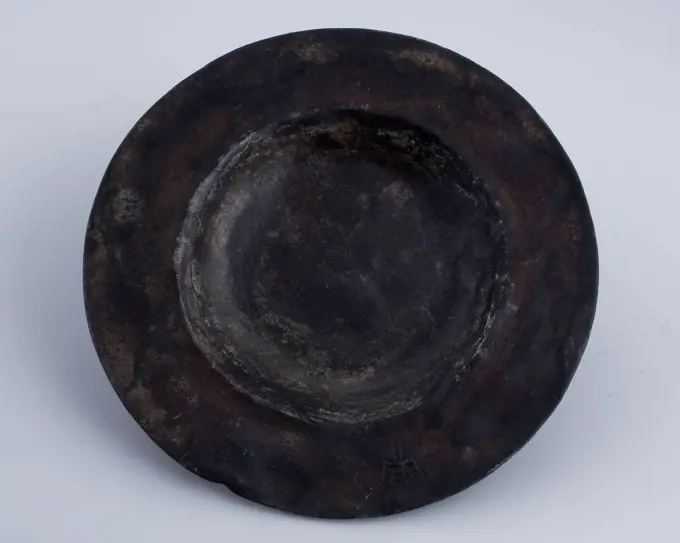
Dice, small pewter dish with outstanding rim, marked, dish crockery holder soil find tin metal, cast Shallow dish flat bottom wide flat edge Marked on the dish edge and on the underside with scratched mark property mark on edge: crowned hammer archeology serve serving table
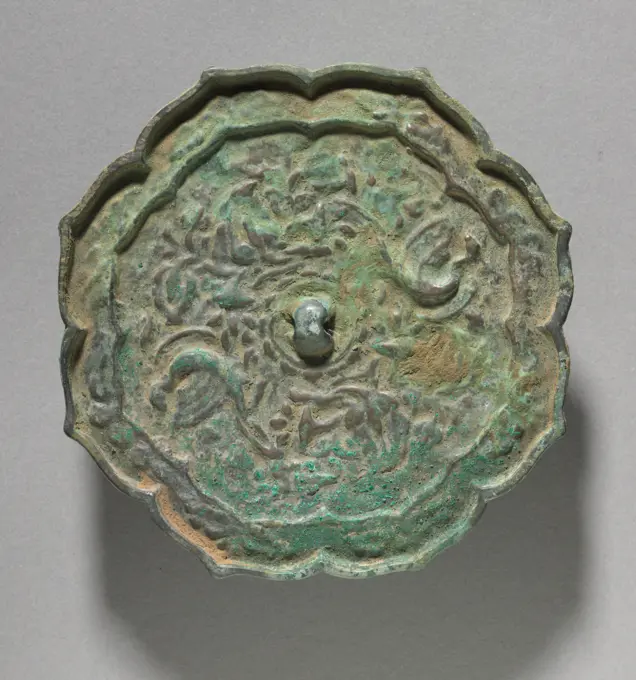
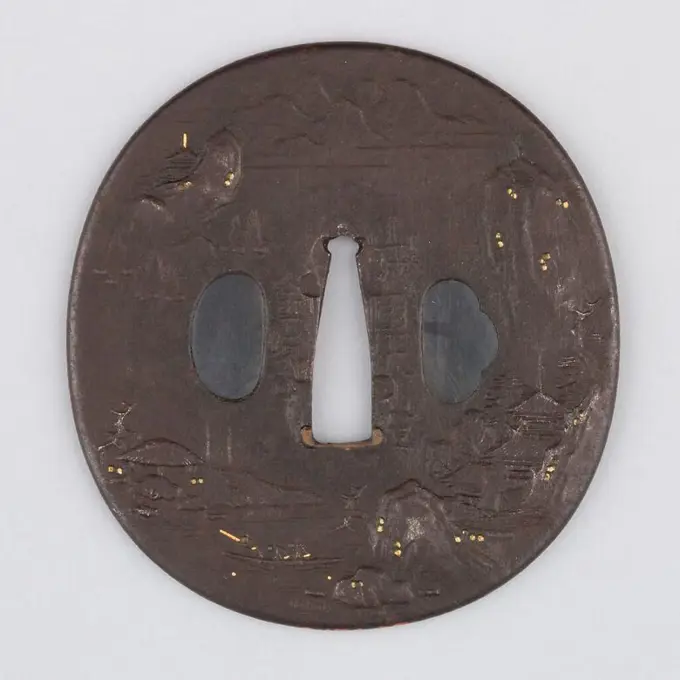
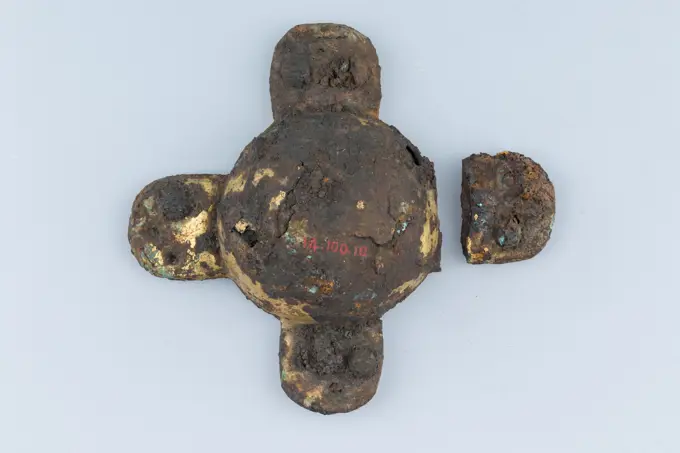
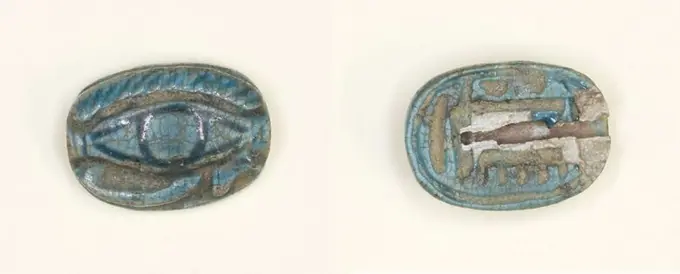
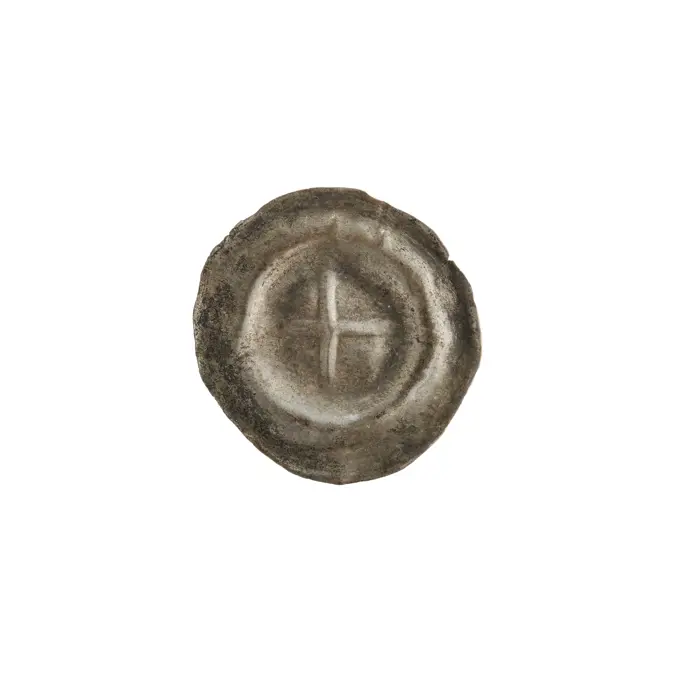
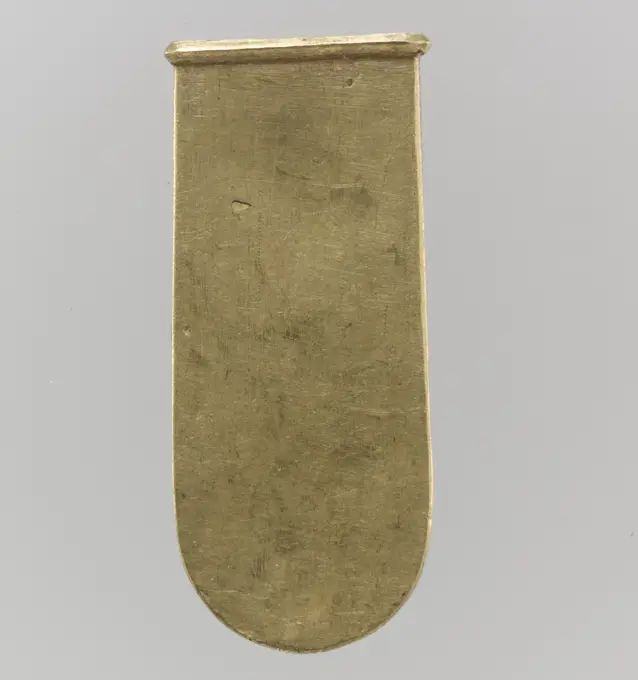
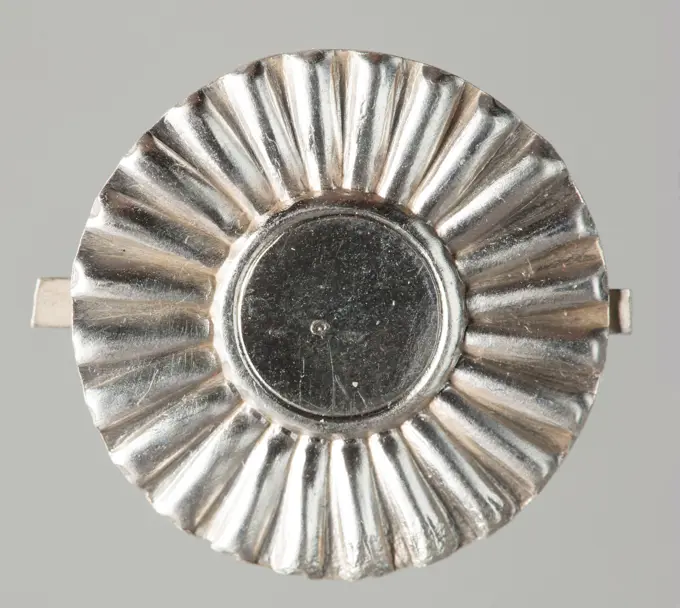
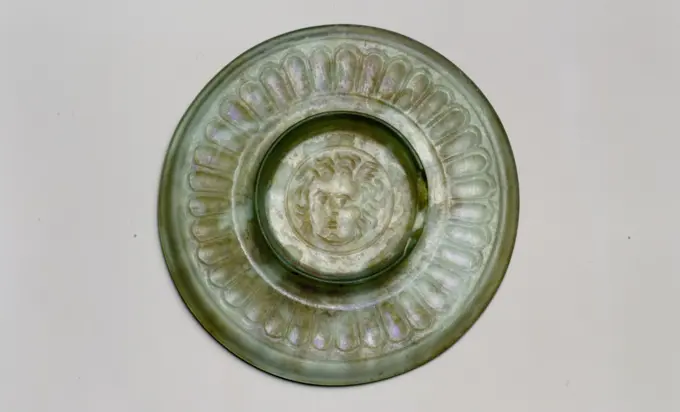
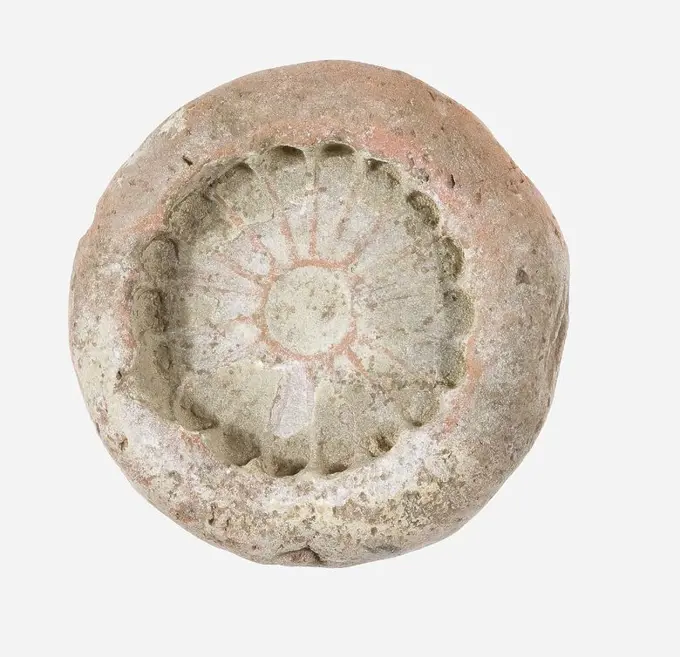
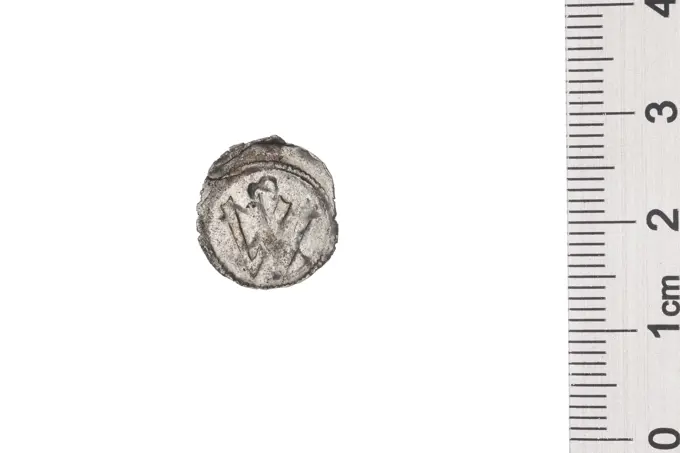
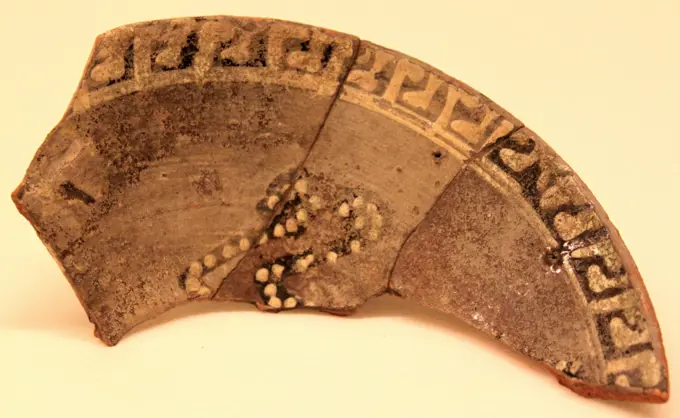
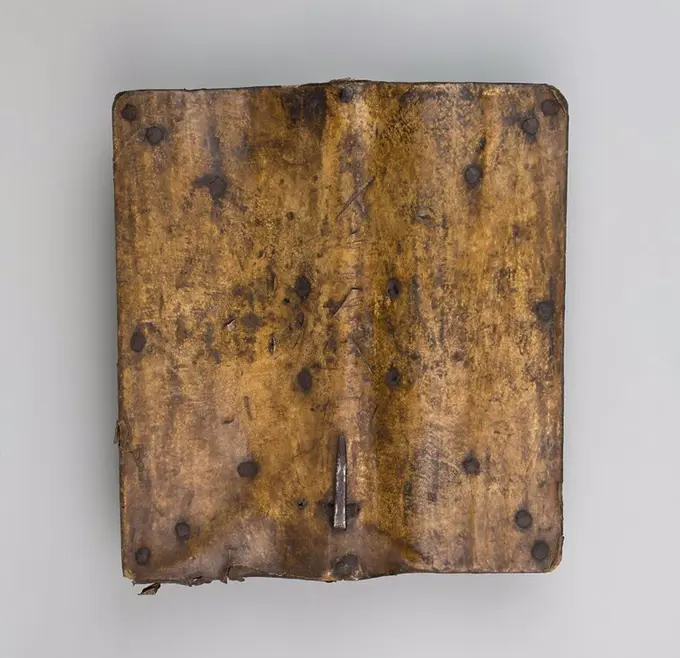
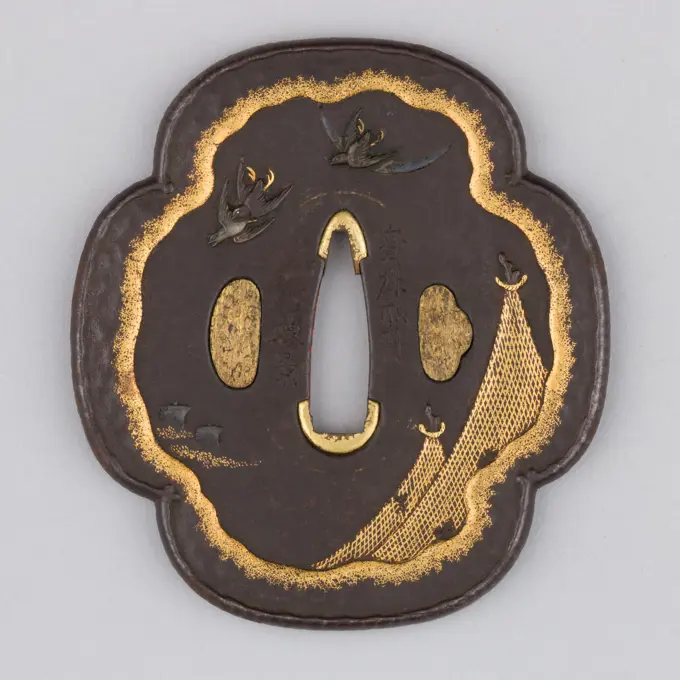
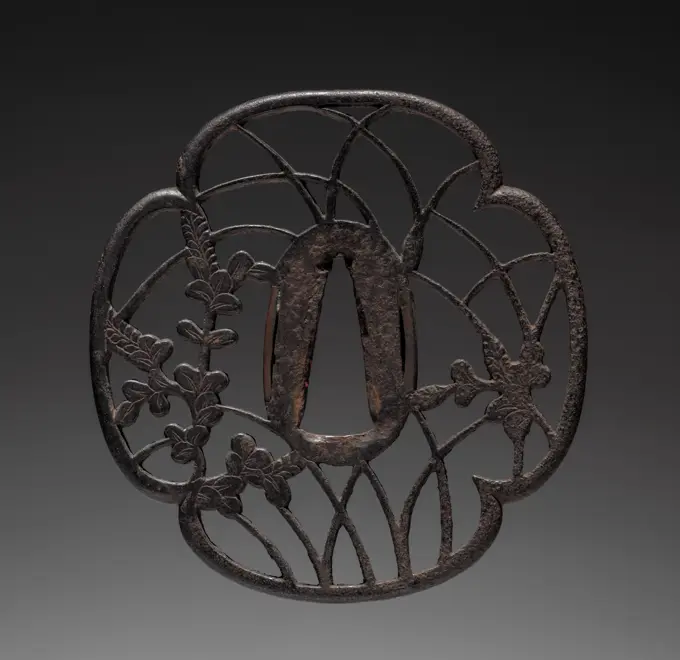
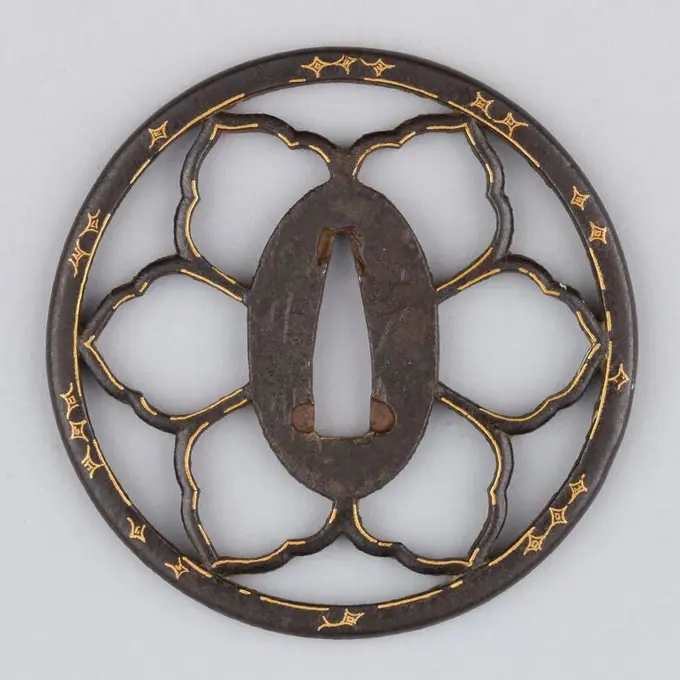
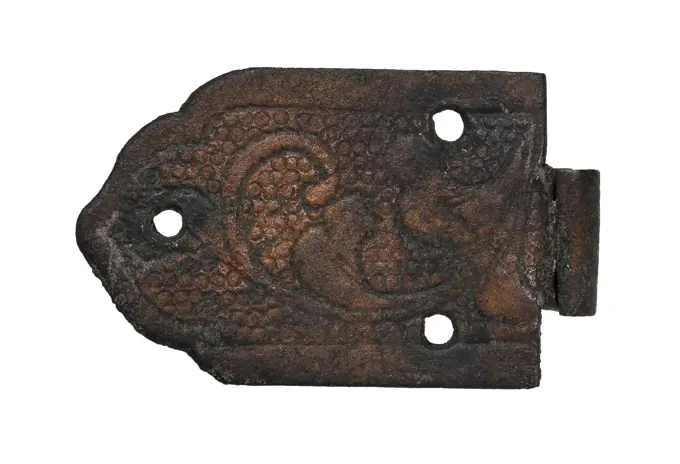
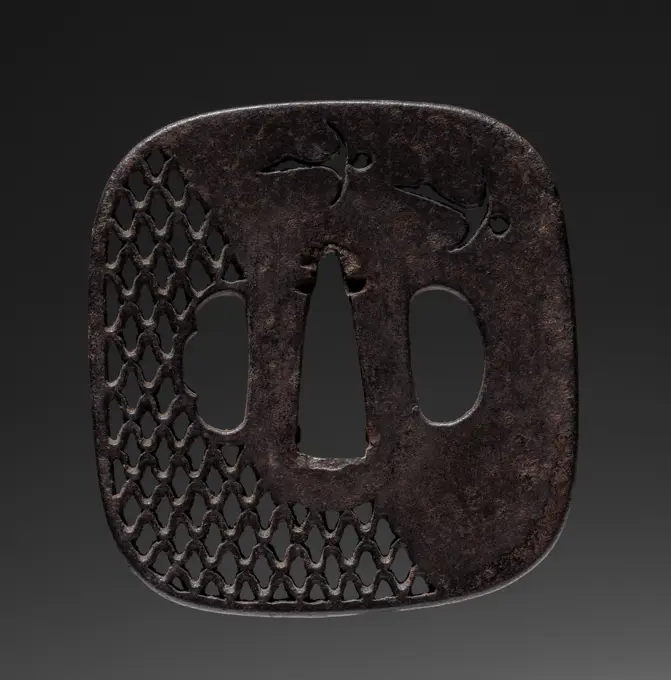
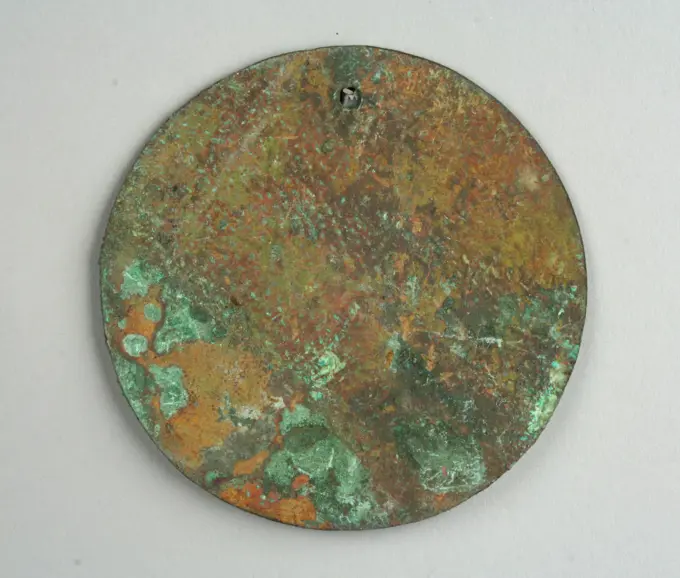
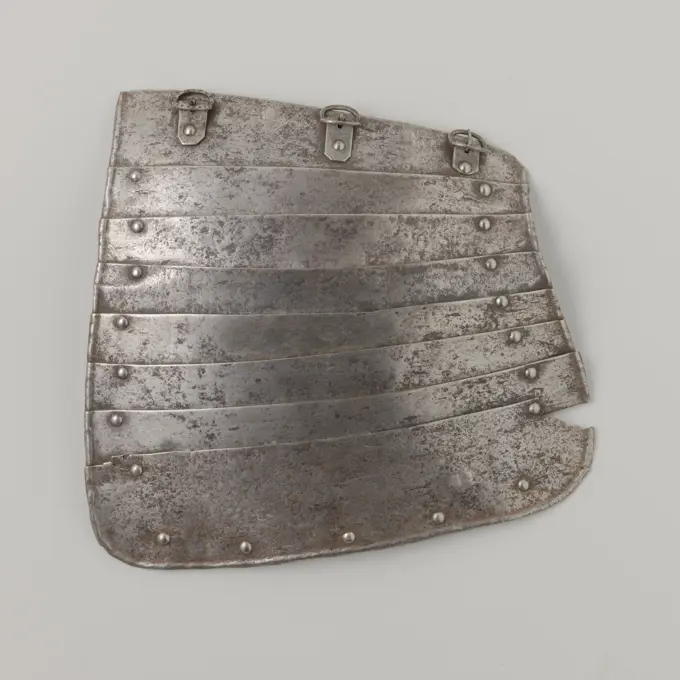
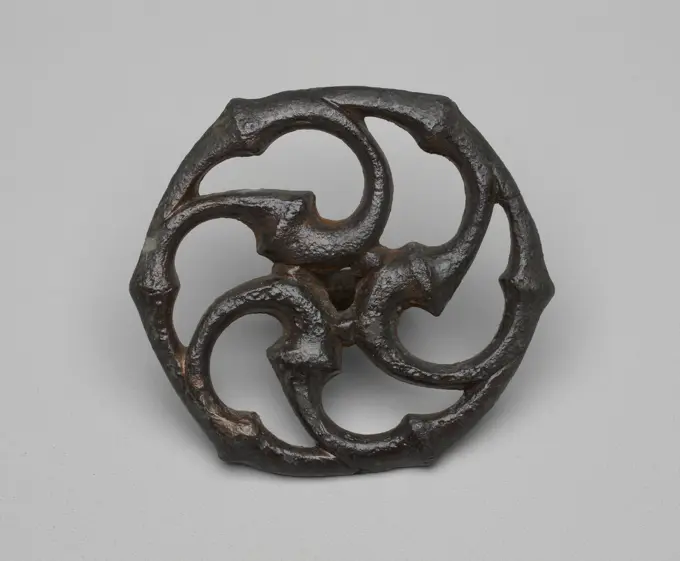
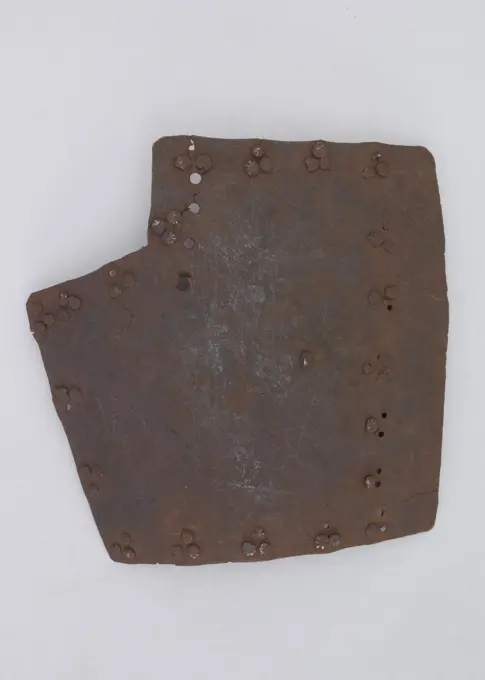
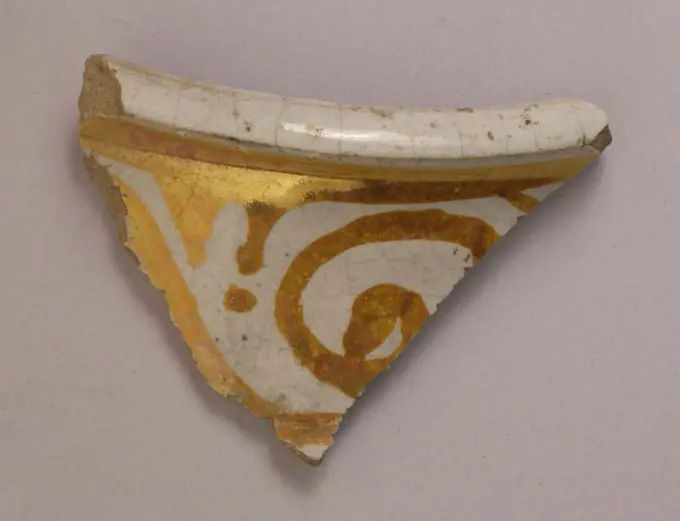
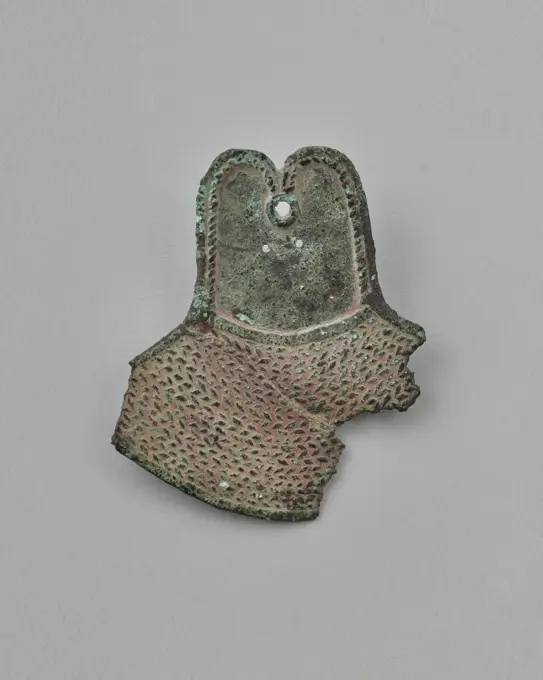
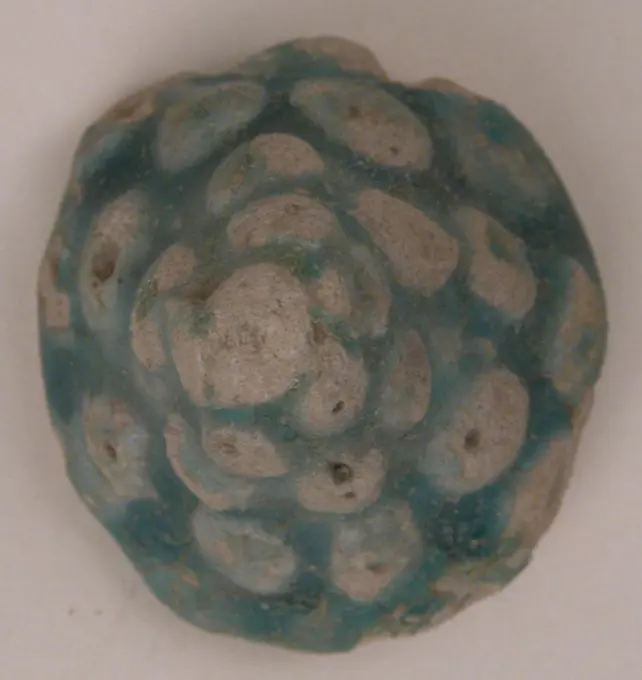
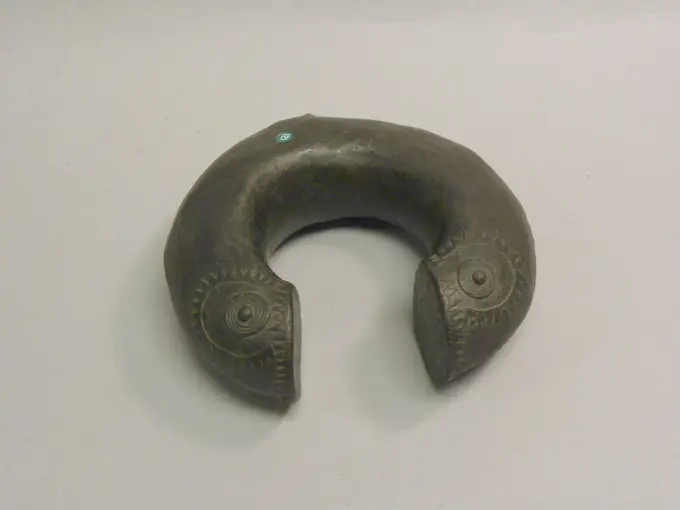
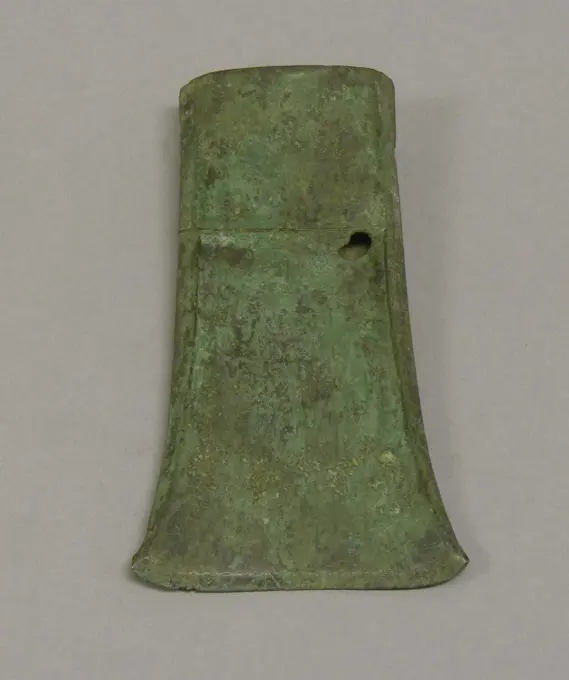
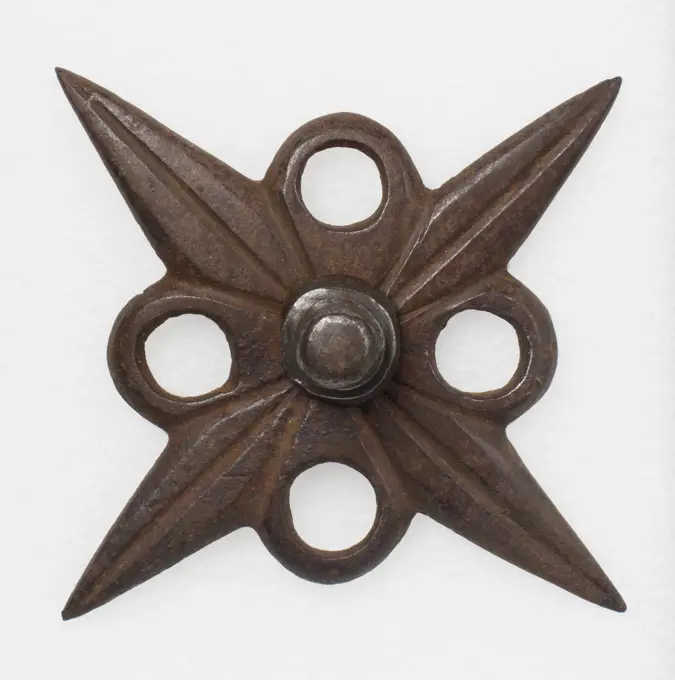
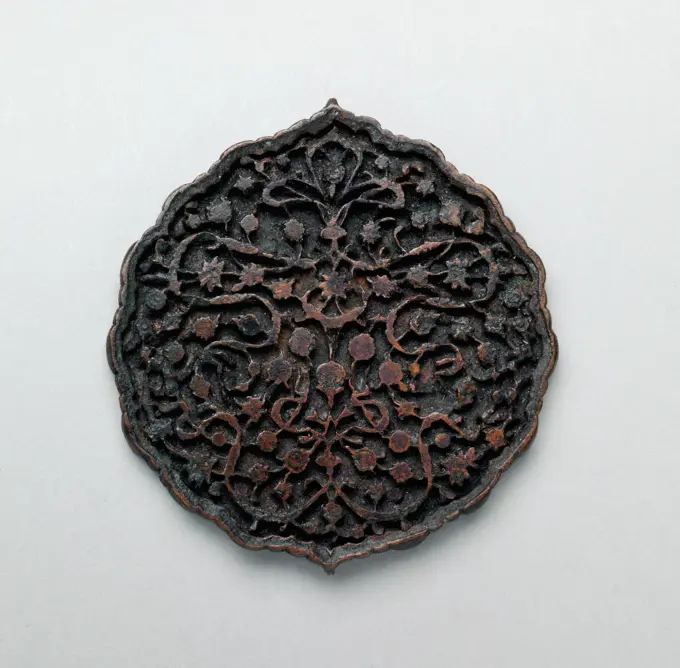
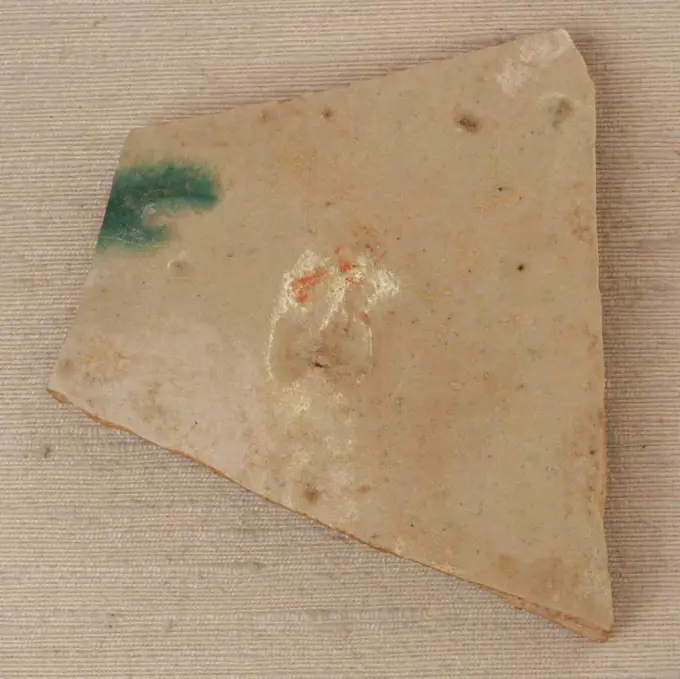
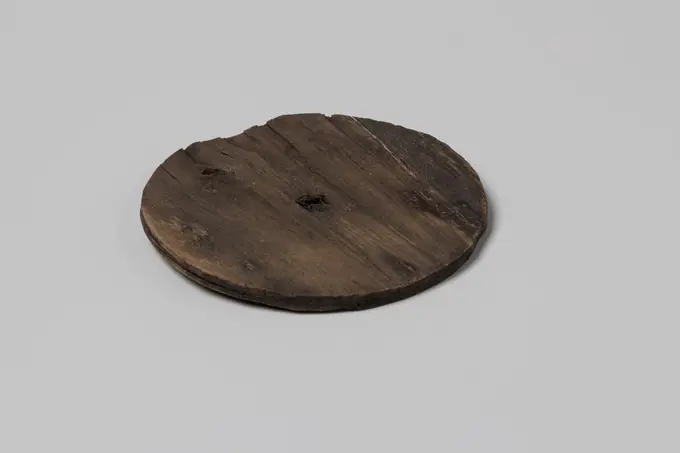
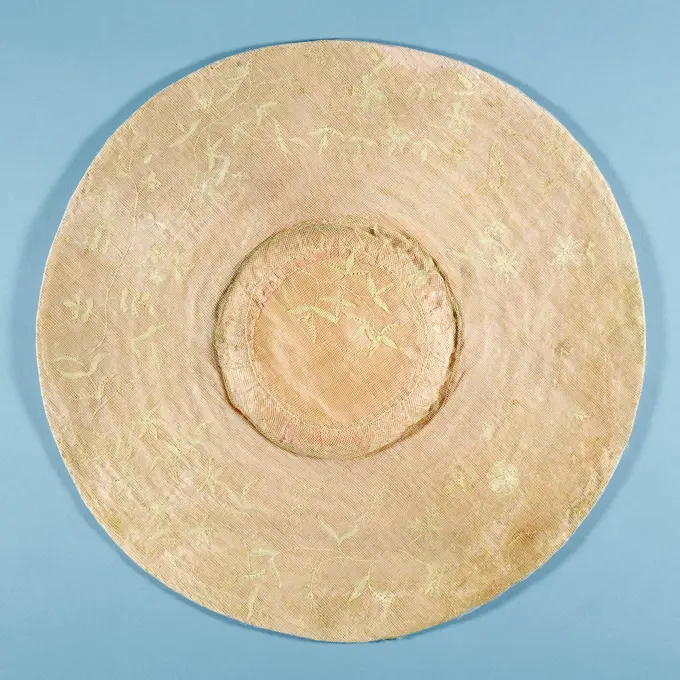
False Coin, 5 Groschen, 1923, Repubiic of PolandEight-foiled Mirror with Flower and Phoenix Design, 1100s. Korea, Goryeo period (918-1392). Bronze; overall: 13.4 x 0.5 cm (5 1/4 x 3/16 in.).Spindle Whorl 10th-early 16th century Mexican. Spindle Whorl. Mexican. 10th-early 16th century. Ceramic. Mexico, Mesoamerica. Ceramics-ImplementsStamp seal (bell-shaped with loop handle) with animal ca. 8th-7th century B.C. Urartian. Stamp seal (bell-shaped with loop handle) with animal. Urartian. ca. 8th-7th century B.C.. Copper/bronze alloy. Iron Age II. UrartuSignet Matrix - Seal Matrix, 1750- 1850. Possibly made in Birmingham. A 'signet' or 'seal matrix' is a small stamp used for impressing the mark of its owner in wax onto documents.In medieval times, many signets were made of metal. 18th and 19th century examples are often made of moulded translucent glass, in this case blue in colour. This particular example, with its design of two hearts upon an altar, seems to have been intended as a marriage or love token. .25th National Veterans Company, First Republic 25th National Veterans Company, First Republic ". Welded brass (welding), Revers.Plate: ECU to the arms of Pope Clément VI, Italian Majolique de DERATA, between 1523 and 1534 (reverse on a gray background). Museum of Fine Arts of the City of Paris, Petit Palais. 27007-20 Weapon of the Pope, Deruta, Ecu, Italian Majolic, Various Object, Reverse, plateSword Guard (Tsuba). Culture: Japanese. Dimensions: H. 3 3/16 in. (8.1 cm); W. 3 in. (7.6 cm); thickness 3/16 in. (0.5 cm); Wt. 4.3 oz. (121.9 g). Date: ca. 1615-1868. Museum: Metropolitan Museum of Art, New York, USA.Tsuba  carp in the waves of the waterfall Unknown, Higo school, Shimizu jingodupondius; Antoninus Pius (86-161; Roman emperor 138-161); 155-156 (155-00-00-156-00-00);Harness Ornament 4th-7th century Japanese. Harness Ornament. Japanese. 4th-7th century. Iron, gold. Equestrian EquipmentLazio Latina Sezze Antiquarium Comunale14. Hutzel, Max 1960-1990 German-born photographer and scholar Max Hutzel (1911-1988) photographed in Italy from the early 1960s until his death. The result of this project, referred to by Hutzel as Foto Arte Minore, is thorough documentation of art historical development in Italy up to the 18th century, including objects of the Etruscans and the Romans, as well as early Medieval, Romanesque, Gothic, Renaissance and Baroque monuments. Images are organized by geographic region in Italy, then by province, city, site complex and monument.MountRectangular buckle with strong profiled frame, shoe buckle, buckle fastener part soil find brass copper metal, cast Rectangular buckle with strongly profiled frame shoe buckle On the middle post an angel and remnant of bounce. Widening along the sides archeology Rotterdam rail tunnel attaching dressing shoeing shoe fastening Soil discovery: trajectory rail tunnel Rotterdam.Decorative Door Boss And Nail; steel-plated wrought ironScarboid Amulet with the Eye of the God Horus (Wedjat). Egyptian. Date: 1550 BC-1295 BC. Dimensions: 1.3 × 0.8 × 0.5 cm (1/2 × 5/16 × 3/16 in.). Faience. Origin: Egypt. Museum: The Chicago Art Institute, Chicago, USA. Author: Ancient Egyptian.Denar - Brakteat; 2 after. XIII century (1233-00-00-1299-00-00);Sword Guard (Tsuba) with Treasure Motifs, c. 1615-1868. Japan, possibly Edo period (1615-1868). Iron; diameter: 8.4 cm (3 5/16 in.).Sword Guard (Tsuba). Culture: Japanese. Dimensions: H. 2 7/8 in. (7.3 cm); W. 2 11/16 in. (6.8 cm); thickness 5/16 in. (0.8 cm); Wt. 4.5 oz. (127.6 g). Date: ca. 1615-1868. Museum: Metropolitan Museum of Art, New York, USA.Sword Guard (Tsuba) with Gourds on Vine, c. 1615-1868. Japan, possibly Edo period (1615-1868). Iron; diameter: 7.2 cm (2 13/16 in.).Scarab Hieroglyphs ( ) 1985 BCE-1550 BCE Egypt. Stone . Ancient EgyptianMirror with Three Pairs of Pixie around a Loti-form Knob, mid-600s. China, Tang dynasty (618-907). Bronze; diameter: 17.6 cm (6 15/16 in.); overall: 1.5 cm (9/16 in.); rim: 1.3 cm (1/2 in.).Prehistory, Italy, Bronze Age. Terramare culture. Six spoke wheel. From Emilia Romagna region.Campania Napoli Naples S. Lorenzo Maggiore30. Hutzel, Max 1960-1990 Medieval: Sculpture, architecture, architectural sculpture (including Roman spolia) 13-14th century Chapter house; sarcophagi, gravestones; wall painting. Fragment of mosaic; sculptural fragments in the Sala Capitolare. Post-medieval: Architecture, architectural sculpture, ceiling painting fresco cycle; prints depicting Venice c. 1845 (4), sculpture; life-size creche figures dressed in original Neapolitan costume Church restored in 1882, 1926, 1944; excavations under the transept undertaken between 1958-1962, and in the cloister in 1976, have revealed remains of a Roman macellum (market), street, and the paleochristian basilica of the 6th c. AD. Antiquities: Pottery: black-glazed, archaic banded, domestic wares, bucchero; architectural terracottas, statuettes, lamps, sculpture fragments Object Notes: 3 color negatives with no prints at the end. General Notes: Most objects/paintings/frescoes unidentified. Three batches Bowl with Geometric Design (Two-part Design), c. 1000-1150. Southwest, Mogollan, Mimbres, Pre-Contact Period, 11th-12th century. Ceramic; overall: 13.2 x 28.5 cm (5 3/16 x 11 1/4 in.).Glass whorl or bead. Culture: Frankish. Dimensions: Diam.: 1 5/8 in. (4.2 cm). Date: 5th-7th century A.D..Translucent light green; trails in opaque white.Flattened biconical shape; vertical hole with rounded edge of one side and rough lip on the other.Three separate trails applied spirally and marvered into surface: on one side, spiral tooled into large scallop pattern of six loops; on the other, one trail around outer edge as narrow spiral tooled into thirteen swags, and the other tooled into a scallop pattern of four loops.Intact; slight pitting and dulling, and faint iridescent weathering. Museum: Metropolitan Museum of Art, New York, USA.Denar - Brakteat; approx. 1277/1278-OK. 1287/1288 (1277-00-00-1288-00-00);Fragment of a Bowl 14th-15th century. Fragment of a Bowl 453470Pierced disk, perhaps from an earring or fibula (safety pin) 7th century B.C. Etruscan or Italic Whorl.. Pierced disk, perhaps from an earring or fibula (safety pin). Etruscan or Italic. 7th century B.C.. Amber. Late Geometric. Miscellaneous-AmberGold Strap End (Unfinished) 700s Avar The treasure contains an array of belt fittings, some elaborately decorated, some unfinished or defectively cast. Some show no signs of use, while others are quite worn.The AvarsThe Avars were a nomadic tribe of mounted warriors from the Eurasian steppe. The Byzantine emperor Justinian negotiated with them in the sixth century to protect the Empires northern border along the Black Sea. Emboldened by their subjugation of numerous tribes, they unsuccessfully attempted to seize the Empires capital, Constantinople. They remained a scourge of both Byzantium and the Western kingdoms until Charlemagne defeated them through a series of campaigns in the 790s and early 800s.All the money and treasure that the Avars had been years amassing was seized, and no war in which the Franks have ever engaged.. brought them such riches and such booty. Up to that time the Avars had passed for a poor people, but so much gold and silver was found.. that one may well thi2 pitjis ui bantam, java van moena moena moena moena - 988-100-1596 of van Regent Aria Arian is in Manggala, 1005-1016 = 1596-1608 ,, 1580 - 1608 coin Copper mint. Front: Inside wide edge in Arabic characters: Pangeran Ratu Ing Bantan: Heer Vorst in Bantam. Reverse: Inside wide edge smooth surface. In the middle hexagonal hole.  copper (metal) castingSword Guard (Tsuba) 18th century Japanese A tsuba is a sword guard and part of a sword mounting. It is mounted between the swords blade and grip to protect the users hands.. Sword Guard (Tsuba) 29935Bliżej Kultury unknownSword Guard (Tsuba) ca. 1615-1868 Japanese A tsuba is a sword guard and part of a sword mounting. It is mounted between the swords blade and grip to protect the users hands.. Sword Guard (Tsuba) 34380Decorative door boss and nail, Steel-plated wrought iron, Square type, pierced and embossed with wrought lines. Quadrant leaf design based on old examples; leaves separated by pointed ovate piercings. Nail with faceted square head on a square shank., Spain, ca. 1550-1700, metalwork, Decorative Arts, Decorative door boss and nailGlass plate with head of Medusa 3rd century A.D. Roman Translucent pale blue green.Rounded, upturned, and outsplayed rim, curving in below to flat body; integral low base ring with rounded edge.On underside of body, circular pattern of thirty-five outward-pointing incised tongues, outlined with incised lines, within a raised border around base ring; with base ring, an incised circle surrounds an engraved head of Medusa with flowing locks and wings, facing frontally but looking slightly to the left.Intact, except for large chip in base ring; tiny pinprick bubbles; dulling, patches of pitting with brown weathering on upper surface of body, iridescence and faint whitish weathering on underside.This small glass plate was published in 1997 as a 19th-century forgery, but a more recent study has concluded that both the object and the cut decoration are Roman.Although this vessel is said to have come from Rome, its closest parallels are known from sites such as Trier and Xanten in the RhinelanBig Daisy Mold. Dimensions: various. Dynasty: Dynasty 18. Reign: reign of Amenhotep III. Date: ca. 1390-1353 B.C.. Museum: Metropolitan Museum of Art, New York, USA.Sword Guard (Tsuba) late 18th century Japanese A tsuba is a sword guard and part of a sword mounting. It is mounted between the swords blade and grip to protect the users hands.. Sword Guard (Tsuba) 29933heller. Władysław II Jagiellończyk (król czeski i węgierski ; 1471-1516), ruler, Wrocław, issuerSword Guard (Tsuba) 18th century Japanese A tsuba is a sword guard and part of a sword mounting. It is mounted between the swords blade and grip to protect the users hands.. Sword Guard (Tsuba) 30085Sword Guard (Tsuba) with Sun, Moon, and Northern Dipper, c. 1615-1868. Japan, possibly Edo period (1615-1868). Iron; diameter: 8.4 cm (3 5/16 in.).Fragment 9th-10th century. Fragment 450155Anonymous. "Take the Bastille, July 14, 1789". Etain, 1789. Paris, Carnavalet museum. 56523-9 July 14, tin, glory, medal, nation, number inventory, numismatics, revolutionary period, Bastille catch, reverse, French revolutionFragment 14th century. Fragment 446459Corner piece of a book fittings (), C. 1400 - c. 1950 Corner piece of a book attachment () From brass.  brass (alloy) Corner piece of a book attachment () From brass.  brass (alloy)Lock-plate. Lock-plate 256685Buckler (Targa). Italian. Date: 1500-1530. Dimensions: 36.8 x 33.9 cm (14 1/2 x 13 1/4 in.)object should be weighed. Wood, parchment, and iron. Origin: Italy. Museum: The Chicago Art Institute, Chicago, USA.Carnavalet Museum, Medals CollectionSword Guard, 1600s. Japan, Edo period (1615-1868). Iron; diameter: 6.6 cm (2 5/8 in.).Sword Guard (Tsuba) ca. 1615-1868 Japanese A tsuba is a sword guard and part of a sword mounting. It is mounted between the swords blade and grip to protect the users hands.. Sword Guard (Tsuba) 33433Sword Guard (Tsuba) 19th century Japanese A tsuba is a sword guard and part of a sword mounting. It is mounted between the swords blade and grip to protect the users hands.. Sword Guard (Tsuba) 643334Sword Guard (Tsuba), c. 1615-1868. Japan, possibly Edo period (1615-1868). Iron; diameter: 8.4 cm (3 5/16 in.).Green Glazed Bowl with Incised Decoration. Dimensions: H. 1 7/8 in. (4.8 cm)Diam. 5 3/16 in. (13.2 cm). Date: 9th century.A very unusual object in the Nishapur finds, the decoration of this bowl was decorated made by scratching a design into white slip and then dipping the vessel into a transparent green glaze. The production of this bowl cannot be attributed with certainty to a specific location. Museum: Metropolitan Museum of Art, New York, USA.Sword Guard (Tsuba). Culture: Japanese. Dimensions: Diam. 3 1/8 in. (7.9 cm); thickness 3/16 in. (0.5 cm); Wt. 3 oz. (85 g). Date: 17th century. Museum: Metropolitan Museum of Art, New York, USA.Coin Weight 11th century. Coin Weight 453534dupondius; Marek Aureliusz (121-180; Roman emperor 161-180); 161-162 (161-00-00-162-00-00);Decorated fittings, belt or book fittings, herd ground find copper metal, beaten Single horseshoe with part of hinge and three holes archaeology Rotterdam rail tunnel adorn fix reinforcement Soil discovery: trajectory rail tunnel Rotterdam.Bowl 9th century. Bowl 449641Sword Guard, 1615-1868. Japan, Edo period (1615-1868). Iron; average: 6.4 x 6.4 cm (2 1/2 x 2 1/2 in.).Sword Guard (Tsuba) 17th century Japanese A tsuba is a sword guard and part of a sword mounting. It is mounted between the swords blade and grip to protect the users hands.. Sword Guard (Tsuba) 29943Sword Guard (Tsuba) 18th century Japanese A tsuba is a sword guard and part of a sword mounting. It is mounted between the swords blade and grip to protect the users hands.. Sword Guard (Tsuba) 30079Sword Guard (Tsuba) ca. 1860 Japanese A tsuba is a sword guard and part of a sword mounting. It is mounted between the swords blade and grip to protect the users hands.. Sword Guard (Tsuba) 30020Round Plaque 3rd century B.C.-A.D. 2nd century Vicús. Round Plaque 315509Disk Brooch 6th century Frankish. Disk Brooch 465333 Frankish, Disk Brooch, 6th century, Silver on iron core, glass paste or garnet, glass paste cabochon, Overall: 13/16 x 5/16 in. (2.1 x 0.8 cm). The Metropolitan Museum of Art, New York. Gift of J. Pierpont Morgan, 1917 (17.192.28)Hand guard, anonymous, 1600 - 1699 Oval tsuba; on both sides completely covered with stylized flower vines in flat insert; The Ryo-Hitsu are filled with Shakudo. Japan iron (metal). bronze (metal). gold (metal) Oval tsuba; on both sides completely covered with stylized flower vines in flat insert; The Ryo-Hitsu are filled with Shakudo. Japan iron (metal). bronze (metal). gold (metal). Oval leaf, black with gold-plated flowers. Possibly a tray.Emilia-Romagna Ferrara Ferrara Museo Civico di Schifanoia47. Hutzel, Max 1960-1990 General Notes: INCOMPLETE RECORD--NEGATIVES PROCESSED, PRINTS FILED German-born photographer and scholar Max Hutzel (1911-1988) photographed in Italy from the early 1960s until his death. The result of this project, referred to by Hutzel as Foto Arte Minore, is thorough documentation of art historical development in Italy up to the 18th century, including objects of the Etruscans and the Romans, as well as early Medieval, Romanesque, Gothic, Renaissance and Baroque monuments. Images are organized by geographic region in Italy, then by province, city, site complex and monument.DIY PIECE Left, 1599 - 1699  Dijpiece, iron, white, articulated, consists of an upper side to which three iron buckles are sounded. The edges of the buckles are tilted. Six horizontal articulated strips under the top side, the bottom of which goes over the upper strip. The underside is wider than the other strips. The rivets are white. The edges are fluing and cacked. The inside of the thigh piece is brown -colored with a white painted letter A. Klinknagels are secured with square bolts at the bottom. West-Europa whole: Iron (metal)Sword Guard (Tsuba) Depicting Dragon and Paulownia Leaves With Tendrils (と桐唐草図鐔) ca. 1615-1868 Japanese The plate of this tsuba has a polished finish (migaki-ji) and is decorated on the obverse with a flush copper hira-zōgan inlay in the form of a dragon with partial gold highlights and golden clouds. The reverse shows a flush copper hira-zōgan inlay of paulownia leaves with tendrils and the rim is decorated in gold nunome-zōgan. A small opening has been added next to the opening for the tang (nakago-hitsu), probably for some kind of retention clip.. Sword Guard (Tsuba) Depicting Dragon and Paulownia Leaves With Tendrils (と桐唐草図鐔) 25682Roman bronze phalaron (openwork baldricfastener)Brigandine Plate 1400-1450 Italian This is part of a large find of medieval armor discovered in 1840 in the ruins of the fortress of Chalcis, on the Greek island of Euboea (then a Venetian colony called Negroponte). The fortress had been captured and destroyed by the Turks in 1470. Now divided largely between the Ethnological Museum, Athens, and The Metropolitan Museum of Art, the Chalcis hoard contains many rare and unusual elements of fourteenth- and fifteenth-century armor. Of particular importance are the variety of headpieces and the many fragments of brigandines (armor for the torso constructed of small plates riveted to layers of fabric), some of which retain portions of their original velvet covering. The Chalcis armor provides a unique picture of the armament used in the Aegean, one of the easternmost military outposts of the Venetian empire.. Brigandine Plate 27680Deployment;  VIII-XII century (701-00-00-1200-00-00);Arabic (culture), Islam (culture), message (provenance), Islamic artSword Guard (Tsuba). Culture: Japanese. Dimensions: H. 3 5/8 in. (9.2 cm); W. 3 1/2 in. (8.9 cm); thickness 1/4 in. (0.6 cm); Wt. 6.9 oz. (195.6 g). Date: ca. 1615-1868. Museum: Metropolitan Museum of Art, New York, USA.Fragment of a Dish 10th-11th century. Fragment of a Dish 446513Element of set or emblem. Bronze. Cernuschi Museum, Asia Museum of Asia in the city of Paris.Butter Mold. Culture: American. Dimensions: Diam. 3 1/8 in. (7.9 cm). Date: ca. 1790. Museum: Metropolitan Museum of Art, New York, USA.Octagonal tea table 1790-1825 American. Octagonal tea table 8280Grahal-Manzara. Carnavalet 2013-2016 collection sites. Numismatics.Plaque with Interlinked Scrolls 700 BCE-600 BCE China. Jade .Ceramic Gaming Piece 11th-14th century Caliphal decrees prohibited the playing of chess (the pieces of which are customarily figural) for iconoclastic reasons as early as the eighth century. It is likely that chess pieces of the abstract type, such as those exhibited here, replaced the figural ones in order to circumvent those decrees. The dot-in-circle motif recalls designs presumed to be of magical significance, most likely an abstract eye to ward off the evil-eye, which serves an apotropaic function. Easily reproduced with a tool and visible in many cultures and times, this symbol may have lost its meaning, and become simply a decorative pattern, or may have one that we have not yet discovered.. Ceramic Gaming Piece 452527Wide Anklet with Chevrons Surrounding Bosses 300 B.C.-A.D. 400 Thailand. Wide Anklet with Chevrons Surrounding Bosses 53339 Thailand, Wide Anklet with Chevrons Surrounding Bosses, 300 B.C.A.D. 400, Bronze, H. 2 3/16 in. (5.6 cm); Diam 16 1/4 in (15.9 cm). The Metropolitan Museum of Art, New York. Samuel Eilenberg Collection, Bequest of Samuel Eilenberg, 1998 (2001.433.291)Hafted Ax 500 B.C.-A.D. 300 Indonesia. Hafted Ax. Indonesia. 500 B.C.-A.D. 300. Bronze. Bronze and Iron Age period. MetalworkShield (Dhàl). Culture: Indian. Dimensions: Diam. 16 in. (40.6 cm); D. 3 3/4 in. (9.5 cm); Wt. 3 lbs. 3.4 oz. (1457.2 g). Date: 19th century. Museum: Metropolitan Museum of Art, New York, USA.Round Plaque. Culture: Vicús. Dimensions: Diameter 1-5/8 in. (4.1 cm). Date: 3rd century B.C.-A.D. 2nd century. Museum: Metropolitan Museum of Art, New York, USA.Hecte: Incuse Square, quartered (Reverse), c. 400 BC. Greece, late 5th century BC. Electrum; diameter: 1 cm (3/8 in.).Weight 9th-10th century. Weight 449934Plate and Nail 15th-16th century European. Plate and Nail. European. 15th-16th century. Iron. Metalwork-IronQuattrino; Paweł V (Pope; 1605-1621), Kościelne State (756-1870); 1613 (1613-00-00-1937-00-00);Fragment of a Bowl 15th century. Fragment of a Bowl 445474Keyhole escutcheon, brass, USA, ca. 1880, metalwork, Decorative Arts, Keyhole escutcheonBookbinding Element 16th century The size, shape and patterning of this metal plaque echoes the form of medallions which decorate the flap of some bookbindings. It is ornamented with carefully incised scrolling vines and cloud band designs- arabesque forms that can be found in a wide variety of arts from Safavid Iran and Ottoman Turkey. This metal element may have served to ornament a belt, or as a hardware clasp for a portable object, such as a small box.. Bookbinding Element 452806Horse Harness 10th-11th century. Horse Harness. 10th-11th century. Bronze; cast, originally gilded. Excavated in Iran, Nishapur. MetalDisc from v.o.c.-ship the 'white lion'. Wooden disk.Fragments of Splashed Ceramic 9th century. Fragments of Splashed Ceramic 853308Disc for packaging from v.O.c.-ship the 'white lion'. Disc for packaging from v.O.c.-ship the 'white lion'. With central crushing and knot hole.Sword guard (Tsuba) With Cherry Blossom Motif (図鐔) 19th century Japanese This shakudō tsuba shows a blossoming cherry tree in relief, with the blossoms and unopened buds overlaid in gold and with the design stretching over the rim.. Sword guard (Tsuba) With Cherry Blossom Motif (図鐔) 34963Sealing pistonNail, Head 16th-17th century French or Spanish. Nail, Head. French or Spanish. 16th-17th century. Iron. Made in Catalonia (), Spain or France. Metalwork-Ironwhorl 7th century B.C. Etruscan or Italic Whorl.. whorl. Etruscan or Italic. 7th century B.C.. Amber. Late Geometric. Miscellaneous-AmberWoman's Bergère. England, Italy, or Netherlands, circa 1750. Costumes; Accessories. Silk, wood, paper, silk tulle