Historical Currency and Medals

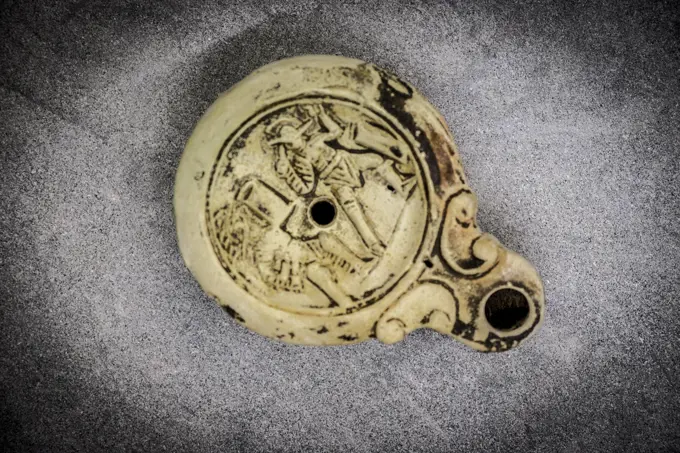
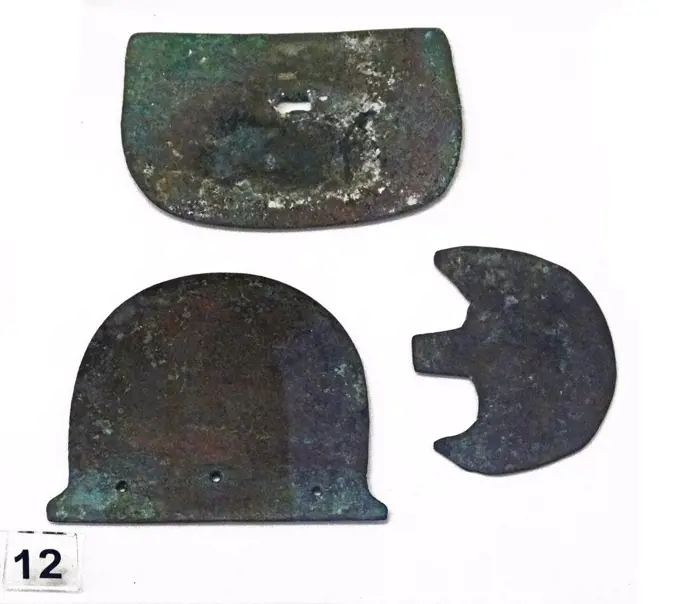
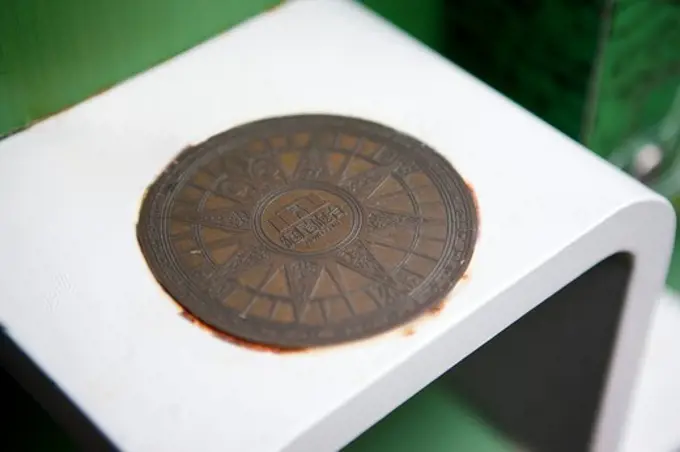
Collection of ancient coins and medals showcasing intricate designs. These pieces reflect cultural significance and historical heritage.
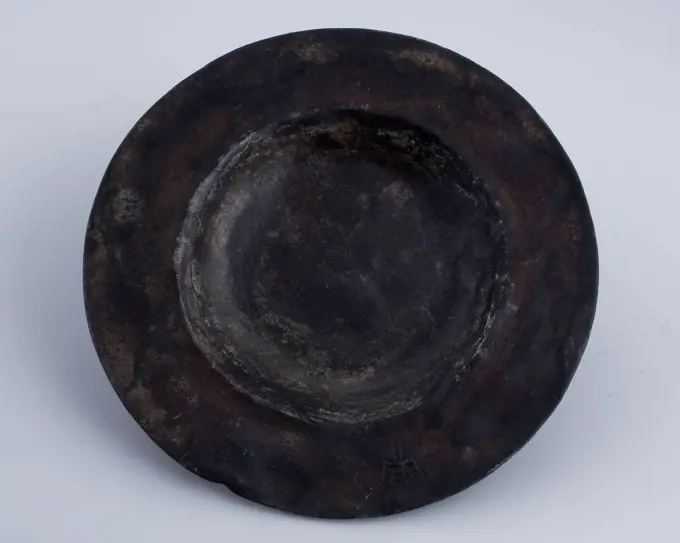
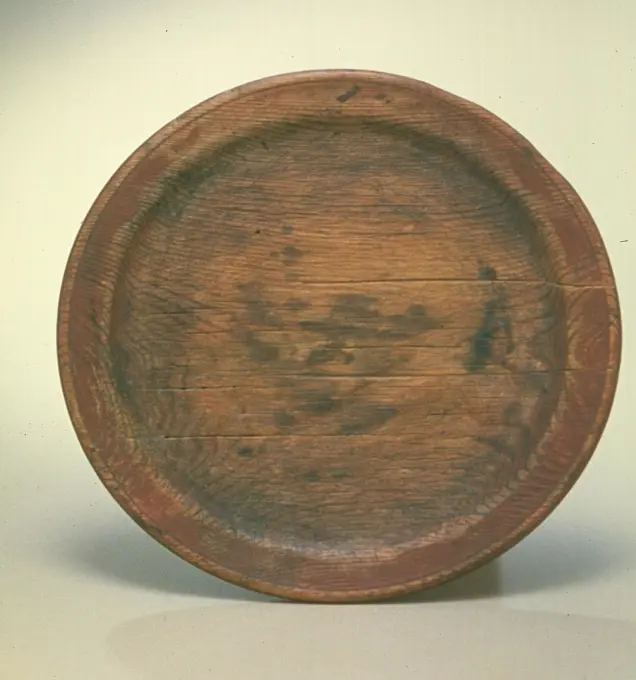
Dice, small pewter dish with outstanding rim, marked, dish crockery holder soil find tin metal, cast Shallow dish flat bottom wide flat edge Marked on the dish edge and on the underside with scratched mark property mark on edge: crowned hammer archeology serve serving table
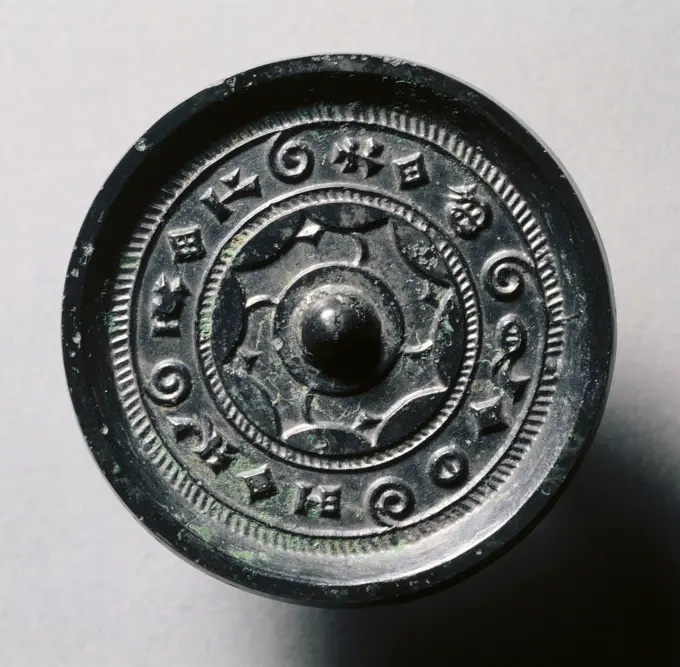
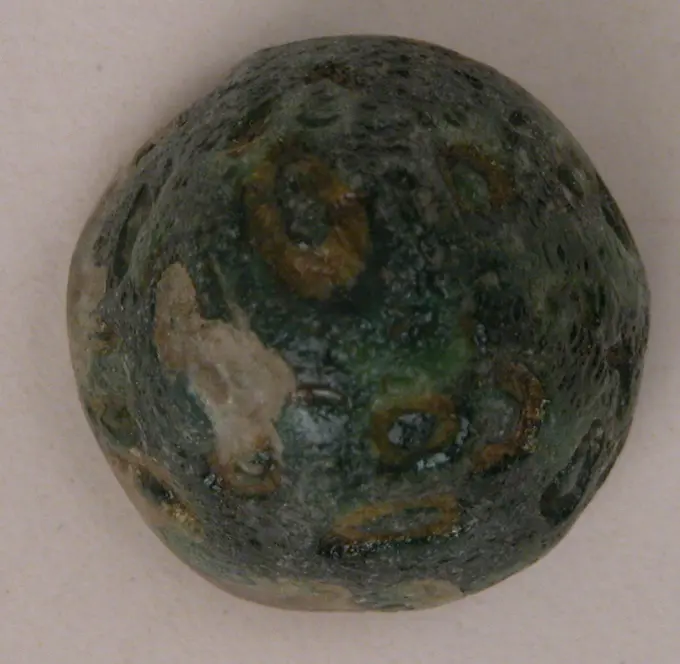
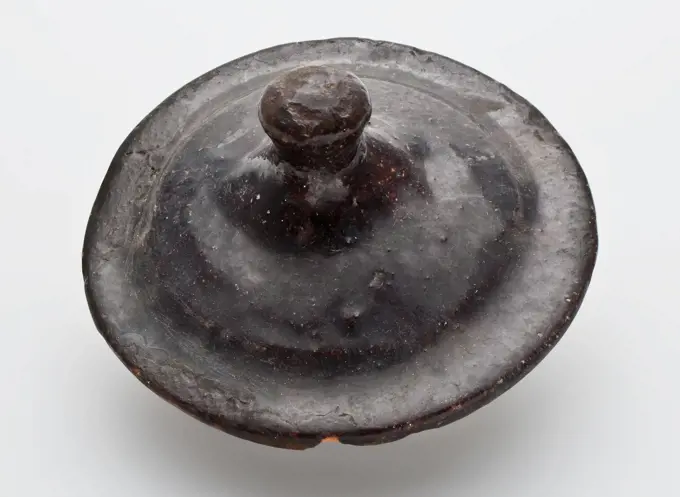
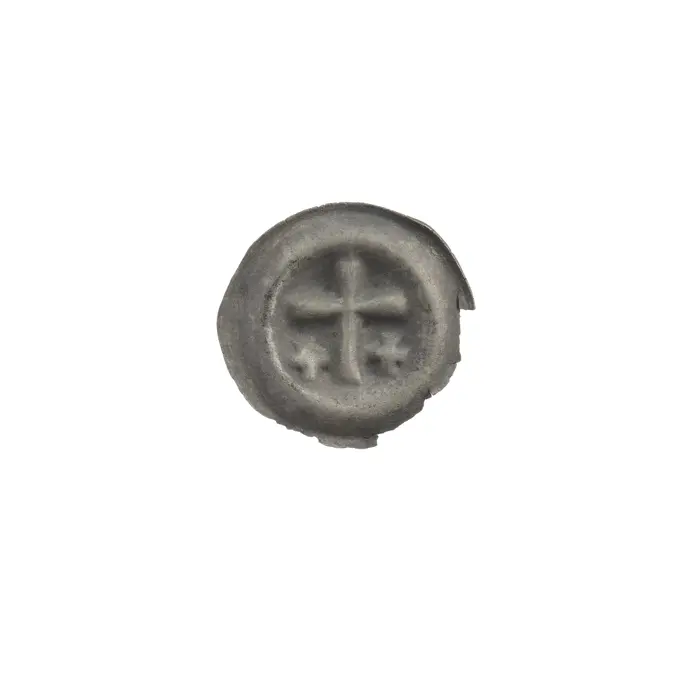
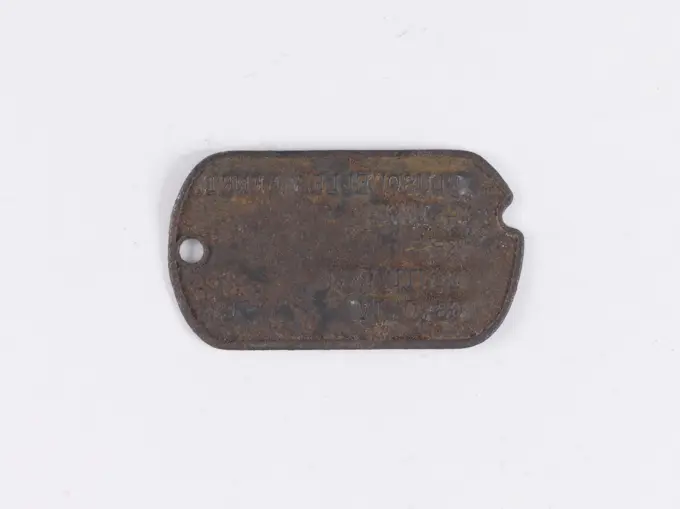
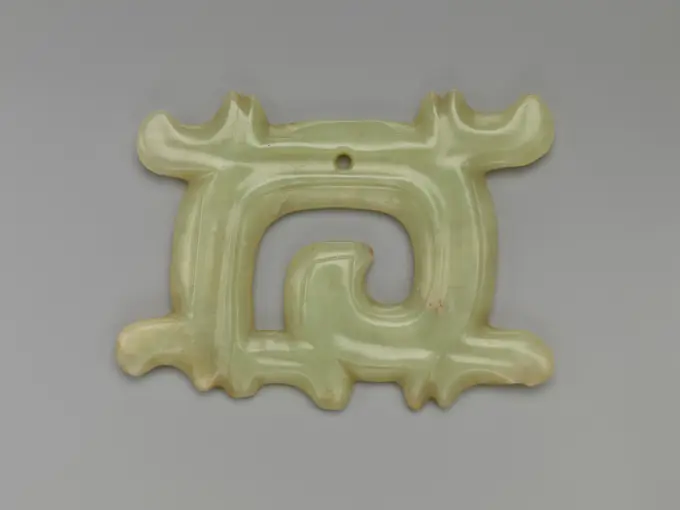
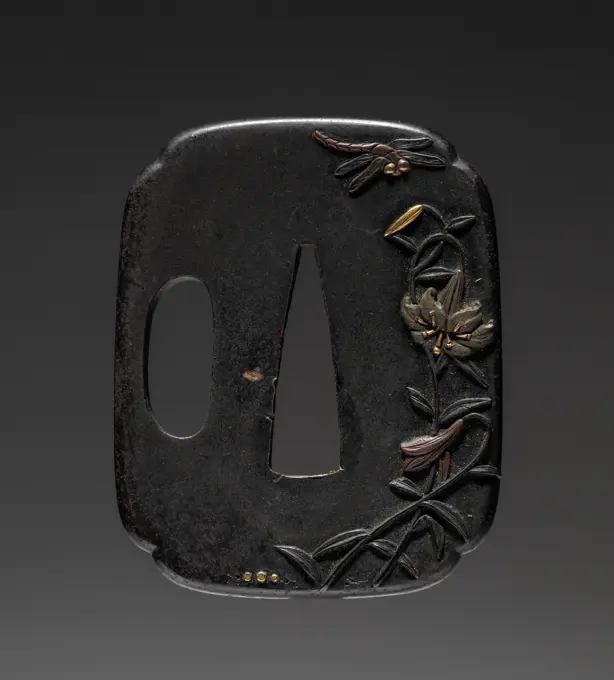
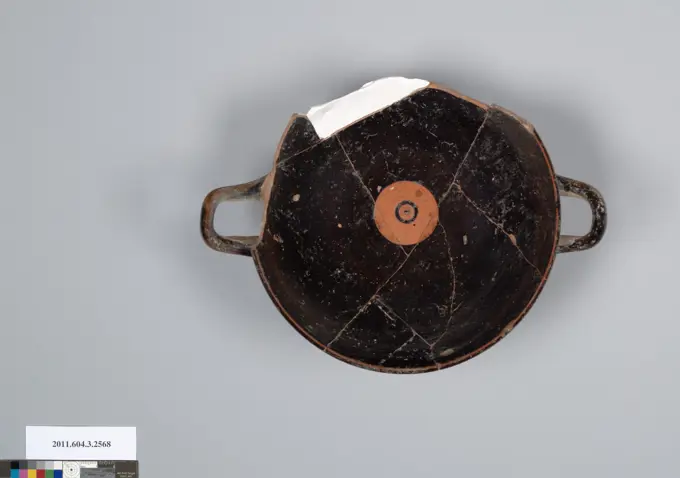
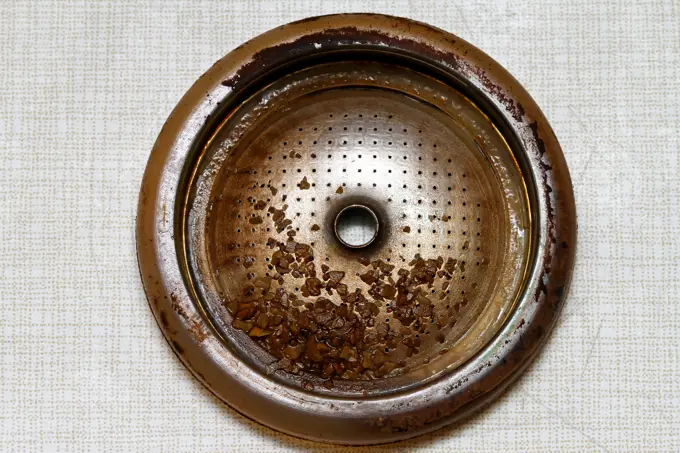
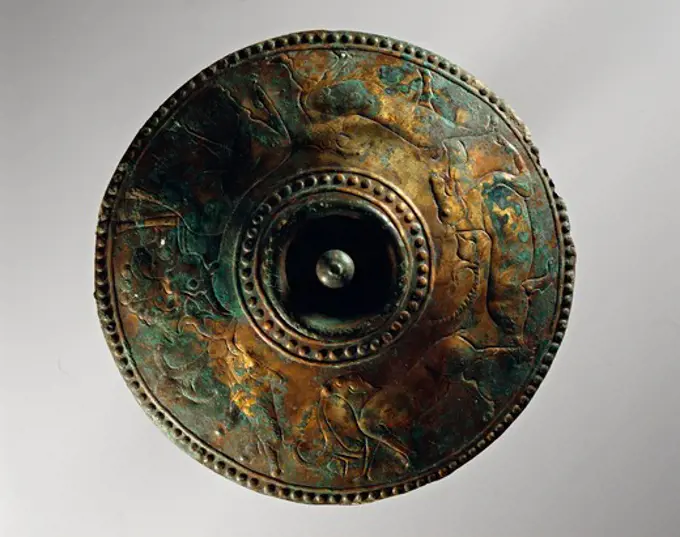
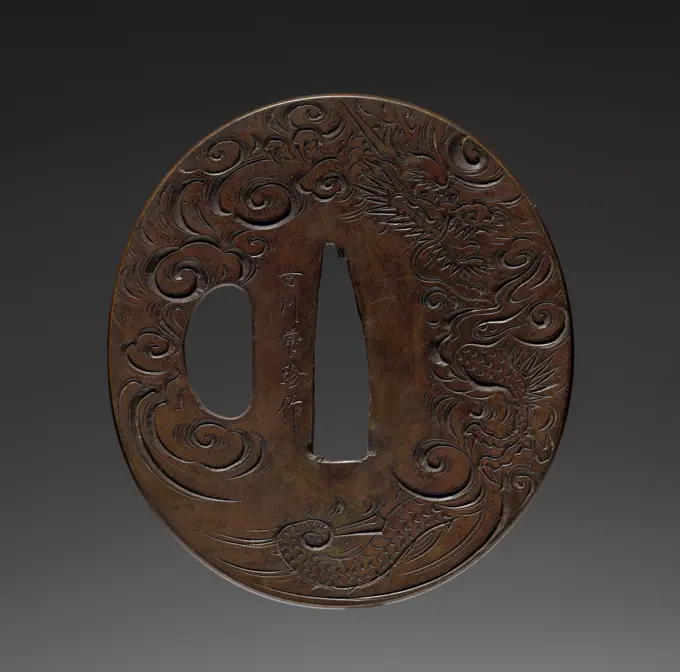
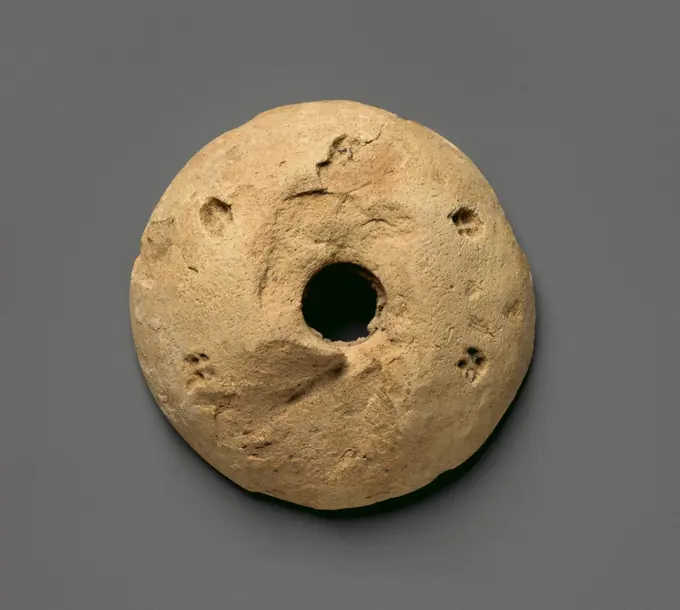
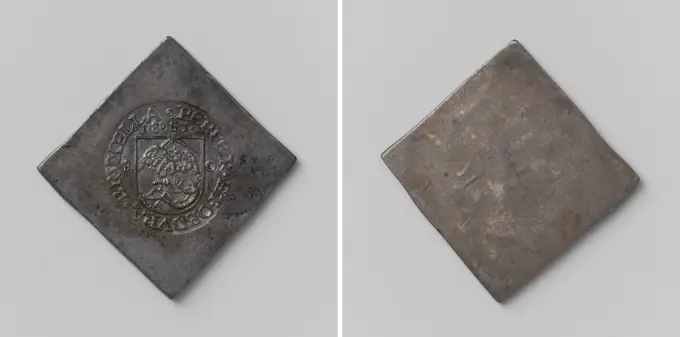
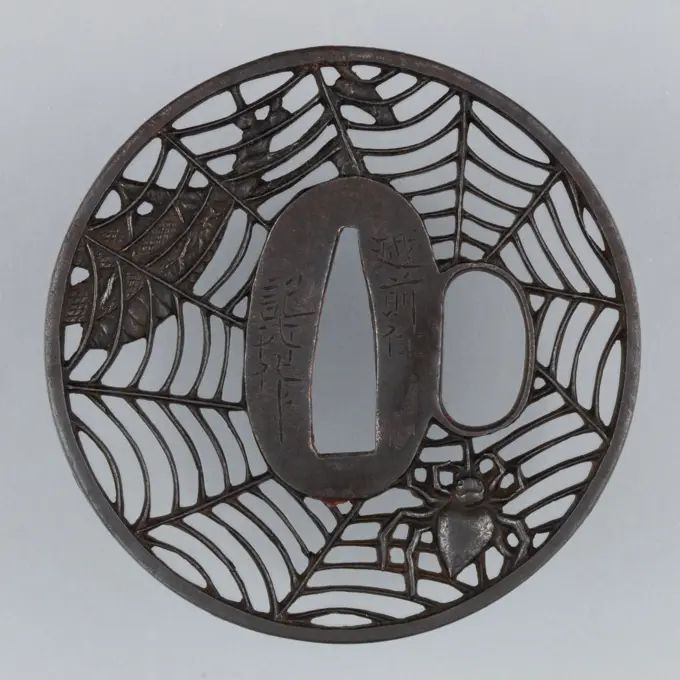
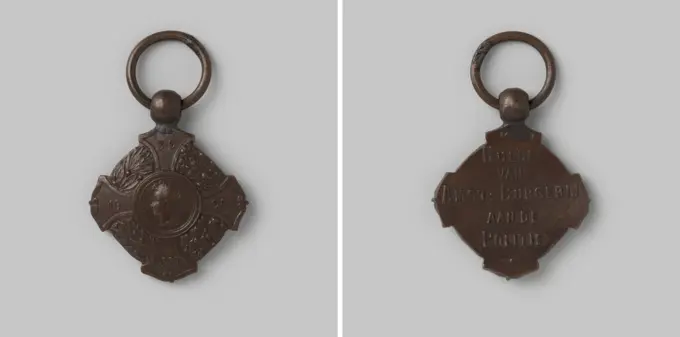
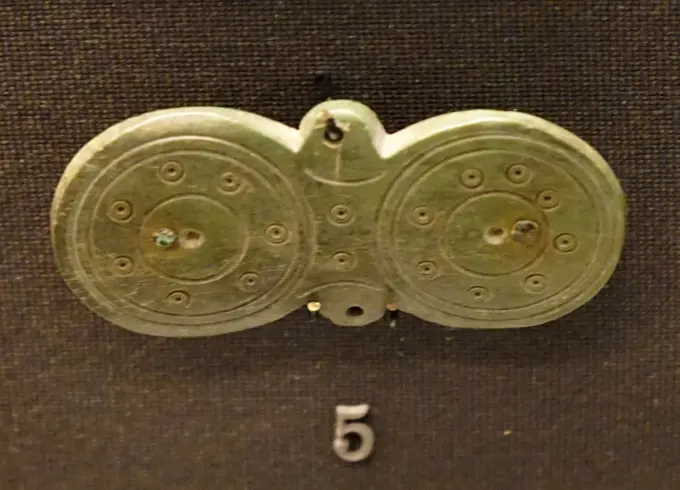
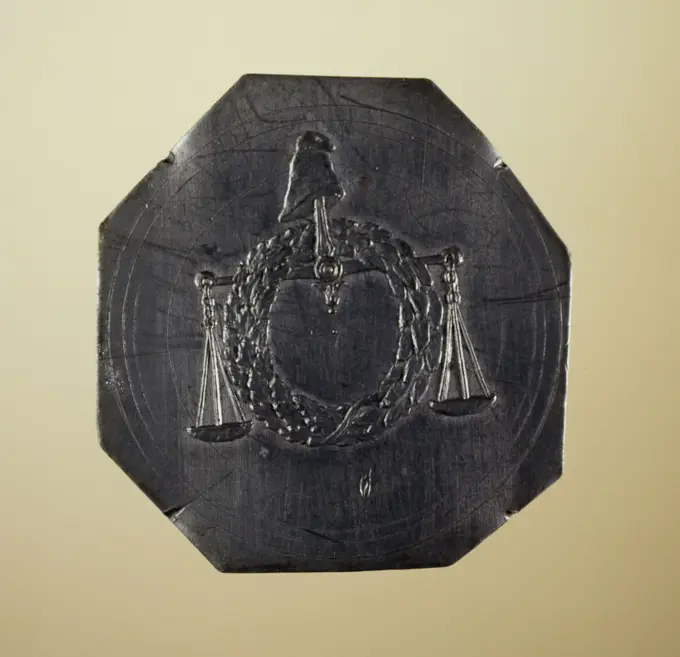
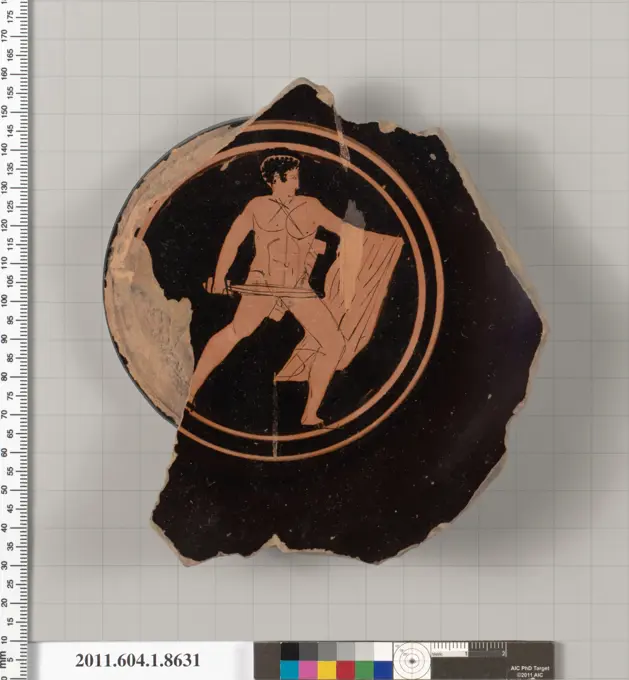
Spindle Whorl, one of seven, 3/4 x 1 5/8 in. (1.91 x 4.13 cm), Clay, MexicoMirror with Concentric Circles and Linked Arcs , late 3rd Century BC - early 1st Century. China, Western Han dynasty (202 BC-AD 9). Bronze; diameter: 6.9 cm (2 11/16 in.); overall: 0.7 cm (1/4 in.); rim: 0.5 cm (3/16 in.).Gaming Piece possibly 8th-12th century The dot-in-circle motif recalls designs presumed to be of magical significance, most likely an abstract eye to ward off the evil-eye, which serves an apotropaic function. Easily reproduced with a tool and visible in many cultures and times, this symbol may have lost its meaning, and become simply a decorative pattern, or may have one that we have not yet discovered.. Gaming Piece 452332Earthenware lid with knob, dark manganese purple glazed, lid closure part soil find ceramic earthenware glaze lead glaze, hand-turned glazed baked lid red shard dark purple glaze internal brown glaze knob on lid turnings inside lid archeology Valckensteyn Poortugaal Albrandswaard indigenous earthenware tableware kitchenware tableware close close Soil discovery, moat at kitchen castle Valckensteyn at Poortugaal now Albrandswaard 1961.Figure plate of men's watch, anonymous, c. 1850 Number plate with three enamel number plates. A number plate is missing. Packed in cloth of men's watch. In square green box with gold print Edward A. Nouvelle.  silver (metal) Number plate with three enamel number plates. A number plate is missing. Packed in cloth of men's watch. In square green box with gold print Edward A. Nouvelle.  silver (metal)Shield (Rondache) with a Spiked Umbo. German. Date: 1570. Dimensions: Diam. 61 cm (24 in.). Steel, iron, fabric, and leather. Origin: Germany. Museum: The Chicago Art Institute, Chicago, USA.Sword Guard (Tsuba). Culture: Japanese. Dimensions: H. 3 in. (7.6 cm); W. 2 7/8 in. (7.3 cm); thickness 7/16 in. (1.1 cm); Wt. 5.9 oz. (167.3 g). Date: ca. 1615-1868. Museum: Metropolitan Museum of Art, New York, USA.Bird Plaque Ornament 3rd century B.C.-A.D. 2nd century Vicús. Bird Plaque Ornament 315393Denar - Brakteat; approx. 1317/1318-OK. 1327/1328 (1317-00-00-1328-00-00);Brooch -Spindle Whorl 10th-early 16th century Mexican. Spindle Whorl 307719Price tag of the Teekengenootschap HEREDOOR TO HOOGER, price medal penning visual material lead metal, engraved, text, HIERDOOR TO HOOGER (omschrift) drawing society This makes Hooger RotterdamHand guard with monkeys, Tsunetada (possibly), c. 1800 - c. 1900 Almost round tsuba in the form of three monkeys; Signed "tsunetada". Japan iron (metal) Almost round tsuba in the form of three monkeys; Signed "tsunetada". Japan iron (metal)Anonymous, American identity plate M-1940 of the second lieutenant Henri Plusquellec-Char Paimpol, 3rd peloton, 2nd squadron of the 12th RGT of Cuirassiers (common name), 1943, metal, Museum of the Liberation of Paris-Museum of the General Leclerc - MuseumPendant with Buffalo Head. China. Date: 1100 BC-900 BC. Dimensions: 1 × 13/16 × 3/16 in. Jade. Origin: China. Museum: The Chicago Art Institute, Chicago, USA.Sword Guard (Tsuba) early 19th century Japanese A tsuba is a sword guard and part of a sword mounting. It is mounted between the swords blade and grip to protect the users hands.. Sword Guard (Tsuba) 24619Plaque China The Hongshan culture, from which this plaque comes, remained unknown until the 1980s. Centered in northeastern China, it is known for large ceremonial structures built with rocks, graves lined with stone slabs, and distinctively shaped jades that were often the sole goods found in tombs. Judging from the holes on its back and on the top center, this piece may have been an ornament, however its exact function cannot be deciphered until more archaeological evidence becomes available.. Plaque 75244Sword Guard (Tsuba) with Dragonfly and Lily, c. 1615-1868. Japan, possibly Edo period (1615-1868). average: 5.3 x 4.2 cm (2 1/16 x 1 5/8 in.).Decorative door boss and nail, Wrought iron, Square mount, pierced and shaped to eight part design of projecting barbs and petals. Nail with square molded head on a square shank., Spain, 16th century, metalwork, Decorative Arts, Decorative door boss and nailPlatedrachm. Warahran I (273-279), rulerTsubaTerracotta fragment of a kylix: eye-cup (drinking cup) 525-510 B.C. Greek, Attic Interior, reserved circle with a small black glaze in the center, with a dot in the middle; Obverse, pair of eyes, each with a red and black oculus, with an incised dot in the center for a pupil; in between the eyes, a helmeted warrior to right, wearing a helmet, corselet, and chitoniskos, with a spear in his right hand, and a shield in his left; under each handle, an pendant lotus; Reverse, part of a pair of eyes, each with a red and black oculus, with an incised dot in the center for a pupil; in between the eyes, the lower legs of a warrior to right, wearing a chitoniskos, with a shield and spear. Terracotta fragment of a kylix: eye-cup (drinking cup). Greek, Attic. 525-510 B.C.. Terracotta; black-figure. Archaic. VasesClogged filter with sediments at coffee maker Clogged filter with sediments at coffee maker Copyright: xZoonar.com/MarkoxBericx 7008629Spindle Whorl, from a group of thirteen, 5/8 x 7/8 in. (1.59 x 2.22 cm), Earthenware, MexicoBronze cover with embossed decorations representing animals, Etruscan civilization, 7th century b.c.Building tile of a red species with beveled sides and glazed upper heel. Building tile of a red species with beveled sides and glazed upper heel. On the upper drop a cross with four linden-shaped arms in white earth.Axe 3000 BCE-2000 BCE China. Jade .Sword Guard, late 1700s. Japan, Edo period (1615-1868). Iron (Yokoya type); diameter: 7 cm (2 3/4 in.).Round Plaque. Culture: Vicús. Dimensions: Diameter 3-1/16 in. (7.8 cm). Date: 3rd century B.C.-A.D. 2nd century. Museum: Metropolitan Museum of Art, New York, USA.Candlestick Candlestick, 25 - 75 AD, Archaeological Museum of Ibiza and Formentera, Spain Copyright: xZoonar.com/Tolox 23005158Spindle whorl ca. 2900-2600 B.C. Sumerian. Spindle whorl. Sumerian. ca. 2900-2600 B.C.. Ceramic. Early Dynastic I-II. Mesopotamia, NippurEighteen penny, emergency coin from Brussels, cut off by the Spanish troops, Anonymous, 1580 coin. siege coin Eighteen pennies; Unilateral silver diamond -shaped emergency coin. Front: A round stamp: Coat of arms under value indication, between numbers 8 and 0 within Kerschrift. Reverse: Blanco. Brussels silver (metal) striking (metalworking)  BrusselsCollection of Bronze axe blades from the Bronze ageOudemannenhuis in Rotterdam, a lead that gave the right to bread, Anonymous, 1694 when distribution  Triangular lead. Front: in round pearl edge: pigeon with spread wings and jet wreath. Reverse: in round pearl edge: large letter B between smaller letters O and M above year Rotterdam lead (metal) striking (metalworking)  RotterdamFragment of Coptic fabric unknownBadge or Harness Pendant early 15th century European Heraldry, or coat-of-arms, were vitally important in Europe throughout the Middle Ages and the Renaissance. Heraldic emblems were used to identify noble families, cities, regions, and even countries. In addition to being displayed on shields and flags, heraldry was incorporated into architectural decoration on the interior and the exterior of buildings, on furniture, works of art, clothing, and horse equipment. Harness pendants, like this example, would have been attached to a headstall, bridle, or other straps making up the tack of a horse ridden by a nobleman or noblewoman, or a member of their household. Many harness pendants also have decoration that is simply ornamental, or have symbols that are not specifically heraldic in nature.. Badge or Harness Pendant. European. early 15th century. Copper, enamel. Miscellaneous-BadgesGrahal-Manzara. Carnavalet 2013-2016 collection sites. Numismatics.Tile with botanical design, 1879, J. & J.G. Low Patent Art Tile Works, Chelsea, Massachussets, 1877-1907, 6 x 6 x 7/16 in. (15.24 x 15.24 x 1.11 cm), Glazed earthenware, metal, United States, 19th centuryJet Gaming Dice, 14th-15th Century. Gaming dice, hand-carved from jet, from Weoley Castle site.Foot of beaker or decanter on stand, raised soul with pontilemark, carafe beaker drinking glass drinking utensils tableware holder fragment soil find glass, free blown Foot of beaker or decanter Thick glass thread placed as ring on the underside Light tinted glass light iridescent oily discoloration Foot with raised soul and pontil mark Side panel with curved body archeology Valckensteyn Poortugaal Albrandswaard drink wine serve beer serve up Soil discovery: castle Valckensteyn in Poortugaal now Albrandswaard 1961-1962.Bliżej KulturySword Guard (Tsuba) 18th century Japanese A tsuba is a sword guard and part of a sword mounting. It is mounted between the swords blade and grip to protect the users hands.. Sword Guard (Tsuba) 35143Emilia-Romagna Ferrara Ferrara Museo Civico di Schifanoia08. Hutzel, Max 1960-1990 General Notes: INCOMPLETE RECORD--NEGATIVES PROCESSED, PRINTS FILED German-born photographer and scholar Max Hutzel (1911-1988) photographed in Italy from the early 1960s until his death. The result of this project, referred to by Hutzel as Foto Arte Minore, is thorough documentation of art historical development in Italy up to the 18th century, including objects of the Etruscans and the Romans, as well as early Medieval, Romanesque, Gothic, Renaissance and Baroque monuments. Images are organized by geographic region in Italy, then by province, city, site complex and monument.Penningdoos, c. 1672 medal box Round palmhouten box. In the lid of this paper with explanatory text with engraved image of the medal from 't Swart Toneel Gordijn, 1677. With accompanying Penning NG-2014-3-1.  wood (plant material). paper   The HagueCarnavalet museum, tokens collectionButton, Paper, metal foil, thread, paillettes, Folding envelope of paper with tie closure; used as a case for ten circular buttons., On card 14, France, late 18th century, costume & accessories, Decorative Arts, ButtonEscutcheon Plate early 15th century German. Escutcheon Plate 468889Tribute of the Amsterdam bourgeoisie to the police in the inauguration of Queen Wilhelmina 1898 ,, 1898 history medal Small bronze carrier with ball and bearing eye, on the front a cross with the portrait of Wilhelmina in the middle and between the legs oak and laurel branches, five lines on the reverse side.  bronze (metal) striking (metalworking)edge tile, sixteenth century, tile makers of Mudejar tradition, Huesca Diocesan Museum, Aragon community, Spain.Sword Guard (Tsuba). Culture: Japanese. Dimensions: H. 3 1/8 in. (7.9 cm); W. 2 15/16 in. (7.5 cm); thickness 3/8 in. (1 cm); Wt. 4.8 oz. (136.1 g). Date: ca. 1615-1868. Museum: Metropolitan Museum of Art, New York, USA.Ivory toggles used to fasten garments, from Greece. Dated 7th Century BCFalse coin, crown shilIIng, John II Casimir (1649 1668)Vintage looking Manhole detail Vintage looking Detail of a manhole in the street Copyright: xZoonar.com/ClaudioxDiviziax 9847240Spindle Whorl 9th-10th century Spindle whorls aided in the making of thread by maintaining the momentum of the spindle. This maroon toned semi-spherical spindle whorl with a slightly concave bottom was excavated at Nishapur. Its decorative aspects are incised into the bone and inlaid with blue, red, and green paste. There is an incised line around the central hole and on the main body, two incised inscriptions, merging into the shape of a small bird comprised of dot-in-circles, lines, and dots. Hundreds of spindle whorls were excavated at Nishapur, providing further evidence that the city possessed a thriving textile industry. Their incised designs exhibit a wide variety of motifs ranging from geometric forms to zoomorphic figures.. Spindle Whorl 449235Two -tone buckle;  19th century (1801-00-00-1900-00-00);Anonymous. "The triumph of the avenger". Lead. June 1, 1794. Paris, Carnavalet museum. 54284-19 Registration, medal, reverseTrial for 1/2 soil (reverse) Augustin Dupr� (1748-1833). Test for 1/2 soil (reverse).Ink Tablet late 19th century China. Ink Tablet. China. late 19th century. Indigo ink. Qing dynasty (1644-1911). InkTerracotta fragment of a stemless kylix (drinking cup) mid-5th century B.C. Greek, Attic Interior, youth to right, wearing a baldric, with his himation draped over extended left arm, holding a sword in his right hand; Exterior, torus foot, with a glazed resting surface ; the inner wall of the foot is also glazed; the underside of the foot has a band of reserve on the outer edge, followed by a wide band of black glaze; a thin band of reserve and black glaze frames the inner circle which is reserved; in the center there is a small black glaze circle with a dot in the middle. Terracotta fragment of a stemless kylix (drinking cup). Greek, Attic. mid-5th century B.C.. Terracotta; red-figure. Classical. VasesInk Tablet. Culture: China. Dimensions: H. 2 in. (5.1 cm); W. 2 in. (5.1 cm). Date: late 19th century. Museum: Metropolitan Museum of Art, New York, USA.Historic Relics, Danshui, Taipei, Taiwan, Asia,