Historical Cutlery

Collection of antique cutlery including knives, forks, and spears from various cultures and eras, highlighting intricate designs and craftsmanship.
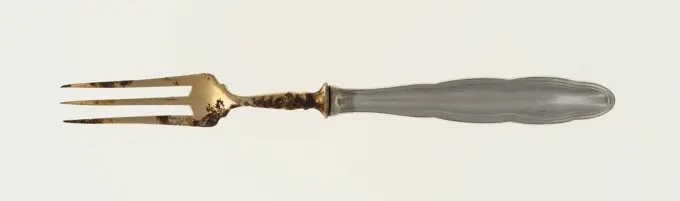
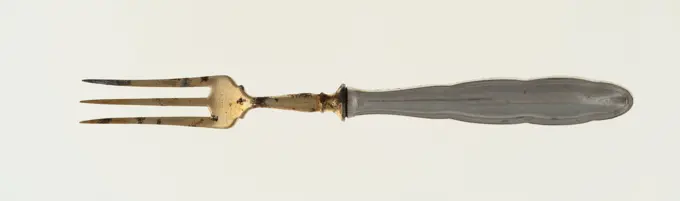
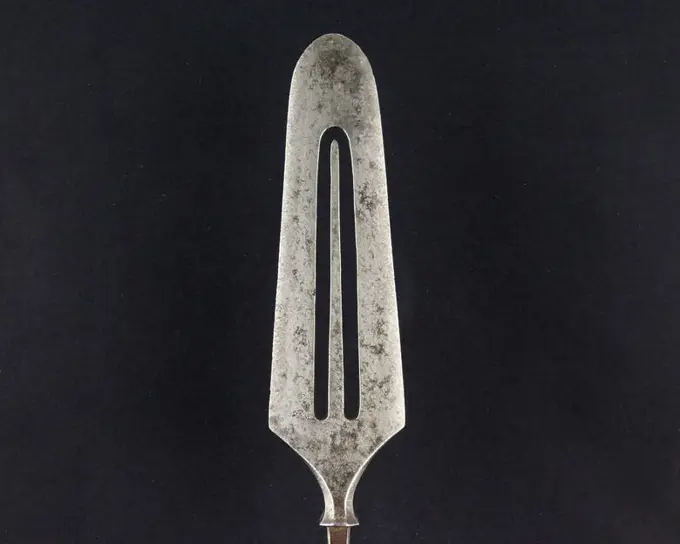
Dessert fork; Würtembergische metallwarefabrik - WMF (Germany; Wytwónia Z Otnarz; 1880-1914); after 1880 (1890-00-00-1914-00-00);
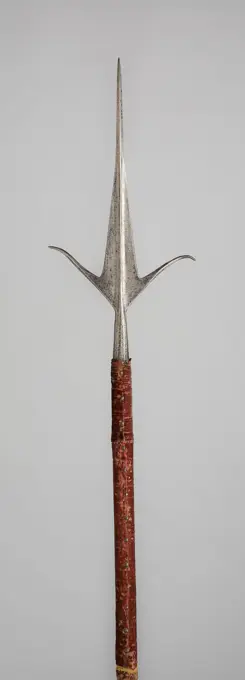
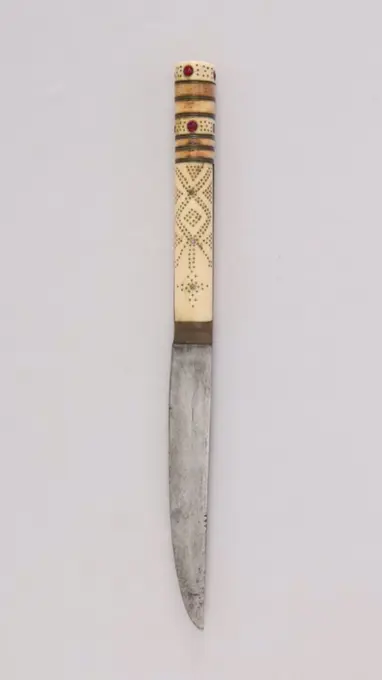
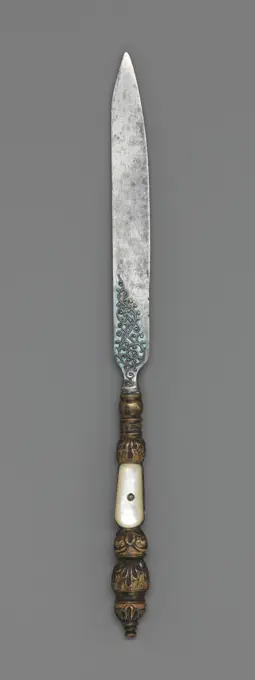
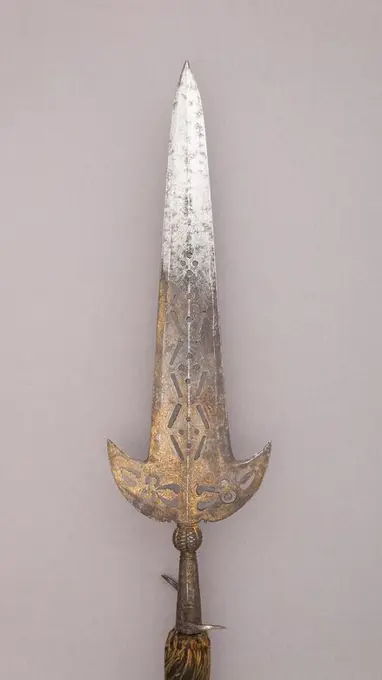
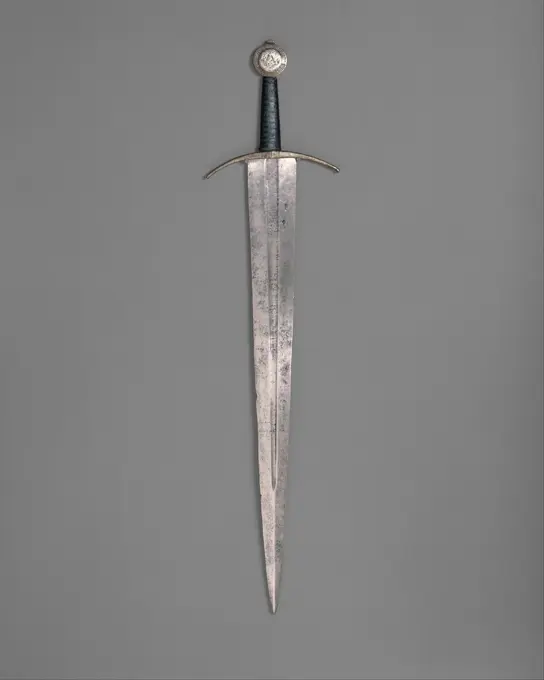
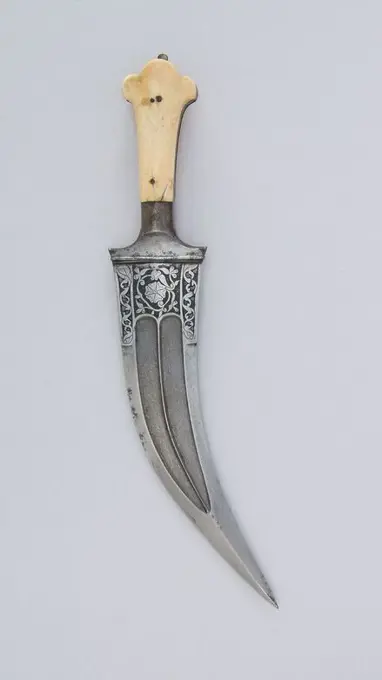
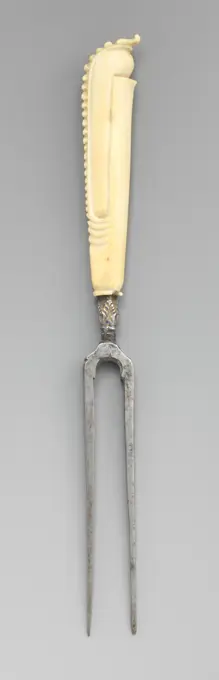
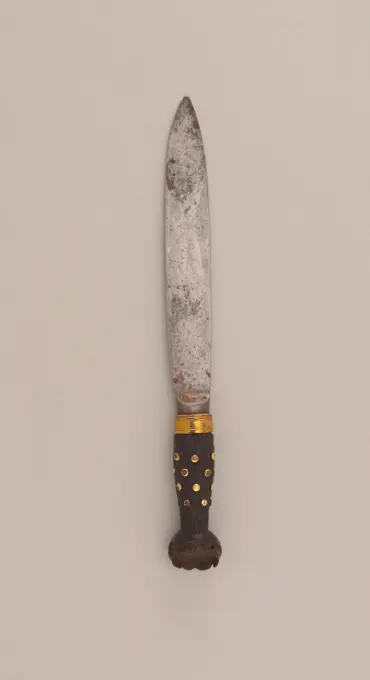
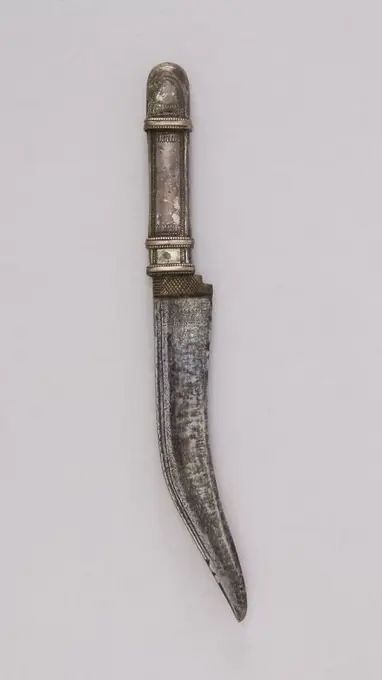
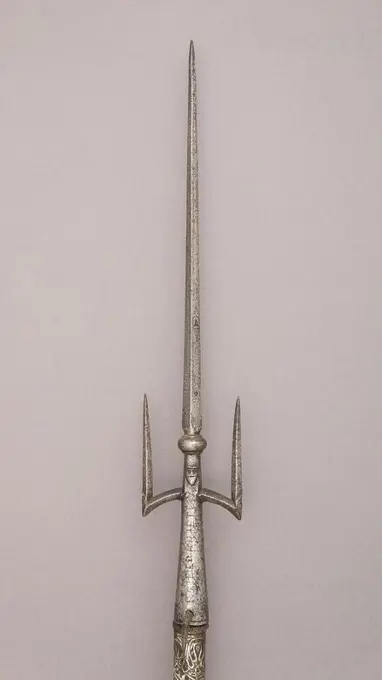
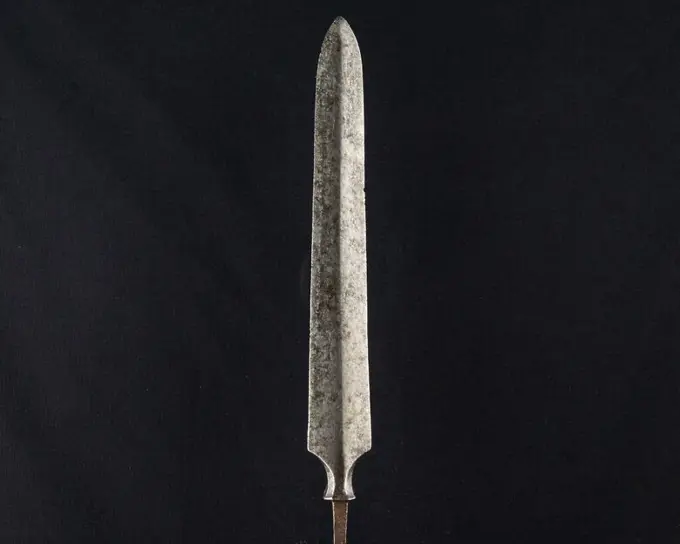
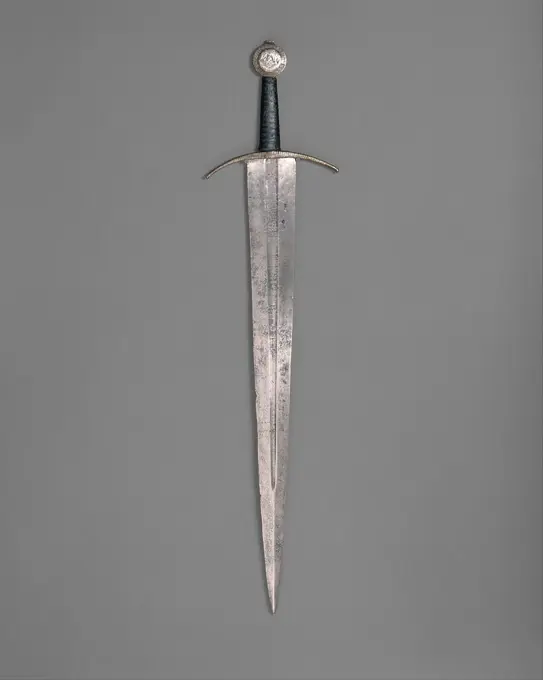
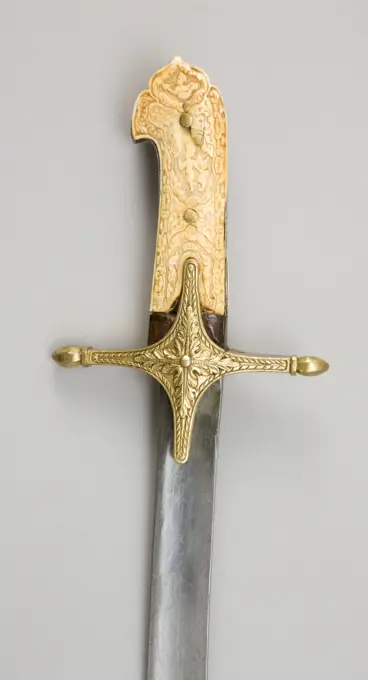
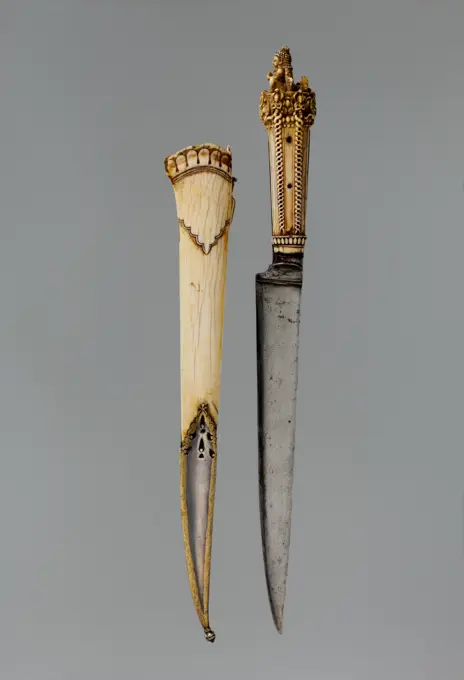
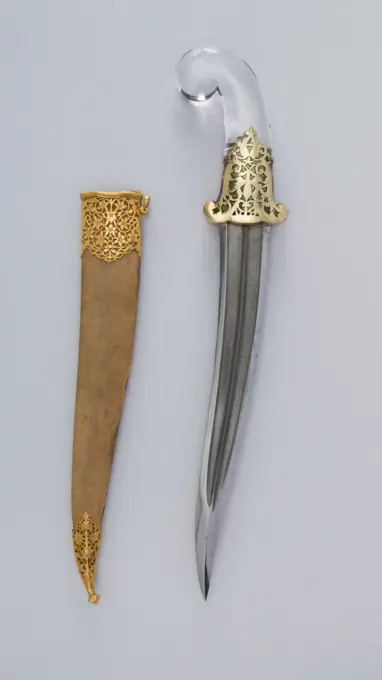
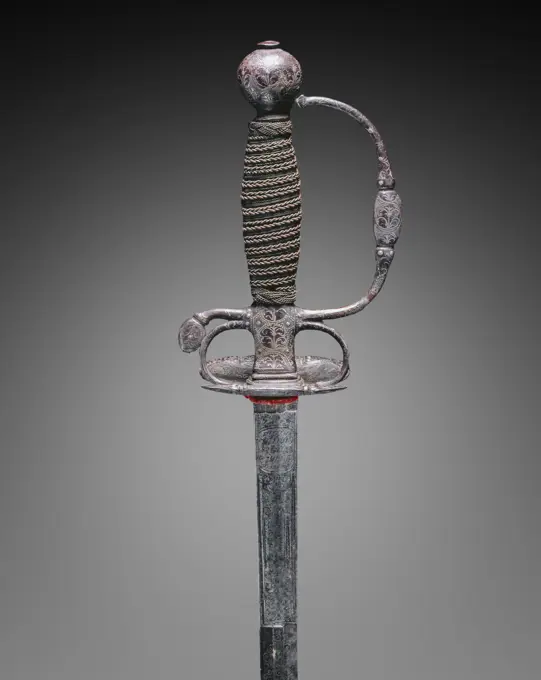
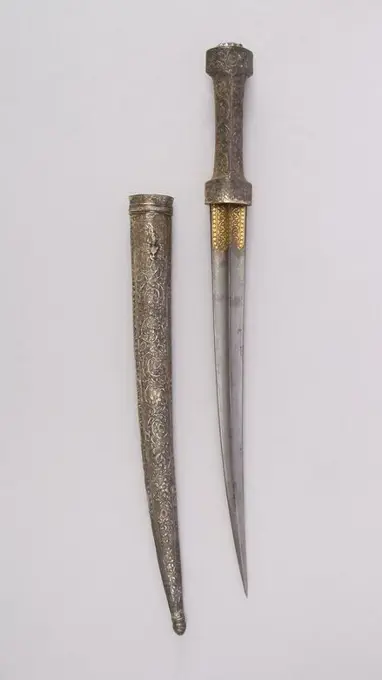
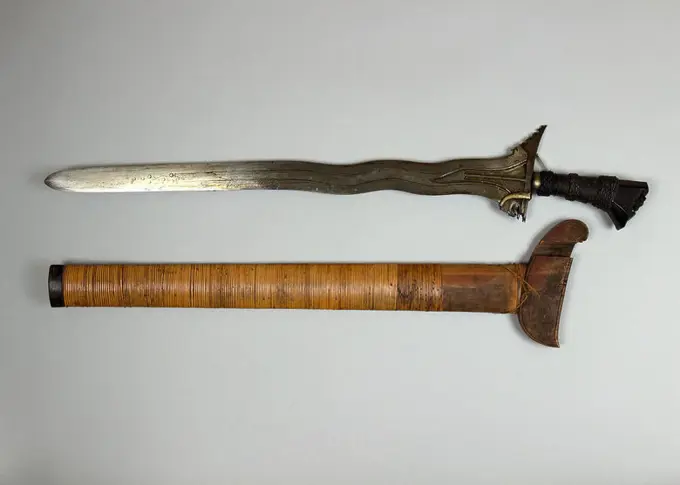
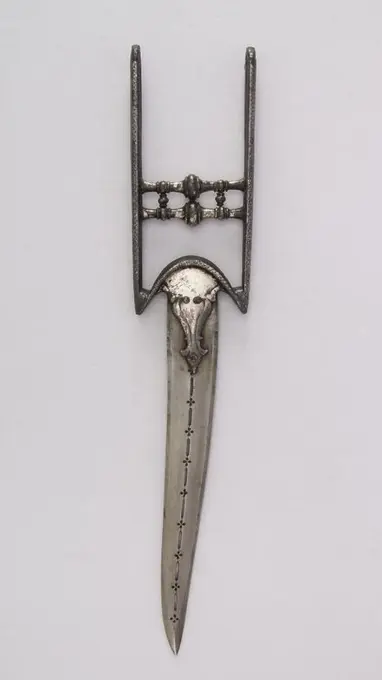
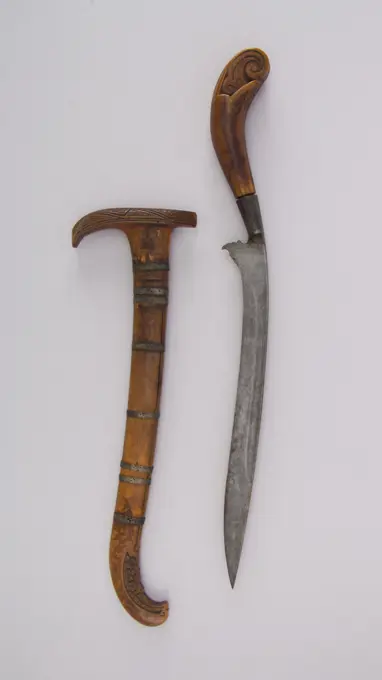
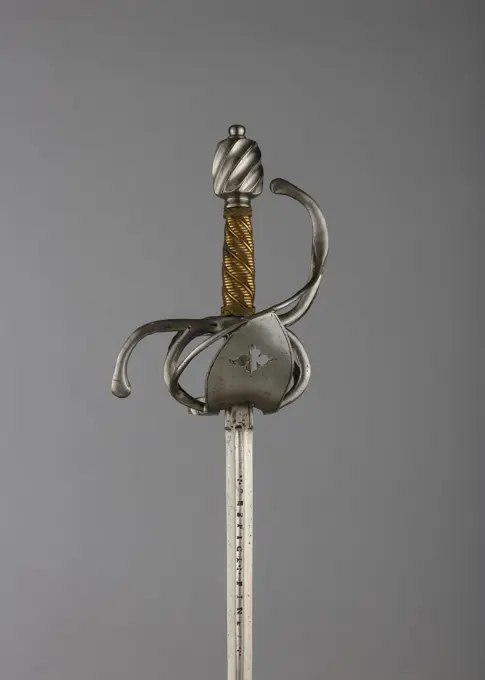
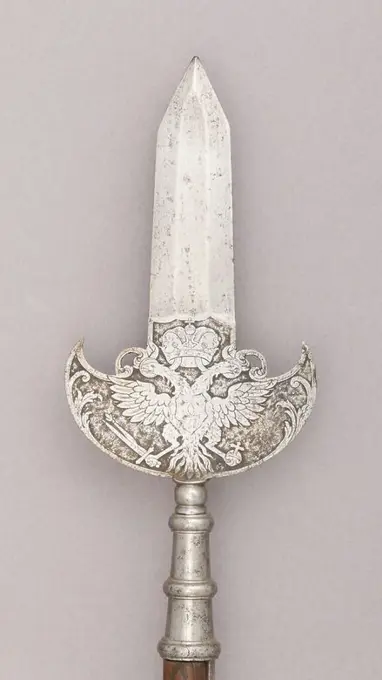
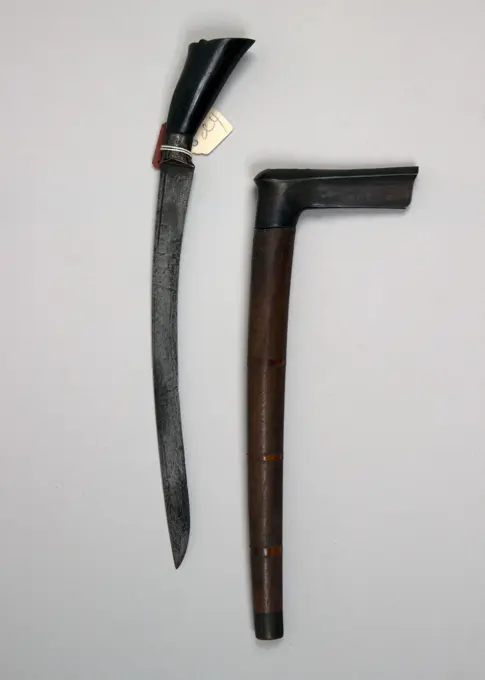
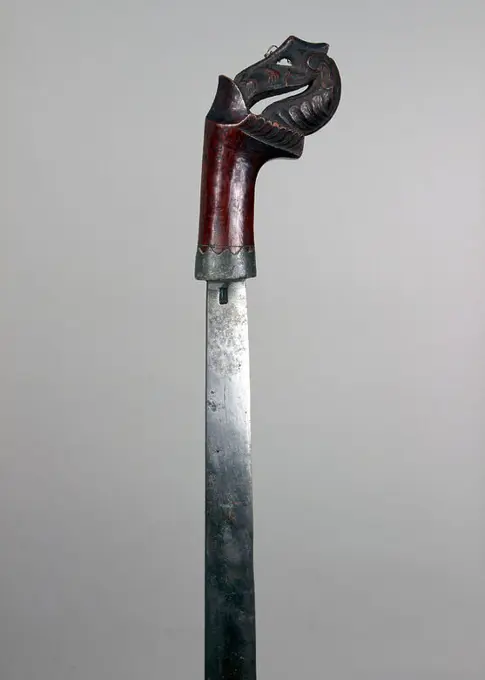
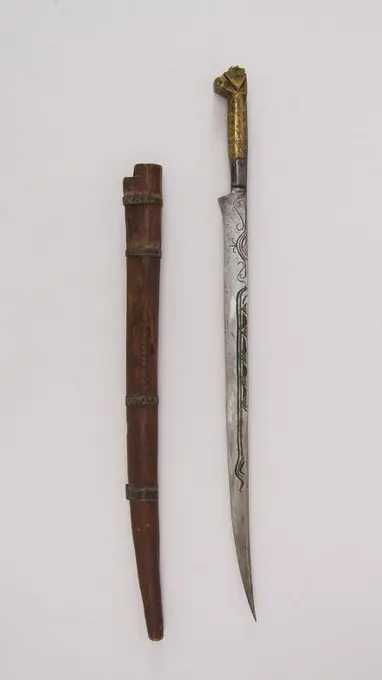
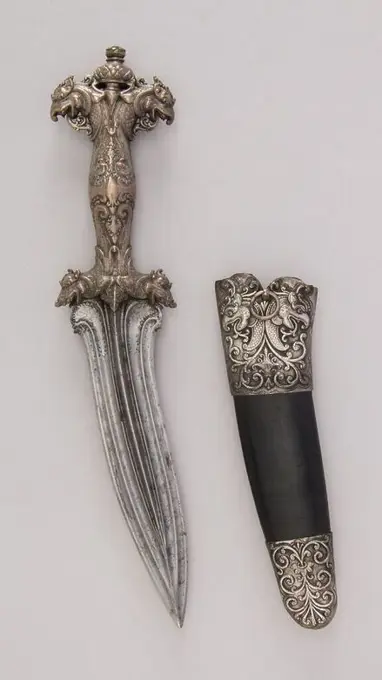
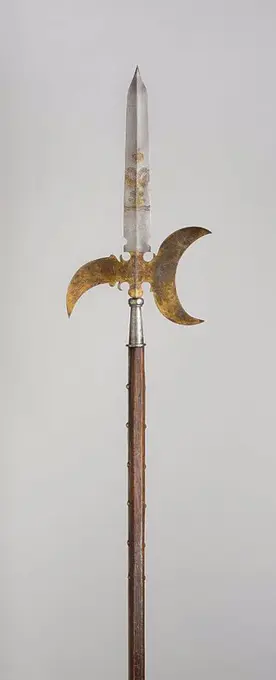
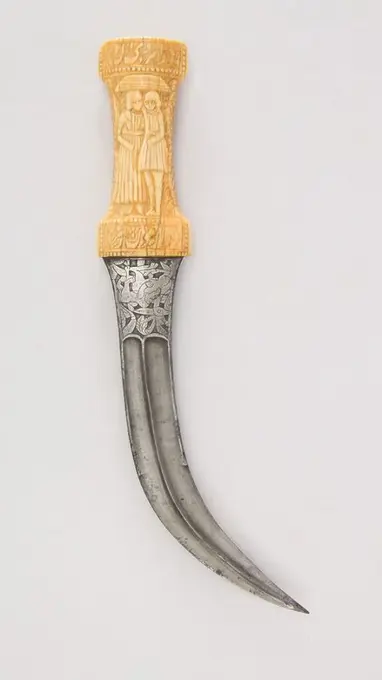
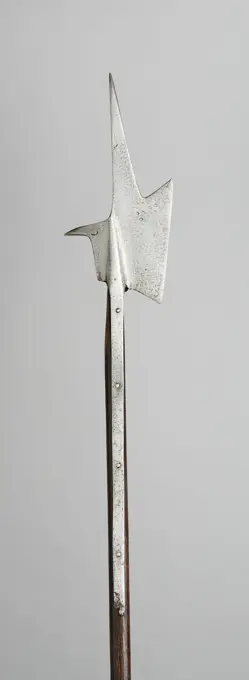
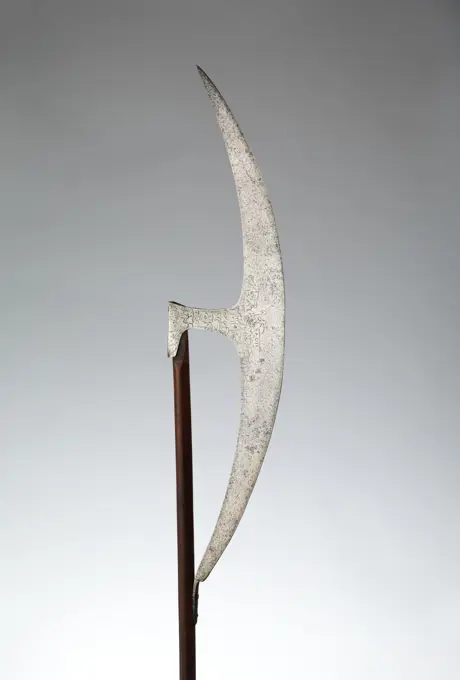
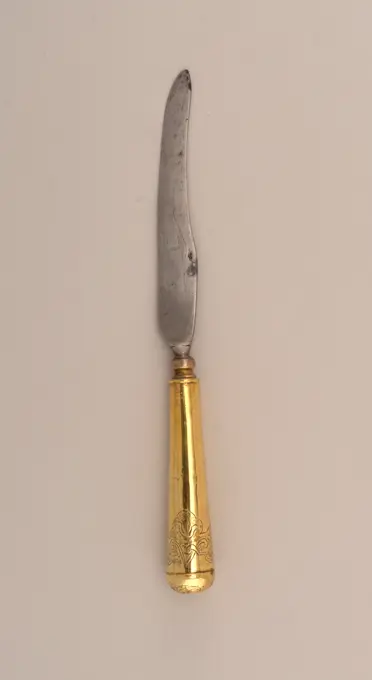
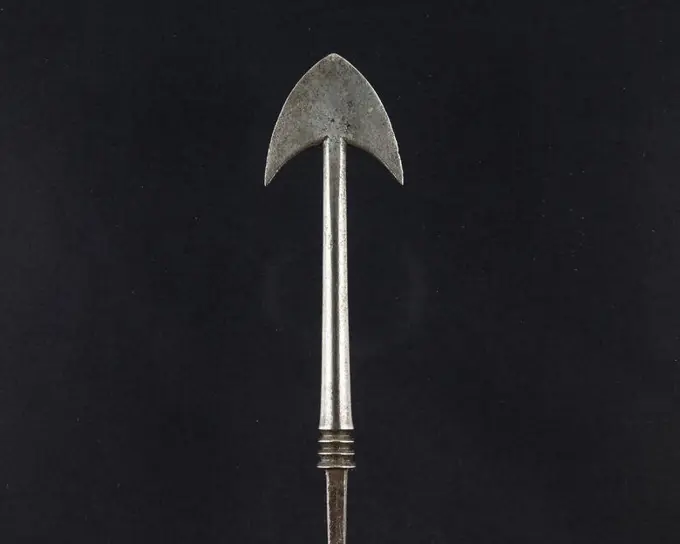
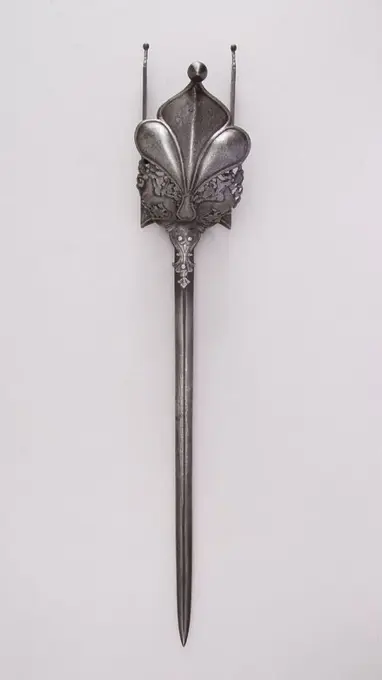
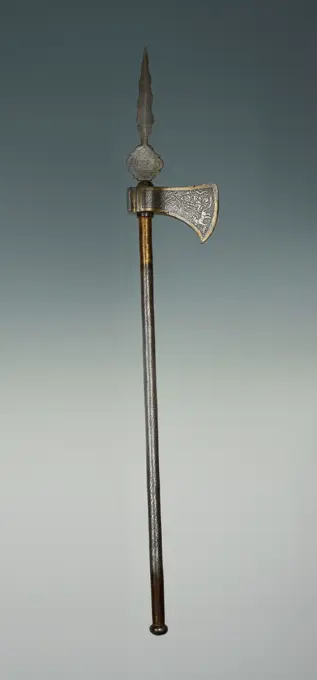
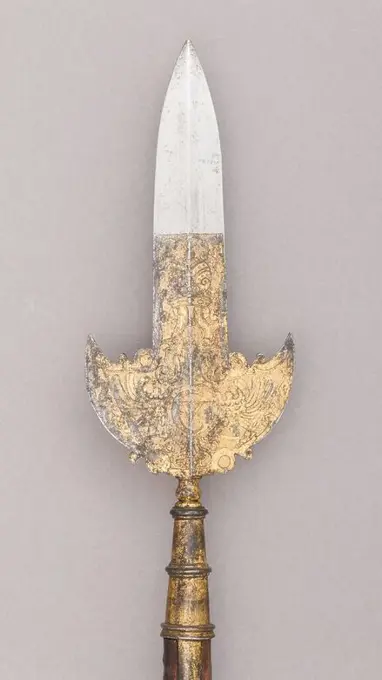
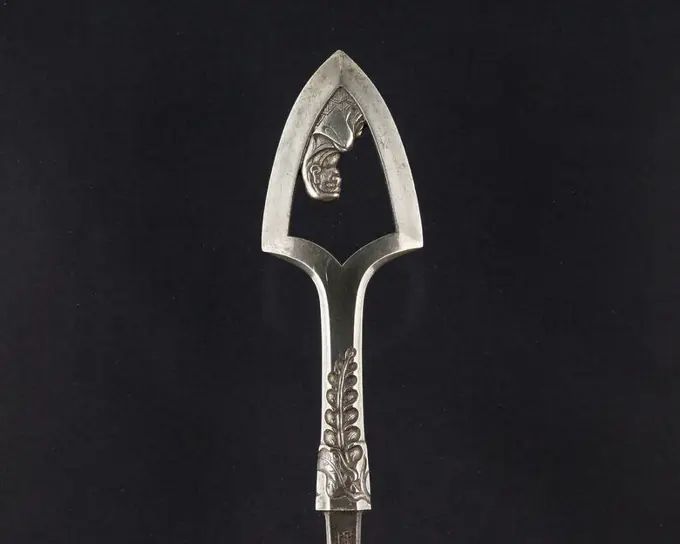
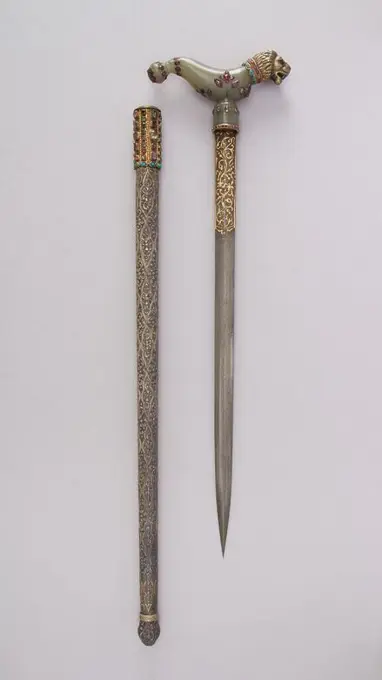
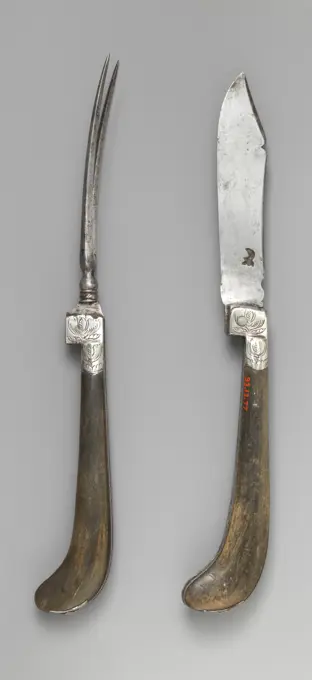
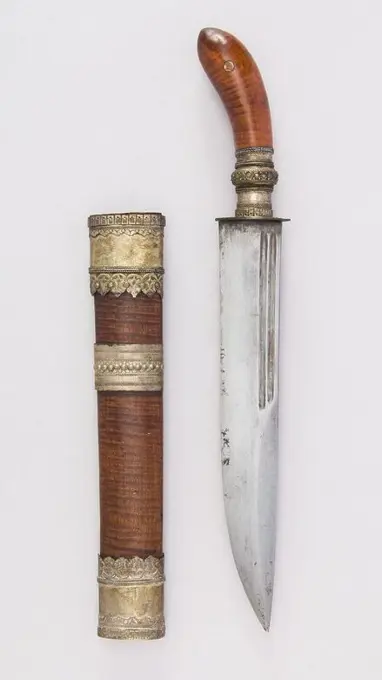
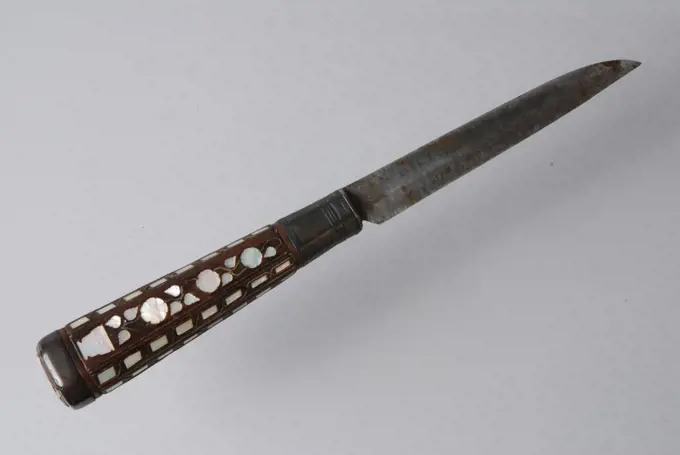
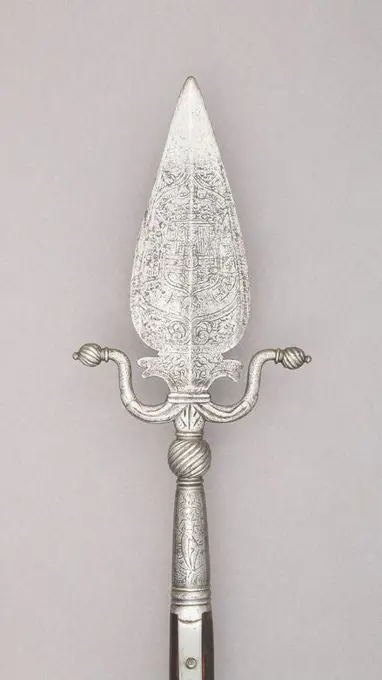
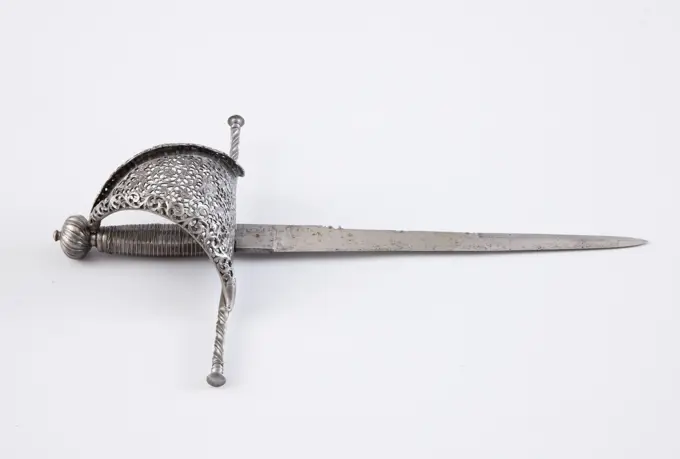
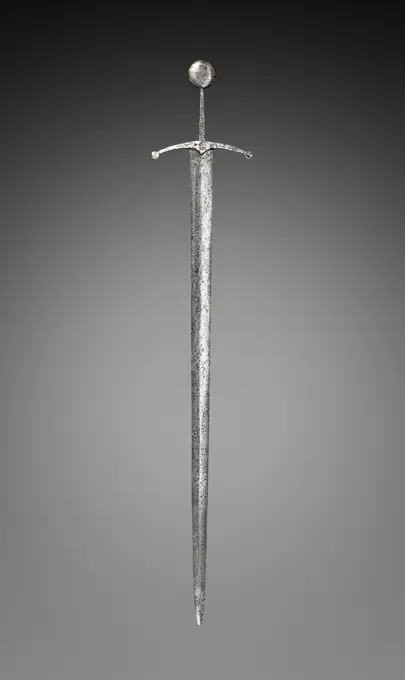
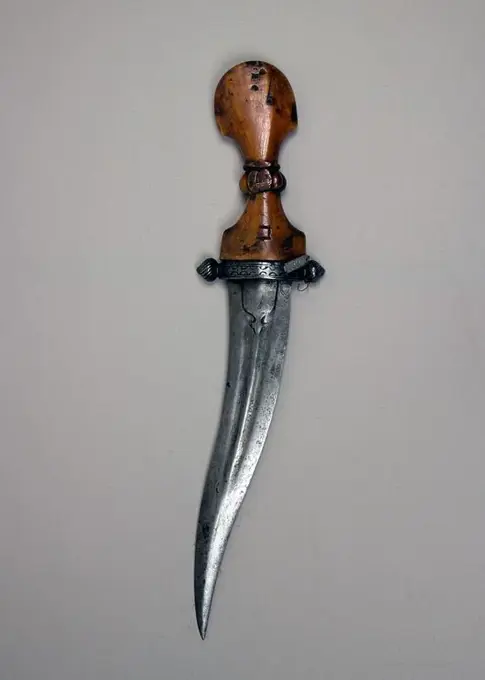
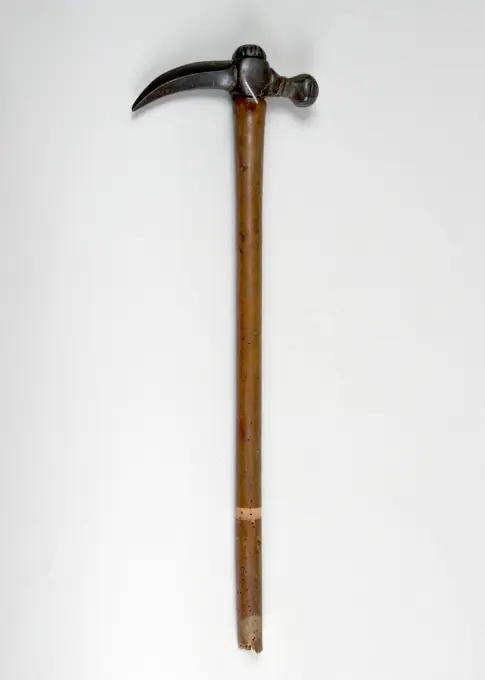
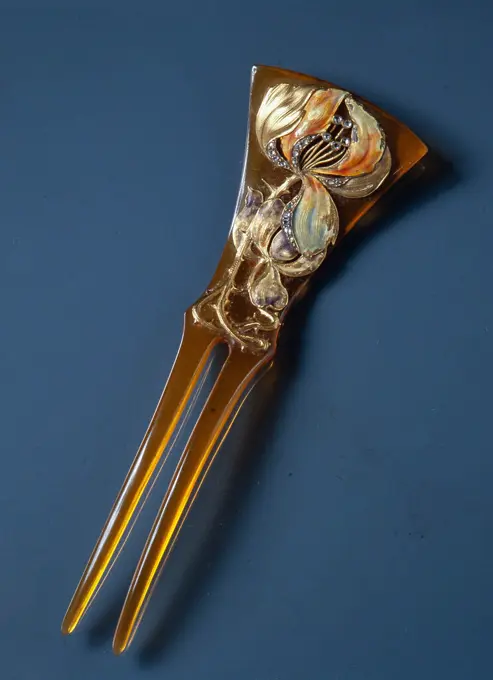
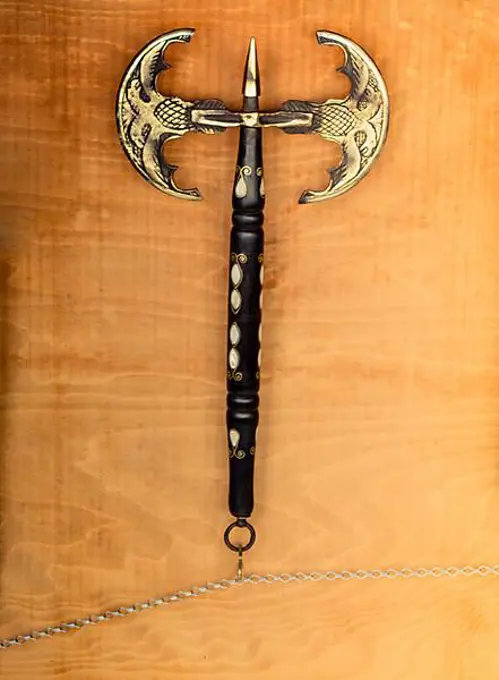
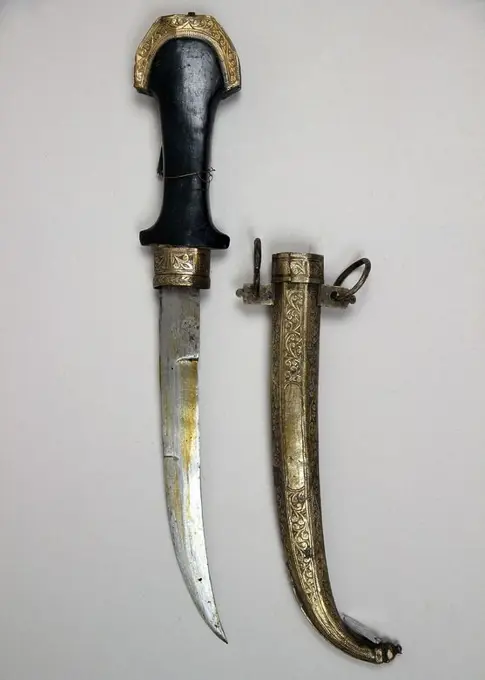
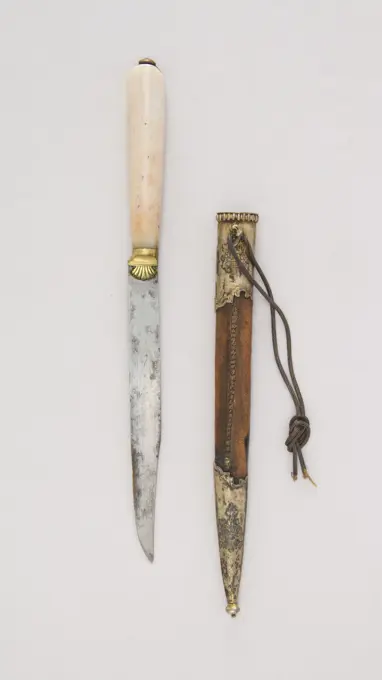
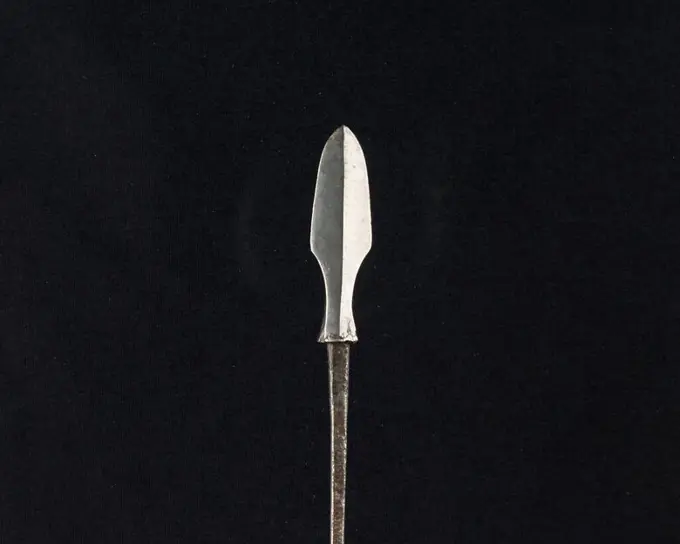
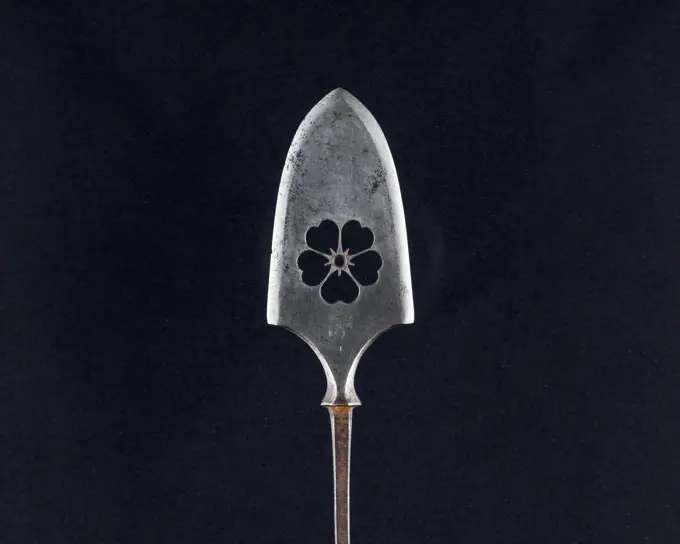
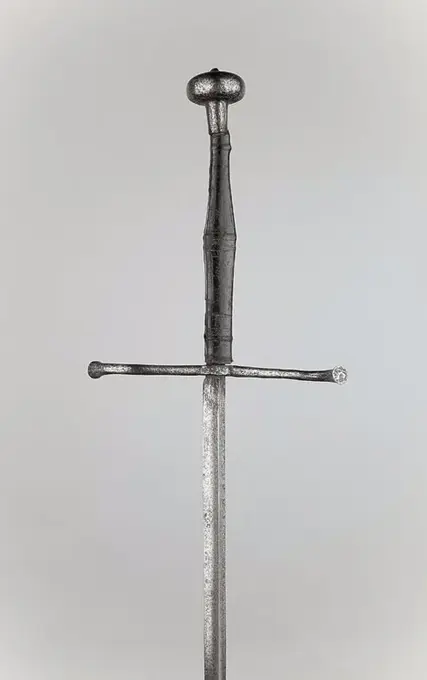
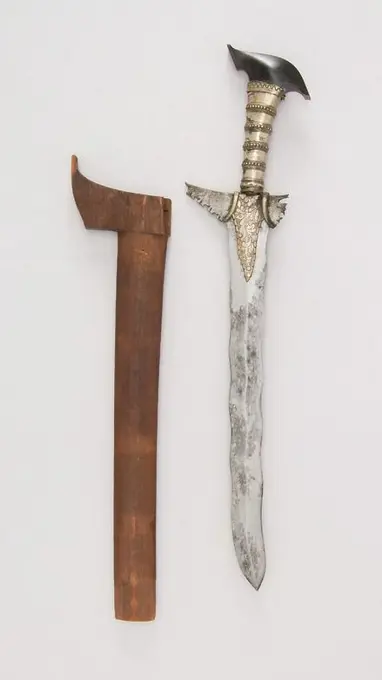
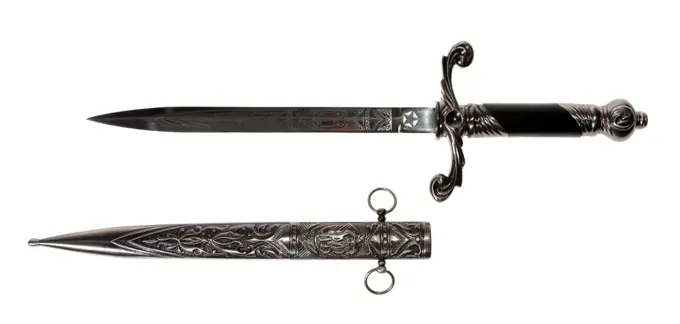
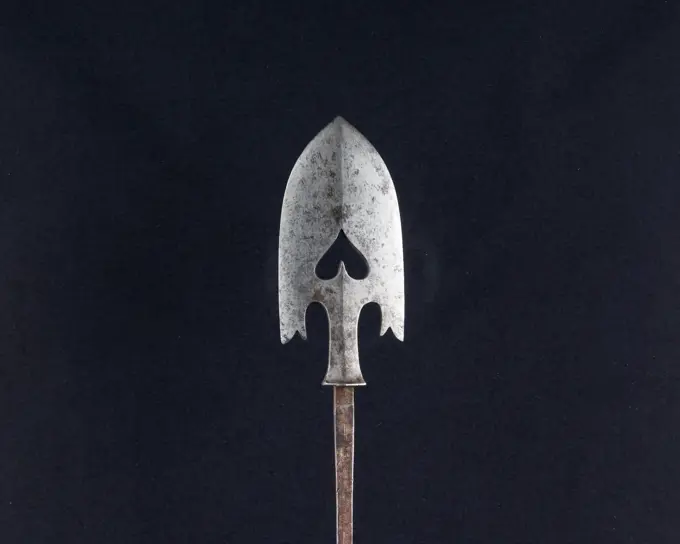
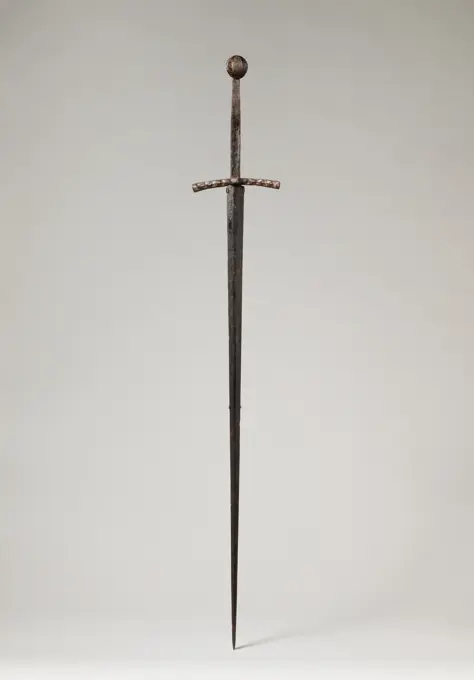
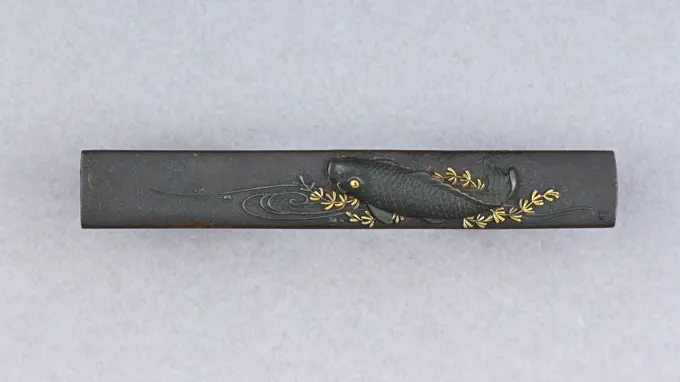
Military Fork 16th century French. Military Fork 25841Dessert fork; Würtembergische metallwarefabrik - WMF (Germany; Wytwónia Z Otnarz; 1880-1914); after 1880 (1890-00-00-1914-00-00);Friuli Spear 1540-1560 Italy. Steel, velvet covered wood (pine), and brass nails .Knife. Culture: North African (Berber). Dimensions: L. 9 9/16 in. (24.3 cm); W. 11/16 in. (1.7 cm); Wt. 3.5 oz. (99.2 g). Date: 19th century. Museum: Metropolitan Museum of Art, New York, USA.Table knife late 16th century Italian. Table knife. Italian. late 16th century. Steel. Metalwork-SteelPartisan. Culture: British. Dimensions: L. 9 ft. 1 in. (276.9 cm); L. of head 23 3/8 in. (59.4 cm); W. 6 7/8 in. (17.4 cm); Wt. 4 lb. 8 oz. (2041.2 g). Date: 17th century. Museum: Metropolitan Museum of Art, New York, USA.BroadswordSword ca. 1400 Western European The silver-embellished pommel and the crossguard made of copper alloy (rather than steel) wrapped with silver wire suggest that this sword was intended for presentation or for ceremonial use rather than as a fighting weapon. The Latin quotation inscribed on the pommel reads in translation, "here, too, virture has its due reward" (Virgil, Aeneid, book 1, line 461). The inscription (now illegible) on the blade is an early example of the use of etching for the decoration of a weapon. Approximately a century later, acid etching became a popular way to embellish arms and armor and an important technique in printmaking.. Sword. Western European. ca. 1400. Steel, silver, copper alloy, leather. SwordsKnife; horn, gold, mother-of-pearl, steel; L x W: 23.8 x 1.8 cm (9 3/8 x 11/16 in.); The Robert L. Metzenberg Collection, gift of Eleanor L. Metzenberg; 1985-103-36Knife (Kukri), c. 1750-1800. Nepal. Steel with etched surface and wooden handle, leather covered scabbard with brass mounts; overall: 40 cm (15 3/4 in.); blade: 31.8 cm (12 1/2 in.).Kris of a high-ranking dignitary. The wavy or flaming’ blade of this kris comes from Java. It was later fitted with a hilt and a sheath in the sultanate of Palembang on Sumatra, where there was an important kris workshop. The luxurious finish suggests that the kris belonged to a high-ranking dignitary. The small ring between the hilt and blade (mendak), for example, is inlaid with diamonds. The hilt is in the form of a bird’s head.Dagger (Jambiya). Culture: Indian. Dimensions: H. 13 1/4 in. (33.7 cm); H. of blade 9 in. (22.9 cm); W. 2 5/16 in. (5.9 cm); Wt. 10.5 oz. (297.7 g). Date: 18th-19th century. Museum: Metropolitan Museum of Art, New York, USA.Partisan 17th century German. Partisan 27046Knife, silver, leather, brass, steel, Blade has straight upper edge, the lower edge curving towards the point; not original. Octagonal brass handle with baluster-shaped top., Greece, ca. 1700-1800, cutlery, Decorative Arts, KnifeTable fork 17th century German. Table fork. German. 17th century. Steel, ivory. Metalwork-SteelKnife (Scotland); oak, bogKnife. Culture: Indian or Nepalese. Dimensions: H. 9 13/16 in. (24.9 cm); H. of blade 6 1/4 in. (15.9 cm); W. 1 1/16 in. (2.7 cm); Wt. 4.3 oz. (121.9 g). Date: 18th-19th century. Museum: Metropolitan Museum of Art, New York, USA.Sword (Dha) 19th century Burmese. Sword (Dha). Burmese. 19th century. Wood, brass. SwordsMilitary Fork. Culture: French. Dimensions: L. 91 in. (231.1 cm); L. of head 23 1/2 in. (59.7 cm); W. 4 in. (10.2 cm); Wt. 6 lbs. 1.5 oz. (2764.1 g). Date: late 16th century. Museum: Metropolitan Museum of Art, New York, USA.Arrowhead (Yanone). Culture: Japanese. Dimensions: L. 16 1/2 in. (41.9 cm); L. of head 7 3/4 in. (19.7 cm); W. 1 in. (2.5 cm); Wt. 4.2 oz. (119.1 g). Date: 18th century. Museum: Metropolitan Museum of Art, New York, USA.Knife. Culture: Persian. Dimensions: L. 13 1/16 in. (33.2 cm); W. 1 3/8 in. (3.5 cm); Wt. 10.2 oz. (289.2 g). Date: 18th-19th century. Museum: Metropolitan Museum of Art, New York, USA.Sword. Culture: Western European. Dimensions: L. 40 1/4 in. (102.2 cm); L. of blade 32 in. (81.3 cm); Wt. 3 lb. 11 oz. (1673 g). Date: ca. 1400.The silver-embellished pommel and the crossguard made of copper alloy (rather than steel) wrapped with silver wire suggest that this sword was intended for presentation or for ceremonial use rather than as a fighting weapon. The Latin quotation inscribed on the pommel reads in translation, "here, too, virture has its due reward" (Virgil, <i>Aeneid</i>, book 1, line 461). The inscription (now illegible) on the blade is an early example of the use of etching for the decoration of a weapon. Approximately a century later, acid etching became a popular way to embellish arms and armor and an important technique in printmaking. Museum: Metropolitan Museum of Art, New York, USA.Poleax Made 1450-1530 Western Europe. The poleaxóso named whether it has an ax- or hammerheadówas designed to smash, break, or pierce through armor. It could be mounted either with a long or short staff. It was used in infantry battle, knightly tournaments, and judicial combat. The blunted hook, hammerhead, and point on the short poleax suggest it was meant for foot tournaments, friendly contests in which blows were exchanged.. Steel, brass, wood, and leather .Dagger (Katar) 18th-19th century Indian. Dagger (Katar) 31503Carabela know with vaginaDagger with Sheath ca. 1650-1700 Nepalese The figure at the top of this beautifully carved ivory hilt is an iconic Nepalese representation of Garuda, a popular divinity associated with the Hindu god Vishnu. From at least the sixth century, Garuda was depicted as a handsome man with wings, resting on one knee and with hands clasped in prayer.. Dagger with Sheath 34185Hunting cordlasDagger (Khanjar) with Sheath 18th century Indian. Dagger (Khanjar) with Sheath 31698Dagger (Katar) 17th century Indian, Thanjavur; blade, European. Dagger (Katar). Indian, Thanjavur; blade, European. 17th century. Steel. Thanjavur, Tamil Nadu. DaggersTable fork ca. 1750 Southern German. Table fork. Southern German. ca. 1750. Steel, brass. Metalwork-SteelChunderik with Schede ,, 1600 - 1885 kris Dagger with old one -cut blade and declining green to black horns hilt, to the hilt at the Kling a golden strate decorated with fine forging in the form of tendrils. Wooden sheath, completely covered with gold leaf, above and below decorated with forging such as on the hilt, the rest with driven plant motifs. In two places around the sheath a band with a bearing eye and carrying ring. Dutch East Indies, The metal. wood (plant material). gold (metal). horn (animal material) forging / cutting  Dutch East Indies, TheDagger (Piha Kaetta) 18th-19th century Sri Lankan. Dagger (Piha Kaetta) 31548Dagger with Sheath (Dah Hmyaung or Dha) 18th century Burmese. Dagger with Sheath (Dah Hmyaung or Dha) 31586Small Sword, c. 1730. Italy, 18th century. Steel, iron, copper wire, wood; overall: 95.2 cm (37 1/2 in.); blade: 78.8 cm (31 in.); guard: 7.6 cm (3 in.). During the 1700s, the small-sword emerged as a light, quick weapon. Like the rapier it was carried by unarmored civilians, the noblemen of the upper classes. Over time this delicate sword became more an accessory of male attire than a weapon essential to life and death. The sword hilt, which shows even when the blade is sheathed, became the ground for elaborate decoration. These small-swords thus represent the final stage in the evolution of the sword, from the edged weapons of antiquity to the elegantly refined blades of the 1700s and 1800s.Dagger with Sheath. Culture: Turkish. Dimensions: H. with sheath 19 in. (48.3 cm); H. without sheath 17 5/8 in. (44.8 cm); H. of blade 12 1/2 in. (31.7 cm); W. 1 1/2 in. (3.8 cm); W. of blade 1 1/8 in. (2.8 cm); Wt. 13.7 oz. (388.4 g); Wt. of sheath 4.8 oz. (136.1 g). Date: probably 19th century. Museum: Metropolitan Museum of Art, New York, USA.Kris with Sheath. Culture: Philippine, Mindanao. Dimensions: L. with scabbard 28 in. (71.1 cm); L. without scabbard 26 1/4 in. (66.7 cm); L. of blade 21 3/4 in. (55.2 cm); W. 5 in. (12.7 cm); Wt. 1 lb. 4 oz. (586.8 g); Wt. of scabbard 6.7 oz. (189.9 g). Date: 18th-19th century. Museum: Metropolitan Museum of Art, New York, USA.Dagger (Katar). Culture: Indian. Dimensions: H. 16 5/8 in. (42.2 cm); W. 3 7/16 in. (8.7 cm); Wt. 1 lb. 3.8 oz. (561.3 g). Date: 18th century. Museum: Metropolitan Museum of Art, New York, USA.Sword 18th-19th century Indonesian, Adonara, Pulau. Sword 31399Dagger (Bade-bade) with Sheath 16th-19th century Sumatran, possibly Acheen. Dagger (Bade-bade) with Sheath. Sumatran, possibly Acheen. 16th-19th century. Bone, silver. Sumatra. KnivesKnife (Phia Kaetta) with Sheath. Culture: Sri Lankan. Dimensions: H. with sheath 9 7/8 in. (25.1 cm); H. without sheath 9 in. (22.9 cm); W. 1 7/16 in. (3.7 cm); Wt. 3.6 oz. (102.1 g); Wt. of sheath 6.7 oz. (189.9 g). Date: 18th-19th century. Museum: Metropolitan Museum of Art, New York, USA.Rapier French ca. 1600 The rapier was the principal civilian sidearm throughout the sixteenth and seventeenth centuries. Designed for cut-and-thrust fencing of progressively complex techniques, the rapier is characterized by a double-edged blade with an acute point and an elaborate guard for the hand. The guards, usually of iron or steel, were subject to a variety of embellishment. They were engraved, chiseled, gilded, damascened, and encrusted in gold and silver in keeping with fashionable styles. Unless otherwise noted, the materials, attributions, and dating given here refer to the hilts. Rapier blades, invariably of steel, bear a variety of makers marks denoting their origin in the two principal centers of blademaking, Toledo in Spain and Solingen in Germany. View more. Rapier. French. ca. 1600. Steel, brass. SwordsPartisan. Culture: Austrian. Dimensions: L. 80 in. (203.2 cm); L. of head 12 3/4 in. (32.4 cm); W. 5 1/4 in. (13.3 cm); Wt. 3 lbs. 9 oz. (1615.9 g). Date: ca. 1740. Museum: Metropolitan Museum of Art, New York, USA.Knife (Bade-bade) with Sheath 18th-19th century Malayan. Knife (Bade-bade) with Sheath 31653Boar Sword. German. Date: 1650-1660. Dimensions: Overall L. 97 cm (38 1/2 in.)Blade L. 82 cm (32 1/4 in.)Wt. 2 lb. 8 oz. Steel, staghorn, and iron. Origin: Germany. Museum: The Chicago Art Institute, Chicago, USA.Sword (Klewang). Culture: Acheen. Dimensions: L. 25 1/4 in. (64.1 cm); L. of blade 19 in. (48.2 cm); W. 3 3/4 in. (9.5 cm); Wt. 1 lb. 12 oz. (793.8 g). Date: 16th-19th century. Museum: Metropolitan Museum of Art, New York, USA.Knife (Flyssa) with sheath. Culture: Moroccan. Dimensions: H. with sheath 18 1/16 in. (45.9 cm); H. without sheath 17 in. (43.2 cm); H. of blade 13 1/4 in. (33.7 cm); W. 1 in. (2.5 cm); Wt. 6.5 oz. (184.3 g); Wt. of sheath 2.1 oz. (59.5 g). Date: 19th century. Museum: Metropolitan Museum of Art, New York, USA.Dagger with Sheath. Culture: Sri Lankan. Dimensions: H. with sheath 12 5/8 in. (32.1 cm); H. without sheath 12 1/4 in. (31.1 cm); H. of blade 7 in. (17.8 cm); W. 2 5/8 in. (6.7 cm); Wt. 12.4 oz. (351.5 g); Wt. of sheath 2.8 oz. (79.4 g). Date: ca. 1700. Museum: Metropolitan Museum of Art, New York, USA.Halberd for Civic Guard of Cologne. German. Date: 1650-1750. Dimensions: L. 236.2 cm (93 in.)Blade with socket L. 59.2 cm (23 1/4 in.)Wt. 6 lb. 4 oz. Steel, gold, wood (oak), and brass. Origin: Austria. Museum: The Chicago Art Institute, Chicago, USA.Dessert fork; Würtembergische metallwarefabrik - WMF (Germany; Wytwónia Z Otnarz; 1880-1914); after 1880 (1890-00-00-1914-00-00);Dagger. Culture: Thai. Dimensions: H. 16 3/16 in. (41.1 cm); W. 1 5/8 in. (4.1 cm); Wt. 6.9 oz. (195.6 g). Date: 18th-19th century. Museum: Metropolitan Museum of Art, New York, USA.Dagger (Jambiya). Culture: Persian, Qajar. Dimensions: H. 14 in. (35.6 cm); H. of blade 9 1/2 in. (24.1 cm); W. 2 3/8 in. (6 cm); Wt. 14.2 oz. (402.6 g). Date: 19th century. Museum: Metropolitan Museum of Art, New York, USA.Halberd 1400-1500 Germany. Steel and wood (oak) .Whole iron countryman's dagger, dagger weapon founding iron metal, w 6.1 forged Whole iron dagger Finished ending in button two horn-shaped prone points to ward off blows Landsknechtenolk archeology weapon war weaponry stabbingAxe (Berdiche) A.H. 1197/ A.D. 1782-83 Turkish. Axe (Berdiche) 30812Partisan 18th century British. Partisan 34306Smallsword for a Child. French. Date: 1640-1710. Dimensions: Overall L. 75.5 cm (29 3/4 in.)Blade L. 64.2 cm (25 1/4 in.)Wt. 9 oz. Steel, iron, gold, silver, and wood. Origin: France. Museum: The Chicago Art Institute, Chicago, USA.Knife; steel, brass; L: 20.7 cm (8 1/8 in.); The Robert L. Metzenberg Collection, gift of Eleanor L. Metzenberg; 1985-103-80Arrowhead (Yanone). Culture: Japanese. Dimensions: L. 12 1/2 in. (31.8 cm); L. of head 4 3/8 in. (11.1 cm); W. 1 3/16 in. (3 cm); Wt. 2 oz. (56.7 g). Date: 18th century. Museum: Metropolitan Museum of Art, New York, USA.Dagger (Katar). Culture: Indian, Thanjavur; blade, European. Dimensions: L. 21 7/8 in. (55.6 cm); W. 4 in. (10.2 cm); Wt. 1 lb. 7.2 oz. (657.7 g). Date: 16th century. Museum: Metropolitan Museum of Art, New York, USA.Eastern hatchetPartisan. Culture: Austrian. Dimensions: L. 86 1/2 in. (219.7 cm); L. of head 12 3/4 in. (32.4 cm); W. 4 1/2 in. (11.5 cm); Wt. 2 lbs. 14 oz. (1304.1 g). Date: 18th century. Museum: Metropolitan Museum of Art, New York, USA.Arrowhead (Yanone). Culture: Japanese. Dimensions: L. 11 3/8 in. (28.9 cm); L. of head 3 3/4 in. (9.5 cm); W. 1 5/8 in. (4.1 cm); Wt. 4.4 oz. (124.7 g). Date: dated 1645. Museum: Metropolitan Museum of Art, New York, USA.Sword with Scabbard 19th century Caucasian. Sword with Scabbard 31005Dagger, 1800s. Metal; overall: 38.1 cm (15 in.); hilt: 6.4 cm (2 1/2 in.); scabbard: 42.5 cm (16 3/4 in.).Knife with a Handle Representing a Monk with a Rosary, anonymous, c. 1650 - c. 1700 The gestured monk keeps the arms crossed in front of the chest. Northern Netherlands boxwood (hardwood) The gestured monk keeps the arms crossed in front of the chest. Northern Netherlands boxwood (hardwood)Crutch Dagger (Zafar Takieh, "Cushion of Victory") with Sheath. Culture: Indian, Mughal. Dimensions: L. with sheath 22 5/8 in. (57.5 cm); L. without sheath 18 3/4 in. (47.6 cm); W. 5 1/4 in. (13.3 cm); Wt. 12.3 oz. (348.7 g); Wt. of sheath 7.1 oz. (201.3 g). Date: 18th-19th century. Museum: Metropolitan Museum of Art, New York, USA.Folding table fork 18th century Southern German or Swiss. Folding table fork. Southern German or Swiss. 18th century. Steel, silver. Metalwork-SteelCaucasian kamaKnife with Sheath. Culture: Philippine, Moro. Dimensions: L. with sheath 13 1/8 in. (33.3 cm); L. without sheath 12 7/8 in. (32.7 cm); L. of blade 8 3/4 in. (22.2 cm); W. 1 7/8 in. (4.8 cm); Wt. 8.5 oz. (241 g); Wt. of sheath 3.2 oz. (90.7 g). Date: 19th century. Museum: Metropolitan Museum of Art, New York, USA.Knife with wooden handle, inlaid with mother-of-pearl, on the head sailing ship, knife cutlery soil find iron copper silver metal mother of pearl wood, forged cut inlaid maquetry engraved Table knife with iron blade and conical wooden handle decorated with mother of pearl inlay Silver frame. The display has eight surfaces, the widest of which are decorated with flowerpots. The other planes show rows of rectangles. On top of the knife copper plate in which an engraved representation of sailing ship possibly fishing ship with gaff and swords Marked on the blade on flowerpots on both sides of the handle: Anno and 1788 archeology cutting prosperity show off shipping fishingLinstock with the Arms of Phillip II of Spain. Culture: Spanish. Dimensions: L. 86 1/2 in. (219.6 cm); L. of head 13 3/8 in. (33.9 cm); W. 6 in. (15.3 cm); Wt. 3 lbs. 8 oz. (1590 g). Date: ca. 1585-90. Museum: Metropolitan Museum of Art, New York, USA.Left hand parrying daggerSword, 1400s. European (unassigned), 15th century. Steel; overall: 103.5 cm (40 3/4 in.); quillions: 19.1 cm (7 1/2 in.). The European sword is derived from the ninth-century Viking sword, which consisted of a straight double-edged blade and was suitable for slashing or thrusting. Throughout the medieval period swords became increasingly specialized weapons depending on whether it was intended to be used on horseback or on foot. A knight likely owned several swords according to his needs and preferences. Craftsman sought to achieve the technical superiority that in turn would provide his client with a distinct advantage.smart dagger of the medieval soldier. It was used for huntingSabre of Napoleon Bonapartes , C18thDagger. Culture: Indian. Dimensions: H. 15 9/16 in. (39.5 cm); W. 3 3/4 in. (9.5 cm); Wt. 16.4 oz. (464.9 g). Date: 19th century. Museum: Metropolitan Museum of Art, New York, USA.Hammer of a Janissary 17th century Turkish. Hammer of a Janissary. Turkish. 17th century. Steel, iron, wood, silver. Shafted WeaponsLluís Masriera / Peineta de marfil, esmalte y diamantes. En forma de flor con esmalte aplicado y engastado con diamantes rosas, 1902. Colección privada. Author: LLUÍS MASRIERA I ROSÉS.Pseudo Renaissance daggerWar axe and mace on a wooden backgroundDagger (Jambiya) with Sheath. Culture: Moroccan. Dimensions: H. with sheath 16 1/4 in. (41.3 cm); H. without sheath 15 1/2 in. (39.4 cm); H. of blade 9 3/8 in. (23.8 cm); W. 2 5/8 in. (6.7 cm); Wt. 8.3 oz. (235.3 g); Wt. of sheath 9.1 oz. (258 g). Date: 19th century. Museum: Metropolitan Museum of Art, New York, USA.Knife with Sheath 18th-19th century Turkish. Knife with Sheath 31480Arrowhead (Yanone). Culture: Japanese. Dimensions: L. 7 in. (17.8 cm); L. of head 1 3/4 in. (4.5 cm); W. 1/2 in. (1.3 cm); Wt. 0.5 oz. (14.2 g). Date: 18th century. Museum: Metropolitan Museum of Art, New York, USA.Arrowhead (Yanone) 18th century Japanese Although today Japanese warriors are renowned most for their swordsmanship, archery, especially from horseback, has been an essential part of samurai warfare and culture for centuries. Arrows were fitted with heads of varying shape according to their intended use in war, the hunt, or target practice. Arrowheads made for use on the battlefield incorporated different designs intended for specialized purposes such as the piercing of armor or to cause maximum damage to horses and unarmored personnel.Large arrowheads, pierced and elaborately chiseled with landscapes, birds, flowers, dragons, and Buddhist divinities, were created to be admired for the beauty of their metalwork and design rather than for use in archery. Such highly elaborate examples may have been made for presentation or as a votive offerings to a shrine.. Arrowhead (Yanone). Japanese. 18th century. Steel. Archery Equipment-ArrowheadsArrowhead (Yanone). Culture: Japanese. Dimensions: L. 15 5/8 in. (39.7 cm); L. of head 5 3/4 in. (14.6 cm); W. 1 1/2 in. (3.8 cm); Wt. 3.5 oz. (99.2 g). Date: 18th century. Museum: Metropolitan Museum of Art, New York, USA.Estoc. German. Date: 1510-1550. Dimensions: Overall L. 139.5 cm (54 7/8 in.)Blade L. 111.7 cm (44 in.)Wt. 3 lb. 7 oz. Steel, wood, and leather. Origin: Germany. Museum: The Chicago Art Institute, Chicago, USA.Kris with Sheath. Culture: Philippine, Maguindanao. Dimensions: H. with sheath 14 9/16 in. (37 cm); H. without sheath 13 7/8 in. (35.2 cm); H. of blade 10 1/8 in. (25.7 cm); W. 11/16 in. (1.7 cm); Wt. 4.3 oz. (121.9 g); Wt. of sheath 0.9 oz. (25.5 g). Date: 18th-19th century. Museum: Metropolitan Museum of Art, New York, USA.Fake plastic pirate sword isolated on a white background.Model of the old dagger with a white background, souvenirSword with Sheath 19th century Caucasian. Sword with Sheath 32282Arrowhead (Yanone) 18th century Japanese Although today Japanese warriors are renowned most for their swordsmanship, archery, especially from horseback, has been an essential part of samurai warfare and culture for centuries. Arrows were fitted with heads of varying shape according to their intended use in war, the hunt, or target practice. Arrowheads made for use on the battlefield incorporated different designs intended for specialized purposes such as the piercing of armor or to cause maximum damage to horses and unarmored personnel.Large arrowheads, pierced and elaborately chiseled with landscapes, birds, flowers, dragons, and Buddhist divinities, were created to be admired for the beauty of their metalwork and design rather than for use in archery. Such highly elaborate examples may have been made for presentation or as a votive offerings to a shrine.. Arrowhead (Yanone). Japanese. 18th century. Steel. Archery Equipment-Arrowheadssmart dagger smart dagger of the medieval soldier. It was used for hunting Copyright: xZoonar.com/ValeryxxSibrikovx 6670501Painters spatulaDagger with Sheath early 19th century Caucasian. Dagger with Sheath 32745Rapier Italian ca. 1580 The rapier was the principal civilian sidearm throughout the sixteenth and seventeenth centuries. Designed for cut-and-thrust fencing of progressively complex techniques, the rapier is characterized by a double-edged blade with an acute point and an elaborate guard for the hand. The guards, usually of iron or steel, were subject to a variety of embellishment. They were engraved, chiseled, gilded, damascened, and encrusted in gold and silver in keeping with fashionable styles. Unless otherwise noted, the materials, attributions, and dating given here refer to the hilts. Rapier blades, invariably of steel, bear a variety of makers marks denoting their origin in the two principal centers of blademaking, Toledo in Spain and Solingen in Germany. View more. Rapier. Italian. ca. 1580. Steel, iron, gold, wood. SwordsVaginal knowledgeDagger with Sheath 18th-19th century Indonesian, Sulawesi. Dagger with Sheath 31668European saber in the Turkish style with the vaginaHand-and-a-Half Sword ca. 1400-1430 probably German This sword is an extremely well proportioned and elegant example of a type that was in use throughout Western Europe from the late fourteenth through the fifteenth century. The steeply pointed blade, indicating that it was primarily intended for thrusting (rather than cutting), coupled with the stiffness of the blade, made it sturdy enough for its primary function, to pierce armor. The sword's form is further enhanced by the slight horizontal reverse curve and dimpled decoration of the cross guard and the faceted and engraved outer face of the pommel, which bears the word "MARIA," a pious invocation to the Virgin Mary. The spherical shape of the pommel and reverse curve of the cross guard are very unusual and distinctive features for a sword of this period with this type of blade.. Hand-and-a-Half Sword 27966Knife Handle (Kozuka) ca. 1615-1868 Japanese A kozuka is a handle of a by-knife that is part of a sword mounting. It is kept in a slot on the reverse of a katana scabbard, often with a matching kōgai (hairdressing tool).. Knife Handle (Kozuka) 25790