Historical Cutlery and Tools

A selection of ancient tools and cutlery, featuring knives and keys from different eras, showcasing unique designs and materials like bronze and horn.

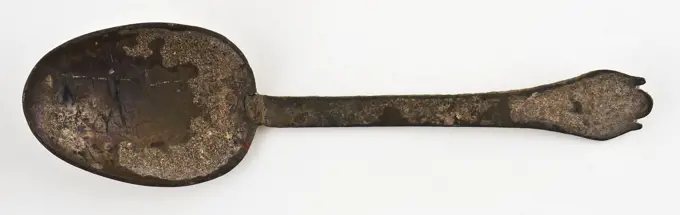
Fragment Steel van Fork or Spoon from the wreck of the East Indians Hollandia, Anonymous, 1700 - in Or Before 1743 spoon Cutlery, fragment: stem of fork or spoon; fragm, heavily corroded, id. NG 1980-27H67. Netherlands tin (metal)   Second
Fragment Steel van Fork or Spoon from the wreck of the East Indians Hollandia, Anonymous, 1700 - in Or Before 1743 spoon Cutlery, fragment: stem of fork or spoon; fragm, heavily corroded, id. NG 1980-27H67. Netherlands tin (metal) Second
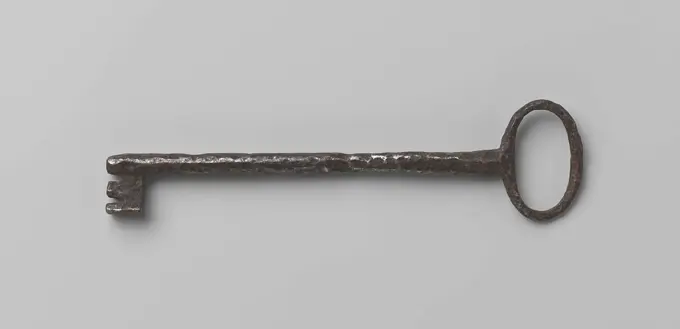
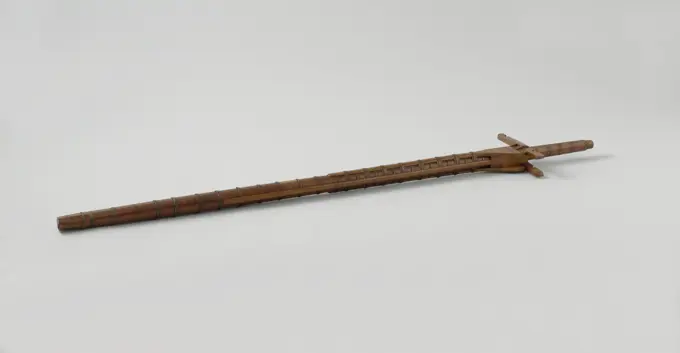
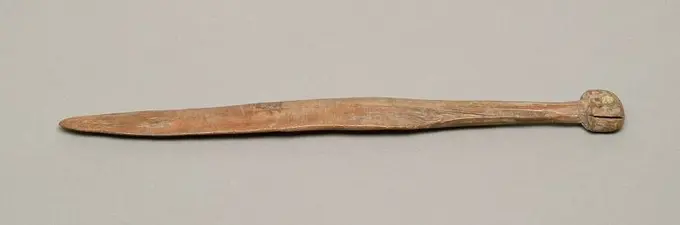
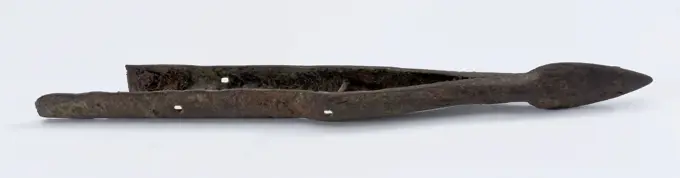
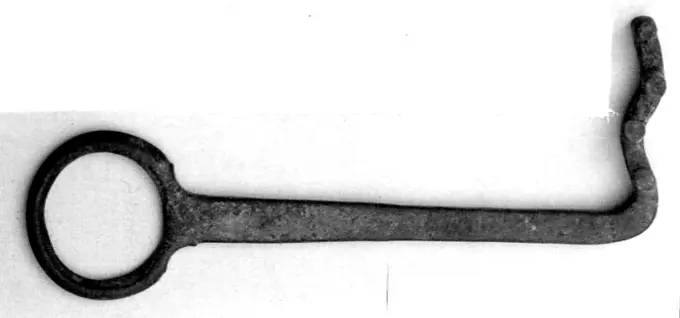
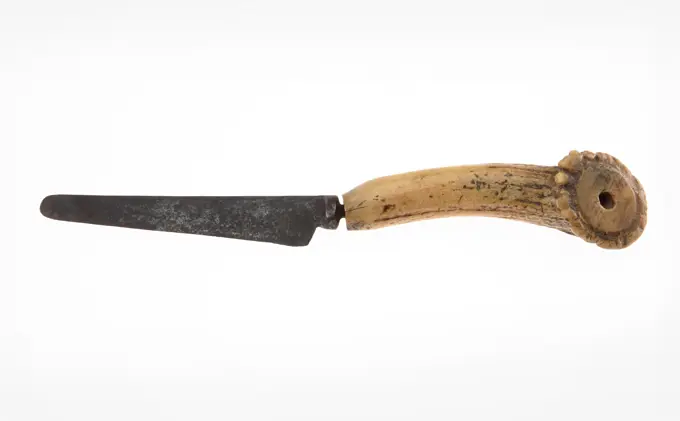
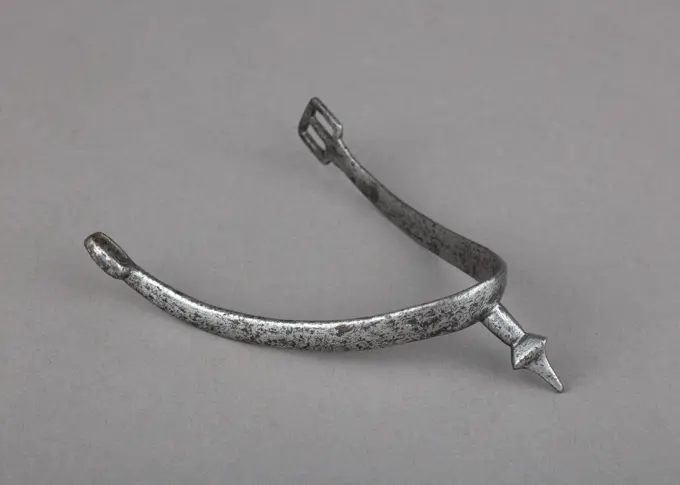
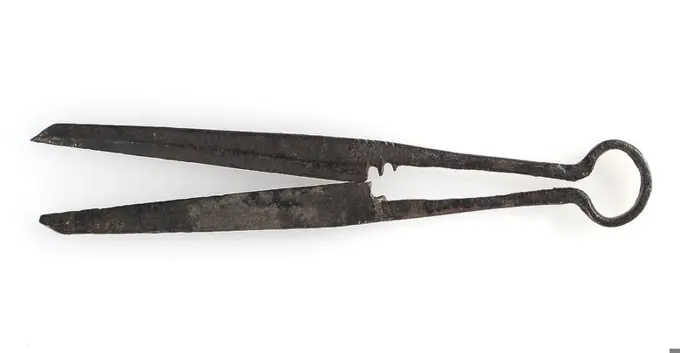
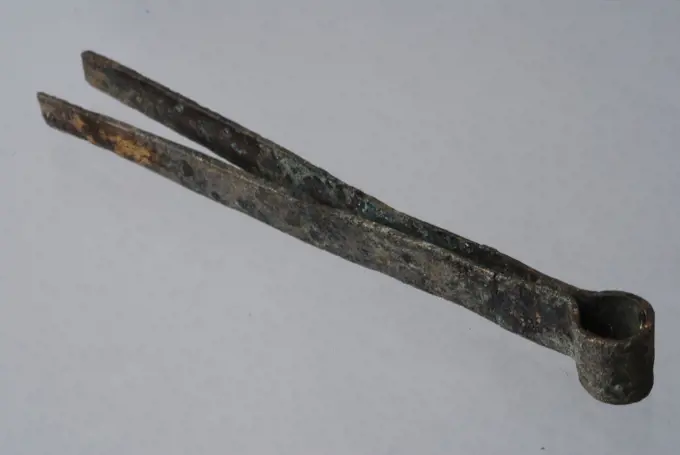
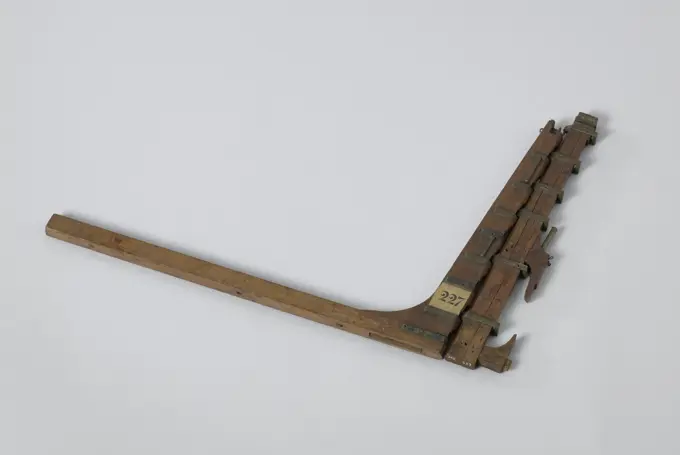
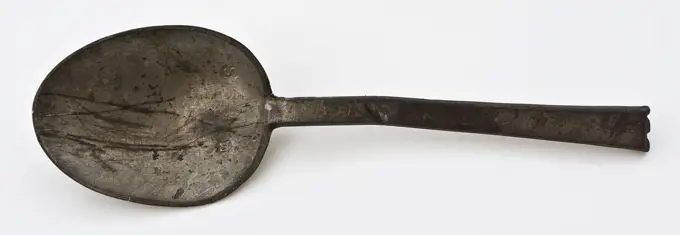
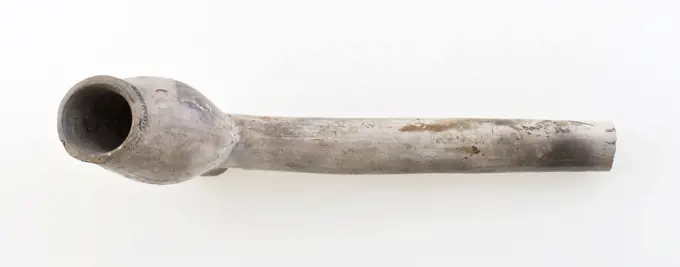
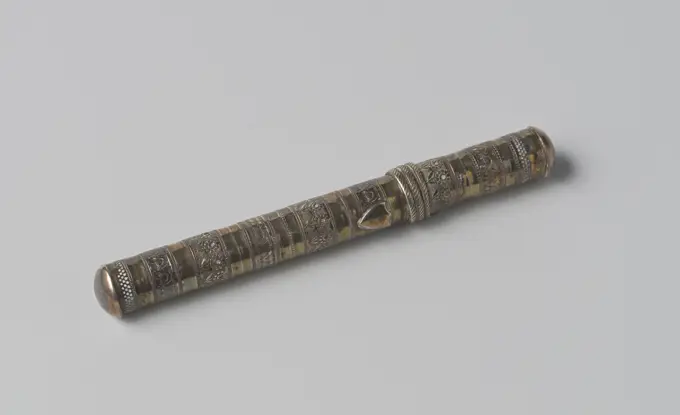
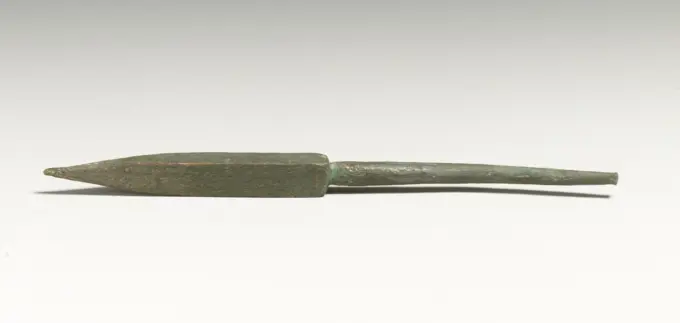
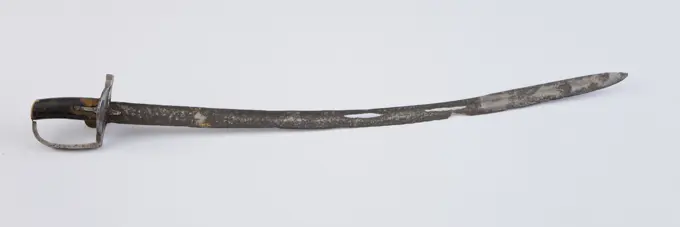
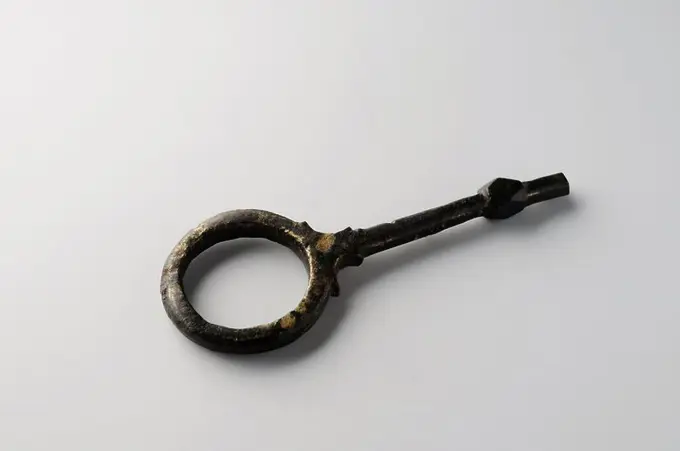
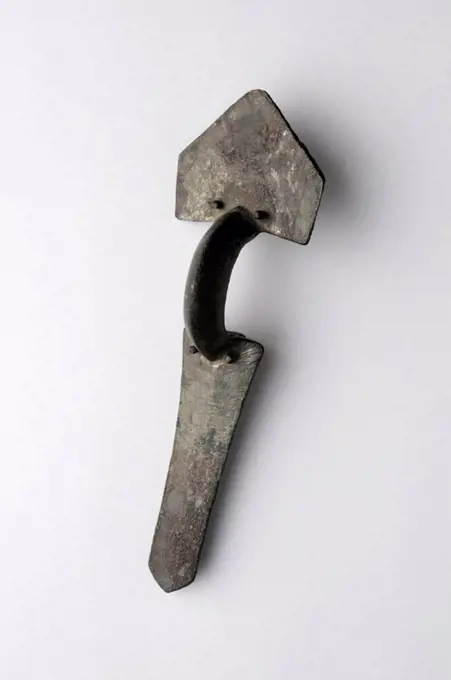
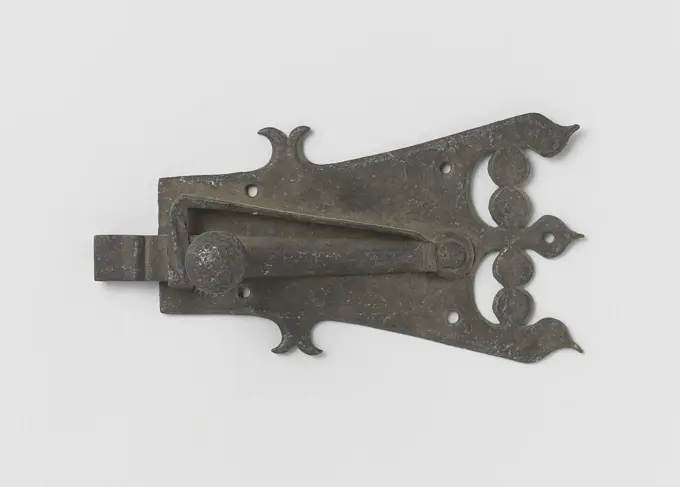
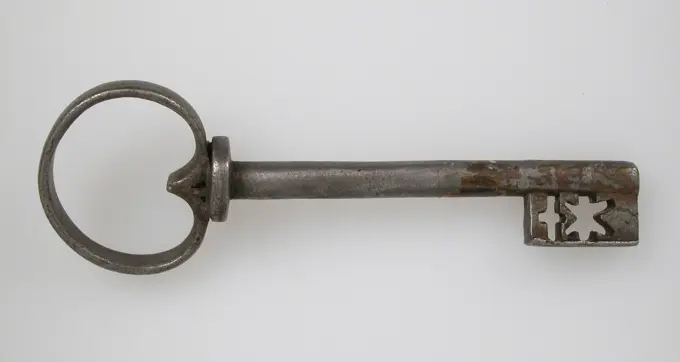
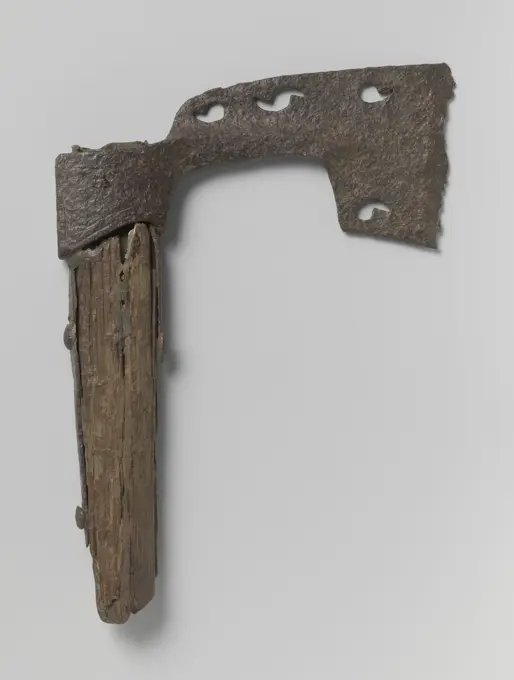
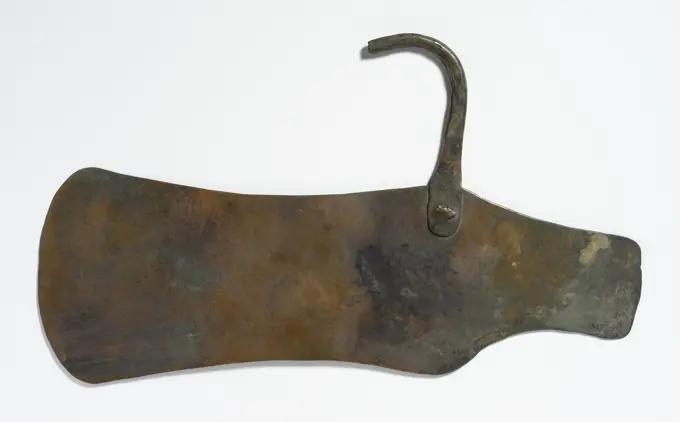
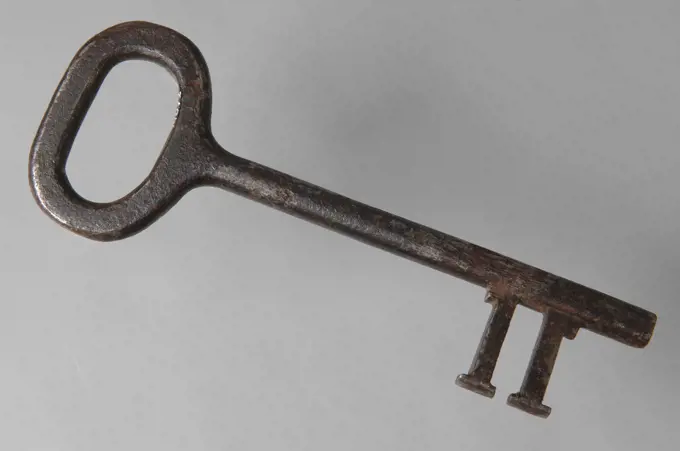
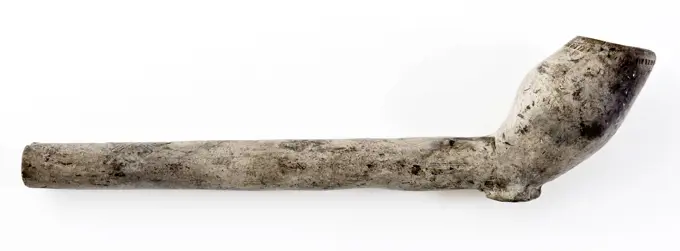
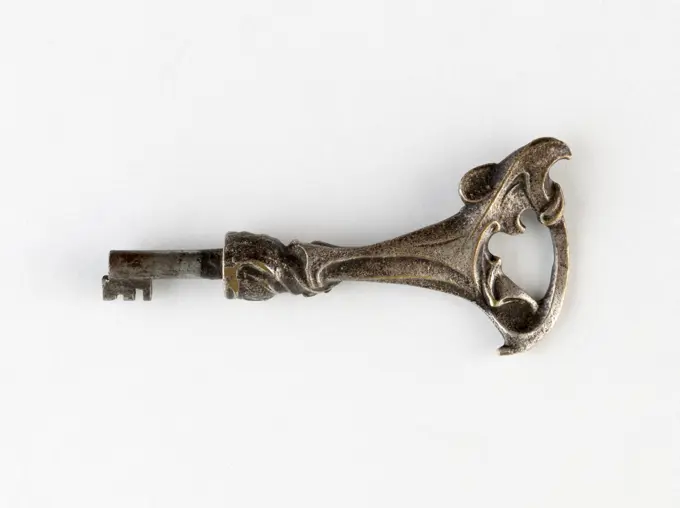
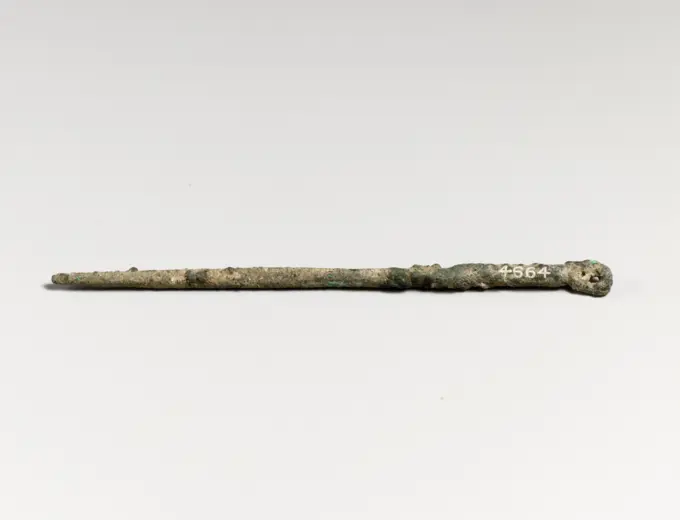
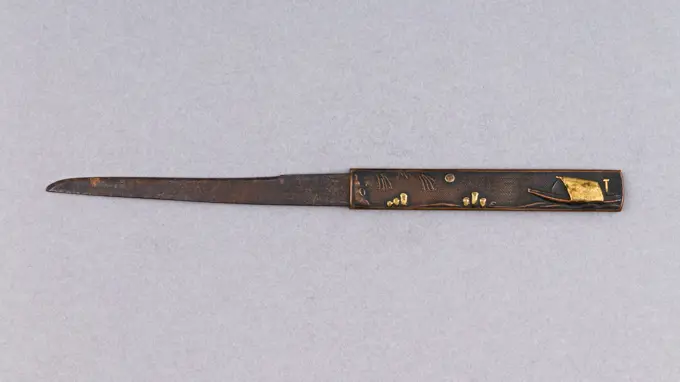
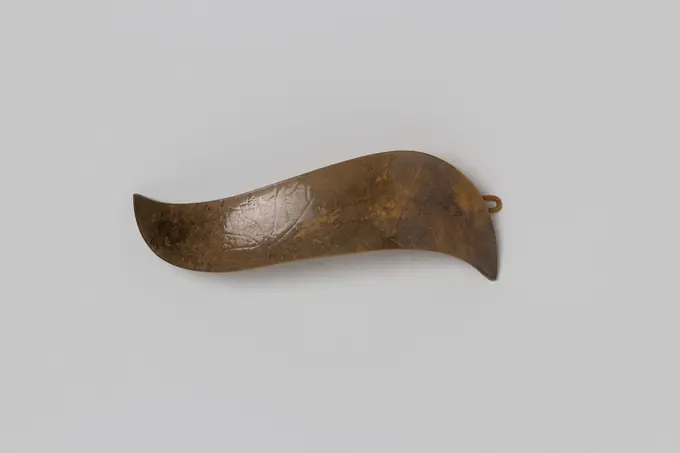
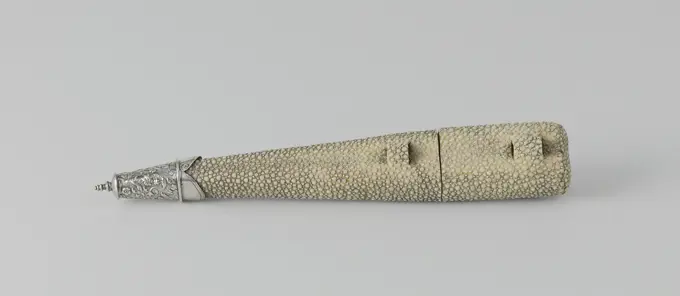
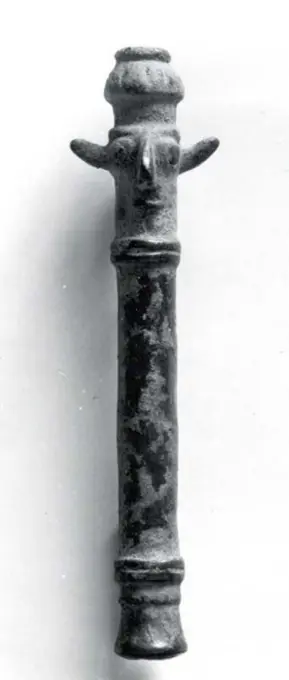
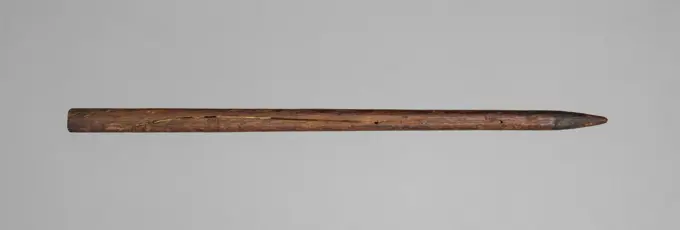
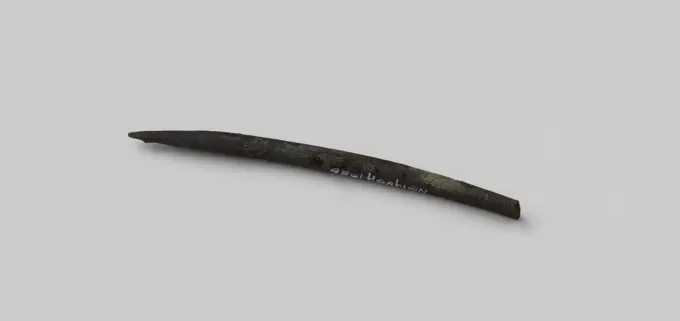
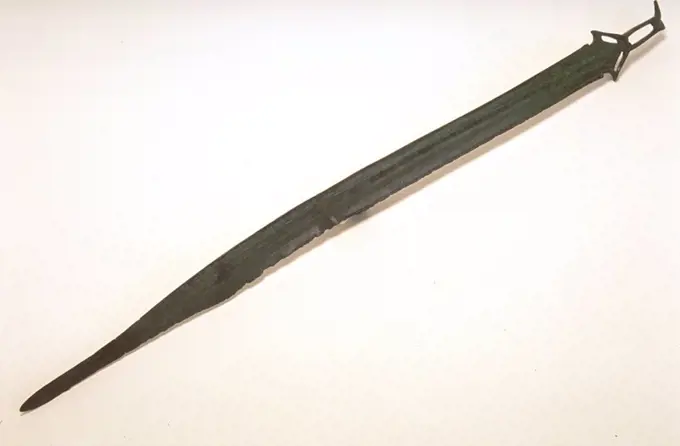
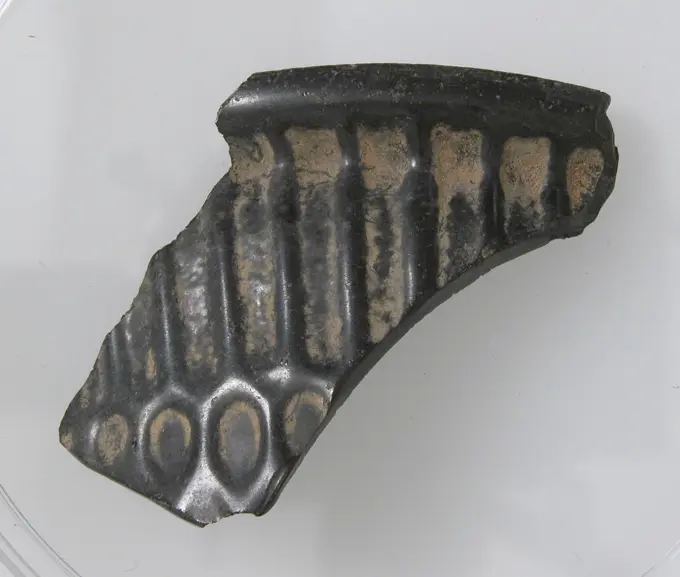
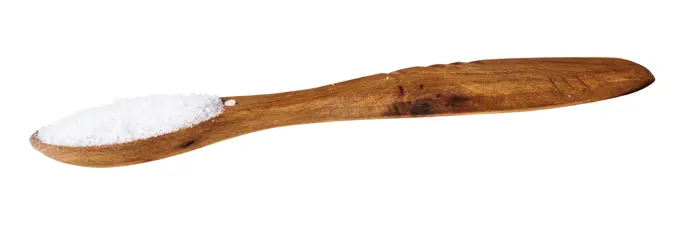
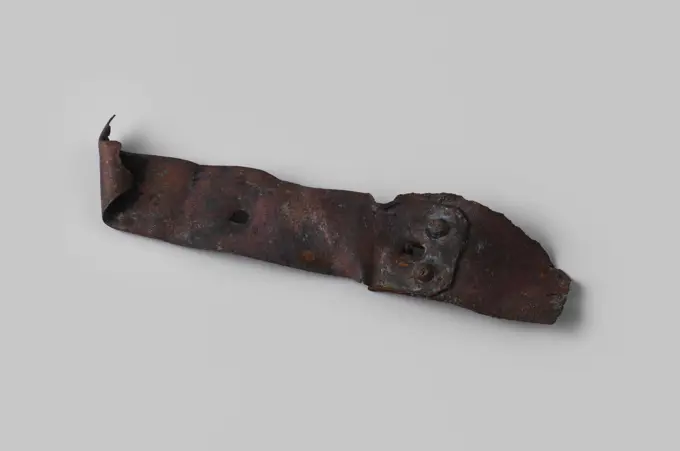
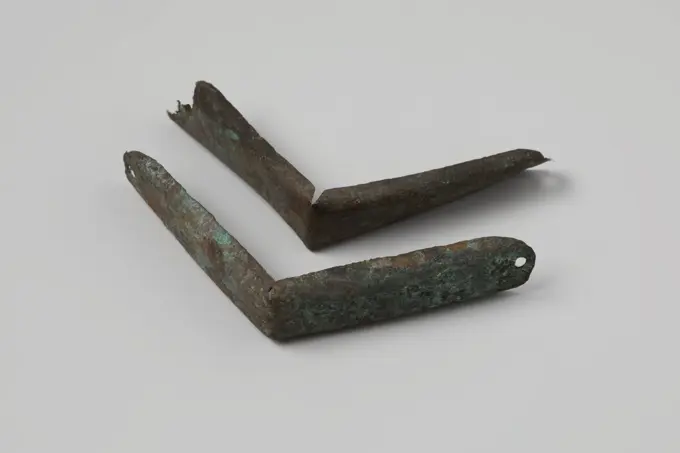
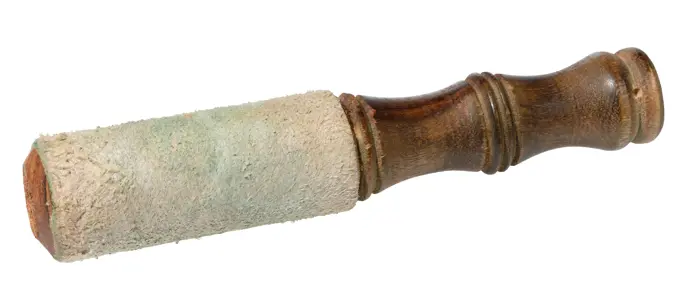
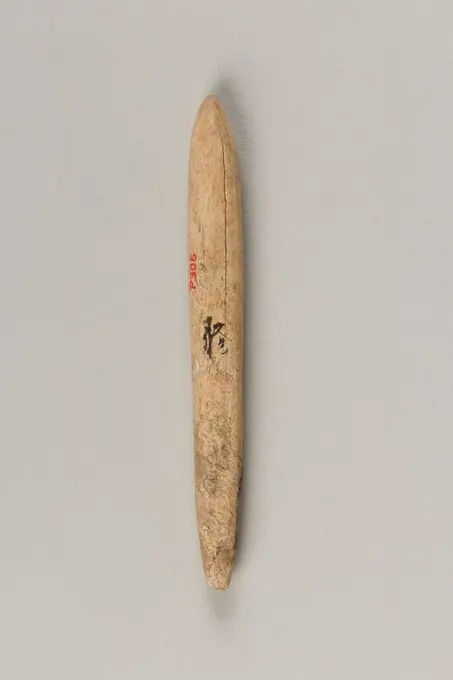
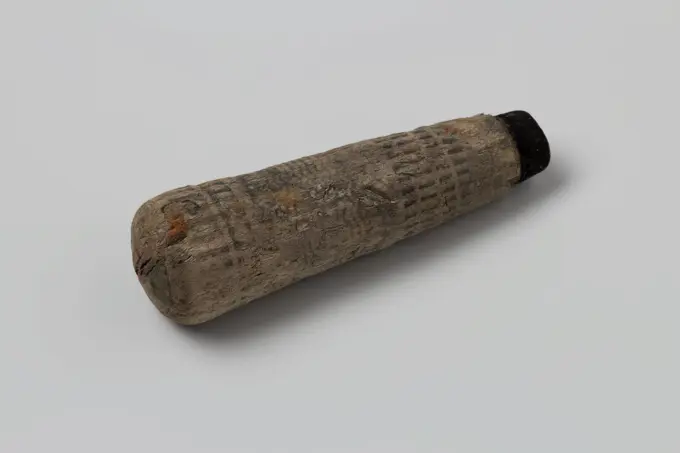
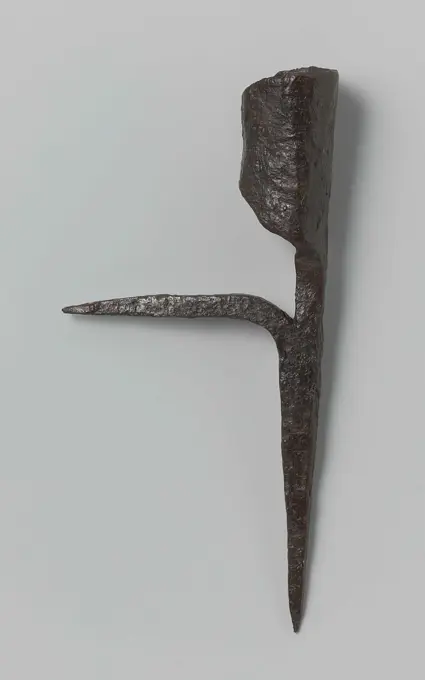
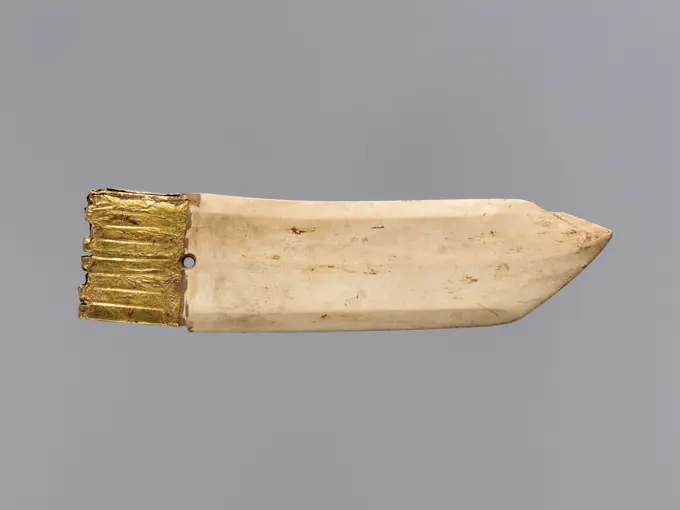
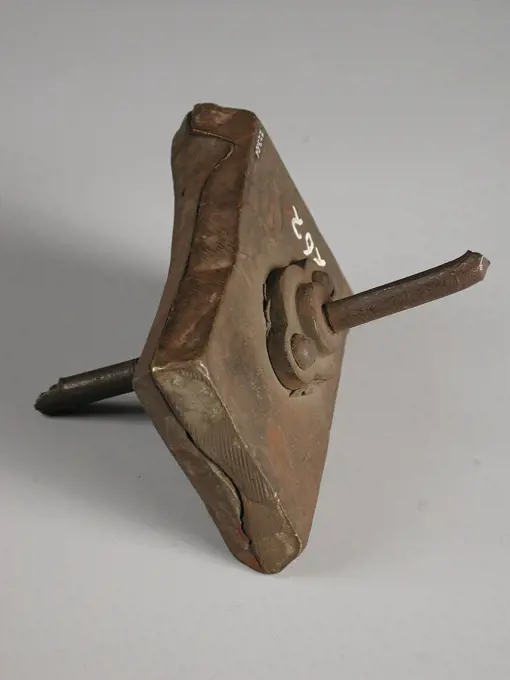
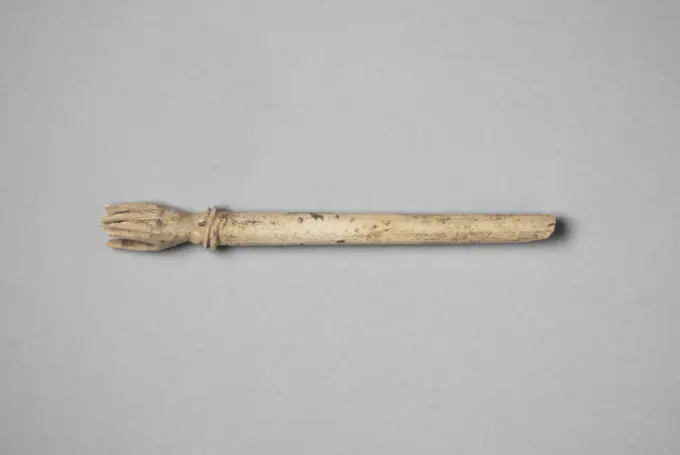
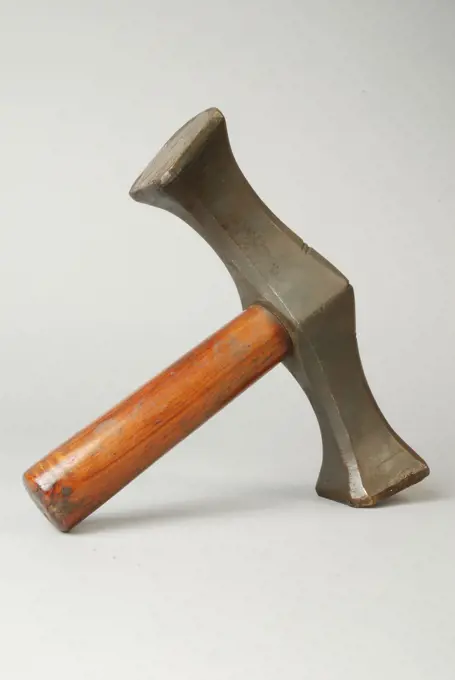
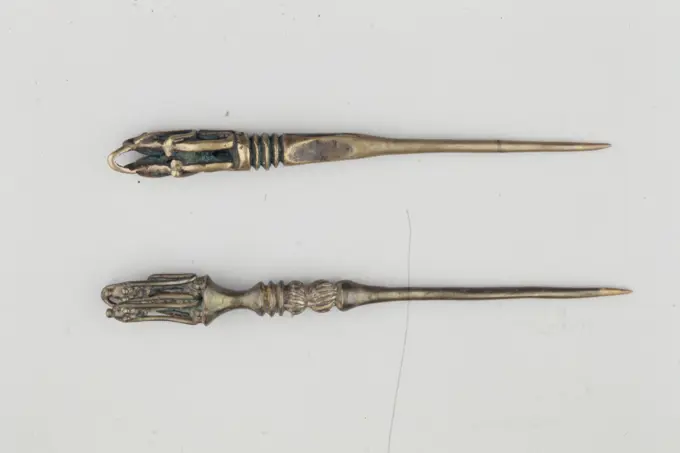
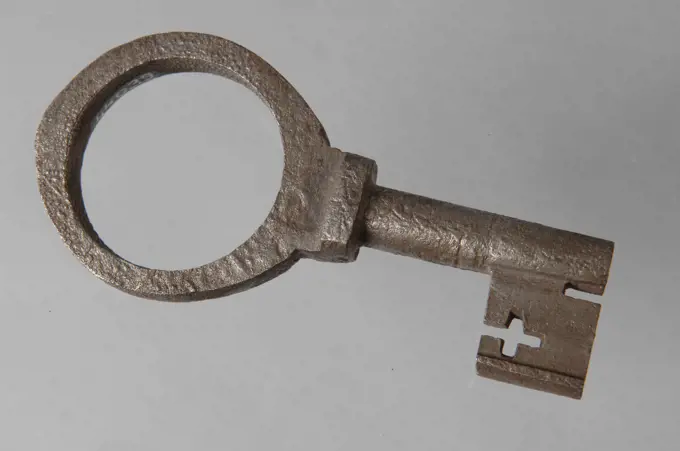
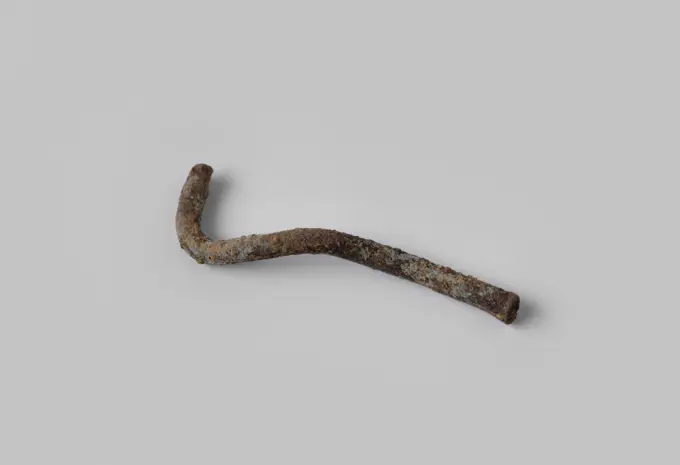
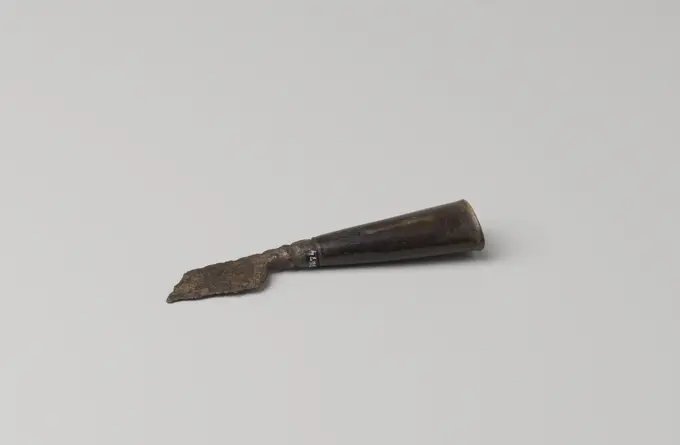
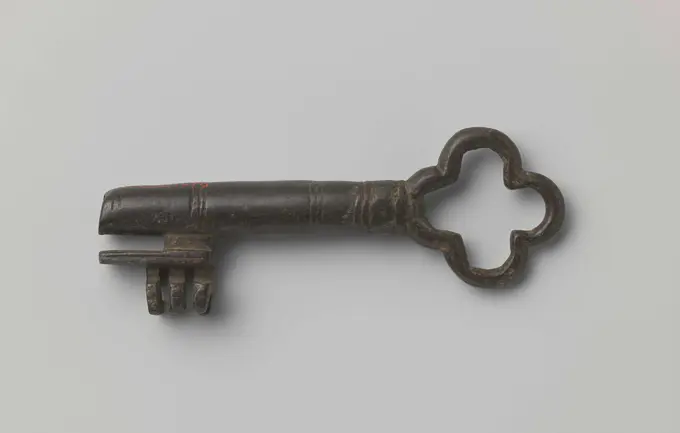
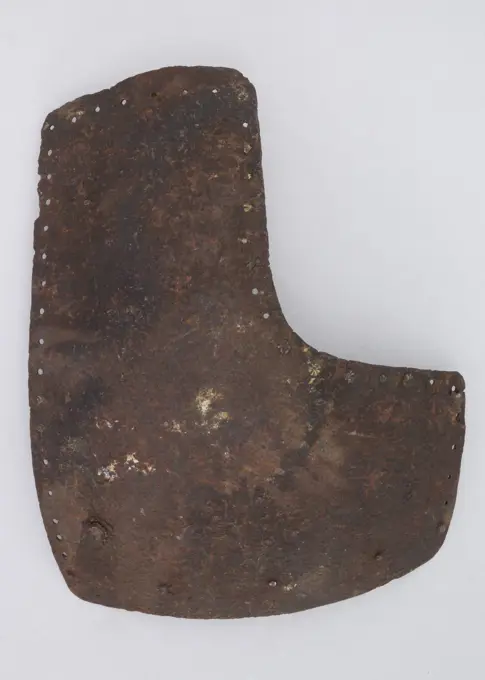
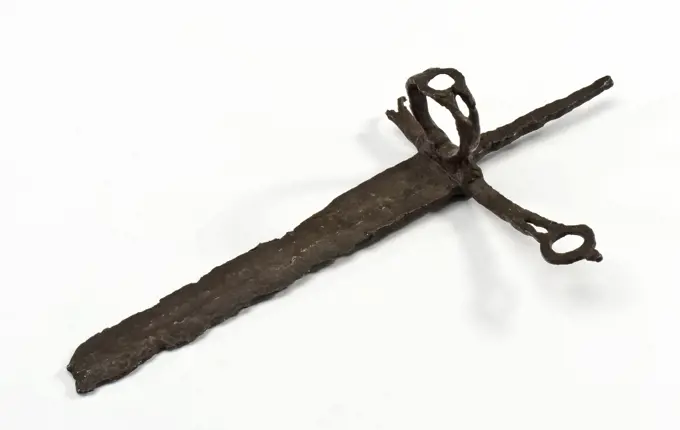
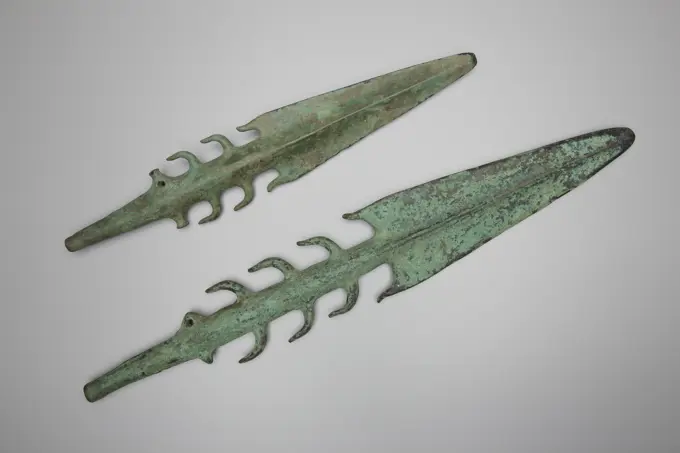
Table knife with hexagonal handle of horn, anonymous, c. 1590 - c. 1596  Table knife with Horn. The handle is irregular in shape and more or less hexagonal. The shape of the handle, presumably, fits in with the shape of the lifting protector. The handle is cracked in the longitudinal direction, the shape of the blade is still intact.  iron (metal). lead (metal). horn (animal material)   Nova Zembla. Saving HuysSleutel.Long key with small beard and oval eye.Knife. Bronze. North or northwest of China, 13th-12th century BC, Cernuschi Museum. 59696-13 Bronze, knife, north, northwestReef Band with a Toggle, anonymous, 1860 - 1885 toggle Braided Reef Knuttel with wooden clamp at an end. Netherlands (possibly) rope. wood (plant material)Fragment Steel van Fork or Spoon from the wreck of the East Indians Hollandia, Anonymous, 1700 - in Or Before 1743 spoon Cutlery, fragment: stem of fork or spoon; fragm, heavily corroded, id. NG 1980-27H67. Netherlands tin (metal)   SecondModel of a Made Mast, anonymous, c. 1850 demonstration model Model of a chumped mast. Round mast with octagonal top, ears, longitudinal and calves, driving bed, row and side bowls. The mast itself consists of an octagonal mast king surrounded by eight cheeks, connected to nuten against sliding; The mast top consists of the king alone. The front cheek is slightly longer than the other. The parts are held together by Kuipbands. A number of short shelves around the mast form a flat riding bed from the front and a half eight -eight side. The side bowls have been extended and widened and form the ears; A driving scale is applied for the mast. The ears have clamps with which the longitudinal and the calves are supported. Netherlands wood (plant material). brass (alloy)Weaving tool. Dimensions: l. 26.3 cm (10 3/8 in). Dynasty: Dynasty 19-20. Date: ca. 1295-1070 B.C.. Museum: Metropolitan Museum of Art, New York, USA.Stamper van Vastijzer, Jan van den Ghein (II), 1553 Smooth pestle made of cast iron, slightly running out to both sides. Mechelen cast iron casting Smooth pestle made of cast iron, slightly running out to both sides. Mechelen cast iron castingBallock Dagger 1490-1510 Northern Europe. Ivy root and bone .Implement, cone-shapedSpearhead, probably from throwing spear, spear lance weapon soil find iron metal, Point of throwing spear with sharp blade tip and wide langlets or shaft springs archeology weapon spear halberd lance throwing spies militariaKey 306-30 B.C. Ptolemaic Period. Key. 306-30 B.C.. Iron. Ptolemaic Period. From Egypt, Upper Egypt, Thebes, Dra Abu el-Naga, Carnarvon/Carter excavationsKnife -Prick Spur (Right) 13th century German The prick spur was the first type of spur to be invented, and it consists of a goad or prick, more or less pointed, connected to side arms or a heel plate. The earliest spurs were probably simple thorns attached at the back of the heel, before they started to be made out of metal in antiquity. Prick spurs were the main type of spurs used in the Middle Ages until the mid-14th century, when they were supplanted by rowel spurs, which appeared in Europe a century before and with which they had cohabitated for a time. As a knights status was closely related to his horse, spurs became one of the symbols of chivalry, and one of the tokens given to him during his knighting.. Prick Spur (Right). German. 13th century. Iron alloy. Equestrian Equipment-SpursPewter spoon with oval scoop blade, stem with pied de biche, spoon cutlery soil find metal tin w 4,6, cast Pewter spoon with oval scoop blade and flat handle The handle has long attachment or rat tail on the underside of the scoop blade end of the stem: pied the biche Probably marked archeology Rotterdam Stadscentrum Stadsdriehoek Oudehaven eating table cutlery Soil discovery: Oude Haven Rotterdam.Spatula shaped blade with narrowed sting, blade knife cutlery ground find iron metal, archeology Rotterdam rail tunnel cutting Soil discovery: rail tunnel Rotterdam.Scissors. Culture: Western European. Dimensions: Overall: 4 13/16 in. (12.2 cm). Date: 15th or 16th century.Shears and scissors, common implements in the MIddle Ages, were made in a variety of materials and sizes according to their use. Because of its small size, this pair was probably used for household work, perhaps needlework. Museum: Metropolitan Museum of Art, New York, USA.Brass candy extractor, in the form of tweezers, stoner tweezers tool kit soil finding brass metal, whole (2) and half (1) spice extractor As tweezer curved narrow metal plate archeology Rotterdam rail tunnel food preparation kitchen table stoning food Soil discovery: trajectory Rotterdam rail tunnel.Model of a Jury Rudder, anonymous, 1700 - 1800 demonstration model Model of a part of a keel with stern and emergency rudder, incomplete. The Roerkoning is put together from four parts, held together by the rudder hooks and wooden pens. The feathers of the rudder hooks are connected to the back for this. The hooks themselves are loose and in a hole in the front of the feathers. The heel of the helm is incomplete. model maker: Netherlands (possibly)after design by: Spain wood (plant material). brass (alloy)Johan de Clercq (), Pewter spoon with oval bowl, flat handle and two notches in end, marked, spoon cutlery soil find tin metal, cast Pewter spoon with oval spoon bowl and flat handle. Steel ends two chopped beveled ends. In the spoon tray the initials of the owner Short rat tail under the tray. Marked on the stem at the back mark: crowned coat of arms in the crown the letters: ID * archeology Rotterdam North Agniesebuurt Schiekade St. Franciscus Gasthuis food serving table feeding archaeological find in the soil Rotterdam Schiekade St Franciscus Gasthuis under the frontage in the 1st large waste pit.Clay pipe with rose as heel mark, belly-shaped model with small opening, clay pipe smoking equipment smoke floor earthenware ceramic pottery h 3,2, mold pressed finished baked One clay pipe with heel mark. Belly model with small opening Rappen around the boiler opening Heel mark: rose or Tudor rose in round stamp area archeology Rotterdam railway tunnel smoking tobacco Soil discovery: rail tunnel Rotterdam.Yatagan with Schede van Cornelis Tromp, Anonymous sword. yatagan European-Turkish Yatagan with wooden and silver hilt. Curved damaged blade, very sharp. Round brand on Kling, no inscriptions. Rag button in the form of a stylized eagle head. Yatagans were rarely used ashore.  silver (metal). schede: velvet (fabric weave) engravingNeedle tube, silver, c. 1400 - c. 1950 Needle case, silver. With empty coat of arms and relief decoration.  silver (metal) Needle case, silver. With empty coat of arms and relief decoration.  silver (metal)Arrowhead ca. 480-330 B.C. Greek, Cypriot. Arrowhead. Greek, Cypriot. ca. 480-330 B.C.. Bronze. Classical. BronzesPijpsleutel.Pipe wrench from a piece forged with round flat eye. The bleached beard has two holes.Sztylet z rękojeścią. unknown, authorSabre after King John unknownRemover bronze perfume. Length 68 cm Diameter of the ring 24 mm ( 5th - 6 th CE )- Visigoths period , from the archaeological site of Complutum in Alcalá de Henares (Madrid). SPAIN.Seat Hook, Anonymous, -500 --200 The elongated rectangular part is decorated with spirals, ending in sharp corners. China bronze (metal) The elongated rectangular part is decorated with spirals, ending in sharp corners. China bronze (metal)Bronze Fibula arc trilaminar,consists of three pieces hammered together by nails .Size 10, 2 cm x 3, 1 cm Height 2 cm ( 5 th CE ) - Visigoth period, from the "Afflicted Necropolis "- Archaeological site of Complutum in Alcalá de Henares ( Madrid ). SPAIN.Pijpsleutel.Beaten pipe wrench from a leaf. The flat massive handle has a hole.. An staggered single cut.Key 15th century German The decoration of Gothic iron locks and keys was often elaborate and of the highest standard of workmanship. The motifs were frequently drawn from Gothic architecture, reproducing on a miniature scale complicated tracery patterns and even tiny statuettes. A number of these tiny locks were compound, with some of the mechanisms concealed from view, and required two or even three keys used in sequence to open them. It has been suggested that the greatly expanded use of locks on doors, or coffrets and other types of storage chests was a result of the increasing urbanization of life and the new emphasis on material wealth and private ownership which developed in the late Middle Ages.. Key 468820Tools, anonymous, c. 1590 - c. 1596  Ax of iron with fragment of the stem. The Bijl is open with four commissioned openings. Decorating lines have been brought in on the house. +and silk is flat and the others thickened. This type of ax is in line with the type of ax with notch that originated in the 15th century and was generally distributed in the 16th century. One speaks of a bug ax, used for woodworking.  iron (metal). wood (plant material) forging / cutting  Nova Zembla. Saving HuysNail 15th-16th century European. Nail. European. 15th-16th century. Iron. Metalwork-IronRazor. Egypt, New Kingdom (1569 - 1081 BCE) or later. Tools and Equipment; blades. BronzePaper knife. Łopieńscy, Bracia (Warszawa ; wytwórnia złotnicza ; 1884-1944), factoryIron key with oval eye, massive key handle and straight-shaped shaped beards, key iron iron, hand forged Key with oval eye (handle) that overflows into stem massive key handle rectangular barrels in key beard and symmetrical keyhole cross-section hingesModel of a Jury Rudder, anonymous, c. 1800 - c. 1850 demonstration model Model of an emergency rudder with a steng like king. The leaf is composed of round wooden with shelves covered (including the ears of a mast), and a donkey head as a stir -hook around the king. This model is identical to NG-MC-228. Netherlands wood (plant material). brass (alloy)White pipe bowl, unnoticed, with fleur de lis stamps on the stem, stem fragment, clay pipe smoking equipment smoke floor pottery ceramics pottery, pressed pressed White pipe head unnoticed decorated with fleurs de lis stamps on the stem with stem fragment Pipe is reused after breaking the handle; fracture surface is smoothed. The pipe may be custom made for tobacco box archeology Rotterdam Hillegersberg-Schiebroek Hillegersberg Noord Hillegersberg Zuid Judge Rottekade smoking tobacco Soil discovery: 1869 when making the covering at the Rottekade Rotterdam.Hector Guimard (1867-1942). "Key". Bronze. 1909-1911. Museum of Fine Arts of the City of Paris, Petit Palais. 74618-19 Art Nouveau, bronze, key, key, decoration, metalStylus ca. 3rd century B.C.-2nd century A.D. Cypriot. Stylus 244376Knife Handle (Kozuka) with Blade 19th century Japanese A kozuka is a handle of a by-knife that is part of a sword mounting. It is kept in a slot on the reverse of a katana scabbard, often with a matching kōgai (hairdressing tool).. Knife Handle (Kozuka) with Blade 26109Pijpsleutel.Pipe key with a flat oval handle, caught in a bullet that passes into the smooth shaft after some profiling.Woodcarving knife -Mouth harp from iron. Mouth harp from iron.Fish from light green and light brown jade ..Handle of a drill, anonymous, c. 1590 - c. 1596 drill Drill without a drill.  wood (plant material) cutting  Nova Zembla. Saving HuysHair comb of turtle; Narrow swiveled model with S-shaped cover of transparent gray plastic. An ornamental hairpin from turtle. A narrow, pivoted, S-shaped cover made of transparent gray plastic; with copper pin.Case for a travelling cutlery set, anonymous, c. 1675 - c. 1700 Robbenvel case with a beautiful silver point with driven flower bed. Netherlands sealskin. silver (metal) Robbenvel case with a beautiful silver point with driven flower bed. Netherlands sealskin. silver (metal)Military ornaments from the first half of the eighteenth century, ornamental sword sword weapon weapon fragment soil found bronze lead wrought iron metal, cast forged Military ornamental levers Heftgroep composed of at least six parts and made of bronze. This is no longer recognizable as residue of decorative relief. The lifting knob is convex. The front bracket is stirrup shape. The baffle plate is solid and dense. The blade is diamond-shaped double-edged archeology knife sword sword decoration status symbol personal equipment defense clothing accessory militariaAnthropomorphic tube ca. 8th-7th century B.C. Iran. Anthropomorphic tube 322864Crossbow Bolt, 1500s-1600s. Germany, 16th-17th century. Wood, leather, steel; average: 37.2 cm (14 5/8 in.).Pliers (common name), -276. Hammered copper alloy. Carnavalet museum, history of Paris.Pointed part of the wreck of the East Indies Hollandia, Anonymous, 1700 - in Or Before 1743 fragment Varied parts or fragments, points or pointed end fragments; fragm, sim. 80H535, broken end flat, slightly curved. Netherlands copper (metal)   SecondPouch of Robbenvel with beautiful silver point with driven flower bed.ESPADAS HALLADAS EN LA RIA DE HUELVA. BRONCE AJUAR. (DEPOSITO: MUSEO ARQUEOLOGICO NACIONAL).Glass Fragment 4th-early 5th century Coptic. Glass Fragment 479120side view of wooden salt spoon with Rock Salt side view of wooden salt spoon with grained Rock Salt isolated on white background Copyright: xZoonar.com/ValeryxVoennyyx 13600010Awl () ca. 4600-3600 B.C. Ghassulian. Awl (). Ghassulian. ca. 4600-3600 B.C.. Bone. Chalcolithic. Levant, Teleilat GhassulFragment of copper sheet metal from the wreck of the East Indians Hollandia, 1700 - in or before 1743 fragment Varied parts or fragments, strips and strip-shaped fragments; fragm. Netherlands copper (metal)   SecondNail 15th-16th century European. Nail. European. 15th-16th century. Iron. Metalwork-IronCorner broke from the wreck of the East Indians Hollandia, Anonymous, 1700 - in or Before 1743  Corner-fitting; strip, right-angled in middle, vertical sides, semicircular pierced ends. Netherlands copper (metal)   SecondWooden stick for Tibetan singing bowls for meditation, sound therapy and spiritual practices. Used to create resonant sounds when rubbed along the edge of the bowl Wooden stick for Tibetan singing bowls for meditation, sound therapy and spiritual practices. Used to create resonant sounds when rubbed along the edge of the bowl Copyright: xZoonar.com/DANKOxNx 22863824Two-piece bronze mold for possibly candle extinguisher, cast molding tools tools base metal bronze wood iron, cast turned Two-piece bronze mold for casting candle puder Rotterdam tin casting tin tin Meeuws Druy craft Forms come from the originally 18th century Rotterdam tinnegieter J Druy. The large molds that were not signed or dated were the property of the tinker guild and were rented to the small tin caster.Arrowheads, needles, hooks and harpoons. Culture: Japan. Dimensions: W. 3/8 in. (1 cm; L. 2 3/4 in. (7 cm). Museum: Metropolitan Museum of Art, New York, USA.Knife with Sheath 18th-19th century Philippine, Moro. Knife with Sheath. Philippine, Moro. 18th-19th century. Steel, wood. KnivesMessenheft from the wreck of the East Indians Hollandia, Anonymous, 1700 - in Or Before 1743  Knife, handle, cylindrical: tapering. Netherlands wood (plant material). copper (metal)   SecondCross thorough; Unknown Ethiopian workshop (1400-1970); 16th-20th centuries (1501-00-00-1950-00-00);Chojnacki, Stanisław (1915-2010) - gift, gift (provenance), Ethiopian crosses, hand crossesCandle holder consisting of a sleeve for a candle and two perpendicular pins. Candle holder consisting of a sleeve for a candle and two perpendicular pins.Ceremonial dagger-ax (Ge) 13th-11th century B.C. China. Ceremonial dagger-ax (Ge). China. 13th-11th century B.C.. Jade (nephrite) and gold. Shang dynasty (ca. 1600-1046 B.C.). JadeTwo-piece bronze mold for side of an object, possible box, ink set or tobacco box, cast molding tool tools base metal bronze, cast hammered Two-piece bronze mold for casting one side of box or ink set or tobacco box; the shape is decorated with C-shaped decoration and S-shaped pewter Rotterdam tingieterij tinnegieter tin Meeuws Druy craft Forms come from the originally 18th century Rotterdam tinnegieter J Druy. The large molds that were not signed or dated were the property of the tinker guild and were rented to the small tin caster.Sporting Crossbow 1601-1700 Germany. Wood, steel, horn, bone, and cord .Haakbus.Hookbus with short bent rod with button, octagonal loop, bracket with studs. The original hook is probably degraded. The bus is now equipped with a surrounded ring with horizontal tapping. Funnel-shaped Zundgat on top of the course.Flat Ax ca. 1700-1400 B.C. British. Flat Ax. British. ca. 1700-1400 B.C.. Brass. MiscellaneousTimpani hammers, anonymous, 1800 - 1893 Timpani sticks of wood. Horend with three timpani sticks (BK-NM-11430-125-A to BK-NM-11430-125-D).  wood (plant material). wool Timpani sticks of wood. Horend with three timpani sticks (BK-NM-11430-125-A to BK-NM-11430-125-D).  wood (plant material). woolPin with hand asfinialMetal pliers to choose and pull teeth, Pliers medical_instrument metal wood, dentistry pharmacy army medical act health care surgeon surgeonHammer from casting, hammer tool kit metal iron wood varnish, forged Hammer Short round wooden handle. Elongated and curved head with two striking surfaces constricted on both sides of the handle. The striking surfaces have bevelled corners and are slightly round at the top. Decorated with double grooves over the head. Struck marks struck initials of the owner: WP tin foundry tin pewter craft craft driving hammer polishing hammer metal processing Meeuws Originating from collection Meeuws.Hairpin, 20th century, 8 15/16 x 15/16 in. (22.7 x 2.38 cm), Brass, Mali, 20th centuryIron key with round eye, massive key handle and cruciform beards in beard, from mill in Delfshaven, key iron iron, hand forged Key with square round eye (handle) solid key handle cross-shaped notches (horizontal and vertical) in key square square collar and symmetrical keyhole cross-section hang-and-seal mill Delfshaven Rotterdam The key comes from windmill in Delfshaven.Fibula, boat-shaped type 8th-6th century B.C. Italic The bow is solid and flat. Its outer surface has an incised collar.. Fibula, boat-shaped type 246369Copper wire from the wreck of the East Indians Hollandia, Anonymous, 1700 - in or Before 1743  Varied parts or fragments, wire; fragm, bent, circular in section. Netherlands copper (metal)   SecondOracle bone fragment China. Oracle bone fragment. China. Inscribed bone. Shang dynasty (ca. 1600-1046 B.C.). BoneKnife with horns with oval cross -section, a narrowed angel and a profiled cut -out protector, anonymous, c. 1590 - c. 1596  Mess with horns with oval cross -section, a narrowed angel and a profiled cut -out protector. The blade has been demolished.  iron (metal). horn (animal material) forging / cutting  Nova Zembla. Saving HuysTools for measuring thickness, caliper passer measuring instrument equipment metal iron copper, forged crompasser Flat curve legs bent together. Sawed out ornaments along the inside of the legs high. Riveted three copper discs in the joint measure craft39 keys from the collection of Emmanuel Vita Israël.The Amsterdam apothecary and art collector Emmanuel Vita Israël. He donated his collection, comprising keys dating from Roman antiquity to the 19th century, to the Koninklijk Oudheidkundig Genootschap (Royal Antiquarian Society) in 1937. Vita Israël claimed that his key collection had grown more or less by accident: being one of the few collectors of keys, dealers automatically made their way to him.Design of the collar collar of the gendarmerie of the Second Brigade of the Polish Legions Jarnuszkiewicz, Czes Aw (1888 1988)Pijpsleutel.Pipe key with round eye, resting on a deeply grooved key chest. Wide shaft and small beard.Duy of a ton from the wreck of the East Indians Hollandia, Anonymous, 1700 - in Or Before 1743  Duy of a ton. Netherlands wood (plant material)   SecondCavalry Trumpet, Christoffel Rep and Son, c. 1862 - c. 1886 musical instrument. wind instrument. natural trumpet. trumpet Cavalrite trumpet with two turns. The copper mouthpiece may be from another instrument. The cup has been repaired on the edge with copper and solder. On the cup engraved 'C H Rep and Z Oon / Amsterdam'. Amsterdam copper (metal) casting / sawing / solderingBrigandine Plate 1400-1450 Italian This is part of a large find of medieval armor discovered in 1840 in the ruins of the fortress of Chalcis, on the Greek island of Euboea (then a Venetian colony called Negroponte). The fortress had been captured and destroyed by the Turks in 1470. Now divided largely between the Ethnological Museum, Athens, and The Metropolitan Museum of Art, the Chalcis hoard contains many rare and unusual elements of fourteenth- and fifteenth-century armor. Of particular importance are the variety of headpieces and the many fragments of brigandines (armor for the torso constructed of small plates riveted to layers of fabric), some of which retain portions of their original velvet covering. The Chalcis armor provides a unique picture of the armament used in the Aegean, one of the easternmost military outposts of the Venetian empire.. Brigandine Plate 27678Fragment left hand, left hand dagger knife stab weapon weapon fragment soil find wrought iron metal, cast forged Fragment of most probably left hander Over the top 4.5 cm from the shoulders three trenches over the double-edged flat blade. The middle channel continues until the break point. The straight paratroopers open into cut-out straight opening and round hole. The parison ring has the same decoration and is kept open. The handle has disappeared together with the grip grip archeology Rotterdam knife rapier sword decoration status symbol personal equipment defense clothing accessory militaria archaeological find in the soil dredging Rotterdam.horseshoeHarpoonTipSnuiter of iron with copper band, 1575 - 1600   iron (metal). copper (metal)   iron (metal). copper (metal)Sgra-Snyan Nepalese 19th centuryRaises knife in the form of tapered, hollow tube, has knife cutlery soil find copper metal, Tapered hollow shaft archeology Rotterdam railway tunnel eating Ground discovery: railway tunnel Rotterdam.Key. Culture: German. Dimensions: Overall: 3 1/4 x 1 9/16 x 7/16 in. (8.3 x 4 x 1.1 cm). Date: 15th century.The decoration of Gothic iron locks and keys was often elaborate and of the highest standard of workmanship. The motifs were frequently drawn from Gothic architecture, reproducing on a miniature scale complicated tracery patterns and even tiny statuettes. A number of these tiny locks were compound, with some of the mechanisms concealed from view, and required two or even three keys used in sequence to open them. It has been suggested that the greatly expanded use of locks on doors, or coffrets and other types of storage chests was a result of the increasing urbanization of life and the new emphasis on material wealth and private ownership which developed in the late Middle Ages. Museum: Metropolitan Museum of Art, New York, USA.Model sandal ca. 1859-1813 B.C. Middle Kingdom. Model sandal 545264