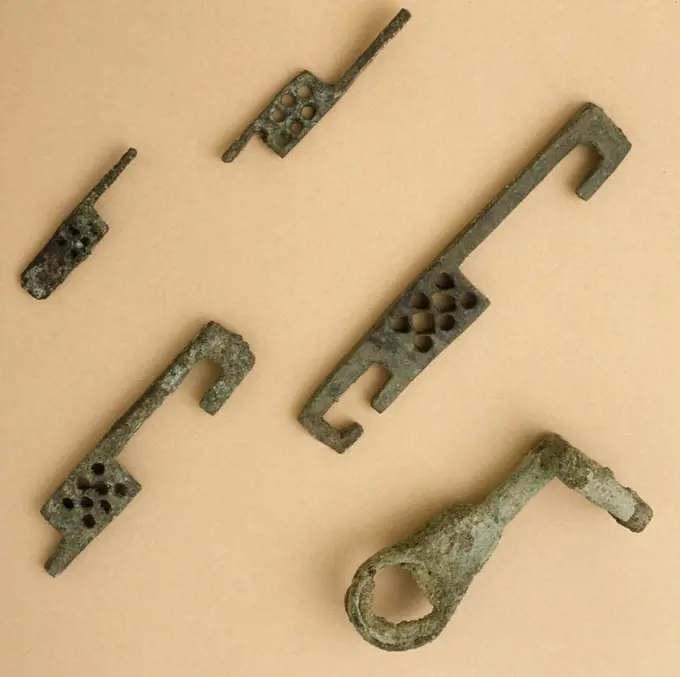
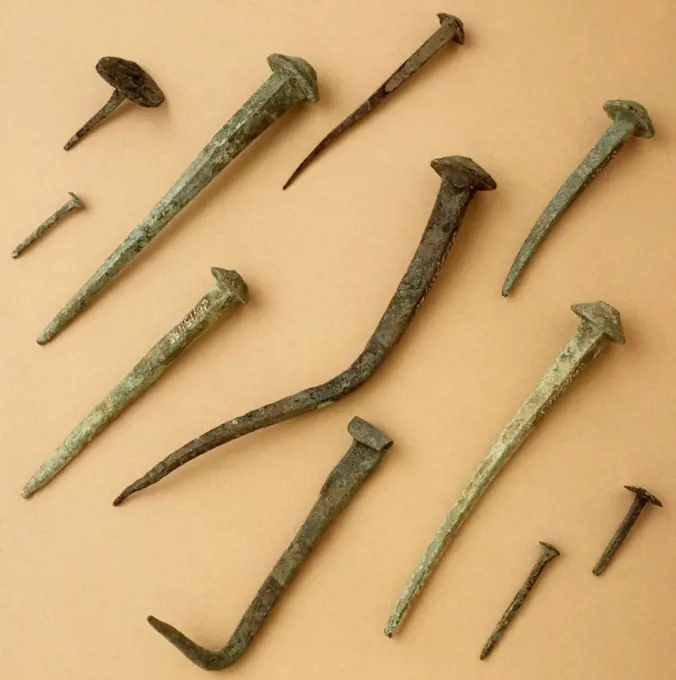
Historical Cutlery and Tools

A selection of ancient tools and cutlery, featuring knives and keys from different eras, showcasing unique designs and materials like bronze and horn.

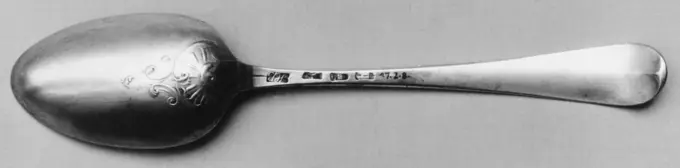
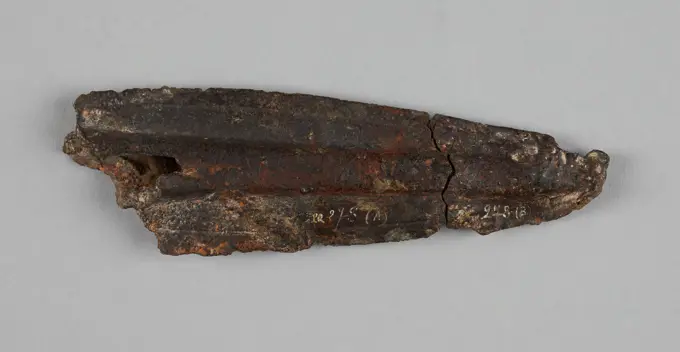
Fragment Steel van Fork or Spoon from the wreck of the East Indians Hollandia, Anonymous, 1700 - in Or Before 1743 spoon Cutlery, fragment: stem of fork or spoon; fragm, heavily corroded, id. NG 1980-27H67. Netherlands tin (metal)   Second
Fragment Steel van Fork or Spoon from the wreck of the East Indians Hollandia, Anonymous, 1700 - in Or Before 1743 spoon Cutlery, fragment: stem of fork or spoon; fragm, heavily corroded, id. NG 1980-27H67. Netherlands tin (metal) Second
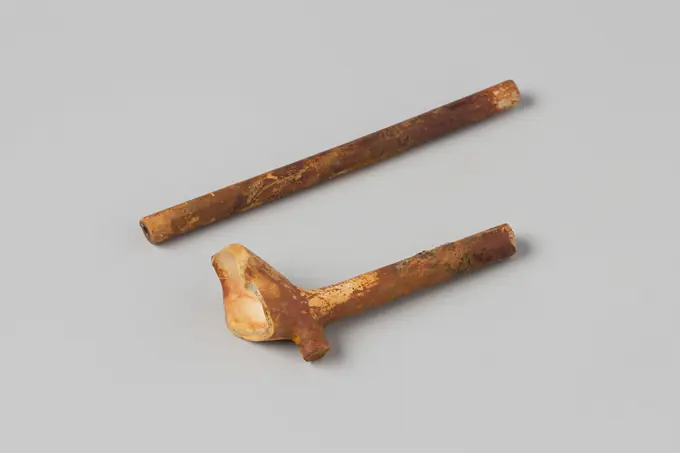
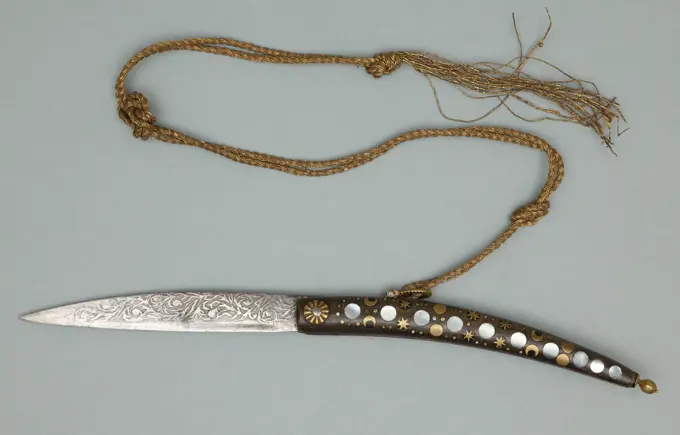
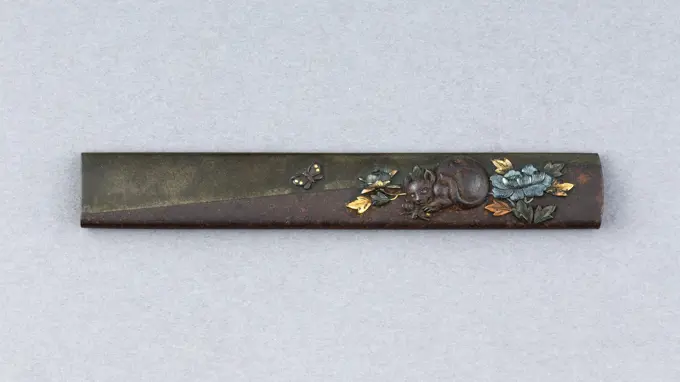
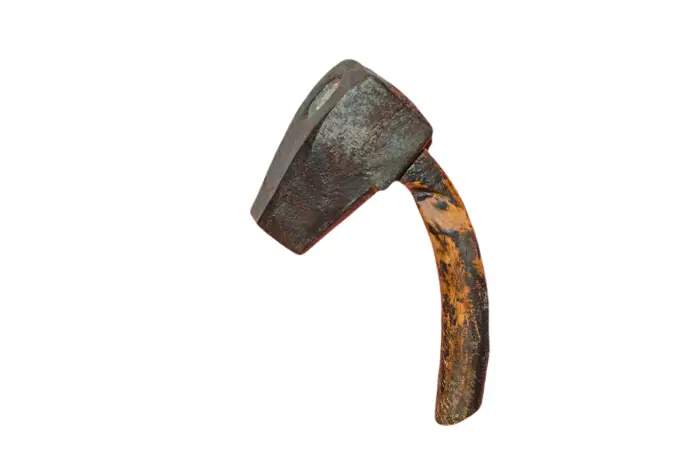
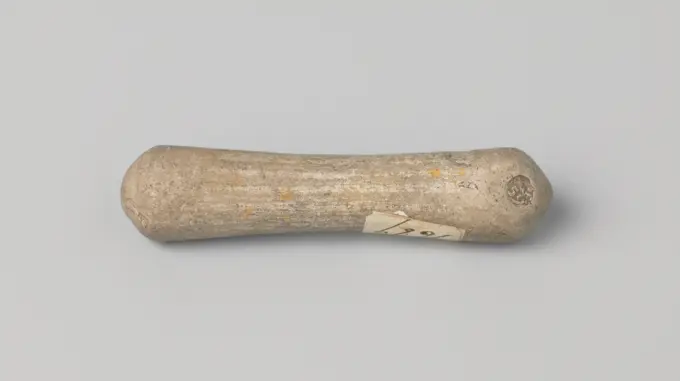
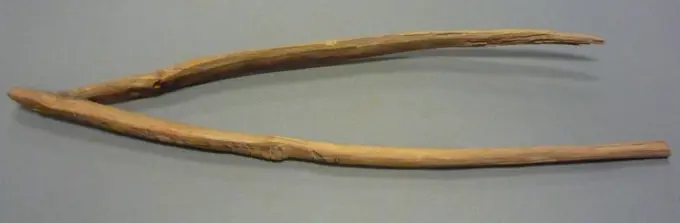
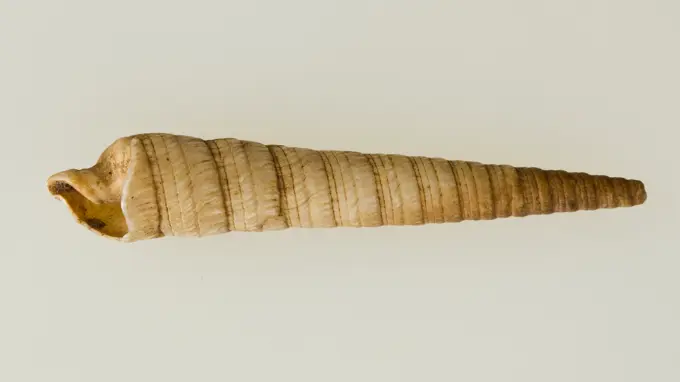
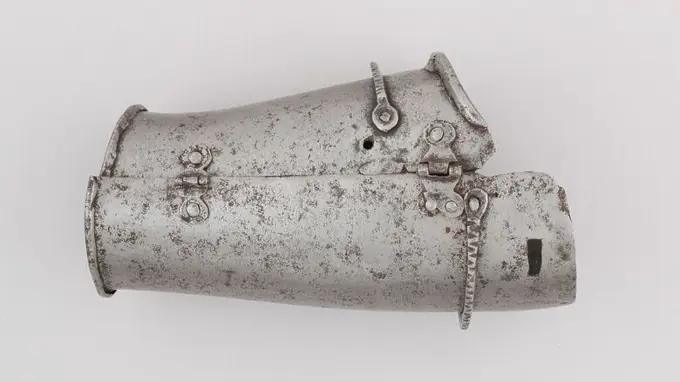
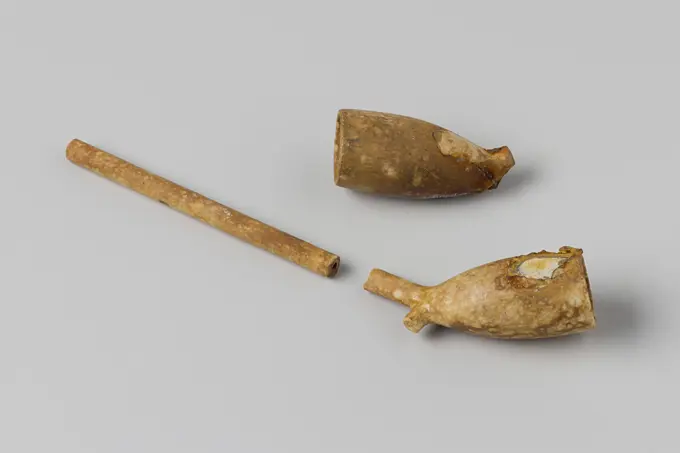
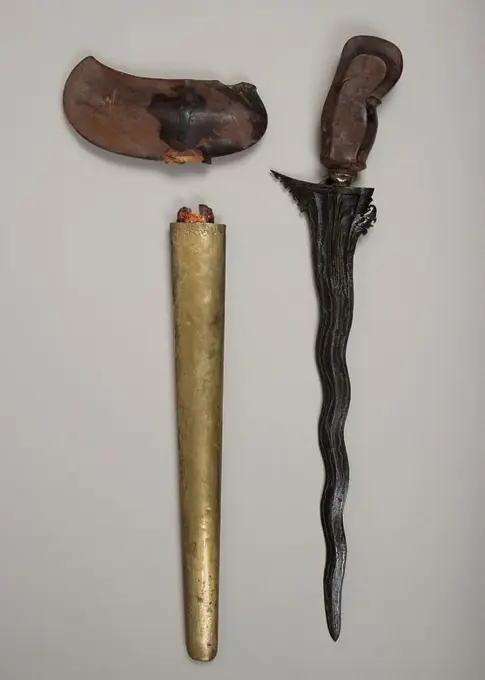
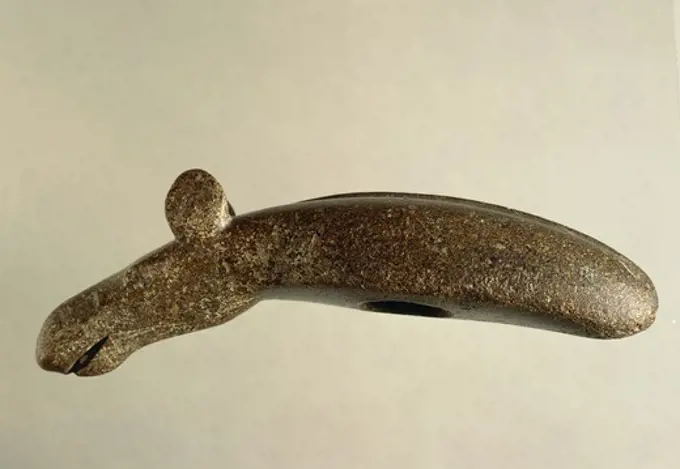
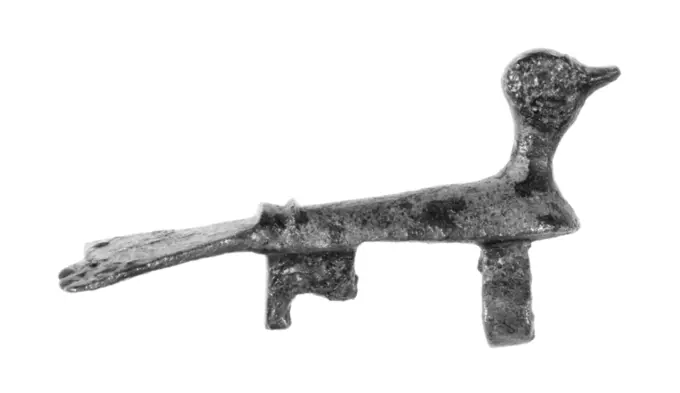
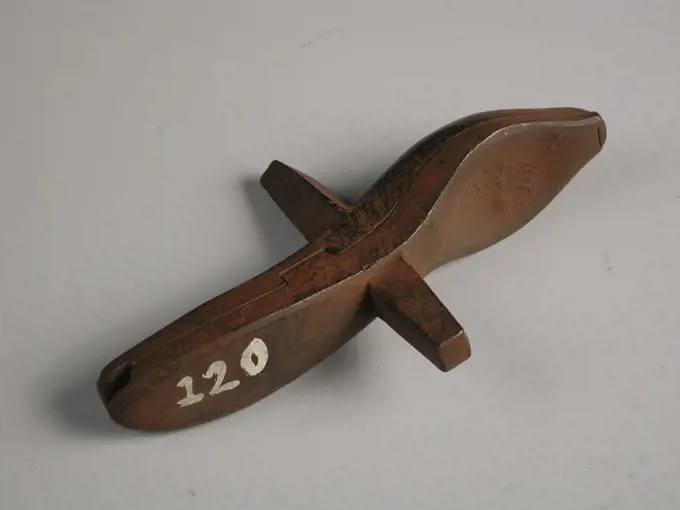
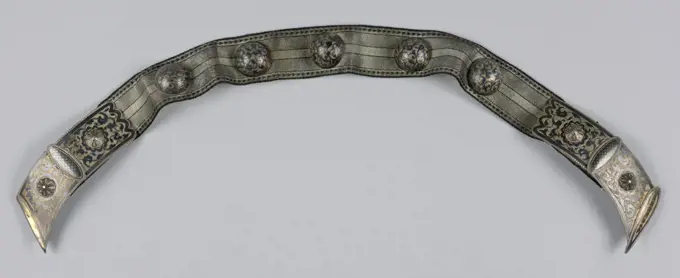
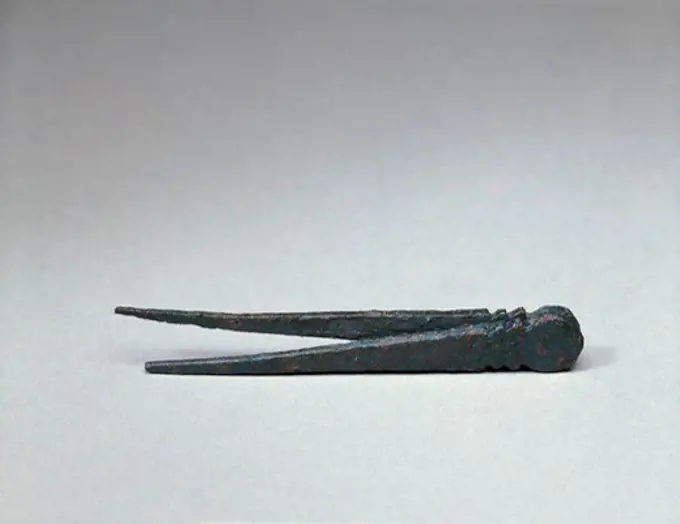
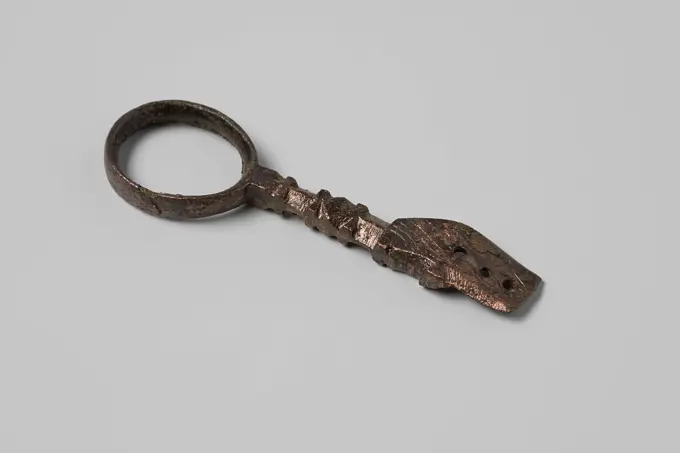
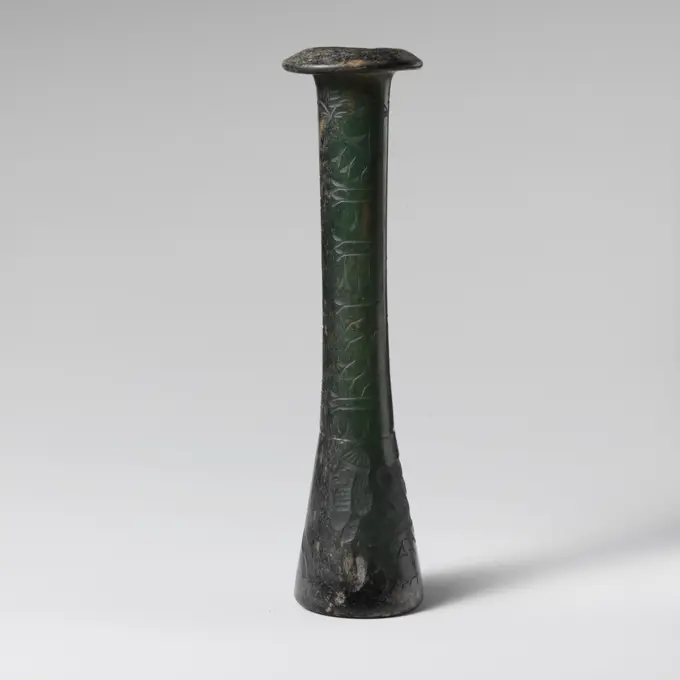
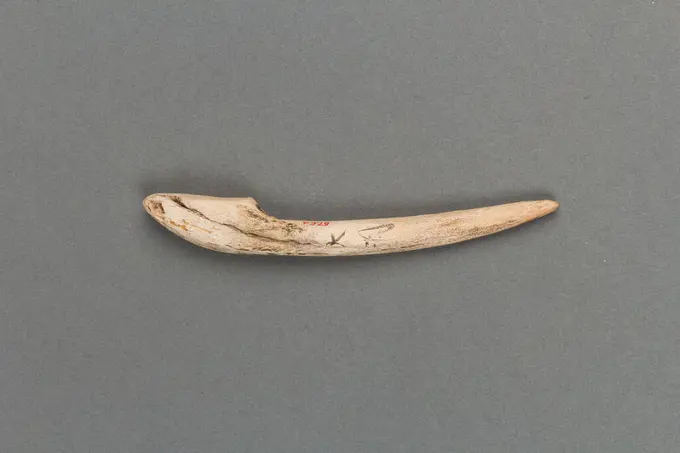
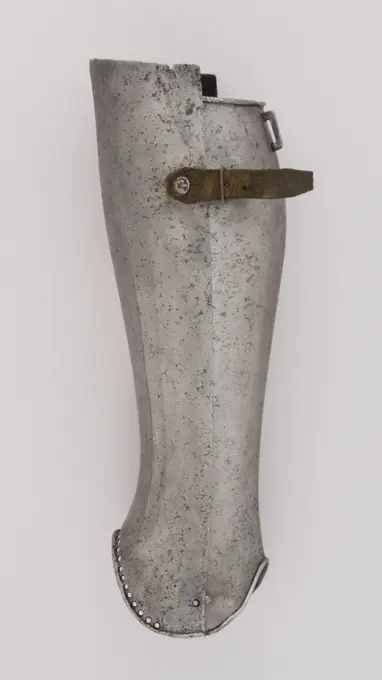
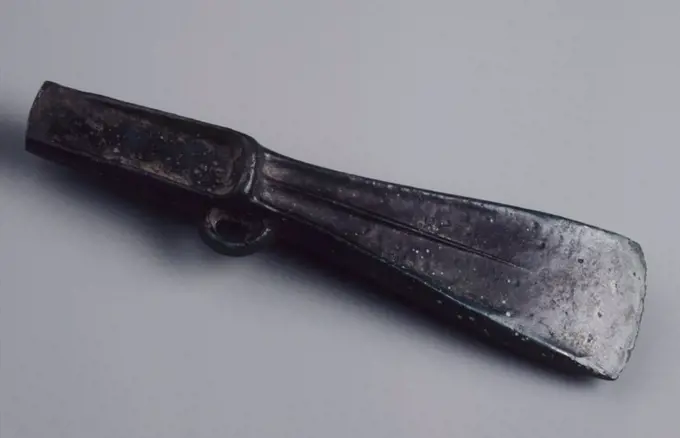
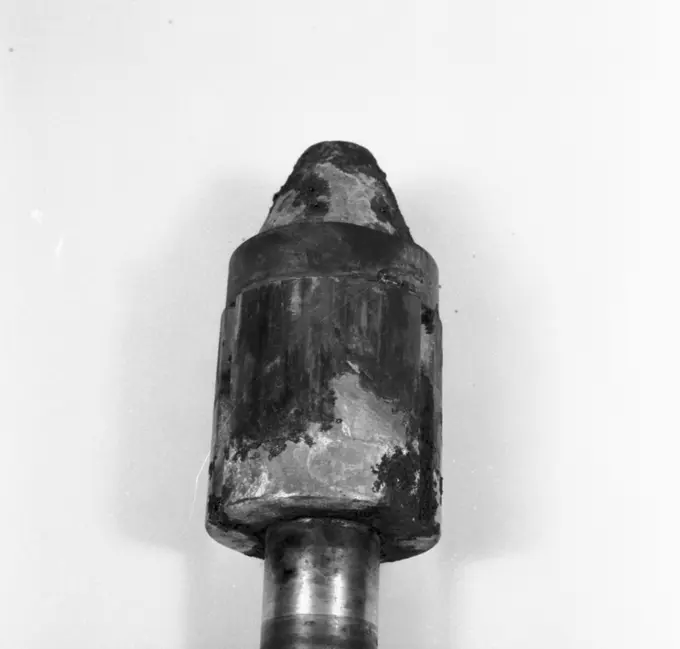
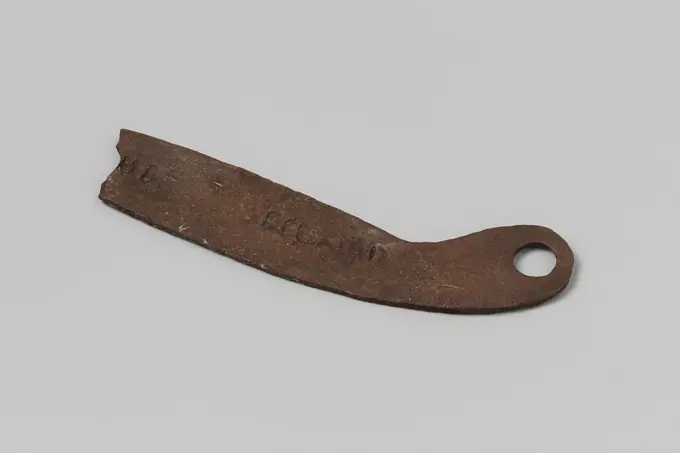
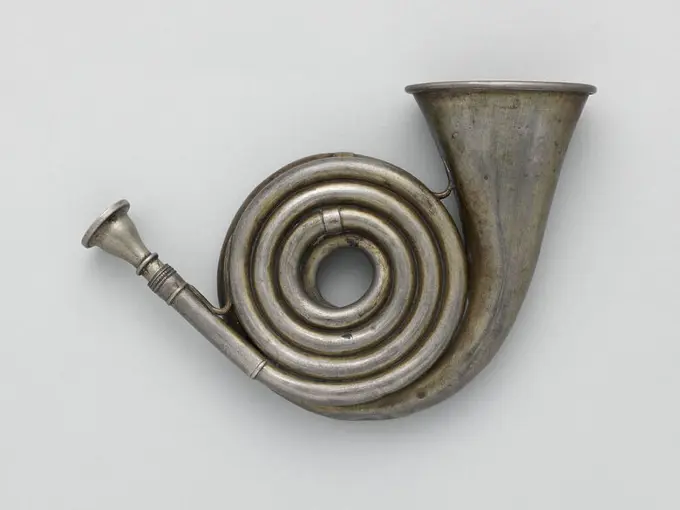
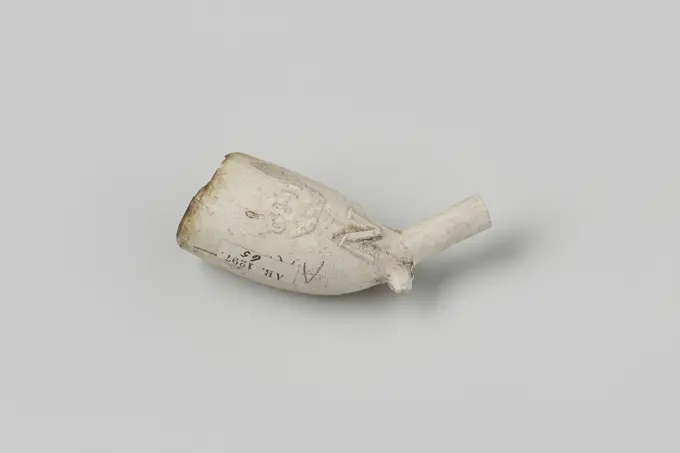
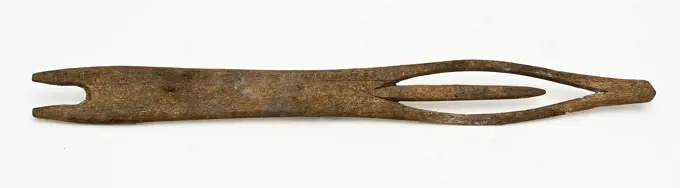
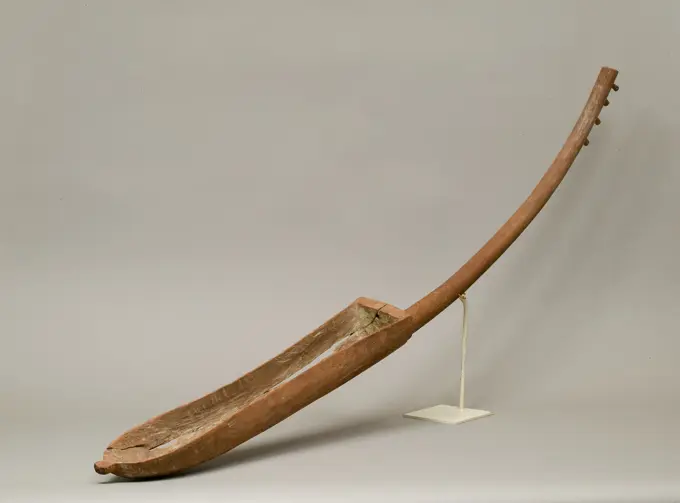
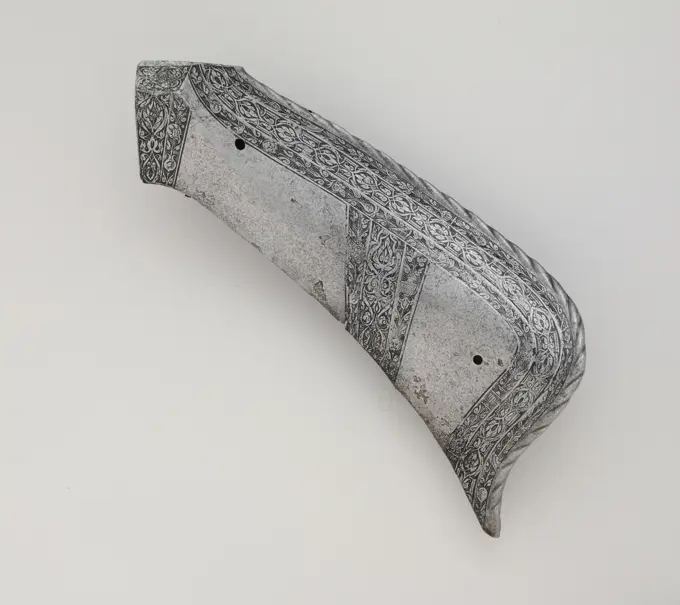
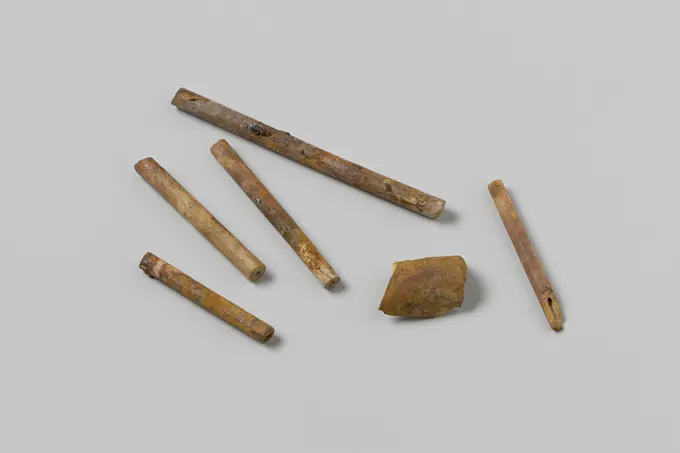
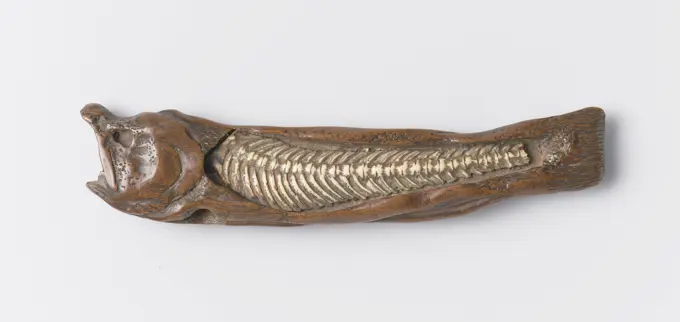
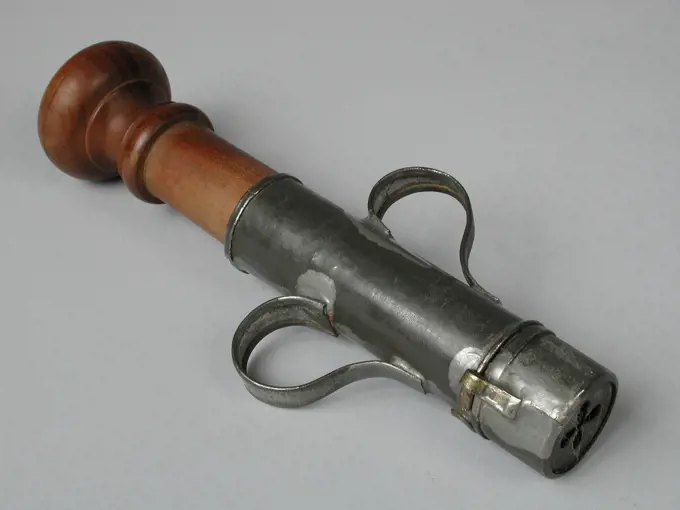
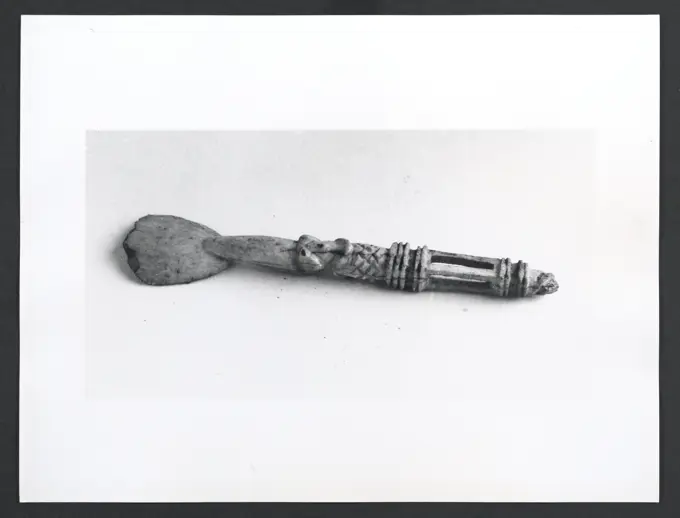
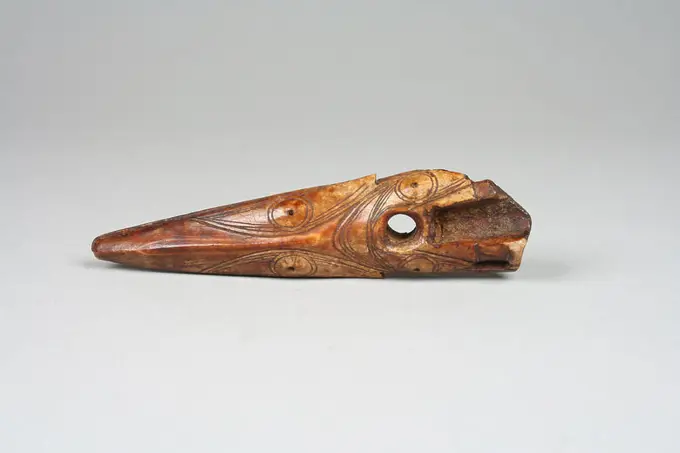
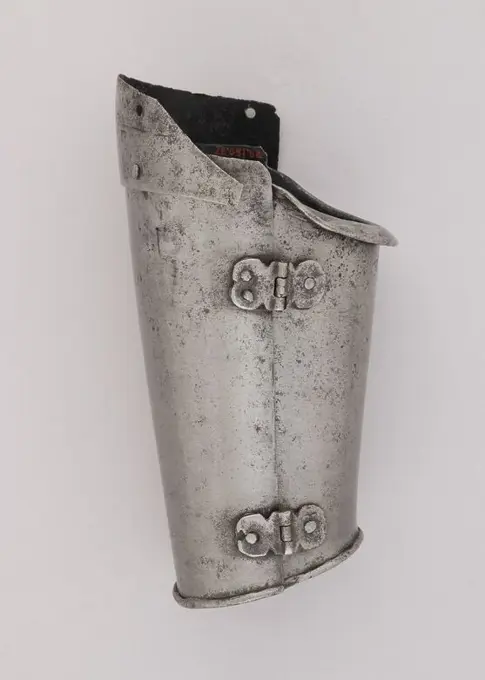
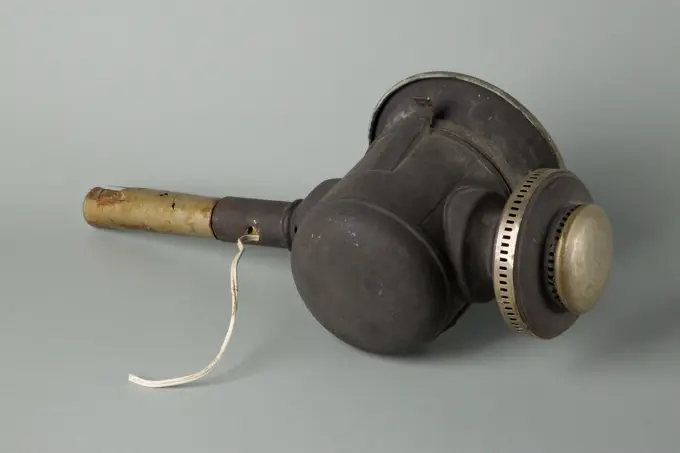
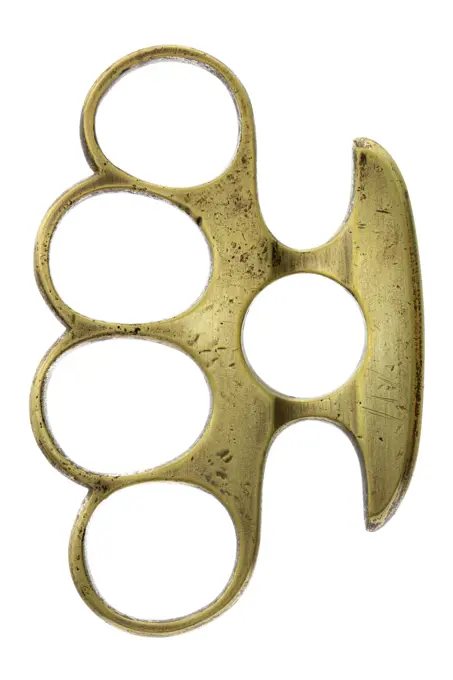
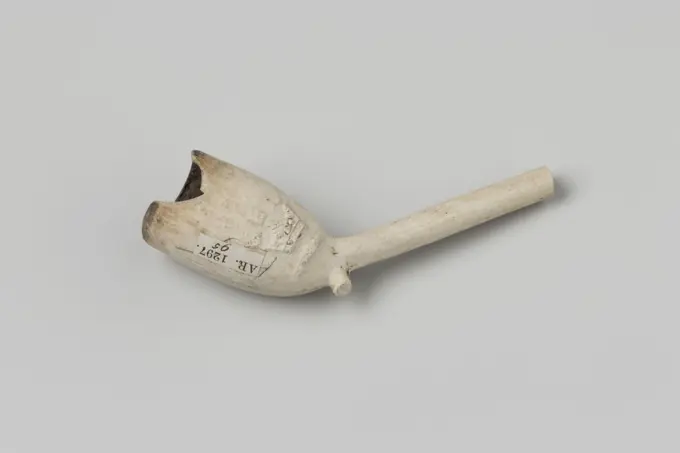
Fragment Tobacco Pipe, Gerrit Hollands/Hollander and widow Debora de Ruyter, 1750 - 1790 Fragment tobacco pipe with a crowned fish on the head and the letters G H L. of the excavations on the Hofstede Arentsburg 1827-1831 under the supervision of Professor Reuvens. Schoonhoven pipe clay Fragment tobacco pipe with a crowned fish on the head and the letters G H L. of the excavations on the Hofstede Arentsburg 1827-1831 under the supervision of Professor Reuvens. Schoonhoven pipe clayStitch passer with loose fragment from the wreck of the East Indians Hollandia, Anonymous, 1700 - in Or Before 1743  Divider; eroded: consisting of 2 legs, id. NG 1980-27H1171, each with a single semicircular ring, flat in section, with a circular pivot eye at end, interlocking with 2 id. rings, each slotted into one of the legs, hinged. Netherlands copper (metal)   SecondFragment pipe and fragment blowjob from the wreck of the East Indieschief Hollandia.Pipe, Bowl, Healmar: Coat of Arms of the Province of Gelderland; Fragm, no HSM.The past of the future unknownSpiked axe head ca. 1200-900 B.C. Iran. Spiked axe head 322850Beitel, tapstoelopend, anonymous, c. 1590 - c. 1596  Chisel, tackling whose ends that protrude above the block are slightly turned in the direction of the block.  iron (metal) forging  Nova Zembla. Saving HuysKnife Handle (Kozuka) ca. 1615-1868 Japanese A kozuka is a handle of a by-knife that is part of a sword mounting. It is kept in a slot on the reverse of a katana scabbard, often with a matching kōgai (hairdressing tool).. Knife Handle (Kozuka) 34592Tobacco pipe, c. 1400 - c. 1950 pipe Fragment of tobacco pipe.  pipe clay   Zeeuwsche UytkyckLid and end panels of a lead sarcophagus. Culture: Roman. Dimensions: Overall: 18 3/4 x 63 3/4 x 17 1/4 in. (47.6 x 161.9 x 43.8 cm). Date: late 2nd-mid 3rd century A.D..This coffin has been attributed to a workshop at Tyre on the grounds of its decorative elements and the fact that the two end panels have different designs--one a temple façade, and the other a star pattern of rosettes. The motifs were impressed into the lead with stamps, often used repeatedly. Although all of the sarcophagus (apart from its base) has survived, the lead is now too brittle and delicate to allow a complete reconstruction. Museum: Metropolitan Museum of Art, New York, USA.Old tools Blacksmith Hammer Old tool file maker hammer or Blacksmith Hammer against white background. Copyright: xZoonar.com/JFsPic Thielemannx 10024423Krulspeld, anonymous (possibly), c. 1600 - c. 1800 Rod van Pijpaarde with the brand 59. A curl pin of a wig maker. Europe earthenware. pipe clay Rod van Pijpaarde with the brand 59. A curl pin of a wig maker. Europe earthenware. pipe clayMessenheft from the wreck of the East Indians Hollandia, Anonymous, 1700 - in Or Before 1743  Knife, handle, cylindrical: tapering; id. NG 1979-403H. Netherlands wood (plant material). copper (metal)   SecondMessenheft from the wreck of the East Indians Hollandia, 1700 - in or before 1743  Knife, handle, cylindrical: tapering; id. NG 1979-403H, ferrules, id. NG 1980-27H426. Netherlands wood (plant material)   SecondModel Pick from a Foundation Deposit for Hatshepsut's Temple ca. 1479-1458 B.C. New Kingdom. Model Pick from a Foundation Deposit for Hatshepsut's Temple. ca. 1479-1458 B.C.. wood. New Kingdom. From Egypt, Upper Egypt, Thebes, Deir el-Bahri, Temple of Hatshepsut, Foundation Deposit 2b (B), MMA excavations, 1921-22. Dynasty 18Pin from the wreck of the East Indies Hollandia, Anonymous, 1700 - in Or Before 1743  Tools and instruments, sewing and sailmaking, pin; fragm of shaft with bow, id. NG 1980-27H844. Netherlands copper (metal)   SecondWooden swimming thermometerShell pendant or bead ca. 3850-2960 B.C. Predynastic Period. Shell pendant or bead 571037Inner Plate of a Forearm Defense (Vambrace). Culture: Italian. Dimensions: H. 5 1/2 in. (14 cm); W. 2 in. (5.1 cm); D. 3 1/2 in. (8.9 cm). Date: ca. 1450-70. Museum: Metropolitan Museum of Art, New York, USA.Pipes and fragment blowjob from the wreck of the East India Hollandia.Pipe, Bowl, Whole Market: Crowned 57; No HSM.Kris with Sheath. Culture: Balinese. Dimensions: L. with sheath 20 7/8 in. (53 cm); L. without sheath 18 7/8 in. (47.9 cm); L. of blade 14 3/4 in. (37.5 cm); W. 4 in. (10.2 cm); Wt. 12.6 oz. (357.2 g); Wt. of sheath 7.7 oz. (218.3 g). Date: 16th-19th century. Museum: Metropolitan Museum of Art, New York, USA.Fragment of 17th century clay tobacco pipe, ceramic pipe against white backgroundKey, c. 1400 - c. 1950 Key with four -sided shaft and oval eye. The beard is decorated with braid work motif and ends in three rectangular teeth.  iron (metal) Key with four -sided shaft and oval eye. The beard is decorated with braid work motif and ends in three rectangular teeth.  iron (metal)Pellet Crossbow for a Child, c. 1600-1650. Germany, early 17th Century. Wood, bone inlay, steel; overall: 44.3 cm (17 7/16 in.); bow: 29.2 cm (11 1/2 in.); butt: 5.2 cm (2 1/16 in.). This crossbow, made for the use of a small child, was designed to throw small stones or pellets. The bow string is an accurate replacement.Nail 15th-16th century European. Nail. European. 15th-16th century. Iron. Metalwork-IronNeedleHand-forged key with three incisions in narrow beard, round thick handle with oval handle, key iron value foundations iron metal, forged archeology Rotterdam City Triangle Oostplein underground pit close theft prevention property Soil discovery Rotterdam underground pit Oostplein found 16061976.Prehistory, Sweden, Neolithic. Diorite club in the shape of a moose. From Alunda.Excerpt of copper from the wreck of the East Indians Hollandia, 1700 - in or before 1743 fragment Varied parts or fragments, strips and strip-shaped fragments; fragm. Netherlands copper (metal)   SecondFragmentary Fibula. UnknownKnife lift from the wreck of the East Indiesman Hollandia.knife, Handle, Cylindrical: tapering; ID. NG 1979-403H.Tablespoon 1777-78 Hester Bateman. Tablespoon 188044 Maker: Hester Bateman, active 176190, Tablespoon, 177778, Silver, Length: 8 1/2 in. (21.6 cm). The Metropolitan Museum of Art, New York. Gift of Mrs. Samuel P. Avery, 1897 (97.2.8)Blood bag pin -Gong Beater, early to mid-1800s. Japan, Edo period (1615-1868). Bronze; overall: 26.4 cm (10 3/8 in.).Two-piece bronze mold for spoon, mold casting tools tool kit base metal bronze, cast Two-piece bronze mold for casting small spoon with clear S-shaped line Rotterdam tin casting tin tin Meeuws Druy craft Molds are from the originally 18th century Rotterdam tinnegieter J Druy. The large molds that were not signed or dated were the property of the tinker guild and were rented to the small tin caster.Belt, Medium: silk, silver thread, silver buckle, silver ornaments Technique: satin weave ribbon, Ribbon belt in silver cloth with black silk strips and figures. Six convex buttons and two-part buckle ornamented in scrolling stem and leaf design and the word 'Kavkaz' (Caucasus) in niello work. Four marks: 84, an angel, TH 1864, XC.' Belt is lined with white satin ribbon., Russia, late 19th century, woven textiles, BeltBronze compass used by bricklayers, carpenters and for wall decoration, from PompeiCylindrical case (common name), -276. Copper alloy sheet. Carnavalet museum, history of Paris.IJzeren deurscharnier..Iron door hinge. A hinge with Invnr is part of the hinge. BK-NM-65-2.Speld uit het wrak van de Oost-Indiëvaarder Hollandia. Tools and instruments, sewing and sailmaking, pin; fragm, handle: oval bow, square shaft with flat central diamond-shaped face on each side, ending in a flat blade-mount with 3 rivet-holes.Key 15th century German The decoration of Gothic iron locks and keys was often elaborate and of the highest standard of workmanship. The motifs were frequently drawn from Gothic architecture, reproducing on a miniature scale complicated tracery patterns and even tiny statuettes. A number of these tiny locks were compound, with some of the mechanisms concealed from view, and required two or even three keys used in sequence to open them. It has been suggested that the greatly expanded use of locks on doors, or coffrets and other types of storage chests was a result of the increasing urbanization of life and the new emphasis on material wealth and private ownership which developed in the late Middle Ages.. Key 463340Glass perfume bottle 2nd-3rd century A.D. Roman, Egyptian Translucent deep green.Thick everted rim, folded out, up, and in, with beveled upper surface and smoothed into mouth; tall cylindrical neck, with fine horizontal tooling indent around base; conical body with straight side; thick, flat bottom with large, circular pontil scar.Neck and body decorated with modern carving: on neck, at top a continuous band of loops and sprays, with three vertical columns of symbols imitating cuneiform extending down length of neck; on body, large winged sphinx, facing left, with lion body and bearded human head, and more symbols below body between front and rear legs. Carving cuts through weathering on surface of glass, indicating that it was done in modern times.Intact, except for slight weathered chip in rim; some elongated bubbles in neck; dulling, brownish weathering, and faint iridescence.. Glass perfume bottle. Roman, Egyptian. 2nd-3rd century A.D.. Glass; blown. Mid Imperial. GlassArrowheads, needles, hooks and harpoons. Culture: Japan. Dimensions: W. 1/2 in. (1.3 cm); L. 3 3/8 in. (8.6 cm). Museum: Metropolitan Museum of Art, New York, USA.Passing. Iron, smooth stroke with four-eyes with which it can be attached to a mast or pump to prevent the penetration of leakage water.Pair of Greaves (Lower Leg Defenses) second half 16th century Italian This is part of a large find of medieval armor discovered in 1840 in the ruins of the fortress of Chalcis, on the Greek island of Euboea (then a Venetian colony called Negroponte). The fortress had been captured and destroyed by the Turks in 1470. Now divided largely between the Ethnological Museum, Athens, and The Metropolitan Museum of Art, the Chalcis hoard contains many rare and unusual elements of fourteenth- and fifteenth-century armor. Of particular importance are the variety of headpieces and the many fragments of brigandines (armor for the torso constructed of small plates riveted to layers of fabric), some of which retain portions of their original velvet covering. The Chalcis armor provides a unique picture of the armament used in the Aegean, one of the easternmost military outposts of the Venetian empire.. Pair of Greaves (Lower Leg Defenses) 27676Knife, agate, silver, steel, Sabre-shaped blade with curved upper edge. Plain bolster, silver engraved ferrule with scalloped border. Flaring, faceted agate handle, silver conical mount on top., possibly Scotland, ca. 1720, cutlery, Decorative Arts, KnifeHengsel.Handle with circular ornament. Coming from a northern Italian or South German coffin.Blade and Mounting for a Short Sword (Wakizashi) blade, late 13th-early 14th century; mounting, 18th-early 19th century Naganori Japanese. Blade and Mounting for a Short Sword (Wakizashi). Japanese. blade, late 13th-early 14th century; mounting, 18th-early 19th century. Steel, wood, lacquer, rayskin (samé), thread, gold, silver. SwordsAJUAR DE LA EDAD DE BRONCE: HACHA DE TALON CON ANILLA (DEPOSITO: MUSEO ARQUEOLOGICO NACIONAL).. An staggered single cut.Sweden, Blekinge, Blekinge, Karlskrona, Karlskrona, external marina (depicted, town).Sweden, Blekinge, Blekinge, Karlskrona, Karlskrona, External War Gogs (depicted, City)Screw plate from a musket from the wreck of the East Indied Flying Heart. Copper screw plate from a musket that an eye has been demolished. Side Plate.Saw. Possibly Germany. Date: 1621. Dimensions: L. 64.8 cm (25 1/2 in.). Iron and wood. Origin: Germany. Museum: The Chicago Art Institute, Chicago, USA.Powder Horn. German. Date: 1560. Dimensions: L. 27.9 cm (11 in.). Staghorn, brass. Origin: Germany. Museum: The Chicago Art Institute, Chicago, USA.Handle of whip or fly whisk ca. mid-1st millennium B.C.. Handle of whip or fly whisk 322493a mortar bomb black and yellow very old and rustyFragment tobacco pipe. Fragment tobacco pipe. Of the excavations at the Hofstede Arentsburg 1827-1831 under the supervision of professor Reuvens.Armor for a Horse's Head (Chanfron). Turkey, 16th century. Arms and Armor. Copper, gilt (tombak)Bow Brooch 5th-4th century B.C. Celtic. Bow Brooch 464991 Celtic, Bow Brooch, 5th4th century B.C., Copper alloy, Overall: 2 13/16 x 11/16 x 1 in. (7.1 x 1.7 x 2.5 cm). The Metropolitan Museum of Art, New York. Gift of J. Pierpont Morgan, 1917 (17.191.283)Halberd 6th-5th century B.C. China. Halberd. China. 6th-5th century B.C.. Bronze inlaid with silver. Eastern Zhou dynasty (770-476 B.C.). MetalworkPocket Post Horn in G. Culture: Italian. Dimensions: Height: 4 13/16 in. (12.3 cm)Diameter: 2 15/16 in. (7.5 cm). Maker: Giuseppe Pelitti (Italian, Varese 1811-1865 Milan). Date: ca. 1880.This horn is 5 ½ feet long, but its tightly coiled tubing and small, oval-shaped bell enabled it to be carried with ease in a pocket. This compact form of the horn was used for the "small hunt" of rabbits, squirrels and other small game pursued on foot. Museum: Metropolitan Museum of Art, New York, USA.Fragment tobacco pipe. Fragment tobacco pipe with a crown and letters G H I and N shown. Of the excavations at the Hofstede Arentsburg 1827-1831 under the supervision of professor Reuvens.Knife -Messenheft from the wreck of the East Indians Hollandia, Anonymous, 1700 - in Or Before 1743  Knife, handle, cylindrical: tapering; id. NG 1979-403H, ferrules id. NG 1980-27H426. Netherlands wood (plant material)   SecondWooden fine needle, fine needle needle tool kit earth discovery timber, sawn cut Wooden fine needle Cut from thin wooden slat U-shaped end Widening with oval eye in which pen in the longitudinal direction archeology Rotterdam fisherman fishing fishing repairing fines maintenance craft shipping Soil discovery Rotterdam.Harp ca. 1700-1450 B.C. Second Intermediate Period-early New Kingdom Arched harps of this type were already in use during the Old Kingdom and remained the foremost string instruments until the end of the Middle Kingdom. From the New Kingdom onward, Egyptian arched harps co-existed with a great variety of harps in different shapes and sizes. Unlike modern European versions, ancient Egyptian harps have no forepillar to strengthen and support the neck. Skin, now missing, covered the open top of the soundbox. Older forms of arched harps like this had four or five strings; during the later New Kingdom musicians experimented with newer forms that accommodated many strings. Harp players accompanied a singer; harps, flute players and singers formed the most common type of musical ensemble that performed during festivals and banquets, funerals, and temple rituals.. Harp. ca. 1700-1450 B.C.. Wood. Second Intermediate Period-early New Kingdom. From Egypt, Upper Egypt, Thebes, Asasif, Carnarvon ExCorn-cob Pipe. Dated: c. 1939. Dimensions: overall: 45.5 x 35.4 cm (17 15/16 x 13 15/16 in.) Original IAD Object: 9" long; 3" wide. Medium: watercolor and graphite on paper. Museum: National Gallery of Art, Washington DC. Author: Harold Weisenborn.Piece of spearhead (common name). Bronze. Carnavalet museum, history of Paris.Dough Board Scraper 1800-1830 American. Dough Board Scraper. American. 1800-1830. Iron. Made in Pennsylvania, United StatesHarpoon finger rest -Flageolet Melanesian (New Caledonia) late 19th century View more. Flageolet. Melanesian (New Caledonia). late 19th century. Wood. New Caledonia. Aerophone-Whistle Flute-flageoletPommel Plates ca. 1545 German, Augsburg The distinctive triple bands of deoration on these saddle steels are extremely similar to the etched and gilt ornament found on an extensive armor garniture that belonged to Philip II of Spain (1527-1598), which is dated 1544 and part of which he wore at the Battle of Mühlberg in 1547. The garniture includes complete field armors for light and heavy cavalry and tournament armors for foot combat and the tilt (Real Armería, Madrid, A189-A194, A198-A212; and Hofjagd- und Rüstkammer, Kunsthistorisches Museum, Vienna, A547). It was made by the noted Augsburg armorer Desiderius Helmschmid (1513-1579) and etched by Ulrich Holzmann (recorded 1534-62), also of Augsburg, whose initials, VH, appear on the backplate of the Vienna armor.The Metropolitan Museum possesses a small group of elements with this decorative pattern or a slight variation of it, including the present saddle steels, a shaffron (29.158.607), a pair of gauntlets (14.25.901a, b), and threeHandle of black horn, bent, ending as a truncated branch, gelria, c. 1900 - c. 1930 Handle of white -marbled black horn, bent, ending as a sex -note branch. Netherlands Handle: Horn (Animal Material) cutting Handle of white -marbled black horn, bent, ending as a sex -note branch. Netherlands Handle: Horn (Animal Material) cuttingPersian handjar in the vaginaFragment pipe stones and fragment blowjob from the wreck of the East India Hollandia.Pipe, voice; Fragments.Two Models of Drills, anonymous, c. 1860 - c. 1870 demonstration model Two models of hand drills, type of Avegaar, without a handle. The long model has a chisel on a hollow cylinder. The short model looks like a drill slicer, with a chisel and a scrap: the chisel cuts a circle, which is then scraped off by the scrap. Netherlands (possibly) iron (metal). brass (alloy)Netsuke in the form of a fish bones, Miwa (possibly), c. 1700 - c. 1800 Half -fetched fish. Signed "Miwa". Japan wood (plant material). bone (material) Half -fetched fish. Signed "Miwa". Japan wood (plant material). bone (material)Green anaconda Eunectes murinus Single adult on a branch in a studioTibetan Buddhist Prayer Wheel - on a white background for cut out.metal worker: Gresnich, Cans miniature sprit, dough sprayer kitchenware miniature toy relaxant model metal wood, curved soldered turned tinned tin Cylindrical two ear-shaped handles. At the end cylinder perforated nozzle held by sleeve. Other side wooden piston with twisted cup 1868 Sibilla van Embden play food prepare kitchenCarpenter and Cabinet Maker Ink Line, 19th century, 2 15/16 x 8 1/2 x 5in. (7.5 x 21.6 x 12.7cm), Pine, elm, brass, copper, China, 19th centuryCampania Caserta Capua Museo Campano95. Hutzel, Max 1960-1990 Medieval: Byzantine architectural fragments; parchment fragments with miniatures (12th century) from Montecassino; painted wooden crucifix (13th century); Carolingian crucifixes; Bishop's miter (11th century) of gold and silver damask; fresco (13th century). Post-medieval: Architecture (15th century). Formerly the Palazzo Antignano. Unusual Catalan/Moorish-style portal; Paintings on panel and canvas (15th-18th centuries); marble intarsia (16th century); marble sculpture: busts of Christ and Mary (17th century); sculpture of saints in marble and in wood (15th century); painted and gilded sculpture in wood; marble grave sculpture (16th century); sarcophagus with allegorical carvings; gold reliquary "Rosa d'Oro"; crucifix made of elephant tusk Specific Location: Pianterreno Antiquities: Italic sculpture (seated women holding babies); inscription. Photo campaign #1: 533 photos. Roman relief and sculpture; cinerary urns; Greek anFragment tobacco pipe. Fragment tobacco pipe. Of the excavations at the Hofstede Arentsburg 1827-1831 under the supervision of professor Reuvens.Old heater isolated on whiteHarpoon Head. Culture: Old Bering Sea. Dimensions: H. 1 x W. 3 7/8 in. (2.5 x 9.8 cm). Date: 2nd-3rd century. Museum: Metropolitan Museum of Art, New York, USA.Goldweight Geometric, 20th century, 1/2 x 1 in. (1.27 x 2.5 cm), Bronze, Ghana, 20th centuryModel of an Anchor Release, anonymous, c. 1826 demonstration model Model of a crane bar with anchor trap. A slot runs straight through the tap beam, with a brass batter at the top with a rotating pal that closes the slit half. There is a brass half clamp on the side of the crane bar. model maker: Netherlands (possibly)after design by: United Kingdom wood (plant material). brass (alloy)Forearm Defense (Vambrace). Culture: Italian. Dimensions: H. 8 1/2 in. (21.6 cm); W. 4 1/2 in. (11.4 cm); D. 4 1/2 in. (11.4 cm); Wt. 15.7 oz. (445.1 g). Date: ca. 1450-70. Museum: Metropolitan Museum of Art, New York, USA.Spoon 1700-1900Fragment Tobak Pipe, Unknown, 1780 - 1800 Fragment tobacco pipe with a crown and the letters I v s and n. Of the excavations on the Hofstede Arentsburg 1827-1831 under the supervision of Professor Reuvens. Schoonhoven (Possible) pipe clay Fragment tobacco pipe with a crown and the letters I v s and n. Of the excavations on the Hofstede Arentsburg 1827-1831 under the supervision of Professor Reuvens. Schoonhoven (Possible) pipe clayPlumber wrench on whiteSpurOil lamp for vehicle lighting unknown labelL.O.P.P. BadgeBrass knuckle-duster, weapon for hand, isolated on white background Brass knuckle-duster, weapon for hand, isolated on white background Copyright: xZoonar.com/OleksandrxKostiuchenkox 8897293Dagger with Sheath. Culture: Philippine, Mindanao. Dimensions: H. with sheath 9 3/4 in. (24.8 cm); H. without sheath 9 5/16 in. (23.7 cm); H. of blade 6 in. (15.2 cm); W. 1 13/16 in. (4.6 cm); Wt. 3 oz. (7.6 g); Wt. of sheath 1.5 oz. (42.5 g). Date: 19th century. Museum: Metropolitan Museum of Art, New York, USA.needles made of bronze, 4th-3rd century BC, Altos del Sotillo, Castellar, Iberian Museum of Jaén, Andalusia, Spain.Stamp stamp with screwed handle together and a stamp surface. Stamp stamp composed of a handle and a stamp surface that can be screwed together. The handle is hollow and has a thread on the bottom. The stamp stamp probably belonged to Claes Andrieszoon Goutijk, crew member.LLAVES DE BRONCE PROCEDENTES DE BAELO CALUDIA. ROMANO AJUAR. (DEPOSITO: MUSEO ARQUEOLOGICO NACIONAL).CLAVOS (11) DE BRONCE PROCEDENTES DE BAELO CLAUDIA. ROMANO AJUAR. (DEPOSITO: MUSEO ARQUEOLOGICO NACIONAL).Roman belt buckle made of bronze from the Archaeological site of Complutum in Alcalá de Henares ( Madrid ). SPAIN.