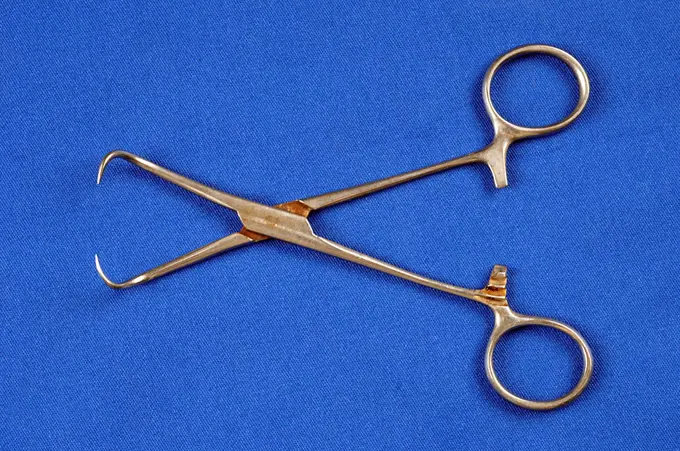
Historical Cutlery and Tools

A selection of ancient tools and cutlery, featuring knives and keys from different eras, showcasing unique designs and materials like bronze and horn.

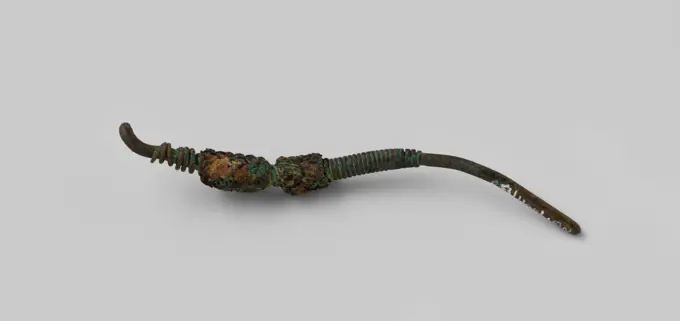
Fragment Steel van Fork or Spoon from the wreck of the East Indians Hollandia, Anonymous, 1700 - in Or Before 1743 spoon Cutlery, fragment: stem of fork or spoon; fragm, heavily corroded, id. NG 1980-27H67. Netherlands tin (metal)   Second
Fragment Steel van Fork or Spoon from the wreck of the East Indians Hollandia, Anonymous, 1700 - in Or Before 1743 spoon Cutlery, fragment: stem of fork or spoon; fragm, heavily corroded, id. NG 1980-27H67. Netherlands tin (metal) Second
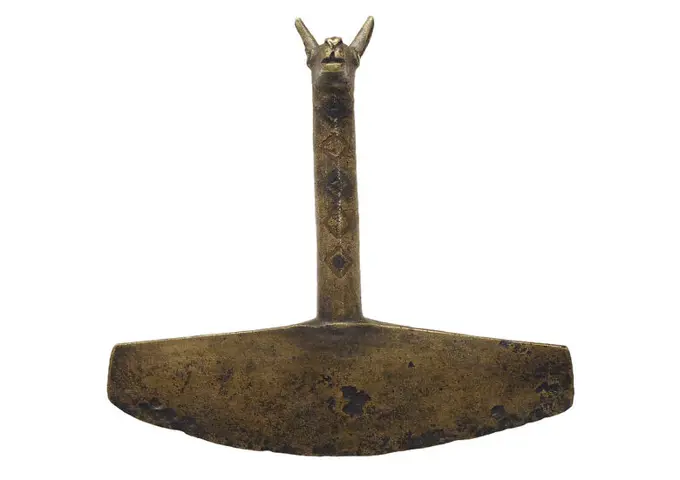
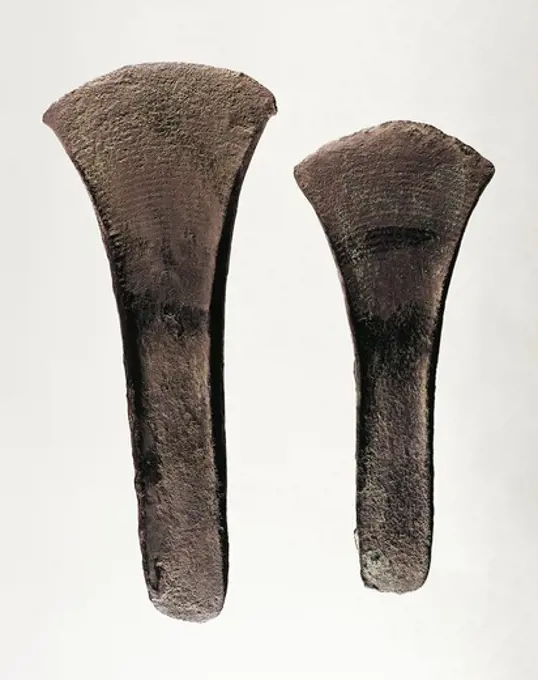
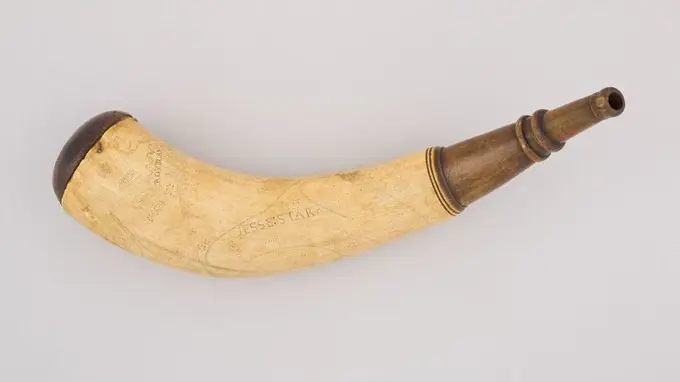
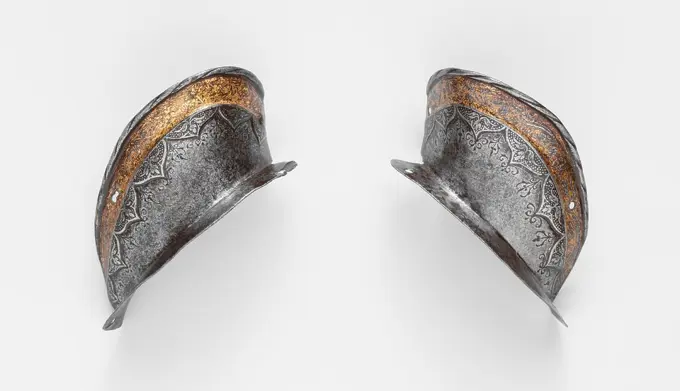
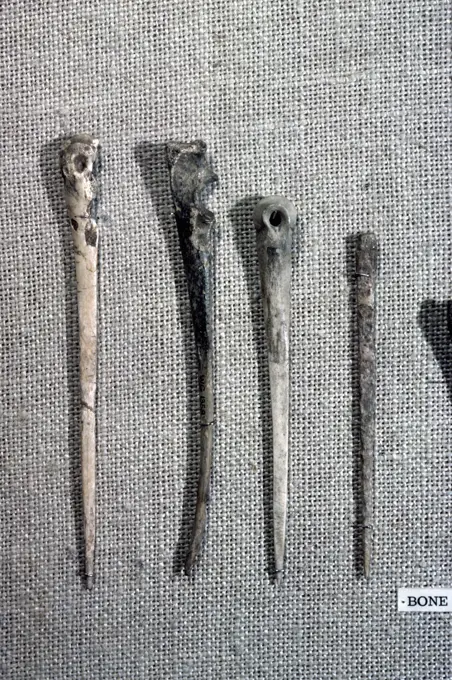
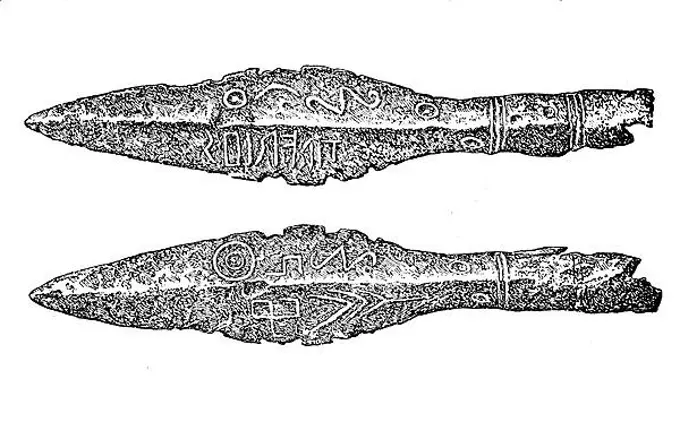
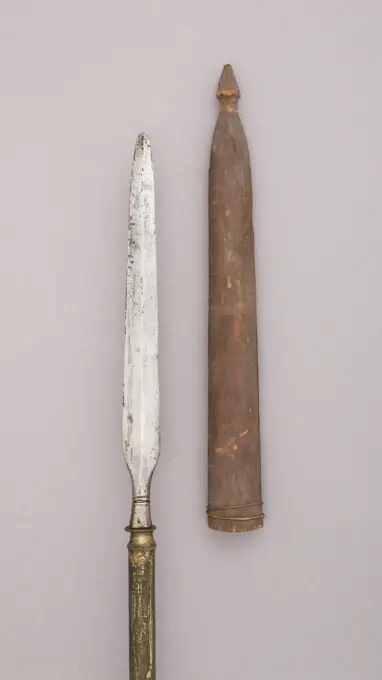
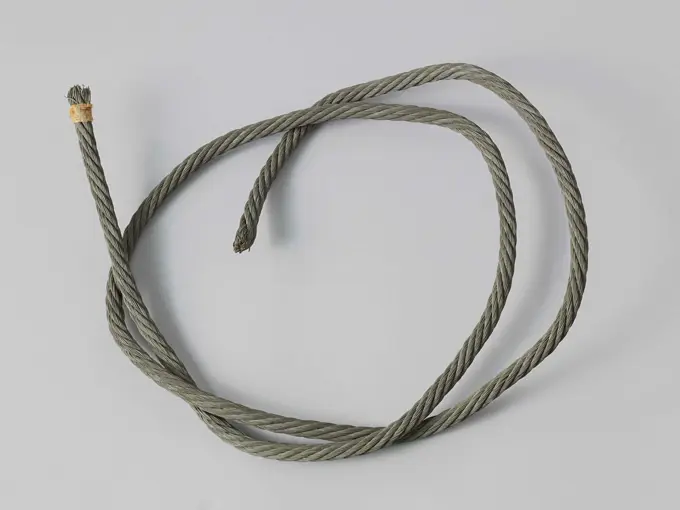
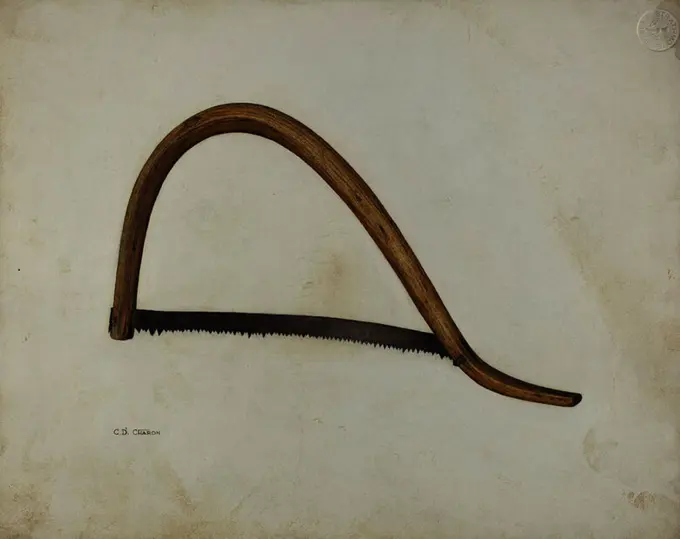
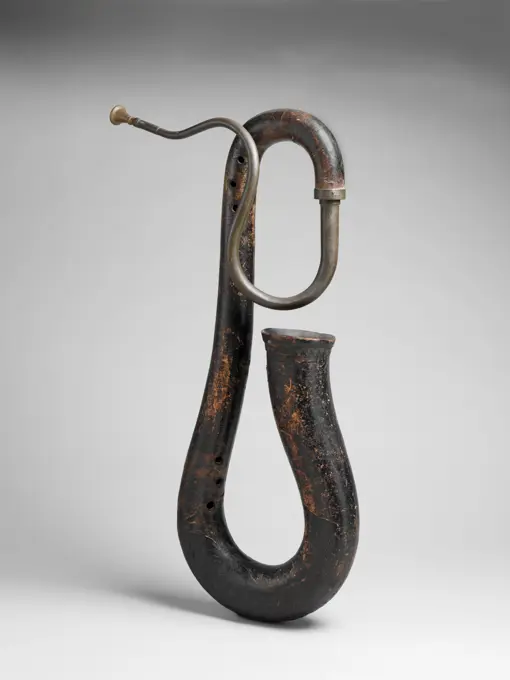
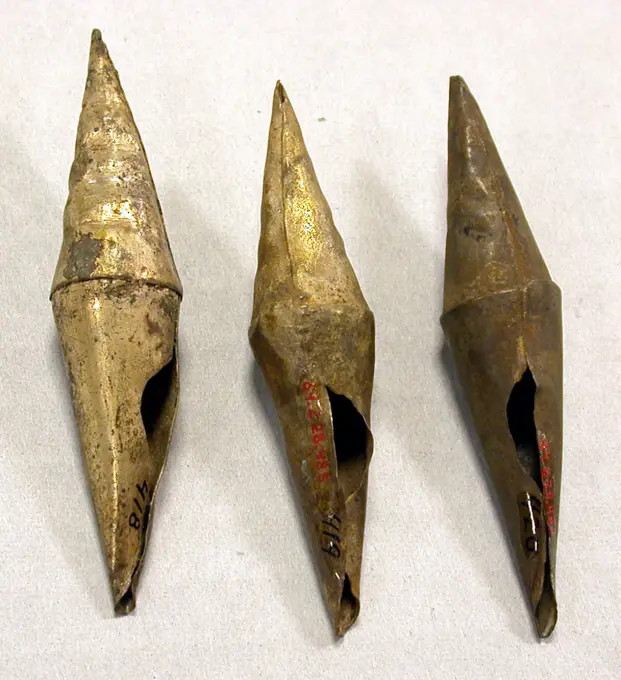
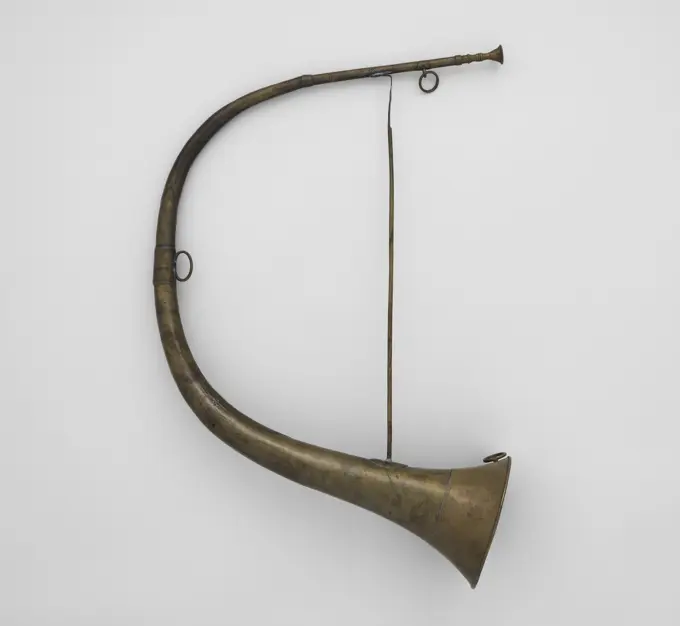
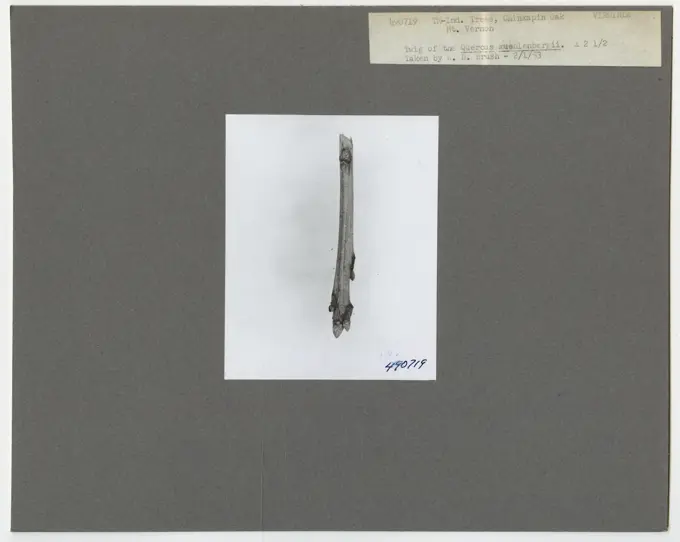
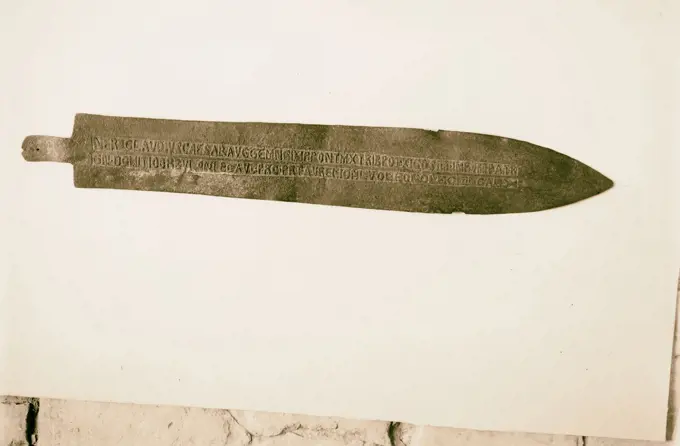
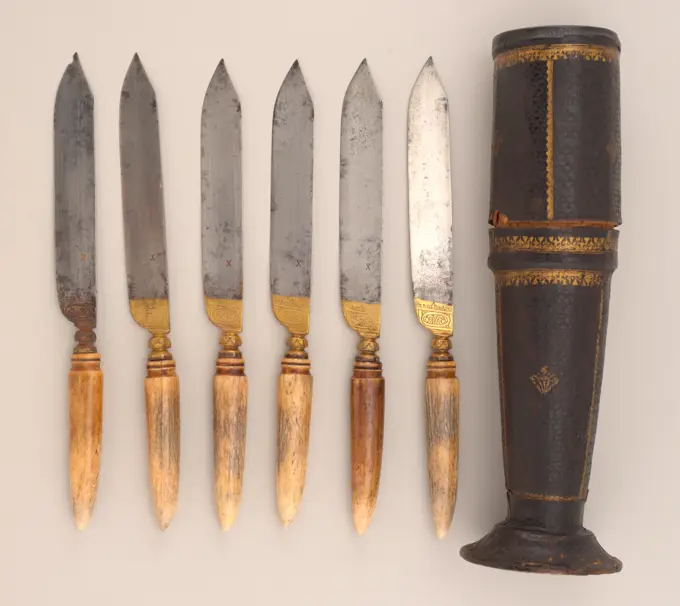
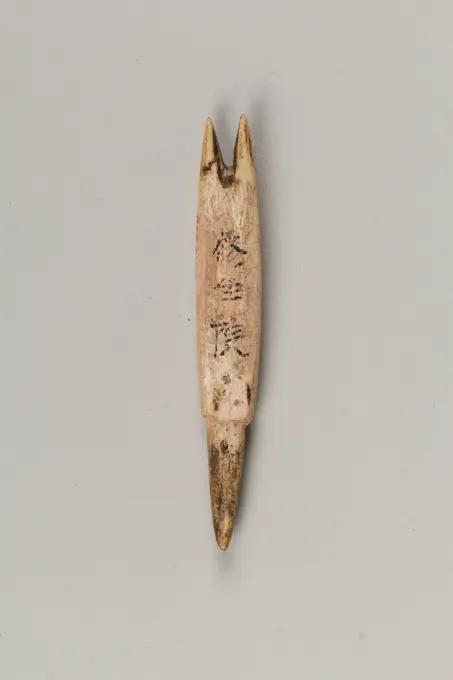
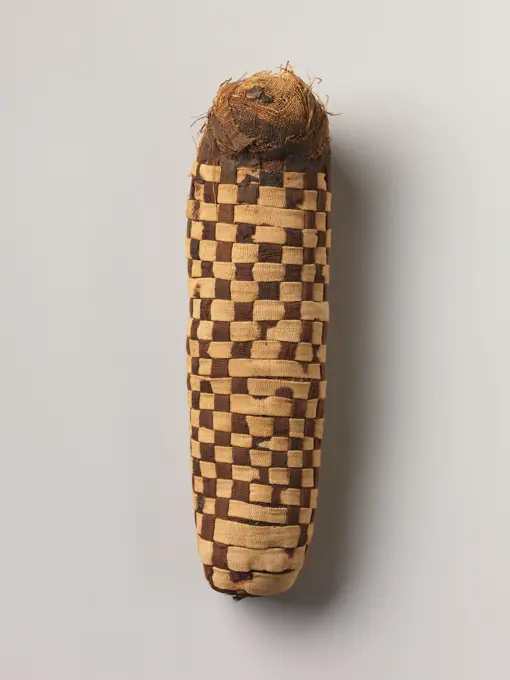
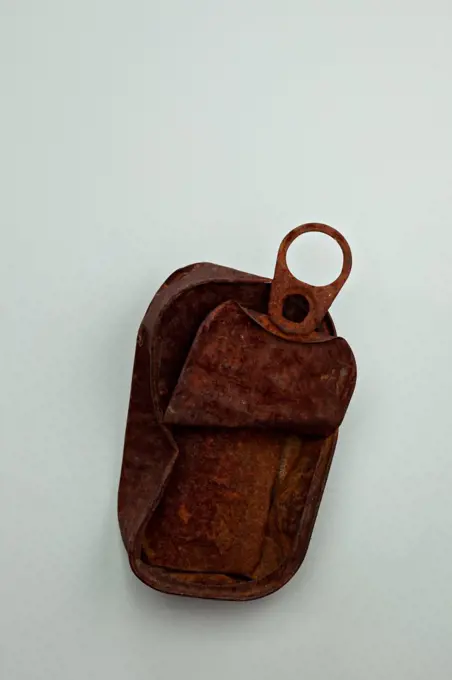
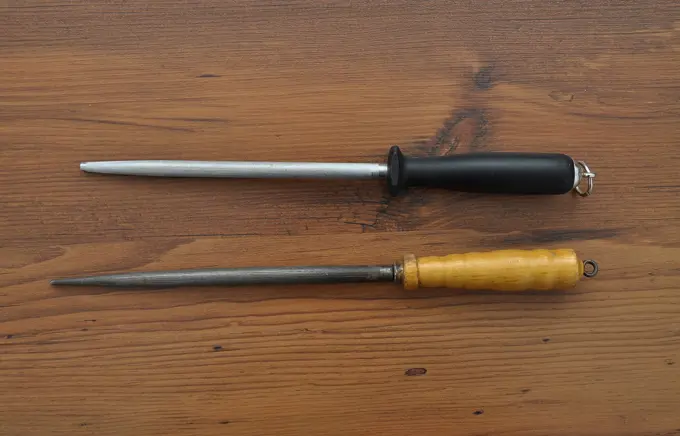
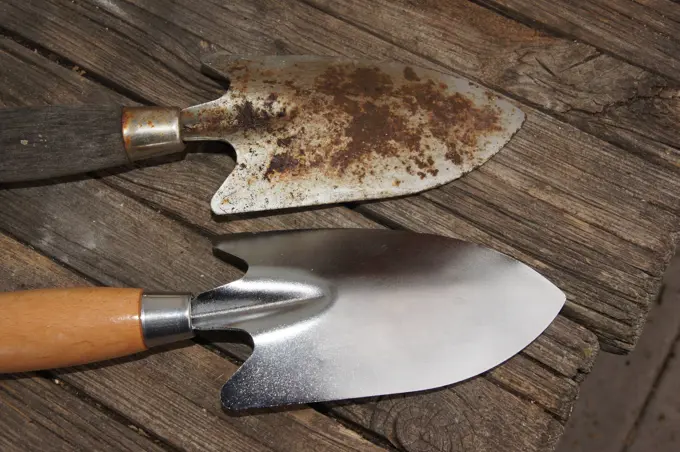
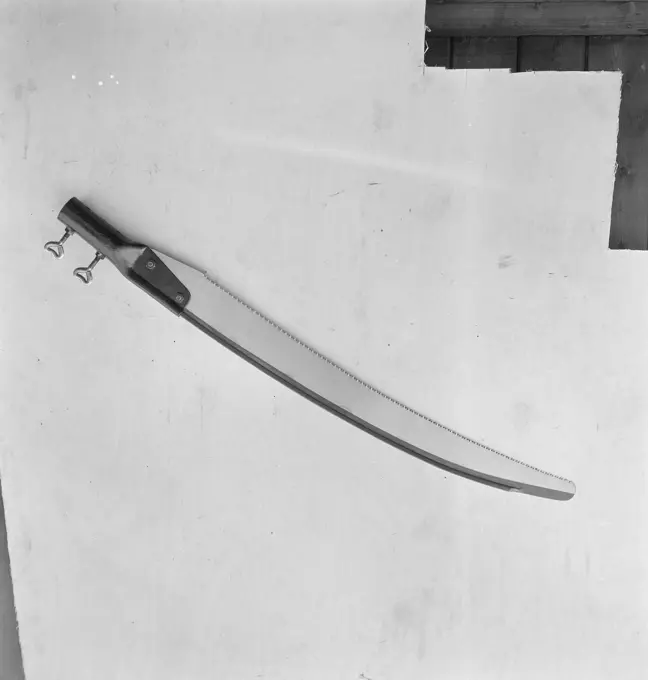
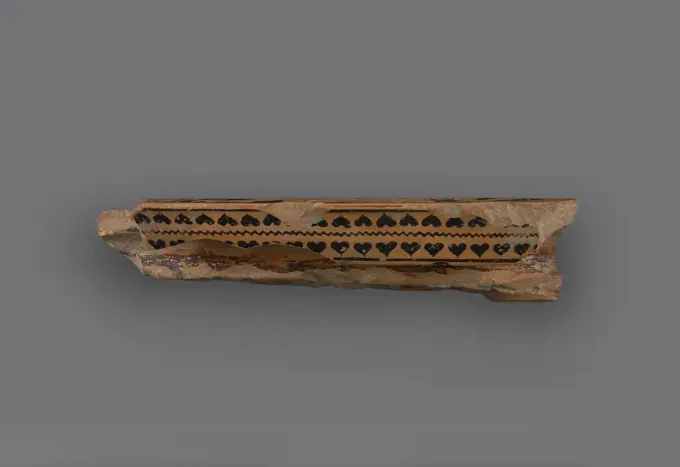
Attic Red-Figure Dinos Rim Fragment; Attributed to Kleophrades Painter (Greek (Attic), active 505 - 475 B.C.); Athens, Greece; 500-480 B.C; Terracotta; 18.1 × 4.9 cm (7 1,8 × 1 15,16 in.)Tumi. Ceremonial knife. Used for sacrifices, characterized by a semi-circular blade. Bronze. Inca civilization (1400-1533 AD). Cuzco, Peru. Museum of the Americas. Madrid, Spain.Mug. Beer mug. Wood, copper, varnish, wood metal (material), 1933-1945. General Leclerc Museum of Hauteclocque and the Liberation of Paris, Jean Moulin Museum. 79480-8 War 1939-1945, War 39-45, Second World WarBronze axes From PilePowder horn -Powder Horn. Culture: American. Dimensions: L. 14 in. (35.6 cm); Diam. 3 1/8 in. (7.9 cm); Wt. 10.6 oz. (300.5 g). Date: 18th century.This powder horn is engraved with a map of Boston and the surrounding area. Museum: Metropolitan Museum of Art, New York, USA.Leather court shoe with round recess on the instep, shoe footwear clothing soil find leather h 7.4, tanned cut sewn Leather right shoe with round cut on the instep. ring of leather was obtained around the recess by sewing. Shoe parts are sewn together with thread. Along the bottom edge holes of wooden pins with which the attachment to the sole took place. The shoe is fixed with copper nails on synthetic sole and filled with paper archeology Rotterdam City Triangle Schielandshuis indigenous leather work shoes shoe shoemaker cobbler craft Soil discovery: Schielandshuis.Key. Key with bracket-shaped eye awarded by a button.Two Ear Guards from a Shaffron (Horse's Head Defense) of Emperor Charles V (1500-1558). Armorer: Attributed to Desiderius Helmschmid (German, Augsburg, 1513-1579). Culture: German, Augsburg. Dimensions: 20.151.7; H. 5 3/8 in. (13.7 cm); W. 2 3/4 in. (7 cm), Wt. 2 oz. (47 g); 20.151.8; H. 5 1/4 in. (13.3 cm); W. 2 7/8 in. (7.3 cm), Wt. 2 oz. (51 g). Date: 1544.These detached ear guards belong to a shaffron from the most famous of Charles V's (1500-1558) armors, the so-called Mühlberg garniture (after the Battle of Mühlberg--April 24, 1547--at which the emperor wore parts of that armor). Dated 1544, the large garniture consists of several hundred elements, including six shaffrons. Museum: Metropolitan Museum of Art, New York, USA.Spade. Dated: 1938. Dimensions: overall: 35.7 x 27.8 cm (14 1/16 x 10 15/16 in.) Original IAD Object: 21 3/4" long; 8 1/2" wide. Medium: watercolor and graphite on paper. Museum: National Gallery of Art, Washington DC. Author: Herman O. Stroh.Pair of Bronze flutes from ancient Rome. Dated 2nd CenturyKorvinagel from the wreck of the East Indians Hollandia, Anonymous, 1700 - in or Before 1743  Belaying pin; (1)fragm id. NG 1979-257H3107, lower end, eroded (12.3l, 2.8w). Netherlands wood (plant material)   SecondFragment Sampler from the wreck of the East Indieschief Hollandia. Divider; Fragment, Semicircular Ring, ID. NG 1980-27H1171, eroded.Fragment tobacco pipe. Fragment tobacco pipe with a crown and letters I v s and n pictured. Of the excavations at the Hofstede Arentsburg 1827-1831 under the supervision of professor Reuvens.Messenheft from the wreck of the East Indians Hollandia, Anonymous, 1700 - in Or Before 1743  Knife, handle, cylindrical: tapering; id. NG 1979-403H, ferrule, id. NG 1980-27H426. Netherlands wood (plant material). copper (metal)   SecondSleutel.Key with circular eye and square beard showing a round hole and ending comb.After Java was brought entirely under Dutch rule during the Java War (1825-1830), the Dutch sought to gain control of the other Indonesian islands as well. Various military expeditions were mounted to force the rulers of these islands to recognize Dutch authority. These cannons were seized during those battles. One is an old Dutch East India Company cannon of 1667.George Roehl, Chopper, 1938 ChopperKnives. Ordos. 3rd millennium BC. Paris, Cernuschi museum. 35406-15 Bronze, knife, hetao, meridional Mongolia, ordos, prehistory, prehistoricPapyrus Column (wadj) Amulet Late Period ca. 712-332 B.C. View more. Papyrus Column (wadj) Amulet. ca. 712-332 B.C.. Wood. Late Period. From Egypt, Upper Egypt, Thebes, Sheikh Abd el-Qurna, Tomb of Dagi (MMA 807), MMA excavations. Dynasty 25-30Knife with Sheath 18th-19th century Philippine, Bagobo. Knife with Sheath. Philippine, Bagobo. 18th-19th century. Steel, wood, cane (rattan). KnivesNote arrow made of old dirty boards in different directions show note arrow made of old dirty boards in different directions show copyright: xzoonar.com/thomasxhutx 20577039Messenheft from the wreck of the East Indians Hollandia, 1700 - in or before 1743  Knife, handle, cylindrical: tapering; id. NG 1979-403H, ferrules, id. NG 1980-27H426. Netherlands wood (plant material)   SecondBone needles. Avebury. Prehistoric. England.Knife -Weight: 2 kedets ca. 1981-1640 B.C. Middle Kingdom. Weight: 2 kedets. ca. 1981-1640 B.C.. Alabaster. Middle Kingdom. From Egypt, Memphite Region, Lisht North, Cemetery, MMA excavations, 1920-22. Dynasty 12-13Belt. Culture: Azerbaijani. Date: first quarter 19th century. Museum: Metropolitan Museum of Art, New York, USA.Hengsel van vertind ijzer met speun.Handle handle with a speun on the corner. From the corner two long legs run, one with a nodus, emphasis in a cut-away point with volutes and curls.Passe-partout of scroll painting. Passe-partout of scroll painting with Japanese characters.TREPAAN from the wreck of the East Indiesman Meresteijn. Part of the cover of a torrent, a drill that could use the surgery to open the skull of a patient.Germanic lance points with runic inscription, found in Brandenburg, digitally restored reproduction of an original from the 19th centurySpear with Sheath 16th-19th century Sumatran, Acheen. Spear with Sheath 30672Curved Dagger-Blade (ge). China. Date: 1300 BC-1000 BC. Dimensions: Diam. 5 3/8 in.; 1 3/8 × 3/32 in. Jade. Origin: China. Museum: The Chicago Art Institute, Chicago, USA.Anchor, anonymous, 1860 - 1885 anchor Stick and chain anchor, consisting of a shaft with a curved arm with anchor hands on the ends. Iron anchor, secured with a key and with bulbs at the ends. The Ankerring has been replaced by a harp, with a second harp. Around the shaft just above the anchor cross a band with two eyes. Netherlands (possibly) iron (metal)Partly Worked Piece of Jadeite New Zealand. Partly Worked Piece of Jadeite 43706Fragment stitch passer from the wreck of the East Indians Hollandia, Anonymous, 1700 - in Or Before 1743  Divider; fragment, leg: tapering, three-faceted, with one of bifid rings (id. NG 1980-27H1223), twisted 45 degrees, semicircular, flat in section, tapering toward pierced circular end (acting as pivot). Netherlands copper (metal)   SecondSample of an Iron Tiller Rope. Sample of a galvanized iron wire pulse, cable with six mistress strands of eighteen yarns each, around a heart of rope.Saw. Dated: c. 1940. Dimensions: overall: 28.9 x 36.2 cm (11 3/8 x 14 1/4 in.) Original IAD Object: 12 1/2" long; 6 1/4" high. Medium: watercolor and graphite on paperboard. Museum: National Gallery of Art, Washington DC. Author: Charles Charon.City of Enkhuizen, a lead with no. 27, Anonymous, 1832  One -sided, rod -shaped lead with bent ends with rectangular recess. Front: coat of arms with the year -left year, on the right -hand number 27. Down side: Blanco Enkhuizen brass (alloy) striking (metalworking)  EnkhuizenOld adjustable spanner isolated on white backgroundCosmetic Spoon 1500-1300 BC. New KingdomSet of six sconces 17th century probably Italian. Set of six sconces. probably Italian. 17th century. Iron. Metalwork-IronSerpent ca. 1810 French. Serpent. French. ca. 1810. Metal, leather. France. Aerophone-Lip Vibrated-hornHunting knife with leather sheathCanaanite bronze arrowheads & lance points, 14th cent. BC, Israel.Hammered Silver Cone Ornament 8th-mid-16th century Peru; north coast (). Hammered Silver Cone Ornament 308997Hunting Horn in E-flat 18th century possibly German. Hunting Horn in E-flat. possibly German. 18th century. brass. Germany. Aerophone-Lip Vibrated-hornTree Identification - Oak: Chinkapin. Photographs Relating to National Forests, Resource Management Practices, Personnel, and Cultural and Economic HistorySweden, Blekinge, Blekinge, Karlskrona, Karlskrona, external marina (depicted, town).Sweden, Blekinge, Blekinge, Karlskrona, Karlskrona, External War Gogs (depicted, City)Studio shot of old-fashioned itema mortar bomb black and yellow very old and rustyInscribed ceremonial knife 1898, Middle East, Israel and/or PalestineWooden spoon with duck head handle in the form of , cartouche. From Egypt. 1555-1363 BC.Boot sole on a white background.Fork (Netherlands); silver, ivory; L x W: 13.6 x 1.4 cm (5 3/8 x 9/16 in.); The Robert L. Metzenberg Collection, gift of Eleanor L. Metzenberg; 1985-103-137-cKnife (probably Germany), early 18th century; steel, horn, gilding; L x W: 23.5 x 2.1 cm (9 1/4 x 13/16 in.); The Robert L. Metzenberg Collection, gift of Eleanor L. Metzenberg; 1985-103-283-eHarpoon head Japan The Jōmon period is the earliest period in Japanese history, lasting from roughly 14,000 to 300 BCE. The Jōmon people were primarily hunter-gatherers, hunting land animals and gathering vegetables and nuts on the land as well as hunting and fishing at sea. Harpoon heads such as this one testify to the importance of seafood in the diets of some Jōmon communities, especially those close to the sea. Fish bones found at Jōmon archaeological sites indicate that the Jōmon hunted fish not only close to the shore but also farther out in the open sea, where larger fish could be caught. There is even evidence that the Jōmon ate pufferfish, a poisonous fish considered a delicacy in modern Japan.. Harpoon head 62286Amulet (Tongue) China. Amulet (Tongue) 42974Carved Weaving NeedleNails 7th century. Nails 456076Sacred animal mummy containing a dog ca. 400 B.C.-100 A.D. Late Period-Roman Period Animal cultsThe Egyptians considered certain individual animals to be living manifestations of a god, such as, since earliest times, the Apis bull. Those individuals were duly mummifed when they died and buried for eternal life, then replaced by another single living manifestation. During the first millennium BC, many multiples of animals associated with certain gods were specially raised in temple precincts as simultaneous avatars of that god and then mummified in large contingents and deposited in catacombs for eternal life. The ancient perception of these multiples, the evolution of the practice in this direction, and variations within the practice are not easily accessible to us. But the hundreds of thousands of often elaborately prepared animal mummies found in catacombs and other locales testify to its ancient resonance. Animal mummiesResearch on animal mummies has shown that the majority of mummiTassel or dangle ca. 9th century B.C. Iran. Tassel or dangle. Iran. ca. 9th century B.C.. Copper, bronze. Iron Age II, Hasanlu Period IV. Iran, HasanluTwo Samples of Telegraph Cable for Floating Mines and a Break, Matthew Fontaine Maury (possibly), c. 1866 sample Two samples of telegraph cable for sea mines, each with brass rings at the ends. Both are watering with a heart of seven copper wires in a thick insulating layer of black plastic. The outer sheath of the thicker cable consists of cable strands of seven yarns. The 'break' () Consists of a tube with two pear -shaped brass plates at the ends, one of which has a hole for a key. United Kingdom iron (metal). brass (alloy). copper (metal).Schofar a musical instrument, Jewish Museum, Schnaittach, Middle Franconia, Bavaria, Germany, EuropeRusted sardine's tin in studioAccessory set ca. 1880 American. Accessory set 119402Excerpt with copper wire wound rod from the wreck of the East Indians Hollandia, Anonymous, 1700 - in Or Before 1743 fragment Varied parts or fragments, shafts; fragm, bent, ends broken wrapped up with thin wire. Netherlands copper (metal)   SecondWetzstahl - Honing steel Wetzstahl - Honing steel Copyright: xZoonar.com/lantapixx 7169683Comb China. Comb 60844Three Blocks and a Luff Tackle.Three blocks and a third handpost according to the rules of 1865. The first block is a tweef high suspension block with double iron wire nozzle and iron wire binding and a round stocking. The second is a 26 cm tweef lifting block with iron wire nozzle with short splitting; The binding is leather and the block has an iron stocking and a parchment label with inscription. The third is a 26 cm tweefiff grenade block with iron wire noose; The binding is made of rope, the block has an iron stocking and a hook. The third-hand valley consists of a single and a double-disc block, attached the fixed part to the nozzle of the single block; Both blocks have an iron wire nozzle with iron wire binding without splitting, an iron stocking and a hook. Scale 1: 1.First World War (1914-1918). 105 mm artillery shell grenade with a fuse. Germany. Latvian War Museum. Riga. Latvia. Shoulder. Pair of shoulder shoulders with a large officer's hold, Silver button. Cannetille, metal, silver threads, velvet. 1931. General Leclerc Museum of Hauteclocque and the Liberation of Paris, Jean Moulin Museum. 78984-8Pflanzschaufeln, planting spades, neu und rostig, new and rustiy Pflanzschaufeln, planting spades, neu und rostig, new and rustiy LicenseRF Copyright: xZoonar.com/PeterxHimmelhuberx 23163415Clothes hangerPflanzschaufel, planting spade, rostig, rusty Pflanzschaufel, planting spade, rostig, rusty LicenseRF Copyright: xZoonar.com/PeterxHimmelhuberx 23163436Close-up of antique scissors with leather holder on woven matCollection Dutch Heidematschappij. Gloves. undatedStone Swords from Prehistoric Koreawhaling artifacts in the Herschel Island museum off the Mackenzie River delta Yukon Territory CanadaFive Old Butter KnivesGloves ca. 1860 American. Gloves 168631Handles for bronze and iron tools, found in East Yorkshire. Dated 9th CenturyTowel forceps on blue table