Historical Cutting Tools

A collection of knives and swords from different cultures and time periods, highlighting ornate designs and craftsmanship in steel and wood.

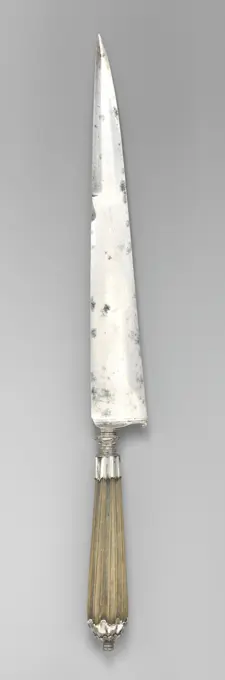
Traveling Knife, Silver, steel, brass, Saber-shaped blade, plain bolster. Tapering handle, round in section, with filigree; floral and paisley pattern around a plain silver shaft. Rosette at the top of handle., Northern Germany or Denmark, mid-late 18th century, cutlery, Decorative Arts, Knife, Knife
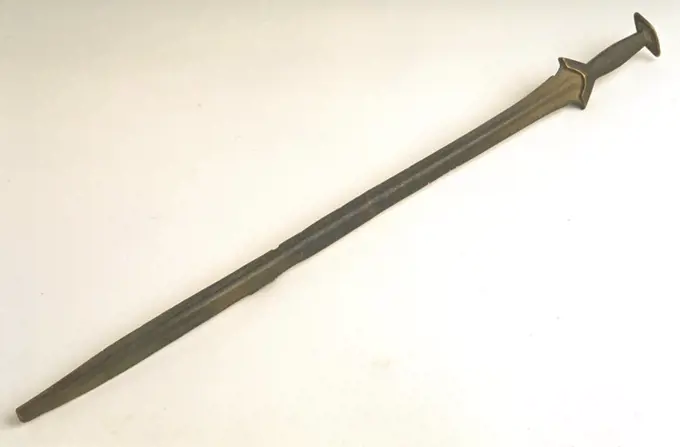
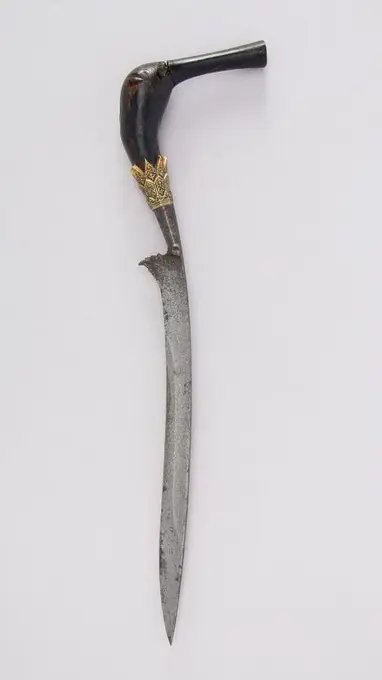
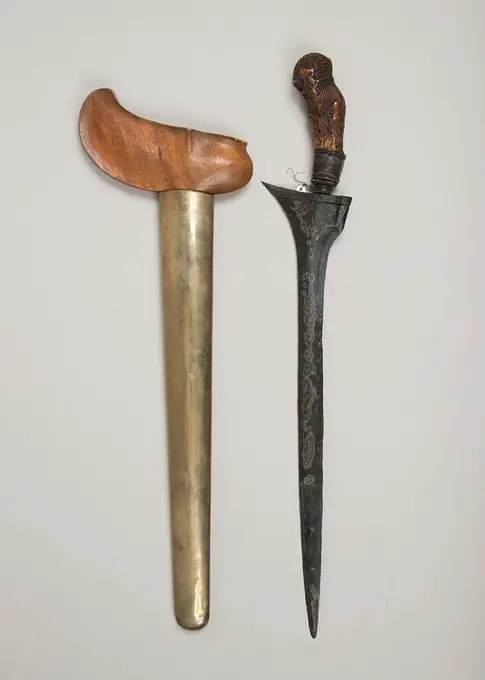
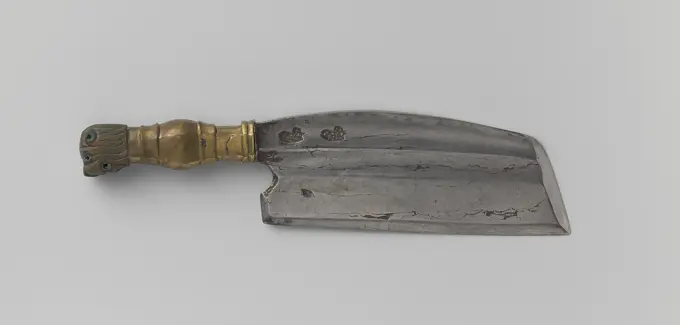
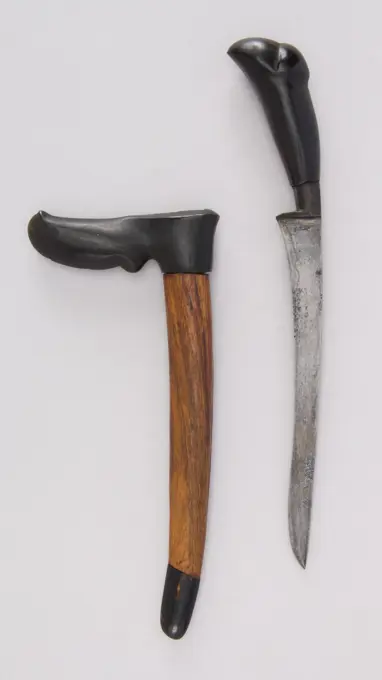
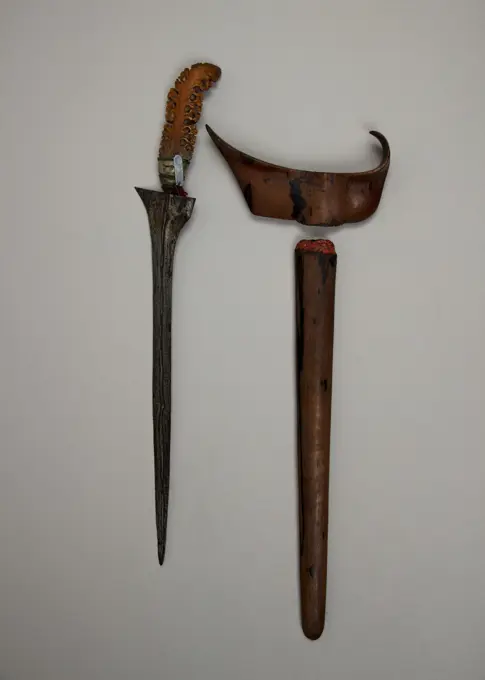
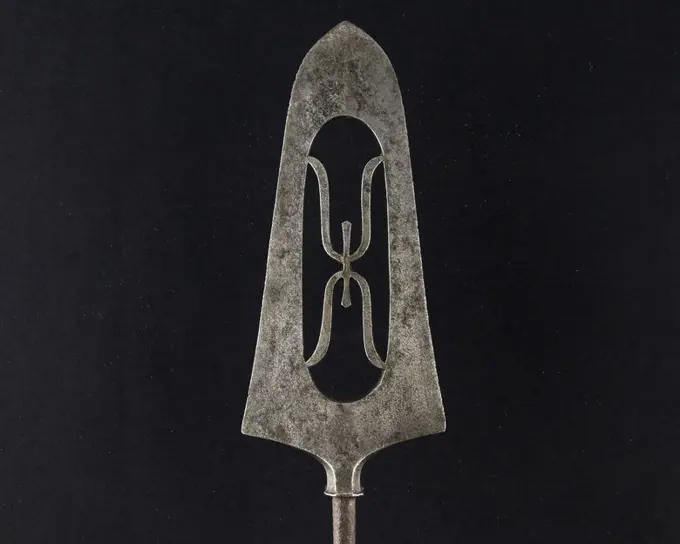
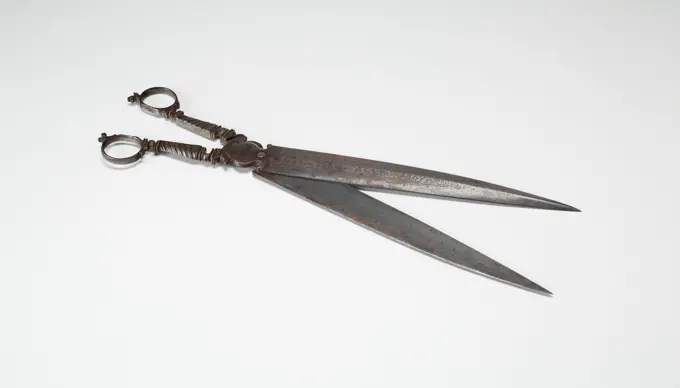
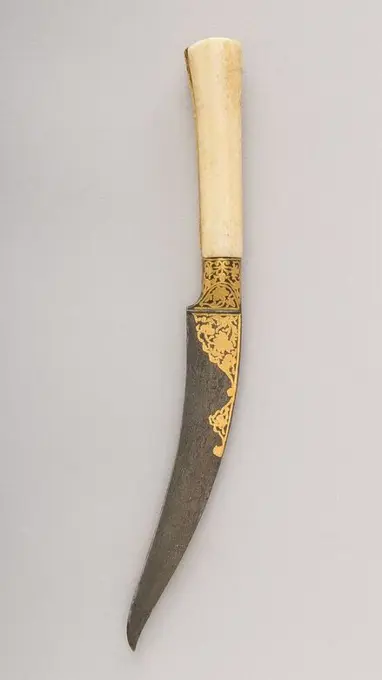
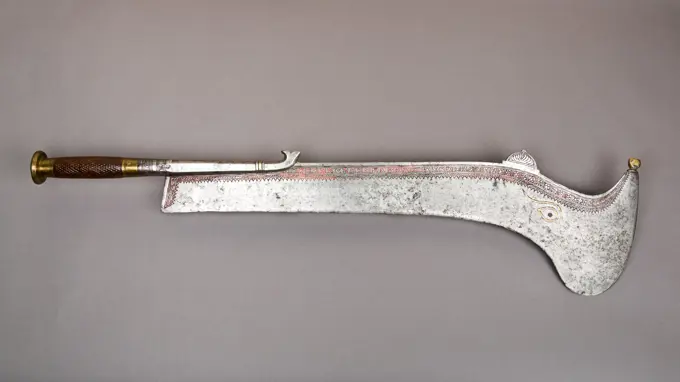
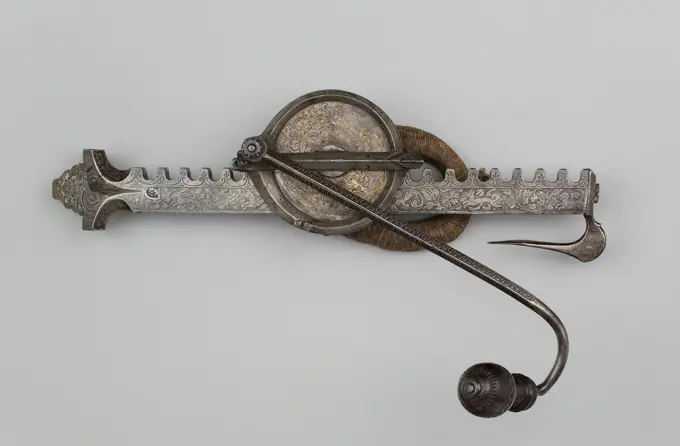
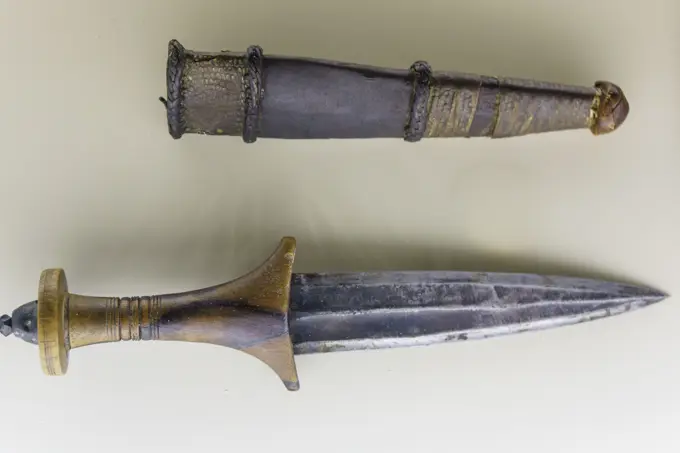
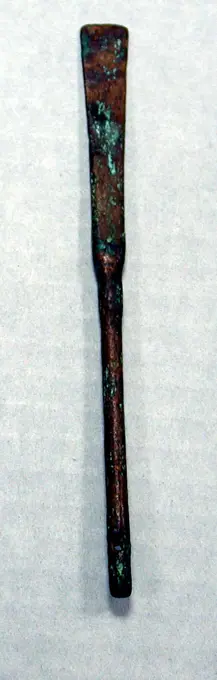
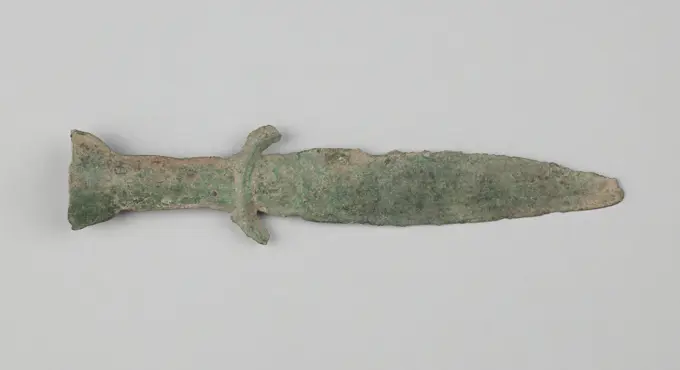
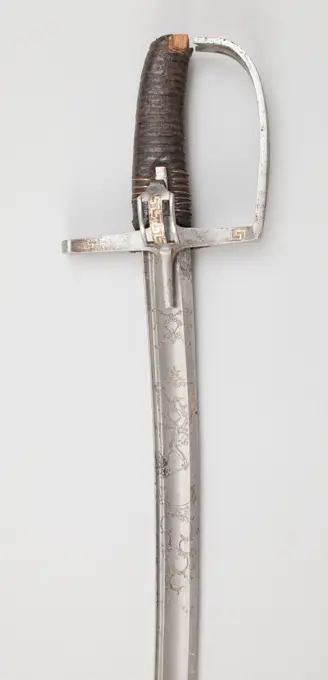
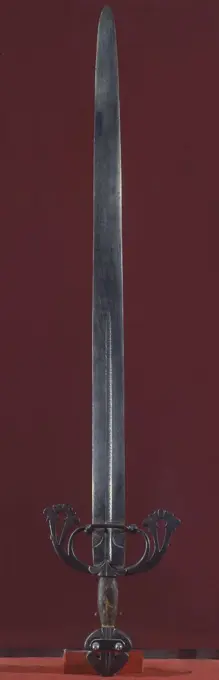
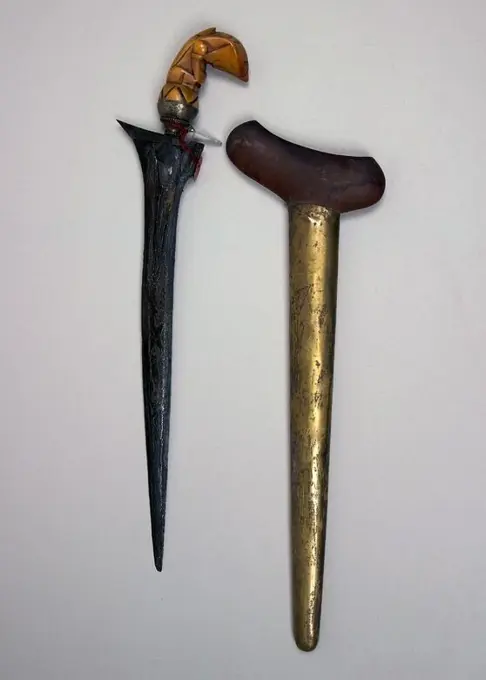
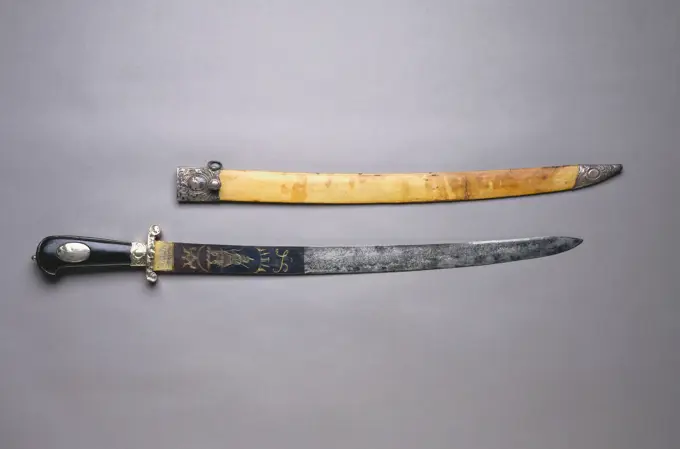
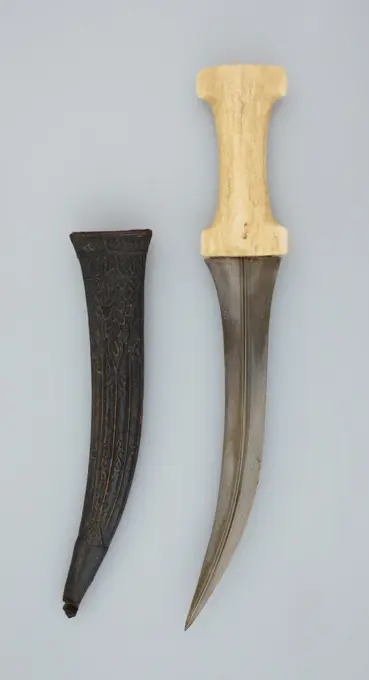
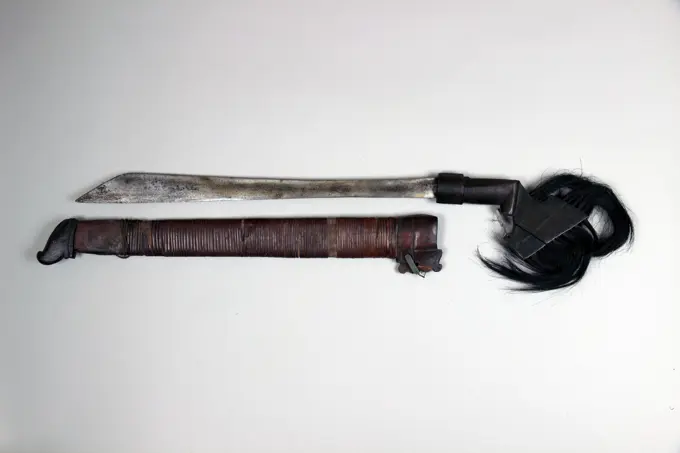
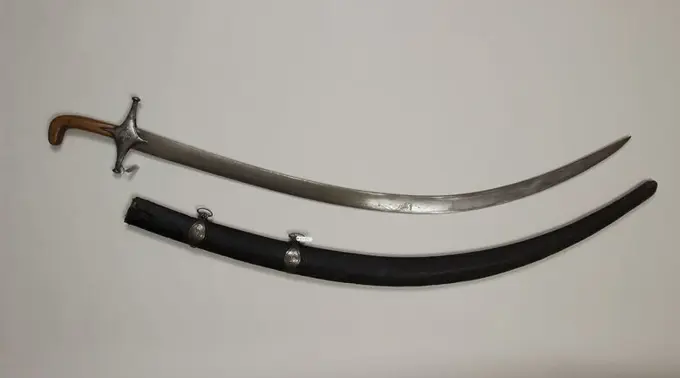
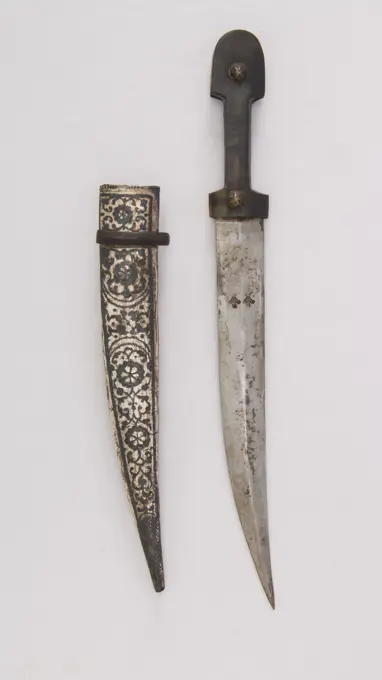
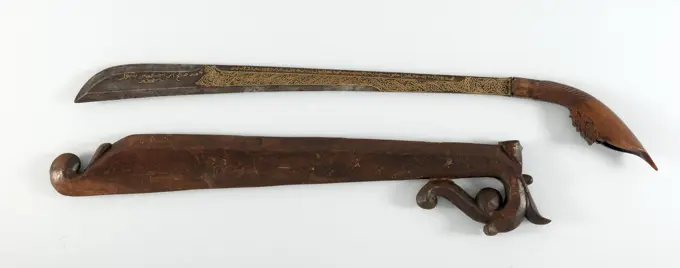
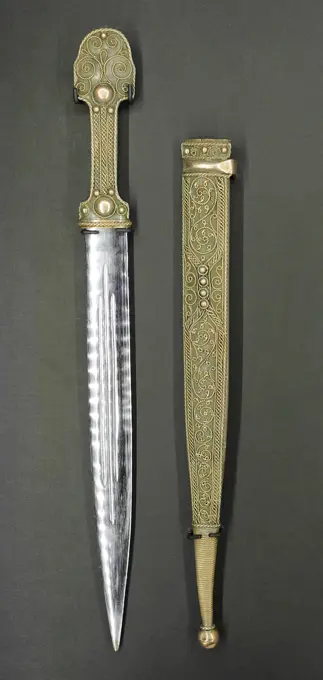
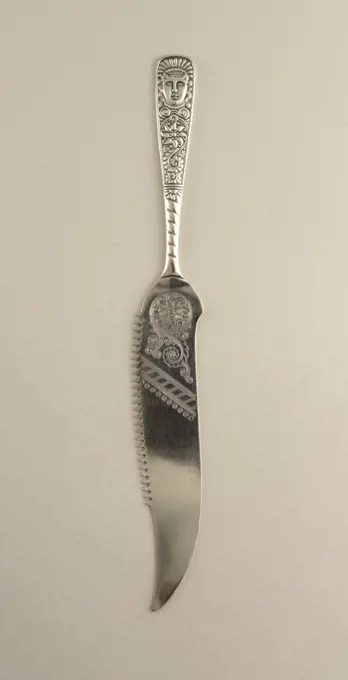
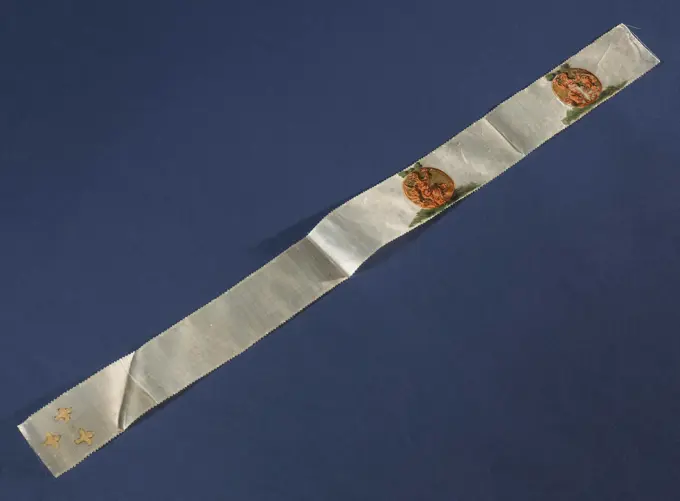
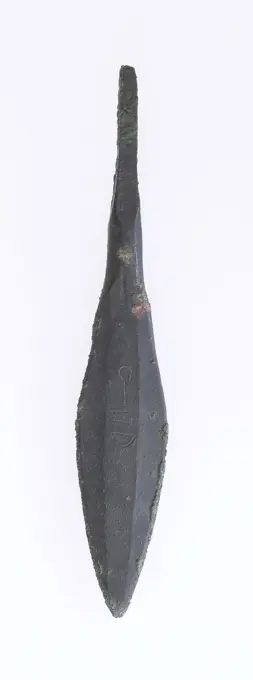
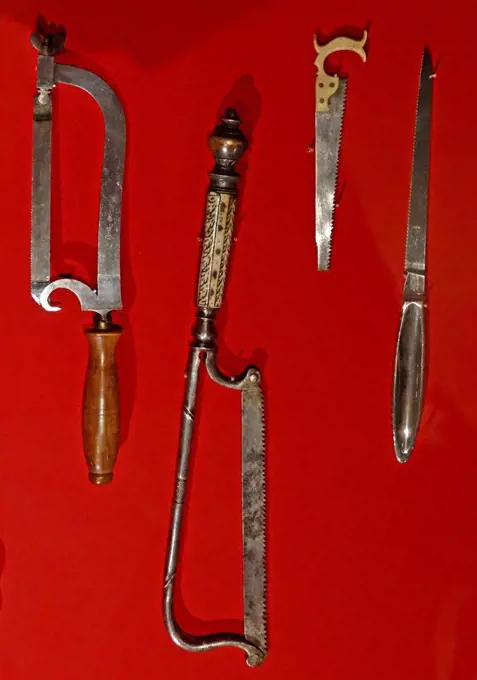
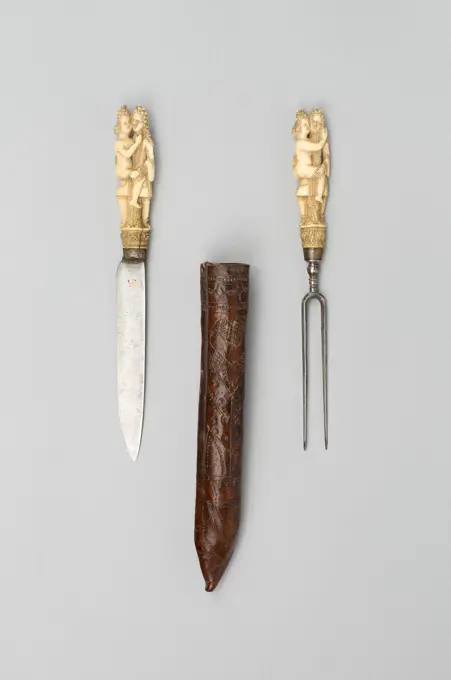
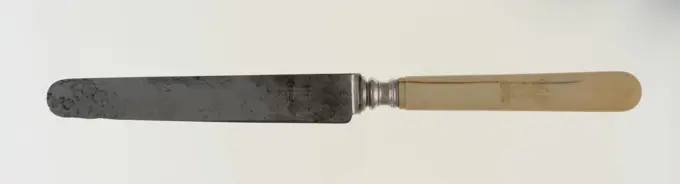
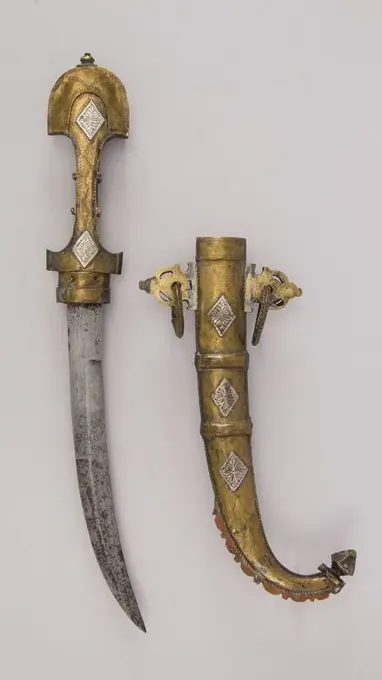
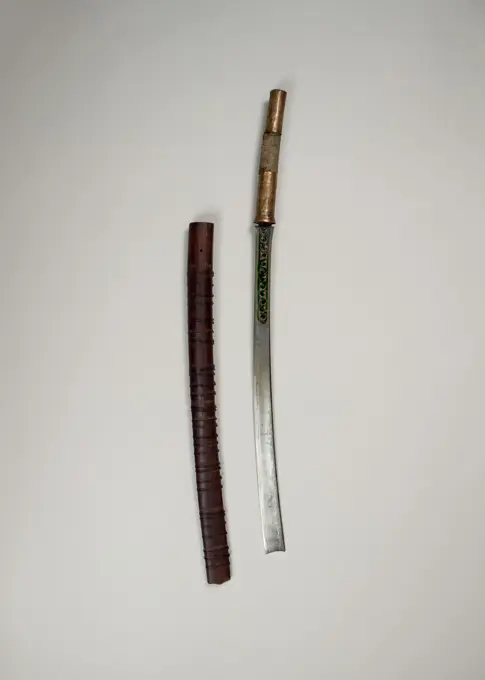
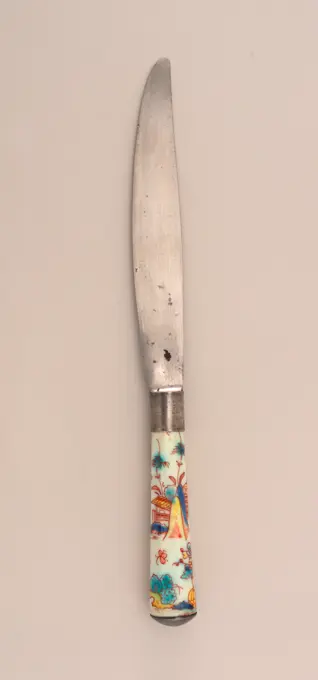
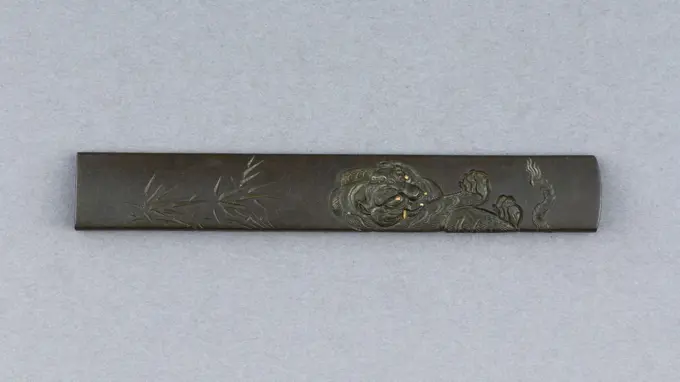
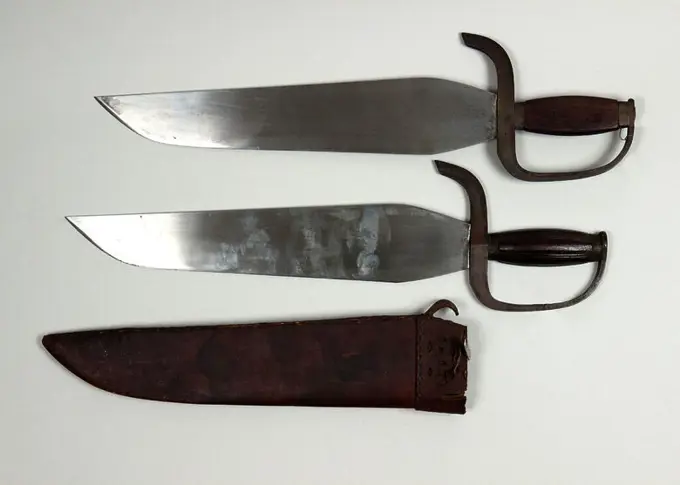
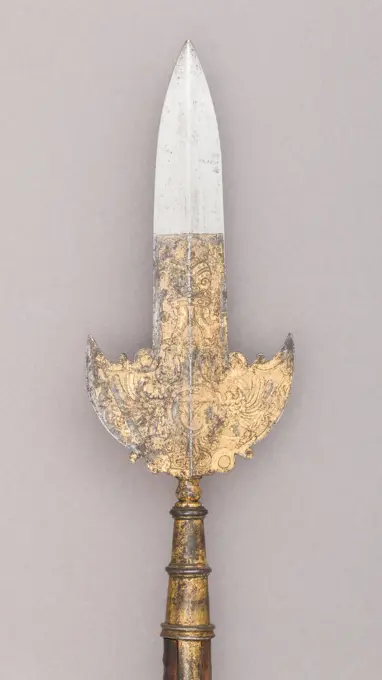
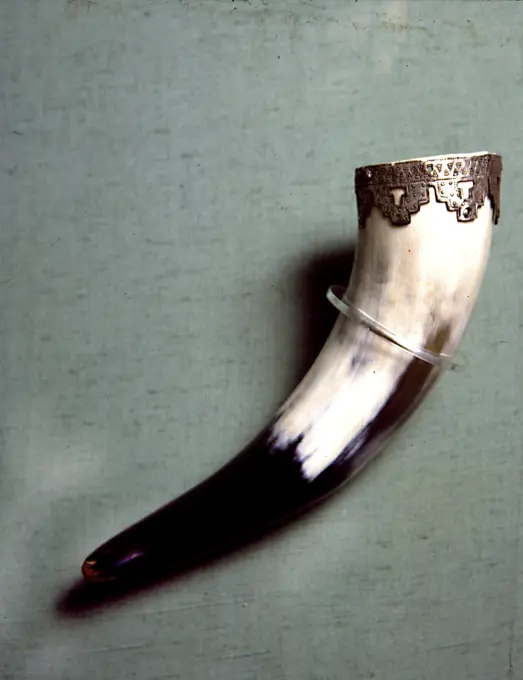
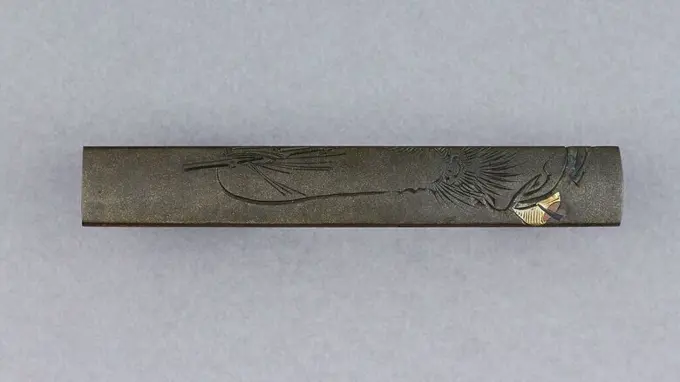
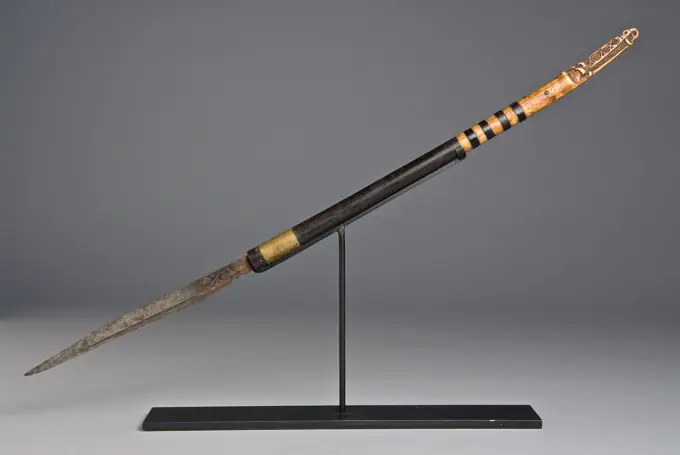
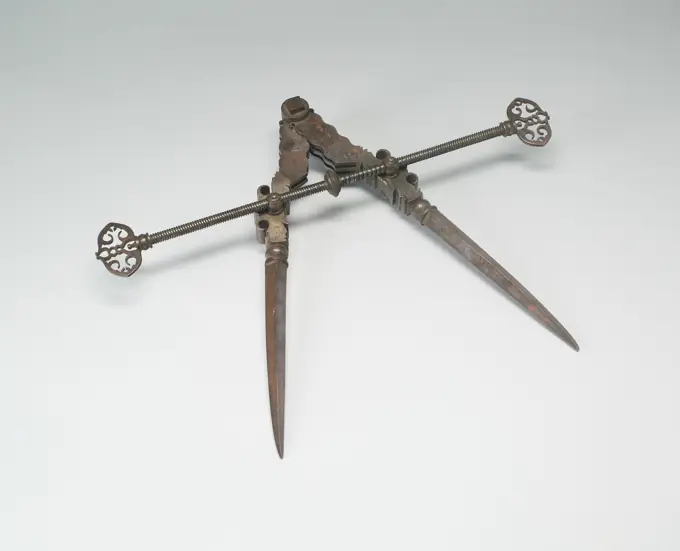
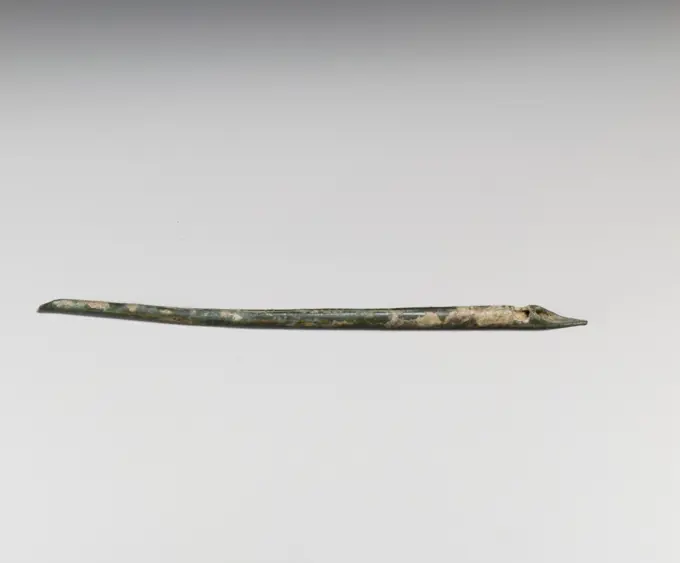
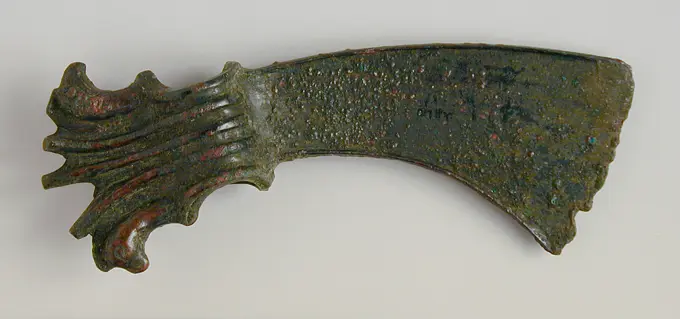
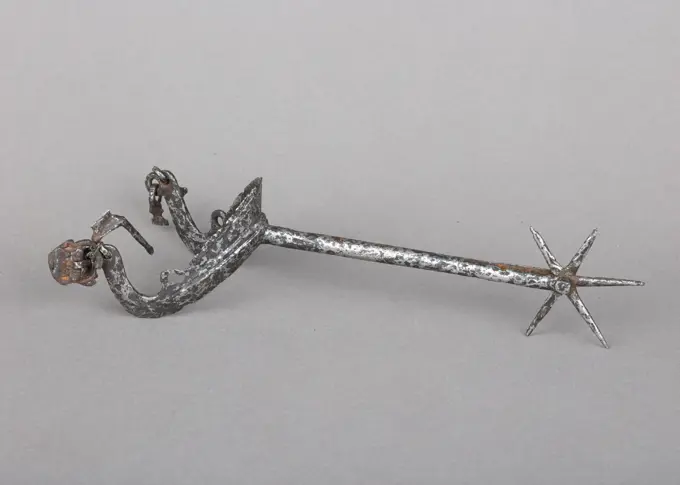
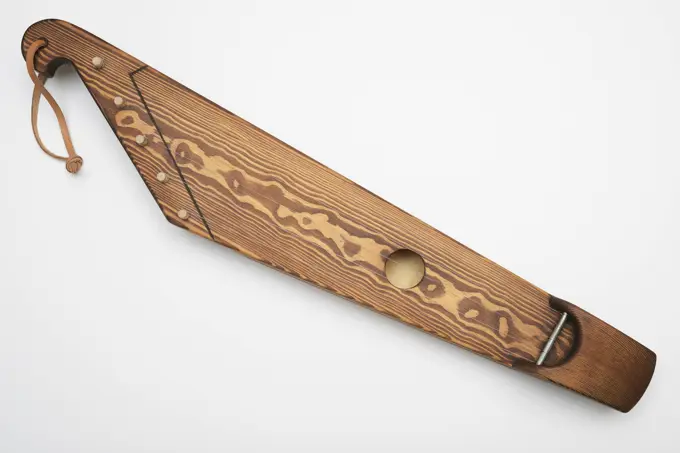
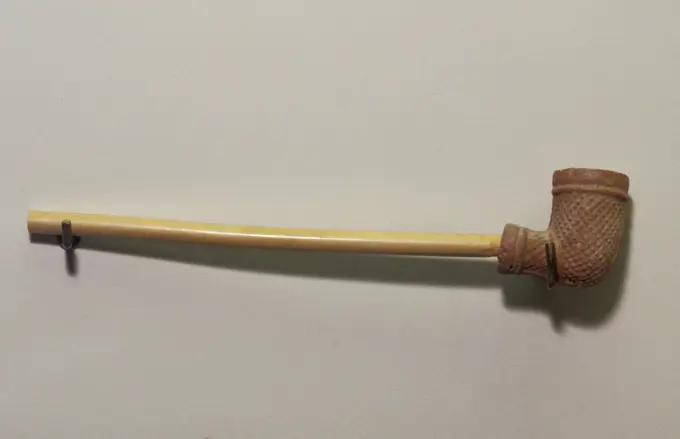
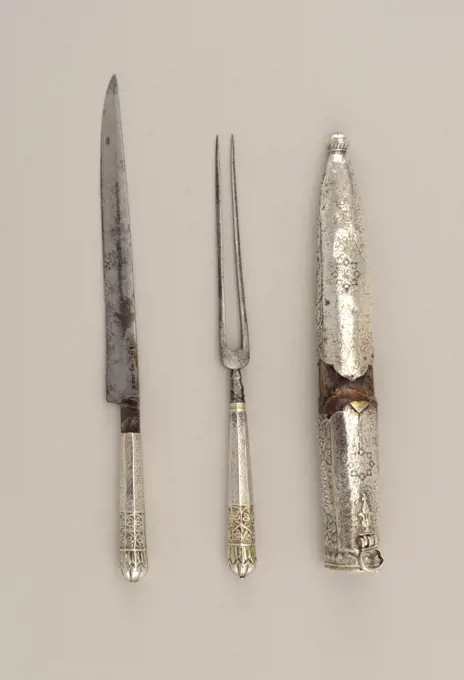
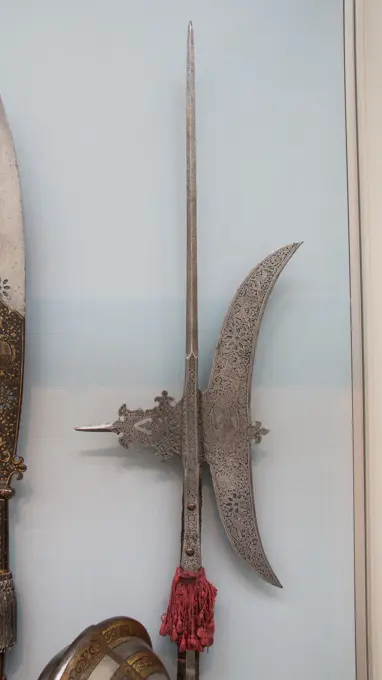
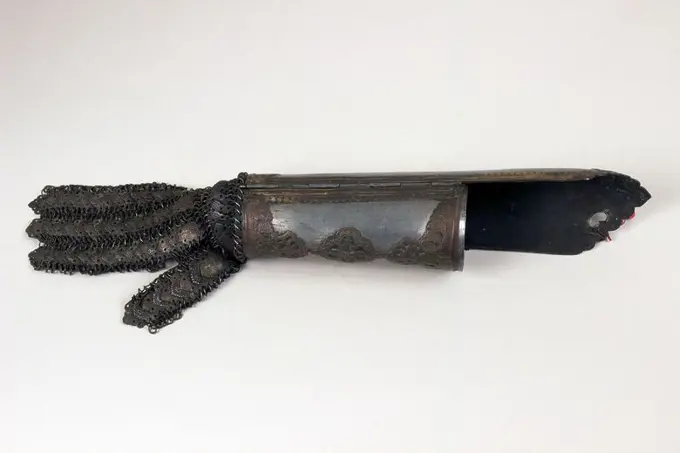
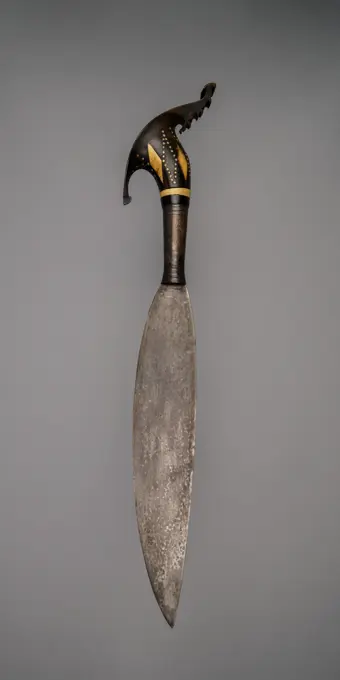
Traveling Knife, Silver, steel, brass, Saber-shaped blade, plain bolster. Tapering handle, round in section, with filigree; floral and paisley pattern around a plain silver shaft. Rosette at the top of handle., Northern Germany or Denmark, mid-late 18th century, cutlery, Decorative Arts, Knife, KnifeSword (Barong), Before 1918. Philippines. overall: 59.8 cm (23 9/16 in.); blade: 38.1 cm (15 in.).Hunting cordlas with a vagina and a knife RoeslerESPADAS HALLADAS EN LA RIA DE HUELVA. BRONCE AJUAR. (DEPOSITO: MUSEO ARQUEOLOGICO NACIONAL).Huntsman's knife 18th century Italian or Corsican. Huntsman's knife. Italian or Corsican. 18th century. Steel, wood, silver. Metalwork-SteelKnife (Bade-bade). Culture: Sumatran, Acheen. Dimensions: H. 14 9/16 in. (37 cm); H. of blade 10 in. (25.4 cm); W. 4 in. (10.2 cm); Wt. 7.4 oz. (209.8 g). Date: 16th-19th century. Museum: Metropolitan Museum of Art, New York, USA.Knife (Bade-bade) with Sheath. Culture: Malayan. Dimensions: H. with sheath 12 3/8 in. (31.4 cm); H. without sheath 11 3/16 in. (28.4 cm); W. 1 11/16 in. (4.3 cm); Wt. 4.1 oz. (116.2 g); Wt. of sheath 1.3 oz. (36.9 g). Date: 18th-19th century. Museum: Metropolitan Museum of Art, New York, USA.Kris with Sheath. Culture: Javanese. Dimensions: L. with sheath 18 15/16 in. (48.1 cm); L. without sheath 17 1/4 in. (43.8 cm); L. of blade 13 5/8 in. (34.6 cm); W. 2 3/4 in. (7 cm); D. 1 3/4 in. (4.5 cm); Wt. 7.8 oz. (221.1 g); Wt. of sheath 5.8 oz. (164.4 g). Date: 16th-19th century. Museum: Metropolitan Museum of Art, New York, USA.Clasp Knife (Chaqu) ca. 1825-1900 hilt, Persian; blade, British. Clasp Knife (Chaqu) 31712Chopping knife whose attachment ends in a lion's head. The object is composed of a poured and attached lemmer that has been sounded at the end of the bond. It is attached in diameter, a thickening in the middle has a thickening and ends in a lion's head, of which details have been outsourced and punched. The eyes are made of black stones. The mouth is overrhwars pierced. The lemmer is smooth on one side and beveled on the other side and equipped with two longitudes slots. Tweakered with a grape to the lemmer.Object ID #18804317; silver, gold, steel; L x W: 20.3 x 2 cm (8 x 13/16 in.); The Robert L. Metzenberg Collection, gift of Eleanor L. Metzenberg; 1985-103-6Knife (Bade-bade) with Sheath 18th-19th century Indonesian, Sulawesi. Knife (Bade-bade) with Sheath 31655Knife (Kard) with Sheath. Culture: Persian. Dimensions: L. with sheath 13 1/2 in. (34.3 cm); L. without sheath 12 3/4 in. (32.4 cm); W. 1 in. (2.5 cm); Wt. 7.7 oz. (218.3 g); Wt. of sheath 2.6 oz. (73.7 g). Date: 19th century. Museum: Metropolitan Museum of Art, New York, USA.Knife (England); Probably Chelsea Porcelain Manufactory (United Kingdom); porcelain, silver; L x W: 26.2 x 2.4 cm (10 5/16 x 15/16 in.); The Robert L. Metzenberg Collection, gift of Eleanor L. Metzenberg; 1985-103-205Handle with hinge, c. 1400 - c. 1950   iron (metal) forging   iron (metal) forgingKris with Sheath 16th-19th century Javanese. Kris with Sheath 31262Arrowhead (Yanone). Culture: Japanese. Dimensions: L. 16 1/2 in. (41.9 cm); L. of head 6 in. (15.2 cm); W. 2 1/2 in. (6.4 cm); Wt. 4.7 oz. (133.2 g). Date: 18th century. Museum: Metropolitan Museum of Art, New York, USA.Flat Needle 5th-7th century () Frankish. Flat Needle 465787 Frankish, Flat Needle, 5th7th century (), Iron, Overall: 1 7/8 x 1/4 x 1/16 in. (4.8 x 0.6 x 0.1 cm). The Metropolitan Museum of Art, New York. Gift of J. Pierpont Morgan, 1917 (17.193.65)Shears 1734 Spain. Steel .Knife (Kard). Culture: Persian, Qajar. Dimensions: H. 9 in. (cm); W. 13/16 in. (2.1 cm); Wt. 4.1 oz. (116.2 g). Date: early 19th century. Museum: Metropolitan Museum of Art, New York, USA.Set of Sacrificial Weapons 19th century Indian, Bengal () or Nepalese Just as Durg was a manifestation of the focused anger of the gods, so too was the godess Kl (literally, "the black one") an emanation born of the wrath of Durg. Kl is worshiped both as the most bloodthirsty member of the Hindu pantheon and, conversely, as the most life affirming. The goddess's dichotomous nature as destroyer and savior is implicit in these three sacramental weapons, which were used in the ritualistic slaughter of animals offered to her as sacrifices.Kl is said to have sprung fully formed, in the midst of battle, from the forehead of an enraged Durg. The very image of death, with dark shriveled skin, wild disheveled hair, a wide gaping mouth with bared fangs, clad only in a necklace and skirt made from the body parts of her opponents, and driven by an insatiable lust for their blood, she is the consummate destroyer. She also appears as the personified rage of other, usually benign, goddessesKris with Sheath 16th-19th century Javanese. Kris with Sheath 31252Tools, anonymous, c. 1590 - c. 1596  Chisel, tackling whose ends that protrude above the block are slightly bent in the direction of the block.  iron (metal) forging  Nova Zembla. Saving HuysCranequin ( Winder ) for a Crossbow Made 1570-1600 Nuremberg. Iron with gilding, wood, and cord . Master H W over Wknife wuit scabbard, Nuba tribe, Sudan, 19th century, Castle of San Carlos, seventeenth century, Palma, Mallorca, Spain.Hammered Copper Chisel 1st-mid-16th century Peru; north coast (). Hammered Copper Chisel 309100Key; 1909-2-246Partisan ca. 1700 French. Partisan 26681Hunting Knife ca. 1500 Austrian, Innsbruck. Hunting Knife 27329Dagger (common name). Bronze. Cernuschi Museum, Asia Museum of Asia in the city of Paris.Hussar Pałasz with the VaginaESPADA LLAMADA TIZONA DEL CID CAMPEADOR - REVERSO. Location: ALCAZAR / MUSEO DEL EJERCITO-COLECCIÓN. Toledo. SPAIN.Corner part of a stove (fragment), 1660 Cast iron corner part of a stove. Decorated with a lion's head and other motives. Germany iron (metal) casting Cast iron corner part of a stove. Decorated with a lion's head and other motives. Germany iron (metal) castingKris with Sheath. Culture: Javanese. Dimensions: L. with sheath 17 in. (43.2 cm); L. without sheath 15 3/8 in. (39.1 cm); L. of blade 12 5/8 in. (32.1 cm); W. 5 1/8 in. (13 cm); Wt. 9.6 oz. (272.2 g); Wt. of sheath 4.5 oz. (127.6 g). Date: 16th-19th century. Museum: Metropolitan Museum of Art, New York, USA.Hunting Sword, c. 1780. France (blade: Germany), 18th century. Steel, blued, etched, and gilded; silver and wood; overall: 72.1 cm (28 3/8 in.); blade: 56.5 cm (22 1/4 in.); grip: 14 cm (5 1/2 in.); guard: 7.3 cm (2 7/8 in.).French cavalry label with Schede, Anonymous, c. 1800 - c. 1950 sabre French cavalry label or Mamelukensabel, without hilt. France iron (metal)   FranceStab chisel with sloping cut and around handle, anonymous, c. 1590 - c. 1596  Stick chisel with sloping cut and around handle. The chisel has been demolished.  iron (metal). wood (plant material) forging / cutting  Nova Zembla. Saving HuysCase, Leather, snake skin, copper wire, Tapered leather sheath, stiched down front; snake skin band at top. Rolled leather knob at pointed end; wrapped above end with copper wire. Twisted leather strap with copper wire bands attached by knotted tab at mouth., Southern Germany or Austria, mid-18th century, cutlery, Decorative Arts, CaseKnife Handle (Kozuka). Culture: Japanese. Dimensions: L. 3 13/16 in. (9.7 cm); W. 9/16 in. (1.4 cm); thickness 1/4 in. (0.6 cm); Wt. 1 oz. (28.3 g). Date: ca. 1615-1868. Museum: Metropolitan Museum of Art, New York, USA.Sheath for a Model Dagger ca. 1981-1802 B.C. Middle Kingdom One of the complete burial groups excavated at Meir belonged to the Steward Hapiankhtifi. When the mummy was unwrapped numerous objects were discovered including this model sheath that belongs to a model dagger (12.183.17b).. Sheath for a Model Dagger. ca. 1981-1802 B.C.. Wood, paint, gold leaf. Middle Kingdom. From Egypt, Middle Egypt, Meir, Tomb of Hapiankhtifi, Mummy, Khashaba excavations, 1910-12. Dynasty 12Kanjar with a scabbardKatana with white hilt, over black background, horizontal imageKnife with Porcelain Handle, steel, porcelain, Sabre-shaped blade (reblade) with plain bolster. Banded ferrule, round in section. Pistol-shaped porcelain handle, blue floral design on a white ground., France, Germany, ca. 1700-1800, cutlery, Decorative Arts, knife, knifeSword with Scabbard 18th-19th century Indonesian, Wetar, Pulau. Sword with Scabbard. Indonesian, Wetar, Pulau. 18th-19th century. Wood, horn, rattan, hair. Barat Daya, Kepulauan, Maluku. SwordsSword (Shamshir) with Scabbard. Culture: Persian. Dimensions: H. with scabbard 36 3/4 in. (93.3 cm); H. without scabbard 35 1/4 in. (89.5 cm); W. 5 in. (12.7 cm); Wt. 1 lb. 14.9 oz. (876 g); Wt. of scabbard 9.8 oz. (227.8 g). Date: 19th century. Museum: Metropolitan Museum of Art, New York, USA.Kris with Sheath 16th-19th century probably Sumatran. Kris with Sheath 31276Pair of Armored Reins 1800-1900 Germany. Steel .Ancient sabre Ancient sabre. A smart variant of the fighting weapon Copyright: xZoonar.com/ValeryxxSibrikovx 5831883Dagger (Kindjal) with Sheath 18th-19th century Circassian. Dagger (Kindjal) with Sheath 31520Sword (Rudus) and Scabbard dated 1835 Muhammad Salih of Terumon The sword is exceptional for the gold decoration inlaid on its blade, which includes a date and an inscription identifying the artist as "Muhammad Salih of the state of Terumon in the village of Payung." While the place names appear to refer to Peninsular Malaysia, the form of the hilt, blade, and scabbard are distinctive to a region of northern Sumatra inhabited by the Aceh and Pakpak peoples. These elements suggest that the sword was made in Sumatra and then decorated in neighboring Malaysia.. Sword (Rudus) and Scabbard. Malaysian, Kampung Payang and Sumatran, Aceh. dated 1835. Steel, horn, gold, wood. Kuala Berang. SwordsFirst World War (1914-1918). Khanjali (kama), dagger used in the Caucasian units of the Russian army. Latvian War Museum. Riga. Latvia. Assyrian Head, Meriden Brittania Company, Meriden, Connecticut, USA, 1808 - 1898, Rogers Brothers Silver, Hartford and Meriden, Connecticut, 1847 - 1862, Silver-plated metal, Decorative portrait handle knife with turned detail down to the carved blade with an ornamental serrated edge., Meriden, Connecticut, USA, 1886-87, cutlery, Decorative Arts, Cake saw, Cake sawPatriot ribbon. Ribbon with a three so-called French lilies and on the right two gold-colored imitations from Tokens. A seated woman (freedom sink) is shown on the 'Tokens'. A bow is shown at the top and a green strip at the bottom.Palmette, HalfArrowhead ca. 1550-1458 B.C. New Kingdom. Arrowhead. ca. 1550-1458 B.C.. Copper alloy. New Kingdom. From Egypt, Upper Egypt, Thebes, Asasif, Courtyard CC 41, Pit 3, Burial D 1, Beside or on inner coffin, MMA excavations, 1915-16. Dynasty 18, earlyKris 18th-19th century Philippine, Moro. Kris. Philippine, Moro. 18th-19th century. Steel, silver. KrissesSelection of amputation saws including finger amputation saws and bow-frame saws. English, 1780-1936.Brush (Bi) with Carp and Dragon. China, Chinese, Middle Ming dynasty, about 1450-1550. Tools and Equipment; brushes. Carved red lacquer on wood coreKnife and Fork with Sheath 1660-1700 Europe. Steel, copper, ivory, and leather .ABRELATAS.Yeah one hundred; Tauron-Parisot (couples; Factory; 1839-); 1. PO. 19th century (1850-00-00-1850-00-00);Knife with agates lifts in Foedraal, Anonymous, 1600 - 1699 Knife with agates lifts and gilded silver frame. In the part of pressed leather.  silver (metal). leather. agate (chalcedony) Knife with agates lifts and gilded silver frame. In the part of pressed leather.  silver (metal). leather. agate (chalcedony)Left Leg Guard. Culture: Turkish. Dimensions: H. 15 (38.1 cm); W. 7 1/2 in. (19.1 cm); Wt. 1 lb. 4.4 oz. (578.3 g). Date: 16th century. Museum: Metropolitan Museum of Art, New York, USA.Fruit knife, F. Nicoud, French, active 1890, Silver, steel, mother-of-pearl, gilding, One of twelve fruit knives with mother-of-pearl handles and engraved and gilt decoration on blades., ca. 1890, cutlery, Decorative Arts, Fruit knifeBatter, c. 1400 - c. 1950   iron (metal)   iron (metal)Dagger (Jambiya) with Sheath. Culture: Moroccan. Dimensions: H. with sheath 16 7/16 in. (41.8 cm); H. without sheath 15 3/4 in. (40 cm); H. of blade 9 1/2 in. (24.1 cm); W. 2 1/4 in. (5.7 cm); Wt. 9.3 oz. (263.7 g); Wt. of sheath 10.3 oz. (292 g). Date: 18th-19th century. Museum: Metropolitan Museum of Art, New York, USA.Spoon, 19th century, 11 1/4 x 2 1/4 in. (28.58 x 5.72 cm), Bighorn sheep horn, United States, 19th centurySword (Dha) with Scabbard 19th century Burmese. Sword (Dha) with Scabbard 31082Knife (France); Manufactured by Chantilly Porcelain Manufactory (France); porcelain, steel; L x W: 25.8 x 2.7 cm (10 3/16 x 1 1/16 in.); The Robert L. Metzenberg Collection, gift of Eleanor L. Metzenberg; 1985-103-231Dragoon saber with vaginaModel blade of a dagger ca. 1981-1802 B.C. Middle Kingdom One of the complete burial groups excavated at Meir belonged to the Steward Hapiankhtifi. When the mummy was unwrapped numerous objects were discovered including this model dagger that came with a sheath (12.183.17a).. Model blade of a dagger. ca. 1981-1802 B.C.. Wood, paint. Middle Kingdom. From Egypt, Middle Egypt, Meir, Tomb of Hapiankhtifi, Mummy, Khashaba excavations, 1910-12. Dynasty 12Knife Handle (Kozuka) ca. 1615-1868 Japanese A kozuka is a handle of a by-knife that is part of a sword mounting. It is kept in a slot on the reverse of a katana scabbard, often with a matching kōgai (hairdressing tool).. Knife Handle (Kozuka) 34696Double Sword with Scabbard. Culture: Chinese. Dimensions: L. with scabbard 17 3/4 in. (45.1 cm); L. of each without scabbard 17 1/2 in. (44.5 cm); L. of each blade 13 in. (33 cm); W. of each 5 in. (12.7 cm); Wt. of sword (a) 1 lb. 4.1 oz. (569.8 g); Wt. of sword (b); 1 lb. 5.2 oz. (601 g); Wt. of scabbard 2.5 oz. (70.9 g). Date: 19th century. Museum: Metropolitan Museum of Art, New York, USA.Yeah one hundred; Malcz, Karol (1797-1867), Gerlach (Warsaw; 1760-), Silver Products Factory K.F. Malcza (Warsaw; Sreber label; 1828-1864); 1825-52 (1852-00-00-1852-00-00);Partisan 18th century Austrian The wide, double-edged blade of flattened diamond section is flanked at its base by two cusped lugs with up-turned points. Turned moldings join the head to the socket, the latter with three ring moldings and side straps. The lower half of the blade and the socket are gilt, the blade etched with the following motifs: on one side is a double-headed eagle under an imperial crown, and on its breast an oval medallion bearing the monogram C VI (Carolus VI); on the other side are trophies of arms and two bound captives. The original shaft of wood is inlaid near the top with two brass letters on either side of the straps: Ö and Ẏ.Throughout the eighteenth century, the spontoon was carried by military officers as a symbol of rank rather than as a weapon. Its form derives from the partisan, a weapon of similar shape but of larger proportions, that was commonly borne by household bodyguards (the "partisans") in the sixteenth and seventeenth centuries. This particulaDrinking horn. 8-9th cent. Viking artefact.Knife Handle (Kozuka). Culture: Japanese. Dimensions: L. 3 13/16 in. (9.7 cm); W. 9/16 in. (1.4 cm); thickness 3/16 in. (0.5 cm); Wt. 1.1 oz. (31.2 g). Date: 18th century. Museum: Metropolitan Museum of Art, New York, USA.Cutlass and Scabbard, anonymous, c. 1879 machete Kap knife with short blade with straight back and curved cut. The hilt is entirely of a loader, with a grooved handle and shot with end buttons. The lower tire with end button is sewn entirely within the leather sheath, so that only the button protrudes. The brass top tire has a copper carrying button for the carrying strap, which must be worn on a belt. Netherlands iron (metal). brass (alloy). copper (metal). leatherCopper alloy dagger blade ca. 2200-1800 B.C. Cypriot Leaf-shaped blade with no tang and three rivet holes.. Copper alloy dagger blade 244166Warriors KnifePunch in circles: Paris 1809-1819 Average guaranteed. Flat strip with decoration engraved with scrolls and garlands of flowers.Architect's Compass 1600-1699 Europe. Steel .Folding Knife; ivory, steel, gilding, brass; L x W: 18.3 x 2.5 cm (7 3/16 x 1 in.); The Robert L. Metzenberg Collection, gift of Eleanor L. Metzenberg; 1985-103-178Spear with Sheath 18th-19th century Philippine, Sulu. Spear with Sheath 30774Bronze stylus 1st2nd century A.D. Roman Stylus.. Bronze stylus 252502 Roman, Bronze stylus, 1st?2nd century A.D., Bronze, 2 15/16 in. (7.5 cm.). The Metropolitan Museum of Art, New York. Fletcher Fund, 1926 (26.60.35)Shaft-hole Axehead. Iran, Luristan, circa 1350-1000 B.C.. Arms and Armor; axes. Bronze, castRowel Spur (Left) 15th century German or Bohemian In the 15th century, rowel spurs with very long necks were of common use in Western Europe. At this period, the elevated war saddles and the very specific riding style, with long stirrup leathers and legs extended forward, had the consequence of taking away the riders feet from the horses flank. Thus, these long necks gave them easier access without having to disturb the riders position. As a knights status was closely related to his horse, spurs became one of the symbols of chivalry, and one of the tokens given to him during his knighting.. Rowel Spur (Left). German or Bohemian. 15th century. Iron alloy. Equestrian Equipment-Spursein traditionelles hölzernes Saiteninstrument, die Kantele This image showcases a traditional wooden string instrument kantele, which is a traditional Finnish or Baltic psaltery. The instrument has a minimalist design with a sleek, natural wood finish, visible grain patterns, and tuning pegs. Its simplistic yet elegant craftsmanship reflects a deep connection to folk music and cultural heritage. Copyright: xZoonar.com/MIKHAILxOLYKAYNENx 22335068Knife (France); earthenware, silver, steel; L x W x D: 25 x 2.1 x 1.7 cm (9 13/16 x 13/16 x 11/16 in.); 1943-37-2Knife Handle (Kozuka). Culture: Japanese. Dimensions: L. 3 13/16 in. (9.7 cm); W. 9/16 in. (1.4 cm); thickness 3/16 in. (0.5 cm); Wt. 1 oz. (28.3 g). Date: ca. 1615-1868. Museum: Metropolitan Museum of Art, New York, USA.Shawnee clay pipe bowl decorated with etched designs along with a replica wooden stemFrank Gray, Wrought Iron Sickle, c 1940 Wrought Iron SickleHammer isolated on white backgroundCase, Silver, wood, Wooden sheath, oval in section, covered with silver, engraved with a floral pattern. Inscription on one side of sheath, a locket on the back., possibly Poland, ca. 1700, cutlery, Decorative Arts, CaseHalberd ca. 1590-1600 Italian. Halberd 21947Two-finger amulet 664-332 B.C. Late Period. Two-finger amulet. 664-332 B.C.. Basalt (). Late Period. From Egypt. Dynasty 26-30Swiss Dagger with Scabbard 1556 Europe. Steel, bronze, and walnutScabbard bronze, wood, and velvet .Arm Guard. Culture: Indian. Dimensions: L. 22 1/4 in. (56.5 cm); W. 3 1/2 in. (8.9 cm); Wt. 1 lb. 15.6 oz. (895.8 g). Date: ca. 1750-1800. Museum: Metropolitan Museum of Art, New York, USA.Flint Blade before 16th century Mexican. Flint Blade 317315Terracotta fragment of a kylix (drinking cup) 460--450 B.C. Greek, Attic Right half of a handle with the crossbar; four fronds of a palmette and tendrils. Terracotta fragment of a kylix (drinking cup). Greek, Attic. 460--450 B.C.. Terracotta; red-figure. Classical. Vases