Historical Cutting Tools

A collection of knives and swords from different cultures and time periods, highlighting ornate designs and craftsmanship in steel and wood.

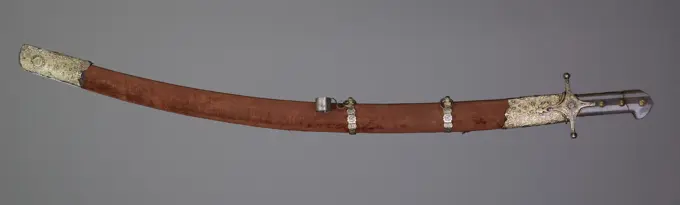
Traveling Knife, Silver, steel, brass, Saber-shaped blade, plain bolster. Tapering handle, round in section, with filigree; floral and paisley pattern around a plain silver shaft. Rosette at the top of handle., Northern Germany or Denmark, mid-late 18th century, cutlery, Decorative Arts, Knife, Knife
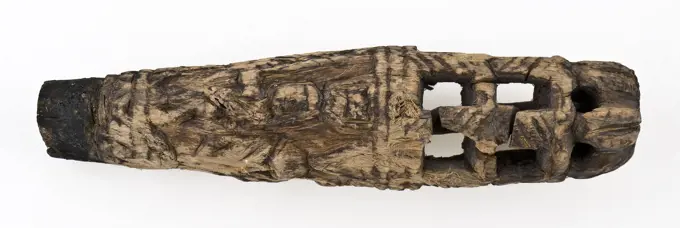
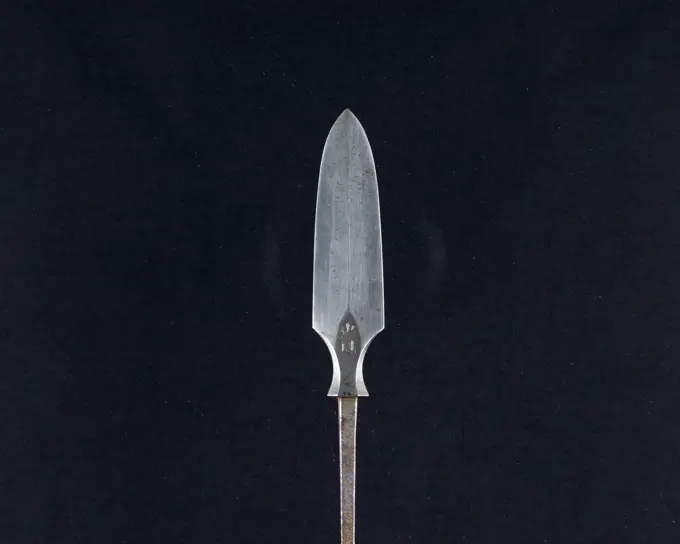
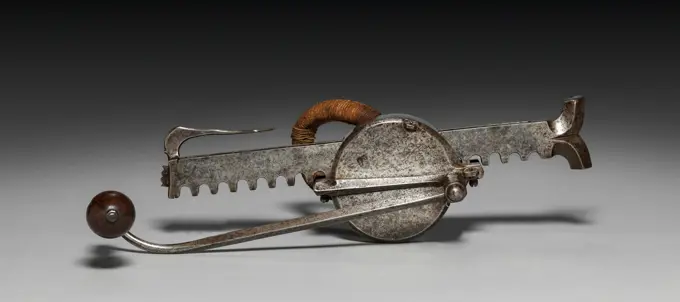
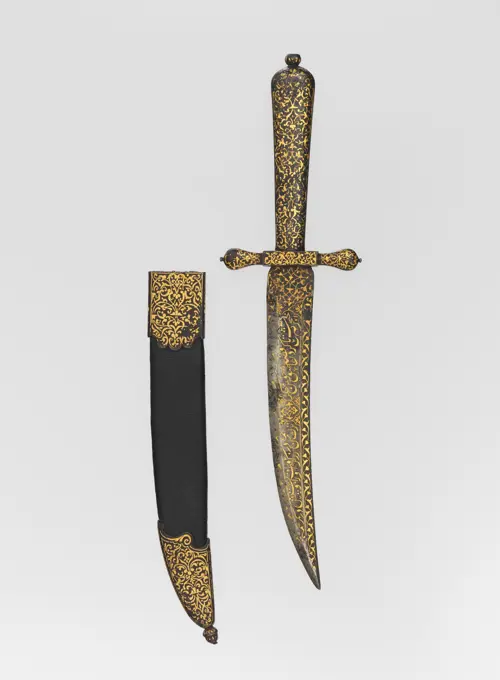
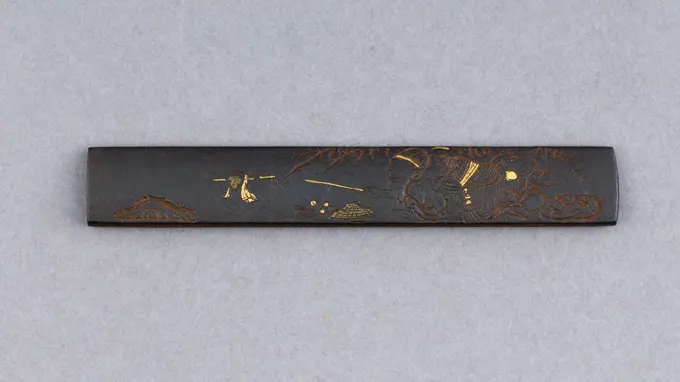
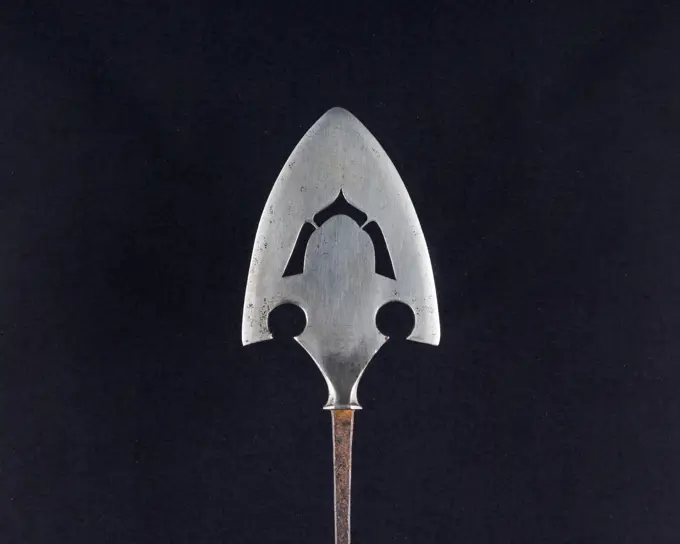
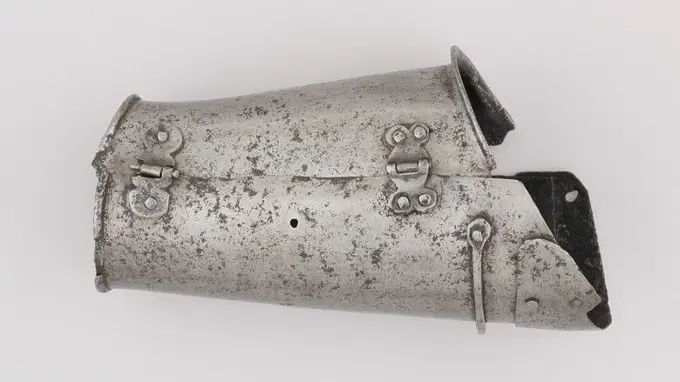
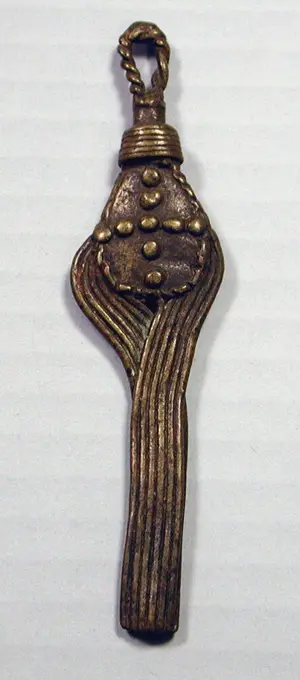
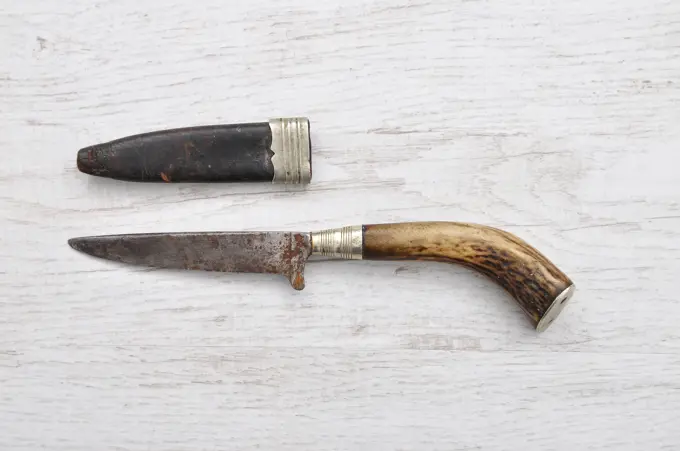
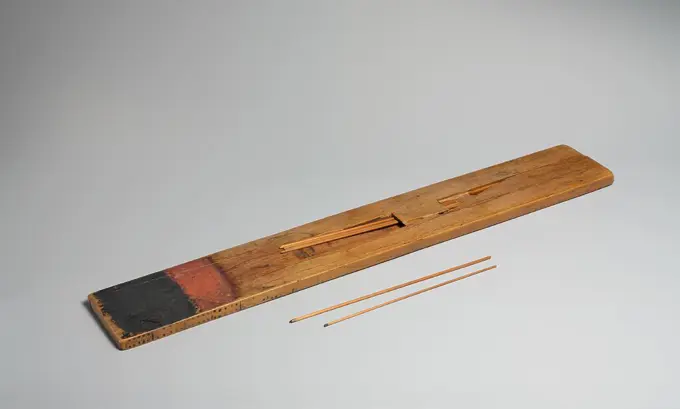
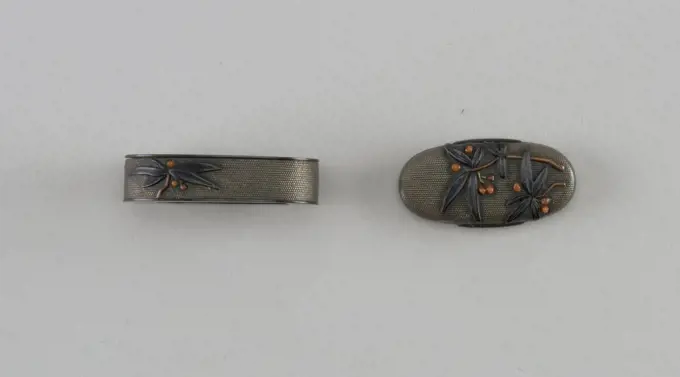
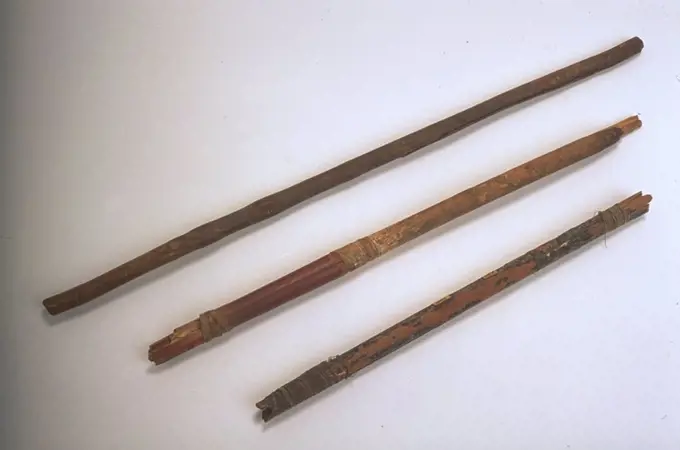
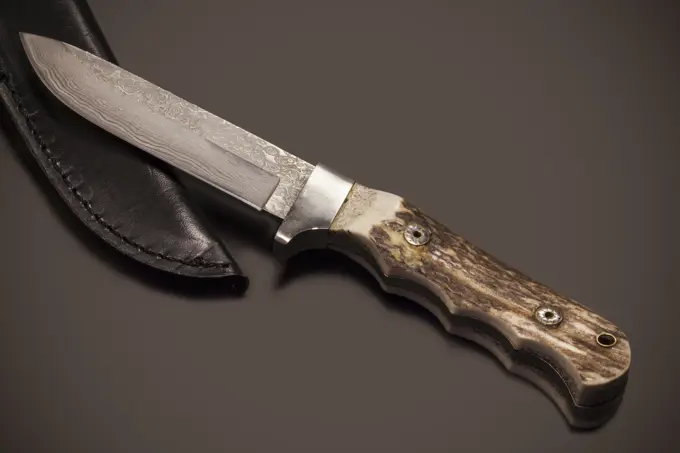
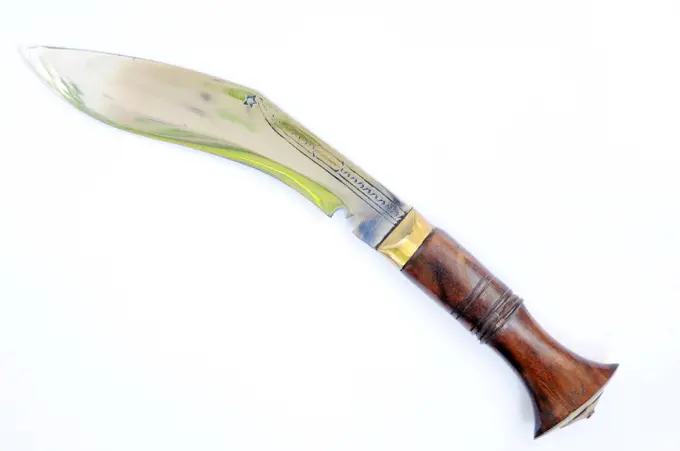
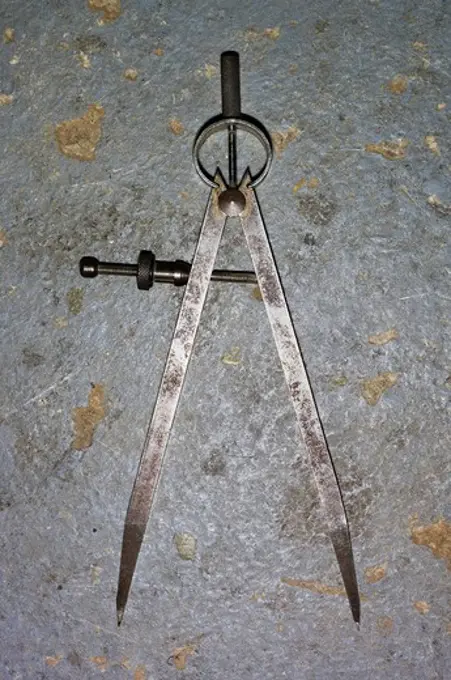
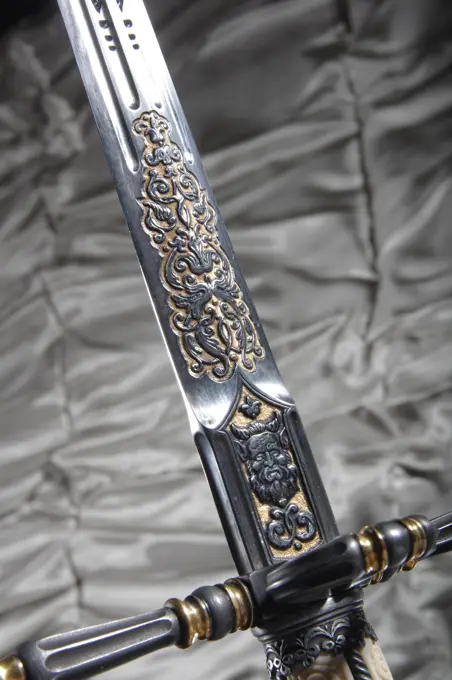
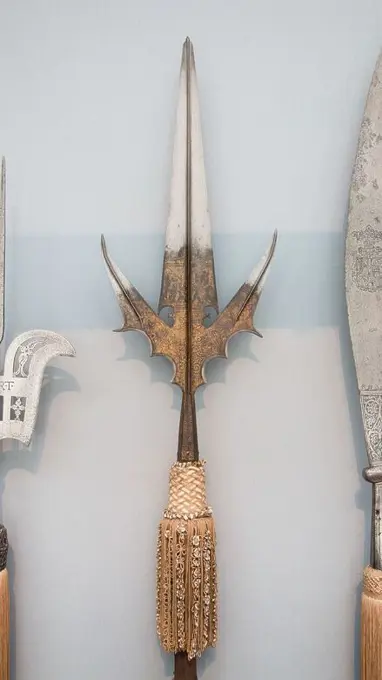
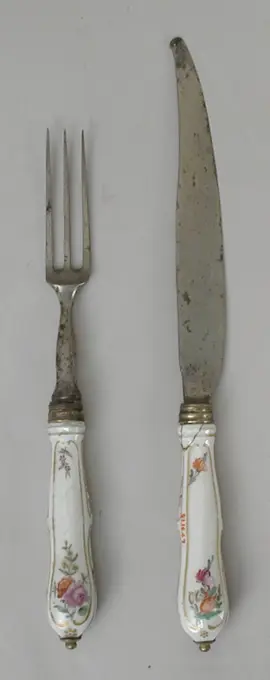
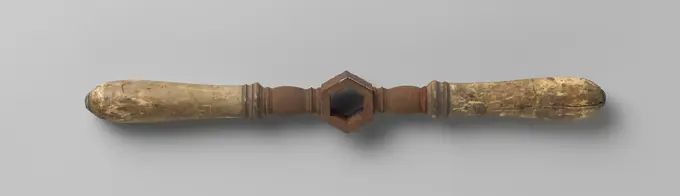
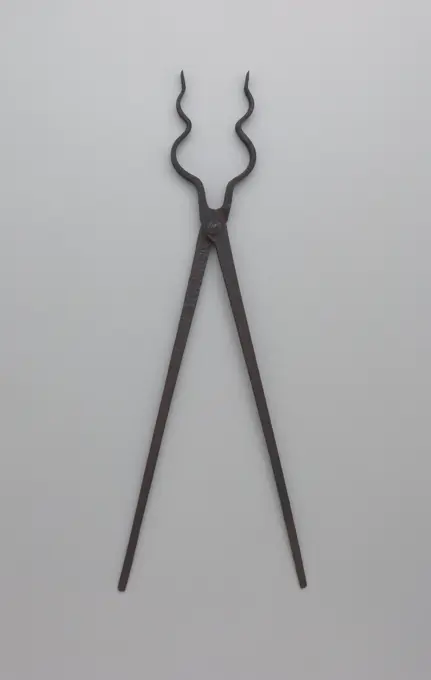
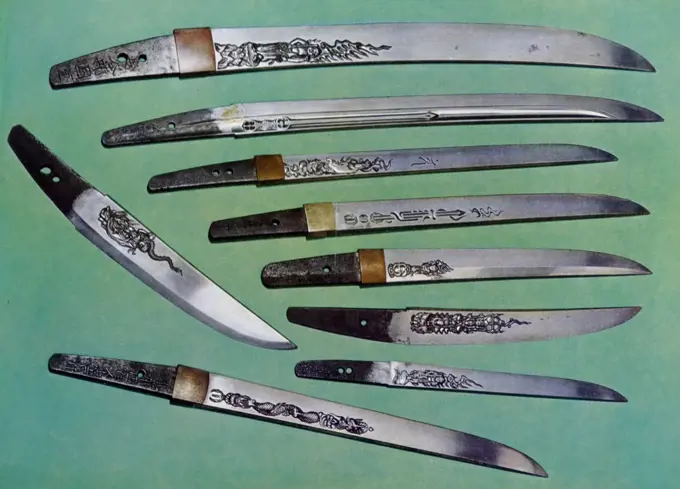
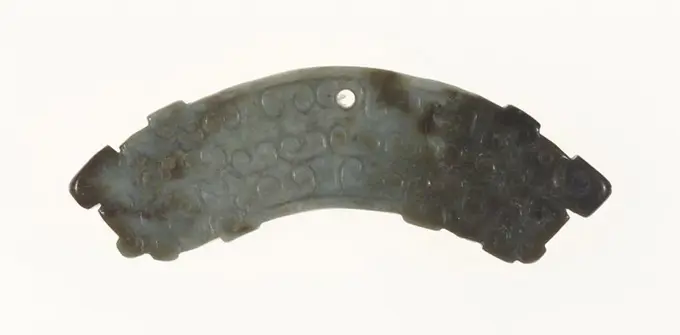
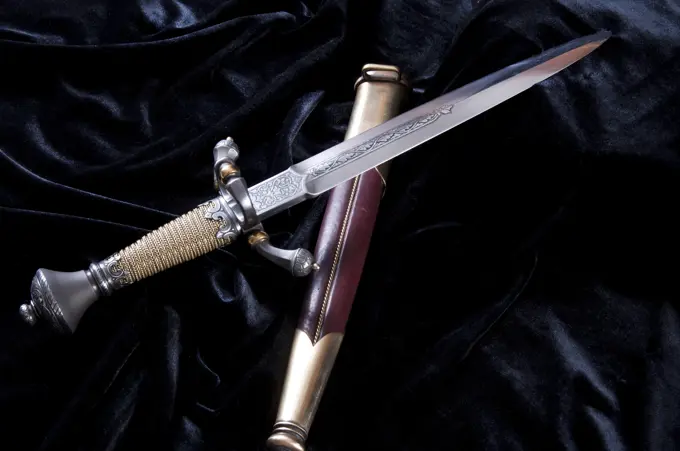
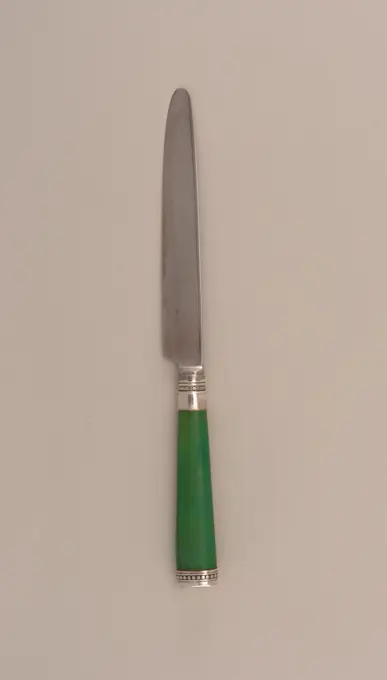
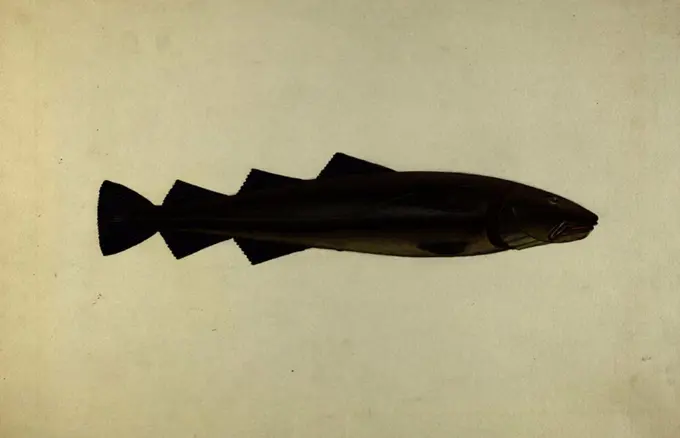
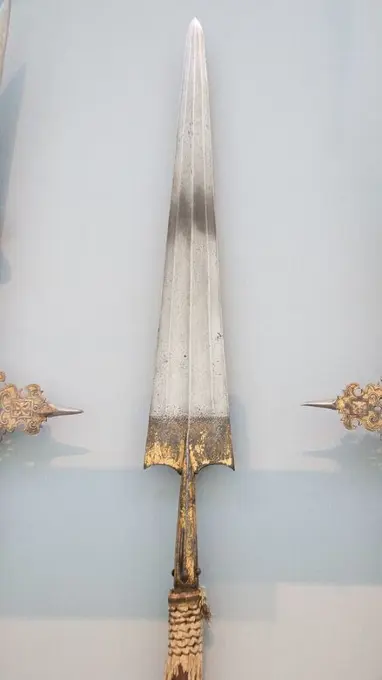
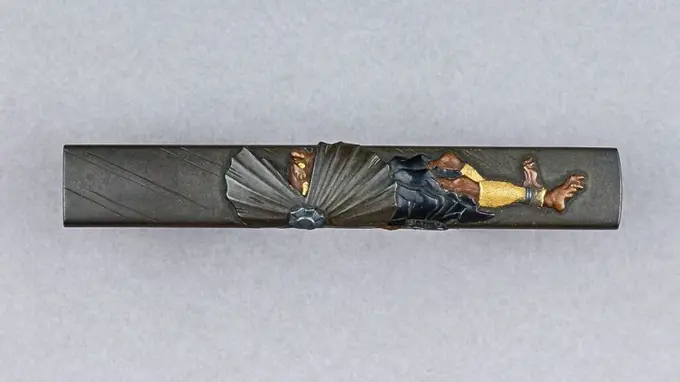
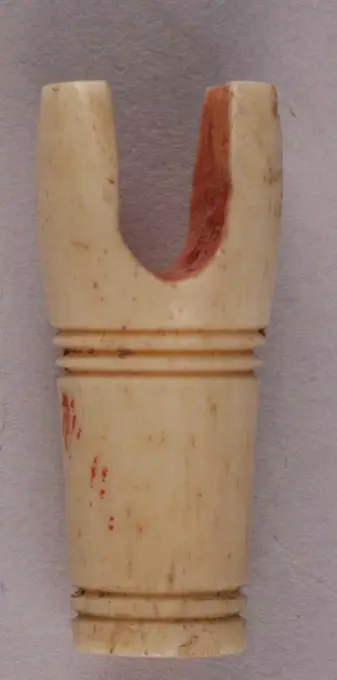
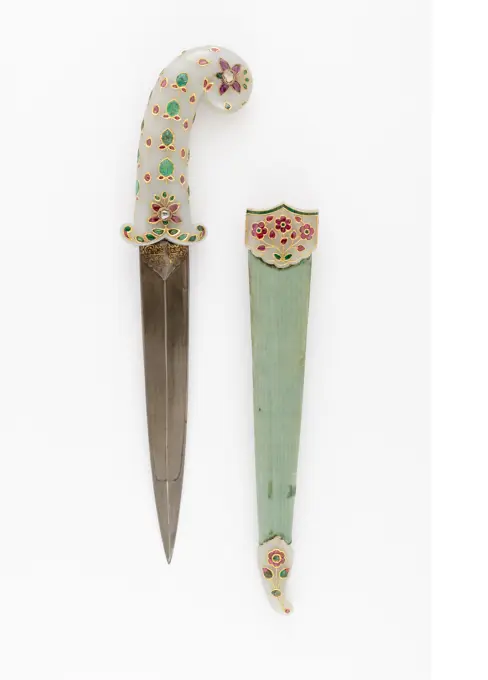
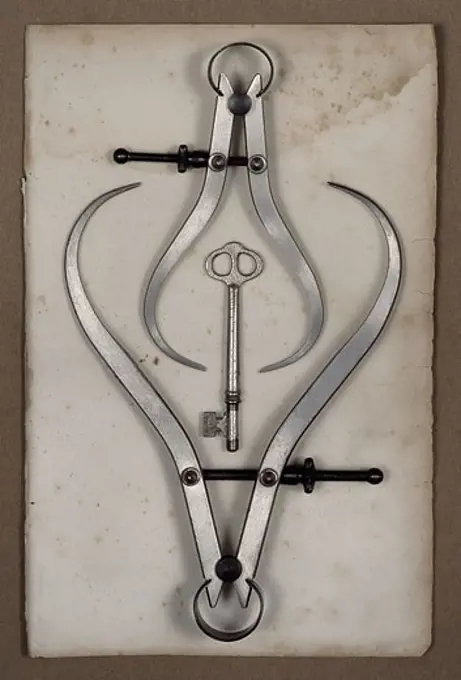
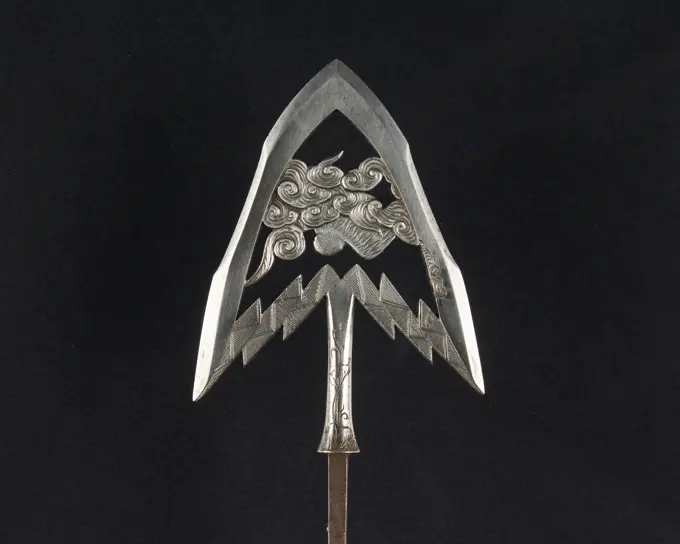
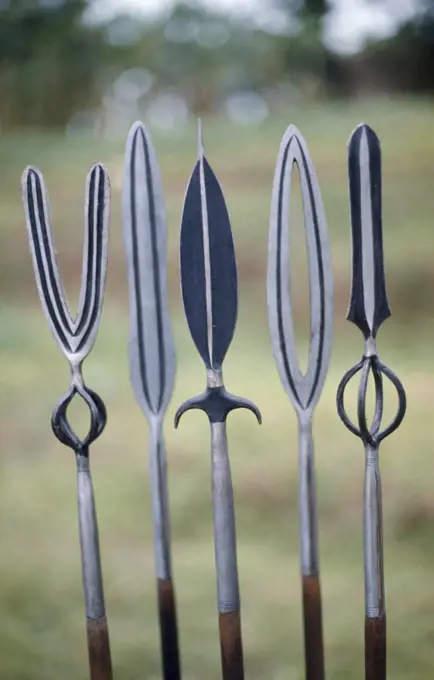
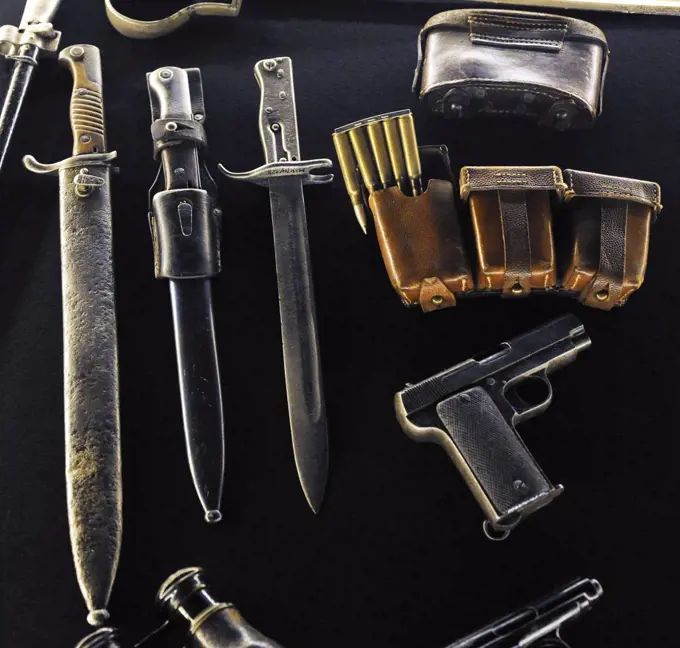
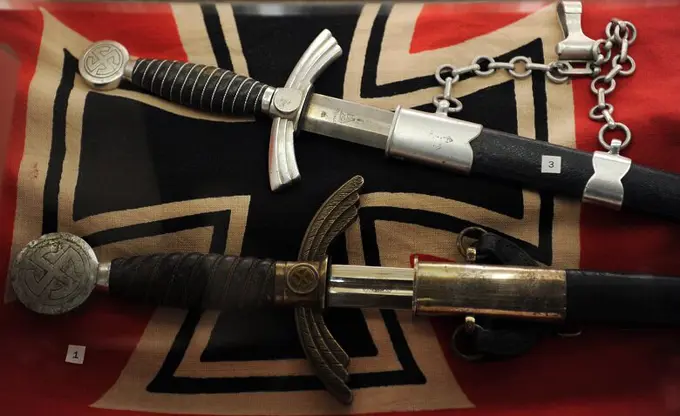
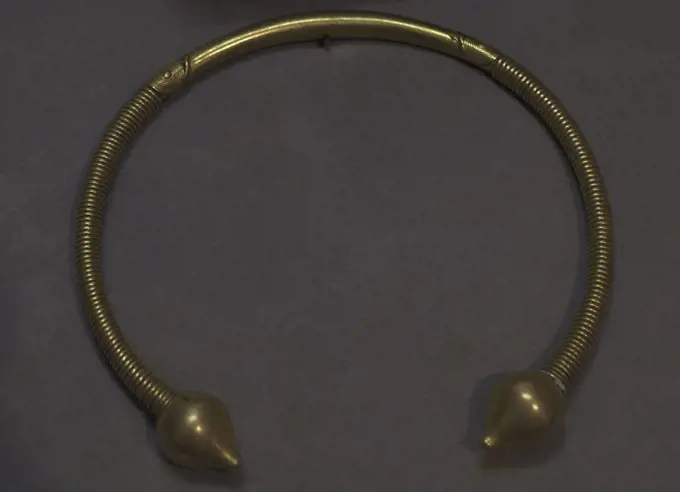
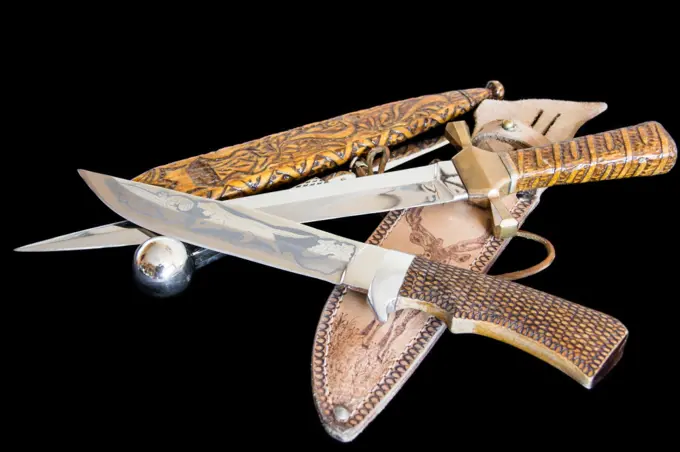
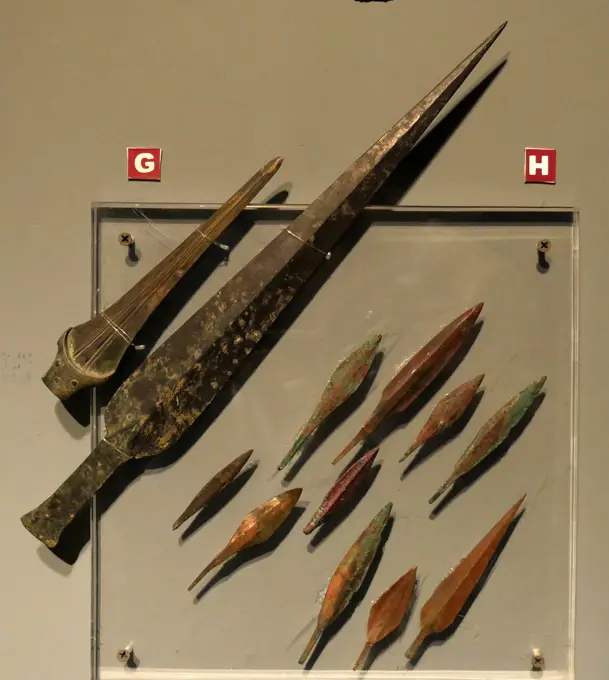
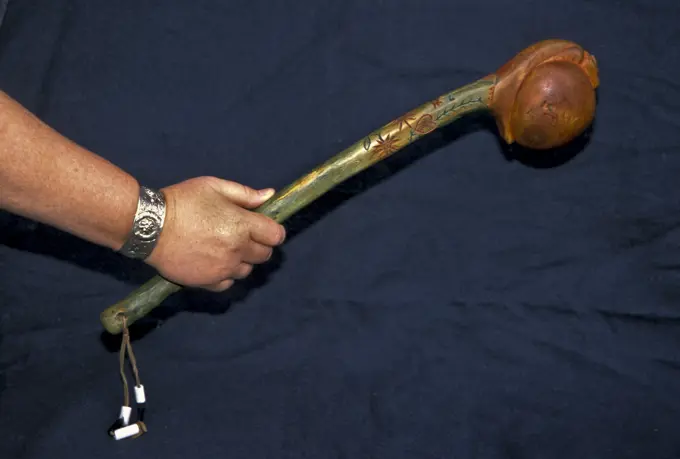
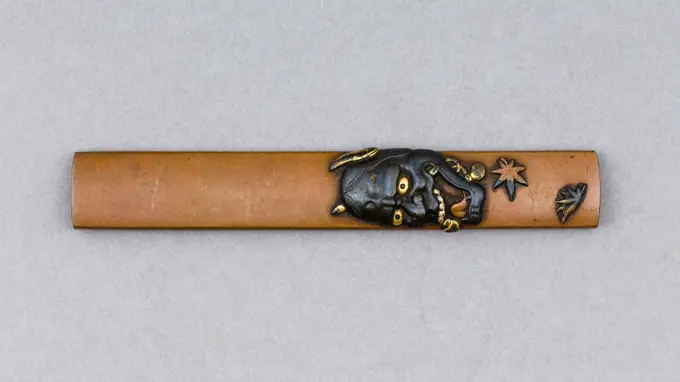
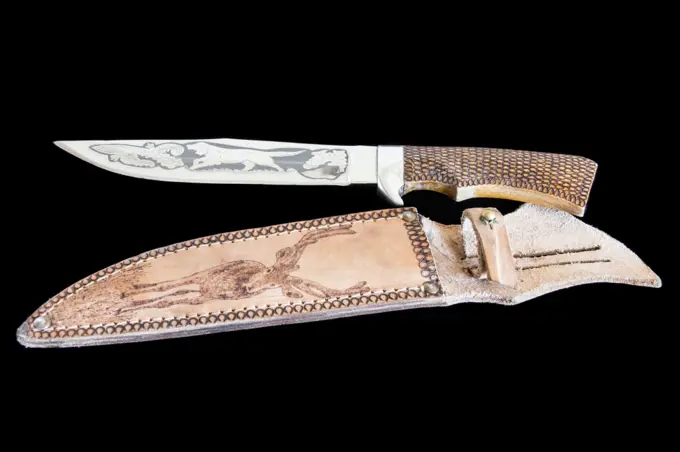
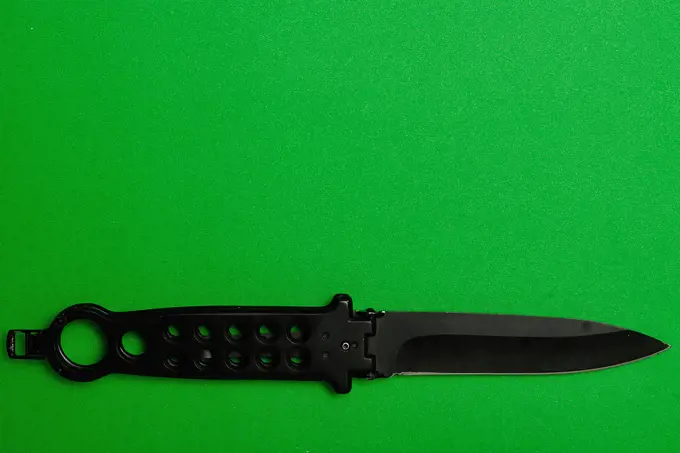
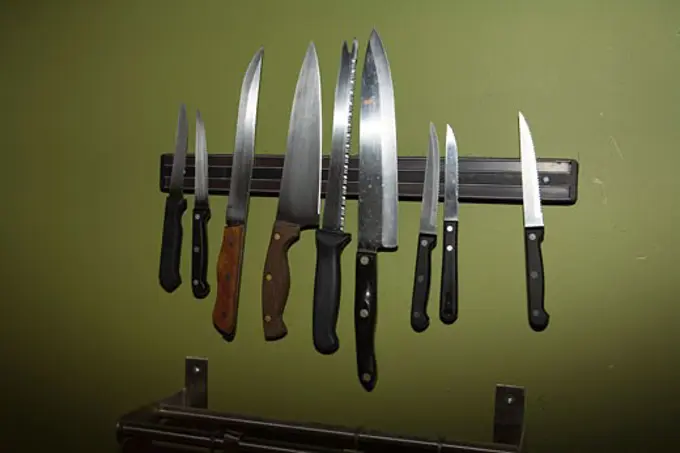
Adjustable Wrench holding Canadian One Dollar CoinPrzeszo Przyszoci unknownTapered, wooden handle of knife with carved decorations and cut-away end, has knife cutlery soil finds timber w 10.8, archeology Rotterdam Noord Bergpolder Belt road Soil discovery Gordelweg near the Rotte.Pistol with Miquelet Rock CastleArrowhead (Yanone) 18th century Japanese Although today Japanese warriors are renowned most for their swordsmanship, archery, especially from horseback, has been an essential part of samurai warfare and culture for centuries. Arrows were fitted with heads of varying shape according to their intended use in war, the hunt, or target practice. Arrowheads made for use on the battlefield incorporated different designs intended for specialized purposes such as the piercing of armor or to cause maximum damage to horses and unarmored personnel.Large arrowheads, pierced and elaborately chiseled with landscapes, birds, flowers, dragons, and Buddhist divinities, were created to be admired for the beauty of their metalwork and design rather than for use in archery. Such highly elaborate examples may have been made for presentation or as a votive offerings to a shrine.. Arrowhead (Yanone). Japanese. 18th century. Steel. Archery Equipment-ArrowheadsKnife, ivory, steel, silver, Short straight-sided blade, rounded end. Plain silver ferrule. Cylindrical ivory handle carved overall in relief; hunter with horn, three hunting dogs, chasing a deer. Above the hunting scene branches with birds, cluster of fruits and canopy of foliage., possibly Germany, ca. 1675-1700, cutlery, Decorative Arts, KnifeCranequin, c. 1580. Germany, Nuremberg (), 16th century. Steel, flax cord, wooden handle; rack: 36.3 cm (14 5/16 in.); crank: 30.5 cm (12 in.); gear housing: 10.8 cm (4 1/4 in.).Carving knife, Gorham Manufacturing Company, Providence, Rhode Island, USA, founded 1818, Horn, steel, silver, Large, small carving knife (a,b): bone handles with silver boar's head terminals., 1900, cutlery, Decorative Arts, Carving knifeFlint Striker 17th-18th century. Flint Striker. 17th-18th century. Steel; engraved, drilled, and filed. Attributed to Iran. MetalKnife Handle (Kozuka). Culture: Japanese. Dimensions: L. 3 13/16 in. (9.7 cm); W. 9/16 in. (1.4 cm); thickness 1/4 in. (0.6 cm); Wt. 0.8 oz. (22.7 g). Date: ca. 1615-1868. Museum: Metropolitan Museum of Art, New York, USA.Dagger with Sheath blade, mid-16th century; hilt and scabbard, probably mid-16th century blade, Turkish; hilt and scabbard, European, possibly Italian Near Eastern blades were valued highly in Europe, and many fine examples were exported and mounted with European hilts. In this example, the Ottoman blade has been fitted with a hilt and sheath damascened with gold arabesques of Middle Eastern inspiration. The blade is inscribed in Persian (one of the languages of the Ottoman court): It is a dagger since it attempted to take the life of the unfaithful lover. My Turk took it wrapped in gold and bound it to his sash.. Dagger with Sheath. blade, Turkish; hilt and scabbard, European, possibly Italian. blade, mid-16th century; hilt and scabbard, probably mid-16th century. Steel, iron, wood, leather, gold. DaggersKnife Handle (Kozuka) ca. 1615-1868 Japanese A kozuka is a handle of a by-knife that is part of a sword mounting. It is kept in a slot on the reverse of a katana scabbard, often with a matching kōgai (hairdressing tool).. Knife Handle (Kozuka) 34518Comb. Egypt, Coptic Period (250 - 650 CE). Jewelry and Adornments; combs. WoodPosey Holder (USA); silver filigreeArrowhead (Yanone) 18th century Japanese Although today Japanese warriors are renowned most for their swordsmanship, archery, especially from horseback, has been an essential part of samurai warfare and culture for centuries. Arrows were fitted with heads of varying shape according to their intended use in war, the hunt, or target practice. Arrowheads made for use on the battlefield incorporated different designs intended for specialized purposes such as the piercing of armor or to cause maximum damage to horses and unarmored personnel.Large arrowheads, pierced and elaborately chiseled with landscapes, birds, flowers, dragons, and Buddhist divinities, were created to be admired for the beauty of their metalwork and design rather than for use in archery. Such highly elaborate examples may have been made for presentation or as a votive offerings to a shrine.. Arrowhead (Yanone). Japanese. 18th century. Steel. Archery Equipment-ArrowheadsDoes not SquadForearm Defense (Vambrace). Culture: Italian. Dimensions: H. 8 1/4 in. (21 cm); W. 4 1/2 in. (11.4 cm); D. 4 in. (10.2 cm); Wt. 13.9 oz. (394.1 g). Date: ca. 1430. Museum: Metropolitan Museum of Art, New York, USA.Gold Weight: Ceremonial Whisk 18th-19th century Akan peoples Cast brass gold weights, known as abrammuo (sing. mrammuo), were developed by Akan merchants and rulers to standardize the trade in gold dust from mines in present-day Ghana in networks of exchange that extended beyond the Sahara Desert. Domestically, gold was valued by the Akan kings for its decorative and symbolic qualities. Aside from bringing enormous wealth to the Akan kingdoms through trade, gold was considered the earthly counterpart to the sun and an incarnation of kra, or life force, and was incorporated into a wide spectrum of courtly paraphernalia. While the earliest gold weights from the fifteenth century displayed abstract or geometric motifs inspired by North African Islamic traditions, later weights from the seventeenth century onward were figurative in design. Some take their imagery from royal accoutrements, likely in reference to the Akan kings' increasing involvement in the regulation of the trade at this tJagdmesser mit Scheide - Hunting knife with leather sheath Jagdmesser mit Scheide - Hunting knife with leather sheath Copyright: xZoonar.com/lantapixx 7150105Palette inscribed for Smendes, High Priest of Amun. Dimensions: Palette: L. 48.6 cm (19 1/8 in.); W. 7.2 cm (2 13/16 in.); Th. 1.1 cm (7/16 in.); Pens: L. 16.5-18 cm (6 1/2 in-7 1/16 in.). Dynasty: Dynasty 21. Reign: reign of High Priest of Amun Menkheperre. Date: ca. 1045-992 B.C..Egyptian scribes perfected their skill in the art of writing as apprentices. They would copy hieroglyphs and phrases on chips of stone and fragments of pottery (ostraca), or on whitewashed writing boards (see 28.9.5).A scribe would have owned a writing palette like this one, which provides space for two colors of ink and a slot for reed brushes (Egyptian scribes used brushes, not pens). Museum: Metropolitan Museum of Art, New York, USA.Kashira, Gin, -a,b: Fuchi-kashira. Period: About Kwanyen. School: Ishiguro. Surface: Nanako. Workmanship: Iroye, taka-bori, zogan. Tenjo-gane and Shitdodome: Shakudo. Design: Nanten (Nandina domestica) (branches with red berries)., 1748-50, metalwork, Decorative Arts, KashiraCONJUNTO DE ASTILES DE FLECHA. PALEOLITICO. (DEPOSITO: MUSEO ARQUEOLOGICO NACIONAL).Photo of cold weapon on black backgroundKnife with damascene blade and black leather sheath, close upKnife Handle (Kozuka). Culture: Japanese. Dimensions: L. 3 7/8 in. (9.8 cm); W. 9/16 in. (1.4 cm); thickness 3/16 in. (0.5 cm); Wt. 1.3 oz. (36.9 g). Date: ca. 1615-1868. Museum: Metropolitan Museum of Art, New York, USA.Passement, green tulle with sideboard. Side with winding edge with leaf work and volutes in relief., Anonymous, 1900 - 1925 Passement of green tulle with green silk embroidered. Machine side of green artificial side with straight frames, between which a winding edge runs with leaves in through and volutes in deep relief.  rayon Passement of green tulle with green silk embroidered. Machine side of green artificial side with straight frames, between which a winding edge runs with leaves in through and volutes in deep relief.  rayonBig Nepal knife isolated on a white backgroundGermany, Hessen, Frankfurt, Work tool in factoryKnife Handle (Kozuka). Culture: Japanese. Dimensions: L. 3 3/4 in. (9.5 cm); W. 9/16 in. (1.4 cm); thickness 3/16 in. (0.5 cm); Wt. 0.9 oz. (25.5 g). Date: ca. 1615-1868. Museum: Metropolitan Museum of Art, New York, USA.Powder horn. Ethnographic Museum. Budapest. Hungary.Dolchklinge; Dolch; Dolch; Dolch.. Prints. 1912. The Miriam and Ira D. Wallach Division of Art, Prints and Photographs: Art & Architecture CollectionSmart dagger Smart dagger of the medieval soldier. It was used for hunting Copyright: xZoonar.com/VALERY-SIBRIKOVx 20020693Carving Knife (USA); Manufactured by Gorham Manufacturing Company (United States); horn, steel, silver; (b) cm: L: 34 x W: 2.5 (13 3/8 x 1 in) ; Bequest of Julian Clarence Levi; 1972-5-3-bChauve-Souris. Culture: Italian. Dimensions: L. 8 ft. 4 1/2 in. (255.3 cm); L. of head 26 1/4 in. (66.7 cm). Date: ca. 1510-30. Museum: Metropolitan Museum of Art, New York, USA.Tanto with the kozuka knife; aikuchi style mounting. unknown, craftsmanTable knife and fork late 18th century German, Saxony. Table knife and fork. German, Saxony. late 18th century. Steel. Metalwork-SteelPowder Flask Carved with the Parable of the Good Samaritan Made 1565-1600 Southern Germany. Staghorn, iron, and steel .Fall of white taf deposited with blue passing. Fall from white TAF deposited with blue passement in C-voltage form (left). The trap closes together with a curtain (BK-1958-20-C-11) and another fall (BK-1958-20-C-13) the back of the so-called Rosendaelbed.Part of a stele of the Code of Hammurabi. Hammurabi (c. 1810 BC - 1750 BC), was a king of the First Babylonian Dynasty, reigning from 1792 BC to 1750 BC. Hammurabi is known for the Code of Hammurabi, one of the earliest surviving codes of law in recorded history.Sword (Kris) and Scabbard, before 1916. Philippines. overall: 71.3 x 11.1 x 3.2 cm (28 1/16 x 4 3/8 x 1 1/4 in.); scabbard: 56.1 x 5.1 x 1.8 cm (22 1/16 x 2 x 11/16 in.).Socket wrench, zest side, with two leg handles ..Corkscrew. Blood and gold jasper. End of the 18th century or early 19th century. Paris, Cognacq-Jay museum. 36972-3 Bloody jasper, art, gold object, goldsmith, corkscrewPipeTongsCollection of 14th Century engraved Japanese Tanto swords. Dated 14th CenturyArc-shaped pendant (huang). China. Date: 600 BC-400 BC. Dimensions: Diam. 2 3/8 in.; 5/8 × 1/8 in. Jade. Origin: China. Museum: The Chicago Art Institute, Chicago, USA.smart dagger smart dagger of the medieval soldier. It was used for hunting Copyright: xZoonar.com/ValeryxxSibrikovx 6664331Presentation in relief of different types of arrows (five pieces) in gold and silver.Eusrunai late 19th century Bornean. Eusrunai 501427Naval dirk from provisional goverment epoch in Russia. Made in 1917Baluster first half 18th century British. Baluster. British. first half 18th century. Deal. WoodworkBOMBA DE AVIACION DE 50 kgs. Location: MUSEO DE AERONAUTICA Y ASTRONAUTICA. MADRID. SPAIN.Knife (England); green-stained ivory, steel, silver; L x W x D (c): 20.5 x 1.5 x 1.2 cm (8 1/16 x 9/16 x 1/2 in.)ROMAN MEDICINE - SURGICAL INSTRUMENTS.Sacred Cod. Dated: 1940. Dimensions: overall: 36.9 x 54.5 cm (14 1/2 x 21 7/16 in.) Original IAD Object: 3" 6" Long. Medium: watercolor, graphite, gouache, and colored pencil on paperboard. Museum: National Gallery of Art, Washington DC. Author: John W. Kelleher.Partisan. Culture: Italian. Dimensions: L. 114 in. (289.56 cm); head L. (including socket) 31 1/8 in. (79.04 cm); W. 4 3/4 in. (12.07 cm); Wt. 4 lb. 4 oz. (1928 g). Date: ca. 1510-25. Museum: Metropolitan Museum of Art, New York, USA.Knife Handle (Kozuka). Culture: Japanese. Dimensions: L. 3 13/16 in. (9.7 cm); W. 9/16 in. (1.4 cm); thickness 1/4 in. (0.6 cm); Wt. 1.2 oz. (34 g). Maker: Akichika Oishi (Japanese, active ca.1850). Date: late 18th-early 19th century. Museum: Metropolitan Museum of Art, New York, USA.metal on wall metal on wall made in 3D Copyright: xZoonar.com/OxanaxRishnyakx 4359750Saint-Germain-en-Laye, France , 1921 - Seine -et -Oise - Auguste Léon - (June) (French - Saint-Germain-en-Laye , France). Museum, picking , hunting, archaeological vestige, sculpture, accessory, prehistory, weapon, sculpted decor, Economic activity, Habitat , Architecture, Art, Clothing, France, St Germain-en-Laye, La Madeleine, Bâton de Commt with 4 holes 8160, COMMT stick with 3 holes 1, 2, 8165. Harpon with 2 barblons (8171)Equipment ca. 1880 American or European. Equipment 104815SugarTongs.   Maker: John Germon, American, active 1782-1816Walk of a lontroer, with tail screw, pan, pandel and visor kor fat at the front of the loop, anonymous, c. 1590 - c. 1596  Walk of a lontroer, with tail screw, pan, rotating pandel and visor korvet at the front of the loop. The loop is octogonal. Goalkeeping, three hafing.  iron (metal) forging  Nova Zembla. Saving HuysNock 9th-10th century. Nock 449835Case, shark skin, silver, brass, Shagreen sheath for two implements with silver cap and mount on top. Silver flower-shaped appliques with brass rivets on the sides., Germany, ca. 1700, cutlery, Decorative Arts, CaseDagger (Khanjar) and Sheath. India, Mughal empire, Hilt: circa 1675-1700; Blade and sheath fittings, circa 1800-50. Arms and Armor; daggers. White nephrite jade hilt and sheath fittings inlaid with foil-backed rubies, emeralds, and diamonds set in gold; steel blade; velvet covered wooden sheathCalipers and Skeleton Key   Knife Handle (Kozuka). Culture: Japanese. Dimensions: L. 3 13/16 in. (9.7 cm); W. 9/16 in. (1.4 cm); thickness 1/4 in. (0.6 cm); Wt. 1.2 oz. (34 g). Date: 19th century. Museum: Metropolitan Museum of Art, New York, USA.Arrowhead (Yanone) 18th century Japanese Although today Japanese warriors are renowned most for their swordsmanship, archery, especially from horseback, has been an essential part of samurai warfare and culture for centuries. Arrows were fitted with heads of varying shape according to their intended use in war, the hunt, or target practice. Arrowheads made for use on the battlefield incorporated different designs intended for specialized purposes such as the piercing of armor or to cause maximum damage to horses and unarmored personnel.Large arrowheads, pierced and elaborately chiseled with landscapes, birds, flowers, dragons, and Buddhist divinities, were created to be admired for the beauty of their metalwork and design rather than for use in archery. Such highly elaborate examples may have been made for presentation or as a votive offerings to a shrine.. Arrowhead (Yanone). Japanese. 18th century. Steel. Archery Equipment-ArrowheadsNeedle sheath 17th-18th century Italian. Needle sheath. Italian. 17th-18th century. Wood. Textiles-Methods and MaterialsGoods, by Unknown, 4th Century, Unknow. Italy, Puglia, Taranto, National Archaeological Museum. Whole artwork. Metal parts of furnishings.Mining and Regional Museum at MarienschachtRwanda, Tribal, Tutsi Spears.From left to right and from top to bottom: Bayonets for Mauser rifle, model 1898, Germany; Cartridge case for the committee rifle model 1888, Germany; Cartridge case and bullets to the Mauser rifle model 1898, Germany and Zebra pistol model 1916, used during the First World War by the French army and by the insurgents of Silesia, Spain. Silesian Museum. Katowice. Poland.Steel knife set in the viewSword of an officer of the Luftwaffe, the aerial warfare of Nazism. Germany (1935-1945). Museum of Oskar Schindler's Factory. Krakow. Poland.Torc of Orbellido. Gold. 1st century AD. Vimianzo, A Coruna province (Galicia, Spain). Archaeological and History Museum (San Anton Castle). A Coruna, Galicia, Spain.Photo of cold weapon on black backgroundAmulet of Two Fingers. Egyptian. Date: 664 BC-332 BC. Dimensions: 7 × 2.5 × 0.8 cm (2 3/4 × 1 × 5/16 in.). Obsidian. Origin: Egypt. Museum: The Chicago Art Institute, Chicago, USA. Author: Ancient Egyptian.Collection of bronze dagger blades and arrowheads dating from the New KingdomShawnee war club made from hard wood ball with painted handle used as a weapon during battleShadow Puppet (Wayang Kulit) of Sabol, from the set KyaiDrajatKnife Handle (Kozuka) ca. 1615-1868 Japanese A kozuka is a handle of a by-knife that is part of a sword mounting. It is kept in a slot on the reverse of a katana scabbard, often with a matching kōgai (hairdressing tool).. Knife Handle (Kozuka) 34573Knife with buckskin beaded sheath decorated with brass tacks on display at the On-A-Slant Indian Village museum, SDItaly. Lombardy. Arsago Seprio, Lombard necropolis. Civic Museum.Photo of cold weapon on black backgroundExcellent set of Japanese chef's knives from Damascus steel. View from aboveA knife with blood on itSteel butterfly knife (balisong)Handmade knives on metal tableTwo Wrapped Trees (Project for the Garden of Peppino Agrati - Near Milano). Javacheff Christo (b. 1935). Collage with vinyl, plastic, oil, board, string, pencil and staples on cardboard. Dated 1971. 55 x 70.5cm.ax with flower engraving, middle east, 18th century, Álava Armory Museum, Vitoria, Basque Country, Spain.