Historical Decorative And Functional Objects

Artifacts including a wooden bow, Roman silver comb, and ornate sticks or swords, highlighting craftsmanship and design from different eras.

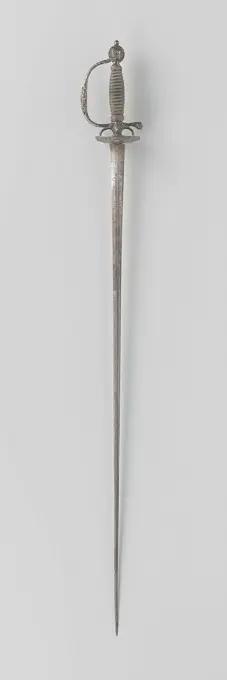
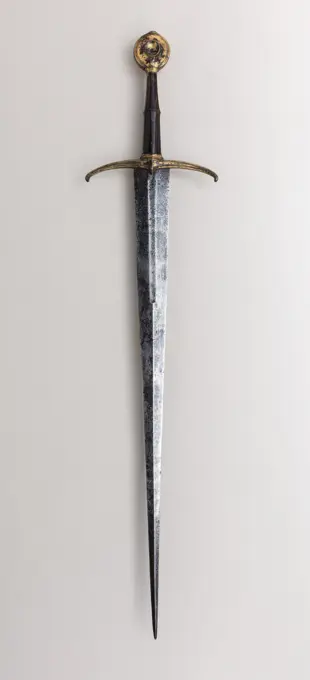
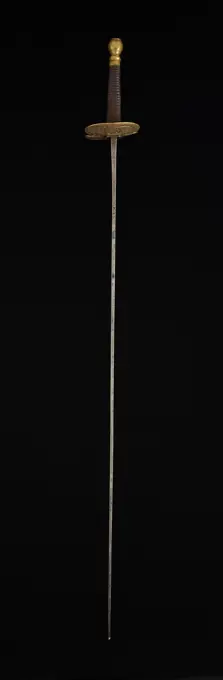
Officiersdegen, anonymous, c. 1800 - c. 1900 sword Degen, general army model, silver -plated and with inscription on the hinged shot: "The officers of the 15th National Infantry department, on their Brave Colonel Baron des Tombe". Ribbed handle of wood, copper bump plate with side bracket and diamond -shaped handle button. West-Europa kling: iron (metal). gevest: copper (metal). greep: wood (plant material). greepknop: gilding (material) engraving  Netherlands
Officiersdegen, anonymous, c. 1800 - c. 1900 sword Degen, general army model, silver -plated and with inscription on the hinged shot: "The officers of the 15th National Infantry department, on their Brave Colonel Baron des Tombe". Ribbed handle of wood, copper bump plate with side bracket and diamond -shaped handle button. West-Europa kling: iron (metal). gevest: copper (metal). greep: wood (plant material). greepknop: gilding (material) engraving Netherlands
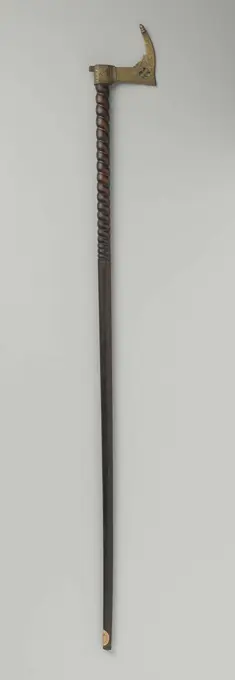
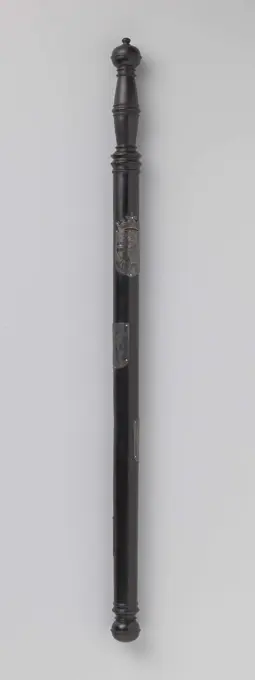
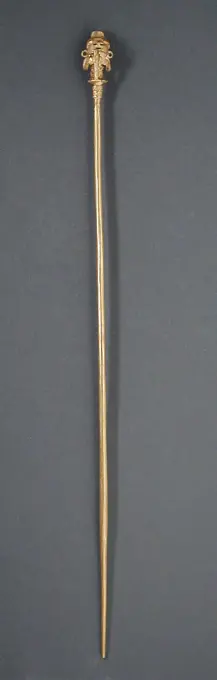
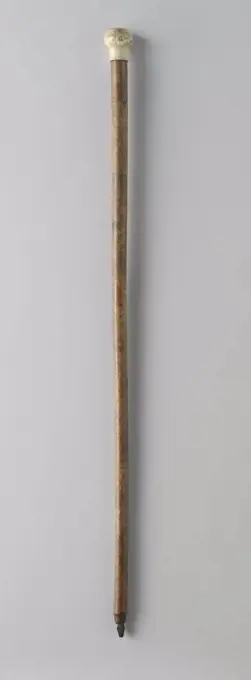
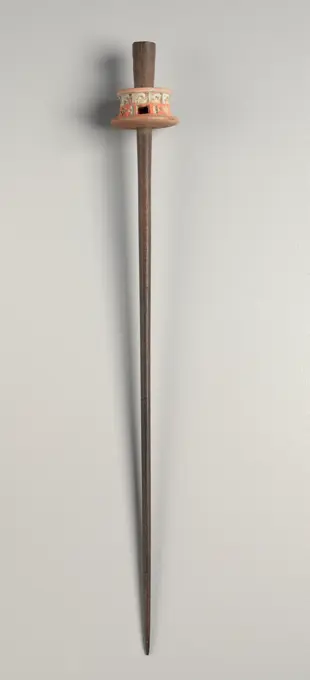
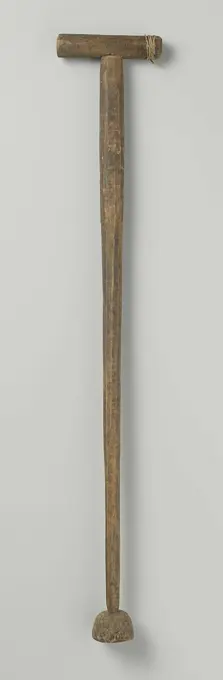
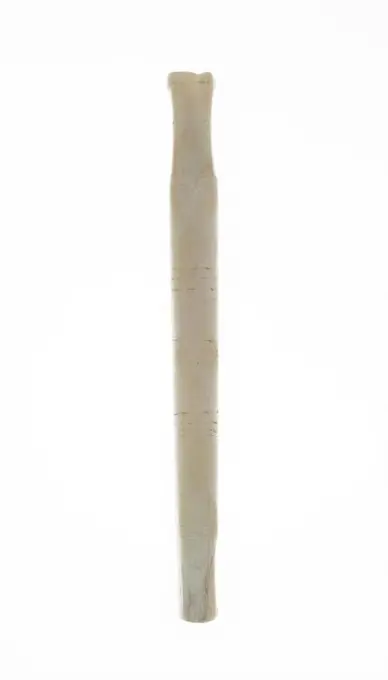
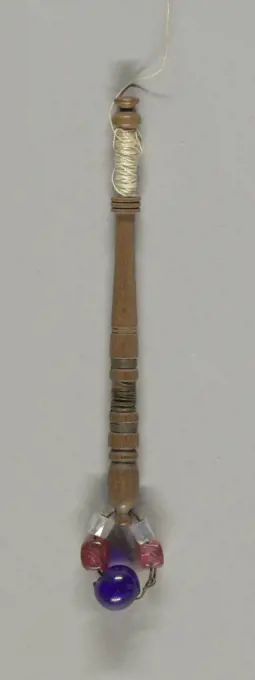
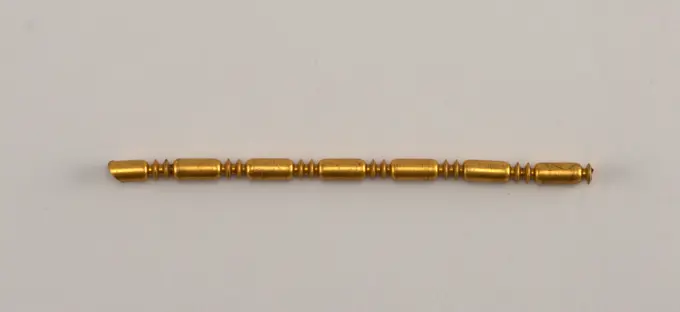
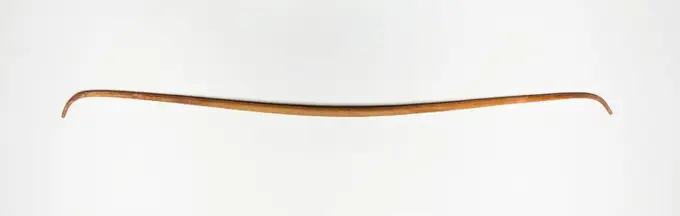
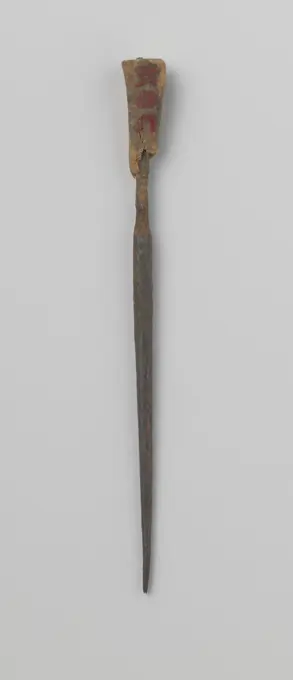
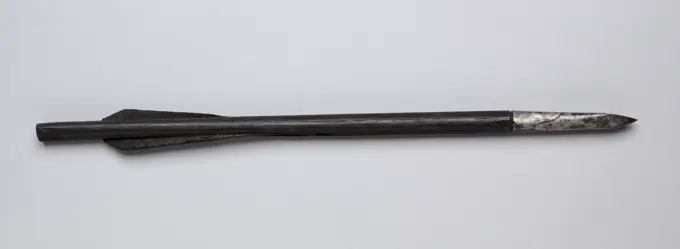
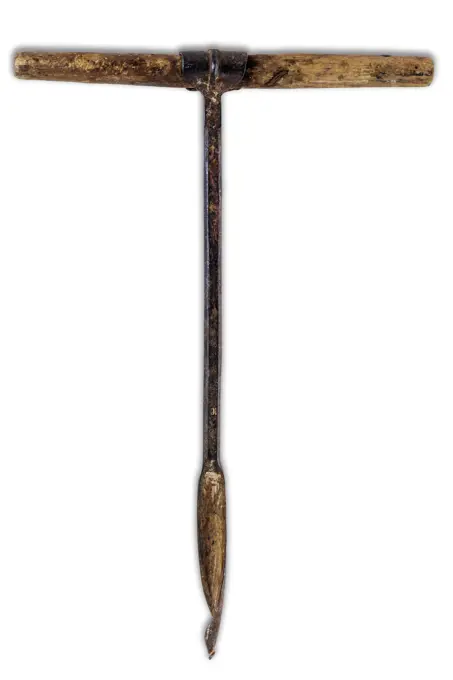
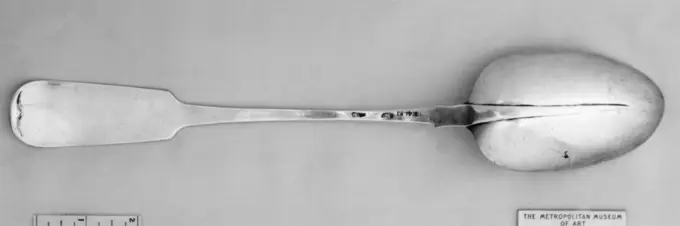
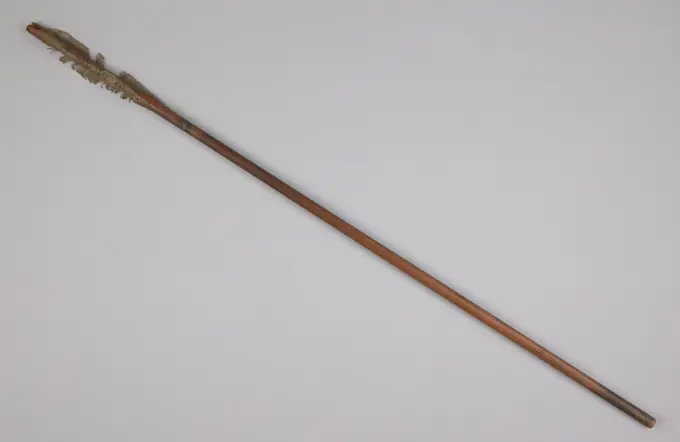
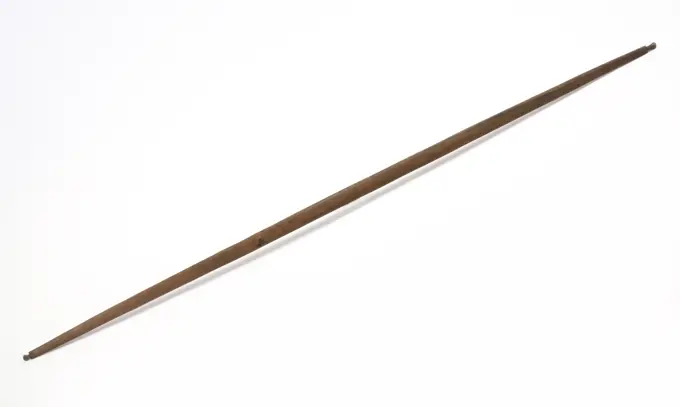
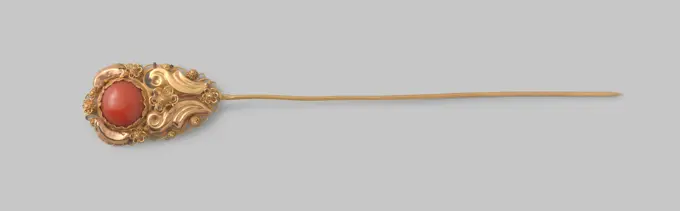
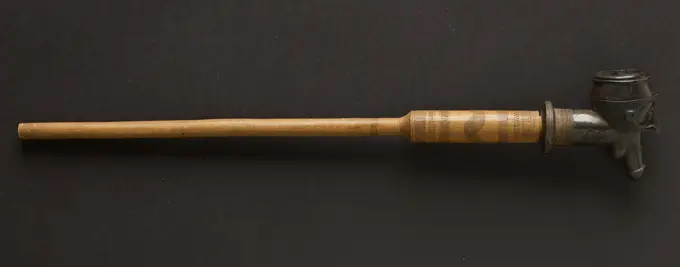
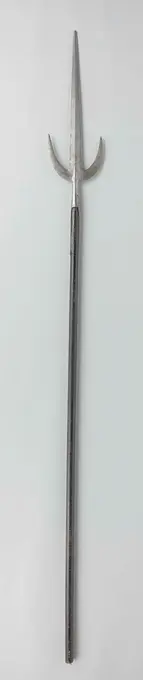
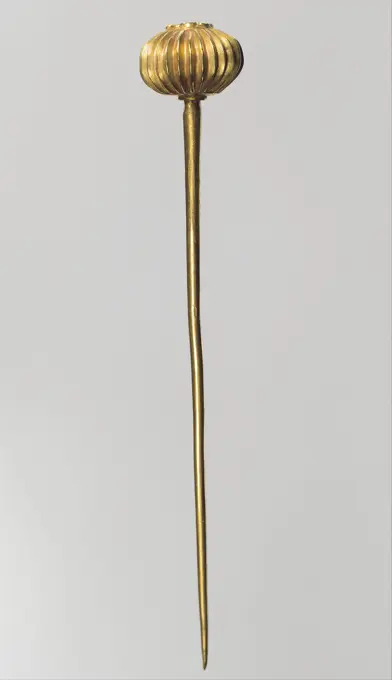
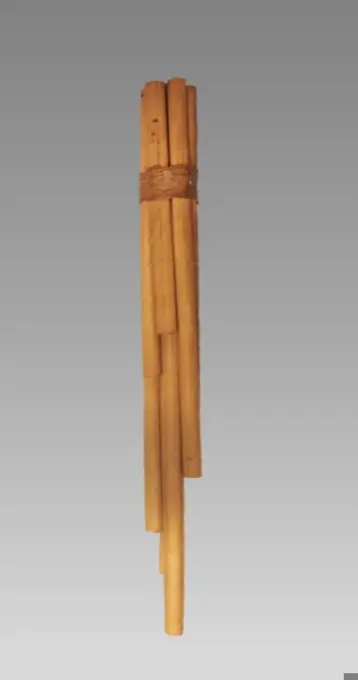
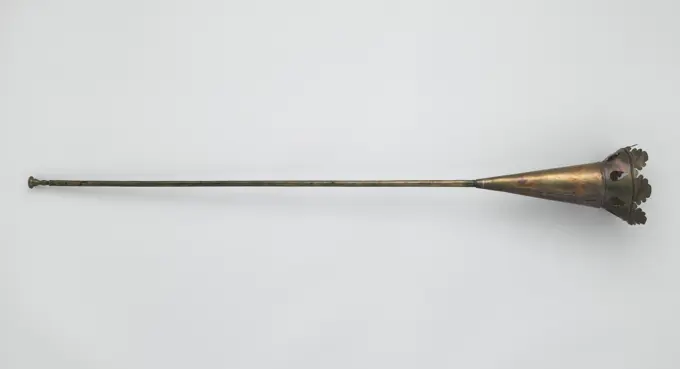
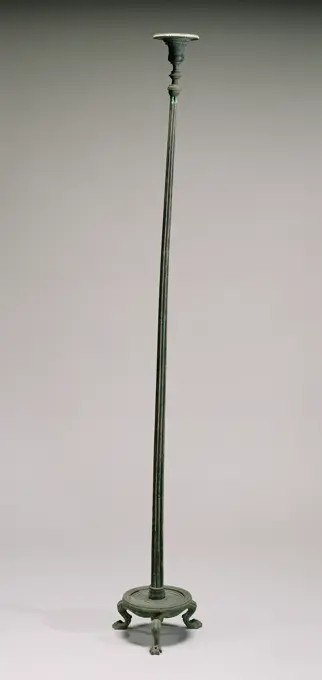
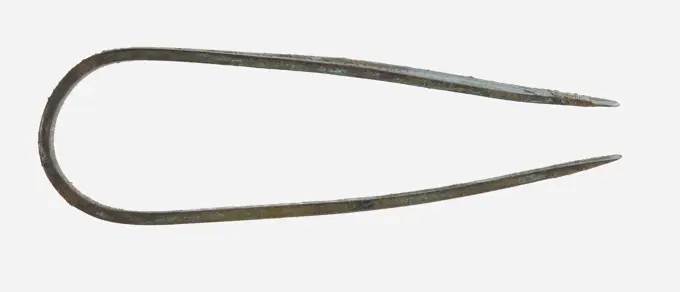
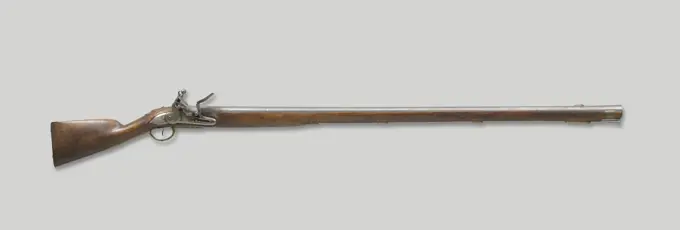
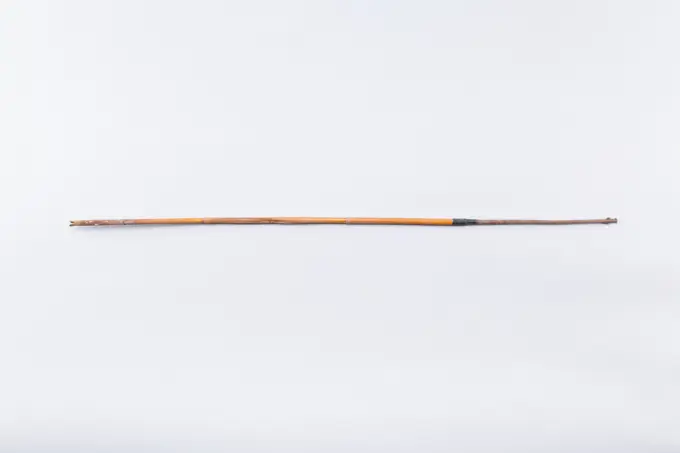
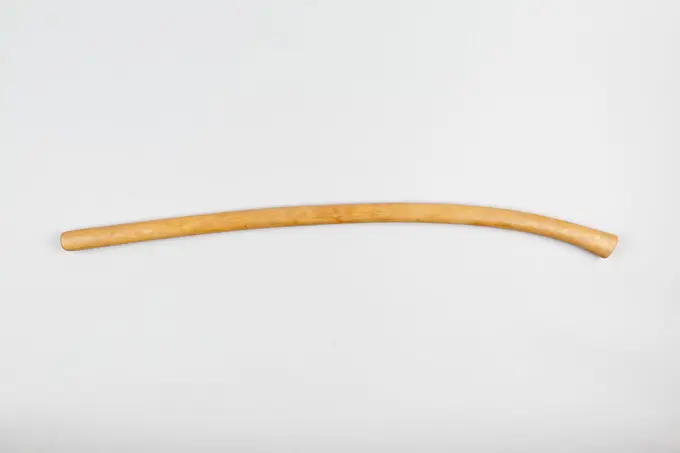
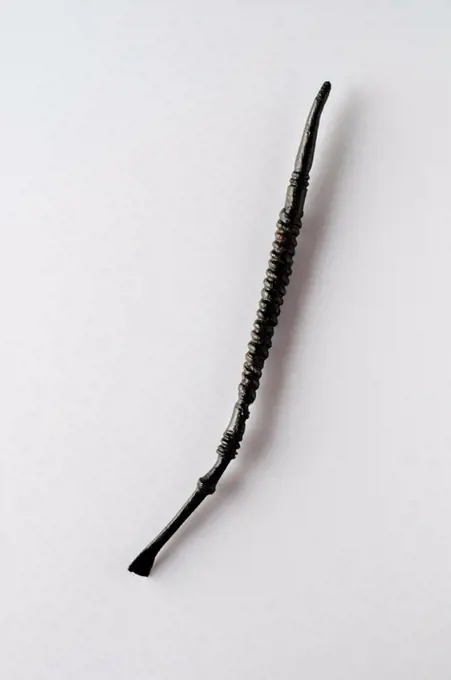
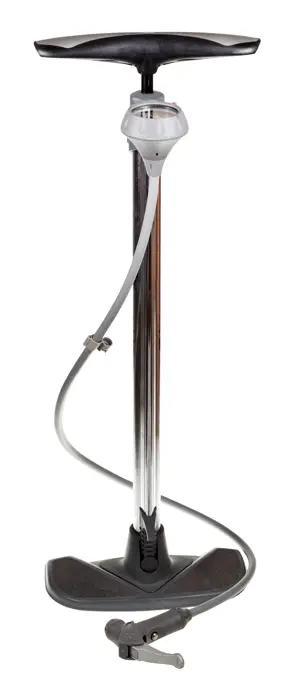
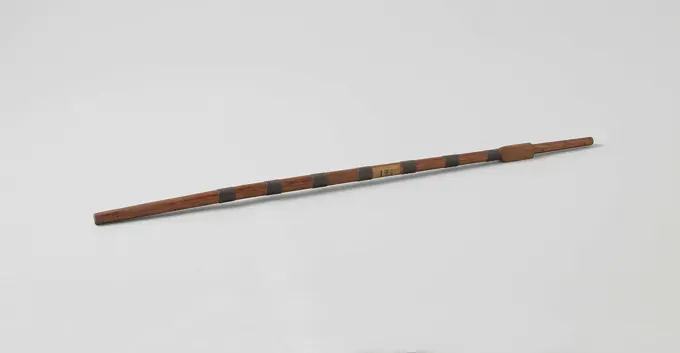
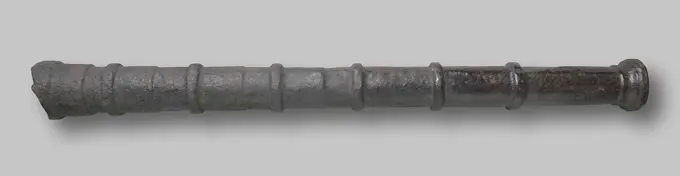
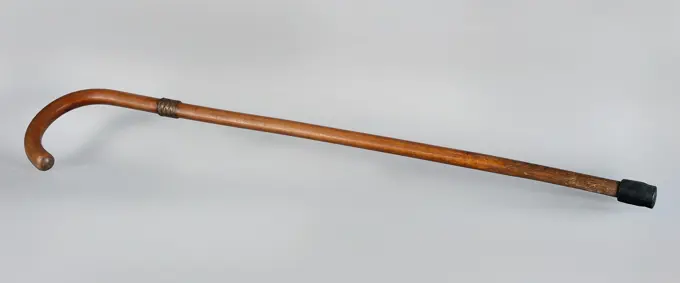
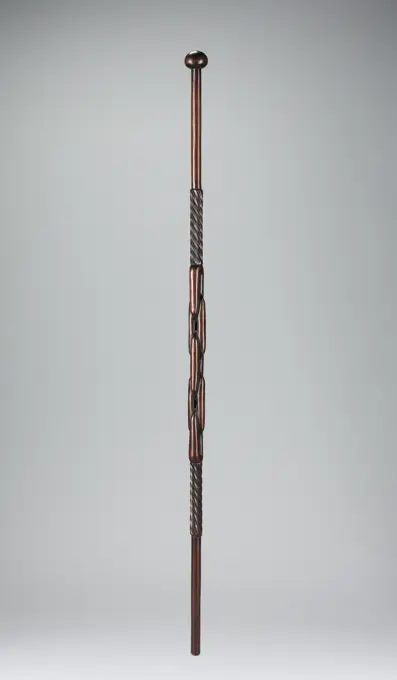
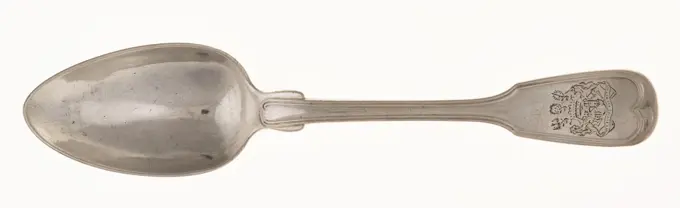
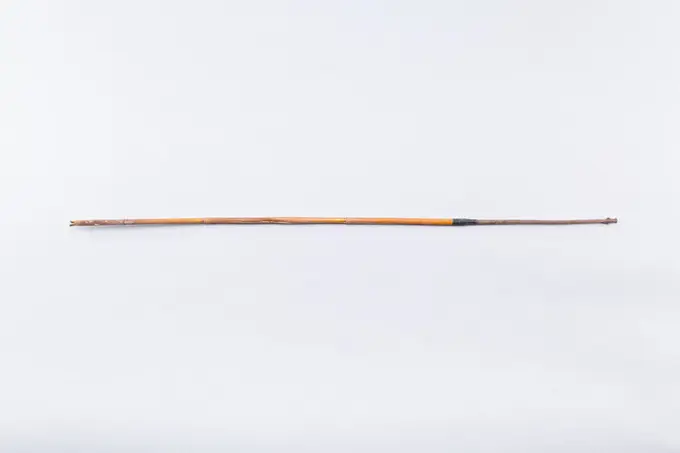
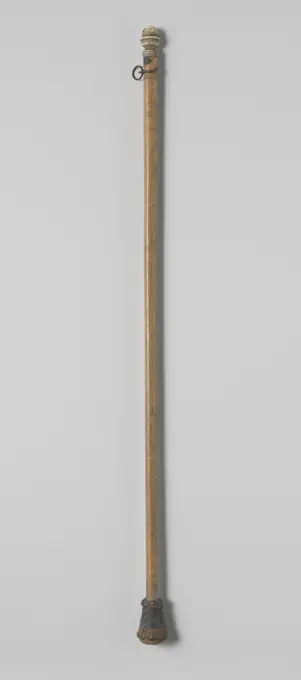
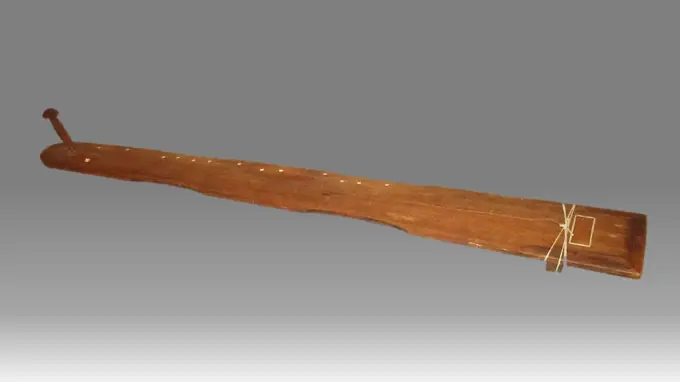
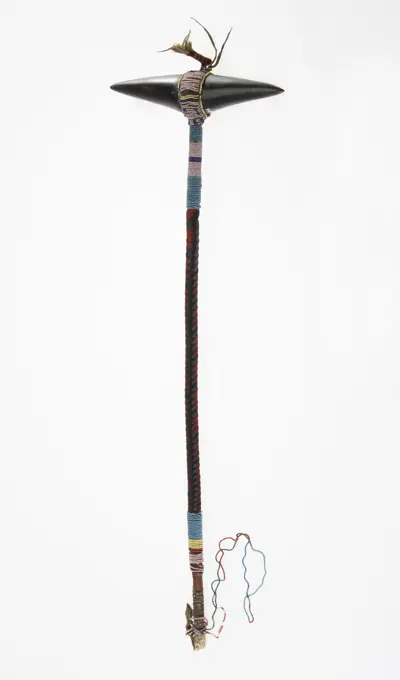
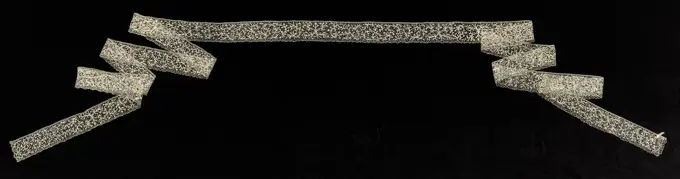
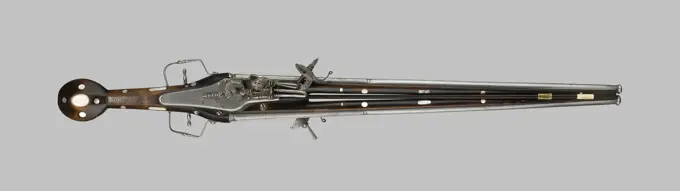
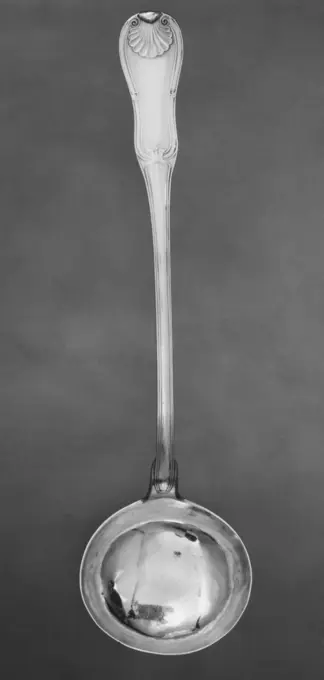
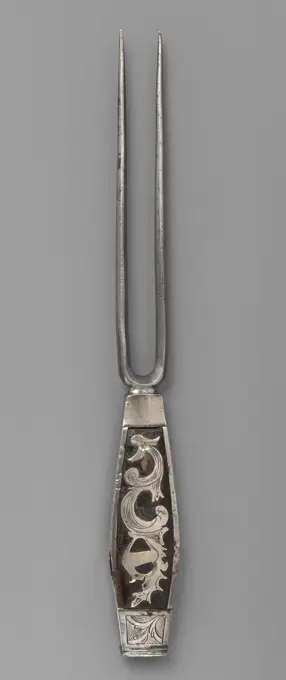
Silver comb and pin mid-1st century B.C. Roman Trasimene silver. On either side of the comb, a lion hunt. Amor and a hound, a lion charging.. Silver comb and pin. Roman. mid-1st century B.C.. Silver. Late Republican. Gold and SilverBow, anonymous, c. 1700 Bow for dance masterviol.  wood (plant material) Bow for dance masterviol.  wood (plant material)Bergwerkersstok met bijl of hamer en in de stok een opengewerkt wapen met Duitse tekst.Oval stick, rotated above over 1/3 of the length, a flat copper wire runs through the trench. At the top of a copper ornamental sliting, up in a declining point, on which a cap. On the ax of engravings and a cut-away round arm in which two crossed hammers. The engravings set on one side for a man with a mountain workers stick and a man who kicks stone on a mountain slope, on the other hand a man with stick and inscription: Ich Schau Täglisch in Der Erden Deine Werct: Mit Freuden AnOfficiersdegen, anonymous, c. 1800 - c. 1900 sword Degen, general army model, silver -plated and with inscription on the hinged shot: "The officers of the 15th National Infantry department, on their Brave Colonel Baron des Tombe". Ribbed handle of wood, copper bump plate with side bracket and diamond -shaped handle button. West-Europa kling: iron (metal). gevest: copper (metal). greep: wood (plant material). greepknop: gilding (material) engraving  NetherlandsProvoost staff of the St. Joris Doelen in Alkmaar, Anonymous, 1600 - 1650  Turned stick with handle. On the long non-profiled piece, four silver plates in the form of coats of arms are nailed: a crowned weapon (Prince Maurits), a weapon with a tilted tower behind water (Alkmaar), a helmeted weapon with private label and above the inscription: a / D / D / I (probably Adriaen Dirckzoon de Iong, captain of the old militia in Alkmaar), and a weapon with a cross (St. Joriskruis). Both ends of the stick in the form of a sphere with a border around it; The top one with a cap. Alkmaar (Possible) wood (plant material). ebony (wood). silver (metal) striking (metalworking) / engraving  AlkmaarProvooststaf van de St. Joris Doelen te Alkmaar.Turned stick with handle. On the long non-profiled piece, four silver plates are lactated in the form of coats of arms: a crowned weapon (Prince Maurits), a weapon with a tower behind water (Alkmaar), a brazed weapon with a private label and above the inscription: a / D / D / I (probably Adriaen Dirckzoon de Iong, Captain of the Oude Schutterij in Alkmaar), and a weapon with a cross (St. Joriskruis). Both ends of the stick in the form of a sphere with a border around it; The top with a cap.Staff. Colombia, Calima, 1000-1300. Metal. GoldWalking stick or Johan van Barneveld, Anonymous, 1600 - 1625Spindle, c. 600-1000. Peru, South Coast, Wari Culture, Tiwanaku Style, 7th-10th Century. Wood with carved clay whorl; overall: 22.3 x 2.7 x 2.7 cm (8 3/4 x 1 1/16 x 1 1/16 in.).This crutch was made on Nova Zembla for someone with leg trouble. This may have been Willem Barentsz, who was ill during his last weeks on the island and could barely walk, if at all. He had to be transported by sleigh from the shelter to the sloops.Handle-Shaped Jade. China. Date: 2000 BC-1000 BC. Dimensions: 13.7 × 1.3 × 1.1 cm (5 3/8 × 1/2 × 7/16 in.). Jade. Origin: China. Museum: The Chicago Art Institute, Chicago, USA.Hairpin; silverSword blade There, take from (fl. 1601 1700)Drumsticks, c. 1850 - c. 1900 musical instrument. elements (of musical instruments). percussion instrument. beater. drumstick - Tromstok made of wood with leg button for Tamboer army or militia, the Netherlands, ca. 1850-1900. - Tromstok vml. For Tamboer army or militia, ca. 1850-1900, the Netherlands. Netherlands wood (plant material). bone (material)Scheepsstimmermans drill with large spoon and a handle with round diameter.HeadStimmermans drill with spoon and a handle with round diameter. This drill has a larger spoon than NG-NM-7664. Spoonkeeper.Bobbins for lace making, Medium: wood, metal and glass, Twelve bobbins of walnut and others; turned, and ornamented with metal; wighted with jingles. A through c/: wound with brass wire sunk in grooves; d through e/: same type but wire is missing; f/: metal bands sunk in grooves, called 'tigers' many bands missing' g/: studded with metal and shows grooves for thread wrappings now missing; h through l/: studded with metal, called 'leapards'., England, 18th-19th century, appliances & tools, Bobbins for lace makingBrush unknownHunting cordlasPart of Hairpin 200-500 Roman. Part of Hairpin 465116 Roman, Part of Hairpin, 200500, Bone, Overall: 2 9/16 x 1/8 in. (6.5 x 0.3 cm). The Metropolitan Museum of Art, New York. Gift of J. Pierpont Morgan, 1917 (17.191.67)PinHairpin 200-500 Roman. Hairpin 465106 Roman, Hairpin, 200500, Copper alloy, Overall: 3 1/16 x 1/4 x 1/8 in. (7.7 x 0.7 x 0.3 cm). The Metropolitan Museum of Art, New York. Gift of J. Pierpont Morgan, 1917 (17.191.58)Officer's Sword, Peter Knecht (attributed to), 1820 - 1830 sword So-called 'état major the Degen' without sheath, with a broken point. Straight blade with flattened diamond -shaped cross -section, blowing for one third from the grip and ducked with gold. The handle plates are from ribbed ivory, with a gilded oval grip shield in the middle with crowned monogram of King Willem I. The rag button has the shape of a half -climbing lion, with tumbles decorated front bracket, pare bar with hanging bump plate with anchor in lauwertak. Solingen kling: iron (metal). gevest: brass (alloy). greep: ivory. felt (textile) gilding / engraving  NetherlandsDegen with silver hilt, Abraham du Cellieé, c. 1775 sword Sierdegen. The silver hilt has cracked decorations; The hiding button is egg -shaped and divided into two areas, just like the handle; The parent block is decorated on both sides with two hollow panels between the bright decoration; The fist bracket has been hooked up in the hiding button and disappears into the parent block from which the short pare rod also originates, just like two short finger brackets that touch the bump plate; The shot is decorated in the same way as the rest, but with ajour work in between and not decorated on the bottom, but stamped with the city choir of Amsterdam and the initials of the silversmith. The blade has a hollow-triangular cross-section and has been etched linearly on both sides, gilded against a blazed background, with the address of the sword sweep and symmetrical leaf vines with a wreath on the outside, and partially asymmetrical leafs on the bearing side that the text L ' HONEUR me fait sRodbaseball ball and bat isolated on white backgroundRecurve Selfbow. Dimensions: Length tip to tip 172.5 cm (68 15/16 in.); Length of outer curve 179.5 (70 11/16 in.); Greatest diam. 2.8 cm (1 1/8 in.). Dynasty: Dynasty 18. Reign: reign of Thutmose II to Early Joint reign. Date: ca. 1492-1473 B.C..Two caches of hunting weapons were found in the limestone chip debris below the tomb of Senenmut (TT 71) on Sheikh Abd el-Qurna hill. One cache included two bows (36.3.211, .212) and fifteen arrows (36.3.213-.227). The bows are recurve selfbows made of single pieces of an open-grained, pliable wood. Both bows were intentionally broken into sections no more than a meter (about 39 inches) in length. Museum: Metropolitan Museum of Art, New York, USA.Sierdegen.The hilt of cast silver is facilitated and Ajour edited with Rococo curlwork, laurel wreaths, medaljons with crowns above and weapentrophies on it and floral graphics grouped on the baffle plate; On the bottom of the city of The Hague, an annual letter and the brand of the silversmith are stamped; The wooden handle is wounded with silver strap and rotated silver wire with braided handle rings on top and bottom. The clamping with a hobrioric diameter is placed on the top and etched with gold-plated arabes, branches praise and a panel with the name and address of the swordsger.Dolk of AGE, anonymous, 1550 - 1849 dagger Small dagger or prime. Very defective.  iron (metal). wood (plant material)Crossbow Bolt, 1500s-1600s. Germany, 16th-17th century. Wood, leather, steel; average: 37.2 cm (14 5/8 in.).Sword probably mid-to late 19th century, in the style of the 15th century Italian. Sword. Italian. probably mid-to late 19th century, in the style of the 15th century. Bronze, mercury, gold, horn, copper. SwordsGracehandbohrer ** handbohrer 647-fg1Gravy spoon 18th century Irish, Dublin. Gravy spoon 192118Rod. UnknownPrzeszo Przysoci unknownBow -Cigar holderClub (Knobkerrie), 1800s-1900s. Southern Africa, Kingdom of Eswatini, Swazi-style maker. Wood; overall: 66 cm (26 in.).Halberd ca. 1585 Italian. Halberd. Italian. ca. 1585. Steel, wood, copper alloy. Shafted WeaponsGouden Staard pin, Jacobus Carrenhoff (Possible), c. 1785 - c. 1800  Golden standing pin decorated with a blood coral in a golden setting with filigre rosettes. Coming from an old Zaans Kapstel. Marked J.C.H. Part of a hood. Zaanstreek gold (metal). red coral (material) filigreePipe, mid 20th century, 13 1/2 × 1 1/2 in. (34.29 × 3.81 cm), Wood, terra cotta, metal, Democratic Republic of Congo, 20th centuryStick of rattan with a driven silver button and eye, with copper point. Rotting or walking stick of rattan stick with driven silver button and eye. Decoration: at the bottom of the Cannelures and Garlandes button. Narrow leaf lists form the transition to the upper part with flower and leaf festons. The bay border and a sheet list enclose the upper surface with driven rosette. A silver eye with a scilated floral ornament is applied under the button. The stick with silver is mounted above the copper point. Brands and a crucifix on the button.Corsesca.Long four-flank blade with a curved crochet on either side, two shutdown springs. Round black-dyed ash wood stick. Shoe is missing. The blade is engraved with floral motifs, cross motives and faces.The Amsterdam level, Anonymous, c. 1400 - c. 1950 Stick with the designation of the Amsterdam level. The stick was used at the Stadswaterkantoor on the Nieuwmarkt. The stick also includes an old piece of lead and a copper ring, which, however, are not in the depot.  wood (plant material). copper (metal). lead (metal). pine (wood). paint (coating)   New market Stick with the designation of the Amsterdam level. The stick was used at the Stadswaterkantoor on the Nieuwmarkt. The stick also includes an old piece of lead and a copper ring, which, however, are not in the depot.  wood (plant material). copper (metal). lead (metal). pine (wood). paint (coating)   New marketTarget rifle.radlot rifle (disc shoot rifle); Around part run with three cannelures on top by profile tape on which year: 1620 separated from square part; trumpet mouth slowly grooved; pin-shaped visor grain; With tail-made sacring ring; underside loop a smashed blur; outer rad, with three y-shaped roosters; flat lock plate; rooster with rectangular curved shaft; sliding Pandekel; trigger protection mechanism; slot in square block that forms a whole with tray; nutshell flask; diagonally grooved round loading stick carriers; at the front lock bolt round plate with three lips, at the rear lock bolt pentagonal plate; Vertically moving tractor.Landstormpiek, c. 1699 - c. 1899  Landstormpiek () With iron point. Netherlands (possibly) punt: iron (metal)Lontslot rifle belonging to Cornelis Tromp, Anonymous, c. 1650 - c. 1679 matchlock rifle Lontslot rifle with an octagonal loop and a strongly bent slender flask, characteristic of guns made in Tonkin (North Vietnam). Association is also present. North Vietnam (Possible) copper (metal). haan en banden: silver (metal). walnut (hardwood). lacquer (coating). iron (metal). bone (material). mother of pearlSpaLance 18th-19th century Indian. Lance 30694Anonymous, Epée (common name), -453. Cernuschi Museum, Asia Museum of Asia in the city of Paris. Two decorated rings adorn the pommel.Arrow Point, 1700s. Japan, Edo period (1615-1868). Steel; overall: 22 cm (8 11/16 in.); head: 6.1 cm (2 3/8 in.).Blooms fechtunkowyForked Staff of Harmose. Dimensions: L. 145 cm (57 1/16 in); diam. 1.7 cm (11/16 in). Dynasty: Dynasty 18. Reign: Joint reign of Hatshepsut and Thutmose III. Date: ca. 1479-1458 B.C.. Museum: Metropolitan Museum of Art, New York, USA.Pin with spherical head ca. 14th-13th century B.C. Hittite The gold head of this pin is modeled after a poppy capsule. Its rosette top and fluted globe contain loose objects meant to rattle like seeds when shaken. A separately made thin wire collar masks the join where the solid pin was inserted into the sphere. As the actual poppy produces abundant seeds from its seed capsule it may have come to symbolize fertility. It is also probable that the juice found in the outer layers of the unripe capsule of the opium poppy was exploited for pain relief and to induce sleep.. Pin with spherical head 327403Pan Pipes Melanesian (Bismarck Archipelago, Papua New Guinean) late 19th centuryOboe, Christian Gottlob Lederer, c. 1800 Hobe of palmhout with four brass valves. The third gap is double. Marked with the number 1 on the upper part and a sun on the middle part. Marked on the cup with: sun / lederer / Neukirchen / sun. Two voice holes in the cup. Neukirchen boxwood. brass (alloy) Hobe of palmhout with four brass valves. The third gap is double. Marked with the number 1 on the upper part and a sun on the middle part. Marked on the cup with: sun / lederer / Neukirchen / sun. Two voice holes in the cup. Neukirchen boxwood. brass (alloy)Karn (Trumpet) late 19th century Indian Turh and Karn are straight trumpets which came to India with the spread of Islam. They are used in the royal Muslim naubat (wind and drum) temple and procession ensembles.. Karn (Trumpet). Indian. late 19th century. Brass. India. Aerophone-Lip Vibrated-trumpet / tromboneSpoonUnicorn horns.For centuries, these three objects appeared on Catholic feast days on the high altar of the Mariakerk, Utrecht. Candlesticks were placed on their pointed ends. People believed the horns were those of a unicorn, a mythical creature then regarded as a symbol of the Virgins chastity. They are, in actual fact, the teeth of a narwhal, a type of whaleCandelabrum. UnknownTweezers ca. 1390-1353 B.C. New Kingdom. Tweezers. ca. 1390-1353 B.C.. Bronze. New Kingdom. From Egypt, Upper Egypt, Thebes, Malqata, Palace of Amenhotep III, MMA excavations, 1911-12. Dynasty 18Flintlock Wall Piece, anonymous, c. 1825 - c. 1840 musketoon. flintlock gun Walbus with flint lock model 1844, KNIL. Length approx. 180 cm with drawn loop, flint lock, caliber 20.4 mm. State is good, unusable. unknown Laadstok, lock, run: Iron (Metal). Batter: Brass (Alloy). Drawer, Kolf: Wood (Plant Material)Arrow with composite stone tip ca. 1479-1458 B.C. New Kingdom Fifteen arrows (36.3.213-.227) and two bows (36.3.211, .212) were included in a cache of weapons found on the slope of Sheikh Abd el-Qurna hill. The arrow shafts are made of reed. The tips are made of quartz flakes stuck with a resinous gum to a section of wood that is lashed to the reed shaft. Three feathers were lashed to the nock end of the shafts, but only traces of these are preserved.. Arrow with composite stone tip. ca. 1479-1458 B.C.. Reed, wood, quartz, adhesive. New Kingdom. From Egypt, Upper Egypt, Thebes, Sheikh Abd el-Qurna, Tomb of Senenmut (TT 71), below, deposit of bows and arrows, MMA excavations, 1935-36. Dynasty 18Club. Dimensions: L. 74 cm (29 1/8 in.); Max. W. 4.3 cm (1 11/16 in.);Th. 2.5 cm (1 in.). Dynasty: Dynasty 18. Reign: Joint reign of Hatshepsut and Thutmose III. Date: ca. 1479-1458 B.C.. Museum: Metropolitan Museum of Art, New York, USA.Bronze Spatula used for cosmetics or medicines with spiral decoration ( 1 St - 4 Th Ce ) - Roman period, from the " Miracle Wall " ( Martyrdom of Saints Children ; Justo y Pastor ) -Archaeological site of Complutum in Alcala de Henares (Madrid). SPAIN.manual air pump with pressure indicator manual air pump with pressure indicator isolated on white background Copyright: xZoonar.com/VVxVoennyyx 5304547Arrow Point, 1700s. Japan, Edo period (1615-1868). Steel; overall: 25 cm (9 13/16 in.); head: 8.4 cm (3 5/16 in.).Ellemaat uit Borculo.Length of 1 tbsp with handle from Borculo. Inscription with ink (unreadable) and v.z.v. label.Long spoke of iron with round cross -section ending in rectangular piece, anonymous, c. 1590 - c. 1596  Long spoke of iron with round cross -section ending in rectangular piece. Belonging to NG-NM-7662-1, together formed one. This spoke was sawn through in Hammerfest, because it was believed that it was the course of a rudder. However, the spoke was found of solid iron. According to B. Kist this is a hand spoke.  iron (metal) forging  Nova Zembla. Saving HuysModel of a Made mast. Round mast with octagonal top and driving bed, incomplete. The mast itself consists of six parts: two heavy parts form the mast king, with a few thinner cheeks on each side. The parts are held together by mast wheats. A number of short shelves around the mast forms a flat dragon and behind half a sight. This model can be exploited.Gietijzeren achterlader.Cast iron room with six annular thickening. The room and the wooden tray in which the cannon originally situated have not been preserved. The rear of the cannon is damaged. The metal thicker is larger at the rear than at the front.Grace;  the beginning of the 20th century (1901-00-00-1920-00-00);Krystall, Bronisław (1887-1983) - collection, men's fashion, testamentary record (provenance)Prestige Staff, 1800s-1900s. South Africa, Tsonga or Zulu people, 19th or 20th century. Wood; overall: 116.8 cm (46 in.).a hundred;  XIX-XX century (1800-00-00-1810-00-00);Halberd ca. 1570 Italian. Halberd 26190Fork;  19th century (1800-00-00-1810-00-00);Arrow. Dimensions: L. 72.7 cm (28 5/8 in). Dynasty: Dynasty 18. Reign: Joint reign of Hatshepsut and Thutmose III. Date: ca. 1479-1458 B.C..Fifteen arrows (36.3.213-.227) and two bows (36.3.211, .212) were included in a cache of weapons found on the slope of Sheikh Abd el-Qurna hill. The arrow shafts are made of reed. The tips are made of quartz flakes stuck with a resinous gum to a section of wood that is lashed to the reed shaft. Three feathers were lashed to the nock end of the shafts, but only traces of these are preserved. Museum: Metropolitan Museum of Art, New York, USA.Riet walking stick with ivory button and tip of leather, anonymous, c. 1400 - c. 1950 Riet walking stick with round ivory button. Leather point, fixed with metal nails. Netherlands (possibly) stok:. knop: ivory. punt: leather cutting / cutting Riet walking stick with round ivory button. Leather point, fixed with metal nails. Netherlands (possibly) stok:. knop: ivory. punt: leather cutting / cuttingGravy spoon 1718 Irish, Dublin. Gravy spoon 192162Staff, 19th-20th century, 37 9/16 x 1 5/8 x 1 9/16 in. (95.4 x 4.1 x 4 cm), Wood, Tanzania, 19th-20th centuryIchigen-kin (絃琴) 19th century Japanese. Ichigen-kin (絃琴) 500672Udder. >>Trompet van J. Passier.Copper wind instrument consisting of a thin tube that makes one stroke and, without valves, ends in a free wide selection. Coming from J. Passier, in 1830-1832 trumpetter Kurassiers department No 9, knight military willem order 4th class.top view of wooden salt spoon with Himalayan Salt top view of wooden salt spoon with pink Himalayan Salt isolated on white background Copyright: xZoonar.com/ValeryxVoennyyx 13599780Bone pin mid-1st-3rd century A.D. Roman The length of this pin suggests that it may have been used in a woman's elaborate coiffure.. Bone pin 246453Club -Dance Club (gugu), 19th century, 33 3/16 x 8 5/8 x 1 1/8 in. (84.3 x 21.91 x 2.86 cm), Wood, Fiji Islands, 19th century, Clubs were one of the most important art forms on Fiji and are found in many shapes and styles. Treasured possessions, they were used by men as weapons, dance wands and as indicators of rank. Clubs of this type were for dancing. Often mistakenly identified with the lotus, their form comes from a stylized depiction of the flat butterfly fish, gugu. The extending diagonal portions are the fins, and the raised eyes can be seen carved where the top section tapers inward and joins the shaft.Fork;  19th century (1800-00-00-1810-00-00);Sword (Kris), 1800s. Java. Iron with carved wooden handle; overall: 45.2 cm (17 13/16 in.); blade: 35.6 cm (14 in.).Exterior spring rifle, made by Urive, gunsmith's in Eibar (Spain, 1833). SPAIN. BASQUE COUNTRY. ALAVA. Vitoria. Museum of the Armera (armoury).Needlepoint (Coralline Point) Lace Edging, late 17th century. Italy, Venice, late 17th century. Lace, needlepoint; average: 7 x 496.2 cm (2 3/4 x 195 3/8 in.).Double-Barreled Holster Pistol with Two Locks 1600-1630 Nuremberg. Wood, mother-of-pearl, and iron .Ladle 1767-68 Nicolas Collier. Ladle 200352Herald's Trumpet in C 19th century () German. Herald's Trumpet in C. German. 19th century (). Brass. Germany. Aerophone-Lip Vibrated-trumpet / tromboneSnuff Spoon/Comb (intshengula or izintshengula), late 1800s. Africa, Southern Africa, South Africa, Zulu-style maker. Bone; overall: 15.2 cm (6 in.).Officer's saber of the Navy wz. 1927 with a vagina and a sling Factory: Borowski G.Fork 18th century Southern German. Fork. Southern German. 18th century. Steel, silver, leather or wood. Metalwork-SteelMote Spoon. England, London, circa 1760-1780. Furnishings; Serviceware. SilverDegen, Anonymous, c. 1500 - c. 1800 sword Degen without a point, pare rod defective. Wooden grip.  iron (metal)Coach Horn in C 19th century German. Coach Horn in C. German. 19th century. Brass. Germany. Aerophone-Lip Vibrated-horn