Historical Decorative And Functional Objects

Artifacts including a wooden bow, Roman silver comb, and ornate sticks or swords, highlighting craftsmanship and design from different eras.

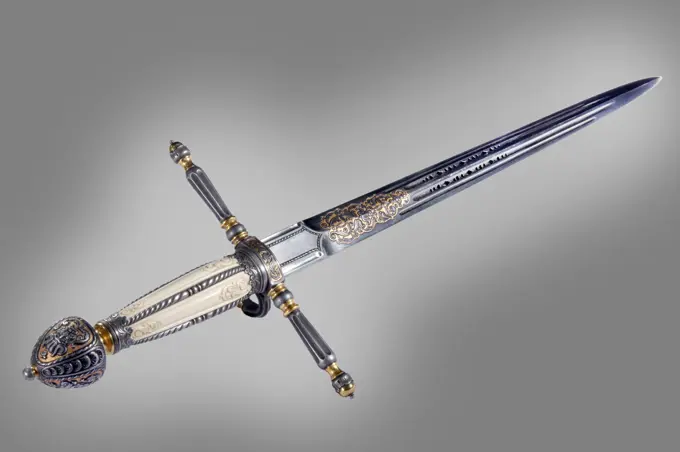
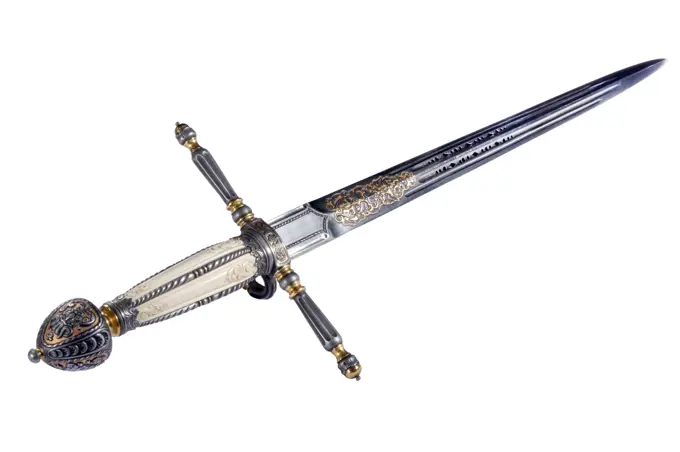
Officiersdegen, anonymous, c. 1800 - c. 1900 sword Degen, general army model, silver -plated and with inscription on the hinged shot: "The officers of the 15th National Infantry department, on their Brave Colonel Baron des Tombe". Ribbed handle of wood, copper bump plate with side bracket and diamond -shaped handle button. West-Europa kling: iron (metal). gevest: copper (metal). greep: wood (plant material). greepknop: gilding (material) engraving  Netherlands
Officiersdegen, anonymous, c. 1800 - c. 1900 sword Degen, general army model, silver -plated and with inscription on the hinged shot: "The officers of the 15th National Infantry department, on their Brave Colonel Baron des Tombe". Ribbed handle of wood, copper bump plate with side bracket and diamond -shaped handle button. West-Europa kling: iron (metal). gevest: copper (metal). greep: wood (plant material). greepknop: gilding (material) engraving Netherlands
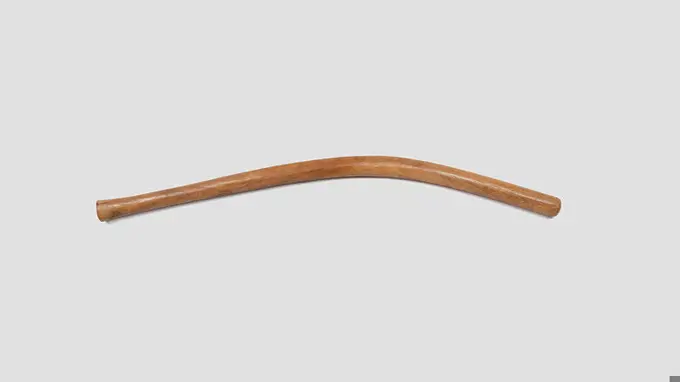
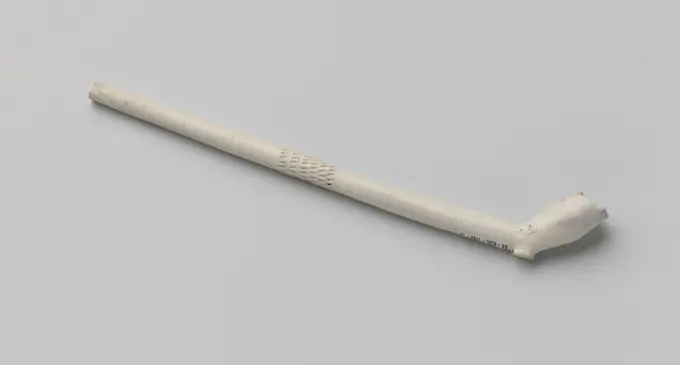
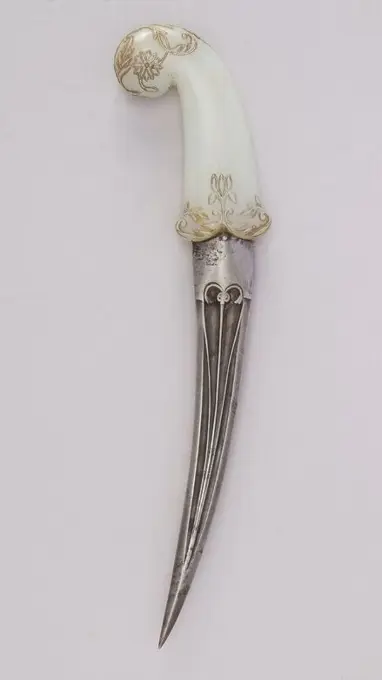
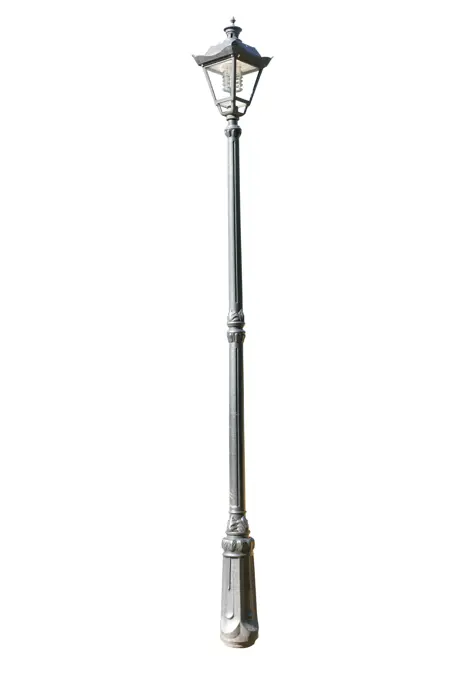
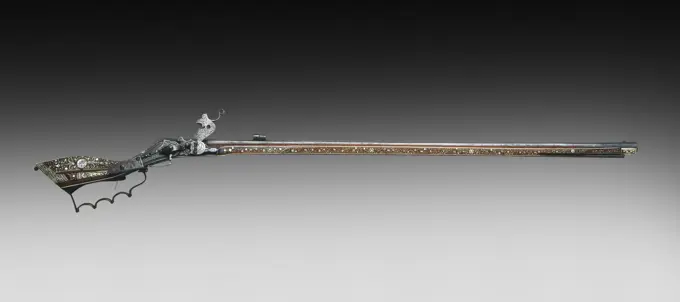
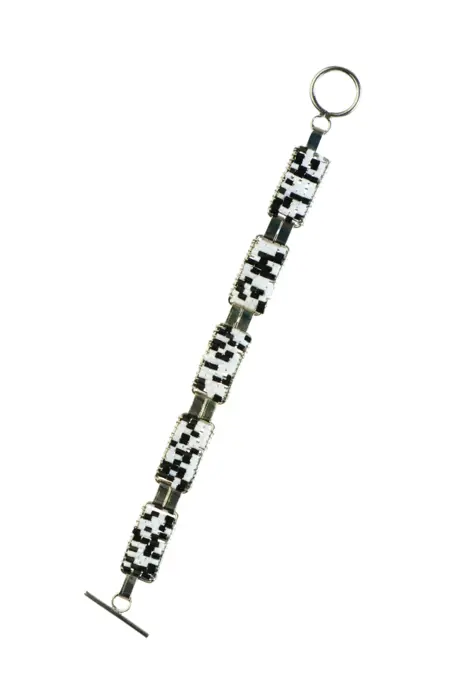
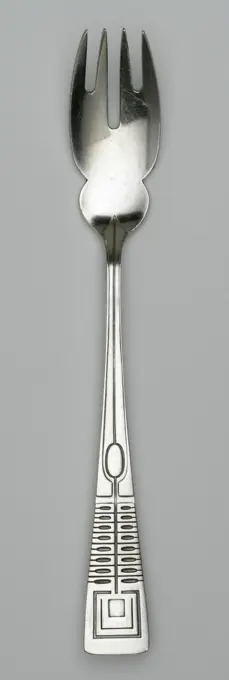
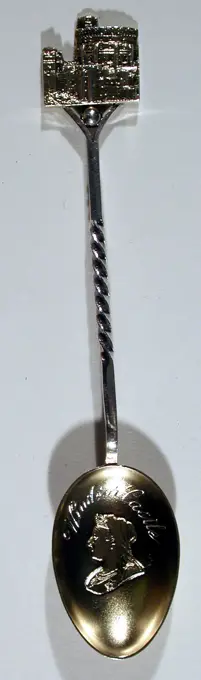
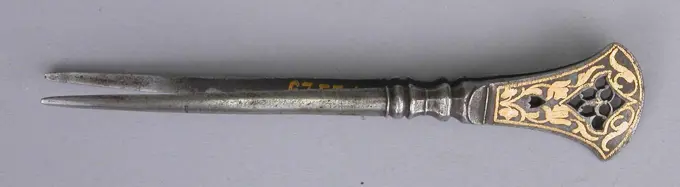
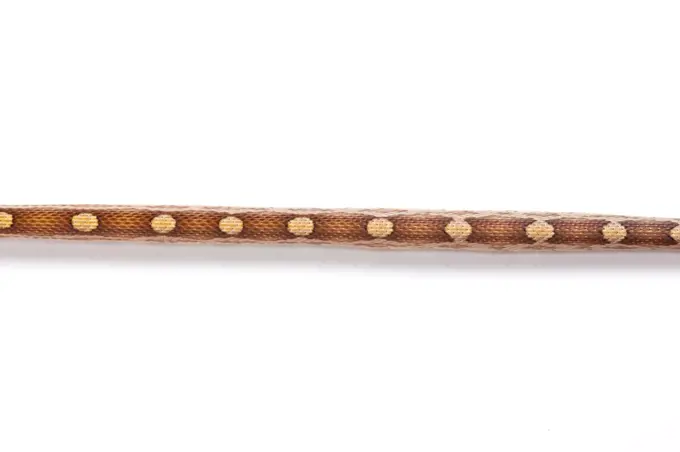
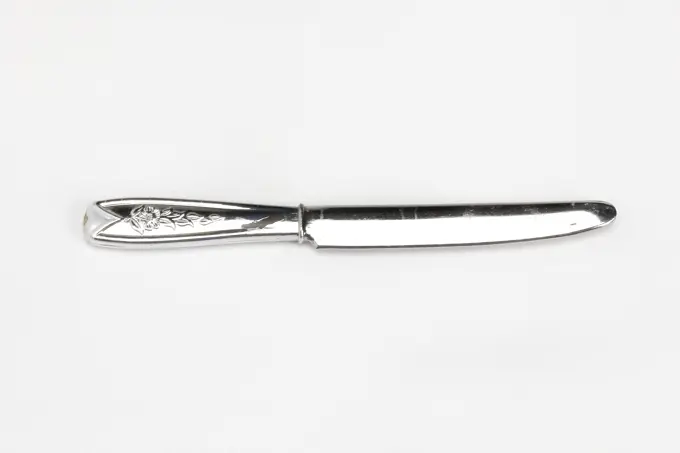
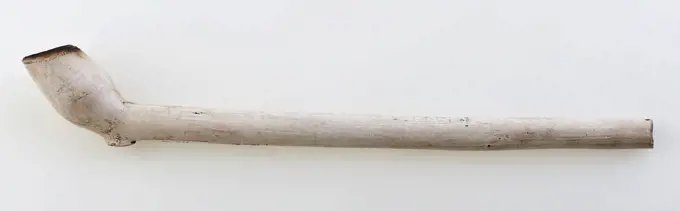
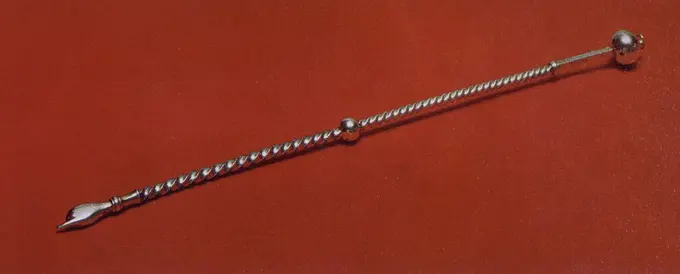
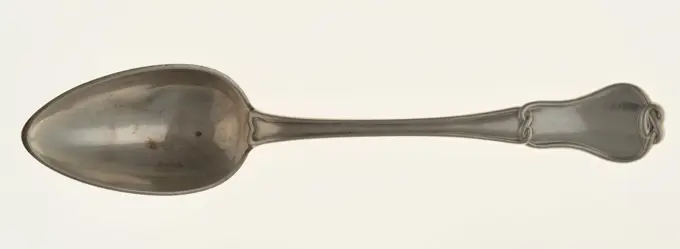
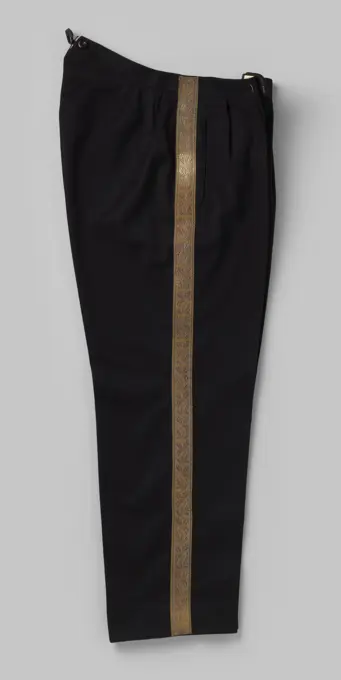
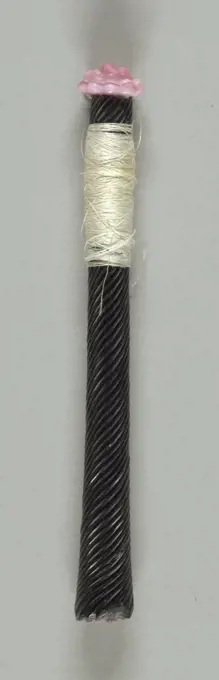
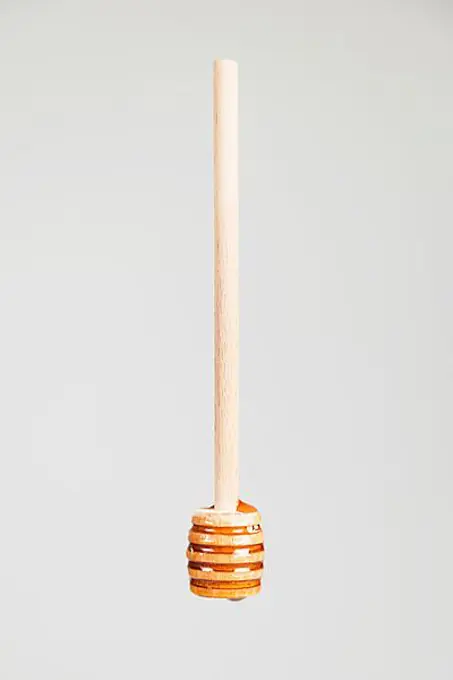
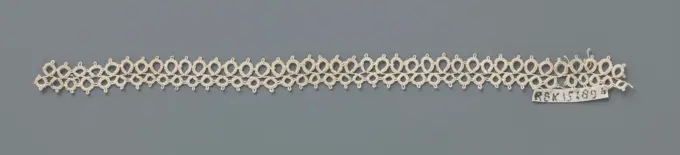
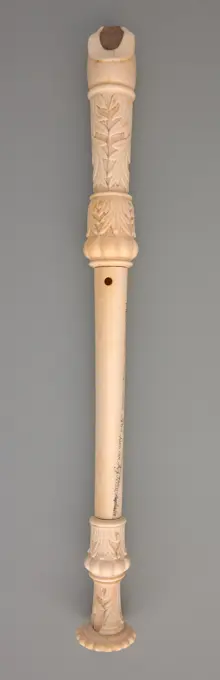
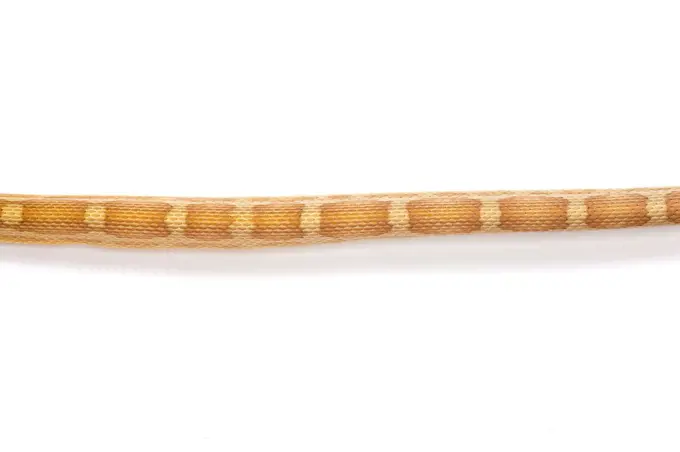
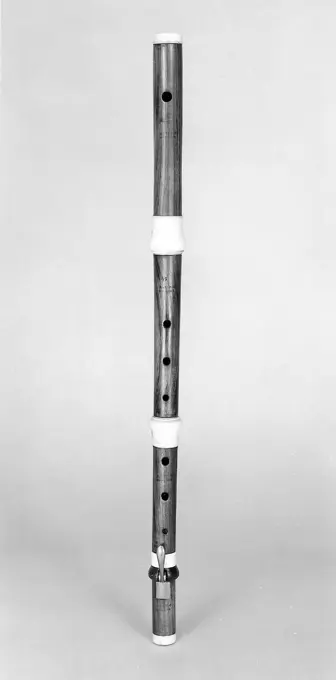
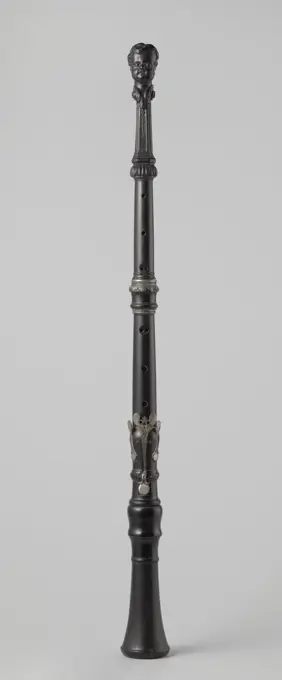
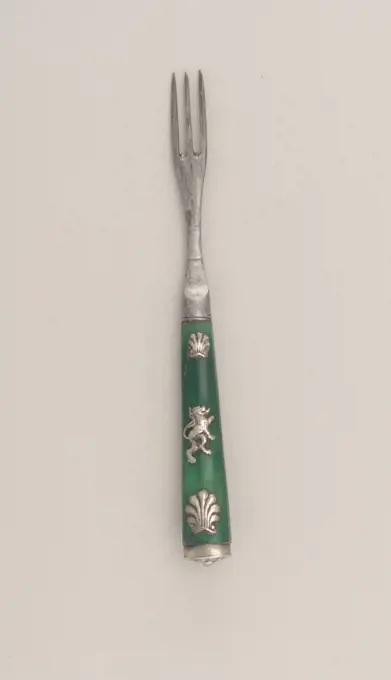
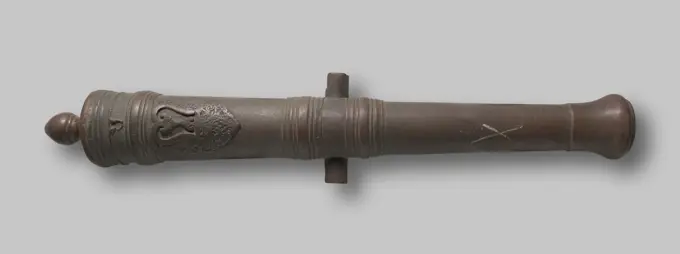
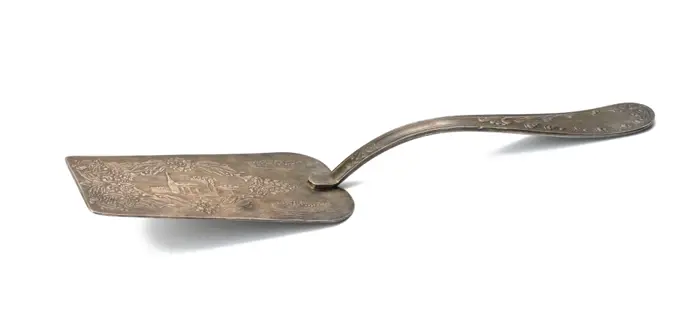
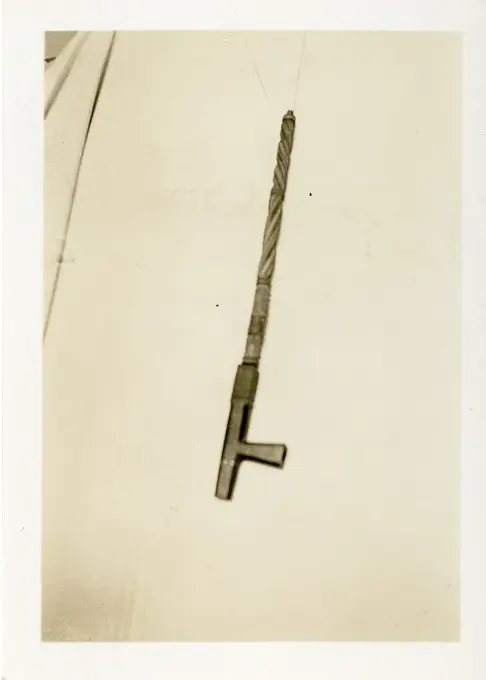
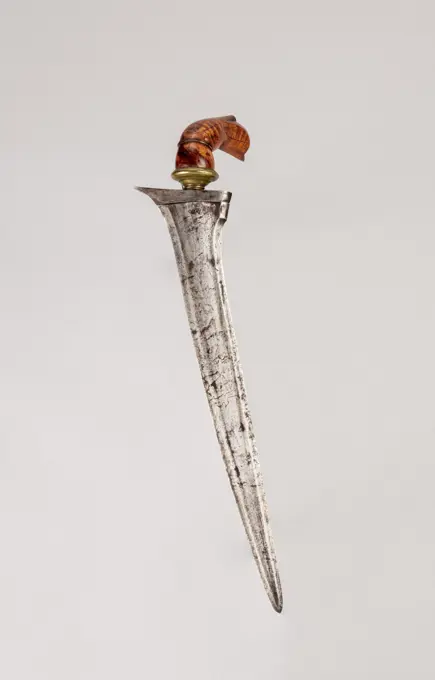
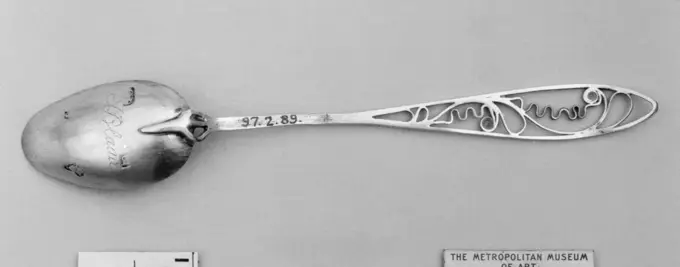
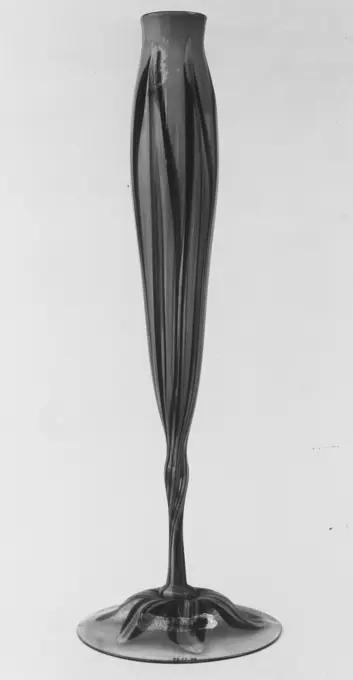
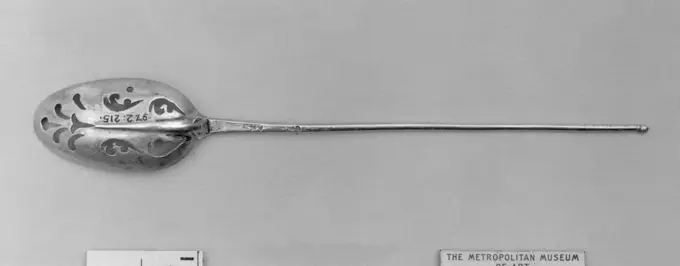
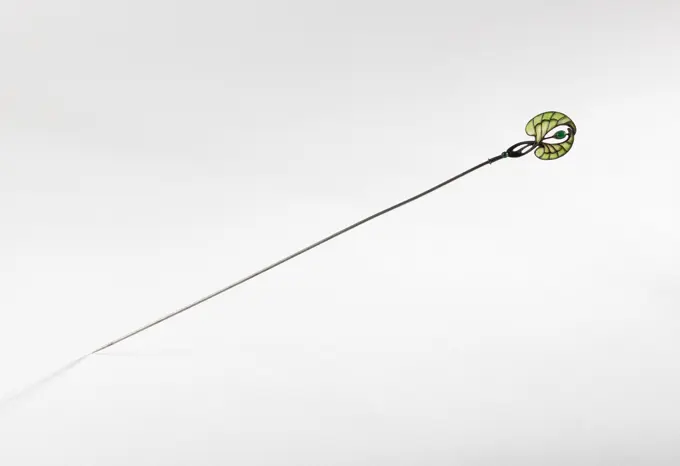
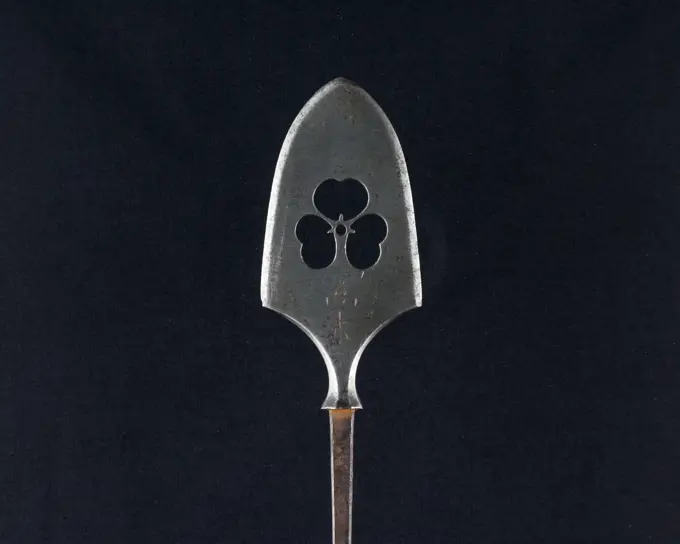
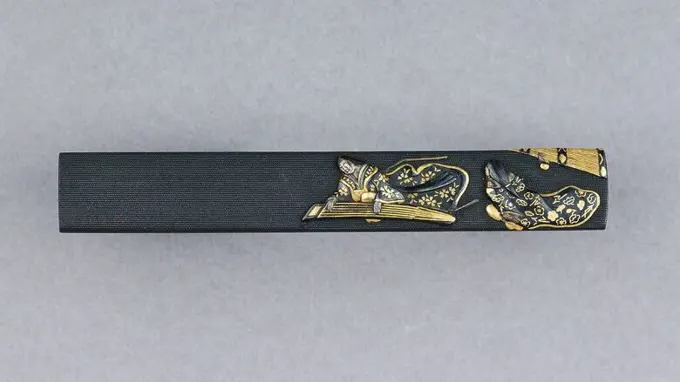
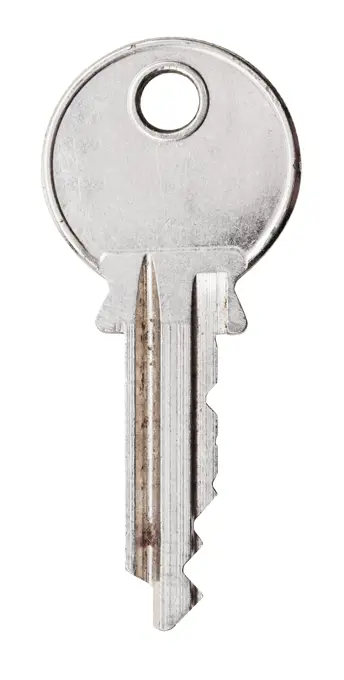
List fragment of gilded list of Pâte ornaments in Empire style: style., C. 1500 - c. 1999  Style of a painting list of wood decorated with pâte ornaments and with (poliment) gilding.  wood (plant material). gold leaf gildingA column of sandstone with octagonal shaft. An octagonal hollow profile leads to the square base, between which another octagonal pillow with corner leaves. The octagonal capital has two rows of four curly leaves and then overlooks a square cover plate. Transition from Romance to Gothic. Three equal columns (BK-15334-A to BK-15334-C) belong to the column.Slinger of the tower clock, anonymous, c. 1585 - c. 1615 Slinger from the tower clock from the broken water gate in Gorinchem Northern Netherlands iron (metal) forging  Water gate Slinger from the tower clock from the broken water gate in Gorinchem Northern Netherlands iron (metal) forging  Water gateThrow Stick. Dimensions: L. 93.5 cm (36 13/16 in.). Dynasty: Dynasty 12. Date: ca. 1981-1802 B.C.. Museum: Metropolitan Museum of Art, New York, USA.Black pipe pipeline, anonymous, c. 1700 - c. 1799 Black pipe pipeline. Gouda pipe clay Black pipe pipeline. Gouda pipe clayFireplace with round stem with ring decoration, anonymous, c. 1700 - c. 1799 Iron fire, with round stem with ring decoration and ending in a button. Hinged. Amsterdam iron (metal) Iron fire, with round stem with ring decoration and ending in a button. Hinged. Amsterdam iron (metal)Mached tobacco pipe of pipe earth, damaged, anonymous, 1500 - 1799   pipe clay   pipe clayFlat vector painting tools in childish style. Hand drawn art supplies, paint brushes for acrylic, gouache. Clipart elements isolated on white backgroundDagger (Khanjar). Culture: Indian, Mughal or Deccan. Dimensions: H. 13 5/8 in. (34.6 cm); H. of blade 9 1/4 in. (23.5 cm); W. 3 3/8 in. (8.6 cm); Wt. 12.5 oz. (354.4 g). Date: 18th-19th century. Museum: Metropolitan Museum of Art, New York, USA.Yeh Hu 19th century Chinese. Yeh Hu 500621Medical Instrument with Spoon Finial. Unknownlamp post . street lampost. streetlight collection. isolated on white background. lamp post . street lampost. streetlight collection. isolated on white background. ,model released, Symbolfoto Copyright: xZoonar.com/KonstantinxKamenetskiyx 9561202 ,model released, Symbolfoto ,property releasedTschinki (Wheel-Lock Hunting Rifle), c. 1630-50. Poland, Silesia, 17th century. Steel with traces gilding; walnut stock inlaid with bone, stag horn, mother-of-pearl; overall: 122.9 cm (48 3/8 in.); butt: 9.6 cm (3 3/4 in.); barrel: 94.9 cm (37 3/8 in.); bore: 1.3 cm (1/2 in.). This type of hunting gun owes its name to the town of Teschen in Silesia (now southern Poland) which, as early as 1580, was already associated with a particular type of gun. The precise date of the invention of the Tschinke is unknown, though a dated example of 1610 survives in the Imperial Armouries in Vienna.CuretteChopstick for Chopstick and Knife Kit -Souvenir Trade, early 1900s. Japan, Meiji period (1868-1912) to Taishō period (1912-26). Emamel, wood, walrus ivory or bone, metal; overall: 24.6 cm (9 11/16 in.).Fork, ivory, steel, gold (), Long three-tined fork, (replacement). Thin tubular stem. Pistol-shaped ivory handle with beaded cresting upper edge, faceted panel opposite; gilded bolster., possibly Germany, ca. 1675-1700, cutlery, Decorative Arts, ForkBracelet isolated on the white backgroundFish Fork. Peter Behrens (Germany, 1868-1940)Rückert, M.J. (Germany, Mainz). Germany, 1901. Furnishings; Serviceware. SilverSouvenir spoon with portrait of Queen Victoria and finial in form of Windsor Castle Saunders & Shepherd British 1897-98Tweezers 18th century. Tweezers. 18th century. Steel, gold. Attributed to Turkey. MetalArrow, 1800s. Japan, Edo period (1615-1868) to Meiji period (1868-1912). Bamboo shaft tipped with metal point and heeled with feathers; average: 85.1 cm (33 1/2 in.).Red Corn Snake 'Motley Caramel' on white backgroundHeadpiece, c. 1960, 45 1/2 x 7 1/4 in. (115.57 x 18.42 cm), Silk; needlework, Yemen, 20th centuryPiece of Wire. UnknownToy knife - Inconnu / UnknownModel of a Pile Driver in Loose Parts.The long leg has under a slot and is provided on top of a pulley.Clay pipe with heel mark and French lily embossed in stem, clay pipe smoking equipment smoke floor pottery ceramics pottery, pressed finished baked Clay pipe with heel mark and French lily embossed in stem Decoration consists of fields of four fleur de lis stamps between short series of dots applied with radstempel heel mark: AD archeology smoking tobaccoPUNTERO DE PLATA-1730-UTILIZADO EN LA LECTURA DEL TORA. Author: OLIVIERA ABRAHAM DE. Location: CSIC. MADRID. SPAIN.Ceremonial Sword, Michiel Esselbeek, c. 1650 The sword has a long, flat, slightly roared, in a point -tapered blade. The hilt consists of a button, a handle, a pare rod, a pare ring and a Ricasso. It is composed of two equal, almost symmetrical, cast parts and shows organic, whimsical, flowing shapes, from which squatted, winged, sample-like beings arise: on the front and rear and on the two sides of the grip, and on the parent ring. The parade rod is made up of two such beings. The hide ends at the front and back in a shield-shaped Ricasso that has a frame of soft tissue. silversmith: AmsterdamGermany (possibly) silver (metal). steel (alloy). iron (metal) casting / forging The sword has a long, flat, slightly roared, in a point -tapered blade. The hilt consists of a button, a handle, a pare rod, a pare ring and a Ricasso. It is composed of two equal, almost symmetrical, cast parts and shows organic, whimsical, flowing shapes, from which squatted, winged, sample-like beings arise: on tStocking of plain yellow silk jersey, anonymous, c. 1910 Stocking of yellow silk jersey. Fairly coarse thread but strongly shiny. Seamless, square heel. Very close and little rack. Part of a few. Netherlands whole: Silk. knitting Stocking of yellow silk jersey. Fairly coarse thread but strongly shiny. Seamless, square heel. Very close and little rack. Part of a few. Netherlands whole: Silk. knittingyellow pencil on blue paper yellow color drawing pencil on blue paper Copyright: xZoonar.com/FuroxLxFelixx 7285812Sabel of the cavalry with iron hilt and Schede, P. Mansvelt & Zn, c. 1800 - c. 1850 sabre Sabel of the cavalry with iron hilt and sheath. With inscription: 'P. Mansfelt and son Zwaardveger de S. Hage, Hörste '. On the other side: 'Solingen'. Two skulle tires, the upper one of which has an eye with a fixed ring. There is a slot over the handcap and there is no interior for the fingerlis. A few holes were drilled through the bump plate. Coming from Lieutenant Colonel L. de Perponcher. The Hague Kling, basket, bump plate: Iron (metal). Schede, Sleepplaat, Gripop: Iron (Metal)a hundred; Malcz, Karol (1797-1867), Silver Products Factory K.F. Malcza (Warsaw; Sreber label; 1828-1864); 1852 (1852-00-00-1860-00-00);Pole Club ('akatara). Cook Islands, Rarotonga, 18th century. Sculpture. Ironwood (casuarina equisetfolia)Handle made of wood for an umbrella or umbrella, with a leg button; with carrying strap, Gustav Schnitzler, c. 1910 - c. 1920 Handle made of wood, cylindrical, for an umbrella or parasol. The handle has a bone button, and is pierced in the middle; Due to the hole, which is covered with plastic, a bearing strap has been strung of leather. Nijmegen Handle: Wood (plant material). upholstery:. Button: Bone (Material). carrying strap: Leather Handle made of wood, cylindrical, for an umbrella or parasol. The handle has a bone button, and is pierced in the middle; Due to the hole, which is covered with plastic, a bearing strap has been strung of leather. Nijmegen Handle: Wood (plant material). upholstery:. Button: Bone (Material). carrying strap: LeatherPants from Mr Ch. J. M.A. Van Rooy, Governor Van Limburg, Anonymous, 1962  Black Laakense pants decorated with gold tire over the entire length. Belonging to the office costume of C.J.M.A. van Rooy, governor of Limburg. NetherlandsThe Hague cloth. suede. sewing  Limburg (Dutch province)Medical Instrument with Spoon Finial. UnknownSabel Officers Light Cavalry Model No. 1, Anonymous, c. 1400 - c. 1950 sabre Officer's label Light Cavalerie Model No. 1. De Kling is black -sized and rather crooked.  iron (metal). etching  NetherlandsGaming Piece, probably a die. Syria, 10th-11th century. Bone, carved, drilled and stainedDagger (Pisau Raut) 18th-19th century Dyak. Dagger (Pisau Raut) 31709Bobbin, Glass, Nine glass bobbins in various colors, a) Bobbin of black glass with yellow overlay and yellow cap., b & c) Bobbins of white glass containing red and yellow thread and decorated with red and yellow overlay., d) Bobbin of yellowish green glass., e) Bobbin end and black glass with pink cap., f/i) Bobbins of white glass with dark red overlay., e & i are broken, Italy, 18th century, lace, BobbinBOMBA DE AVIACION DE 25 kgs. Location: MUSEO DE AERONAUTICA Y ASTRONAUTICA. MADRID. SPAIN.Honey dipperParasol with bottle -green deck of silk, on a wooden stick with a spherical driven gold button, anonymous, c. 1905 Parasol with spherical driven golden button, on which garlands and with bottle green sides are triggered. Cunnic stick of dark brown red wood. At the bottom of a copper bump. Copper dots on the ribbons. On the bol three tough garlands above the edge of Godrons. A binding of four ridges around the neck. Brand on the smooth start: a Margriet between L and O. Brussels deck: Silk. Stok: Wood (plant material). Baleinen: copper (metal). Button: Gold (Metal) cutting / lacquering / casting / gilding Parasol with spherical driven golden button, on which garlands and with bottle green sides are triggered. Cunnic stick of dark brown red wood. At the bottom of a copper bump. Copper dots on the ribbons. On the bol three tough garlands above the edge of Godrons. A binding of four ridges around the neck. Brand on the smooth start: a Margriet between L and O. Brussels deck: Silk. Stok: Woinner tubeLontslotmusket.Lont slot with rectangular lock plate with rounded ends and a flat rooster. The walk turns out to the trump; provided with an iron grain; Powder pan with hinged pandasia and a fire screen; On top of stamped with the city center of Amsterdam and at the bottom with EW. The nutshell flask is typically inlaid with brass wire and large and small, oval and round plaques of mother-of-pearl engraved with faces, animals and praise; The large, oval plaque opposite the slot is engraved with a hunter. Apart from the iron trigger bracket, the batter of gold-plated geelkoper is out of a long drawer strap and the flask and the comb that are attached to glass nails; The loading stick is equipped with a glass cap.Kleedje van geknoopte kant met cirkeltje aan acht spandraden in het centrum.Natural knotted side dress: Frivolité. Round model. Rosette with drip-shaped loops with a circle of eight tanning threads in the center. To the rosette round loops with picots and around it the slip edge that consists of arcs with picots.Przeszo Przyszoci Gahn, John namedict (1674 1711)Mechanical pencil, Silver, Bands of foliate scrolls above a perpetual calendar with the days of the week letters (MTWTFSS) and numbers of month above reeded stem, with retractable point., USA, 19th century, metalwork, Decorative Arts, Mechanical pencilRed Corn Snake 'Motley Caramel' on white backgroundMedical Instrument. UnknownMarrow Scoop/Spoon, c. 1790. Attributed to Joseph Richardson (American, 1752-1831). Silver; overall: 2.1 cm (13/16 in.).Transverse Flute in D after 1880 () D. Bertani. Transverse Flute in D 504873Bassoon, August Friedrich Andreas Knochenhauer, c. 1855 Fagot with ten valves. Middle part Berlin maple (wood) Fagot with ten valves. Middle part Berlin maple (wood)Oboe, Thomas Coenrat Boekhout, c. 1700 Oboe, ebony with three silver valves Amsterdam ebony (wood). silver (metal) Oboe, ebony with three silver valves Amsterdam ebony (wood). silver (metal)eraser board. close up eraser board on white backgroundmetal chain on white backgroundHat brush with wooden handle and curved brush in which black and white stiff hair, anonymous, c. 1930 - c. 1950 Hat brush with wooden handle and curved brush in which black and white stiff hairs. Model: Pointed Handle. Curled, tissue brush with long black hair and white hair in the middle. The curvature facilitates the brushing of the sphere of the hat. Netherlands (possibly) Handle: Wood (plant material). Brush: Wood (plant material). brush: cutting / cutting  Smooth Hat brush with wooden handle and curved brush in which black and white stiff hairs. Model: Pointed Handle. Curled, tissue brush with long black hair and white hair in the middle. The curvature facilitates the brushing of the sphere of the hat. Netherlands (possibly) Handle: Wood (plant material). Brush: Wood (plant material). brush: cutting / cutting  SmoothFork, green-stained ivory, silver, steel, Three short tines, slightly curved shoulders, flat neck and rounded bolster. Ivory handle, painted green. Three silver appliques on each side of the handle in the shape of a lion and two scallops. Silver mount on the end of the handle has a floral decoration., Germany, 1730-50, cutlery, Decorative Arts, ForkKnife, steel, enamel, Leaf-shaped blade, bolster engraved. Tapered enamel handle inlaid on light blue ground: multi-colored floral pattern in relief; green, white, yellow, red., Netherlands, 1660-80, cutlery, Decorative Arts, KnifeSmooth bronze cannon, anonymous, c. 1600 - c. 1800 cannon Smooth bronze cannon with three profiled tires and profiled kulas band. Round grape, ending in a round point. Two smooth straight taps. Mouthpiece with breakage, ending, closed with wooden stop. Between the first and second fracture band Cartouche in high relief with leaf motif. The Zundgat has been closed. Conquered by the Dutch troops on Aceh.  bronze (metal). composition (material) casting  AcehModel or a windsail. Model of a cooling sail. The five hoops are wound from wood with rope. The upper part between the first two hoops consists of a four pieces of cloth in a cross sewn together; For example, four openings, one for every wind direction. The lower part is a canvases of ventilation shaft reinforced with hopels. Scale 1:10 (according to Obeen).vintage metal spatula for dessert on a white isolated backgroundjerk to jam; Fisher, John (Fl. 1793-Ca 1810); 1808/09 (1808-00-00-1809-00-00);Norris Indian Carved Pipe. 1900 - 1960. Central Plains Region (Kansas City, MO). Photographic Print. Department of the Interior. Bureau of Indian Affairs. Rosebud Agency. 9/17/1947-. PhotographsSword (Kris), 1800s. Java. Iron with wooden handle; overall: 41.4 cm (16 5/16 in.); blade: 34.4 cm (13 9/16 in.).Pin, Gold, cabochon garnets, possibly Russia or Turkey, ca. 1890, jewelry, Decorative Arts, Pinvintage hand vise isolated over white background, clipping pathCeremonial staff, Johannes Vuystinck, 1518 Silver ceremonies, driven. The staff has four sections, each decorated with facets and interrupted by a nodus with leaves and rosette -shaped flowers. On the top a large nodus with an edge of acanthus leaves and sculptures, between which leaf ornaments and volutes; A gilded salvator image is rising from this nodus. Utrecht silver (metal). gold (metal) gilding  Utrecht Silver ceremonies, driven. The staff has four sections, each decorated with facets and interrupted by a nodus with leaves and rosette -shaped flowers. On the top a large nodus with an edge of acanthus leaves and sculptures, between which leaf ornaments and volutes; A gilded salvator image is rising from this nodus. Utrecht silver (metal). gold (metal) gilding  UtrechtTrumpet 19th century French. Trumpet. French. 19th century. Glass. France. Aerophone-Lip Vibrated-trumpet / tromboneSouvenir spoon with view of Milan Cathedral European late 19th centuryXiao Chinese 18th or 19th centuries The jade flute appeared in Chinese literature at a very early date. However, it was not until the eighteenth century, when the supply of the precious stone was plentiful, that jade flutes were actually made.Belt -Clog (Single) Made 1830-1860 England. Leather and wood .Smart dagger Smart dagger of the medieval soldier. It was used for hunting Copyright: xZoonar.com/VALERY-SIBRIKOVx 20043155Gauntlet Sword (Pata) 19th century Indian. Gauntlet Sword (Pata) 31151Two Mustard Spoons, Daniel Pontifex (Buckinghamshire, England, 1768 - 1826) early 19th CenturyBrooch of gold and white email, with three sapphires.Commanders baton of the Dutch Governor of the Gold Coast, anonymous, c. 1600 - c. 1699  Ivory Staff, both ends caught in gold. On both flat round ends with ribbed edge the inscription between abstract golf line motifs the initials GWC (geoctroyed Westindische Compagnie). West-Africa ivory. gold (metal) cutting / forging / engraving  GuineaWalking-Stick Flageolet in A early 19th century Probably American Walking-stick instruments of all varieties were popular in the eighteenth and nineteenth centuries. Novelty walking sticks, which might include umbrellas, flasks, guns, musical instruments, or other items were fashionable accessories for gentlemen of all ages. Flutes and violins were the most popular instrument walking sticks. Description: Two stained maple sections and cap with bone ring and ivory inlay, brass tip, seven front holes, one thumb hole, one brass key, two vent holes.. Walking-Stick Flageolet in A. Probably American. early 19th century. Wood, bone, ivory, brass. United States. Aerophone-Whistle Flute-flageoletCoffee spoon 1812 Possibly by Hans Bjerregaard Steen Norwegian. Coffee spoon 188124 Maker: Possibly by Hans Bjerregaard Steen, Norwegian, 17971818, Coffee spoon, 1812, Silver, L. 5 1/2 in. (14 cm). The Metropolitan Museum of Art, New York. Gift of Mrs. Samuel P. Avery, 1897 (97.2.89)Calligraphy brush, late 19th century, 15 3/4 × 1 15/16 × 1 15/16 in. (40.01 × 4.92 × 4.92 cm), Wood, hair, China, 19th century, In Chinese literati culture, the brush, a writing implement, is known as one of the 'four treasures of the study' along with the inkstick, inkstone, and paper. Brush handles are commonly constructed from bamboo, but some brushes have handles of sandalwood, jade, carved bone or ivory, and other precious materials as demonstrated by these examples. During late imperial times, artists catered to the tastes of gentlemen collectors and elaborated brushes with motifs derived from folklore, legends, superstitious beliefs as well as religious subjects from Confucianism, Buddhism, and Daoism.Chisel Third Intermediate Period-Late Period ca. 1070-525 B.C. View more. Chisel. ca. 1070-525 B.C.. Iron. Third Intermediate Period-Late Period. From Egypt, Upper Egypt, Thebes, Deir el-Bahri, west of Priests' Cemetery, Tomb MMA 801, MMA excavations, 1921-22. Dynasty 21-26Tabor Pipe 18th century Teneriffe or France. Tabor Pipe. Teneriffe or France. 18th century. Wood, pewter. Tenerife Island, Canary Islands, Spain or France. Aerophone-Blow Hole-end-blown flute (vertical)Rattle 19th century Native American (Chnagmiut, Inuit). Rattle 501181Vase 1893-96 Designed by Louis Comfort Tiffany American This object forms part of a group of over forty given to the Museum in 1896 by Louisine and Henry Osborne Havemeyer (96.17.9-.56). The gift was the first American glass to enter the Museum's collection. Most likely prompted by Louis Comfort Tiffany, the Havemeyers presented their collection of Tiffany Favrile glass to the Museum only three years after Tiffany started making decorative blown-glass vessels. The shapes, colors, and finishes of Tiffany's vases and plaques were inspired by the natural world and ancient glass. Tiffany's vases in the shapes of flowers are among his most fanciful creations. Some of the earliest were tall attenuated vases reminiscent of buds, like this example. They vary in their coloration from a pale green and white to darker, more opaque greens and reds.. Vase 9409Strainer spoon first half 18th century S. T. British For removing tea-leaves floating in the cup. Strainer spoon. probably British, London. first half 18th century. Silver. Metalwork-SilverFernande Malleval. "Hat Epingle". Silver, enamel and green stones. Museum of Fine Arts of the City of Paris, Petit Palais. 123478-28Souvenir of Józef Czapski  Pencil Caran d'acheSmart dagger Smart dagger of the medieval soldier. It was used for hunting Copyright: xZoonar.com/VALERY-SIBRIKOVx 20011055Arrowhead (Yanone) 18th century Japanese Although today Japanese warriors are renowned most for their swordsmanship, archery, especially from horseback, has been an essential part of samurai warfare and culture for centuries. Arrows were fitted with heads of varying shape according to their intended use in war, the hunt, or target practice. Arrowheads made for use on the battlefield incorporated different designs intended for specialized purposes such as the piercing of armor or to cause maximum damage to horses and unarmored personnel.Large arrowheads, pierced and elaborately chiseled with landscapes, birds, flowers, dragons, and Buddhist divinities, were created to be admired for the beauty of their metalwork and design rather than for use in archery. Such highly elaborate examples may have been made for presentation or as a votive offerings to a shrine.. Arrowhead (Yanone). Japanese. 18th century. Steel. Archery Equipment-ArrowheadsStirring Rod. UnknownKnife Handle (Kozuka). Culture: Japanese. Dimensions: L. 3 13/16 in. (9.7 cm); W. 9/16 in. (1.4 cm); thickness 1/4 in. (0.6 cm); Wt. 1.1 oz. (31.2 g). Date: 18th century. Museum: Metropolitan Museum of Art, New York, USA.Yeah; Hempel, brothers (Warsaw; Wytwórnia Z Otnicz; 1894-1944); 1908-1917 (1908-00-00-1917-00-00);Yeah one hundred; Tauron-Parisot (couples; Factory; 1839-); 1. PO. 19th century (1850-00-00-1850-00-00);Spindle and Whorl, Fragment , 1000-1400. Wood, ceramic, pigment, camelid fiber, 1/2 x 1/2 x 6 1/2 in. (1.3 x 1.3 x 16.5 cm).   Arts of the Americas 1000-1400Partisan 1626 French. Partisan 32226steel home key steel home key isolated on white background Copyright: xZoonar.com/ValeryxVoennyyx 5660476Hair comb or comb of plain fine imitation turtle and horn with a long row of narrow teeth, tapered, anonymous, c. 1800 - c. 1899 Hair comb or comb from plain fine imitation turtle and horn with a long row of narrow teeth, tapered. Netherlands (possibly) celluloid (cellulosic). cellulose acetate. horn (animal material) cutting / sawing / filing / polishing Hair comb or comb from plain fine imitation turtle and horn with a long row of narrow teeth, tapered. Netherlands (possibly) celluloid (cellulosic). cellulose acetate. horn (animal material) cutting / sawing / filing / polishingFlute late 19th century Fan people. Flute 501147