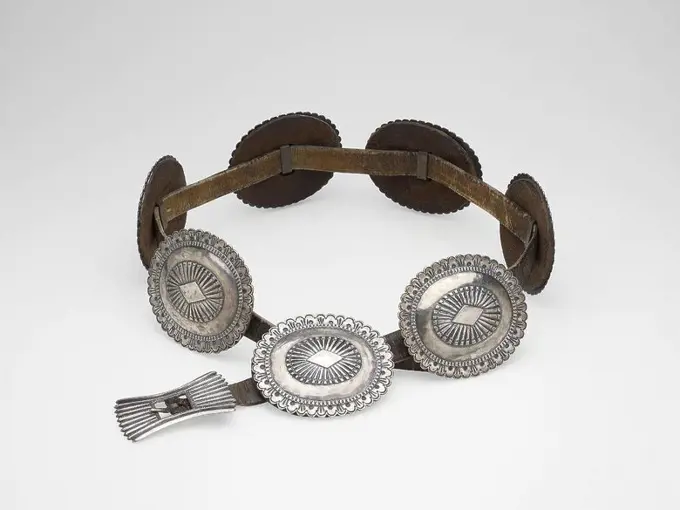
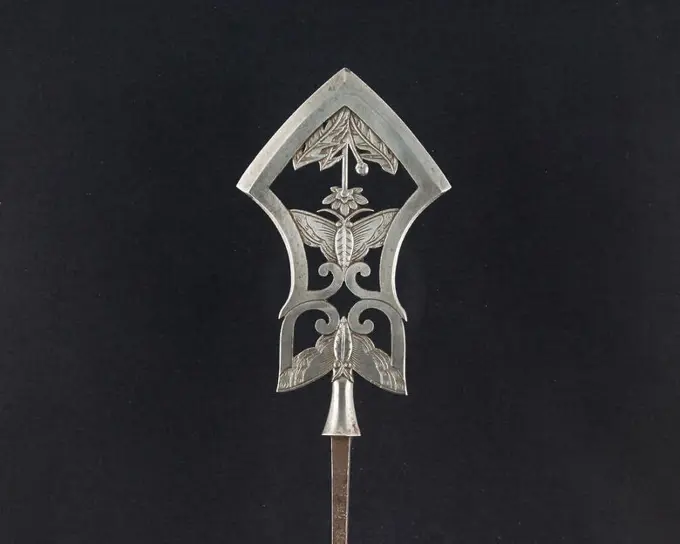
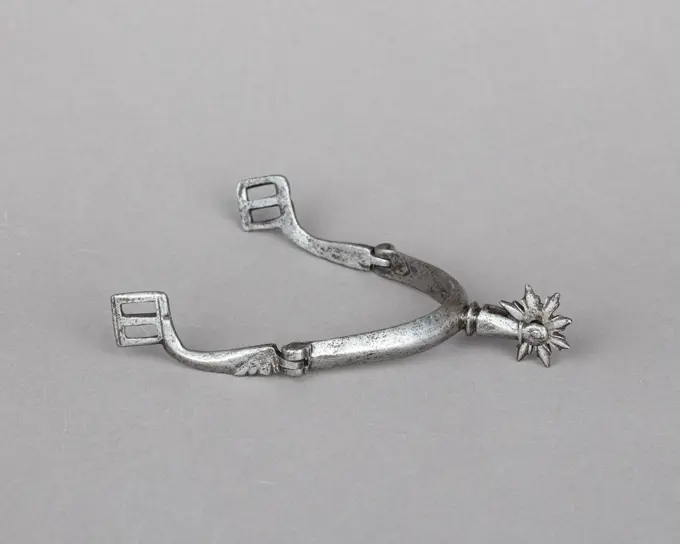
Historical Decorative Items

Antique decorative pieces including a smallsword, brooch, and matchsafe, showcasing intricate designs and rich historical contexts from various eras.
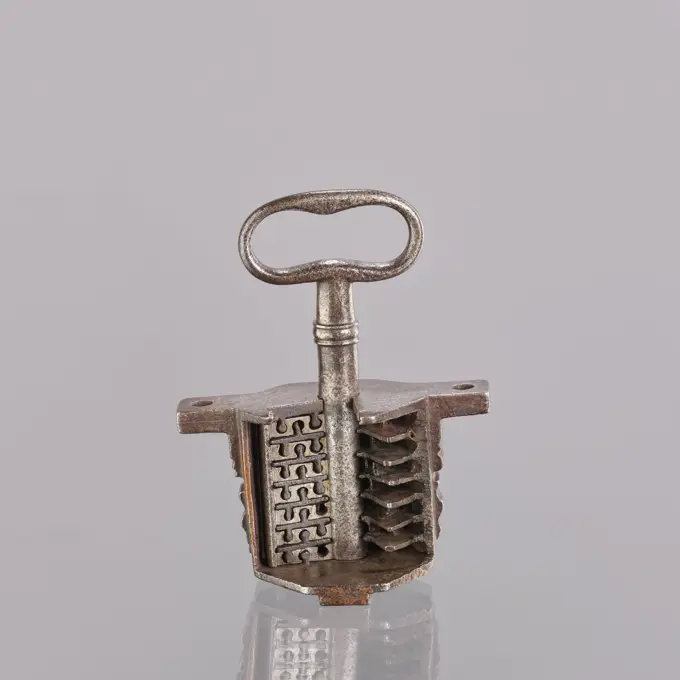
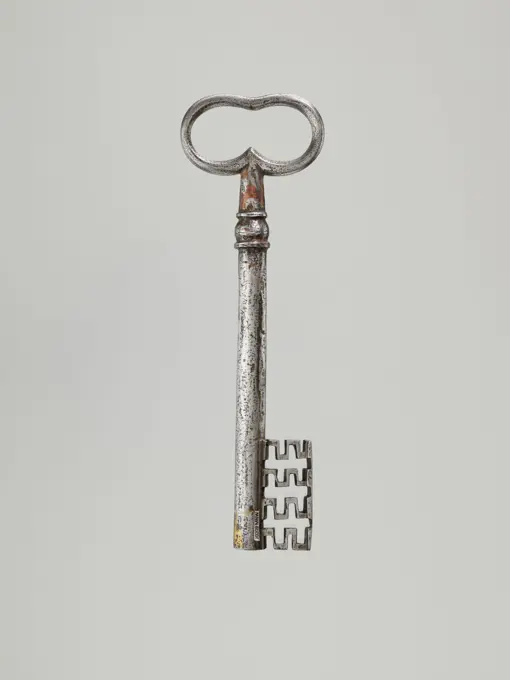
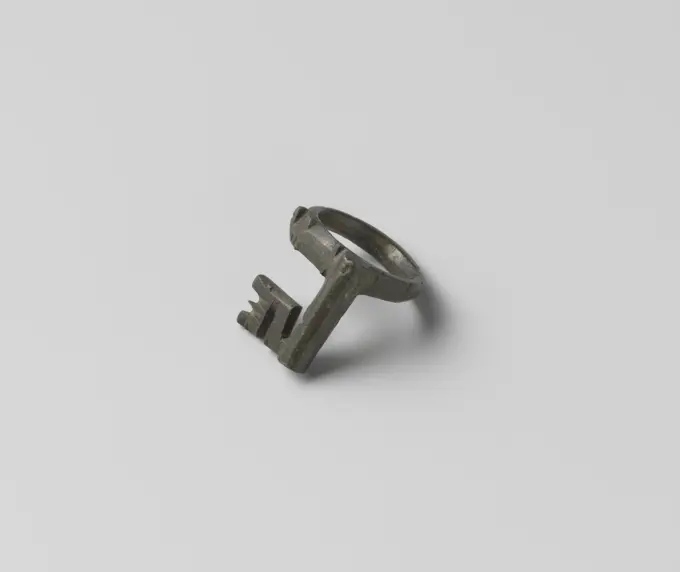
Castle register with a key;  XVIII-19th century (1701-00-00-1850-00-00);
Castle register with a key; XVIII-19th century (1701-00-00-1850-00-00);
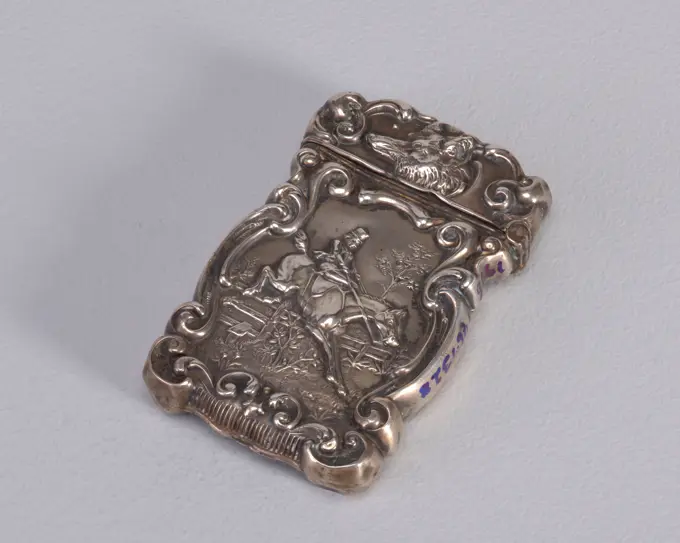
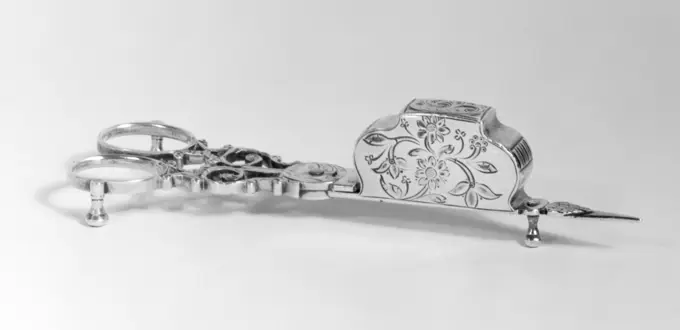
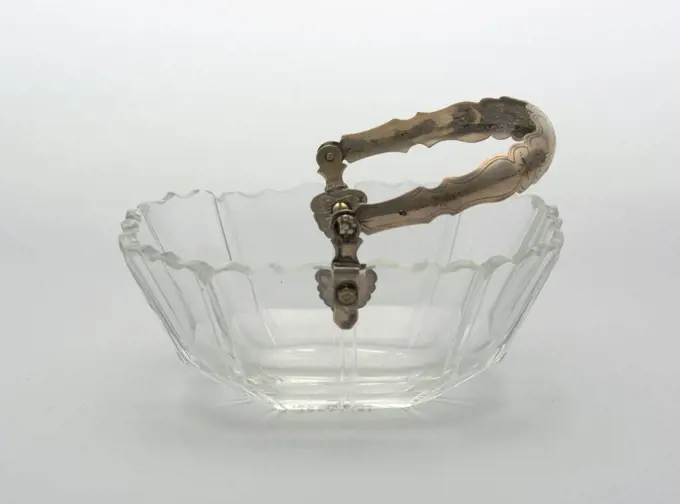
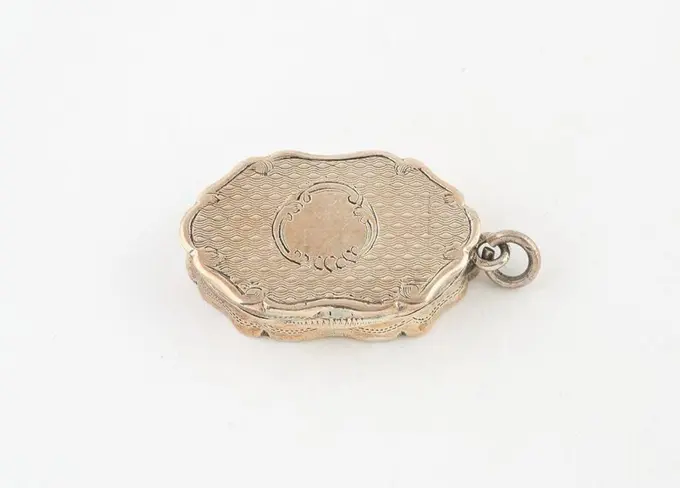
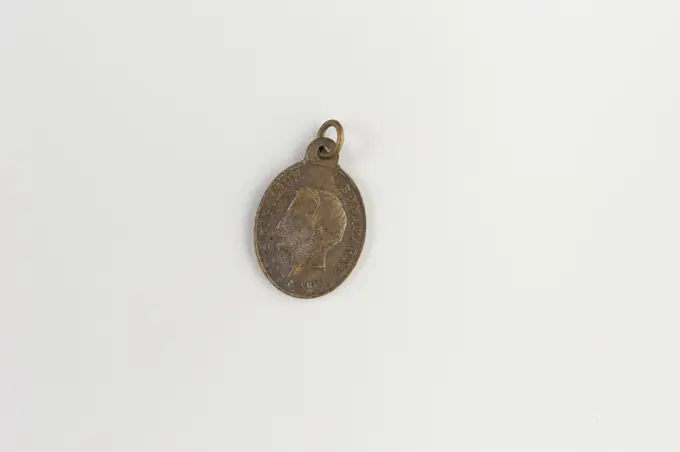
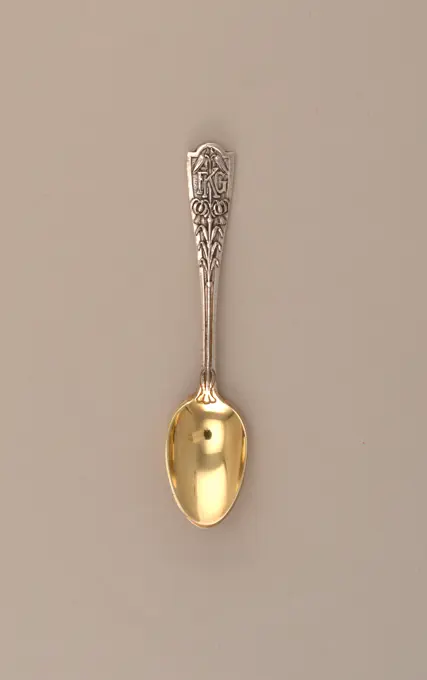
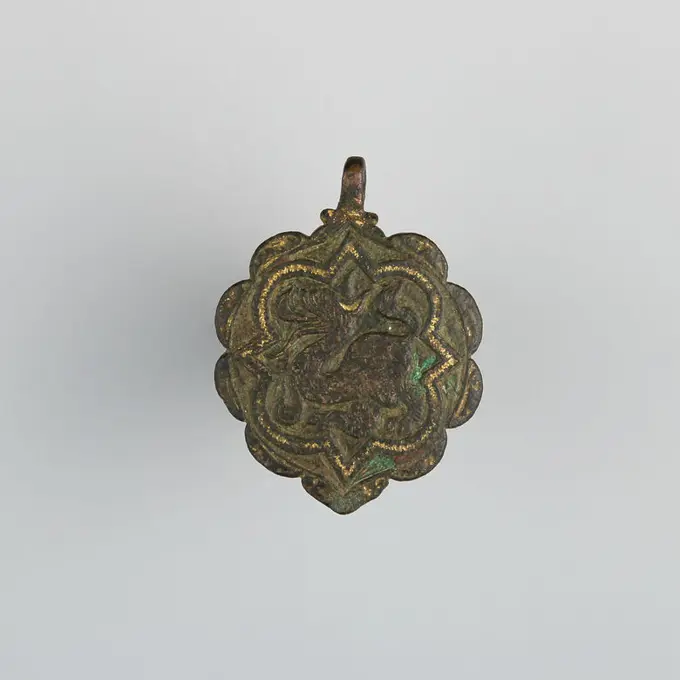
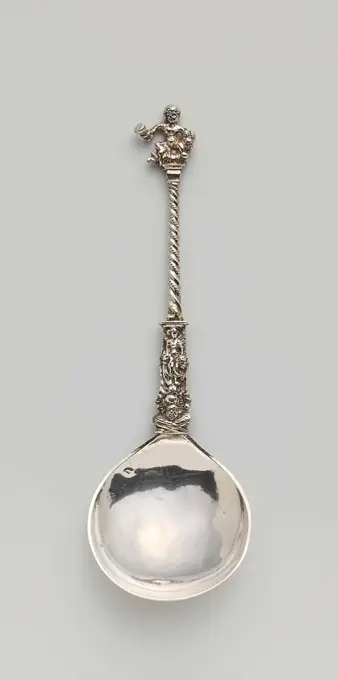
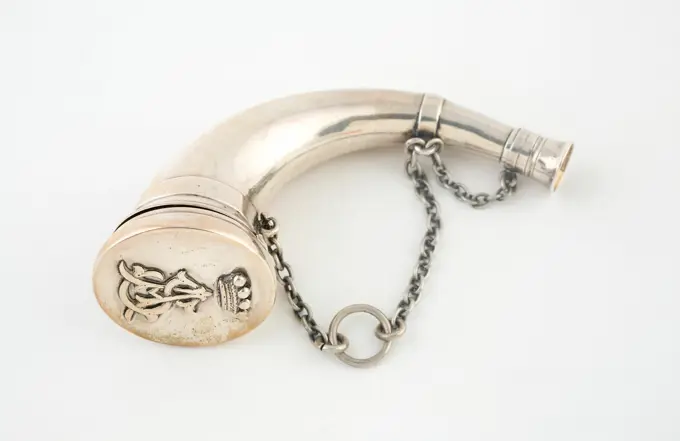
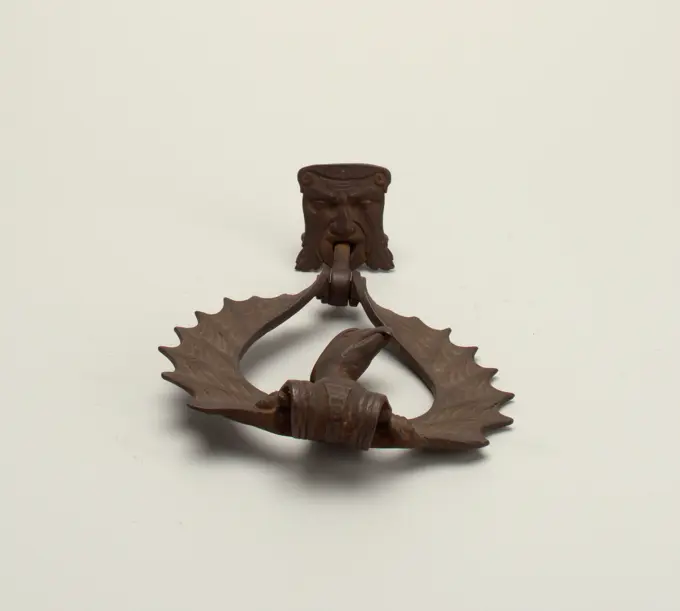
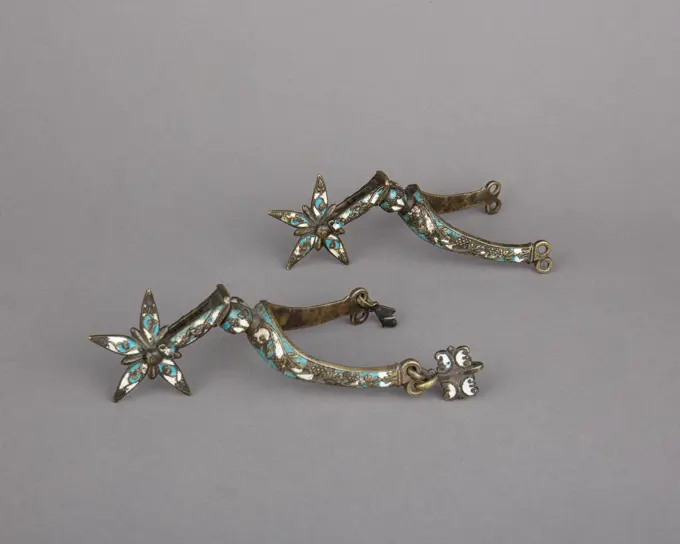
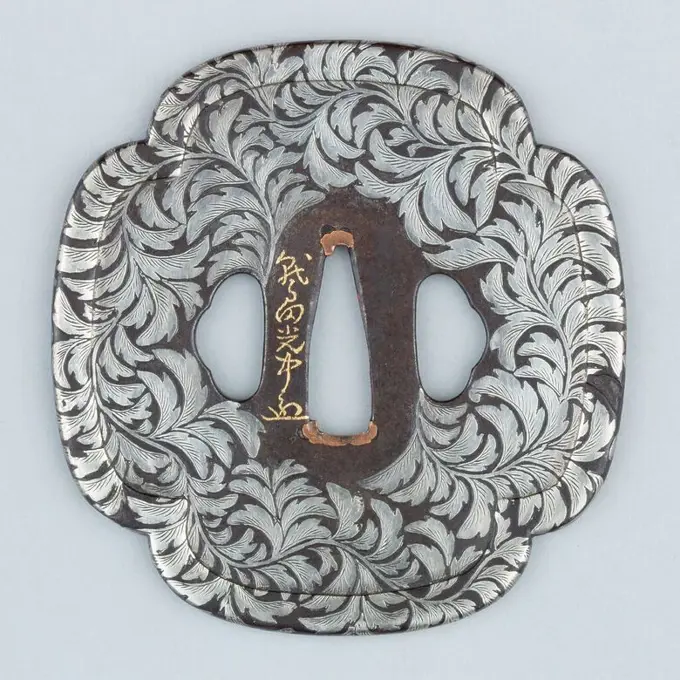
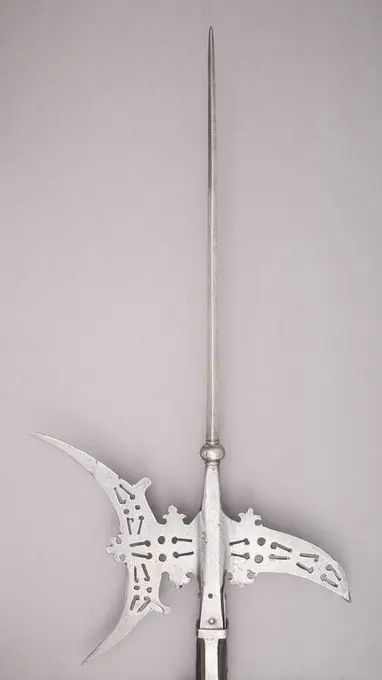
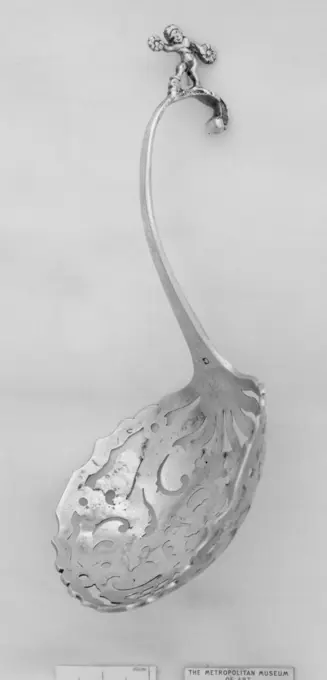
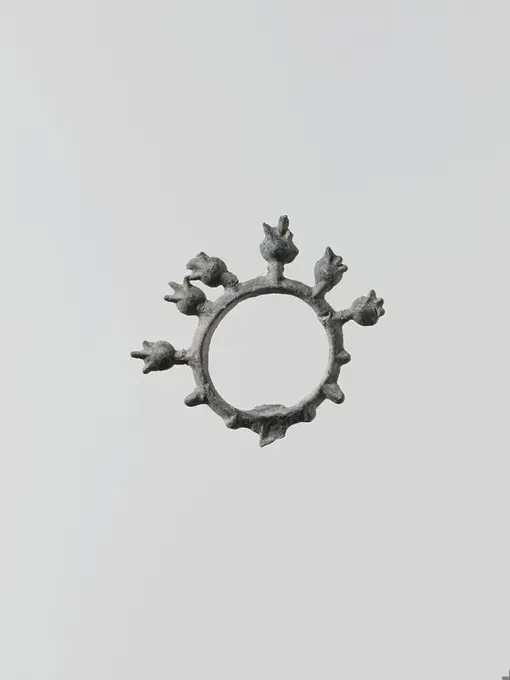
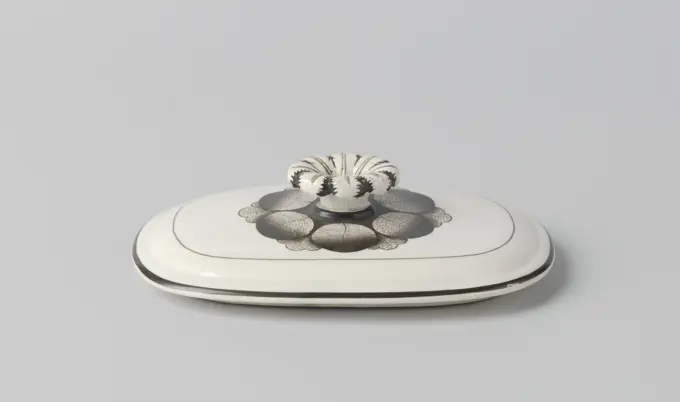
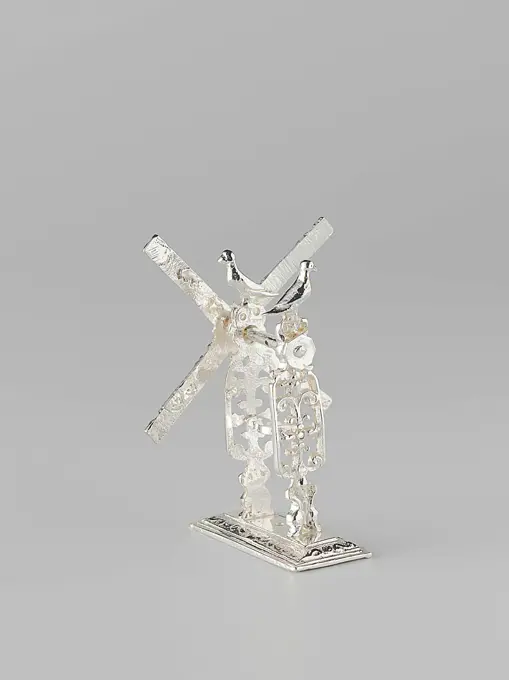
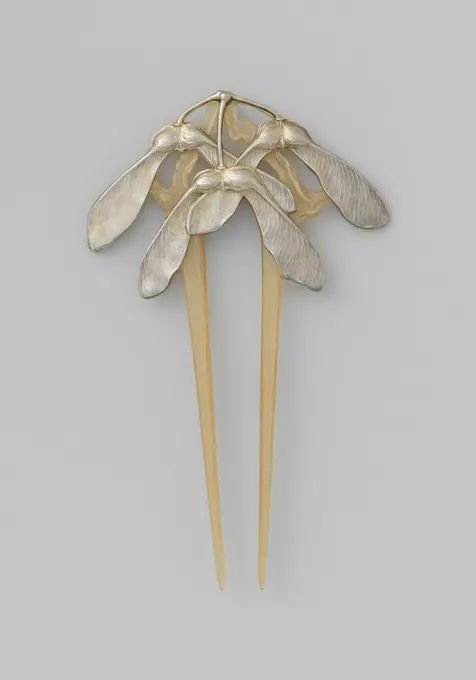
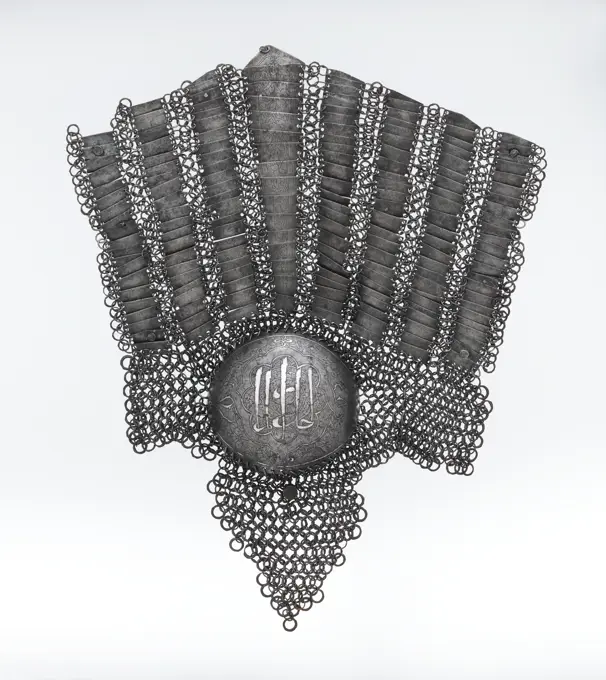
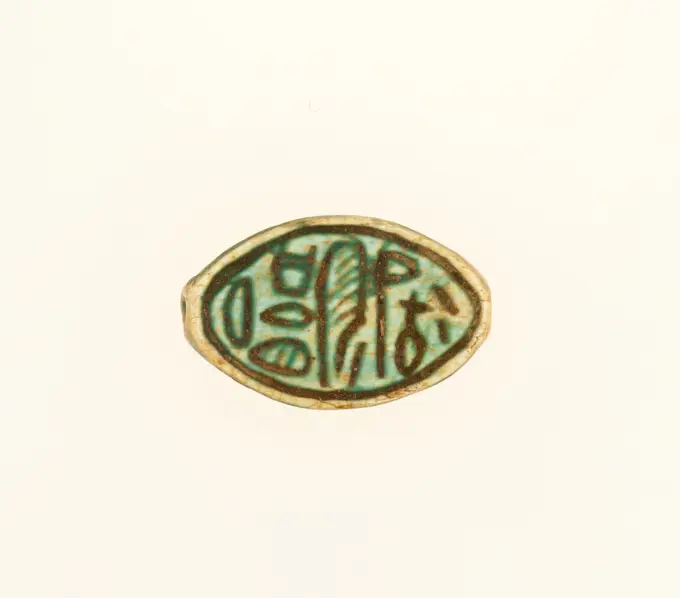
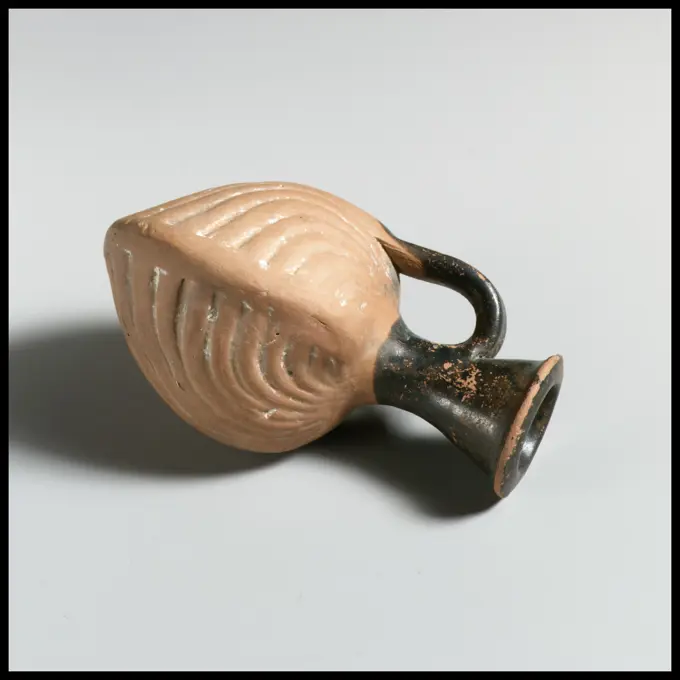
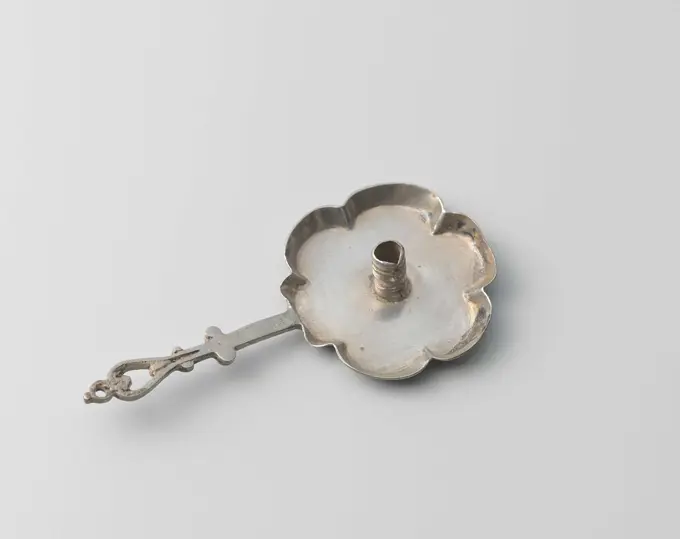
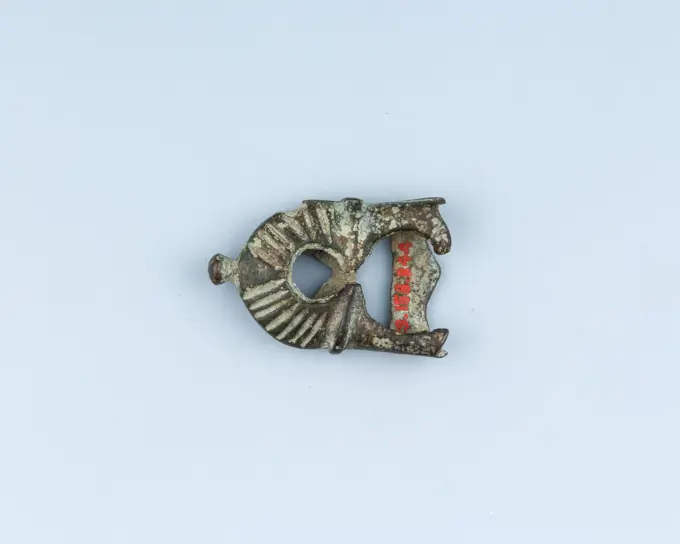
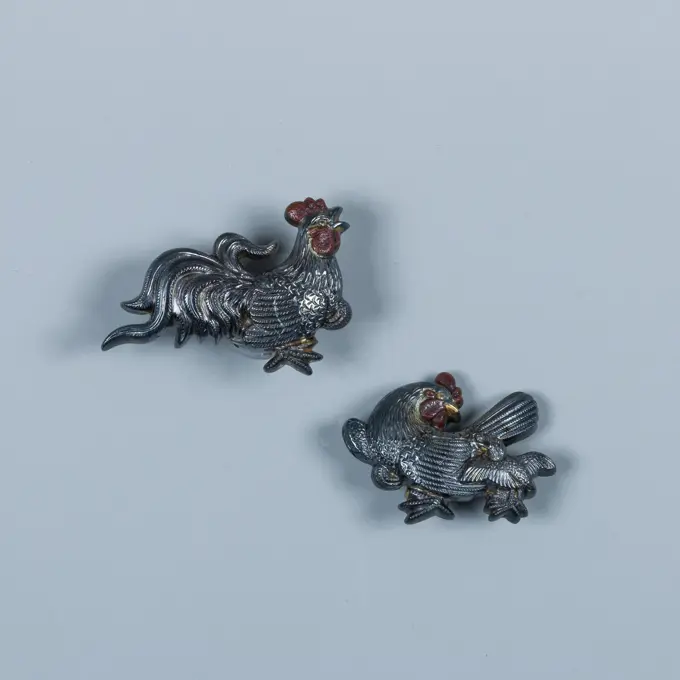
Smallsword possibly British 17th century The smallsword was the typical civilian sidearm worn in Europe from about 1650 to 1800. It was both a deadly weapon and a stylish costume accessory for the fashionable gentleman. The materials of smallsword hilts vary considerably, according to the wealth and taste of their owner. In England, silver was the preferred medium, and the custom of hallmarking silver with date-letters provides the opportunity to document changing forms and ornament. English smallswords served as models for Colonial American silversmiths. View more. Smallsword. possibly British. 17th century. Steel. SwordsBrooch -Hunting Scene with Female Equestrian Matchsafe; USA; silver; 6.7 x 4.2 x .8 cm (2 5/8 x 1 5/8 x 5/16 in. )Equal-Arm Brooch with Cross Decoration 7th-8th century Frankish. Equal-Arm Brooch with Cross Decoration 465175Snuffers 1765-66 Possibly by John Buckett. Snuffers 199700Castle register with a key;  XVIII-19th century (1701-00-00-1850-00-00);Fibula, by Longobard Work, 6th - 19th Century, gold and enamel. Italy, Piemonte, Turin, Sabauda Gallery. Whole artwork. Fibula.Pendant 1500-1525 Italian. Pendant. Italian. 1500-1525. Bronze, patina. Miscellaneous-Buckles & OrnamentBrooch -Edward White, Locket, c 1937 LocketBowl, glass, silver, 8-sided rectangular bowl, sides slightly flared, scalloped rim, sides cut with series of widely-spaced vertical lines; tall looped silver handle withshaped edges and engraved arabesques., Netherlands, ca. 1860, glasswares, Decorative Arts, BowlVinaigrette. George Unite; Birmingham, England. Date: 1886-1887. Dimensions: 3.2 × 2.3 cm (1 1/4 × 7/8 in.). Silver and silver gilt. Origin: Birmingham. Museum: The Chicago Art Institute, Chicago, USA.Light arm of brass or bronze, anonymous, c. 1475 - c. 1500 Part of the arm of brass. Lower part of the arm. Southern Netherlands brass (alloy) casting Part of the arm of brass. Lower part of the arm. Southern Netherlands brass (alloy) castingCarnavalet museum, medal collection Louis-Napoléon Bonaparte's right to the left; Reverse registration on six lines.Key to the lock;  early 19th century (1800-00-00-1810-00-00);Stirrup for a Child. Culture: German. Dimensions: H. 4 7/8 in. (12.4 cm); W. 2 7/8 in. (7.3 cm); D. 2 1/2 in. (6.4 cm); Wt. 4.9 oz. (138.9 g). Date: second half 17th century.The very small size of this stirrup indicates that it was made for a young child. Children from wealthy families would start riding lessons as soon as they could sit on a pony, usually around the age of 3. Horsemanship was an important component of European noble society, and children of the elite were expected to master the art of equitation. Moreover, as many nobles served in the cavalry, it was essential for them to be skillful riders by the time they were old enough to go to war. Museum: Metropolitan Museum of Art, New York, USA.Boatmansflose from v.O.c.-ship the 'white lion'. Boatmansflose from v.O.c.-ship the 'white lion'. Silver boat crate or sifflet with carrier chain. This boatman whistle was considered as a sign of dignity by officers to a long cord around the neck.Rockledge Silver Service Demitasse Spoon; Designed by George Washington Maher (American, 1864-1926); Manufactured by Gorham Manufacturing Company (United States); Client: Ernest L. and Grace King; USA; gilt silver; L x W x D: 4.5 x 2.4 x 1.4 cm (1 3/4 x 15/16 x 9/16 in.)Outside of a butter fleet, Orivit, c. 1900 Outskrak from a tin fleet from Tin. The scalloped rise is decorated with two floral motifs and their stems that wriggle all around. Germany tin (metal) Outskrak from a tin fleet from Tin. The scalloped rise is decorated with two floral motifs and their stems that wriggle all around. Germany tin (metal)Brooch -Key. Key provided with a glanshous eye with rebellion. One of the four beard teeth is missing.Badge (probably from Horse Harness). Culture: Spanish. Dimensions: H. 2 1/2 in. (6.4 cm); W. 2 in. (5.1 cm); Wt. 1 oz. (28.3 g). Date: 14th century. Museum: Metropolitan Museum of Art, New York, USA.Planets-manager. Cornalet Collection Sites 2013-2016. Numismatic.Tube for a tape measure, anonymous, c. 1675 - c. 1700 Tube of filigrein with a size ribbon in it. The tube teases a lid with a profiled button with which the size ribbon can be rolled up. The size ribbon is made of cream-colored silk. The tube is not marked. Europe (possibly) silver (metal). silk filigree Tube of filigrein with a size ribbon in it. The tube teases a lid with a profiled button with which the size ribbon can be rolled up. The size ribbon is made of cream-colored silk. The tube is not marked. Europe (possibly) silver (metal). silk filigreeHugh Clarke, Brooch, c 1938 BroochTape Measure Drum 1885-1895 United States. Silver .Palatina-style oval frame late 17th century Italian, Bologna. Palatina-style oval frame 460865Turning key, c. 1400 - c. 1950 Ring with turning key whose pipe has a hole in the middle.  iron (metal) Ring with turning key whose pipe has a hole in the middle.  iron (metal)Barrier of a Rederijkerskamer or Schuttersgilde in Overschie, Anonymous, 1702 Silver carrier from a shipping room or militia guild in Overschie. Engraved and cut out with leaf curls in a cartouch form. Front: David, dancing for the Ark of the covenant surrounded by the edge: tschiet uyt Vreught Ouwerchie 1702. On the reverse, a rose bush surrounded by the edge: the Neege Roo Roose Knoppe. The shield is hung on an eye and three chains. At the bottom, on chains, a glans and the letters I, (fog), B, S. Rotterdam silver (metal)   Overhang Silver carrier from a shipping room or militia guild in Overschie. Engraved and cut out with leaf curls in a cartouch form. Front: David, dancing for the Ark of the covenant surrounded by the edge: tschiet uyt Vreught Ouwerchie 1702. On the reverse, a rose bush surrounded by the edge: the Neege Roo Roose Knoppe. The shield is hung on an eye and three chains. At the bottom, on chains, a glans and the letters I, (fog), B, S. Rotterdam silver (metal)   OverhModel of an Anchor. Model of a mushroom anchor. It consists of a shaft with a harp at the end, while the arms are replaced by the section of a sphere, weighted to the middle. Another eye has been confirmed. Scale 1:10 (estimation).Left Arm Defense (Vambrace) with Elbow Reinforce. Culture: Italian, Milan. Dimensions: H. 18 in. (45.7 cm); W. 6 in. (15.2 cm); D. 10 3/4 in. (27.3 cm); Wt. 4 lb. 7.5 oz. (2027 g). Date: ca. 1450-60. Museum: Metropolitan Museum of Art, New York, USA.Lid of turtle with Hertekop of silver (series of 28 pieces A to BB), Anonymous, c. 1700 - c. 1799 Turtle of turtle with Hertekop of silver (series from 28 pieces A to BB), Indonesia, 18th century Indonesia silver (metal) Turtle of turtle with Hertekop of silver (series from 28 pieces A to BB), Indonesia, 18th century Indonesia silver (metal)Fibula, bow-shaped 7th-6th century B.C. Etruscan. Fibula, bow-shaped 245985Brooch "Eye", Anonymous, c. 1800 - c. 1820 Composite brooch "eye" of red gold and ivory (miniature), with a base hook brochure (hinge is noble) and a safety chain. The point of the eye is damaged. At the rear are engraved letters. United Kingdom red gold. ivory painting / engraving Composite brooch "eye" of red gold and ivory (miniature), with a base hook brochure (hinge is noble) and a safety chain. The point of the eye is damaged. At the rear are engraved letters. United Kingdom red gold. ivory painting / engravingPanchaloha Ring, 10th Century, Found in KarurArrowhead (Yanone) 18th century Japanese Although today Japanese warriors are renowned most for their swordsmanship, archery, especially from horseback, has been an essential part of samurai warfare and culture for centuries. Arrows were fitted with heads of varying shape according to their intended use in war, the hunt, or target practice. Arrowheads made for use on the battlefield incorporated different designs intended for specialized purposes such as the piercing of armor or to cause maximum damage to horses and unarmored personnel.Large arrowheads, pierced and elaborately chiseled with landscapes, birds, flowers, dragons, and Buddhist divinities, were created to be admired for the beauty of their metalwork and design rather than for use in archery. Such highly elaborate examples may have been made for presentation or as a votive offerings to a shrine.. Arrowhead (Yanone). Japanese. 18th century. Steel. Archery Equipment-ArrowheadsGedachtenislepel.Silver memory spoon, the round shovel with pointy praise has a molded attachment with a figure at added sides. Brand: Enkhuizen, (1680 or 1704) Kleine Leeuw and the annual letter R, Master's sign. On top of the thrift stem, is a bare putto on a ton.Vinaigrette in the Form of a Hunting Horn 1865-1876 London. Silver and silver gilt .Door Knocker (Italy); bronzePair of Rowel Spurs ca. 1650-75 Stephen Pilcherd These spurs are rare examples of a distinctive group of English enameled brassware made in London in the workshops of Stephen Pilcherd and Anthony Hatch during the second half of the seventeenth century. Formed of sturdy cast brass and decorated with elaborate foliate and figural ornament picked out in several colors of fired enamel, the majority of these wares were made for domestic use, like candlesticks and firedogs, though the rugged materials were equally well suited for equestrian equipment, like stirrups, spurs, and bits. An important group of these enameled brasses are in The Mets Department of European Sculpture and Decorative Arts, whereas the holdings of the Department of Arms and Armor include, in addition to these spurs, a pair of stirrups (2018.66a, b). The spurs are the only recorded matched pair of their kind.. Pair of Rowel Spurs. Stephen Pilcherd (British, London, active 1625-d. 1670). British, London. ca. 1650-75. BraSword Guard (Tsuba). Culture: Japanese. Dimensions: L. 3 1/4 in. (8.3 cm); W. 3 1/4 in. (8.3 cm); thickness 3/16 in. (0.5 cm); Wt. 4.8 oz. (136.1 g). Maker: Inscribed by Washida Mitsunaka (Japanese, born 1829). Date: 19th century.This sword guard (tsuba) features a design of scrolling leaves. Museum: Metropolitan Museum of Art, New York, USA.Luckenbooth brooch -Keeshondje, carrying sign in honor of Hendrik Danielsz. Hooft, mayor of Amsterdam, Anonymous, 1788 case Keeshondje, carrying sign in honor of Hendrik Danielsz. Hooft, mayor of Amsterdam. Round parting, of which the top and bottom of the decorative motif wear with in the middle rosette; On both sides, box is held together by cylindrical button, decorated with floral pattern; Sea eye is attached to the top button, while the bottom button is hinge, which can be used to rotate around medallion. Silver medallion: front: breastpiece man. Reverse: Dog with pointed mouth, hairy head and neck with moons, smooth abdomen and long -length tail, which sinks back on the back with a loop. Netherlands silver (metal). copper (metal) engraving / gilding dog AmsterdamOld rusty key isolated on white background. Close-upCurb Bit, c. 1580-1600. Italy, late 16th Century. Iron with gilt bronze bosses; overall: 25.4 x 15.6 cm (10 x 6 1/8 in.). A well-constructed curb bit was an essential piece of equipment for keeping a powerful battle stallion under control. Like other horse trappings, bits were often elegantly fashioned and ornamented. This example has applied and gilded bosses.Halberd. Culture: Italian. Dimensions: L. 8 ft. 11 1/4 in. (272.4 cm); L. of head 29 1/2 in. (74.9 cm); W. 16 in. (40.7 cm); Wt. 6 lbs. 14 oz. (3120 g). Date: 1550-1600. Museum: Metropolitan Museum of Art, New York, USA.Buckle (France); steel, rock-crystal, foil back.Sugar spoon last quarter 18th century Jan Pereboom. Sugar spoon 192248Tiara. Culture: American. Date: 1870-89. Museum: Metropolitan Museum of Art, New York, USA.Lead wreath of lotus buds. Culture: Greek, Laconian. Dimensions: Diameter: 1/2 in. (1.2 cm). Date: 6th-5th century B.C..Small flat votive figurines of cast lead have been found in great quantities at the ancient sanctuaries of Laconia; over one hundred thousand, dating from the seventh century B.C. to the Classical period, were dedicated to the goddess Artemis Orthia in Sparta. Museum: Metropolitan Museum of Art, New York, USA.Obelisk, Tin-glazed earthenware, Four-sided obelisk with molded bottom edge, ball finial, four ball feet; square base with molded top and bottom edges, four ball feet; painted in underglaze blue and yellow, on base with roundels each side, each with dragon or landscape, on top with reserves of flowers and landscapes., Delft, Netherlands, ca. 1700-25, ceramics, Decorative Arts, ObeliskFish Ornament 11th-12th century Peru; central coast (). Fish Ornament 308804Pin ". Golden metal. At the end of the 1930s. Galliera, fashion museum of the city of Paris. 74720-25 Fashion accessory, jewelry, pin, gilding, haute couture, female mode, metal, round, spiralBracketTobaccoBox.  Maker: Joseph Goldthwaite, American, 1706-1780Cruet Stand (Bottle Cover), 1700s(). France, bottle and cover old, but probably not original, 18th Century(). Silver and glass; overall: 17.2 cm (6 3/4 in.).Porringer.   Maker: Jeremiah Dummer, American, 1645-1718Silver pendant with three blood corals, c. 1930 - c. 1950 Silver pendant with three blood corals; Two boutons and one dollar, with a wire eye. The Pegel is slightly damaged at the rear. Amsterdam silver (metal). red coral (material) Silver pendant with three blood corals; Two boutons and one dollar, with a wire eye. The Pegel is slightly damaged at the rear. Amsterdam silver (metal). red coral (material)Lid of hard baked earthenware, Wedgwood Creamware, Wedgwood, c. 1800 - c. 1825 lid Oval lid of a butter fleet of hard baked pottery. The lid has a button in the shape of an open flour and is painted around the button with leaf motifs in brown. Two brown lines are painted on the lid. The lid belongs to a butter fleet and a underput (BK-NM-14087-A to BK-NM-14087-C). England earthenwarePurse frame, Silver, Hinged purse frame decorated with floral ornaments and central vase motif. Pierced., Europe, late 19th century, metalwork, Decorative Arts, Purse frameEarringTin brooch with cherries, anonymous, c. 1940 - c. 1960 Brooch with leaf shape on which a twig with two cherries. Thus tin (metal) casting Brooch with leaf shape on which a twig with two cherries. Thus tin (metal) castingStang, c. 1600 - c. 1900  Rang in 1872 from the Maas dredged at Kessel Castle.  metal   NetherlandsMordant 15th-17th century European. Mordant. European. 15th-17th century. Bronze. Miscellaneous-Buckles & OrnamentThree windmills for drawing water. Some types of miniature continued to be produced for ages. One such evergreen’ subject was the windmill placed above a well. These mills used wind power to draw up a bucket of water. While there is more than a century between the earliest and the latest, their form and decoration have remained virtually the same.Knee Buckle 1730-75 American. Knee Buckle. American. 1730-75. SilverBrooch -Vase for elephant -shaped water pipe (common name), 1401. Sandstone with molded decoration reported under blue cover. Cernuschi Museum, Asia Museum of Asia in the city of Paris.Tobacco stand, Jan Embroidery, 1754 Around tobacco bowl on three profiled, widening, flat legs. The edge of the bucket is scalloped. The Komfoor has an impetus for a stem. The wooden handle is still present on the photo, but now the stem is missing. The KUMFoor is marked: stk. = Amsterdam, Jrl. = U (1754), Mt. = Jan embroidery and an ax. Amsterdam silver (metal) Around tobacco bowl on three profiled, widening, flat legs. The edge of the bucket is scalloped. The Komfoor has an impetus for a stem. The wooden handle is still present on the photo, but now the stem is missing. The KUMFoor is marked: stk. = Amsterdam, Jrl. = U (1754), Mt. = Jan embroidery and an ax. Amsterdam silver (metal)Hair Comb With Maple Seed Pods. Hair comb of Hoorn and Silver in Art Nouveau style. Decorated with silver plated maple seeds.Revers pin of a sawn -out dime with the sculptor of Wilhelmina, c. 1940 - c. 1950 Reverse pin of a sawn -out dime with the sculptor of Wilhelmina. Netherlands silver (metal) sawing Reverse pin of a sawn -out dime with the sculptor of Wilhelmina. Netherlands silver (metal) sawingParrying Dagger. Italian. Date: 1625-1660. Dimensions: L. 56 cm (22 1/16 in.) Blade L. 44.5 cm (17 1/2 in.) Wt. 24 oz. Steel, wood, and silver. Origin: Italy. Museum: The Chicago Art Institute, Chicago, USA.Button of black glass or git, anonymous, c. 1590 - c. 1596 button Button of black glass or git.  glass   Nova Zembla. Saving HuysPair of Thigh and Knee Defenses 15th century Iranian or Turkish The inscription seen on the center of the knee piece is garbled, but is probably one of the benedictions or titles frequently found on armor. Although its significance is not known, the flower-shaped mark on the copper seal may be of topographical import.Knee defenses such as this were usually decorated in the same styles and inscribed with the same types of inscriptions as those found on some Iranian, Anatolian, or Shirvani turban helmets and mail-and-plate armors. In addition, there exist a number of Mamluk examples with similar decoration, and defenses of the same type also appear in Mughal miniature painting.. Pair of Thigh and Knee Defenses 32108Bracelet, 1 9/16 x 3 1/4 x 3 5/16 in. (3.97 x 8.26 x 8.41 cm), Silver, ChinaBrooch -Cowroid Naming Queen Ahmose Nefertari ca. 1550-1525 B.C. New Kingdom. Cowroid Naming Queen Ahmose Nefertari. ca. 1550-1525 B.C.. Glazed steatite. New Kingdom. From Egypt. Dynasty 18, earlyCurb Bit. European. Date: 1500-1600. Dimensions: . Steel. Origin: Europe. Museum: The Chicago Art Institute, Chicago, USA.Ornamental Lock 15th century German The decoration of Gothic iron locks and keys was often elaborate and of the highest standard of workmanship. The motifs were frequently drawn from Gothic architecture, reproducing on a miniature scale complicated tracery patterns and even tiny statuettes. A number of these tiny locks were compound, with some of the mechanisms concealed from view, and required two or even three keys used in sequence to open them. It has been suggested that the greatly expanded use of locks on doors, or coffrets and other types of storage chests was a result of the increasing urbanization of life and the new emphasis on material wealth and private ownership which developed in the late Middle Ages.. Ornamental Lock 468907Terracotta vase in the form of two cockle shells 4th century B.C. Greek, Attic Given the importance of the sea to Greek life, it is noteworthy that marine subjects do not appear more frequently among Greek vases. From the late sixth century B.C. on, perfume flasks in the shape of one shell or a cluster occasionally occur.. Terracotta vase in the form of two cockle shells. Greek, Attic. 4th century B.C.. Terracotta. Classical. Vases. Hair comb of imitation turtle with narrow back on which five spheres. Two killed teeth.Sconce. Sconce with a six-lobbery, raised edge and a flat handle at the end. A candle snooper is kept at the scenger. The sconce has been marked, but the brands are unreadable.Buckle 15th-16th century European. Buckle. European. 15th-16th century. Brass, patina. Miscellaneous-Buckles & Ornamentmetal background with cogwheel gears metal background with cogwheel gears Copyright: xZoonar.com/OxanaxRishnyakx 7986668Mordant 15th-17th century European. Mordant. European. 15th-17th century. Bronze. Miscellaneous-Buckles & OrnamentSword Guard (Tsuba). Culture: Japanese. Dimensions: Diam. 3 1/8 in. (7.9 cm); thickness 3/16 in. (0.5 cm); Wt. 3.9 oz. (110.6 g). Date: 18th century. Museum: Metropolitan Museum of Art, New York, USA.Silver buckle from 1786. Polylobé lap. Small band imitating a row of stones.Ring isolated on white backgroundGear wheel after heat treatment close-up, isolated on a white background Gear wheel after heat treatment close-up, isolated on a white background Copyright: xZoonar.com/OleksandrxKostiuchenkox 8911868Sword-Grip Ornaments (Menuki) early 19th century Got Mitsuyoshi (Shinj) Japanese These menuki feature a design of a cock, a hen, and a chick.. Sword-Grip Ornaments (Menuki). Japanese. early 19th century. Copper-silver alloy (shibuichi), silver, copper. Sword Furniture-MenukiConcho Belt. Navajo (Diné); Northern New Mexico or Arizona, United States. Date: 1880-1890. Dimensions: Appro×. l. 91.4 cm (36 in.). Silver and leather. Origin: New Mexico. Museum: The Chicago Art Institute, Chicago, USA.Salt 1830-40 American. Salt. American. 1830-40. Lacy pressed blue glass. Made in New England, United StatesGilt silver seal stamp with the monogram S.M. screwed, c. 1880 - c. 1890 Later addition to Wandelstokknop BK-1989-15. Paris silver (metal). gilding (material) gilding Later addition to Wandelstokknop BK-1989-15. Paris silver (metal). gilding (material) gildingNecklace. Dimensions: H. 1 3/4 in. (4.4 cm)W. 8 3/4 in. (22.2 cm)D. 7/8 in. (2.2 cm)Wt. 0.6 oz. (17.9 g). Date: 14th-15th century. Museum: Metropolitan Museum of Art, New York, USA.Paperweight 1843-1860 France. Glass . Compagnie de Saint LouisCandle snout. Candle spruit standing on three legs. The handles are profiled. The candle snooper has been marked: Stk. = Amsterdam an ax and two unreadable brands.Arrowhead (Yanone). Culture: Japanese. Dimensions: L. 13 1/8 in. (33.3 cm); L. of head 3 7/8 in. (9.8 cm); W. 2 1/4 in. (5.7 cm); Wt. 2.1 oz. (59.5 g). Date: 18th century. Museum: Metropolitan Museum of Art, New York, USA.Rowel Spur second half 16th century German The articulated branches of this spur were intended to fit it to the foot. Slots on the terminals held buckles and tabs for attaching the straps.. Rowel Spur. German. second half 16th century. Iron alloy. Equestrian Equipment-SpursNew British one pound coin shattered into piecesBird catcher. On an elongated plate, man with a stitch and in his left hand is a stick. In his right hand he has a long stick that lies over his right shoulder and to which a basket hangs. Behind the man is a dog. A diamond pattern is engraved in the plate. The image is marked with a dolphin and a master sign.