Historical Decorative Items

Antique decorative pieces including a smallsword, brooch, and matchsafe, showcasing intricate designs and rich historical contexts from various eras.
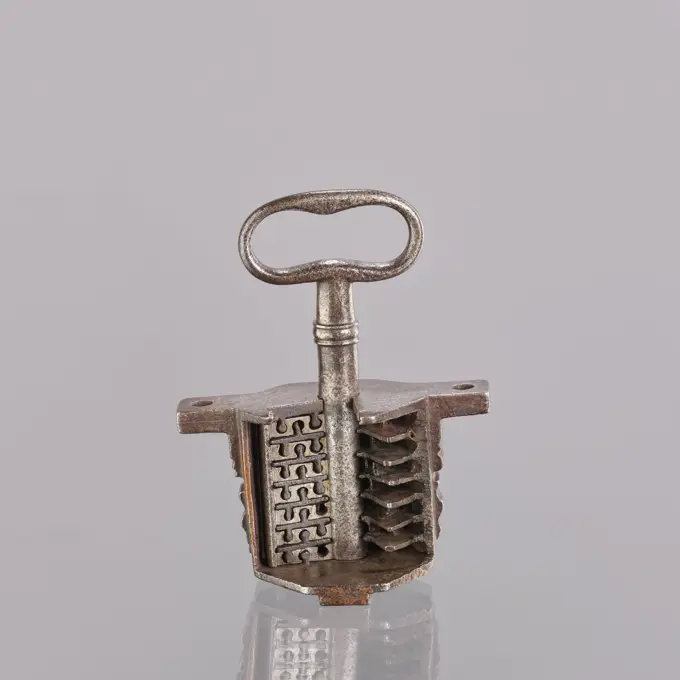
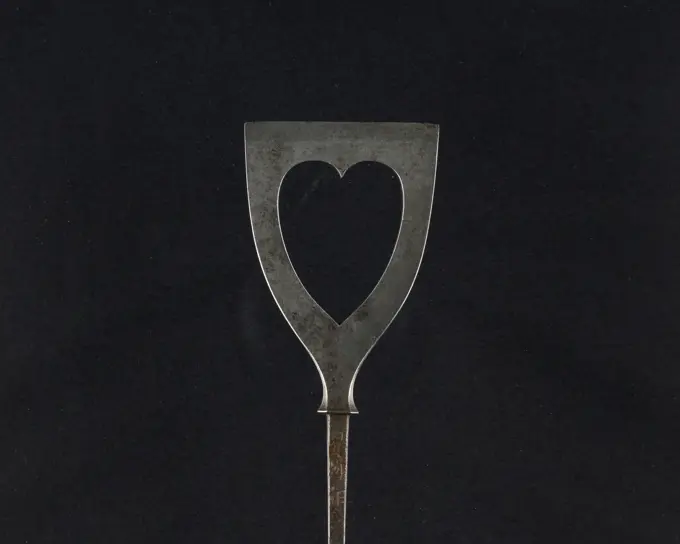
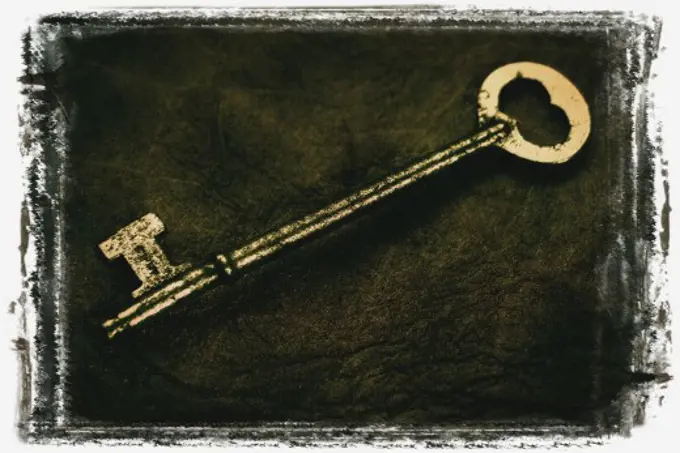
Castle register with a key;  XVIII-19th century (1701-00-00-1850-00-00);
Castle register with a key; XVIII-19th century (1701-00-00-1850-00-00);
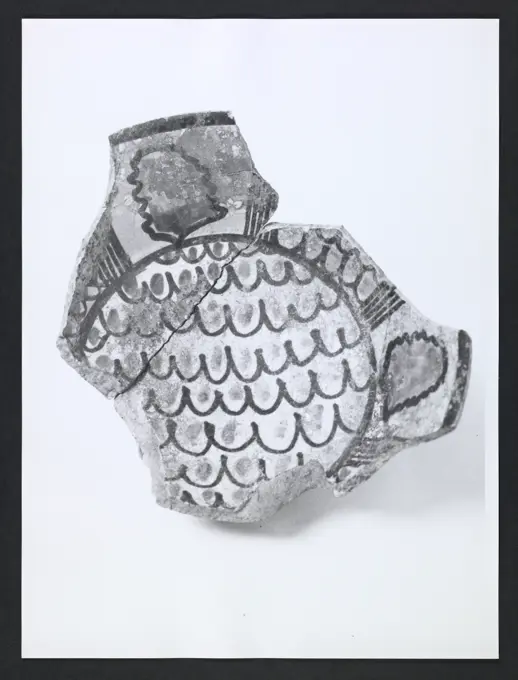
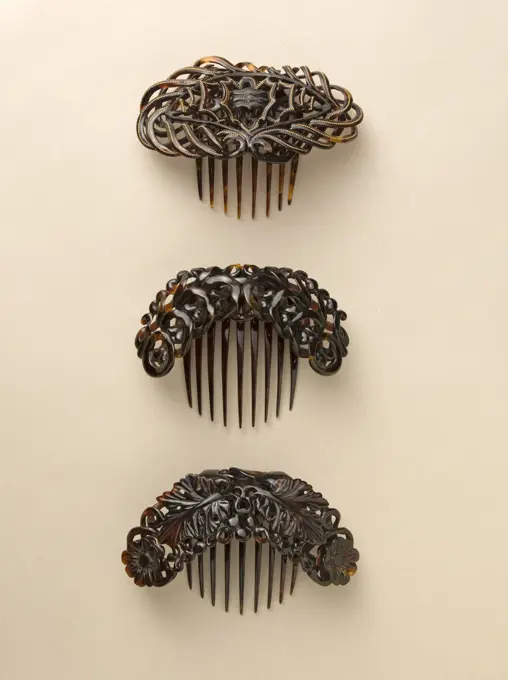
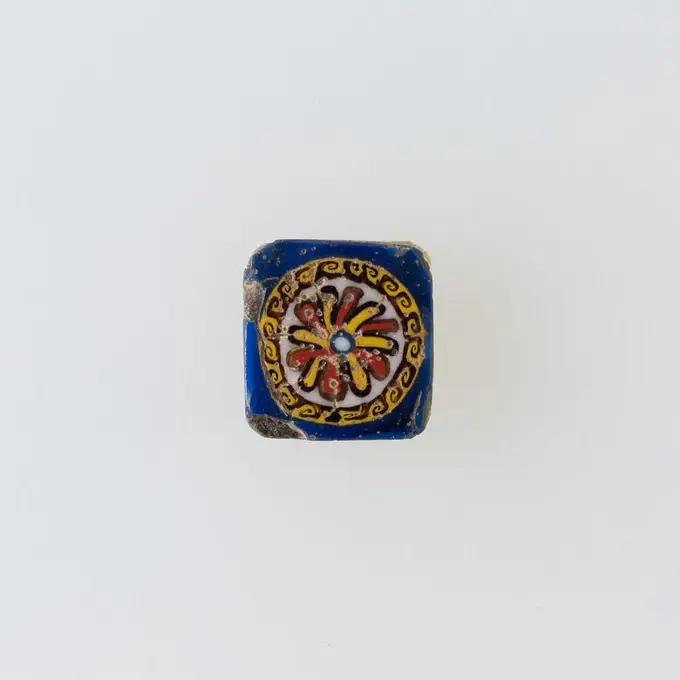
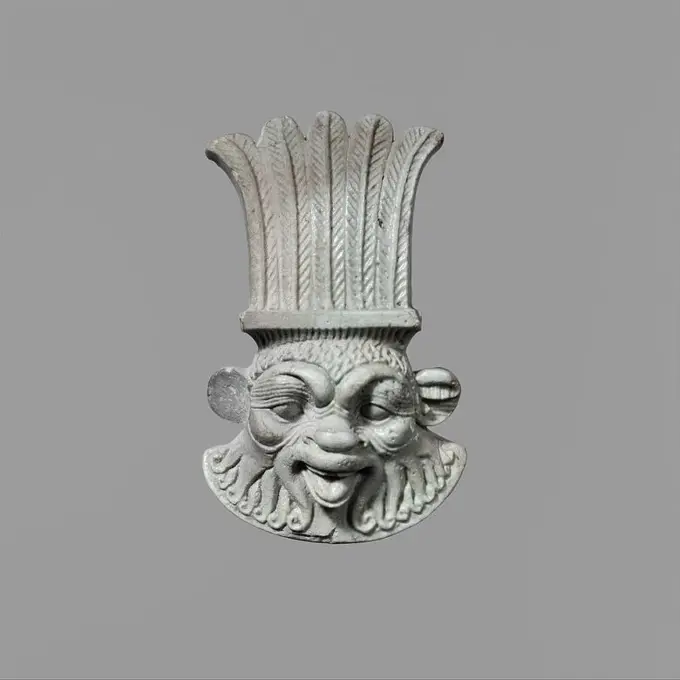
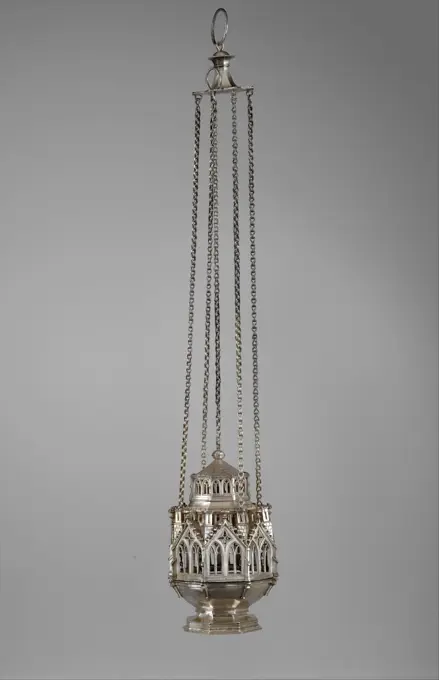
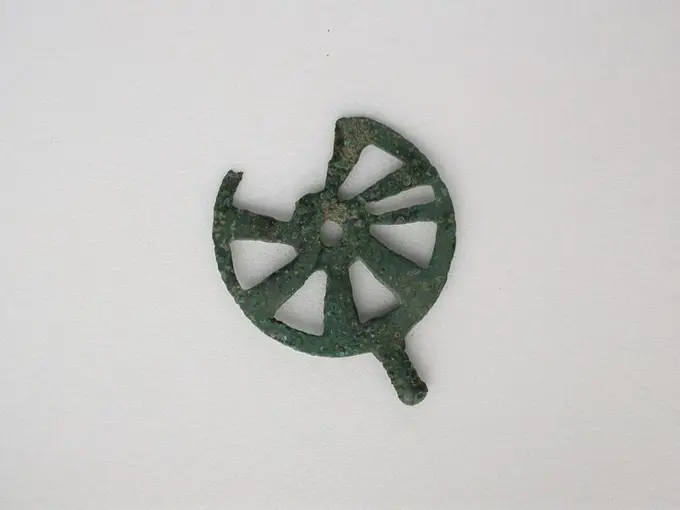
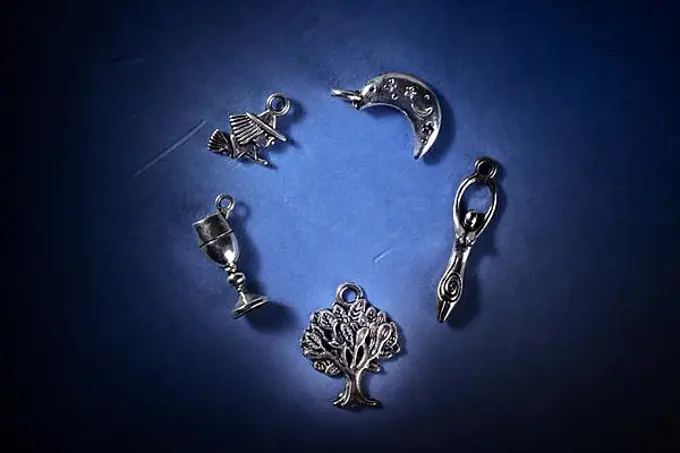
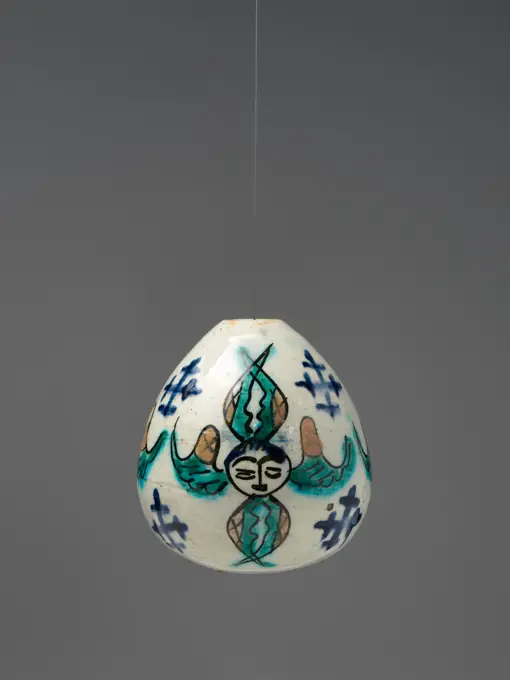
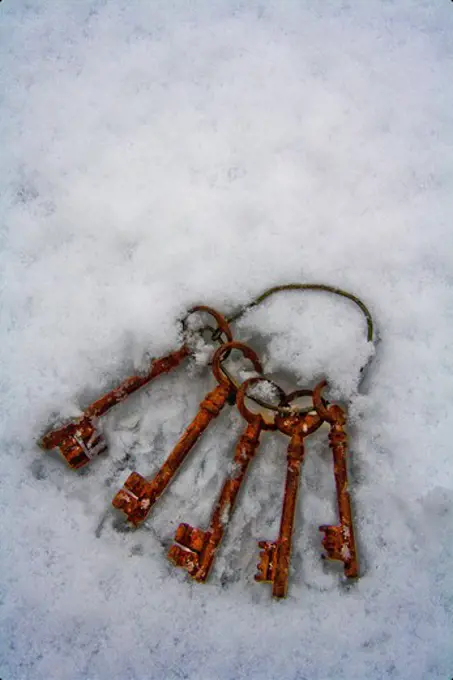
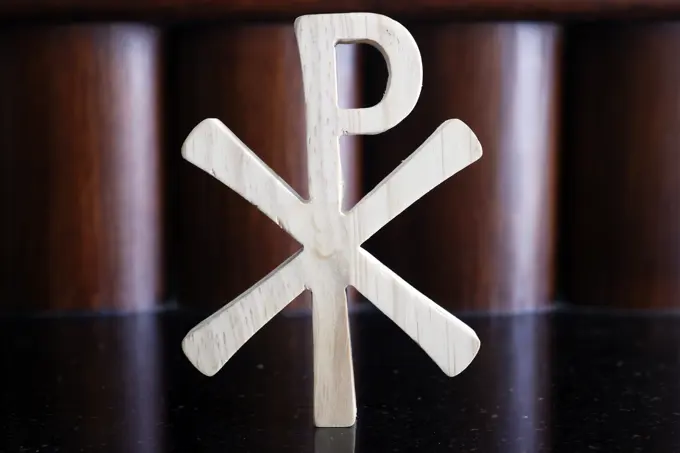
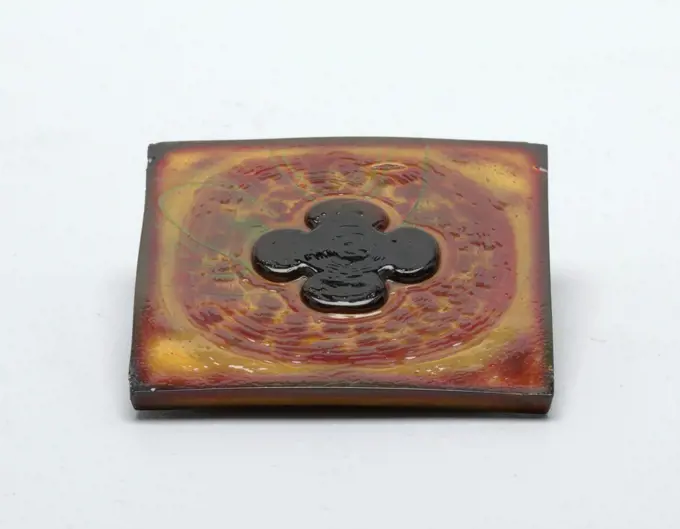
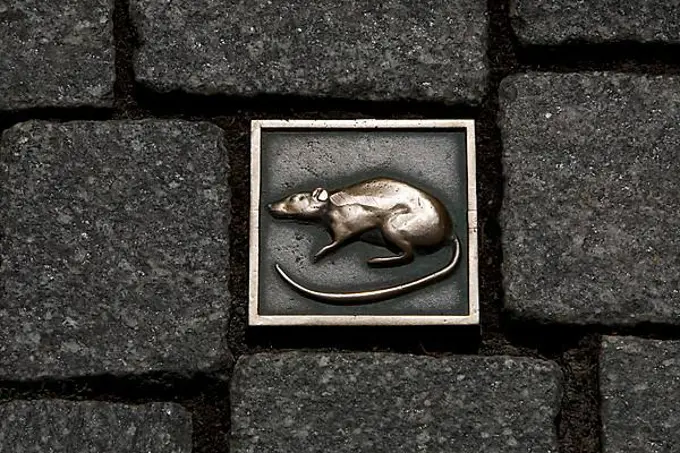
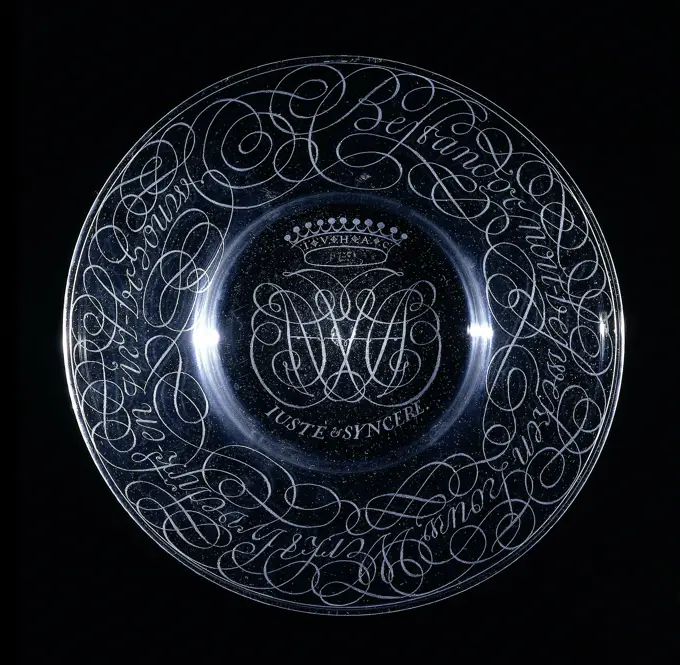
Broche "F", anonymous, c. 1860 - c. 1900 Brooch "f" of gold with eight oval -faceted rubines, with a ball closure. No responsibleness signs. United Kingdom gold (metal). ruby (mineral) faceting Brooch "f" of gold with eight oval -faceted rubines, with a ball closure. No responsibleness signs. United Kingdom gold (metal). ruby (mineral) facetingArrowhead (Yanone) 18th century Japanese Although today Japanese warriors are renowned most for their swordsmanship, archery, especially from horseback, has been an essential part of samurai warfare and culture for centuries. Arrows were fitted with heads of varying shape according to their intended use in war, the hunt, or target practice. Arrowheads made for use on the battlefield incorporated different designs intended for specialized purposes such as the piercing of armor or to cause maximum damage to horses and unarmored personnel.Large arrowheads, pierced and elaborately chiseled with landscapes, birds, flowers, dragons, and Buddhist divinities, were created to be admired for the beauty of their metalwork and design rather than for use in archery. Such highly elaborate examples may have been made for presentation or as a votive offerings to a shrine.. Arrowhead (Yanone). Japanese. 18th century. Steel. Archery Equipment-ArrowheadsCampania Napoli Naples S. Lorenzo Maggiore03. Hutzel, Max 1960-1990 Medieval: Sculpture, architecture, architectural sculpture (including Roman spolia) 13-14th century Chapter house; sarcophagi, gravestones; wall painting. Fragment of mosaic; sculptural fragments in the Sala Capitolare. Post-medieval: Architecture, architectural sculpture, ceiling painting fresco cycle; prints depicting Venice c. 1845 (4), sculpture; life-size creche figures dressed in original Neapolitan costume Church restored in 1882, 1926, 1944; excavations under the transept undertaken between 1958-1962, and in the cloister in 1976, have revealed remains of a Roman macellum (market), street, and the paleochristian basilica of the 6th c. AD. Antiquities: Pottery: black-glazed, archaic banded, domestic wares, bucchero; architectural terracottas, statuettes, lamps, sculpture fragments Object Notes: 3 color negatives with no prints at the end. General Notes: Most objects/paintings/frescoes unidentified. Three batches Standard combing of interlacing or plant patterns. Cut and sculpted cherry scales, golden and silver points. Cut and sculpted brown squail. Brown scales cut and carved with patterns of vine leaves, garlands of leaves and flowers. Around 1860. Galliera, fashion museum of the city of Paris. Vine and flowers leaves. Accessory, silver, brunette, cherry decoupee, chopping, feminine, vine leaf, flower, garland, comb, dore, sculptInlay, rosette. Dimensions: H. 1.1 × W. 1.1 cm (7/16 × 7/16 in.). Date: 100 BC-100 AD.A mosaic glass technique allowed multiples of an image to be created: a figural or design composition was made by bundling colored glass canes, which were then drawn out into a long bar. The bar was then sectioned at right angles, probably by striking the bar with appropriate tools, to produce small inlay tiles. The tile would then be smoothed and polished on the face intended to appear outwards. Museum: Metropolitan Museum of Art, New York, USA.Retro cartoon with texture. Isolated on White.Drain StopperDrapery Tieback. Dimensions: Diam. 4 1/2 in. (11.4 cm). Date: 1810-60. Museum: Metropolitan Museum of Art, New York, USA.Pair of Dragon Bracelets, 20th century, 3/4 x 3 3/4 x 3 3/4 in. (1.91 x 9.53 x 9.53 cm) (each), Silver, China, 20th centuryCartridge Box 1580 German, Brunswick. Cartridge Box 35681Bes Amulet. Dimensions: L. 7.2 cm (2 13/16 in), w. 4.6 cm (1 13/16 in), d. 2.3 cm (7/8 in). Dynasty: Dynasty 26-29. Date: 664-332 B.C.. Museum: Metropolitan Museum of Art, New York, USA.Apus productusCoat hook on wooden discTiny figurine of man miniature and retro keyCenser before 1477 Swiss Octagonal in section, this censer not only draws heavily on architectural vocabulary but also, in the upper section, imitates a Gothic structure such as a centrally planned oratory or baptistery. The lowest of the three elevations is composed of eight pairs of tall, doubled windows surmounted by quatrefoils and a crocketed gable.The architectural conceit well suits the function of the object, as the generous fenestrations allow air to fire the incense coals while providing an escape for the perfuming smoke. The four chains threaded through every other tower support the vessel; raising the fifth chain by the ring elevates the entire upper section, allowing for the addition of incense. Listen to experts illuminate this artwork's story Listen Play or pause #3170. Censer, Part 1 Play or pause #3199. Censer, Part 2 Supported by Bloomberg Philanthropies We're sorry, the transcript for this audio track is not available at this time. We are working to make it availableSet of hand drawn dream catchers. Ornate ethnic items, feathers and beads. Monochrome vector illustration.Glass bead with knobs 5th-3rd century B.C. Phoenician or Carthaginian Uncertain color, with opaque yellow and white, and translucent blue.Cylindrical, with flat edge at one end; large hole running vertically through bead, with copper alloy suspension wire inside.Eight vertical rows of knobs, each comprising four knobs, alternating in yellow and white topped with blue.Weathered chip at uneven end, and some knobs damaged; enamel-like creamy weathering and faint iridescence.. Glass bead with knobs. Phoenician or Carthaginian. 5th-3rd century B.C.. Glass; rod-formed and applied. Classical or Early Hellenistic. GlassA set of female stylish bag, silver shoe, credit card, belt, necklace, pills and glass of martiniScarab. Dimensions: L. 1 cm (3/8 in). Dynasty: Dynasty 12-18. Date: ca. 1981-1295 B.C.. Museum: Metropolitan Museum of Art, New York, USA.Disc with Flange. Greek; Thessaly. Date: 800 BC-600 BC. Dimensions: 4.6 × 3.7 × 0.4 cm (1 3/4 × 1 1/2 × 3/16 in.). Bronze. Origin: Thessaly. Museum: The Chicago Art Institute, Chicago, USA. Author: ANCIENT GREEK.Photograph of an ornate classical style garden fountain.Pin Drees List 2, Anonymous, 1910 - 1980  Red round pin with gold -colored print: text and torch. Back v.z.v. a pin. Netherlands metal. plastic (organic material)   NetherlandsA frame with Wiccan symbols. Witch, Goddess, Moon, tree, chalice, a flat lay with copy space on a dark blue backgroundChain around a little model house in the viewPlastic hair comb, with back on which pearls and stras, c. 1875 - c. 1900 Hair comb made of orange -yellow plastic, with graceful back, set with three pearls and stras in metal. Twenty -one teeth. Netherlands (possibly) whole: celluloid (cellulosic). whole: cellulose acetate. Decoration: Copper (Metal). Decoration: Paste (glass). Decoration: Pearl sawing / filing / polishing / inlay (process) Hair comb made of orange -yellow plastic, with graceful back, set with three pearls and stras in metal. Twenty -one teeth. Netherlands (possibly) whole: celluloid (cellulosic). whole: cellulose acetate. Decoration: Copper (Metal). Decoration: Paste (glass). Decoration: Pearl sawing / filing / polishing / inlay (process)Carpet beaterBliżej Kultury unknownButton with Dragon, early 1900s. Japan, Meiji period (1868-1912) or Taishō period (1912-26). Cast () silver; diameter: 3.8 cm (1 1/2 in.).SealEgg-Shaped Ornament mid-18th century Armenian Oval porcelain eggs hung over altars and on lamp cords to prevent rodents and insects from reaching the lamp oil. Winged seraphim heads are joined here with Crusader crosses, reminiscent of the close connections that the Armenians once had with the Latin Crusader states in the eastern Mediterranean.. Egg-Shaped Ornament. Armenian. mid-18th century. Frit body with green, yellow, blue and brownish black underglaze painting. Made in Kütahya (present-day Turkey). CeramicsVinaigrette 1836-1837 Birmingham. Silver and silver gilt . Taylor & Perry (firm) (Manufacturer)Rotated to left, Dom Perignon logo, Drink, LogoCreative floral wine bottles stock vectorA keyold metal vials for potions on a wooden boardBunch keys snowFragment sign from V.O.C. ship De 'Witte Leeuw', Anonymous, Before 1613 plate (dishes) Fragment sign from V.O.C. ship the 'Witte Leeuw', bag with shards of squat porcelain. Jingdezhen bone china (material)   Sint-HelenaOrnate Chandelier Low angle shot of old style ornate chandelier Copyright: xZoonar.com/DanielxFerreira-LeitesxCiccarinox 9187396The Chi Rho is one of the earliest forms of the Christogram, formed by superimposing the first two letterschi and rho () of the Greek word . Surabaya. Indonesia.Tile with Quatrefoil Design, Louis Comfort Tiffany, (American, 1848-1933), glass, Square tile of red, yellow, and brown glass with quatrefoil in relief on face. Back has raised parallel strips, and grips in four corners., New York, New York, USA, 1880-1890, glasswares, Decorative Arts, tile, tileIreland, County Waterford, Waterford City, Waterford Crystal Complex, Waterford Crystal showroom interior, crystal Irish harpRat Stone, circular walk through the old town based on the Pied Piper legend, German Fairytale Route, Hamelin, Lower Saxony, Germany, EuropeDish, anonymous, 1685 Low dish with a wide flat edge, the edge of which has turned. On the outskirts, italian letters are called: 'File' noit weeks faithful, works and soul-hearing. On the flat the monogram i.v.h.a.c. Under a crown, in which the letters of the monogram are repeated. Under the monogram the Latin spell 'Iustè & Syncere.'. Signed on the back in the crown 'W.V.H. AE 72 3/4 AO 1685 ' glassblower: Low CountriesLeiden glass glassblowing Low dish with a wide flat edge, the edge of which has turned. On the outskirts, italian letters are called: 'File' noit weeks faithful, works and soul-hearing. On the flat the monogram i.v.h.a.c. Under a crown, in which the letters of the monogram are repeated. Under the monogram the Latin spell 'Iustè & Syncere.'. Signed on the back in the crown 'W.V.H. AE 72 3/4 AO 1685 ' glassblower: Low CountriesLeiden glass glassblowingBuckle in the shape of a bat.Buckle of Silver in the Shape of a Bat.Commemorative badge of the shooting competition in Basel Huguenin Frères & Co