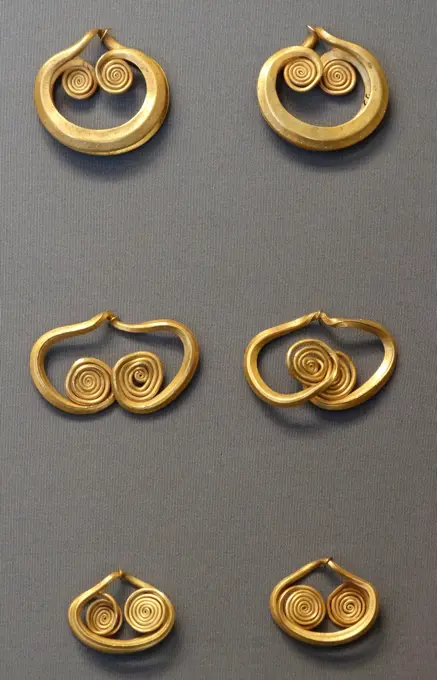
Historical Decorative Plates

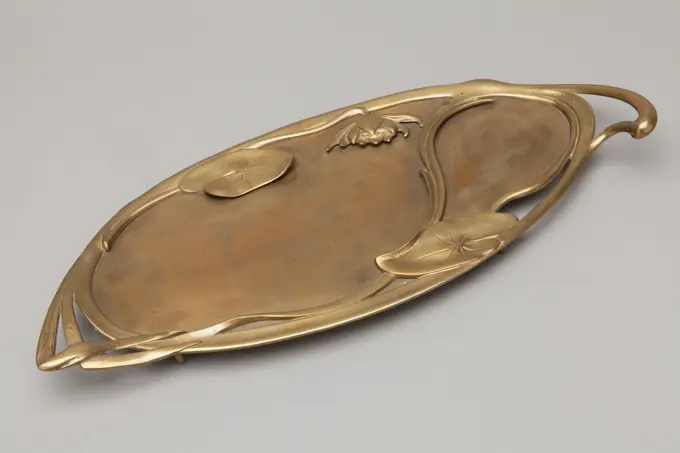
A collection of ornate brass plates, showcasing intricate designs from different eras, including biblical and floral motifs.

Dish, Anonymous, c. 1600 - c. 1640 Round dish of lead glaze pottery, on three shell -shaped legs. The dish is decorated in white sludge, with a cross-shaped ornamental motif on the flat, between which four clovers and on the edge to the edge open circles segments with leaf and ornamental motifs. The dish is covered with local green -tinted lead glaze. Holland earthenware. lead glaze Round dish of lead glaze pottery, on three shell -shaped legs. The dish is decorated in white sludge, with a cross-shaped ornamental motif on the flat, between which four clovers and on the edge to the edge open circles segments with leaf and ornamental motifs. The dish is covered with local green -tinted lead glaze. Holland earthenware. lead glaze
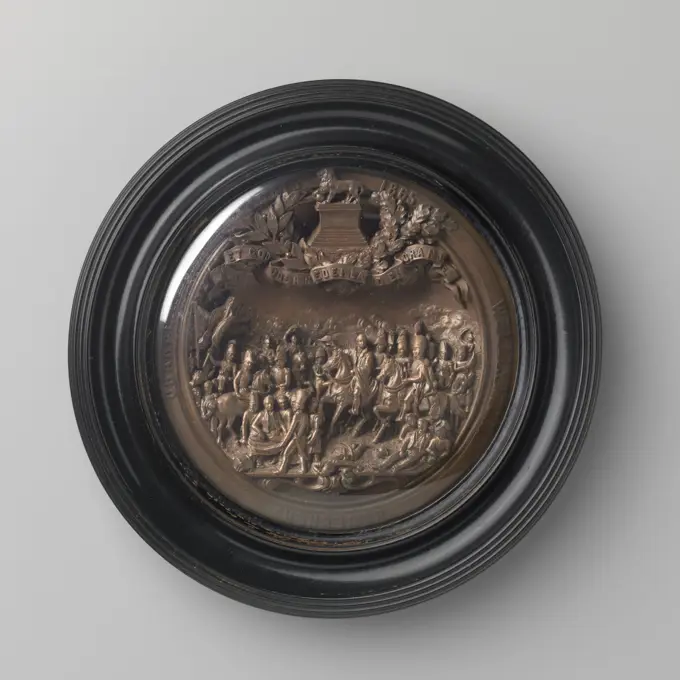
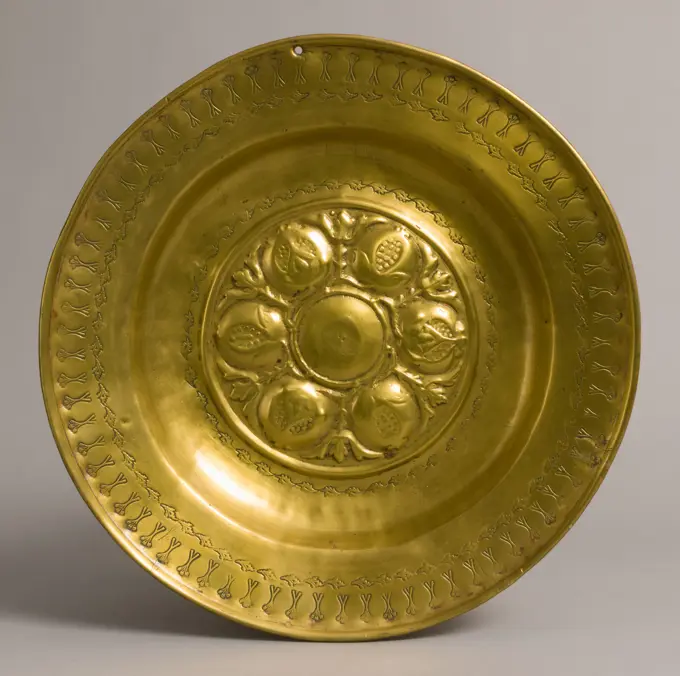
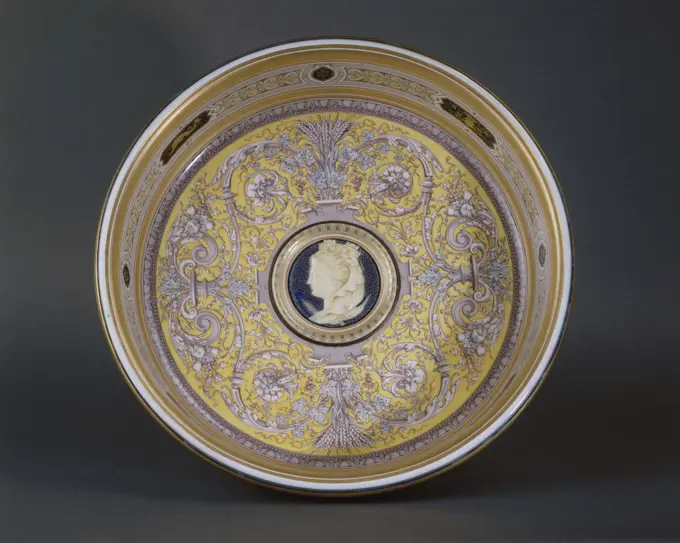
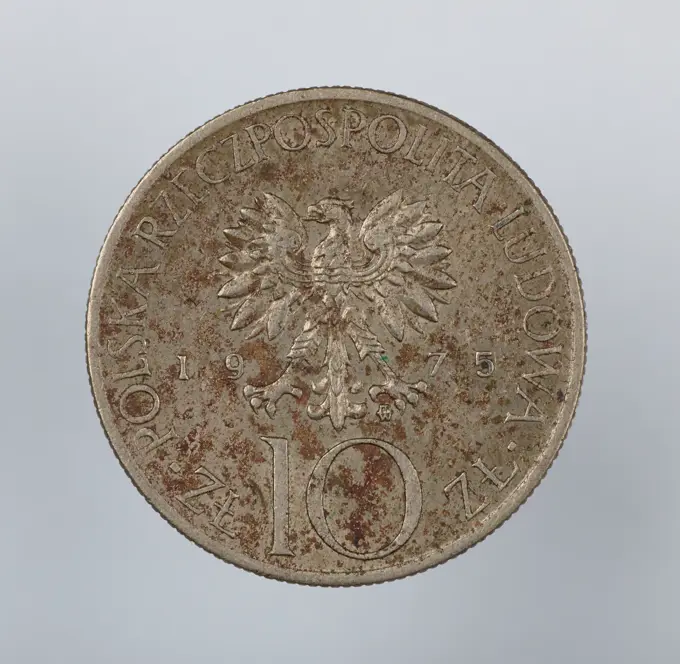
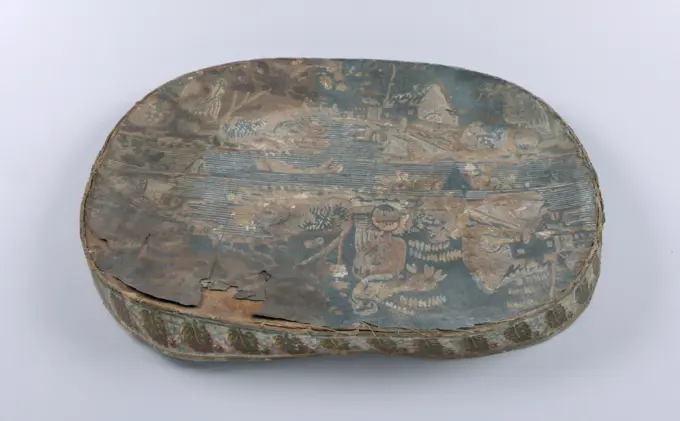
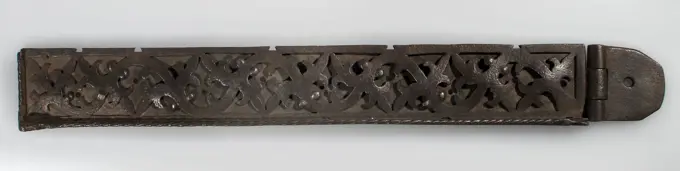
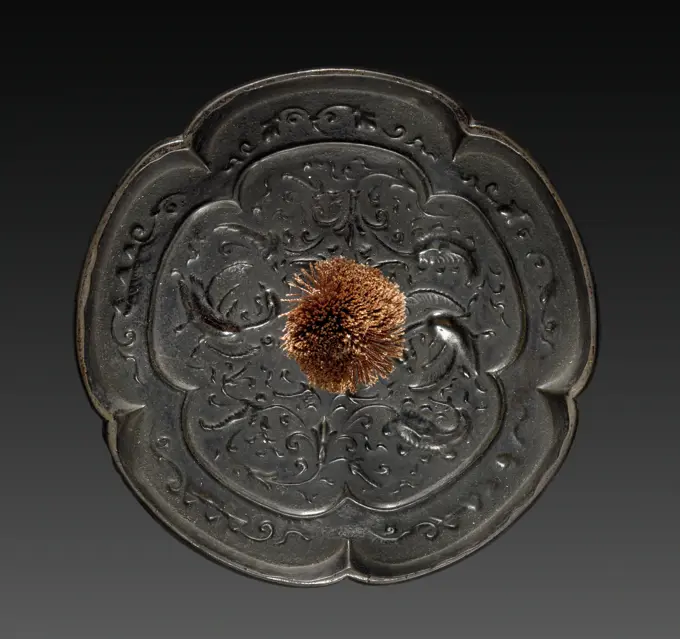
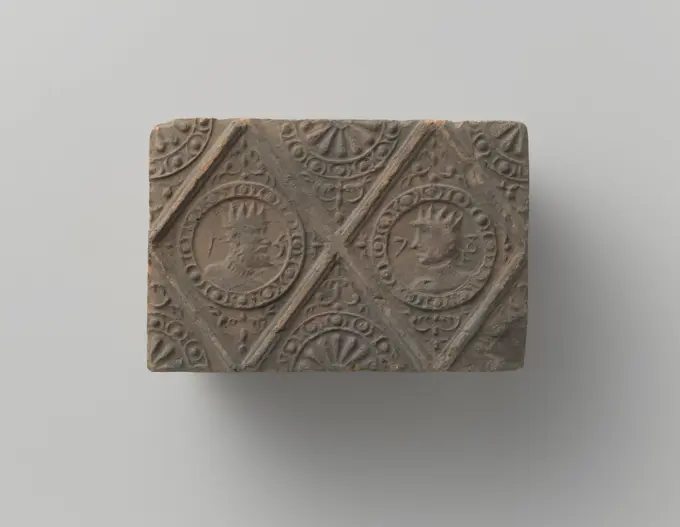
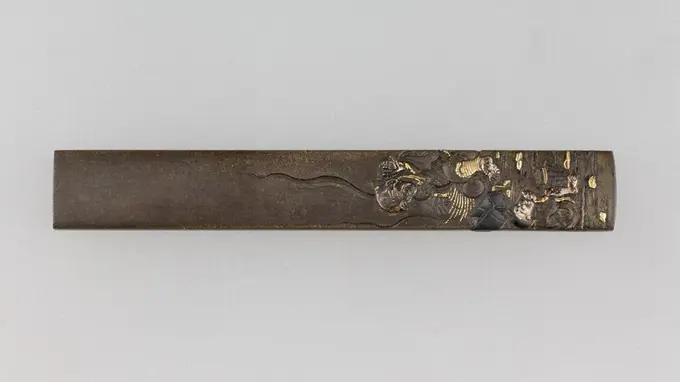
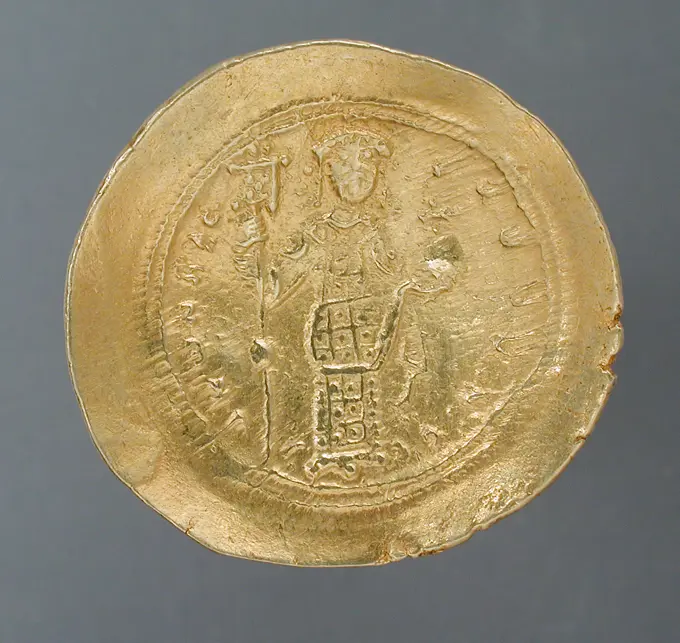
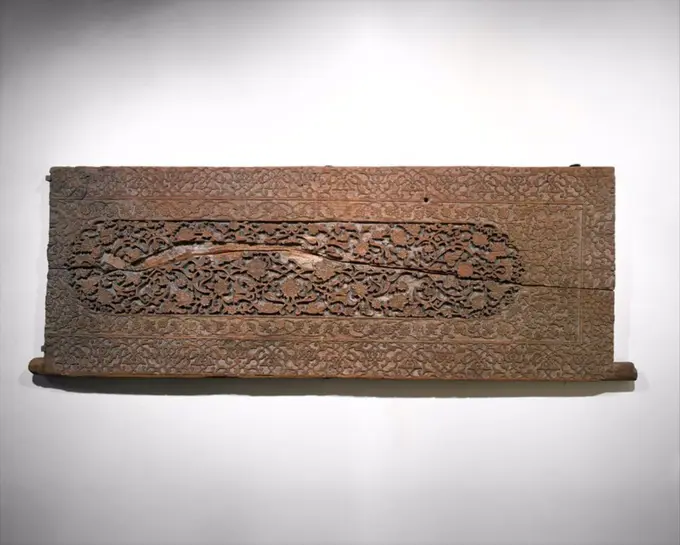
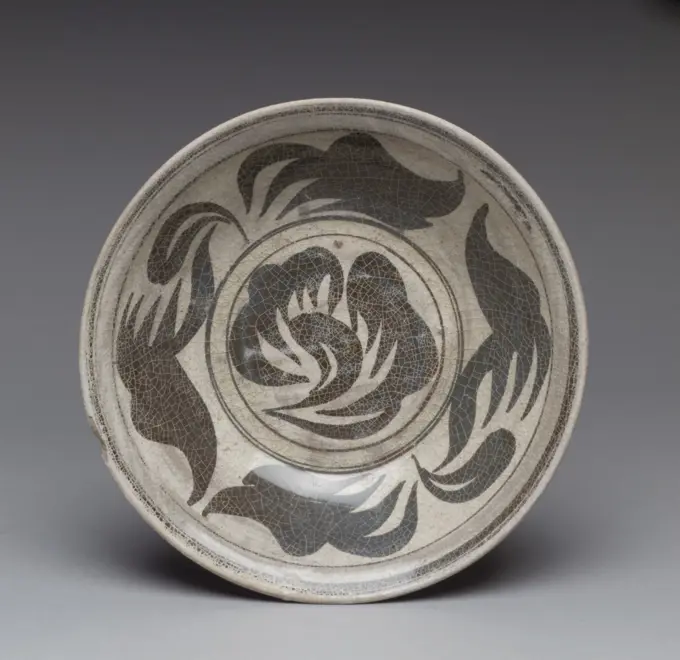
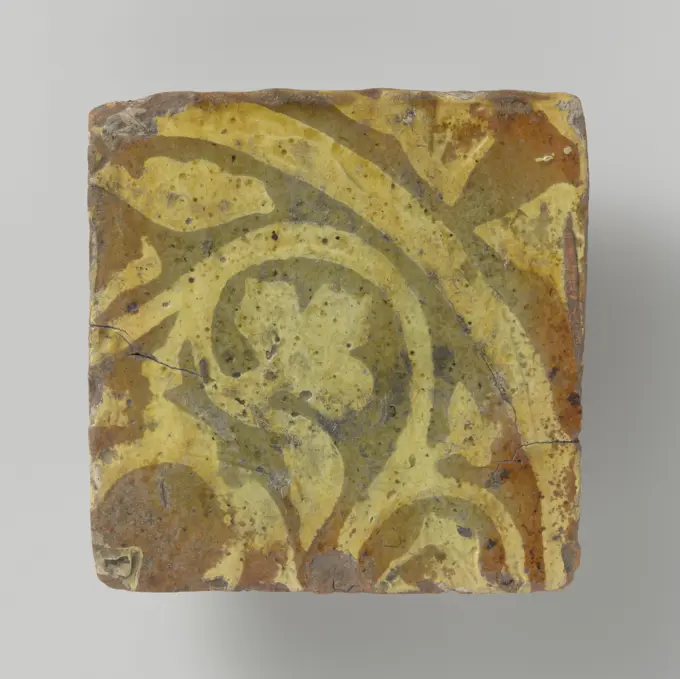
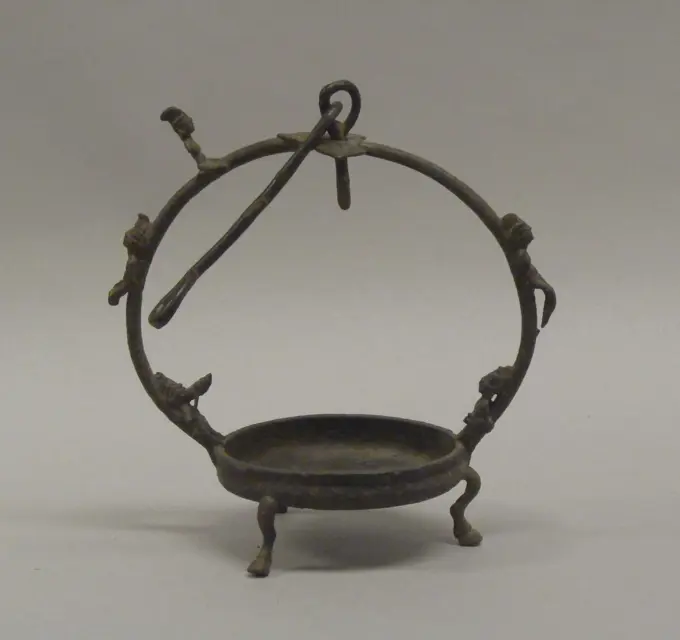
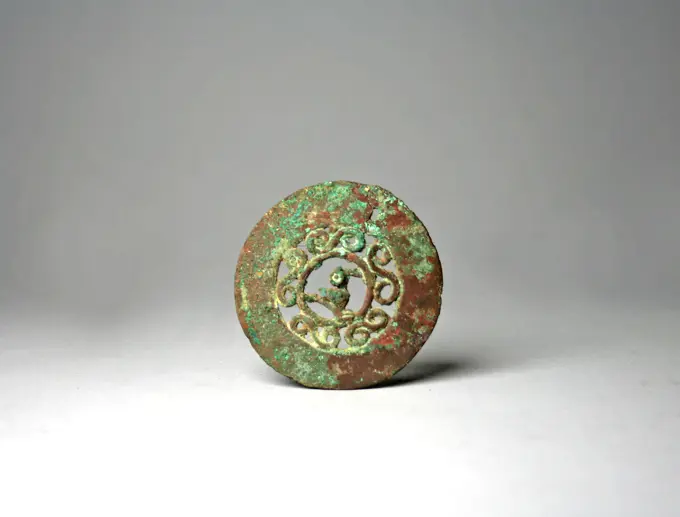
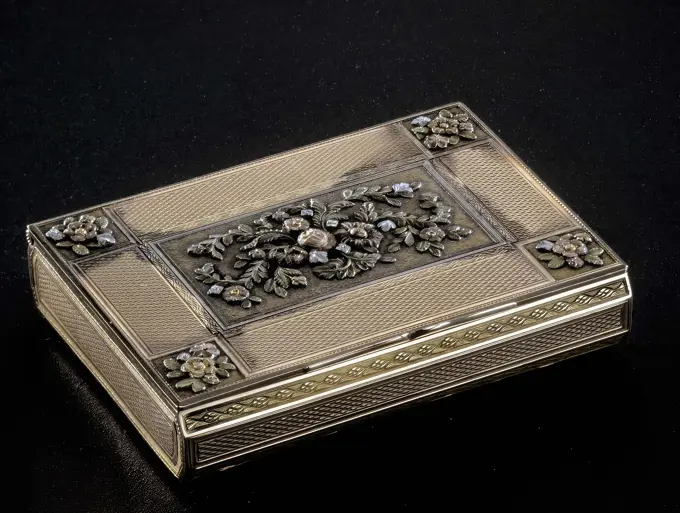
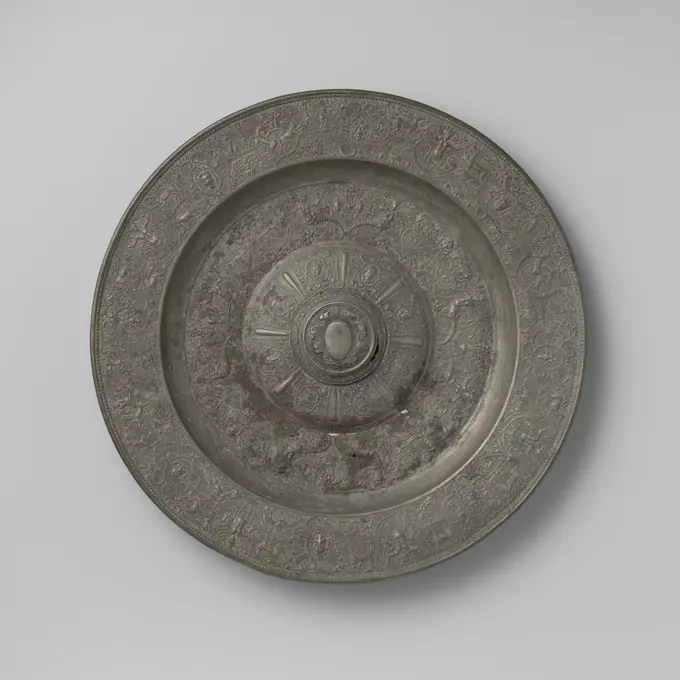
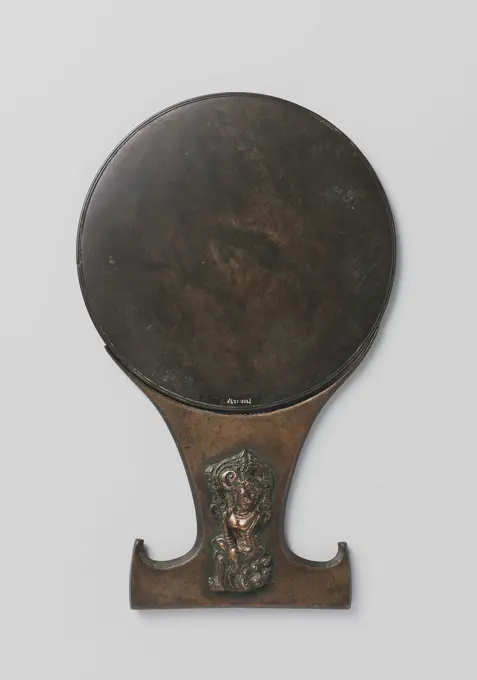
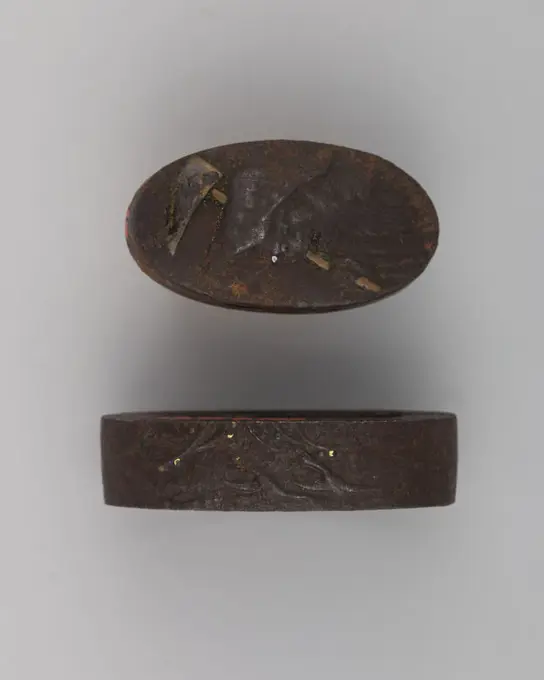
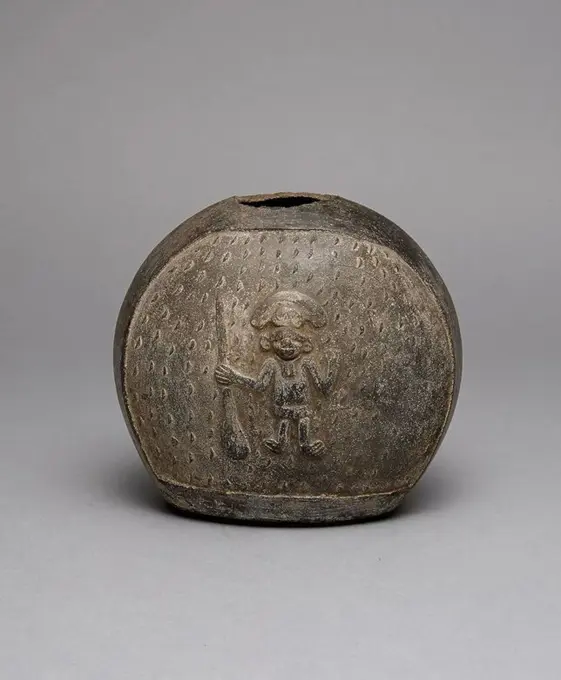
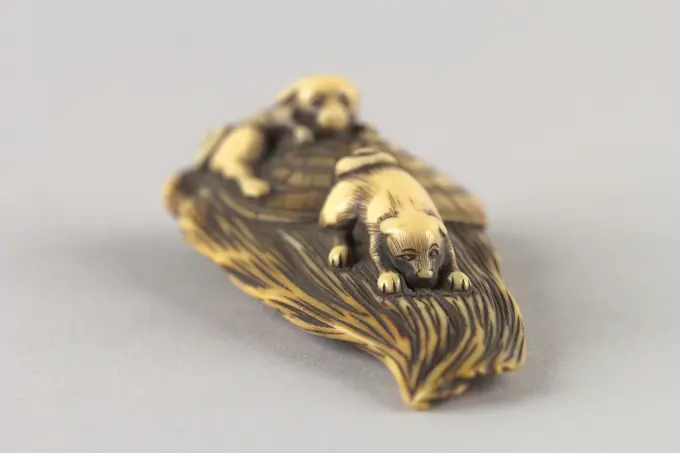
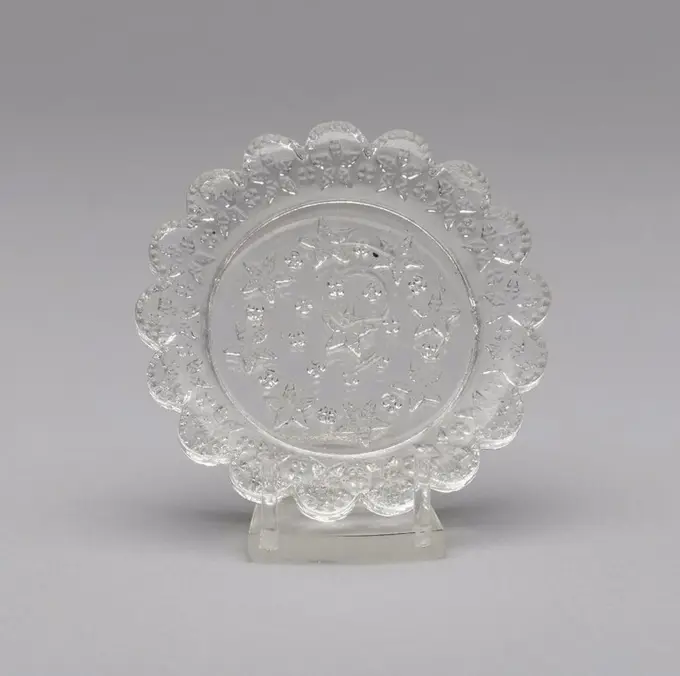
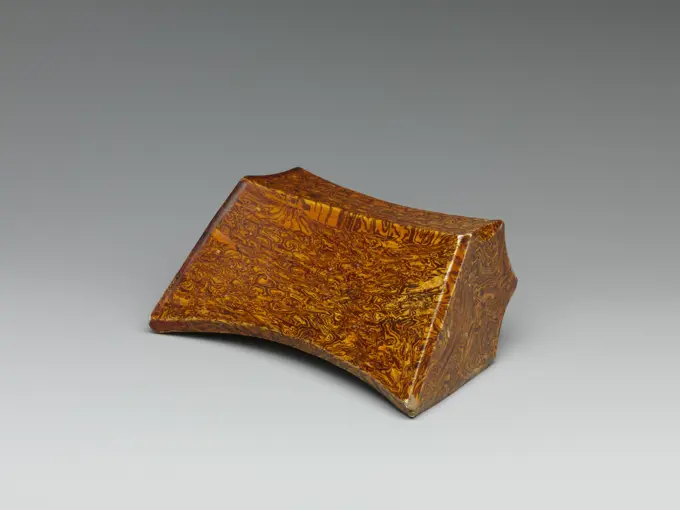
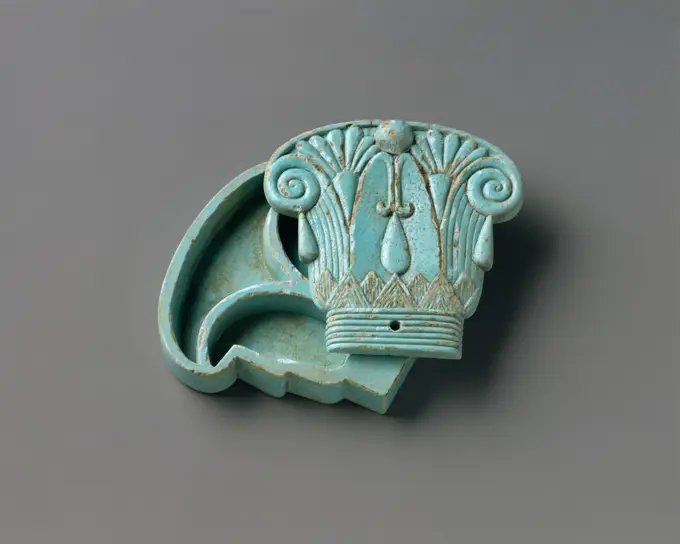
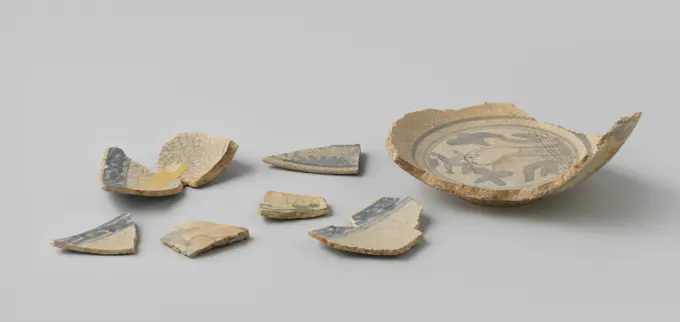
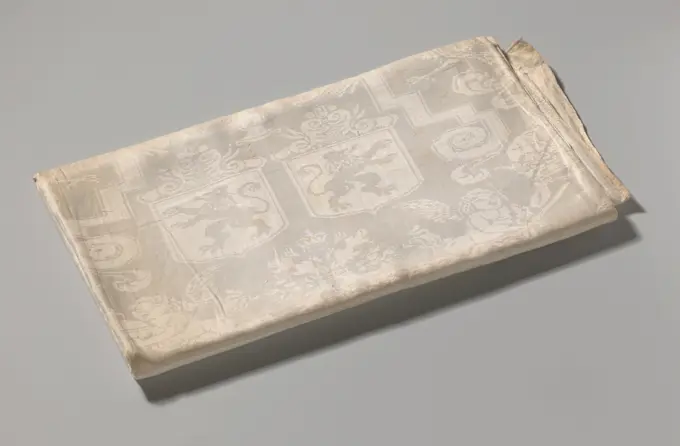
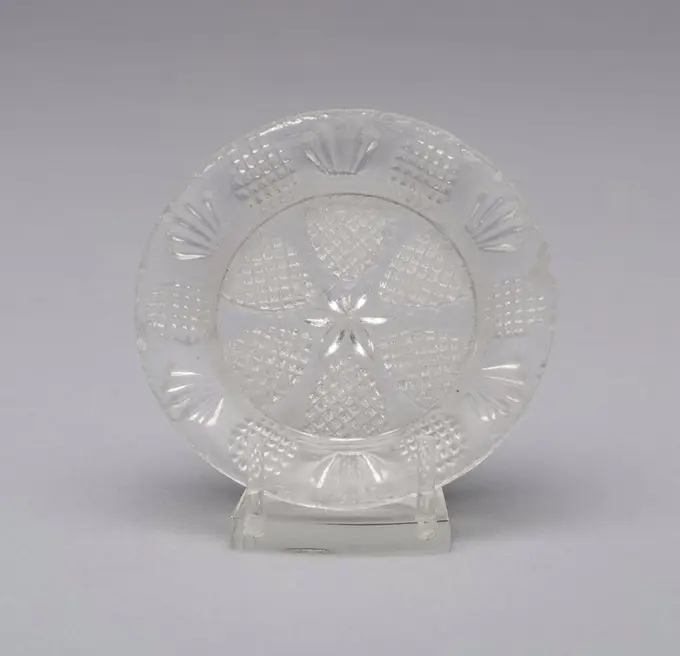
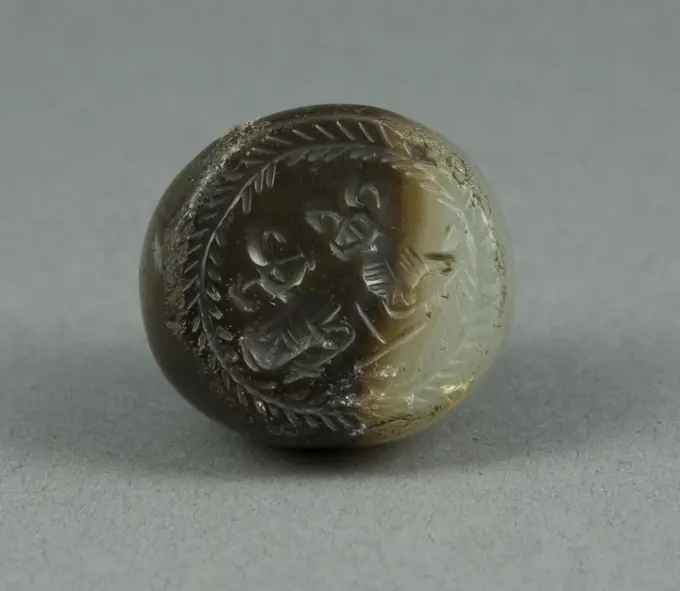
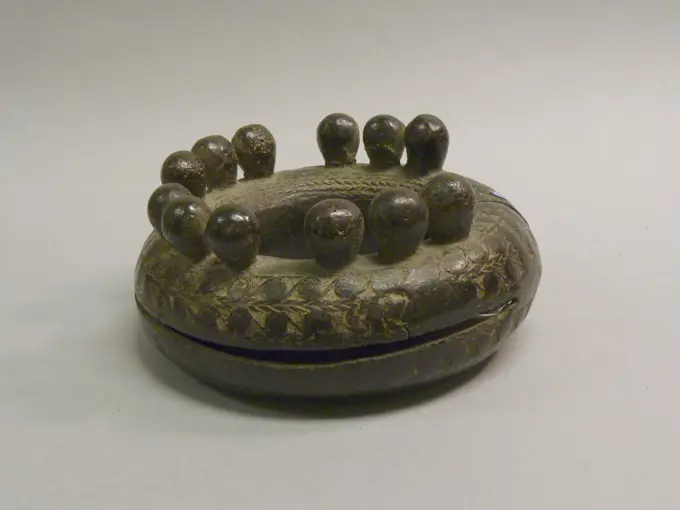
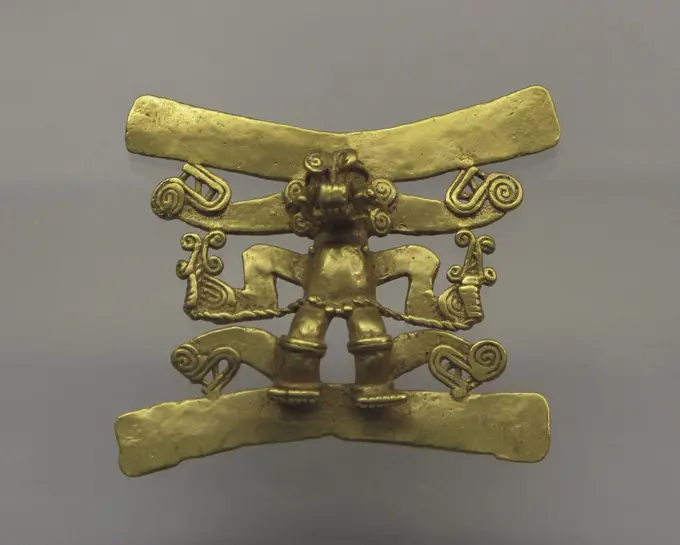
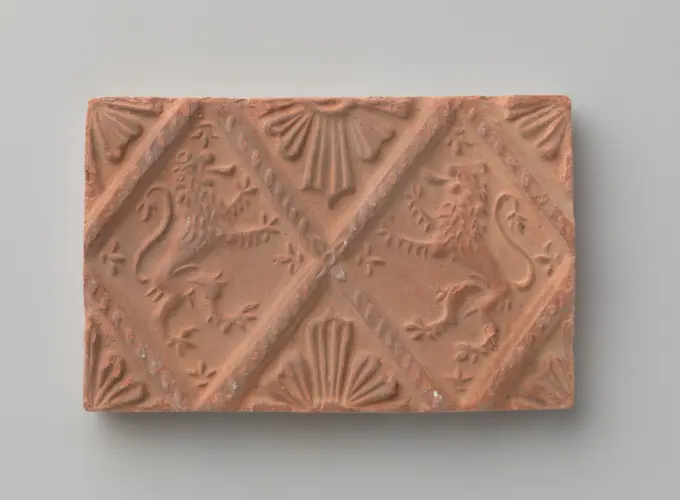
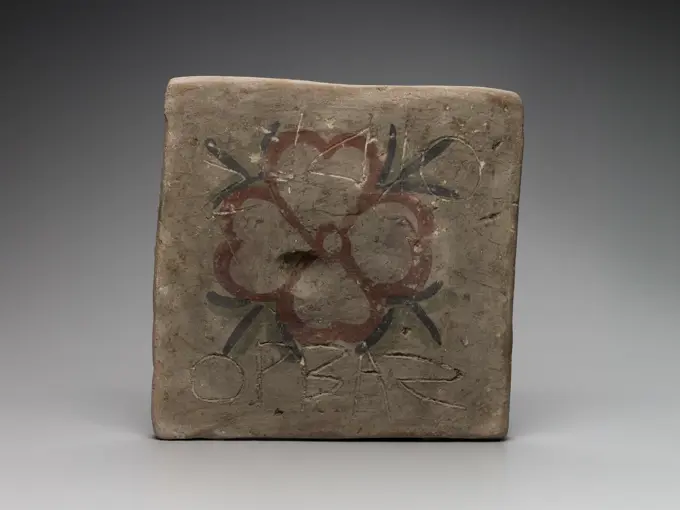
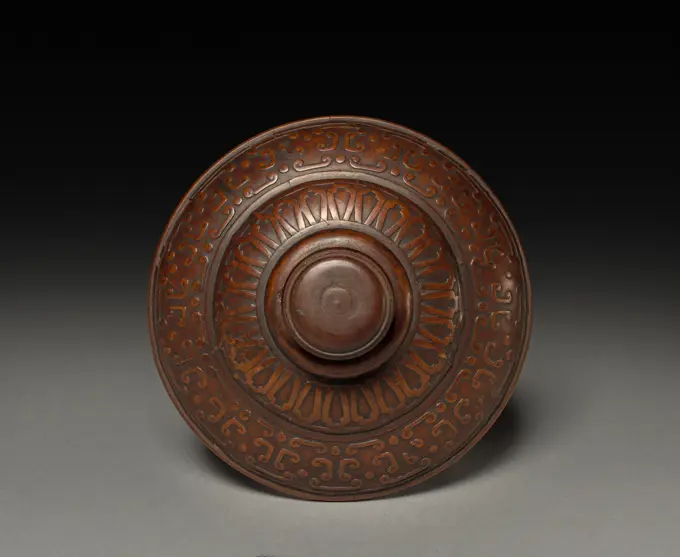
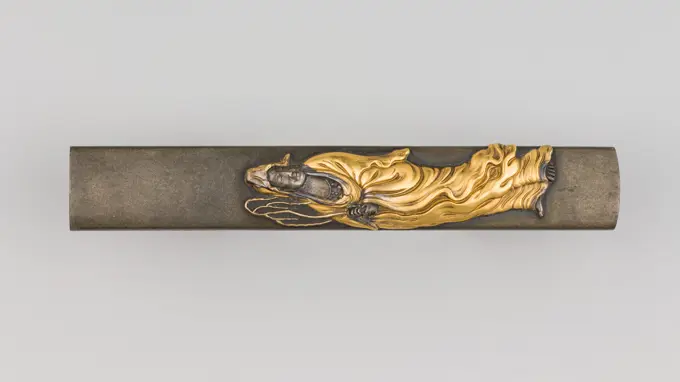
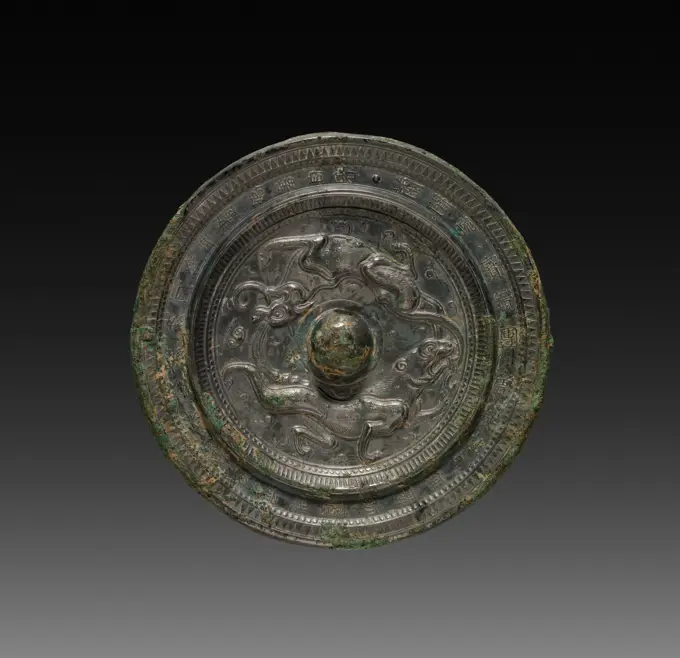
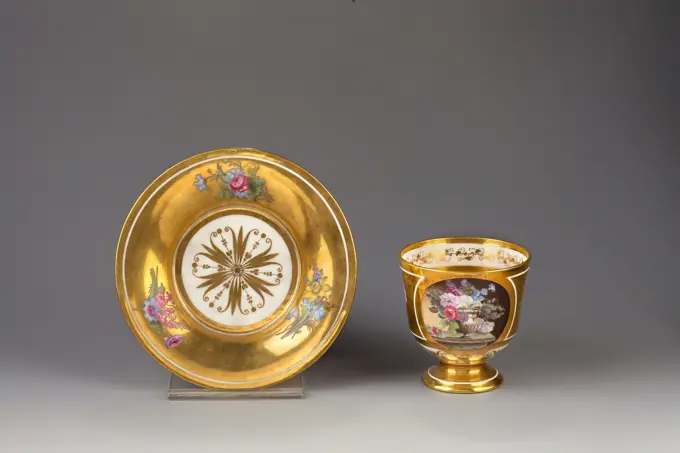
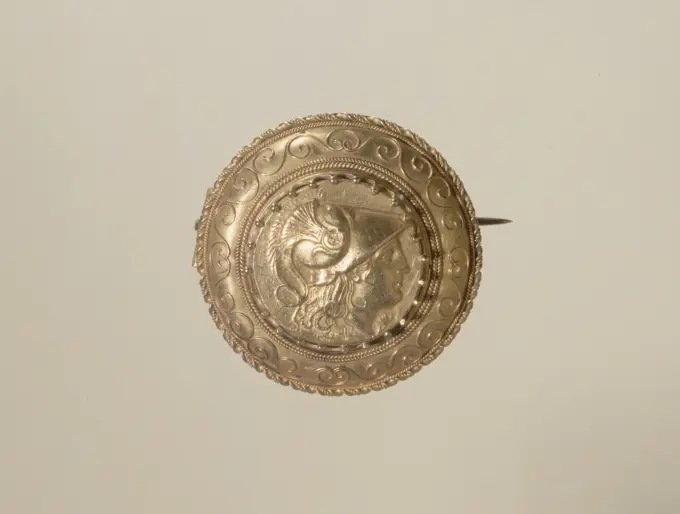
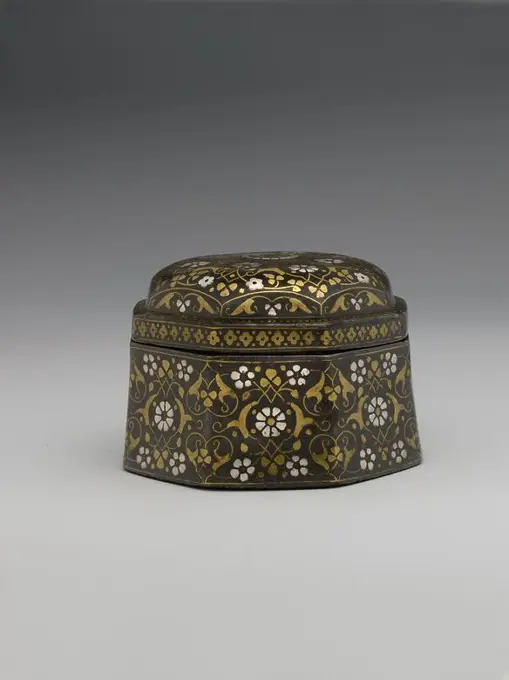
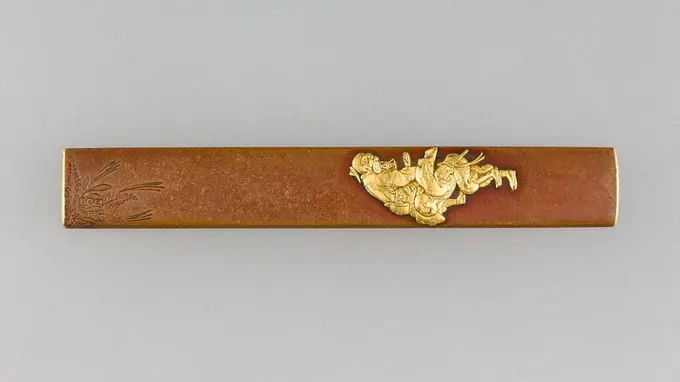
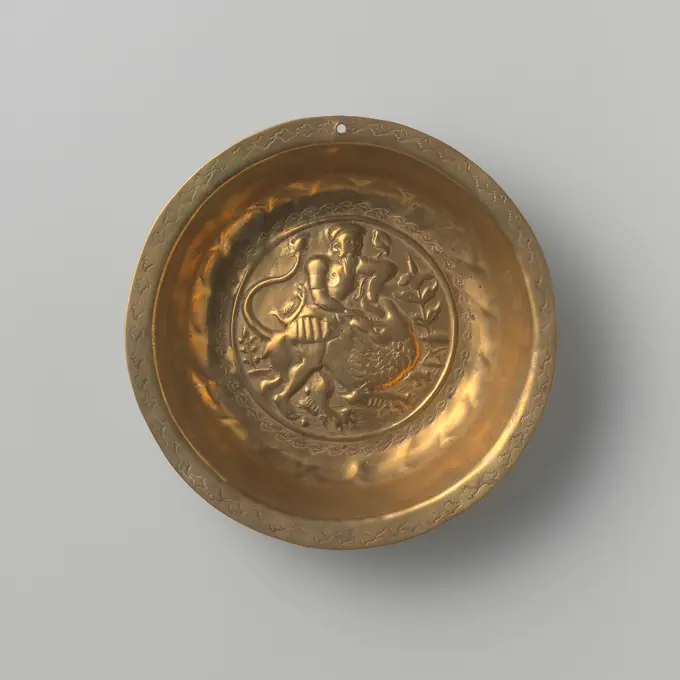
Basin with Samson and the lion. In the flat of the pelvis, which in the middle has the center point, a show has been a representation of Samson's served with the lion (judge 14, 5-6) with the help of a stamp shape. This is surrounded by a punch stamped edge of stylized leaves. A corresponding ornament is arranged on the edge. In the transition from the flat to the wall, fish blowing are driven. The hanging ring on the back and the hole in the edge are arranged later.Plate late 15th century German. Plate. German. late 15th century. Brass. Metalwork-BrassDish early 16th century German. Dish. German. early 16th century. Brass. Metalwork-BrassPaten ca. 1230-50 German This paten is one of an ensemble containing some of the elements needed for the celebration of the Eucharist: the paten for the bread, the chalice to hold the wine (acc. no. 47.101.26), and, exceptionally, a straw to sip the wine (acc. no. 47.101.28). The paten includes a half-length figure of Christ holding a chalice and the Host. He is flanked by the Old Testament figures Abel, offering a lamb, and Melchisedech, clad as a bishop and raising a chalice. The fourth figure on the paten is Saint Trudpert, who holds a martyrs palm, indicating that this set of implements comes from the monastery of Saint Trudpert, near Freiburg im Breisgau.. Paten 475515Dish. Culture: German. Dimensions: Overall: 16 3/4 x 1 15/16 in. (42.5 x 4.9 cm). Date: early 16th century. Museum: Metropolitan Museum of Art, New York, USA.Large Cup on foot or in polychrome decoration, Manufacture de Sèvres, for the Universal Exhibition of 1878 (View of the Interior) ". Museum of Fine Arts in the city of Paris, Petit Palais. 23880-2 Polychrome decor, universal Paris 1878 exhibition, large cut, sevres factory, foot or interior viewOval epergne. Hoensch, Johann Bernard (fl. 1775-1813), goldsmithFalse coin, 10 zlotys, 1975, People's RepubIIc of PolandDish, Anonymous, c. 1600 - c. 1640 Round dish of lead glaze pottery, on three shell -shaped legs. The dish is decorated in white sludge, with a cross-shaped ornamental motif on the flat, between which four clovers and on the edge to the edge open circles segments with leaf and ornamental motifs. The dish is covered with local green -tinted lead glaze. Holland earthenware. lead glaze Round dish of lead glaze pottery, on three shell -shaped legs. The dish is decorated in white sludge, with a cross-shaped ornamental motif on the flat, between which four clovers and on the edge to the edge open circles segments with leaf and ornamental motifs. The dish is covered with local green -tinted lead glaze. Holland earthenware. lead glazeRoundel, disk. Roundel, disk. Bone Fragment 10th-11th century. Fragment 448515Dish, Anonymous, c. 1600 - c. 1640 Round dish of lead glaze pottery, on three shell -shaped legs. The dish is decorated in white sludge, with three pomegranates on the flat, interspersed with leaf or floral motifs and four pomegranates on the edge interspersed by two symmetrically placed leaf motifs. The dish is covered with local green -tinted lead glaze. North Holland earthenware. lead glaze Round dish of lead glaze pottery, on three shell -shaped legs. The dish is decorated in white sludge, with three pomegranates on the flat, interspersed with leaf or floral motifs and four pomegranates on the edge interspersed by two symmetrically placed leaf motifs. The dish is covered with local green -tinted lead glaze. North Holland earthenware. lead glazeInkstoneCarnavalet museum, tokens collectionBandbox Lid (USA); Manufactured by Joseph S. Tillinghast; block-printed paper on pasteboard support; 53 x 43 x 3.5 cm (20 7/8 x 16 15/16 x 1 3/8 in.)Cinerary Urn with Amidas Pure Land (lid), 800s-900s. Japan, Heian period (794-1185). Gilt bronze; diameter of mouth: 12.4 cm (4 7/8 in.); overall: 26.1 cm (10 1/4 in.). This urn once held someones ashes. It is decorated with images of the Pure Land of Amida, the Buddha of Infinite Life and Light. Heian-period devotees of Amida believed that if they called upon his name with sincerity at the moment of death, they would be born into his Pure Land, also known as the Western Paradise, and thereby escape the pattern of reincarnation. As shown on the lid of the urn, in the Pure Land, musical instruments float about playing by themselves. Its palatial structures and magnificent lotus pond are described on the body of the urn.Willem Frederik, Prince of Oranje-Nassau, Souverein Vorst, Anonymous, 1813  One -sided silver oval open -up carrying sign with wreath of lauwert branches on Sea Eye. Front: breastpiece man. Reverse: Blanco Netherlands silver (metal) striking (metalworking)TrayDouble -sided gingerbread formStrap Hinge 15th-16th century European. Strap Hinge. European. 15th-16th century. Iron. Metalwork-IronSegment from a bronze fibula (safety pin) 7th-6th century B.C. Etruscan Circular piece of amber with 7 holes and remains of a bronze pin through center.. Segment from a bronze fibula (safety pin). Etruscan. 7th-6th century B.C.. Amber. Archaic. Miscellaneous-AmberMirror, 794-1185. Japan, Heian period (794-1185). Bronze; diameter: 12.2 cm (4 13/16 in.).Grahal-Manzara. Carnavalet 2013-2016 collection sites. Numismatics.Plooischotel, awiled. In the middle embossed a bacchanal with four children in a landscape .. folding dish of silver, eight. In the middle embossed a children's pacchanal with four children in a landscape.Bell (gong) a quarter of an hour (vegetable frieze)  clock tower, wawel cathedral, KrakowBlack-Glaze Bowl with Inscription. UnknownHardstone, anonymous, 1581 A fireplace. Dated. Southern Netherlands earthenware A fireplace. Dated. Southern Netherlands earthenwareAltar-cloth. unknown, authorKnife Handle (Kozuka). Culture: Japanese. Dimensions: L. 3 13/16 in. (9.7 cm); W. 9/16 in. (1.4 cm); thickness 3/16 in. (0.5 cm); Wt. 1 oz. (28.3 g). Date: mid-19th century. Museum: Metropolitan Museum of Art, New York, USA.Battle of Waterloo, 1865  Round plaque of bronze caught in dark wooden frame with a glass convex hood. The performance is based on the painting The Battle of Waterloo by J.W. Pieneman. Left front the wounded Prince of Orange with Wellington on horseback behind him. The show has a text around: '1815 1865 Wellington. Bleucher. Orange'. At the top a banderole with text: 'With God for the Netherlands and Orange', laurel branches and lion on pedestal on which 'XVIII junii mdccxv'. Voorschoten copper (metal). wood (plant material). glass   WaterlooBorder Tile; glazed earthenwareSword Guard (Tsuba), c. 1615-1868. Japan, possibly Edo period (1615-1868). Iron with brass bound edge; diameter: 7.7 cm (3 1/16 in.).Medal 1789-1800 American. Medal. American. 1789-1800. BronzeSword-Hilt Collar (Fuchi). Culture: Japanese. Dimensions: H. 1 1/2 in. (3.8 cm); Wt. 0.6 oz. (17 g). Date: late 18th-early 19th century. Museum: Metropolitan Museum of Art, New York, USA.Hearing stone with representation of two climbing lions, c. 1875 - c. 1900 Hearing stone with representation of two climbing lions, placed in profiled window. The half windows at the top and bottom are filled with star motif. Netherlands earthenware Hearing stone with representation of two climbing lions, placed in profiled window. The half windows at the top and bottom are filled with star motif. Netherlands earthenwarefireplace with a diamond -shaped decoration, in which crowned heads., Anonymous, c. 1575 - c. 1625 Hearing stone with a diamond -shaped decoration, in which two crowned heads in laurel wreaths. The half and quarter windows at the top and bottom are filled with parts of laurel opportunities with floral motifs medalions with stylized floral motifs Southern Netherlands earthenware Hearing stone with a diamond -shaped decoration, in which two crowned heads in laurel wreaths. The half and quarter windows at the top and bottom are filled with parts of laurel opportunities with floral motifs medalions with stylized floral motifs Southern Netherlands earthenwareCoin, Isaac I Commenus. Constantinople, Byzantine, circa 1057-1059 A.D.. Tools and Equipment; coins. GoldCopper knot, smooth, with an F-key attached from the middle, c. 1880 - c. 1948 Copper knot, smooth and bulb model, with an F-key attached from the middle. Utrecht copper (metal) Copper knot, smooth and bulb model, with an F-key attached from the middle. Utrecht copper (metal)Carved Door Panel. Dimensions: H. 82 in. (208.3 cm)Gr. H. 88 1/2 in. (224.8 cm)W. 30 3/4 in. (78.1 cm)D. 2 1/2 in. (6.4 cm)Wt. 127 lbs. (57.6 kg). Date: late 15th century.The intricate carvings of interlaced vine scrolls found on this door may be compared to similar relief decoration in stone carvings of the fifteenth century and to contemporary manuscript illuminations. This phenomenon may reflect the establishment of royal workshops in the course of the fifteenth century throughout Persia, which aided in the centralization and sharing of designs across media and fueled the emergence of common regional design vocabularies. Museum: Metropolitan Museum of Art, New York, USA.For a long time; unpredictable Lona Manufaktura; 16th century (1501-00-00-1600-00-00);Dish 14th-mid-16th century Thailand Ceramics were produced in some number in the kingdom of Lan Na centered in northern Thailand. More than 200 kilns have been found in the vicinity of Kalong to the east of the Mae Lo River, situated halfway between Chiang Rai and Chiang Mai. Clay in the area is characterized by a high percentage of kaolin producing thinly potted, elegant off-white or buff bodies. Kalong wares are characterized by their freely painted underglaze designs in iron brown. These are often floral or other images drawn from the natural world. The lively decoration on this dish is sometimes termed "black crow," in reference to its abstract resemblance to birds in flight. The Kalong kilns also produced a limited number of pieces with green or celadon glazes.. Dish. Thailand. 14th-mid-16th century. Earthenware with underglaze iron-brown decoration (Kalong ware). CeramicsPlanets-manager. Cornalet Collection Sites 2013-2016. Numismatic.. Dish of pottery, ribbed, polychrome painted with abstract vegetative ornaments in the colors yellow, green, green, rose and purple on yellow fond.Floor tile, Anonymous, 1500 - 1560 Floor tile with leaf vines and circles. Netherlands earthenware. lead glaze Floor tile with leaf vines and circles. Netherlands earthenware. lead glazeHanging Lamp 1st-3rd century Vietnam (North). Hanging Lamp. Vietnam (North). 1st-3rd century. Bronze. Viet-Han period. MetalworkCopper Disk Ornament 12th-15th century Chimú (). Copper Disk Ornament. Chimú (). 12th-15th century. Copper. Peru. Metal-OrnamentsOllmütz, Wenzel von, inventor: Albrecht Dürer, work, Four naked women - Witches, 1497, copper engraving, graphics, plate width 13, 2 cm, plate height 19.1 cm, leaf width 13.9 cm, leaf height 23.8 cm, image width 13 cm, image height 18.8 cmElectrotype Reproduction of a 16th Century Italian Helmet 19th century British, Birmingham. Electrotype Reproduction of a 16th Century Italian Helmet 24993Decorative dish of tin. Decorative dish of tin. The flat has a band decorated with hermen and ornaments. Inside, it goes flat in an increase with mascaroons in cartouches. In the middle a separate setth with a navel medallion. The edge has mascarons in cartouches, separated by Hermen, Saters, horses, deer and monkeys.Mirror and handle. Mirror and handle, loose from each other, handle is decorated with sky nymph sitting on rock.Sword Pommel (Kashira). Culture: Japanese. Dimensions: H. 1 5/16 in. (3.3 cm); Wt. 0.4 oz. (11.3 g). Date: ca. 1615-1868. Museum: Metropolitan Museum of Art, New York, USA.Pillendoosje, Lucien Gaillard, c. 1900 The round box consists of two hinged parts, which cannot be distinguished from each other in a closed state. Minet branches have been draped in an asymmetrical pattern pattern over the surface decorated with wood grain. The surface is gray patinated, the leaf pattern is slightly gilded. Paris silver (metal) gilding The round box consists of two hinged parts, which cannot be distinguished from each other in a closed state. Minet branches have been draped in an asymmetrical pattern pattern over the surface decorated with wood grain. The surface is gray patinated, the leaf pattern is slightly gilded. Paris silver (metal) gildingGilt button mounted with a clear glass disc,1800-1820... Produced in Birmingham.. .Fragment of a Blackware Vessel with a Relief Depicting a Warrior. Chimú; North coast, Peru. Date: 1200-1450. Dimensions: H. 15.6 cm (6 1/8 in.). Ceramic. Origin: North Coast. Museum: The Chicago Art Institute, Chicago, USA.Netsuke of Puppies on a Bamboo Whisk 18th century Japan. Netsuke of Puppies on a Bamboo Whisk. Japan. 18th century. Ivory. Edo period (1615-1868). NetsukeMatchsafe; sterling silver, enamel; Overall: 7.1 x 4.4 x 1 cm (2 13/16 x 1 3/4 x 3/8 in.)Cup plate. American; New England. Date: 1826-1828. Dimensions: diam. 8.4 cm (3 5/16 in.). Pressed glass. Origin: New England. Museum: The Chicago Art Institute, Chicago, USA.Inro with bottle gourd (calabash), netsuke with phoenix, ojime with boy and moon, anonymous, c. 1700 - c. 1800 Inro with Netsuke and Ojime. The five -part Inro is decorated with gourd plants in Takamakia on a gold -sprinkled surface; The gourds (partly in silver) and a fence (in mother -of -pearl) are inlaid. The Netsuke is decorated with a Phoenix; The Ojime is cut into a little boy who looks at the moon. (De Netsuke and Ojime were added later) Japan lacquer (coating). wood (plant material). bone (material). mother of pearl. gold (metal). silver (metal) Inro with Netsuke and Ojime. The five -part Inro is decorated with gourd plants in Takamakia on a gold -sprinkled surface; The gourds (partly in silver) and a fence (in mother -of -pearl) are inlaid. The Netsuke is decorated with a Phoenix; The Ojime is cut into a little boy who looks at the moon. (De Netsuke and Ojime were added later) Japan lacquer (coating). wood (plant material). bone (material). mother of pearl. gold (metal). silvPillow ca. 700 China To create the marbleized surface of this pillow, clays of different colors were mixed by twisting and kneading and then sliced into thin layers to laminate the face of the pillow.. Pillow. China. ca. 700. Earthenware with marbled veneer and brown glaze. Tang dynasty (618-907). CeramicsMount (France); bronzeMemorial fencing about the siege of Vienna by the Turks, in the form of an emergency coin of a taler., Anonymous, c. 1529 medal Thick, diamond -shaped emergency coin. Front: crowned coat of arms; Left, right and downstairs: coat of arms. Reverse: Inscription below and above Fleuron Vienna silver (metal) striking (metalworking)  ViennaKeystone garnet inlaid discbroochSword Guard (Tsuba) with Dragons, c. 1615-1868. Japan, possibly Edo period (1615-1868). Iron; diameter: 7.4 cm (2 15/16 in.).Cosmetic box in the shape of a composite capital 664-300 B.C. Late Period-Ptolemaic Period The lid of this delicately carved box created in glassy blue-green faience represents a column capital of a type well known from architectural examples in extant Ptolemaic Period temples. The precise date of the piece is undetermined because such boxes are extremely rare. The origin of the type can be traced back to cosmetic spoons and boxes of the late New Kingdom (ca. 1390-1070 B.C.), but the earliest representations of a similar capital is found in a fourth century B.C. tomb. Such containers may have belonged to members of Egypt's aristocracy, but research suggests that they were more likely made for use in temple rituals, a function the decoration reinforces. Although boxes generally were held shut with a string wound between two knobs, the attachment on this one was not designed to be used in this manner, emphasizing a ritual function. The hole in the lid and the socket indicate that a peg oDaalder, emergency coin or memorial coin from the city of Groningen, beaten during or after the siege ,, 1672 coin. siege coin Silver square emergency coin or memorial coin. Front: between value designation: 50 pcs large or small crowned composite coat of arms of the city and the Ommelanden. Year in reversal top left. Reverse: smooth. In the event of a small coat of arms, memorial coin.  silver (metal) striking (metalworking)Shards of a bowl from V.O.C. ship De 'Witte Leeuw', Anonymous, Before 1613 bowl Shards of a bowl from V.O.C. ship De 'Witte Leeuw', 30 present. Shatou porcelain   Sint-HelenaEngraved Gem with Cupid holding a Butterfly. UnknownTablecloth from Linnamast with Charles VI van Habsburg, Anonymous, c. 1711 White Linnamaster tablecloth with the glorification of Charles VI of Habsburg. Coat of arms of Brabant, Flanders. With accompanying napkins (BK-1967-157-AT/MF) Flanders (Possible) linen (material) damask White Linnamaster tablecloth with the glorification of Charles VI of Habsburg. Coat of arms of Brabant, Flanders. With accompanying napkins (BK-1967-157-AT/MF) Flanders (Possible) linen (material) damaskSword Guard (Tsuba) with Bamboo, c. 1615-1868. Japan, Edo period (1615-1868). Iron; diameter: 8 cm (3 1/8 in.).Earring-hook type with disc. Earring-hook type with disc 243410The Birth of Essau and Jacob ca. 1567 Possibly engraved by P.M. The fine engraving on this set of plates (65.260.1-.12) depicts scenes from the Old Testament. The engraver, who must have been trained on the Continent, based his compositions on illustrations in a Concordance to the Bible, improvising where necessary to fill in the circular frame offered by the plates. The plates and a related piece engraved with a portrait of Queen Elizabeth I must have been made as a gift to or from the queen herself.. The Birth of Essau and Jacob 2046031 Scudo of Piedmont Republic from Board ofRevenue. Ruler: Piedmont Republic, Italian, 1798-1799 Mint: Board of Revenue Artist: UnknownPlaque. An engraving on mother-of-pearl in a black wooden table with the presentation of an equestrian fight. Signature.MirrorCap-Shaped Plaque with Lion 7th-9th century China (Xinjiang Autonomous Region, Central Asia) The nomadic communities of Central Asia used such plaques to embellish clothing and horse trappings. As these nomadic cultures herded animals and were constantly moving, their artistic production was expressed in portable objects that marked the wearers status and wealth. The outstanding preservation of these fragile ornaments suggests they were used in conjunction with burials, where the body was aggrandized with valuable textiles and augmented with gold. Although it is difficult to date and place these objects geographically, their presence in Central Asia and has a long, established history.. Cap-Shaped Plaque with Lion 65195Censer casket. unknown, craftsmanCup plate. American; Midwest or New England. Date: 1830-1840. Dimensions: Diam. 7.6 cm (3 in.). Pressed glass. Origin: Midwest. Museum: The Chicago Art Institute, Chicago, USA.Seal with Two Gazelles 343 BCE-332 BCE Egypt. Stone . Ancient EgyptianAnklet with Spheres on Top 500 B.C.-A.D. 300 Vietnam. Anklet with Spheres on Top 53356 Vietnam, Anklet with Spheres on Top, 500 B.C.A.D. 300, Bronze, H. 3 in. (7.6 cm); Diam. 6 1/4 in. (15.9 cm). The Metropolitan Museum of Art, New York. Samuel Eilenberg Collection, Bequest of Samuel Eilenberg, 1998 (2001.433.321)Snuffbox with a medal. unknown, contractorFalse coin, penny, fourteenth centuryCOLGANTE DE ORO QUE REPRESENTA UNA CHAMAN CON MASCARA DE COCODRILO - REGION DE DIQUIS - COSTA RICA - 1000-1500 DC. Location: MUSEO DE AMERICA-COLECCION. MADRID. SPAIN.Hearing stone with representation of two climbing lions, c. 1875 - c. 1900 Hearing stone with representation of two climbing lions, placed in profiled window. The half windows at the top and bottom are filled with star motif. Netherlands earthenware Hearing stone with representation of two climbing lions, placed in profiled window. The half windows at the top and bottom are filled with star motif. Netherlands earthenwareTile with Four-PetaledRoseTripod with Cover (lid), late 1700s. China, Qing dynasty (1644-1911). Carved wood; diameter: 12 cm (4 3/4 in.); overall: 11 cm (4 5/16 in.).Console of white and gold painted Lindehout, Anonymous, 1740 - 1760 Console of white and gold painted lindenhout, furniture fragment. The cover plate is surrounded by a semicircular list, caught between two profile lists. On the left this plate rests on a broken C-Volute, around which Acanthusblad; On the right on a stretched S and C volute, surrounded by rose branches. The connection between the aforementioned volutes is formed by a crested shell, surrounded by rose branches. The console ends in asymmetrical acanthus leaves. This console may come from a buffet cupboard. Northern Netherlands wood (plant material). linden. gilding (material) gilding Console of white and gold painted lindenhout, furniture fragment. The cover plate is surrounded by a semicircular list, caught between two profile lists. On the left this plate rests on a broken C-Volute, around which Acanthusblad; On the right on a stretched S and C volute, surrounded by rose branches. The connection between the aforementioKnife Handle (Kozuka) 19th century Japanese A kozuka is a handle of a by-knife that is part of a sword mounting. It is kept in a slot on the reverse of a katana scabbard, often with a matching kgai (hairdressing tool).. Knife Handle (Kozuka). Japanese. 19th century. Copper-silver alloy (shibuichi), gold, silver, copper-gold alloy (shakud). Sword Furniture-KozukaHearing stone with representation of two climbing lions, c. 1875 - c. 1900 Hearing stone with representation of two climbing lions, placed in profiled window. The half windows at the top and bottom are filled with star motif. Netherlands earthenware Hearing stone with representation of two climbing lions, placed in profiled window. The half windows at the top and bottom are filled with star motif. Netherlands earthenwareOctagonal Bowl with Dragons and Auspicious Motifs. Artist: Eiraku Tokuzen (Japanese, 1853-1909). Culture: Japan. Dimensions: H. 2 in. (5.1 cm); W. 6 3/8 in. (16.2 cm). Date: second half of the 19th century. Museum: Metropolitan Museum of Art, New York, USA.Dish with Design of Three Wild Geese in Flight: "Nezumi" Shino Ware, c. 1600. Japan, Momoyama period (1573-1615). Stoneware with underglaze iron slip decoration; diameter: 12.7 cm (5 in.); overall: 5.4 cm (2 1/8 in.).Gold disks with floral motifs and lions' heads late 6th century B.C. Etruscan In center, three lions' heads, fruits and leaves.. Gold disks with floral motifs and lions' heads 248780Mirror with Paired Felines, late 500s-600s. China, Sui dynasty (581-618) - Tang dynasty (618-907). Bronze; diameter: 14.5 cm (5 11/16 in.). The two leopard-like creatures stalking each other around the knob of this mirror display a naturalistic animal style that emerged with the Sui and Tang unification of China. Their constrained energy contrasts markedly with the reserved image of a young woman described in the encircling poetic inscription: The maiden's chamberbright and clear Her precious mirrorround It has doubled both her eyes As she danced with the lonely phoenix. Its light flows over her powdered face, painted brow Diffusing radiance upon her silken gauze While with infinite delicacy She demurely glances at herself. Unlike the tightly integrated Han mirrors, examples of the Sui and Tang are typically inscribed with romantic verses that bear no relation to their accompanying designs.Teacup and saucer. Korzec (manufaktura porcelany ; 1790-1832), factoryPiece of Alexandre mounted on a spit, given by Calamatta to Lina. Or. Paris, Museum of Romantic Life. 34870-13 Alexandre le Grand, jewelry, currency, 19th centuryInk Cake, 1368- 1644. China, Ming dynasty (1368-1644). Ink cake; diameter: 8.8 cm (3 7/16 in.).Bidri Box for Holding Pan. Dimensions: H. 3 15/16 in. (9.925 cm)W. 5 3/8 in. (13.6 cm). Date: early-mid 17th century.This box was probably meant to hold pan, the digestif made of a betel leaf rolled with lime paste and spices. Its robust architectonic form, reminiscent of early Islamic architecture in India, is a perfect foil for the bold rhythms of the arabesque designs that dominate its surface. Museum: Metropolitan Museum of Art, New York, USA.Gold earings, from Circle A, a 16th-century BC royal cemetery, of the Bronze Age citadel of Mycenae in southern Greece. Characteristic of the early phase of the Mycenaean civilizationKnife Handle (Kozuka). Culture: Japanese. Dimensions: L. 3 13/16 in. (9.7 cm); W. 9/16 in. (1.4 cm); thickness 1/4 in. (0.6 cm); Wt. 1.3 oz. (36.9 g). Date: 1780-1876. Museum: Metropolitan Museum of Art, New York, USA.Fragment of a Bowl 11th-12th century. Fragment of a Bowl 447261Hearing stone with representation of two climbing lions, c. 1875 - c. 1900 Hearing stone with representation of two climbing lions, placed in profiled window. The half windows at the top and bottom are filled with star motif. Netherlands earthenware Hearing stone with representation of two climbing lions, placed in profiled window. The half windows at the top and bottom are filled with star motif. Netherlands earthenware