Historical Decorative Plates

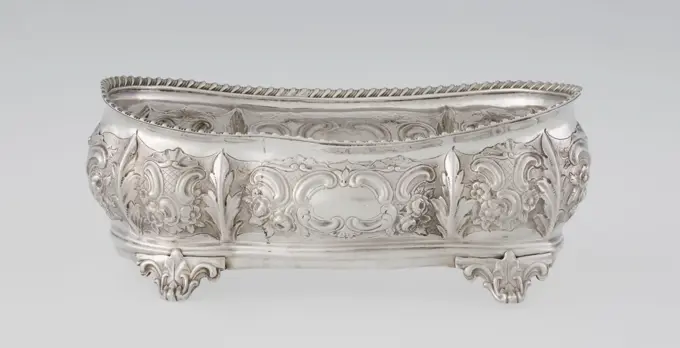
A collection of ornate brass plates, showcasing intricate designs from different eras, including biblical and floral motifs.

Dish, Anonymous, c. 1600 - c. 1640 Round dish of lead glaze pottery, on three shell -shaped legs. The dish is decorated in white sludge, with a cross-shaped ornamental motif on the flat, between which four clovers and on the edge to the edge open circles segments with leaf and ornamental motifs. The dish is covered with local green -tinted lead glaze. Holland earthenware. lead glaze Round dish of lead glaze pottery, on three shell -shaped legs. The dish is decorated in white sludge, with a cross-shaped ornamental motif on the flat, between which four clovers and on the edge to the edge open circles segments with leaf and ornamental motifs. The dish is covered with local green -tinted lead glaze. Holland earthenware. lead glaze
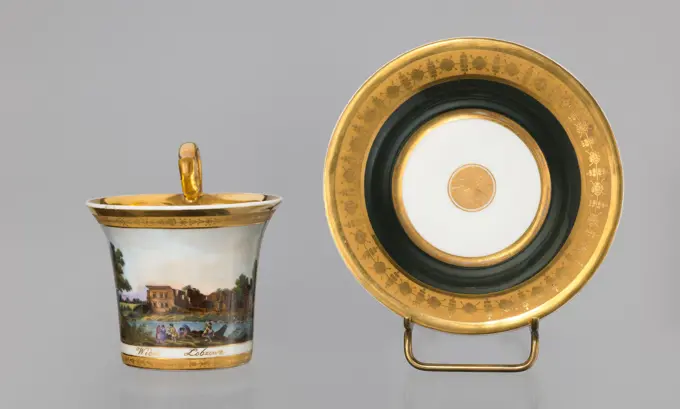
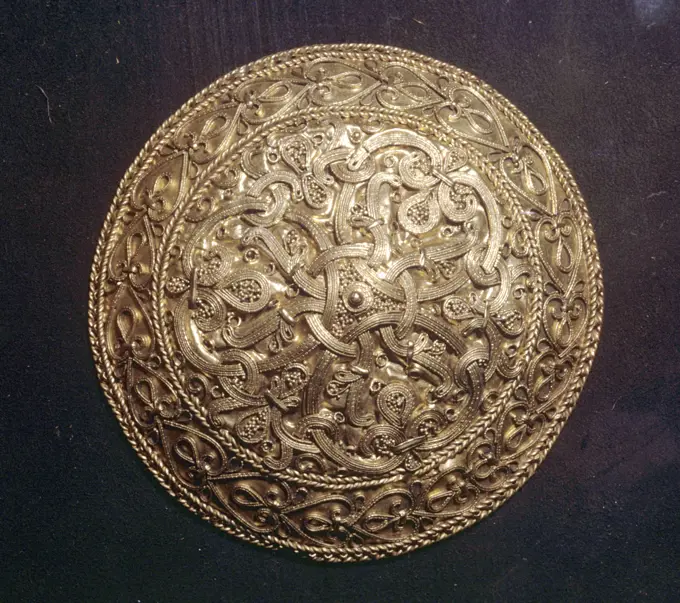
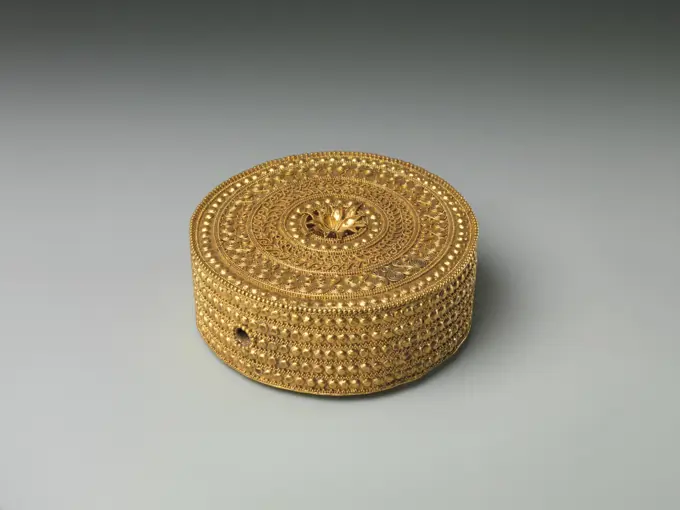
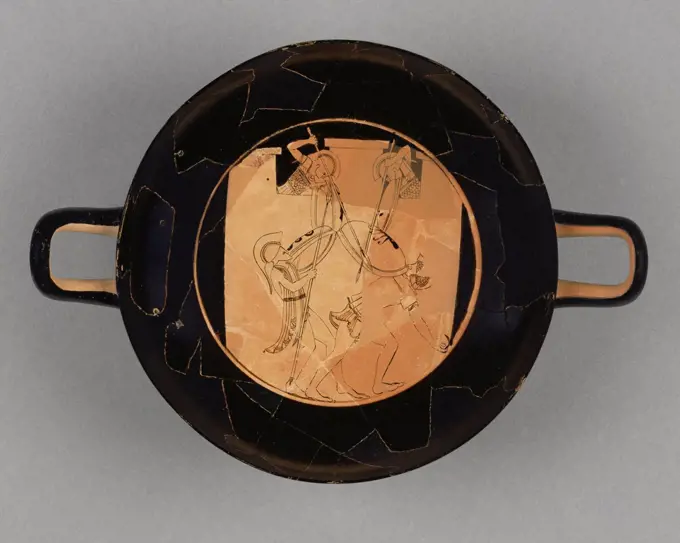
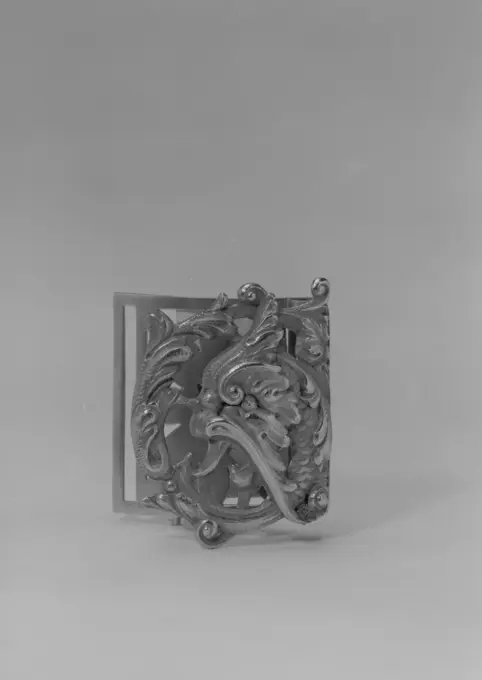
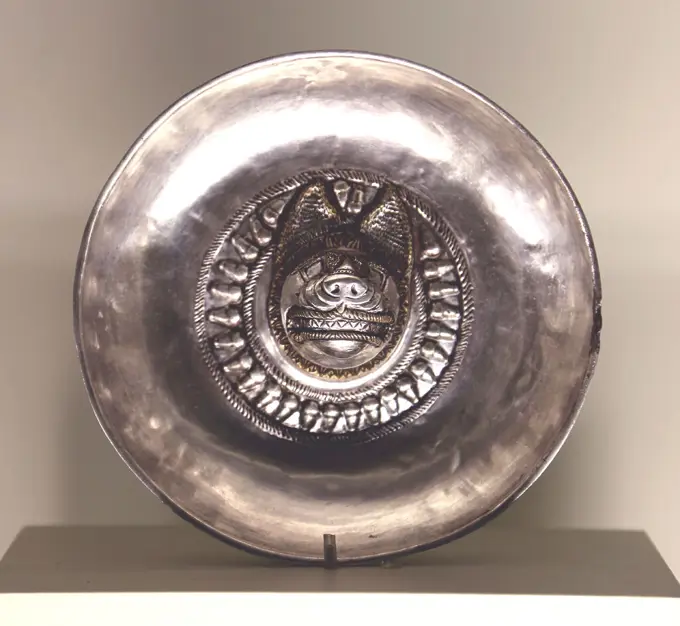
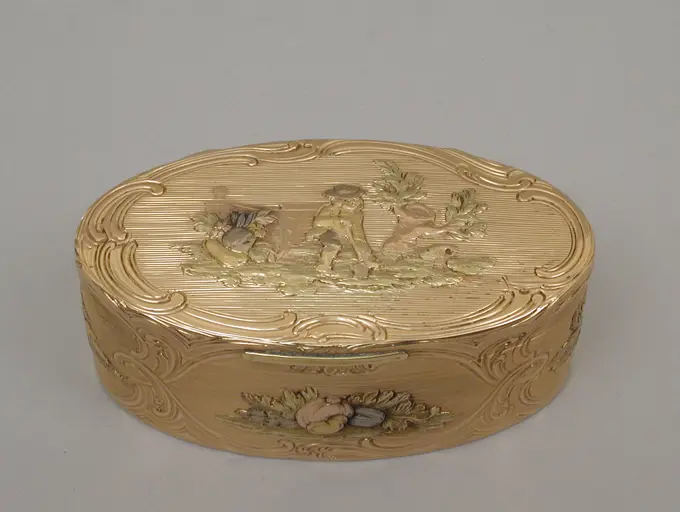
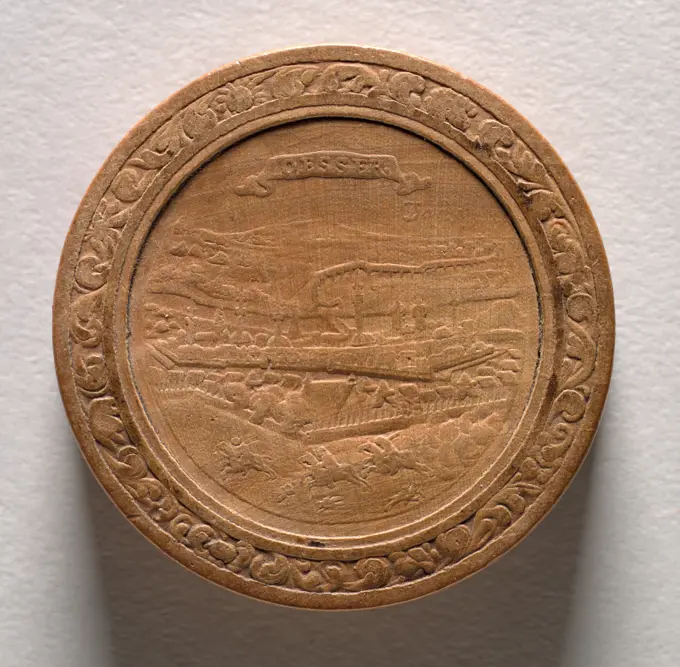
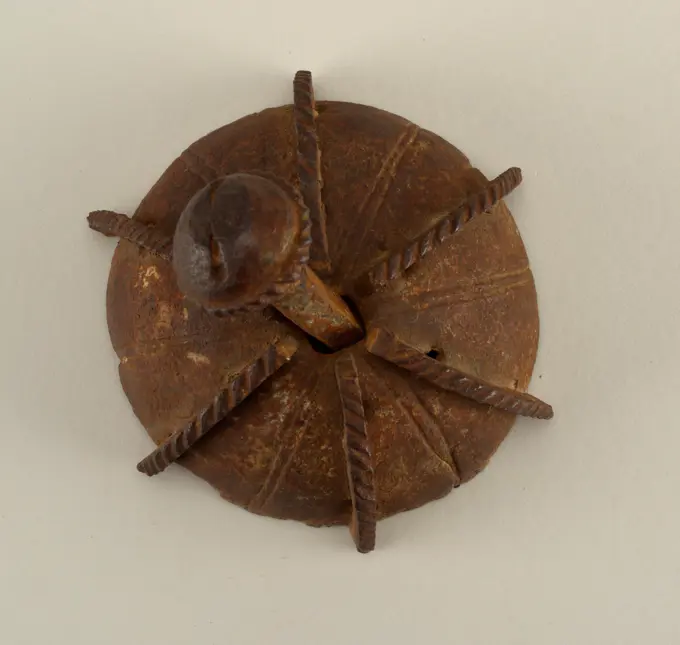
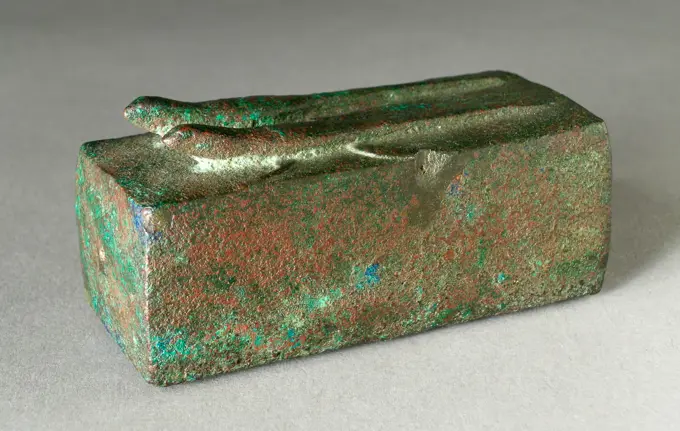
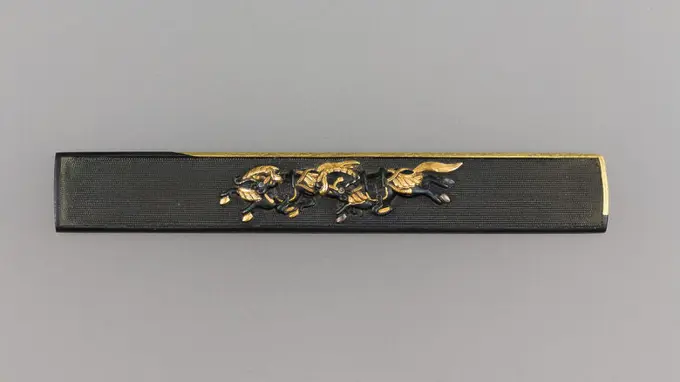
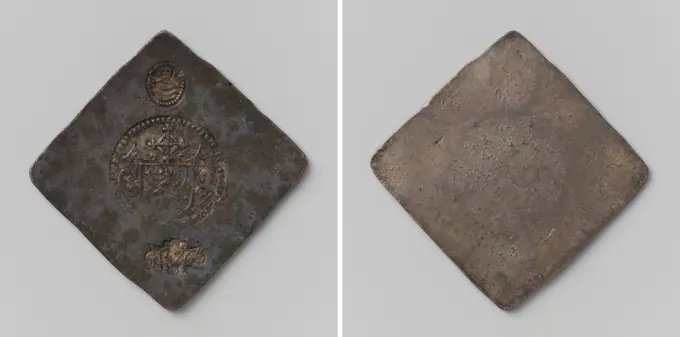
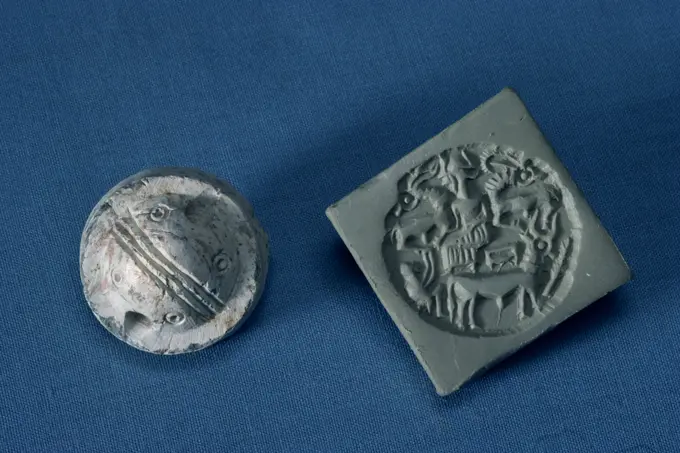
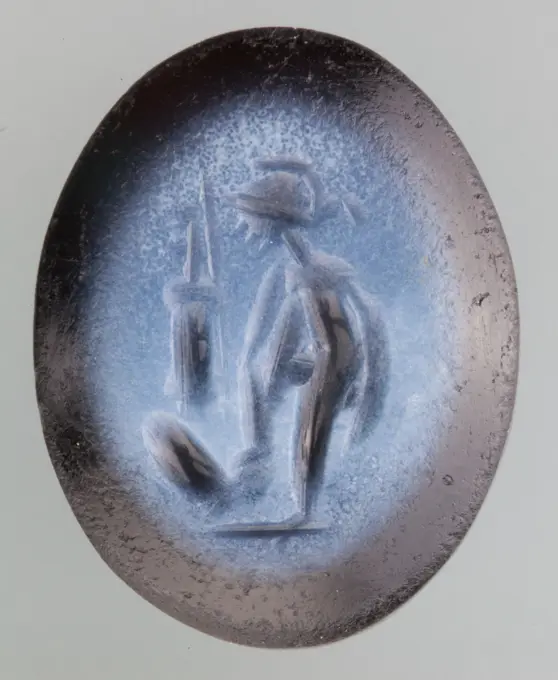
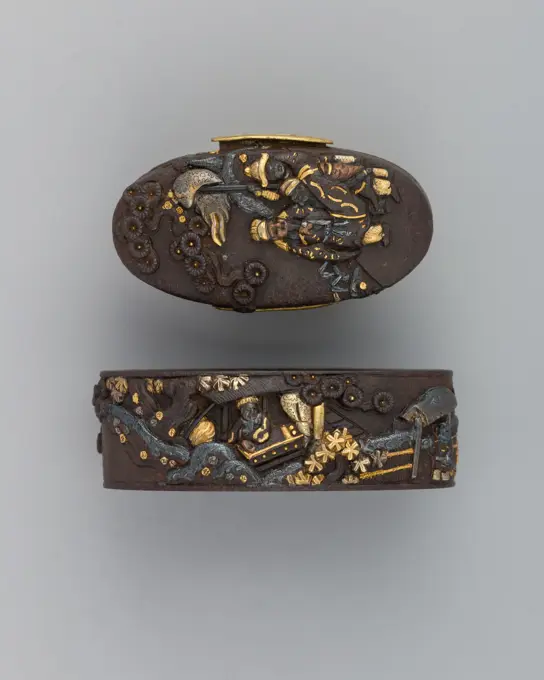
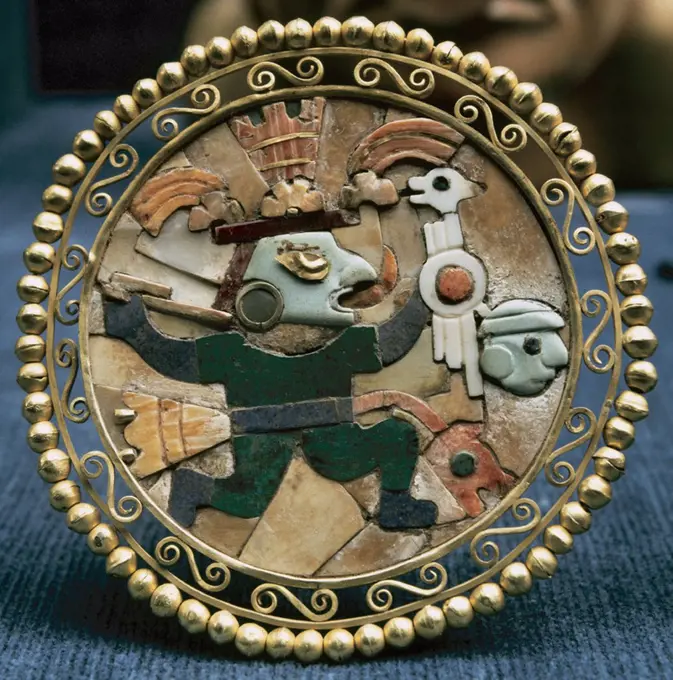
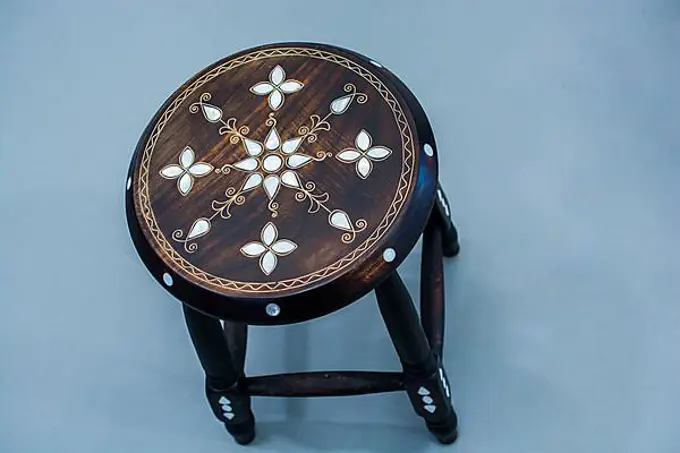
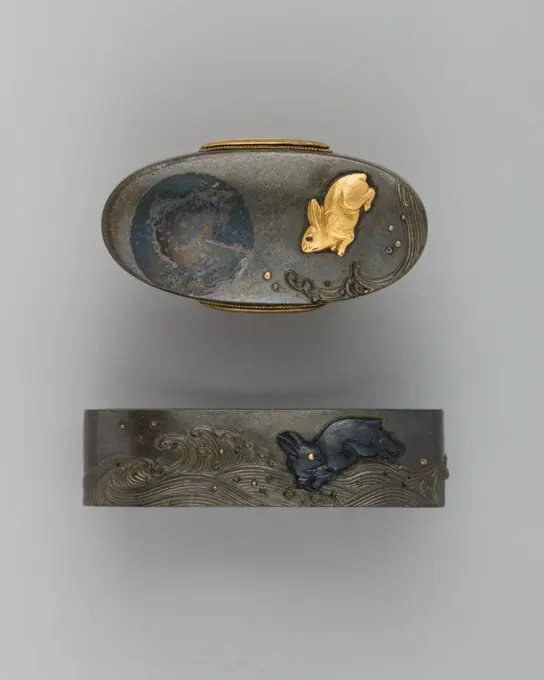
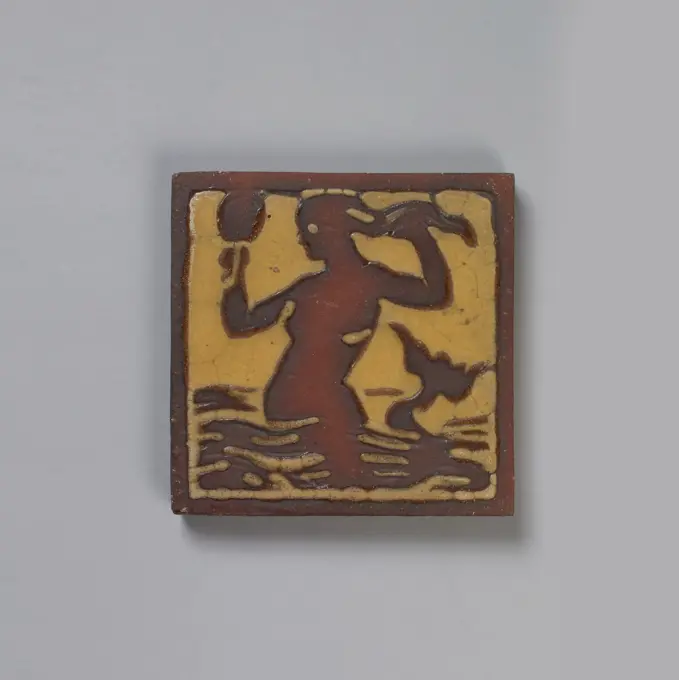
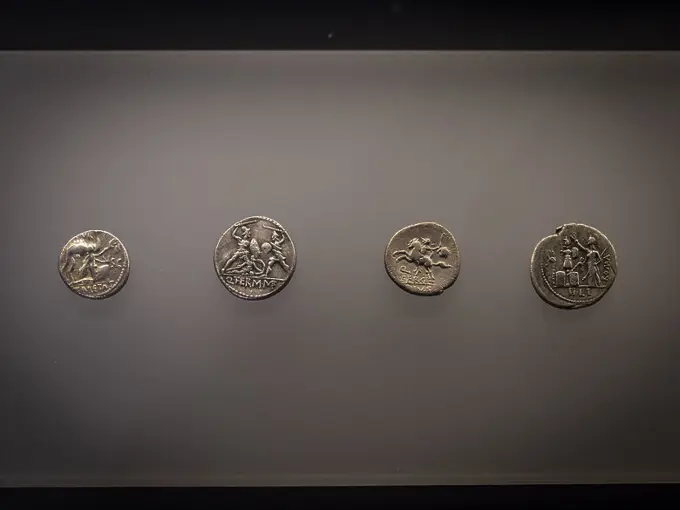
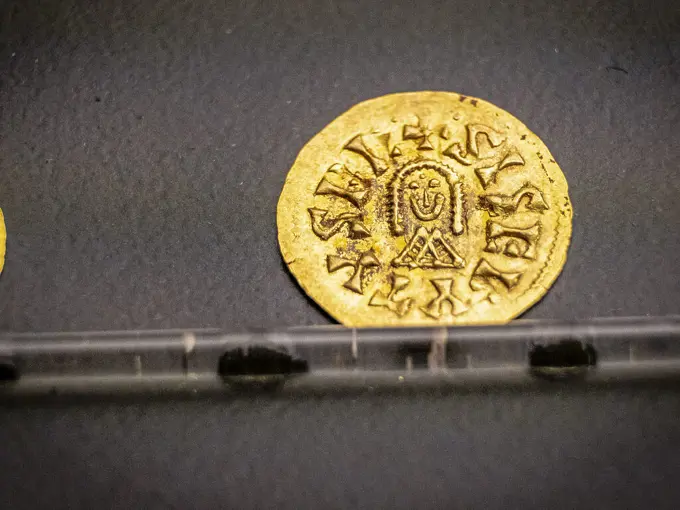
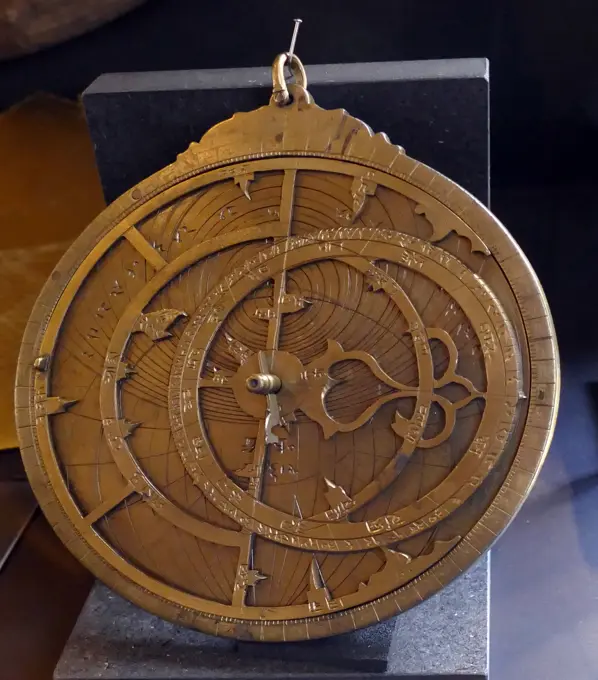
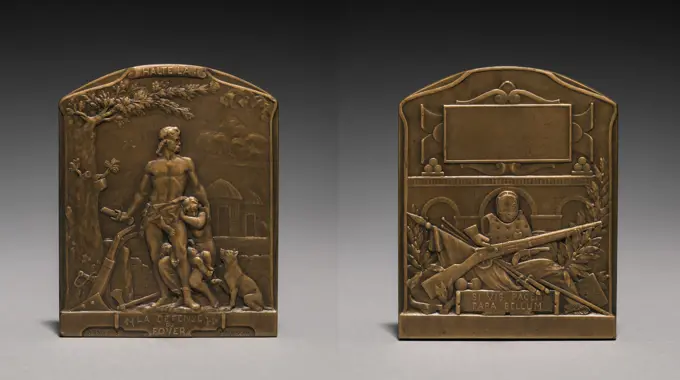
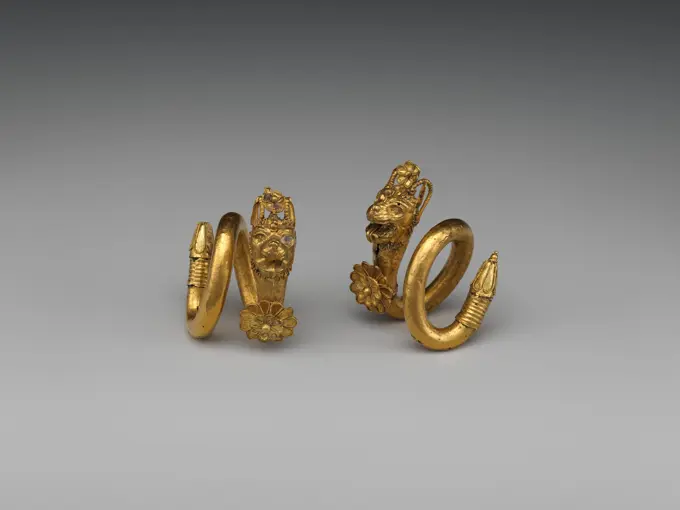
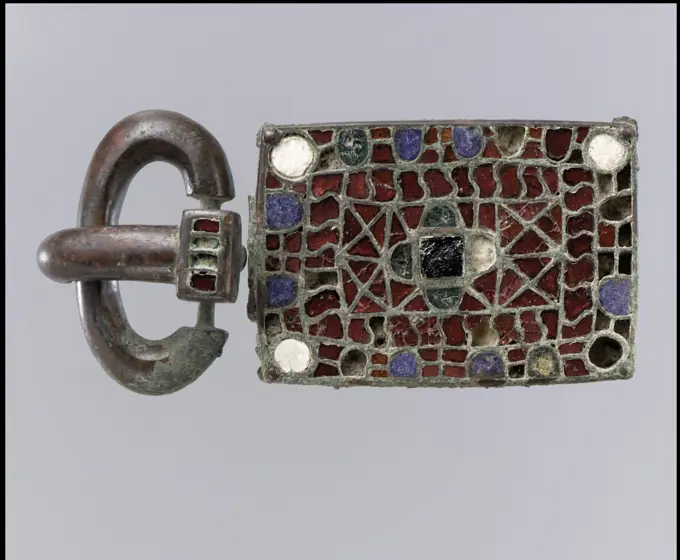
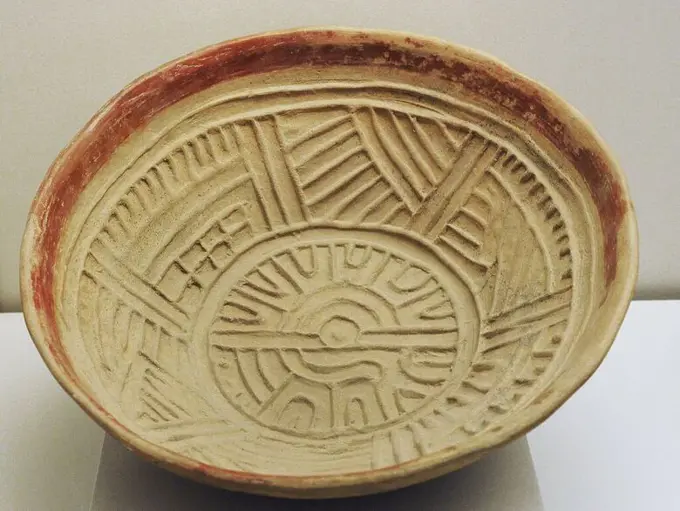
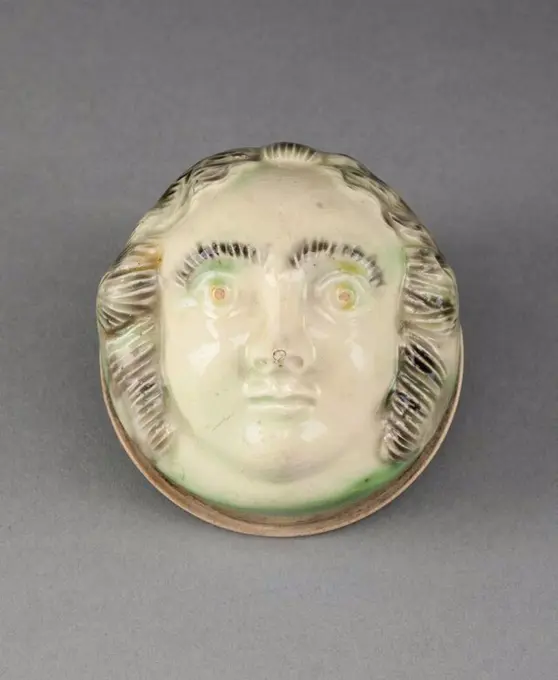
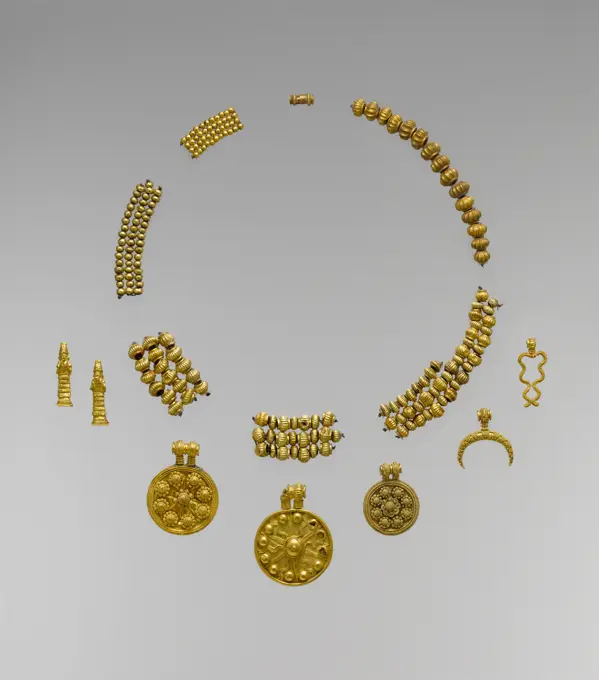
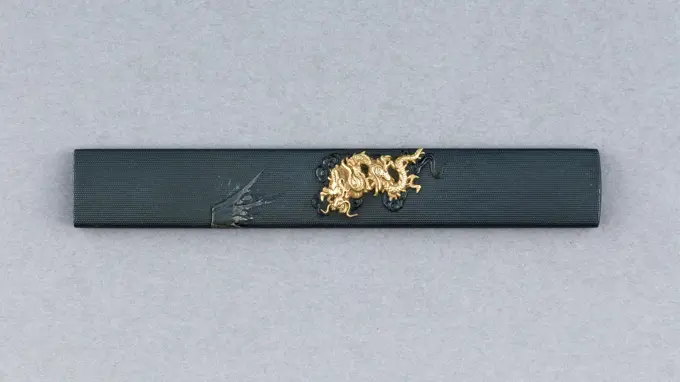
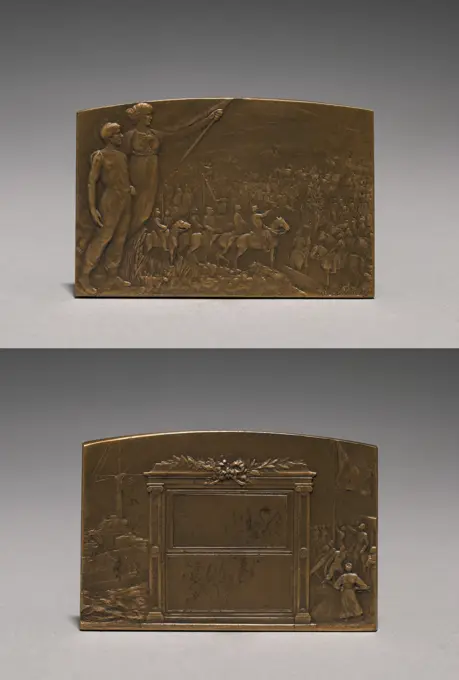
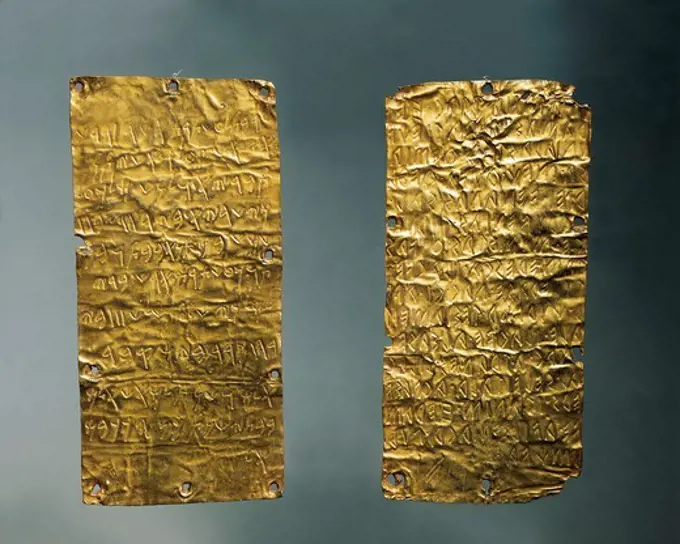
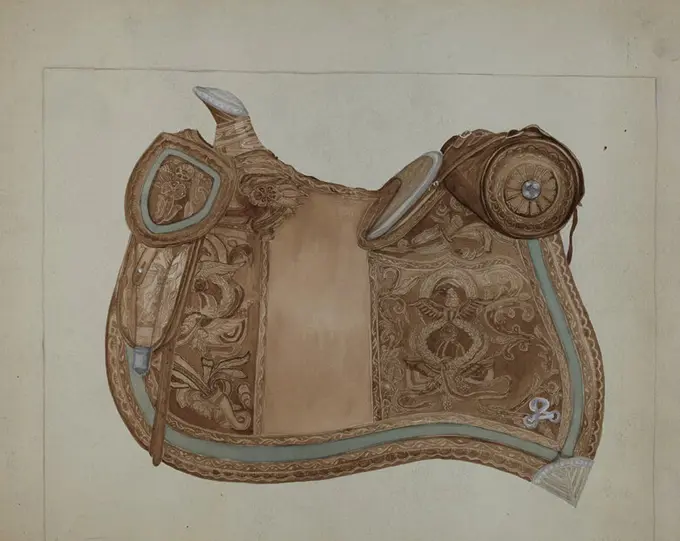
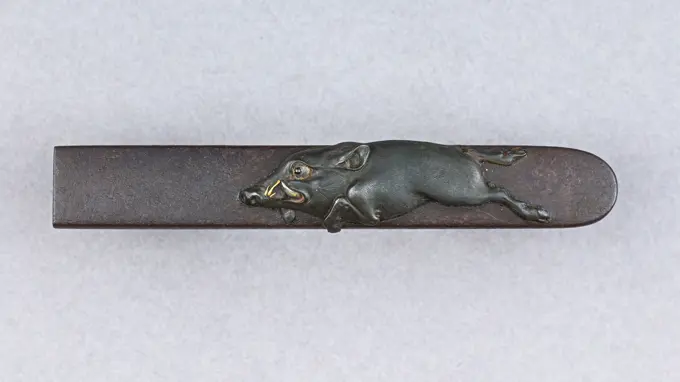
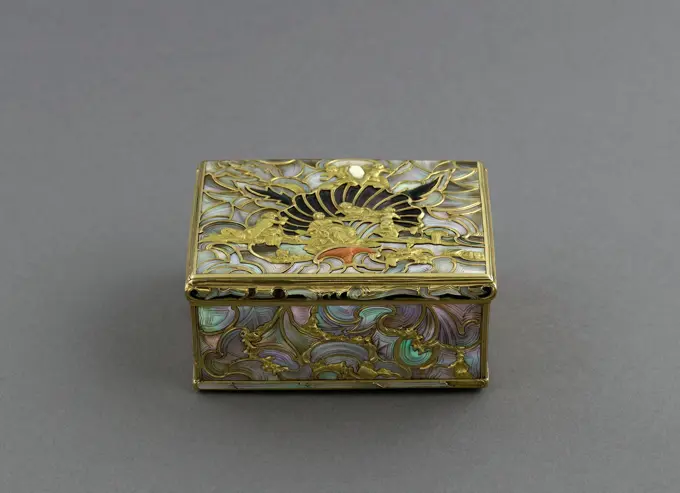
Louis-Urbain Thevenot (1702-1755). Golden tuber, engraved pearl, color pearls, coral and shell with water deities, 1743-1744. Paris, Cognacq-Jay museum. 35590-1 Shell, coral, color, divinity, water, mother -of -pearl, gold, smokingFragment with Relief Decoration 12th-13th century French. Fragment with Relief Decoration. French. 12th-13th century. Stone. Sculpture-ArchitecturalMiniature bas-relief managing at a dollhouse. Bas-relief with four birds sitting on a bowl of which a drinks.Photo album (empty), Anonymous, 1860 - 1900  Photo album with 18 pages with either next to each other 2 decorated passe-partouts for cabinet photos, or 2 rows of 3 decorated passe-partouts for cartes-de-visiting. In total there is room in the album for 32 cabinet photos and 12 cartes-de-visiting. Japan cardboard. paper. wood (plant material). lacquer (coating). mother of pearl. silk. textile materials. leather. deck paint. watercolor (paint) brush adult woman. parasol, sunshade. flowersPlate, black transfer ware, 'La Bouquetiere...', France, 18th-mid-19th century, ceramics, Decorative Arts, PlateBox-form ornament with granulation and filagree 6th-4th century BC Late Period-Ptolemaic Period This box with its elaborate decoration has a circular opening in the center of the top filled with an elaborate flower. Two holes in the sides allow it to be attached to a chain. The extensive granulation indicates it is probably pre-Ptolemaic.. Box-form ornament with granulation and filagree. 6th-4th century BC. Gold. Late Period-Ptolemaic Period. From EgyptMesopotamia. Near East. Stamp. End of the 4th - beginning of the 3rd millennium. The State Hermitage Museum. Saint Petersburg. Russia.Coin fromSyracuse. Mint: SyracuseRed-Figure Kylix; Apollodoros, Greek (Attic), active about 500 B.C.; Athens, Greece, Europe; about 500 B.C.; Terracotta; Object (to rim): H: 7.7 x Diam.: 18.8 cm (3 1/16 x 7 3/8 in.), Object (handle): H: 8.5 cm (3 3/8 in.)Scarab. UnknownBuckle 1900-1924 Theodore B. Starr This gold buckle is one half of a pair made by New York City jewelry firm T.B. Starr & Co. These buckles depict stylized dolphins and acanthus leaves, and they are delicately chased to create a textured finish. Theodore B. Starr was among the most prominent and influential jewelry and silversmithing firms in New York City during the late nineteenth and early twentieth centuries. Originally in partnership with jeweler and silversmith Herman Marcus under the name of Starr & Marcus, Theodore B. Starr established his own eponymous firm in 1877. Starrs work was regularly and enthusiastically heralded in the press. On March 18th, 1880 "The Independent" published an article in which “The House of Theodore B. Starr” is described as an establishment that develops “an educated demand for ‘beauty in use;” and where one will find “his taste and his intelligence stimulated.” The article goes on to state, “No more striking proof exists of the progress which, as pPlate, Royal Arms of France. Culture: South Netherlandish. Dimensions: Overall: 17 x 1 1/2 in. (43.2 x 3.8 cm). Date: late 15th century. Museum: Metropolitan Museum of Art, New York, USA.Planets-manager. Cornalet Collection Sites 2013-2016. Numismatic.Pater wolf. Ancient silver vessel from the Tivissa treasure (cent. 5th-3rd BC). Iberian culture. Iberian peninsula, Catalonia, Spain.Brooch van Zilveren coin with sculptor from Wilhelmina, c. 1940 - c. 1950 Brooch made of silver coin with sculptor from Wilhelmina, with a hook closure. On the occasion of the inauguration in 1898. The coin was set in a Muntrand. Netherlands silver (metal) Brooch made of silver coin with sculptor from Wilhelmina, with a hook closure. On the occasion of the inauguration in 1898. The coin was set in a Muntrand. Netherlands silver (metal)Bouquet behind glass in ovale, black frame, anonymous, in or before 1884 On the back: cut in front of my sweet godchild Alida, by her grandmother. Leeuwarden July 1865.  glass. wood (plant material). flower (plant material) On the back: cut in front of my sweet godchild Alida, by her grandmother. Leeuwarden July 1865.  glass. wood (plant material). flower (plant material)Snuffbox 1770-80 Possibly Les Frères Toussaint. Snuffbox. German, Hanau. 1770-80. Gold. Metalwork-Gold and PlatinumGaming Piece (obverse), c.1700. Martin Brunner (German, 1659-1725). Wood; diameter: 6.1 cm (2 3/8 in.); overall: 1.3 cm (1/2 in.).Sword-Hilt Collar and Pommel (Fuchigashira). Culture: Japanese. Dimensions: Fuchi (a); H. 1 9/16 in. (4 cm); Wt. 0.9 oz. (25.5 g); kashira (b); H. 1 1/2 in. (3.8 cm); Wt. 0.5 oz. (14.2 g). Date: ca. 1615-1868. Museum: Metropolitan Museum of Art, New York, USA.Decorative Door Boss And Nail; wrought iron; a) H x diam.: 4.2 × 10.6 cm (1 5/8 × 4 3/16 in.) b) H x diam.: 8.2 × 2.8 cm (3 1/4 × 1 1/8 in.)The Corner of the Studio by Pablo Picasso, painted ceramic, 1881-1973Sheep Shed 25 CE-220 CE China. Earthenware with lead green glaze .Coffin with Two Lizards. Egypt, Late Period-Ptolemaic Period, 664-30 BCE. Sculpture. BronzeKnife Handle (Kozuka). Culture: Japanese. Dimensions: L. 3 13/16 in. (9.7 cm); W. 9/16 in. (1.4 cm); thickness 1/4 in. (0.6 cm); Wt. 1 oz. (28.3 g). Date: late 18th-early 19th century. Museum: Metropolitan Museum of Art, New York, USA.Etruria. Bronzes. Mirror. Engraved decoration. 4th-3rd century BC. Judgement of Paris. Italy. Louvre museum.Alexandre Charpentier, Intertwined Branches of Laurel and Evergreen (reverse), 1897 Intertwined Branches of Laurel and Evergreen reverseMedal of the Battle of the Ardennes fromFrance. Mint: Paris Artist: Jules Prosper Joseph Marie Edmond Legastelois, French, 1855-1931Half Daalder, emergency coin from Zierikzee, beaten during the siege, Anonymous, 1576 coin. siege coin Unilateral, diamond -shaped, silver emergency coin with rounded corners. Front: three stamps above each other; From bottom to top: state weapon: coat of arms within oval edge of the pearl; city coat of arms: coat of arms in Cartouche in pearl edge; year in cartouche. Reverse: Blanco. Netherlands silver (metal) striking (metalworking)  ZierikzeeBaroque spurAntique decorative metallic traditional pattern platesFili Empir, from miniatures landscape, saucer, complete with a branch; Baranówka (Porcelain Manufaktura; 1804-2012); 1 PO. 19th century (1800-00-00-1900-00-00);Historic, Viking. Viking. Gold brooch from Hornelund near Varde, c10th cent. AD. National Museum Copenhagen.Steatite Dilmun seals from around 2350 BC, New National Museum, Manama, Bahrain, Middle EastDiomedesPlanets-manager. Cornalet Collection Sites 2013-2016. Numismatic.Sword-Hilt Collar and Pommel (Fuchigashira) 18th century Japanese A fuchigashira is a pair of matching sword fittings comprising the fuchi (collar at the base of the grip of the sword hilt) and kashira (pommel cap at the end of a sword hilt).. Sword-Hilt Collar and Pommel (Fuchigashira). Japanese. 18th century. Iron, gold. Sword Furniture-Fuchi-KashiraCasket;  XVII/18th century (1670-00-00-1720-00-00);Box 1806-07 Austrian. Box. Austrian. 1806-07. Gold, mother-of-pearl. Metalwork-Gold and PlatinumGame of the snake with game pieces and dice, around 3000 BC Abydos, limestoneAnonymous. Round box forming drum, in gold lacquer imitating wood; Interior containing tray and 8 small perfume boxes in gold lacquer. Together. Lacquer. Museum of Fine Arts of the City of Paris, Petit Palais. Round box, wood imitation, lacquer object, gold, perfume, drumGrahal-Manzara. Carnavalet 2013-2016 collection sites. Numismatics.ARTE PRECOLOMBINO. PERU. CIVILIZACION ANDINA. CULTURA MOCHE O MOCHICA (100 aC-800). 'OREJERAS MIXTAS' con la representación de un guerrero. Museo de Oro del Perú. Lima.Basket - luminaire for glass; Dexter, Francis David (Fl. 1839-1849); 1847/48 (1847-00-00-1848-00-00);Prison Ommerschans, House Munt Goten by order of the Society of Weldadigheid worth ½ cents, Anonymous, in or after 1822 - in Or Before 1830 coin one -sided coin. Front: Value designation. Reverse: Blanco Ommerschans tin plate striking (metalworking)  OmmerschansFili Anka, Spodek; Bleras et sauvage (couples; Malnia; Ca 1812-1830); 1815-1820 (1815-00-00-1815-00-00);Cord Knob (Kurigata). Culture: Japanese. Dimensions: H. 1 1/4 in. (3.2 cm); Wt. 0.7 oz. (19.8 g). Date: 19th century. Museum: Metropolitan Museum of Art, New York, USA.Ottoman art example of Mother of Pearl inlaysTłok pieczętny. unknown, craftsmanSword-Hilt Collar and Pommel (Fuchigashira) ca. 1615-1868 Japanese A fuchigashira is a pair of matching sword fittings comprising the fuchi (collar at the base of the grip of the sword hilt) and kashira (pommel cap at the end of a sword hilt).. Sword-Hilt Collar and Pommel (Fuchigashira). Japanese. ca. 1615-1868. Copper-silver alloy (shibuichi), copper-gold alloy (shakud), silver, gold. Sword Furniture-Fuchi-KashiraEmpty metal plate on dark texture background top view, copy spaceTile (USA); Made by Grueby Faience Company, Revere, Massachusetts (United States); press-molded glazed terra cotta (red earthenware); L x W: 15.6 × 15.6 × 2.2 cm (6 1/8 × 6 1/8 × 7/8 in.)Iberian period coins, Iberian culture, Iberian Museum of Jaén, Andalusia, Spain.Visigothic coin, Museum of the Councils and the Visigoth Culture, Church of San Román,Toledo, Castilla-La Mancha, Spain.Brass Astrolabe, made by Al Ibn Ibrahim, Morocco, in the 14th century. The astrolabe was one of the most prestigious ancient scientific instruments. The chiselled and finely carved disc represents the main stars visible at different times of the year in the sky. The main part of this instrument was built in Morocco in the 14th century while the other three parts were manufactured in India at the beginning of the 19th century.Campania Napoli Naples S. Lorenzo Maggiore13. Hutzel, Max 1960-1990 Medieval: Sculpture, architecture, architectural sculpture (including Roman spolia) 13-14th century Chapter house; sarcophagi, gravestones; wall painting. Fragment of mosaic; sculptural fragments in the Sala Capitolare. Post-medieval: Architecture, architectural sculpture, ceiling painting fresco cycle; prints depicting Venice c. 1845 (4), sculpture; life-size creche figures dressed in original Neapolitan costume Church restored in 1882, 1926, 1944; excavations under the transept undertaken between 1958-1962, and in the cloister in 1976, have revealed remains of a Roman macellum (market), street, and the paleochristian basilica of the 6th c. AD. Antiquities: Pottery: black-glazed, archaic banded, domestic wares, bucchero; architectural terracottas, statuettes, lamps, sculpture fragments Object Notes: 3 color negatives with no prints at the end. General Notes: Most objects/paintings/frescoes unidentified. Three batches Impression Of Seal Cylinder; 1902-20-38Sand Shaker. Dated: c. 1938. Dimensions: overall: 25.6 x 35.3 cm (10 1/16 x 13 7/8 in.) Original IAD Object: 2 5/8" high; 2 7/8" in diameter. Medium: watercolor and graphite on paper. Museum: National Gallery of Art, Washington DC. Author: M. Louise Kent.Medal, 1914-1918. Emile André Boisseau (French, 1842-1923). Bronze; overall: 7 x 5.8 cm (2 3/4 x 2 5/16 in.).Round Covered Box with Flowers and Leaves. China. Date: 618 AD-907 AD. Dimensions: H. 7.2 cm (2 13/16 in.); diam. 17.8 cm (7 in.). Stone with carved decoration. Origin: China. Museum: The Chicago Art Institute, Chicago, USA.Gold spiral earring with lion-griffin terminal ca. 400-350 B.C. Greek, Cypriot The eyes and rosettes were originally inlaid with colored enamel, and the goldworking is of very high quality. The spirals themselves are made of copper alloy rods covered in thin gold sheet.. Gold spiral earring with lion-griffin terminal. Greek, Cypriot. ca. 400-350 B.C.. Gold. Classical. Gold and SilverBelt Buckle 550-600 Visigothic The belt buckle was a field for elaborate decoration and a very visible symbol of rank and status. Brightly colored buckles inset with pieces of glass and stone are characteristic of Visigothic women's dress. This piece is exceptional for the rare inclusion of lapis lazuli, a stone used more frequently in Byzantium. Listen to experts illuminate this artwork's story Listen Play or pause #2790. Belt Buckle Supported by Bloomberg Philanthropies We're sorry, the transcript for this audio track is not available at this time. We are working to make it available as soon as possible.. Belt Buckle. Visigothic. 550-600. Copper alloy with garnets, glass, lapis lazuli, and cuttlefish bone. Metalwork-CopperMarshall Field Wholesale Store Pilaster Capital 1885-1887 Chicago. Red granite . H. H. Richardson (Architect)Mexico.Mexico city.National Museum of Antropology. Paquime culture (700-1450 AC).Representing a couple in ceramic..Comb. Culture: American. Date: late 1880s. Museum: Metropolitan Museum of Art, New York, USA.Slot plat. A slot plate. Gothisch.Large bowl. Painted ceramic. Mixteca-Puebla style. Late Postclassic Period (1350-1520 AD). Mexico. Museum of the Americas. Madrid, Spain.Watch ca. 1645-48 Jacques Goullons French The decoration of this elaborately jeweled pocket watch includes a depiction of the young Louis XIV on horseback and a miniature with the arms of France and Navarre and the Orders of Saint Michael and the Holy Spirit. It was presumably made for the young king, and is one of the most important surviving watches of its period.. Watch 459201Lock (USA); 1904-11-1-aSnuff Box. Staffordshire, England. Date: 1760-1770. Dimensions: 4.5 x 5.7 cm (1 3/4 x 2 1/4 in.). Lead-glazed earthenware (creamware). Origin: Staffordshire. Museum: The Chicago Art Institute, Chicago, USA.Necklace pendants and beads ca. 18th-17th century B.C. Babylonian These gold pendants and beads exemplify the finest craftsmanship in gold from the ancient Near East, and each represents a deity or the symbol of a deity. The two female figures, wearing horned headdresses and long flounced dresses, probably represent Lama, a protective goddess; the disk with rays emanating from a central boss represents Shamash, the sun god; and the forked lightning is the symbol for Adad, the storm god. The two disks with granulated rosettes may be symbols of Ishtar, goddess of love and war represented by the planet Venus. Necklaces with similar symbols can be found on the figures of royal personages in later Assyrian wall reliefs and probably served as both jewelry and talismans.It is difficult to date the group because the technique and imagery employed were known throughout the first half of the second millennium B.C. Similar gold disks with extensive granulation have been found in a tomb at Ebla inBowls electroformed replicas 9/8 century BC Eberswalde, Brandenburg The originals are part of the Russian war booty.Amulets engraved with Qur'anic verses. Dated 19th CenturyScarab. UnknownMissal, silver and leather, 18th century, Evora Museum, Evora, Alentejo, Portugal, Europe.TeaBoardStern Board. Dated: c. 1936. Dimensions: overall: 54.2 x 38.6 cm (21 5/16 x 15 3/16 in.) Original IAD Object: 13" long. Medium: watercolor, graphite, and colored pencil on paperboard. Museum: National Gallery of Art, Washington DC. Author: Betty Fuerst.Button; pearl, shell, brass, copper, glass; 1931-59-225-fKnife Handle (Kozuka) ca. 1615-1868 Japanese A kozuka is a handle of a by-knife that is part of a sword mounting. It is kept in a slot on the reverse of a katana scabbard, often with a matching kōgai (hairdressing tool).. Knife Handle (Kozuka) 34708Pair of Earflares. Peru, Moche. 3rd-7th century. Hammered gold, turuoise, sodalite and shell inlay. Large circular ear ornaments were popular personal adornments of prominent ancient Peruvian lords and a symbol of their status and wealth.OREJERAS DE ORO CONCHAS TURQUESA E MOCHE PREHISPANICO. Location: MUSEO DEL ORO COL MUJICA. Lima. PERU.Medal. Jules Prosper Legastelois (French, 1855-1931). Bronze; overall: 5.8 x 3.9 cm (2 5/16 x 1 9/16 in.).A freshly baked cake in a baking tinFire Bink Of Gilded Bronze With Lying Dog, Anonymous, 1775 - 1800 Gilded bronze Vuurbok. There is a dog on an increase on a rectangular plate, resting on two rectangular supports. The entire base is slightly bent. The supports are flanked by decorated consoles and show flat fields with guttae. A roset -shaped motif has been applied in the middle. The cover plate shows an egg list with a floral pattern in the corners at the front. The cover plate and elevation have saved corners. France bronze (metal) gilding Gilded bronze Vuurbok. There is a dog on an increase on a rectangular plate, resting on two rectangular supports. The entire base is slightly bent. The supports are flanked by decorated consoles and show flat fields with guttae. A roset -shaped motif has been applied in the middle. The cover plate shows an egg list with a floral pattern in the corners at the front. The cover plate and elevation have saved corners. France bronze (metal) gildingGold foils with Phoenician (left) and Etruscan (right) inscriptions, from Pyrgi, ItalySaddle. Dated: c. 1937. Dimensions: overall: 30.4 x 25 cm (11 15/16 x 9 13/16 in.) Original IAD Object: 36" long. Medium: watercolor and graphite on paper. Museum: National Gallery of Art, Washington DC. Author: Ranka S. Woods.China, Shanghai, Shanghai Museum, Coins from the Qing Dynasty (1800s)Knife Handle (Kozuka) 19th century Japanese A kozuka is a handle of a by-knife that is part of a sword mounting. It is kept in a slot on the reverse of a katana scabbard, often with a matching kōgai (hairdressing tool).. Knife Handle (Kozuka) 35030Emilia-Romagna Ferrara Ferrara Museo Civico di Schifanoia96. Hutzel, Max 1960-1990 General Notes: INCOMPLETE RECORD--NEGATIVES PROCESSED, PRINTS FILED German-born photographer and scholar Max Hutzel (1911-1988) photographed in Italy from the early 1960s until his death. The result of this project, referred to by Hutzel as Foto Arte Minore, is thorough documentation of art historical development in Italy up to the 18th century, including objects of the Etruscans and the Romans, as well as early Medieval, Romanesque, Gothic, Renaissance and Baroque monuments. Images are organized by geographic region in Italy, then by province, city, site complex and monument.Tray;  19th/20th century (1891-00-00-1910-00-00);Funerary urn. Limestone. 1st-2nd Century AD. Stele. Container to save the ashes of the deceased. Poza de la Sal. Burgos. Spain.Archaeological Museum. Barcelona.Wine Cup 19th century Japan. Wine Cup 57736