Historical Figures and Scenes

A collection of prints showcasing various historical and symbolic scenes, including figures in gardens, dreams, and religious narratives, rendered in detailed engravings.
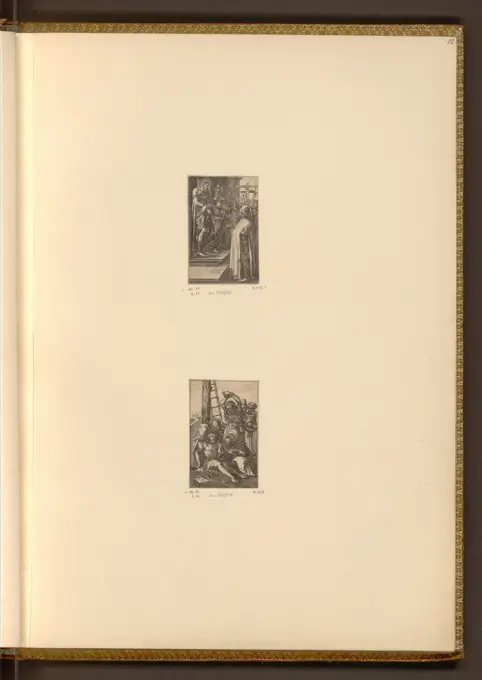
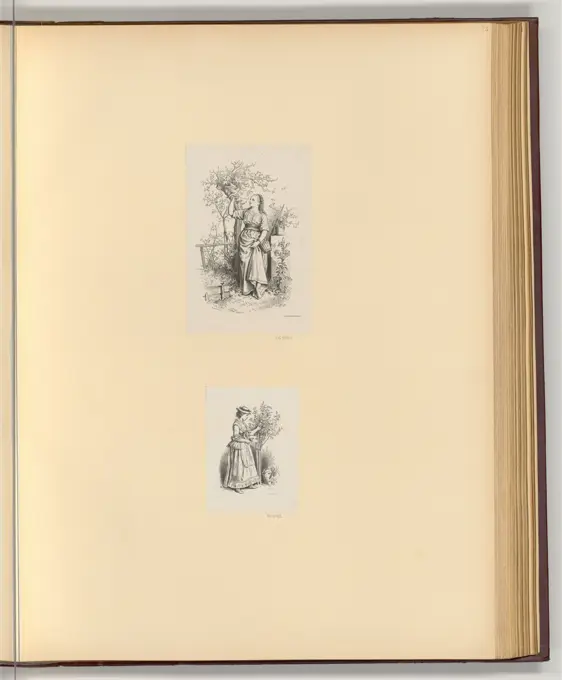
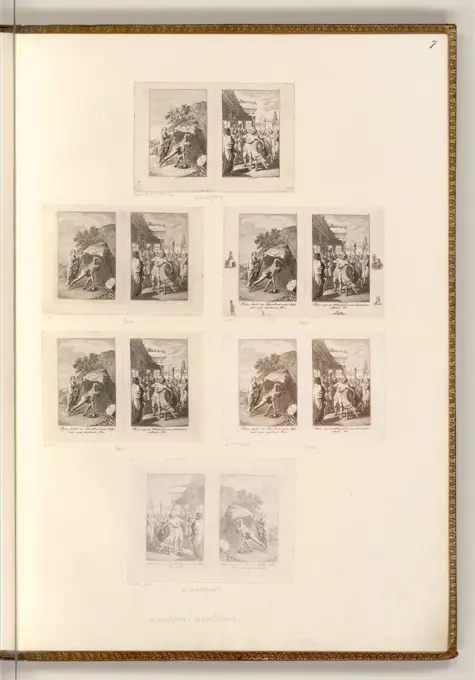
Copper engraving by Albrecht Dürer after 1501 depicting Ecce Homo and The Caution from the Copperplate Passion series, showing figures, gestures, and religious narrative.
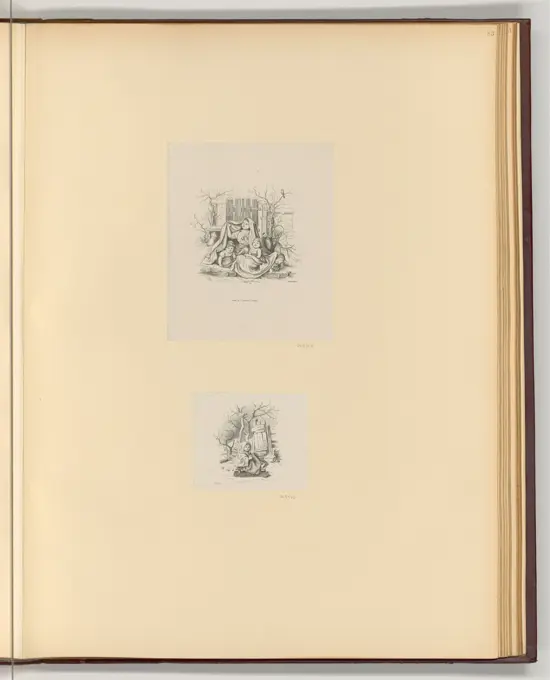
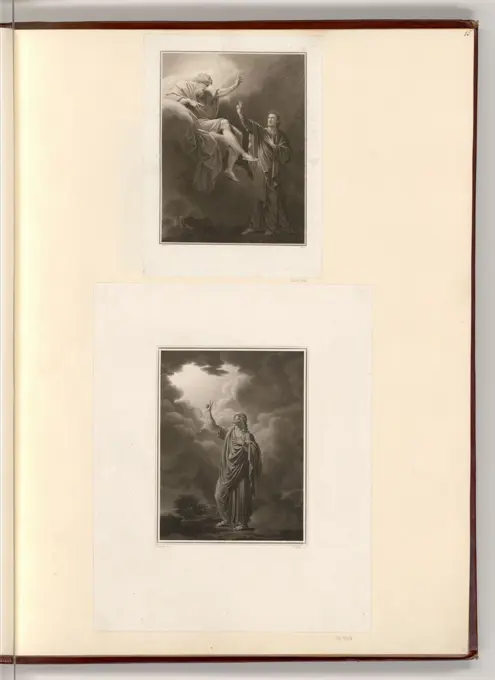
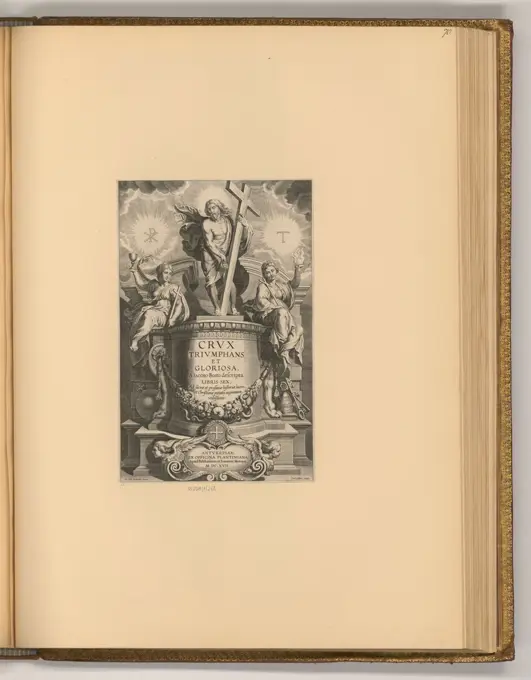
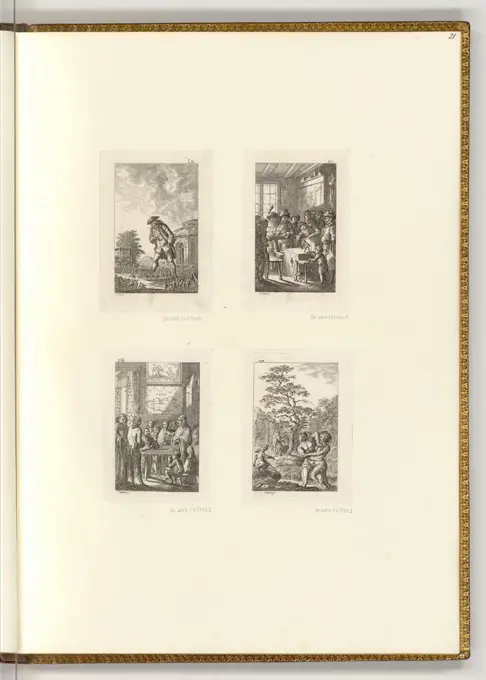
Wood engraving by Oscar Pletsch from 1850-1900 depicting young girls in a garden setting, showing figures interacting among plants and outdoor elements.Etching and copper engraving by Etienne Frédéric Lignon around 1817 depicting King Manuel I of Portugal in a visionary dream scene with symbolic elements.Copper engraving by Albrecht Dürer after 1501 depicting Ecce Homo and The Caution from the Copperplate Passion series, showing figures, gestures, and religious narrative.Copper engraving and etching by Jacques Bouillard showing Philippe II with his mistress, created between 1764 and 1806.Copper engraving by Louis Cossin in 1668 depicting a portrait of Louis Rourts.Copper engraving by Abraham van den Hecken depicting the three youths in the fiery furnace, showing figures, gestures, and narrative composition from 1610 to 1655.Etching by Willem van Haecht depicting the sacrifice of Abraham's victim, showing biblical figures and altar, created around 1630.Etching by Willem Panneels depicting the mythological stories of Apollo and Daphne and Jupiter and Io, showing classical figures and narrative scenes, created in 1631.A copper engraving and etching by an unidentified monogrammist depicting Christ and the adulteress, created in 1572.Etching by Cornelis Ploos van Amstel showing various scenes created between 1772 and 1787 using a punctual style, depicting human figures and daily activities.Etching by Lambert Visscher depicting a boy holding a cat, showing figures, gestures, and domestic interaction, created between 1650 and 1710.This copper engraving and etching by Charles Simonneau, produced between 1702 and 1792, shows portrait studies, emphasizing detail and stylistic representation of figures.Etching and copper engraving by Joachim Jan Oortman, around 1817, depicting Vasco da Gama after returning to Manuel I, showing figures, posture, and interaction.Copper engraving and etching by François Forster, 1810-1872, showing Salome with the head of John the Baptist, depicting biblical figures in dramatic composition with detailed facial expressions.Etching by Rembrandt depicting an old man wearing a shared fur hood and a scholar in his chamber, created between 1640 and 1652.Etchings by Bernard Picart between 1716 and 1717 depicting scenes from the comedies of Terence.Edmé Jeaurat's 1724 copper engraving and etching depicts poetry and painting, highlighting figures, artistic tools, gestures, and compositional arrangement in a classical European style.Copper engraving and etching by Jean Michel Moreau around 1800 illustrating vignettes for Voltaire's works, showing decorative and narrative book scenes.An 18th-century etching by Christian Wilhelm Ernst Dietrich depicting the medal 'Spes Publica', showing a circular composition with inscriptions and figures.An etching by Christian Wilhelm Ernst Dietrich from 1732-1774 depicting a violin player and a bagpiper, showing two musicians in performance.Etching by Salomon Savery showing a male scholar in a study room with candle and book, depicting interior, furniture, and figure, created between 1620 and 1700.Reproduction of a photo of Une Clairière by Willem Roelofs, Emile Puttaert, Willem Roelofs (I), After Gross (photographer), 1854 print  Brussels paper  landscapes Palais des Beaux-ArtsCopper engraving and etching by Johann Georg Wille from 1730-1808 showing a Dutch housewife engaged in household tasks, with detailed interior and attire.Copper engraving and etching by Jean Dambrun between 1787 and 1788 depicting the birth of Bacchus, showing mythological figures and classical composition.Copper engraving print by Johann Jakob von Sandrart from the second half of the 17th century, depicting an allegorical representation with symbolic figures and elements.Etching from the 17th century depicting God creating the sun and moon, showing divine figure, celestial bodies, and radiant light in a classical style.Photo production of a painting from the flight to Egypt, possibly by Guercino, Gysi, After Guercino, c. 1856 - in or before 1866 photograph   photographic support albumen print picture, painting. flight into Egypt and miracles during the journeyAquatint and etching depicting farmers smoking and drinking, produced between 1749 and 1818, showing figures, gestures, table, pipes, cups, and interior or outdoor setting.Copper engraving and etching by Bernard Picart from 1693-1733 depicting ornamental designs, showing decorative patterns, motifs, and detailed linework.An etching by Daniel Nikolaus Chodowiecki from 1793 depicting the mythological scene of Theseus discovering a sword, encountering a bull, showing figures, objects, and narrative composition.Copper engraving and etching by Jean de Poilly depicting Atlas holding the celestial sphere, illustrating the mythological figure from Greek mythology.Oscar Pletsch's wooden stitch prints from 1863-1867 depict children playing in vignettes, showing figures, gestures, clothing, and playful interaction in detail.An etching by Bartholomeus Breenbergh showing various grotesque heads, created in 1638, depicting exaggerated facial expressions.Copper engraving by Léon Davent from 1540 depicting a young woman seated with two children, showing human figures, gestures, and domestic setting.Copper engraving and etching by Clemens Kohl in 1791 showing Leopold Joseph of Lorraine in a formal portrait with noble attire.Etching with sound plate by Stefano Mulinari from 1760-1796 showing a dying person lying on their back, attended by doctors and friends, depicting a medical and social scene.Copper engraving by Frans Menton depicting Danaes, created between 1568 and 1650, showing figures, classical mythology, and 16th-17th century European printmaking techniques.Copper engraving and etching by Antoine Louis Romanet depicting the vision of St. François, created around 1786. The print shows the saint, gestures, and symbolic elements.Etching by Daniel Nikolaus Chodowiecki illustrating scenes from the book 'The History of Blaise Gaulard', depicting characters, actions, and narrative elements from 1775.Etching by Frederik Theodor Faber showing two women with baskets, lambs, and the slaughter of a calf, 1806-1843.A selection of wood engravings by Oscar Pletsch created between 1850 and 1900 illustrating children at play and in everyday domestic life.Copper engraving and etching by Antoine Louis Romanet from 1748-1807 depicting an interior scene with a doctor and two women in a stable, showing figures, gestures, and domestic context.Etching by John Ingram created between 1721 and 1759 depicting a gardener, a flower girl, and a boy near a tavern in detailed 18th-century European print style.The copper engraving and etching by Albrecht Dürer from the 16th to 19th century depicts St. Christophorus looking to the right, showing the figure, facial features, posture, clothing, and surrounding elements in European style.Engraving by Nicolaas Verkolje showing two nymphs in a landscape, produced between 1693 and 1746.Etching by Max Klinger depicting a scene of death, showing human figures, gestures, and symbolic elements, created around 1898.Etching by Jan Lievens showing a woman in profile and a boy in three-quarter view, created between 1627 and 1674.Etching by Pieter Jansz. Quast depicting men's heads in profile, created between 1620 and 1647, showing facial features, expressions, and hairstyles."Etching by Adriaen van Ostade showing two gossiping women and the slaughter of a sow, emphasizing figures, gestures, domestic activity, and 17th-century Dutch etching style."Etching by Daniel Nikolaus Chodowiecki from 1782-1784 showing a blower at a desk, depicting figures, gestures, and interior elements.Etching with plate tone by Charles Joseph de Ligne depicting a landscape with a farmhouse and a locksmith, produced in the mid-18th to mid-19th century, showing buildings, figures, and rural setting.Engraving and etching by Etienne Ficquet between 1680 and 1794 showing a portrait of Jean François Regnard.Photo production of Kallo's victory car by Peter Paul Rubens, Edmond Fierlants, after Peter Paul Rubens, c. 1856 - in or before c. 1861 photograph  Brussels photographic support albumen print Roman chariot, quadriga ~ triumph. float ~ triumph Fort KalloCopper engraving by Pierre Daret between 1638 and 1641 illustrating Eudoxe, a tragi-comedy, showing characters, theatrical composition, and book illustration.Photo productions of 25 painted portraits and scenes with unknown people, Erche & Co., After Anonymous, c. 1880 - in or before 1885  Berlin paper collotype  Berlin paper collotypePhoto production of cannon meat by Antoine Wiertz, Edmond Fierlants, after Antoine Joseph Wiertz, c. 1863 - in or before 1868 photograph   photographic support albumen print firearms: cannonAquatint and etching by Frederick Christian Lewis the Older depicting a study of the human figure, created between 1837 and 1840.Copper engraving by Cornelis de Wael depicting traders and sellers, showing figures, gestures, goods, and market activity, created between 1610 and 1667.Copper engravings and etchings by Carl Gottlieb Guttenberg depicting a chemist at work and a Dutch drinker, created in the mid-17th to 18th century, showing figures, interior settings, and objects related to chemistry and drinking.Etching by Carlo Maratta depicting the Holy Family with angels, created between 1645 and 1660, showing religious figures in a sacred composition.Copper engraving by an unidentified monogrammist depicting the fall of Lucretia, 16th century, illustrating the historical and tragic narrative with detailed human figures.An etching by Johann Christoph Erhard depicting a ship captain for the New Year 1820 and a winter landscape from early 1819, created between 1818 and 1820.A 1626 etching by Johann Heinrich Schönfeld showing various experimental designs referred to as 'tests of whim.'Copper engraving by Gerard Seghers depicting the denial of Peter, created in the 17th-18th century.Depicts a scene from The Messiah, created as a book illustration between 1805 and 1843, showing human figures, gestures, and composition.Copper engraving and etching by Isidore Stanislas Henri Helman around 1788 depicting a scene with a Chinese emperor, showing the emperor, attendants, architecture, and accompanying text.Etching by Jacob Gole depicting Master Joris with Anna and a shaving scene, created between 1680 and 1724, showing figures and domestic activity.Four photo productions from a publication by the Arundel Society with paintings and a plaster casting of a sculpture. .Etching and punch stitch by Leopold Flameng between 1807 and 1911 showing Louis XIV with Molière and a separate depiction of a girl holding a lamb.Copper engraving and etching by Nicolas Ponce, created in 1783, showing a book illustration with detailed figures and ornamental composition.Copper engraving and etching by Nicolas Delaunay titled 'The abuse of credulity,' created between 1760 and 1792, showing figures in a moralizing scene.Copper engraving and etching by an unknown engraver depicting a title sheet with a portrait and allegorical representation, created between 1705 and 1800.Etching by Virgil Solis depicting the seven liberal arts as female figures with symbolic attributes, created between 1529 and 1562.Copper engraving by Pieter de Jode II depicting Bengt Gabrielsson Oxenstierna and Johan Axelsson Oxenstierna, produced between 1648 and 1660, showing European historical figures in portrait format.Etching by Claude Henri Watelet from 1750-1807 showing a portrait of Jean-Baptiste Marie Pierre, focusing on facial expression, attire, and posture.Reproductory van the German Rhine Door Gustave Doré, Goupil & Cie., After Gustave Doré, c. 1874 - C. 1879 photomechanical print   paper  preparation for war. land forcesCopper engraving by Cornelis Galle the Younger depicting portraits of Johann Jakob Wolff von Todenwarth and Johann Jakob Datt, created between 1648 and 1660.Jacques Callot's 1636 etching 'The Pictures of the Year' includes detailed scenes of human activity, showcasing 17th-century etching craftsmanship and narrative compositions.Woodcut by Tobias Stimmer from the second half of the 16th century depicting women and soldiers within a battle scene, showing figures, weapons, and interactions in a narrative composition.A woodcut by Hans Weiditz created after 1515 depicting book illustrations, showing detailed figures, scenes, and compositional elements typical of early 16th-century European prints.Woodcut by Hans Holbein the Younger from 1538, depicting the Imagines Mortis, showing allegorical representations of death with human figures and symbolic elements.Copper engraving and etching by Pierre Audouin between 1788 and 1822 depicting Salvator Rosa, showing his portrait and attire.This etching by Johann Christoph Erhard, created 1815-1822, represents a riding school with horses, riders, and structural details of the facility.Two portraits of Hendrik Johnsen Päivä; Hendrik Johnsen Päivä, , D 'Anni 35, di Karasuando. On the left a front view, right a side view.Woodcut by Christophe Jegher depicting scenes from the Old and New Testament, showing biblical narratives, characters, and religious symbolism from the early 17th century.P. Calmé created an 18th-century aquatint and etching depicting two smokers and a humorous scene with a sleeping woman.A 1778 etching by Jean Baptiste Michel titled "Klytia," executed in punctuation manner, illustrating a classical mythological subject.Franz Stöbers etching illustrates Greek mythological figures, created during 1810-1858, emphasizing classical motifs and mythic narratives through fine engraving.Etching by an unidentified engraver from 1730-1799 depicting the Orvietan remedy seller and a village barber, showing figures, tools, and commercial interaction in a public space.Etching and engraving depicting a man writing at a table and four men singing in a peasant parlor, showing figures, furniture, instruments, and interior elements. Produced between 1640 and 1677, emphasizing daily life, social, and musical activity.Photo production of a print by Richomme from the Madonna del Velo by Rafaël. .Etching in dotted manner by Nicolas Schenker, created 1780-1863, depicting adornment and the appearance of a ball.Etching by Rembrandt Harmensz. van Rijn from circa 1648, 'The Hundred Guest Leaf (Neckline),' featuring pinnate patterns and figurative detail.Photo production of a painting, representing emperor Augustus and his court in Rome; Das Zeitalter des Augustus ..Etching by Georg Friedrich Schmidt, 1755, depicting a portrait of an elderly woman with detailed facial features, expression, and attire.Auguste de Saint Aubin created an etching in 1770 depicting a portrait of Charles Antoine Jombert, showing 18th-century European portraiture and engraving techniques.The woodcut by Niclas Stör after 1500 depicts Christian and profane scenes, showing figures, actions, gestures, settings, and background elements in early 16th-century European religious and secular art.Copper engraving by Cornelis Galle the Elder for Bosio, Giacomo, showing the 'Cross Triumphans and Glorious' title page illustration, depicting a crucifixion scene with symbolic elements, created in 1617.Etching by Salomon Gessner illustrating Jonathan Swift's 'Gulliver's Travels', depicting characters, ships, and narrative scenes, produced in 1772.Copper engraving by Abraham de Bruyn depicting hunting scenes, created between 1558 and 1587, illustrating hunters, animals, landscape, and 16th-century artistic composition.