Historical Figurines

A series of antique statuettes from different cultures, showcasing detailed craftsmanship in various materials like ivory and porcelain.

Vestal figure with Chalice, c. 1600, 10 1/2in. (26.7cm), Gilt bronze, Italy, 16th-17th century
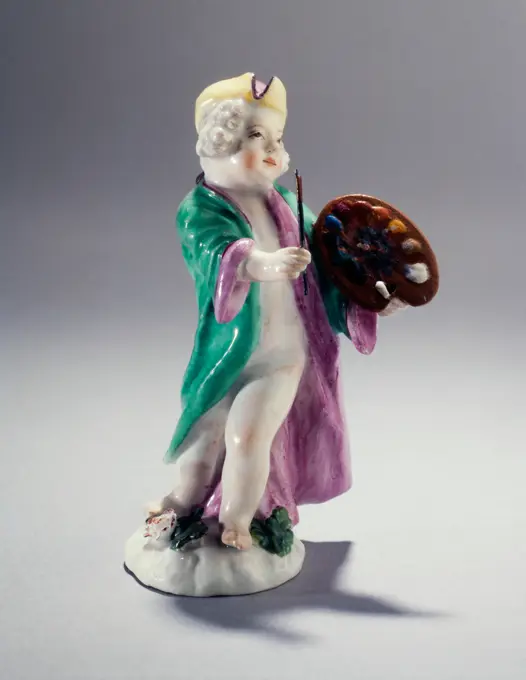
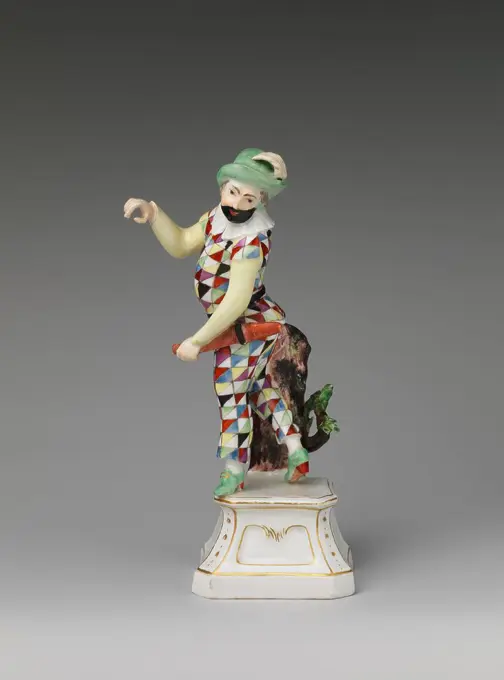
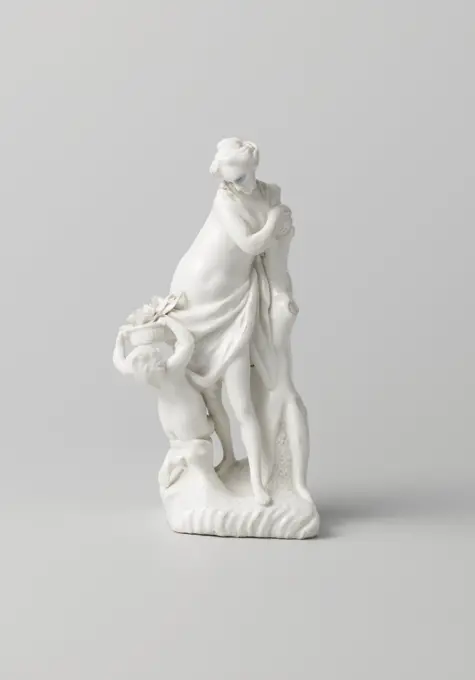
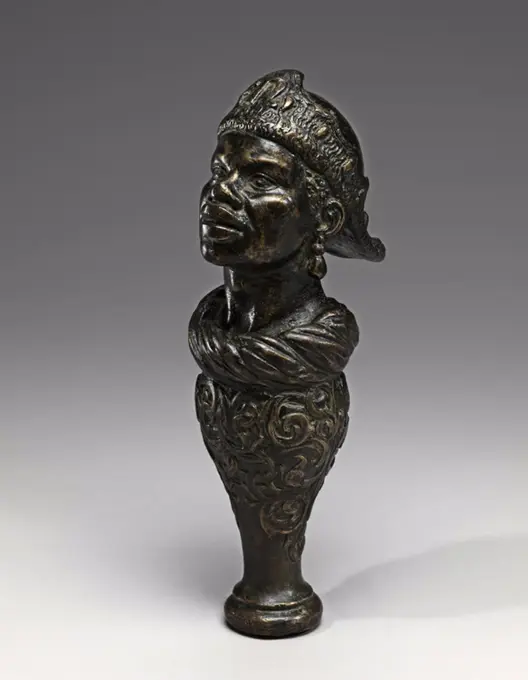
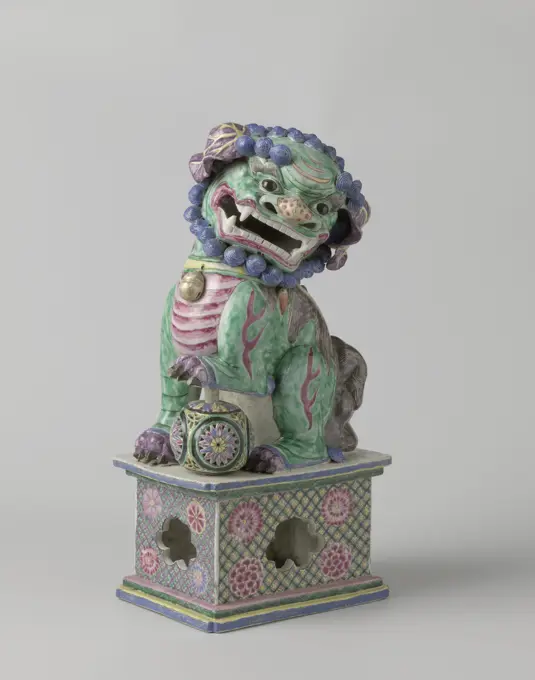
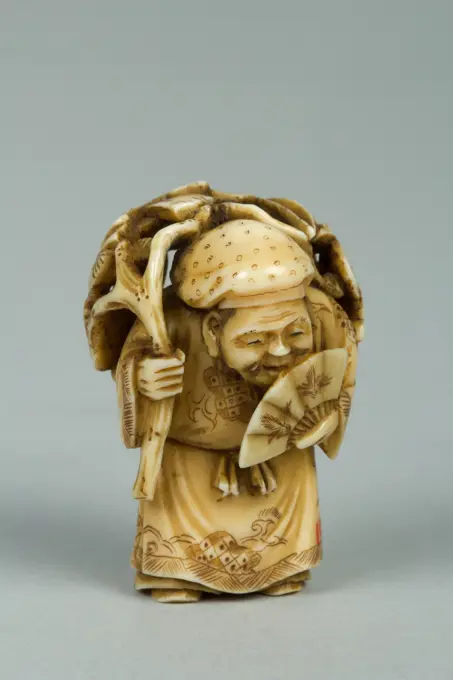
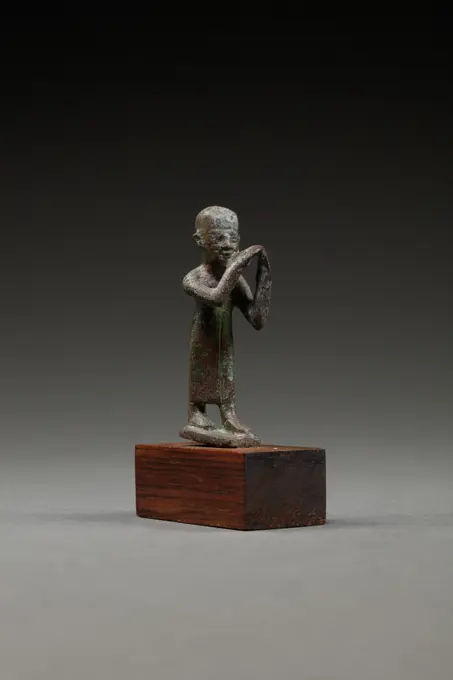
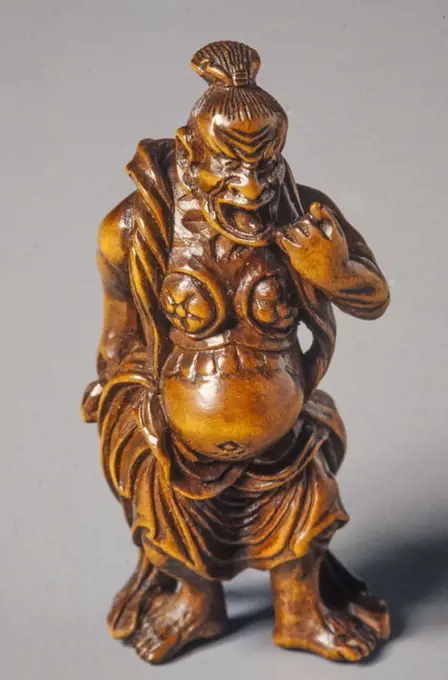
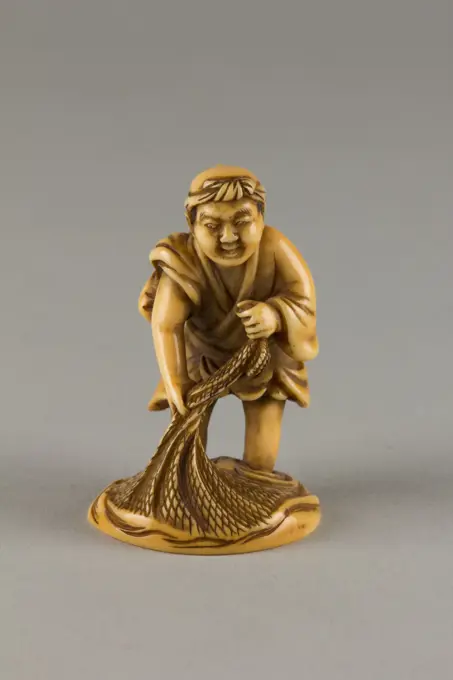
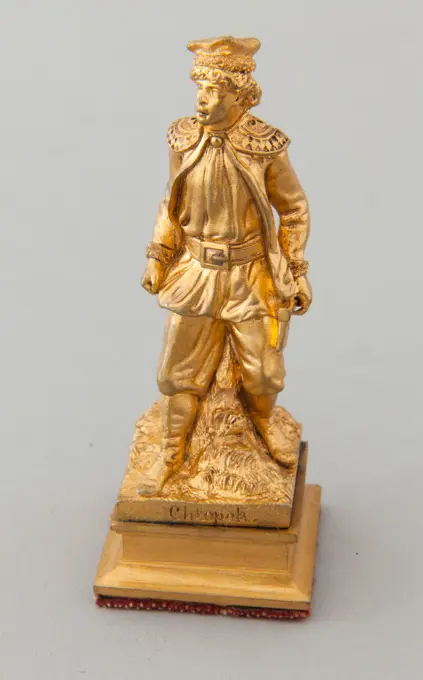
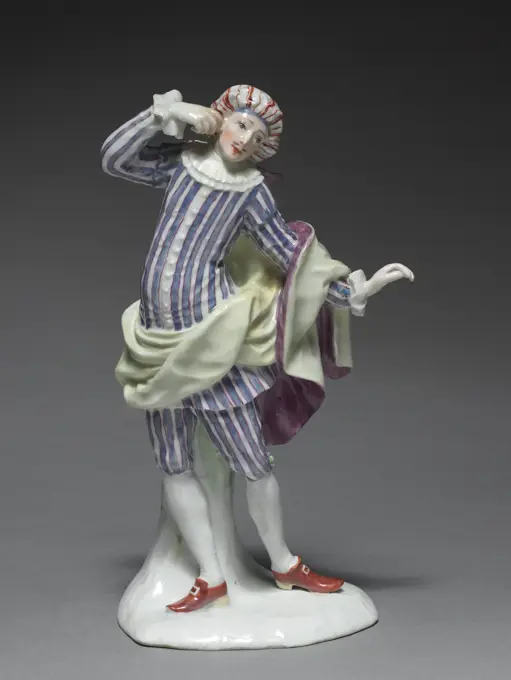
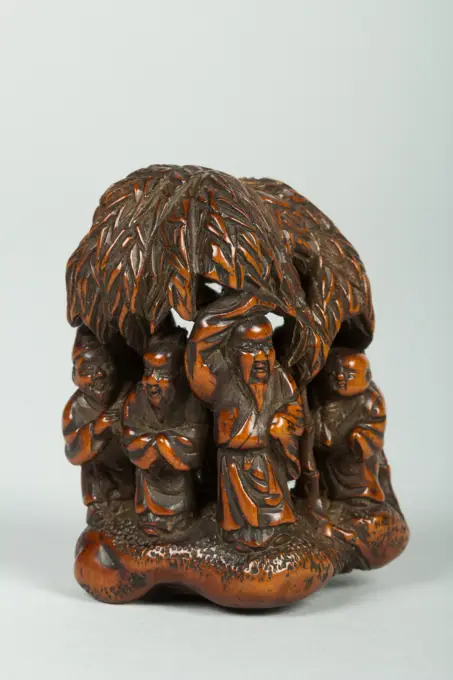
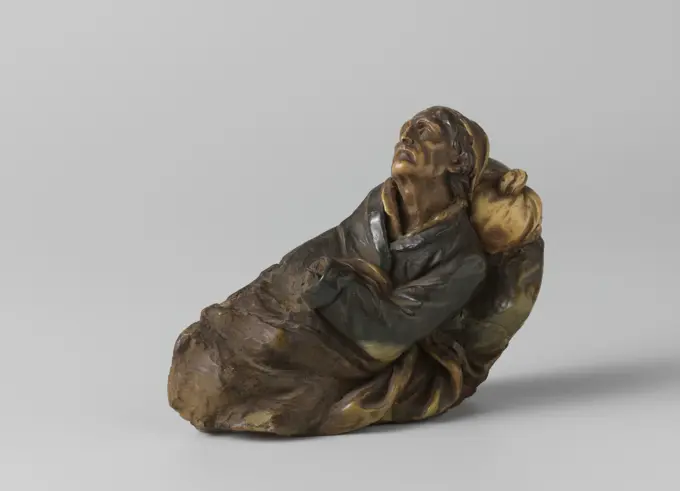
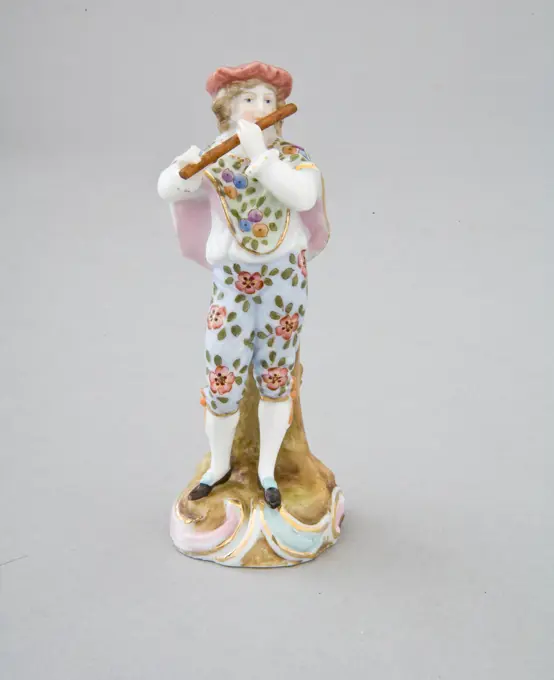
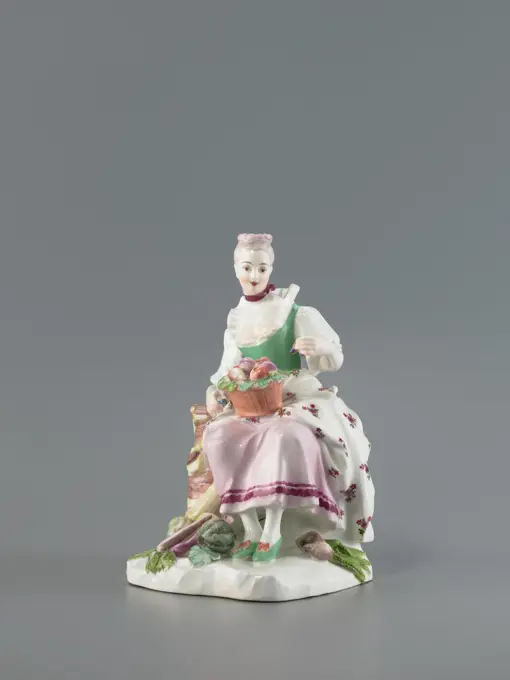
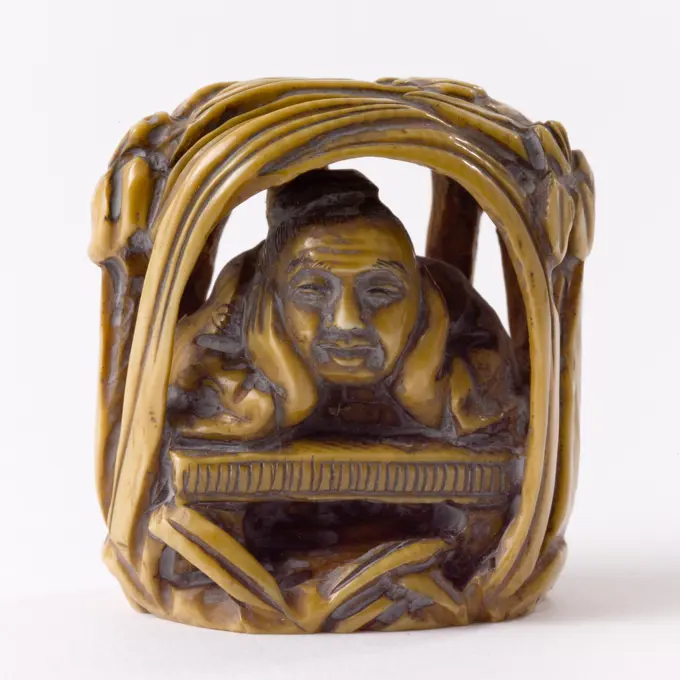
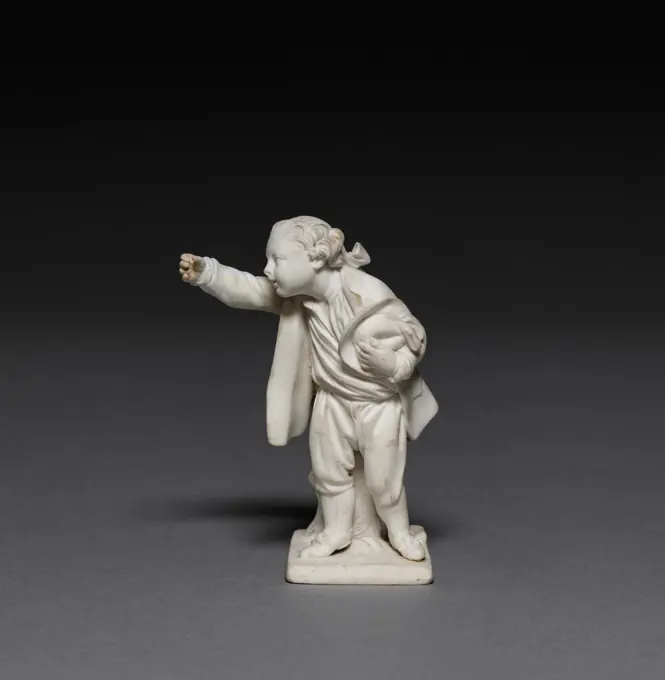
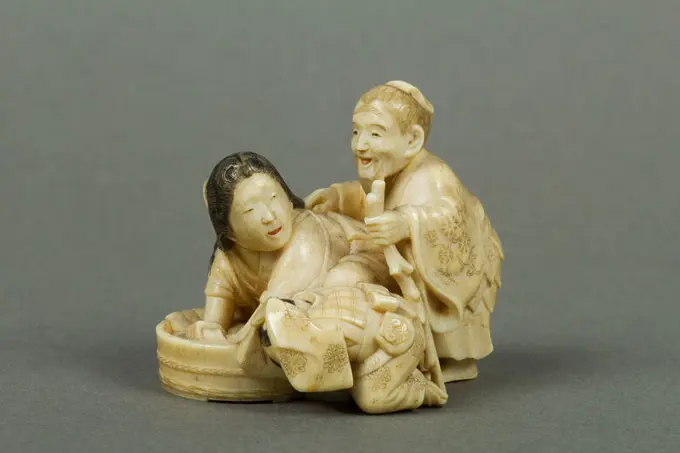
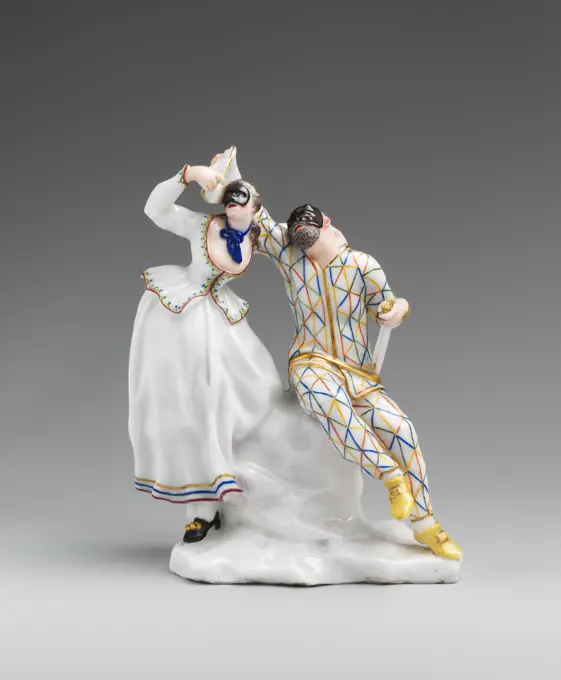
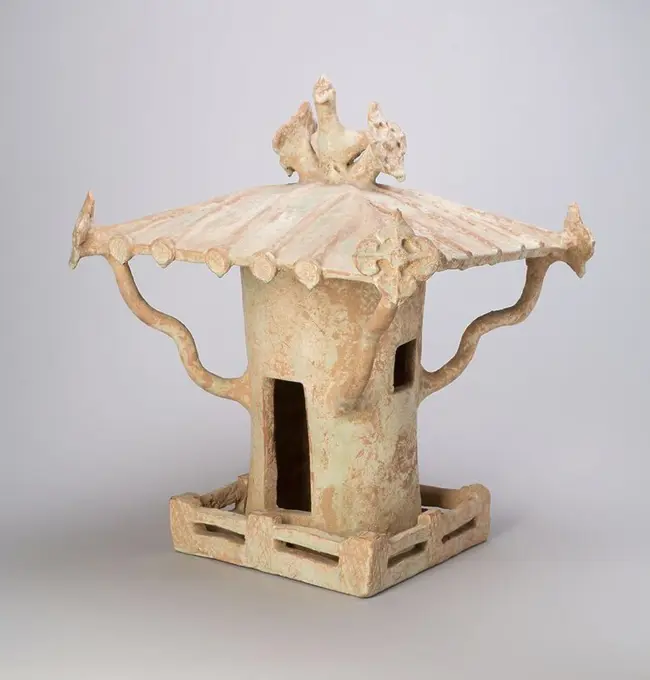
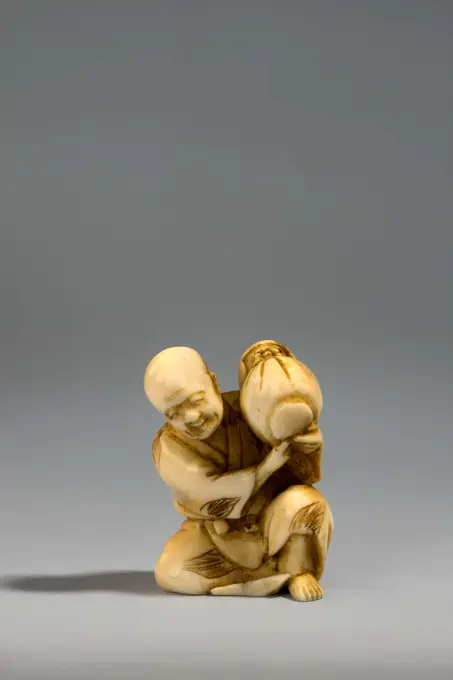
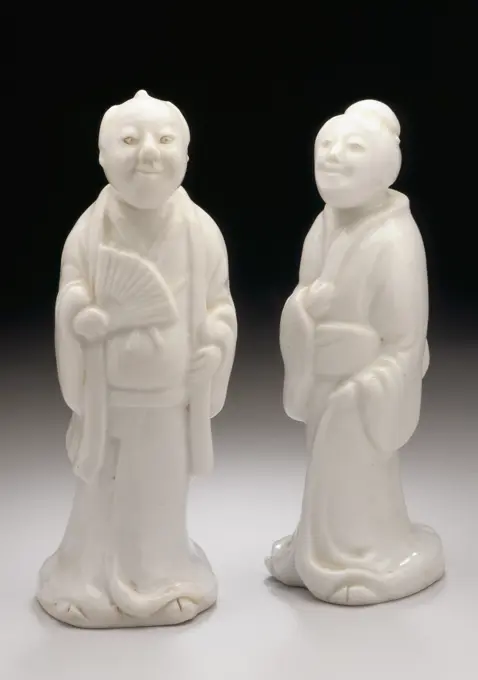
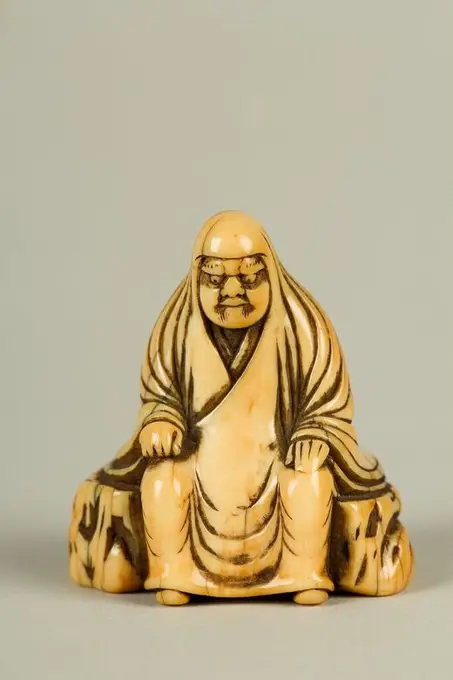
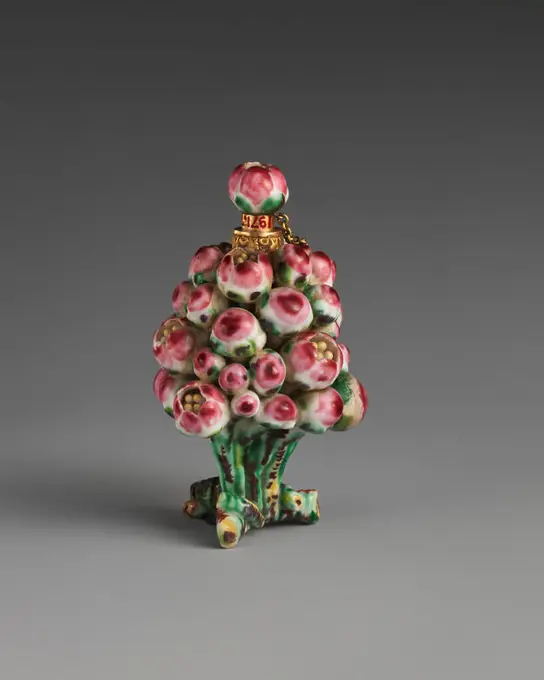
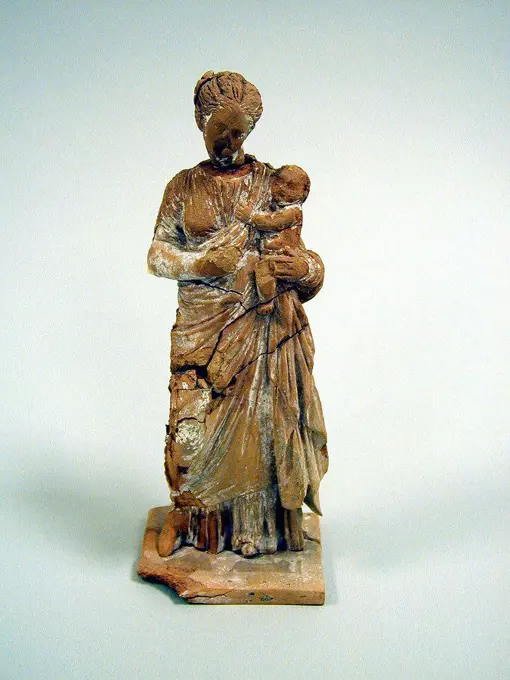
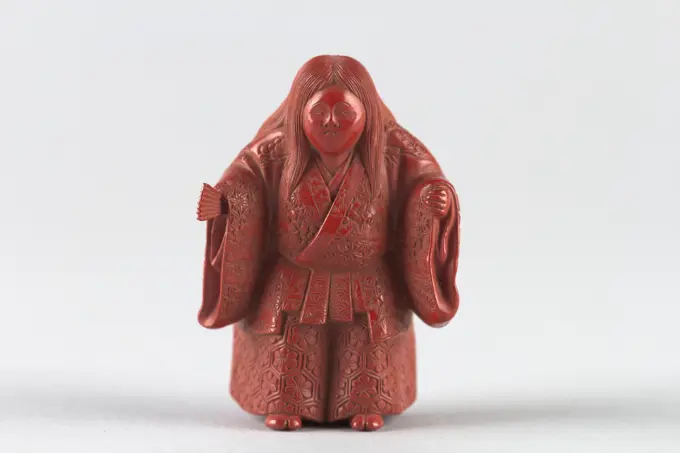
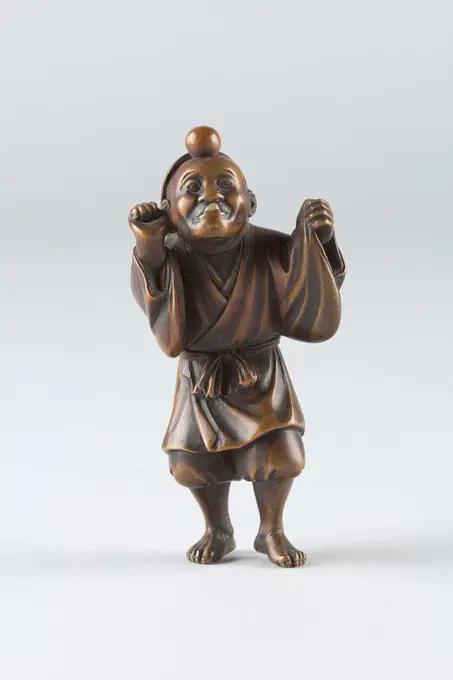
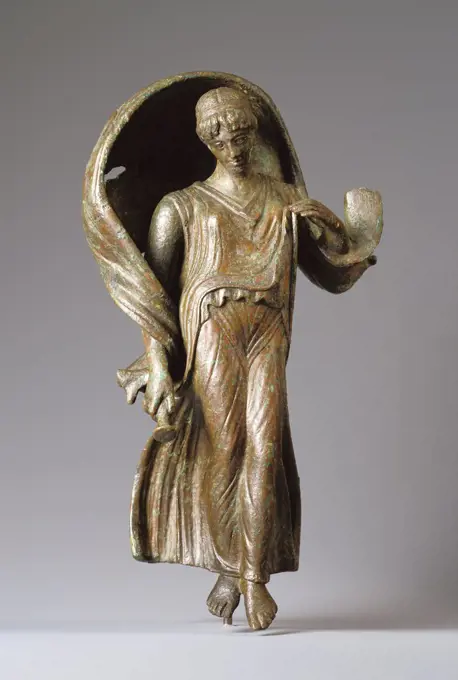
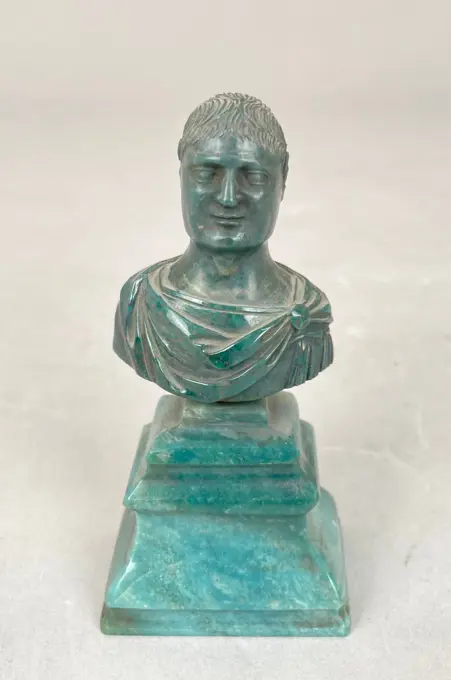
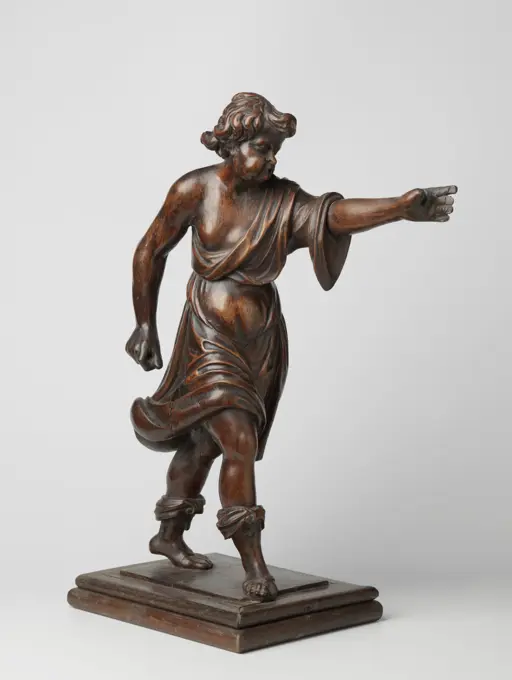
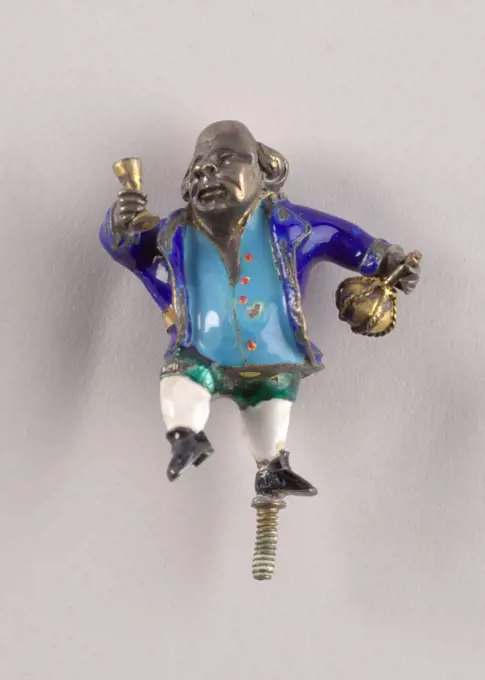
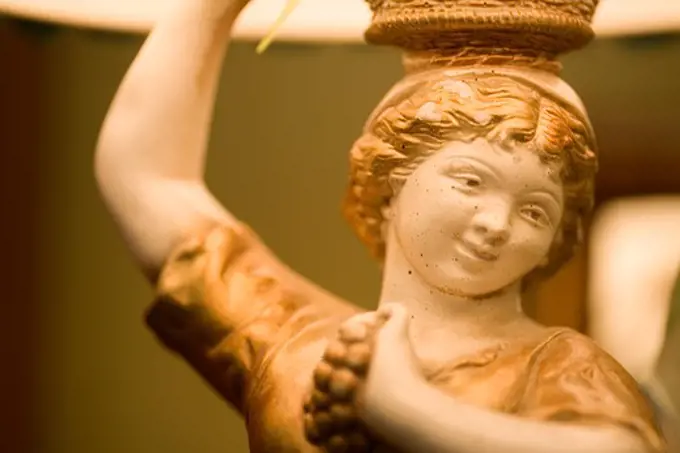
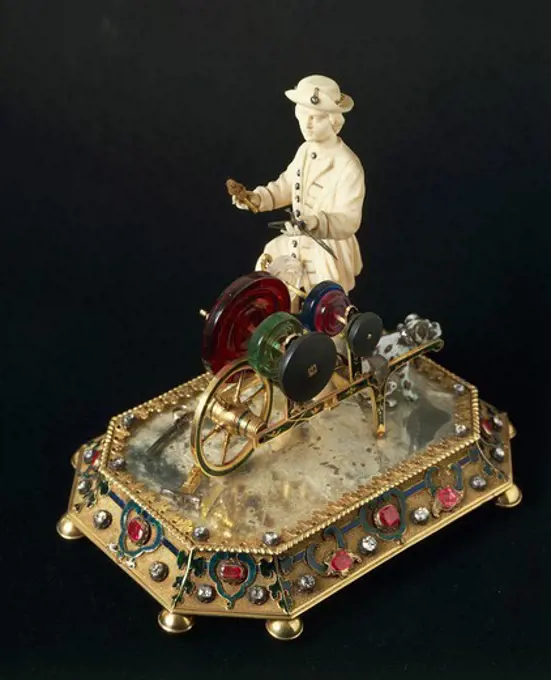
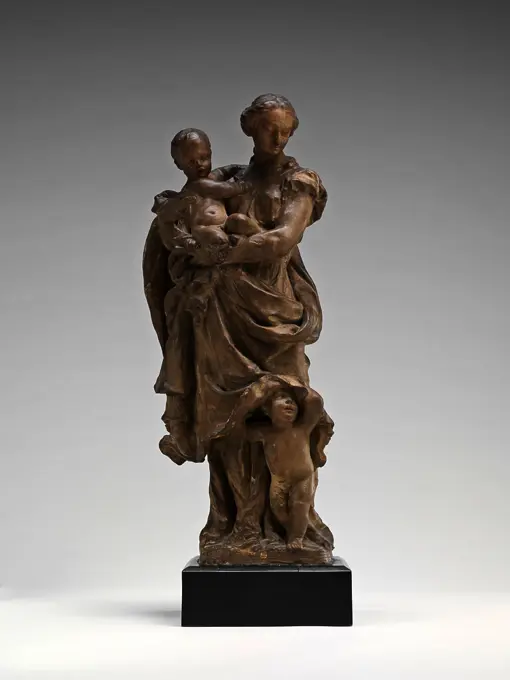
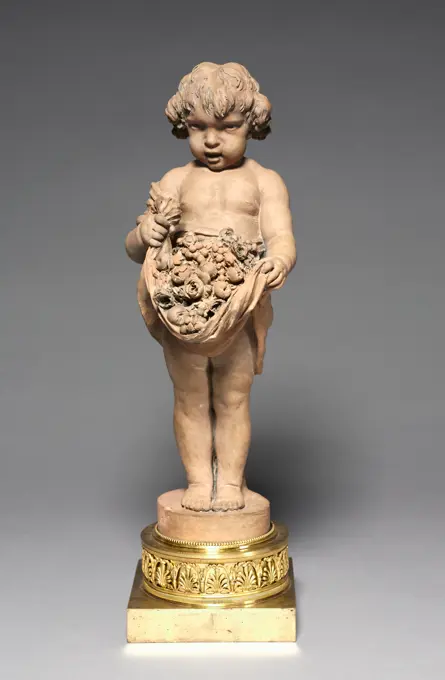
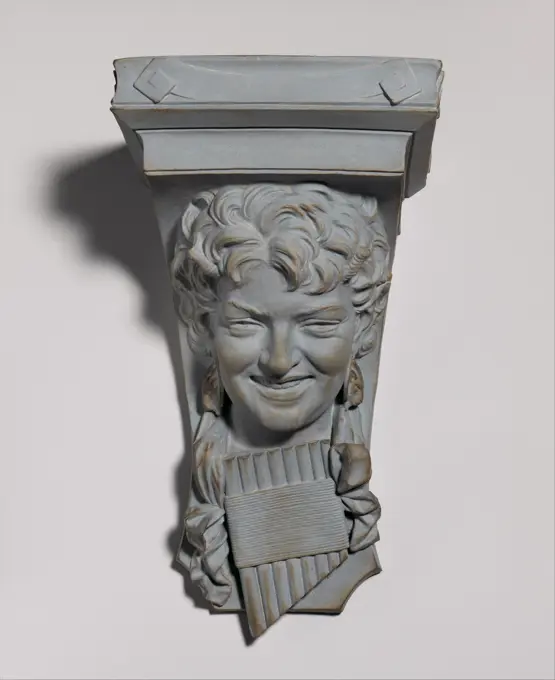
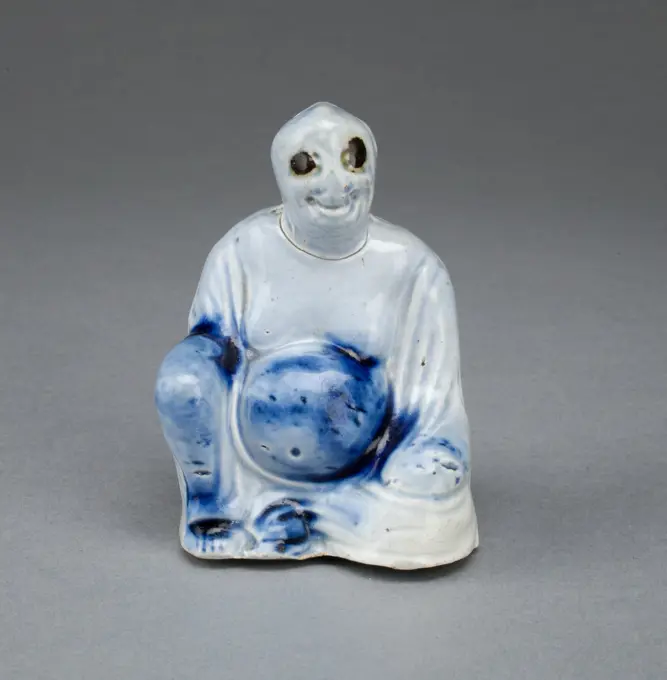
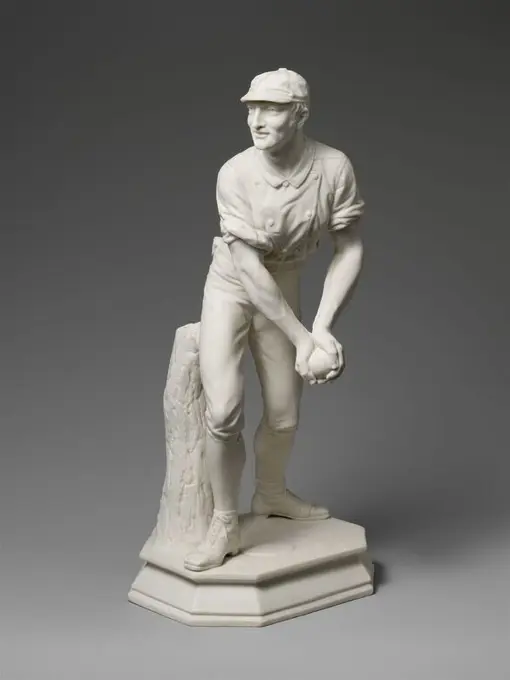
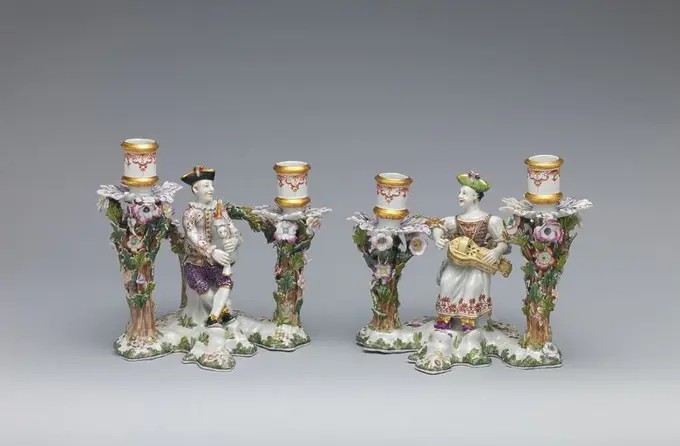
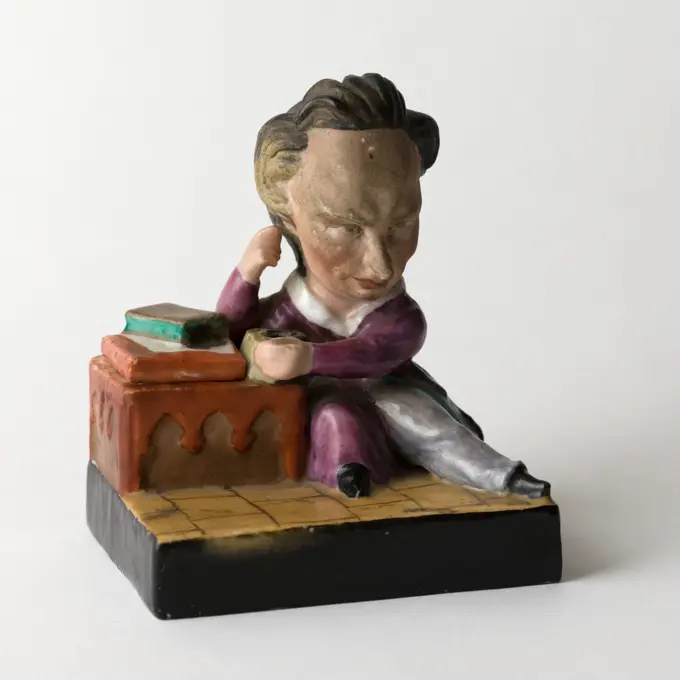
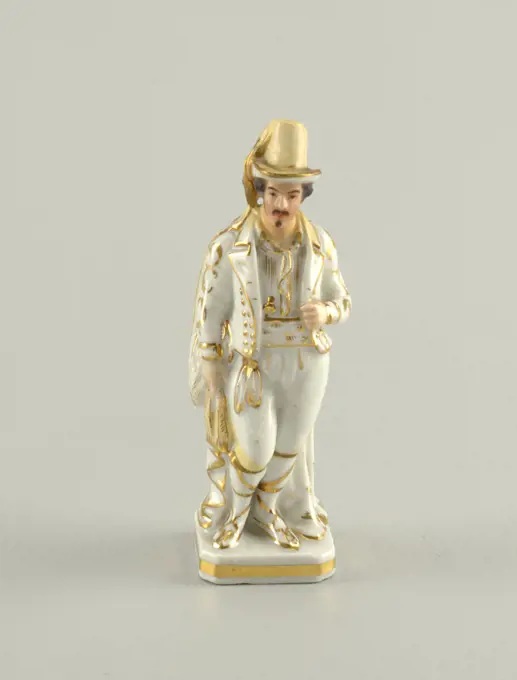
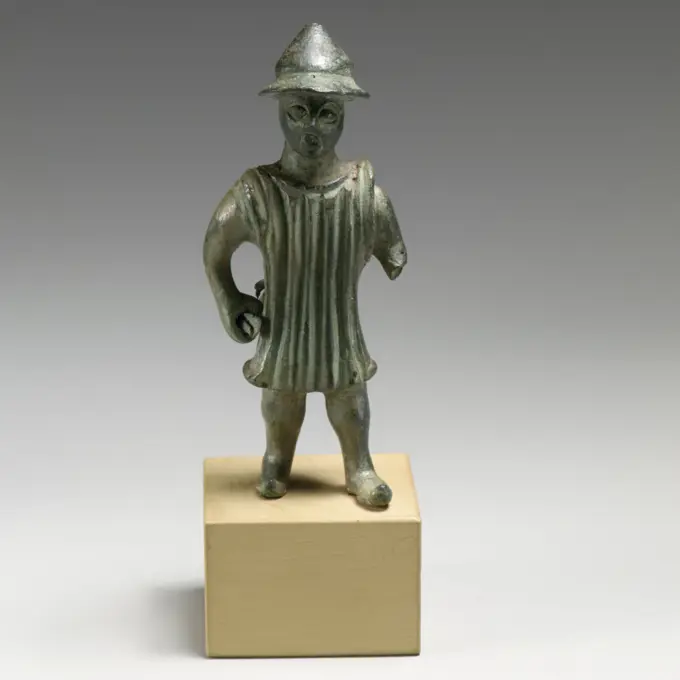
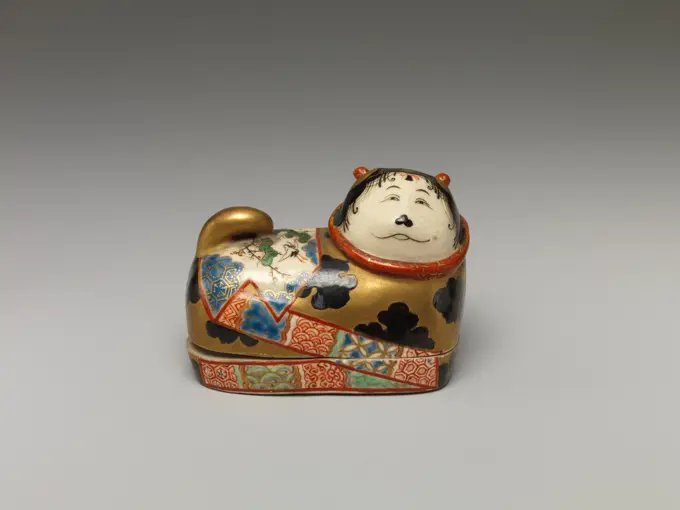
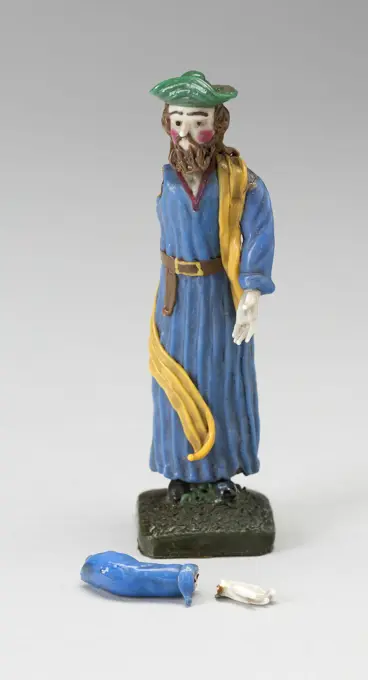
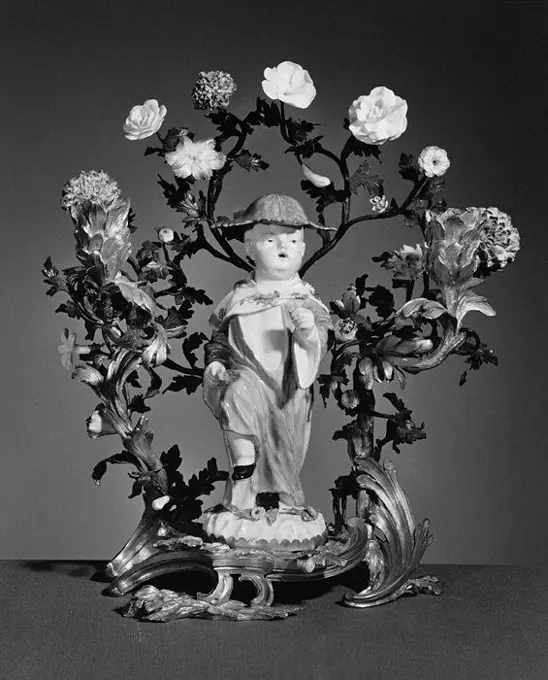
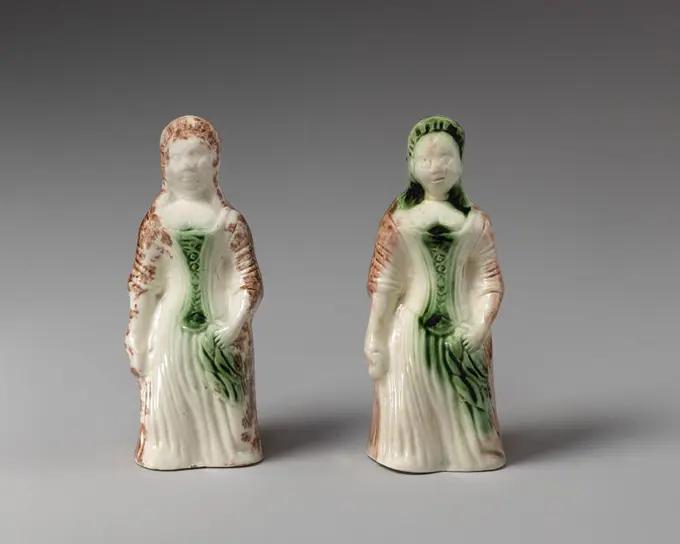
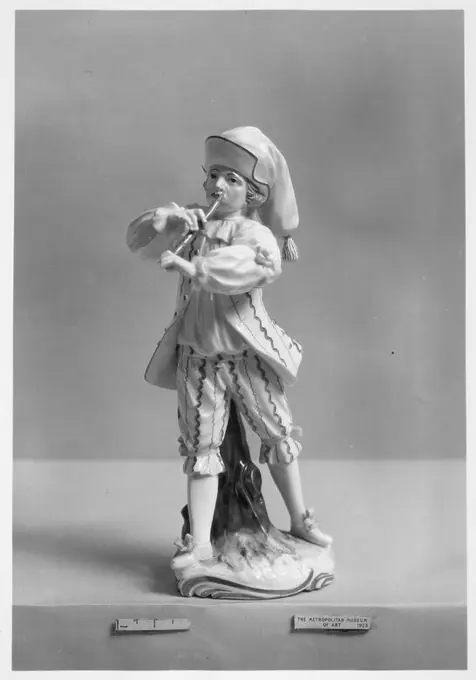
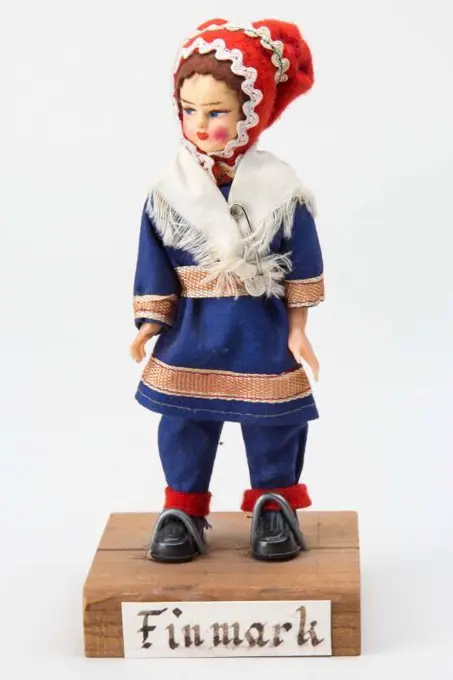
Hariti Statuette, 618-907. China, Tang dynasty (618-907). Ivory; overall: 8.7 cm (3 7/16 in.).Image of hard-baked pottery, with multicolored decoration decoration, Ralph Wood .. Image of hard-baked pottery. The image represents a man with a lamb on his back. The man stands on a ground, against a tree stump. The image is painted multi-colored.Woman Holding a Chalice 1700-1750 France. Glass; lampwork (verre de Nevers), metal armature .Anonymous, modeler, Johann Johann Joachim Kändler and Peter Reinicke, L'Amour painter, Manufacture de Meissen. Date of the model: around 1756. No brand. Polychrome porcelain statuette on terrace decorated with flowers and leaves. Paris, Cognacq-Jay museum. Love, disguise, painter love, lovers, palette, brush, porcelain, Meissen porcelainHarlequin. Culture: German, Höchst. Dimensions: Overall (confirmed): 8 1/4 x 4 3/8 x 3 9/16 in. (21 x 11.1 x 9 cm). Factory: Höchst Manufactory (German, 1746-1796). Modeler: Model attributed to Johann Christoph Ludwig von Lücke (German, Dresden 1703-1780 Gdansk (Danzig)). Date: ca. 1750-53. Museum: Metropolitan Museum of Art, New York, USA.Spring, from a series of the four seasons, Weesper Porseleinfabriek, c. 1760 - c. 1763 Allegorical figure, representing spring with a woman leaning against a tree stump and a child on her feet that holds up a basket with flowers. The eyes of the woman and the child are painted blue. Marked with two crossed swords and three bulbs in underly glaze blue and Inganglift X. Weesp porcelain Allegorical figure, representing spring with a woman leaning against a tree stump and a child on her feet that holds up a basket with flowers. The eyes of the woman and the child are painted blue. Marked with two crossed swords and three bulbs in underly glaze blue and Inganglift X. Weesp porcelainChess figure Ciura Skirmuntt, Helena (1827 1874)Figurine of Hygieia Brothers. Belt knot (Netsuke) of wood in the shape of a bent standing man with a child on the back and an object in hand.Vestal figure with Chalice, c. 1600, 10 1/2in. (26.7cm), Gilt bronze, Italy, 16th-17th centuryHandle in the Form of a Moor's Head. Dated: 17th century. Dimensions: height: 21 cm (8 1/4 in.). Medium: bronze. Museum: National Gallery of Art, Washington DC. Author: Italian 17th Century.Figure of a shishi with its paw on a pierced ball, anonymous, c. 1800 - c. 1899 Image of a shishi (lion dog) of porcelain on an open -dressed pedestal, painted on the glaze in blue, red, pink, green, yellow, purple, black and gold. The Shishi has turned its head to the left and rests with its left leg on an openwork ball with flower rosettes; On the pedestal two tires with curl work and arrear work, flower rosettes on servetwork in the middle. Famle Rose. China porcelain. glaze. gold (metal) painting / gilding / vitrification Image of a shishi (lion dog) of porcelain on an open -dressed pedestal, painted on the glaze in blue, red, pink, green, yellow, purple, black and gold. The Shishi has turned its head to the left and rests with its left leg on an openwork ball with flower rosettes; On the pedestal two tires with curl work and arrear work, flower rosettes on servetwork in the middle. Famle Rose. China porcelain. glaze. gold (metal) painting / gilding / vitrificationNetsuke 19th century Japan. Netsuke. Japan. 19th century. Ivory. Edo (1615-1868) or Meiji period (1868-1912). NetsukeLa Feuille à l'Envers, Sèvres Porcelain Manufactory, French, established 1756 to the present, soft paste biscuit, Two figures. A woman reclining on right elbow, clutching flowers. Left hand and foot upraised. Man seated on stump, leaning forward., France, ca. 1760, ceramics, Decorative Arts, figure, figureChess figure Camel. Tower. Koran. Skirmuntt, Helena (1827 1874)Statuette of a flutist ca. 4th century B.C. or later Late Period-Ptolemaic Period This small bronze statuette depicts a man standing on top of a base with his left leg forward. He wears a skull cap and a long straight garment wrapped at the front. The artist did not differentiate the hands from the instruments they are holding, but his raised hands clearly hold two flutes. His right hand is raised higher than the other, placing the flutes to his left, where he could breathe air into them to play them. As the man eternally plays his instruments, his figure alludes to significance of music and musicians in religious experience of the first millennium B.C.. Statuette of a flutist. ca. 4th century B.C. or later. Copper alloy. Late Period-Ptolemaic Period. From EgyptNetsuke, japanese miniature sculpture. Museum: COLECCION PRIVADA.Sitting figure, c. 1790 - c. 1810 Sitting figure of dark wood, inlaid with silver decorations, representing a Dutchman. sculptor: Japan (possibly)China (possibly) wood (plant material) Sitting figure of dark wood, inlaid with silver decorations, representing a Dutchman. sculptor: Japan (possibly)China (possibly) wood (plant material)Netsuke. Culture: Japan. Dimensions: H. 1 1/2 in. (3.8 cm). Date: 19th century. Museum: Metropolitan Museum of Art, New York, USA.Netsuke 19th century Japan. Netsuke. Japan. 19th century. Ivory. Edo (1615-1868) or Meiji period (1868-1912). NetsukeChess figure Chładek Skirmuntt, Helena (1827 1874)Bronze statuette of a priest or offrant 3rd-1st century B.C. Etruscan. Bronze statuette of a priest or offrant 246293Man Holding Muff 1750-1799 France. Glass; lampwork (verre de Nevers), metal armature .'Le Travail' ('Work'), Marble, bronze, France, late 19th century, metalwork, Decorative Arts, Inkstand, InkstandItalian Comedy Figure: Mezetin, c. 1753. Fürstenberg Porcelain Factory (German), Simon Feilner (German, 1798). Porcelain with enamel decoration; overall: 19.7 x 9.4 x 8.1 cm (7 3/4 x 3 11/16 x 3 3/16 in.).Netsuke of Figures Under a Bamboo Tree 19th century Japan. Netsuke of Figures Under a Bamboo Tree. Japan. 19th century. Wood. Edo (1615-1868) or Meiji period (1868-1912). NetsukeFruit basket and stand (one of a pair) 1790-1800 Chinese, possibly for Continental European market. Fruit basket and stand (one of a pair) 201331Stervende man, "The Dying Socrates", Voltaire(), c. 1778 Image of an old man, lying on bed, where the head, shoulders and the left arm are visible above the bedding. The head rests back, the eyes are open. The left arm is bent and rest on the body. The man is dressed in a shirt and jacket and wears a sleeping hat. The colors are predominantly brown, green and (yellowed) white. Paris wax Image of an old man, lying on bed, where the head, shoulders and the left arm are visible above the bedding. The head rests back, the eyes are open. The left arm is bent and rest on the body. The man is dressed in a shirt and jacket and wears a sleeping hat. The colors are predominantly brown, green and (yellowed) white. Paris waxWoman with impeller. Figure representing a multi-colored painted woman with impeller in the right hand. Marked with a cross in underglaze blue.Wooden sculpture, kneeling angel holding up the candlestick on her knee, sculpture statuary candlestick candleholder lighting tool wood paint base metal, adorn church altarA boy playing a flute CopenhagenCoachman bottle, c. 1850, 10 1/2 x 4 1/2 x 4 1/2 in. (26.7 x 11.4 x 11.4 cm), Glazed ceramic, United States, 19th centuryFigure: Sale of fruit and vegetables; Kaiserliche Porzellanmanufaktur in Wien (1744-1864); around 1760/70 (1760-00-00-1770-00-00);Netsuke. Sennin meditating under the iris. Japan. Ivory. Paris, Cernuschi museum. Clothing element, netsuke, dress object, traditional clothingFemale attendant carrying a stool late 6th-early 7th century China. Female attendant carrying a stool 62851Figure of a Bird Charmer, 1764-1766. Manufactured by Sèvres Porcelain Factory (French, est. 1756), Etienne-Maurice Falconet (French, 1716-1791). Unglazed soft-paste porcelain (biscuit); overall: 12.1 x 8.3 x 5.8 cm (4 3/4 x 3 1/4 x 2 5/16 in.).Three playing boys late 17th-early 18th century China. Three playing boys. China. late 17th-early 18th century. Porcelain painted with polychrome enamels over the biscuit (Jingdezhen ware). Qing dynasty (1644-1911), Kangxi period (1662-1722). CeramicsFigure from the Maria Church in Utrecht. Both relatively thin molded pieces (BK-NM-2806/07) are upper halves of presumably standing figures. They distinguish themselves by their mutually identical special clothing, of which no other examples are known. This costume is equipped with a kind of BEF () And is kept together by a knot at the height of the means. It forms one whole with the slightly pointed hood on the head. This is deposited by a tire, which has been placed on the rear of the cross and whose ends of spiral ending at the height of the wing-shaped turn on to the shoulders (even partially present at BK-NM-2806). On the band a decorative element () Is arranged in the middle of the head. The faces are oval and have clearly profiled eyes, eyebrows, nose mouth and chin. The ears and lure ends spiral. Instead of his left arm, BK-NM-2807 has a curved right ending protrusion. In addition, one and two holes with copper are closed in the trunk on the front and back, as well as a hole Netsuke. Culture: Japan. Dimensions: H. 1 3/8 in. (3.5 cm); W. 1 5/8 in. (4.1 cm); D. 1 3/16 in. (3 cm). Date: 19th century. Museum: Metropolitan Museum of Art, New York, USA.Girl with lambs. Culture: British, Chelsea. Dimensions: 3 3/8 × 1 1/2 in. (8.6 × 3.8 cm). Factory: Chelsea Porcelain Manufactory (British, 1745-1784, Gold Anchor Period, 1759-69). Date: ca. 1760-65. Museum: Metropolitan Museum of Art, New York, USA.Harlequin and Columbine ca. 1745 Capodimonte Porcelain Manufactory. Harlequin and Columbine 207333(Penitent Oni), 20th century, Unknown Japanese, 1 5/8 x 1 x 7/8in. (4.1 x 2.5 x 2.2cm), Ivory, Japan, 20th centuryRider on horseback. On an elongated plate there is a rider with a sweep on its left side and a whip in its right hand. The rider carries a stitch. A zig-zag line is engraved along the edge of the plate. The image is marked: stk. = Amsterdam, jrl. = X (1757), mt. = Foot 443 and an ax.Pop of wood in Japanese clothing. Puppet made of wood in Japanese clothing on a wooden board.Figure in the form of a boy with a bird's nest in his hat. Figure in the form of a boy with a bird's nest in his hat. Marked with factory brand in underglazing blue and replenge M.Lady 1750-1799 France. Glass; lampwork (verre de Nevers), metal armatureTop Story of a Tower (Tomb Model). China. Date: 25 AD-220 AD. Dimensions: 44.5 × 37.5 × 38.0 cm (17 1/2 × 14 3/4 × 14 15/16 in.). Earthenware with green lead glaze. Origin: China. Museum: The Chicago Art Institute, Chicago, USA.Luohan (Arhat) 18th century China. Luohan (Arhat). China. 18th century. Jade (nephrite). Qing dynasty (1644-1911). JadeSeal Made 1750-1770 Chelsea. Soft-paste porcelain, polychrome enamels and gilding; hardstone and metal mount . Chelsea Porcelain FactorySmiling man holding a large Daruma doll in his hands; netsuke. unknown, sculptorPair of Okimono in the Form of a Standing Couple. Japan, 19th century. Ceramics. Hirado ware; porcelain with white glazeNetsuke. Culture: Japan. Dimensions: H. 1 7/8 in. (4.8 cm); W. 1 3/4 in. (4.4 cm). Date: 19th century. Museum: Metropolitan Museum of Art, New York, USA.Scent bottle. Culture: British, London. Dimensions: Height (with stopper): 2 5/8 in. (6.7 cm). Maker: Saint James's Factory (British, ca. 1748/49-1760). Date: ca. 1750-55. Museum: Metropolitan Museum of Art, New York, USA.Statuette of a woman with infant 3rd century B.C. Greek, Boeotian. Statuette of a woman with infant 249217Soldier 1700-1799 France. Glass; lampwork (verre de Nevers), metal armature .Portrait medallion of Prince Frederik Willem George, Johann Heinrich Schepp, 1784 Portrait medallion of Prince Frederik Willem George. The prince is used to the right. He is wearing a tail wig, a uniform jacket with nests, ordin and jabot on the shoulders. A cloak is draped around its waist.  gypsum Portrait medallion of Prince Frederik Willem George. The prince is used to the right. He is wearing a tail wig, a uniform jacket with nests, ordin and jabot on the shoulders. A cloak is draped around its waist.  gypsumNetsuke of Noh Dancer 19th century Japan. Netsuke of Noh Dancer. Japan. 19th century. Red lacquer. Edo (1615-1868) or Meiji period (1868-1912). NetsukeNetsuke of Boy Wearing a Mask. Culture: Japan. Dimensions: H. 3 in. (7.6 cm); W. 1 1/2 in. (3.8 cm); D. 7/8 in. (2.2 cm). Date: 18th century. Museum: Metropolitan Museum of Art, New York, USA.Powder Flask Made 1645-1655 Germany. silver and pearwood . Johann Georg MaucherStatuette of a Draped Female Figure, perhaps Nyx; Unknown; Roman Empire; 1st century B.C.; Bronze; Object: H: 25.4 cm (10 in.)Netsuke 19th century Japan. Netsuke. Japan. 19th century. Ivory. Edo (1615-1868) or Meiji period (1868-1912). NetsukeClose-up of a Toby jug, Staffordshire, EnglandChess figurine Mennecy VilleroyDomitian (Titus Flavius Domitianus Augustus), Emperor 81-96 A.D. Italian late 16th century For similar busts, see 25.203.12 (agate) and 25.203.14 (heliotrope). View more. Domitian (Titus Flavius Domitianus Augustus), Emperor 81-96 A.D.. Italian. late 16th century. Heliotrope and green agate. Lapidary WorkFemale Figure 1830-70 American. Female Figure. American. 1830-70. Parian porcelain. Probably made in Bennington, Vermont, United StatesScent Bottle Huntswoman 1770-1780 Ludwigsburg. Hard-paste porcelain, polychrome enamels, and gilding . Ludwigsburg Porcelain FactoryHooping boy, W. Freen, c. 1856 - c. 1858 A man is behind a hoop on an elongated plate. The boy is wearing a sting and in his right hand he has a stick. The plate has an engraved ZIG-Zag line along the edge. The image is marked with a sword and a master sign. Dordrecht silver (metal) A man is behind a hoop on an elongated plate. The boy is wearing a sting and in his right hand he has a stick. The plate has an engraved ZIG-Zag line along the edge. The image is marked with a sword and a master sign. Dordrecht silver (metal)Parasol Vendor, late 1800s-early 1900s. Japan, Meiji period (1868-1912). Ivory; overall: 3.5 cm (1 3/8 in.).Fame, anonymous, c. 1725 - c. 1750  Northern Netherlands rosewood (wood)  Northern Netherlands rosewood (wood)Figure, metal, enamel gilt, brass, lead, Enameled and gilt metal figurine of bald-pated man holding brass decanter and wine glass. Enameled costume: royal blue jacket with tan belt, blue waistcoat with red buttons, green breeches, white stockings, black shoes. Threaded pin for support on base of left foot., Vienna, Austria, 1850-1900, miniatures, Decorative Arts, FigureBust of a child, anonymous, c. 1500 The head with light wavy hair is used to the left, the mouth is not completely closed. Halfway through the right shoulder, a draped garment slows to the right. A round opening in the skull. Florence bronze (metal) The head with light wavy hair is used to the left, the mouth is not completely closed. Halfway through the right shoulder, a draped garment slows to the right. A round opening in the skull. Florence bronze (metal)Kitsch LampHawk on a Tree Stump ca. 1820 Japan. Hawk on a Tree Stump 49429Goldsmith's art, Italy, 18th century. Figurine of knife-grinder in gold, ivory, diamonds and precious stones.Tammany Bank' or 'Little Fat Man' mechanical bank, c. 1873, John D. Hall; Manufacturer: J. & E. Stevens Company, Cromwell, Connecticut, 1843-1950s, American, 5 1/2 x 3 3/8 x 4 3/8 in. (13.97 x 8.57 x 11.11 cm), Iron, pigment, 19th centuryCharity. Dated: 1700. Medium: terracotta. Museum: National Gallery of Art, Washington DC. Author: Giuseppe Mazzuoli.Child Carrying Fruit and Flowers, 18th-early 19th century. Clodion (French, 1738-1814). Terracotta; overall: 42.2 x 12.8 x 15.3 cm (16 5/8 x 5 1/16 x 6 in.); without base: 35.3 cm (13 7/8 in.).Amor and psych - figurine; Popow, Aleksander (Porcelain Factory; 1806-1872); after 1820 (1820-00-00-1845-00-00);Bracket 1877 Ott and Brewer. Bracket 21356Sugar caster ca. 1740 Meissen Manufactory German. Sugar caster 203171Seated Buddha 1750-1765 Staffordshire. Salt-glazed stoneware, cobalt blue and brown enamel decoration .archer bronze statuette and chieftain praying with cloak and stick fgurineCatcher. Culture: American. Designer: Designed by Isaac Broome (1835-1922). Dimensions: 14 7/8 in. (37.8 cm). Manufacturer: Manufactured by Ott and Brewer (1871-1893). Date: ca. 1875-76.This parian figure of a baseball player illustrates the exceptional skill and creativity of Isaac Broome, an important sculptor who designed wares for the Ott and Brewer firm in Trenton, New Jersey. Broome expertly depicted the catcher in action, capturing the moment he catches the ball. The details of the muscular limbs as well as the stitching on the uniform are also exceedingly well rendered. This model matches one of three figures that embellished the large "Baseball Vases" exhibited by Ott and Brewer at the 1876 Centennial Exhibition in Philadelphia. It is one of the artist's most iconic works and arguably one of the most important pieces of nineteenth-century American porcelain. Museum: Metropolitan Museum of Art, New York, USA.Companion surrounding viewing cupboard. Group presented a man with a viewing cupboard, in which a girl looks and watching a boy. Signature with crowned CT monogram in underglazing blue and enrolled no.z.Candelabrum (one of a pair). Culture: Austrian, Vienna. Dimensions: 6 13/16 × 6 7/8 in. (17.3 × 17.5 cm). Factory: Vienna. Factory director: Du Paquier period (1718-1744). Date: ca. 1740. Museum: Metropolitan Museum of Art, New York, USA.Anonymous. Inkwell "Victor Hugo". Ceramic. Paris, house of Victor Hugo. Inkwell Victor Hugo Ceramic, ceramic, French writer, inkwell, French writer, inkpot, object, object, 19th 19th 19th 19th 19th 19th century, caricatureFigures, Glazed and gilt porcelain, A man dressed in white with gold accents. He wears a tall hat with a long gold feather., Italy, 19th century, ceramics, Decorative Arts, FiguresPorcelain lid in the shape of a sitting child with rabbit. Porcelain lid in the shape of a sitting child with rabbit.Bronze statuette of a man late 6th century B.C. Greek, Arcadian He wears a tunic, a conical cap and shoes.. Bronze statuette of a man 255383One of a Pair of Incense Boxes in the Shape of Dog Charms ca. 1840 Japan Pairs of dog-shaped papier-mché figures (inuhariko) were produced from the Heian period on as protective amulets. By the beginning of the Edo period, they were part of the traditional wedding set, used to ensure safe childbirth and also to protect the child's health. Initially, inuhariko pairsmale and femalewere presented at the engagement ceremony; later, they had an important role in the wedding process as wellthey were carried in the wedding palanquin as good luck amulets. Inuhariko can also be found in the shape of cats.. One of a Pair of Incense Boxes in the Shape of Dog Charms. Japan. ca. 1840. Porcelain with overglaze enamels (Minpei kilns). Edo period (1615-1868). CeramicsMan 1700-1799 France. Glass; lampwork (verre de Nevers), metal armature .Pendant with St. Christopher Carrying the Christ Child late 15th century German Such small pendants of Saint Christopher, the patron saint of travelers, may have been carried by pilgrims and others seeking protection on their journeys.. Pendant with St. Christopher Carrying the Christ Child. German. late 15th century. Copper-gilt. Metalwork-CopperCandelabrum (one of a pair) ca. 1745-50 Meissen Manufactory German. Candelabrum (one of a pair) 205531Fork Handle with Queen Mary II of England (1662-1692), anonymous, 1689 - 1702  Ivory Messenheft representing Maria Stuart standing with hands on her belly folded and a small cap on the head. NOTE: Pendant of Messenheft Inv.nr. NG-NM-569. Netherlands ivory cuttingJar, Anonymous, c. 1575 - c. 1625Pair of standing women. Culture: British, Staffordshire. Dimensions: Height (each): 4 1/2 in. (11.4 cm). Maker: Style of Whieldon type. Date: ca. 1750. Museum: Metropolitan Museum of Art, New York, USA.Flute player. Culture: German, Frankenthal. Dimensions: Height: 6 3/4 in. (17.1 cm). Factory: Frankenthal Porcelain Manufactory (German). Factory owner: Karl Theodor period (1762-1800). Date: ca. 1765. Museum: Metropolitan Museum of Art, New York, USA.Doll from Finland,  1925-1992Candelabrum (one of a pair) ca. 1740 Vienna. Candelabrum (one of a pair) 203194Isabella of Bourbon, wife of Charles the Bold, Duke of Burgundy died in 1465. Their daughter Mary built a funeral monument for her in the abbey of Saint Michael in Antwerp. The tomb was surrounded by 24 figures of mourning family members and ancestors, known as weepers (pleurants). They symbolized the importance of the Burgundy dynasty.