Historical Figurines

A series of antique statuettes from different cultures, showcasing detailed craftsmanship in various materials like ivory and porcelain.

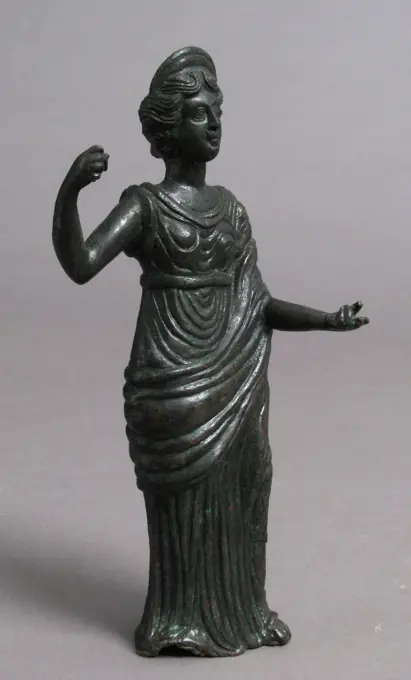
Vestal figure with Chalice, c. 1600, 10 1/2in. (26.7cm), Gilt bronze, Italy, 16th-17th century
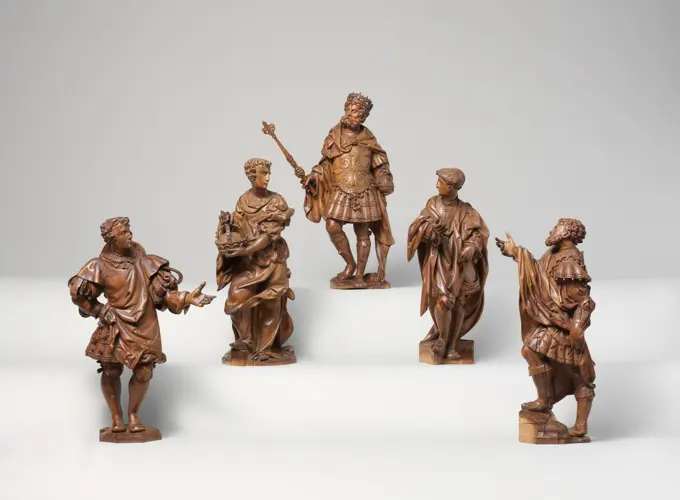
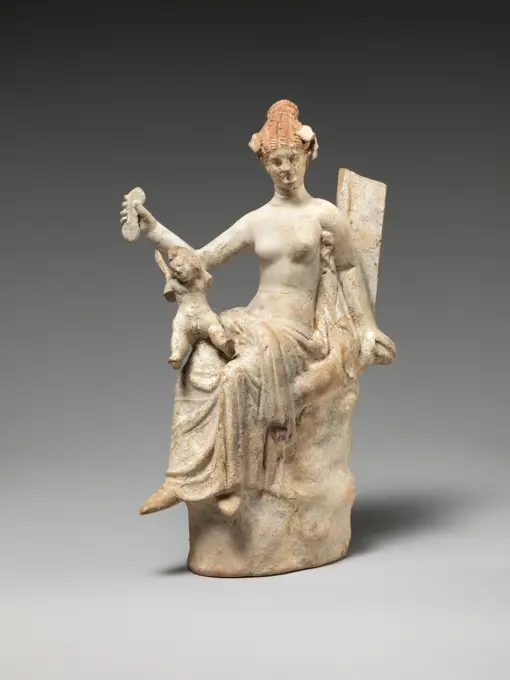
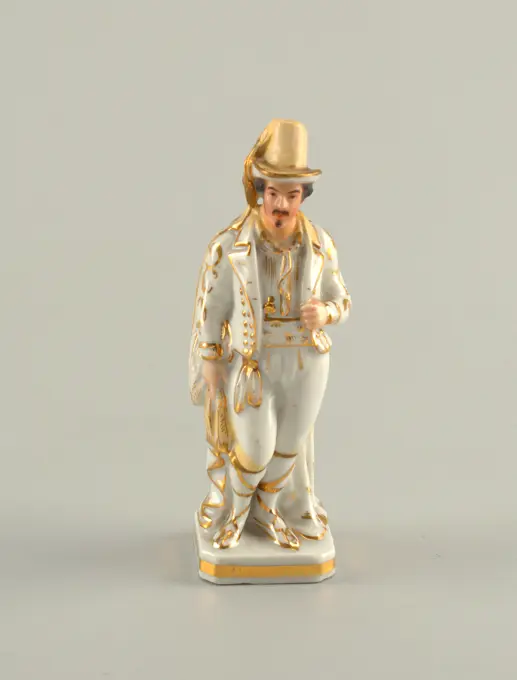
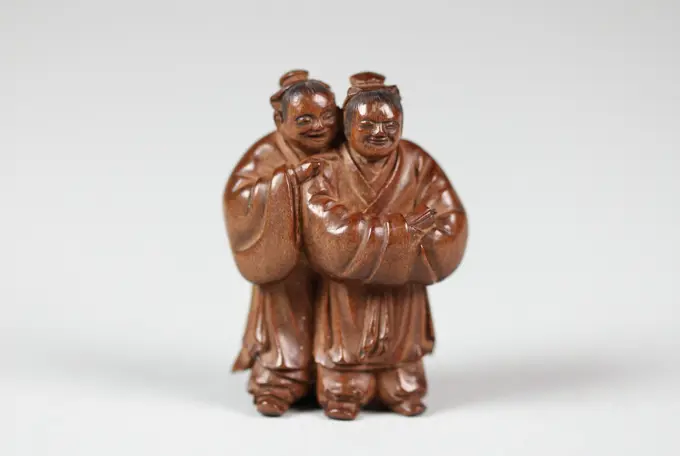
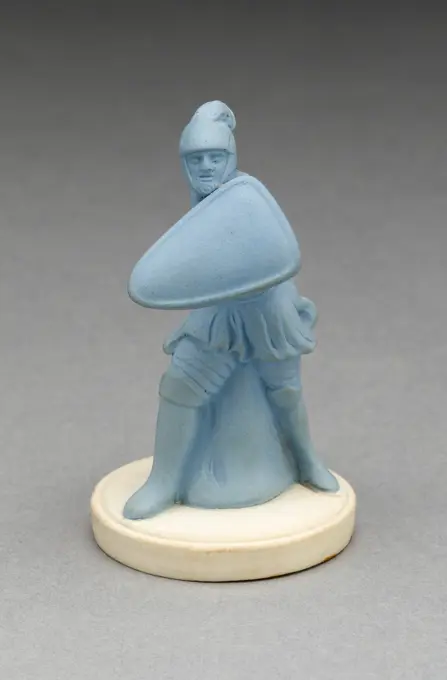
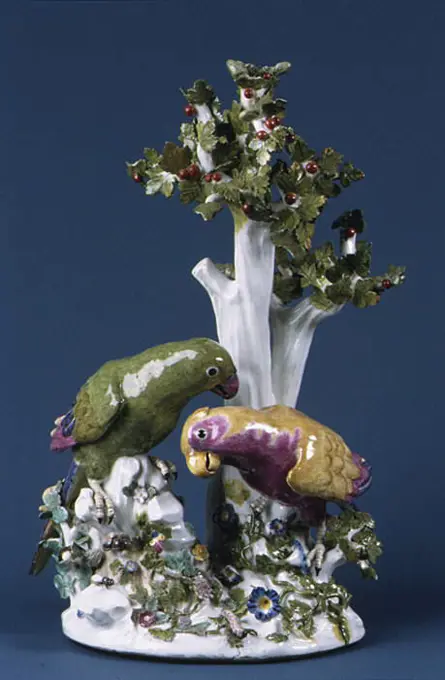
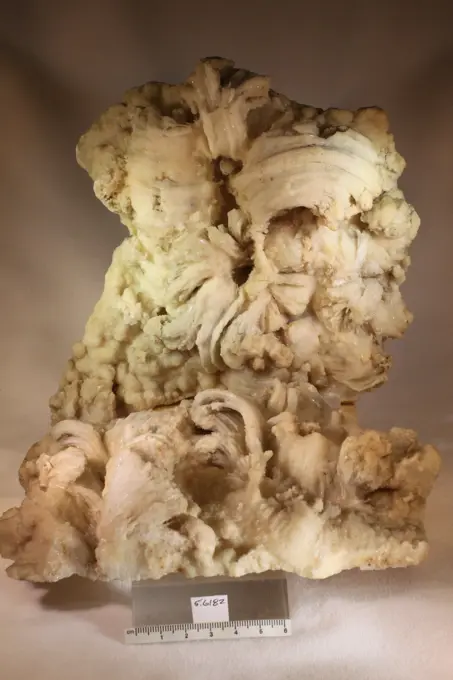
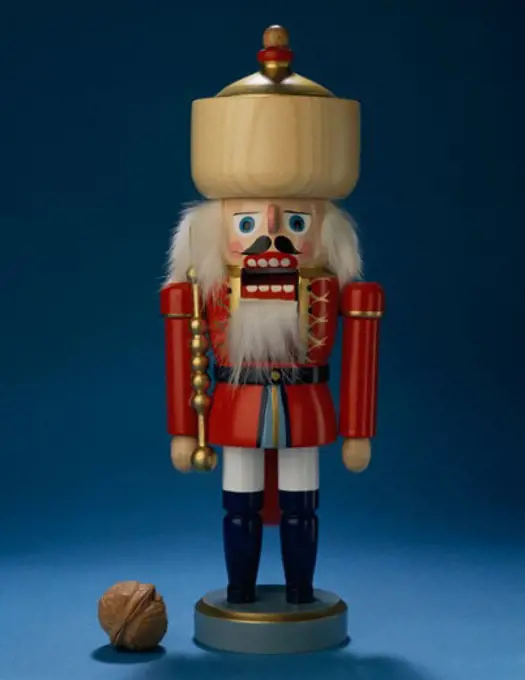
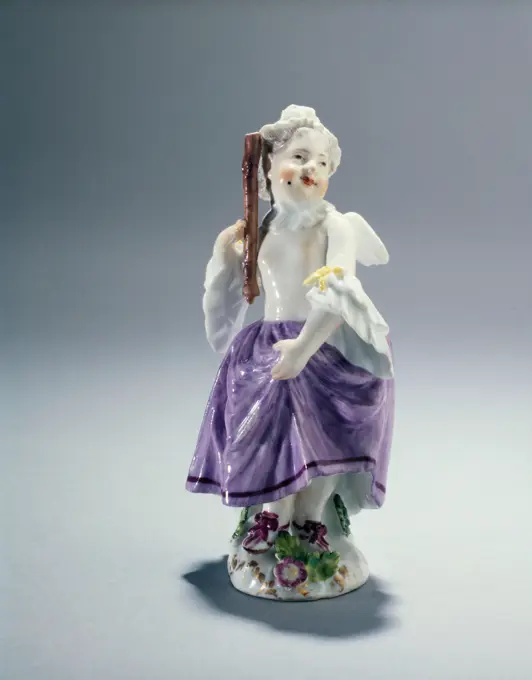
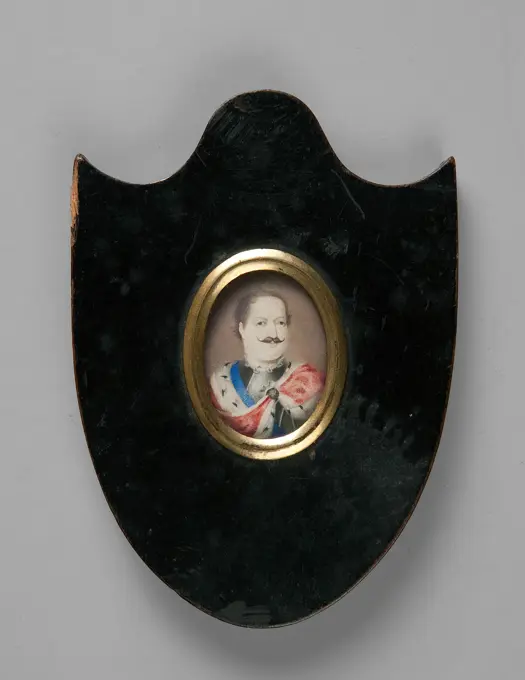
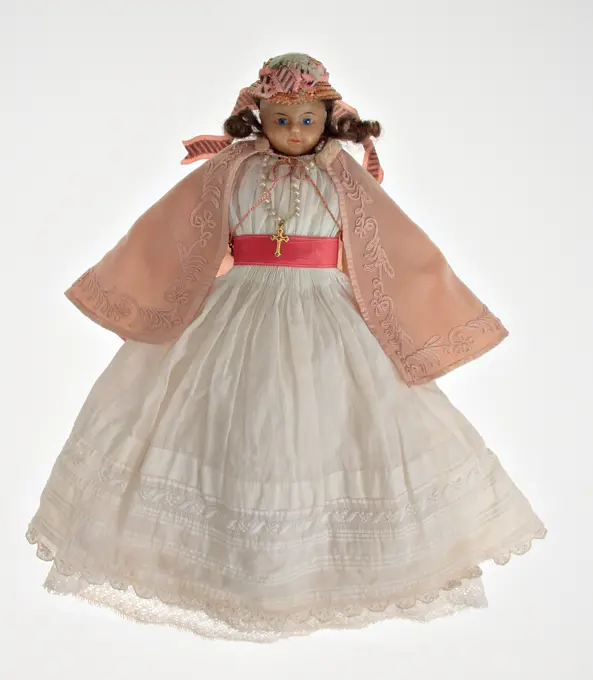
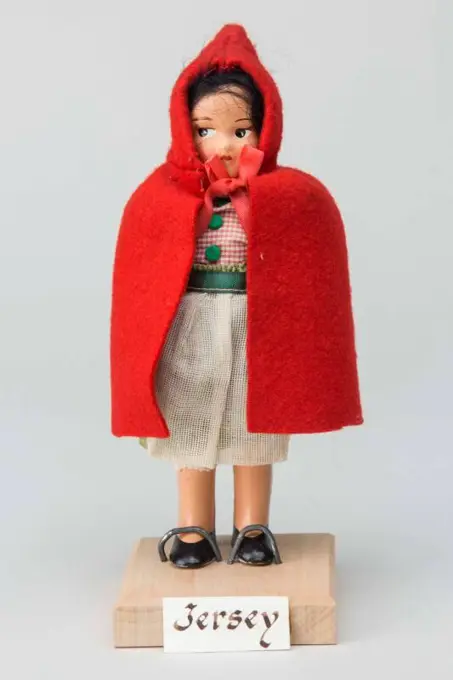
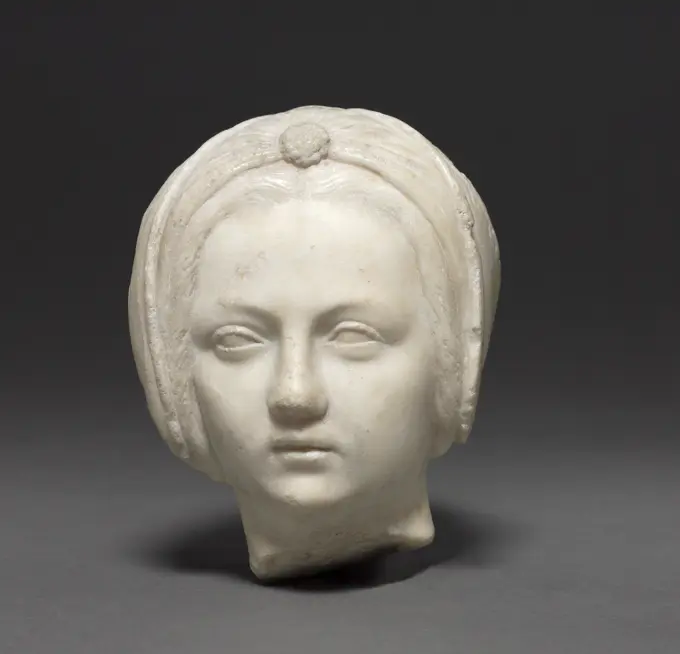
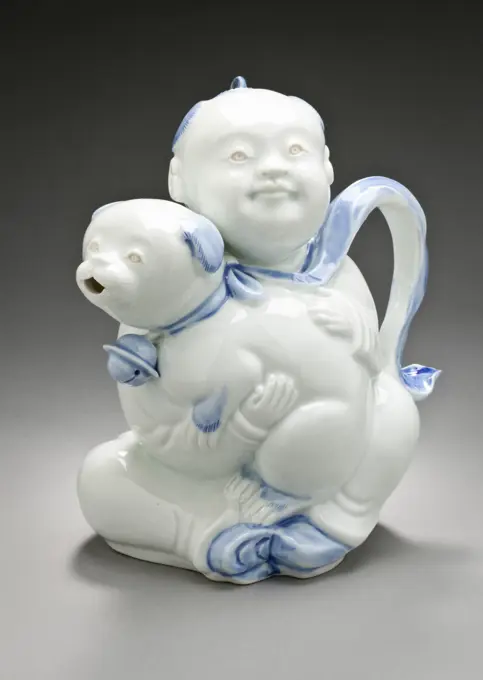
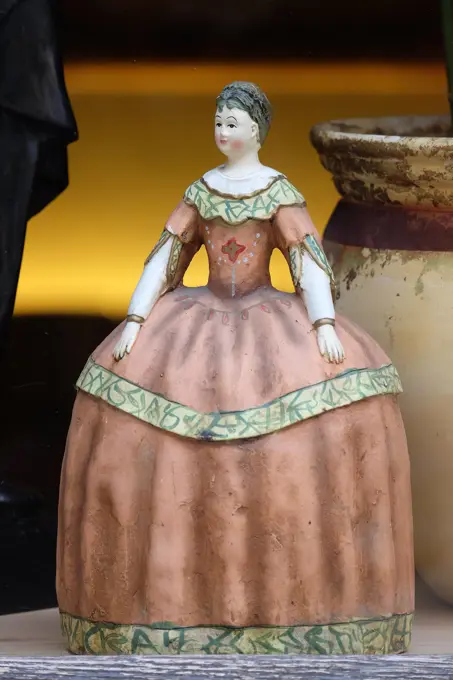
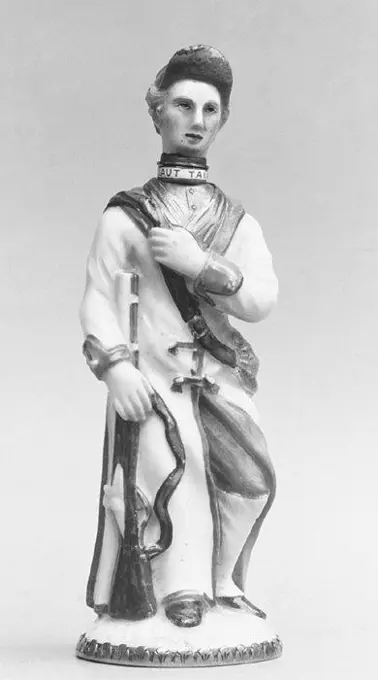
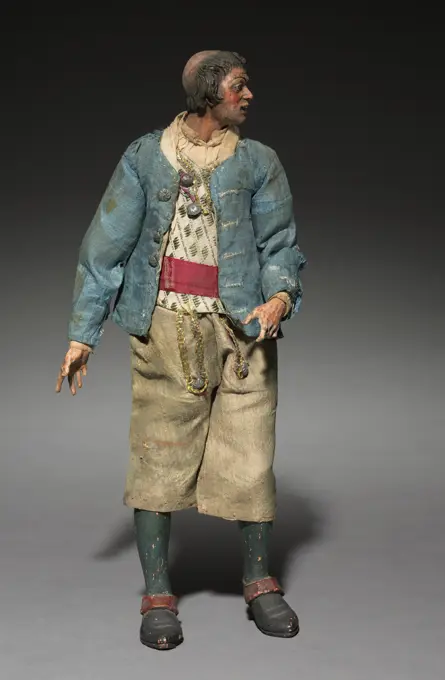
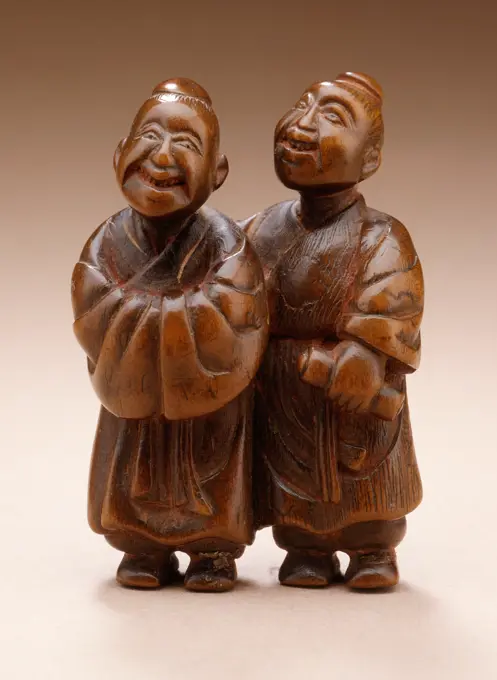
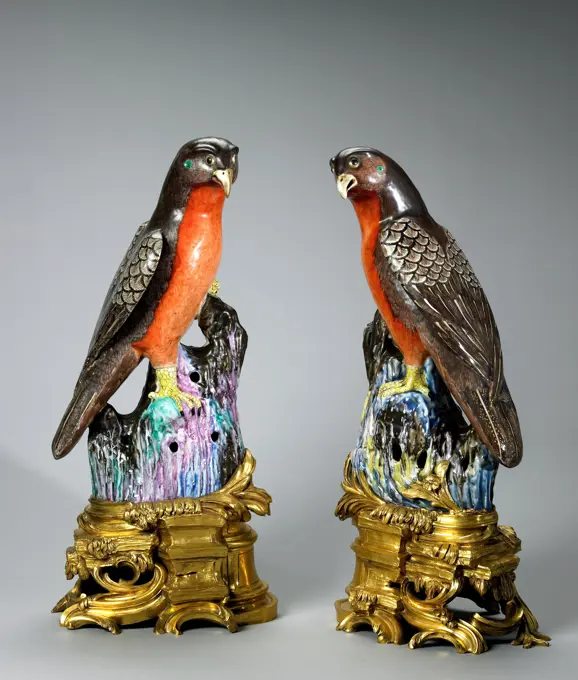
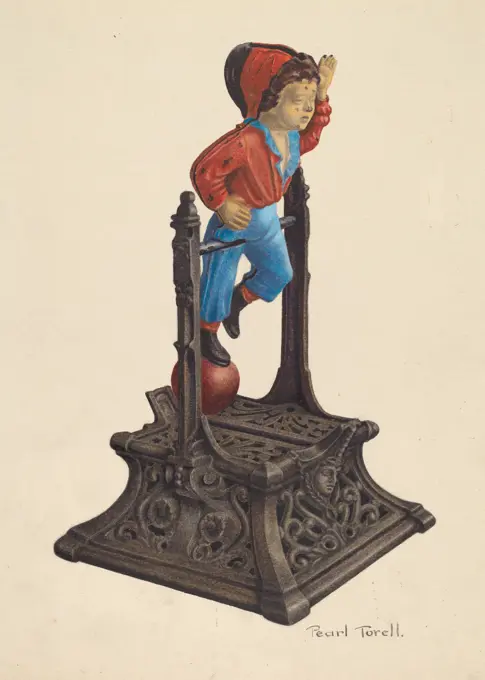
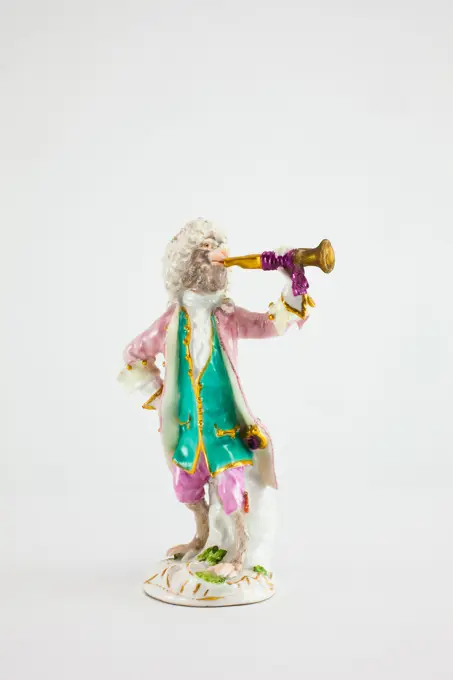
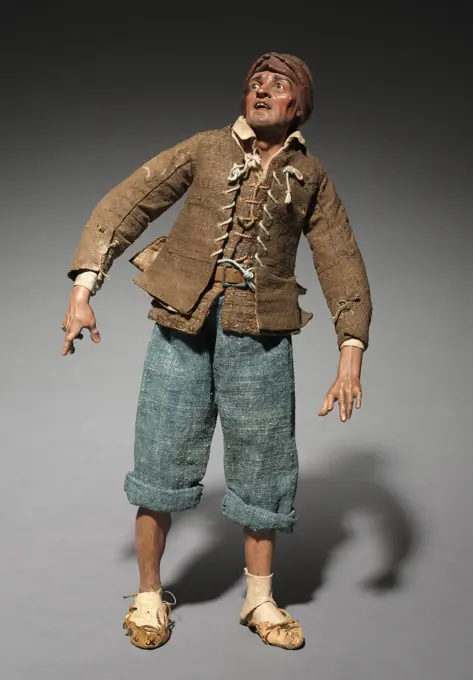
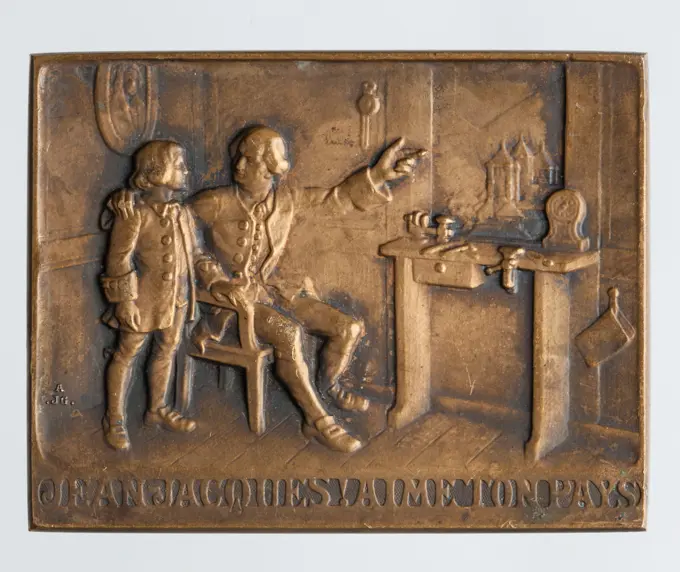
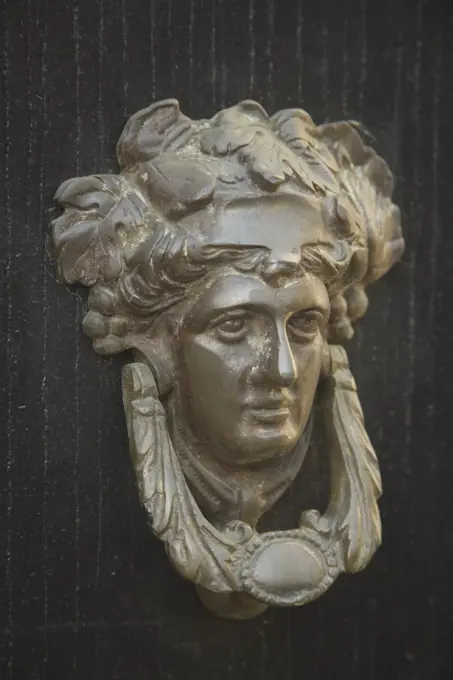
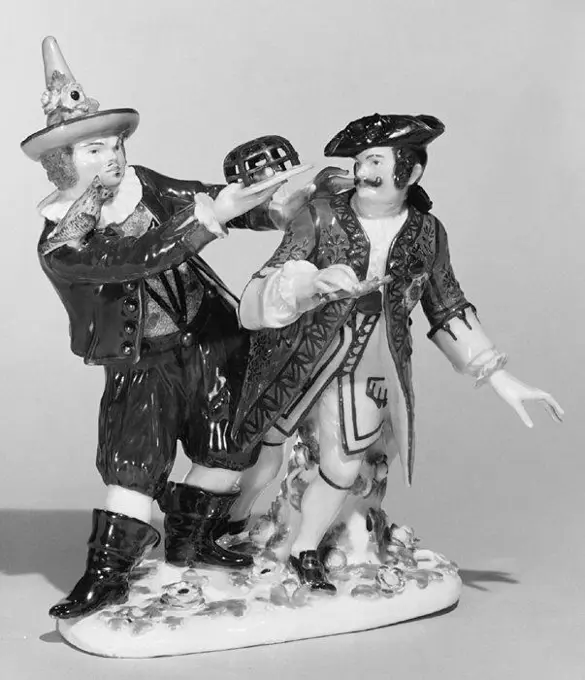
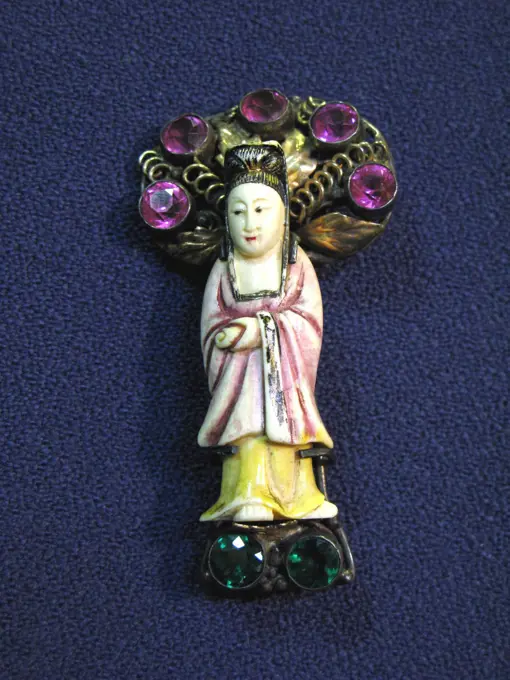
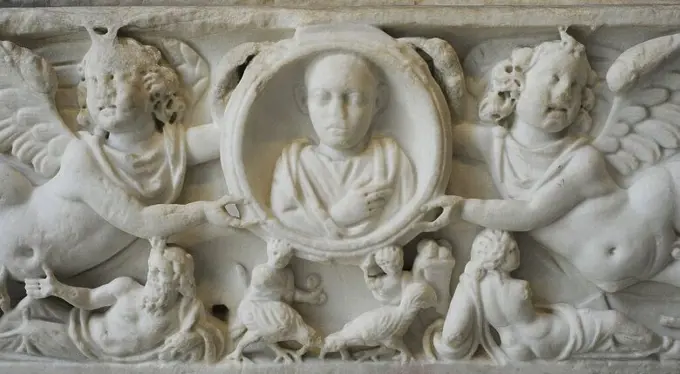
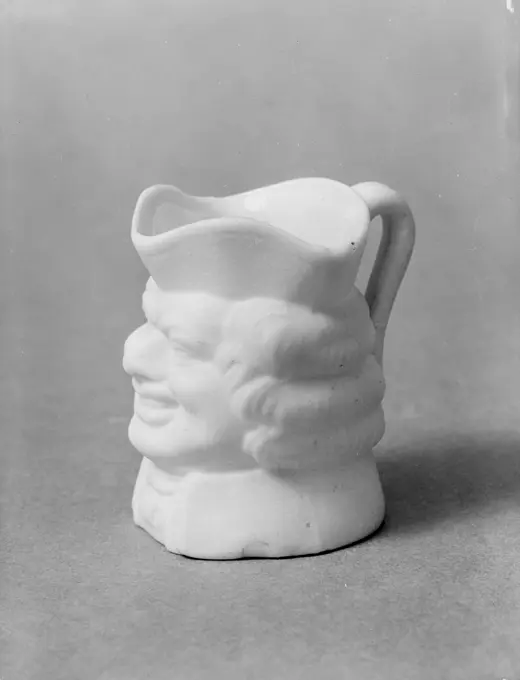
Toby Jug 1830-70 American. Toby Jug. American. 1830-70. Parian porcelain. Probably made in Bennington, Vermont, United StatesGroup of statuettes 16th century German Although there are no definite means of identification, this group is possibly symbolic of events in the life of the Holy Roman Emperor Charles V. He abdicated the Imperial crown in 1558 and the Spanish crown in 1556, being succeeded in the latter by his son Philip II, for whom in this group (far right) the Emperor holds an orb and a sceptre. A figure to the right of Charles presents Philip to him. A figure on the left holds the imperial crown, about to present it to Ferdinand I (far left), the younger brother of Charles, who became emperor in 1558.. Group of statuettes 193450Terracotta statuette of Aphrodite and Eros 3rd century B.C. Greek, South Italian In Greek mythology, Eros is the son of the goddess Aphrodite and her lover Ares, god of war. Images of Aphrodite and the baby Eros together became popular in the Hellenistic period as never before, a trend that was also reflected in literature of the time.. Terracotta statuette of Aphrodite and Eros. Greek, South Italian. 3rd century B.C.. Terracotta. Hellenistic. TerracottasFigures; glazed and gilt porcelainNetsuke of Two Figures 19th century Japan. Netsuke of Two Figures. Japan. 19th century. Wood. Edo (1615-1868) or Meiji period (1868-1912). NetsukeChess Piece Pawn 1800-1899 Burslem. Stoneware (jasperware) . Wedgwood Manufactory (Manufacturer)Parrot group 1745 Meissen Manufactory German Porcelain birds have their origins in the princely tradition of maintaining collections of living animals and birds in menageries and aviaries, which were viewed as microcosms of the universe, and emblems of royal power and enlightenment. These collections often included exotic birds such as parrots, admired for their rarity, as well as more familiar native species.In 1731 the Meissen manufactory began a new genre in European porcelain, producing several hundred life-size and near-life-size porcelain birds and animals, many destined for the Japanese Palace of Augustus the Strong, Elector of Saxony (1670-1733). To create them, factory modelers found inspiration in nature, looking both to living and stuffed specimens, as well as zoological illustrations and Asian porcelain precedents. The great Meissen modeler Johann Joachim Kändler is known to have copied from life the birds kept at the royal aviary at Schloss Moritzburg.Surviving prints and Gypsum. minerals. North America; USA; Kentucky; Edmonson County; Mammoth CaveCameo of Lucretia; Prague (probably), Bohemia, Czech Republic; about 1600; Chalcedony; 5.1 cm (2 in.)Portrait of the Great Fifth Dalai Lama 1700-1799 Tibet. Gilt bronze .Close-up of a nutcracker with a walnut beside itEngraved Gem. UnknownAnonymous (Johann Johann's way Kändler and Peter Reinicke). Love disguised as a lady. Polychrome porcelain statuette on terrace decorated with flowers and leaves. Manufacture of Meissen, around 1756. Paris, Cognacq-Jay museum. 79783-9 Love, lady, Deguise, Deguiser, woman, skirt, manufacture of Meissen, polychrome porcelain, roll up, statuette, 18th 18th 18th 18th 18th 18th 18Stanis And Leszczyki, King of Poland (1677-1766);  1705-1740 (1695-00-00-1705-00-00);Stanisław Leszczyński (King of Poland - 1677-1766), Polish miniatures, men, orders, portraits, portraits of en face, male portraits, rulers, soldiersBlackamoor Figure of a Fruit Vendor Figure; Manufactured by Meissen Porcelain Manufactory (Germany); After Johann Joachim Kändler (German, 1706-1775); Germany; hard paste porcelain, vitreous enamel, goldWoodpecker ca. 1765 Derby Porcelain Manufactory. Woodpecker 203589Triumphal Chariot of Liberty, Michiel Maenbeeck (attributed to), c. 1666 - c. 1682 Triumph wagon (shell model) on four wheels. The side walls are decorated with lobe orphanments. In the car is a woman with a hat on a stick in her right hand (sign of freedom). There is a cupid for the car. The car is drawn by two horses that stand on a rectangular plate (the horses probably do not belong). The image is marked: Master sign and three times an ax. Amsterdam silver (metal) Triumph wagon (shell model) on four wheels. The side walls are decorated with lobe orphanments. In the car is a woman with a hat on a stick in her right hand (sign of freedom). There is a cupid for the car. The car is drawn by two horses that stand on a rectangular plate (the horses probably do not belong). The image is marked: Master sign and three times an ax. Amsterdam silver (metal)Doll sash -Quack doctor, Harlequin and monkey ca. 1745 Meissen Manufactory German. Quack doctor, Harlequin and monkey 203104Praying Virgin, 16th century, original from the Santo Domingos convent museum of Evora, Evora, Alentejo, Portugal, Europe.Doll from Jersey,  1925-1992Head of a Woman, c. 1500-1525. Circle of Michel Colombe (French, c. 1430-c. 1513). Marble; overall: 14.6 x 14.6 x 9.3 cm (5 3/4 x 5 3/4 x 3 11/16 in.).Sake Ewer of a Chinese Child Holding a Puppy. Japan, mid-late 19th century. Ceramics. Hirado ware; porcelain with underglaze blueOwl ca. 1760 Bow Porcelain Factory British. Owl 203559Alte Vintage-Puppe in einem Antiquitätengeschäft, Graz, Steiermark, Österreich Old vintage doll in antique shop, Graz, Styria, Austria LicenseRF Copyright: xZoonar.com/ZvonimirxAtletix 23359432Cameo; Europe; 18th - 19th century;  layered gemstone; 4 × 0.8 cm (1 9,16 × 5,16 in.)Figure of a Boy, Niderviller Porcelain Factory, French, active from 1754, tin glazed earthenware, vitreous enamel, Standing figure of a boy with folded arms leaning against the stump of a tree. Head inclined forward, turned to right. Black hat and maroon vest in overglaze color; other colors are under the glaze. Underglaze decoration., France, 1780, ceramics, Decorative Arts, figure, figureJockey and Racehorse: he in black cap, blue jacket, pink waistcoat and white breeches; the horse, sponged black with purple saddle cloth (reins missing), unknown artist, (Scottish Pearlware), 1830, Scottish pearlware figure, Sheet: 11in. (27.9cm), animal art, horse (animal), jockeyFlower cloth of cut paper with bird's nest, under bell. Bloemager of cut paper with bird's nest, under bell jar. By Hendrik van Irkoven. The Netherlands.Close up of two porcelain puttosPlastic of a girl sitting on a horseFragment of a Female Hooded Figurine. UnknownScent bottle in the form of a hunter ca. 1740 Meissen Manufactory German. Scent bottle in the form of a hunter 194231Kraków  Sukiennice  Exhibition of Muhammads, Asian and European ceramics; February April 1934 Światowida Photo AgencyDoll from France,  1925-1992Canopy from the tomb of Philip III (the Bold) of France (1245-1285). Artist: Jean d'Arras (French, active 1297-1307). Culture: French. Dimensions: Overall: 15 3/4 x 28 1/2 x 19 3/4 in. (40 x 72.4 x 50.2 cm). Date: 1297-1307.The royal abbey was the burial church for the kings and queens of France. This elaborate architectural canopy was originally an integral part of the tom of Philip III, son of Louis IX (Saint Louis). Commissioned by Philip IV (the Fair) (1268-1314) for the embalmed body of his father, who died in 1285 while on a military crusade against Aragon, master sculptor Jean d'Arras made the tomb in black and white marble. A new approach to a tomb representation is here achieved with the effigy placed against a black marble slab with another relatively new feature, a canopy over the deceased that may be intended to signify heaven. A masterpiece of micro-architecture the refined interior vaults also includes a masked man and grotesque animals on the exterior. The effigy is stilVienna, Austria. Antique mechanical arcade amusements at the Prater. (Editorial Use Only)Colorful puppets for sale in Medina area of Tunis in Tunisia of Northern AfricaUSA, Alabama, Mobile. Mardi Gras Museum of Mobile, museum interior, Mardi Gras memorabilia.Figure from a Crèche: Standing Man, 1780-1830. Italy, Naples, late 18th-early 19th century. Painted wood and terracotta with various textiles; overall: 27.7 cm (10 7/8 in.). The practice of creating scenes of the Nativity for the home dates from the early 1700s in Italy, where people began to set up doll-like figures of about a foot or less in height. The custom was particularly popular in Naples around 1800, where crèche scenes (crèche means cradle, or crib) included many figures, whose heads and hands of painted terracotta, stuffed cloth bodies, and clothing adapted from contemporary local costumes gave them an amazingly realistic character.Kanzan and Jittoku: Two Zen Worthies. Japan, late 18th century. Costumes; Accessories. WoodSparrow hawk, one of a pair, 1736-74, 19 1/2in. (49.5cm), Porcelain on ormolu bases, China, 18th century, Admiration of Chinese artifacts in the 1700s led to a wave of Asian-French fusion style, which soon dominated interiors throughout Europe. Chinese artisans made this pair of porcelain sparrow hawks. Their counterparts in France later fitted them with gilt-bronze bases of great sophistication. The bases Rococo shapes put a French spin on these exotic birds of prey and also connected them to the rest of the domestic interior in which they were placed.Pearl Torell, Toy Bank, c 1939 Toy Bank. Rectangular porcelain tea bus with slightly thickened, round shoulder and lid, painted on the glaze in black and gold. On the outside twice a representation of the crucifixion with the two Mary's; The neck and the lid edge with a tire with a decorative pattern. Lid knob in the shape of a peach. Bottom unglazed. A chip in the edge of the lid; Cover knob broken. Part of a tea service. European performance in Encre de Chine.Equestrian Hunter with Quiver, 7th century, Di.12 in., Glazed and painted stoneware, China, 7th centuryStatuette of a Woman 5th-6th century Byzantine This statuette of a woman in fashionable dress probably once held in its hand a spear or other object identifying it as a personification, perhaps of a city.. Statuette of a Woman 468309Dwarf with onion bunch, dwarf garden, dwarf garden in the Mirabell Garden, Salzburg, Austria, EuropeKing with turban crown. Culture: Italian. Dimensions: Overall (.12a figure): 13 × 4 1/2 × 3 1/4 in. (33 × 11.4 × 8.3 cm); Overall (.12b hat): 1 1/2 × 2 3/4 × 2 1/4 in. (3.8 × 7 × 5.7 cm); Overall (.12c PL foot fragment): 1 × 3/4 × 1 5/8 in. (2.5 × 1.9 × 4.1 cm). Date: second half 18th-mid-19th century.The practice of using crèche figures to restage religious events reached the height of its complexity and artistic excellence in eighteenth-century Naples, and the Metropolitan Museum of Art's group of Neapolitan crèche is one of the finest and most complete survivals of the art form. The ensemble consists of characters traditional to eighteenth-century Italian Christmas holiday customs. The Nativity, featuring the holy family, shepherds and their flocks, and a host of angels and cherubs is joined by the procession of the three Magi and colorful peasants, townspeople, and animals. The figures have articulated bodies of tow and wire with polychromed terracotta heads, and are all in partiaTrumpeter for the Monkey Band 1760-1770 Meissen. In 1733, the sculptor Johann Joachim Kndler became the chief modeler at the Meissen Porcelain Manufactory, a position he held until his death in 1775. Kndler, along with his assistant Peter Reinicke, devised novel and innovative forms and figures for Meissen porcelain. One of the most admired products of the factory were the monkey bands, witty examples of 18th-century singerie subjects in which monkeys literally ìapeî the behavior of supposedly more sophisticated humans.The first version of the monkey band was designed in 1753 and Madame de Pompadour, mistress of King Louis XV of France and a discerning patron of the arts, ordered a set at Christmas of that year. The group was so popular that it was reissued in the early 1760s. The Art Instituteís monkey band comes from this second edition.In addition to a conductor and two female singers, the orchestra consists of musicians playing wind, string, and percussion instruments. There are Sugar bowl in the form of a woman in a basket, Meissener Porzellan Manufaktur, 1741 Porcelain sugar bowl, in the form of a woman with a basket with lid on a ground with leaves next to her. The woman wears a skirt, violet with flower branches in black and gold and a red striped headscarf around the hair. She has an apple in the left hand. A branch with multicolored flowers is installed on the lid and wall of the basket. The image is marked. Float porcelain Porcelain sugar bowl, in the form of a woman with a basket with lid on a ground with leaves next to her. The woman wears a skirt, violet with flower branches in black and gold and a red striped headscarf around the hair. She has an apple in the left hand. A branch with multicolored flowers is installed on the lid and wall of the basket. The image is marked. Float porcelainFigure from a Crèche: Shepherd, 1780-1830. Italy, Naples, late 18th-early 19th century. Painted wood and terracotta with various textiles; overall: 36.1 cm (14 3/16 in.). The practice of creating scenes of the Nativity for the home dates from the early 1700s in Italy, where people began to set up doll-like figures of about a foot or less in height. The custom was particularly popular in Naples around 1800, where crèche scenes (crèche means cradle, or crib) included many figures, whose heads and hands of painted terracotta, stuffed cloth bodies, and clothing adapted from contemporary local costumes gave them an amazingly realistic character.Medal commemorating the 200th anniversary of the birth of Jean Jacques Rousseau (1712 1778)Ornate silver knocker adorns door to historic home, Annapolis, Maryland, United Stateschess chess queen chess king queenDionysus II  1984 Harold Stevenson (b.1929 American) Mixed Media Chisholm Gallery, West Palm Beach, FloridaSword Guard (Tsuba). Culture: Japanese. Dimensions: H. 3 3/8 in. (8.6 cm); W. 3 1/4 in. (8.3 cm); thickness 5/16 in. (0.8 cm); Wt. 9.3 oz. (263.7 g). Date: ca. 1615-1868. Museum: Metropolitan Museum of Art, New York, USA.Medal (obverse), 1900s. Marie Alexandre Lucien Coudray (French, 1864-1932). Bronze; diameter: 6.9 cm (2 11/16 in.).Maternity; Wittig, Edward (1879-1941); 1900 (1900-00-00-1900-00-00);Binoculars market studies icon. Outline Binoculars market studies vector icon for web design isolated on white background color flat. Binoculars market studies icon vector flatFroehlich and Schmiedel ca. 1741 Meissen Manufactory German. Froehlich and Schmiedel 203130Brooch. Designer probably: Sylvia Hobe, American, 1898-1985 Manufacturer: Hobe Cie, Limited, IncorporatedRoman sarcophagus for a young boy. Relief depicting the God Eros carrying the dead boy to the alterlife. Detail. 3rd century AD. Marble. National Archaeological Museum. Madrid. Spain.Doll from Finland,  1925-1992Man with walking stick. Figure representing a multi-colored painted man with walking stick in the right hand. Marked with a cross in underglaze blue.Eight musicians. Bronze. China. Paris, Cernuschi museum. 71127-21 Chinese art, bronze, eight, music instrument, playing, movement, musicians, character, base, statuettePortrait of Swaddled Twins: The Early-Deceased Children of Jacob de Graeff and Aeltge Boelens. Dating: c. 1617. Place: Holland. Measurements: support: h 71.6 cm × w 52.5 cm; sight size: h 71 cm × w 51 cm; frame: h 90 cm × w 70.1 cm. Museum: Rijksmuseum, Amsterdam.Clown model assembly kit