Historical Firearms

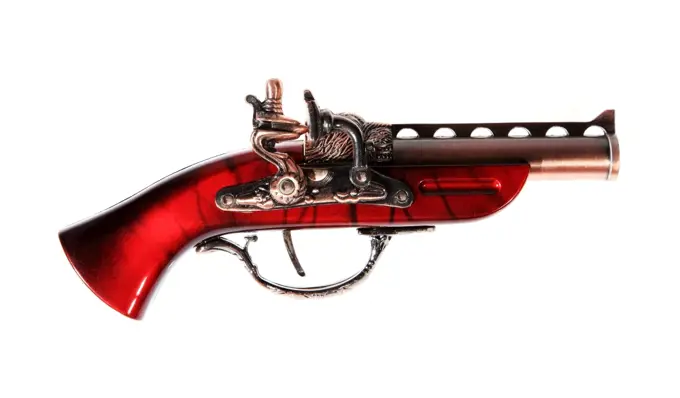
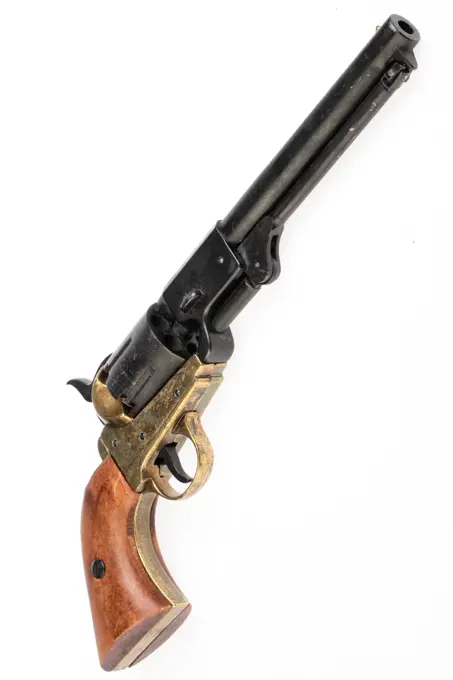
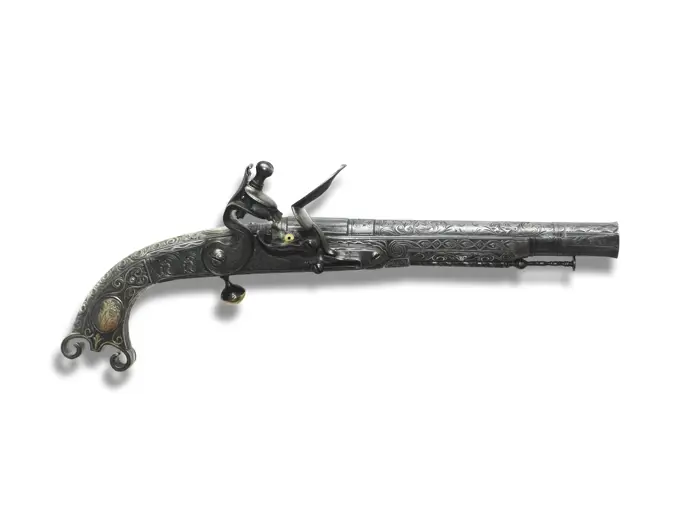
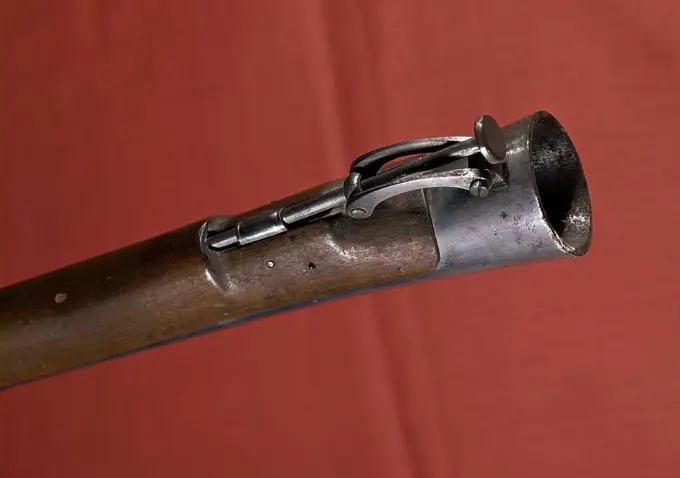
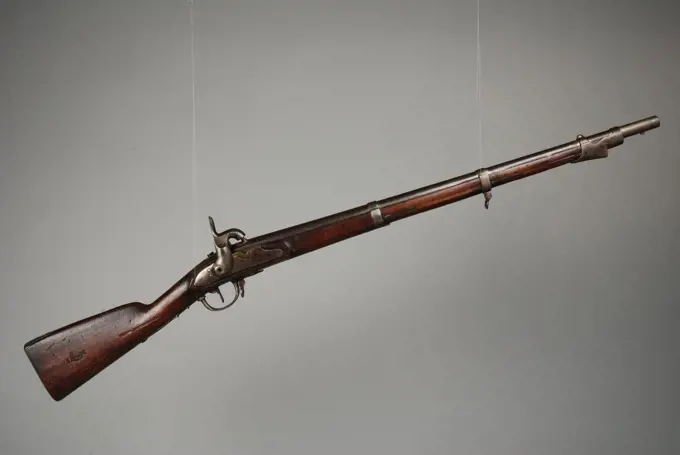
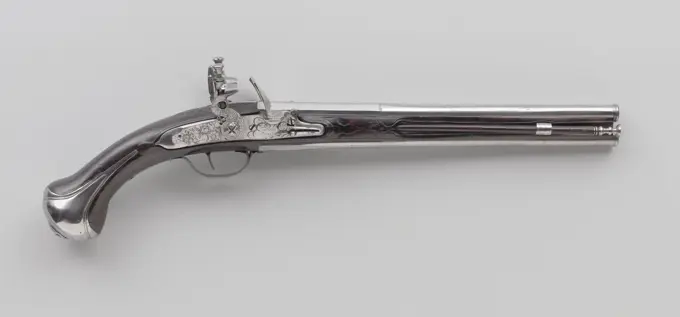
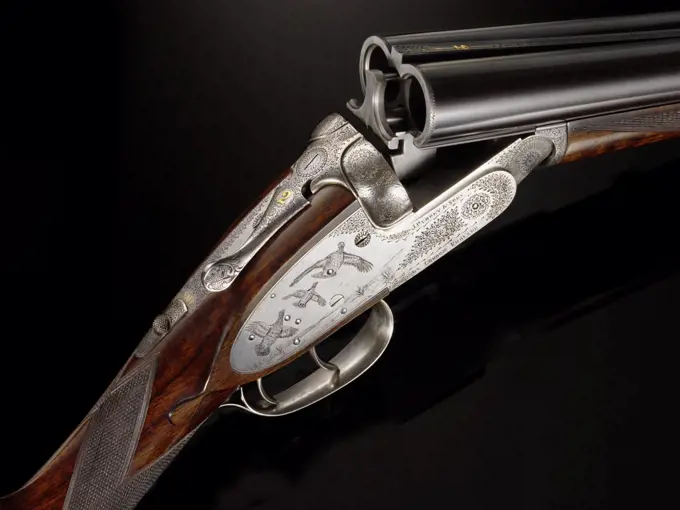
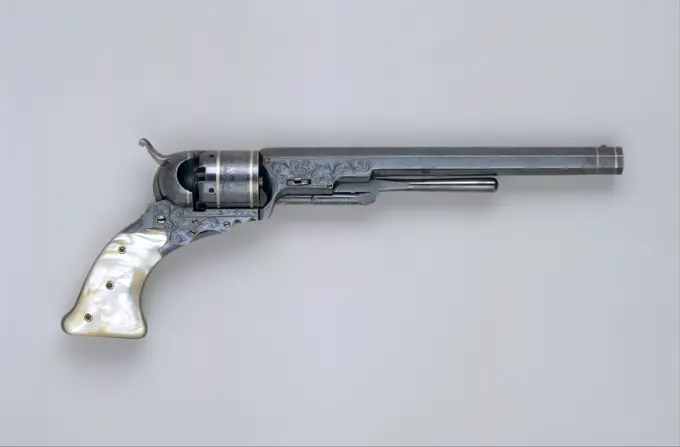
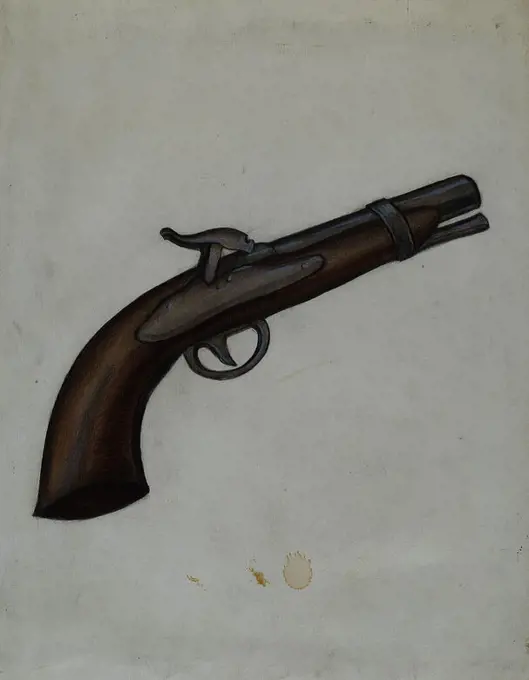
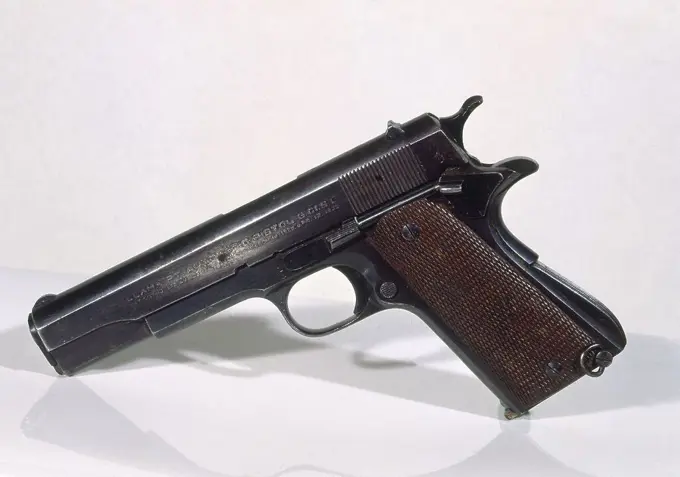
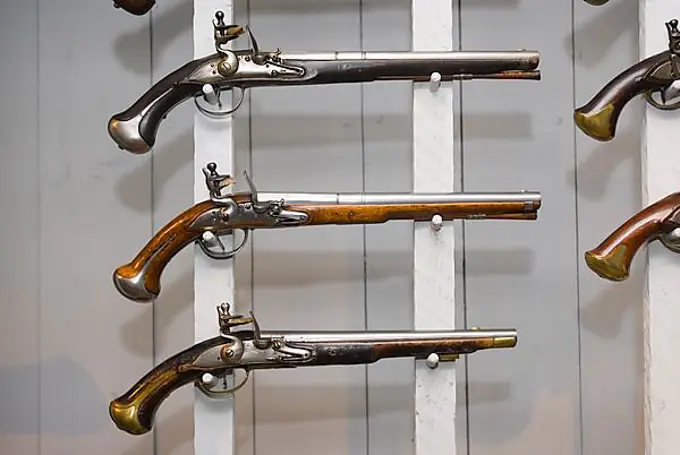
Display of vintage firearms such as flintlock pistols from various eras, showing intricate designs and materials, highlighting historical craftsmanship.

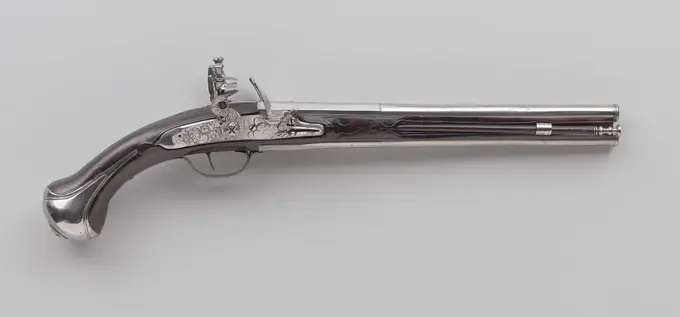
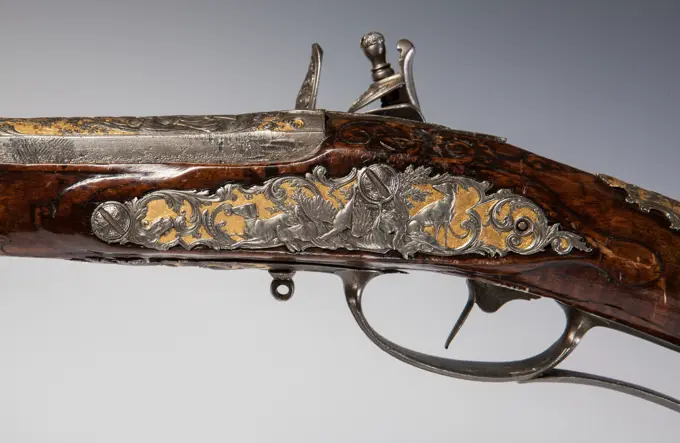
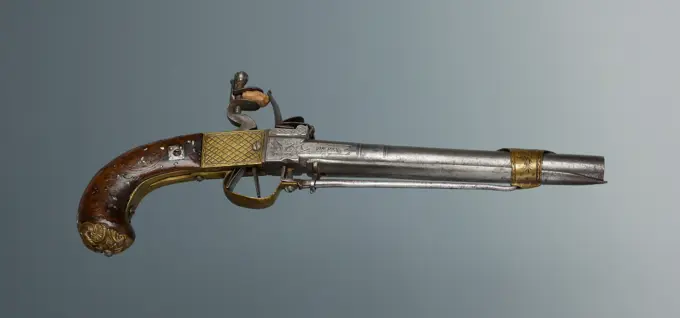
Flint gun for stacked drawer, Wijert Swartt (Possible), c. 1720 flintlock pistol The lock is decorated with relief and engraved animals, a mask, praise, ajour work and on the final plate the letters W.S.; The lock has a special construction with two pans above each other. The loop is stamped on the bottom with the letters WT and provided with a yellow grain and a visorkeep on the tail of the loop. The flask has simple cutting work. The iron batter includes a screw plate with leaf vines and the flask decorated flask. Amsterdam iron (metal). brass (alloy) engraving / cutting
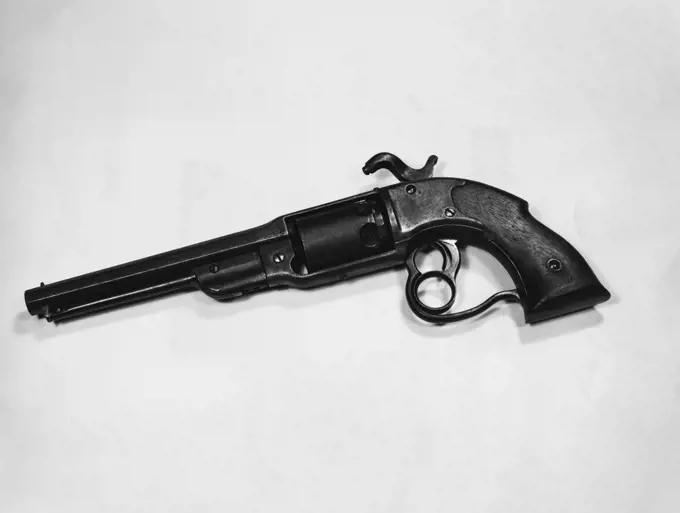
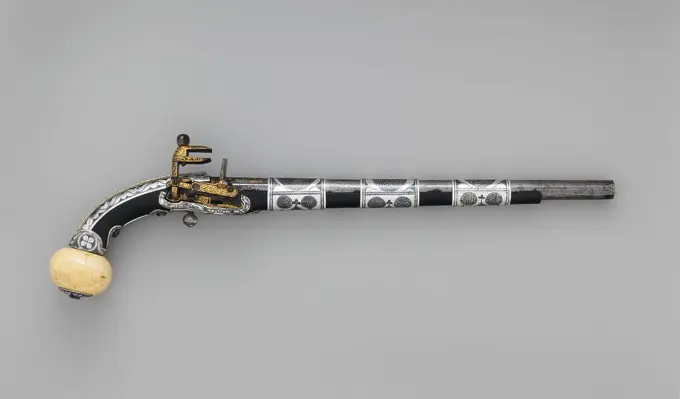
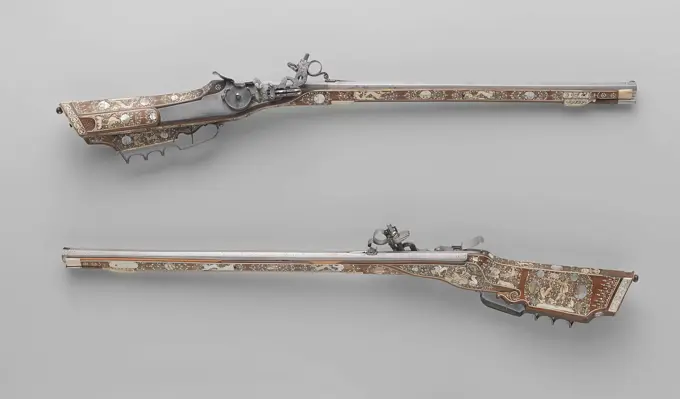
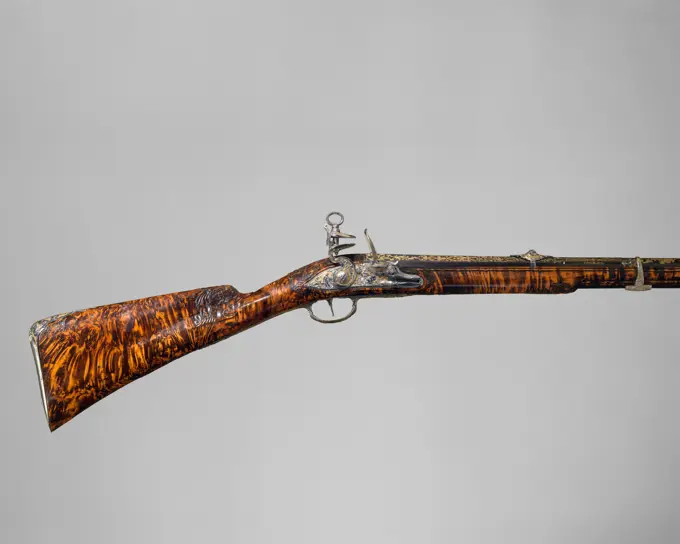
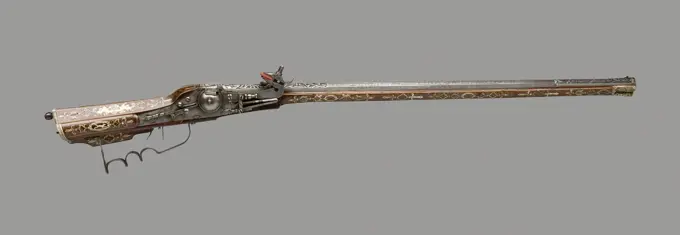
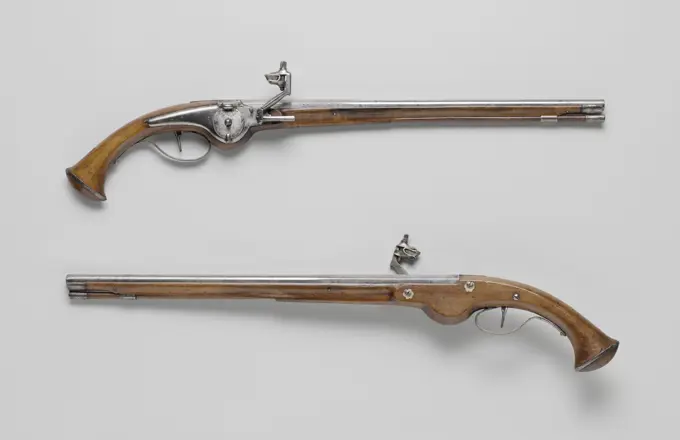
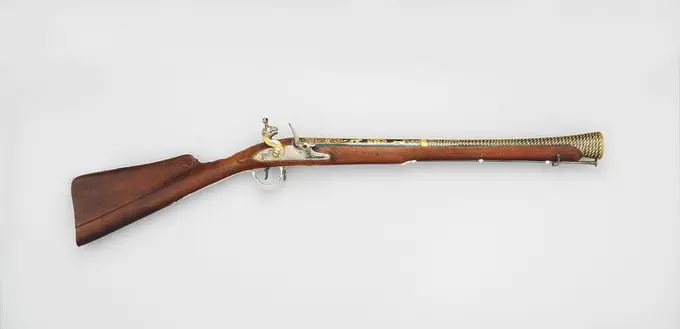
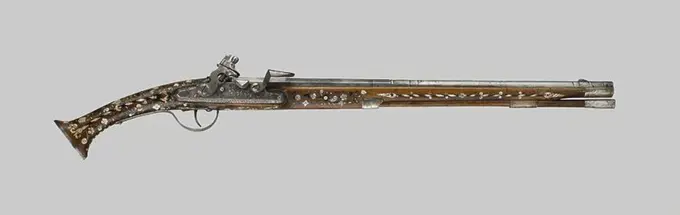
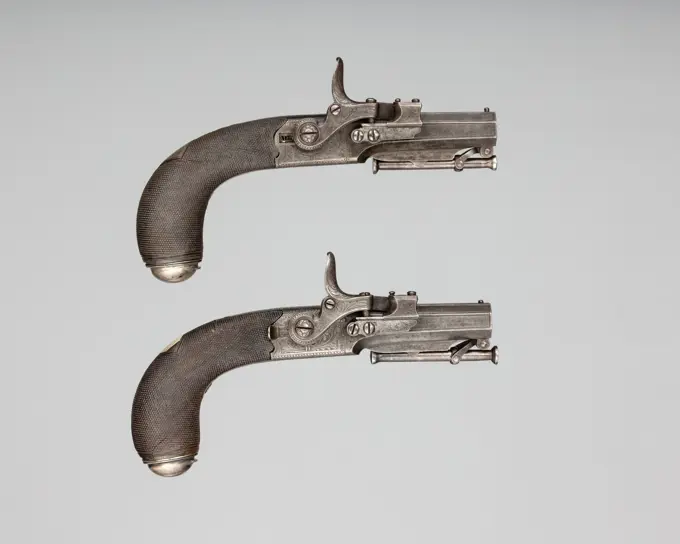
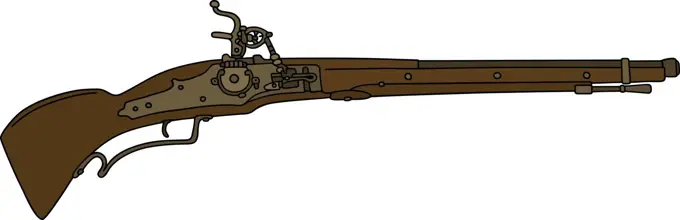
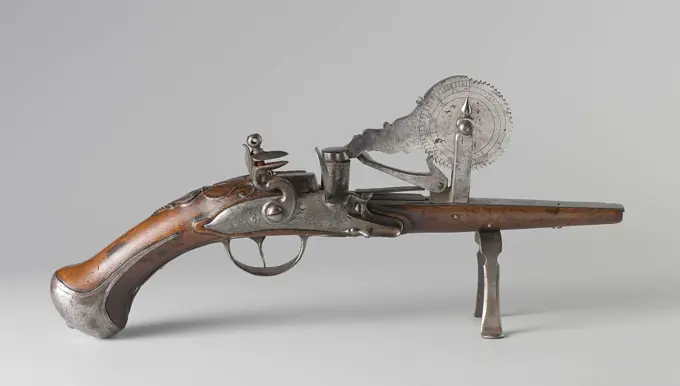
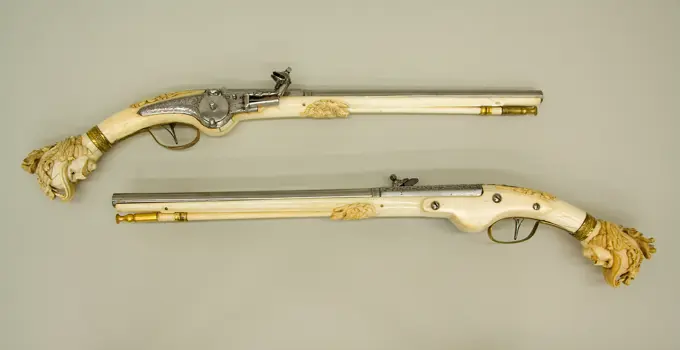
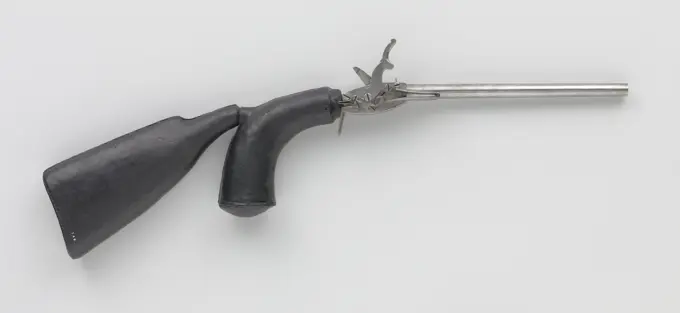
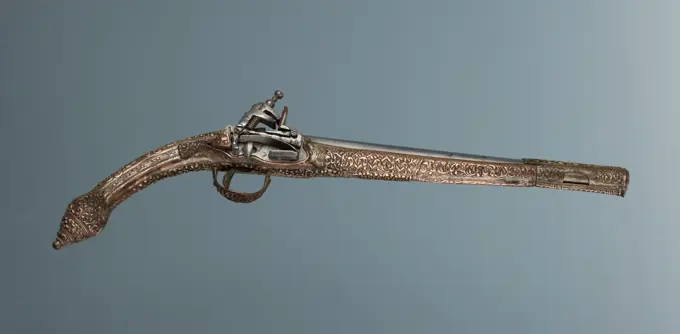
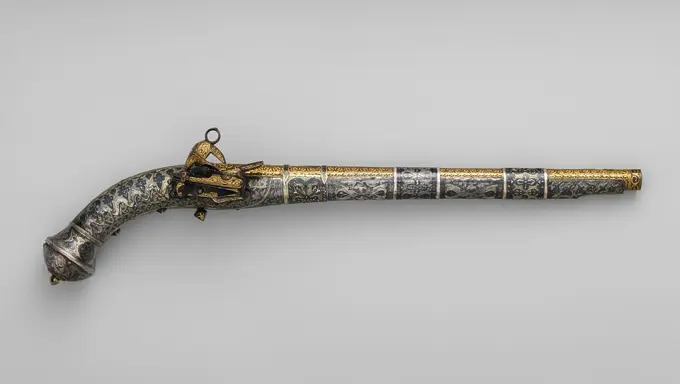
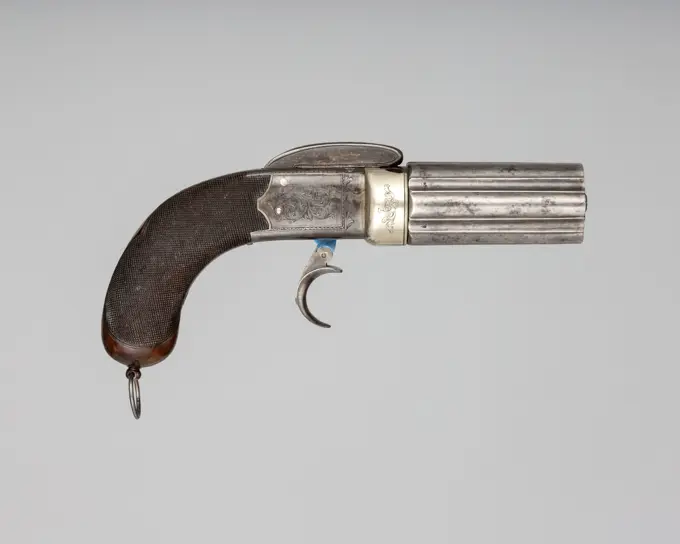
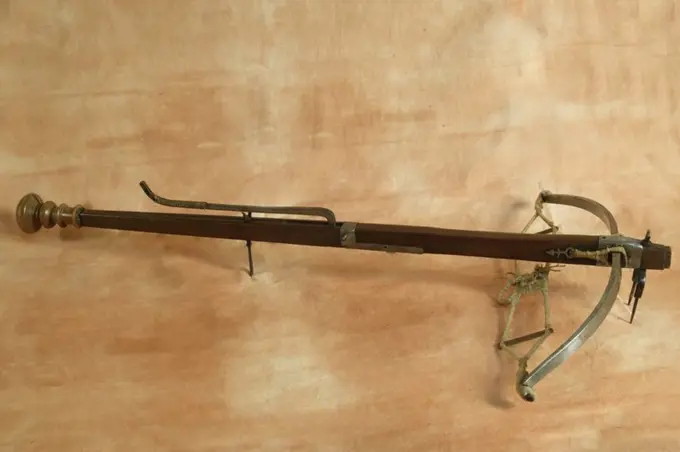
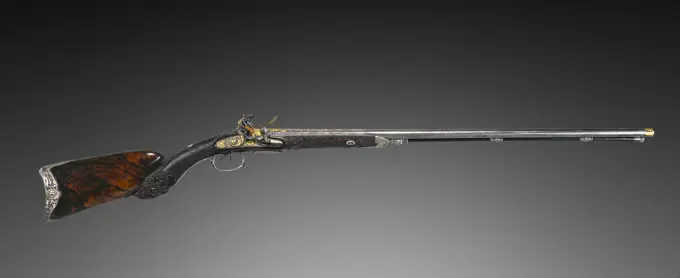
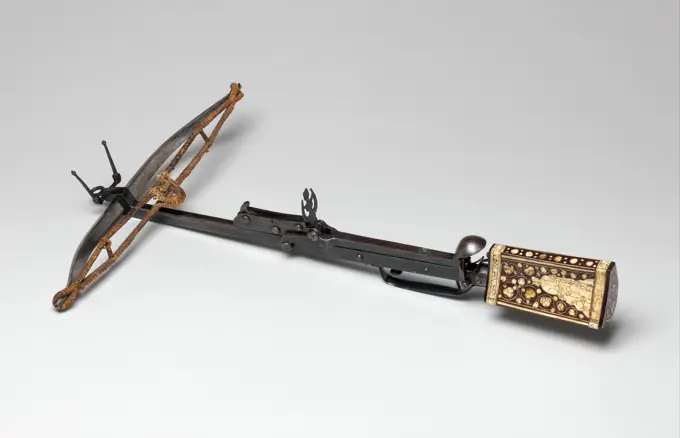
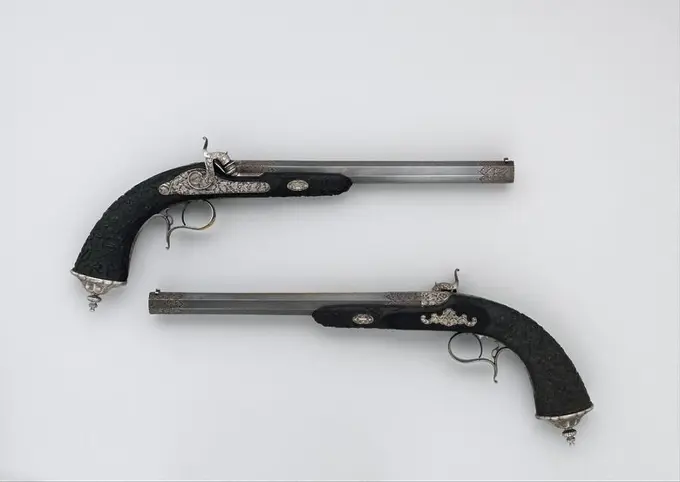
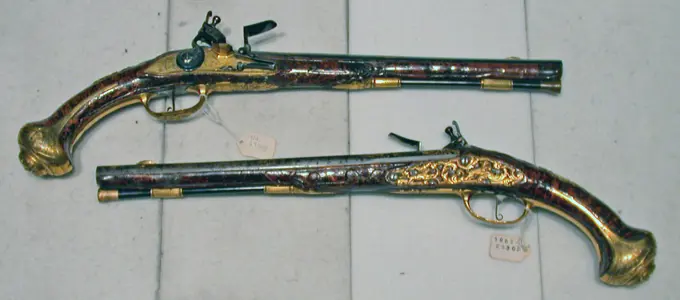
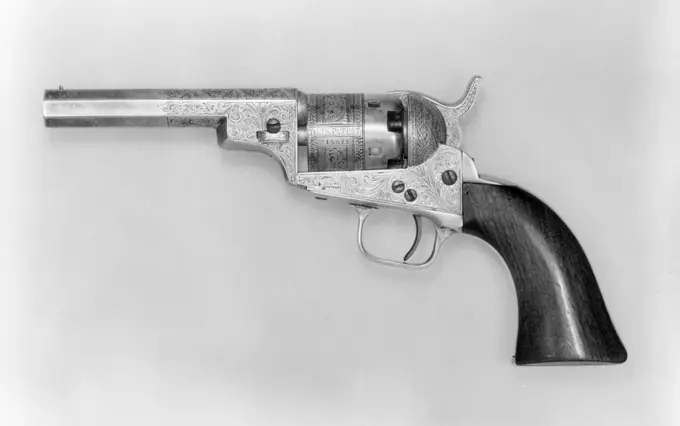
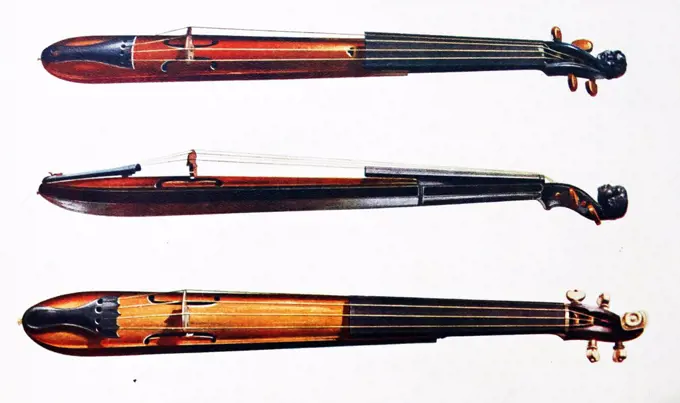
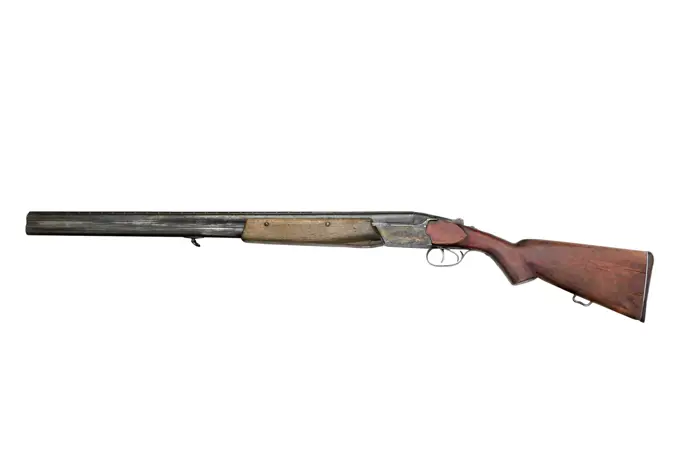
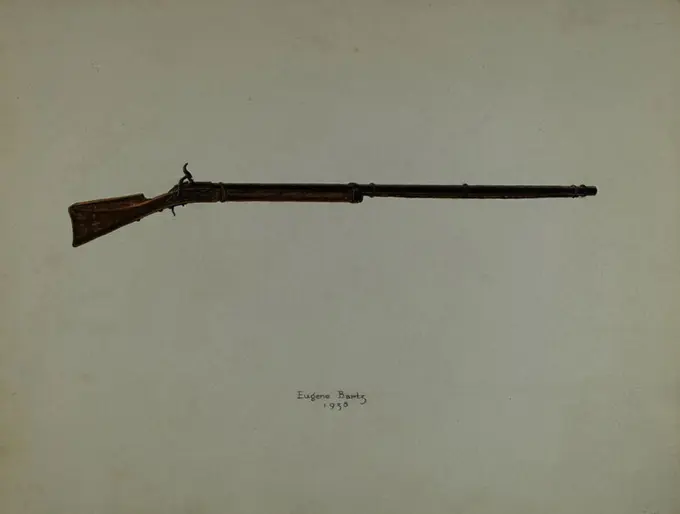
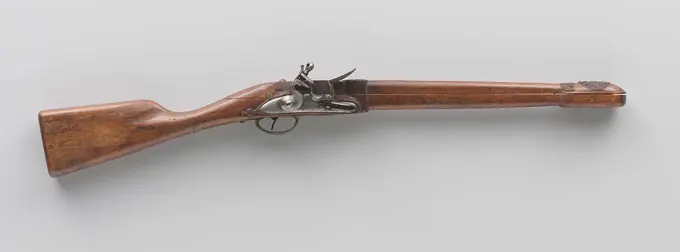
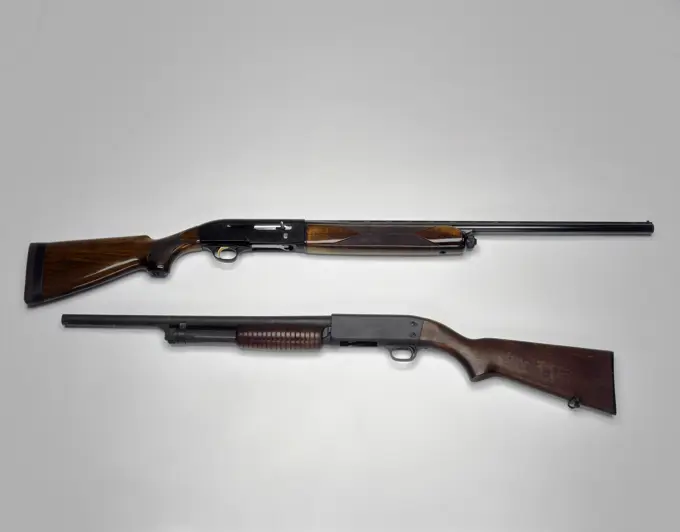
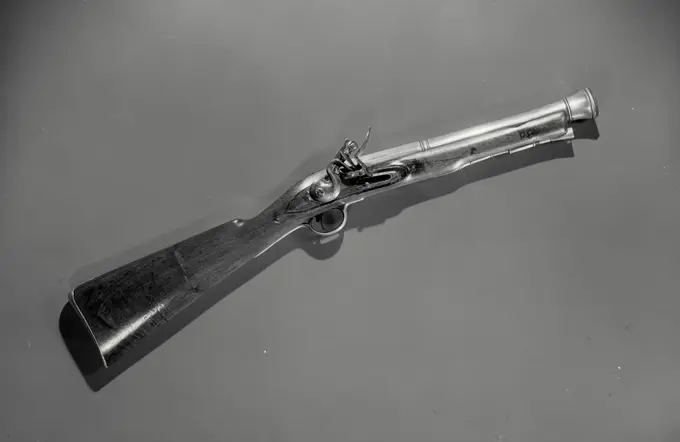
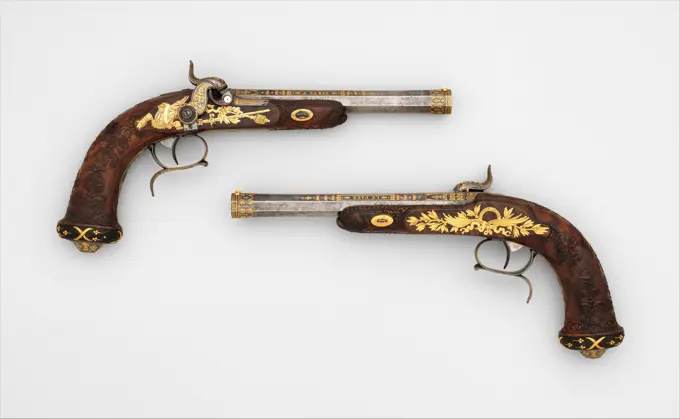
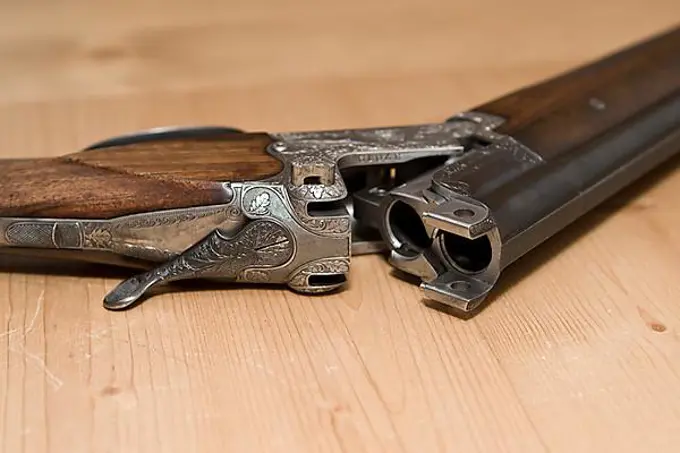
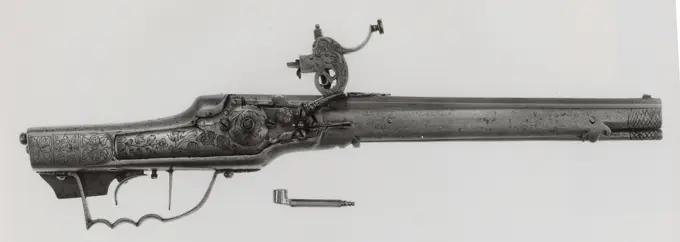
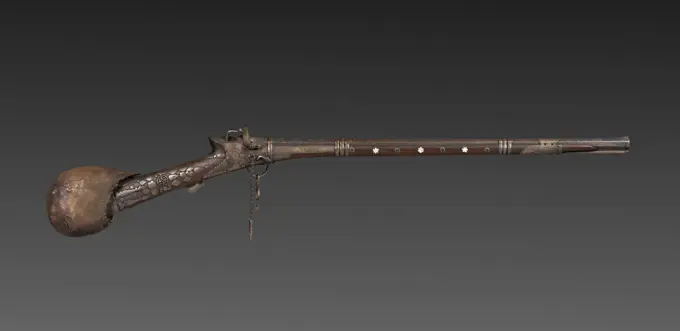
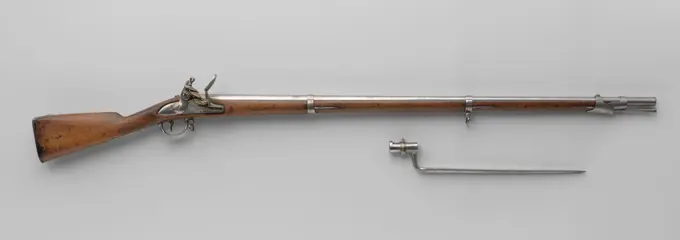
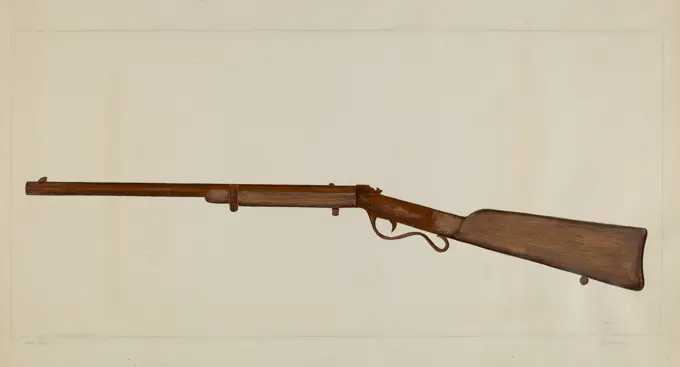
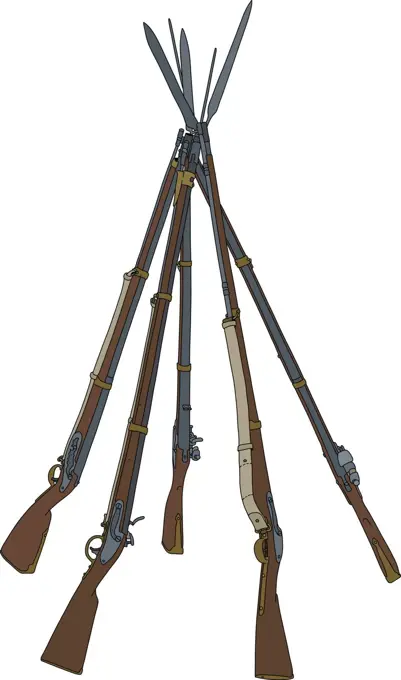
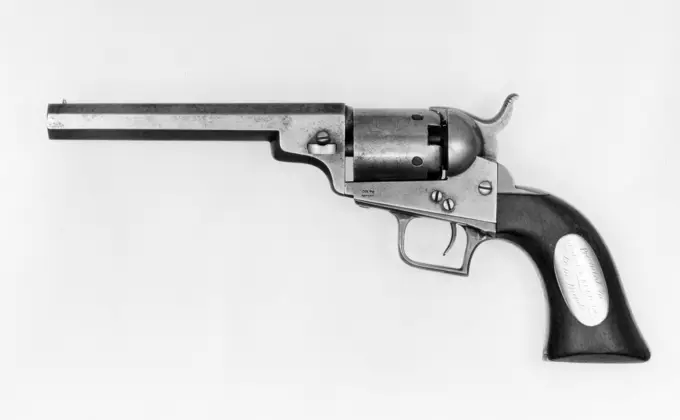
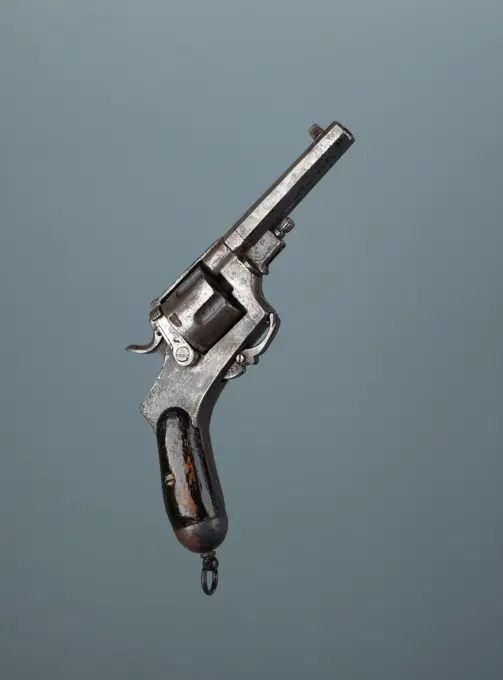
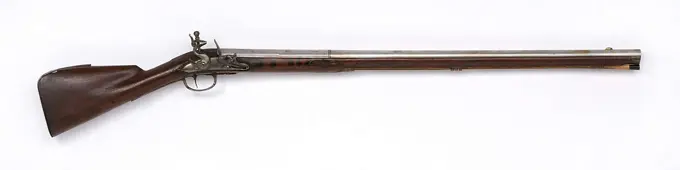
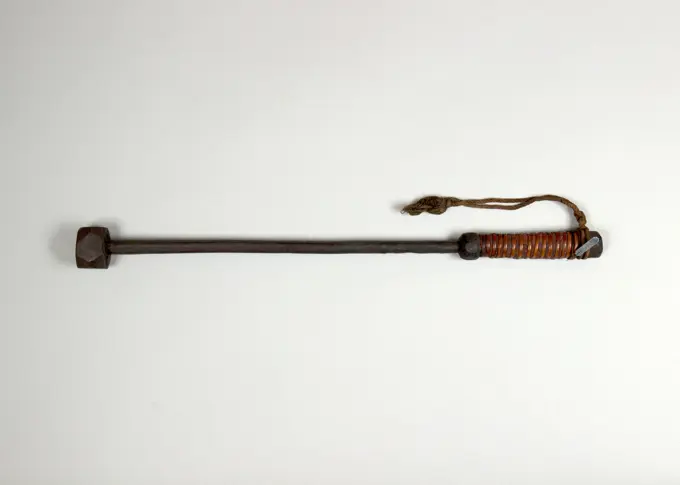
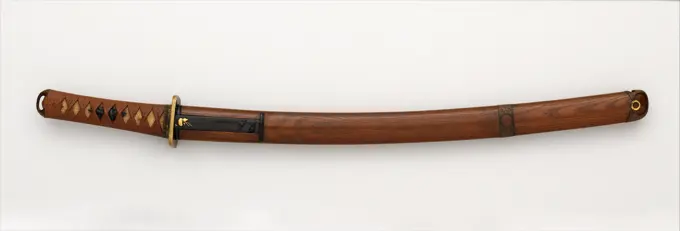
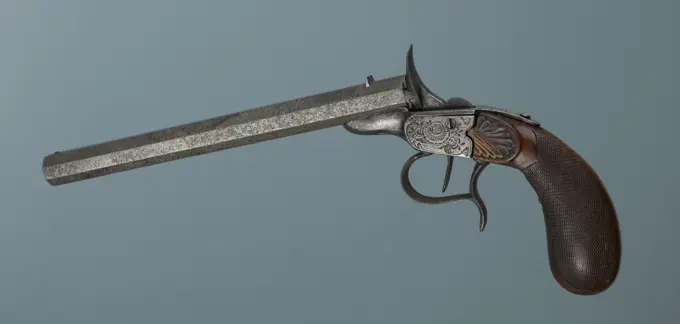
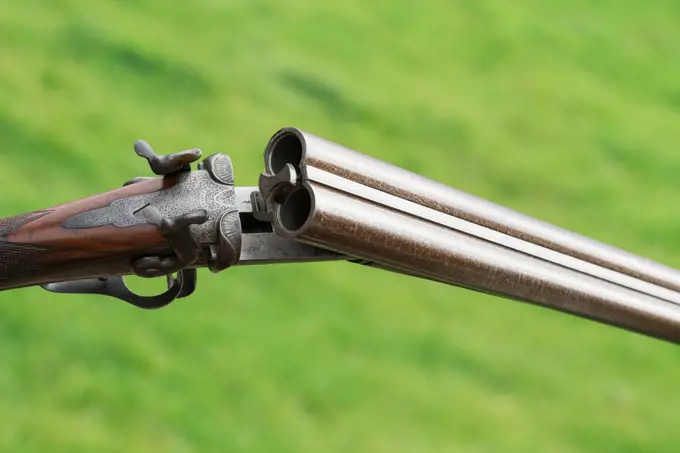
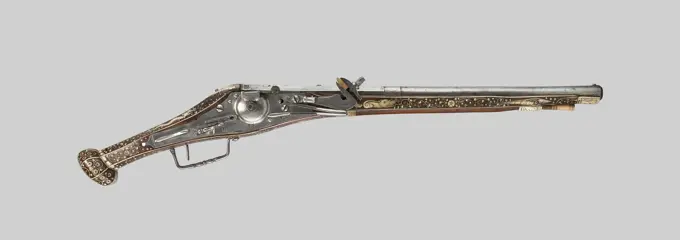
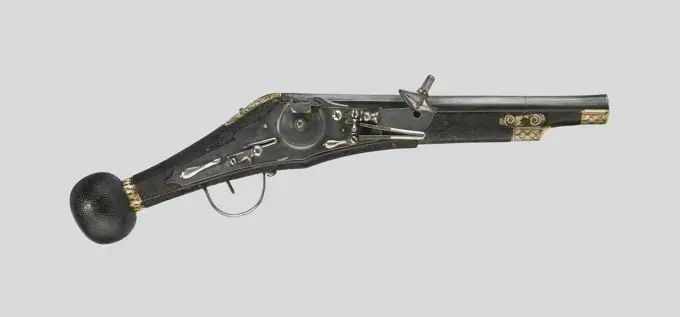
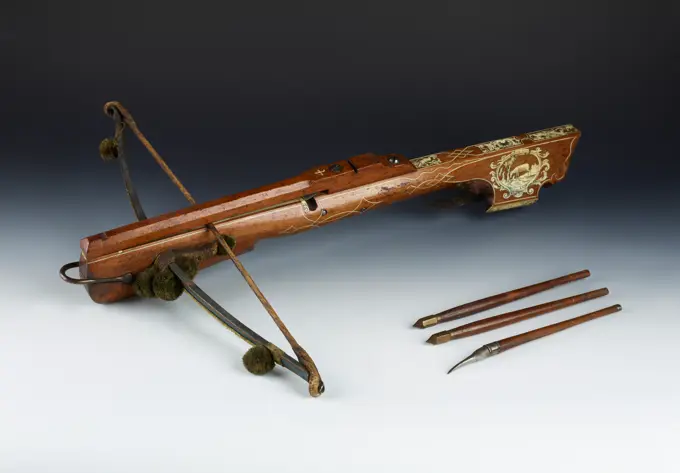
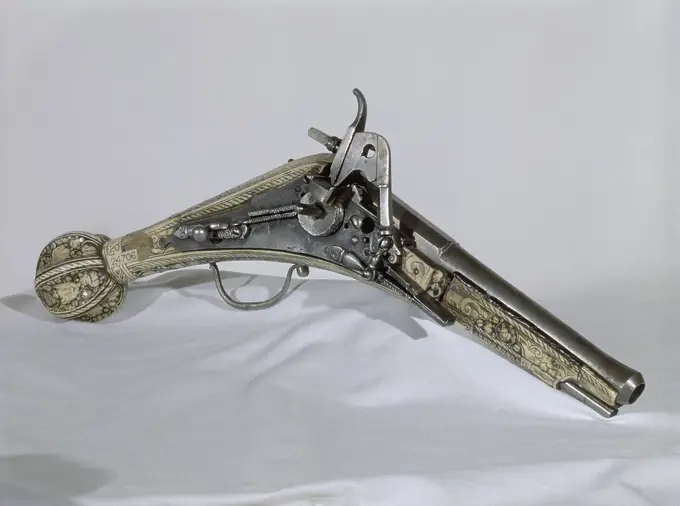
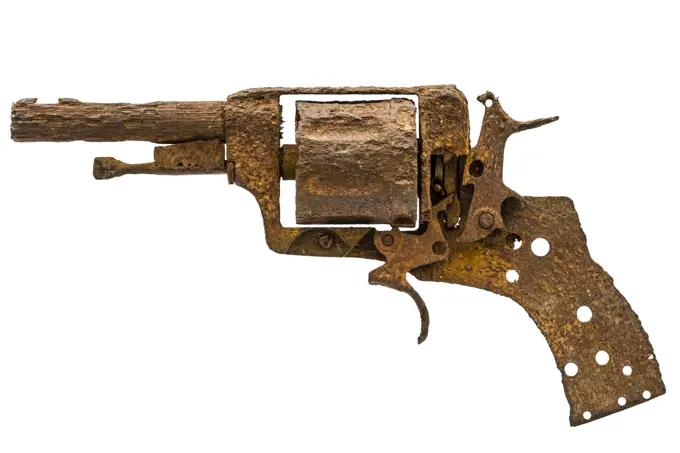
Caucasian rock pistolPair of wheellock rifles with spanner from Cornelis Tromp.These rifles or fowling pieces were intended for hunting game. The decoration of antler, bone and mother-of-pearl refers to hunting and the use of this kind of rifle. In 1656 Tromp was involved in the Polish-Swedish War as a rear admiral. He would also have regularly visited Danzig (now Gdańsk), the city where these rifles were made.Sharps Rifle. Dated: c. 1938. Dimensions: overall: 45.7 x 70.2 cm (18 x 27 5/8 in.). Medium: watercolor, graphite, and pen and ink on paperboard. Museum: National Gallery of Art, Washington DC. Author: Clyde L. Cheney.Triple-Barrel Revolving Flintlock Fowling Piece from the Gun Cabinet of the Princes of Liechtenstein. Gunsmith: Tilman Kevcks (German). Date: 1640-1660. Dimensions: L. 141.3 cm (55 5/8 in.)Barrel L. 101.4 cm (39 7/8 in.)Wt. 6 lb. 4 oz.Caliber .47. Steel, brass, walnut, and horn. Origin: Germany. Museum: The Chicago Art Institute, Chicago, USA. Author: Tilman Keuks.Gun with Flintlock a la moda dated 1744 Gabriel de Algora Spanish With the accession in 1700 of the duke of Anjou as Philip V, the first Bourbon king of Spain, French fashion predominated in the Spanish court. The new taste is readily evident in the duecoration of firearms made during the first half of the eighteenth century, when Madrid gunmakers turned to firearms pattern books published in Paris for up-to-date French designs. This flintlock gun is one of the most splendid manifestations of the French rococo style as it was adopted by gunmakers in the Spanish capital.The maker of this hunting gun, Gabriel de Algora, was appointed gunmaker to King Ferdinand IV in 1749. There is little doubt, however, that he had important commissions from the court in the years prior to that date, among them, perhaps, this gun.The gun is one of Algora's masterpieces. Its barrel, typically Spanish in style, is blued, the rear half engraved and gilt with foliated strapwork and figures of Mars and MinervWheellock Rifle of Emperor Leopold I Made 1660-1670 Gmünd. The cheek of the stock is decorated with the double-headed eagle, symbol of the Holy Roman Empire. A portrait of Emperor Leopold I is carved in its center, with the seven electors over the spread wings. This was likely meant to commemorate the emperorís recent victory over the Ottomans, accomplished with the help of the electors. The rifle was one of a matching pair presented to him. The now lost mate to this gun was carved with the date 1664, the year a peace treaty was signed with the Ottoman sultan.. Steel, brass, cherrywood, horn, staghorn . Johann Georg MaucherMarinegeweer, anonymous, before 1894 rifle Marinegeweer, system Kijnock Aston, drawn run. Tail screw, chest of drawers and some tires are missing. Taken at Lombok in 1894. Lombok (possibly) Loop, visor, visor grain: Iron (Metal). Drawer, Kolf, Kolfhals, Kolfwang: Wood (Plant Material)   LombokWheellock Rifle 1595 Germany. Iron, brass, walnut, horn, and mother-of-pearl .Pistol  Garłacz with a rock castlePair of wheellock pistols with spanner.The characteristic feature of the wheellock is the spinning wheel, which strikes a piece of pyrites, generating sparks. The lock can be internally tensioned by turning the square spindle a quarter turn with a separate spanner. This spanner also serves as a screwdriver and can be used to loosen the cock when replacing the pyrites.Pair of pistols and a bullet associated with the death of William Frederick of Nassau, Stadtholder of Friesland, anonymous, c. 1650  Pistool with Radslot, part of couple. Flat lock plate, narrow from behind, fixed with two lock screws including legs rosettes. Walk around the back of the back. Lade is unadorned, an iron drawer tire at the front. Kolf is unadorned. On the bottom of the iron tractor bracket remains of decoration. The load of one of the pistols has been preserved. Netherlands (possibly) iron (metal). walnut (hardwood). bone (material) forging / cutting  NetherlandsFlintlock Blunderbuss. Culture: Indian, Seringapatam. Dimensions: L. 37 1/2 in. (95.3 cm); L. of barrel 21 1/8 in. (53.8 cm); Cal. 1.75 (53.8 cm) Wt. 6 lb. 4 oz. (2831 g). Date: dated Mauludi era 1222/A.D. 1793-94.This gun was made in Seringapatam, the capital of Tipu Sultan (1750-1799), the ruler of Mysore. Tipu's armories employed many European craftsmen, and his firearms reflect the most up to date technology. As the self-styled "tiger of Mysore," Tipu was preoccupied with tiger imagery. On this gun, tigers prance or hunt on the magnificently damascened barrel; the cock of the flintlock is fashioned as a tiger head; and the silver mount is stamped with stylized tiger-stripe marks. Following the storming of Seringapatam by the British on May 4, 1799, during which Tipu was killed, this gun and many other weapons were taken to Europe as booty. Museum: Metropolitan Museum of Art, New York, USA.Flintlock Pistol. French, Alsace. Date: 1640-1650. Dimensions: L. 80 cm (31 1/2 in.) Barrel L. 45.6 cm (17 5/16 in.) Wt. 3 lb. 2 oz. Caliber .50. Steel, silver, brass, wood, mother-of-pearl, and horn. Origin: Alsace. Museum: The Chicago Art Institute, Chicago, USA.Flint hunt rifle, Gerrit the old Penterman, c. 1705 flintlock gun The lock is engraved with leaf vines, branches and a signature. The barrel is decorated with rings that always have a gilded, granulated groove, and the signature; The grain is made of yellow; marked at the bottom with the weapon of Amsterdam and two other brands: Hi and DB. The carrot -knotwood flask has simple cutting. The batter is made of cast iron and includes four loading stokkokers and a nacce, ajour processed screw plate with tendrils and a mask, an unadorned thumb plate framed by branches and with a mask on top, and the flask with a point in the shape of a leaf ; The loading stick has a hood of cow horn. Leeuwarden gilding (material). brass (alloy). horn (animal material) engravingPair of Forsyth Patent Third Model Sliding Primer Pistols ca. 1828 Alexander John Forsyth The Reverend Alexander Forsyth, a Scottish clergyman and exceptionally creative gunmaker and amateur chemist, invented and patented the first percussion lock in 1807. The most consequential firearms invention since the flintlock, the percussion system was a forerunner to the modern centerfire cartridge. As a means of ignition percussion mechanisms utilized a highly combustible chemical compound called fulminate, which burns more rapidly than gunpowder when struck with force. Forsyth continually developed his mechanism over the next decades. These pocket pistols feature a priming reservoir that slides on a track over the pan when the hammer is cocked, depositing loose fulminate powder into the pan and covering it, snapping forward out of the way when the trigger is pulled.Firearms technology advanced at an extraordinary pace in Europe in the early nineteenth century. Londons elite gunmakers, intenFlint pocket gun, Godefroi Corbeau (I), 1730 - 1740 flintlock pistol Part of a couple. The final plate is unprocessed except for a signature. The loop has two tires with rings, one of which is around the tromp; drawn with 13 grooves. The flask is simply cut with arabesks, among other things; The handle is curved. The previously gilded, yellow -heading batter with decoration in relief consists of a tractor bracket with a Turkskop on it, an ajour processed screw plate of leaf vines with a dragon, and a flask hood with symmetrical curls around a grotesque mask; No loading sticker; The chest of drawers has an iron roof. Maastricht brass (alloy). gilding (material). iron (metal). wood (plant material) engraving / cutting / gildingHistorical flintlock gunModel of the old gun on the white background, souvenirPair of Snaphaunce Pistols ca. 1725 Italian The carved stocks of this small pair of pistols are slightly thicker around the locks and side plates for added strength. The mostaccioli” (little faces) that adorn the locks and mounts are typically Emilian and are also seen in local architecture.. Pair of Snaphaunce Pistols. Italian. ca. 1725. Steel, wood (walnut?), gold. Firearms-Pistols-SnaphaunceCarbine - Breuer BreuerPistols. 18th century. Colored engraving.Powder tester.Gunpowder quality determined the reliability of a weapon. Powder was initially tested by eye or by tasting it. Over time various kinds of powder testers were developed in which exact amounts of gunpowder would be ignited. The result shown on the wheel of this example indicates the force and therefore the quality of the powder.Old Revolver On Isolated Background Old revolver on an isolated studio background Copyright: xZoonar.com/AndreyxSkatx 9656326Pair of Wheellock Pistols ca. 1655-65 Dutch, Maastricht Very few Dutch ivory stocked pistols have wheellocks; the great majority are equipped with flintlocks. This pair also appears to be among the earliest known wheellock examples.. Pair of Wheellock Pistols. Dutch, Maastricht. ca. 1655-65. Steel, brass, gold, ivory. Maastricht. FirearmsColt Model 1861 Navy Percussion Revolver, serial no. 12240 1863 Samuel Colt American This pistol was presented by the Colt factory to American journalist and politician Horace Greeley (1811-1872).. Colt Model 1861 Navy Percussion Revolver, serial no. 12240 24836Antique flintlock pistol circa 1800s isolated on white background with clipping pathTRABUCO ABOCARDADO. Location: PALACIO REAL-REAL ARMERIA DE MADRID. MADRID. SPANIEN.Airpistol-carbine, T Peres (attributed to), 1775 - 1799  The mechanism of the lock is mounted outwards against a plate that in turn is part of a strong lock cabinet with inside the piston (= suction-shaped valve) that holds the compressed air in the reservoir-Annex gun handle. The rod forms one whole with the tractor; There is no tractor bracket. In addition to the rooster, the valve palt protrudes from a crack; In the bottom plate of the cabinet, the number 3733 is stamped in separate battle numbers. The iron loop is screw -up. The flask only consists of a curved grip of iron covered with black leather, which serves as an air reservoir and can be screwed off from the lock cabinet to pump pressure air; On the back of the handle, the loose wooden, also black leather covered with black leather, can be screwed up. Amsterdam iron (metal). wood (plant material). leather   AmsterdamRevolver with Holster by Tonny van Renterghem, Smith & Wesson, 1920 - 1944 revolver Revolver, Smith & Wesson 38, from Tonny van Renterghem, from a weapon dropping for the resistance in the Second World War in the Netherlands. On the wooden flask an inscription 'Freedom 1944'. Registration number: V 566938. An iron ring on the flask. In accompanying Leer Holster with wide loop for confirmation to the belt. Springfield revolver: steel (alloy). revolver: wood (plant material). holster: leather. holster: copper (metal) casting / sewing  NetherlandsPercussion rifle - Enfield EnfieldPistol with a rock castleSappeursglobe M1815 or percussion gun with ramrod and bayonet, used by the boys of the Gereformeerd Weeshuis, Rotterdam, rifle rifle percussion gun rifle firearm weapon iron steel wood walnut metal, w 6.5 h 21.0 (bottom of the flask to the top of the cock) Sappurs rifle M1815 with transformed fireproof lock to percussion; frontloader ankle loops with smooth barrel loose ramrod and large bayonet fittings iron. Crumbled flask crumbled turret smashed 264 on lockplate crowned M on cock crowned M on barrel engraved in room 1838 loosely debossed 264 and crowned GF chimney debossed G front cordon bar smashed oval mark unreadable above front sling ring stamped mark unreadable on rear cordonwacket stamped mark unreadable on the flask circular burnt brand in the middle GH lower edge 1844 upper edge unreadable same location on the cob incised LN army militia war bullet gunpowder infantry Rear monastery military shooter militaria orphanage Reformed Burgerweeshuis Gereformeerd Burger Orphanage RottDubbelloops flint gun, Cornelis Coster, c. 1660 flintlock pistol Dubbelloops flint gun, also known as a box gun. Equipped with two locks, left and right; The final plate has a long tail; De Haan has a Ajour edited decoration; The lock is engraved with leaf vines and a signature; A tractor operates both locks. The two runs are attached one above the other; A ring runs around the tromp; Stamped at the bottom with a C. The flask is easily cut with, among other things, praise; The frontade is grooved, the loading stick is on the right; Cut with a C under the top run. The iron batter consists of a loading sticker, a front tractor bracket fork and a flask with a grotesk mask on the bottom; The loading stick is provided with an iron roof. Utrecht iron (metal) engraving / cuttingWheellock gun, Stephan Schlicke (possibly), c. 1700 - c. 1799  Radslot gun; octagonal drawn run; elongated brass visor grain; vision slot is missing; Bottom runs smelled brand: SS (possibly from Stephan Schlick, Dresden); Radslot inside and on the outside closed by round iron plate; locked plate image of deer in landscape hunted by two dogs; On a rooster image of Diana with spear and dog; Connection plate Haan and Veer with image of shell motif and fruits; Between Haan and Rad marked: D; precision tendency (stecher); Nutenhouten German flask; Sparingly inlaid with engraved leg; on flask oval with image of deer in spruce tree landscape including inscription: Heureux qui peut faire autant, completely surrounded by decoration with a grotesque head on top; on legs plates of Kolfchuif Akanthus-leaf motifs; On drawer two legs rosettes at lock bolts; legs loading strokers, loading button; Wood of flask and drawer with incised rocaille motifs; Tractor bracket with three bulges and forked rear Combined Double-Barreled Flintlock Pistol and Folding Knife Made 1700-1800 Sweden. Steel, wood, brass, iron, and gold .Miquelet Pistol. Culture: Caucasian, Tbilisi, Georgia, or Dagestan. Dimensions: L. 21 in. (53.34 cm); Cal.56 in. (14.22 mm); Wt. 2 lb. 7 oz. (1106 g). Date: ca. 1830-50. Museum: Metropolitan Museum of Art, New York, USA.Werndl gun 1876 9mmClose-up of a revolver issued to army and navy officers during the American Civil WarSix-Barreled Pepperbox Disk Primer Pistol with Case and Accessories ca. 1840-1850 Joseph Rock Cooper This type of pistol is commonly called a pepperbox, its defining feature being a rotatable cluster of full-length barrels. They were produced in large numbers in England in the 1830s-50s and were the first English revolvers to utilize percussion ignition system, though early examples of the English pepperbox date to the early 1800s and employed flintlocks. They commonly feature six or seven barrels machine bored from a single piece of steel, and a box-lock with a bar hammer at the top of the frame. This example is self-cocking, each pull of the trigger raising the releasing the hammer and rotating the barrel cluster. It utilizes a disk primer mechanism, instead of the more common percussion caps that fitted over a protruding nipple. It features a folding trigger, silver primer shield, and a blued frame and barrels, now faded, the frame and shield engraved with scrollwork.. Six-Barreled BALLESTA BODOQUERA (S.XVI) (EN EL MUSEO DE SANTA CRUZ).Double-Barrelled Flintlock Sporting Gun of Napoleon I Bonaparte, 1809. Jean Le Page (French). Blued steel with gilt decoration; walnut stock; chiseled mounts; overall: 116.8 cm (46 in.); butt: 10.8 cm (4 1/4 in.); barrel: 76.3 cm (30 1/16 in.); bore: 1.6 cm (5/8 in.). The Le Page family firm was the leading maker of deluxe firearms for the French nobility during the late 1700s and early 1800s. Jean Le Page was royal gun maker to the French king, Louis XVI (1774-93), and after the Revolution to the emperor, Napoleon Bonaparte (1804-21), who commissioned this weapon. The gun bears the imperial monogram "N" (for Napoleon) in two locations. Luxury shoulder arms were sporting weapons intended for hunting or target shooting and were often exquisitely decorated. These finely crafted guns and their accessories also served as appropriate diplomatic gifts for noteworthy individuals, including kings, noblemen, ambassadors, and military officers. Luxury firearms were genuine works of art, utiliziPellet Crossbow ca. 1600-1650 German. Pellet Crossbow 33752SISTEMA DE DISPARO DE UNA ESCOPETA. Location: PALACIO REAL-MUSEO DE CAZA. Riofrío. SEGOVIA. SPAIN.piston gun, Castle of San Carlos, seventeenth century, Palma, Mallorca, Spain.Cased Pair of Percussion Pistols with Accessories. Culture: French, Paris. Dimensions: Pistols (a, b); L. of each 16 in. (40.7 cm); L. of each barrel 10 5/8 in. (27 cm); Cal. of each .46 in. (12 mm); Wt. of each 2 lb. 3 oz. (992.2 g); ramrod (c); L. 11 1/4 in. (28.6 cm); Wt. 1.5 oz. (42.5 g); cleaning rod (d); L. 12 3/8 in. (31.4 cm); Wt. 1.8 oz. (51 g); mallet (e); L. 7 7/8 in. (20 cm); W. 2 1/2 in. (6.4 cm); Wt. 5.3 oz. (150.3 g); screwdriver (f); L. 6 1/4 in. (15.9 cm); Wt. 2.6 oz. (73.7 g); bullet mould (g); L. 7 7/8 in. (20 cm); Wt. 8.8 oz. (249.5 g); powder flask (h); H. 4 in. (10.2 cm); Wt. 4.2 oz. (119.1 g); patch box (i); H. 1 in. (2.5 cm); Diam. 1 1/4 in. (3.2 cm); Wt. 0.4 oz. (11.3 g); nipple box (j); H. 1 11/16 in. (4.3 cm); Diam. 1 7/8 in. (4.8 cm); Wt. 1.5 oz. (42.5 g); spoon (k); L. 4 in. (10.2 cm); Wt. 0.4 oz. (11.3 g); case (l); H. 2 7/8 in. (7.3 cm); W. 18 7/8 in. (47.9 cm); D. 8 1/4 in. (21 cm); Wt. 7 lb. 4.7 oz. (3308.4 g); leather case (m); H. 3 3/8 in. (8.6 cm); WPistol from a pair with a capither castle, converted from rock Kuchenreuter, Johann Andreas, I (1716 1795)Antique Double-Barrel Shotgun, Close-UpColt Paterson Percussion Revolver, No. 5, Holster Model, serial no. 940 ca. 1840 Samuel Colt American In 1835 and 1836, the American inventor and industrialist Samuel Colt (1814-1862) patented a revolutionary type of multishot pistol that is still used today. Colt's revolvers had a rotating cylinder that could be loaded with several rounds and fired quickly by cocking and releasing the hammer or, in later models, by simply pulling the trigger. Early Colt firearms used percussion ignition and had to be loaded with powder, bullets, and ignition caps in separate operations. After 1870, Colt models were produced for self-contained cartridges that are much like modern pistol ammunition.First manufactured by Colt's factory in Peterson, New Jersey (1836-42), from 1847, the revolvers were made at a much larger plant in Hartford, Connecticut. A special workshop at the Hartford factory employed highly skilled decorators and artisans, many of German origin. Their ornamental motifs, still popular Gun. Dated: c. 1936. Dimensions: overall: 30.2 x 22.8 cm (11 7/8 x 9 in.). Medium: watercolor, graphite, and gouache on paper. Museum: National Gallery of Art, Washington DC. Author: Jay Katz.PISTOLA AUTOMATICA LLAMA DE 9 mm. DE LARGO. Location: ALCAZAR / MUSEO DEL EJERCITO-COLECCIÓN. Toledo. SPAIN.Pair of Flintlock Holster Pistols 1710-1730 Austria. Walnut, steel, gold, and iron ."Wells Fargo" Colt Revolver ca. 1851 American In 1835 and 1836, the American inventor and industrialist Samuel Colt (1814-1862) patented a revolutionary type of multishot pistol that is still used today. Colt's revolvers had a rotating cylinder that could be loaded with several rounds and fired quickly by cocking and releasing the hammer or, in later models, by simply pulling the trigger. Early Colt firearms used percussion ignition and had to be loaded with powder, bullets, and ignition caps in separate operations. After 1870, Colt models were produced for self-contained cartridges that are much like modern pistol ammunition.First manufactured by Colt's factory in Peterson, New Jersey (1836-42), from 1847, the revolvers were made at a much larger plant in Hartford, Connecticut. A special workshop at the Hartford factory employed highly skilled decorators and artisans, many of German origin. Their ornamental motifs, still popular in American gunmaking, centered on fine scrollwork. AnimSordini. The Sordini is a kind of pocket fiddle, also known as 'Pochette' and 'Taschengeige'. It is distinguished from the viol family thanks to its prolonged neck which extends from the body as opposed to being an attachment.Old hunting gun TOZ-34ER Old hunting gun TOZ-34ER, isolated on a white background Copyright: xZoonar.com/OlgaxPopovax 3061144Pair of Wheellock Pistols with Matching Priming Flask/Spanner ca. 1570-80 Decoration on the stocks copied in part from engravings by Etienne Delaune French These pistols are remarkable for the chiseled and gilt decoration of the barrels and locks, for the distinctive figural and floral inlay on the stocks, which is copied in part from ornament engravings by Etienne Delaune (1518/19-1583), and for the use of red paint to highlight the stock decoration. The survival of the matching priming flask is also exceptional for a pistol from this early date.. Pair of Wheellock Pistols with Matching Priming Flask/Spanner. French. ca. 1570-80. Steel, gold, silver, brass, wood (walnut), staghorn, brass wire, pigment. Firearms-Pistols-WheellockFIIntlock pistol Lazaro Lazarino, Lermé (fl. 1690 1730)Mock of the old pirate pistol Mock of the old pirate pistol. Isolated Copyright: xZoonar.com/SergeyxSukhorukovx 3099944Wheellock Pistol late 16th century German, Liegnitz. Wheellock Pistol. German, Liegnitz. late 16th century. Wood (ebony), steel, ivory. Firearms-Pistols-WheellockPercussions cap muzzle loader of the 19. th century 15mmGun. Dated: 1938. Dimensions: overall: 30.5 x 34.9 cm (12 x 13 3/4 in.). Medium: watercolor, graphite, and colored pencil on paperboard. Museum: National Gallery of Art, Washington DC. Author: Eugene Bartz.Signalling Gun.Flystone rifle for doing signals. It has no loop: the drawer is equipped with a slot for powder that suits in a pan at the end, in which a pyrotechnic fire must be ignited. The slot and tray are covered with a wooden lid, which can be rotated to a bolt at the lock. Tray and lid are decorated with elegant carving of leaves.Historical pistols, weapons, war, violence, Sweden, EuropeClose-up of a Beretta 20-gauge and an Ithca 12-gauge shotgunVintage Photograph. Antique musket on solid background, Frame 2Cased Pair of Percussion Target Pistols with Loading and Cleaning Accessories, Made for Henri Charles Ferdinand Marie Dieudonné d'Artois, Duke of Bordeaux, Count of Chambord (1820-1883) dated 1829 Jean André Prosper Henri Le Page French These pistols were made for the nine-year-old Henri d'Artois (1820-1883), the last member of the Bourbon royal dynasty. Their decoration includes the fleurs-de-lis of France and the crowned monogram of their owner. The maker, Henri Le Page, served the restored French monarchy as Gunmaker to the King. The engraved sheet-gold inlaid flush with the surface of the stock recalls the style popular during the Napoleonic era, when Le Page's father served Napoleon in a similar capacity.. Cased Pair of Percussion Target Pistols with Loading and Cleaning Accessories, Made for Henri Charles Ferdinand Marie Dieudonné d'Artois, Duke of Bordeaux, Count of Chambord (1820-1883). French, Paris. dated 1829. Steel, gold, wood (ebony, walnut, amboyna), silver, velvet, ivoryHunting weapon, shotgun, long gun with engravingPistol with a rock castleRadslotgeweer.Radlot rifle or radlotmusket. The iron lock has turned and cast parts; The small wheel is caught in a ring attached to the plate. The iron loop is hammered in high relief on the rear half in high relief with three oval cartouches with naked human figures including Adam and EVA, Incrusted in silver; equipped with crumbled decorations in geometric patterns and flower vines; The visor grain is made of iron, just like the backfizing that is scilated with ornaments in the lobe style; A blur is stamped below. The walnut flask is inlaid with white cow horn in the form of strips, praise, circles and grotesque human and animal figures. The batter consists of an iron, angled tractor bracket and two tray tires of cow horn, engraved on the sides with guilloches; The wooden loading stick with cup of white cow horn has the same decoration as the drawer tires.Boy's Gun 1650-1675 Germany. Steel and brass .Matchlock Musket, c. 1750. Turkey, Ottoman period (1299-1922). Wood, steel, brass, mother-of-pearl inlay, and leather; overall: 103.5 cm (40 3/4 in.); barrel: 68.3 cm (26 7/8 in.). Collectively, the Safavid, Mughal, and Ottoman empires are known as the Gunpowder Empires. Particularly from the 1500-1700s, they were among the strongest economic, cultural, and militaristic powers. Each trained and equipped their armies with the latest gunpowder firearms, particularly cannons and muskets. While used in battle, muskets were also used for leisure activities, particularly hunting. The decoration on this musket suggests it was a courtly item, fitted with a leather pad to protect the shooter from the force of the explosion after firing.Flint rifle, State Army M.1815, No. 2, Anonymous, 1815 flintlock gun Flint rifle of the State Army M.1815, No. 2. To the French model of 9 or Modèle 1777 Corrigé. The lock plate is marked on the outside with H 39 under a crown and on the inside with IB. The year 1839 was stamped on the barrel and a stamp consisting of the letters under a crown. The flask is branded on the right in the handle with an oval containing the capital letters GH under a crown. The Kolfplaat is stamped with an S under a crown. With accompanying bayonet. Netherlands wood (plant material). iron (metal). copper (metal)LeRoy Robinson, Rifle, c 1937 RifleThe lock plate is diamond-shaped; The Pandekel must be operated by hand. The loop is equipped with an iron sight in front of the kulas and an iron grain; Hearing mk and on top of a signature. The nutshell flask has two screw plates of cow horn for the lock bolts. The iron batter consists of three charging bokekokers, a spoon-shaped trigger bracket whose rear is free from the flask and a flat bottle plate; The loading stick is made of wood.Five  vintage military riflesPocket Model Colt Revolver 1848 American In 1835 and 1836, the American inventor and industrialist Samuel Colt (1814-1862) patented a revolutionary type of multishot pistol that is still used today. Colt's revolvers had a rotating cylinder that could be loaded with several rounds and fired quickly by cocking and releasing the hammer or, in later models, by simply pulling the trigger. Early Colt firearms used percussion ignition and had to be loaded with powder, bullets, and ignition caps in separate operations. After 1870, Colt models were produced for self-contained cartridges that are much like modern pistol ammunition.First manufactured by Colt's factory in Peterson, New Jersey (1836-42), from 1847, the revolvers were made at a much larger plant in Hartford, Connecticut. A special workshop at the Hartford factory employed highly skilled decorators and artisans, many of German origin. Their ornamental motifs, still popular in American gunmaking, centered on fine scrollwork. Animal anDubbelloops vuursteenpistool.Double flint gun, also called box gun. Equipped with two locks, left and right; The lock plate has a long tail; De Haan has ajour edited decoration; The lock is engraved with brords and a signature; A tractor controls both locks. The two runs are attached above each other; A ring is running around the trump; Stamped under top with a C. The flask is easily cut with, among other things, praise; The preloading is grooved, the loading stick is on the right; Sliced with a C under the top loop. The iron fittings consists of a loading cooker, a front-faced trigger bracket and a kolf cap with a grotesk mask below; The loading stick is provided with an iron hood.Bodeo miIItary revolver, model 1889 Castelli, Mida GiaKlarinet in C met 5 kleppen.Clarinet in three parts, from brown wood with five square brass valves and two brunette rings.Vuursteenjachtgeweer.The lock is made of iron. The heavy iron loop has a large caliber; On top of stamped with the coat of arms of Utrecht, at the bottom with a crowned heart; The visor grain is from Geelkoper. The walnut flask is easily cut; The VaMa is equipped with a hood of Koehoorn. The iron attachment consists of three loading bokekokers, an ajour processed screw plate with a round shield engraved with a weapon with maritime motifs, including a ship's hull, a dolphin, an anchor and a stern, crowned with a knight crown and two helmets with covers, with above maritime Motives and completely at the top of the initials GBS, a partial ajour processed and engraved tractor bracket, and the flask plate; The wooden loading stick has a hood of Koehoorn.Hunting shotgun with a shock lock converted from rock Daiczer, Rochus (fl. 17.. 17..)Mace 18th-19th century Chinese. Mace. Chinese. 18th-19th century. Iron, cane. Shafted WeaponsMounting for a Short Sword (Wakizashi Goshirae) mounting 19th century; grip ornaments 16th century; hilt collar (fuchi), dated 1849 Shibata Zeshin Japanese A European sword is seen as a unified whole consisting of hilt, blade, and scabbard; with the artistic emphasis usually being on the hilt. By contrast, Japanese swords are appreciated for the beauty of their individual components. These consist of the blade, mountings (the hilt and scabbard), and fittings (the small, removable metal elements attached to the hilt and scabbard). Japanese blades are equally renowned for their effectiveness and aesthetic qualities; the mountings are valued as elegant lacquerwork; and the fittings as art metalwork in miniature.This superb set of mountings for a short sword, or wakizashi, was made by Shibata Zeshin, one of the most versatile artists of the Edo period and Meiji era, who was highly regarded both as a lacquer specialist and as a painter. His large output includes many types of lacquer boxes,europe old in  italy  antique close brown door and rusty lock  closeupPair of Flintlock Holster Pistols Made 1665-1675 Utrecht. Steel, copper, walnut burl .Flobert's disc pistolDamascus barrel Purdey side by side shotgunLife in the Baroque era, 18th century, flintlock, Schiller Jahrhundertfest festival, Marbach am Neckar, Baden-Wuerttemberg, Germany, EuropeHunting flintlock rifle Kolbe, Johann Gottfried (fl. 1730  1740), Stockmar, Johann Christoph (1719 1747)Old rusty pistol, Isolated on white background Old rusty pistol, Isolated on white background Copyright: xZoonar.com/OleksandrxKostiuchenkox 8903485Wheellock Pistol 1567 Nuremberg. Steel, iron, fruitwood, and staghorn . Master I GWheellock Puffer (Pistol) for the Mounted Bodyguard of the Elector of Saxony 1580-1600 East Germany. Steel, cherrywood, and staghorn . Abraham DresslerHunting crossbow Drechsler, i.G.PISTOLA DEL GENERAL RIEGO CON INCRUSTACIONES DE MARFIL - SIGLO XIX. Location: ALCAZAR / MUSEO DEL EJERCITO-COLECCIÓN. Toledo. SPAIN. RAFAEL DEL RIEGO.Chassepot rifle, a French infantry rifle M 1866, a rifled breech-loading rifle of the primer-pin rifle type, shown closed and with trigger pulled, illustration from 1880, historical, digital reproduction of an original from the 19th centuryCarbine Gun. Dated: c. 1937. Dimensions: overall: 31 x 22.9 cm (12 3/16 x 9 in.). Medium: watercolor and graphite on paperboard. Museum: National Gallery of Art, Washington DC. Author: George Fairbanks.FIIntlock pistolFIIntlock Hunting pistol Botti, GaetanoSnaphaunce Gun. Culture: Moroccan, Kabyle. Dimensions: L. 53 in. (134.6 cm). Date: 18th century. Museum: Metropolitan Museum of Art, New York, USA.Travel pistol with a rock castle and a folding bayonet unknown scruxOld rusty pistol, Isolated on white background Old rusty pistol, Isolated on white background Copyright: xZoonar.com/OleksandrxKostiuchenkox 8903458