Historical Footwear Collection

An assortment of vintage shoes including ballet flats, oxfords, and slippers from various eras, showcasing unique materials and designs, demonstrating the evolution of footwear.
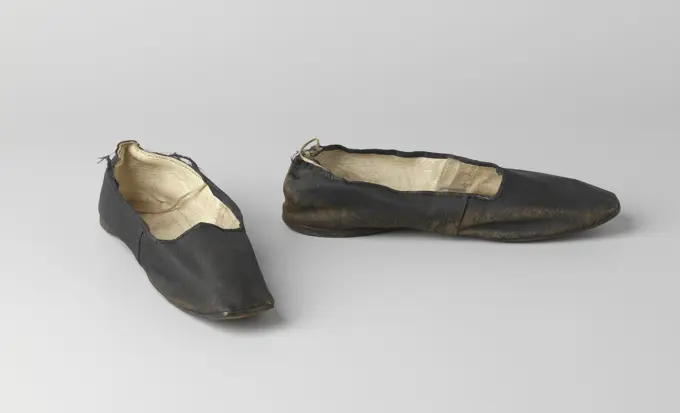
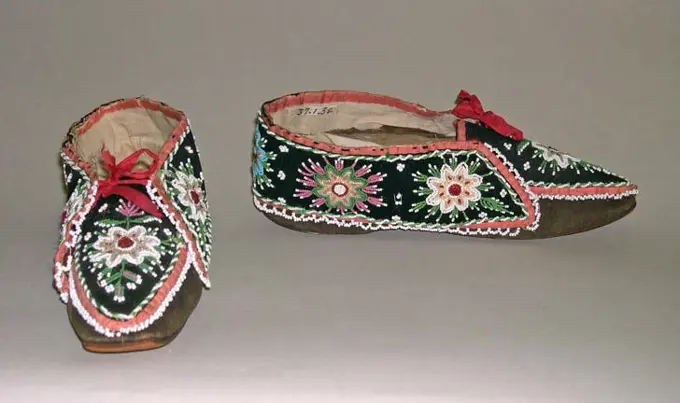
Shoe made of black cotton with small wedge heel, c. 1820 - c. 1840 Shoe made of black cotton. No right/left difference. Built -in heel of one layer of leather. Pointed forefoot. Square nose. Tire closure in a silk omboard. North Netherlands whole: Cotton (textile). Sole: Leather Shoe made of black cotton. No right/left difference. Built -in heel of one layer of leather. Pointed forefoot. Square nose. Tire closure in a silk omboard. North Netherlands whole: Cotton (textile). Sole: Leather
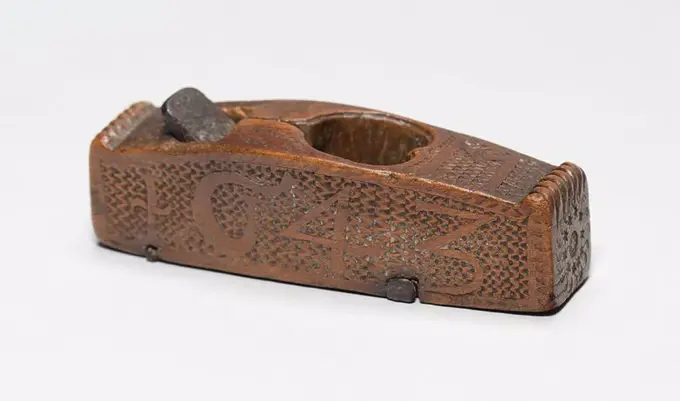
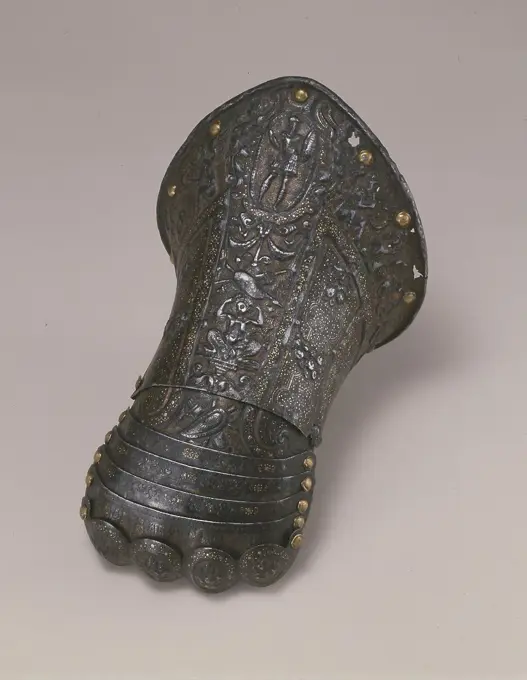
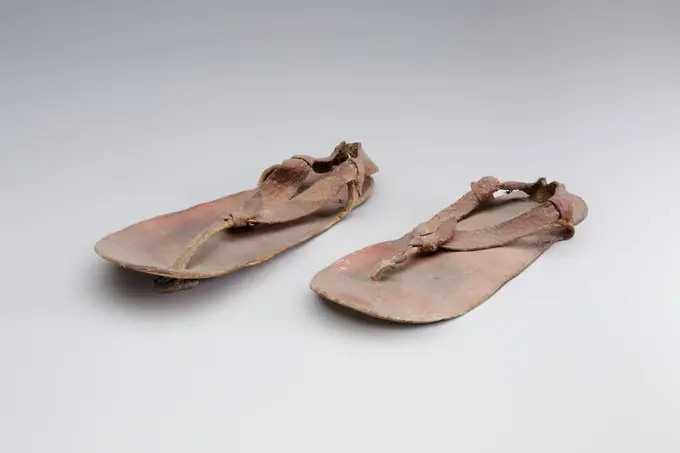
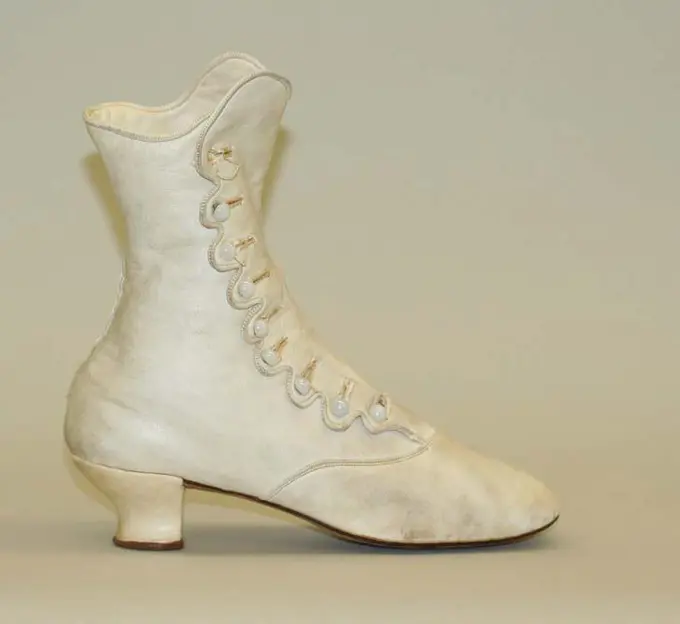
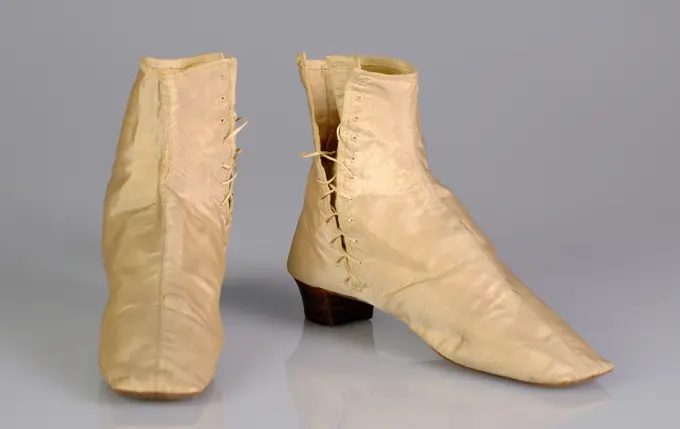
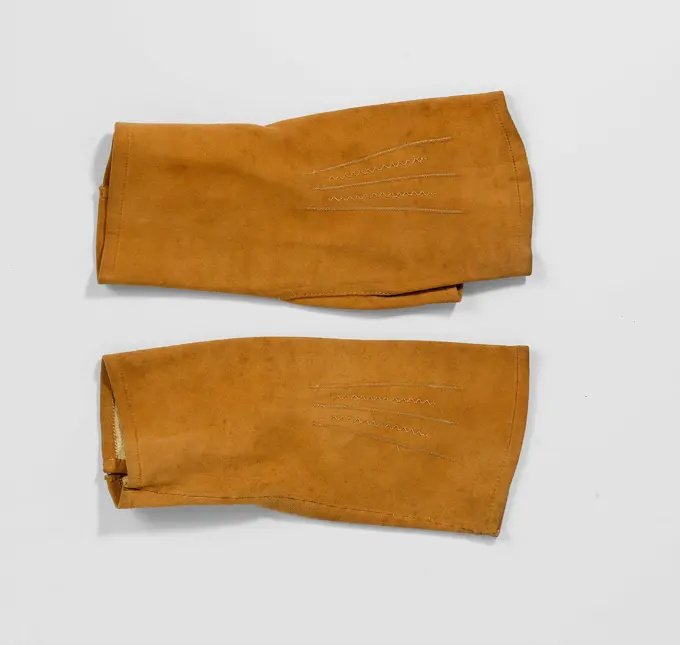
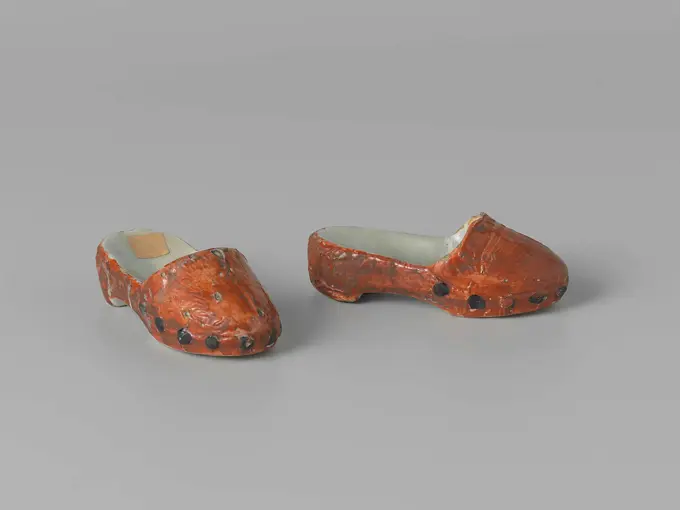
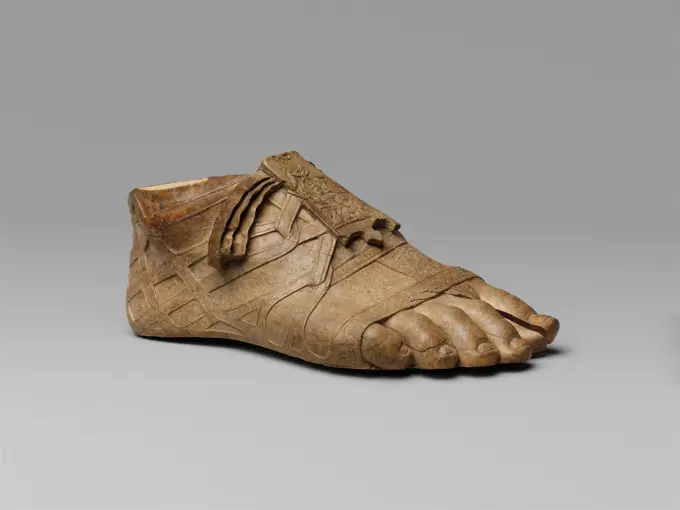
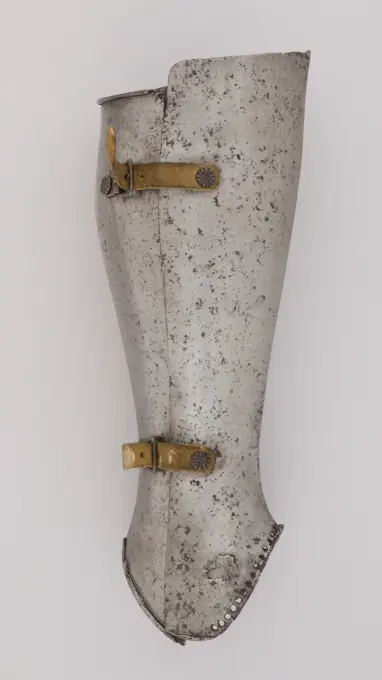
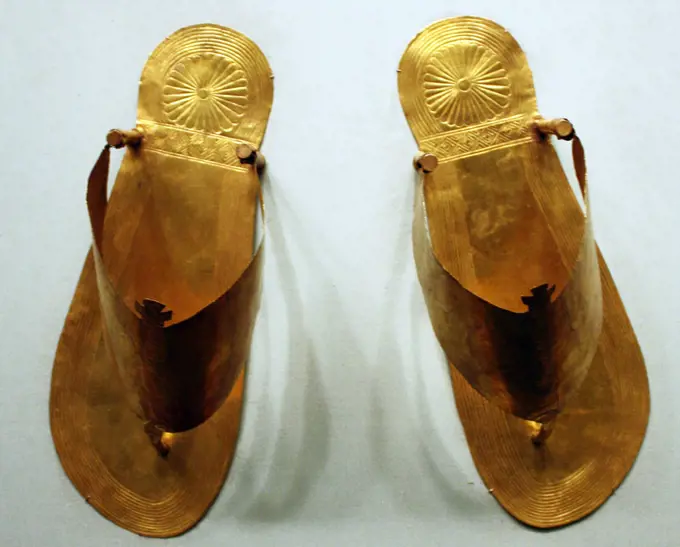
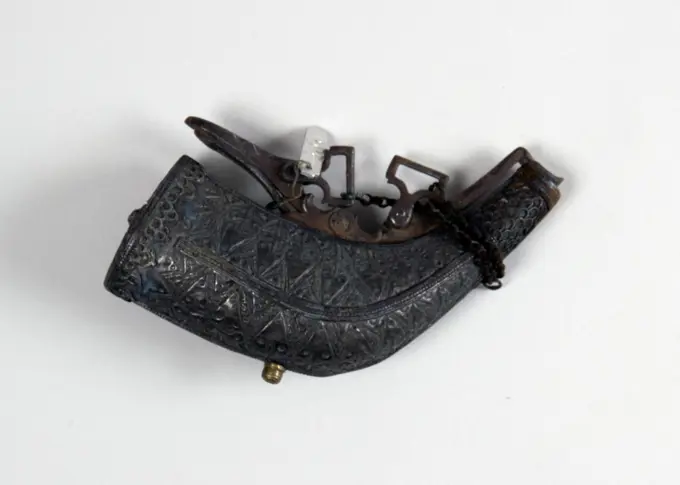
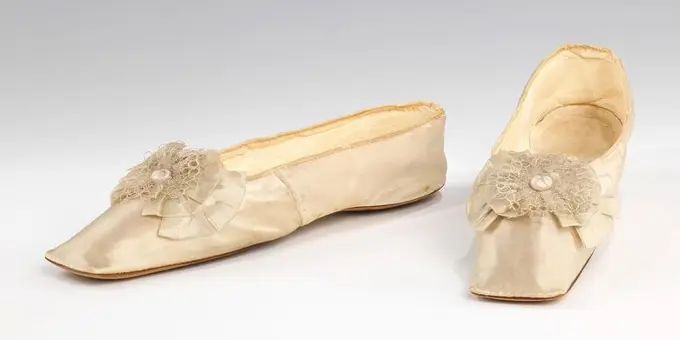
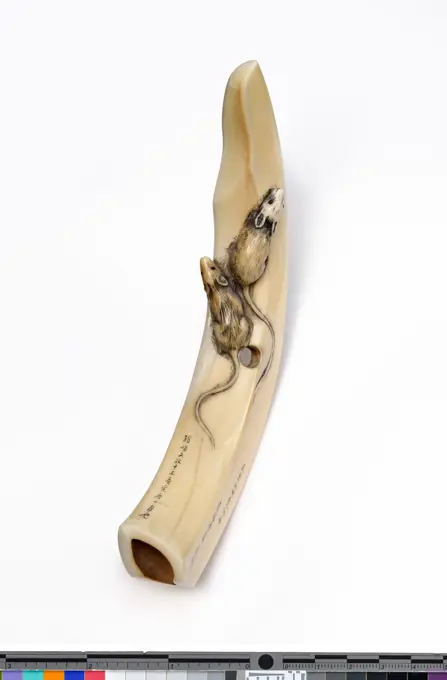
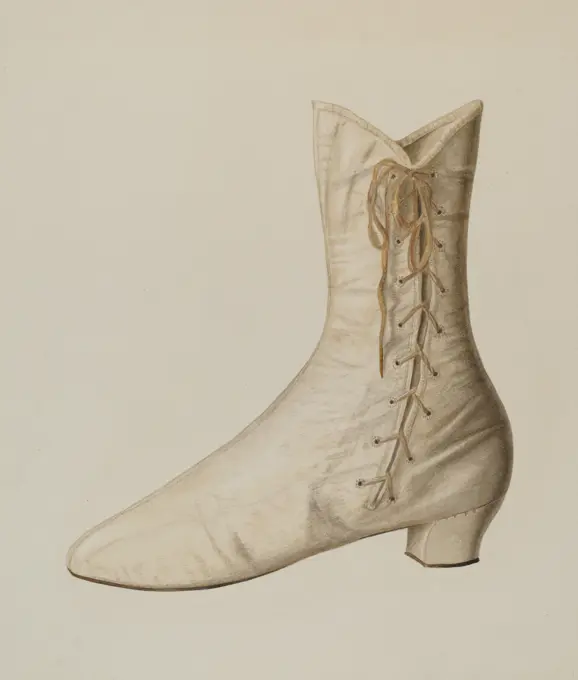
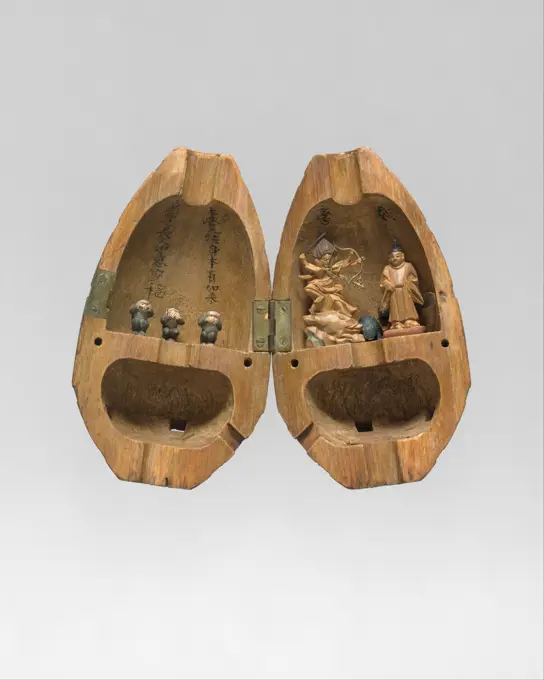
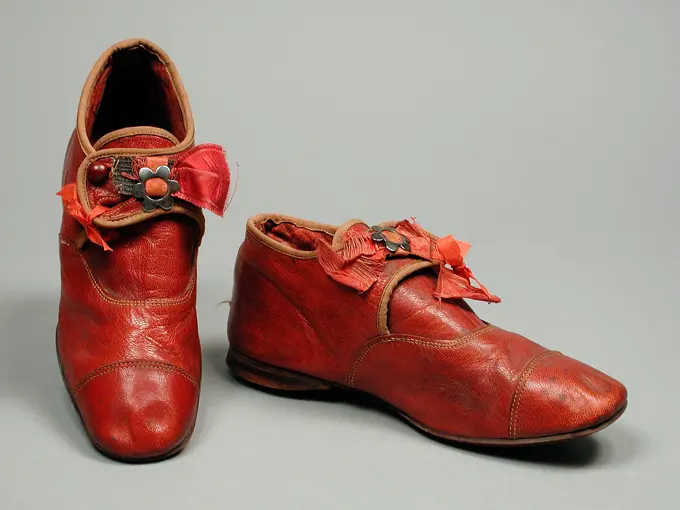
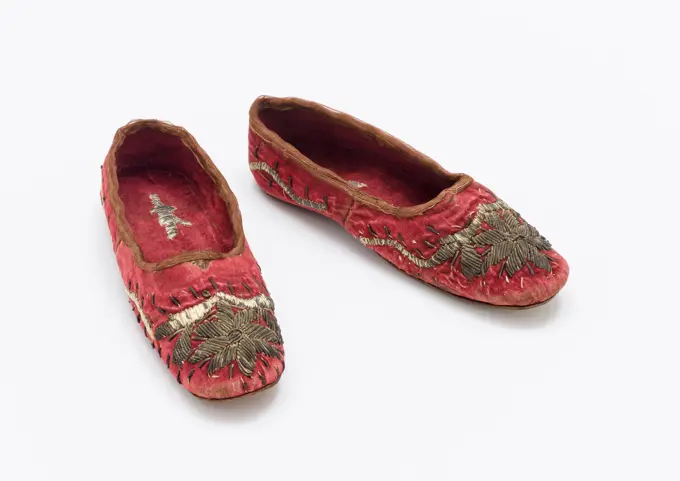
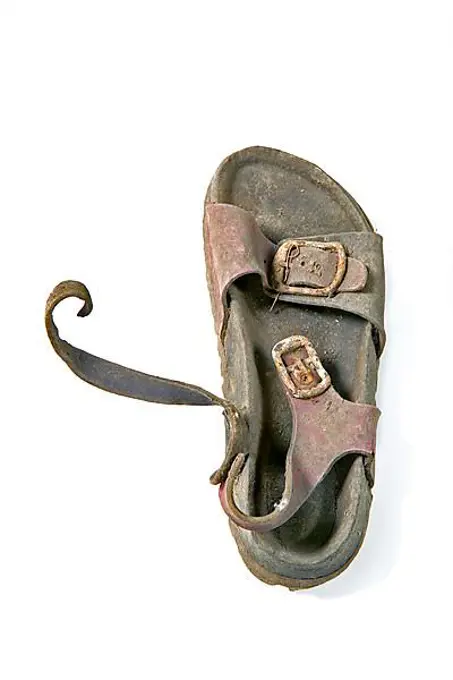
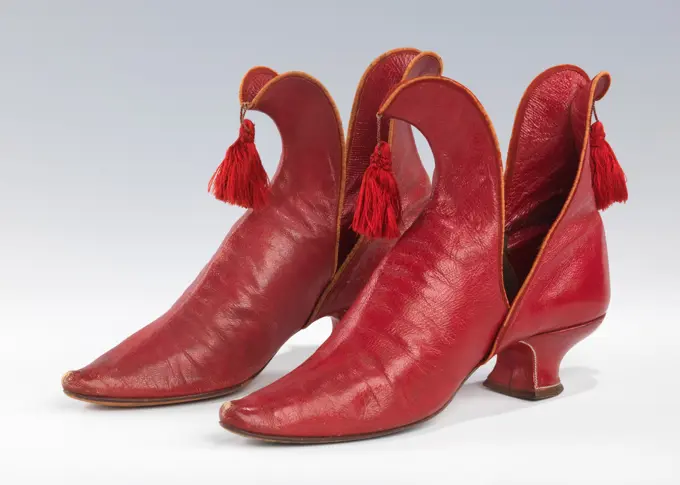
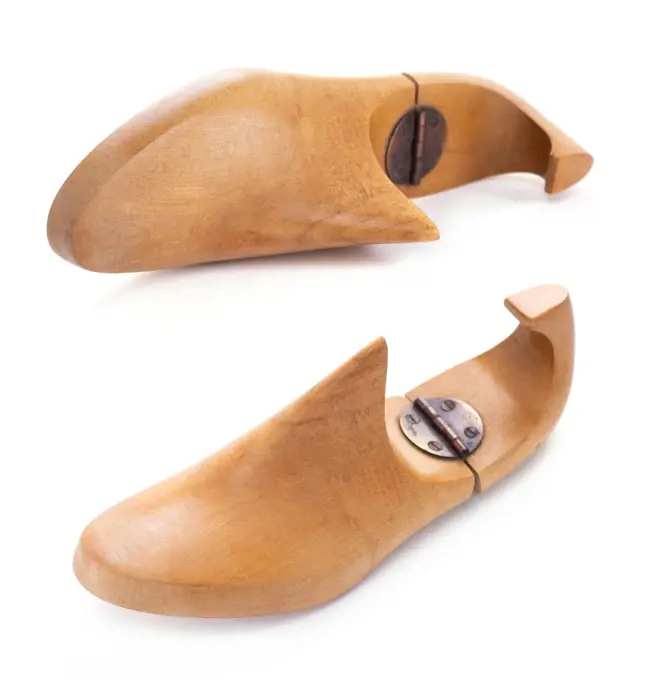
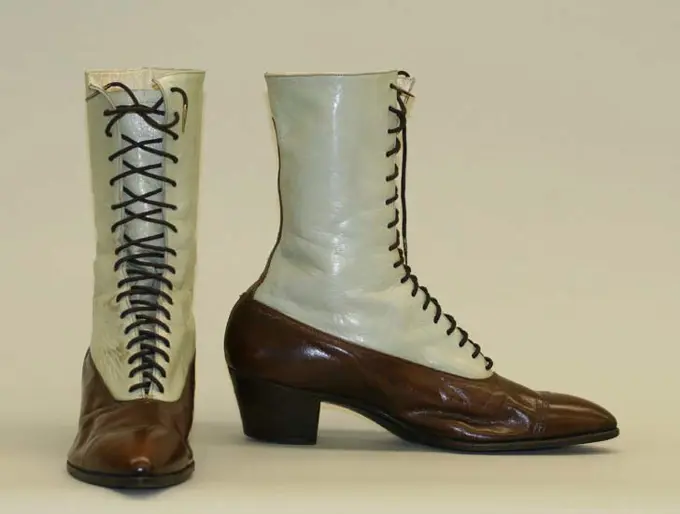
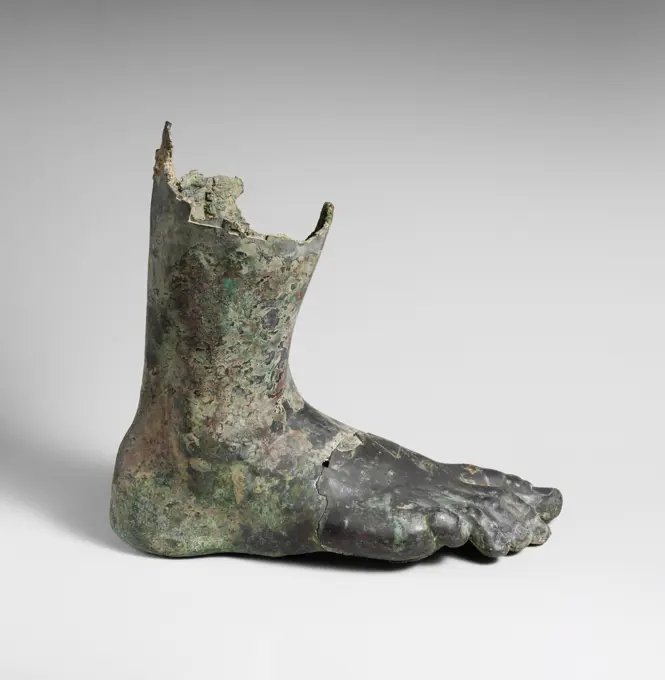
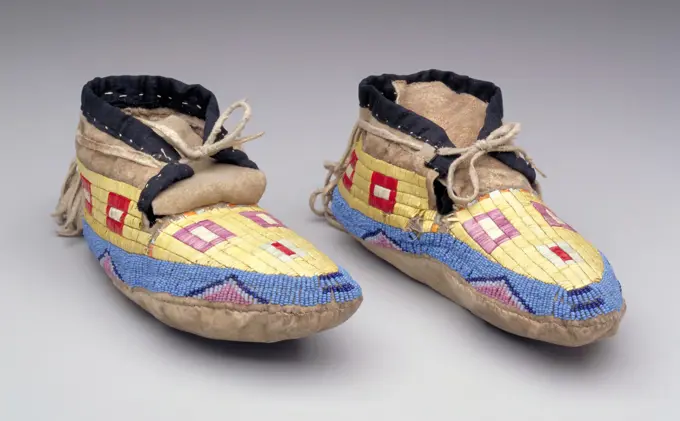
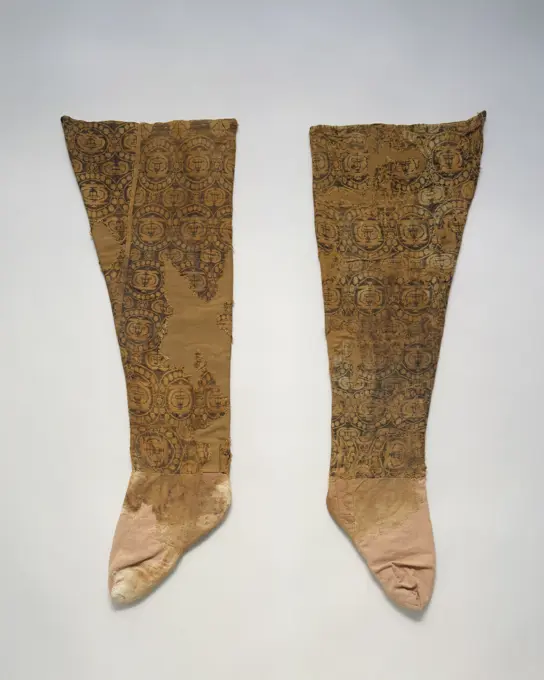
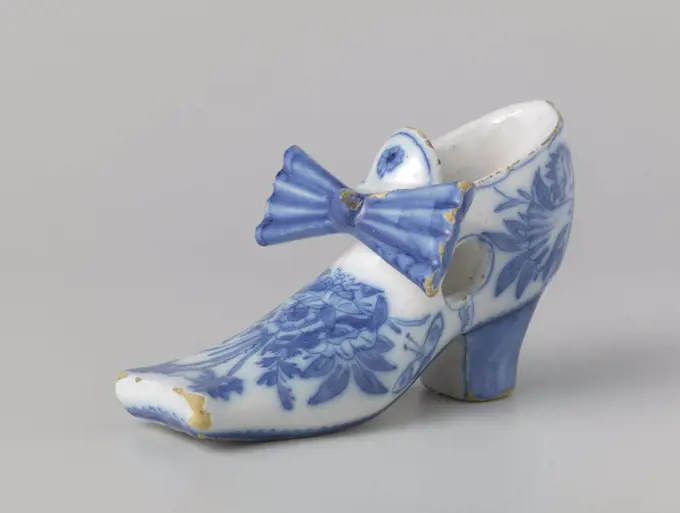
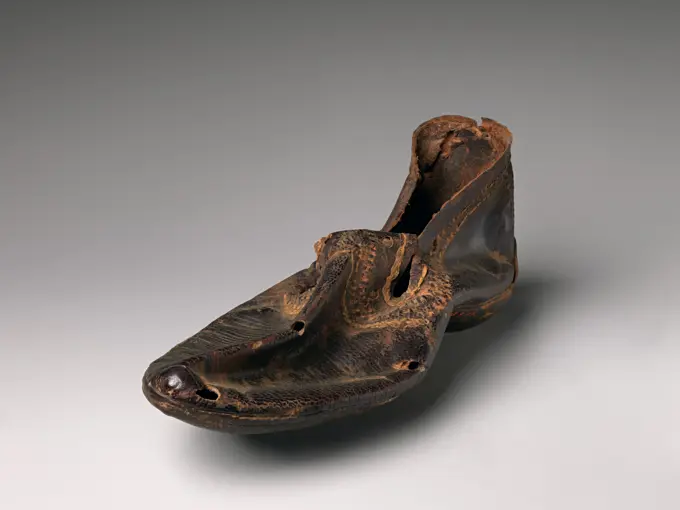
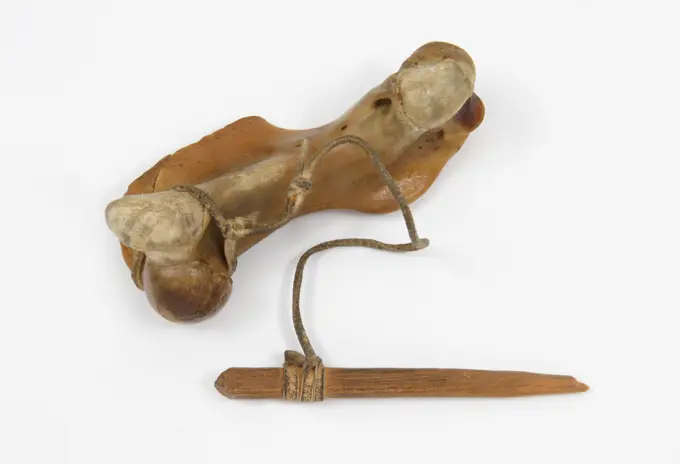
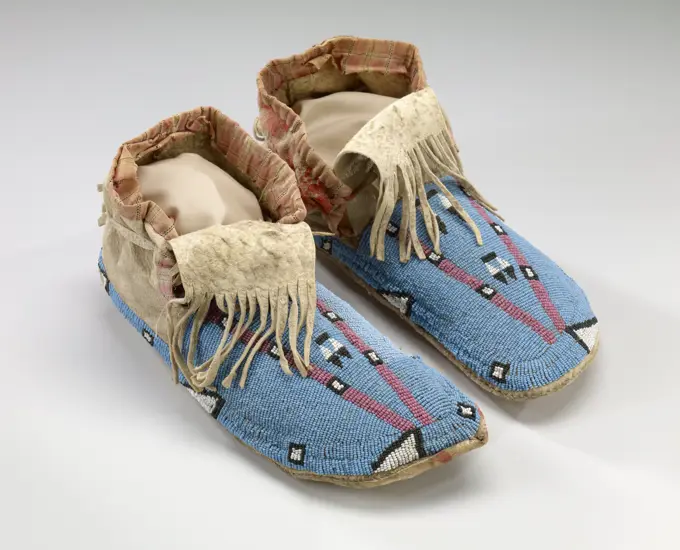
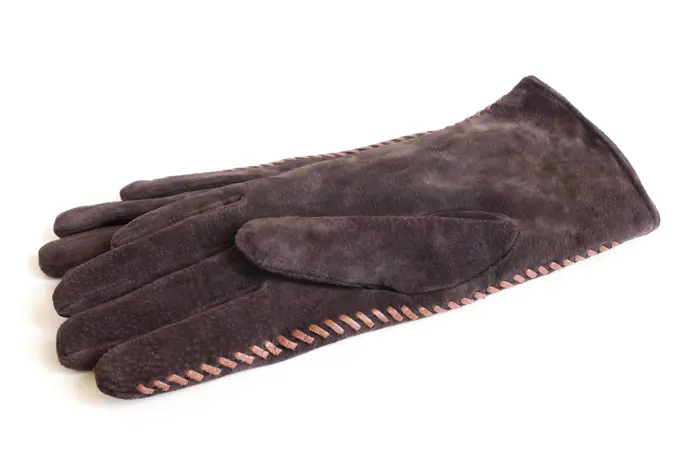
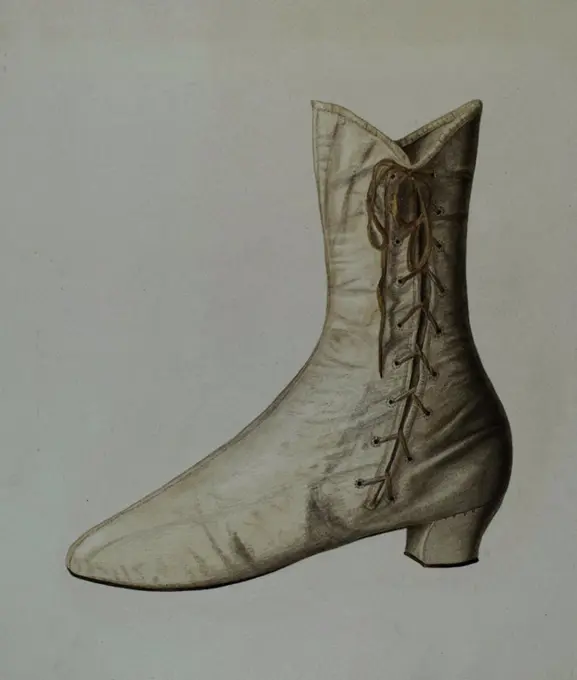
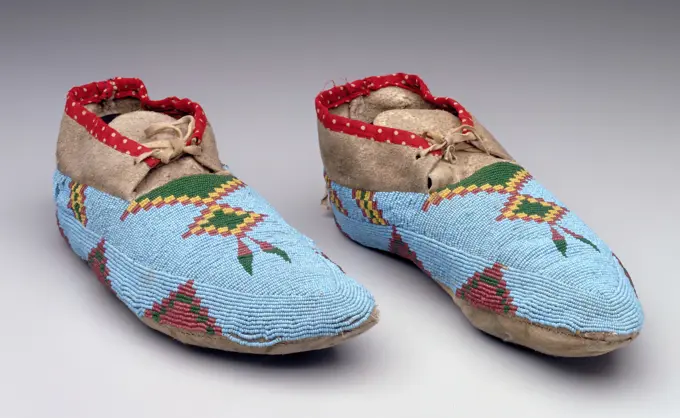
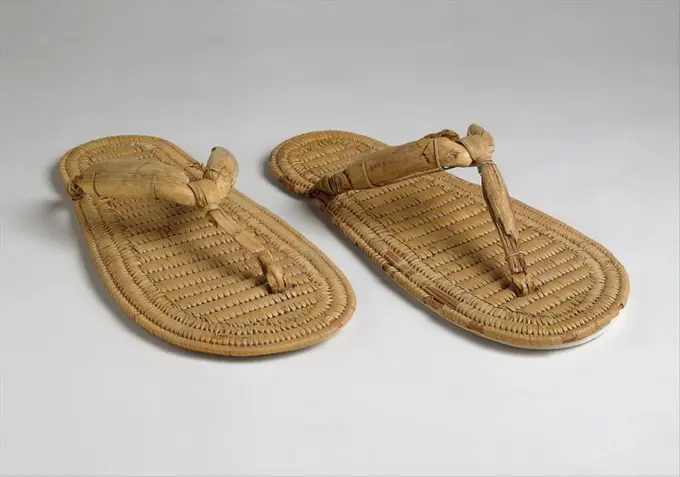
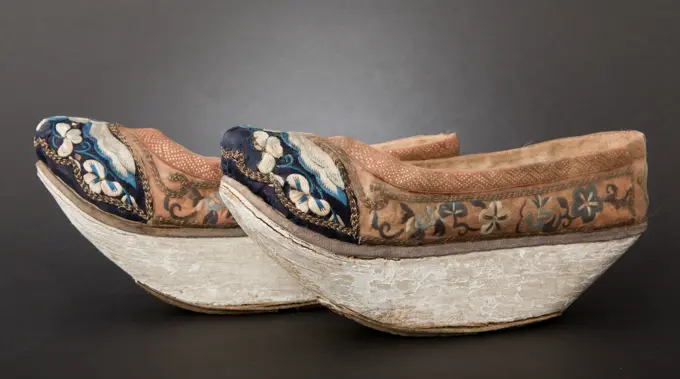
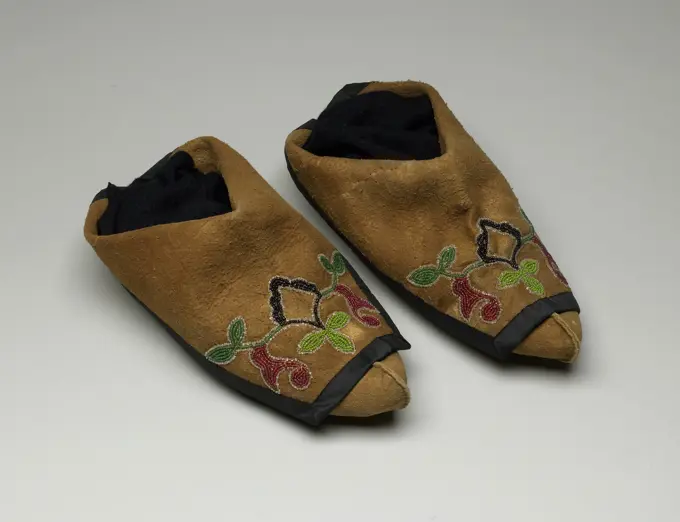
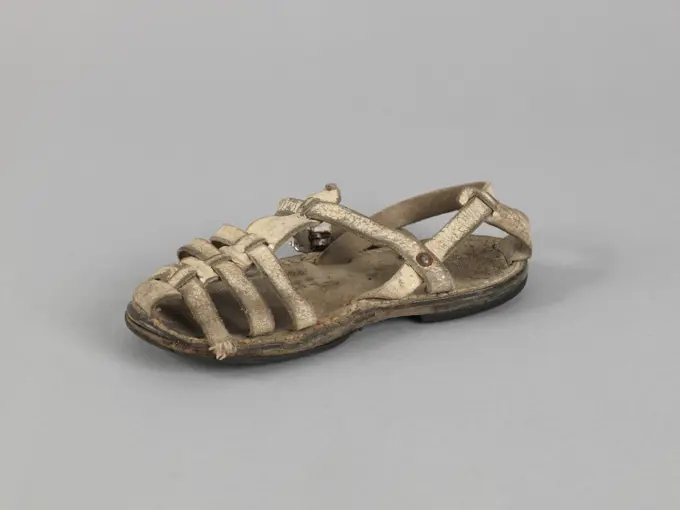
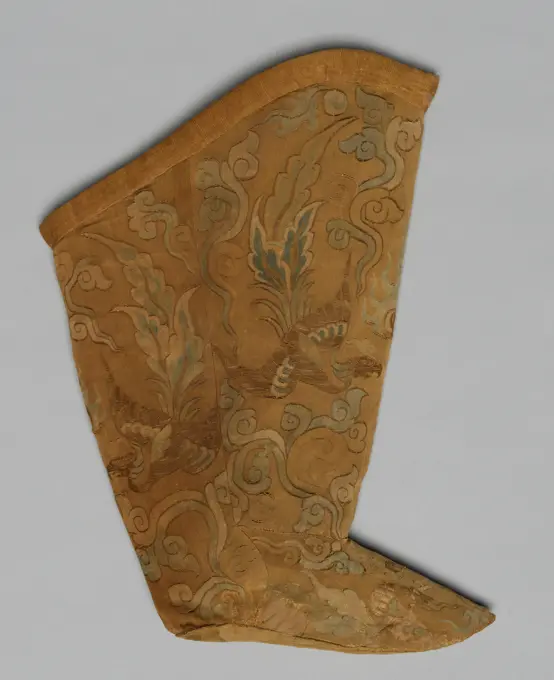
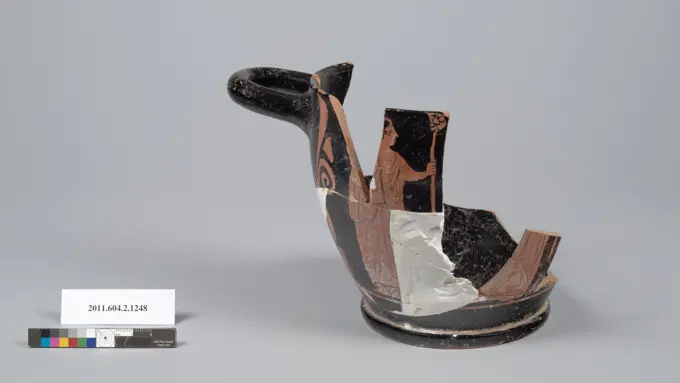
Slippers. Culture: French. Date: 1866.Worn by a girl of five years in age, these decorative slippers are a miniature version of an extremely popular women's style of the 1850s and 1860s. Bronze kid slippers with an elaborate chain-stitched cutout medallion on the vamp backed in colored silk were sometimes known as "chameleon shoes", as on some models the silk backing was removable, and could be interchanged with another color to complement the wearer's dress. Despite the elaborate appearance, this type of shoe was worn for morning dress, not for formal occasions. Museum: Metropolitan Museum of Art, New York, USA.Male shoes isolated on the white backgroundPair of sandals from the Burial of Amenhotep. Dimensions: L. 19.8 cm (7 13/16 in.); Greatest w. 7.8 cm (3 1/16 in.), th. of soles 0.2 cm (1/16 in.). Dynasty: Dynasty 18. Reign: Joint reign of Hatshepsut and Thutmose III. Date: ca. 1479-1458 B.C..A pair of leather sandals were found near the foot of the mummy inside the coffin of the child Amenhotep (36.3.153). The leather has been stained red and the upper sides of the soles have been lightly incised with geometric decoration. Museum: Metropolitan Museum of Art, New York, USA.A pair of officer brown leather semi buts with rulesBoots ca. 1863 American. Boots 90400Shoe of white leather, anonymous, c. 1850 - c. 1920  Europe leather  Europe leatherWalking boots 1845-65 American. Walking boots 170487. Left mitaine with separate thumb from golden brown suede with closing two buttons from copper. Three lines on the back.Black leather shoe, anonymous, c. 1850 - c. 1940  Europe leather  Europe leatherBlack leather shoe, anonymous, c. 1850 - c. 1940  Europe leather  Europe leatherShoes. Culture: American. Date: ca. 1855.Rendered in the classic style, this single baby shoe was once an attractive purple color. While it is not uncommon to find richly colored infant's shoes in this period, this example features an unusual and appealing use of two complimentary striped cotton fabrics for the lining. Museum: Metropolitan Museum of Art, New York, USA.Muildje Van Faience. Muildje Van Faience. Multicolor.Slippers late 19th century American. Slippers 113128Pair of Woman's Riding Boots. Scotland, circa 1878. Costumes; Accessories. LeatherIvory sandaled foot ca. 31 B.C.-A.D. 14 Roman The foot comes from a small statue with flesh parts of ivory and with drapery in another material, perhaps metal or semiprecious stone. The tongue of the sandal is decorated with a personification of the Nile, suggesting that the statue depicted was either an Egyptian deity or the Emperor Augustus, who annexed Egypt after the defeat of Antony and Cleopatra at the Battle of Actium in 31 B.C. Listen to experts illuminate this artwork's story Listen Play or pause #1073. Ivory sandaled foot Play or pause #1459. Ivory sandaled foot Supported by Bloomberg Philanthropies We're sorry, the transcript for this audio track is not available at this time. We are working to make it available as soon as possible.. Ivory sandaled foot 251827Evening slippers 1875-85 French. Evening slippers 168345Pair of Greaves left greave (b), ca. 1450; right greave (a), mid-20th century Italian This is part of a large find of medieval armor discovered in 1840 in the ruins of the fortress of Chalcis, on the Greek island of Euboea (then a Venetian colony called Negroponte). The fortress had been captured and destroyed by the Turks in 1470. Now divided largely between the Ethnological Museum, Athens, and The Metropolitan Museum of Art, the Chalcis hoard contains many rare and unusual elements of fourteenth- and fifteenth-century armor. Of particular importance are the variety of headpieces and the many fragments of brigandines (armor for the torso constructed of small plates riveted to layers of fabric), some of which retain portions of their original velvet covering. The Chalcis armor provides a unique picture of the armament used in the Aegean, one of the easternmost military outposts of the Venetian empire.. Pair of Greaves 23284Gold sandals, toe and finger stalls. Dynasty 18, reign of Thutmose 111 (ca.1479-1425 B.C.) Gold. From the tomb of the three minor wives of Thutmose 111, in the Wady Gabbanat el-Qurud, Thebes.Pair of Greaves. Culture: Italian. Dimensions: Greave (a); H. 14 in. (35.6 cm); W. 4 3/4 in. (12.1 cm); D. 5 3/4 in. (14.6 cm); Wt. 19.5 oz. (552.8 g); greave (b); H. 14 1/8 in. (35.9 cm); W. 5 in. (12.7 cm); D. 6 in. (15.2 cm); Wt. 31 oz. (878.8 g). Date: left greave (b), ca. 1450; right greave (a), mid-20th century. Museum: Metropolitan Museum of Art, New York, USA.Left Greave and Sabaton Made 1540-1550 Landshut. A fine example of the armorís art, this sabaton (foot defense) follows period style in its broad, square toe. This piece is thought to have belonged to an armor made for the German duke William of J¸lich-Cleves-Berg that now survives only in fragments scattered across several collections.. Steel and gilding . Wolfgang GrosschedelLeather shoes with broken solesBootees 1870-80 American Skillful execution of domestic needlework was an important measure of a lady's social standing and virtue in the Victorian period. Berlin work, in which brightly colored wool yarns were embroidered on a canvas ground in shaded, naturalistic designs, was the prevalent type of embroidery for about twenty years, beginning in the 1850s. This pair of crocheted baby boots employs colors and patterns which refer to that style. The boots are finely worked and exhibit the skill of the lady who made them. The buttons closure, somewhat complicated and elaborate for a baby shoe, makes reference to button boots, which were the most common contemporary style for both adults and children.. Bootees 156659A pair of slippers unknownSandal with thick soles covered with red leather, anonymous, c. 1700 - c. 1800 Sandal, men's model, soles -covered soles. Three cross bands over the instep, decorated with gold thread and forcolas. Very worn. Street of Taiwan (Possible) Sole: Leather. Tires: Linen (Material). Decoration: Metal Sandal, men's model, soles -covered soles. Three cross bands over the instep, decorated with gold thread and forcolas. Very worn. Street of Taiwan (Possible) Sole: Leather. Tires: Linen (Material). Decoration: MetalSlippers ca. 1850 American. Slippers 112788Shoes 1830-40 Huron. Shoes 105510Primer 18th century Greek. Primer. Greek. 18th century. Silver, copper alloy. Firearms Accessories-Flasks & PrimersBoots, 20th century, Leather, cotton, Morocco (), 20th centuryWedding slippers. Culture: probably French. Date: 1835-45.Flat slippers in white satin were the most popular evening and formal shoe for women throughout the first half of the 19th century, although the details of cut, shape, and decoration changed over time. This pair of slippers displays the wide square toe popular around 1840, and features a particularly attractive large ribbon and lace bow centered with a silk-wrapped button, also typical of the period. Museum: Metropolitan Museum of Art, New York, USA.Child's Shoes. Dated: c. 1937. Dimensions: overall: 24.6 x 35 cm (9 11/16 x 13 3/4 in.). Medium: watercolor, graphite, and pen and ink on paperboard. Museum: National Gallery of Art, Washington DC. Author: Margery Parish.Rats on Boar Tusk. Seiyōdō Gansui (Japan, 1809-1848). Japan, dated 1830. Costumes; Accessories. Boar tusk with sumi, inlaysDeep plate from v.o.c.-ship the 'white lion'. Deep Plate from v.o.c.-Ship the 'white lion', 65% present.Brown men leather shoes with sole oxhideDaniel Marshack, Woman's Shoe, c 1940 Woman's ShoeFred Hassebrock, Gaiter, c 1942 GaiterWhistling Arrow ca. 1807 Japanese This arrowhead was probably made as a votive gift or souvenir in connection with a shrine dedicated to Tokugawa Ieyasu, the deified founder of the Tokugawa shogunate. Iside the arrowhead carved figures represent beings whose aid could be invoked for personal protection and success in battle. In the left half are the three sacred monkeys (Sambiki zaru), with the text of a prayer written behind them. In the right half are the Buddhist goddess Marishiten, who was especially venerated by archers, and Tokugawa Ieyasu. Behind them are the seed syllables representing two more deities: Aizen My- and Amida Nyorai>. Whistling Arrow. Japanese. ca. 1807. Wood and pigments. Archery Equipment-BowsWoman's Shoes Made 1801-1900 China. Blue and red sateen, gilt trim .Shaping Plane. Possibly Germany. Date: 1643. Dimensions: 10.5 x 3.2 x 2.9 cm (4 1/8 x 1 1/4 x 1 1/8 in.). Iron and wood. Origin: Germany. Museum: The Chicago Art Institute, Chicago, USA.Child's Shoes. probably United States, 1885-1895. Costumes; Accessories. Leather with cotton plain weave trim, silk satin ribbon, and metal ornamentMarjorie McIntyre, Boy's Shoes, 1935 1942 Boy's ShoesChild's Shoes (Slippers). Turkey, mid-19th century. Costumes; Accessories. Silk velvet with metallic-thread embroidery, leatherFragments Pipe chops from the wreck of the East India Hollandia.Pipe, Bowl, Healmar: Crowned 82; Fragments, no HSM.Boot Matchsafe; silver, niello, gilding; 6 x 6 x 2.3 cm (2 3/8 x 2 3/8 x 7/8 in. )Miniature canoe -Slippers. Culture: American. Department Store: Rosenbloom's. Date: ca. 1892.The so-called "Juliet" (or its masculine incarnation, the "Romeo") with high front and back and low V at the sides, introduced in the early 1890s, was a one of the standard slipper cuts at the turn of the 19th century. This early example in red kid features long curving points which have been exaggerated to a comical extent. The whimsical design and loose fit indicate that this was intended as a domestic slipper. An almost identical example is preserved in the Peabody Essex Museum (cat#134,743). Museum: Metropolitan Museum of Art, New York, USA.Found: worn and weathered children's sandalZAPATO DE MUJER DE PIEL MARRON.Slippers ca. 1892 Rosenbloom's American The so-called "Juliet" (or its masculine incarnation, the "Romeo") with high front and back and low V at the sides, introduced in the early 1890s, was a one of the standard slipper cuts at the turn of the 19th century. This early example in red kid features long curving points which have been exaggerated to a comical extent. The whimsical design and loose fit indicate that this was intended as a domestic slipper. An almost identical example is preserved in the Peabody Essex Museum (cat#134,743).. Slippers 156283Wooden lasts shoes isolated on white background. Wood last for cobblerShoes 1900-1910 American. Shoes 90446ESCULTURA - SIGLO XX. Author: RICHARD DEACON (1949-). Location: FUNDACION LA CAIXA. MADRID. SPAIN.Epaulet from E.W. van Dam van IJsselt in 1830/32 Major, Anonymous, c. 1800 - c. 1830  A silver epaulette with thick silver weak trying. Netherlands silver thread. wool   BelgiumEpaulet from E.W. van Dam van IJsselt in 1830/32 Major, c. 1800 - c. 1830  A silver epaulette with thick silver weak trying. Netherlands silver thread. wool   BelgiumBronze right foot and lower leg from a colossal statue 1st or 2nd century A.D. Roman Right foot and part of leg from colossal statue.. Bronze right foot and lower leg from a colossal statue 251366 Roman, Bronze right foot and lower leg from a colossal statue, 1st or 2nd century A.D., Bronze, H.: 13 in. (33 cm). The Metropolitan Museum of Art, New York. Rogers Fund, 1923 (23.160.22)Pair of Moccasins, c. 1900, 9 x 3 1/2 x 3 3/4 in. (22.86 x 8.89 x 9.53 cm) (a, left)9 1/4 x 3 3/4 x 3 1/2 in. (23.5 x 9.53 x 8.89 cm) (b, right), Animal hide, quills, beads, cloth, United States, 19th-20th century, Three tribes, the Hidatsa, Neuida (Mandan), and the Sahnish (Arikara), historically lived along the Missouri River in what is now North Dakota, and played a major role in trade on the northern Plains. Now living on the Fort Berthold Indian Reservation, near their traditional lands, these tribes were influential because they inhabited a region where white traders, explorers, and tribes from the east, would visit and exchange goods; which would later be traded to the other tribes west. Because of their economic security, the Hidatsa devoted more time to develop their artistic style, and are known for creating some of the finest quillwork across the plains.Boots 1880 French. Boots 101653Stockings ca. 1870 French. Stockings 121471Yellow shoe with purple bow from Faïence, Anonymous, c. 1750 - c. 1775 Faïence shoe. Multicolored painted. Delft . Faïence shoe. Multicolored painted. Delft .Leggings ca. 7th-9th century A.D. Alanic. Leggings. Alanic. ca. 7th-9th century A.D.. Silk, linen. Caucasus regionRVD / Royal House photo collection. Children's shoes from Prince Alexander (Royal home archive). zd}Woman's Shoe. Dated: c. 1938. Dimensions: overall: 30.5 x 24.1 cm (12 x 9 1/2 in.). Medium: watercolor and graphite on paperboard. Museum: National Gallery of Art, Washington DC. Author: Francis Law Durand.Shoe, Anonymous, c. 1660 - c. 1675Women's panther for Lotos feet unknownballet slippers pointe gift  on the green backgroundShoes 1860-79 American. Shoes 90411Pair of shoes Footwear workshop Z. TopasShinto priest's hat (ebōshi), 19th century, Unknown Japanese, 6 1/4 x 4 x 10-3/4 in. (15.9 x 10.2 x 27.3 cm), Silk brocade, Japan, 19th centuryPair of Shoes 3rd-9th century. Pair of Shoes. 3rd-9th century. Leather; gilded trim. Said to be from Egypt, Akhmim (former Panopolis). Leatherballet slippers pointe gift  on the green backgroundCup and ball toy -Pair of Moccasins, c. 1890, 11 1/4 x 4 1/4 x 4 1/4 in. (28.58 x 10.8 x 10.8 cm) (a, left)11 1/4 x 4 1/4 x 4 1/2 in. (28.58 x 10.8 x 11.43 cm) (b, right), Animal hide, beads, cloth, United States, 19th centuryBoots 1850-60 American. Boots 168360Damenhandschuhe aus Wildleder Suede women s gloves on white background LicenseRF Copyright: xZoonar.com/OlgaxPopovax 23371150Gaiter. Dated: c. 1942. Dimensions: overall: 24.2 x 21.3 cm (9 1/2 x 8 3/8 in.). Medium: watercolor, graphite, and colored pencil on paperboard. Museum: National Gallery of Art, Washington DC. Author: Fred Hassebrock.Eugene C Miller, Man's Boot, c 1938 Man's BootShoes 1735-45 possibly British. Shoes 168950Shoe Made 1701-1800 France. Leather and wood .Shoes ca. 1880 British. Shoes 112831Children's boot of white suede with square nose, anonymous, c. 1945 Children's boot from white suede. Model: Square nose, one cover, two side sheets and a suede tongue. Closure in the middle front by means of a row of ten metal lace holes with a white silk lace. Sticked Bies van Suede along the back of the shaft. Flat leather sole. Lined with cream -colored cotton. The rows of lace -up holes are lined with cream -colored leather. No left/right difference. Netherlands (possibly) Shoe: Suede. Ring: Metal. Veter: Silk. lining: cotton (textile). lining: Leather. sole: Children's boot from white suede. Model: Square nose, one cover, two side sheets and a suede tongue. Closure in the middle front by means of a row of ten metal lace holes with a white silk lace. Sticked Bies van Suede along the back of the shaft. Flat leather sole. Lined with cream -colored cotton. The rows of lace -up holes are lined with cream -colored leather. No left/right difference. Netherlands (possibly) Shoe: Suede. RA pair of white satin slippers unknownSandały. unknown, authorPair of Moccasins, 19th century, 10 3/4 x 3 3/4 x 3 in. (27.31 x 9.53 x 7.62 cm) (a, left)10 3/4 x 3 3/4 x 3 1/4 in. (27.31 x 9.53 x 8.26 cm) (b, right), Animal hide, beads, cloth, United States, 19th centuryShoes 1780s British. Shoes. British. 1780s. silkballet slippers pointe gift  on the green backgroundA pair of postal shoesPair of Sandals. Dimensions: Right: L. 28.7 × W. 12.8 cm (11 5/16 × 5 1/16 in.); Left: L. 28.3 × W. 12.6 cm (11 1/8 × 4 15/16 in.). Dynasty: Dynasty 17-18. Date: ca. 1580-1479 B.C.. Museum: Metropolitan Museum of Art, New York, USA.Pair of Shoes, 2 5/8 x 10 1/4 x 3 3/4 in. (6.67 x 26.04 x 9.53 cm) (each), Cotton, silver metallic thread, ChinaA pair of shoes on high soles unknownA pair of women's slippers unknownIvory sandaled foot. Culture: Roman. Dimensions: Overall: 2 3/8 x 5 5/8in. (6 x 14.3cm). Date: ca. 31 B.C.-A.D. 14.The foot comes from a small statue with flesh parts of ivory and with drapery in another material, perhaps metal or semiprecious stone. The tongue of the sandal is decorated with a personification of the Nile, suggesting that the statue depicted was either an Egyptian deity or the Emperor Augustus, who annexed Egypt after the defeat of Antony and Cleopatra at the Battle of Actium in 31 B.C. Museum: Metropolitan Museum of Art, New York, USA.Robert Pohle, Shop Sign, c 1939 Shop SignPair of Moccasins, c. 1840-1890, 3 3/4 x 3 1/2 x 9 1/2 in. (9.53 x 8.89 x 24.13 cm) (each), Hide, beads, cotton, ribbon, United States, 19th centuryAnonymous, Gil Chernia child sandal (right foot, that of the left foot was lost during the shootings of August 26, 1944) (title awarded), 1944-08-26. Sewn leather. Riveted metal, recovery rubber. Museum of the Liberation of Paris - General Leclerc Museum - Jean Moulin Museum.Boot, 907-1125. Northern China, Liao dynasty (907-1125). Silk: tapestry weave; two kinds of metal threads; overall: 47.5 x 30.8 cm (18 11/16 x 12 1/8 in.). Imperial Boots Outer fabric: tapestry (kesi); silk and gold Liao Dynasty (907-1125) The Cleveland Museum of Art, Purchase from the J. H. Wade Fund 1993.158, .158a (Cat. no. 23) The kesi outer fabric of the boots is woven with pairs of phoenixes chasing a flaming pearl among clouds. The sections were carefully cut so that the flaming pearl occurs at the centers of the shin and calf, and at the top of the instep. To accommodate the particular cut and smaller area of the instep, the phoenixes were depicted slightly differently and the design was reduced in scale. The wide cut of the top of the boots enabled pants to be tucked inside. Skirts, jackets, robes, gloves, and a hat would have completed the outfit. Liao kesi is distinguished by its exceptional refinement. Considered a national specialty, it was used extensively for both clothTerracotta fragment of a skyphos (deep drinking cup) last quarter of the 5th century B.C. Greek, Attic Obverse, draped maenad to right, holding a thrysos in her left hand; lower drapery and feet of a figure to left; Reverse, feet of a figure to right; lower drapery and feet of a figure to left; in between the observe and reverse, a complete handle, below, a large palmette with tendrils. Terracotta fragment of a skyphos (deep drinking cup). Greek, Attic. last quarter of the 5th century B.C.. Terracotta; red-figure. Classical. VasesFor Pantofli unknownGauntlet for the Left Hand. Lucio Piccinino (Italian, active 1575-1595); Milan. Date: 1565-1600. Dimensions: 16.5 × 14.6 × 19.7 cm (6 1/2 × 5 3/4 × 7 3/4 in.)Wt. 11 oz. Steel, gold, silver, and brass. Origin: Milan. Museum: The Chicago Art Institute, USA.Ann Gene Buckley, Woman's Slipper, c 1937 Woman's SlipperBoot 6th-7th century Many types of footwear existed in the Byzantine world. Boots were worn by soldiers and laborers, slippers by monks and clergy, and sandals by government officials; the poor would have gone barefoot. The patterns incised on this sumptuously decorated boot indicate that it was made for the elite of Egypt.. Boot 443620Rubbers ca. 1882 American. Rubbers 104024