Historical Footwear Collection

An assortment of vintage shoes including ballet flats, oxfords, and slippers from various eras, showcasing unique materials and designs, demonstrating the evolution of footwear.
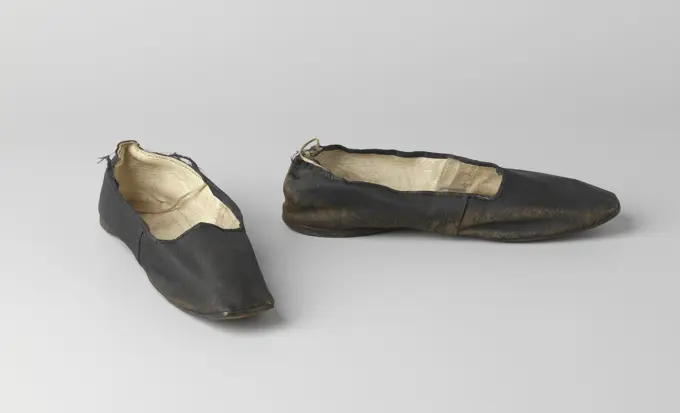
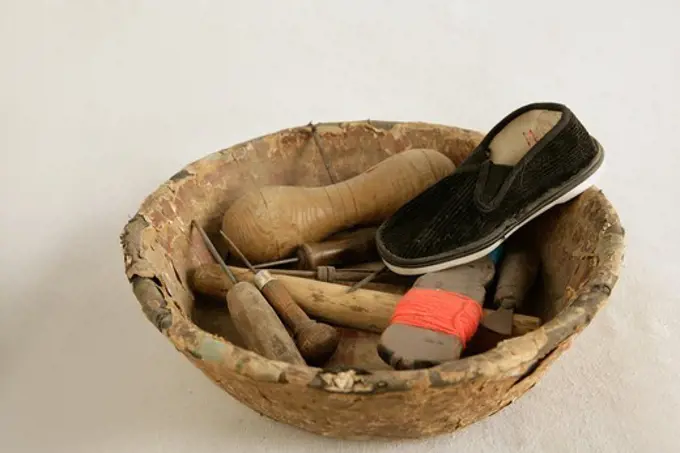
Shoe made of black cotton with small wedge heel, c. 1820 - c. 1840 Shoe made of black cotton. No right/left difference. Built -in heel of one layer of leather. Pointed forefoot. Square nose. Tire closure in a silk omboard. North Netherlands whole: Cotton (textile). Sole: Leather Shoe made of black cotton. No right/left difference. Built -in heel of one layer of leather. Pointed forefoot. Square nose. Tire closure in a silk omboard. North Netherlands whole: Cotton (textile). Sole: Leather
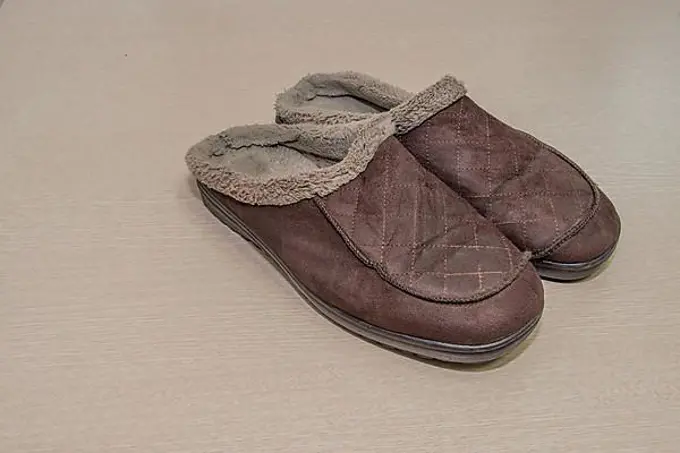
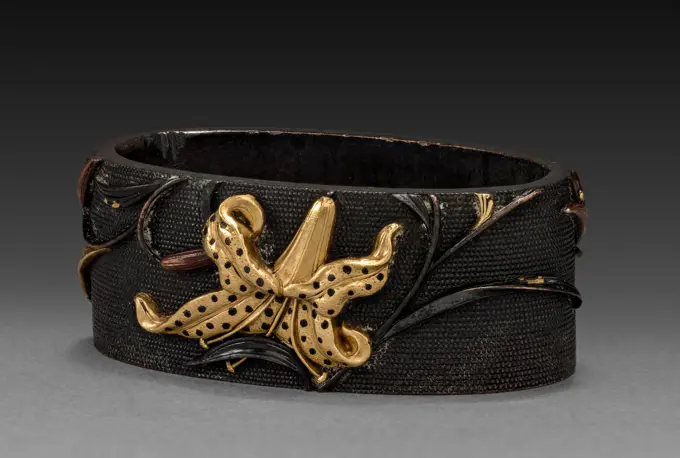
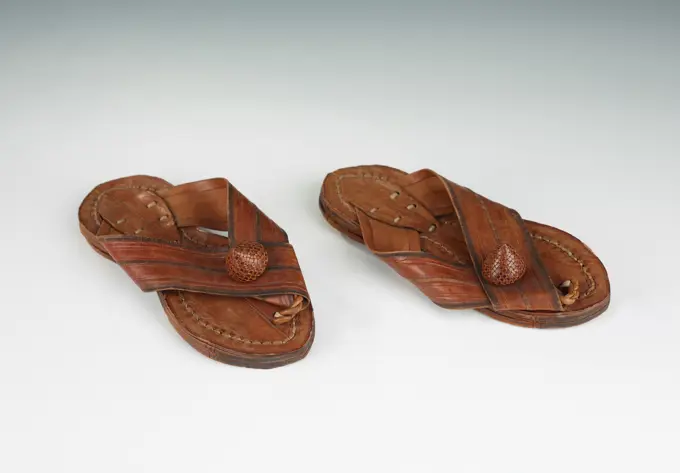
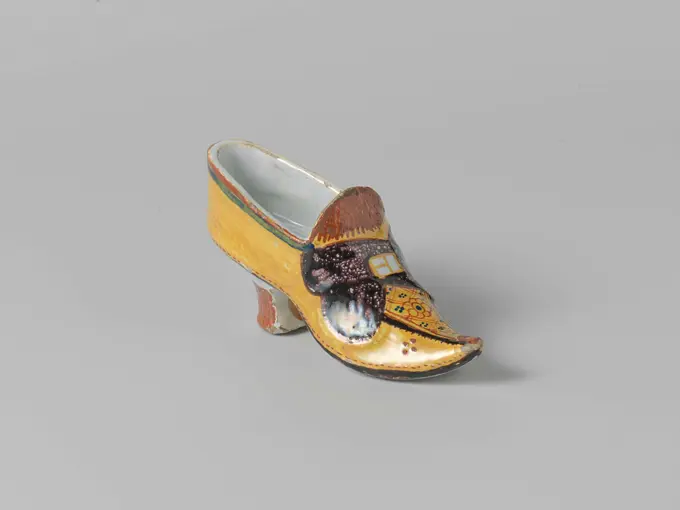
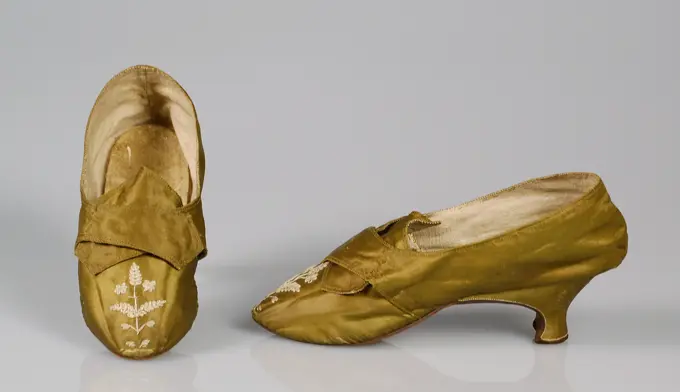
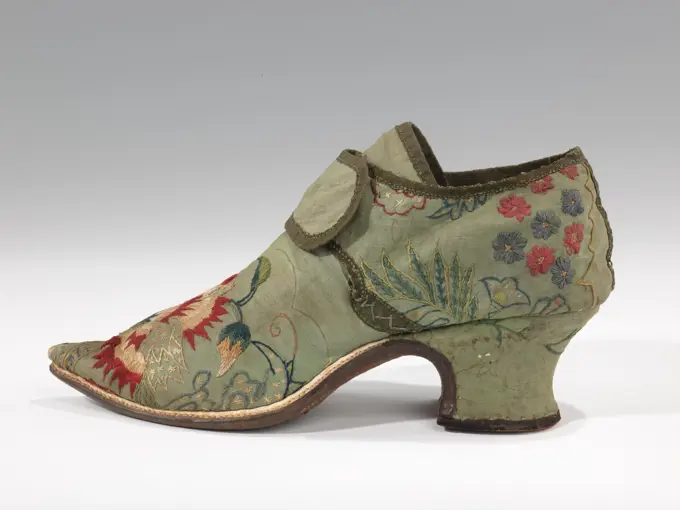
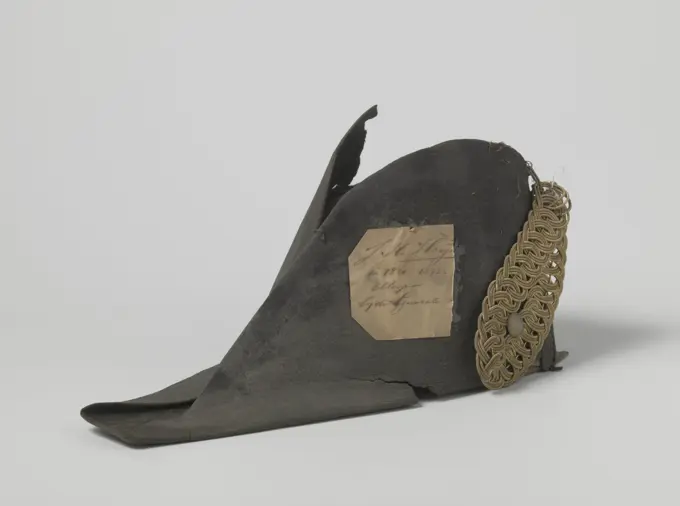
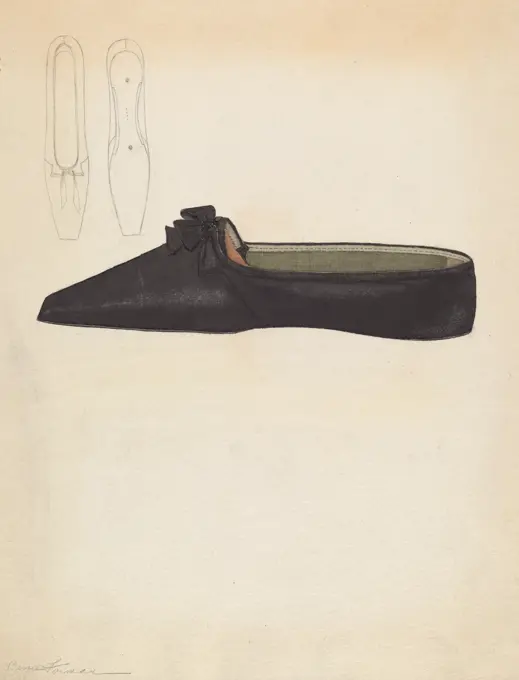
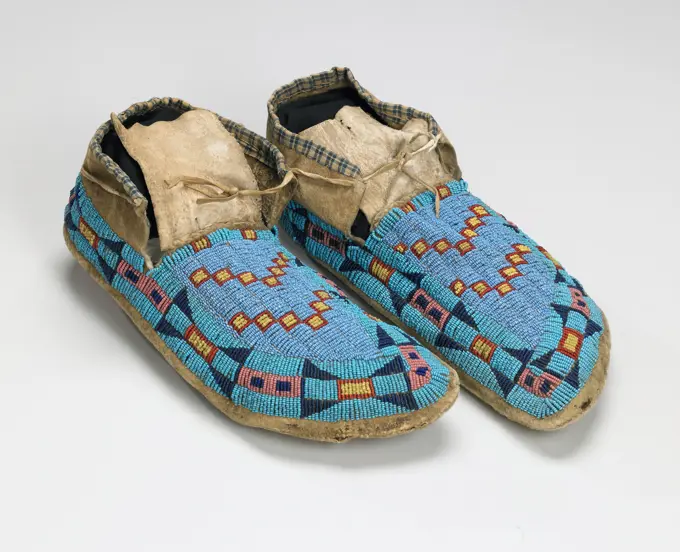
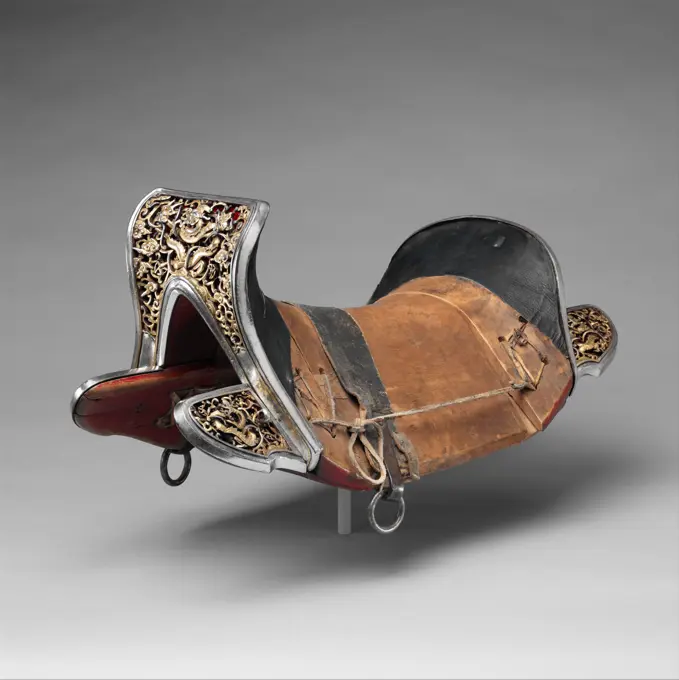
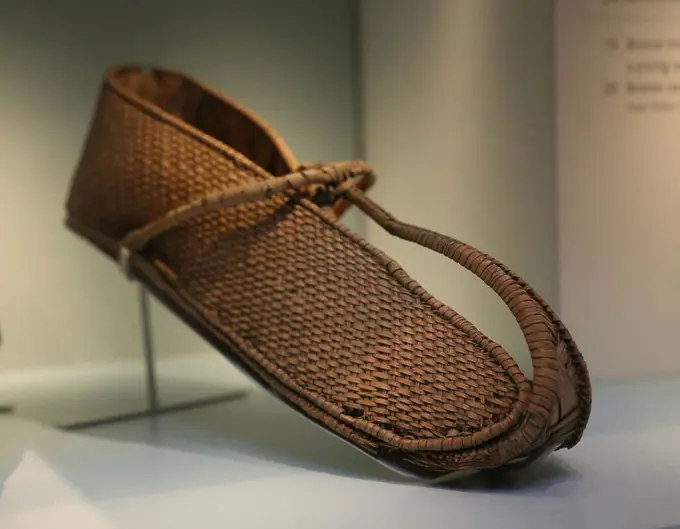
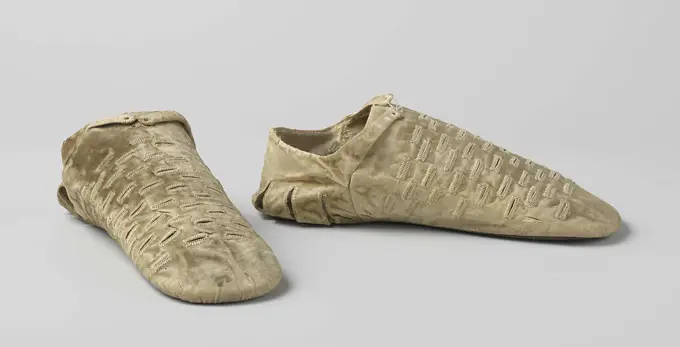
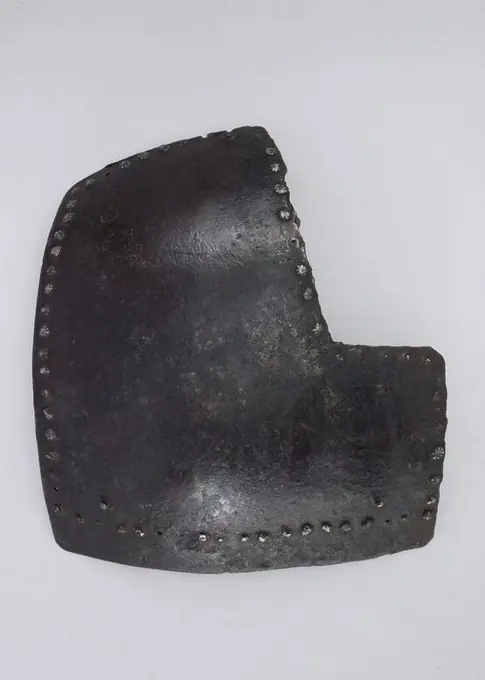
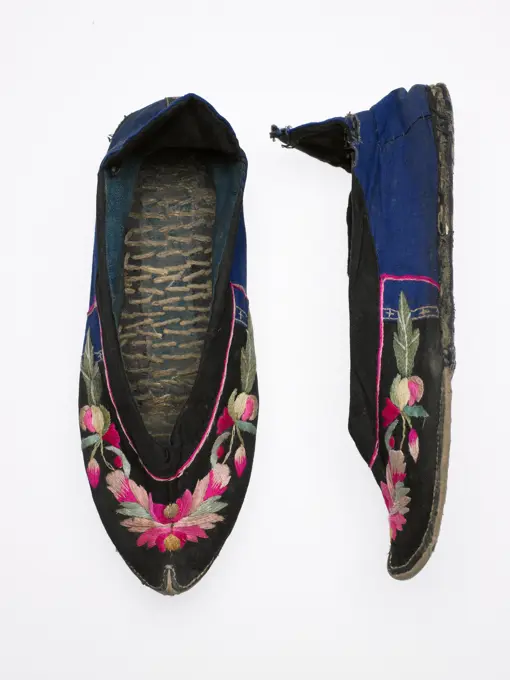
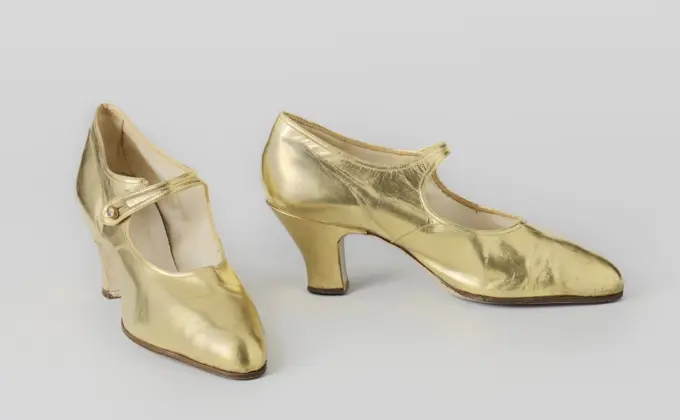
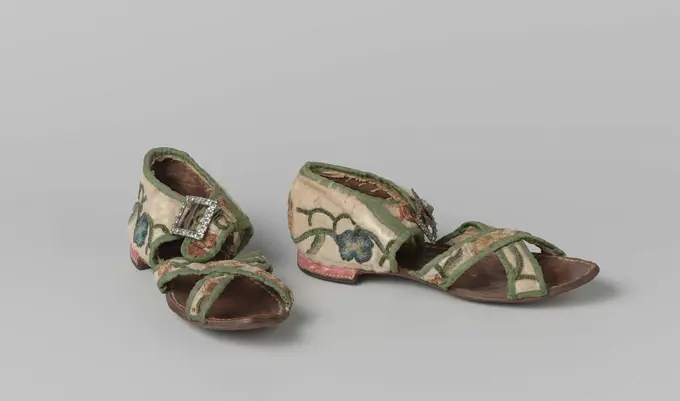
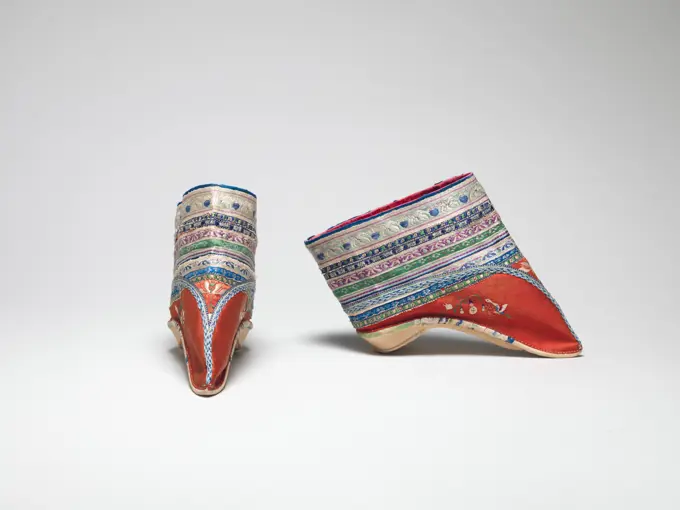
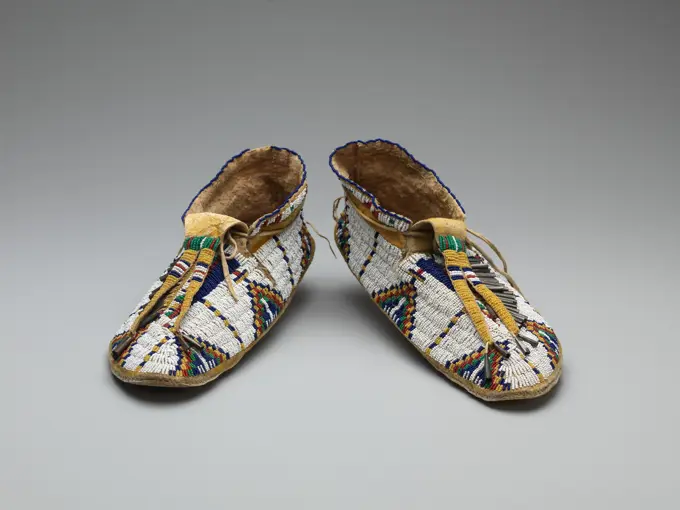
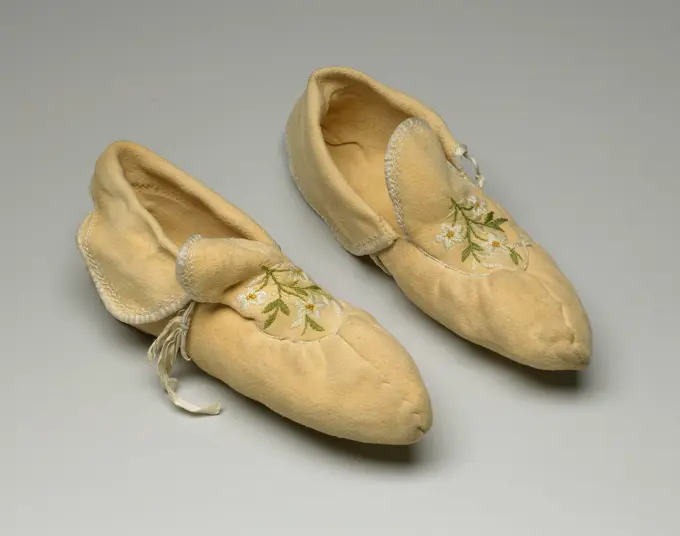
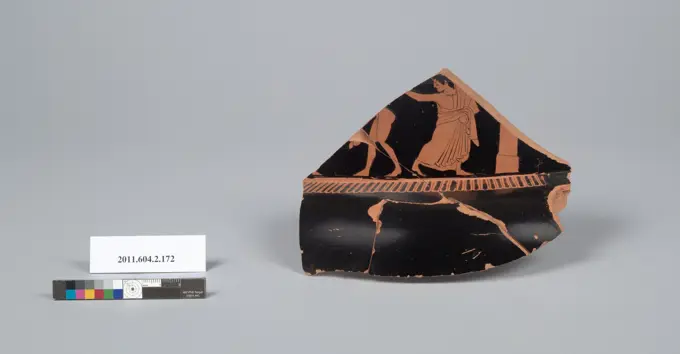
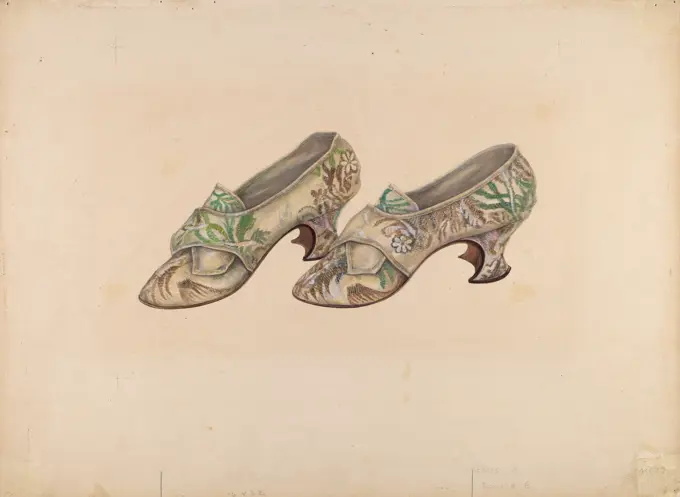
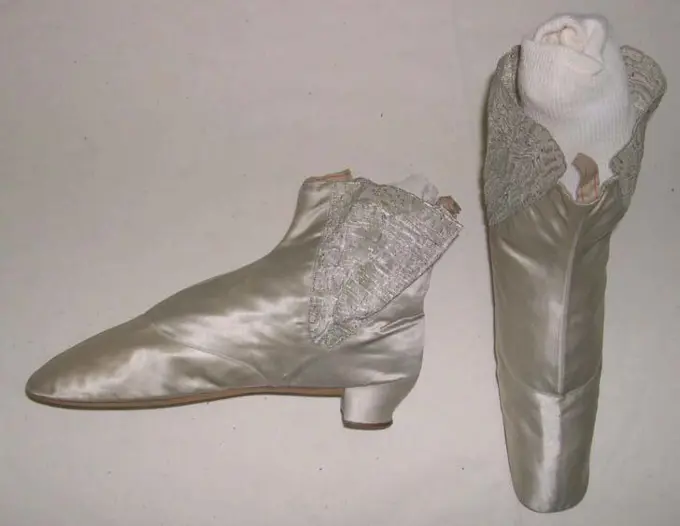
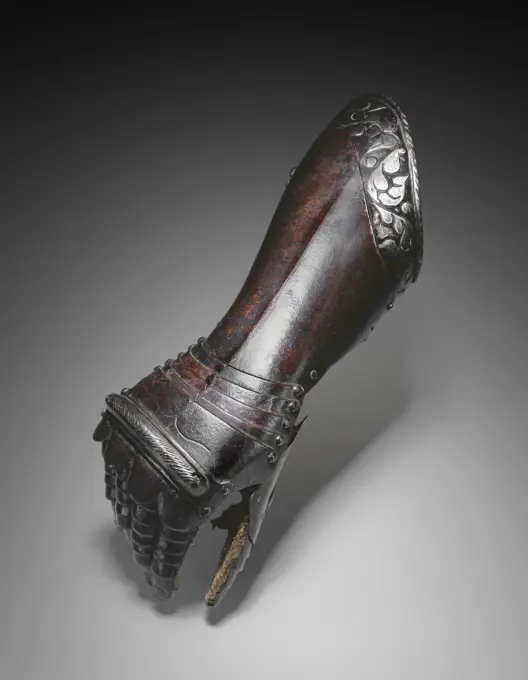
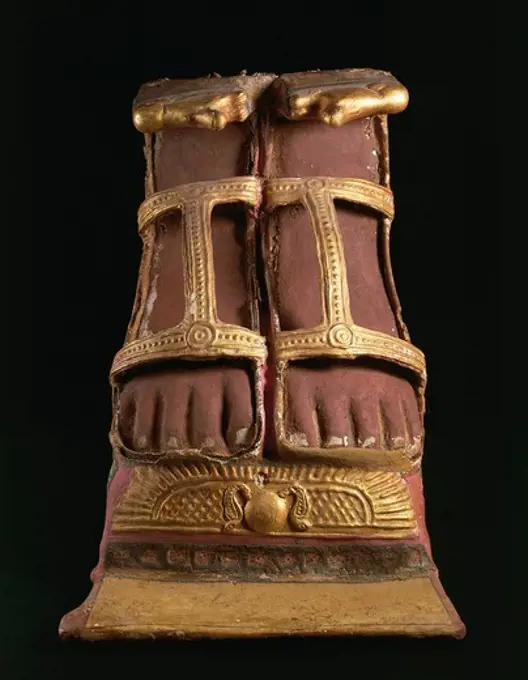
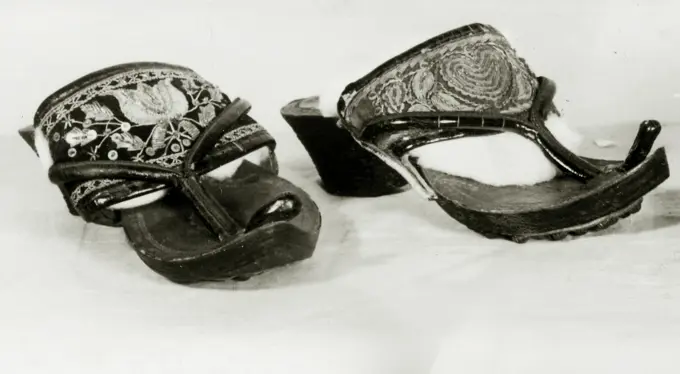
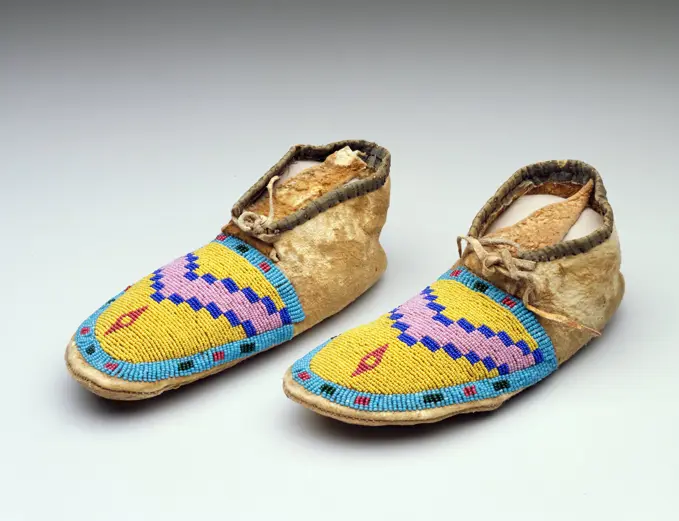
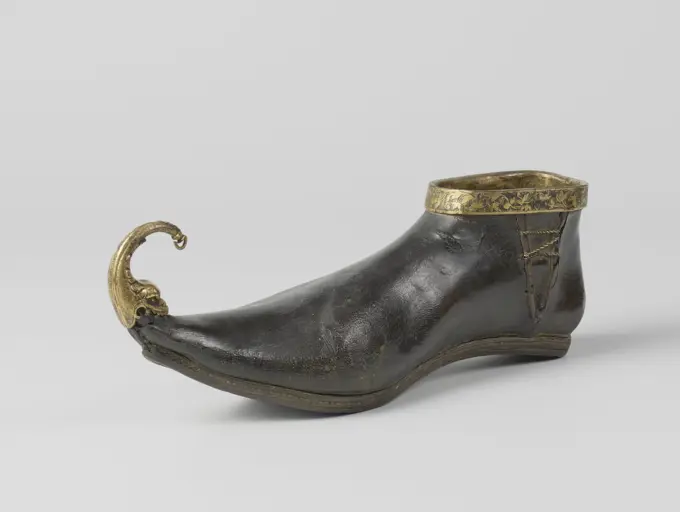
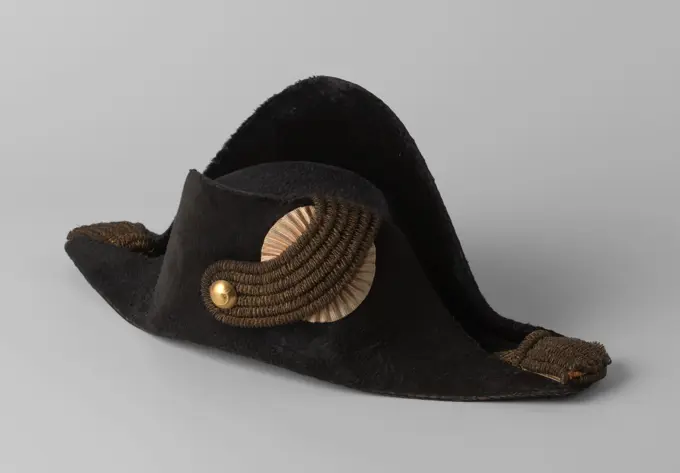
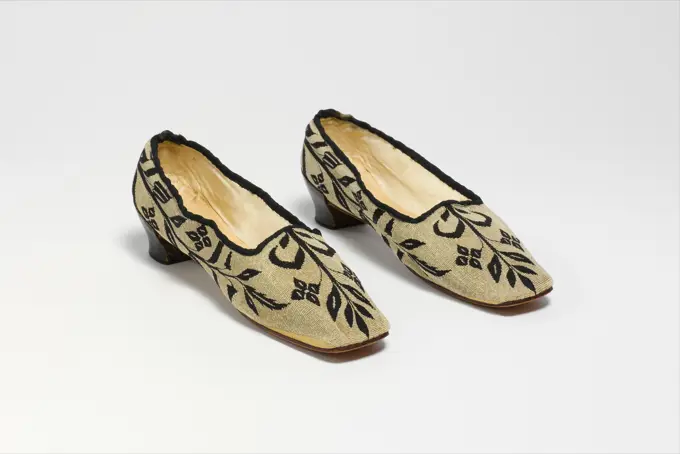
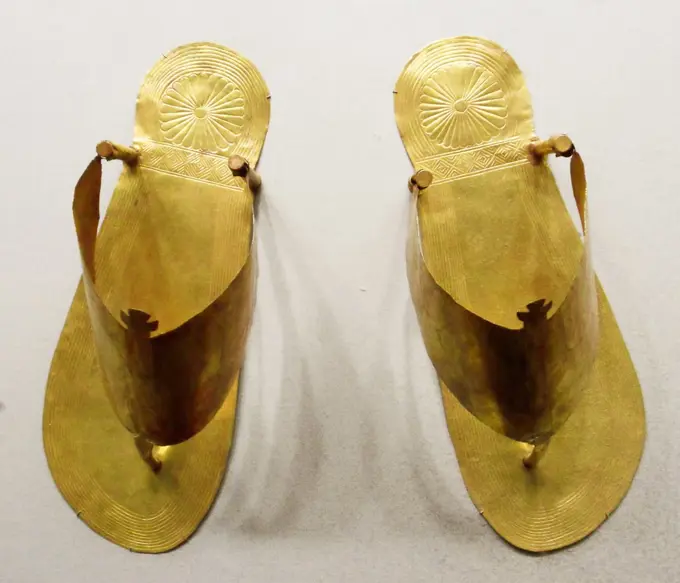
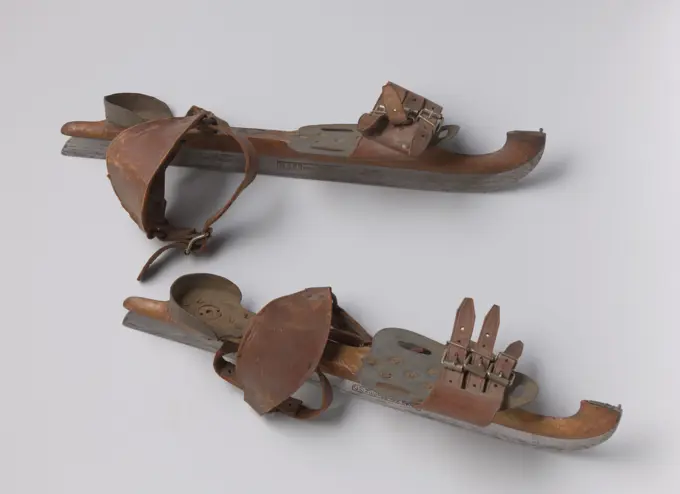
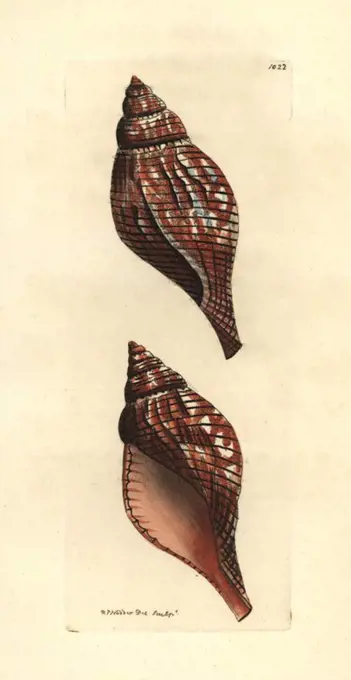
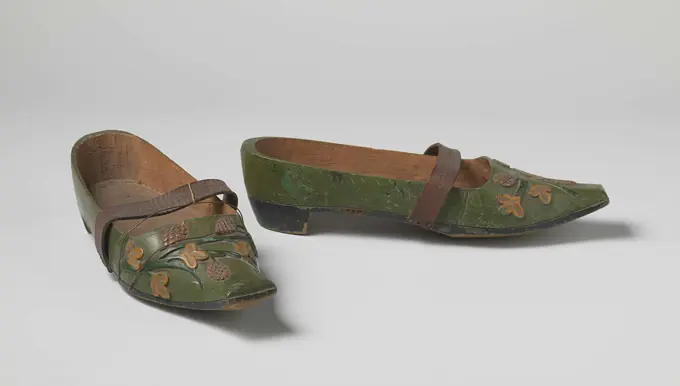
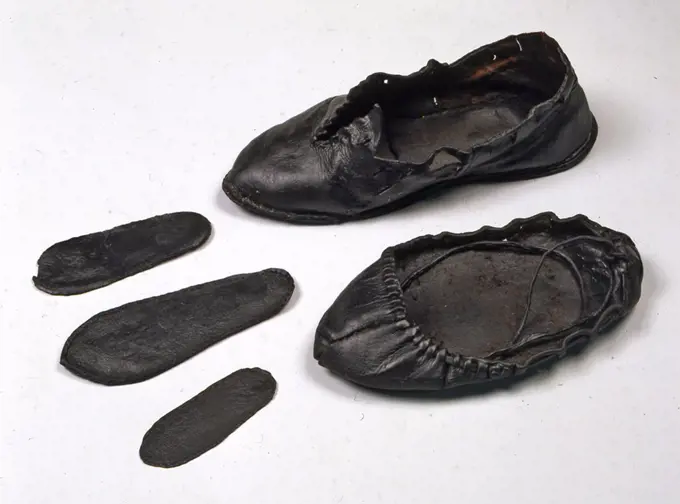
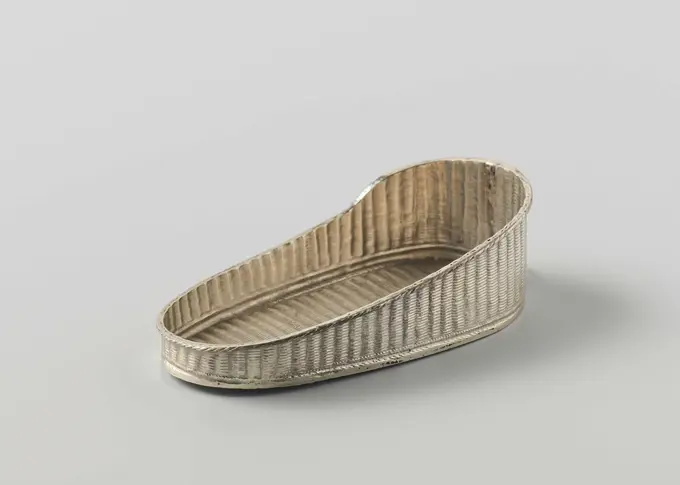
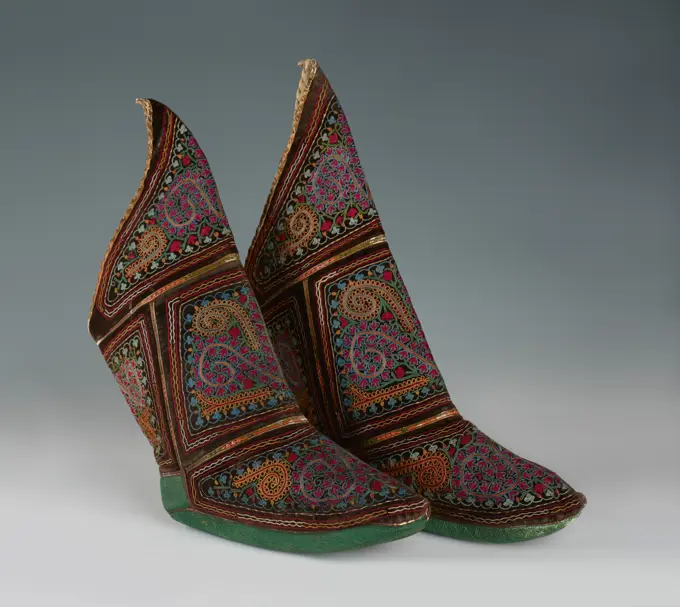
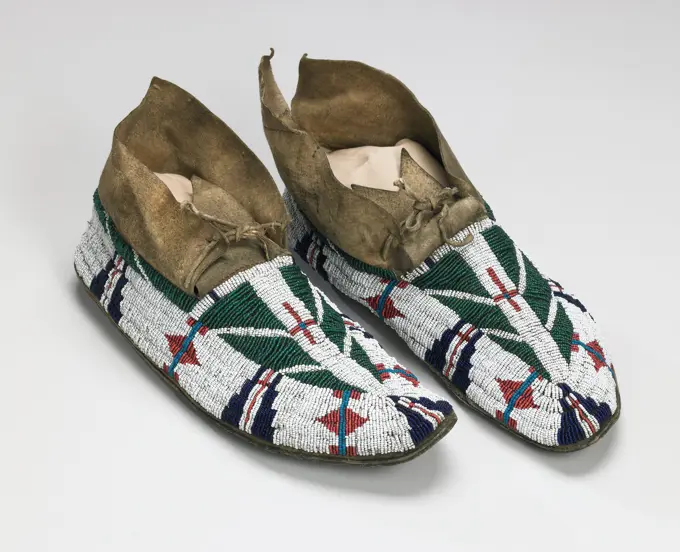
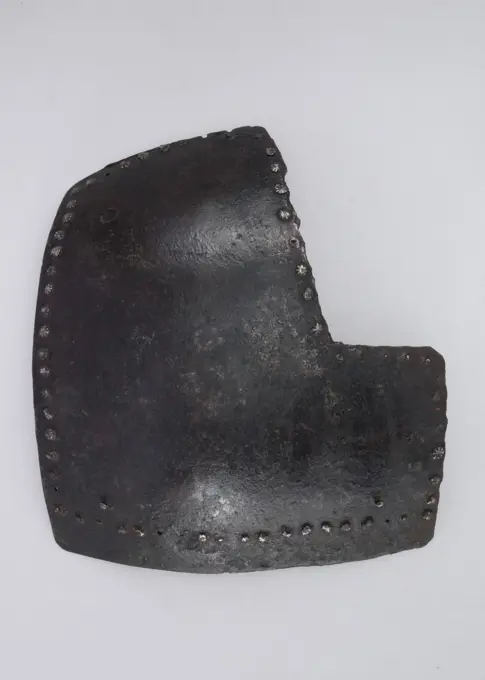
Girl's Shoes. United States, 1890-1900. Costumes; Accessories. Leather, silk satin ribbon, and metalPair of spaulders for the uniform of the Estates of GaliciaA pair of sandals unknownMatch Holder, 1850-1900. Pinto Collection - Purchased from Edward H Pinto, 1965.. The Tyrolean region of Switzerland and Austria specialised in producing small wooden trinkets which were mostly sold as souvenirs to tourists. The popularity of Cook's tours in the 1850s opened up the Alpine region of central Europe and had a powerful effect on local woodworking industries. The quality of woodworking varied greatly. This example of match holder carved in the shape of a child's boot shows a considerable degree of accuracy in its detail and, although it would not have belonged to the luxury end of the market, it demonstrates the carver's great pride in his work.Yellow shoe with purple bow from Faïence. Shoe from Faïence. Painted multi-colored.Shoes 1775-89 European. Shoes 168958Shoes 1720-49 probably British Through most of the 18th century, fashionable ladies' shoes were seldom made of plain fabrics. The majority were constructed with patterned fabric, whether self-figured, brocaded, or embroidered. It was not uncommon for a lady to embroider her own uppers and bring them to the shoemaker to be made up into shoes. By the last quarter of the 18th century, embroidery patterns for shoe vamps were being published in ladies magazines. This shoe in the classic shape of the period is a representative example of early 18th century domestic needlework in a popular Indian-inspired floral design. In some areas the embroidery has worn away, showing how the design was first drawn on the fabric in pencil.. Shoes 156201Bicorne Officer Royal Netherlands Army ca. 1830-1832, Willem Pauwels & Zn., C. 1800 - c. 1850 bicorne Headgear (remnant) of perched black felt. On the sphere leather carrying loop, smooth yellow metal knot on a silk and remnant of lis van gold thread. Label Label with no. 113. Inside: Natural leather edge, with a silk cord and on the bottom on Dutch weapon: your Maintiendrai (almost illegible). White silk lining on soil Gold stamp: Rijkswapen and W. Pauwels & Son Royal suppliers of Z.M. de Koning 's Hage. On Liszijde Half label: J.H. Hoye ... in 1830-1832 Major at the General The Hague felt (textile). leather. silk. copper (metal). paper. gold (metal) printing / writing (processes)  NetherlandsBessie Forman, Woman's Slipper, c 1937 Woman's SlipperCross section of a leather shoePair of Moccasins, 1890, 11 1/2 x 4 1/4 x 3 1/2 in. (29.21 x 10.8 x 8.89 cm) (a, left)11 1/4 x 4 1/2 x 3 3/4 in. (28.58 x 11.43 x 9.53 cm) (b, right), Animal hide, beads, cloth, United States, 19th centuryWedding boots 1865-79 American. Wedding boots 168762Dishwill of earthenware with white tinglaze on the underside and white tinglaze on the top and a flower vend in blue, damaged, anonymous, 1500 - 1799   earthenware. tin glaze   earthenware. tin glazePair of Gauntlets 18th century Japanese. Pair of Gauntlets 26800Wedding slippers 1819 American. Wedding slippers 98112Home stoup leather case. unknown, authorRed women footwear of a high hill isolated on the white backgroundSaddle (gser sga) 17th-18th century Eastern Tibetan or Chinese for the Tibetan market This saddle represents a particular form found in Tibet, one that is Chinese or strongly influenced by Chinese types. It belongs to a small group of closely related saddles that may stem from a single workshop or reflect a specific type developed in one region. Notable features are the lively dragons, chiseled free from the scrollwork ground, and the unusual decorative technique involving silver damascening of the entire surfaces of the saddle plates, with select design elements highlighted by mercury gilding over the silver. Also very distinctive is the use of three layers of decoration: the outer layer of pierced scrollwork with long tendrils deeply undercut to give an appearance of depth, a second layer forming a subsidiary ground underlying each saddle plate and consisting of an iron grill damascened in silver to create a stylized cloud pattern, and a layer of colored cloth directly on top of the Ancient Egypt. Sandals woven from palm leaf. British Museum. London, UK.Boots 1830s American. Boots 112739Child's Shoe. Dated: c. 1937. Dimensions: overall: 30 x 22.6 cm (11 13/16 x 8 7/8 in.). Medium: watercolor, graphite, and pen and ink on paper. Museum: National Gallery of Art, Washington DC. Author: Mae Szilvasy.Evening shoe with belts made of silver leather, extremely sharp nose and highly cut cover sheet, Manfield, c. 1928 Evening shoe with silver leather belts. Extremely sharp nose. Highly cut cover sheet. Plump, medium heel. Copper buttons on an eye. Lining of white glacé leather. With Manfield box. Netherlands (possibly)maker: Northampton (possibly) leather. Evening shoe with silver leather belts. Extremely sharp nose. Highly cut cover sheet. Plump, medium heel. Copper buttons on an eye. Lining of white glacé leather. With Manfield box. Netherlands (possibly)maker: Northampton (possibly) leather.Evening shoe with belts made of silver leather, extremely sharp nose and highly cut cover, c. 1928 Evening shoe with silver leather belts. Extremely sharp nose. Highly cut cover sheet. Plump, medium heel. Copper buttons on an eye. Lining of white glacé leather. With Manfield box. Netherlands (possibly)maker: Northampton (possibly) leather. Evening shoe with silver leather belts. Extremely sharp nose. Highly cut cover sheet. Plump, medium heel. Copper buttons on an eye. Lining of white glacé leather. With Manfield box. Netherlands (possibly)maker: Northampton (possibly) leather.Stocking of plain white cotton jersey, with board in ajour decorative stitch of rows of fan -shaped motifs, scalloped edge, c. 1830 - c. 1840 Stocking of plain white cotton jersey, with border in ajour decorative stitch of rows of fan -shaped motifs, scalloped edge. Marked in red cross stitch: '12' and 'WM 12' Netherlands whole: Cotton (textile). knitting Stocking of plain white cotton jersey, with border in ajour decorative stitch of rows of fan -shaped motifs, scalloped edge. Marked in red cross stitch: '12' and 'WM 12' Netherlands whole: Cotton (textile). knittingLisbon, Portugal. Old metal Nanban Japanese shoes from the 1600's. (Editorial Use Only)Shoe, flat, from incised - to light yellow - originally apple green velvet with bovine leather sole. The model consists of a cover page, two equal heel pieces or 'quarters' and a sole. It, high on the expected, covered cover is decorated with 63 horizontal incisions ommered with feston stitches. The nose is unfinished and somewhat bone. The heel is divided into eight equal parts by means of six long, vertical, scented incisions. From the heel piece two narrow running, tapes extended quarters that end up in a distinction, round opening. In the middle of the instep there are two identical scented round openings, which are closed together with the loose tires by means of a (missing) lace at the top of the rubbed. The shoes are lined with a solid light yellow silk fabric. On the inside, a remainder of the original color of the velvet is still visible in the side seams. The leather sole, which widens to the nose, has a dedicated geometric decoration of lines and points. The sole is attachedRight Half of Brigandine Breastplate. Culture: Italian. Dimensions: H. 9 3/4 in. (24.8 cm); W. 8 3/4 in. (22.2 cm); Wt. 2 lbs. 7 oz. (1105.6 g). Date: 1400-1450. Museum: Metropolitan Museum of Art, New York, USA.Left shoe, size 34, edge sewn and with tape closure. Left shoe, size 34, edge sewn and with tape closure. The cover page and quarters are made of goat leather, the edge of calf leather. A string is styled along the inside of the quarters and connections are sewn from the side seams. The stitches of the sole seam are 3 mm long. A heel lining is not applied and no midsole or cork / wood filling.Wellington bootsWomen's slippers; Elliotts (London; Footwear Factory; 20th century); the twenties of the 20th century (1920-00-00-1930-00-00);Garszyńska-Jarosz, Maria Magdalena (1926-2010)-collection, gift (provenance), company labels, geometric ornamentsPair of Shoes, 4 x 9 1/2 x 3 1/4 in. (10.16 x 24.13 x 8.26 cm) (each), Cotton, paper (), ChinaWoman's Boot. Alice Stearns, Boot Shop Sign, c 1937 Boot Shop SignShoe of gold leather with strap over the instep and copper knot with decorated with rhinestones, evening model, anonymous, c. 1928 Left shoe made of gold leather with strap over the instep and copper knot with strass decorated. Pointed nose, a cover with two side sheets. Heavy high heel, slightly eroded. Netherlands (possibly) whole: Leather. Button: Copper (Metal). Knoop: Paste (Glass) Left shoe made of gold leather with strap over the instep and copper knot with strass decorated. Pointed nose, a cover with two side sheets. Heavy high heel, slightly eroded. Netherlands (possibly) whole: Leather. Button: Copper (Metal). Knoop: Paste (Glass)Children's shoes unknownSandaal van witte geborduurde ripszijde.Sandal of white rips silk, with chenille embroidery of flowers and tendrils in flavoring colors, solid green. No left / right difference (in spot of the buckle). Very flat heels with cerise leaving. The wide forefoot finishes faintly, and has crucifiers, buckle closing with metal buckle.Shoes 1810s probably American. Shoes 112679Socks 1820s American or European. Socks 145557Unknown, ski shoe that belonged to Jean Moulin (attributed title), 1930. Wood (sole), metal (loops, nails, port-celates), leather, fabric (laces), wool or returned skin ( Rear tongue). General Leclerc Museum of the Liberation of Paris - Jean Moulin Museum.Shoes 1800-1943 China. Shoes 81706Pair of Moccasins ca. 1890 Sioux. Pair of Moccasins 318351Pair of Moccasins, c. 1888, 3 1/4 x 3 1/4 x 9 in. (8.26 x 8.26 x 22.86 cm) (single element, a)3 1/4 x 3 x 8 1/2 in. (8.26 x 7.62 x 21.59 cm) (single element, b), Animal hide, cotton, ribbon, United States, 19th centuryShoe, anonymous, c. 1660 - c. 1675 Shoe from Faience with flowers inspired on Chinese porcelain. Delft . Shoe from Faience with flowers inspired on Chinese porcelain. Delft .Terracotta fragment of a volute-krater (bowl for mixing wine and water) late 6th century B.C./early 5th century B.C. Greek, Attic On the neck, a palestra scene: at the bottom left, foot of an athlete to right; genitals, right buttock, and legs of an athlete holding jumping weights; draped male to right, looking over his right shoulder, with his right arm extended; part of a column; at the shoulder, a band of tongues; below, on the body, start of handle root. Terracotta fragment of a volute-krater (bowl for mixing wine and water). Greek, Attic. late 6th century B.C./early 5th century B.C.. Terracotta; red-figure. Archaic. VasesSword-Hilt Collar (Fuchi), 1700-1850. Japan, Edo period (1615-1868). Shakudo; average: 3.9 x 2.3 cm (1 9/16 x 7/8 in.).Woman's Shoe. Dated: c. 1938. Dimensions: overall: 35.4 x 29.2 cm (13 15/16 x 11 1/2 in.). Medium: watercolor and graphite on paperboard. Museum: National Gallery of Art, Washington DC. Author: JOHN HALL.Shoes 1720-39 British. Shoes 81209ARTESANIA POPULAR DE SALAMANCA - CUBRE BOTAS CAMPERAS DE CUERO LABRADO - ARTESANIA POPULAR.Mules 1710-29 French. Mules 101796Pair of Woman's Moccasins, 1880s, 5 1/16 x 4 x 10 1/4 in. (12.9 x 10.2 x 26 cm) (each), Animal hide, wool, beads, United States, 19th centuryUntitled. Arman (Armand Fernandez), (1928-2005). Leather shoes and mirror in perspex box. Executed in 1965. 33 x 45cm.Cap of the Lviv Horse Horse Guard Buczy Ski, JózefMarie Alain, Woman's Shoes, c 1939 Woman's Shoes. This small shoe with a large bow and a square toe reflects the fashion around 1665. In contrast, the floral decorations are derived from Chinese porcelain. Miniature tin-glazed earthenware shoes remained popular long into the 18th century. Their exact purposeis unknown; perhaps they graced a table or a mantelpiece.Golden ballet shoes isolated on whiteWomans shoe (laced) Wojciechowski, AntoniVelvet Shoe. Dated: c. 1937. Dimensions: overall: 28 x 35.7 cm (11 x 14 1/16 in.). Medium: watercolor and graphite on paper. Museum: National Gallery of Art, Washington DC. Author: Gerald Transpota.Evening slippers ca. 1890 probably French. Evening slippers 169934Pair of shoes, anonymous, c. 1740 - c. 1760 Few shoes from Faience. Blue painted with a brown trim. Delft . Few shoes from Faience. Blue painted with a brown trim. Delft .Boots 1863 European. Boots 90408Shop Sign: Man's Shoe. Dated: c. 1939. Dimensions: overall: 27.9 x 38 cm (11 x 14 15/16 in.) Original IAD Object: 8" long. Medium: watercolor and graphite on paperboard. Museum: National Gallery of Art, Washington DC. Author: Dorothy Handy.Mitten liner -Woman's Slipper. Dated: c. 1940. Dimensions: overall: 24.5 x 35.1 cm (9 5/8 x 13 13/16 in.). Medium: watercolor, graphite, and pen and ink on paperboard. Museum: National Gallery of Art, Washington DC. Author: Virginia Berge.Black and White Elbow Gauntlet for the Right Hand, c.1570. North Germany, 16th century. Steel, blackened with leather; overall: 43.2 x 12.7 cm (17 x 5 in.). Plate armor alternately decorated with brightly polished ("white") and darkened ("black") surface areas is commonly referred to as "black and white" armor. The black color results from painting the surface areas, or merely leaving them dark from the forging process. The gauntlet here has been further embellished with an embossed cuff. The 1500s saw the revival of this ancient technique also known as repoussé. First the pattern is drawn onto the surface and then hammered and punched from the inside to gradually shape the desired raised design on the outer surface of the metal. This technique was reserved for only the costliest of armors.Feet, cartonnage of mummyBallettschuhe Ballettschuhe Copyright: xZoonar.com/DagmarxRichardtx 561833Pair of Sandals Made 1801-1900 Burma. Leather, silk, cut velvet weave, with needlework and sequins .Woman's Shoe. France, 1860s. Costumes; Accessories. Silk satin, silk bobbin lace, silk satin ribbon, and leatherRiding boots 1830s American. Riding boots 115798Moccasins, 1890-1910, 3 7/16 x 3 7/16 x 8 1/2 in. (8.73 x 8.73 x 21.59 cm) (a:)3 3/16 x 3 1/2 x 8 15/16 in. (8.1 x 8.89 x 22.7 cm) (b:), Animal hide, beads, cotton cloth, United States, 19th-20th centuryClose up of jade rollersToot shoe or poulaine of leather and copper, anonymous, 1500 - 1600 Adriaan Pit: "Brown leather Tootschoen, ... in the sole four holes in which legs will have stabbed; the shoe probably served as a case or drinking. Frans, 1st half XV century, copper work verm. XVI century." Coming Mauritshuis Royal cabinet of rarities France (possibly) whole: Leather. Decoration: Copper (Metal) Adriaan Pit: "Brown leather Tootschoen, ... in the sole four holes in which legs will have stabbed; the shoe probably served as a case or drinking. Frans, 1st half XV century, copper work verm. XVI century." Coming Mauritshuis Royal cabinet of rarities France (possibly) whole: Leather. Decoration: Copper (Metal)Shoes 1830 American. Shoes 93785Stick with orange chocked and knot on which a hunting horn belonging to the Galapak of Houtvester Antonie Brugmans, I.J. Froger et fils, c. 1824 - c. 1843 bicorne Stick with orange cooked and knot on which a hunting horn belonging to the Galapak of Houtvester Antonie Brugmans. Amsterdam Hat: Felt (textile). Decoration: Metal. Lining: Satin. Band: LeatherSlippers. Culture: probably British. Date: ca. 1790. Museum: Metropolitan Museum of Art, New York, USA.Studio shot of old-fashioned itemLeather shoe, close-upChildren's shoes unknownShoes 1854-60 American The elegant black foliate patterned textile of these shoes was woven by hand, á la disposition, to conform to the pattern piece of the uppers. After the Crimean War, textiles with this tapestry weave were exported for reticules, slippers, and even upholstery. In this instance, it is possible that the textile with the woven pattern of uppers, rather than the completed slippers, was imported to this country to be cobbled together here. The ballet-slipper-like flats, with their square toes, were a style that persisted throughout the first half of the nineteenth century. These shoes, like many women's light slippers of the day, continued to be made on a straight last, or shoe form, with identical right and left sides.. Shoes 118056Shoes, anonymous, c. 1590 - c. 1596  Right shoe, size 35, with transshipment and tire closure and with inserted cover sheet and quarters.  . cutting / sewing  Nova Zembla. Saving HuysGold Sandals 1479 B.C. Decorated to imitate leather sandals that would have been worn by the living.Vissering -Ruiter or Koninginneschaats, G. Vissering, 1891 - 1955  Extended continuous skate with tail. Binding consists of copper heel and footrest and wide heel and toe leather. Designer: Frieslandmanufacturer: Akkrum copper (metal). leather. iron (metal). mahogany (wood)Tulip seasnail, Fasciolaria tulipa.Stockings 1840-59 American. Stockings. American. 1840-59. cottonClose-up of shoe sole over white backgroundDamesklomp met een dekkende mosgroene verf beschilderd versierd met vrucht en bladranken.Ladies clog with a covering moss-green paint painted. Model: The front shoe runs narrow and ends in a square nose. Leather decorated tire over the instep attached to both sides with two nail. Inside shoe unpainted wood. Wooden sole and black painted low heel. Decoration: On the forefoot, embossed tendrils with flowers and leaves are cut.Shoes, Leather, 12th-13th century, Russia, Moscow, State History Museum,Bakermat. Grayer with handle at the headboard. The birthplace is treated with simulated braid and has been marked with the letter Z = Rerkur 1795 in Zierikzee and an ax.Pair of Shoes Made 1720-1749 England. Silk, compound weave, with buckles and guimpe .Pair of boots unknownRight -bowl, size 35, with three lines of the instep, beautifully profiled heel and of course ancreed, anonymous, c. 1590 - c. 1596 mule (shoe) Right -bowl, size 35 of which the hood has three lines of three lines over the instep arch as a decorative, with beautifully profiled heel and of course an expiring footbed. A reinforcement rope has been sewn on the inside, the heels and toes have been patched and the stitching has completely disappeared except for a few stitches and fibers.  . cutting / sewing  Nova Zembla. Saving HuysVase hu. Bronze. China. Paris, Cernuschi museum. 70002-24 Anse, Chinese art, bronze, vase humPair of Moccasins, 1890, 11 1/2 x 4 1/4 x 4 1/2 in. (29.21 x 10.8 x 11.43 cm) (a, left)11 1/2 x 3 3/4 x 4 1/2 in. (29.21 x 9.53 x 11.43 cm) (b, right), Animal hide, beads, United States, 19th centuryPair of Moccasins ca. 1830 Seneca. Pair of Moccasins. Seneca. ca. 1830. Native-tanned skin, quill, silk, glass. United States, New York. Hide-CostumesLight yellow silk with brought vertical stripes, in which alternately an oval -shaped motif, anonymous, c. 1780 - c. 1800 Light yellow silk with breathed vertical stripes, in which alternately an oval -shaped motif with a brown border and a blue 'eye', interspersed with small zigzag stitches. Netherlands whole: Silk knitting Light yellow silk with breathed vertical stripes, in which alternately an oval -shaped motif with a brown border and a blue 'eye', interspersed with small zigzag stitches. Netherlands whole: Silk knittingRight Half of Brigandine Breastplate 1400-1450 Italian This is part of a large find of medieval armor discovered in 1840 in the ruins of the fortress of Chalcis, on the Greek island of Euboea (then a Venetian colony called Negroponte). The fortress had been captured and destroyed by the Turks in 1470. Now divided largely between the Ethnological Museum, Athens, and The Metropolitan Museum of Art, the Chalcis hoard contains many rare and unusual elements of fourteenth- and fifteenth-century armor. Of particular importance are the variety of headpieces and the many fragments of brigandines (armor for the torso constructed of small plates riveted to layers of fabric), some of which retain portions of their original velvet covering. The Chalcis armor provides a unique picture of the armament used in the Aegean, one of the easternmost military outposts of the Venetian empire.. Right Half of Brigandine Breastplate 27670Closeup of old dirty pair brown slippers on light wood grain background, South Korea, South Korea, AsiaSword-Hilt Collar (Fuchi), 1700-1850. Japan, Edo period (1615-1868). Shakudo; average: 3.9 x 2.3 cm (1 9/16 x 7/8 in.).Woman's Shoes Made 1801-1900 China. Silk, satin weave, with needlework .Slippers 1840s British. Slippers 112727