Historical Footwear Collection

An assortment of vintage shoes including ballet flats, oxfords, and slippers from various eras, showcasing unique materials and designs, demonstrating the evolution of footwear.
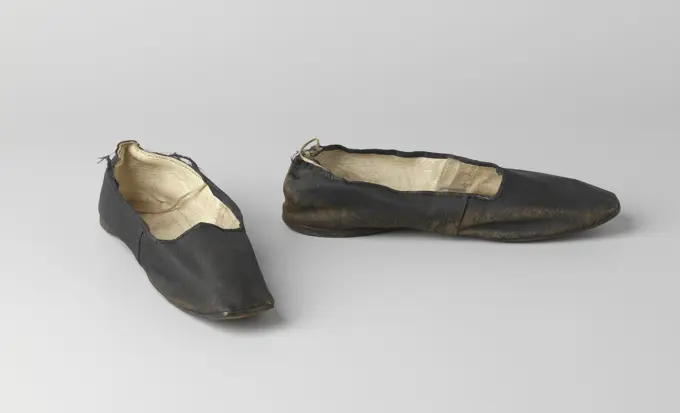
Shoe made of black cotton with small wedge heel, c. 1820 - c. 1840 Shoe made of black cotton. No right/left difference. Built -in heel of one layer of leather. Pointed forefoot. Square nose. Tire closure in a silk omboard. North Netherlands whole: Cotton (textile). Sole: Leather Shoe made of black cotton. No right/left difference. Built -in heel of one layer of leather. Pointed forefoot. Square nose. Tire closure in a silk omboard. North Netherlands whole: Cotton (textile). Sole: Leather
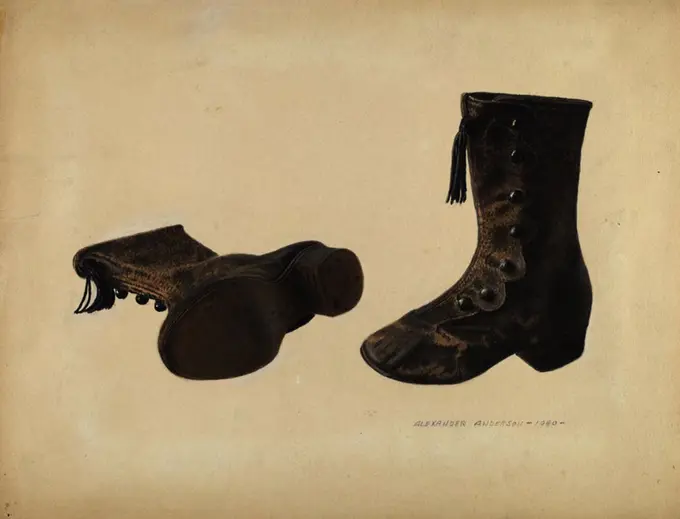
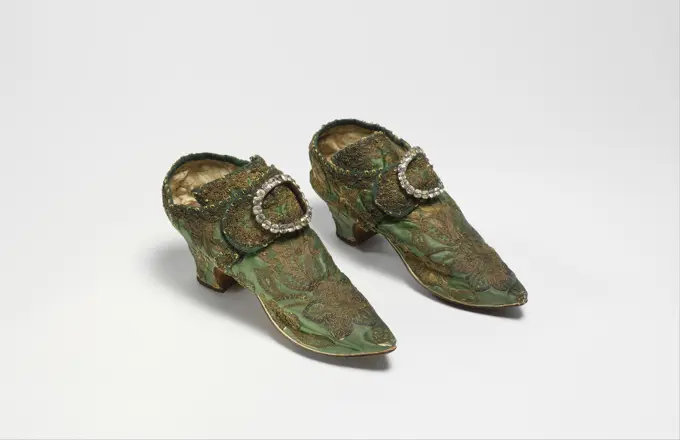
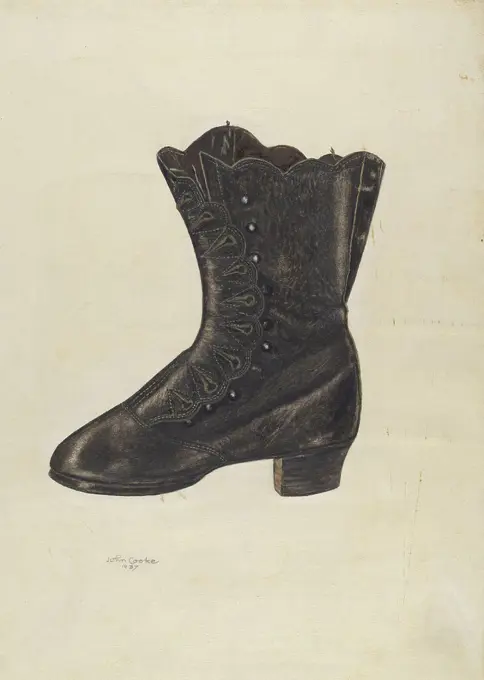
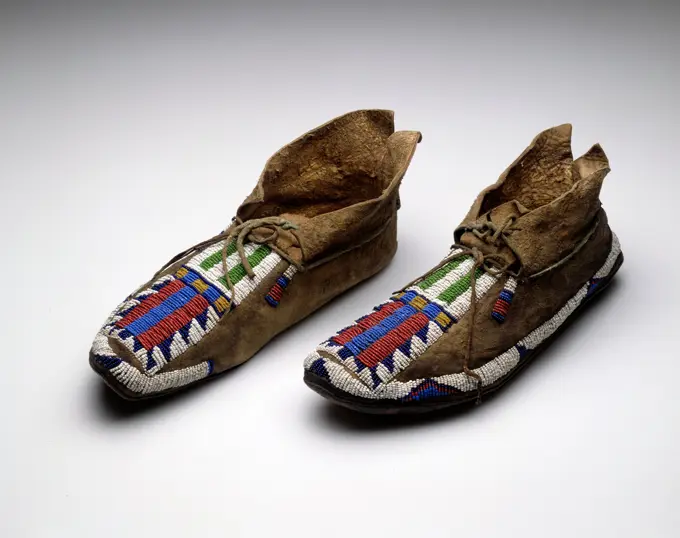
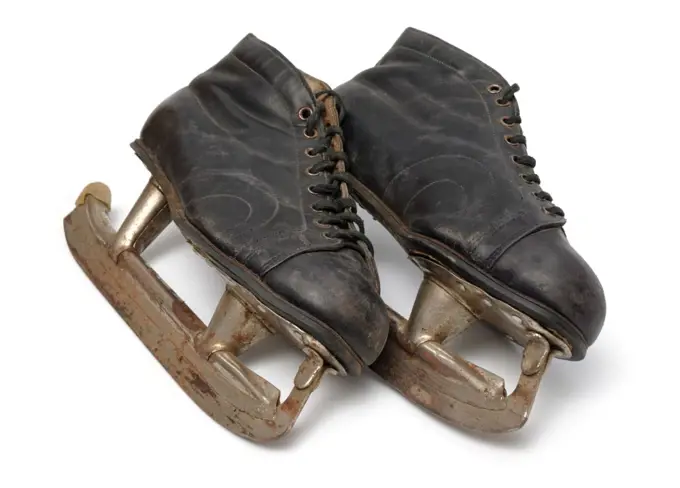
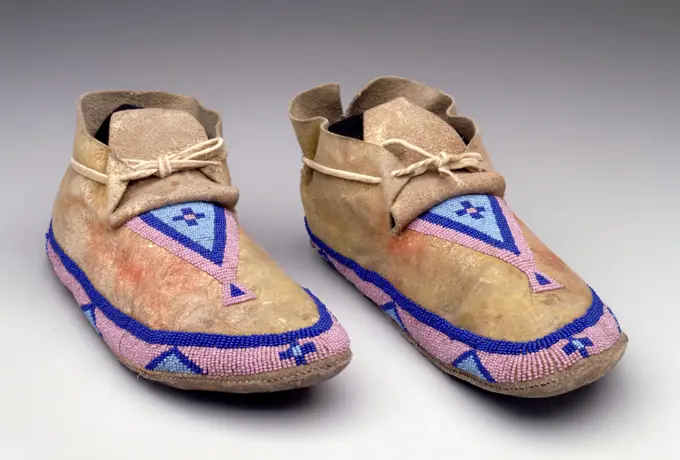
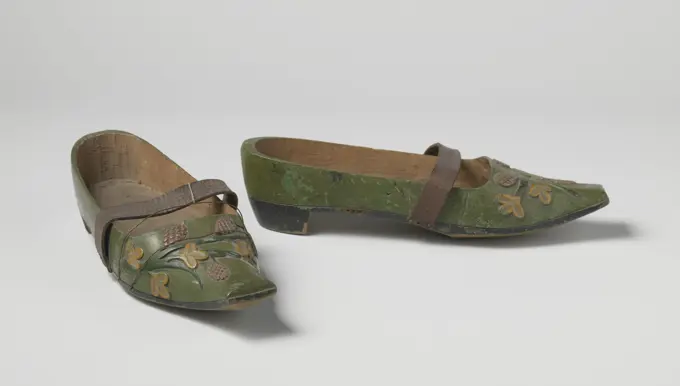
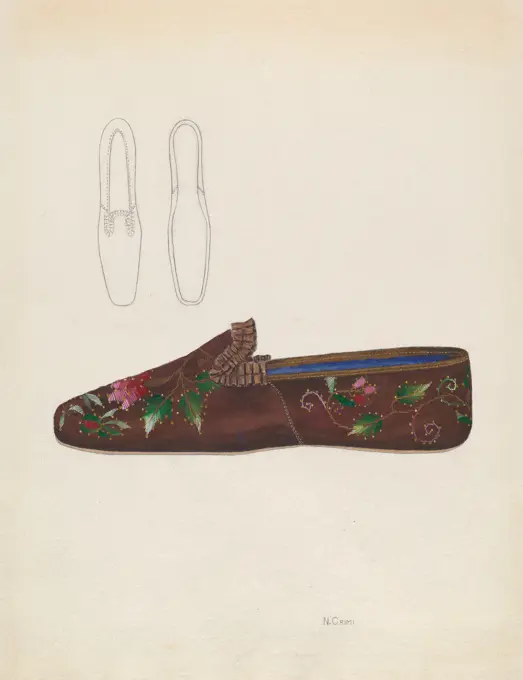
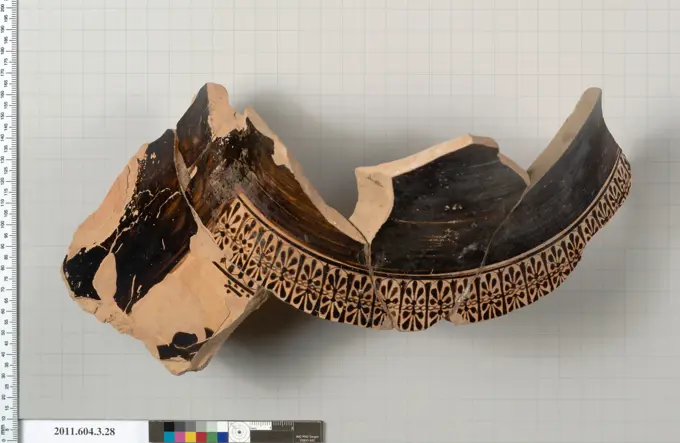
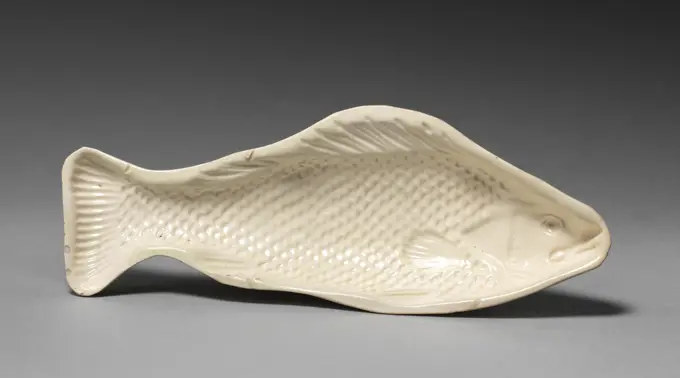
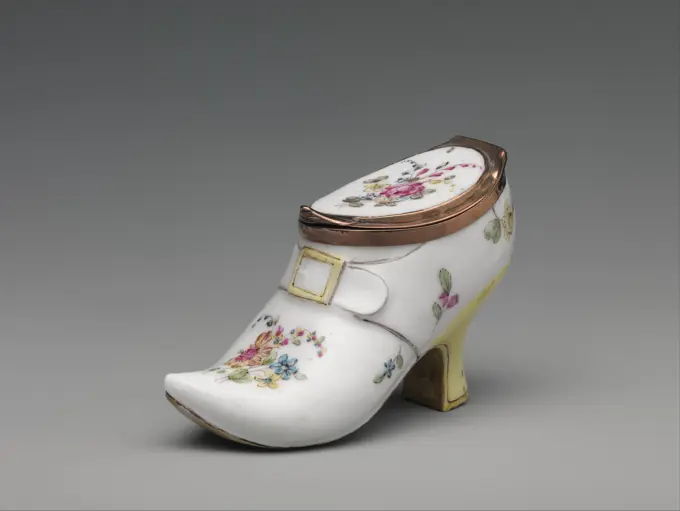
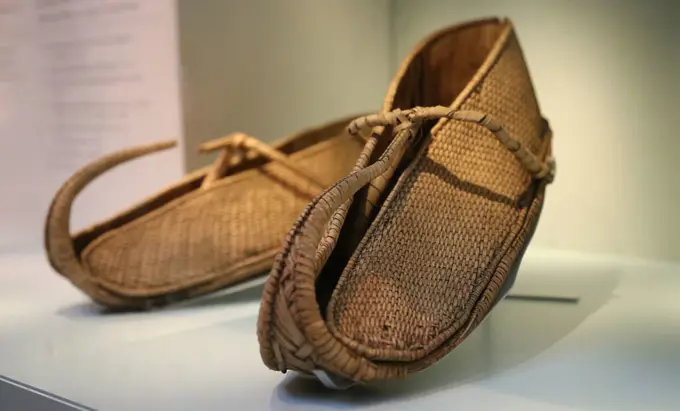
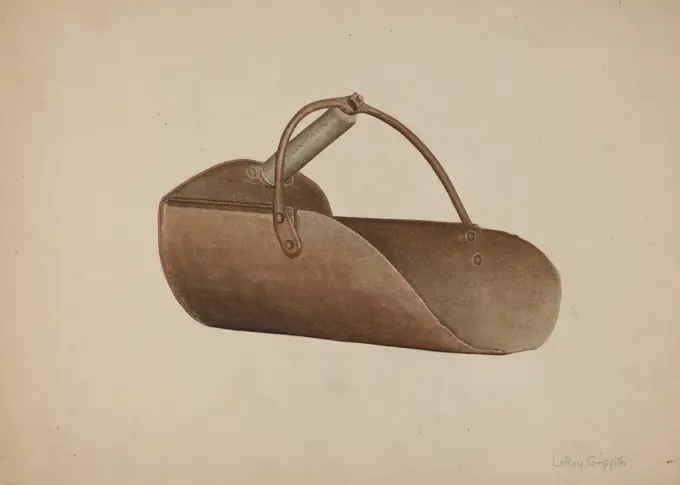
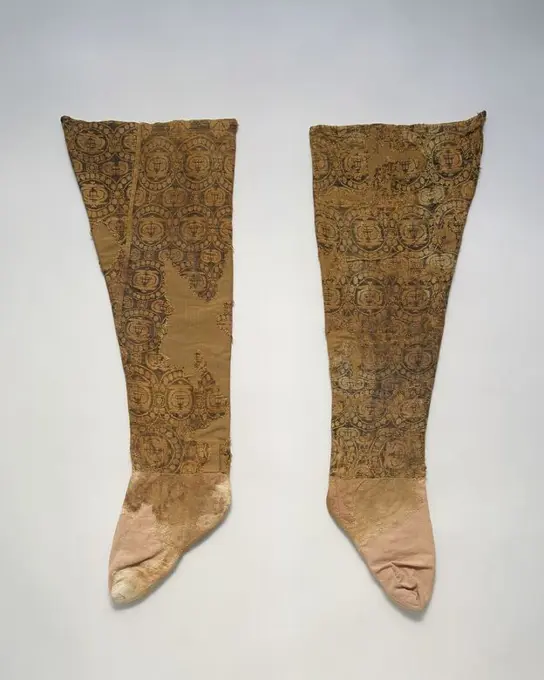
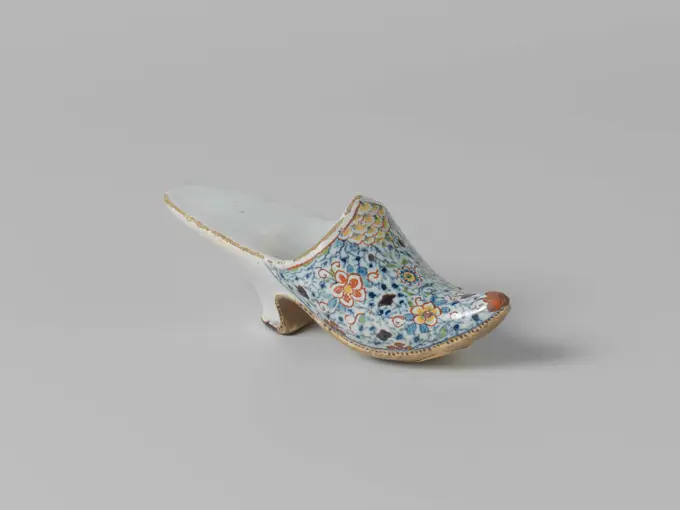
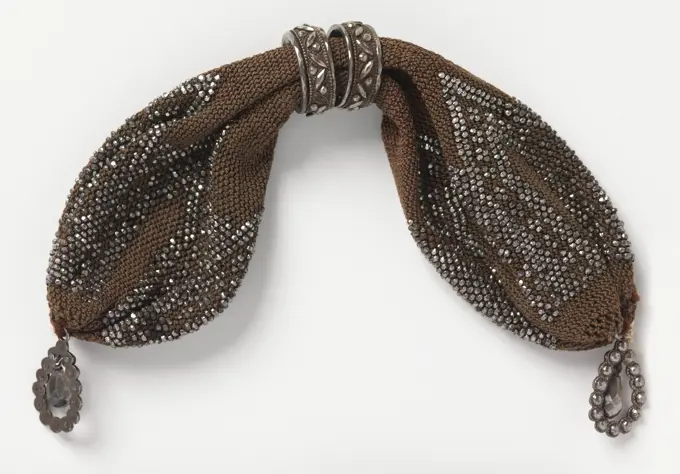
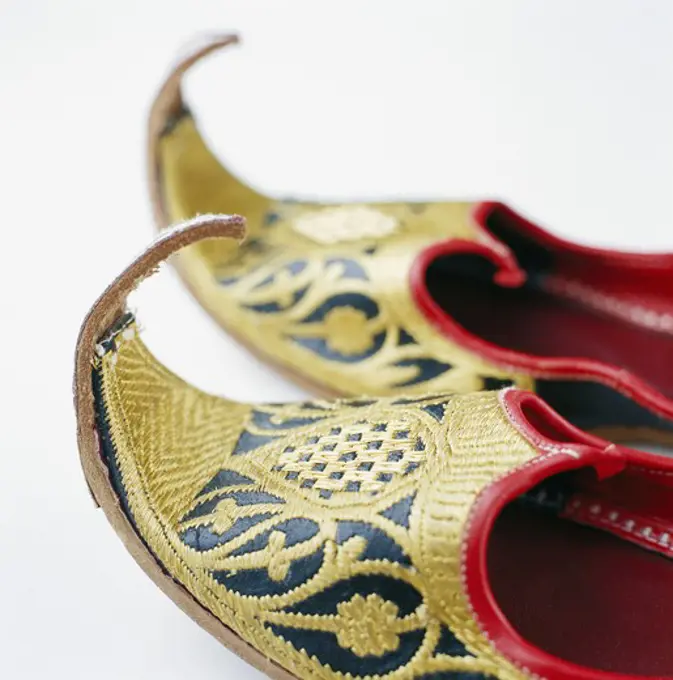
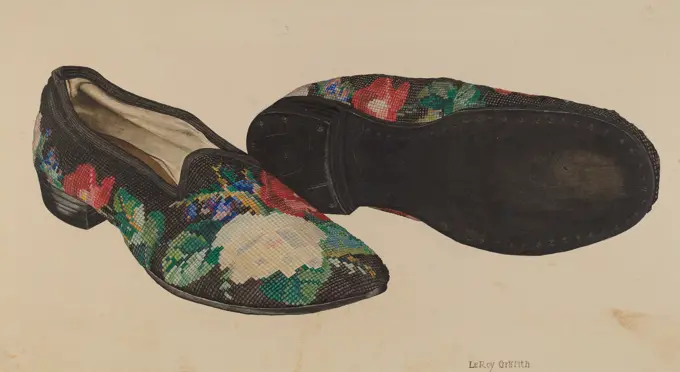
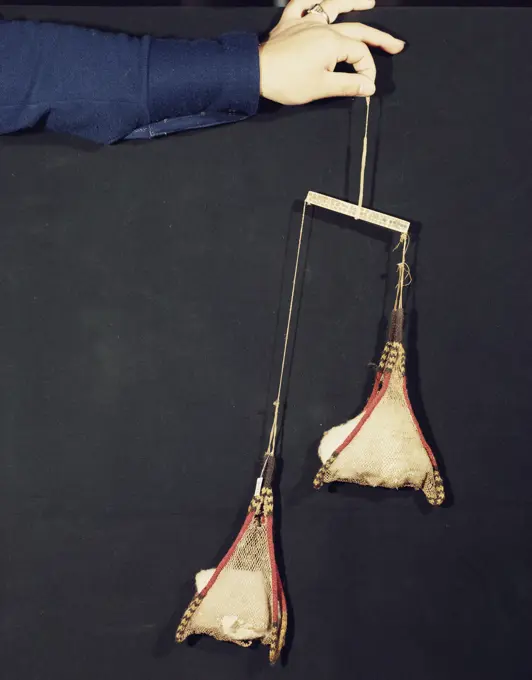
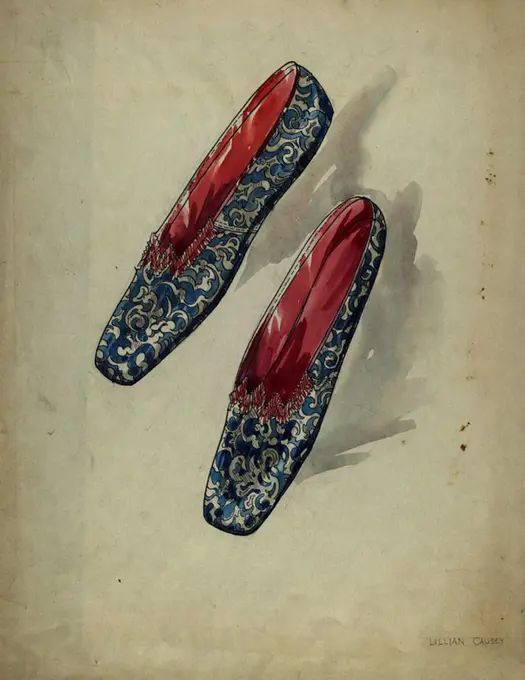
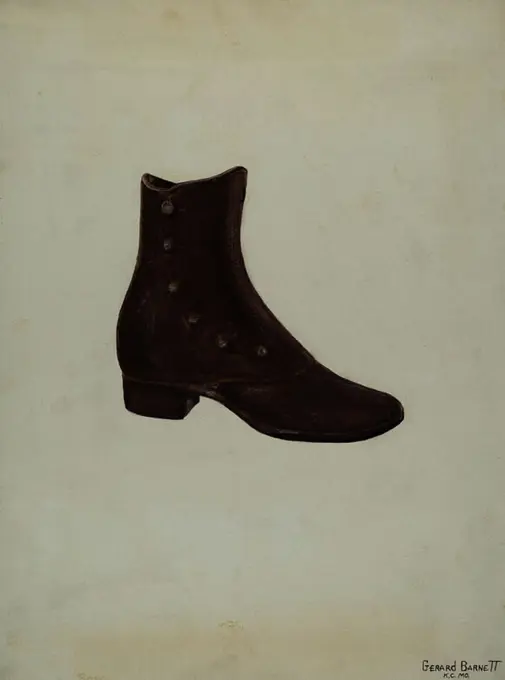
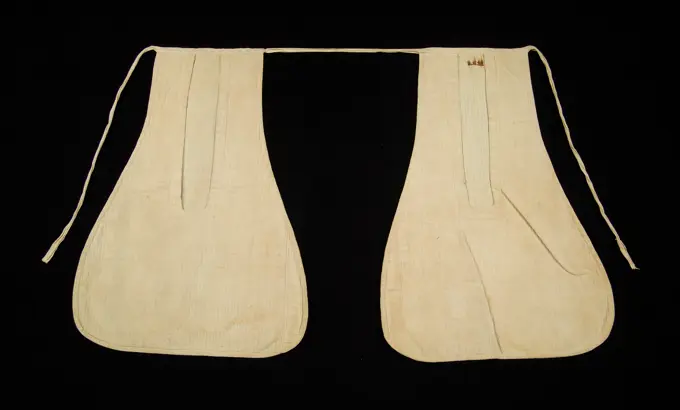
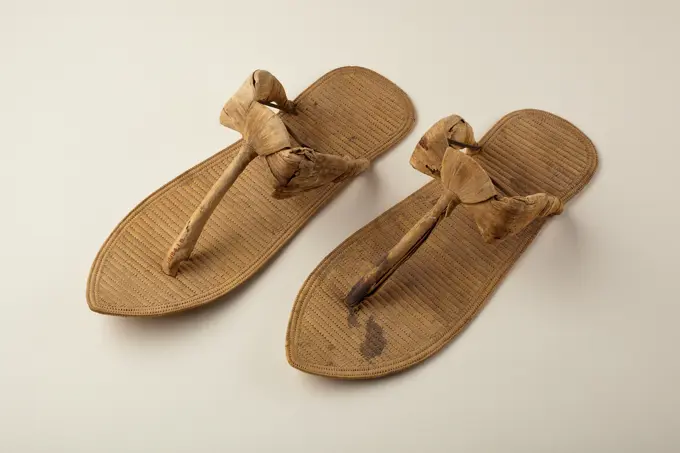
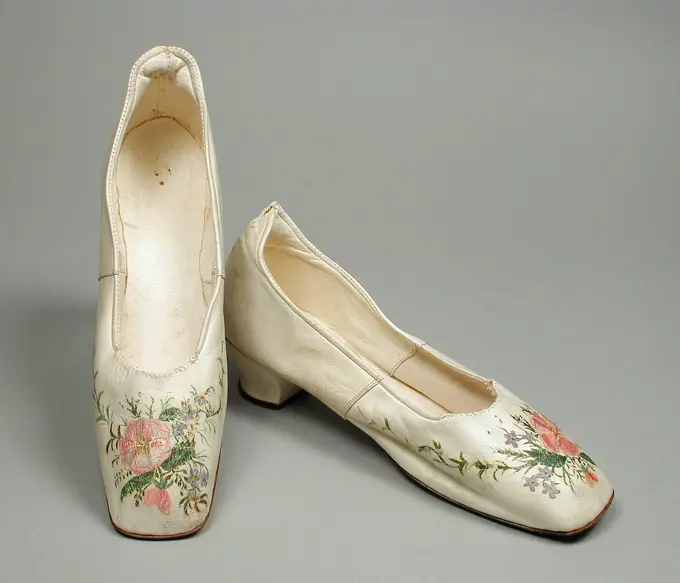
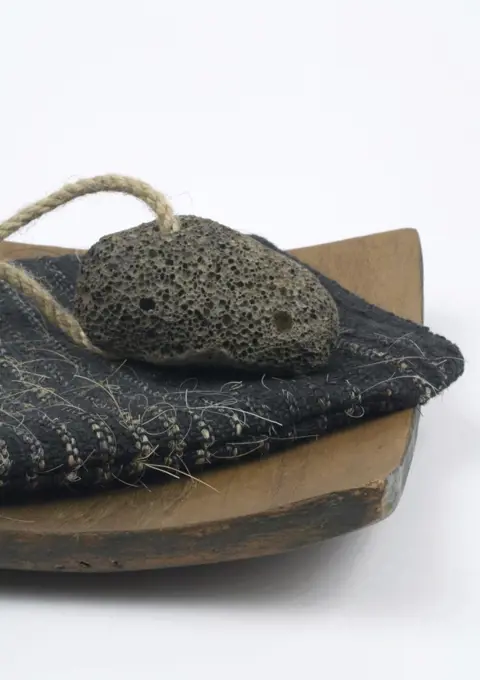
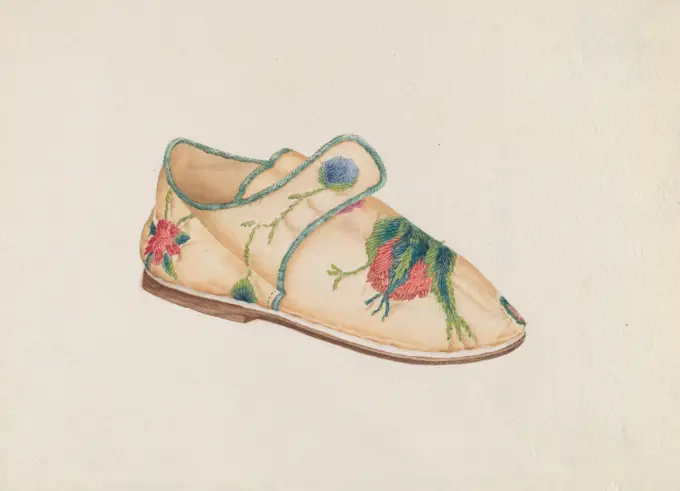
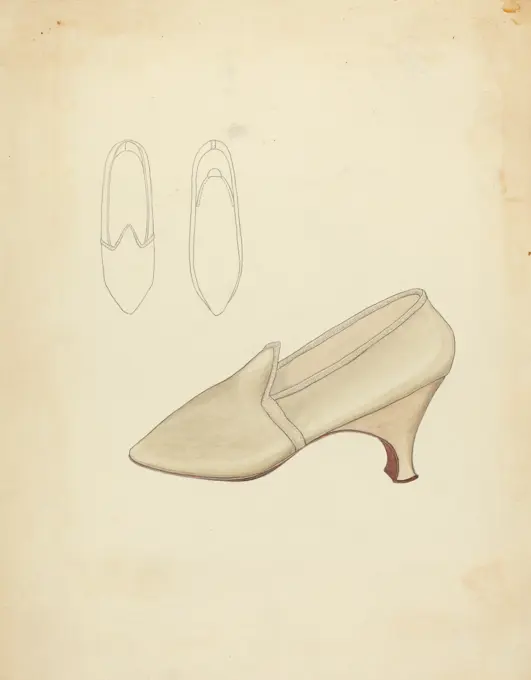
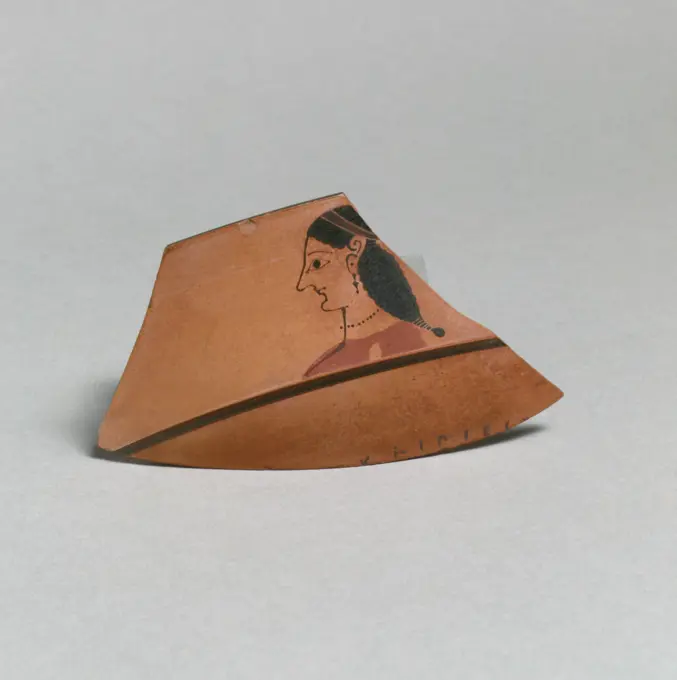
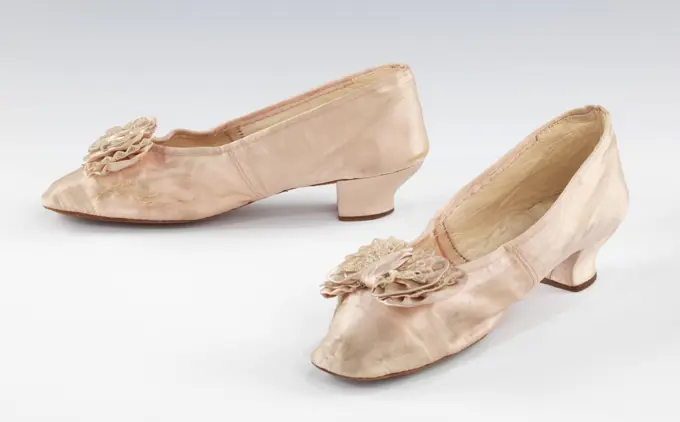
Anonymous / 'Case for rock crystal gondola with an enamelled mask on the prow'. 1650 - 1711. Leather, Wood, Metal, Cloth. Museum: Museo del Prado, Madrid, España.Sock -Saddle Eastern Tibetan or Chinese possibly 17th-18th centuryChild's Shoe. Dated: 1940. Dimensions: overall: 28 x 35.9 cm (11 x 14 1/8 in.). Medium: watercolor, graphite, and pen and ink on paperboard. Museum: National Gallery of Art, Washington DC. Author: Alexander Anderson.Jaw bones of dead animal with teeth intact isolated on white backgroundShoes 1720-39 European For all the floor-sweeping plenitude of fabric in an eighteenth-century gown, feet were not forgotten as an opportunity for the expression of refinement, luxury, and style. Paintings of the period invariably represent the delicacy of finely wrought shoes bared by the aristocratic sitter as she crosses her legs at her ankles or knees. Standing, it is the toe and counter of her shoe that are discretely exposed. Although the front of the shoe bore the greatest embellishment, as it was the part most exposed, the "Louis" heel, with its delicately sculptured profile, is what has come to characterize the style of the period. The fine line of white piping between the sole and the upper is a detail that, for the most part, disappears after the mid-eighteenth century.. Shoes 104724Woman's Shoe. Dated: 1937. Dimensions: overall: 35.2 x 28 cm (13 7/8 x 11 in.). Medium: watercolor, graphite, and pen and ink on paper. Museum: National Gallery of Art, Washington DC. Author: John Cooke.Anonymous, pair of shoes (common name), 1701. Great silk shaped, skin lining. Palais Galliera, fashion museum of the city of Paris.Mitaine from white knitted cotton. Mitaine from white knitted cotton with a knitted pattern of wide and narrow zigzig straps and snow stars. The part falling over the palm is subdivided into five tubes. No thumb.Shoe-shaped box. Ivory, metal; carving, engraving, colouring. Russia. Mid. 18th century. The State Hermitage Museum. Saint Petersburg. Russia.Stocking -Spats late 19th century American. Spats. American. late 19th century. linenEpaulet, 1800 - 1830  Epaulet made of red wool, decorated with silver spare and weak troettes. Netherlands silver thread. wool   BelgiumMoccasins, c. 1875-1890, 4 x 9 1/2 x 3 1/8 in. (10.16 x 24.13 x 7.94 cm), Hide, sinew, beads, pigment, United States, 19th century, The Inuna-ina (Arapaho), like the Tsistsistas (Cheyenne), were divided into two groups and put on separate reservations by the federal government around 1870. Despite these difficulties, the Inuna-ina continued to produce fine beadwork; and they continue that tradition today.Pair of old ice skates. Isolated objects: pair of very old ice skates, on white backgroundPair of Moccasins, c. 1890, 11 x 3 3/4 x 4 1/4 in. (27.94 x 9.53 x 10.8 cm) (a, left)11 x 3 3/4 x 3 3/4 in. (27.94 x 9.53 x 9.53 cm) (b, right), Animal hide, glass beads, pigment, United States, 19th centuryLadies' clog with a covering moss green paint painted decorated with fruit and leaf vines, c. 1830 - c. 1870 Ladies' hull with a covering moss green paint painted. Model: The for shoe runs narrow and ends in a square nose. Leather decorated band over the instep on both sides attached with two nails. Inside shoe unpainted wood. Wooden sole and black painted low heel. Decoration: On the forefoot, ranks with flowers and leaves are cut into relief. Northern Netherlands (Possible) Shoe: Wood (plant material). Evening band: Leather. Nail: Iron (Metal) cutting / painting / painting Ladies' hull with a covering moss green paint painted. Model: The for shoe runs narrow and ends in a square nose. Leather decorated band over the instep on both sides attached with two nails. Inside shoe unpainted wood. Wooden sole and black painted low heel. Decoration: On the forefoot, ranks with flowers and leaves are cut into relief. Northern Netherlands (Possible) Shoe: Wood (plant material). Evening band: LeaPair of slippers, Soldered tin, Pair of tin slippers on short heels; looped tin ribbons with nothced ends and stamped oval tin buckles mounted at tongues. Each heel, instep, back and sole made separately, soldered together., USA, 1889, metalwork, Decorative Arts, Pair of slippersNancy Crimi, Woman's Slipper, c 1936 Woman's SlipperTerracotta left foot and ankle with sandal 2nd half of the 4th century B.C. Greek, South Italian Left foot and ankle in a sandal.. Terracotta left foot and ankle with sandal 247466Zuecos. Museu Català de les Arts i Tradicions Populars.Boots 19th century Hungarian. Boots 173287A pair of lace up shoes unknownTerracotta fragment of an amphora (jar) late 6th century B.C. Greek, Attic At the shoulder, palmette-lotus chain; below, back of the head and right ear of a satyr, and part of a vine; at the left, start of handle attachment. Terracotta fragment of an amphora (jar). Greek, Attic. late 6th century B.C.. Terracotta; black-figure. Archaic. VasesMitaine of white knitted cotton, c. 1750 - c. 1800 Mitaine made of white knitted cotton with a blown pattern of wide and narrow zigzig straps and snow stars. The part that falls over the palm is subdivided into five scallops. No thumb. Zaanstreek whole: Cotton (textile) knitting Mitaine made of white knitted cotton with a blown pattern of wide and narrow zigzig straps and snow stars. The part that falls over the palm is subdivided into five scallops. No thumb. Zaanstreek whole: Cotton (textile) knittingPastry mold ca. 1775 British, Leeds. Pastry mold. British, Leeds. ca. 1775. Creamware. Ceramics-PotterySnuffbox in the form of a slipper ca. 1750-60 Mennecy In eighteenth-century Europe, Paris led the production of high-quality luxury goods. Parisian goldsmiths made a wide range of small, personal articles such as snuffboxes; étuis to hold sealing wax, tweezers, or utensils for sewing; souvenirs, which contained thin ivory tablets for note taking; and shuttles for knotting lace. Gold snuffboxes and boxes decorated with portrait miniatures were prized and frequently given as royal gifts, often to ambassadors or members of the court in lieu of cash payments for their services. Coveted and admired, these boxes were produced from a variety of materials. The best were skillfully made of gold and embellished with diamonds, enameled decoration, lacquer, and other luxurious materials. By the middle of the century, the taking of snuff had become an entrenched social ritual, and the snuffbox, too, had become an important social prop. Snuffboxes were considered highly fashionable accessories, withPair of Woman's Slippers for Bound FeetAncient Egypt. Sandals woven from palm leaf. British Museum. London, UK.LeRoy Griffith, Grain Scoop, c 1939 Grain ScoopWoman's Shoes. England. Date: 1770-1779. Dimensions: . Leather, silk, satin, weave. Origin: England. Museum: The Chicago Art Institute, Chicago, USA.Boots. Culture: American. Date: 1860-69.The United States was the world leader in shoe manufacturing technology and production volume in second half of the 19th century. This pair of boots bears a rare label marking an important American technological innovation in shoe manufacturing, the introduction of the McKay Sewing machine in 1860. Prior to this invention, the sole of the shoe had to be either hand sewn - a laborious, time-consuming process - or machine pegged - a method resulting in a thick and inflexible sole suitable only to heavy work shoes. The McKay sewing machine stitched the sole to the upper, greatly increasing production speed, and consequently revolutionizing the industry. Museum: Metropolitan Museum of Art, New York, USA.Grain Scoop. Dated: c. 1939. Dimensions: overall: 24.9 x 35.4 cm (9 13/16 x 13 15/16 in.) Original IAD Object: 12" long; 8 1/2" wide; 7 1/2" high. Medium: watercolor and graphite on paperboard. Museum: National Gallery of Art, Washington DC. Author: LeRoy Griffith.Boots late 19th century. Boots 88780Shoes. Culture: probably French. Date: 1875-95.These high quality baby shoes borrow a style of bow from fashionable women's shoes of the period. Children's styles frequently display elements derived from adult fashion, and this variety of tiered bow with puffed "ears" was frequently seen on ladies evening shoes of the 1880s. Although they have discolored over time, the shoes were originally a bright pink. Museum: Metropolitan Museum of Art, New York, USA.Leggings. Dimensions: 31.5 in. (80.01 cm). Date: ca. 8th century A.D.. Museum: Metropolitan Museum of Art, New York, USA.Albert Ryder, Shoe Sign, 1939 Shoe SignSchuster bleib bei deinen Leisten, german sayingBruidsschoen, plat model met enkelband en dunne witte zijden linten van crème satijn, versierd met een witte satijnen strik.Bridal shoe from cream satin. Flat model with anklets. Cover sheet with truncated nose. Rear leaf closed, one piece. Opening with a sledlochje finished and with a plug cord. Flat chopless sole, without left / right difference, nosed in middle and round heel. Thin white silk ribbons to turn crosslings to wind the lower leg. From the front a minimal small bow from white satin ribbon. Behave in 1835 by Barones H.A.F. Van Slingelandt (see map).Wedding slippers 1857 probably French Even as heels began to come back into fashion in the 1850s, the prevalent choice of brides was the flat, heelless slippers that had been worn for nearly half a century. Changes in toe shape, throat depth and shape, and trimming distinguish the slippers of one date from another. This pair wedding shoes are adorned with a large and elaborate combination bow/rosette accentuated with web-like lace, a form of trimming which was stylish in the late 1850s and early 1860s.. Wedding slippers 158847Wedding slippers 1812 American. Wedding slippers 112682A pair of women's slippersA pair of satin slippers unknownBoot -Wedding boots 1855-65 American. Wedding boots 169304Man's Boots Made 1801-1900 China. Silk, satin weave, with needlework .Boot Shop Sign. Dated: c. 1937. Dimensions: overall: 34 x 26.7 cm (13 3/8 x 10 1/2 in.) Original IAD Object: 18" high. Medium: watercolor and graphite on paper. Museum: National Gallery of Art, Washington DC. Author: Alice Stearns.Slippers 1880 American. Slippers 112836Marriage shoes from the Siwa Oasis, Egypt. Made from leather, synthetic thread. Dated 20th CenturyGauntlet for the Left Hand Made 1565-1600 Milan. Intended purely for spectacle, parade armor represented the pinnacle of the armorerís art. This fragmentary gauntlet for the right hand was part of such a harness. The workshop of Lucio Piccinino produced several similar commissions for various dukes and princes of the Habsburg court. The work of several craftsmen, this gauntlet merges the arts of armoring and goldsmithing. Here the technique of gold-and-silver overlay is combined with embossingópushing the thin steel from both inside and out. With its riot of classical ornament, including grotesque figures, fruit garlands, and trophies of arms, the decoration reflects the prevailing artistic taste, known as Mannerism, at the end of the 16th century.. Steel, gold, silver, and brass . Lucio PiccininoClose-up of abandoned shoes against black backgroundMilding of Faïence. Milding of Faïence. Many color painted with flowers.Right owl, size 35, with three pressed lines over the rubbed arch, beautifully profiled heel and of course walking footbed. Right owl, size 35 of which the hood has three pressed lines as a decoration, with beautiful profiled heel and of course walking footbed. On the inside a reinforcement solid has been sewn, the heels and toes are plagent and the stitchings are on a few stitches and fibers after completely disappeared.Aryballos in the feet; An unknown, unknown workshop of John; End of Vi-Pocz Tek 5. BC (-510-00-00--490-00-00);Miser's Purse (France); silk, metalOvershoe -Shoe tensioner. Left shoe tensioner of wood with metal bracket, size 37. Beaching at open shoe of dark blue suede decorated with red crocodile leather with buckle closure.Pair of Indian slippers on white background, close-upLeRoy Griffith, Needlepoint Slippers, c 1940 Needlepoint SlippersShoes 1700-1729 probably British. Shoes 169035Woman's Slippers. Dated: c. 1937. Dimensions: overall: 22.3 x 28 cm (8 3/4 x 11 in.). Medium: watercolor, graphite, and gouache on paper. Museum: National Gallery of Art, Washington DC. Author: Edna C. Rex.Fashion concept - Summer shoes on the backgroundPre_Columbian woven Inca balance, Amano Museum, Lima, Peru, South AmericaMittens early 17th century British. Mittens 170542Woman's Shoe for Bound Feet 19th-20th century China. Woman's Shoe for Bound Feet 69982Shoes ca. 1860 American. Shoes 104095Wedding boots ca. 1870 American. Wedding boots 90405Woman's Shoes. Dated: c. 1936. Dimensions: overall: 35.3 x 24.5 cm (13 7/8 x 9 5/8 in.). Medium: watercolor and graphite on paper. Museum: National Gallery of Art, Washington DC. Author: Lillian Causey.Door Stop. Dated: c. 1941. Dimensions: overall: 35.4 x 26.6 cm (13 15/16 x 10 1/2 in.). Medium: watercolor, graphite, and colored pencil on paperboard. Museum: National Gallery of Art, Washington DC. Author: Gerard Barnett.Pocket 1800-1810 American. Pocket 168555Man's Shoe. Dated: c. 1936. Dimensions: overall: 28 x 23.2 cm (11 x 9 1/8 in.). Medium: watercolor and graphite on paper. Museum: National Gallery of Art, Washington DC. Author: Marie Mitchell.Stockings late 18th century American or European. Stockings 122628Stocking of plain white cotton jersey, with two narrow pink stripes, anonymous, c. 1900 - c. 1915 Stocking of plain white cotton jersey, with two narrow pink stripes at the top. Embroidered under the board in the cross stitch: 'f 1' Netherlands whole: Cotton (textile) knitting / embroidering Stocking of plain white cotton jersey, with two narrow pink stripes at the top. Embroidered under the board in the cross stitch: 'f 1' Netherlands whole: Cotton (textile) knitting / embroideringShoes. Dated: c. 1940. Dimensions: overall: 32.3 x 42.4 cm (12 11/16 x 16 11/16 in.). Medium: watercolor, graphite, and colored pencil on paperboard. Museum: National Gallery of Art, Washington DC. Author: Archie Thompson and Albert Rudin.Garden tool, Garden tools, Garden shears, Garden shovel, ShovelPair of Sandals from the Tomb of Yuya and Tjuyu ca. 1390-1352 B.C. New Kingdom In 1905, Theodore M. Davis found a nearly intact tomb (KV 46) in the Valley of the Kings. KV 46 contained the burials of Yuya and Tjuyu, the parents of Queen Tiye, principal wife of Amenhotep III, mother of Akhenaten, and grandmother of Tutankhamun.Davis was allowed to keep a portion of the finds which he later gave to the Museum. These include three finely crafted shabtis, two shabti boxes, some shabti tools, two sealed jars, and this pair of sandals. The sandals are made of plaited grass and reeds, with the toe and side straps made of split papyrus.. Pair of Sandals from the Tomb of Yuya and Tjuyu 550184Woman's Shoes. United States, circa 1875. Costumes; Accessories. Leather, paintedBoots 1860-69 American. Boots 168324Mitts 1750-75 Italian. Mitts 102634Still-life, antique shoes, Venetian 'pianelle' (slippers), about 1760.Castanets, anonymous, 1800 - 1885 Castagnets, Two pair, brown wood. Italy (possibly)Spain (possibly) wood (plant material). rope Castagnets, Two pair, brown wood. Italy (possibly)Spain (possibly) wood (plant material). ropeChokes in a choke pouch for shotgunsPumice stone and massage gloveSword-Hilt Collar and Pommel (Fuchigashira). Culture: Japanese. Dimensions: Kashira (a); H. 1 1/2 in. (3.8 cm); Wt. 0.7 oz. (19.8 g); fuchi (b); H. 1 1/2 in. (3.8 cm); Wt. 1 oz. (28.3 g). Date: 19th century. Museum: Metropolitan Museum of Art, New York, USA.ballet slippers pointe gift  on the green backgroundFrances Cohen, Child's Shoe, c 1937 Child's ShoeDoris Beer, Slippers, c 1940 SlippersWomen's shoe;  19th century (1801-00-00-1900-00-00);Slippers ca. 1870 Julien Mayer French Despite their rather grand appearance, this pair of fancy shoes would have been suitable for daytime wear around the house and when receiving intimate friends. When a lady ventured out of the house, boots were worn, and in the evening or when receiving guests more formally, heeled shoes were the norm. The enormous bow covering the instep was fashionable in the late 1860s and early 1870s. This example stands out for its high quality, attractive choice of contrasting materials, and good state of preservation.. Slippers 156183One pair of old skates female front view isolated on white backgroundshoes for girls isolated on white backgroundMittens 19th century American or European. Mittens 119785Slobkous made of coarse ecrinkey linen cotton with four brown buttons and a linen belt with metal buckle under the foot, anonymous, c. 1900 - c. 1930 Slobkous made of coarse ecrinke -like linen cotton with four brown knots and a linen belt with silver -colored metal buckle under the foot. Feeded with fine ecrinkey linen cotton. Netherlands whole: Cotton (textile). lining: cotton (textile). Buttons:. buckle: Metal Slobkous made of coarse ecrinke -like linen cotton with four brown knots and a linen belt with silver -colored metal buckle under the foot. Feeded with fine ecrinkey linen cotton. Netherlands whole: Cotton (textile). lining: cotton (textile). Buttons:. buckle: MetalFragment of a terracotta kylix: lip-cup (drinking cup) 3rd quarter of 6th century B.C. Attributed to Sakonides Exterior, bust of a woman Inscribed "Hail and drink this"The rendering of the woman's face and neck in glaze outline anticipates the red-figure technique, introduced about 530 B.C.. Fragment of a terracotta kylix: lip-cup (drinking cup) 254689 : Attributed to Sakonides, Fragment of a terracotta kylix: lip-cup (drinking cup), 3rd quarter of 6th century B.C., Terracotta, H. 2 in. (5.1 cm) length 3 9/16 in. (9 cm). The Metropolitan Museum of Art, New York. Gift of Alastair Bradley Martin, 1951 (51.125.10)Model of a Prototype Dispatch Vessel, anonymous, c. 1833 scale model. demonstration model Model of a catamaran propelled on handklower. The two floats are connected to each other with metal rods at the ends and each have a place for a driver. The pre-moving mechanism consists of a single scoop wheel with flat counter-weights, set in motion on each side by means of handles. Amsterdam wood (plant material). iron (metal). .dirty trainer isolated on a white backgroundWedding Shoe. Dated: c. 1937. Dimensions: overall: 23.1 x 27.5 cm (9 1/8 x 10 13/16 in.). Medium: watercolor, graphite, and gouache on paper. Museum: National Gallery of Art, Washington DC. Author: Edna C. Rex.Milding of multi-colored painted faïence. Milding of Faïence. Painted multi-colored.Evening slippers 1855-65 Hing Sheng Boot and Shoe Maker This pair of pink satin evening slippers would be unremarkable were it not for the original label by its Chinese maker. While it is possible that Hing Sheng was an immigrant, the paper and printing of the label suggests instead that he was working in China, most likely Hong Kong, Canton, or other trade center which had a sizeable Western population. The style and construction of the shoes is completely in line with Western shoes dating from around 1860, and it is clear that the maker was trained in those techniques and was producing wares for sale to a Western clientele, as there was no significant adoption of Western dress in China at this early a date.. Evening slippers 156287