Historical Fragments

Archaeological fragments reflecting ancient inscriptions and craftsmanship, including limestone and clay items from different periods.

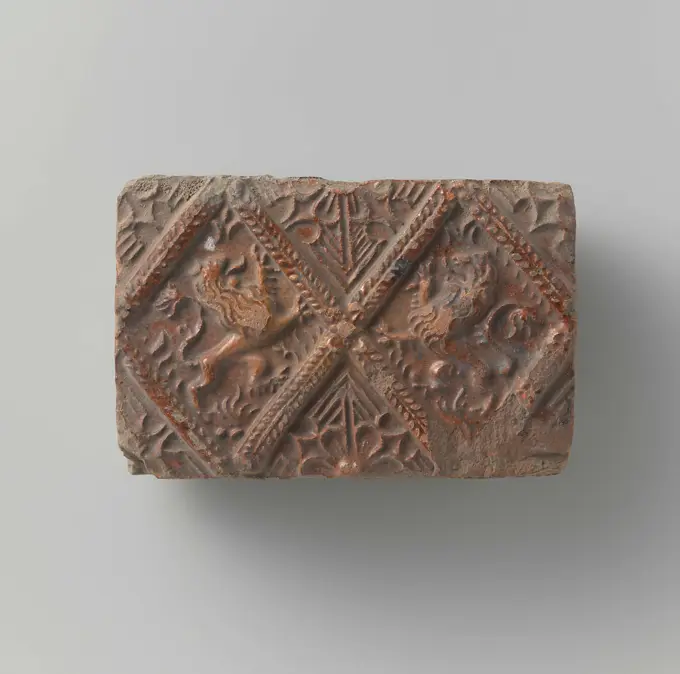
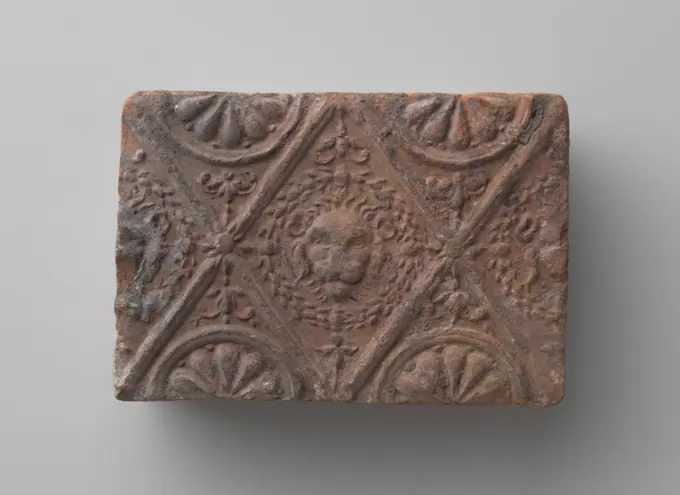
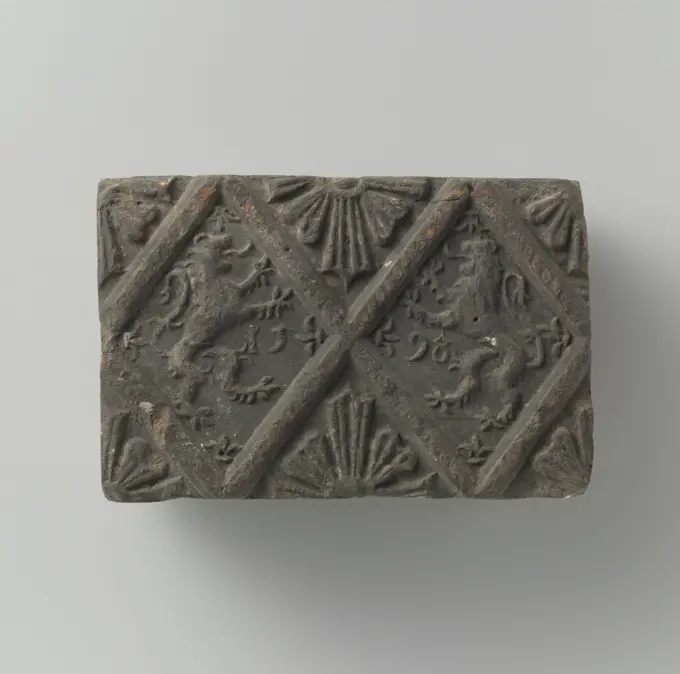
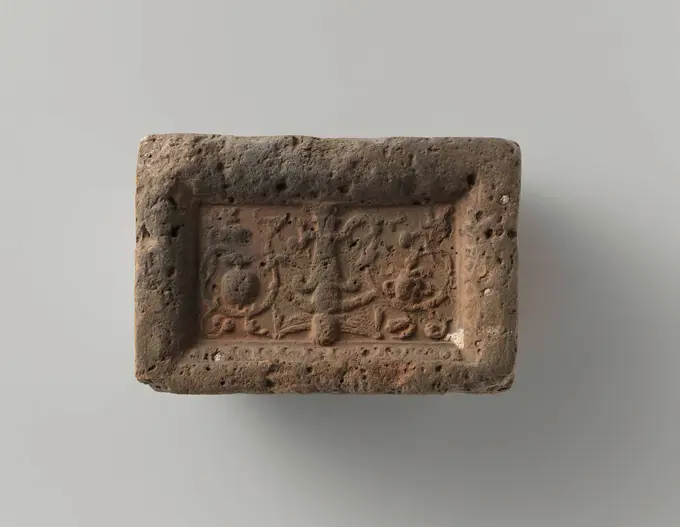
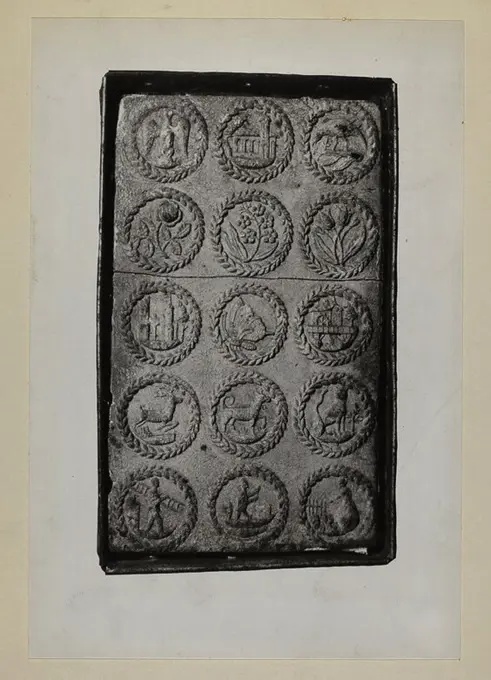
Hearing stone with the presentation of a climbing lion flanked by two French lilies, 1564 Hearing stone with representation of a climbing lion to the right (heraldic) flanked by two French lilies and accompanied of the year 1564. Southern Netherlands earthenware vitrification Hearing stone with representation of a climbing lion to the right (heraldic) flanked by two French lilies and accompanied of the year 1564. Southern Netherlands earthenware vitrification
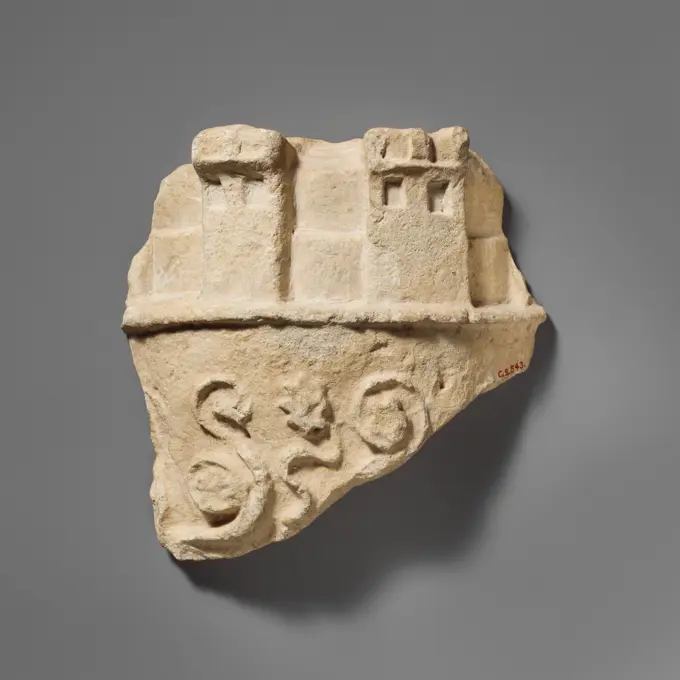
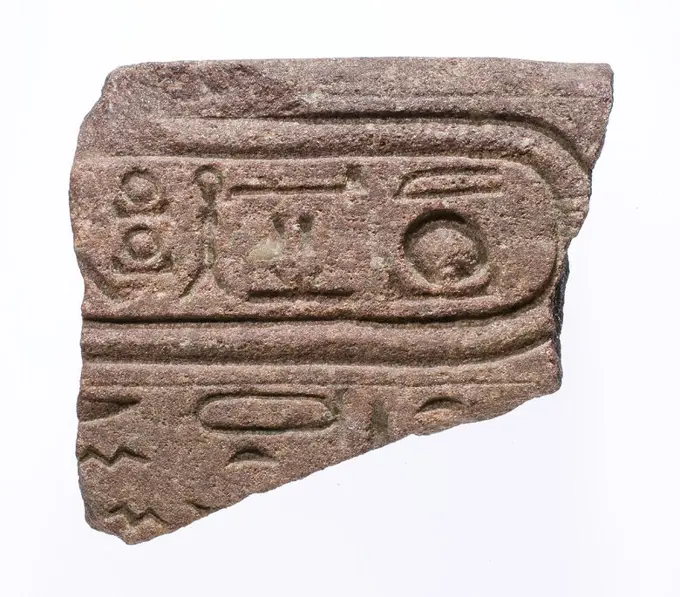
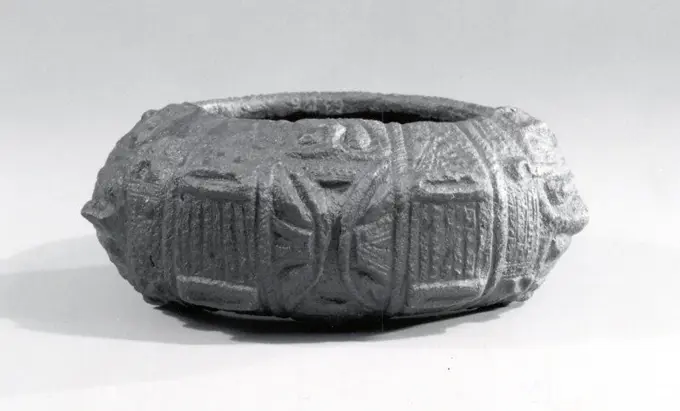
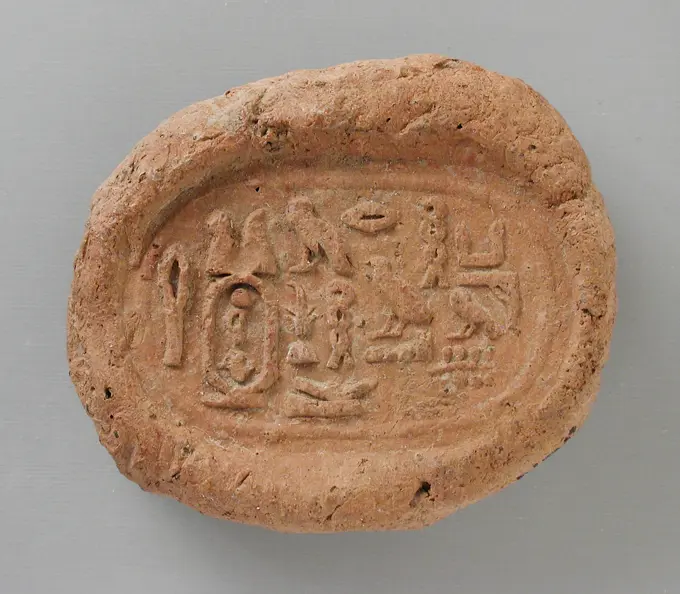
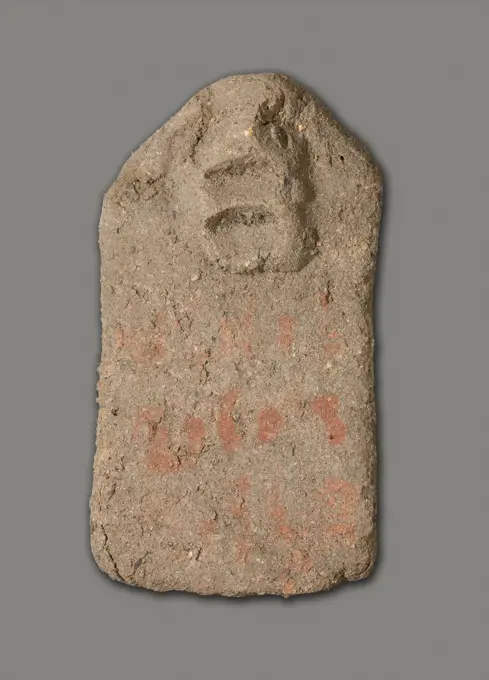
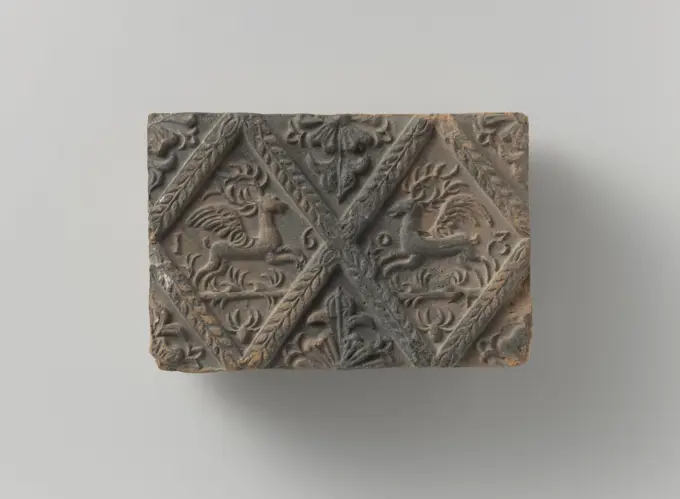
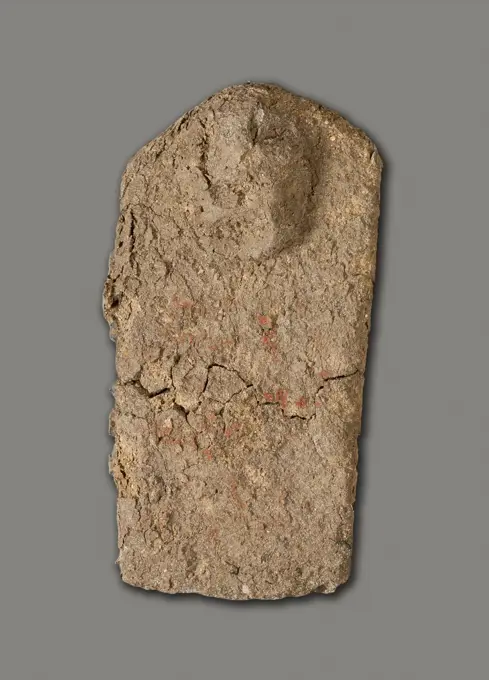
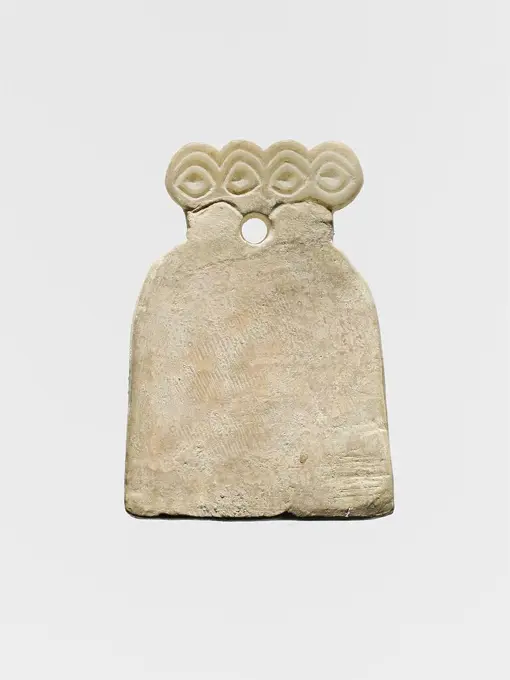
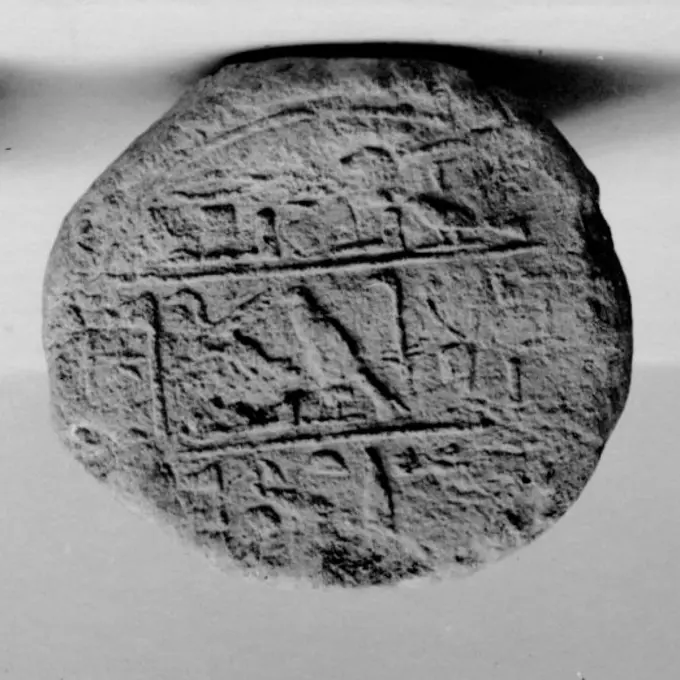
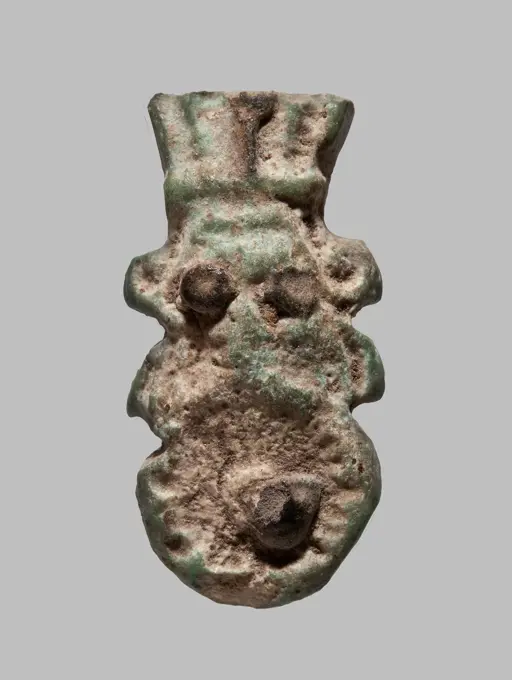
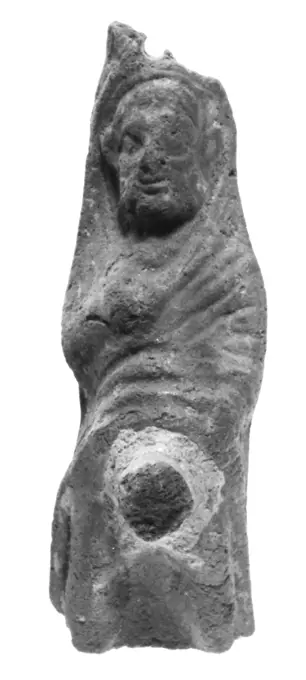
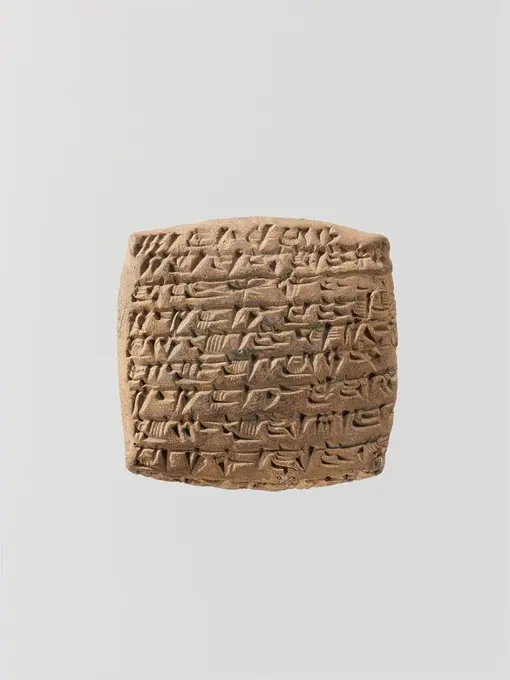
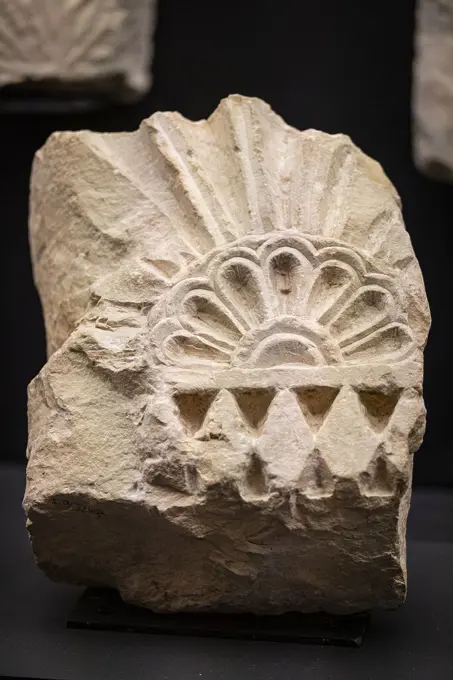
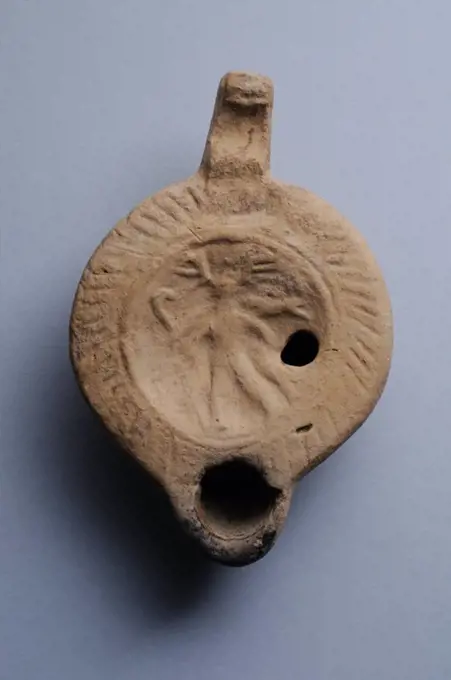
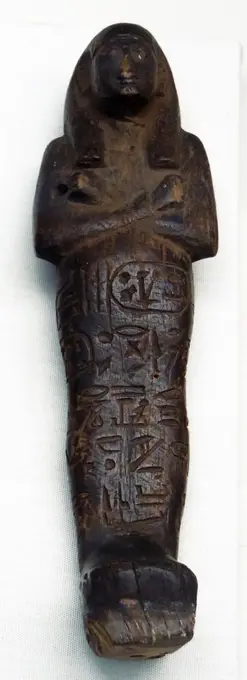
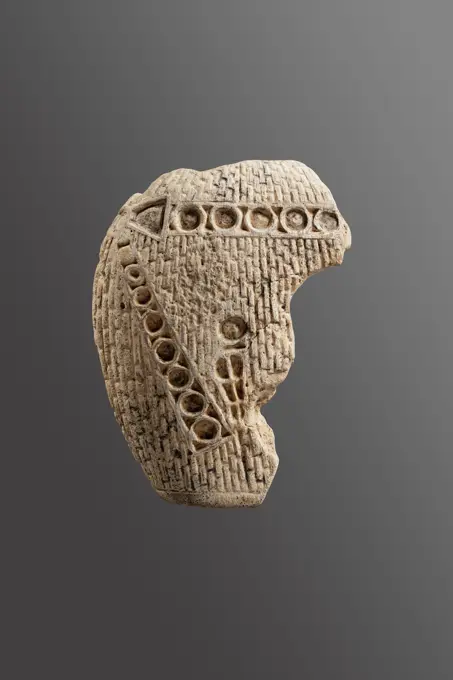
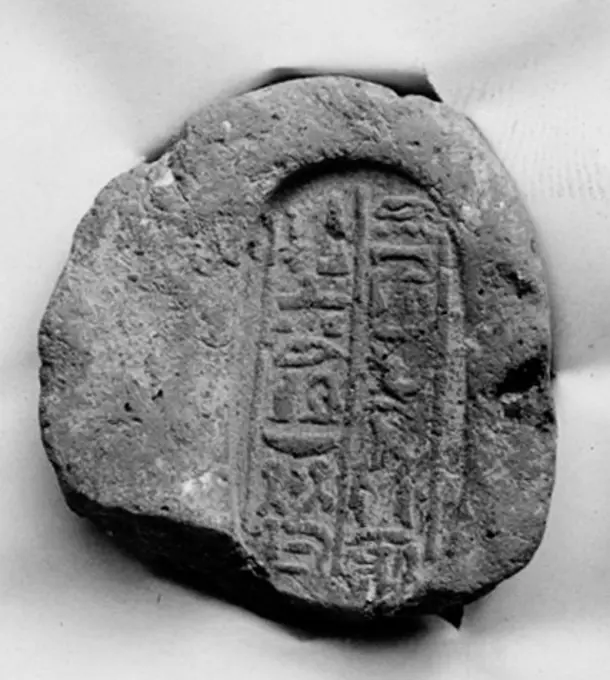
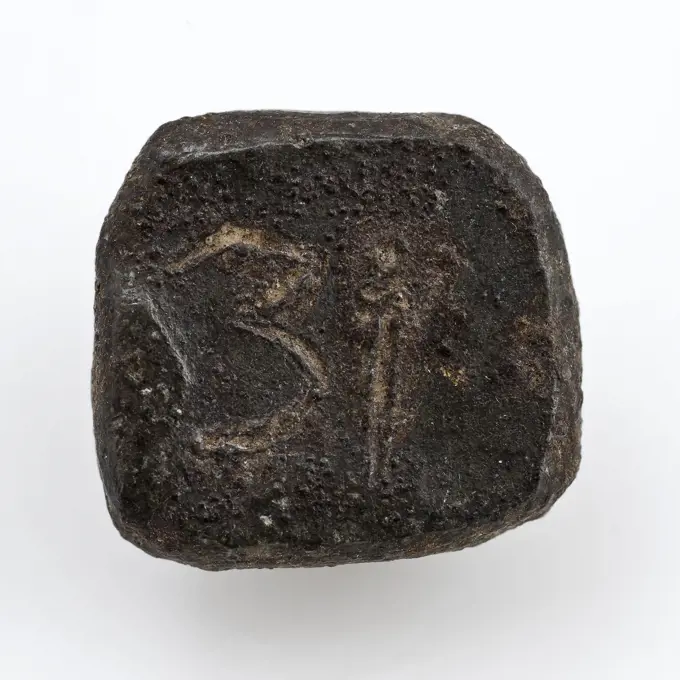
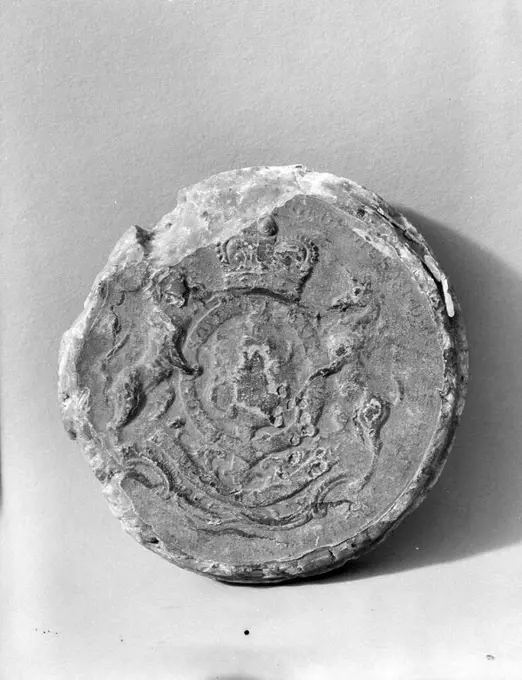
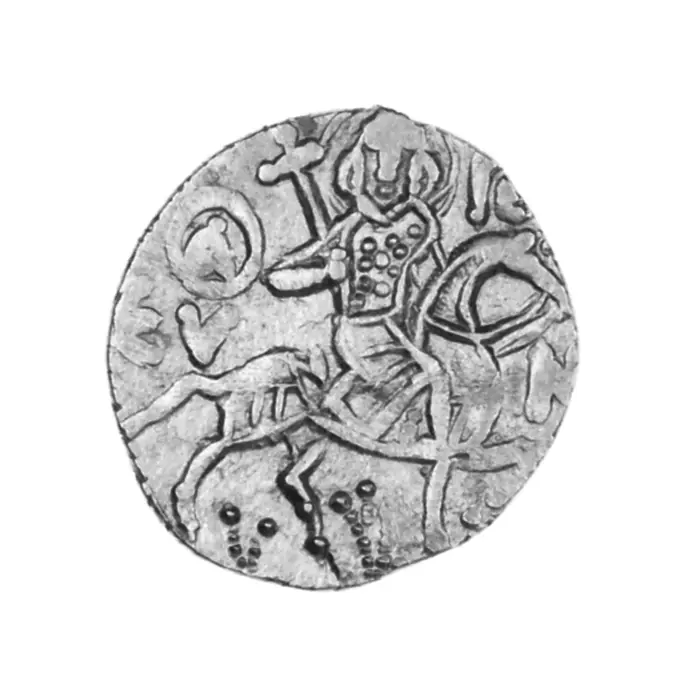
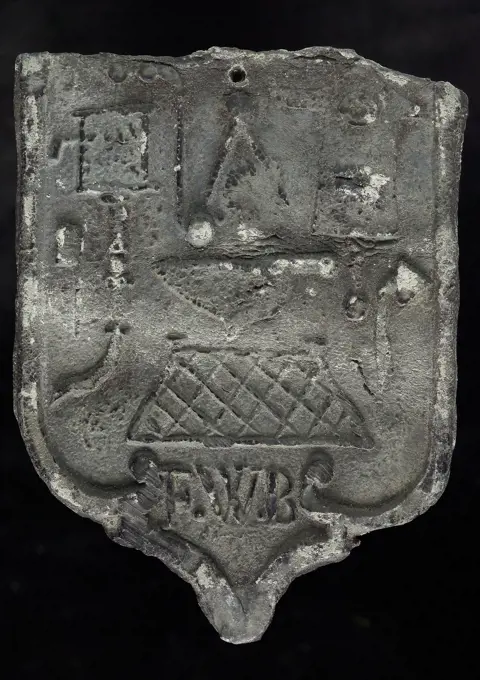
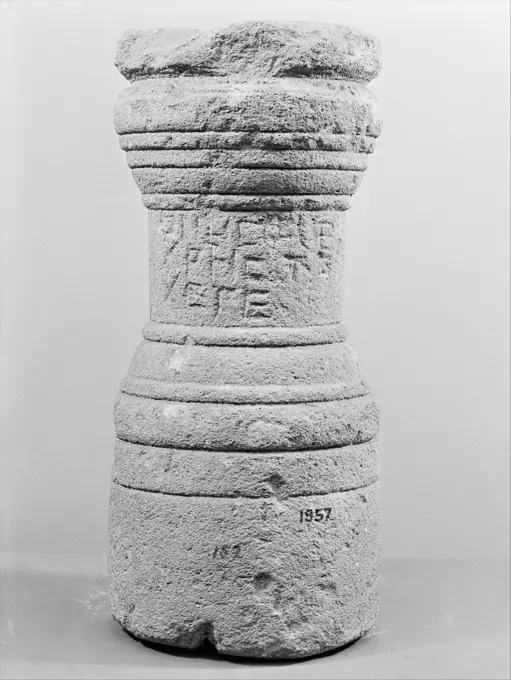
Bell (fragment; inscription: TNERUS)  parish church Assumption of the Blessed Virgin Mary, OłpinaFragment of a limestone crown belonging to a statue of the Great Goddess 2nd half of the 4th century B.C. Cypriot Fragment of large statue, high head-dress with mural crown.. Fragment of a limestone crown belonging to a statue of the Great Goddess 242191Seal Impression with Sphinx. Egypt, New Kingdom - Greco-Roman Period (1500 BCE - 100 CE). Tools and Equipment; seal impressions. Lightly baked clay, yellowish in colorHearing stone with the presentation of a climbing lion flanked by two French lilies, 1564 Hearing stone with representation of a climbing lion to the right (heraldic) flanked by two French lilies and accompanied of the year 1564. Southern Netherlands earthenware vitrification Hearing stone with representation of a climbing lion to the right (heraldic) flanked by two French lilies and accompanied of the year 1564. Southern Netherlands earthenware vitrificationFragment of a Female Head. UnknownBase ragment with name and epithets of the Aten. Dimensions: H. 11.2 × W. 12.5 × D. 9.7 cm (4 7/16 × 4 15/16 × 3 13/16 in.); cartouche: W. 5.7 cm (2 1/4 in.). Dynasty: Dynasty 18. Reign: reign of Akhenaten. Date: ca. 1353-1336 B.C.. Museum: Metropolitan Museum of Art, New York, USA.Sealing ca. 1981-1640 B.C. Middle Kingdom. Sealing 560387Shard. China, Shang dynasty, about 1700-1023 B.C.. Fragments; shards. Wheel-thrown earthenware with carved designsSealing ca. 2030-1640 B.C. Middle Kingdom. Sealing 546538Firepage, glazed. Firepage, glazed, with two climbing lions and the year 1598.Forearm from a bent royal arm crossing the front profile of figure's body and the rear profile of a second figure, arm marked with Aten cartouches, supported by the hand of an Aten ray ca. 1353-1336 B.C. New Kingdom, Amarna Period. Forearm from a bent royal arm crossing the front profile of figure's body and the rear profile of a second figure, arm marked with Aten cartouches, supported by the hand of an Aten ray 561645Sealing ca. 2030-1640 B.C. Middle Kingdom. Sealing 565326Bracelet ca. 8th-7th century B.C. Iran. Bracelet 325634Fragment from a Rim with Vegetal Decoration 9th-10th century. Fragment from a Rim with Vegetal Decoration. 9th-10th century. Earthenware; white slip with polychrome slip decoration under transparent glaze. Excavated in Iran, Nishapur. CeramicsSeal Impression with Honorific Title and Name of a Man. Egypt, probably Late Period (724 - 333 BCE). Tools and Equipment; seal impressions. Blackened clayPendant Plaque 4th-5th century Byzantine. Pendant Plaque 466118Hearing stone with representation of two hovers, anonymous, anonymous, c. 1500 - c. 1600 Highstone with an image of two hurdles. In the middle a flower Liège earthenware Highstone with an image of two hurdles. In the middle a flower Liège earthenwareFunerary Cone of the High Priest Ahmose ca. 1479-1425 B.C. New Kingdom This cone has the impression of a stamp seal inscribed for a man named Ahmose who was high priest of Amun in the mortuary temple of Thutmose III and owned Theban tomb 121. For other examples of this type of cone see 15.10.9; 30.6.126; 31.3.169. For a drawing of this impression see http://www.funerarycones.com/, number 297. Ahmose also had a second second type of stamped cone - see 15.10.8; 35.3.331, 35.3.332 (http://www.funerarycones.com/, number 300).. Funerary Cone of the High Priest Ahmose Funerary Cone of the High Priest Ahmose ca. 1479-1425 B.C. New Kingdom This cone has the impression of a stamp seal inscribed for a man named Ahmose who was high priest of Amun in the mortuary temple of Thutmose III and owned Theban tomb 121. For other examples of this type of cone see 15.10.9; 30.6.126; 31.3.169. For a drawing of this impression see http://www.funerarycones.com/, number 297. Ahmose also had a second second typFunerary Cone ca. 1550-1295 B.C. New Kingdom. Funerary Cone. ca. 1550-1295 B.C.. Pottery. New Kingdom. From Egypt, Upper Egypt, Thebes. Dynasty 18Sealing ca. 2030-1640 B.C. Middle Kingdom. Sealing. ca. 2030-1640 B.C.. Clay (unfired). Middle Kingdom. From Egypt, Memphite Region, Lisht South, Pyramid complex of Senwosret I, north temple gateway, MMA excavations, 1913-14. Dynasty 12-13Shabtis of Meroitic Nubian King. Taharqa. 7th cent. B.C.Sealing ca. 2030-1640 B.C. Middle Kingdom. Sealing 546542Plume 9th-11th century Lambayeque (Sicán). Plume 309434Fragment of a Bowl 14th-15th century. Fragment of a Bowl 445557Fragment 9th century. Fragment 450339Votive Plaque 10th-16th century Tibet or Central Asia(). Votive Plaque 40045Document Sealing With the Throne Name of Amenhotep III ca. 1390-1353 B.C. New Kingdom. Document Sealing With the Throne Name of Amenhotep III. ca. 1390-1353 B.C.. Mud. New Kingdom. From Egypt, Upper Egypt, Thebes, Malqata, Southern rubbish mounds, MMA excavations, 1910-12. Dynasty 18Funerary cone of Ahmose ca. 1479-1425 B.C. New Kingdom See 15.10.8. Funerary cone of Ahmose. ca. 1479-1425 B.C.. Pottery. New Kingdom. From Egypt, Upper Egypt, Thebes, Sheikh Abd el-Qurna, Tomb of Ahmose (TT 121), MMA excavations, 1930-31. Dynasty 18Seal Impression with Cartouche of Amasis. Egypt, Late Period, 26th Dynasty, reign of Ahmose II (Amasis) (569 - 526 BCE). Tools and Equipment; seal impressions. Baked clayDocument Sealing ca. 1390-1353 B.C. New Kingdom. Document Sealing. ca. 1390-1353 B.C.. Mud. New Kingdom. From Egypt, Upper Egypt, Thebes, Malqata, King's Palace, West magazine, MMA excavations, 1910-12. Dynasty 18Magical Figure ca. 1802-1550 B.C. Late Middle Kingdom-Second Intermediate Period These tablets of unfired clay with attached crude faces were found as a group by the Museum's excavators at Lisht South in loose surface sand west of the mastaba of Senwosretankh, a high official and possibly the architect of the pyramid complex of Senwosret I (ca. 1961-1917 B. C.), east of which he erected his own very elaborate mastaba tomb (see acc. nos. 33.1.2 and other pieces). The mud figures and little coffin (acc. no. 33.1.66) that had contained some of them must have been buried, however, considerably later than the early twelfth dynasty tomb close to which they were found. In fact, during the thirteenth and following dynasties people deposited a number of objects in the by then sacred area around a legendary ruler's pyramid and its dependant monuments, believing conceivably that potent magical powers could thus be released. These flat mud figures, for instance, are inscribed in now much-faded redWater Jar (habb). Iraq, 12th century. Ceramics. Earthenware, molded, applied, and incised decorationFragment figurki kobiety na łożu. unknown, authorFemale Head. UnknownVessel with a hieratic inscription;  around 2686- 2181 BC ; Old PABowl ca. 1000-700 B.C. Iran. Bowl 324170Hearing stone with winged deer, Anonymous, 1603 Highstone with windows with winged deer. On the stone: "1603". Southern Netherlands earthenware Highstone with windows with winged deer. On the stone: "1603". Southern Netherlands earthenwareAmphora stopper with a dog and a goose inspired by the Aesop's fables from Antinopolis (Sheikh-'Ibada)Fireplace with representation of two winged deer, placed in two windows. Fireplace with representation of two winged deer, placed in two windows. With the year 1606.Double-Sided Engraved Gem with Magical Inscription; Roman Empire; 2nd - 4th century; Brecciated jasper & chalcedony; 7 × 1.5 cm (2 3,4 × 9,16 in.)Cylinder seal ca. 16th-14th century B.C. Mitanni. Cylinder seal 327192Fragment 14th-15th century. Fragment 445601Female Head. UnknownShard: Neck of Vessel with Carnivore ca. 4th-5th century Pakistan. Shard: Neck of Vessel with Carnivore 51103Stamp seal ca. 3rd-7th century A.D. Sasanian. Stamp seal. Sasanian. ca. 3rd-7th century A.D.. Carnelian, brown. Sasanian. IranFunerary Cone of the Guardian of the Treasury Mahu ca. 1550-1295 B.C. New Kingdom This cone has the impression of a stamp seal inscribed for a man named Mahu who was guardian of the treasury. For a drawing of this impression see http://www.funerarycones.com/, number 587.. Funerary Cone of the Guardian of the Treasury Mahu Funerary Cone of the Guardian of the Treasury Mahu ca. 1550-1295 B.C. New Kingdom This cone has the impression of a stamp seal inscribed for a man named Mahu who was guardian of the treasury. For a drawing of this impression see http://www.funerarycones.com/, number 587.. Funerary Cone of the Guardian of the Treasury Mahu. ca. 1550-1295 B.C.. Pottery. New Kingdom. From Egypt, Upper Egypt, Thebes. Dynasty 18Magical Figure ca. 1802-1550 B.C. Late Middle Kingdom-Second Intermediate Period These tablets of unfired clay with attached crude faces were found as a group by the Museum's excavators at Lisht South in loose surface sand west of the mastaba of Senwosretankh, a high official and possibly the architect of the pyramid complex of Senwosret I (ca. 1961-1917 B. C.), east of which he erected his own very elaborate mastaba tomb (see acc. nos. 33.1.2 and other pieces). The mud figures and little coffin (acc. no. 33.1.66) that had contained some of them must have been buried, however, considerably later than the early twelfth dynasty tomb close to which they were found. In fact, during the thirteenth and following dynasties people deposited a number of objects in the by then sacred area around a legendary ruler's pyramid and its dependant monuments, believing conceivably that potent magical powers could thus be released. These flat mud figures, for instance, are inscribed in now much-faded redEye idol. Dimensions: 2 7/8 x 2 x 1/4 in. (7.3 x 5.2 x 0.7 cm). Date: ca. 3700-3500 B.C..This type of figurine known as an eye idol, made of stone and having incised eyes, has been excavated at Tell Brak, where thousands were found in a building now called the Eye Temple. They were probably dedicated there as offerings. Many are incised with multiple sets of eyes, others with jewelry, and still others with representations of "children"--smaller eyes and body carved on the body of the larger idol. Wide eyes demonstrate attentiveness to the gods in much of Mesopotamian art. Museum: Metropolitan Museum of Art, New York, USA.Funerary Cone of the Steward Padihorresnet ca. 688-525 B.C. Saite Period This cone has the impression of a stamp seal inscribed for a man named Padihorresnet who was steward of the divine adoratress. His father was overseer of the chamberlains of the divine adoratress Akhetamunru. Funerary Cone of the Steward Padihorresnet. ca. 688-525 B.C.. Pottery. Saite Period. From Egypt, Upper Egypt, Thebes, el-Khokha, Tomb MMA 832 (H 3), Forecourt, MMA excavations, 1915. Dynasty 26Hearing stone with lion's head in profiled diamond, c. 1575 - c. 1625 Hearing stone with a representation of Leeuwenkop in Lauwerkrans, placed in profiled diamond, which motif repeated itself in the half windows on the sides. The Hale windows at the top and bottom are filled with half medallions with star motif. Southern Netherlands earthenware Hearing stone with a representation of Leeuwenkop in Lauwerkrans, placed in profiled diamond, which motif repeated itself in the half windows on the sides. The Hale windows at the top and bottom are filled with half medallions with star motif. Southern Netherlands earthenwareFireplace with presentation of two climbing lions, placed in two windows. Fireplace with a show of two climbing lions, placed in two windows and accompanied by the year 1599. The half windows at the top and bottom are filled with diamond-shaped flowers.Vase fragment Roman, Gaul Seated male nude, floral patterns.. Vase fragment. Roman, Gaul. Terracotta. VasesSealing ca. 2030-1640 B.C. Middle Kingdom. Sealing 546531Amulet - a p  VII-i century BC ; Half-period-Ptolemam period (-700-00-00-1-00-00);BES (Mitol.), Society of the Encouragement of Fine Arts (Warsaw - 1860-1940) - collection, Tyszkiewicz, Michał (1828-1897), Tyszkiewicz, Michał (1828-1897) - collections, gift (provenance), plaqueCoin dated A.H. 147/ A.D. 764. Coin 457638Funerary Cone of the Scribe Min ca. 1479-1425 B.C. New Kingdom See 09.185.6. Funerary Cone of the Scribe Min. ca. 1479-1425 B.C.. Pottery. New Kingdom. From Egypt, Upper Egypt, Thebes. Dynasty 18Statuette of Grotesque Priapos. UnknownCoin 8th century. Coin. 8th century. Copper. Excavated in Iran, Nishapur. CoinsPot Fragment 4th-7th century Coptic. Pot Fragment 478726Cuneiform tablet: quittance for a loan in silver. Culture: Old Assyrian Trading Colony. Dimensions: 4.6 x 4.7 x 1.5 cm (1 3/4 x 1 7/8 x 5/8 in.). Date: ca. 20th-19th century B.C..Kültepe, the ancient city of Kanesh, was part of the network of trading settlements established in central Anatolia by merchants from Ashur (in Assyria in northern Mesopotamia) in the early second millennium B.C. Travelling long distances, and often living separately from their families, these merchants traded vast quantities of goods, primarily tin and textiles, for Anatolian copper and other materials. Although the merchants adopted many aspects of local Anatolian life, they brought with them Mesopotamian tools used to record transactions: cuneiform writing, clay tablets and envelopes, and cylinder seals. Using a simplified version of the elaborate cuneiform writing system, merchants tracked loans as well as business deals and disputes, and sent letters to families and business partners back in Ashur. At Küniche plaque, 7th century, Cigarral del aserradero, Museo de los Concilios y la Cultura Visigoda, Church of San Román, Toledo, Castilla-La Mancha, Spain.Disc with sphinxes and winged bulls ca. 10th-9th century B.C. Iran. Disc with sphinxes and winged bulls. Iran. ca. 10th-9th century B.C.. Bronze. Iron Age II. Western IranCeltiberian oil- Lamp decorated with God cernunnos from SPAIN.Bottle with Woven Mat Emblem and Inscription. Guatemala or Honduras, Maya, 600-900 CE. Ceramics. Slip-painted ceramic with post-fire pigmentPolychrome Shabti or funerary figure from the 18th-22nd dynasties of ancient Egypt. Birmingham city art galleryPart of pipe image, pedestal with frame, sculpture visual material soil find ceramic pipe earth, in mold formed baked Pedestal of pipe sculpture. Fragment with long plinth On the left side remains of broken parts. Has probably risen saint image. Possible part of home altar archeology Rotterdam railway tunnel indigenous pottery devotion altar worship religion Soil discovery Rotterdam tracé rail tunnel.Statue wig fragment, inlays missing New Kingdom, Ramesside ca. 1550-1070 B.C. View more. Statue wig fragment, inlays missing. ca. 1550-1070 B.C.. Faience. New Kingdom, Ramesside. From Egypt. Dynasty 18-20Sherd ca. 3rd-7th century A.D. Sasanian. Sherd 322821Fragment of a terracotta architectural tile. Culture: Lydian. Dimensions: Overall: 6 11/16 x 5 13/16in. (17 x 14.8cm). Date: 6th century B.C..Incised lines with egg and dart pattern. Museum: Metropolitan Museum of Art, New York, USA.Fireplace of baked earth with diamond-shaped distribution, with two medallions. Fireplace of baked earth with diamond-shaped distribution, with two medallions.Funerary Cone of the Wab-Priest Tjay ca. 1550-1295 B.C. New Kingdom This cone has the impression of a stamp seal inscribed for a man named Khaemwaset, who was wab-priest of Djeserkare (Amenhotep I). For a drawing of this impression see http://www.funerarycones.com/, number 272.. Funerary Cone of the Wab-Priest Tjay Funerary Cone of the Wab-Priest Tjay ca. 1550-1295 B.C. New Kingdom This cone has the impression of a stamp seal inscribed for a man named Khaemwaset, who was wab-priest of Djeserkare (Amenhotep I). For a drawing of this impression see http://www.funerarycones.com/, number 272.. Funerary Cone of the Wab-Priest Tjay. ca. 1550-1295 B.C.. Pottery. New Kingdom. From Egypt, Upper Egypt, Thebes. Dynasty 18Flat rectangular metal weight or playing stone, marked, weight game ground find lead tin copper metal, cast engraved Square (irregular shape) flat solid metal object. Undefined metal. Possibly weight or playing stone playing disc. Marked on one side with incised number Inscraped: 31 archeology Rotterdam playing railroads Soil discovery: trajectory rail tunnel Rotterdam.Funerary Cone of the Scribe Neta ca. 1390-1213 B.C. New Kingdom. Funerary Cone of the Scribe Neta. ca. 1390-1213 B.C.. Pottery. New Kingdom. From Egypt, Upper Egypt, Thebes, Khokha, Tomb MMA 828 ( 4), courtyard rubbish, MMA excavations, 1915. Dynasty 18-19Seal of the Colony of Virginia. Dimensions: 7/8 x 4 5/8 in. (2.2 x 11.7 cm). Date: 1767-76. Museum: Metropolitan Museum of Art, New York, USA.Girdle ornament China. Girdle ornament 43007Funerary Cone of the Overseer of the Double Treasury Khonsu ca. 1550-1295 B.C. New Kingdom This cone has the impression of a stamp seal inscribed for a man named Khonsu who was overseer of the double treasury. For a drawing of this impression see http://www.funerarycones.com/, number 264.. Funerary Cone of the Overseer of the Double Treasury Khonsu Funerary Cone of the Overseer of the Double Treasury Khonsu ca. 1550-1295 B.C. New Kingdom This cone has the impression of a stamp seal inscribed for a man named Khonsu who was overseer of the double treasury. For a drawing of this impression see http://www.funerarycones.com/, number 264.. Funerary Cone of the Overseer of the Double Treasury Khonsu. ca. 1550-1295 B.C.. Pottery. New Kingdom. From Egypt, Upper Egypt, Thebes. Dynasty 18Head with Melon Coiffure. UnknownHearing stone with image of two climbing lions, Anonymous, 1598 Highstone with image of two climbing lions. With the year 1598. Southern Netherlands earthenware Highstone with image of two climbing lions. With the year 1598. Southern Netherlands earthenwareHearing stone with a representation of a men's and women's head in two profiled windows, anonymous, c. 1550 - c. 1599 Hearing stone with a representation of a men's and women's head and Profil, placed in two profiled windows. The half and quarter windows at the top and bottom are filled with flower decorations in laurel opportunities. Southern Netherlands earthenware Hearing stone with a representation of a men's and women's head and Profil, placed in two profiled windows. The half and quarter windows at the top and bottom are filled with flower decorations in laurel opportunities. Southern Netherlands earthenwareMold with Cartouche of Ramses II. Egypt, New Kingdom, 19th Dynasty, reign of Ramses II (1304 - 1237 BCE). Tools and Equipment; molds. TerracottaFunerary Cone of the Royal Cup-Bearer Suemniut ca. 1479-1400 B.C. New Kingdom This cone has the impression of a stamp seal inscribed for a royal cup-bearer named Suemniut wo was owner of Theban tomb 92. For a drawing of this impression see http://www.funerarycones.com/, number 156.. Funerary Cone of the Royal Cup-Bearer Suemniut Funerary Cone of the Royal Cup-Bearer Suemniut ca. 1479-1400 B.C. New Kingdom This cone has the impression of a stamp seal inscribed for a royal cup-bearer named Suemniut wo was owner of Theban tomb 92. For a drawing of this impression see http://www.funerarycones.com/, number 156.. Funerary Cone of the Royal Cup-Bearer Suemniut. ca. 1479-1400 B.C.. Pottery. New Kingdom. From Egypt, Upper Egypt, Thebes. Dynasty 18Hearing stone with image, anonymous, c. 1400 - c. 1950 Hardstones. "One griphood". Southern Netherlands earthenware Hardstones. "One griphood". Southern Netherlands earthenwareFireplace on which an angel between Arabesken. Fireplace on which an angel between Arabesken.Fragment misy z inskrypcją. warsztat nubijski, factoryBrick Fragment. Iran, 1265-1150 B.C.. Fragments. Baked claySiana Cup Fragment. UnknownCoin dated A.H. 37/ A.D. 98. Coin 457243Ornament Korea. Ornament. Korea. Bronze. Goryeo dynasty (918-1392). MetalworkRoman Calendar.Ptolemaic () Cup; Egypt; 1st century B.C. - 1st century A.D; Steatite; 14.9 cm (5 7,8 in.)Lamp. 16, rue de l'Arbalète, coll. MAGNE. Terracotta. Late Antiquity. Cross Ansée. Paris, Carnavalet museum. Late antique, Ansee cross, lamp, terracottaFragment of an Applique; Rome, Lazio, Italy; 2nd century; Silver; 13.5 × 14.8 × 4 cm (5 5,16 × 5 13,16 × 1 9,16 in.)Door of a cupboard with deep cutting work with weapon whose helmet mark consists of sculpting with rooster and ladder, anonymous, 1500 Door of a cupboard of oak. The door is decorated with deep, partially opened ornament. The crowned visor helmet is presented frontally and has the shape of a sample surrounded by curled thistle leaves. The arms figures have become invisible due to disguising; The helmet sign consists of the selection pole, on which a rooster and a ladder. During the acquisition, the door was part of a largely modern cupboard. (See also inv.no. BK-KOG-605-A and -B). Northern Netherlands (possibly) wood (plant material). oak (wood) Door of a cupboard of oak. The door is decorated with deep, partially opened ornament. The crowned visor helmet is presented frontally and has the shape of a sample surrounded by curled thistle leaves. The arms figures have become invisible due to disguising; The helmet sign consists of the selection pole, on which a rooster and a ladder. DurinUnattributed Trebizond Coin. UnknownPa. German Coffee Pot. Dated: c. 1937. Dimensions: overall: 23.9 x 16.2 cm (9 7/16 x 6 3/8 in.) Original IAD Object: 4 1/2" wide; 7 3/8" long. Medium: black and white photograph. Museum: National Gallery of Art, Washington DC. Author: Charles Von Urban.Oil lamp. unknown, craftsmanFragment of a Feeding Cup ca. 1981-1640 B.C. Middle Kingdom. Fragment of a Feeding Cup 556893FWB, Roof blank, shield-shaped cover plate with initials FWB and guide tool, plummet lead metal, Roof lead shield-shaped cover of the nails with embossed various guide tools and the initials of the plumber F.W.. on picture: F.W.. leaderCylinder Seal. Iran, circa 9th-8th century B.C.. Tools and Equipment; seals. Red marbleLimestone cippus of Demetriane ca. 2nd-3rd century A.D. Roman, Cypriot. Limestone cippus of Demetriane 241934