Historical Fragments

Archaeological fragments reflecting ancient inscriptions and craftsmanship, including limestone and clay items from different periods.

Hearing stone with the presentation of a climbing lion flanked by two French lilies, 1564 Hearing stone with representation of a climbing lion to the right (heraldic) flanked by two French lilies and accompanied of the year 1564. Southern Netherlands earthenware vitrification Hearing stone with representation of a climbing lion to the right (heraldic) flanked by two French lilies and accompanied of the year 1564. Southern Netherlands earthenware vitrification
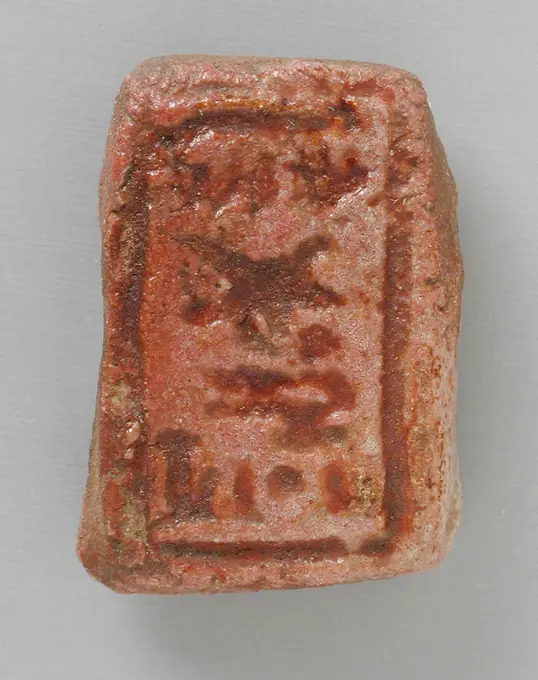
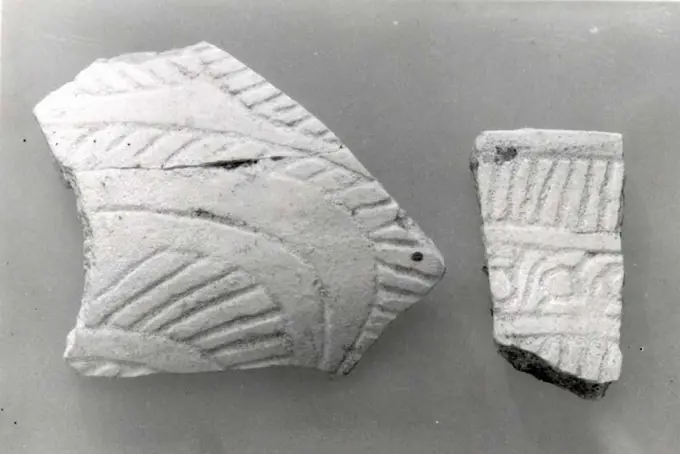
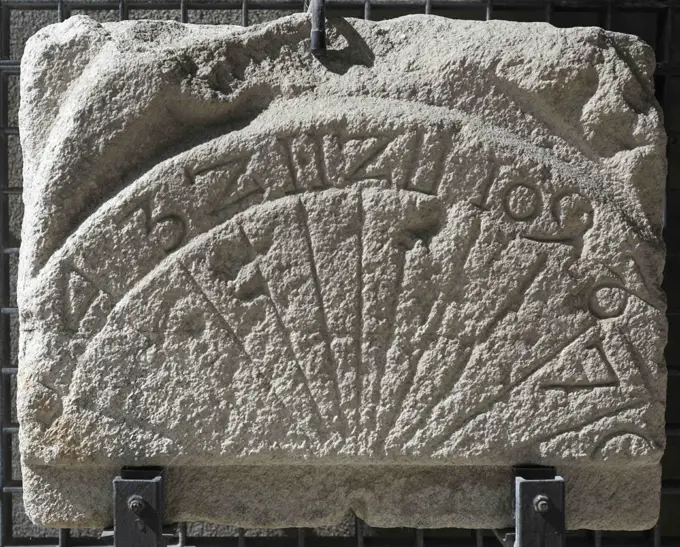
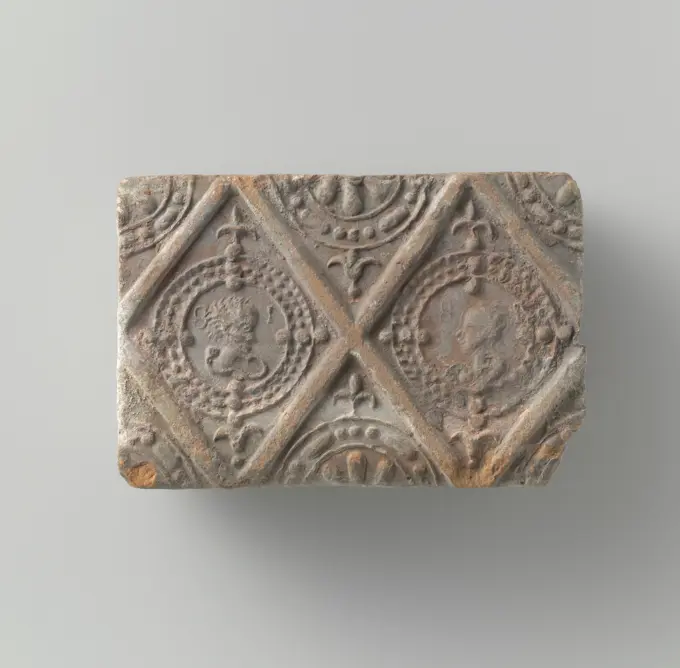
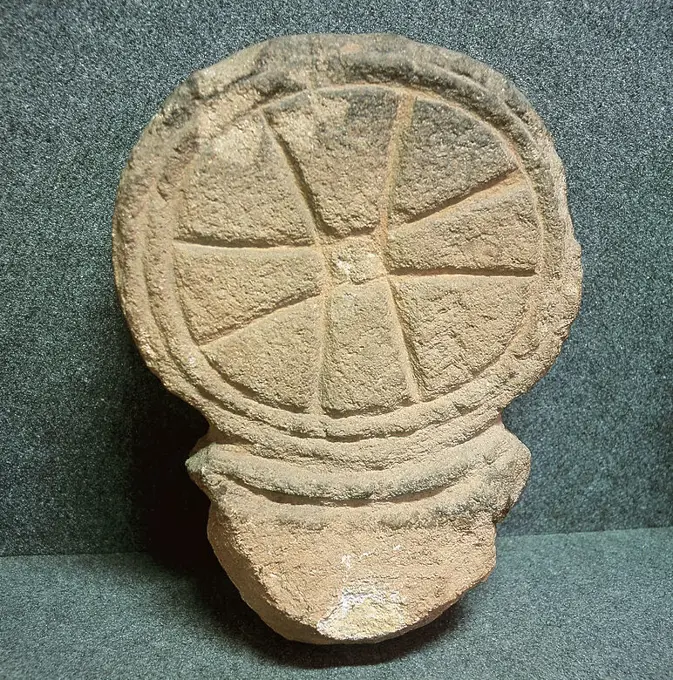
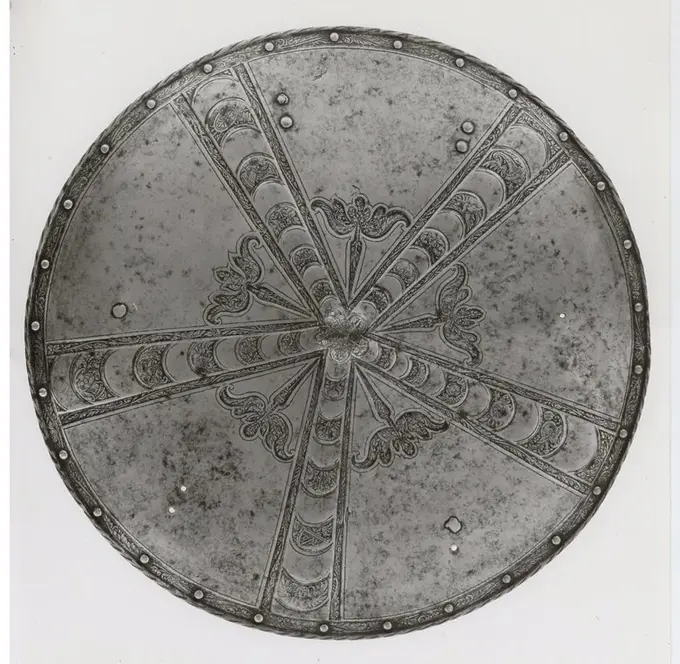
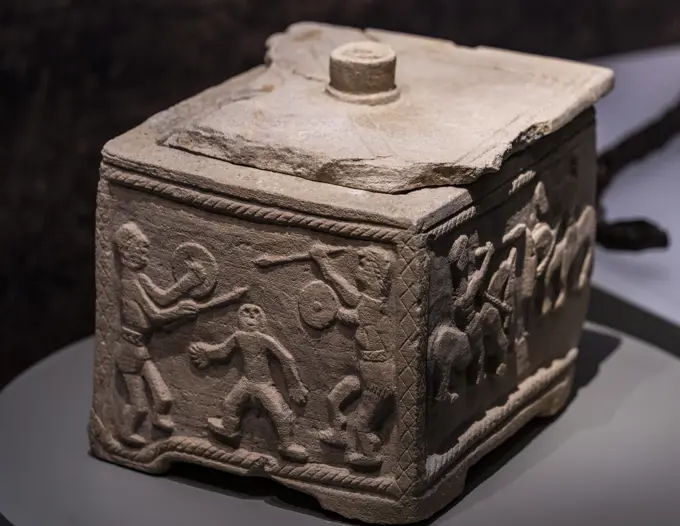
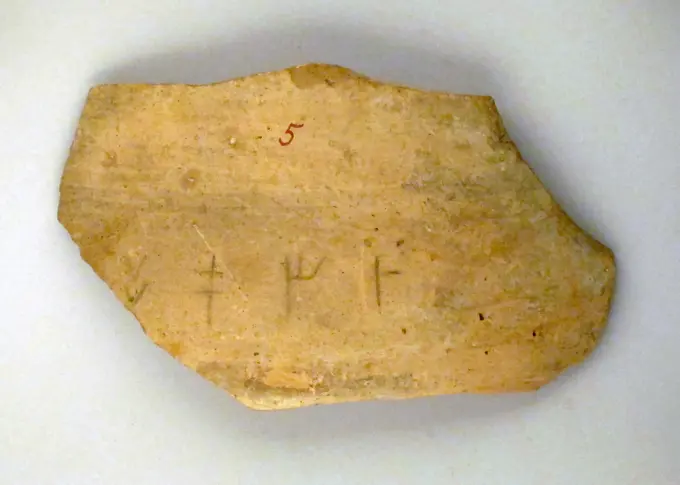
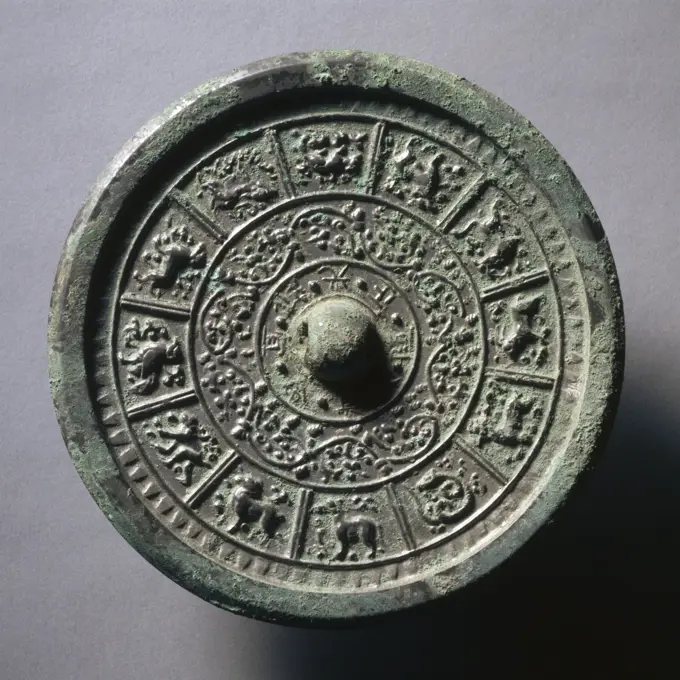
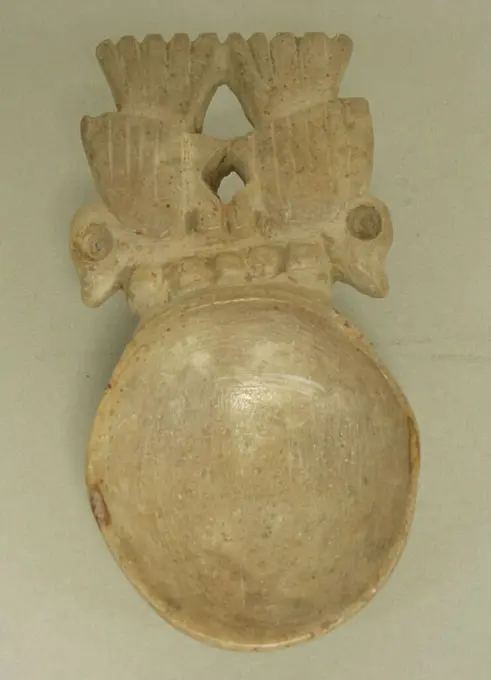
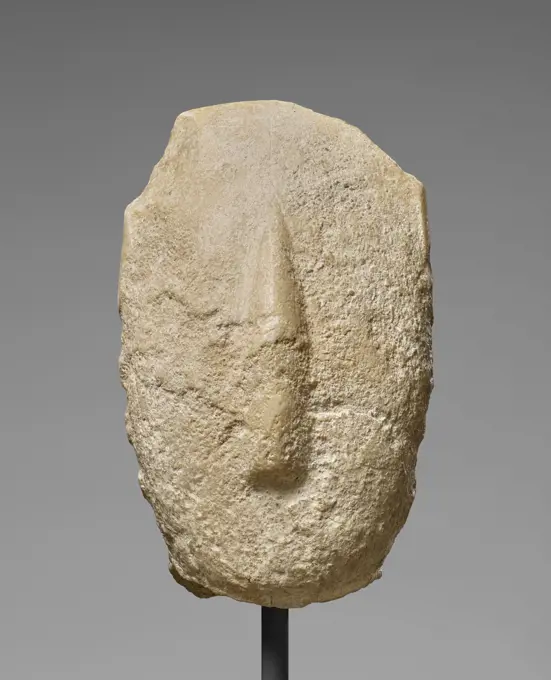
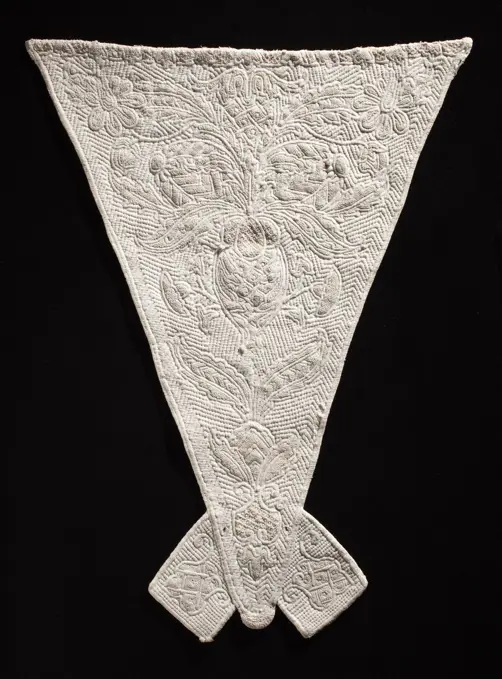
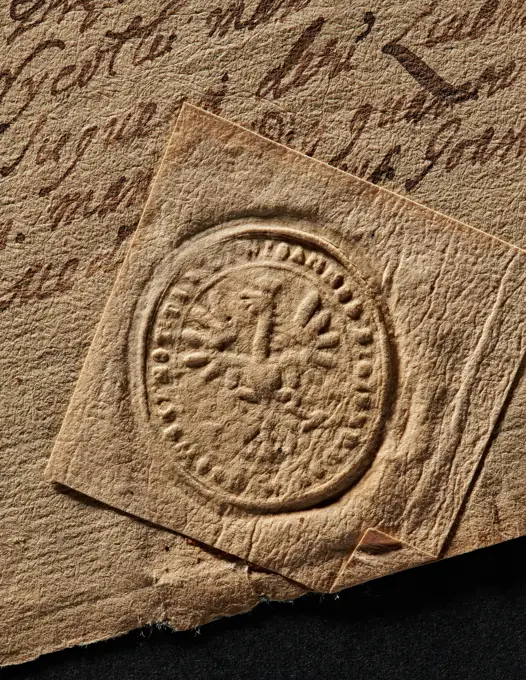
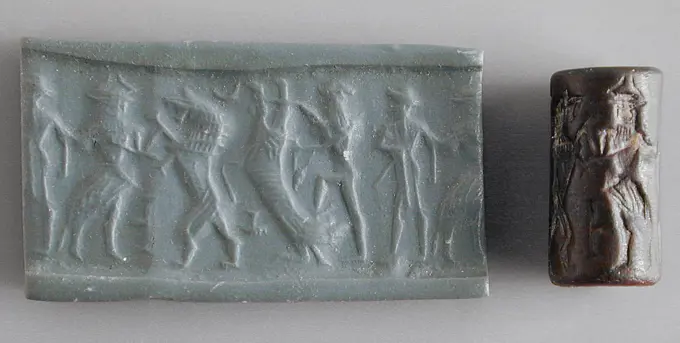
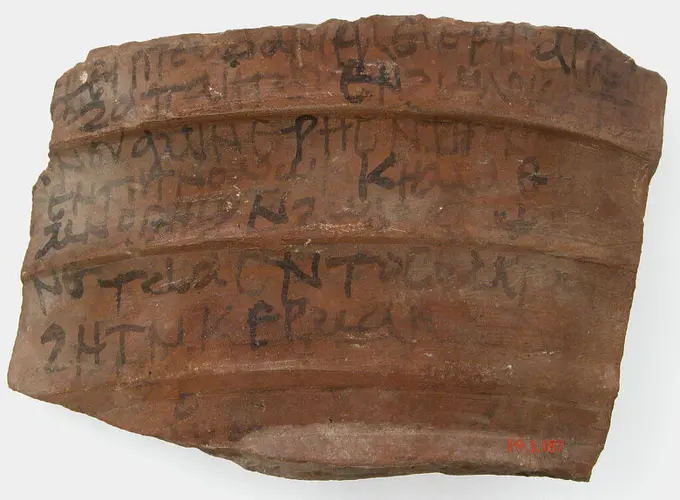
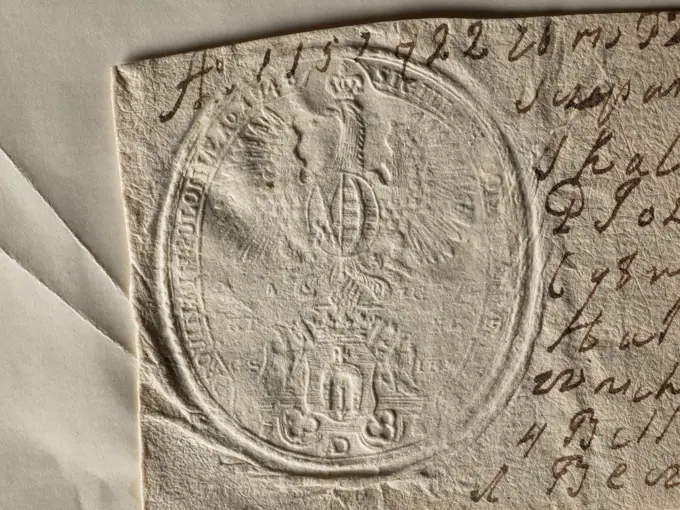
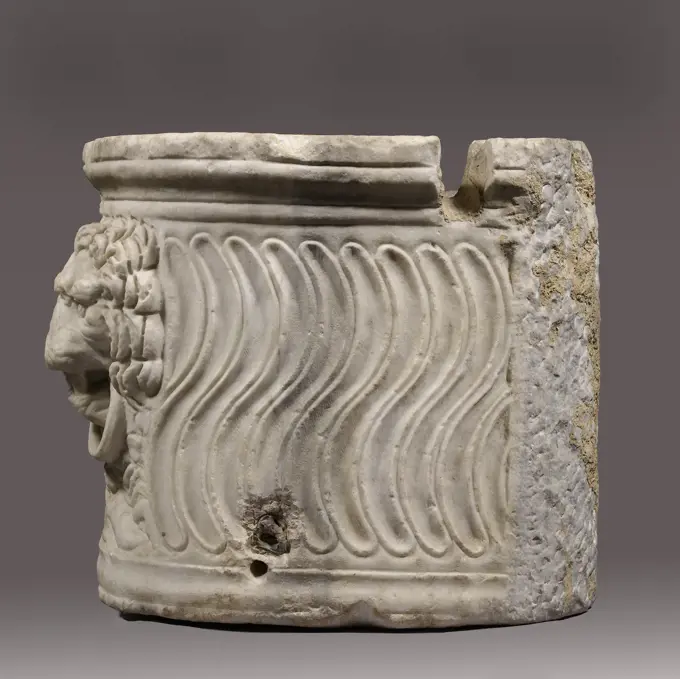
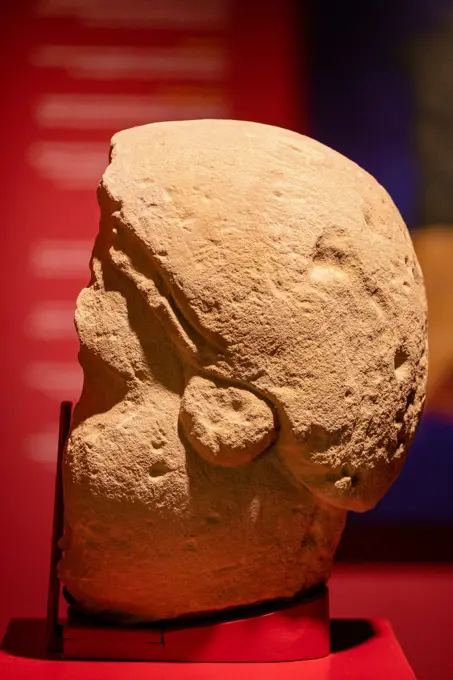
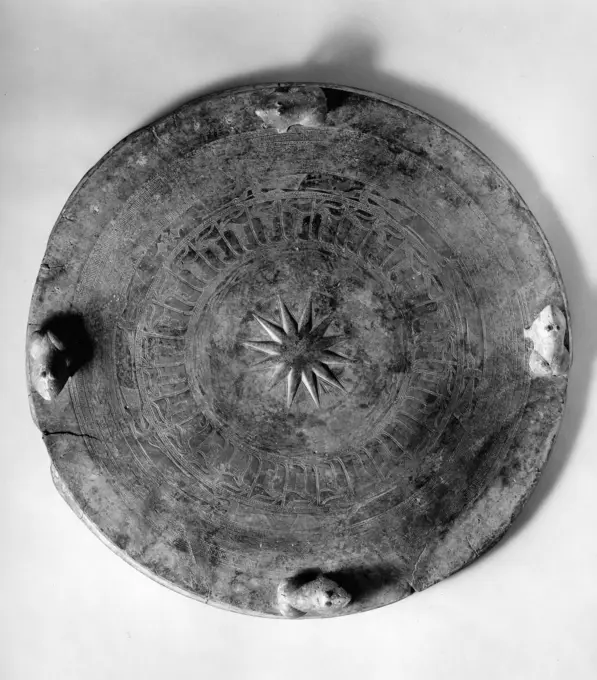
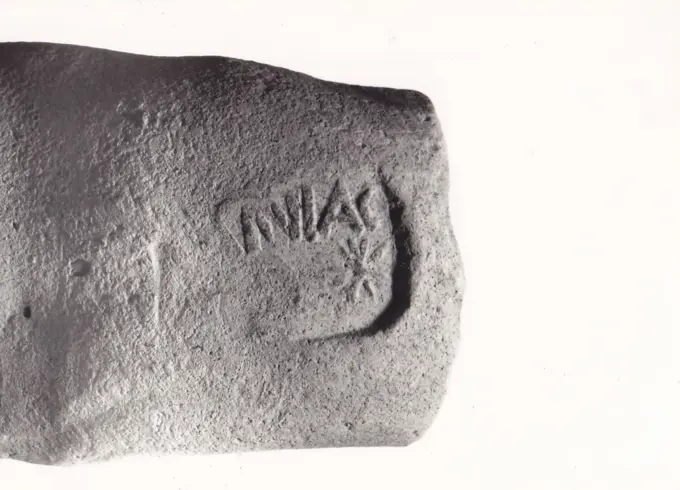
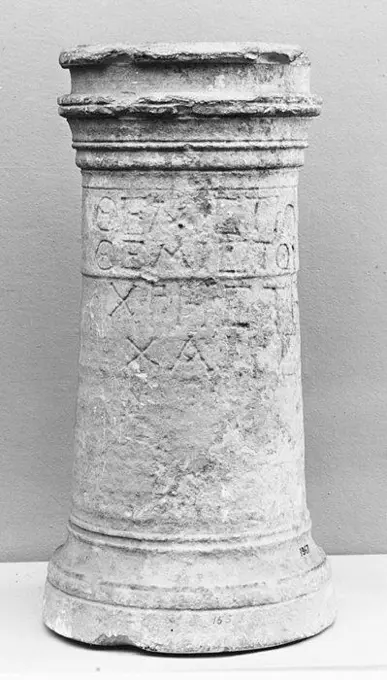
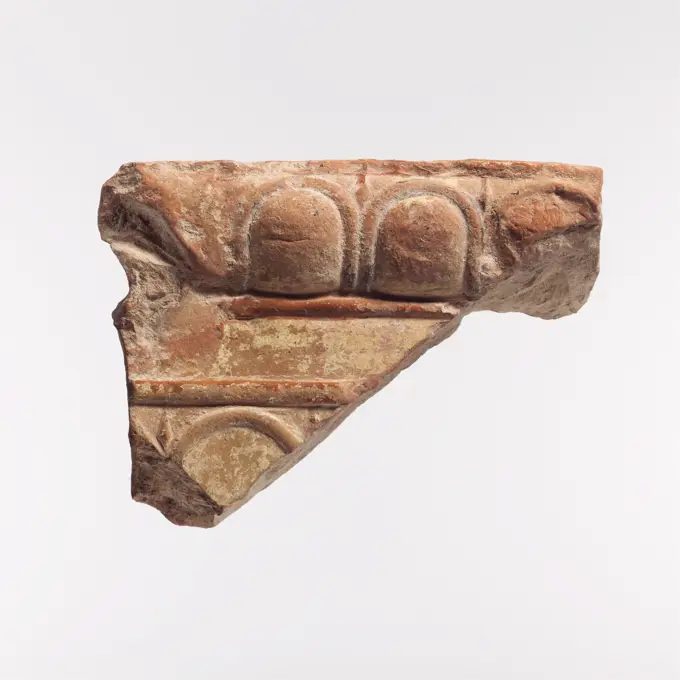
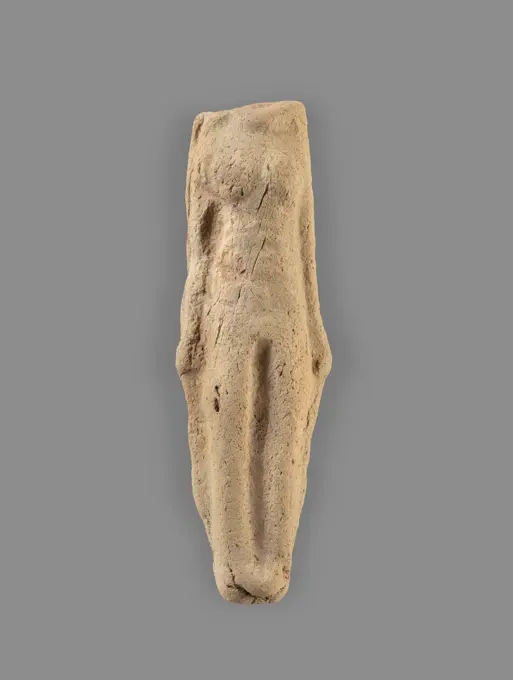
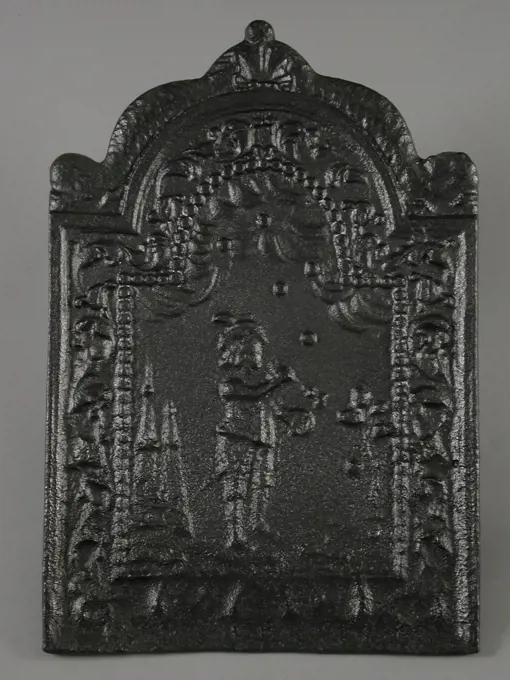
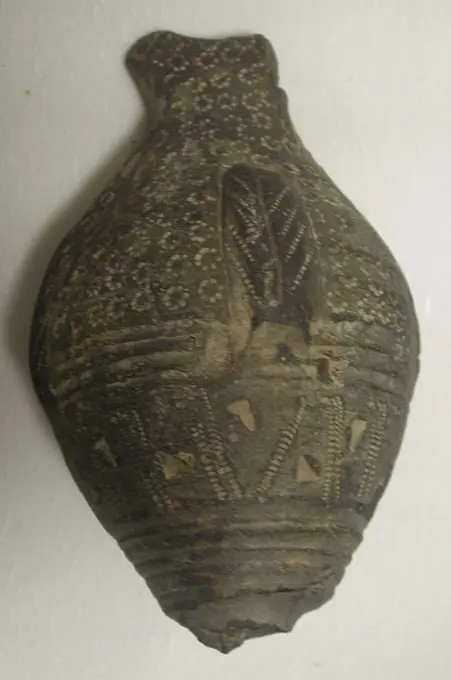
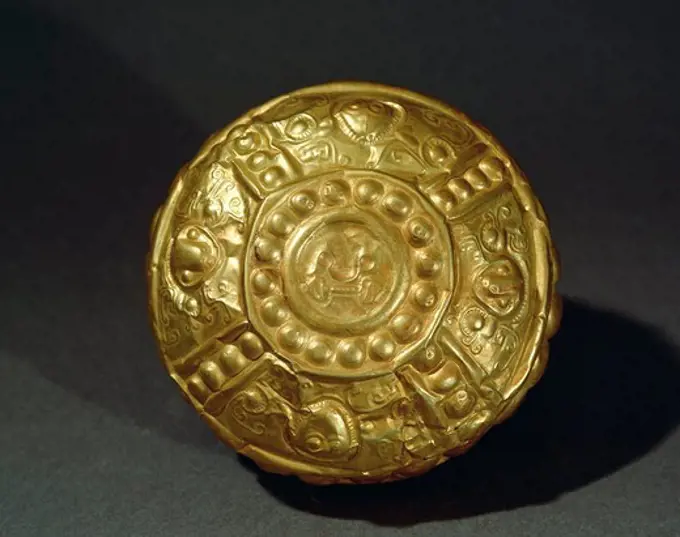
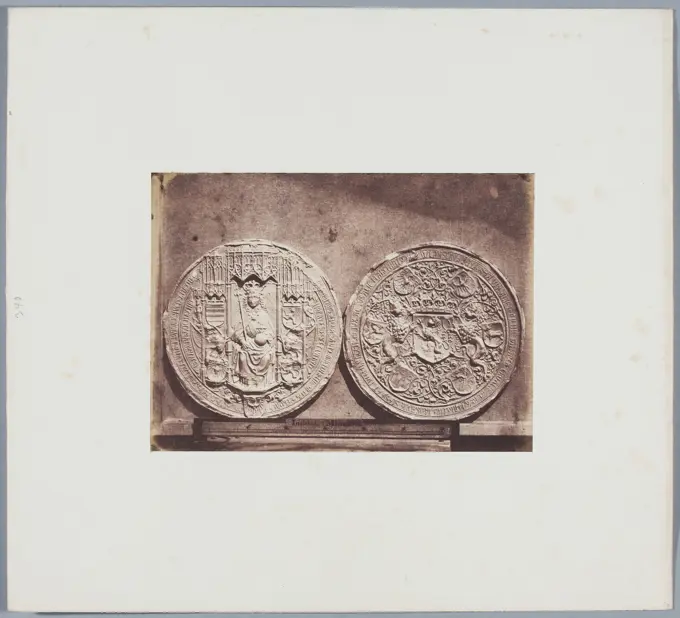
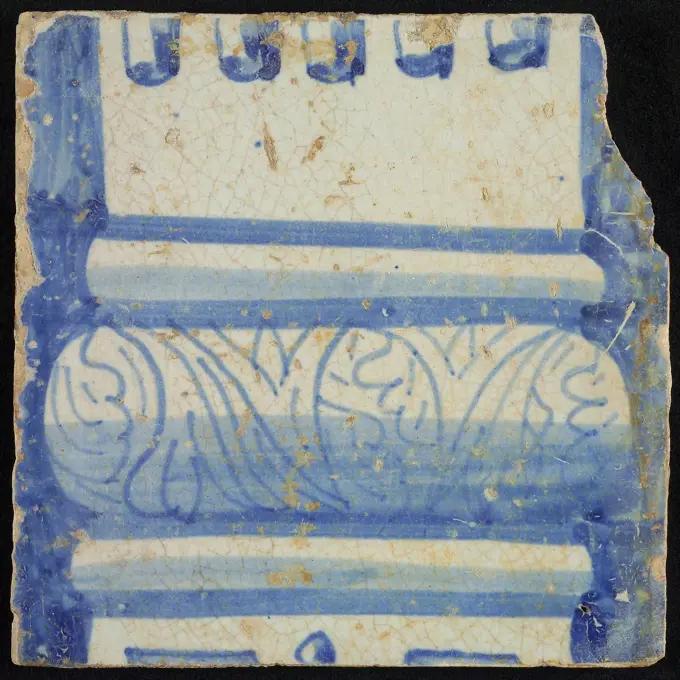
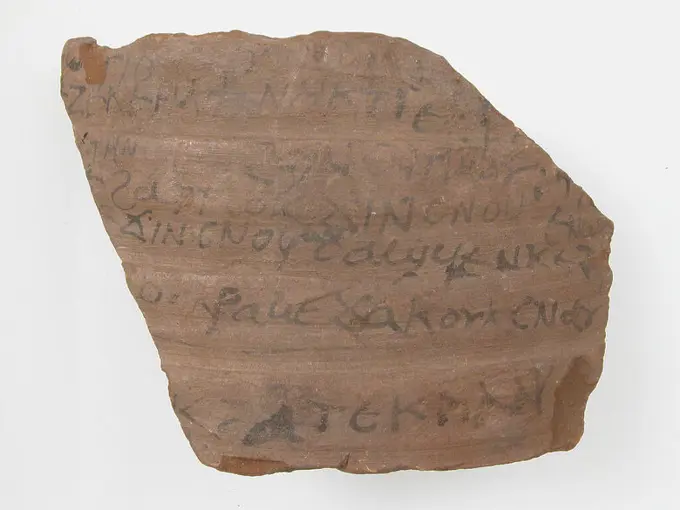
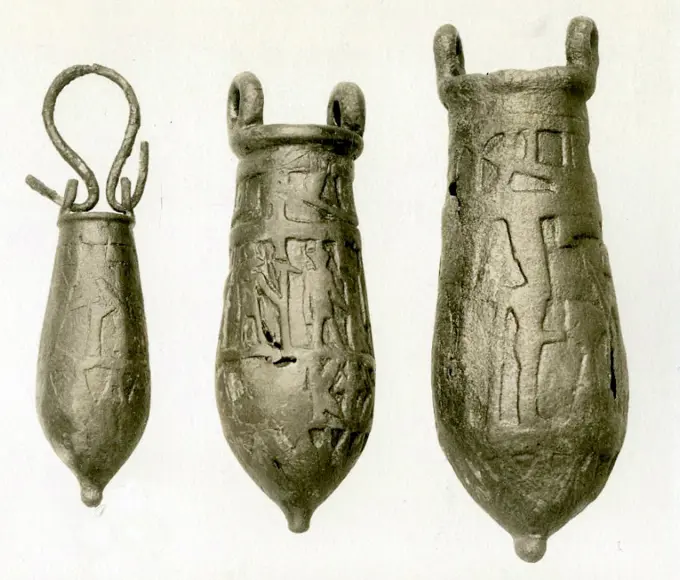
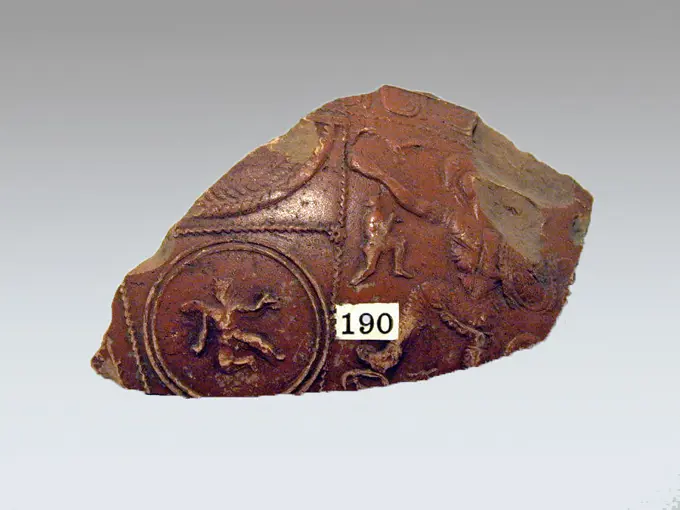
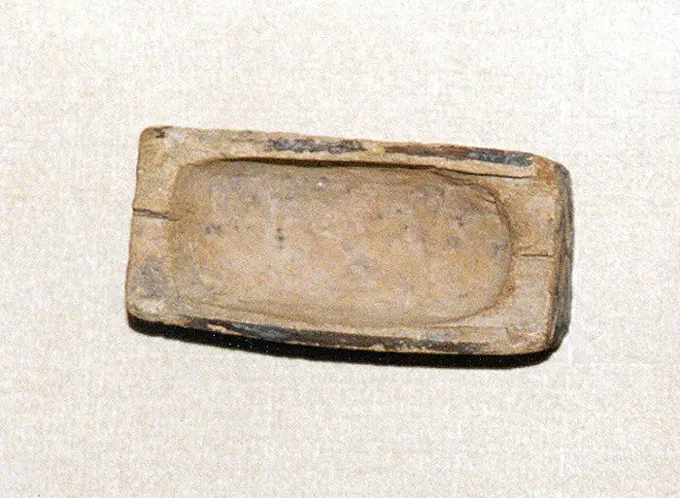
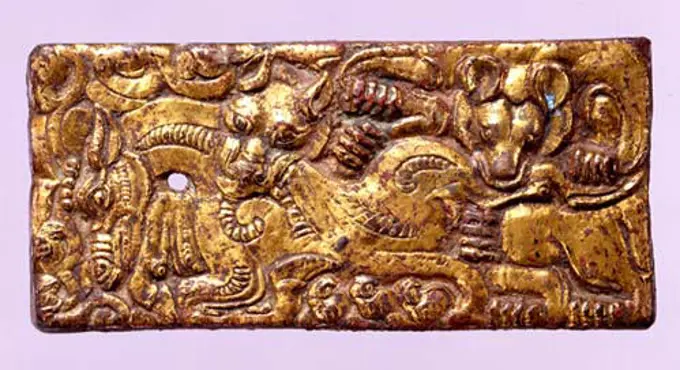
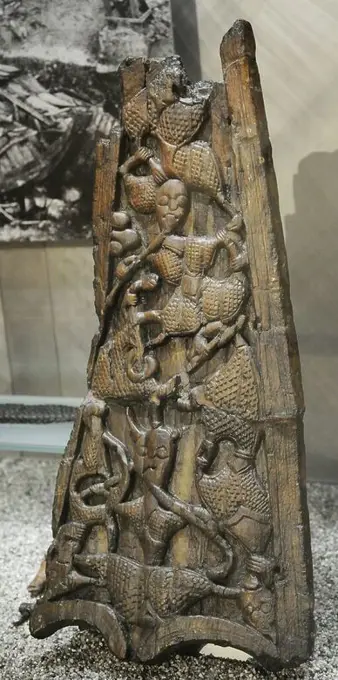
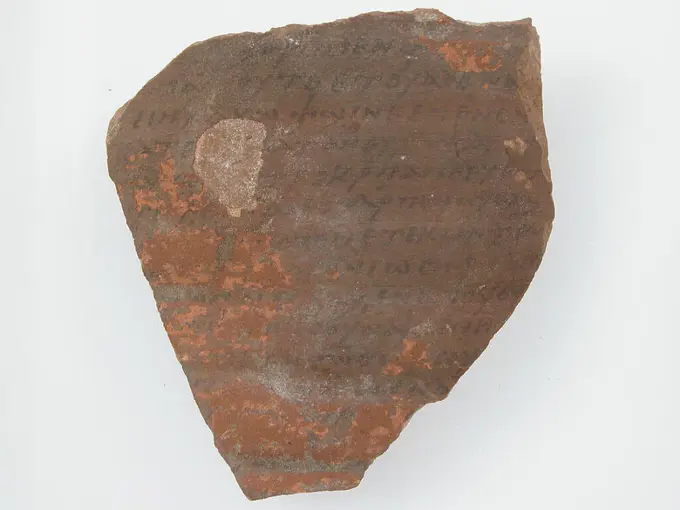
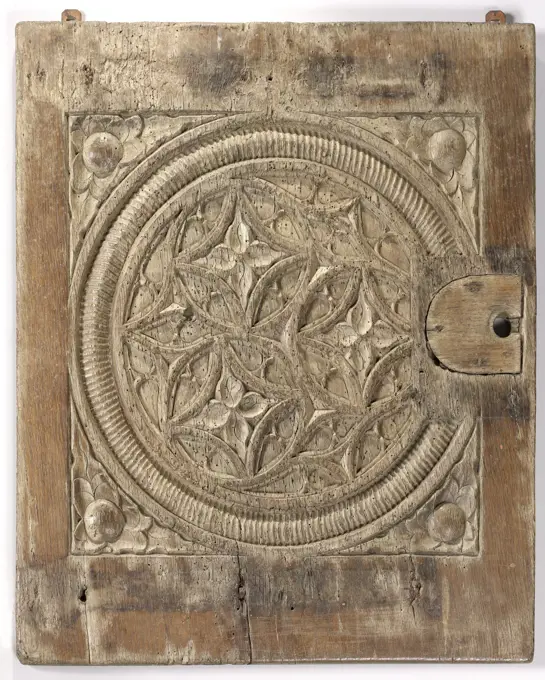
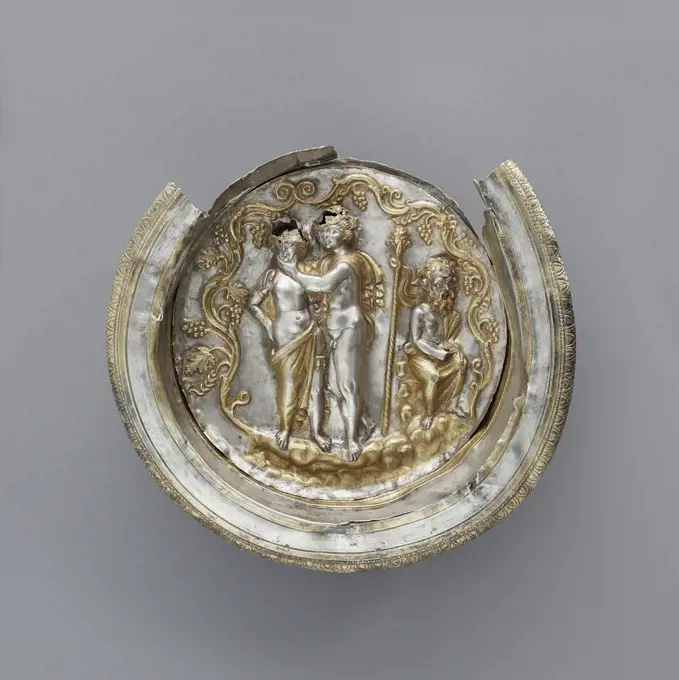
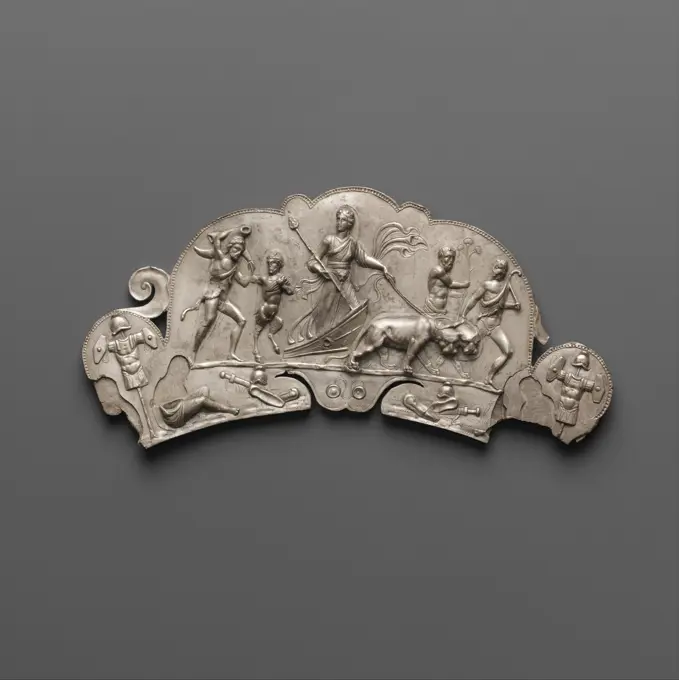
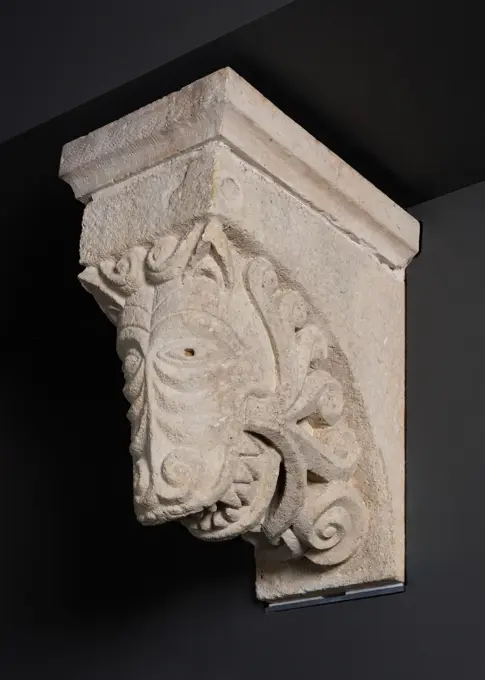
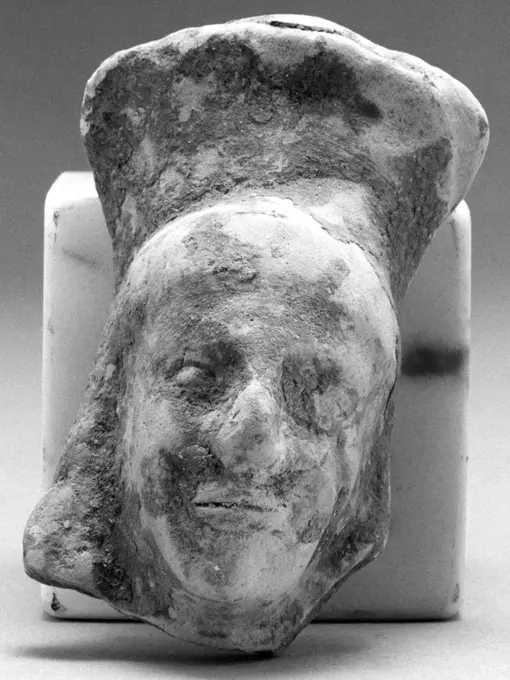
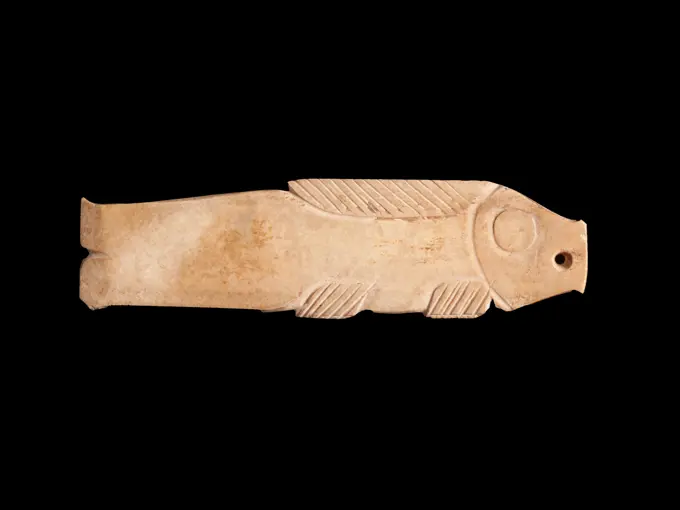
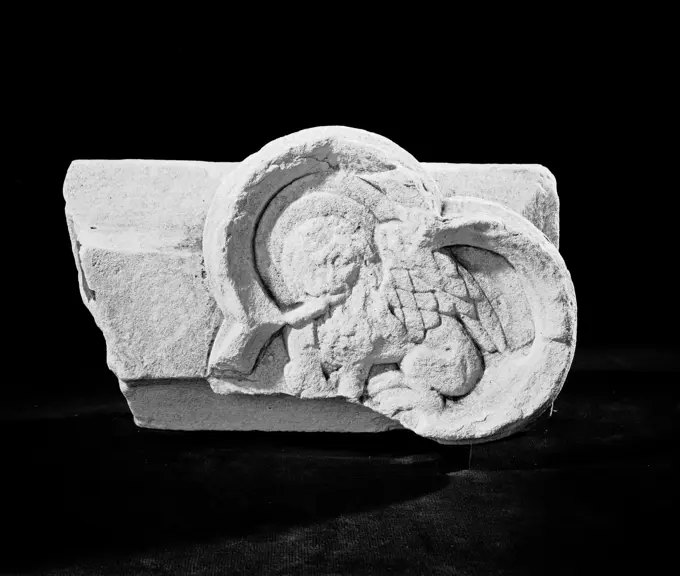
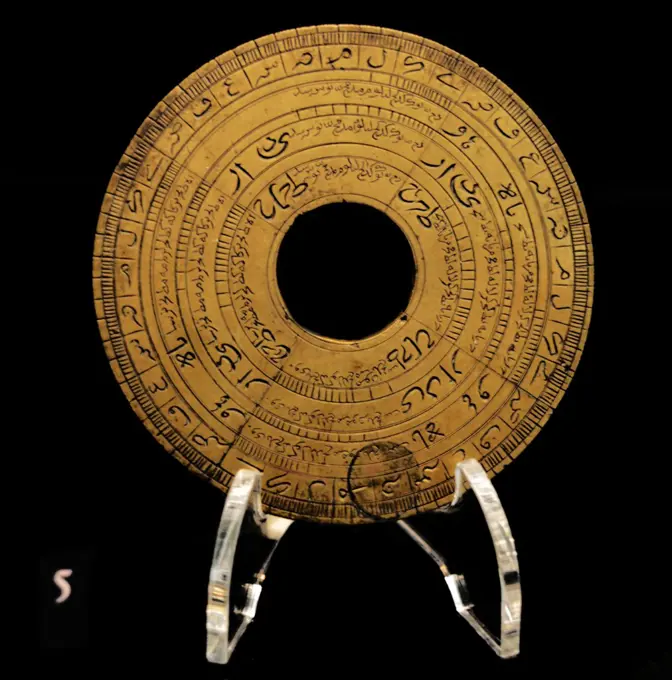
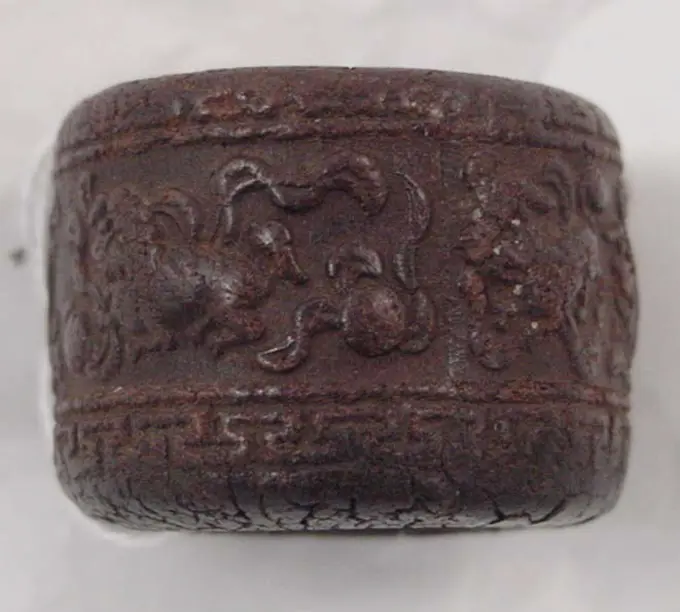
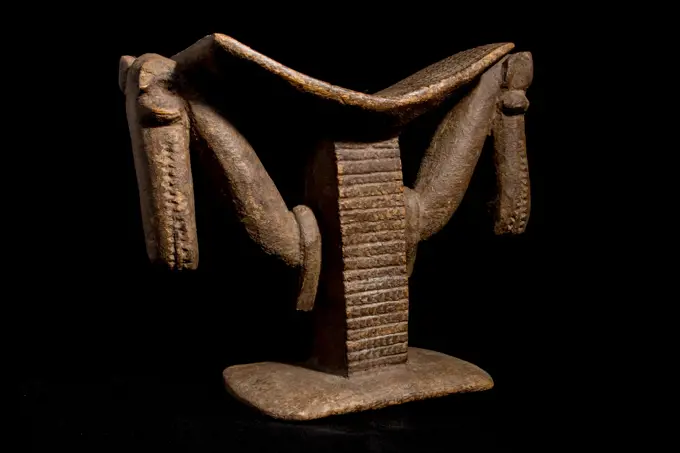
Coin probably 8th century. Coin. probably 8th century. Copper. Excavated in Iran, Nishapur. CoinsHearing stone with two climbing lions in windows, Anonymous, c. 1575 - c. 1625 Glazed fireplace with two climbing lions, placed in two diamonds with bay leaf motif. The half and quarter windows on the top and bottom are filled with a flower pattern. Southern Netherlands earthenware Glazed fireplace with two climbing lions, placed in two diamonds with bay leaf motif. The half and quarter windows on the top and bottom are filled with a flower pattern. Southern Netherlands earthenwareJade hair ornament, Neolithic, Hongshan culture, about 3500 BCReddish Purple Plaque with a Title (). Egypt, New Kingdom - Late Period (1569 - 333 BCE). Sculpture; plaques. FaienceVase with a handle in the form of a human-headed bull protome ca. 8th-7th century B.C. Elamite These are sherds of faience vessels with incised decorations. They were excavated at Surkh Dum, a settlement site in Luristan in the Zagros Mountains of western Iran. They were found in a structure interpreted as a sanctuary and were thus probably offerings to a god. Other faience vessels with similar designs but different shapes have been found at Susa, suggesting that they were made in Elam.. Vase with a handle in the form of a human-headed bull protome. Elamite. ca. 8th-7th century B.C.. Faience. Neo-Elamite. Iran, Luristan, Surkh DumPasadan sundial, 1678. Taboadela (Ourense province, Galicia, Spain). Archaeological and History Museum (San Anton Castle). A Coruna, Galicia, Spain.Stamp, Gabled. Northern Syria or southeast Anatolia, circa 3500 - 3100 B.C.. Tools and Equipment; stamps. Dark brown marbleHorse harness in embossed silver 2nd-1st century BC Celtic from Villa Vecchia Manerbio. Museum: Museo Civico Romano, Brescia, ITALIA.Hearing stone with image, anonymous, c. 1400 - c. 1950 A fireplace with windows and two medallions with a man's and female bust, each with the letters si. Southern Netherlands earthenware A fireplace with windows and two medallions with a man's and female bust, each with the letters si. Southern Netherlands earthenwareARTE CELTA. EDAD DEL HIERRO. ESPAÑA. PUEBLOS CANTABROS. ESTELA CIRCULAR que era utilizada para el CULTO SOLAR. Museo Regional de Prehistoria y Arqueología. SANTANDER. Cantabria.Scarab of Thutmose III ca. 1479-1425 B.C. New Kingdom. Scarab of Thutmose III 554544Targe (Shield). South German; probably Augsburg. Date: 1550-1560. Dimensions: Diam. 53.3 cm (21 in.)Wt. 5 lb. 2 oz. Steel, brass, and iron. Origin: Augsburg. Museum: The Chicago Art Institute, Chicago, USA.Hearthstone, Luiks, from Luik, Liege Belgium, with wide frame, with two-headed kingdom eagle, hearth fireplace part ceramics brick, fired fireplace of the Liege type with broad list showing the two-headed rich eagle between the pillars of Hercules building history heating history HerculesBox of the Warriors Box of the Warriors, archaeological piece from the Iberian period, 1st century BC. C., Piquía necropolis, Arjona, Iberian Museum of Jaén, Andalusia, Spain Copyright: xZoonar.com/BartomeuxBalaguerxRotgerx 21714810Terracotta vase fragment Cypriot Dedicated to the Lady of Paphos.. Terracotta vase fragment. Cypriot. Clay. Cesnola InscriptionsIDOLO LAS PANICIEGAS. Location: MUSEO ARQUEOLOGICO-COLECCION. Oviedo. ASTURIAS. SPAIN.Belt Plate Fragment 4th-7th century Frankish. Belt Plate Fragment 469774Mirror with Interlacing Floral Motifs and Twelve Zodiac Animals, late 500s-early 600s. China, Sui dynasty (581-618). Bronze; diameter: 15.4 cm (6 1/16 in.); overall: 1.4 cm (9/16 in.); rim: 0.5 cm (3/16 in.).Spoon. Culture: Chavin (). Dimensions: Length 3-1/8 in.. Date: 7th-2nd century B.C.. Museum: Metropolitan Museum of Art, New York, USA.Hebilla visigoda, procedente de Sant Marc de Cal Bassacs, Gironella. Museu d'Història de Catalunya.Head from a Female Figure; Goulandris Master (Cycladic, active 2500 - 2400 B.C.); Cyclades, Greece; 2800 - 2200 B.C; Naxian marble; 10.5 × 6.5 × 2 cm (4 1,8 × 2 9,16 × 13,16 in.)Cheek-piece from a horseharnessWoman's Stomacher. The Netherlands, 1740-1750. Costumes; principal attire (upper body). Cotton plain weave with cotton embroidery and cotton corded quiltingCylinder seal ca. 15th century B.C. Mitanni. Cylinder seal 328755Madrid, M.A.N. 56707 Arte Edad Media. Basa del período andalusí. Mármol. s.X. Castillejo de Monteagudo (Murcia). Probable taller cordobés. Decoración de tallos y palmetas.Card Case ca. 1835. Card Case. ca. 1835. Tortoiseshell. Made in ChinaStone calendar, Mexico, Huastec civilizationSpheroconical Vessel 11th-12th century. Spheroconical Vessel. 11th-12th century. Earthenware; stamped, incised, and unglazed. Attributed to Iraq or Syria. Ceramicsseal of Starost of Liwa. starosta liwski (ca 1663), signatoryCylinder Seal. Iran, Mesopotamia or Syria, Old Assyrian period, circa 1920-1700 B.C.. Tools and Equipment; seals. HematiteOstrakon. Culture: Coptic. Dimensions: 3 15/16 x 6 1/8 in. (10 x 15.5 cm). Date: 580-640. Museum: Metropolitan Museum of Art, New York, USA.seal of the customs house in Chełmek. komora celna, signatorySarcophagus representing a Dionysiac Vintage Festival; Roman Empire; 290 - 300; Marble; 53.1 × 190 × 23 cm (20 7,8 × 74 13,16 × 9 1,16 in.)cabeza de soldado, siglo I d. C, Calahorra, Museo de la Romanización, Calahorra, La Rioja , Spain, Europe.Tympanum of a Heger I Kettledrum ca. 500 B.C.-A.D. 300 Vietnam Dongson kettledrums of this type must have been widely traded in antiquity, as many have been found in Indonesia.. Tympanum of a Heger I Kettledrum 37766Fragment imadła amfory ze stemplem. unknown, potter's workshopLimestone cippus of Themistion ca. 1st century A.D. Roman, Cyprus The Greek inscription reads: "Good Themistion, (son) of Themistion, farewell!". Limestone cippus of Themistion 241941Lead figure of a winged goddess, possibly Artemis Orthia. Culture: Greek, Laconian. Dimensions: Height: 1 3/4 in. (4.4 cm). Date: late 7th-6th century B,C..Small flat votive figurines of cast lead have been found in great quantities at the ancient sanctuaries of Laconia; over one hundred thousand, dating from the seventh century B.C. to the Classical period, were dedicated to the goddess Artemis Orthia in Sparta. Museum: Metropolitan Museum of Art, New York, USA.Fragment of a terracotta architectural tile 6th century B.C. Lydian Fragment, egg and dart pattern.. Fragment of a terracotta architectural tile 252640 Lydian, Fragment of a terracotta architectural tile, 6th century B.C., Terracotta, Overall: 8 1/8 x 6 in. (20.6 x 15.2 cm). The Metropolitan Museum of Art, New York. Gift of The American Society for the Excavation of Sardis, 1926 (26.199.70)Ornament: male head ca. 15th-14th century B.C.. Ornament: male head. ca. 15th-14th century B.C.. Glass. Mesopotamia or SyriaTray stand ca. 3rd-7th century A.D. Sasanian. Tray stand 323011Idole de Noceda. Granite. Chalcolithic-Early Bronce Age. Noceda, Leon, Spain. Detail.A figurine of a naked woman;  Hellenistic period (-331-00-00--29-00-00);Zofia Chrapkiewicz-GutkowskaCapital (Study Collection) 2nd-3rd century Pakistan. Capital (Study Collection) 38816Kapitel przyścienny. warsztat nubijski, workshopLead cover, shield-shaped for covering the nails of a lead roof cover. Lead cover, shield-shaped for covering the nails of a lead roof cover. Then shared in low relief, right a half eagle, on the left a pilot and the letters A.I. Coming from the steeple of Hindelopen.Fireback with bagpipe player, flower garlands, fish and shell, hob plate cast iron, cast Rectangular hob with bow In the middle bagpipe player in the distance two pine trees. Around broad border with flower garlands between frame and pearl necklace. On top in the middle shell flanked by two fish residential environment interior heatingStamp with Two-Line Inscription. UnknownSpheroconical Vessel 11th-12th century. Spheroconical Vessel 449925Hooded Female Head. UnknownStone offering vessel, Aztec, AD 1300-1521Belt Plate. Culture: Frankish. Dimensions: Overall: 3 1/8 x 1 3/4 x 3/16 in. (8 x 4.5 x 0.5 cm). Date: 4th-7th century. Museum: Metropolitan Museum of Art, New York, USA.Embossed gold artifact from Manabi, 5th-15th century A.D.Two abundant () Planchers from the Minutes Institut, Liegnitz Minutes; Belitski, Ludwig (1830-1902); 1854- (1854-00-00-1854-00-00);Legnica (Dolnośląskie Voivodeship), minutes of Institut (Legnica), plaque, artistic craftsmanship, Middle AgesTile of chimney pilaster, blue on white, part of column with cannelure and basement with floral decoration, chimney pilaster tile pilaster footage fragment ceramics earthenware glaze, baked 2x glazed painted Tile part of chimney pilaster originally twelve high Yellow shard square two nail holes 1914 construction town hall Zandstraat-quarters Second World War war bombardment Rotterdam Stadscentrum Triangle 1940 renaissance Coming from debris after bombing on Rotterdam in May 1940.Vase fragment 1st century B.C.-1st century A.D. Roman Fragment of a vase from a shallow mould, palm leaves in design. Signed by M. Perennius Crescens as owner of the pottery.. Vase fragment. Roman. 1st century B.C.-1st century A.D.. Terracotta. VasesDouble Capital late 13th-early 14th century French. Double Capital 470964Coin dated A.H. 358/ A.D. 969. Coin 457374PIEDRA CON ESPIRAL (BAJAMAR BRENA ALTA). Location: ARCHAEOLOGICAL MUSEUM. SANTA CRUZ DE LA PALMA. LA PALMA. SPAIN.Phaestos Disc, from Minoan Royal Palace at Phaestos, 20th century BC. Artist: UnknownOstrakon. Culture: Coptic. Dimensions: 5 1/8 x 4 1/8 in. (13 x 10.4 cm). Date: 7th century. Museum: Metropolitan Museum of Art, New York, USA.Remnant of a column, decoration, Priene, Turkey, AsiaStamp seal ca. 3rd-7th century A.D. Sasanian. Stamp seal 323226Situla 600 BC-100 AD Late Period - Roman Period See 58.76.5 for a discussion of situlae of this type.. Situla. 600 BC-100 AD. Copper alloy. Late Period - Roman Period. From EgyptFragment of an Inscribed Stele 8th-10th century. Fragment of an Inscribed Stele 456087Vase fragment Roman, Gaul Warrior.. Vase fragment. Roman, Gaul. Terracotta. VasesRectangular wooden cosmetic or amulet box ca. 7th-9th century A.D. Alanic. Rectangular wooden cosmetic or amulet box 327553Cylinder seal early 2nd millennium B.C. Old Assyrian Trading Colony. Cylinder seal. Old Assyrian Trading Colony. early 2nd millennium B.C.. Limonite. Middle Bronze Age-Old Assyrian Trading Colony. AnatoliaBelt Buckle with Animal-Combat Scene 3rd-2nd century B.C. North China. Belt Buckle with Animal-Combat Scene 65282Gallo-Roman columns from the excavations of the Hotel-Dieu, 4th arrondissement, Paris Gallo-Roman columns from the excavations of the H�tel-Dieu, Paris (IVEM ARR.). 1862-1905. Photograph of Pierre Emonds (1831-1912).Geometric Amphora. UnknownOriginal parts of the bow of a Viking ship. Wood. Viking Ship Museum. Oslo. Norway.Ostrakon. Culture: Coptic. Dimensions: 3 15/16 x 4 1/2 in. (10 x 11.5 cm). Date: 580-640. Museum: Metropolitan Museum of Art, New York, USA.Articles BeautyESTELA FUNERARIA MEROVINGIA. Location: MUSEO. Poitiers. France.Door of a cupboard, decorated with a ribbed circle within which blind tracing from circles and leaf ornament, anonymous, 1500 - 1550 Door of a cupboard of oak, decorated with a ribbed circle, within which blind tracing from circles, circles segments and leaf ornament. There are rosettes in the corners. The seizure is missing. Northern Netherlands wood (plant material). oak (wood) Door of a cupboard of oak, decorated with a ribbed circle, within which blind tracing from circles, circles segments and leaf ornament. There are rosettes in the corners. The seizure is missing. Northern Netherlands wood (plant material). oak (wood)Carved handle of a ceremonial knife ca. 3200 B.C. Predynastic, Late Naqada III. Carved handle of a ceremonial knife. ca. 3200 B.C.. Ivory. Predynastic, Late Naqada III. From Egypt; Possibly from Upper Egypt, QauBowl with a Medallion Depicting Dionysos and Ariadne; Asia Minor; about 100 B.C; Silver with gilding; 16.2 × 2.7 cm (6 3,8 × 1 1,16 in.)Fragment 14th century. Fragment. 14th century. Stonepaste; underglaze painted. Attributed to Syria. CeramicsVintage metal key holeSilver handle from a serving dish early 3rd century A.D. Roman The handle depicts the triumphal return of Dionysus from India, an important aspect of the mystery cult, symbolizing triumph over death. The scene occurs frequently on contemporary Roman sarcophagi, but here the procession is shown in the context of Roman trophies, captives, and weapons.. Silver handle from a serving dish 254804 Roman, Silver handle from a serving dish, early 3rd century A.D., Silver, length (preserved)  22.71 cm. The Metropolitan Museum of Art, New York. Rogers Fund, 1954 (54.11.8)Stamp seal ca. mid-4th century A.D. Sasanian. Stamp seal. Sasanian. ca. mid-4th century A.D.. Garnet, almandine. Sasanian. Iran or MesopotamiaDancing paren, bell 12, c. 1750 - c. 1850    wood (plant material)Corbel with Animal Mask Sprouting Leaves from the Monastery Church of Notre-Dame-de-la-Grande-Sauve Made 1150-1200 . Limestone .Female Head. UnknownSmall amulet fish. Jade. Shang dynasty (1765-1122 BC), China. Paris, Cernuschi museum. 101270-17 Asian art, Chinese art, art of extreme orient, Shang dynasty, Yin dynasty, Shang time, iieme II 2nd 2 millennial, jade, fishThe coat of arms of the Kuyavian Voivodeship  Bladachim, tomb of King Władysław Łokietek, Wawel Cathedral, KrakowAnonymous. End of cross arms decorated with the winged lion of Saint Marc, excavations of the Hôtel-Dieu (Cat. 50). Rock. Paris, Carnavalet museum. 51822-7 Archeology Medievale, Cross arm, cat. 50, extremite, excavations, hotel-dieu, lion wing, medium-aged, orna, stone, saint marcArdennes, Sedan, France, EuropeChisel China. Chisel 42774Persian Instruments. Astronomical Instruments with Qibla Indicator and Pin -Qibla Sundial. Unsigned, Persian, 1866.Pendant: Ram's Head; Italy; 500 - 400 B.C; Amber; 18 × 15 × 21 mm (11,16 × 9,16 × 13,16 in.)Ring probably 19th century Chinese This collection of largely ethnographic jewelry includes examples from cultures in South America, North America, Europe, Asia, and Africa and dates from the Pre-Columbian period to the twentieth century. Owned by renowned art collector and fashion enthusiast Muriel Kallis Newman, the collection represents her knowledge and appreciation of a wide range of jewelry design and making traditions. Numerous items in her collection are composite artifacts made from various cultures and time periods reappropriated as modern jewelry creations by or for Muriel. It is important to note that Newman wore many of the pieces in the collection, interpreting them to suit and express her own singular, often avant-garde style.. Ring 141638Pie de relicario, siglo XIV. Catedral de Tortosa, Tarragona.Corbel ca. 1130-40 Catalan. Corbel 470793Badge with Purse of Henry VI 15th century British. Badge with Purse of Henry VI 474376Sandstone Offering Table 1st Century A.D.Decorated objects, Giorgio Sommer, 1874 - in or before 1879 photograph This photo is part of an album. Naples photographic support albumen print military clothing and other equipment (uniforms, cap, armour, helmet, etc.)Coin A.H. 596-616/ A.D. 1199-1219. Coin 457386Africa, Mali, tribal art, zoomorphic headrest