Historical Fragments and Artifacts

A collection of ancient fragments and artifacts, including decorative pottery, scarabs, and inscriptions, reflecting diverse historical cultures.
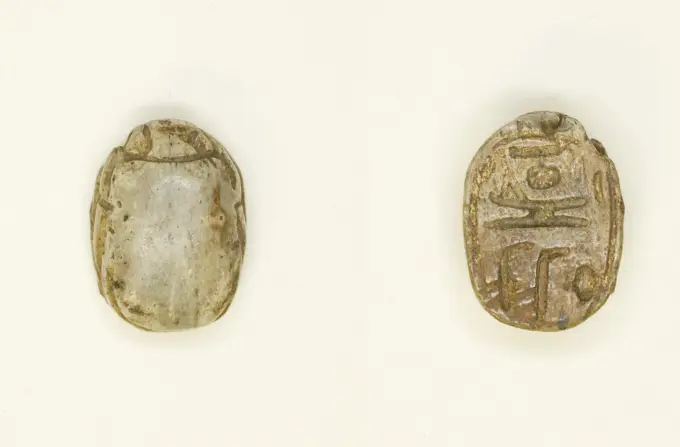
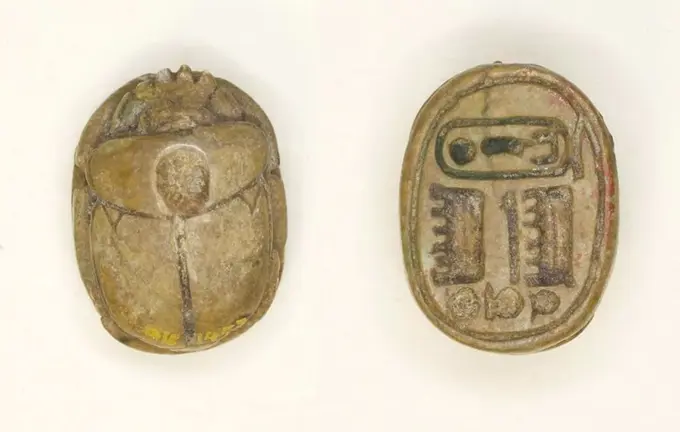
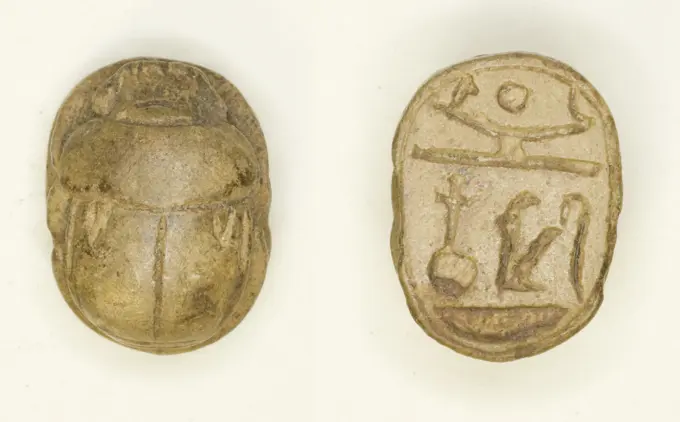
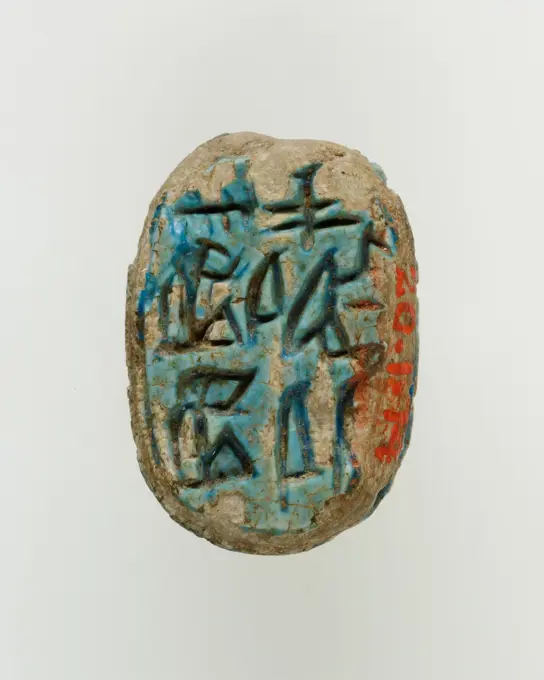
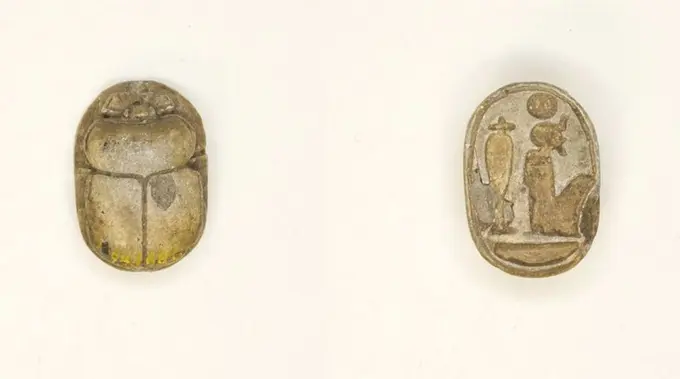
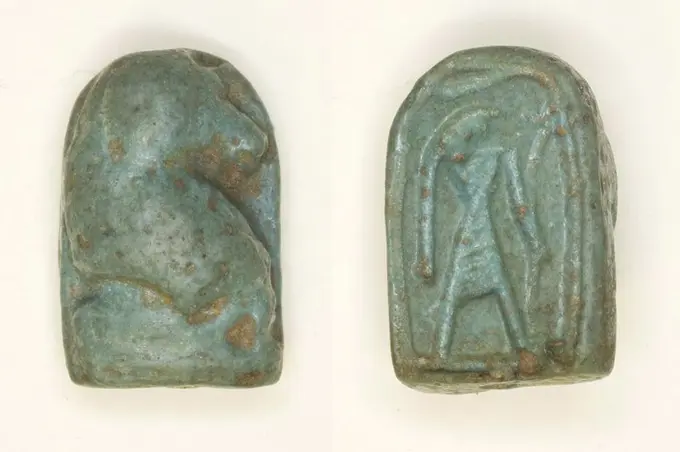
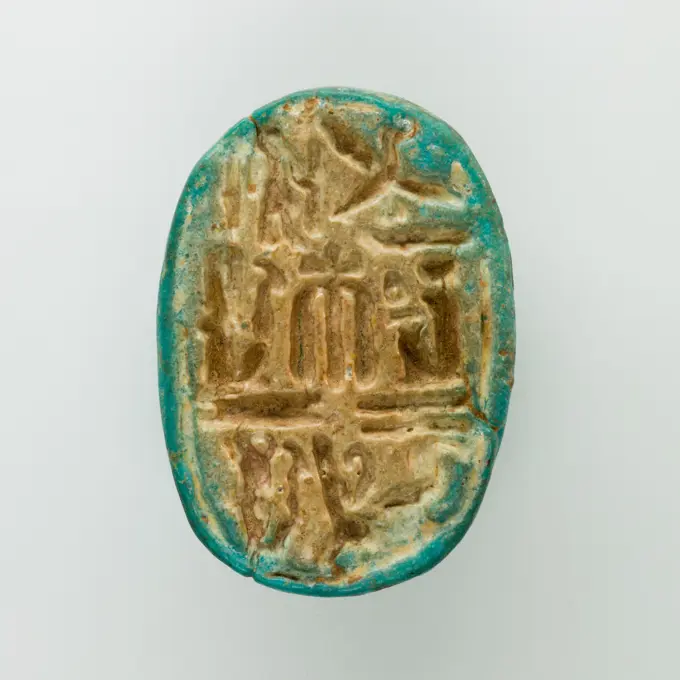
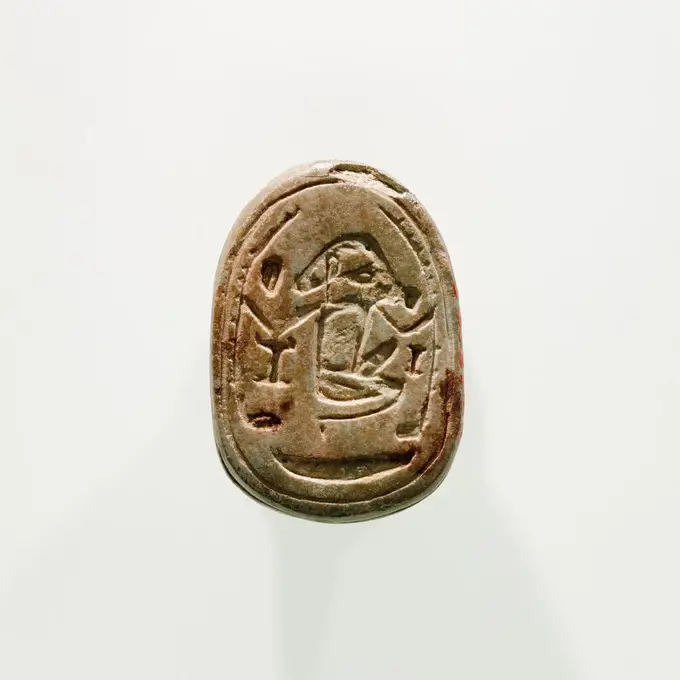
Scarab Amun-Re 1550 BCE-525 BCE Egypt. Steatite . Ancient Egyptian
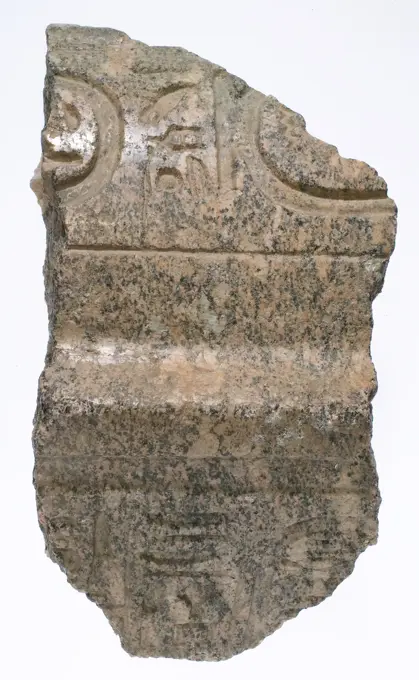
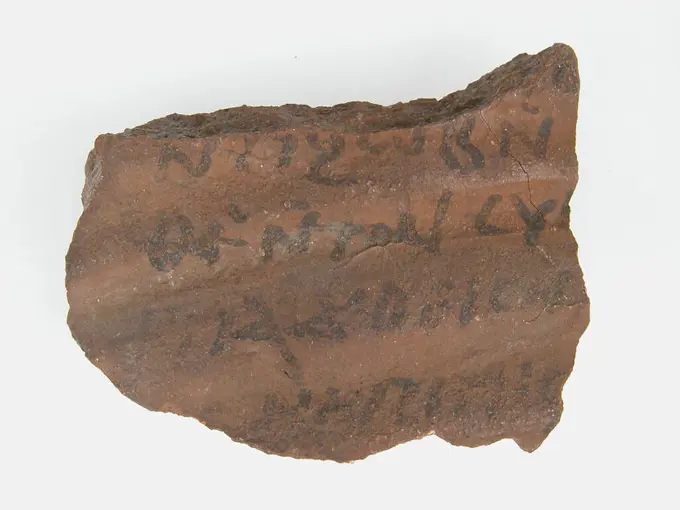
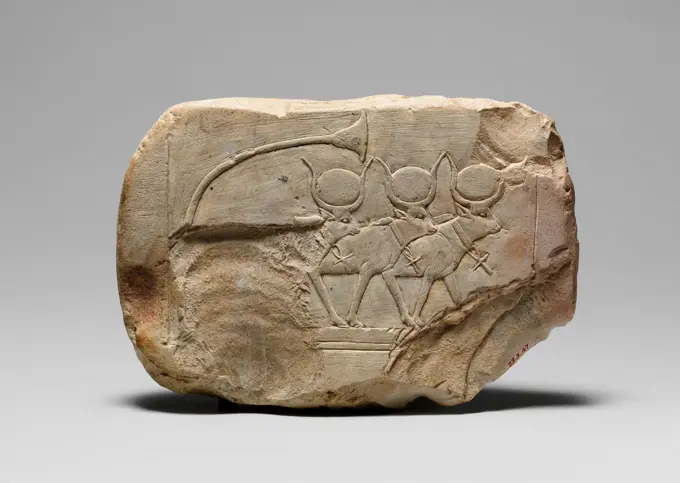
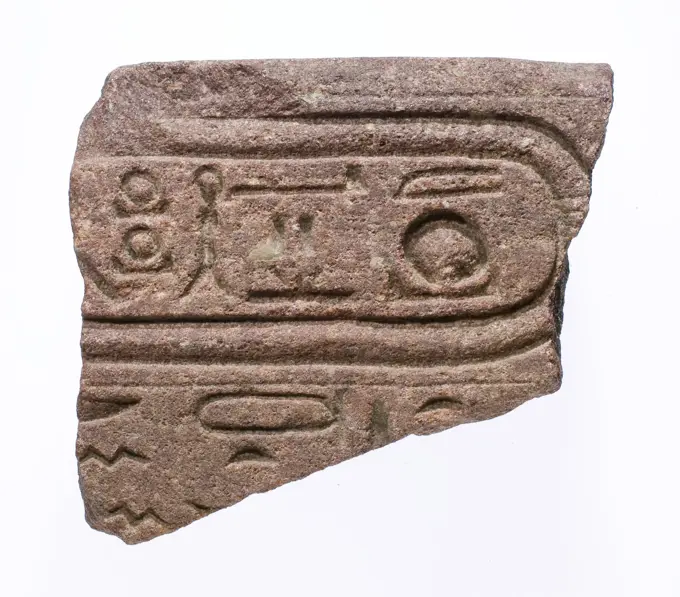
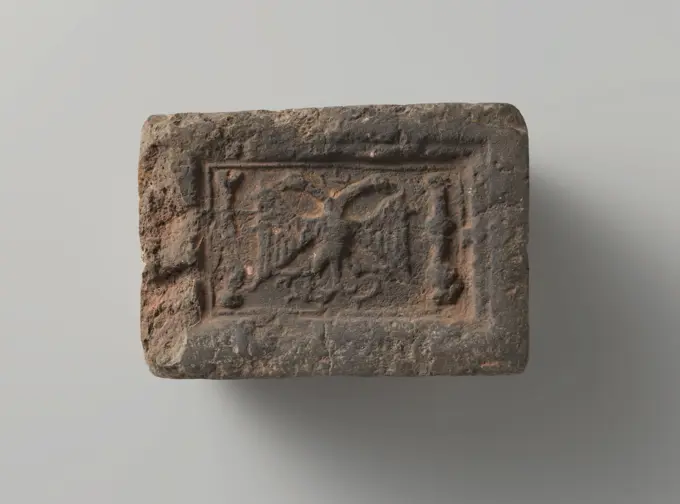
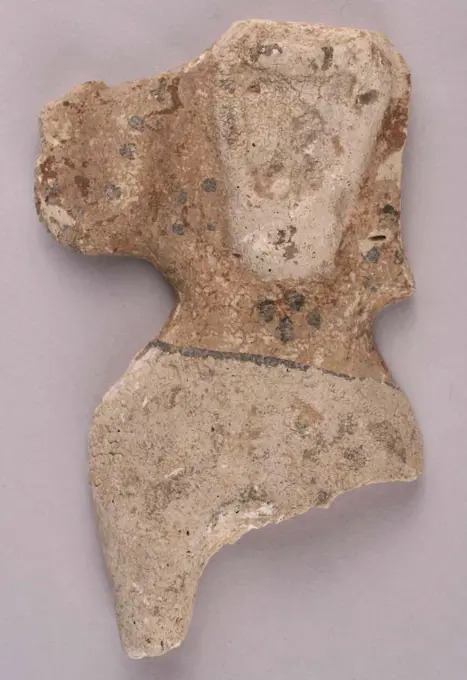
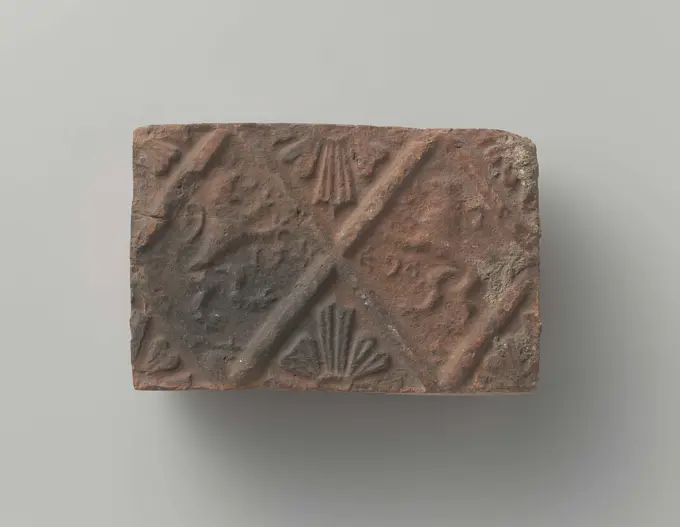
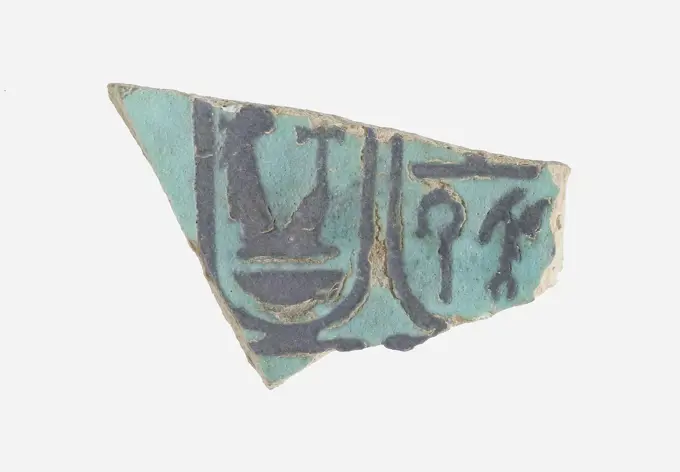
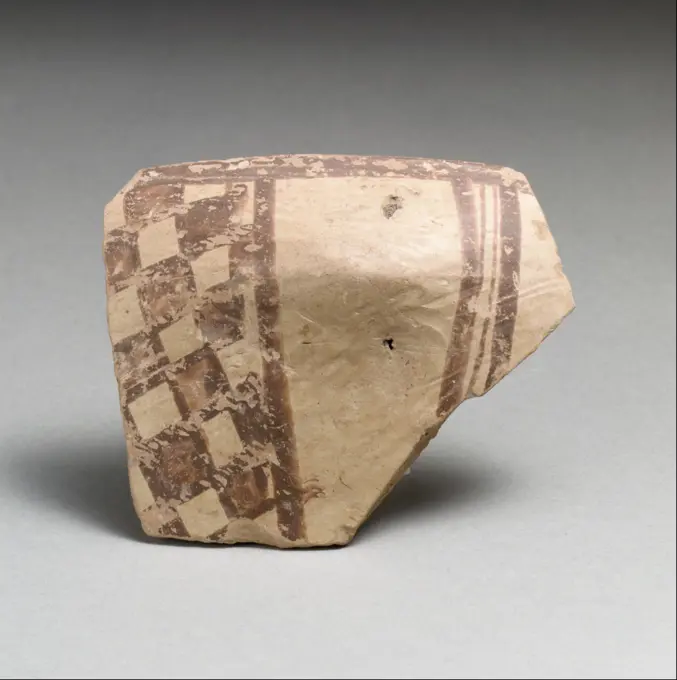
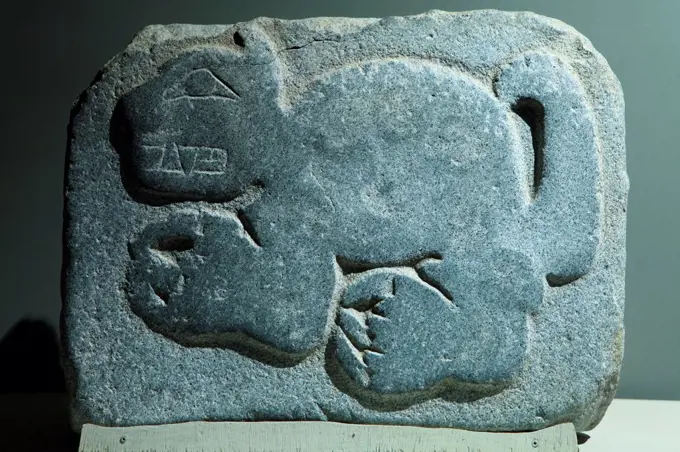
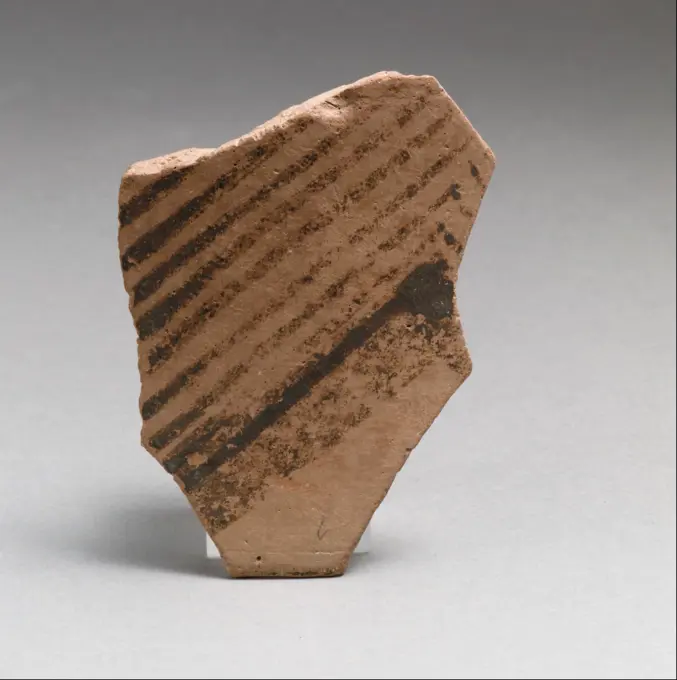
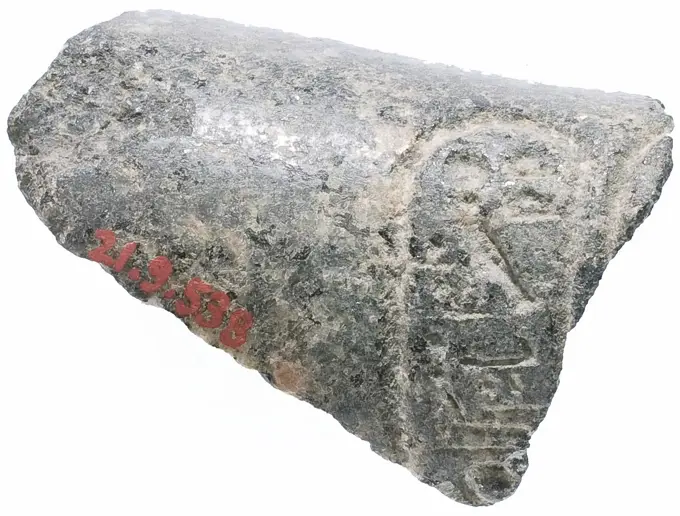
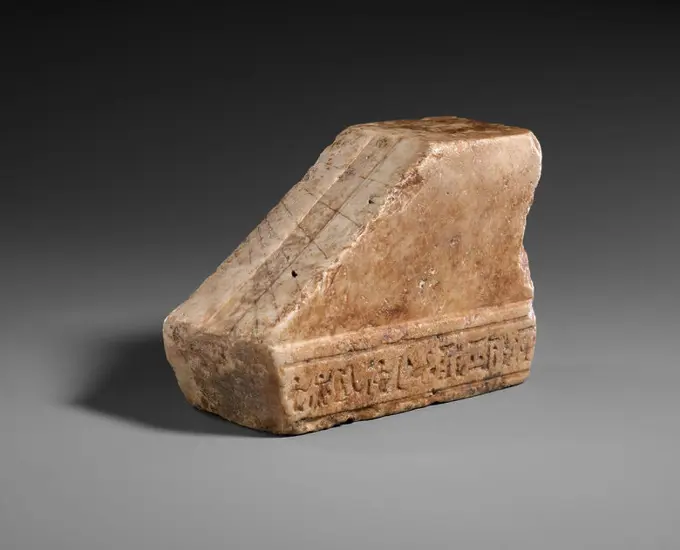
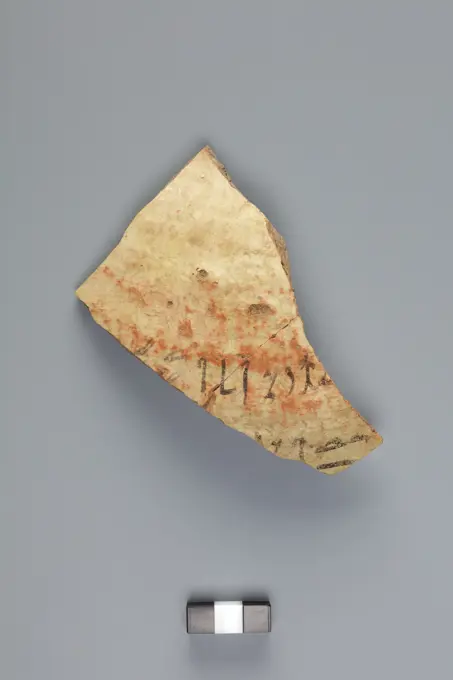
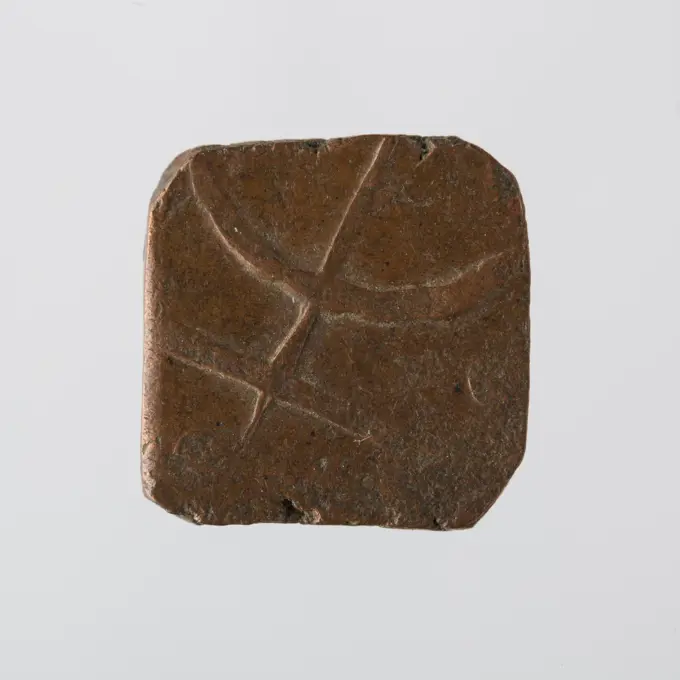
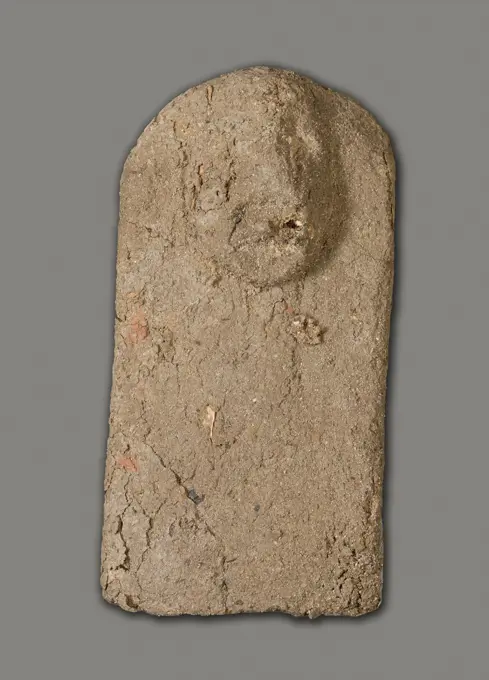
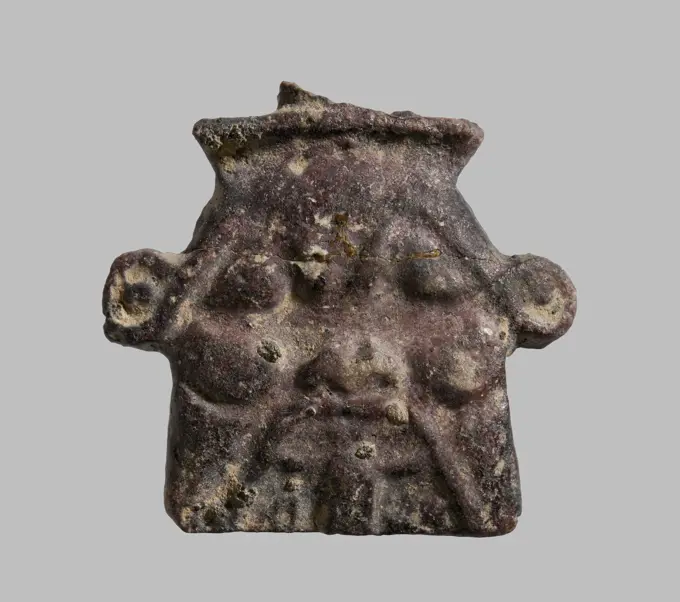
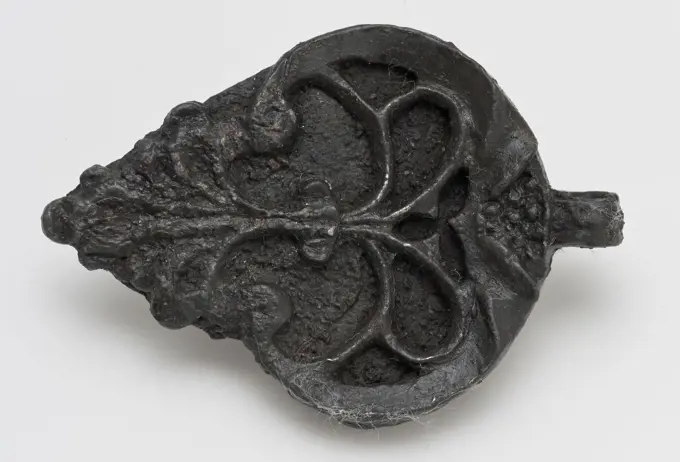
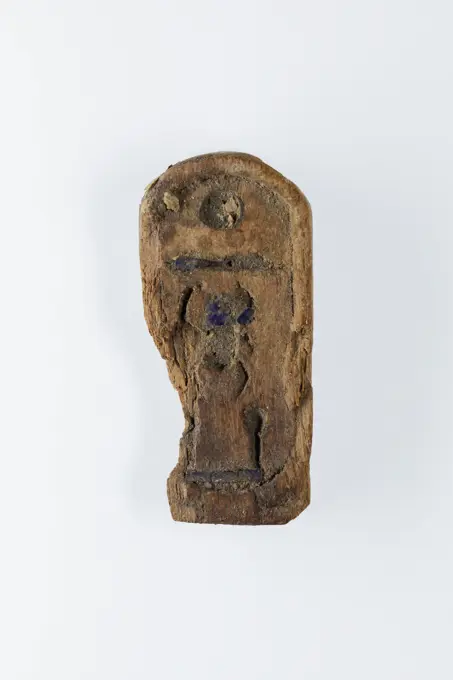
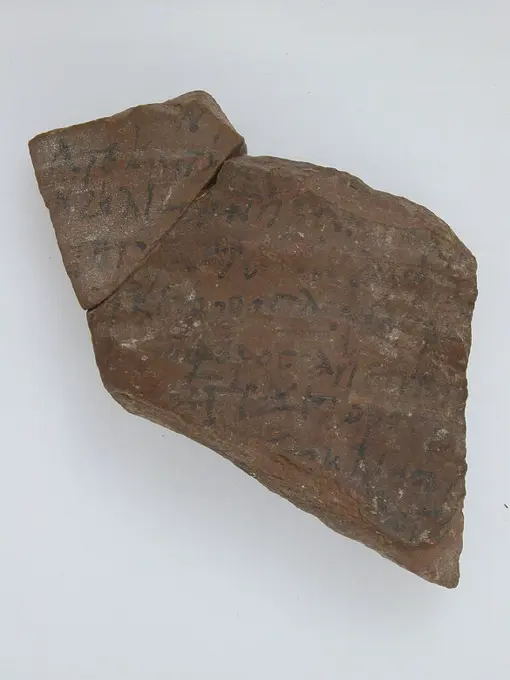
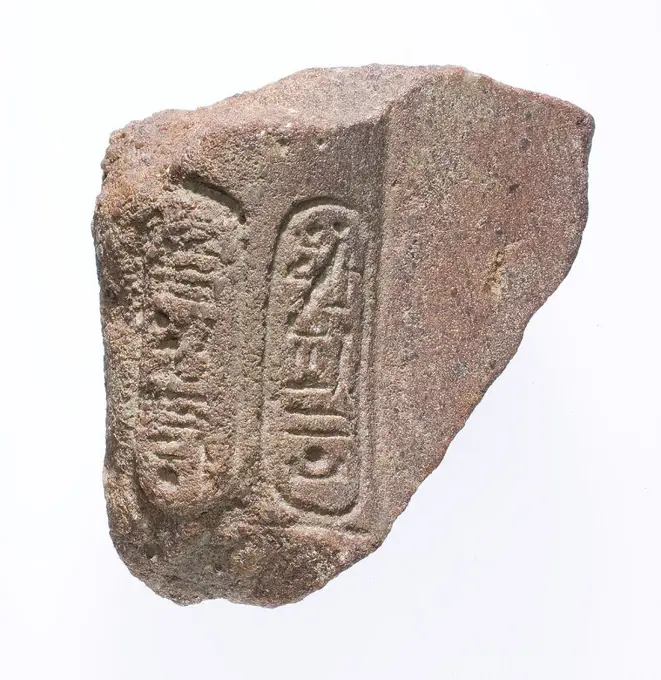
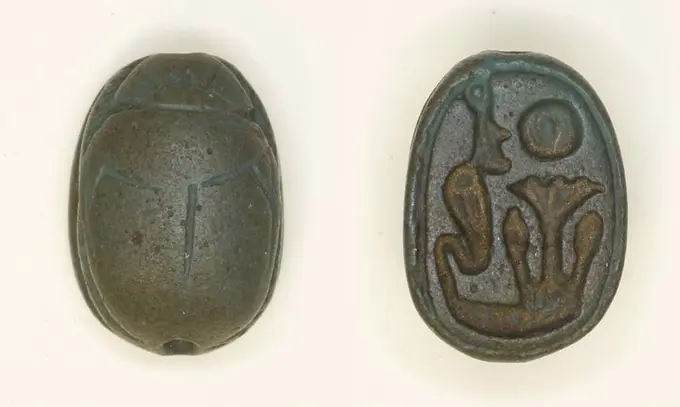
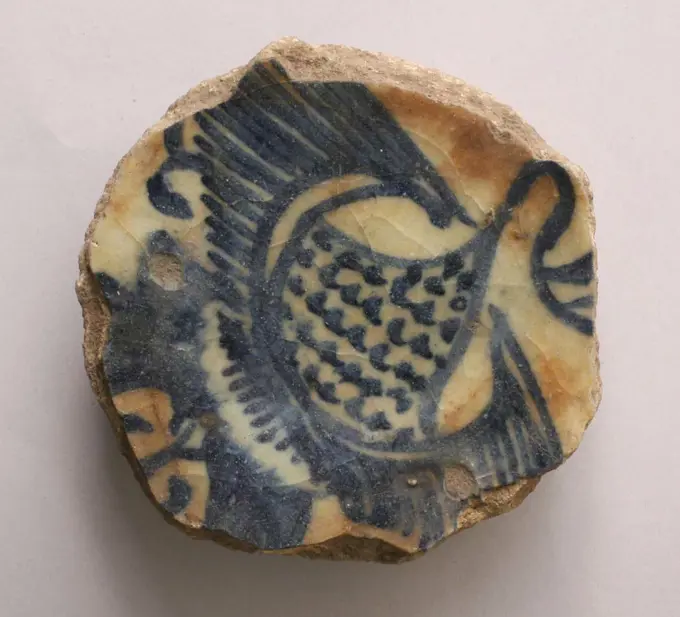
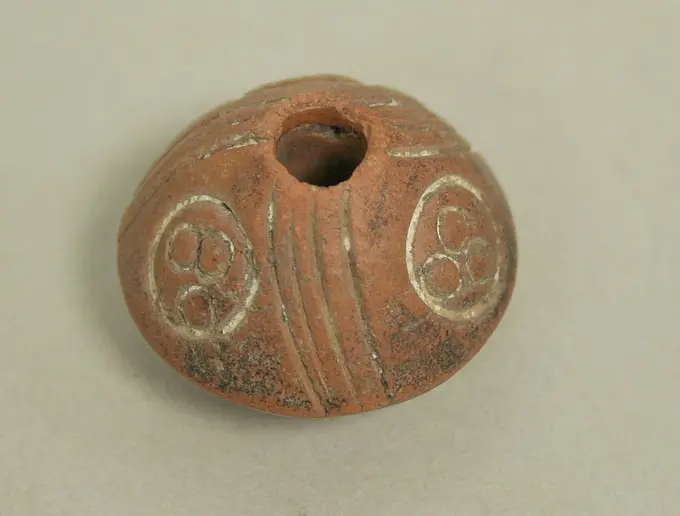
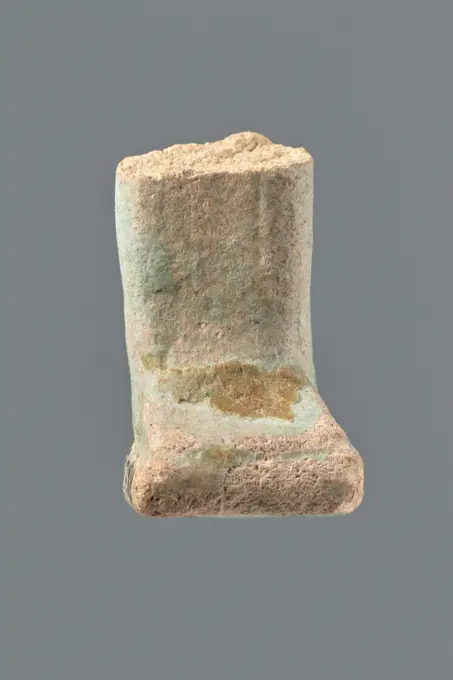
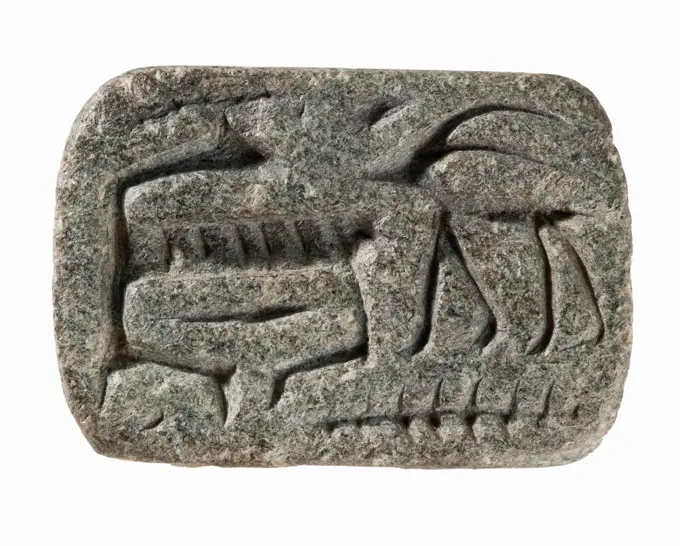
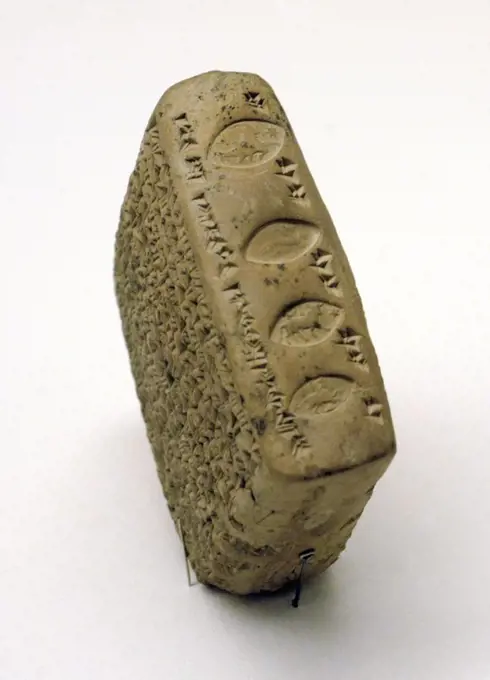
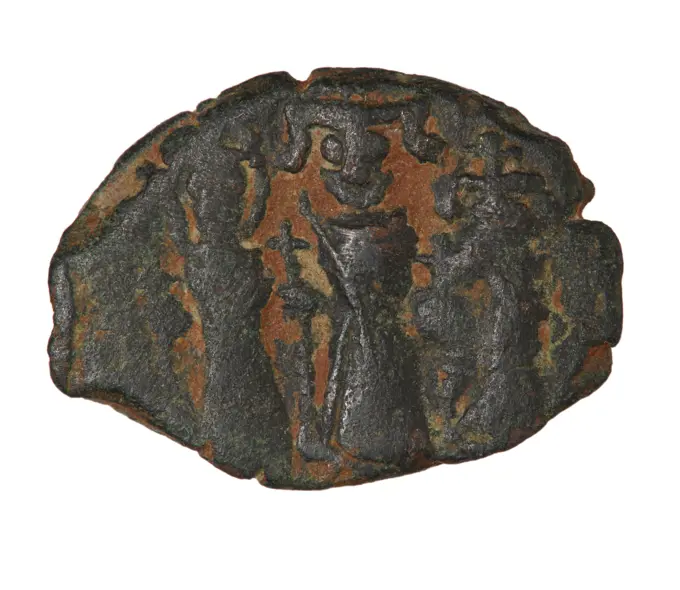
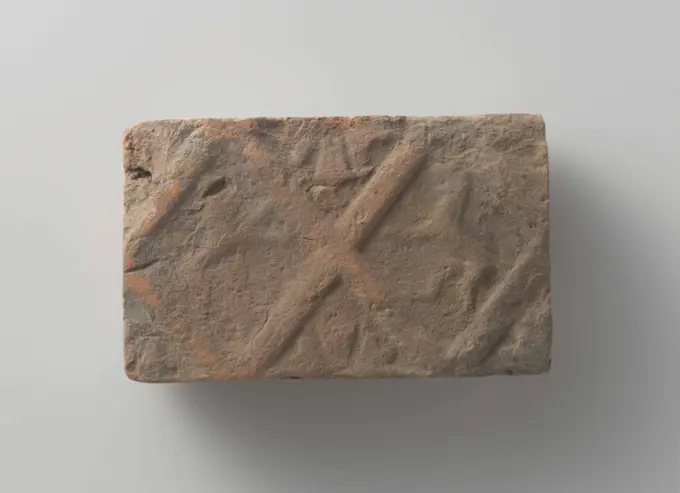
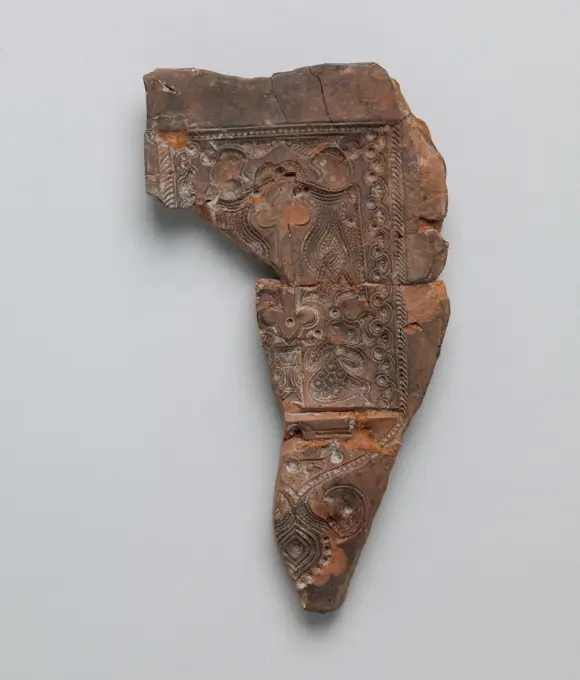
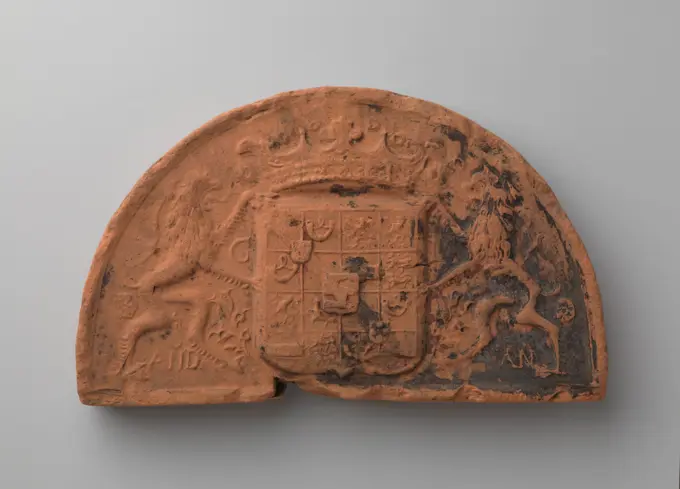
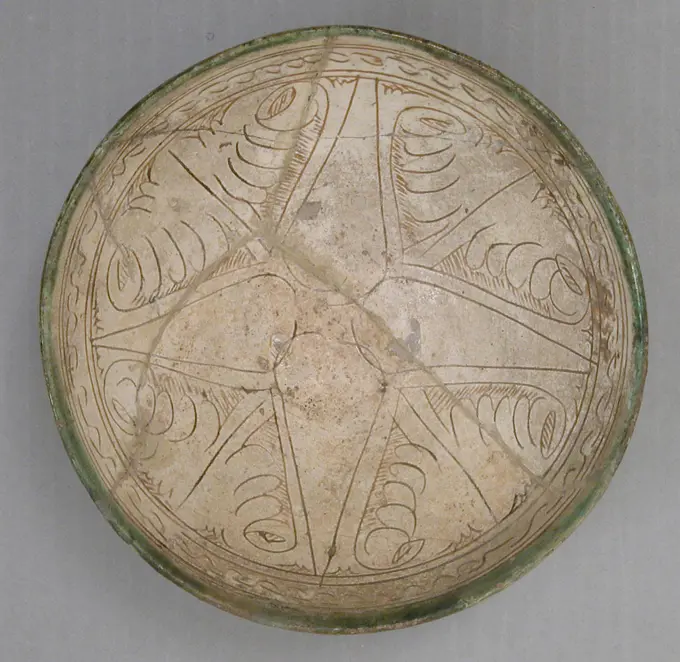
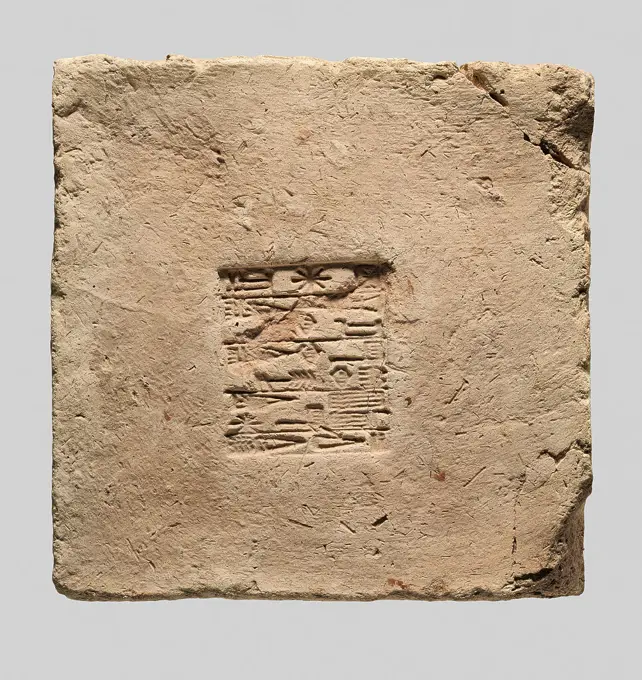
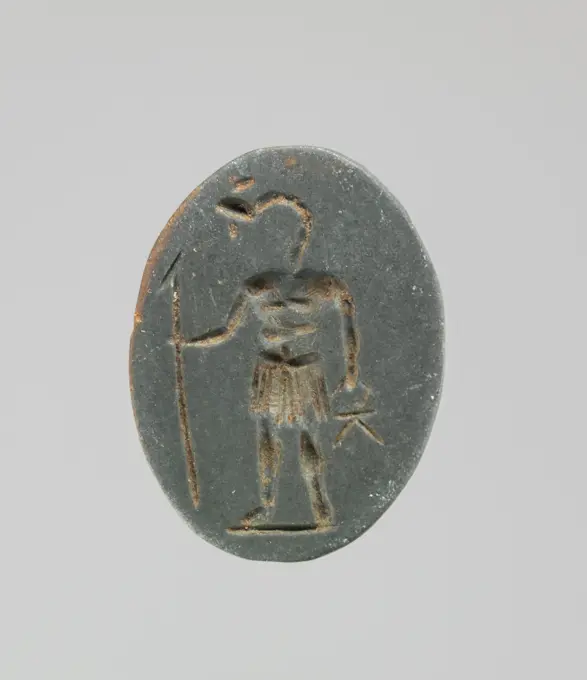
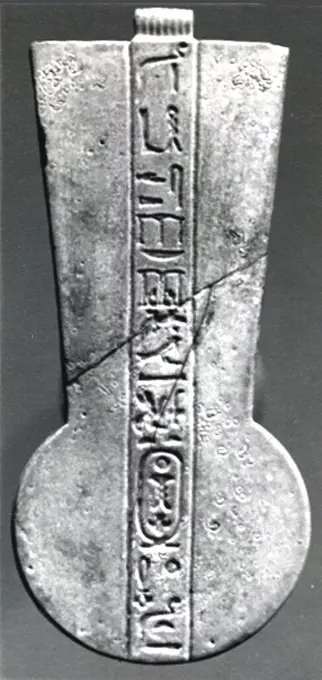
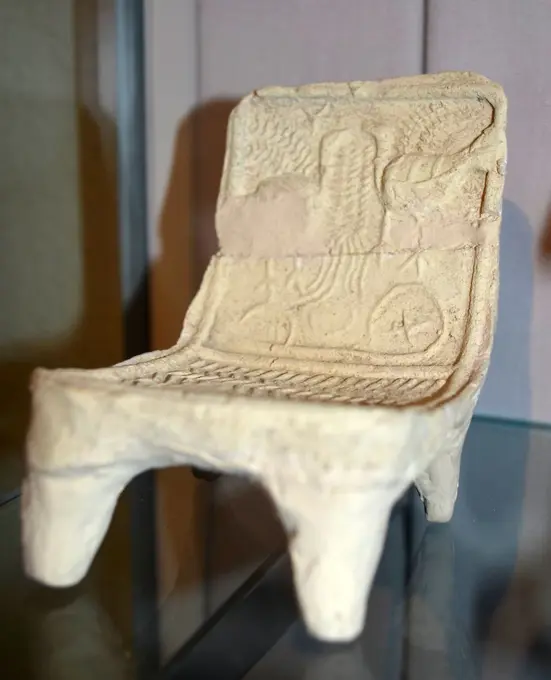
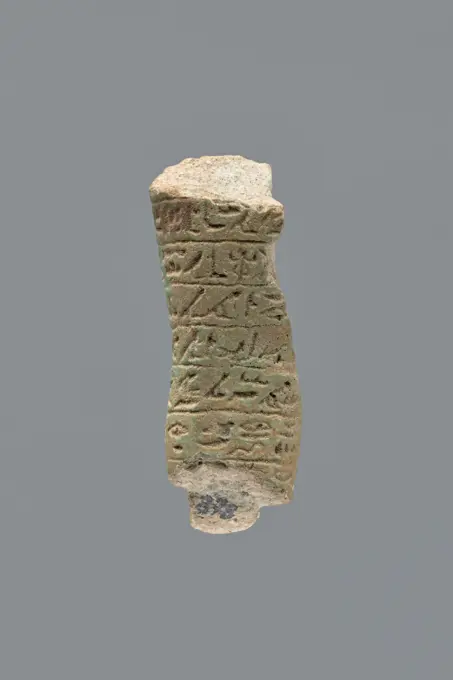
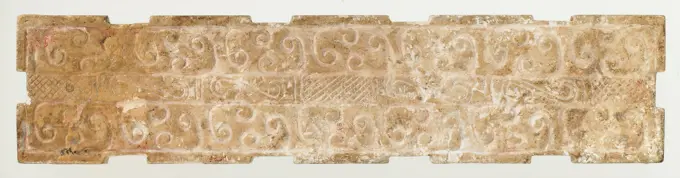
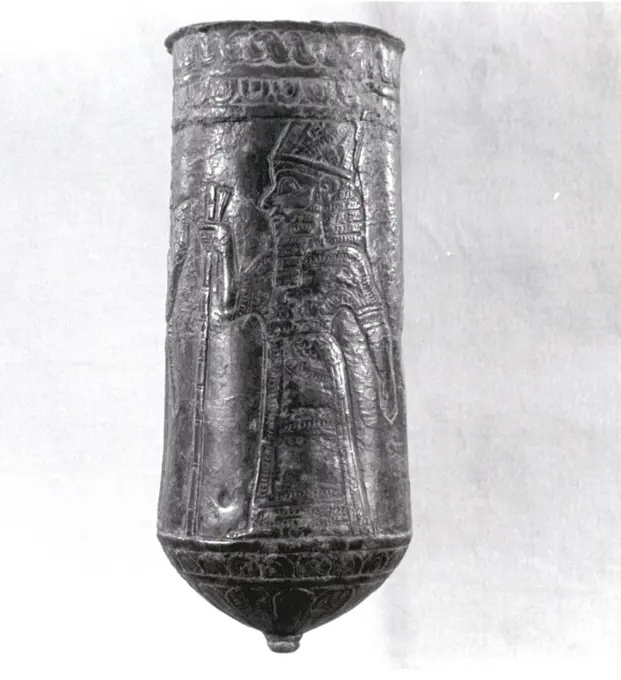
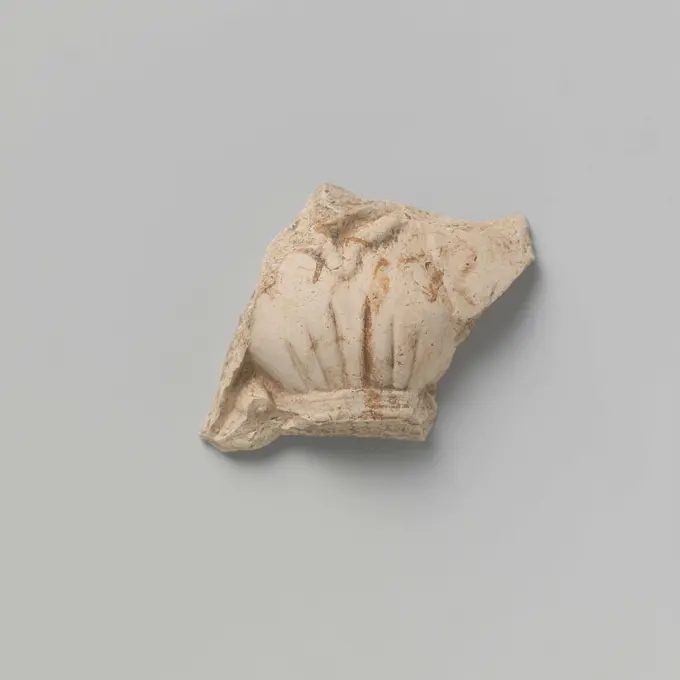
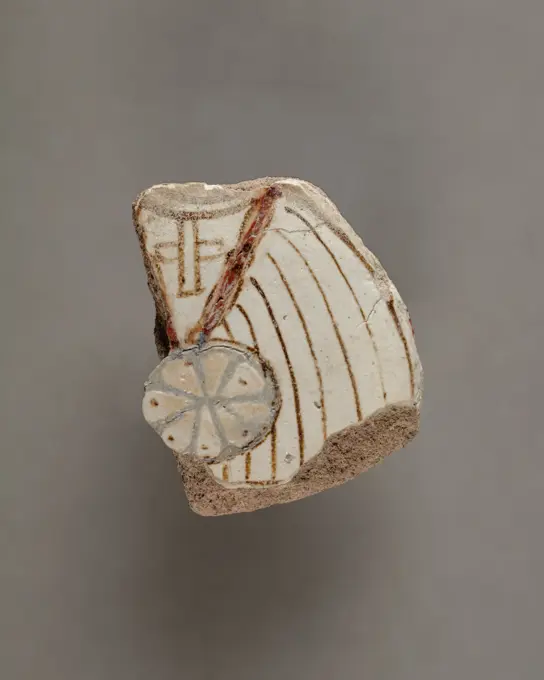
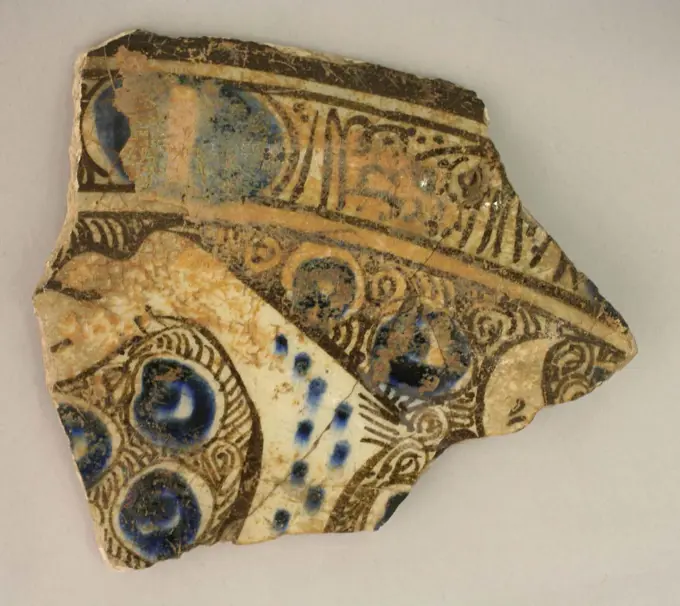
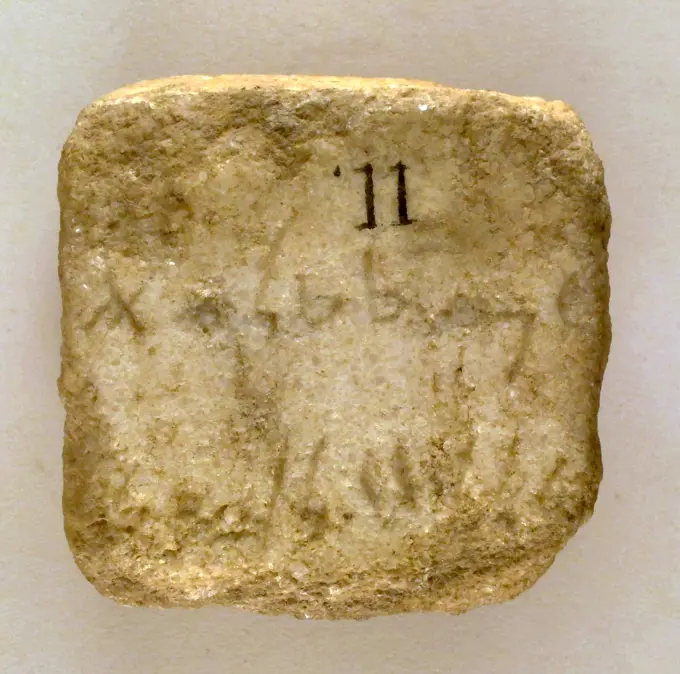
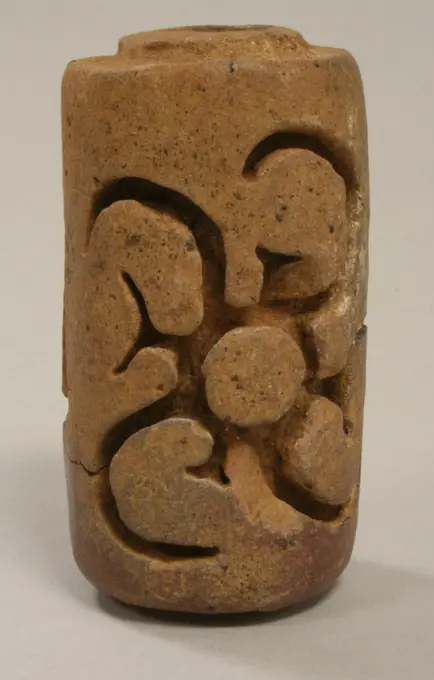
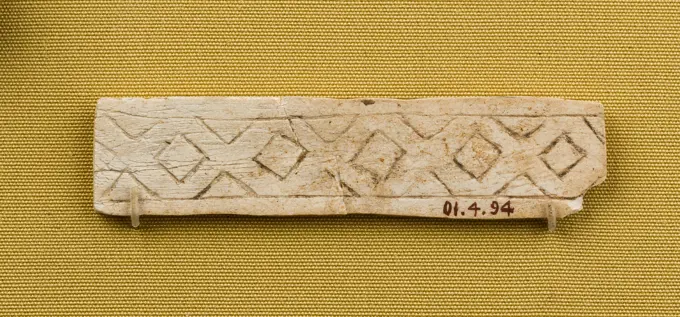
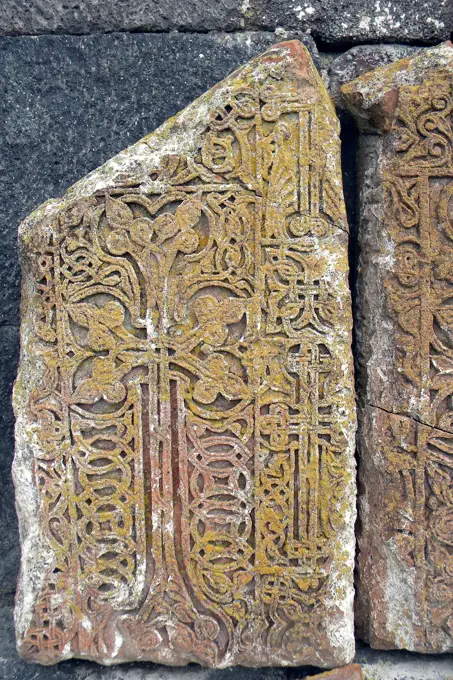
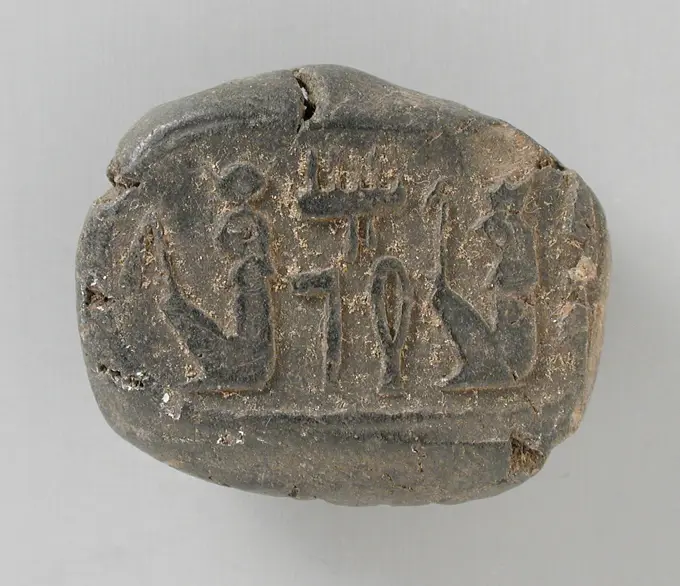
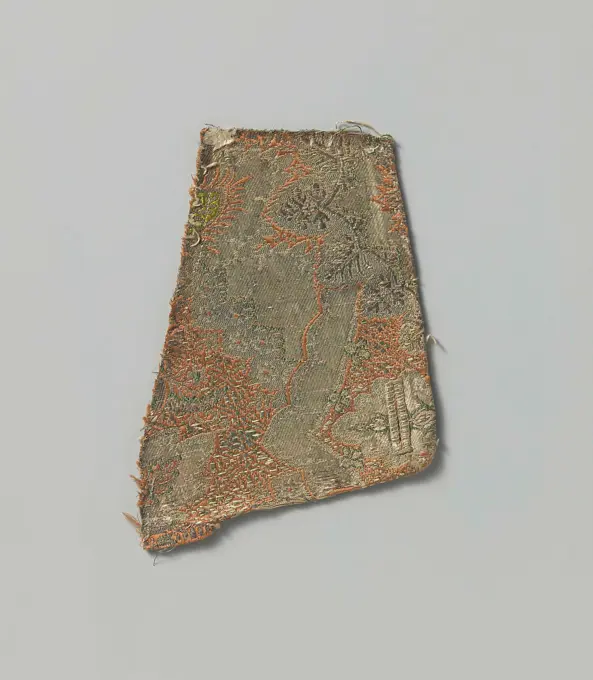
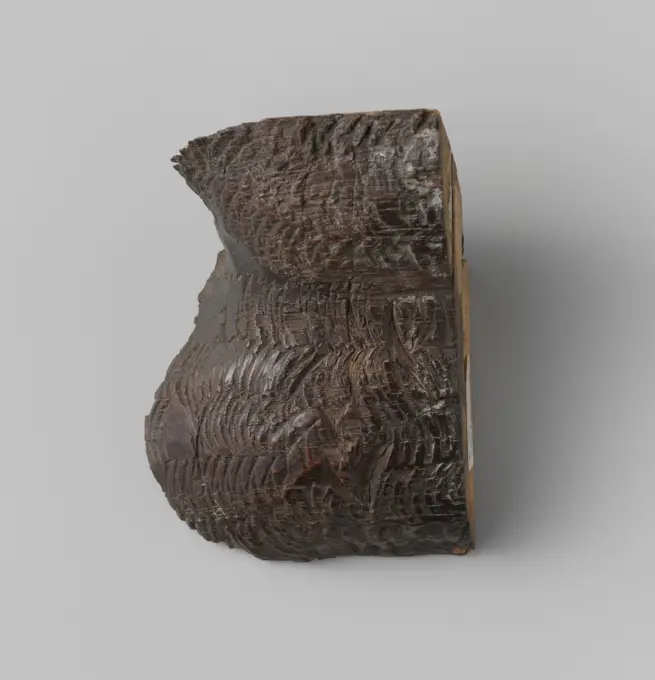
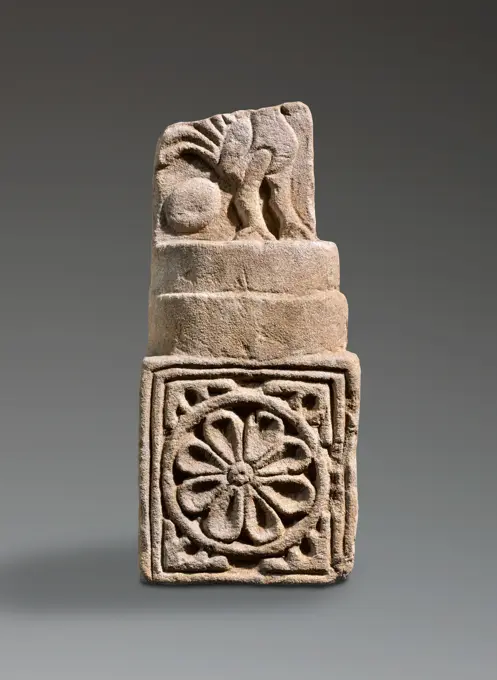
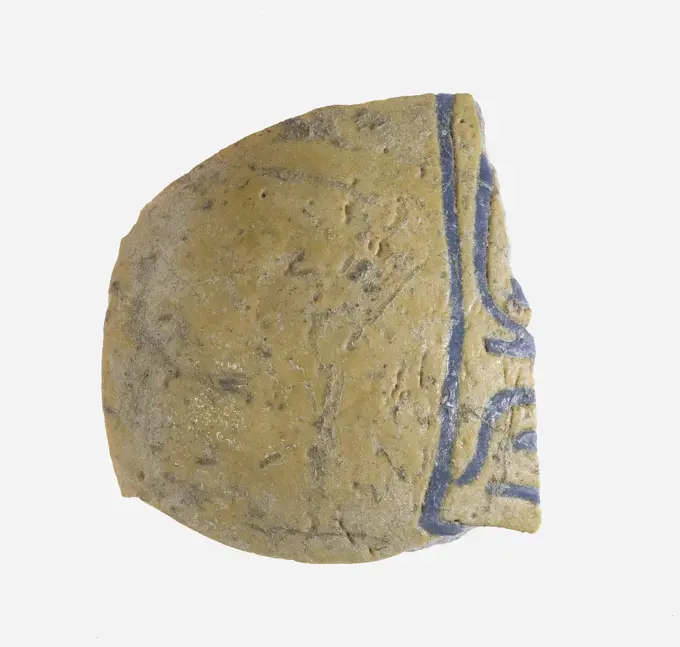
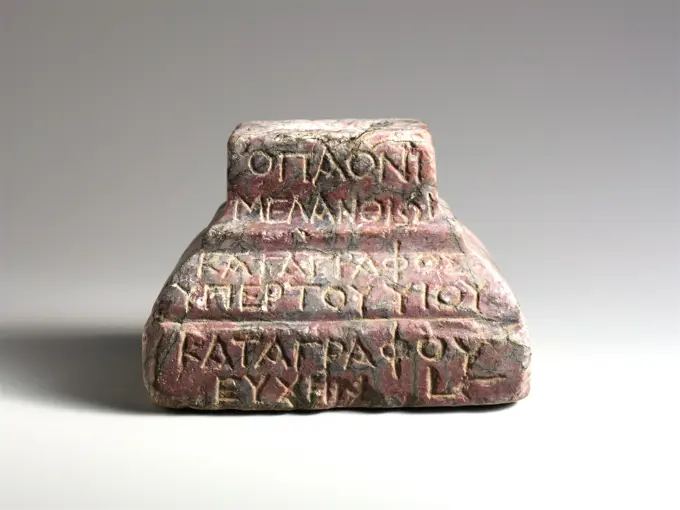
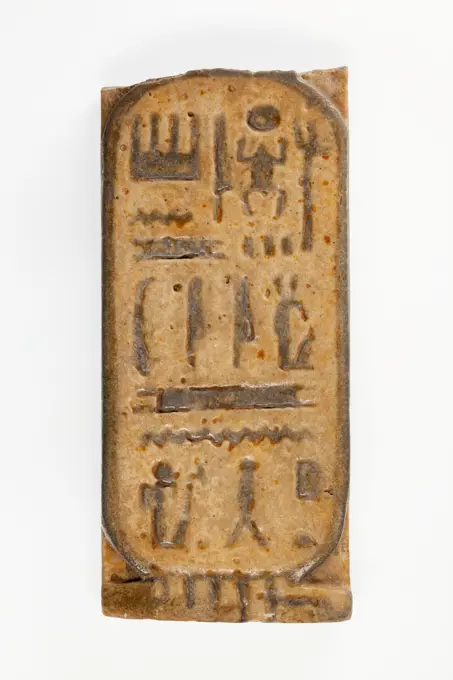
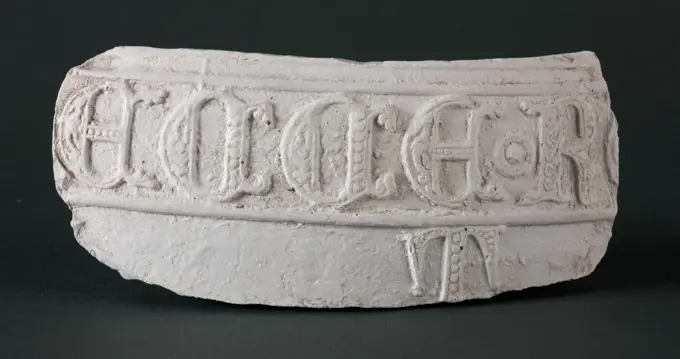
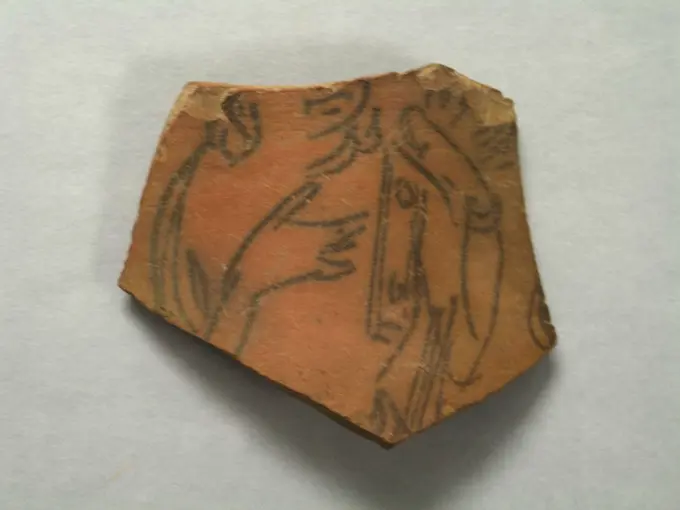
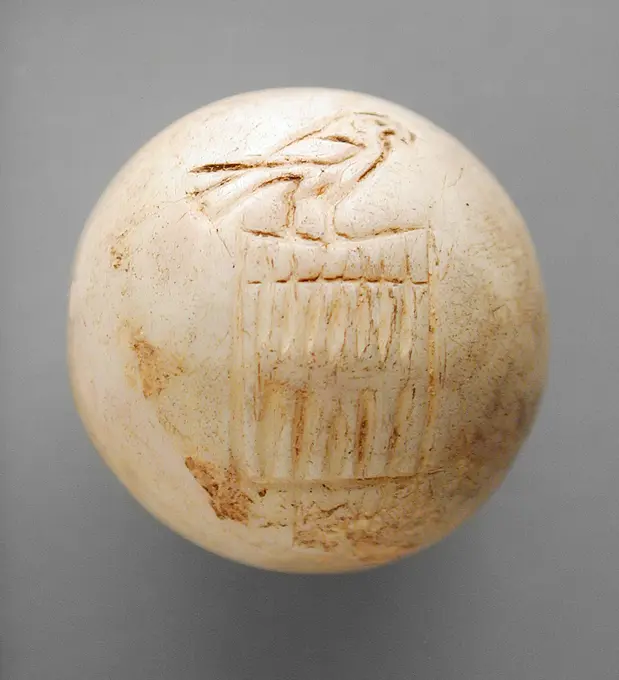
Fragment 14th-15th century. Fragment 445540Fireplace with representation of two façade deer, placed in two windows. Fireplace with representation of two façade deer, placed in two windows and accompanied by the year 1606.Scarab Amun-Re 1550 BCE-525 BCE Egypt. Steatite . Ancient EgyptianBalustrade fragment with the cartouches of the Aten and Akhenaten ca. 1352-1336 B.C. New Kingdom, Amarna Period. Balustrade fragment with the cartouches of the Aten and Akhenaten 549997Ostrakon. Culture: Coptic. Dimensions: 2 5/16 x 1 5/8 in. (5.8 x 4.1 cm). Date: 580-640. Museum: Metropolitan Museum of Art, New York, USA.Vase fragment ca. 800-700 B.C. East Greek/Sardis, Lydian Basket pattern.. Vase fragment. East Greek/Sardis, Lydian. ca. 800-700 B.C.. Terracotta. Geometric. VasesScarab with Protective Inscription Reading 'May You be in Festival like Re Every Day!'. Egypt, probably 18th - 20th Dynasty (1569 - 1081 BCE). Sculpture. Steatite with modern green colorVotive Stela with Three Hathor Cows ca. 1479-1458 B.C. New Kingdom. Votive Stela with Three Hathor Cows. ca. 1479-1458 B.C.. Limestone. New Kingdom. From Egypt, Upper Egypt, Thebes, Deir el-Bahri, Hatshepsut Hole, MMA excavations, 1922-23. Dynasty 18Base ragment with name and epithets of the Aten ca. 1353-1336 B.C. New Kingdom, Amarna Period. Base ragment with name and epithets of the Aten. ca. 1353-1336 B.C.. Red quartzite. New Kingdom, Amarna Period. From Egypt, Middle Egypt, Amarna (Akhetaten), Great Temple of the Aten, pit outside southern wall, Petrie/Carter excavations, 1891-92. Dynasty 18Scarab: Maatkara (Hatshepsut). Egyptian. Date: 1473 BC-1458 BC. Dimensions: 1.3 × 1 × 0.6 cm (1/2 × 3/8 × 1/4 in.). Steatite. Origin: Egypt. Museum: The Chicago Art Institute, Chicago, USA. Author: Ancient Egyptian.Fragment 15th century. Fragment 445454Fire brick with a double -headed eagle and two columns, anonymous, c. 1500 - c. 1558  Hardcestone of Grove Earth with a double eagle and the two columns Southern Netherlands brick (clay product)Stamp, Gabled with Rounded Back. Northern Syria or southeast Anatolia, circa 3500 - 3100 B.C.. Tools and Equipment; stamps. Greenish gray chloriteFigure 9th century. Figure 449834Jar Sealing 4th-7th century. Jar Sealing 444845Terracotta mold fragment ca. 2nd century A.D. Roman This fragment has all the salient characteristics of a mold used to manufacture a relief bowl: faint horizontal striations indicating it was wheel made; incised designs on a concave surface; and no trace of glaze.. Terracotta mold fragment 257620Taca ofiarna z wymodelowanymi ofiarami. unknown, authorFireplace with two climbing lions facing each other. Fireplace. Divided into diamonds with two climbing lions.Scarab Wish Formula 1295 BCE-525 BCE Egypt. Faience . Ancient EgyptianExcerpt of a dish with white-baking shard, with white enamel at the front and back, on which at the front in orange, light and dark blue stripes and dots are painted, anonymous, 1200- 1899  Italy earthenware  Italy earthenwareFragment of a Toilet Dish with Cartouches of Amenhotep III ca. 1390-1353 B.C. New Kingdom. Fragment of a Toilet Dish with Cartouches of Amenhotep III. ca. 1390-1353 B.C.. Faience. New Kingdom. From Egypt, Upper Egypt, Thebes, Malqata, Palace of Amenhotep III, MMA excavations, 1911-12. Dynasty 18Vase fragment ca. 4000-3000 B.C. Neolithic, Thessaly. Vase fragment 253214 Neolithic, Thessaly, Vase fragment, ca. 40003000 B.C., Terracotta, length 3in. (7.6cm). The Metropolitan Museum of Art, New York. Anonymous Gift, 1930 (30.119.9)South America, Peru, Ancash, Chavin de Huantar. A Chavin jaguar carving on display in the Chavin National MuseumVase fragment ca. 4000-3000 B.C. Neolithic, Hagiorgetika. Vase fragment 253284 Neolithic, Hagiorgetika, Vase fragment, ca. 40003000 B.C., Terracotta, length 2 1/4in. (5.8cm). The Metropolitan Museum of Art, New York. Anonymous Gift, 1930 (30.119.79)Stove element. unknown, factoryLower left arm with Aten cartouches ca. 1353-1336 B.C. New Kingdom, Amarna Period. Lower left arm with Aten cartouches 550056Shadow Clock. Dimensions: H. 9.3 × W. 5.2 × D. 14.7 cm, 1.3 kg (3 11/16 × 2 1/16 × 5 13/16 in., 2.9 lb.). Date: 306-30 B.C..One of a handful of portable timepieces known from ancient Egypt, this fragment is from the type that told time by measuring the length of the sun's shadow. Preserved here is the block with a sloping face with a series of parallel and oblique lines engraved on its face to mark off the time. The original piece would also have had a perpendicular block set up in front of the sloping face to serve as a gnomon and cast a shadow. Museum: Metropolitan Museum of Art, New York, USA.Fragment of a jar labeled for meat ca. 1390-1352 B.C. New Kingdom. Fragment of a jar labeled for meat. ca. 1390-1352 B.C.. Pottery and ink, paint. New Kingdom. From Egypt, Upper Egypt, Thebes, Malqata, Palace of Amenhotep III, MMA excavations. Dynasty 18Fragment of Spatula (Si) 1100 BCE-1000 BCE China. Bone .Unidentified sculptureFireplace of baked earth with diamond-shaped distribution with two medallions of a man and woman. Fireplace of baked earth with diamond-shaped distribution. Two medallions of a man and woman.Fragment 14th-15th century. Fragment 446452India, Mewar, ½ Paisa, Umard, B.R. (XIX  1st half of the 20th century)Scarab of Queen Ity (Aty) ca. 1802-1676 B.C. Middle Kingdom This scarab is inscribed with the name and title of Ity (Aty), the mother of an unknown king (Dynasty 13).. Scarab of Queen Ity (Aty) 545696Magical Figure ca. 1802-1550 B.C. Late Middle Kingdom-Second Intermediate Period These tablets of unfired clay with attached crude faces were found as a group by the Museum's excavators at Lisht South in loose surface sand west of the mastaba of Senwosretankh, a high official and possibly the architect of the pyramid complex of Senwosret I (ca. 1961-1917 B. C.), east of which he erected his own very elaborate mastaba tomb (see acc. nos. 33.1.2 and other pieces). The mud figures and little coffin (acc. no. 33.1.66) that had contained some of them must have been buried, however, considerably later than the early twelfth dynasty tomb close to which they were found. In fact, during the thirteenth and following dynasties people deposited a number of objects in the by then sacred area around a legendary ruler's pyramid and its dependant monuments, believing conceivably that potent magical powers could thus be released. These flat mud figures, for instance, are inscribed in now much-faded redAmulet - plaque with a g Besa;  VII-IV century BC ; Half period (-700-00-00--301-00-00);BES (Mitol.), Society of the Encouragement of Fine Arts (Warsaw - 1860-1940) - collection, Tyszkiewicz, Michał (1828-1897), Tyszkiewicz, Michał (1828-1897) - collections, gift (provenance), plaqueHeart-shaped pendant or ornament with floral ornament in relief, with eye, hanger batter clothing accessory clothing soil find copper tin metal, cast Tolling fittings with small hanging eye Openwork front with gothic and floral decor. Possible belt hanger ornamental fitting or part of closure archeology adorn hang up fastening gothicCartouche-Shaped Inlay with the Name of Thutmose I ca. 1550-1295 B.C. New Kingdom. Cartouche-Shaped Inlay with the Name of Thutmose I. ca. 1550-1295 B.C.. Wood. New Kingdom. From Egypt. Dynasty 18Ostrakon. Culture: Coptic. Dimensions: 3 13/16 x 3 7/16 in. (9.7 x 8.8 cm). Date: 580-640. Museum: Metropolitan Museum of Art, New York, USA.right arm with Aten cartouches. Dimensions: H. 8 × total D. 7.7 cm (3 1/8 × 3 1/16 in.); arm: Diam. 3.7 cm (1 7/16 in.); connective stone: max W. 4.4 cm (1 3/4 in.); cartouche: W. 1.9 cm (3/4 in.). Dynasty: Dynasty 18. Reign: reign of Akhenaten. Date: ca. 1353-1336 B.C.. Museum: Metropolitan Museum of Art, New York, USA.Cylinder Seal. Mesopotamia, 1900-1600 B.C.. Tools and Equipment; seals. StoneBracelet. Sleeve bracelet, shape of a cuff that allowed to get down narrower.Scarab: Seated Ptah. Egyptian. Date: 1295 BC-1069 BC. Dimensions: 1.3 × 1 × 0.6 cm (1/2 × 3/8 × 1/4 in.). Steatite. Origin: Egypt. Museum: The Chicago Art Institute, Chicago, USA. Author: Ancient Egyptian.Scarab: Uraei with Lotus. Egyptian. Date: 1550 BC-1068 BC. Dimensions: 1.9 × 1.3 × 0.6 cm (3/4 × 1/2 × 1/4 in.). Glass (). Origin: Egypt. Museum: The Chicago Art Institute, Chicago, USA. Author: Ancient Egyptian.Fragment 14th century. Fragment 445555Spindle Whorl A.D.1-500 Peruvian; north coast (). Spindle Whorl 308866Cylinder Seal. Iran, late 2nd-early 1st millennium B.C.. Tools and Equipment; seals. BronzeCap 19th century British. Cap 98188Nóżki uszebti. unknown, authorScaraboid: Squatting Baboon. Egyptian. Date: 1550 BC-1069 BC. Dimensions: 1 × 1.9 × 1.3 cm (3/8 × 3/4 × 1/2 in.). Glazed steatite. Origin: Egypt. Museum: The Chicago Art Institute, Chicago, USA. Author: Ancient Egyptian.Stamp Seal, Gabled. Northern Syria or southeast Anatolia, circa 3500 - 3100 B.C.. Tools and Equipment; seals. White-mottled serpentineSeleucid Empire (312-63 AC). Persia. Administrative document of the Seleucid period with an impression of a stamp seal. The state Hermitage Museum. Saint Petersburg. Russia.Byzantine Empire, Herakliusz (610 641), Constantinople 627 628 CE, Follis, Brone (AE) Herakliusz (610 641), Mint of ConstantinopleScarab of Ramesses VII ca. 1550-1070 B.C. New Kingdom, Ramesside. Scarab of Ramesses VII 550334Fireplace with presentation of two climbing lions, placed in two windows. Fireplace with a show of two climbing lions, placed in two windows and accompanied by the year 1634. The half windows at the top and bottom are filled with diamond-shaped flowers.Mold late 9th-early 10th century This is one of several similar, unidentifiable fragments found during the Nishapur excavations. It features a pointed niche with a staff with three lobes at each end in the center, flanked by several bird-headed figures. The letters within the point of the niche (at the bottom of this fragment) appear to read 'aml Muhammad, or "the work of Muhammad," but they are written upside down, and not reversed, as they would be in a mold. Although it does resemble a jewelry mold, this objects function is still to be determined, and its unusual imagery does not point to a specific use.. Mold 449856Semi -round fire brick with the coat of arms of Maurits van Nassau, Anonymous, c. 1575 - c. 1600 Semi -round hairstone of baked pottery. Decorated with the crowned coat of arms of Maurits van Nassau, held by two lions. In addition to the shield the letters g (raven) and m (aurits). Under the lions on one side: and. And on the other side an. Southern Netherlands earthenware Semi -round hairstone of baked pottery. Decorated with the crowned coat of arms of Maurits van Nassau, held by two lions. In addition to the shield the letters g (raven) and m (aurits). Under the lions on one side: and. And on the other side an. Southern Netherlands earthenwareMiniature Metate, 700-1000. Central Mexico, Xochicalco, Classic Period. Stone; overall: 17.5 x 13 x 3 cm (6 7/8 x 5 1/8 x 1 3/16 in.).Fireplace with image. A fireplace with windows and two medallions with a mans and female bra, each with the letters si.Bowl 8th-9th century. Bowl 449680Scarab of an Official. Dimensions: l. 1.2 cm (1/2 in). Dynasty: Dynasty 12-18. Date: ca. 1981-1550 B.C.. Museum: Metropolitan Museum of Art, New York, USA.Inscribed brick. Culture: Neo-Sumerian. Dimensions: Brick: 30.9 x 31.4 x 7.5 cm (12 1/8 x 12 3/8 x 3 in.)Inscription: 11 x 9.5 cm (4 3/8 x 3 3/4 in.). Date: ca. 2112-2095 B.C..This ceramic brick was found during excavations at Nippur, the religious capital of Mesopotamia in the third and early second millennia B.C. Nippur was home to Enlil, the chief god of the pantheon. Rulers from other Mesopotamian cities sought to promote their kingship and garner this god's favor by maintaining, repairing, and at times rebuilding his temple, the Ekur. The repair of a temple created an opportunity for a ruler to bury his own inscription within the walls, leaving a record for future generations.The brick is stamped with an inscription written in the Sumerian language. It names the Ur III period ruler Ur-Nammu (ca. 2112-2095 B.C.). Royal power fragmented after the collapse of the Akkadian empire (ca. 2350-2150 B.C.). Ur-Nammu is credited for the reunification of Mesopotamia, an accomplishment evoked Pediform ax blade. Bronze. Cernuschi Museum, Asia Museum of Asia in the city of Paris.Bliżej Kultury unknownIronstone intaglio: Snake-headed Genius 2nd century A.D. Roman Snake-headed genius; on reverse. the name of Archangel Michael.. Ironstone intaglio: Snake-headed Genius 248219Menat Inscribed for Psamtik or Apries. Dimensions: l. 11 cm (4 5/16 in). Dynasty: Dynasty 26. Date: 664-525 B.C.. Museum: Metropolitan Museum of Art, New York, USA.Model Chair from Ur 1800 B.C.Uszebti. unknown, authorBead, 480-221 BCE, 3 3/16 x 11/16 x 1/4 in. (8.1 x 1.75 x 0.56 cm), Tan calcified jade, China, 5th-3rd century BCEBeaker ca. 10th-9th century B.C.. Beaker 327316Stamp Seal. Northern Iran, about 1350-1000 B.C.. Tools and Equipment; seals. Bronze, castFragment of image. .Tile fragment New Kingdom, Ramesside ca. 1279-1213 B.C. View more. Tile fragment. ca. 1279-1213 B.C.. Ceramic, glaze. New Kingdom, Ramesside. From Egypt, Eastern Delta, Qantir (Piramesse), Palace of Ramesses II. Dynasty 19Fragment 14th century. Fragment 447378Marble cippus fragment with Phoenician inscription 4th century B.C. Cypriot Dedication of an offering.. Marble cippus fragment with Phoenician inscription. Cypriot. 4th century B.C.. Marble, white. late Classical. Cesnola InscriptionsRoller Stamp 5th-6th century Atlantic Watershed. Roller Stamp 313058Box inlay with a geometric pattern ca. 3100-2900 B.C. Early Dynastic Period. Box inlay with a geometric pattern. ca. 3100-2900 B.C.. Ivory. Early Dynastic Period. From Egypt, Northern Upper Egypt, Abydos, Umm el-Qaab, Tomb of Djer, Egypt Exploration Fund excavations. Dynasty 1Armenia, Sevan lake, KhatchkarsSeal Impression Belonging to a Priest. Egypt, Late Period () (755 - 333 BCE). Tools and Equipment; seals. Semi-baked clay of deep black scorched colorFragment 11th-12th century. Fragment 447274Fragment multi-colored brocatel. Five fragments of a silk tissue. Brown silk reputation with impacts of silver thread and from white, green, pink and red-brown silk. The drawing consists of large diamond-shaped medallions in which leaf and fruit motifs. Note: Selling; put together a small fragment; Skiper, satin, 1 cm wide. Different types and colors silk.Scarab with Birth Name of Amenhotep I. Egypt, New Kingdom, 18th-20th dynasties (1548-1081 BCE). Sculpture. Steatite with green glazeFragment of the crucifixion:, Adriaen van Wesel, c. 1475 - c. 1477 Probably added fragment, removed after restoration. Utrecht oak (wood) gilding Probably added fragment, removed after restoration. Utrecht oak (wood) gildingFragment węgara. warsztat nubijski, workshopFragment majolica plate, blue on white, Chinese decor with roll of paper, border in Wanli style, plate crockery holder soil find ceramics pottery glaze, total, Op baked archeology food serve decorate Buddhism ChinaInscribed Fragment of Vase ca. 1390-1353 B.C. New Kingdom. Inscribed Fragment of Vase. ca. 1390-1353 B.C.. Faience. New Kingdom. From Egypt, Upper Egypt, Thebes, Malqata, Palace of Amenhotep III, Harim, MMA excavations, 1910-11. Dynasty 18Marble inscribed base ca. 2nd century A.D. Roman, Cypriot The base may have held a small statue. The Greek inscription records a dedication by a man called Katagraphos on behalf of his son to the cult of Opaon Melanthios located at Amargetti, near Paphos.. Marble inscribed base 241985Fragment, Medium: silk, linen, metallic Technique: 2/1 twill with complementary wefts and inner warps, Paired addorsed lions within squares. Fragment cut on bias., Spain, 13th century, woven textiles, FragmentFragment of a terracotta guttus (oil flask) 3rd century B.C. Greek, South Italian, Campanian. Fragment of a terracotta guttus (oil flask). Greek, South Italian, Campanian. 3rd century B.C.. Terracotta; black-glaze. Hellenistic. VasesFragment of a Bowl 12th-13th century. Fragment of a Bowl 447209Scarab. Dimensions: L. 1.5 cm (9/16 in). Dynasty: Dynasty 12-18. Date: ca. 1981-1550 B.C.. Museum: Metropolitan Museum of Art, New York, USA.Tile with the Name of Seti I ca. 1294-1279 B.C. New Kingdom, Ramesside. Tile with the Name of Seti I 550196Bell Nowak (inscription: ECCE R)  Silver bell tower, Wawel Cathedral, KrakowShard: Lower Face and Torso of Chubby Offerer ca. 4th-5th century Pakistan. Shard: Lower Face and Torso of Chubby Offerer 51260Cylinder seal and modern impression: three "pigtailed ladies" with double-handled vessels. Dimensions: 0.79 in. (2.01 cm). Date: ca. 3300-2900 B.C..Although engraved stones had been used as early as the seventh millennium B.C. to stamp impressions in clay, the invention in the fourth millennium B.C. of carved cylinders that could be rolled over clay allowed the development of more complex seal designs. These cylinder seals, first used in Mesopotamia, served as a mark of ownership or identification. Seals were either impressed on lumps of clay that were used to close jars, doors, and baskets, or they were rolled onto clay tablets that recorded information about commercial or legal transactions. The seals were often made of precious stones. Protective properties may have been ascribed to both the material itself and the carved designs. Seals are important to the study of ancient Near Eastern art because many examples survive from every period and can, therefore, help to define chronologiScarab from Rennefer's Burial. Dimensions: L. 1.6 cm (5/8 in.); W. 1.1 cm (7/16 in.); H. 0.8 cm (5/16 in.). Dynasty: Dynasty 18, early. Reign: reign of Thutmose I-early sole Thutmose III. Date: ca. 1504-1447 B.C.. Museum: Metropolitan Museum of Art, New York, USA.Pyxis fragments ca. 8th-7th century B.C. Iran. Pyxis fragments 324728Marble, Inscribed. Egypt, 1st Dynasty (circa 3050 - 2850 BCE) (inscription likely modern). Tools and Equipment; marbles. MarbleHead of a Royal Woman, possibly Lady Kabal Xook of Yaxchilan.  Artist: UnknownPlanets-manager. Cornalet Collection Sites 2013-2016. Numismatic.