Historical Fragments and Artifacts

A collection of ancient fragments and artifacts, including decorative pottery, scarabs, and inscriptions, reflecting diverse historical cultures.
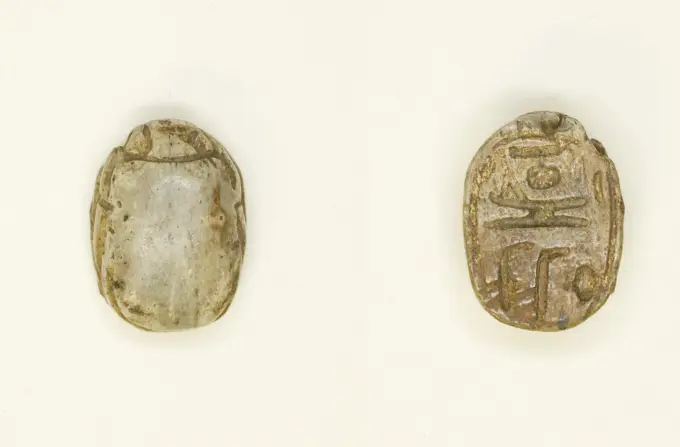
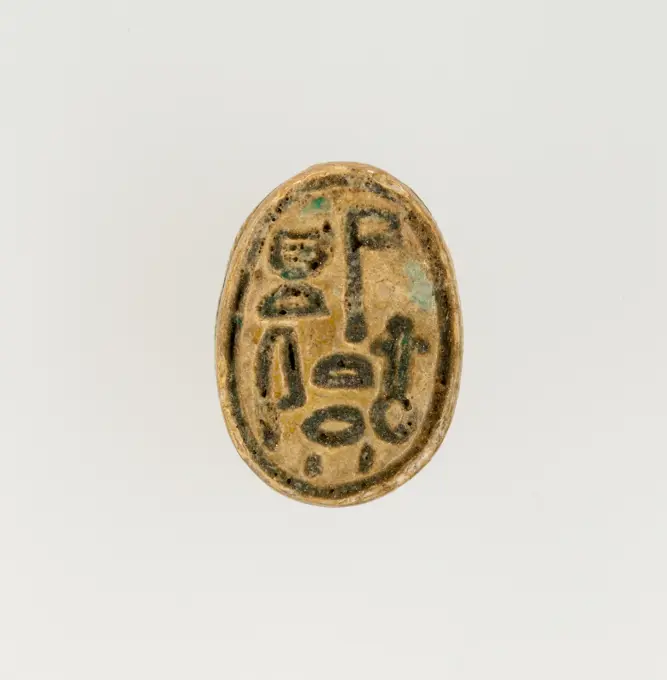
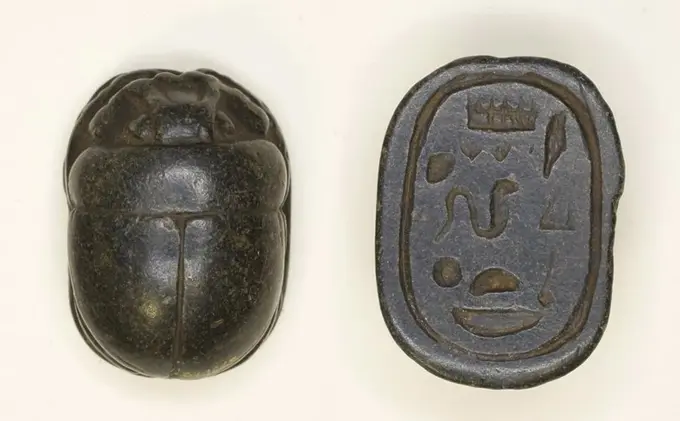
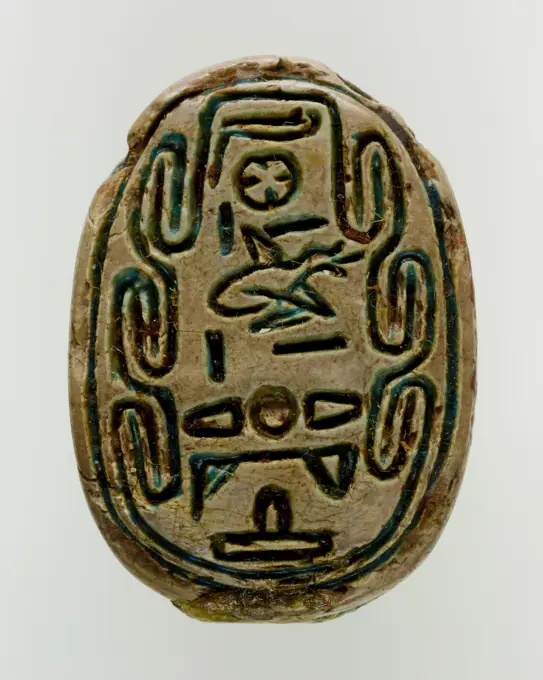
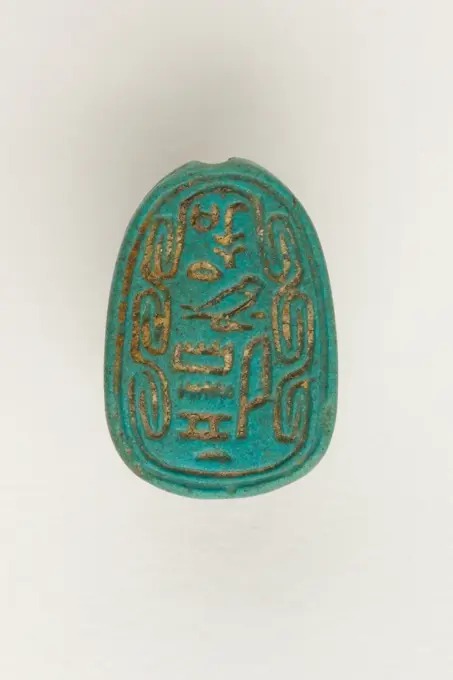
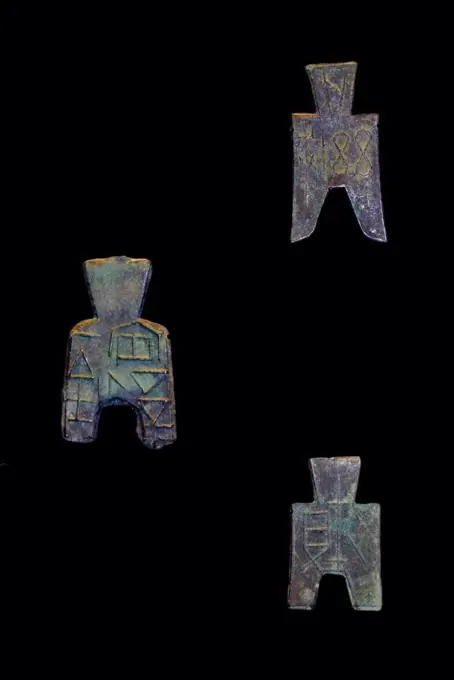
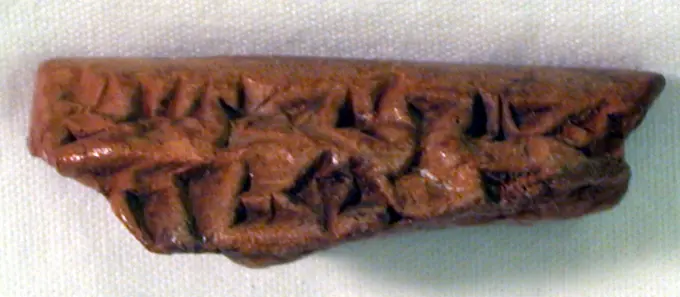
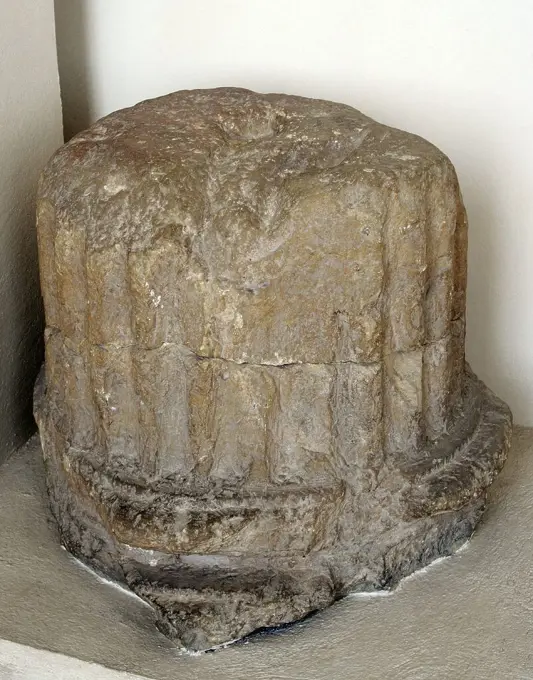
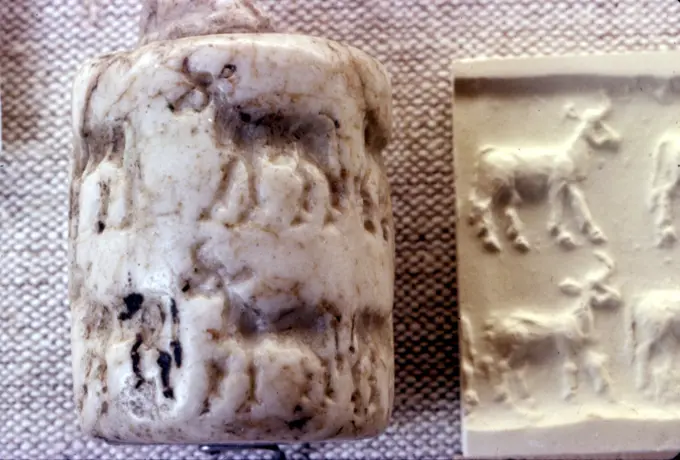
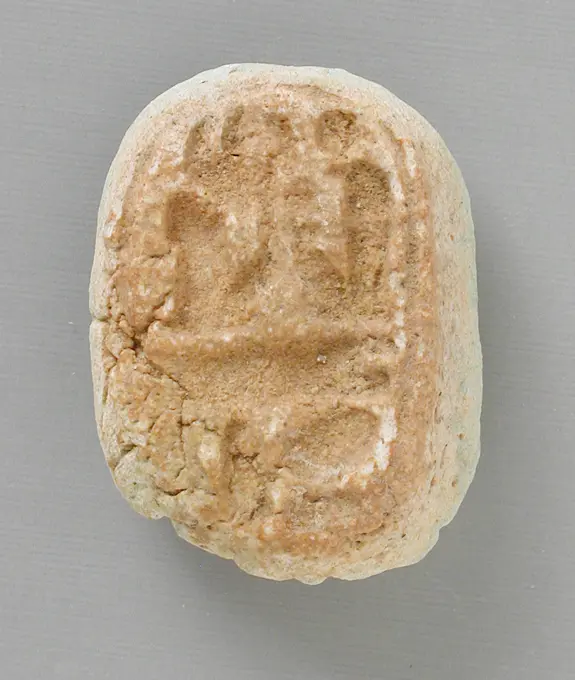
Scarab Amun-Re 1550 BCE-525 BCE Egypt. Steatite . Ancient Egyptian
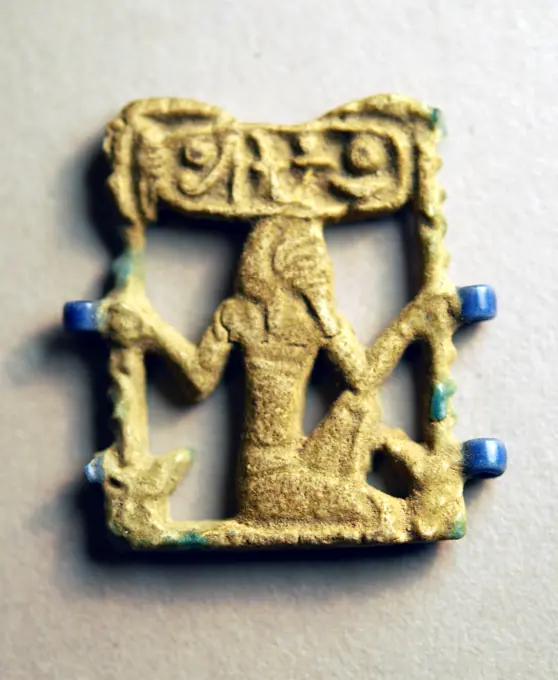
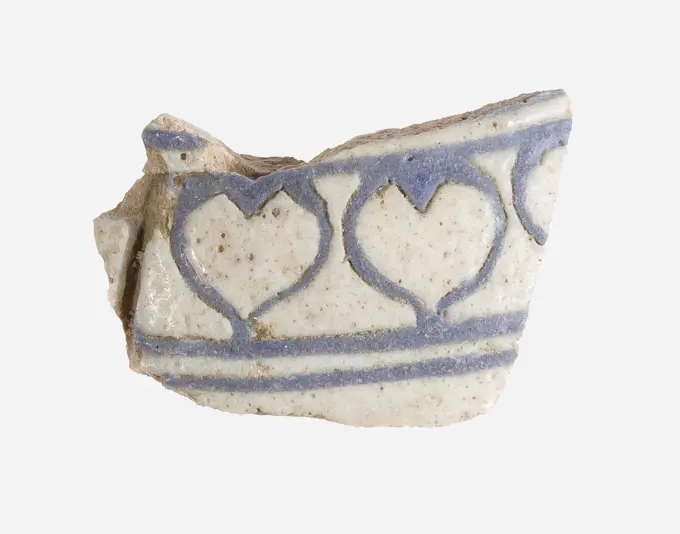
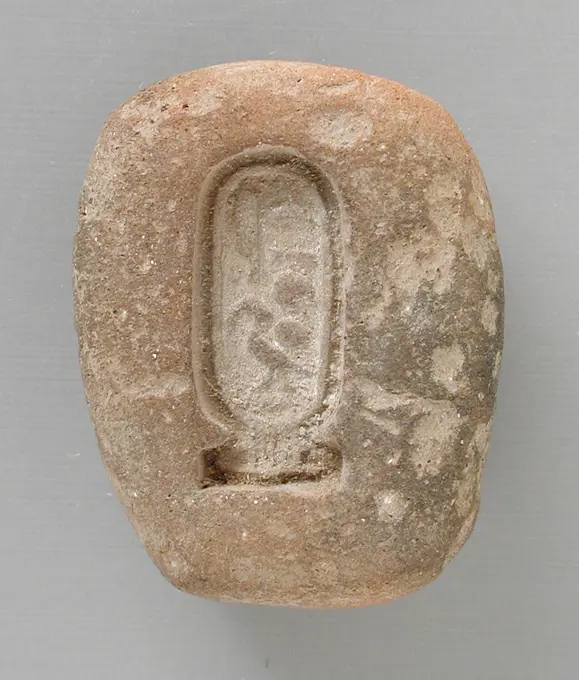
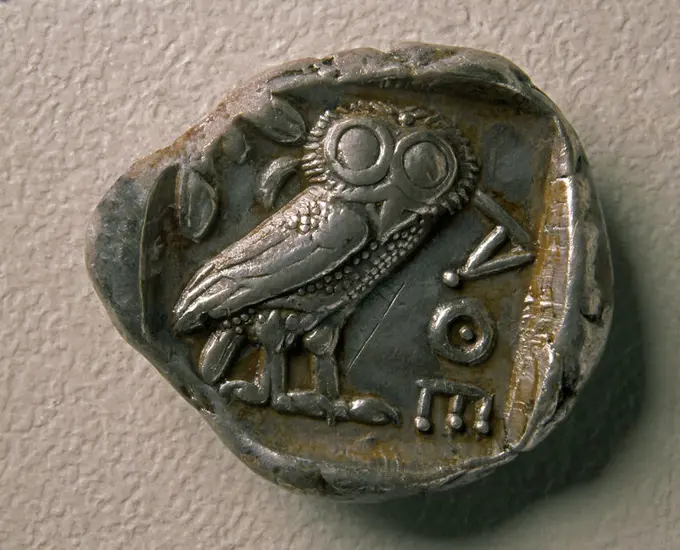
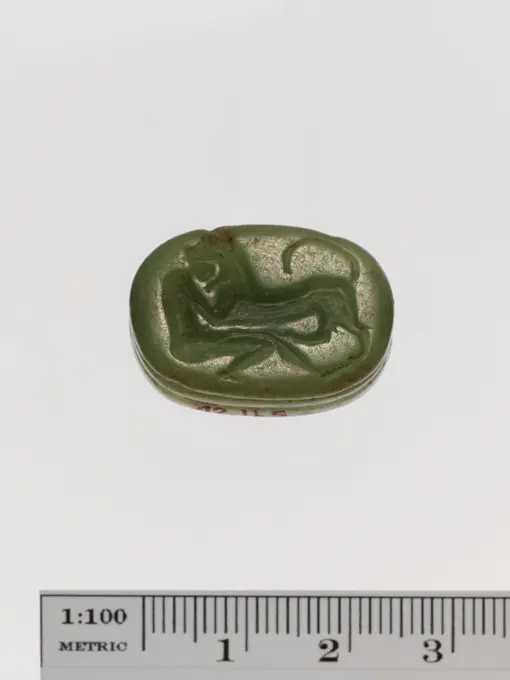
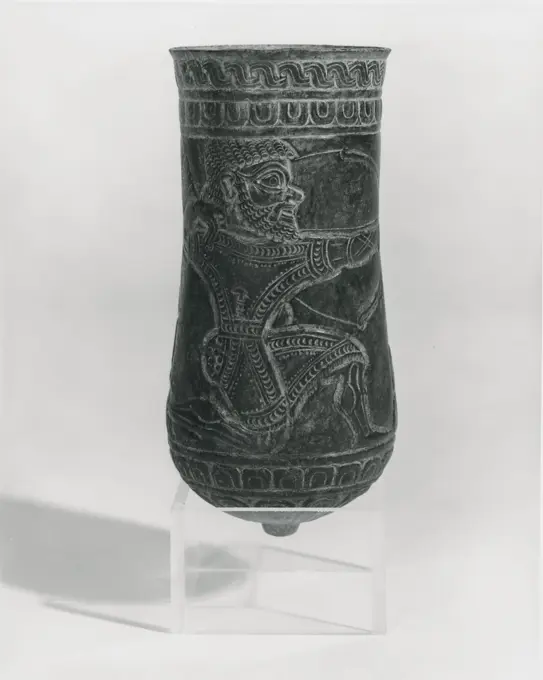
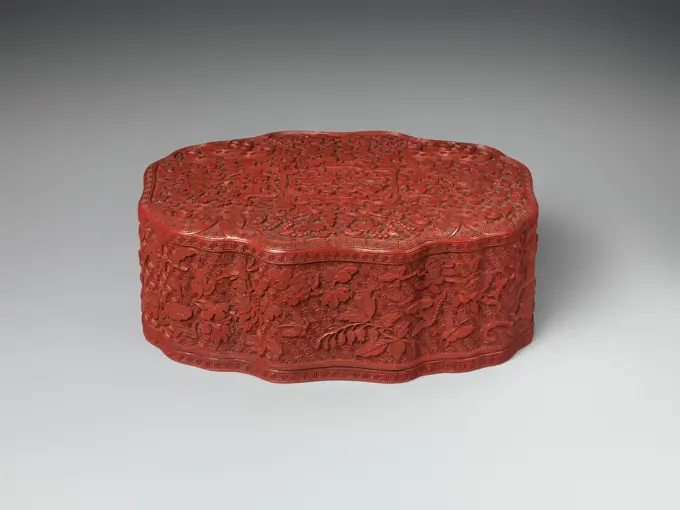
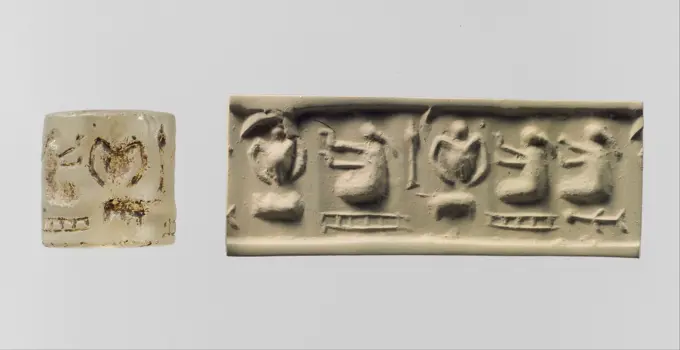
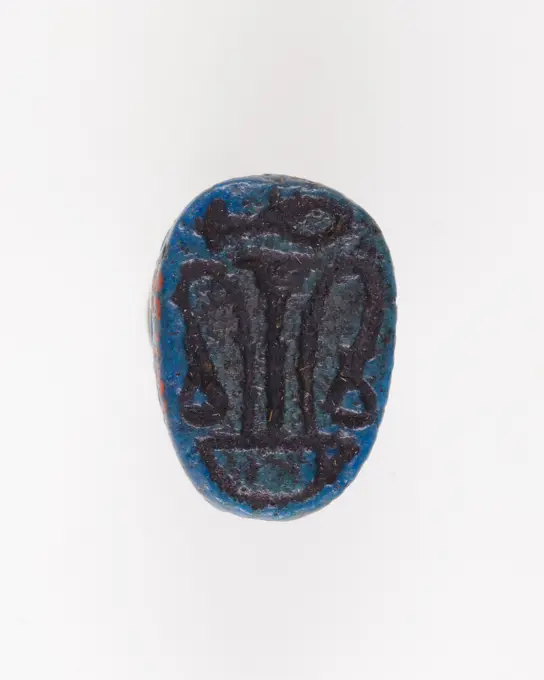
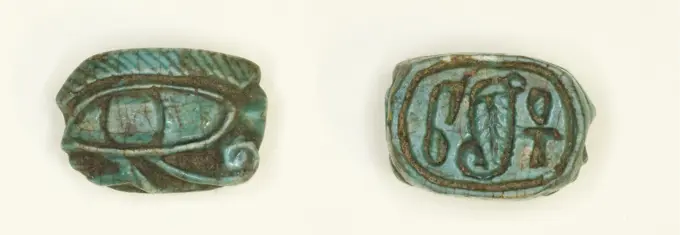
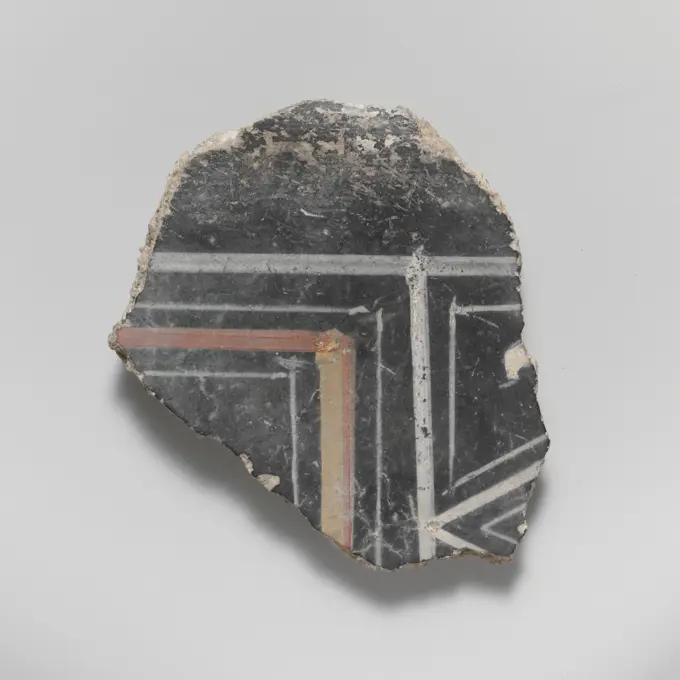
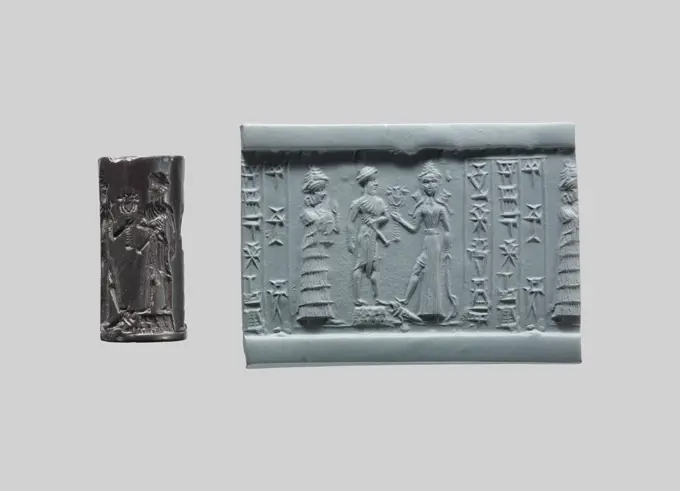
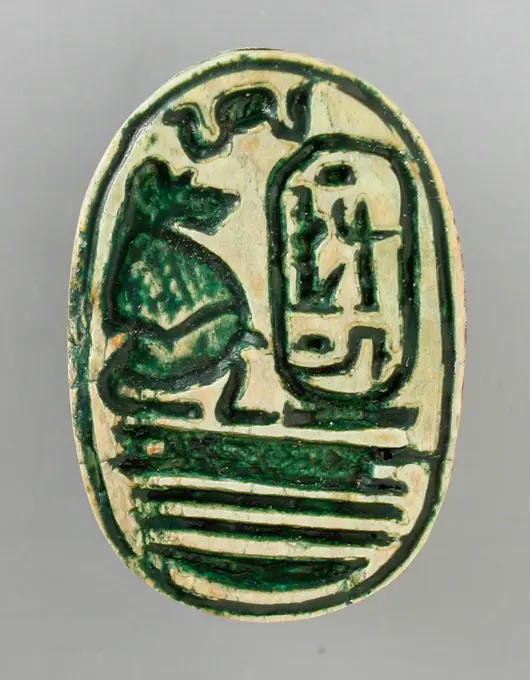
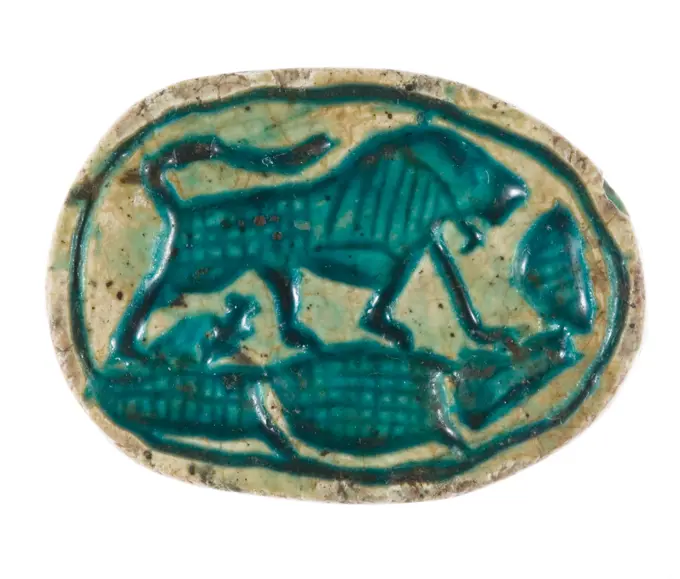
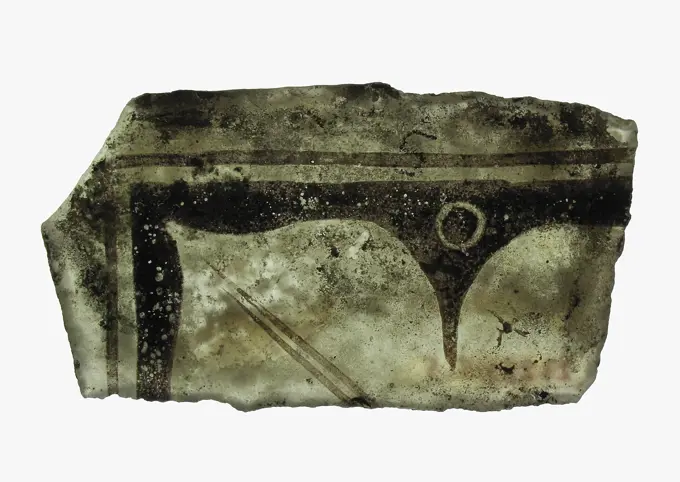
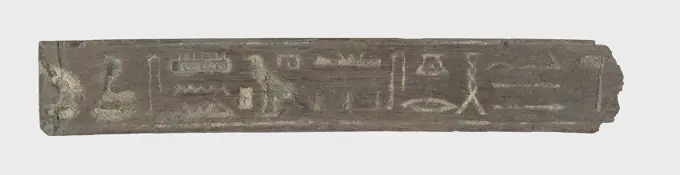
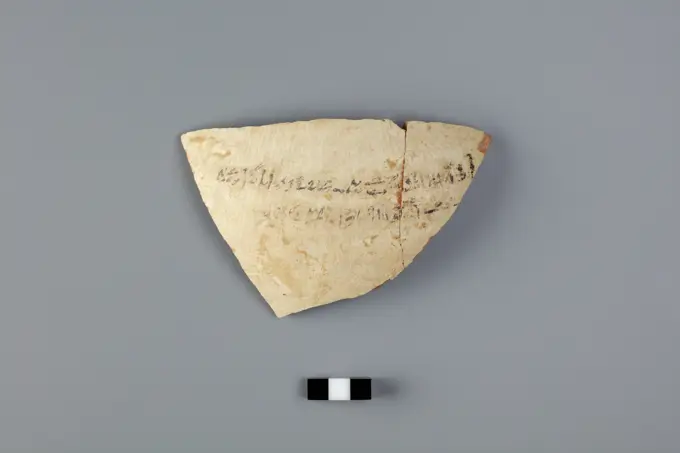
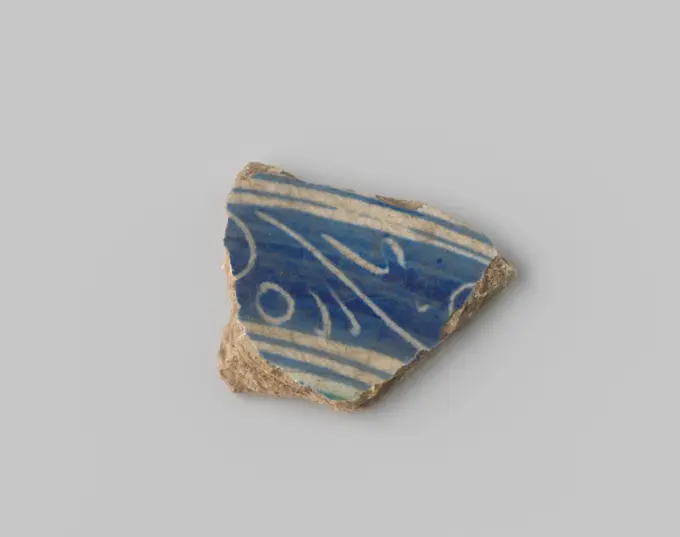
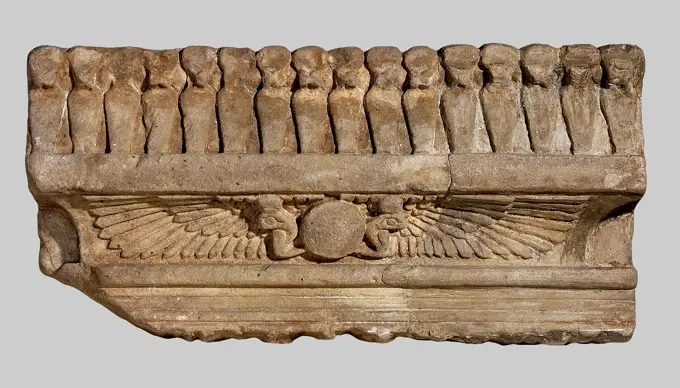
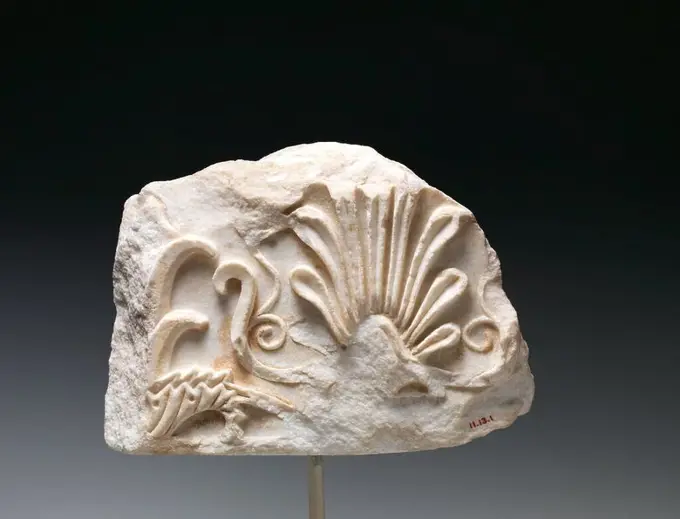
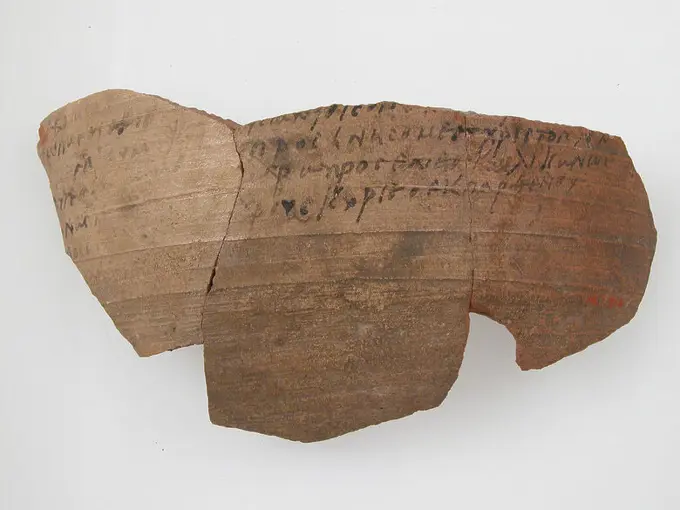
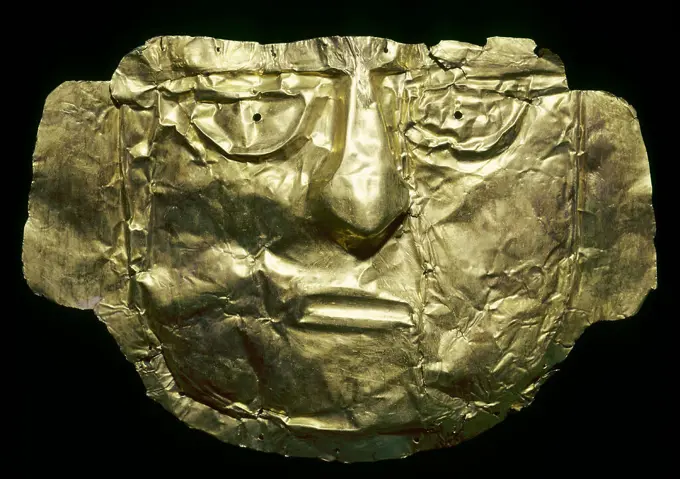
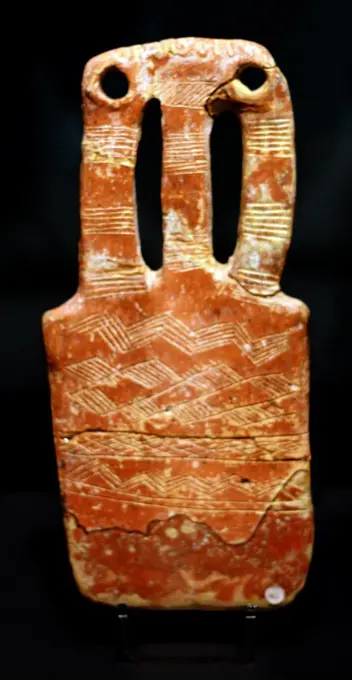
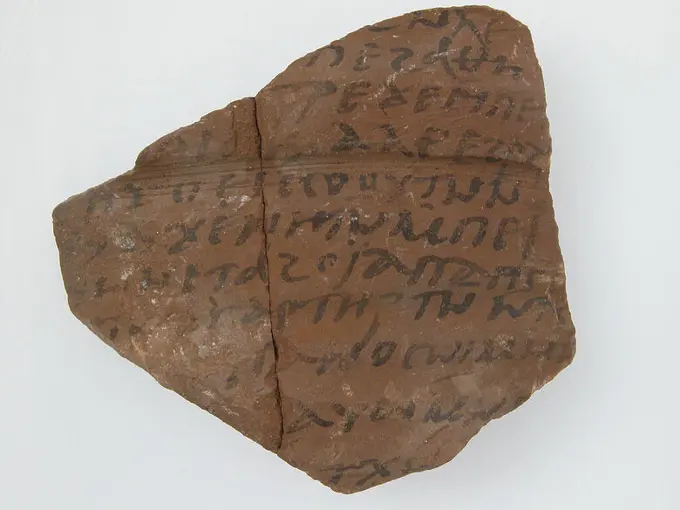
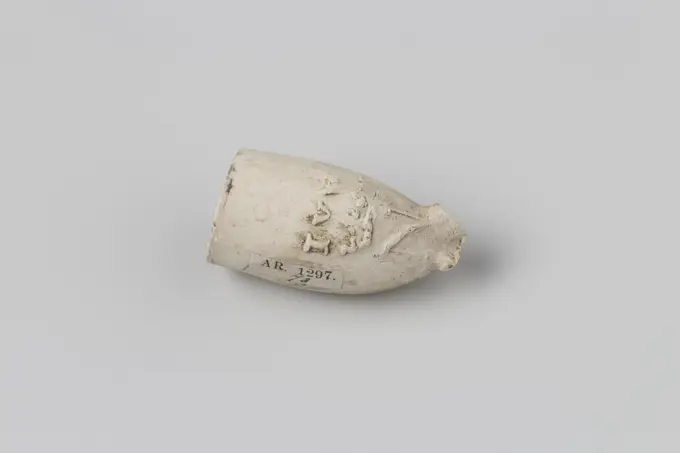
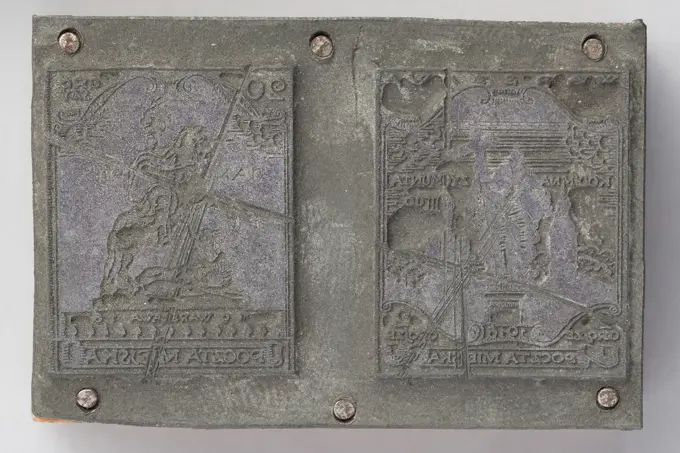
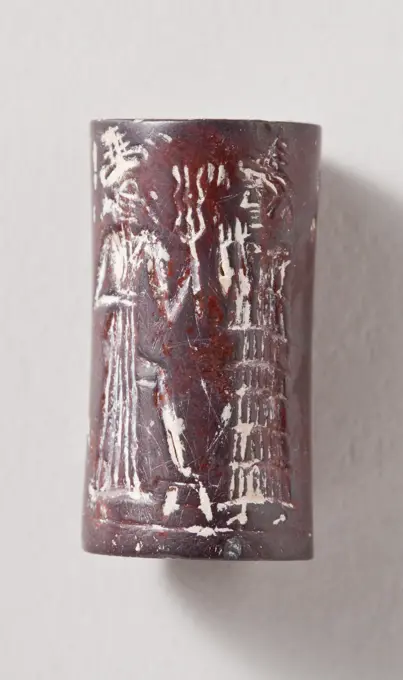
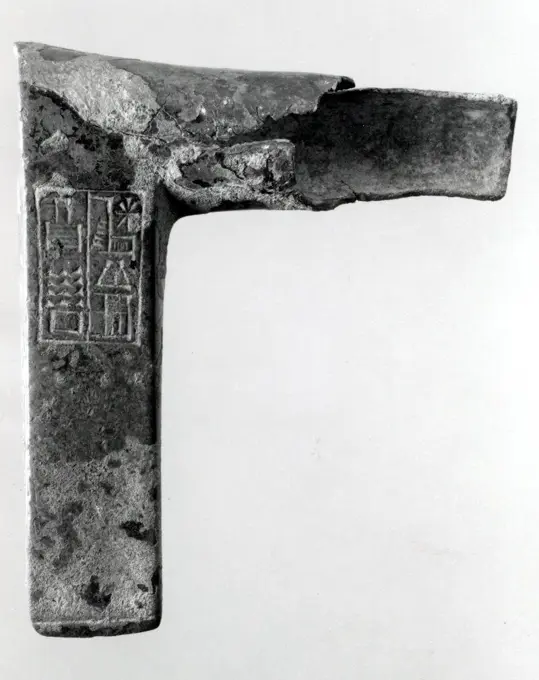
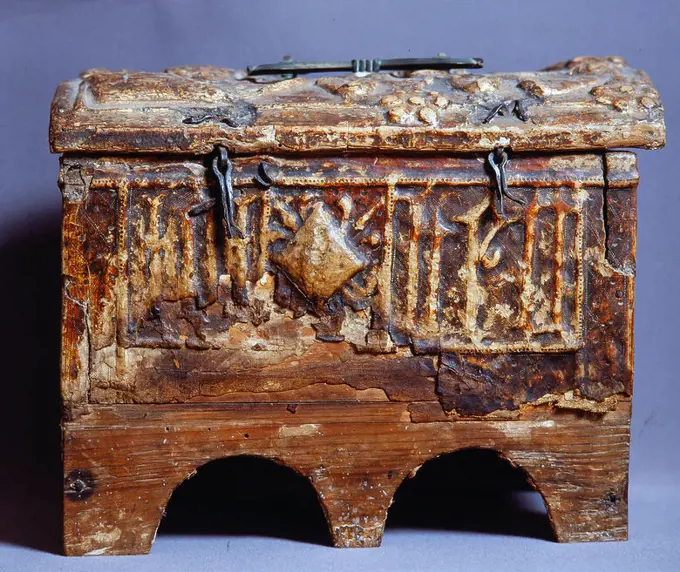
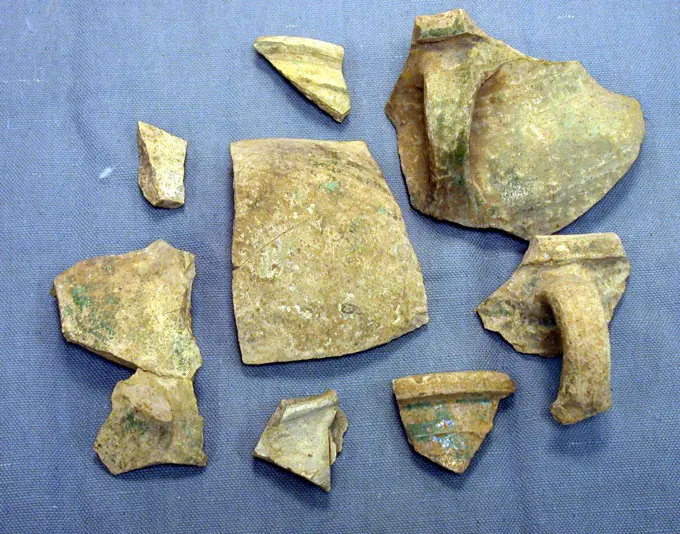
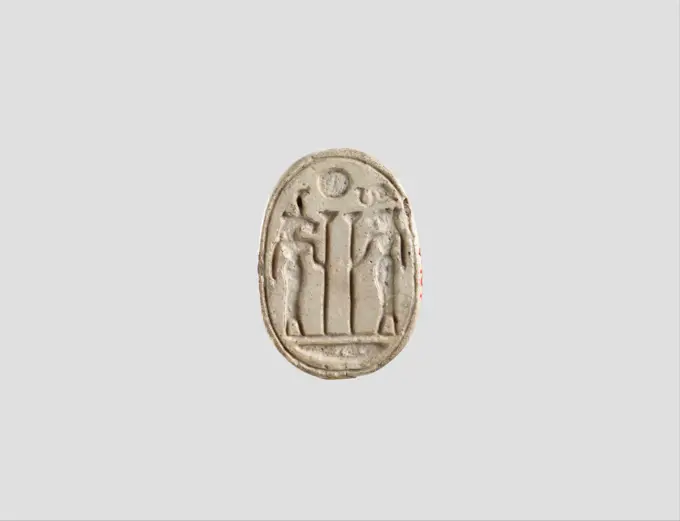
Sarcophagus foot panel (attributed title). Molded plaster. Carnavalet museum, history of Paris. Cross inscribed in a pearl circleDouble Capital 13th-14th century French. Double Capital 471341Incense Burner with Inscription of Incense Names 5th Century B.C. YemenBell Głonka (coat of arms of the Krakow chapter)  Zygmuntów Tower, Wawel Cathedral, KrakowDouble Capital late 13th-early 14th century French. Double Capital. French. late 13th-early 14th century. Marble. Made in Pyrénées. Sculpture-ArchitecturalRing, god figure. Dimensions: Diam. 2 cm (13/16 in.). Dynasty: Dynasty 19-20. Date: ca. 1295-1070 B.C.. Museum: Metropolitan Museum of Art, New York, USA.Roller stamp with birds. Culture: Mexican. Dimensions: Overall: 1 3/4 x 2 3/8 in. (4.5 x 6.1 cm)Other: 1 3/4 in. (4.5 cm). Date: 10th-15th century. Museum: Metropolitan Museum of Art, New York, USA.Heh amulet with the Name of Amenhotep III ca. 1390-1352 B.C. New Kingdom. Heh amulet with the Name of Amenhotep III. ca. 1390-1352 B.C.. Faience. New Kingdom. From Egypt, Upper Egypt, Thebes, West Valley of the Kings, Tomb of Amenhotep III (WV 22), Carnarvon/Carter excavations, 1915. Dynasty 18Inscribed Plaque ca. 1479-1458 B.C. New Kingdom. Inscribed Plaque. ca. 1479-1458 B.C.. Faience, paint. New Kingdom. From Egypt, Upper Egypt, Thebes, Deir el-Bahri, Temple of Hatshepsut, forecourt, Foundation Deposit 6 (F), MMA excavations, 1923-24. Dynasty 18Vase Fragment ca. 1390-1353 B.C. New Kingdom. Vase Fragment. ca. 1390-1353 B.C.. Faience. New Kingdom. From Egypt, Upper Egypt, Thebes, Malqata, Palace of Amenhotep III, MMA excavations, 1911-12. Dynasty 18Molded faience cartouche shaped Plaque amulet. Egypt, New Kingdom, 19th or 20th Dynasty (1315 - 1081 BCE). Jewelry and Adornments; amulets. FaienceRing Neferkheperure-Waenre (Akhenaten) 1352 BCE-1336 BCE Egypt. Faience . Ancient EgyptianMold with Cartouche of Akhenaten. Egypt, New Kingdom, 18th Dynasty, reign of Akhenaten (1372 - 1355 BCE). Tools and Equipment; molds. TerracottaMONEDA-TETRADRACMA R(24.420)ATENAS-REVERSO-223,12 MM-LECHUZA DE ATENEA(ESCUDO DE ATENAS) - SIGLO VI AC. Location: FABRICA NACIONAL DE MONEDA Y TIMBRE-COLECCION. MADRID. SPAIN.Fragment of a jug with musicians, c. 1550 - c. 1699 Fragment of a jug of stoneware covered with a brown Engobe. You can see part of a printed and laid band in relief with musicians, two gentlemen and a lady. The lady walks hand in hand with the Lord on the right, looking back and raises her hand to the Lord on the left, who pulls her skirts up. Above the inscription 'Wer Seine Kop wants to halden Re ...'. The lower part with entered courses. On the shoulder compartments with a stamped flower drink. Raeren. Raeren (possibly) stoneware. glaze. engobe vitrification Fragment of a jug of stoneware covered with a brown Engobe. You can see part of a printed and laid band in relief with musicians, two gentlemen and a lady. The lady walks hand in hand with the Lord on the right, looking back and raises her hand to the Lord on the left, who pulls her skirts up. Above the inscription 'Wer Seine Kop wants to halden Re ...'. The lower part with entered courses. On the shoulder compartments with a sSteatite scaraboid seal early 7th century B.C. Greek Lion attacking man. The man's head is inside the jaws of the animal.. Steatite scaraboid seal. Greek. early 7th century B.C.. Steatite. Orientalizing. GemsFragmento de mesa romano, procedente del yacimiento arqueológico de Can Modolell. Museu de Mataró.Bronze Bucket (Situla). Iran, Luristan, Lursitan bronzes, 1000-800 B.C.. Furnishings; Serviceware. BronzeScarab Inscribed for the God's Wife (Ahmose-)Nefertari ca. 1550-1525 B.C. New Kingdom. Scarab Inscribed for the God's Wife (Ahmose-)Nefertari. ca. 1550-1525 B.C.. Steatite, glazed. New Kingdom. From Egypt. Dynasty 18Set of boxes 19th century China The smaller painted and gilded boxes nestled into this carved container were intended to hold treasured items. Although sets like this one were popular, it is unusual to find an outer box and its smaller components together.. Set of boxes. China. 19th century. Carved red lacquer; interior boxes painted and gilded. Qing dynasty (1644-1911). LacquerCylinder seal and modern impression: three "pigtailed ladies" with double-handled vessels ca. 3300-2900 B.C. Although engraved stones had been used as early as the seventh millennium B.C. to stamp impressions in clay, the invention in the fourth millennium B.C. of carved cylinders that could be rolled over clay allowed the development of more complex seal designs. These cylinder seals, first used in Mesopotamia, served as a mark of ownership or identification. Seals were either impressed on lumps of clay that were used to close jars, doors, and baskets, or they were rolled onto clay tablets that recorded information about commercial or legal transactions. The seals were often made of precious stones. Protective properties may have been ascribed to both the material itself and the carved designs. Seals are important to the study of ancient Near Eastern art because many examples survive from every period and can, therefore, help to define chronological phases. Often preserving imagery noScarab Incised with Hieroglyph and Papyrus ca. 1580-1550 B.C. Second Intermediate Period Papyrus plants and other floral designs often decorate the underside of seal-amulets because they refer to life, renewal and regeneration. This scarab shows a three-stemmed papyrus plant with one straight stem flanked by two stems hanging down. The hieroglyph for good and beautiful (nefer) is placed above, reinforcing the positive power of the design.. Scarab Incised with Hieroglyph and Papyrus 545744Scaraboid Wedjat Eye 1550 BCE-1295 BCE Egypt. Glazed steatite . Ancient EgyptianWall painting fragment 1st century A.D. Roman On black ground; diamond and square patterns in white and ochre.. Wall painting fragment. Roman. 1st century A.D.. Fresco. Miscellaneous-PaintingsOffering table, titulary of king ca. 1353-1336 B.C. New Kingdom, Amarna Period. Offering table, titulary of king 549831Tiles, Koguryo. Discovered in Pyongyang, South Manchuria. Koguryo Period (37BCE - 668)Cylinder seal ca. 18th-17th century B.C. Babylonian Although engraved stones had been used as early as the seventh millennium B.C. to stamp impressions in clay, the invention in the fourth millennium B.C. of carved cylinders that could be rolled over clay allowed the development of more complex seal designs. These cylinder seals, first used in Mesopotamia, served as a mark of ownership or identification. Seals were either impressed on lumps of clay that were used to close jars, doors, and baskets, or they were rolled onto clay tablets that recorded information about commercial or legal transactions. The seals were often made of precious stones. Protective properties may have been ascribed to both the material itself and the carved designs. Seals are important to the study of ancient Near Eastern art because many examples survive from every period and can, therefore, help to define chronological phases. Often preserving imagery no longer extant in any other medium, they serve as a visuaScarab Depicting a Baboon before the Throne Name of Ramses II. Egypt, New Kingdom, 19th dynasty (1304-1201 BCE). Sculpture. Steatite with modern green colorCanaanite Scarab with a Lion over a Crocodile ca. 1600-1500 B.C. Early New Kingdom. Canaanite Scarab with a Lion over a Crocodile. ca. 1600-1500 B.C.. Steatite. Early New Kingdom. From Canaan, Levant. Dynasty 18Frog Scaraboid with Human Depictions on the Base. Egypt, probably 6th - 13th Dynasty (2374 - 1665). Sculpture. Blue glazed steatiteScarab: Hieroglyphs. Egyptian. Date: 1069 BC-343 BC. Dimensions: 2.4 × 1.7 × 1.3 cm (15/16 × 11/16 × 1/2 in.). Stone. Origin: Egypt. Museum: The Chicago Art Institute, Chicago, USA. Author: Ancient Egyptian.Fragment of relief ca. 1981-1640 B.C. Middle Kingdom. Fragment of relief 556810Iberian Excised Box, Valladolid Museum - Provincial Museum of Antiquities, Autonomous Community of Castile and Leon, Spain.Cornice Fragment with Egg and Dart Moulding. UnknownVase fragment first half of the 2nd century AD Roman, Gaul Inscribed.. Vase fragment. Roman, Gaul. first half of the 2nd century AD. Terracotta. VasesImpression Of Seal Cylinder; 1902-20-33Asia, Israel. Amarna Letter, Yapahu writes about Habiru, 14th c. BC, Israel.Fragment 14th-15th century. Fragment. 14th-15th century. Earthenware; incised decoration through white slip and coloring under transparent glaze. Attributed to Egypt. CeramicsFragment of grater. Bronze. Cernuschi Museum, Asia Museum of Asia in the city of Paris.Fragment 9th-10th century. Fragment 450306Campania Napoli Naples S. Lorenzo Maggiore87. Hutzel, Max 1960-1990 Medieval: Sculpture, architecture, architectural sculpture (including Roman spolia) 13-14th century Chapter house; sarcophagi, gravestones; wall painting. Fragment of mosaic; sculptural fragments in the Sala Capitolare. Post-medieval: Architecture, architectural sculpture, ceiling painting fresco cycle; prints depicting Venice c. 1845 (4), sculpture; life-size creche figures dressed in original Neapolitan costume Church restored in 1882, 1926, 1944; excavations under the transept undertaken between 1958-1962, and in the cloister in 1976, have revealed remains of a Roman macellum (market), street, and the paleochristian basilica of the 6th c. AD. Antiquities: Pottery: black-glazed, archaic banded, domestic wares, bucchero; architectural terracottas, statuettes, lamps, sculpture fragments Object Notes: 3 color negatives with no prints at the end. General Notes: Most objects/paintings/frescoes unidentified. Three batches Coptic stone architectural sill carved with acanthusleaves., 6th century A.D., Limestone, 21 × 17.25 × 68 cm (8 1/4 × 6 13/16 × 26 3/4in.), Egyptian, Coptic, SculpturePalette of the Dogs. 3300 -3100 BC. Protodynastic period. Representation of four dogs and two giraffes. Egyptian art. Relief on rock. FRANCE. ëLE-DE-FRANCE. Paris. Louvre Museum.Fragment of a small container with a hare, anonymous, c. 1200 - c. 1299 Fragment of the bottom of a small bowl of quartz fritry. In the middle a hare in blue and brown inside a serrated frame. Gray -yellow earth. The foot unglazed. The fragment was found in Cairo. Syria (possibly) earthenware. painting / vitrification Fragment of the bottom of a small bowl of quartz fritry. In the middle a hare in blue and brown inside a serrated frame. Gray -yellow earth. The foot unglazed. The fragment was found in Cairo. Syria (possibly) earthenware. painting / vitrificationFragment of a Bowl 9th-10th century. Fragment of a Bowl 450225Mummy Label with a Personal Name. Egypt, Third Intermediate Period (1080 - 711 BCE). Tablets. WoodScarab. UnknownFragment Figured tissue in linen and wool, anonymous, 1500 - 1599 Fragment with pattern such as BK-NM-11903-26-A. Italy Ketting an element: Linen (material). Entry: Wool Fragment with pattern such as BK-NM-11903-26-A. Italy Ketting an element: Linen (material). Entry: WoolInterior of a lock, with a portion of a stuffed key. Interior of a lock, with a portion of a stuffed key. The corresponding mount under number NM-7843-1.Glass Fragment 13th century French. Glass Fragment. French. 13th century. Colorless glass. Made in Paris, France. Glass-StainedFemale Figure. India, Uttar Pradesh, Kausambi (), circa 200. Sculpture. TerracottaWooden fragment for inlay inscribed with the Two-Ladies name of Amenhotep III ca. 1390-1353 B.C. New Kingdom. Wooden fragment for inlay inscribed with the Two-Ladies name of Amenhotep III. ca. 1390-1353 B.C.. Wood, yellow paint. New Kingdom. From Egypt, Upper Egypt, Thebes, Malqata, Palace of Amenhotep III, MMA excavations, 1910-12. Dynasty 18Campania Napoli Naples S. Lorenzo Maggiore51. Hutzel, Max 1960-1990 Medieval: Sculpture, architecture, architectural sculpture (including Roman spolia) 13-14th century Chapter house; sarcophagi, gravestones; wall painting. Fragment of mosaic; sculptural fragments in the Sala Capitolare. Post-medieval: Architecture, architectural sculpture, ceiling painting fresco cycle; prints depicting Venice c. 1845 (4), sculpture; life-size creche figures dressed in original Neapolitan costume Church restored in 1882, 1926, 1944; excavations under the transept undertaken between 1958-1962, and in the cloister in 1976, have revealed remains of a Roman macellum (market), street, and the paleochristian basilica of the 6th c. AD. Antiquities: Pottery: black-glazed, archaic banded, domestic wares, bucchero; architectural terracottas, statuettes, lamps, sculpture fragments Object Notes: 3 color negatives with no prints at the end. General Notes: Most objects/paintings/frescoes unidentified. Three batches Scarab of the King's Son Sebekhotep ca. 1760-1670 B.C. Middle Kingdom This scarab is inscribed with the royal title king’s son’ followed by the prince’s name, Sebekhotep. Added to the inscription is a formula, which wishes members of the royal family life and prosperity. The shape and decorations of the scarab are characteristic of Dynasty 13 scarabs.. Scarab of the King's Son Sebekhotep. ca. 1760-1670 B.C.. Bright green glazed steatite. Middle Kingdom. From Egypt, Memphite Region, Lisht North, Cemetery, debris, MMA excavations, 1920-22. mid Dynasty 13Fragment Pijpenkop, Huijbert de Hoog, 1750 - 1800 Fragment piping head with a crown and a stork and the letters h d h. Of the excavations on the Hofstede Arentsburg 1827-1831 under the supervision of Professor Reuvens. Schoonhoven pipe clay Fragment piping head with a crown and a stork and the letters h d h. Of the excavations on the Hofstede Arentsburg 1827-1831 under the supervision of Professor Reuvens. Schoonhoven pipe clayRound Seal ca. 6th century India. Round Seal. India. ca. 6th century. Terracotta. SealsPlaque. Egypt, 8th century. Bone, carvedFunerary Cone of the Royal Tutor Heqarneheh ca. 1427-1352 B.C. New Kingdom This cone has the impression of a stamp seal inscribed for a man named Heqarneheh (Heqa-er-neheh) who owned tomb 64 (TT 64) in the Sheikh Abd el-Qurna cemetery of Western Thebes. He was a Child of the Nursery, which probably means he was brought up with the royal children. He was also Royal Tutor of a prince named Amenhotep who became the pharaoh Amenhotep III.Hundreds of inscribed pottery funerary cones dating to the New Kindom and later have been found in the non-royal cemeteries of the Theban necropolis. During the 1926-1927 field season, the Museum's excavators uncovered a Middle Kingdom tomb with rows of uninscribed cones embedded along the upper edge of the facade (see fig. 1). The later inscribed cones were probably used in the same way, identifying the tomb owner by name and title. Although some are inscribed with the names of officials whose tombs are known, such as Heqaerneheh, other cones record the nTobacco Box with Scene of Venus and Adonis. England. Date: 1700-1725. Dimensions: 13 × 7.6 cm (5 1/8 × 3 in.). Brass. Origin: England. Museum: The Chicago Art Institute, Chicago, USA.Voussoir Fragment with Floral Motif and Swastika 6th-7th century. Voussoir Fragment with Floral Motif and Swastika 456081Jar Label ca. 1390-1352 B.C. New Kingdom. Jar Label. ca. 1390-1352 B.C.. Pottery and ink, paint. New Kingdom. From Egypt, Upper Egypt, Thebes, Malqata, Palace of Amenhotep III, MMA excavations. Dynasty 18Scherf Majolica with decoration in blue, anonymous, 1500 - 1699  Majolic screen. Northern Netherlands earthenware. glazeVotive altar with spiral decorations, from the Tarxien TemplesOstrakon. Culture: Coptic. Dimensions: 4 5/16 x 2 5/8 in. (10.9 x 6.7 cm). Date: 7th century. Museum: Metropolitan Museum of Art, New York, USA.Cavetto cornice;  III-IV century (Meroic period) (200-00-00-00-400-00-00);Faras (Sudan), Solar Drive (iconogr.), Nubian craft, ureusz (iconogr.), Polish excavations in Faras (Sudan)Scarab of the Vizier Minhotep ca. 1760-1670 B.C. Middle Kingdom Administrative changes during Dynasty 12 lead to an increase in bureaucracy and, subsequently, in the production and use of seals. This is reflected in the beginning of the mass production of scarabs, the most popular shape for amulets, in late Dynasty 12 through Dynasty 13 (ca. 1850-1640 B.C.). Thousands of these late Middle Kingdom scarabs bear the names and titles of officials, who would wear them as amulets, but who could also use them to seal documents, containers or doors. However, the scarabs primary function remained that of a protective amulet. Several inscriptions add a funerary epithet to the owners name, indicating that the amulet was manufactured after the owner had passed away. Set inside a decorative scroll border are hieroglyphs forming the name and titles of a vizier of Dynasty 13, Minhotep.. Scarab of the Vizier Minhotep 557051Fragment of a Bowl 14th-15th century. Fragment of a Bowl 445550A fragment of the talismanMarble architectural fragment. Culture: Greek. Dimensions: H. 4 3/4 in. (12.1 cm)length 6 1/2 in. (16.5 cm). Date: ca. 350 B.C..The fragment shows a palmette and, to the left, part of an akanthos leaf. The piece comes from the tholos at Epidauros, a circular building in the sanctuary of Asklepios, the god of healing and medicine. Museum: Metropolitan Museum of Art, New York, USA.Ostrakon with Troparion (). Culture: Coptic. Dimensions: 6 9/16 x 3 3/4 in. (16.6 x 9.5 cm). Date: 580-640. Museum: Metropolitan Museum of Art, New York, USA.Roman Lamp with Hermes inReliefFragments taken from the Temple of Apollo in DelphiMummy mask in repousse gold. Pre-Columbian art. Lambayeque, Peru. Madrid, Museum of America. Location: MUSEO DE AMERICA-COLECCION, MADRID, SPAIN.Etruscan inscription ""VEAL THVAL"", bronze foilAmulet with Kronos and an Inscribed Prayer. UnknownPlank-shaped figurines, Red Polished Ware. Figurines, probably female, with 2 or 3 necks, 2300-2000 BC.Ostrakon. Culture: Coptic. Dimensions: 3 1/16 x 2 3/4 in. (7.7 x 7 cm). Date: 7th century. Museum: Metropolitan Museum of Art, New York, USA.Lood with inscription WS 1790, Anonymous, 1790  One -sided, rectangular lead. Front: WS inscription; Below that, separated by horizontal line: year. Reverse: Blanco  lead (metal) castingScarab Inscribed for Queen Merytamun ca. 1525-1504 B.C. New Kingdom. Scarab Inscribed for Queen Merytamun. ca. 1525-1504 B.C.. Faience . New Kingdom. From Egypt. Dynasty 18Wooden Incan ceremonial beaker from Bolivia, Peru. Dated 14th CenturyTable Screen, anonymous, c. 1100 - c. 1299 Small table screen of stoneware with squeezed corners, covered with a green glaze at the top. The front of the screen with a lotus plant and flying birds in relief. The supports of the screen with tenders. Celadon (Longquan). China stoneware. glaze vitrification Small table screen of stoneware with squeezed corners, covered with a green glaze at the top. The front of the screen with a lotus plant and flying birds in relief. The supports of the screen with tenders. Celadon (Longquan). China stoneware. glaze vitrificationDuring the Warring States period (475-221 BC), the various states used different forms of spade money. The earliest money In China was shaped like tools, including spades and knives.Cuneiform tablet: fragment of a promissory note ca. 7th-4th century B.C. Babylonian or Achaemenid. Cuneiform tablet: fragment of a promissory note 322065Engraved Gem; Italy; 2nd century; Jasper; 1.2 × 1.6 cm (1,2 × 5,8 in.)The bottom of the vessel Fondo d'Oro with the show of the orant;  III century (201-00-00-300-00-00);Minors, Alexander von (1806-1887), minutes, Alexander von (1806-1887)-collections, minutes, collectionMultiple Wadjet Amulet. Egypt, New Kingdom (1569 - 1081 BCE). Jewelry and Adornments; amulets. FaienceColumn shaft. Late 1st century AD. From Roman theater. Conserves stucco remains in white. Tarragona. National Archaeological Museum. Tarragona. Catalonia, Spain.Cylindar seal, Proto-Urban, 3200-2900 BC. Cattle. Sumerian MESOPOTAMIA.Pijpenkop, Jan van Wouw, 1760 - 1790 Blowjob with a crown and the letters I v w and n. Of the excavations on the Hofstede Arentsburg 1827-1831 under the supervision of Professor Reuvens. Gorinchem pipe clay Blowjob with a crown and the letters I v w and n. Of the excavations on the Hofstede Arentsburg 1827-1831 under the supervision of Professor Reuvens. Gorinchem pipe clayTwo postage stamps of the Municipal Post Office of Warsaw: Monument to Jan III Sobieski and Zygmunt's column;  1916 (1916-00-00-1916-00-00);Textile Stamp. Dated: c. 1937. Dimensions: overall: 38.9 x 26.2 cm (15 5/16 x 10 5/16 in.). Medium: watercolor and graphite on paperboard. Museum: National Gallery of Art, Washington DC. Author: Charlotte Angus.Cylinder Seal. Iran, Mesopotamia or Syria, Old Babylonian period, circa 2000-1600 B.C.. Tools and Equipment; seals. HematiteAxe head ca. 2350-2150 B.C. Akkadian. Axe head 327047Arqueta, siglo XV. Fundación Juan March.Molded Faience Plaque with throne name of Queen Tawosret. Egypt, New Kingdom, 19th Dynasty, reign of Tawosret (1209 - 1201 BCE). Sculpture; plaques. FaienceWater Filter 10th-12th century. Water Filter 447451Temple Stone, known as the teocalli (temple) of the Sacred WarJug ca. 9th-10th century A.D. Islamic. Jug 323239Vase fragment Roman, Gaul Inscribed.. Vase fragment. Roman, Gaul. Terracotta. VasesScarab ca. 1295-1070 B.C. New Kingdom, Ramesside The underside of this scarab depicts two standing feline-headed goddesses. Both heads seem to be that of a lioness. They stand opposite each other and each holds a papyrus scepter in front. The goddess on the left has a rearing cobra on her head, while the one on the right shows a sundisk with a cobra. In the center above them is a sundisk and below them is a neb-hieroglyph. Several goddesses are known that can be depicted with a lions head and a sundisk and/or uraeus. The identification of these two goddesses is therefore unclear.. Scarab 569544