Historical Fragments and Artifacts

A collection of ancient glass and ceramic fragments, showcasing remnants of historical cultures, perfect for archaeological illustrations.

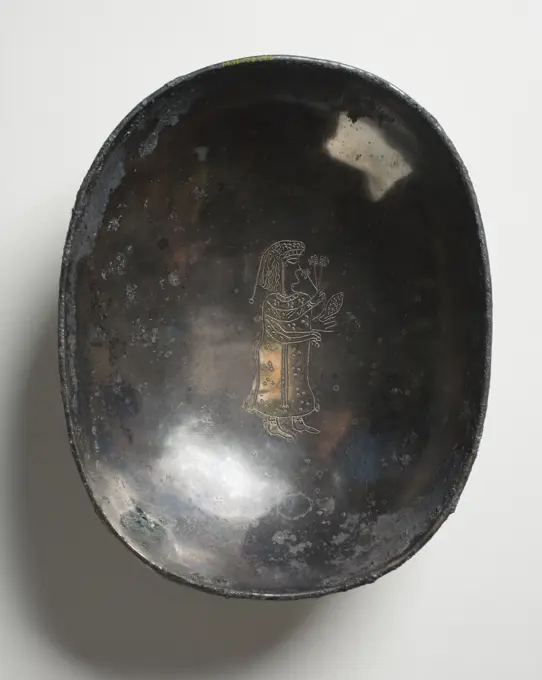
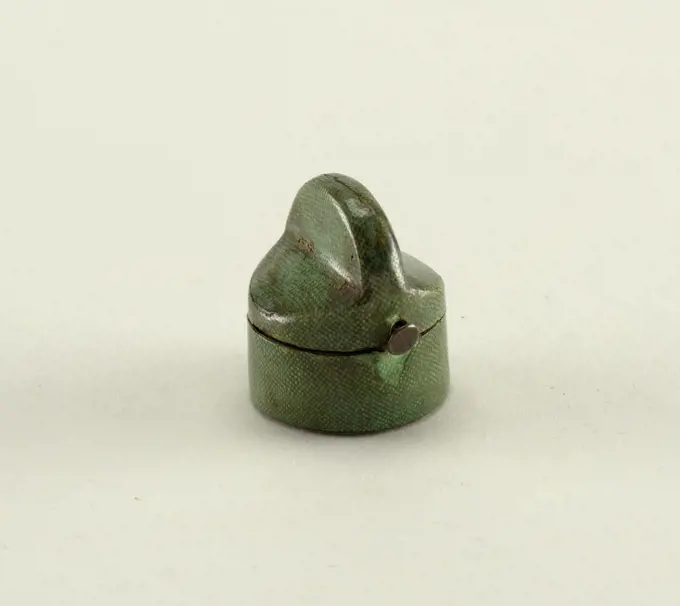
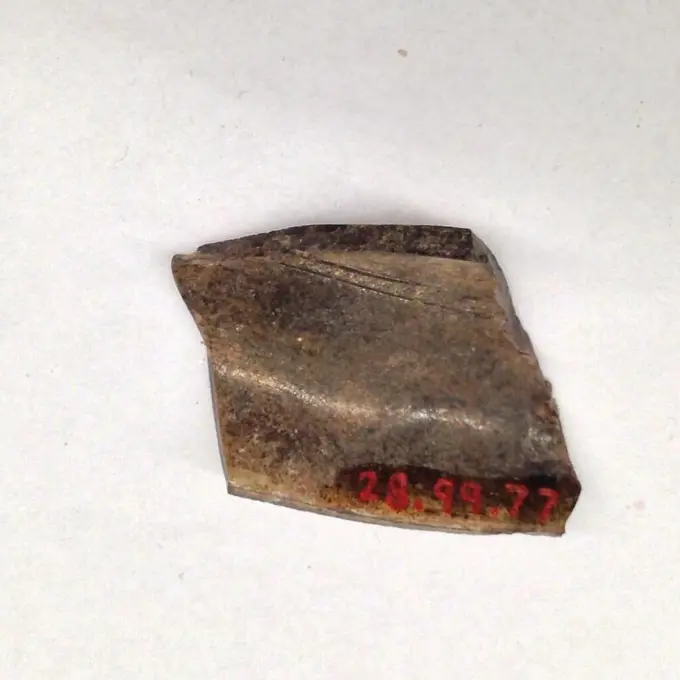
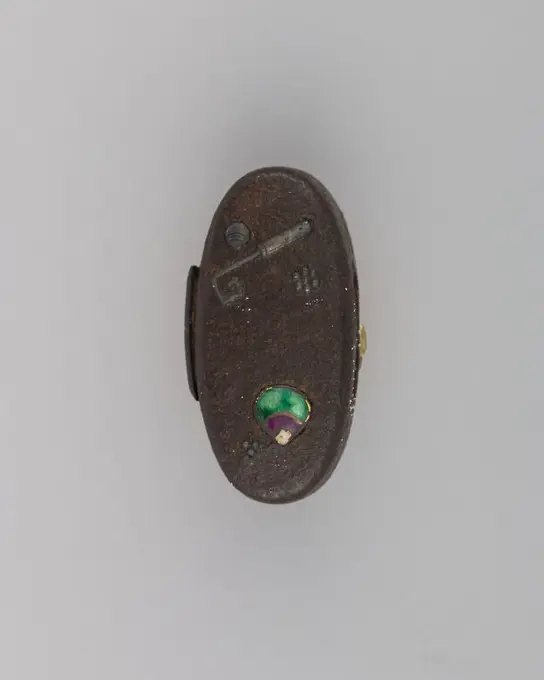
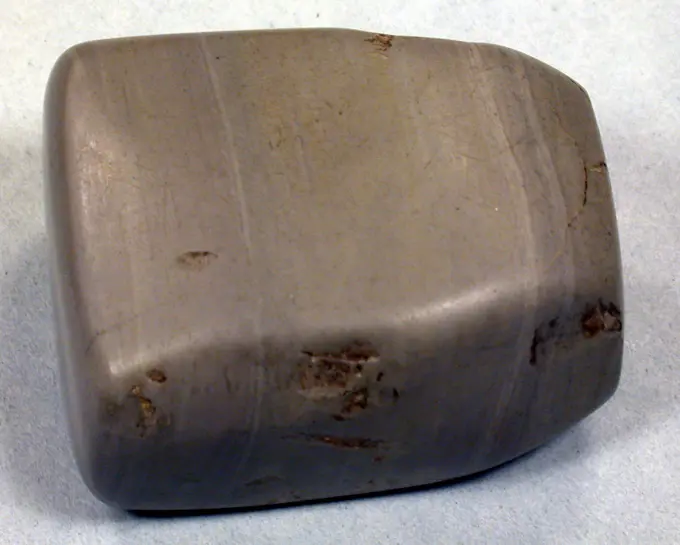
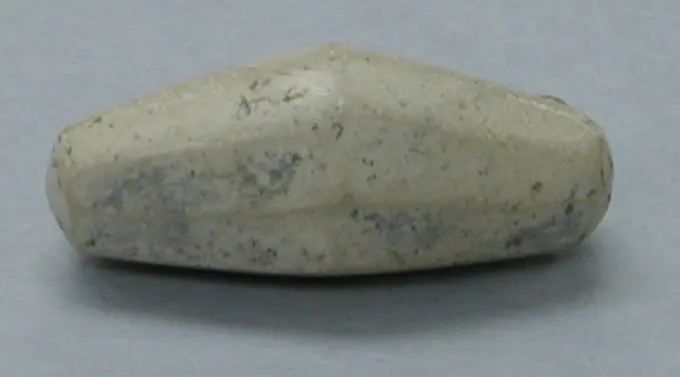
Rabbit, 618-906, 1 1/4 x 3 x 1 1/4 in. (3.18 x 7.62 x 3.18 cm), Steatite, China, 7th-10th century
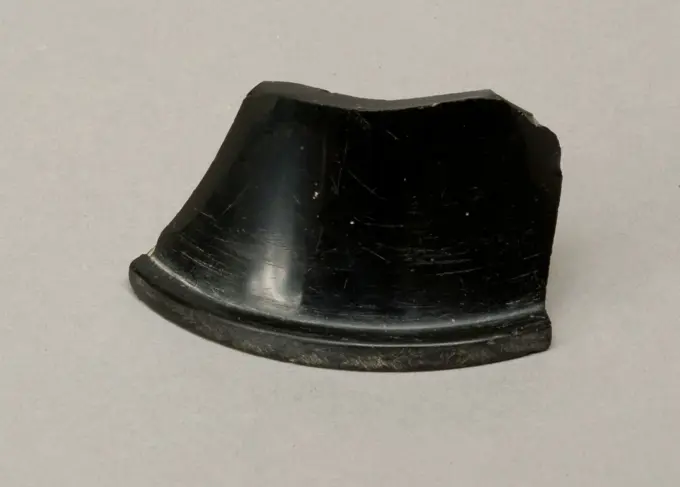
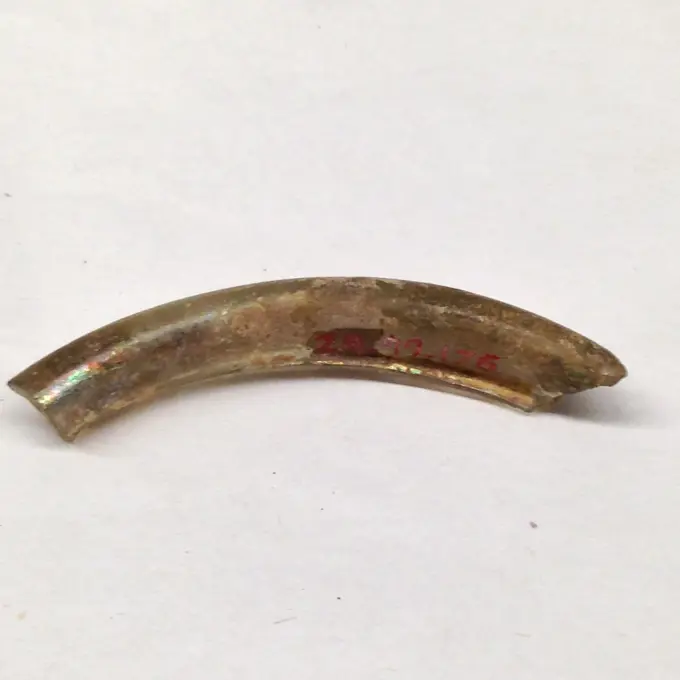
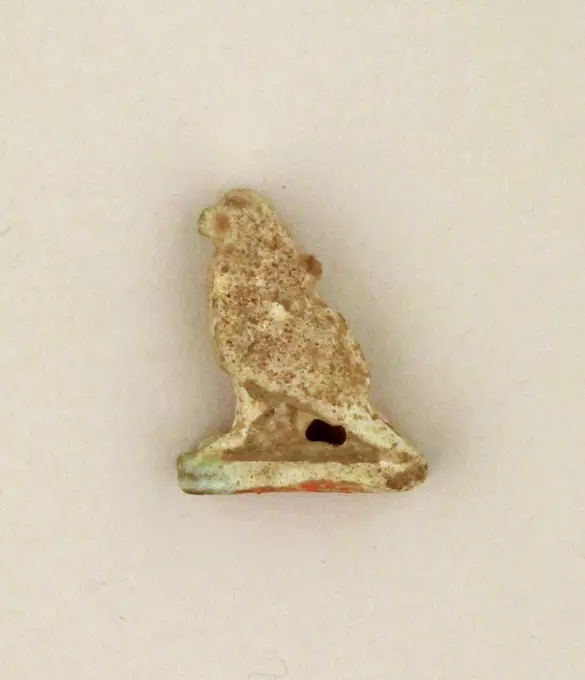
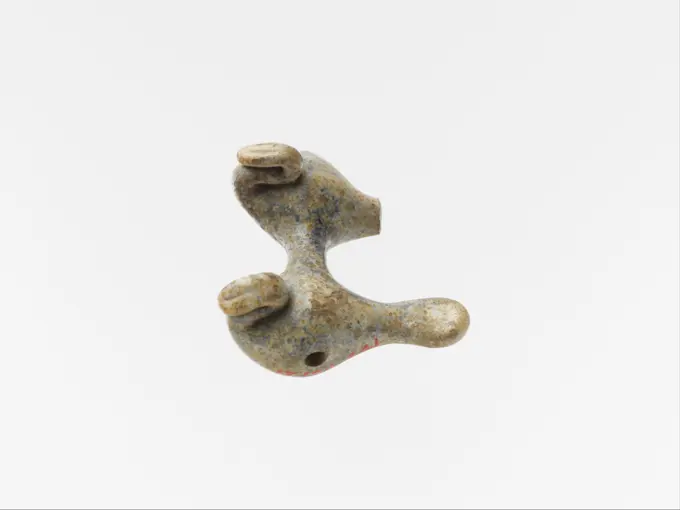
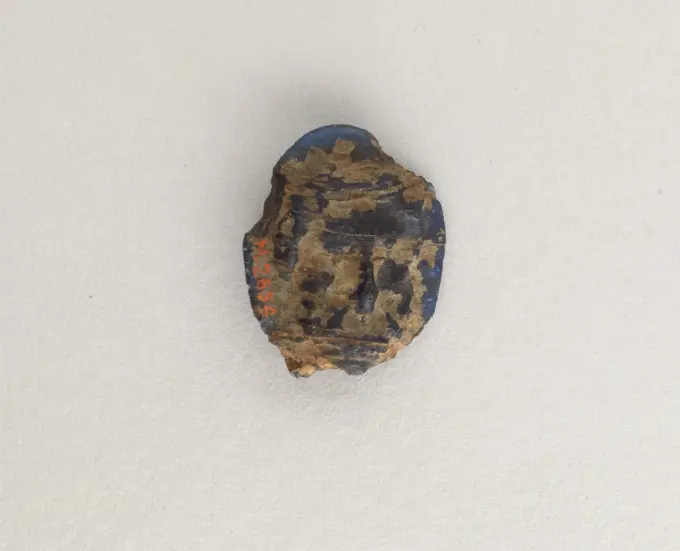
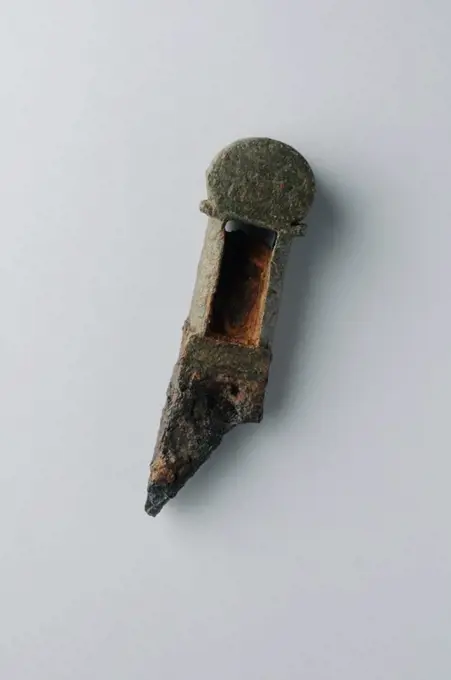
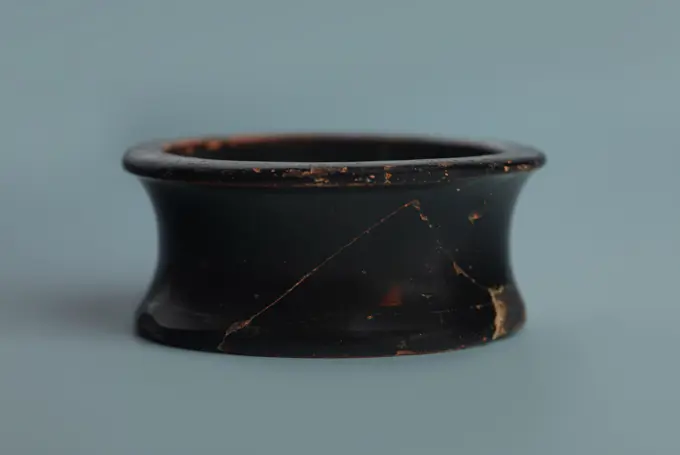
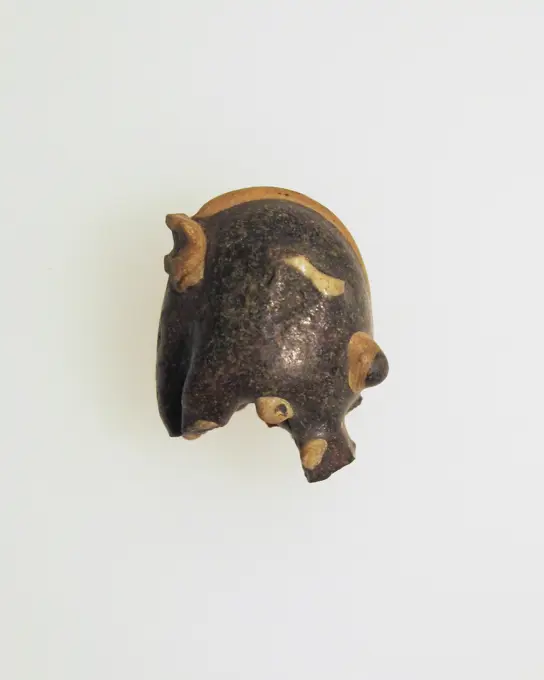
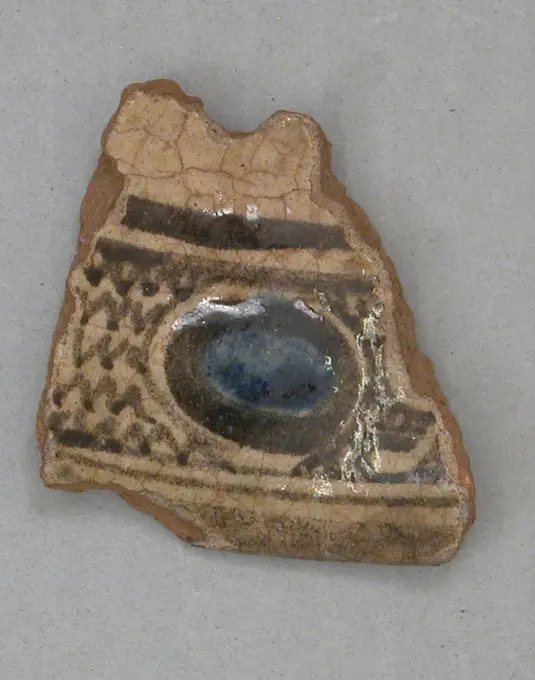
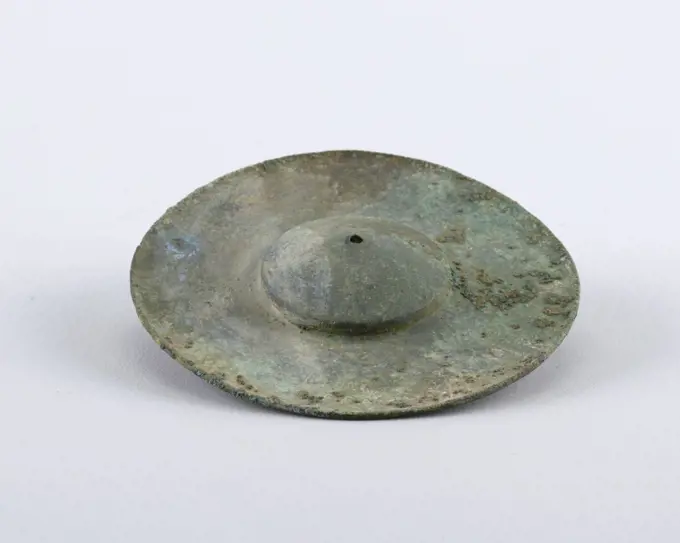
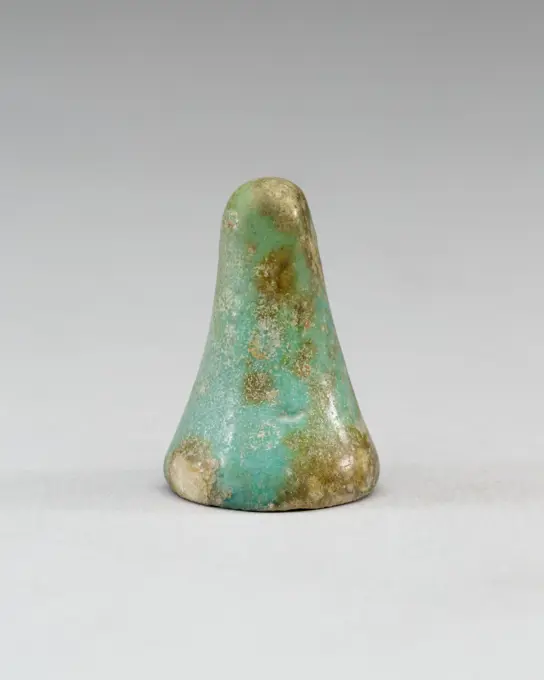
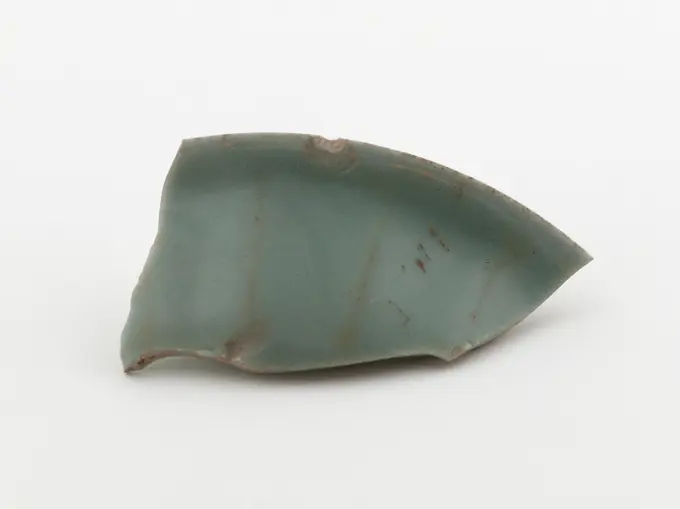
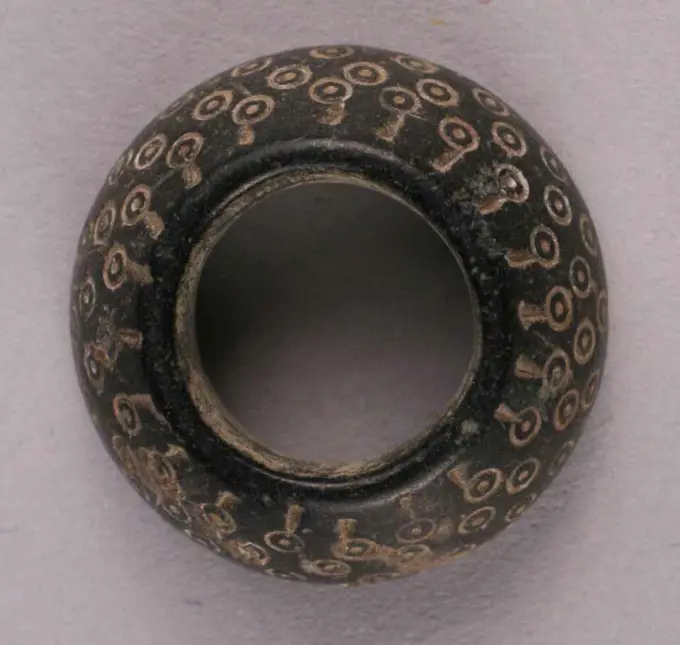
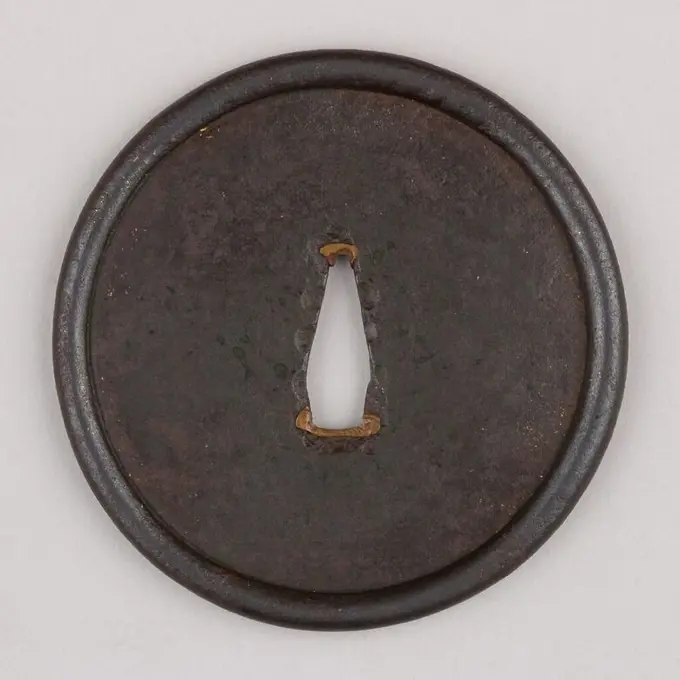
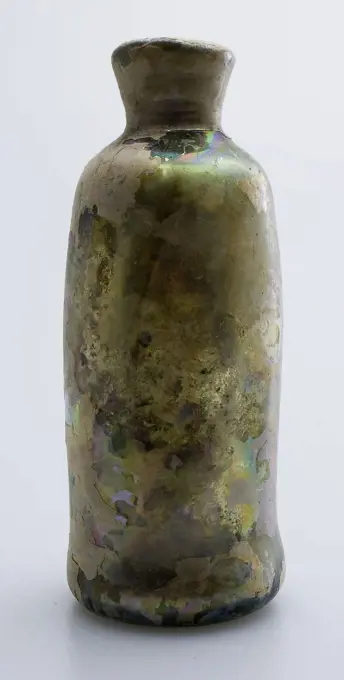
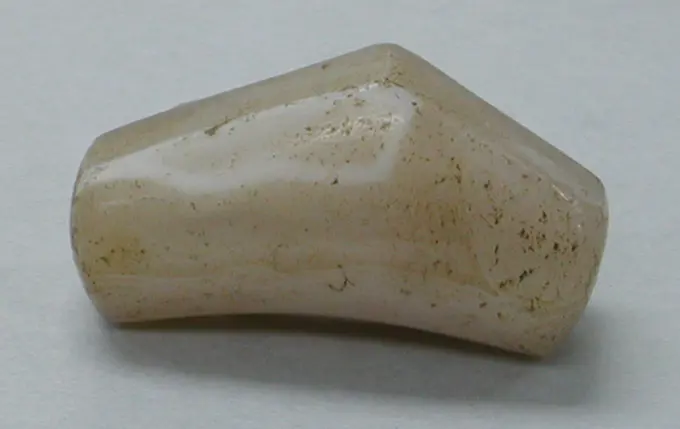
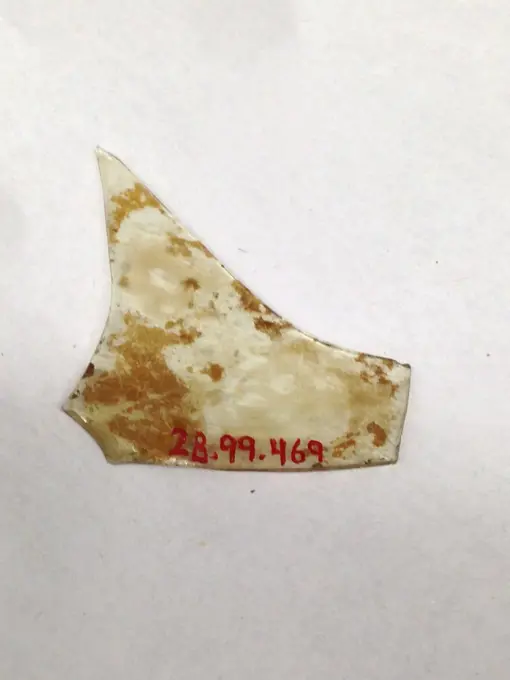
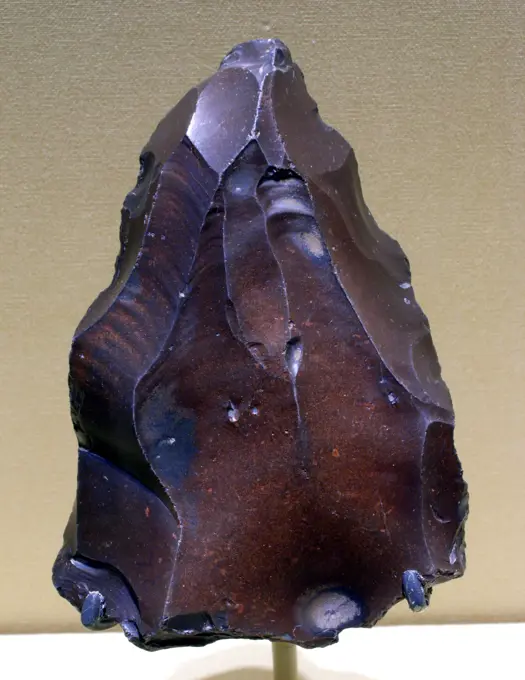
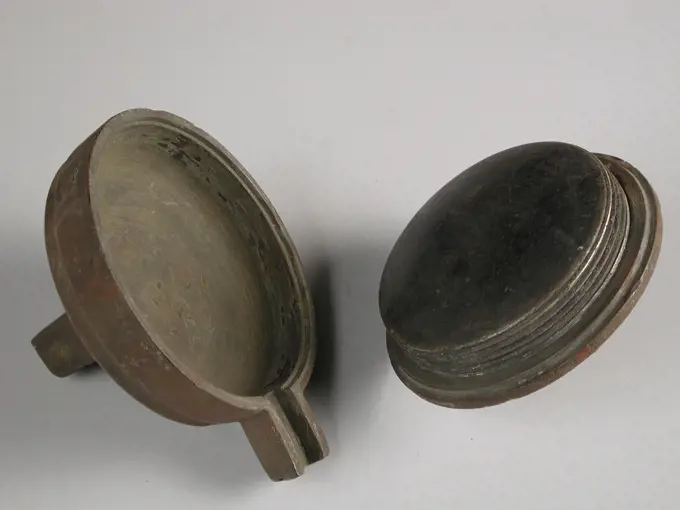
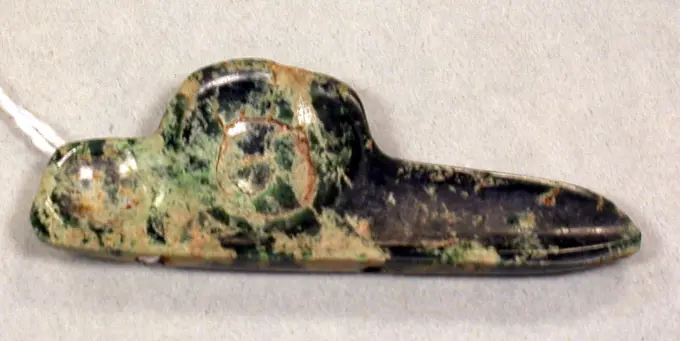
Fragment. Culture: European or Middle Eastern. Dimensions: L. 1 5/8 in. (4.1 cm). Date: ca. 1150-ca. 1250. Museum: Metropolitan Museum of Art, New York, USA.Fragment. Culture: European or Middle Eastern. Dimensions: L. 2 1/16 in. (5.2 cm). Date: ca. 1150-ca. 1250. Museum: Metropolitan Museum of Art, New York, USA.Fragment. Culture: European or Middle Eastern. Dimensions: L. 2 1/2 in. (6.4 cm). Date: ca. 1150-ca. 1250. Museum: Metropolitan Museum of Art, New York, USA.Fragment. Culture: European or Middle Eastern. Dimensions: Diam. 2 3/4 in. (7 cm). Date: ca. 1150-ca. 1250. Museum: Metropolitan Museum of Art, New York, USA.Rim fragment of ointment vase ca. 1802-1450 B.C. Late Middle Kingdom-Early New Kingdom. Rim fragment of ointment vase. ca. 1802-1450 B.C.. Obsidian. Late Middle Kingdom-Early New Kingdom. From Egypt, Memphite Region, Lisht North, Cemetery, debris, MMA excavations. Dynasty 13-18, earlyFragment ca. 1150-ca. 1250 European or Middle Eastern. Fragment 694330Fragment basement bottle with screw cap from a shipwreck, anonymous, c. 1700 - c. 1735 screwcap Fragment basement bottle with screw cap.  tin (metal)Rabbit, 618-906, 1 1/4 x 3 x 1 1/4 in. (3.18 x 7.62 x 3.18 cm), Steatite, China, 7th-10th centuryFragment of a flute glass from the wreck of the East Indiesman Hollandia. Glass, voice Glass, Bowl; Fragment of Base, Circular, With Everted Side, Plain, On Short Straight Shaft About An Angular Button, Stem Broken Off.Miniature Painted Bowl 15th-early 16th century Aztec. Miniature Painted Bowl 316884Coin Weight 11th century. Coin Weight 442884Amulet, hawk. Amulet, hawk. Clay, glazed. Gold and SilverOil lamp (attributed title). glazed terracotta. Carnavalet museum, history of Paris.Cutlery case, Paper, Ovoid case (a) with pointed bottom and removeable flat-topped cover (b) fitted over deep flange; all of heavy light green paper., 18th-19th century, cutlery, Decorative Arts, Cutlery caseFragment. Culture: European or Middle Eastern. Dimensions: L. 1 3/4 in. (4.5 cm). Date: ca. 1150-ca. 1250. Museum: Metropolitan Museum of Art, New York, USA.Fragment ca. 1150-ca. 1250 European or Middle Eastern. Fragment 695309Fragment ca. 1150-ca. 1250 European or Middle Eastern. Fragment 694390Glass pendant ornament in the form of a pair of birds 14th-12th century B.C. Egyptian Uncertain color, possibly pale greyish blue; opaque white trails.Double bead with central transverse hole, pierced through bodies and bridge from right to left, shaped as two birds, each tooled into S-shaped head and drawn out into a flattened broad tail, joined by a cylindrical bridge on side of body.Broad trail wound round each bird from head to tail.Tail of one bird missing, with weathered break; enamel-like weathering covering most of surfaces.. Glass pendant ornament in the form of a pair of birds 249678Glass double-headed pendant late 4th-3rd century B.C. Punic Translucent cobalt blue.Oval disk. Flat flanges to mold seams visible at sides and above. Vertical hole driven into disk from below.On each face of disk, identical male head in relief facing front, with crown of hair, drooping moustache, and beard; projecting eyes on one side.Complete, but two large weathered chips in flange above head and proper left side of face; worn and pitted, and areas of thick creamy weathering.. Glass double-headed pendant. Punic. late 4th-3rd century B.C.. Glass; cast in a two-part mold. Early HellenisticTip made of bronze sword sheath. Length 70 mm Width 15 mm ( 1 St - 3 rd CE ) - Roman period, from the " House of Hyppolytus "- Archaeological site of Complutum in Alcalá de Henares ( Madrid ). SPAIN.Small BowlLamp 5th century B.C. Greek, Attic. Lamp. Greek, Attic. 5th century B.C.. Terracotta; black-glaze. Classical. VasesFragment. Culture: European or Middle Eastern. Dimensions: L. 1 3/4 in. (4.5 cm). Date: ca. 1150-ca. 1250. Museum: Metropolitan Museum of Art, New York, USA.Glass pendant in the form of a demonic mask mid-5th-4th century B.C. Phoenician Uncertain color, appearing opaque black, with additions in same color and opaque white.Cylindrical with rod hole at bottom; rounded top; drawn up at sides with rounded edges; front and back projecting downwards; small applied suspension loop on back of head.Applied stratified eyes, ears or horns on sides of head; long trail from eyes across top of head to loop; projecting snout with small blob at center above; blobs around edge at bottom.Broken on bottom edge at front and back, proper left eye, ears, central blob, and most of suspension loop missing; dulling and faint weathering, with thick reddish brown encrustation in rod hole.. Glass pendant in the form of a demonic mask. Phoenician. mid-5th-4th century B.C.. Glass; rod-formed and trailed. Classical. GlassGame Piece 4th-7th century Coptic. Game Piece 478568Fragment ca. 1150-ca. 1250 European or Middle Eastern. Fragment 695158Fragment ca. 1150-ca. 1250 European or Middle Eastern. Fragment 694314Fragment 14th-15th century. Fragment 445161Vase fragment ca. 1600-1450 B.C. Minoan. Vase fragment 247713Cymbals, Bronze, Circular form with raised dome, small hole in center. Green patina., Luristan (western Iran), ca. 1000 BCE, metalwork, Decorative Arts, CymbalsSpindle Whorl A.D.1-500 North coast (). Spindle Whorl. North coast (). A.D.1-500. Ceramic. Peru. Ceramics-ImplementsConical Game Piece ca. 1504-1447 B.C. New Kingdom The first room that the Museum's excavators cleared in the family tomb of Neferkhawet was the east chamber. In the northwest corner of this room they found a mis-matched partial set of gaming pieces. The two types, conical and spool-shaped, are common components of the board games senet and 20-squares which were usually combined in a single game box with the game boards on opposite sides, and a drawer for the gaming pieces and the throw sticks or knuckle bones that were used like dice to determine how the pieces were moved on the boards. The eight gaming pieces, five conical and three spool-shaped, were lying on their sides next to the outlined remains of an insect-eaten game box.. Conical Game Piece. ca. 1504-1447 B.C.. Faience. New Kingdom. From Egypt, Upper Egypt, Thebes, Asasif, Tomb of Neferkhawet (MMA 729), east chamber, northwest corner, MMA excavations, 1934-35. Dynasty 18, earlyTwo-piece bronze mold for left side of spout of teapot or coffee pot, mold casting tool tools kit metal_metal bronze, cast Two-piece bronze shape for the left side of spout for tea or coffee pot with an octagonal to round spout side: 2834 186 Rotterdam tingieterij tin stainer tin Meeuws Druy craft Shapes are from the originally 18th century Rotterdam tinnegieter J Druy. The large molds that were not signed or dated were the property of the tinker guild and were rented to the small tin caster.Goldweight Calabash, 19th-20th century, 1 13/16 x 7/8 x 7/8 in. (4.6 x 2.22 x 2.22 cm), Brass, Ghana, 19th-20th centuryBowl. Iran, 224-651. Furnishings; Serviceware. Silver and silver giltDetailed and colorful image of tiger iron  mineralRing case, shagreen, Circular hinged case with flat semi-circular projection at bottom to accommodate the ring shank. Lined with black velvet., mid-18th century, Decorative Arts, Ring caseOil Lamp. Culture: Coptic. Dimensions: Overall: 1 3/4 x 3 1/2 x 2 5/8 in. (4.5 x 8.9 x 6.6 cm). Date: 4th-7th century. Museum: Metropolitan Museum of Art, New York, USA.Fragment. Culture: European or Middle Eastern. Dimensions: L. 1 3/8 in. (3.5 cm). Date: ca. 1150-ca. 1250. Museum: Metropolitan Museum of Art, New York, USA.Fragment ca. 1150-ca. 1250 European or Middle Eastern. Fragment 694345Amulet - PlaqueSpindle Whorl 10th-early 16th century Mexican. Spindle Whorl 307725Sword Pommel (Kashira). Culture: Japanese. Dimensions: H. 1 3/8 in. (3.5 cm); Wt. 0.3 oz. (8.5 g). Date: ca. 1615-1868. Museum: Metropolitan Museum of Art, New York, USA.Gold ring with inscription 2nd-3rd century A.D. Roman. Gold ring with inscription 243515Fragment. Culture: European or Middle Eastern. Dimensions: L. 1 in. (2.5 cm). Date: ca. 1150-ca. 1250. Museum: Metropolitan Museum of Art, New York, USA.Fragments of Flask Necks 13th century French or German and Syrian. Fragments of Flask Necks 729806Earring-hook type with disc and beaded rim. Earring-hook type with disc and beaded rim 243402Tesson. ". Cédady. China, Dynastie Dry. Paris Museum Cernalius. 74781-9 Celadon, Chinese Ceramic, Song dynasty, TessonCat, Patinated copper, In the form of a cat, with flower blossom adorning body and string with bow tied at back of neck. Identical on front and reverse. Part of head and front foot opens as lid, hinged on top. Striker on bottom of back feet., late 19th century, containers, Decorative Arts, Matchsafe, MatchsafePortrait of the emperorFragment. Culture: European or Middle Eastern. Dimensions: L. 1 3/8 in. (3.5 cm). Date: ca. 1150-ca. 1250. Museum: Metropolitan Museum of Art, New York, USA.Two porcelain shards of a bowl, found at V.O.C. Witte Leeuw, possibly from Zeelelie, Anonymous, 1750 - 1799 bowl Two porcelain shards of a bowl, found at V.O.C. ship De 'Witte Leeuw'. This object is 18th century and cannot therefore be from the freight of the Witte Leeuw. It is unclear whether the object will come from the site or whether it was mixed later, possibly with material from the Zeelelie.  porcelainButton or Bead 8th-10th century The dot-in-circle motif recalls designs presumed to be of magical significance, most likely an abstract eye to ward off the evil-eye, which serves an apotropaic function. Easily reproduced with a tool and visible in many cultures and times, this symbol may have lost its meaning, and become simply a decorative pattern, or may have one that we have not yet discovered.. Button or Bead 449294Sword Guard (Tsuba). Culture: Japanese. Dimensions: Diam. 3 1/2 in. (8.9 cm); thickness 1/4 in. (0.6 cm); Wt. 5.2 oz. (147.4 g). Date: 16th century. Museum: Metropolitan Museum of Art, New York, USA.Medicine Bottle, medicine bottle bottle holder soil find glass, free blown and shaped Small (medicine) Bottle in clear light green glass. Pontil mark under raised bottom. Cylindrical body slightly flared at the bottom to rounded shoulders short neck and irregularly flared lip (dm 1.8 cm) archeology health care packaging pharmacyGame piece ca. 1981-1640 B.C. Middle Kingdom. Game piece. ca. 1981-1640 B.C.. Blue faience. Middle Kingdom. From Egypt, Memphite Region, Lisht North, Cemetery, MMA excavations, 1920-22. Dynasty 12-13Fish Ornament. Culture: Peru; central coast (). Dimensions: L. 1 3/8 in. (3.5 cm). Date: 11th-12th century. Museum: Metropolitan Museum of Art, New York, USA.Pulidor (polishing stone) () before 16th century Peruvian (). Pulidor (polishing stone) () 317632Earplug, one of 15, 15th century, 3/4 x 1 1/2 in. (1.91 x 3.81 cm), Jade, Mexico, 15th centuryFragment. Culture: European or Middle Eastern. Dimensions: L. 1 1/8 in. (2.9 cm). Date: ca. 1150-ca. 1250. Museum: Metropolitan Museum of Art, New York, USA.Fragment ca. 1150-ca. 1250 European or Middle Eastern. Fragment 696619Coin Weight 11th century. Coin Weight 445371Oracle bone fragment. Culture: China. Dimensions: 1 1/8 x 3/4 in. (2.9 x 1.9 cm). Museum: Metropolitan Museum of Art, New York, USA.Button or Bead 9th-10th century The dot-in-circle motif recalls designs presumed to be of magical significance, most likely an abstract eye to ward off the evil-eye, which serves an apotropaic function. Easily reproduced with a tool and visible in many cultures and times, this symbol may have lost its meaning, and become simply a decorative pattern, or may have one that we have not yet discovered. Button or Bead 455210Vase fragment Roman Upper part of blue enamelled figure holding child () on right shoulder; left arm over head.. Vase fragment. Roman. Terracotta. VasesLid -Bottle 9th-10th century The miniature size of this bottle, measuring just under four centimeters tall, suggests that it was intended to hold cosmetic powder or perhaps ink: valuable materials used in small quantities. The idea that it held a relatively valuable material is also echoed in the quality of its material, for it is made out of a slightly-greenish transparent glass of good craftsmanship. This piece was purchased at Nishapur by the archaeologists who led the Metropolitan Museums excavations at the site. The excavations themselves yielded many bottles of roughly the same shape and proportions.. Bottle 449119Fragment. Culture: European or Middle Eastern. Dimensions: L. 1 15/16 in. (4.9 cm). Date: ca. 1150-ca. 1250. Museum: Metropolitan Museum of Art, New York, USA.Solid Undecorated Bangle 4000 B.C.-A.D. 400 Thailand. Solid Undecorated Bangle 53360Spindle Whorl 10th-early 16th century Mexican. Spindle Whorl. Mexican. 10th-early 16th century. Ceramic. Mexico, Mesoamerica. Ceramics-ImplementsRing with Oval Bezel 8th-12th century Indonesia (Central Java). Ring with Oval Bezel 64313Fragment. Culture: European or Middle Eastern. Dimensions: L. 1 3/8 in. (3.5 cm). Date: ca. 1150-ca. 1250. Museum: Metropolitan Museum of Art, New York, USA.Tile Fragment 1334-1434. Tile Fragment 450542Haliotis Asinina Musschel on a black background Haliotis Asinina Musschel on a black backgroundRound Plaque. Culture: Vicús. Dimensions: Diam. 2 1/4 in. (5.7 cm). Date: 3rd century B.C.-A.D. 2nd century. Museum: Metropolitan Museum of Art, New York, USA.Pig. China, Han dynasty, 206 B.C.- A.D. 220. Sculpture. Abraded jadeFragment. Culture: European or Middle Eastern. Dimensions: L. 1 11/16 in. (4.3 cm). Date: ca. 1150-ca. 1250. Museum: Metropolitan Museum of Art, New York, USA.Stone Pulidor before 16th century Mexican. Stone Pulidor 317032Fragment ca. 1150-ca. 1250 European or Middle Eastern. Fragment 695441Fragment of a rib shell. The curvature of the glass fragment and the four ribs obtained in batches allow the assignment to a rib shell. The glass is transparent with blue-greenish shimmer. Burry for the elaborate manufacturing process and its fragility counted glass to the luxury articles of antiquity.Stone Pulidor before 16th century Mexican. Stone Pulidor. Mexican. before 16th century. Stone. Mexico, Mesoamerica. Stone-ImplementsLevallois Core ca. 90,000-35,000 B.C. Middle Paleolithic A core is a stone from which flakes have been detached so that the flakes can be made into tools. This one was made with a special technique called Levallois core preparation that was widely used during the Middle Paleolithic Period. The Middle Paleolithic saw the rise of more complex stone tool technologies and more variability in tool types compared to the Lower Paleolithic. This change is associated with the increasing complexity of Hominin behavior such as specialized hunting, pyrotechnology, and the use of symbols eventually resulting in anatomically and behaviorally modern humans. Levallois cores were made by removing flakes in a specific way, such as centripetally around an edge, so that the last flakes detached have a predetermined shape. This example is a ‘Nubian A’ type of Levallois core where preparation flakes were removed from the distal (pointed) end in order to create a central ridge that will produce a pointed fCopper Leaf Ornament 12th-15th century Chimú (). Copper Leaf Ornament 315327Two-piece bronze mold for lid of griddle or butter pot, cast molding tool tools base metal bronze, cast twisted Two-piece bronze mold for pouring lid for gortepot or butter pot Rotterdam tin foundry tin pewter tableware Meeuws Druy craft Forms originate from origin 18th century Rotterdam tinnegieter J Druy. The large molds that were not signed or dated were the property of the tinker guild and were rented to the small tin caster.Ritual Spoon before 16th century Olmec. Ritual Spoon. Olmec. before 16th century. Stone. Mexico, Mesoamerica. Stone-ImplementsGaming Piece possibly 8th-12th century The dot-in-circle motif recalls designs presumed to be of magical significance, most likely an abstract eye to ward off the evil-eye, which serves an apotropaic function. Easily reproduced with a tool and visible in many cultures and times, this symbol may have lost its meaning, and become simply a decorative pattern, or may have one that we have not yet discovered.. Gaming Piece 452324Fragment ca. 1150-ca. 1250 European or Middle Eastern. Fragment 696645Box, wood, Japan, 1875-1900, Decorative Arts, BoxNeck of a Vessel 4th-early 5th century Coptic. Neck of a Vessel 479131Ojime Japan 19th century View more. Ojime. Japan. 19th century. Edo period (1615-1868). OjimeFragment ca. 1150-ca. 1250 European or Middle Eastern. Fragment 695430Fragment ca. 1150-ca. 1250 European or Middle Eastern. Fragment 696628Ojime 19th century Japan. Ojime. Japan. 19th century. Edo period (1615-1868). OjimeSilver pendant in the form of a woman's head. Silver pendant in the form of a woman's head 243076Bead in the Shape of a Fish, c. 6th-8th century, 5/16 x 3/8 x 1/8 in. (0.8 x 1 x 0.3 cm), Stone, Myanmar (Burma), 5th-9th centuryBox with Cover second half of the 13th-14th century China. Box with Cover 50706Printing Plate (probably USA); brassNutmeg Grater 1815-1825 Denmark. Silver .Manche ". Jade. China, Neolithic. Paris, Cernuschi museum. 72199-19 Jade, handle, neolithic periodTwo Bullets Collide Midair from the dardanelles war