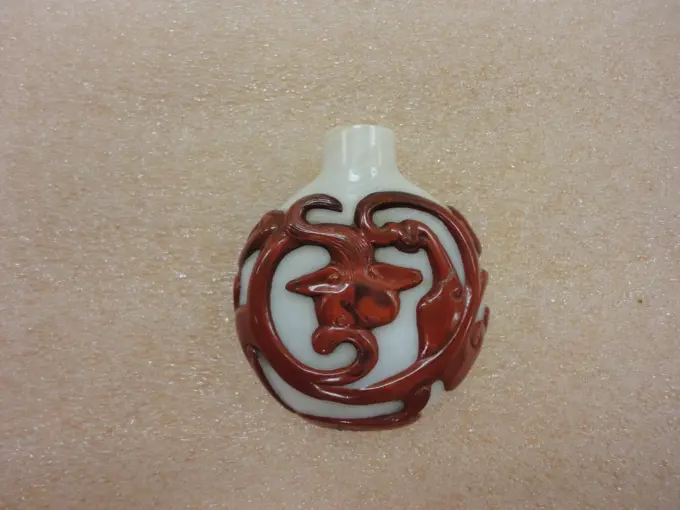
Historical Fragments and Artifacts

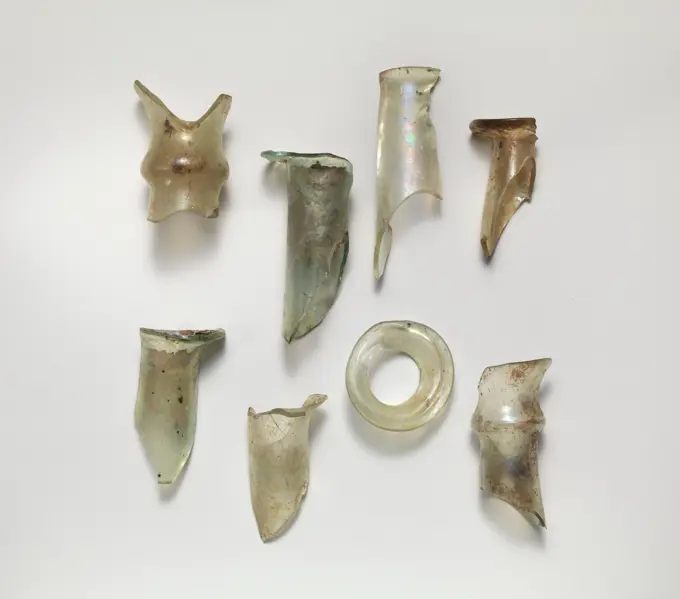
A collection of ancient glass and ceramic fragments, showcasing remnants of historical cultures, perfect for archaeological illustrations.

Rabbit, 618-906, 1 1/4 x 3 x 1 1/4 in. (3.18 x 7.62 x 3.18 cm), Steatite, China, 7th-10th century
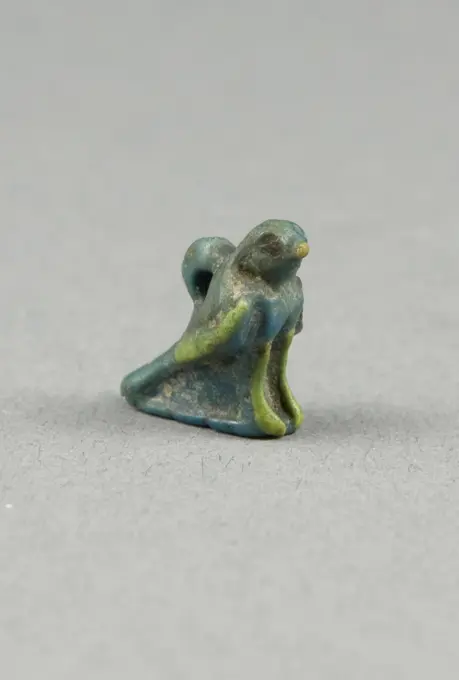
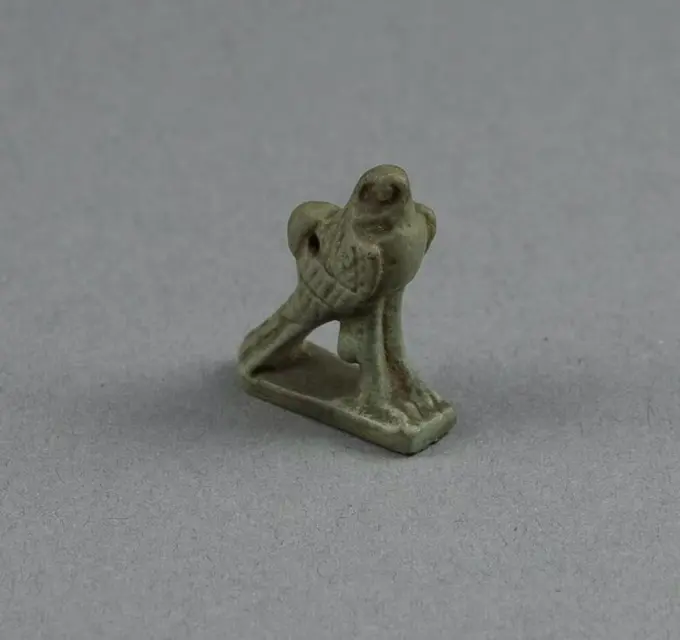
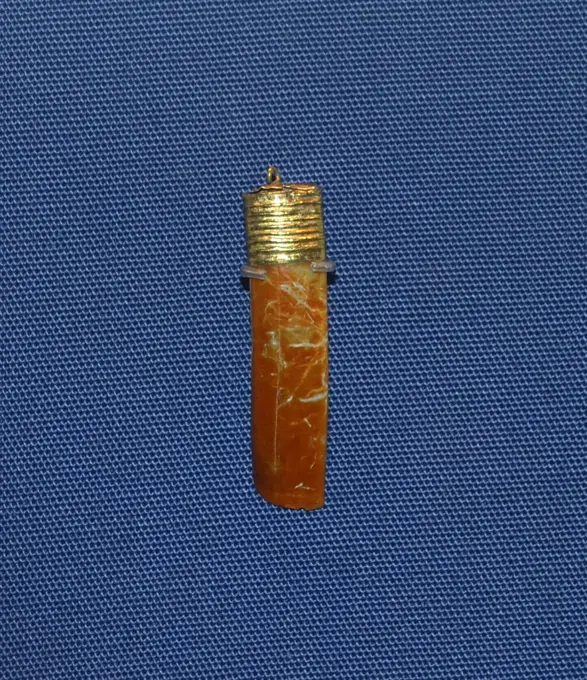
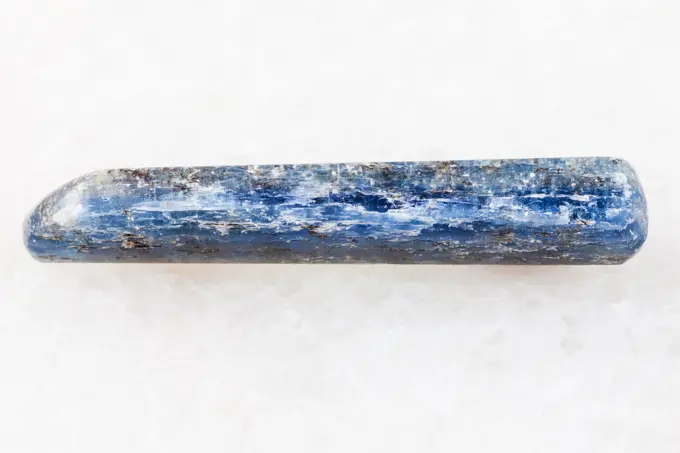
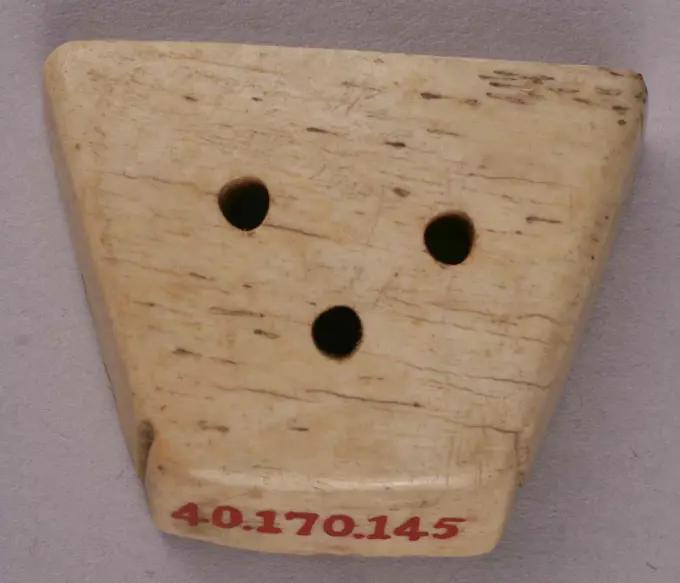
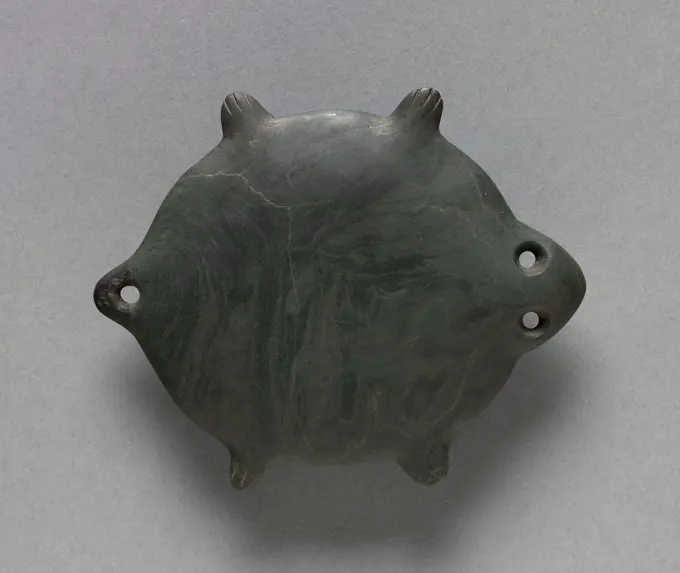
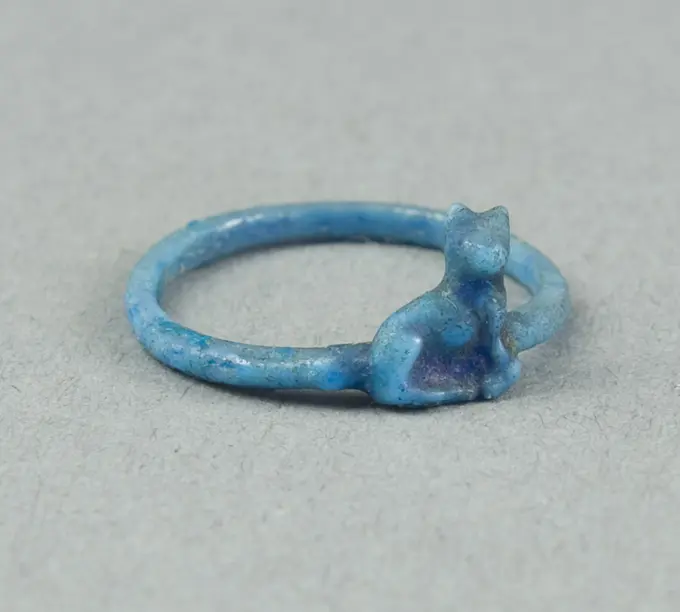
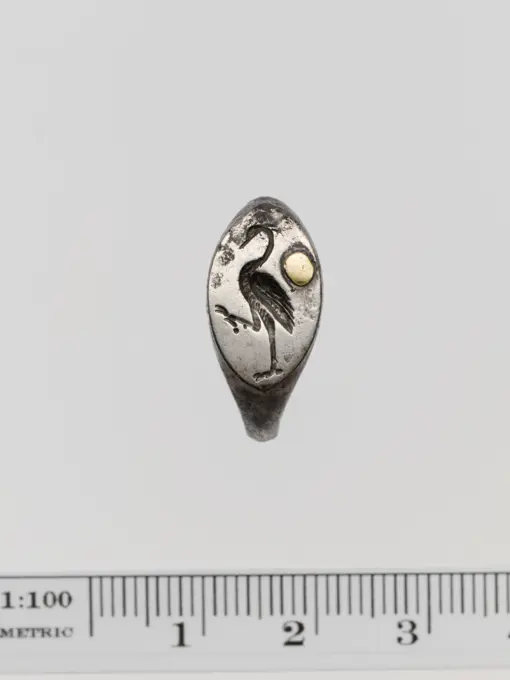
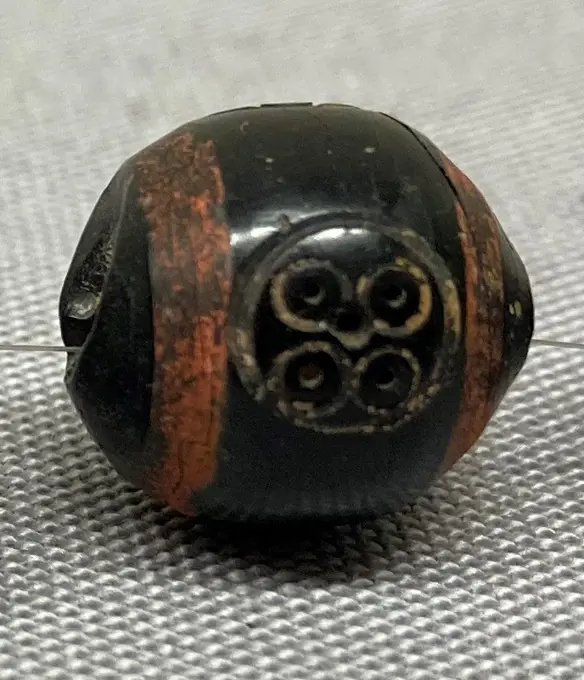
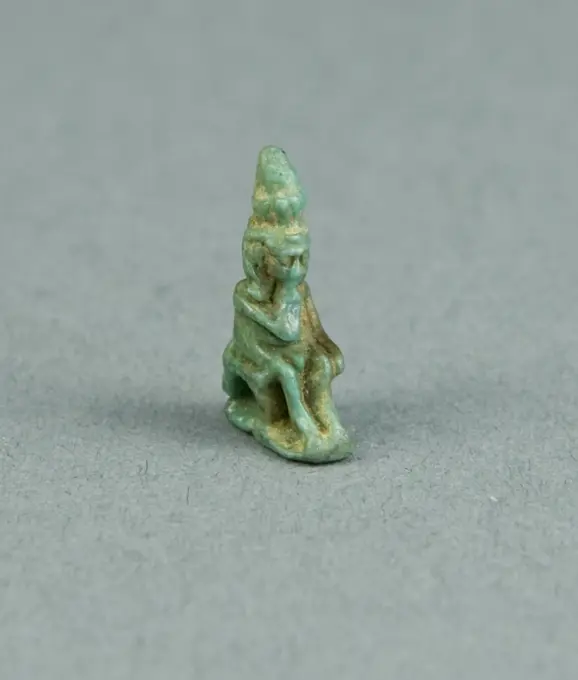
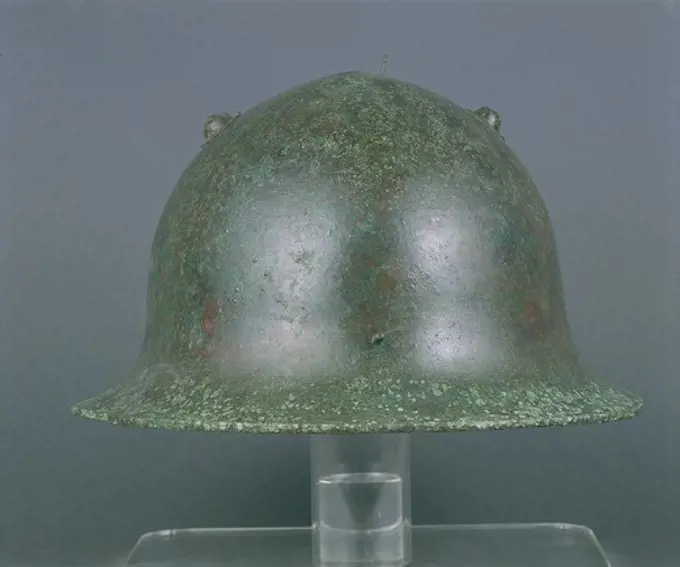
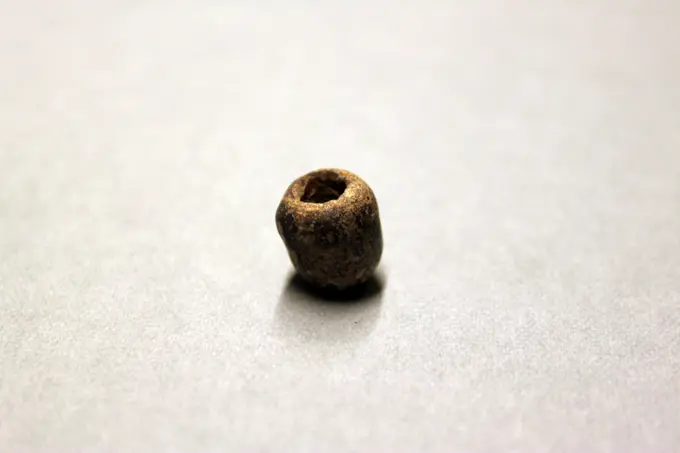
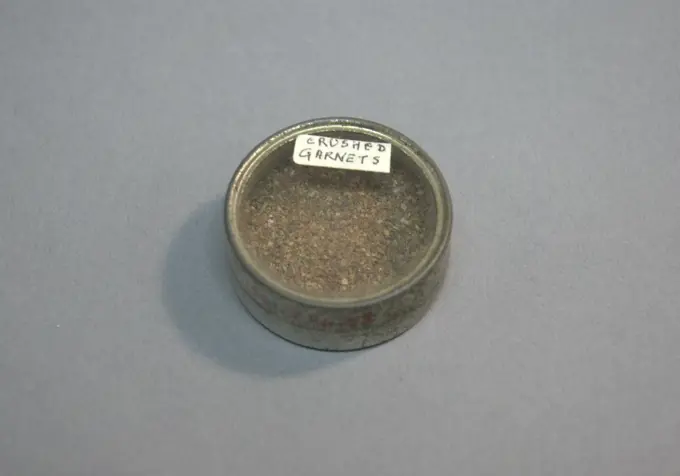
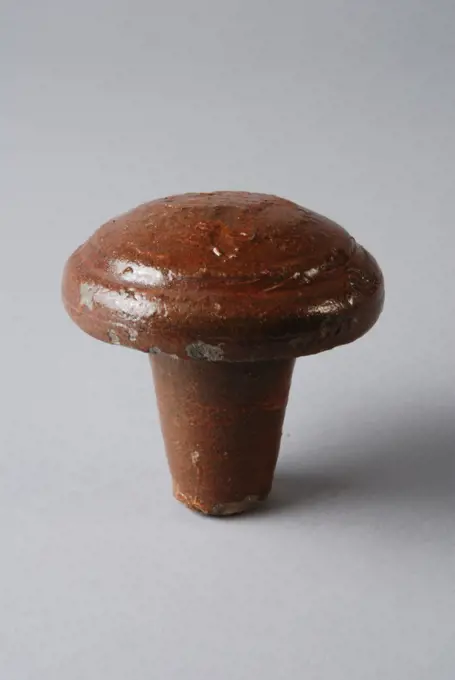
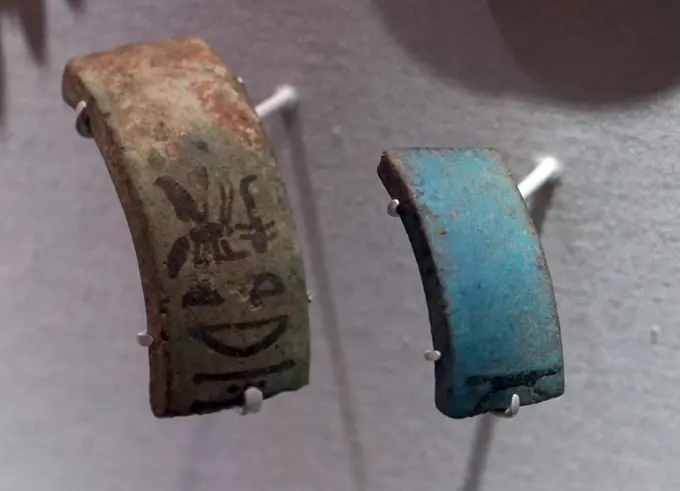
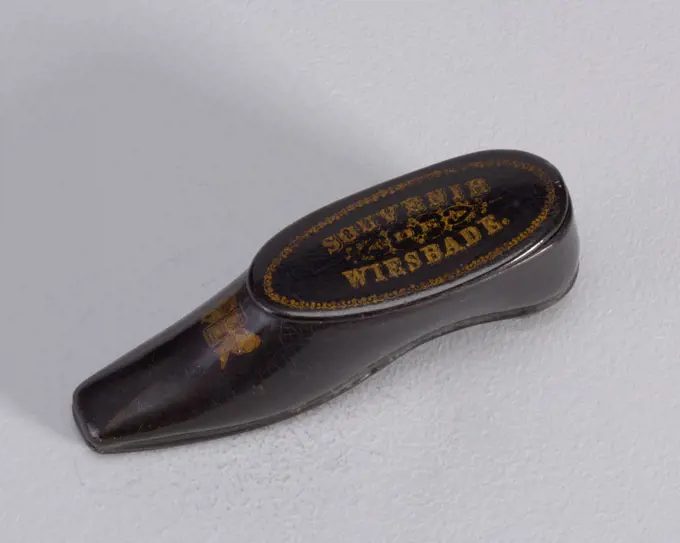
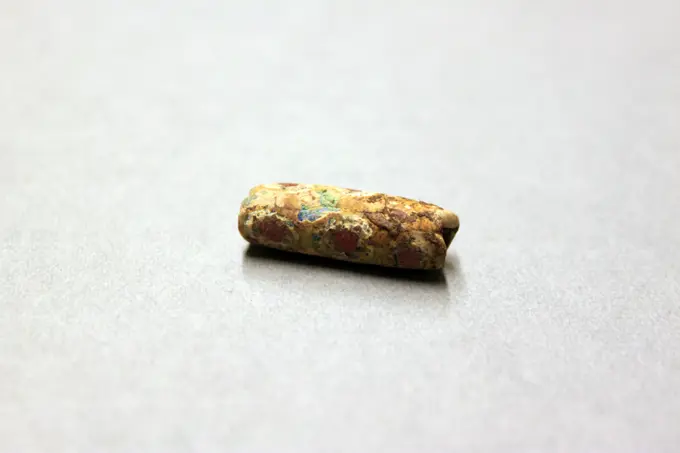
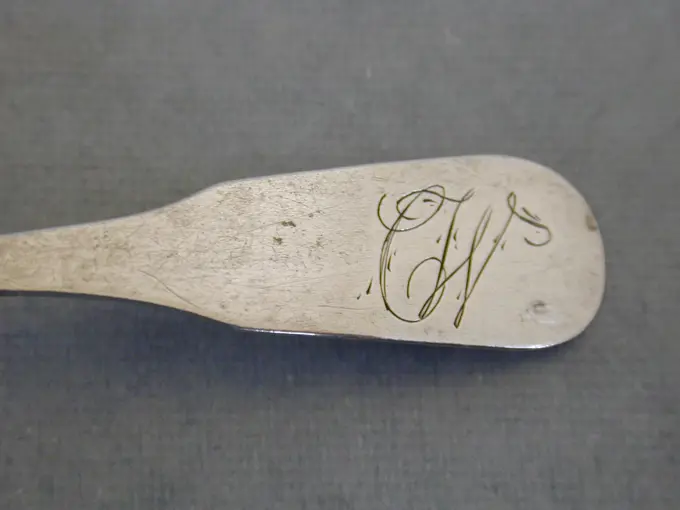
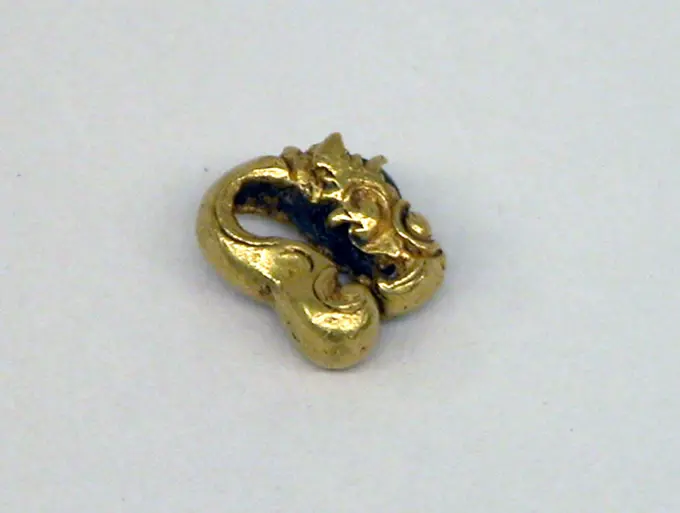
Pair of Ear Ornaments with Green Stones second half of the 8th-second half of the 10th century Indonesia (Java). Pair of Ear Ornaments with Green Stones 49962Two-piece bronze mold for ring, mold casting tool tools base metal bronze h 6.8, die cast twisted Two-piece bronze mold for casting ring Rotterdam tin foundry tin stainer tin Meeuws Druy craft Shapes come from the originally 18th century Rotterdam inkwell J Druy. The large molds that were not signed or dated were the property of the tinker guild and were rented to the small tin caster.Manche ". Jade. China, Neolithic. Paris, Cernuschi museum. 72199-21 Jade, handle, neolithic periodVase. unknown, ceramistAmulet of a Hawk Made 30 BCE-395 CE Egypt. Ceramic . Ancient EgyptianAmulet of a Hawk. Egyptian. Date: 1070 BC-656 BC. Dimensions: 2.5 × 1.9 × 0.6 cm (1 × 3/4 × 1/4 in.). Faience. Origin: Egypt. Museum: The Chicago Art Institute, Chicago, USA. Author: Ancient Egyptian.Bead Roman White opaque with blue tracing, and red and yellow spots.. Bead. Roman. Glass. GlassCast Fragment. UnknownSmall figurine Amulets 600 A.D. Thought to have fertility properties. Made from beaver teeth with a gold setting. Anglo Saxon. Spirals Cypriot. Spirals 242528tumbled Kyanite crystal gemstone on white macro shooting of natural mineral rock specimen - tumbled Kyanite crystal gemstone on white marble background Copyright: xZoonar.com/ValeryxVoennyyx 11951373Fragment ca. 1150-ca. 1250 European or Middle Eastern. Fragment 696579Earring-hook type with sphere ends. Earring-hook type with sphere ends 243431sea shell isolated on old paperOrnament or Plaque 9th-10th century. Ornament or Plaque 449837Attic Red-Figure Column Krater Fragment (part ofPendant in the Shape of a Lotus Blossom Made 1550 BCE-664 BCE Egypt. Faience . Ancient EgyptianFragment. Culture: European or Middle Eastern. Dimensions: L. 1 1/4 in. (3.2 cm). Date: ca. 1150-ca. 1250. Museum: Metropolitan Museum of Art, New York, USA.Lion amulet ca. 1635-1458 B.C. Second Intermediate Period-Early New Kingdom. Lion amulet 547028Palette in the Form of a Turtle, c. 3500-3050 BC. Egypt, Predynastic Period, Naqada IIa-IIIa period. Graywacke; overall: 7.8 cm (3 1/16 in.).Umbel Pendant New Kingdom ca. 1390-1352 B.C. View more. Umbel Pendant. ca. 1390-1352 B.C.. Faience. New Kingdom. From Egypt, Upper Egypt, Thebes, Malqata, Palace of Amenhotep III, MMA excavations, 1910-11. Dynasty 18Marble, Inscribed. Egypt, 1st Dynasty (circa 3050 - 2850 BCE) (inscription likely modern). Tools and Equipment; marbles. MarbleFragment ca. 1150-ca. 1250 European or Middle Eastern. Fragment 694343Bead in the Shape of a Bird (), c. 6th-8th century, 3/8 x 7/16 x 1/4 in. (1 x 1.1 x 0.6 cm), Stone, Myanmar (Burma), 5th-9th centuryEarringBox with cover China. Box with cover 43979Ring Figure of Seated Cat 1390 BCE Egypt. Faience . Ancient EgyptianScarab Uninscribed 1985 BCE-525 BCE Egypt. Stone . Ancient EgyptianGold spiral ca. 1600-1100 B.C. Cypriot Of plain wire with two turns.. Gold spiral. Cypriot. ca. 1600-1100 B.C.. Gold. Late Bronze Age. Gold and SilverVase fragment Roman, Gaul Inscribed.. Vase fragment. Roman, Gaul. Terracotta. VasesSilver ring ca. 450-400 B.C. Greek Short-beaked, long-legged bird walking with left leg raisedAlthough the beak is short, the bird represented is likely a heron.. Silver ring. Greek. ca. 450-400 B.C.. Silver. Classical. GemsStone Pulidor before 16th century Mexican. Stone Pulidor 317095Historia. Siglo XIII. Yelmo, elemento de la armadura que protege la cabeza y el rostro del guerrero.Stone Beads probably 8th-12th century. Stone Beads. probably 8th-12th century. Stone. Excavated in Iran, Nishapur. JewelryFragment European or Middle Eastern ca. 1150-ca. 1250 View more. Fragment. European or Middle Eastern. ca. 1150-ca. 1250. Glass, ceramic. Glass-VesselsFragment European or Middle Eastern ca. 1150-ca. 1250 View more. Fragment. European or Middle Eastern. ca. 1150-ca. 1250. Glass, ceramic. Glass-VesselsFragment European or Middle Eastern ca. 1150-ca. 1250 View more. Fragment. European or Middle Eastern. ca. 1150-ca. 1250. Glass, ceramic. Glass-VesselsFragment European or Middle Eastern ca. 1150-ca. 1250 View more. Fragment. European or Middle Eastern. ca. 1150-ca. 1250. Glass, ceramic. Glass-VesselsAmulet of the God Horus 780 BCE-343 BCE Egypt. Faience . Ancient EgyptianCosmetic Spoon, 1500-1300 BC (New Kingdom) .Tribute to ministers Pierre-Fran�ois Palloy (1755-1835). Tribute to ministers. Tin. July 14, 1790.BLIŻEJ KULTURY(Datura) SeedRim of a Bowl 4th-early 5th century Coptic. Rim of a Bowl 479095Vase with Ball, one of apair. Maker, possibly by: Willington Glass Work, American, 1815-1872Fragment ca. 1150-ca. 1250 European or Middle Eastern. Fragment 694196Bronze skullcap helmet, Etruscan civilization, 8th- 7th century b.c.Bead 9th-12th century. Bead. 9th-12th century. Glass; marvered. Excavated in Iran, Nishapur. GlassContainer of Crushed Garnets 20th century China. Container of Crushed Garnets 62105Animal figure ca. 1850-1640 B.C. Middle Kingdom. Animal figure. ca. 1850-1640 B.C.. Mud, faience. Middle Kingdom. From Egypt, Memphite Region, Lisht North, cemetery south of Rehuerdjersen (384), Pit 712, south chamber, MMA excavations, 1907-08. Dynasty 12, late-early 13Fragment of a Waster 11th-12th centuryButton (France); pearl shell and copperFinger Ring 7th century () Frankish. Finger Ring 465269 Frankish, Finger Ring, 7th century (), Silver, onyx, Overall: 13/16 x 11/16 x 3/8 in. (2 x 1.7 x 1 cm) bezel: 7/16 x 3/8 x 1/4 in. (1.1 x 0.9 x 0.6 cm). The Metropolitan Museum of Art, New York. Gift of J. Pierpont Morgan, 1917 (17.192.204)Stoneware stopper with conical base and rounded top, stop closure part soil find ceramic stoneware glaze salt glaze, hand turned glazed baked Stoneware stopper with conical base and convex top archeology Rotterdam Kralingen-Crooswijk Struisenburg Oostmaaslaan Bartmann juggeruik uitheems pottery import drink kitchen room store Soil discovery: Oostmaaslaan and ' s Gravenweg Rotterdam.Tectus pyramis Perlmuschel auf schwarzem Hintergrund Close-up of a Tectus pyramis shell with a mother-of-pearl finish, against a black background, showcasing its spiral structure and iridescent sheen Copyright: xZoonar.com/SerhiixZarevx 22827174Egypt, Bahariya Oasis, Sheik Souby, Governor's Tomb, Tomb of Nassa, ScarabsFaience bracelet fragments 1292-1185 BC, Ancient EgyptianAmpoules on a beige-orange background.. Glass ampoules on a beige orange background.Red Jasper Stone against Black BackgroundClothes Moth Bagthunderstone, fossilised rostra on dark macro shooting of natural mineral rock specimen - thunderstone, fossilised rostra of belemnoid on dark granite background Copyright: xZoonar.com/ValeryxVoennyyx 11380476Shoe, inscribed 'Souvenir de Wiesbade', Papier mchè, sandpaper, In the shape of a slightly elongated, black, square-toe shoe, with low heel, gold printed decoration of buckle/bow at instep, top (lid) inscribed 'Souvenir de Wiesbade' surrounded by decorative oval border. Lid hinged on upper part of long side. Striker on sole of shoe., Europe, late 19th century, containers, Decorative Arts, Matchsafe, MatchsafeGrahal-Manzara. Carnavalet 2013-2016 collection sites. Numismatics.Beads 8th-13th century This object was excavated at Nishapur.Nishapur was a vital city in the early and middle Islamic periods, located along one of the main trajectories that connected Iran and West Asia Islamic lands with Central Asia and China. These itineraries are often referred to by the term Silk routes’ but were in fact crucial to the movement of constellations of materials and objects, as well as people and ideas. The diverse population of Nishapur and its surroundings, from the better-researched elite groups of merchants, land-owning aristocracy, and literates, to the less-known artisans, farmers, miners, and servants, were instrumental in adapting global cultural trends to create their own distinctive visual languages. This is seen in the material remains of everyday life in medieval Nishapur - from pots and pans to lighting devices, inkwells, textiles and trimmings, jewelry, games and toys, talismanic devices, weapons, coins, and architectural fragments.Nishapur lost its pGRANADA DE MANO CON ANILLA Y PALANCA DE SEGURIDAD. Location: PRIVATE COLLECTION. Laguardia. ALAVA. SPAIN.PendantBroochpolished marl shale stone on dark background macro shooting of natural mineral rock specimen - polished marl shale stone on dark granite background from Sundozero Massif, Karelia, Russia Copyright: xZoonar.com/ValeryxVoennyyx 11392076Egyptian faience amulet. Artist: UnknownGrahal-Manzara. Carnavalet 2013-2016 collection sites. Numismatics.SaltSpoon.   Maker: J. H. Morse, American, active ca. 1820-30Glass unguent jars, 25 - 75 AD, Archaeological Museum of Ibiza and Formentera, Spain.Snuff Bottle 19th century China. Snuff Bottle 41082