Historical Fragments

Archaeological fragments reflecting ancient inscriptions and craftsmanship, including limestone and clay items from different periods.

Hearing stone with the presentation of a climbing lion flanked by two French lilies, 1564 Hearing stone with representation of a climbing lion to the right (heraldic) flanked by two French lilies and accompanied of the year 1564. Southern Netherlands earthenware vitrification Hearing stone with representation of a climbing lion to the right (heraldic) flanked by two French lilies and accompanied of the year 1564. Southern Netherlands earthenware vitrification
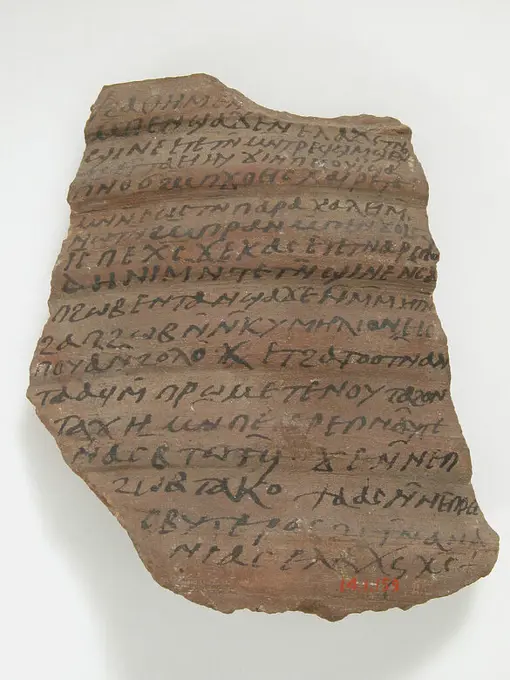
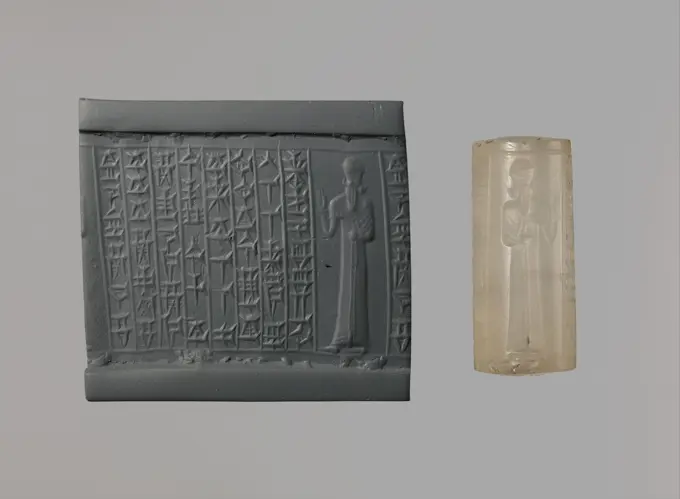
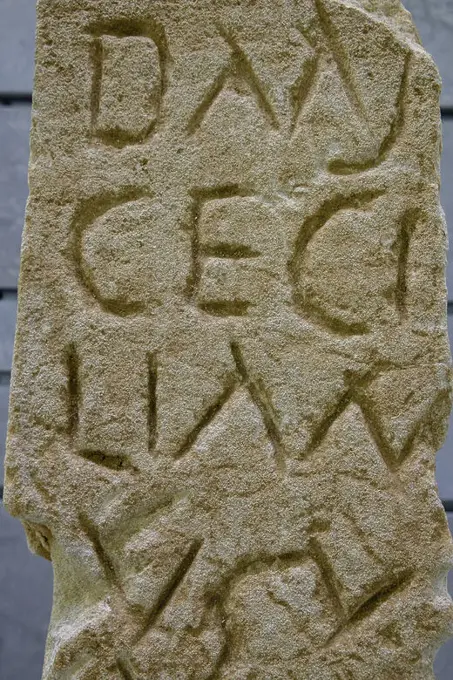
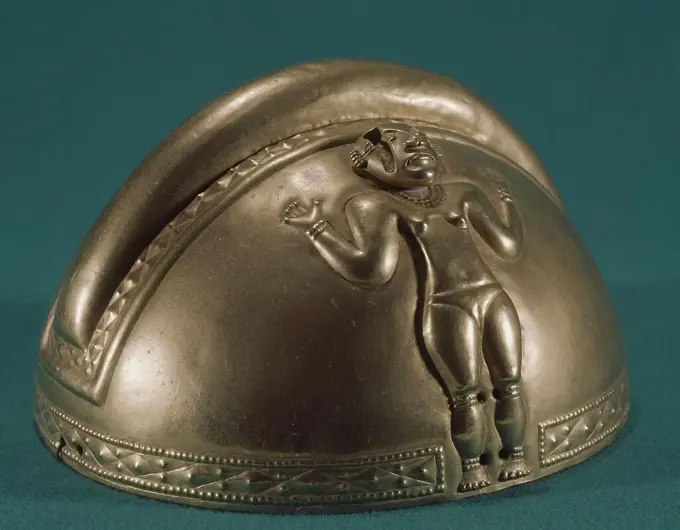
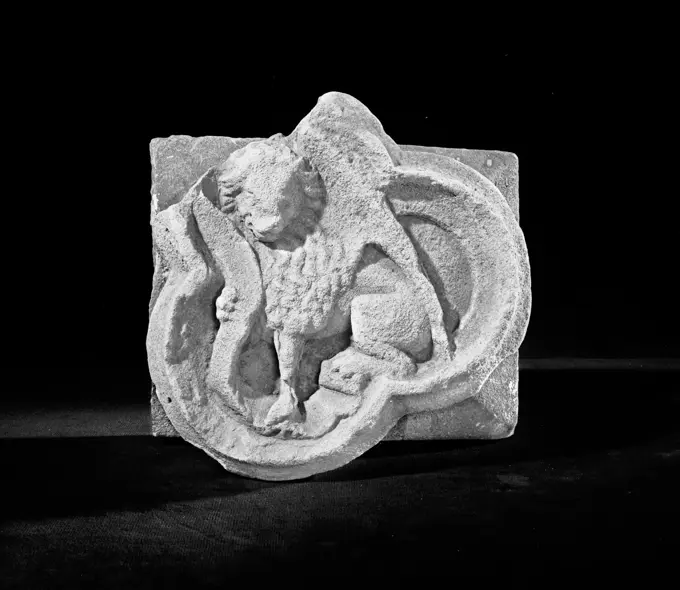
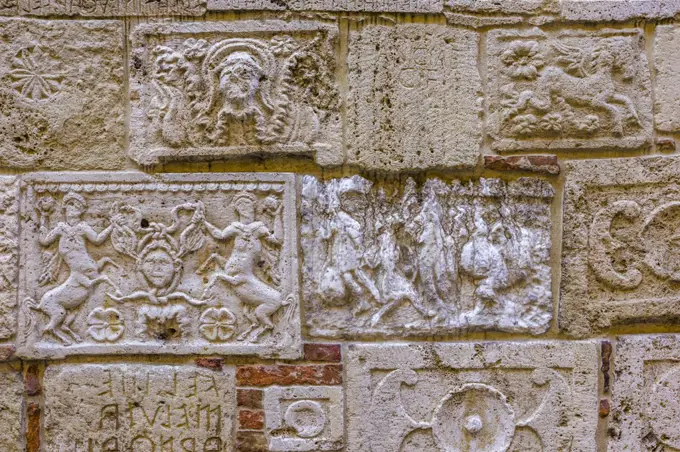
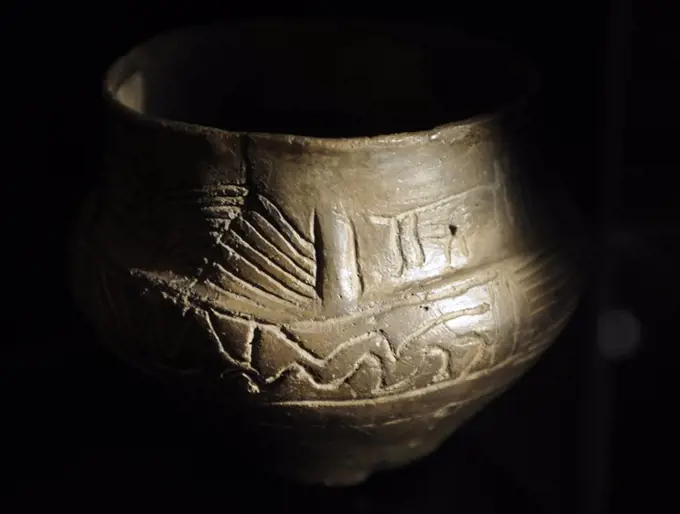
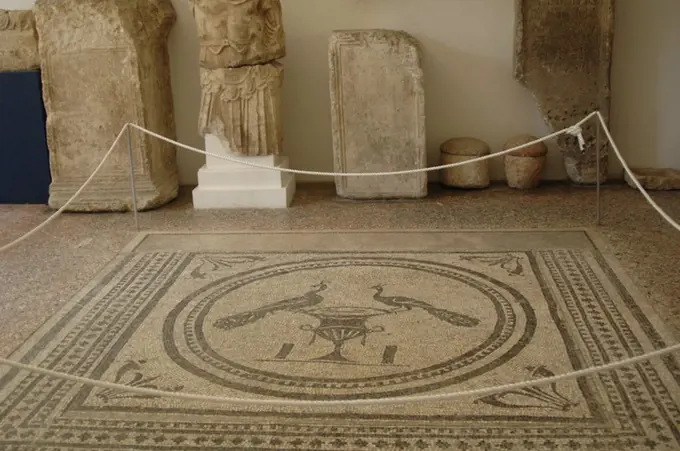
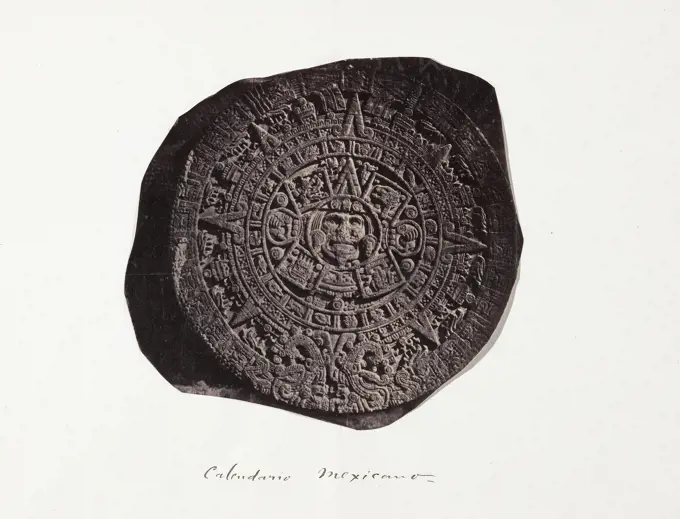
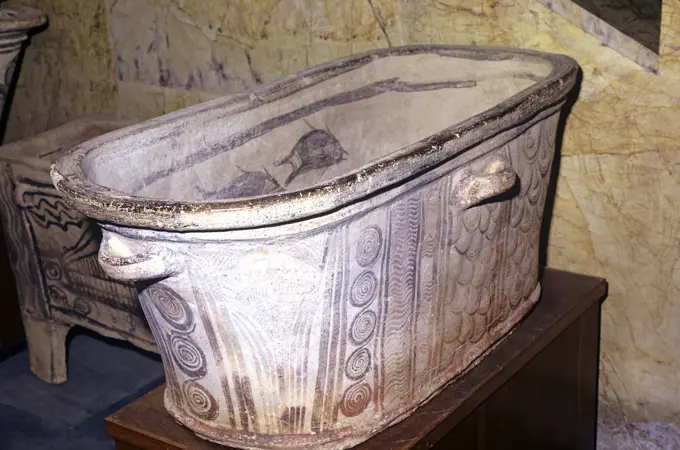
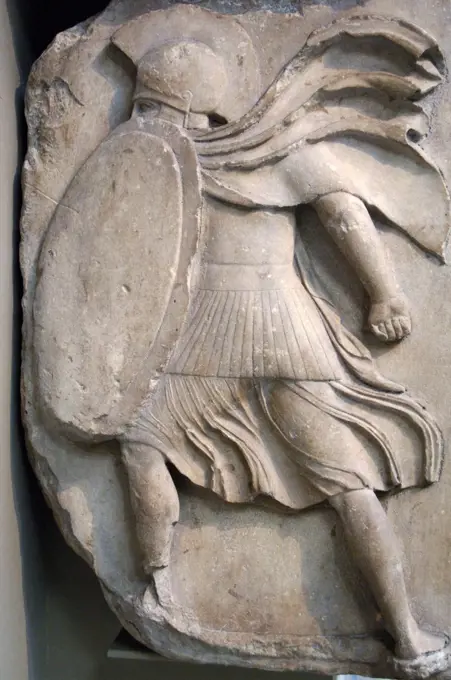
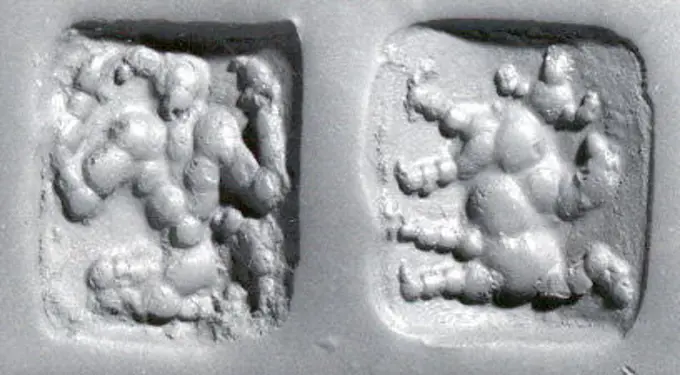
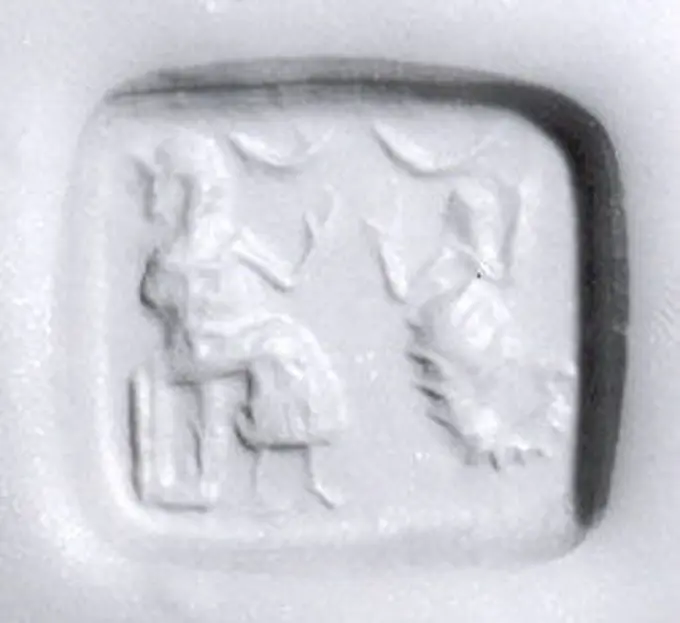
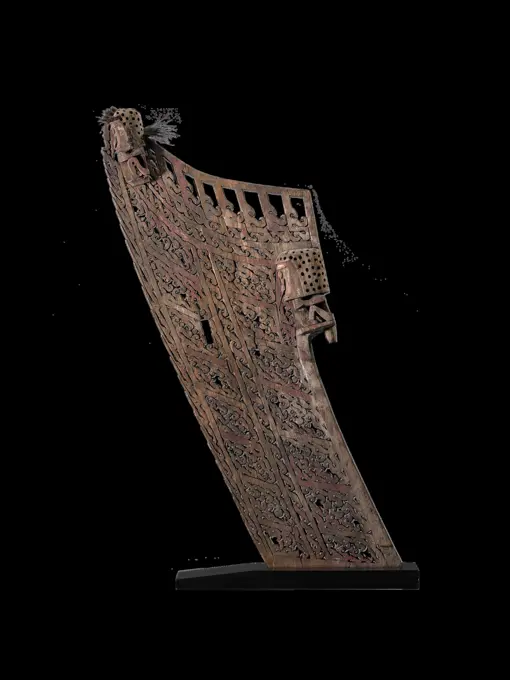
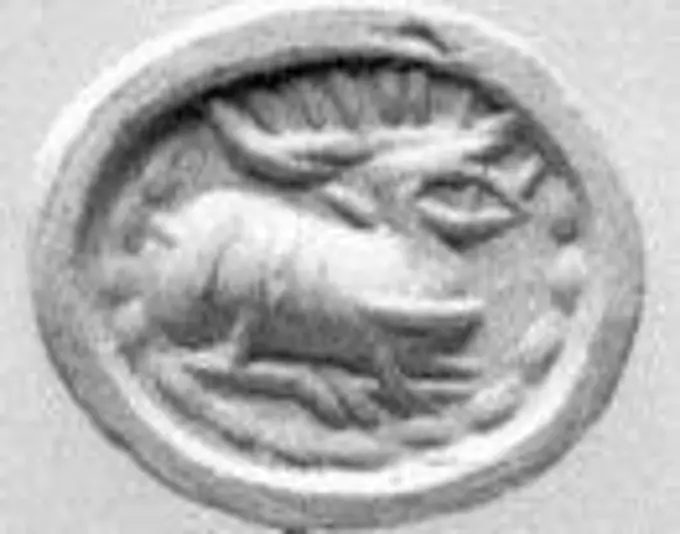
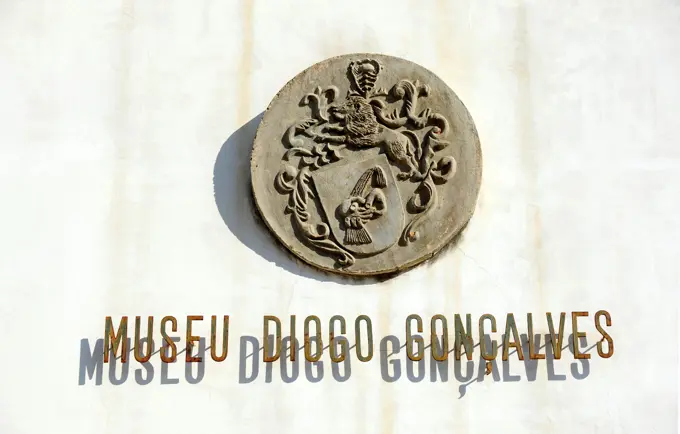
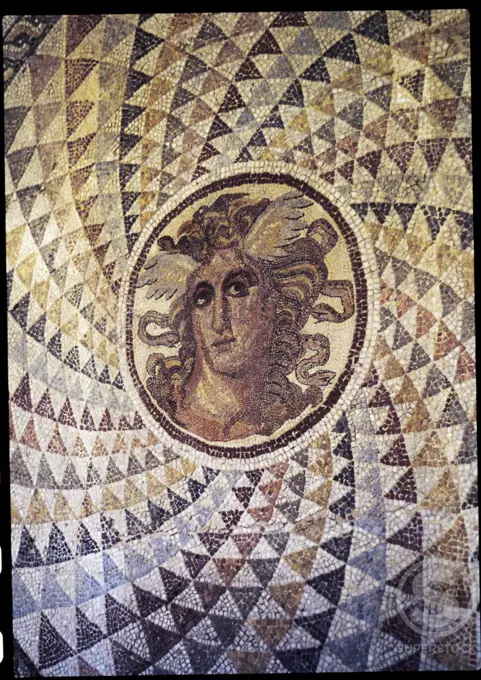
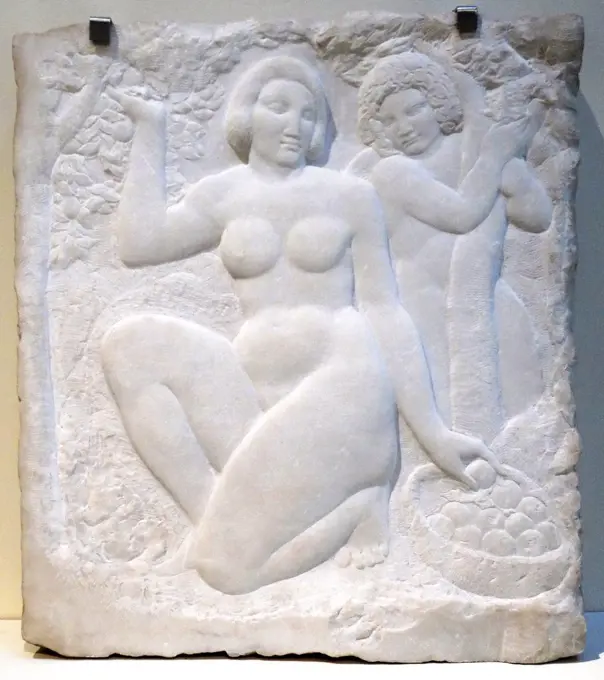
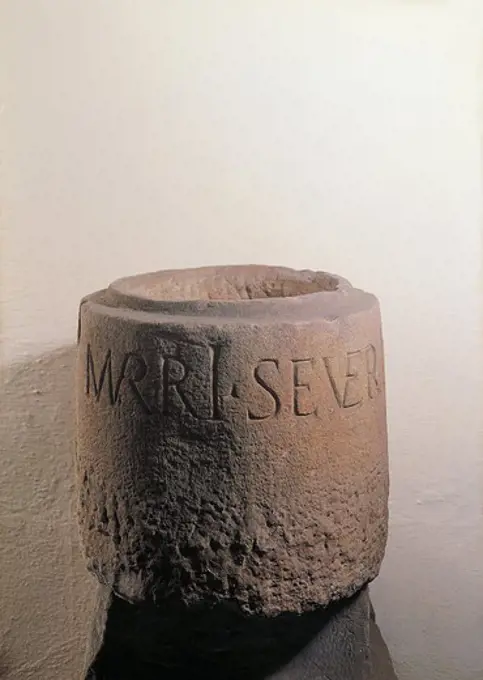
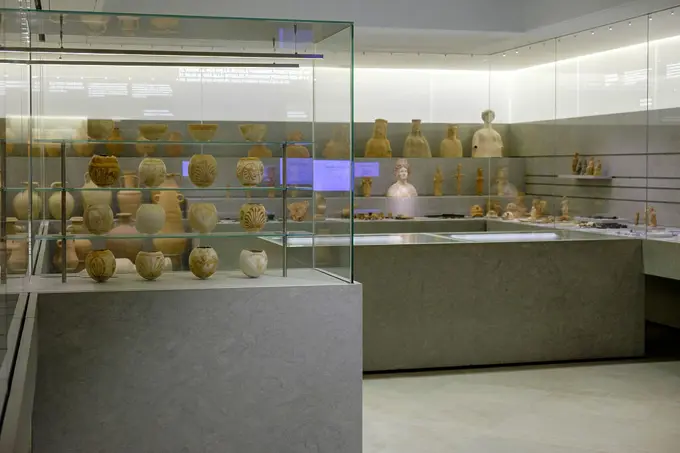
Fragments of Romanesque decorative stuccoes, after restoration, recto, basilica of Santa Maria Maggiore, Lomello, Lombardy. Italy, 11th century.Bharhut buddhist stupa, from 2th century now exposed in the Indian Museum in Kolkata, West Bengal, IndiaEngraved Gem. UnknownOstrakon with a Letter from Ananias to Priests. Culture: Coptic. Dimensions: 4 7/16 x 3 5/8 in. (11.2 x 9.2 cm). Date: 600. Museum: Metropolitan Museum of Art, New York, USA.Sundial, Kilmalkedar Church, Dingle Peninsula, County Kerry, Ireland, British Isles, EuropeFourteen stone pots from a museum in Crete, c. 1895 - c. 1915 photograph  unknown paper. cardboardPendant with Inscribed Dedication to Theos Hypsistos. UnknownClose up of a stone pillar on display in an archaeological museum; Pella, Macedonia, GreeceRelief, Babylonian Seal; plaster; 1902-20-2Two Scale Balance Beams 9th-11th century Lambayeque (Sicán). Two Scale Balance Beams 315384Granica town seal. Granica, signatoryCylinder seal ca. 16th-12th century B.C. Kassite Although engraved stones had been used as early as the seventh millennium B.C. to stamp impressions in clay, the invention in the fourth millennium B.C. of carved cylinders that could be rolled over clay allowed the development of more complex seal designs. These cylinder seals, first used in Mesopotamia, served as a mark of ownership or identification. Seals were either impressed on lumps of clay that were used to close jars, doors, and baskets, or they were rolled onto clay tablets that recorded information about commercial or legal transactions. The seals were often made of precious stones. Protective properties may have been ascribed to both the material itself and the carved designs. Seals are important to the study of ancient Near Eastern art because many examples survive from every period and can, therefore, help to define chronological phases. Often preserving imagery no longer extant in any other medium, they serve as a visual clápida de piedra arenisca, 150-200 d.C, Museo arqueológico de Ibiza y Formentera, Patrimonio de la Humanidad «Ibiza, biodiversidad y cultura», Ibiza, balearic islands, Spain.CASCO DE ORO DEL TESORO DE LOS QUIMBAYAS ADORNADO CON FIGURA FEMENINA-COLOMBIA-200-1000 DC. Location: MUSEO DE AMERICA-COLECCION. MADRID. SPAIN.Insignia of Roman 10th Legion 'Leg x Fretensis' which garrisoned Jerusalem, 1st - 3rd cen AD, Israel.Mirror Case with Cover, 300s BC. Greece, 4th century BC. Bronze; case: 29.3 cm (11 9/16 in.); diameter: 20 cm (7 7/8 in.).Anonymous. End of cross arms decorated with the winged lion of Saint Marc holding a phylactère, excavations of the Hôtel-Dieu (Cat. 51). Rock. Paris, Carnavalet museum. 51822-8 Archeology Medievale, Cross arm, cat. 51, extremite, excavations, hotel-dieu, lion wing, medium-aged, orna, stone, saint marc, hold phylatereaged artifacts in wall, Tuscany Fragment of a stone box (tepetlacalli) 1521 A.D. Aztec Prehistory. Metal Age. Cinerary urn with snake. Eastern Jutland. Denmark. 700-500 BC. Museum of Denmark. Copenhaguen.Croatia. Pula. Roman Mosaic depicting two peacocks on a platter. 1st century - 2nd century. Archaeological Museum.Comb late 15th or early 16th century North French. Comb 464261Calendario Mexicano, Views of Mexico City and environs, Charnay, Désiré, 1828-1915, Albumen print, 1858Star-Shaped VotiveOfferingA Roman marble cinerary urn inscribed for Gaius Julius Picens, Police soldier. Rome, 70-100 AD.Minoan terracotta bath, Palace of Knossos, GreeceNereid Monument. Sculptured tomb from Xanthos. Classical period Lycia. Turkey. Soldier with shield. Greater odium frieze. 390-380 BC. British Museum. London. England. United Kingdom.Tile American Encaustic Tile Company Ltd. (1875-1935). Tile, ca. 1880. Glazed earthenware, 3 x 3 in. (7.6 x 7.6 cm).   Decorative Arts ca. 1880Fragments of a Palm Column ca. 2353-2323 B.C. Old Kingdom Two fragments from a column with a palm-leaf capital. The upper fragment includes much of the capital, with ribbed palm leaves supporting a square abacus. The lower section preserves a portion of the shaft, on which is carved a loop representing part of a rope that lay beneath a series of rope rings. These rings were not preserved, but have been reconstructed based on other examples.. Fragments of a Palm Column. ca. 2353-2323 B.C.. Granite. Old Kingdom. From Egypt; Possibly from Memphite Region, Saqqara. Dynasty 5Sealing ca. 7th century A.D. Sasanian. Sealing 323277Stamp seal ca. late 3rd-early 2nd millennium B.C. Bactria-Margiana Archaeological Complex. Stamp seal 327098Engraved saddle ornament from Iceland. Dated 17th CenturyFunerary stele bearing busts of a man with a sword and a woman. Late 1st century AD - early 2nd century AD. From Tsurnilishte, Prilep region, Macedonia. National Archaeological Museum. Sofia. Bulgaria.Byzantine staurotheque, 6th-11th century, monastery of Sant Pere de Roda, high Emporda, Girona art museum, Girona, Catalonia, Spain.Rectangular plaque seal with stepped pyramidal back ca. 2250-2000 B.C. Akkadian or Neo-Sumerian. Rectangular plaque seal with stepped pyramidal back. Akkadian or Neo-Sumerian. ca. 2250-2000 B.C.. Steatite, green black. late Akkadian or Ur III. MesopotamiaMosiac tiles on the floor which form a road in Ephesus TurkeyDish Possibly Smith Pottery ca. 1825-55Poll photo collection. Israel 1964-1965: Ashkelon, Archeology. Archaeological site with construction fragments including a picture of the goddess of the Nike or Victoria victory. January 1, 1964. Asjkelon, IsraelCanoe ProwOrnamentStamp seal ca. 3rd-7th century A.D. Sasanian. Stamp seal. Sasanian. ca. 3rd-7th century A.D.. Chalcedony, brown. Sasanian. Iran or MesopotamiaEmilia-Romagna Bologna Bologna Museo Civico Archeologico Sale III, IV, V0. Hutzel, Max 1960-1990 Specific Location: Sale III, IV, V (Egyptian antiquities) Owner: Museo Civico Archeologico Antiquities: III: basalt sculptural fragments; reliefs from the tomb of Horemheb; funerary stele; dynasties XVIII, XIX, XX, Ptolomeic dynasty reliefs, generally in limestone. IV: XVIII, XIX dynasty sculptures in granite, limestone, sarcophagi, statuette in basalt, statuette in wood, statuettes in bronze, statuette faience, mummy mask: V: basalt sculptures of Horus, Sekhmet, limestone stele (Antiq. count: 202); Republican portrait sculpture, Republican cippi with portrait bust, cippus with portraits (single and group), cippi with inscriptions from all periods, architectural fragments, basin with inscription, torso fragment of cuirassed figure of the 1st century AD (Nero) (Antiq. count: 185); disk lamps from the late republic to 6th century, with erotes, animals, erotica, mythological scenes, menorah, pCentral Asia, Kyrgyzstan, Chuy province, Burana Tower (11th), archeological site, grave marks ("balbal") from the 7th and 11th century representing worthy Turkish soldiersSweden, Blekinge, Blekinge, Karlskrona, Karlskrona, external marina (depicted, town).Sweden, Blekinge, Blekinge, Karlskrona, Karlskrona, External War Gogs (depicted, City)Europa,Southwestern Europe,the Portuguese Coast in Algarve,Diogo Goncalves museum signPortimao,PortugalMedusa  Mosaic  Artist Unknown (Athens)  Museum, Athens  Marble carving titled 'Youth and Love' by Enric Casanovas (1882-1948) Catalan sculptor. Dated 1914Croatia, Solona, Mosaic work depicting the bust of Sappho (Greek lyric poet, circa 610- 570 B.C.), from the tomb slab of AurelliusCinerary urn bearing the name of deceased.Archaeological Museum of Ibiza and Formentera, World Heritage Site "Ibiza, biodiversity and culture", Ibiza, balearic islands, Spain.