Historical Gold Jewelry

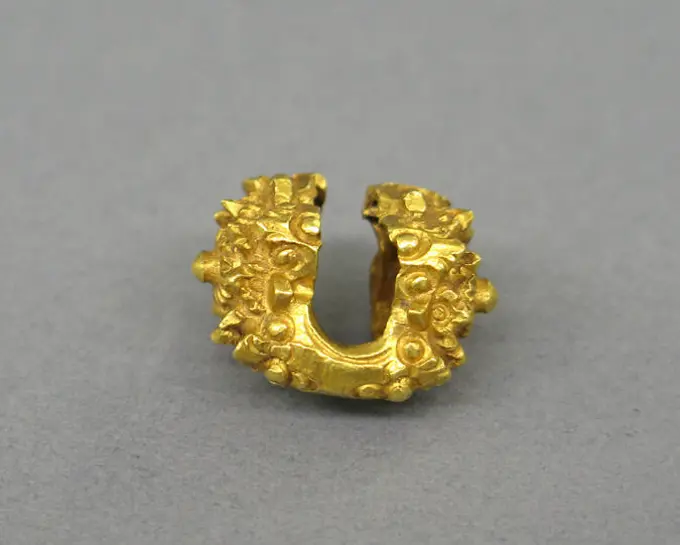
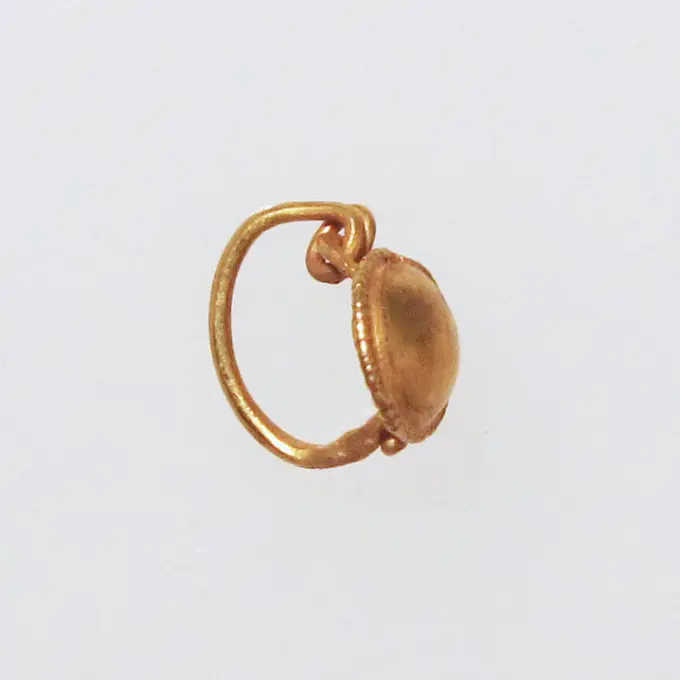
Intricate designs of ancient gold jewelry pieces, including earrings and decorative objects, showcasing craftsmanship from various cultures.
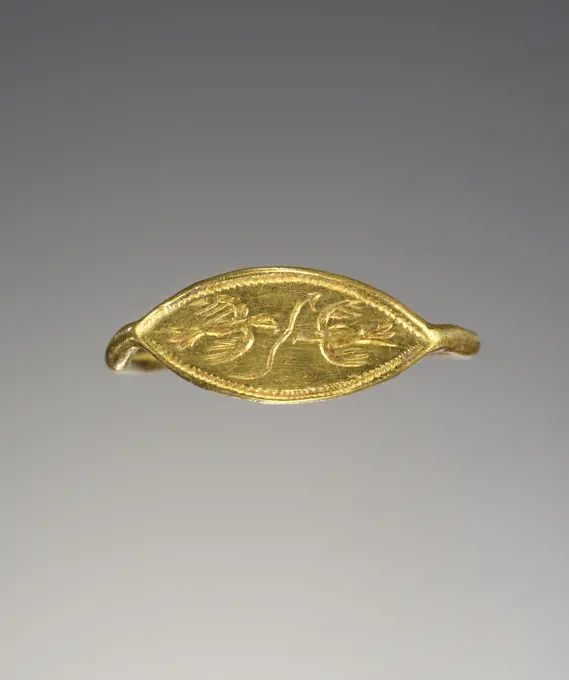
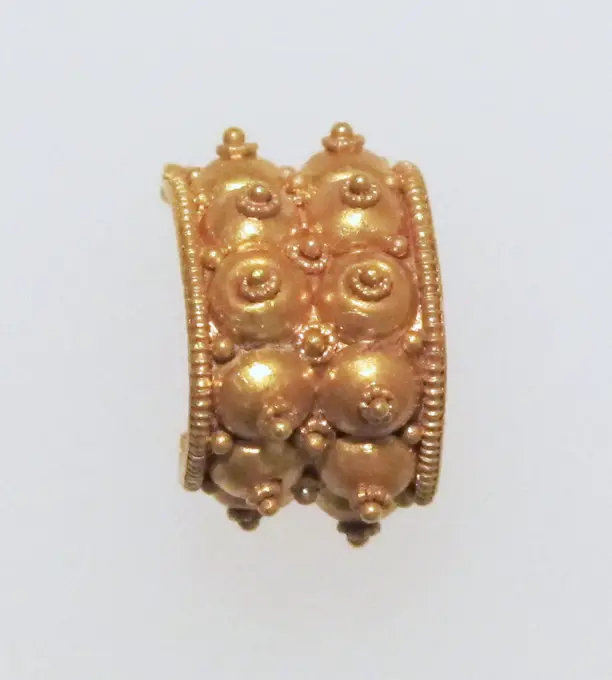
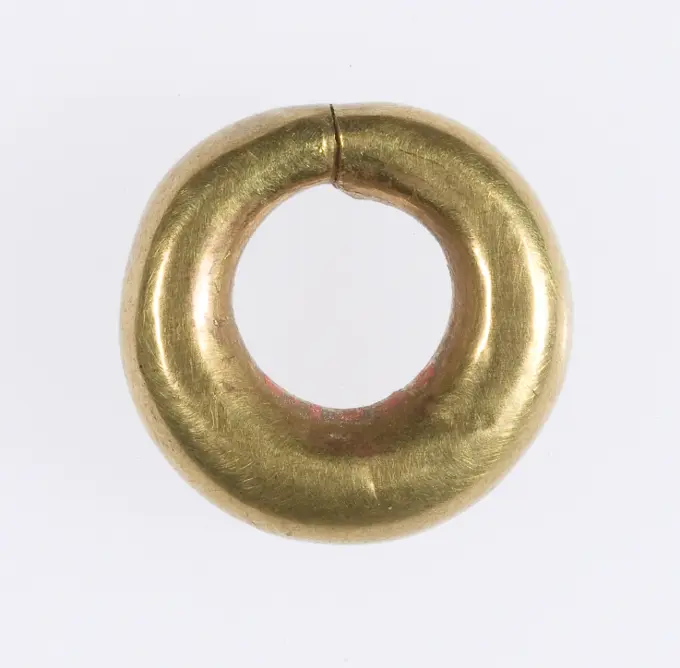
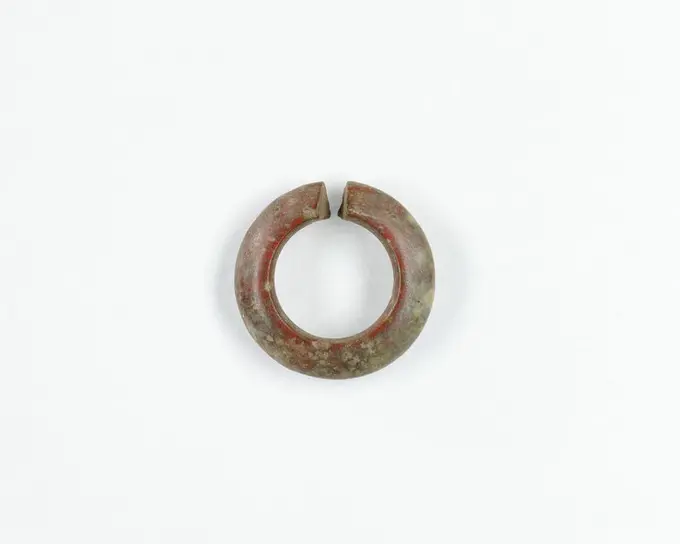
Ring; Greece; late 6th century B.C; Gold; 1.6 × 7.5 cm (5,8 × 2 15,16 in.)
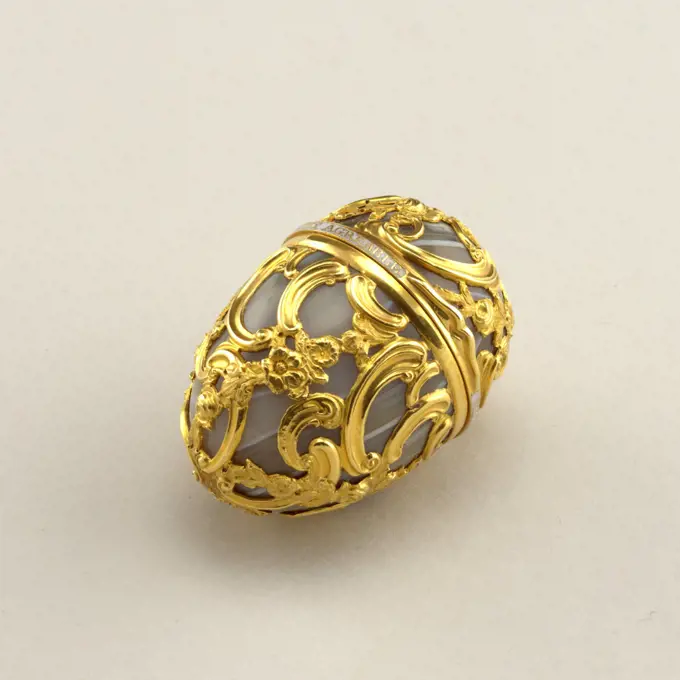
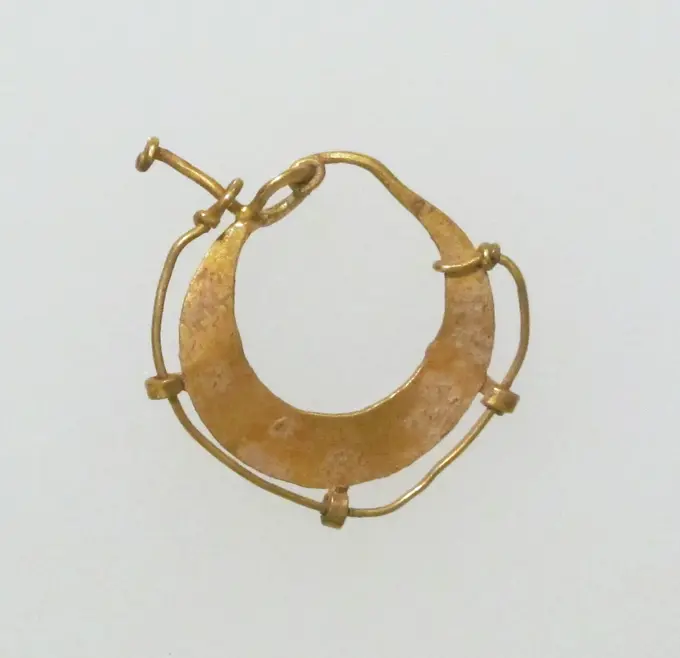
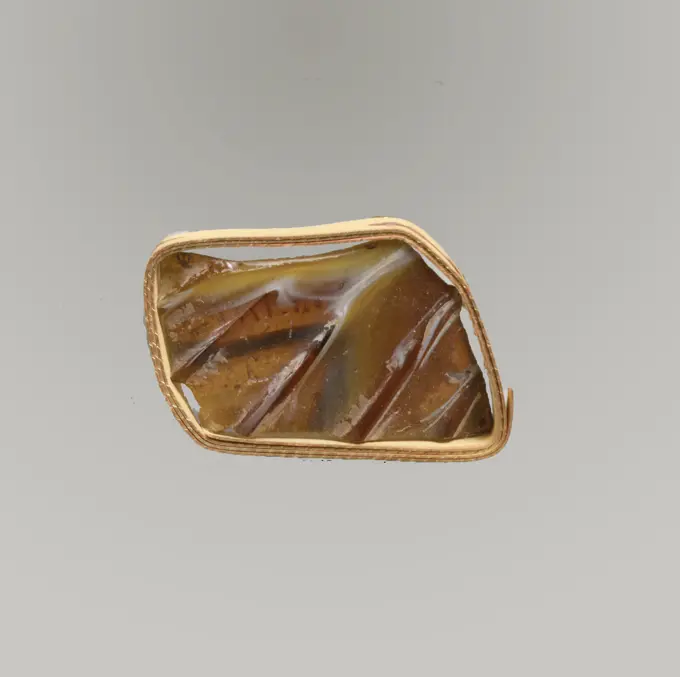
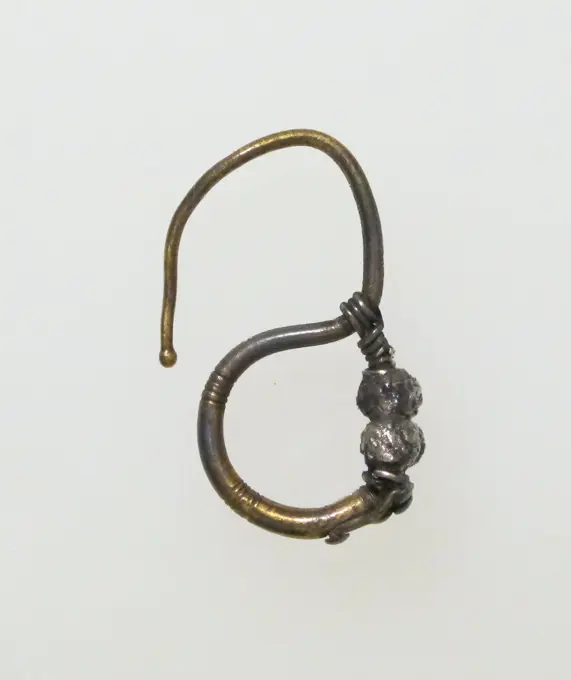
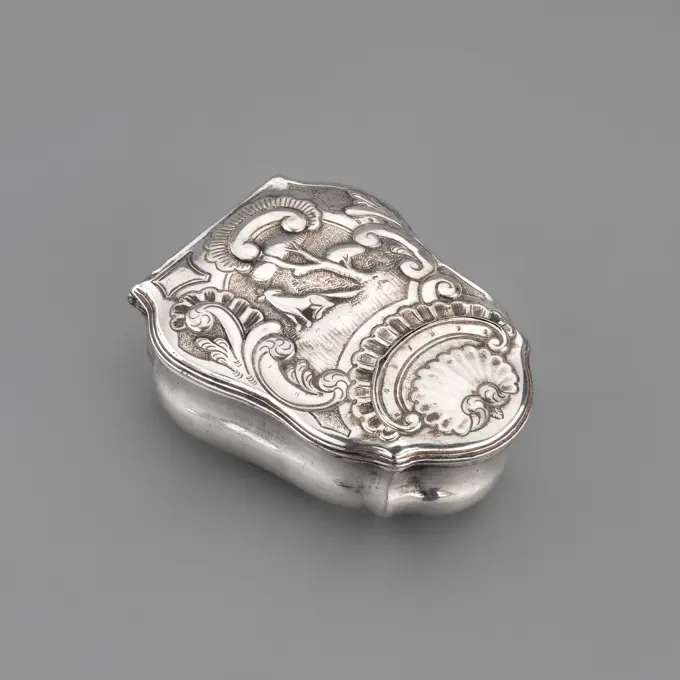
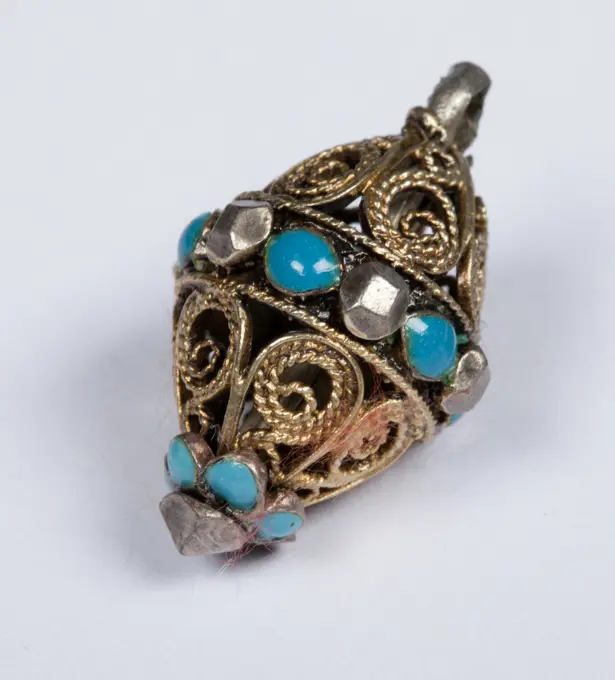
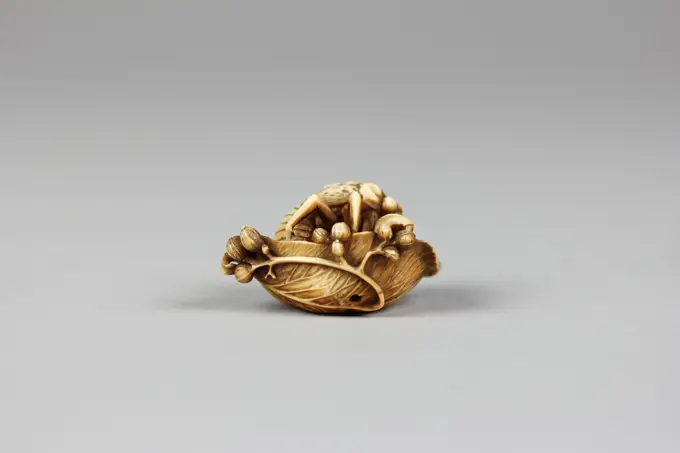
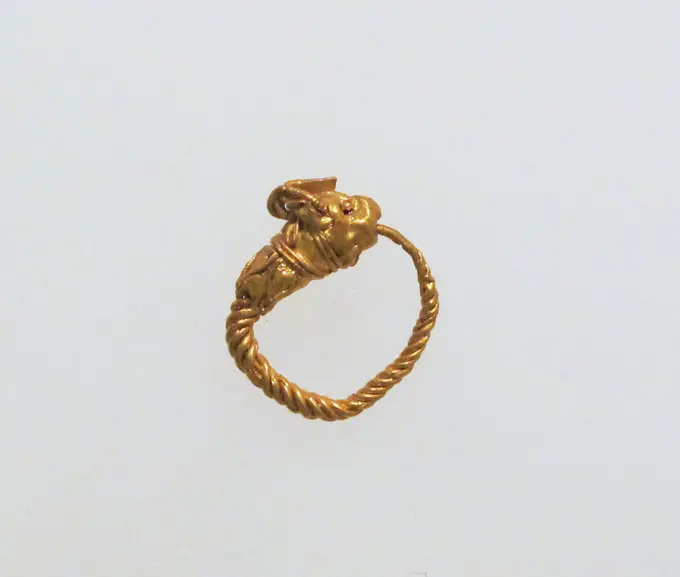
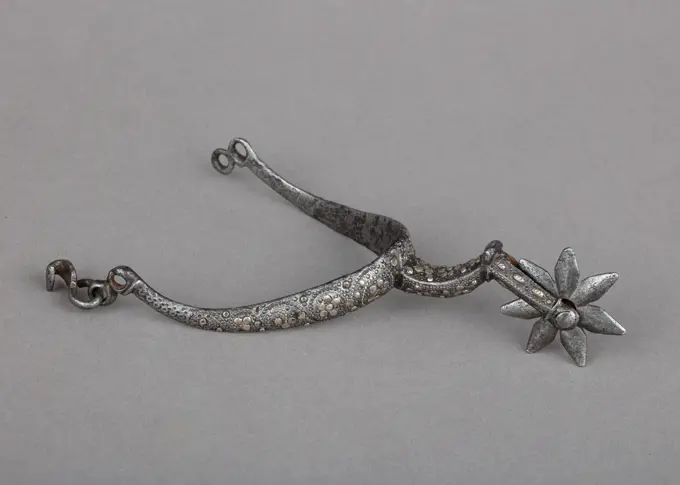
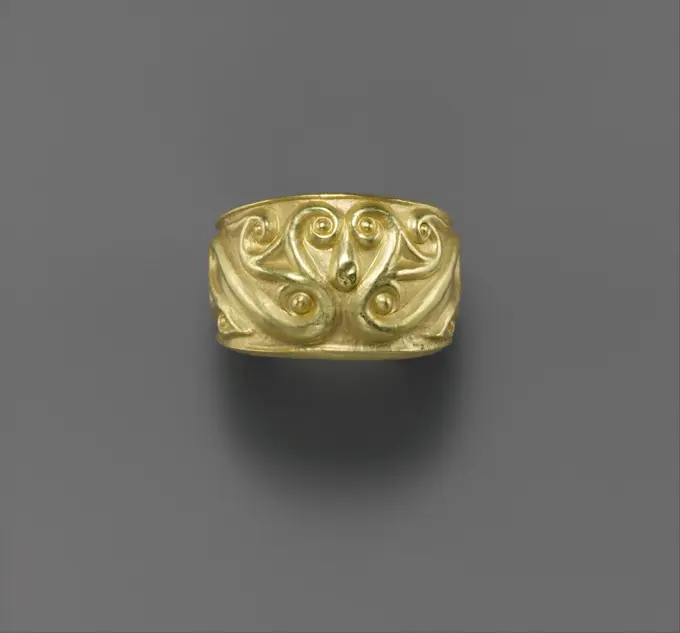
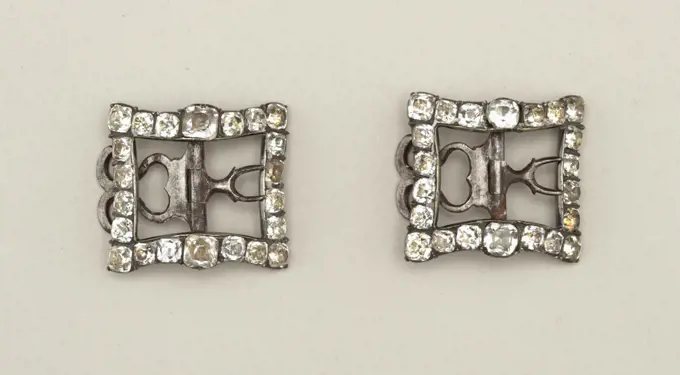
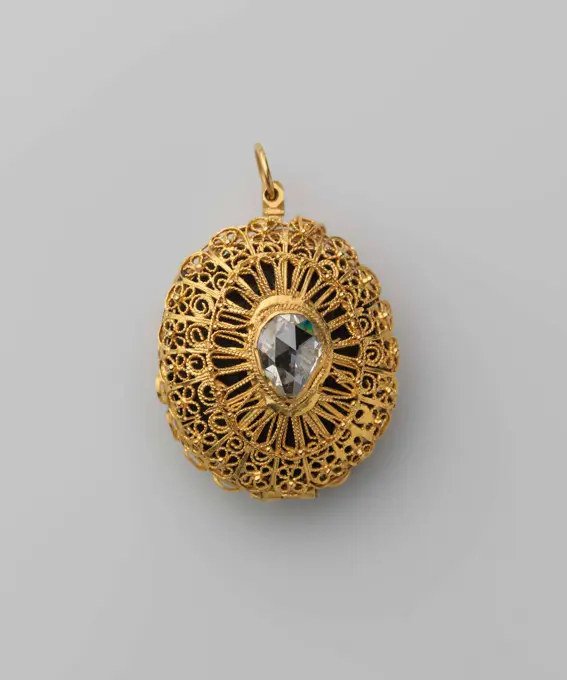
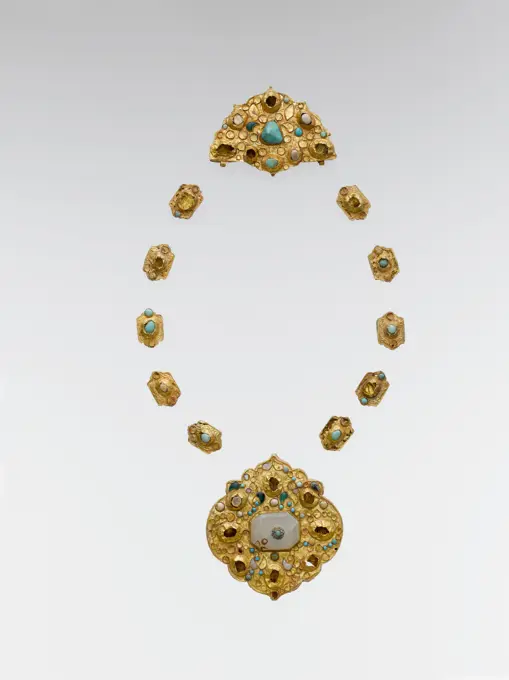
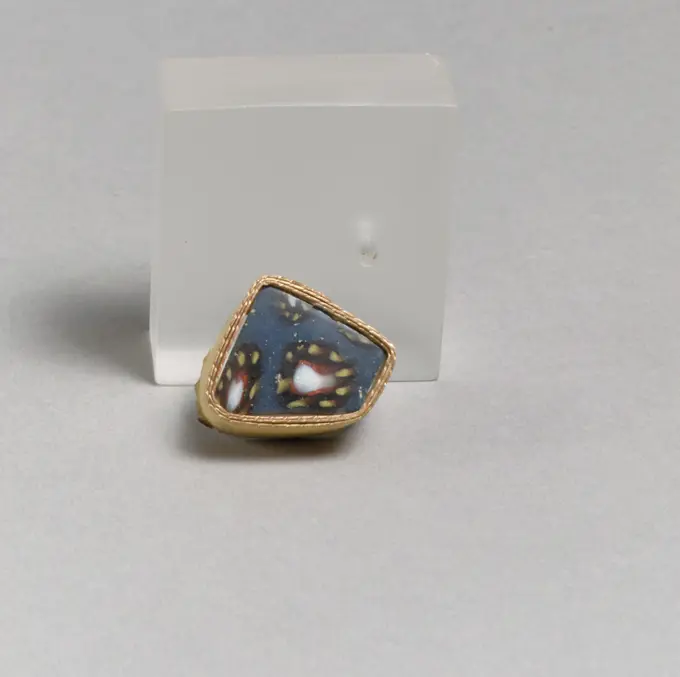
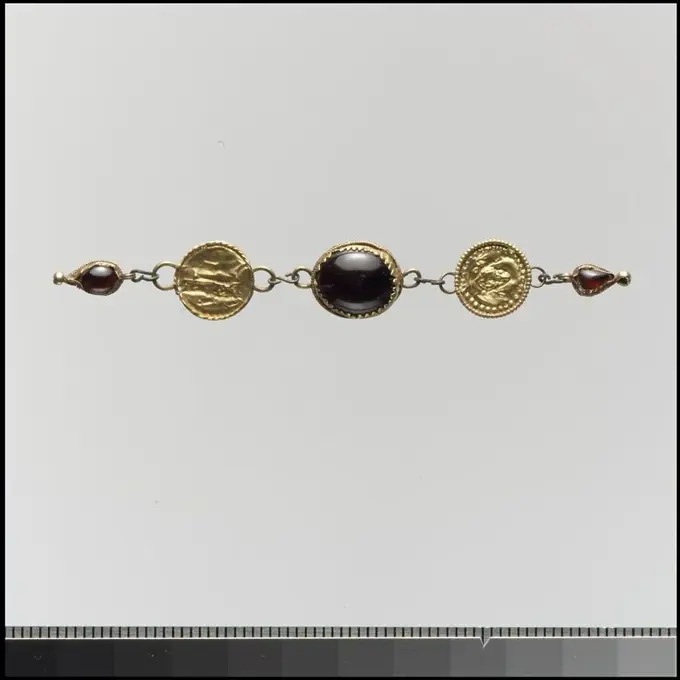
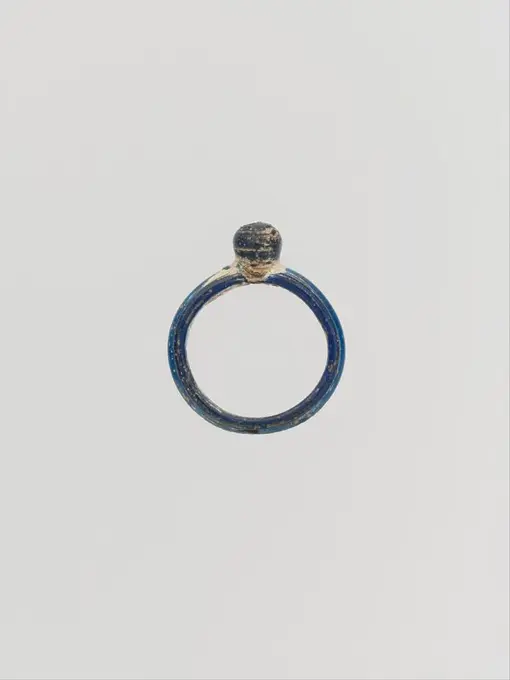
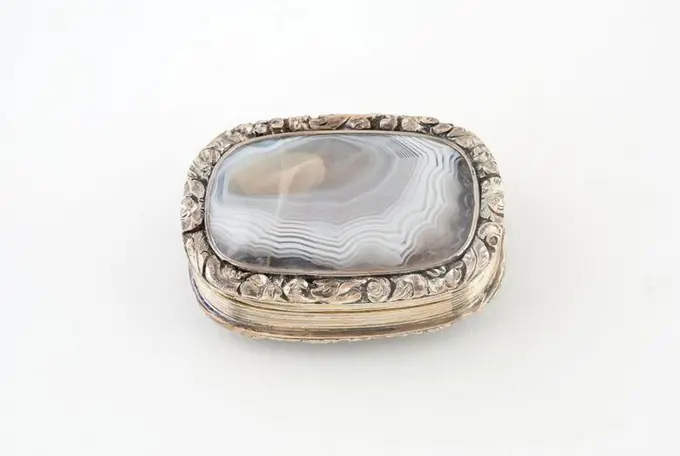
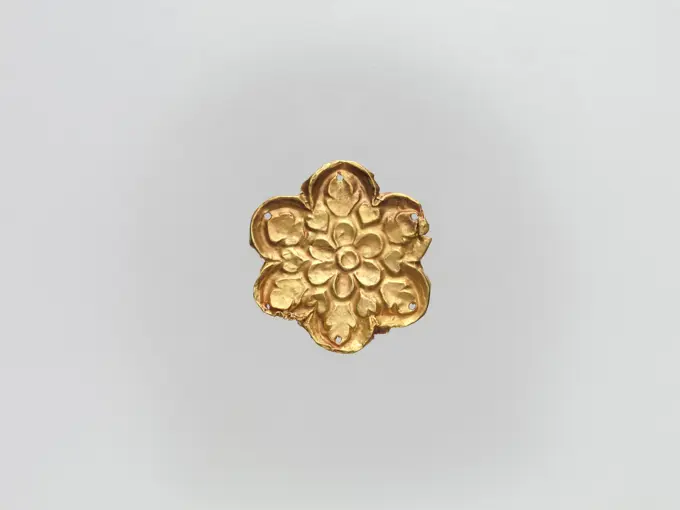
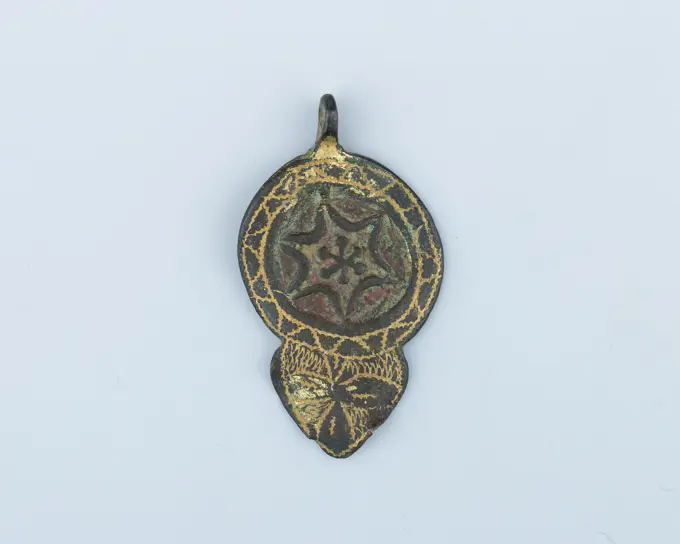
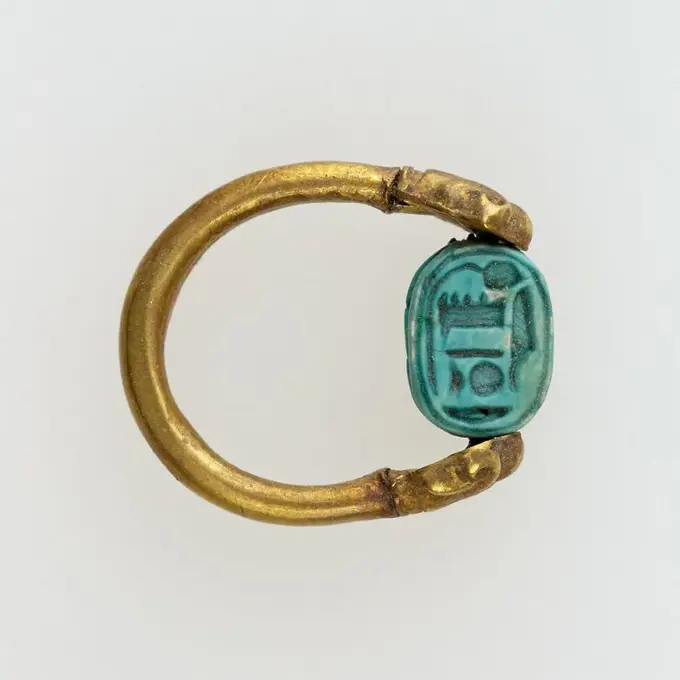
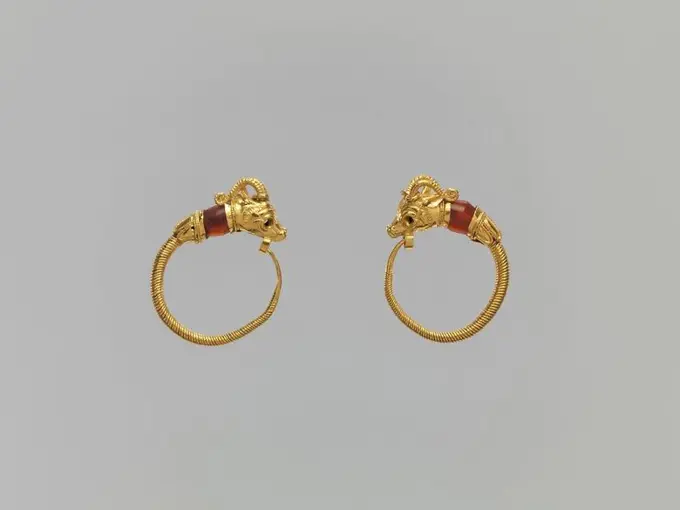
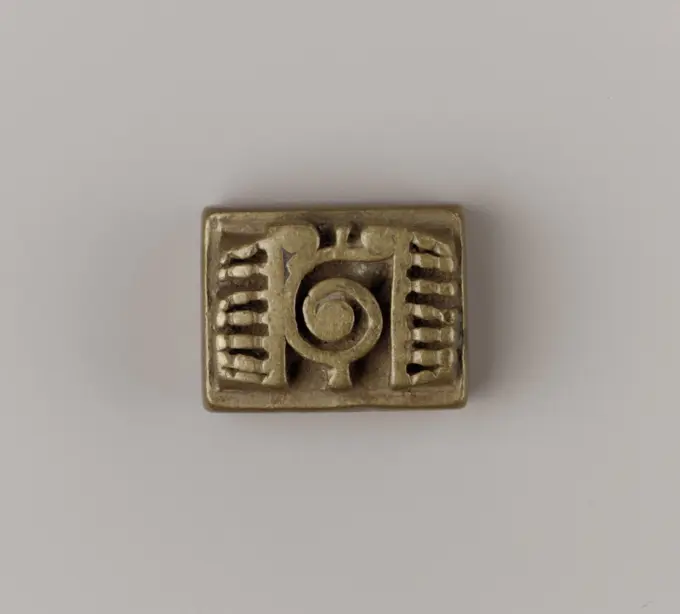
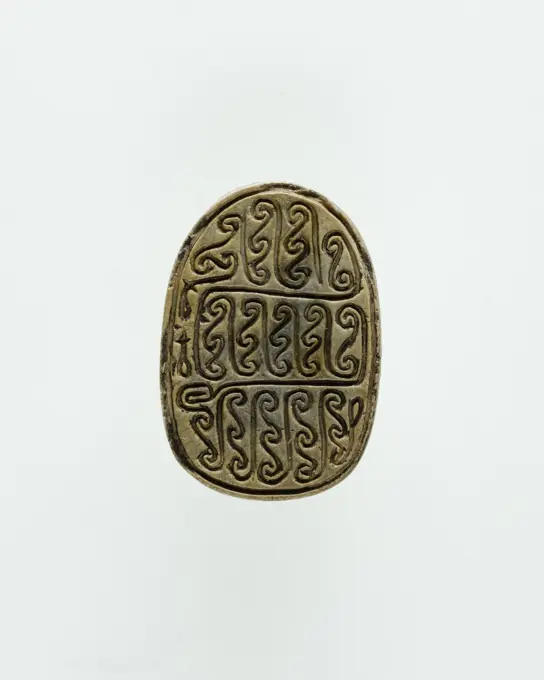
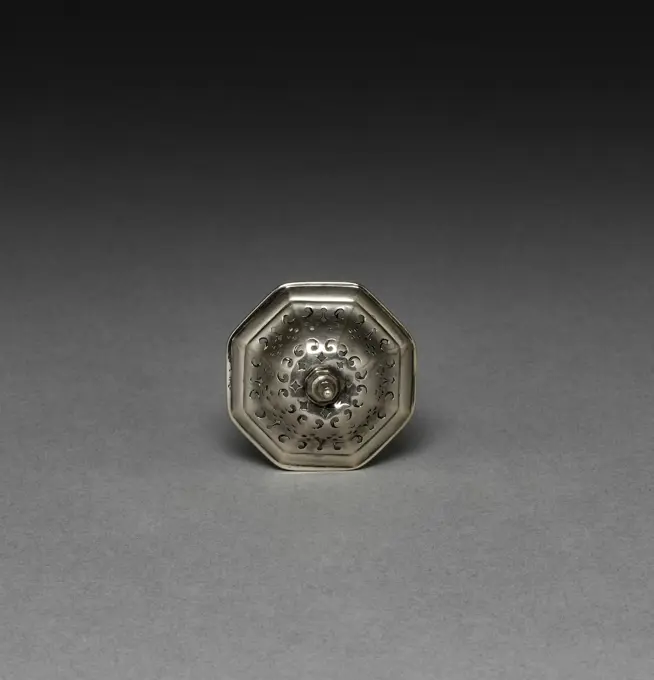
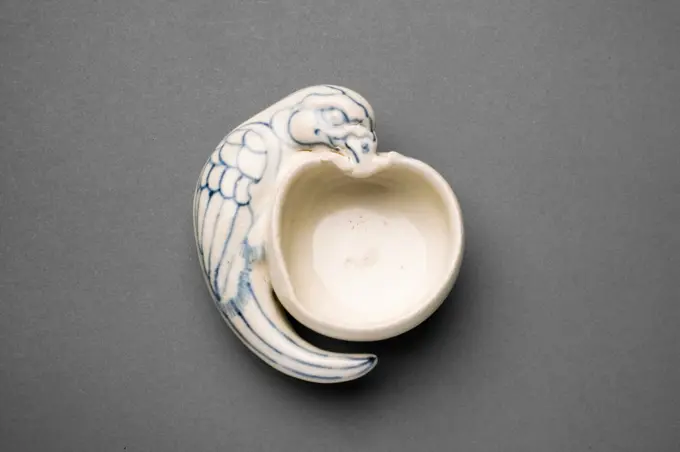
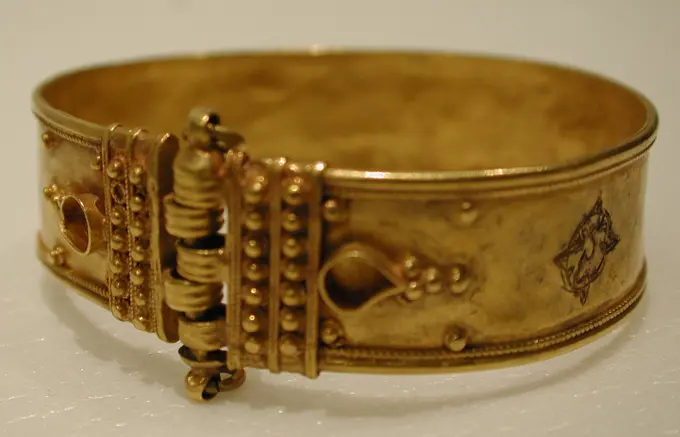
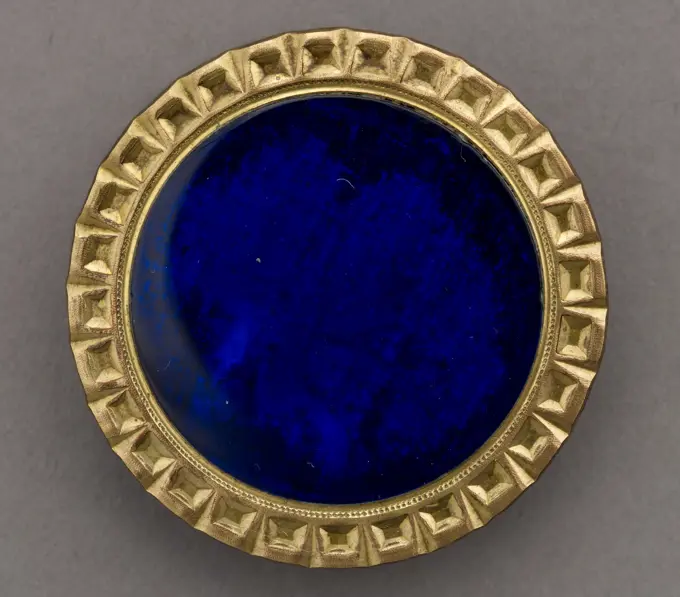
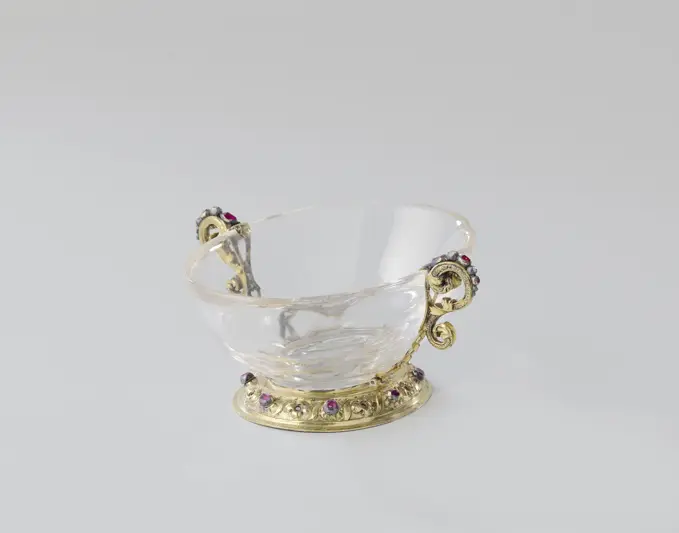
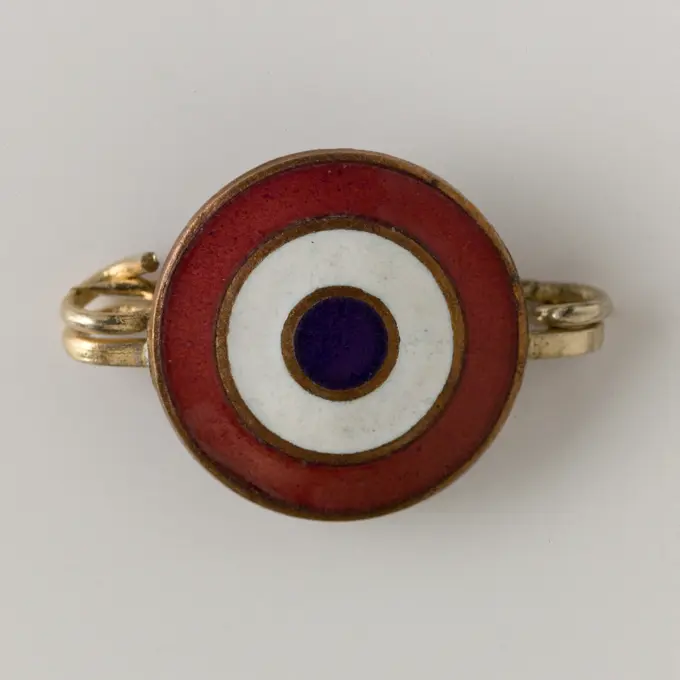
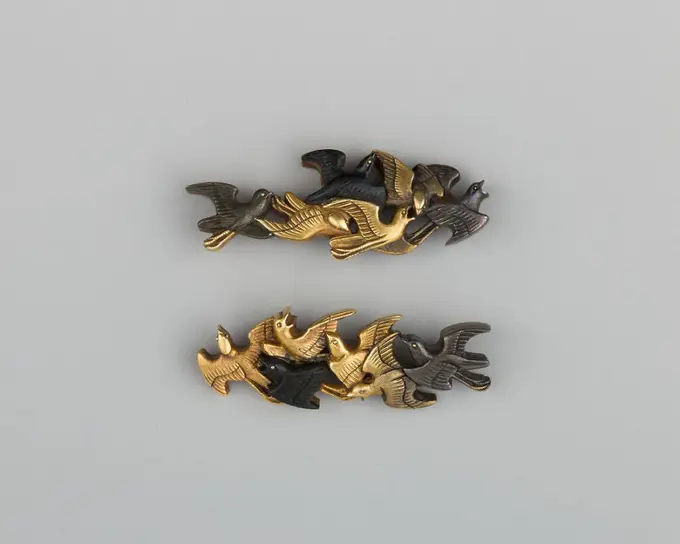
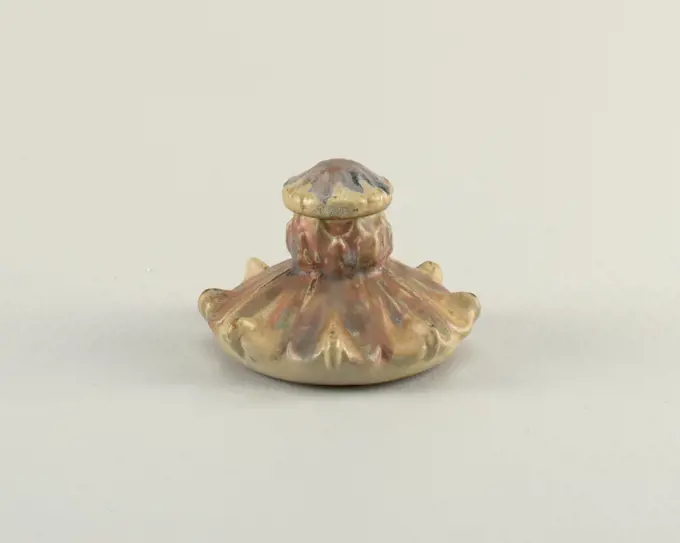
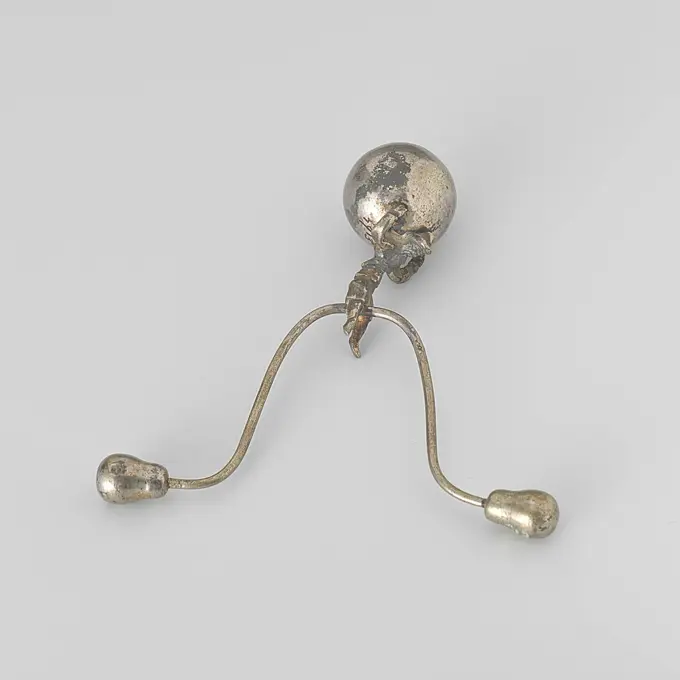
Earring, boat-shaped Greek or Roman. Earring, boat-shaped. Greek or Roman. Gold. Gold and SilverEar Ornament Second half of the 8th-second half of the 10th century Indonesia (Java). Ear Ornament 49954Bonbonnière, Raised and chased gold, carved gray agate, enameling on gold, Egg-shaped form of curving rococo gold cage work over gray agate. Hinged lid with white enameled band showing the phrase, 'Eloignez de vous rien n'est agreable' (Separated from you nothing is pleasant)., London, England, ca. 1755, containers, Decorative Arts, BonbonnièreEarring, baule type 7th-5th Century B.C. Etruscan. Earring, baule type 245942Earring, crescent-shaped. Earring, crescent-shaped 243326Glass mosaic ribbed bowl fragment late 1st century B.C.-early 1st century A.D. Roman Body fragment.Translucent honey brown, blue, and opaque white.Convex curving side, tapering downwards to bottom.Ribbon mosaic pattern formed from sections of a single cane in brown ground with irregular wavy white trails and fine blue threads in parallel lines; on exterior, parts of five narrow, pointed ribs.Polished exterior; patches of dulling and weathering on exterior; creamy iridescent weathering on interior and jagged edges.. Glass mosaic ribbed bowl fragment. Roman. late 1st century B.C.-early 1st century A.D.. Glass; cast and tooled. Early Imperial. GlassRing; Greece; late 6th century B.C; Gold; 1.6 × 7.5 cm (5,8 × 2 15,16 in.)Earring-loop type, plain. Earring-loop type, plain. Gold. Gold and SilverEarring Etruscan Open ring of twisted cords, two plain and two incised.. Earring 245959Earring, crescent-shaped. Earring, crescent-shaped 243278Smiling Female Matchsafe; USA; silver; 7.2 x 5. x 1.8 cm (2 13/16 x 1 15/16 x 11/16 in. )Earring or spiral Cypriot. Earring or spiral 242776Earring, delta-shaped with beads. Earring, delta-shaped with beads 243345Snuffbox;  Ok. PO. 18th century (1746-00-00-1755-00-00);acanthus (ornament), trees, landscapes, foxes, shells (ornament), rocaille (ornament), rococo (style), purchase (provenance)Ring with hollow hoop. Ring with hollow hoop 243535Drawer PullMatchsafeBumpMatchsafe, Silver, Rectangle form with bulging sides and flared corners. The front has a plain silver surface with illusionary relief scene of head of hairy dog peering through ripped hole in safe. Dog is smoking with smoke trails off to right side., early 20th century, containers, Decorative Arts, MatchsafeTopknot Pin, 918-1392. Korea, Goryeo period (918-1392). Silver; overall: 5.1 cm (2 in.).Ring with scaraboid. Ring with scaraboid 243571Netsuke of Bee on a Leaf 19th century Japan. Netsuke of Bee on a Leaf. Japan. 19th century. Ivory. Edo (1615-1868) or Meiji period (1868-1912). NetsukeGold earring with head of a lion 4th-3rd century B.C. Greek. Gold earring with head of a lion 242842Charity Brooch With Cameo; Carved by Giorgio Antonio Girardet (1829 - 1892); Made by Fortunato Pio Castellani & Sons (Italy); Italy; gold, sapphireSpring Tackle Attachment for Rapier. Italian or Spanish. Date: 1650-1700. Dimensions: Overall. Iron. Origin: Italy. Museum: The Chicago Art Institute, Chicago, USA.Earring with glass setting 1st-3rd century A.D. Roman. Earring with glass setting 243220Brooch -Rod Finial Clip with Figure Surrounded by Sakti Motif Second half of the 9th-first quarter of the 10th century Indonesia (Java). Rod Finial Clip with Figure Surrounded by Sakti Motif 49741Nose Ring probably 19th century. Nose Ring 444954Earrings Greek or Roman. Earrings. Greek or Roman. Gold. Late Hellenistic. Gold and SilverPenannular Earring ca. 1550-1425 B.C. Second Intermediate Period-Early New Kingdom. Penannular Earring 559745Gold earring with head of a lion 4th-3rd century B.C. Greek. Gold earring with head of a lion 242871Bracelet, 20th century, 5/8 x 2 15/16 x 2 15/16 in. (1.59 x 7.46 x 7.46 cm), Silver, China, 20th centuryScarab. Dimensions: l. 1.5 cm (9/16 in.). Date: ca. 1786-1482 B.C.. Museum: Metropolitan Museum of Art, New York, USA.Boxing Glove, Silver, In the shape of a right-handed boxing glove, with outline of hand incised in palm of glove, ties near wrist. Wrist area forms lid, hinged on side. Striker on curved top of glove., late 19th century, containers, Decorative Arts, Matchsafe, MatchsafeEarringEarring, delta-shaped. Earring, delta-shaped 243344Hat (fez), 3 13/16 x 7 9/16 x 6 1/2 in. (9.68 x 19.21 x 16.51 cm), Silver, Sierra LeoneSnake bracelet A.D. 1st century Roman Period Snake jewelry was not limited to Egypt in the Ptolemaic and Roman Periods, and, in fact, was not a traditional Egyptian sort of jewelry before the Ptolemaic Period. Bracelets with animals, including snakes, appeared in Western Asia from about the eighth century BC, and spread to Greece in the fifth century BC, and came to Egypt mainly with the Ptolemaic Dynasty. In Greek culture there were certainly healing associations with snakes, but there may have been other assocations, too.. Snake bracelet. A.D. 1st century. gold. Roman Period. From Egypt, Lower EgyptGold earring with head of an animal 4th-3rd century B.C. Greek. Gold earring with head of an animal 242856Gold earring with pearl pendant 1st2nd century A.D. Roman. Gold earring with pearl pendant 243204Rowel Spur first half 17th century British or German This type of silver-inlaid decoration standing out against a blackened background is often found on German and British rapiers hilts made in the early 17th century.In the first half of the 17th century, the fashion trend for gentlemen was to wear boots and spurs even non-riding circumstances, including for dancing or walking around at court. Spurs became then more than equestrian tools, but pieces of male jewelry often enriched by the same goldsmiths also working on armor and weapons. Their decoration was sometimes intended to match the sword hilt and the general outfit and horse tack of their owner. These trendy accessories were also a significant mark of status for gentlemen, sometimes nonetheless copied by the bourgeoisie. This fashion progressively disappeared after the mid-17th century.. Rowel Spur. British or German. first half 17th century. Iron alloy, silver. Equestrian Equipment-SpursDoor handle. Strawberry Hill House, Twickenham, United Kingdom. Architect: Horace Walpole, 1747.Ring 4th-5th century B.C. Celtic This ring evokes the splendor of the Celts and their love of personal adornment. Its combination of tendril motifs echo symmetrical designs that appear to be abstractions of a face.. Ring 478986Miniature Sugar Bowl Sugar Bowl; Probably Du Paquier Porcelain Manufactory; Austria; porcelain, goldPot (cover) (1 of 2), 1817-18. England, 19th century. Silver;Gold earring with pendant and garnet setting 2nd century A.D. Roman. Gold earring with pendant and garnet setting. Roman. 2nd century A.D.. Gold, garnet. Mid Imperial. Gold and SilverBrooch; gold, onyx, pearls; Overall: 4.5 x 3.5 x 1.3 cm (1 3/4 x 1 3/8 x 1/2 in.)Pair of knee buckles, Steel, rock-crystal, foil back., Buckles with square frames of foil-backed rock crystal set in steel; prongs and fasteners of steel., France, 18th century, jewelry, Decorative Arts, Buckles, BucklesGold and carnelian ring: on scarab bezel, Herakles. Culture: Etruscan. Dimensions: Diam.: 15/16 x 3/8 in. (2.4 x 1 cm). Date: early 5th century B.C..Ring with scarab from a tomb group allegedly from Vulci, one of the richest and most impressive sets of Etruscan jewelry ever found. Museum: Metropolitan Museum of Art, New York, USA.MourningRingJar. UnknownGold earring with disc and pendant 2nd century A.D. Roman. Gold earring with disc and pendant 243177Anklet 500 B.C.-A.D. 300 Indonesia (Java). Anklet 51635Hubs from gold. Food ball in bag. Filigree with a rose cut diamond in pear shape. With amber smell. In bag also two strips of lace.Penannular Earring. Dimensions: Diam. 1.4 cm (9/16 in.). Dynasty: Dynasty 18. Date: ca. 1550-1295 B.C.. Museum: Metropolitan Museum of Art, New York, USA.Necklace with Three Pendants, 1-199. Greece, Roman Empire, 1st to 2nd century AD. Gold, amethyst, and beryl; overall: 53 cm (20 7/8 in.); diameter of central pendant: 7.3 cm (2 7/8 in.); diameter of side pendants: 4.2 cm (1 5/8 in.).Glass mosaic bowl fragment late 1st century B.C.-early 1st century A.D. Roman Thin-walled rim fragment.Translucent purple, light blue appearing green, opaque white and yellow.Vertical rim, with flat upper edge; almost straight side, tapering slightly downward.Composite mosaic pattern formed from polygonal sections of two canes: one in a purple ground with a concentric white circle and a central white rod, and the other in a blue ground with a yellow spiral around a central yellow rod.Polished exterior; pitting and weathering of surface bubbles on exterior; deep pitting and creamy iridescent weathering on interior, rim, and edges.. Glass mosaic bowl fragment 257311Schotel, Arnoldus van Geffen, 1766 Round dish with scalloped edge. The dish belongs under a terrine (BK-NM-11177-153-B). The terrine is marked, but the dish is not. The dish and the vegetable scale are the same as two copies with invnrs. BK-NM-11177-252 and BK-NM-11177-253. Amsterdam silver (metal) Round dish with scalloped edge. The dish belongs under a terrine (BK-NM-11177-153-B). The terrine is marked, but the dish is not. The dish and the vegetable scale are the same as two copies with invnrs. BK-NM-11177-252 and BK-NM-11177-253. Amsterdam silver (metal)Jewelry Elements late 14th-16th century Few examples of medieval Islamic jewelry survive, leaving scholars to rely on depictions of jewelry in manuscript paintings of the period for evidence of their appearance. Imagery from Ilkhanid and later period painting reveals that necklaces sharing some details with the jewelry elements shown here were worn by women in the fourteenth to sixteenth century in Iran and Central Asia.. Jewelry Elements. late 14th-16th century. Gold sheet; worked, chased, and set with turquoise, gray chalcedony, and glass. Attributed to Iran or Central Asia. JewelryGlass mosaic fragment late 1st century B.C.-early 1st century A.D. Roman Rim fragment.Translucent light blue appearing dark greyish blue, dark purple appearing black, opaque white, yellow, and red.Vertical rim, with edge ground flat; side slanting down on interior forming horizontal ridge below rim.Mosaic pattern formed from polygonal sections of a single cane in a blue ground with a black circle containing a ring of yellow rods and a central white rod surrounded by a red circle.Polished exterior; pitting of surface bubbles on exterior; dulling, pitting, and creamy weathering on interior, rim, and jagged edges.. Glass mosaic fragment 257214Fragment of Necklace. Culture: Pontic. Dimensions: Overall: 4 1/8 x 1/2 x 3/16 in. (10.5 x 1.3 x 0.5 cm). Date: 3rd century. Museum: Metropolitan Museum of Art, New York, USA.Glass finger ring. Culture: Roman. Dimensions: 15/16 × 1/4 × 13/16 in. (2.4 × 0.6 × 2 cm). Date: 1st-2nd century A.D..Translucent cobalt blue; bezel in same color.Circular hoop, flat in cross section, made from a rod and joined under bezel; globular bezel.On exterior of hoop, four parallel horizontal ribs.Intact; pinprick bubbles; pitting and iridescent weathering. Museum: Metropolitan Museum of Art, New York, USA.Goldsmith's art, Italy, 20th century. Mario Buccellati, stiff gold and silver band bracelet with engraved sapphires and cabochon cut rubies.Kluwe holder, made up of C-Voluten decorated with leaves, foam and rocaillem motifs and flowers, Dirk Froger (attributed to), 1775 The tangle holder consists of a bracket with two eyes on the underside, in which a pen fits that ends in two leaf -shaped asymmetrical wings, one of which can be crested. A rotatable connecting piece is attached to the top of the bracket with an eye in which the eye of a large link fits. The hook is again attached to this link with a large eye. The hook broadens to the rounded end and has an imposed decorative piece at the front. The bracket, the link and the decorative piece on the hook, all open worked and asymmetrical, are made up of C-volutes decorated with leaves, foam and rocailler roses and flowers including roses. The open connecting piece between bracket and link consists of two scallops connected by a profiled beam. The hook is engraved above the decorative piece with C-Voluten with leaves and grille work. Amsterdam silver (metal) The tangle holdeVinaigrette. Possibly Birmingham, England. Date: 1825-1835. Dimensions: 5.1 × 3.8 cm (2 × 1 1/2 in.). Silver, silver gilt, and hardstone. Origin: Birmingham. Museum: The Chicago Art Institute, Chicago, USA.Flower-Shaped Clothing Plaque 7th-9th century China (Xinjiang Autonomous Region, Central Asia) The nomadic communities of Central Asia used such plaques to embellish clothing and horse trappings. As these nomadic cultures herded animals and were constantly moving, their artistic production was expressed in portable objects that marked the wearers status and wealth. The outstanding preservation of these fragile ornaments suggests they were used in conjunction with burials, where the body was aggrandized with valuable textiles and augmented with gold. Although it is difficult to date and place these objects geographically, their presence in Central Asia and has a long, established history.. Flower-Shaped Clothing Plaque 65200Ring late 18th-early 19th century Austrian, Vienna. Ring. Austrian, Vienna. late 18th-early 19th century. Gold (). JewelryOrnament of Horse Trapping 14th century Spanish. Ornament of Horse Trapping. Spanish. 14th century. Bronze. Miscellaneous-Buckles & OrnamentBoiler with lid. Boiler with lid and handle. Zig-Zag lines are engraved in the pan. There is a button on the lid. The boiler is labeled: Mt. = Frederik from STRANT I.Scarab finger ring with name of Amun-Re. Dimensions: Ring: Diam. 2.2 cm (7/8 in.); L. 7.8 cm (11/16 in.)Scarab: L. 1 cm (3/8 in.); W. 0.7 cm (1/4 in.); H. 0.5 cm (3/16 in.). Dynasty: late Dynasty 21. Date: ca. 1000-945 B.C..Henettawy died at the age of twenty-one and was buried in a plundered tomb that had originally been the resting place of Minmose, an official of Hatshepsut. The burial was a modest one, including a set of coffins and personal jewelry, and the body of the deceased was not even embalmed but simply wrapped in layers of linen bandages.One of two rings found on her left hand, this is of gold set with a scarab beetle, associated with the rising sun, in glazed steatite. The flat side bears the inscription "Amen-Re, king of the gods." Henttawy, who lived during the late 21st Dynasty, served as a musician in the cult of this god. Museum: Metropolitan Museum of Art, New York, USA.Ibex-head earrings. Dimensions: a. As Worn: H. 1.8 × W. 2.1 cm (11/16 × 13/16 in.)b. As Worn: H. 1.8 × W. 2.4 cm (11/16 × 15/16 in.). Date: 2nd-1st century B.C..Hoops formed of wound wire with animal head terminals are the commonest type of Hellenistic earring. The heads on these earrings have been referred to as those of gazelles, but is now thought more likely to be an ibex. Ibex-head earrings are well-known in Egypt, but also Asia Minor and Cyprus.The inclusion o fthe garnet bead in the collar behind the animal's head points to a date in the 2nd-1st centuries BC. Museum: Metropolitan Museum of Art, New York, USA.Spirals Cypriot. Spirals 242529Gold swivel ring with banded agate scarab 4th century B.C. Etruscan A horse.. Gold swivel ring with banded agate scarab. Etruscan. 4th century B.C.. Agate, banded, gold. Classical. GemsDish (part of a set). Gorham Manufacturing Company; American, founded 1831; Providence, Rhode Island. Date: 1900. Dimensions: 6.5 × 34 × 27.3 cm (2 9/16 × 13 3/8 × 10 3/4 in.). Silver with gold wash. Origin: Providence. Museum: The Chicago Art Institute, Chicago, USA."Assyrian Head" pattern Sugar Tongs; Designed by Rogers Brothers Silver; Manufactured by Meriden Brittania Company; USA; silver-plated metal; L x W: 16.5 x 4.5 cm (6 1/2 x 1 3/4 in.)Gold Weight: Geometric 16th-17th century Akan peoples In the fifteenth century, cast Akan gold weights (brass figurines used to measure units of gold dust) were developed in response to the extensive trade in gold mined in Kumasi that was initially transported across Saharan trade routes. Locally, gold was prized for its decorative qualities, status, and because of a strong belief in its inherent power and mystery. The earliest treatment of gold weights was probably in the style seen in these examplesgraphic, abstractas a result of the Islamic influence in the gold trade at this time. This heavy rectangular form has very faint surface designs that were engraved or punched into the metal. Its edges are rounded, indicating extensive human wear. The motif with two comblike forms on either side of a spiral, has been called "ram's horn," or Dwanimen, referring to the spiral shape of a ram's horn.While these miniature artifacts, created as weights, were commonly melted down and recast, hisNose Ring, 20th Century. India. Silver; overall: 6.4 cm (2 1/2 in.).Female Golfer Matchsafe; USA; silver; 7 x 4.2 x 1.1 cm (2 3/4 x 1 5/8 x 7/16 in. )Scarab Decorated with Scrolls ca. 1760-1670 B.C. Middle Kingdom Scrolls and spirals -whether single or interlocking, or in combination with hieroglyphs or floral motifs- already decorate the earliest types of scarabs and are common throughout the first half of the second millennium B.C. While their meaning and source of inspiration remains unknown, scroll designs are also appealing to the eye. A wide variety of combinations, some of which more complex than others, is found on Egyptian scarabs of the Middle Kingdom and scrolls become particularly popular during late Dynasty 12 and Dynasty 13 (ca. 1850-1640 B.C.). While these designs continue to appear on scarabs in the Second Intermediate Period (ca. 1640-1550 B.C.) and on contemporary Canaanite imitations, details in the composition or on the scarabs back or its legs allow the seal-amulet to be more precisely dated.. Scarab Decorated with Scrolls. ca. 1760-1670 B.C.. Cream-white glazed steatite. Middle Kingdom. From Egypt, Memphite ReCaster (lid), 1743. Jacob Hurd (American, 1702-1758). Silver;Broche, anonymous, c. 1850 - c. 1875 A black git brooch. The oval brooch is surrounded by a golden edge with pearls. In the middle a diamond with a rosette of small diamonds. Netherlands gold (metal). jet (coal). pearl. diamond (mineral) A black git brooch. The oval brooch is surrounded by a golden edge with pearls. In the middle a diamond with a rosette of small diamonds. Netherlands gold (metal). jet (coal). pearl. diamond (mineral)Bowl with Relief Parrot 1401-1500 Vietnam. Porcelain with blue underglaze .Bracelet 12th-13th century. Bracelet 451105Copper-Gilt Metal and Glass Button, 1770-1800. Made in Birmingham, maker unknownRing. Dimensions: 1 in. (2.5 cm). Maker: Florence Koehler (1861-1944). Date: ca. 1905. Museum: Metropolitan Museum of Art, New York, USA.Sponge Box 1843-1853 Netherlands. Silver .Pair of Ear Clips with Foliate Design Second half of the 8th-second half of the 10th century Indonesia (Java). Pair of Ear Clips with Foliate Design 49757Earring with plain loop and disc. Earring with plain loop and disc 243143Scale, oval, from rock crystal. The two ears and the foot of gilded silver with precious stones, anonymous, 1600 - 1699 Oval scale of rock crystal. The two ears and the foot of gilded silver with precious stones. Germany silver (metal). gilding Oval scale of rock crystal. The two ears and the foot of gilded silver with precious stones. Germany silver (metal). gildingHollow Ring. UnknownWar 1939-1945. French tricolor cockroach brooch. Enamelled metal. 1944-1945. General Leclerc Museum of Hauteclocque and the Liberation of Paris, Jean Moulin Museum. Pin, war 1939-1945, war 39-45, Second World WarPair of Sword-Grip Ornaments (Menuki). Culture: Japanese. Dimensions: Menuki (a); L. 1 1/2 in. (3.8 cm); Wt. 0.4 oz. (11.3 g); menuki (b); L. 1 1/2 in. (5.8 cm); Wt. 0.3 oz. (8.5 g). Date: 18th century. Museum: Metropolitan Museum of Art, New York, USA.Vintage Key  with chain on black backgroundMount; bronze (gilt)Inkwell, Charles Greber, 1853-1935, stoneware, ca. 1900, ceramics, Decorative Arts, inkwell, inkwellCachet with the weapon of Pieter Labbert () Schmidt ,, 1700 - 1750 pendant (jewelry) A rock crystal is attached to the Golden Bengelt The crystal has three oval sides, in one of them a coat of arms is sharpened. Just like with NG-461, the crystal can be wallowed for its ashes. A copper pendant is attached to the other side of the pendant, consisting of a round closure with bearing eye, two links and a holder with a bearing eye. The holder is empty and has the shape of a Gothic arch. Colombo gold (metal). copper (metal) cutting / forging / grindingAtlas. Atlas is attached to a semicircular bow with pear-shaped ends. The image is labeled: written letter N and an ax.Shell snack;  the 1930s of the 18th century (1730-00-00-1749-00-00);Bracelet, one of a pair, 2 3/8 x 2 1/2 x 7/8 in. (6.03 x 6.35 x 2.22 cm), Silver, China