Historical Gold Jewelry

Intricate designs of ancient gold jewelry pieces, including earrings and decorative objects, showcasing craftsmanship from various cultures.
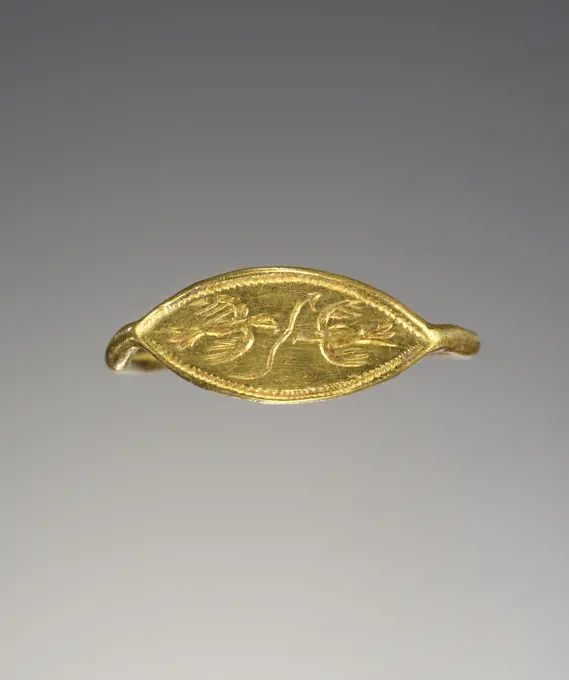
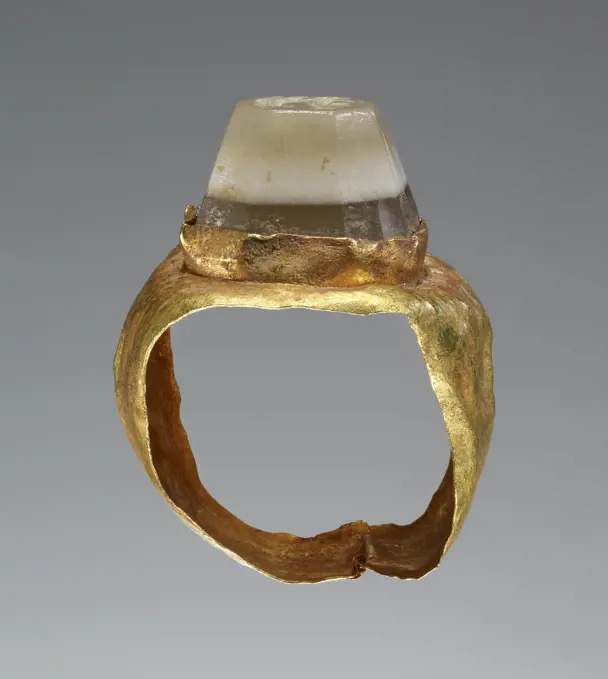
Ring; Greece; late 6th century B.C; Gold; 1.6 × 7.5 cm (5,8 × 2 15,16 in.)
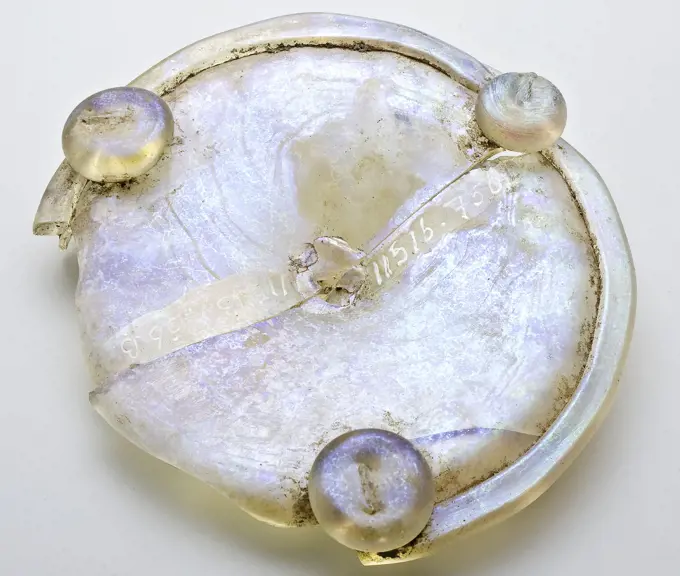
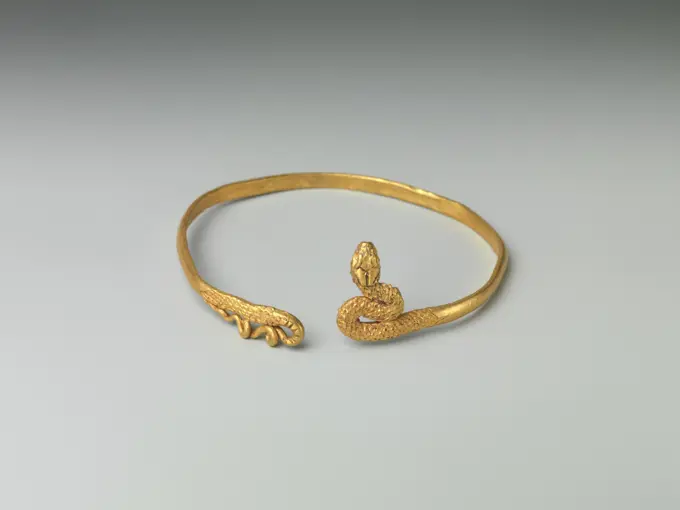
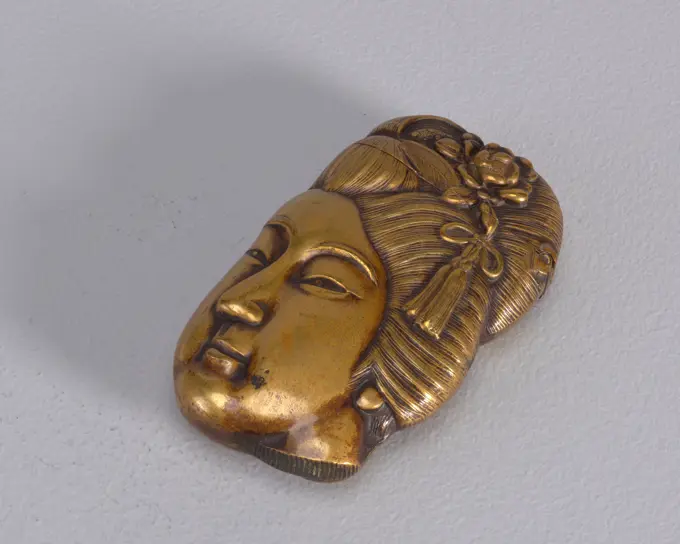
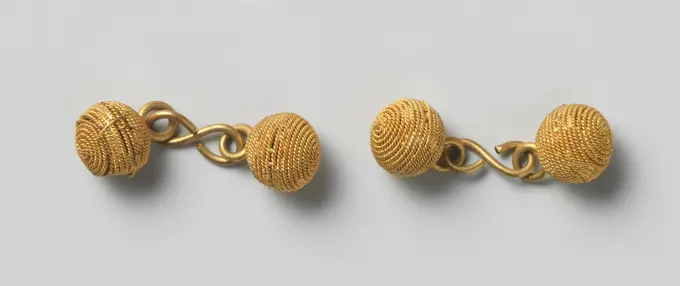
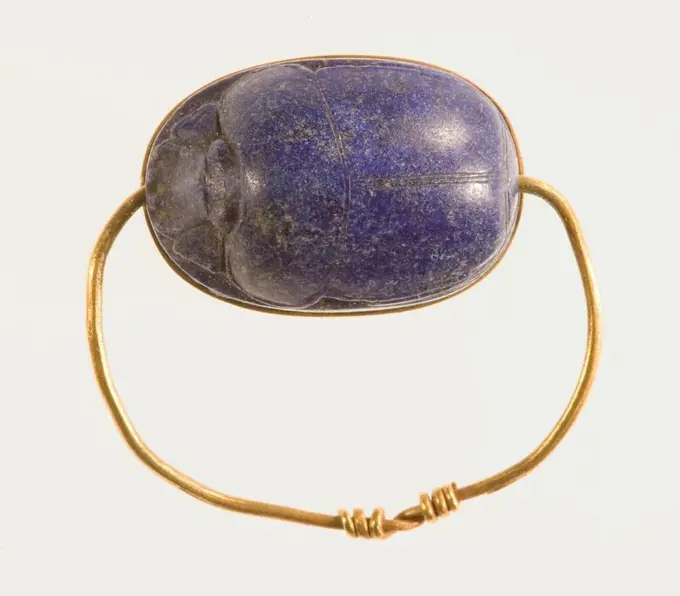
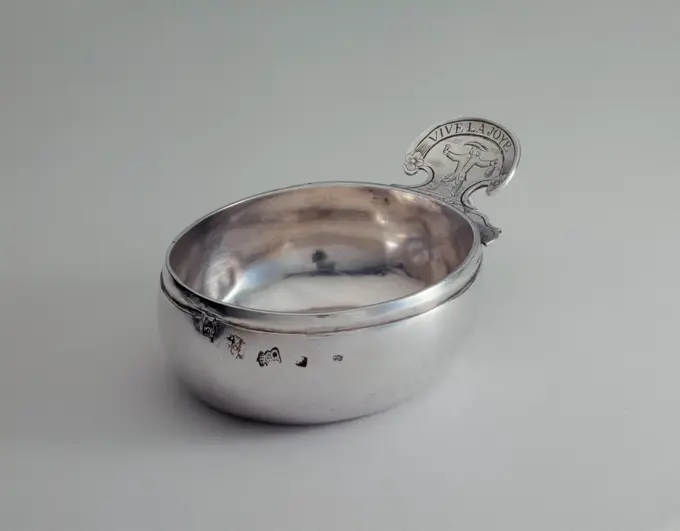
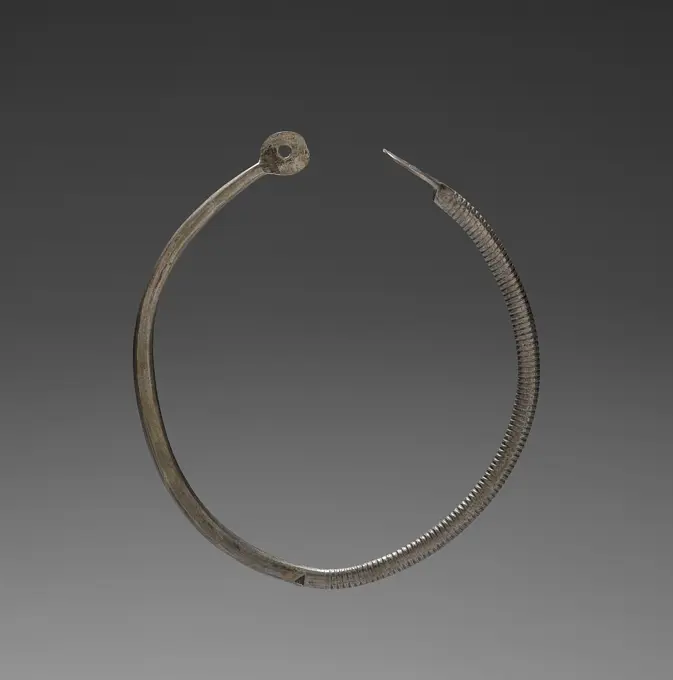
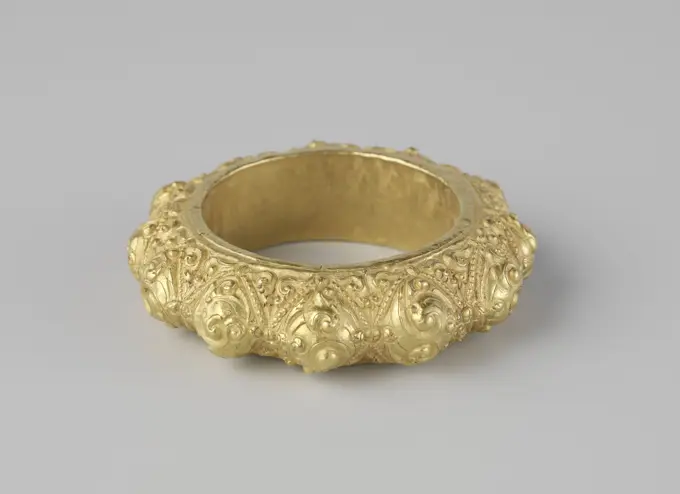
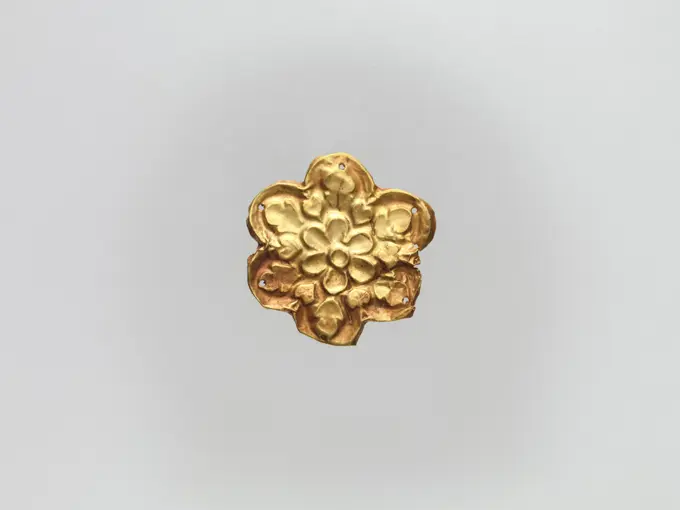
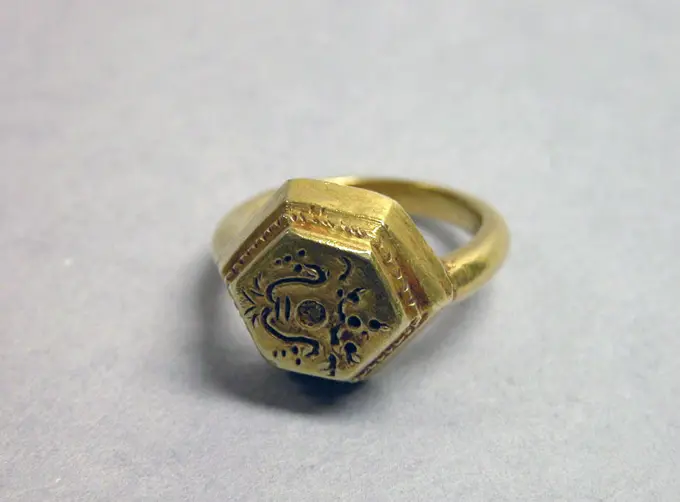
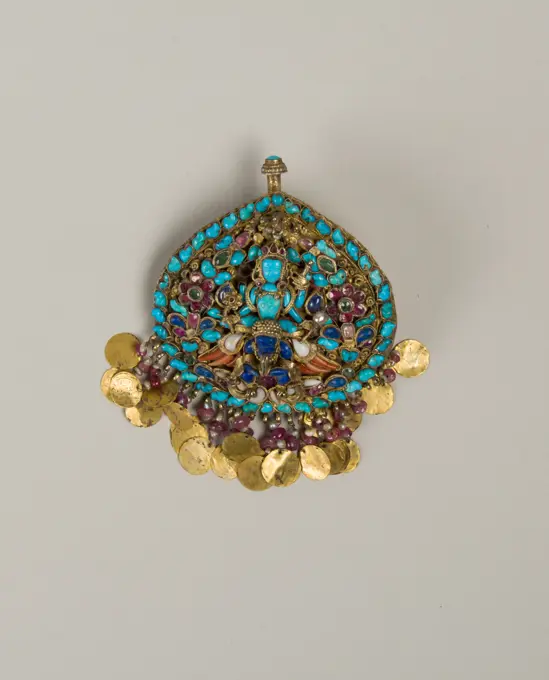
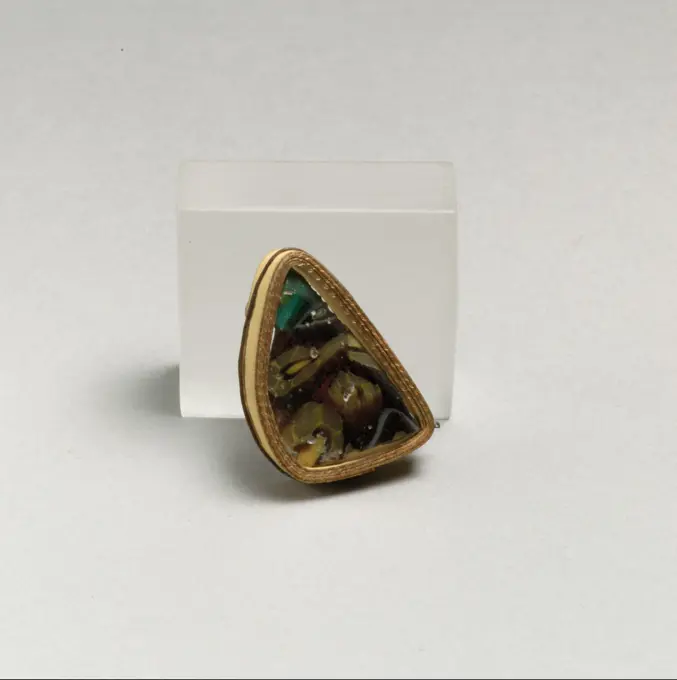
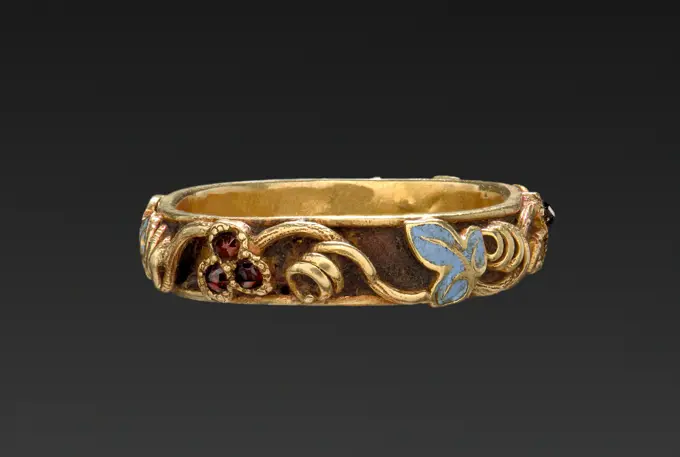
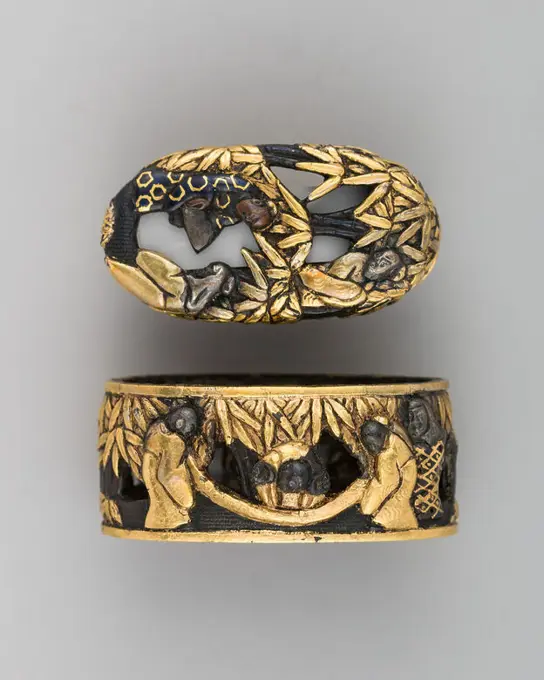
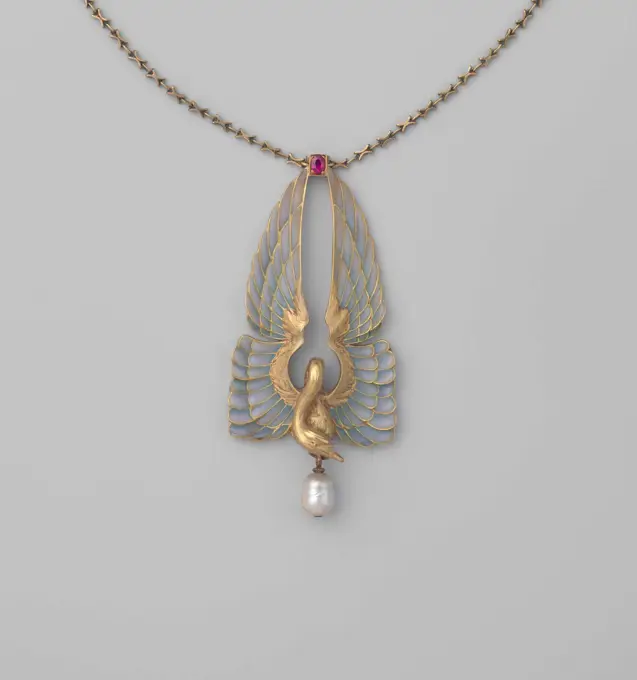
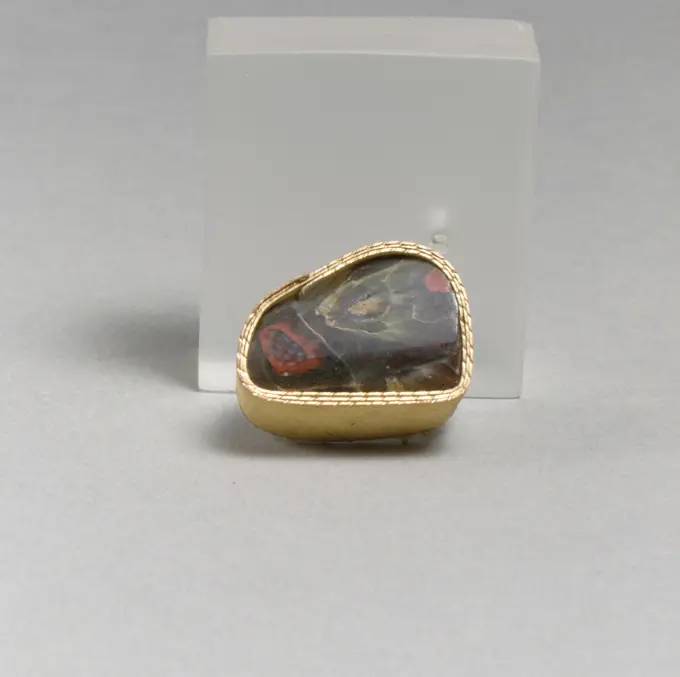
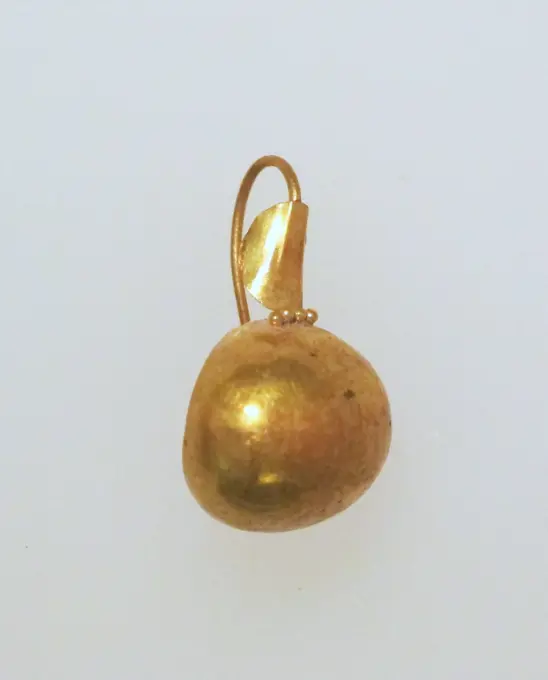
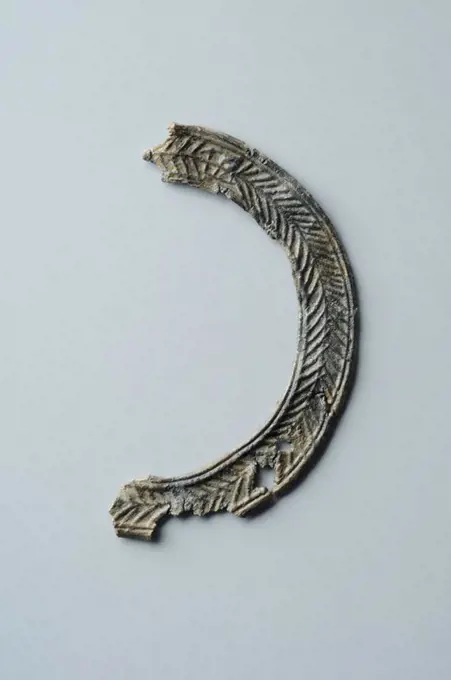
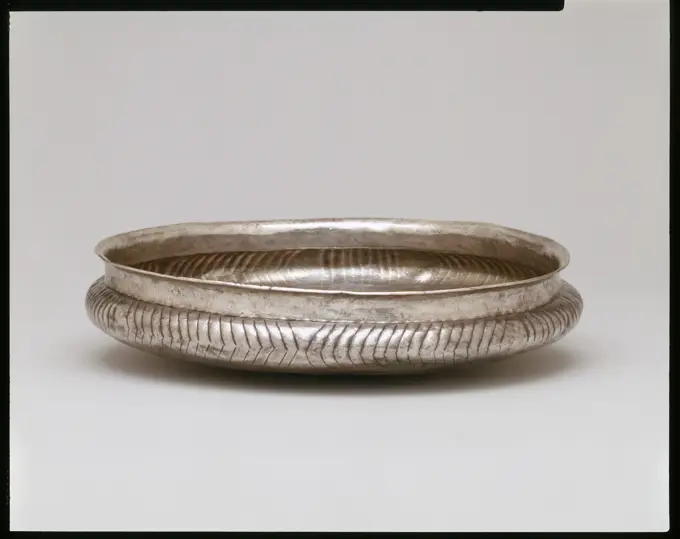
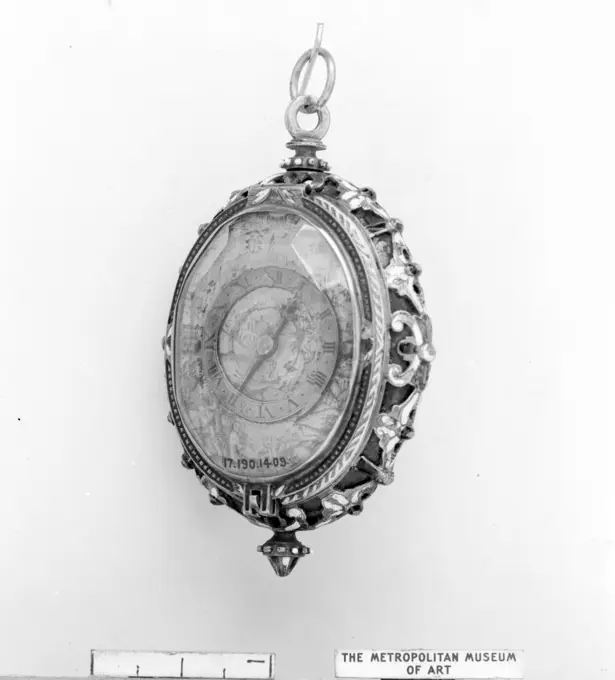
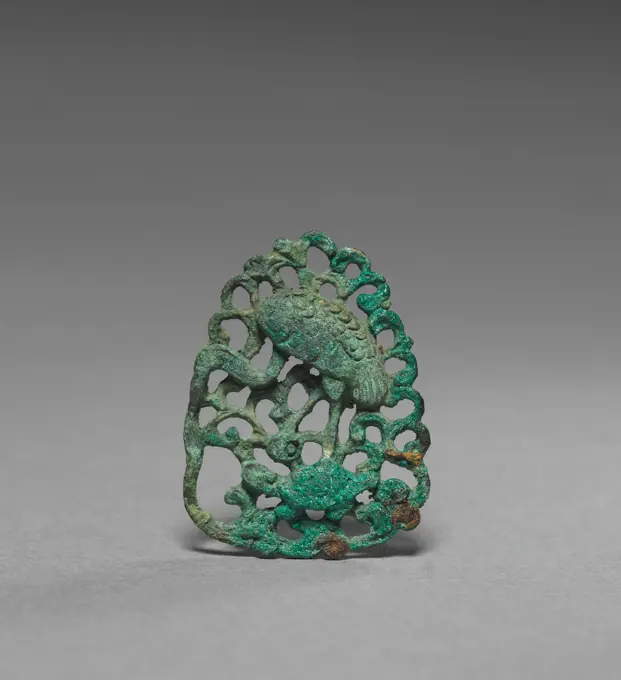
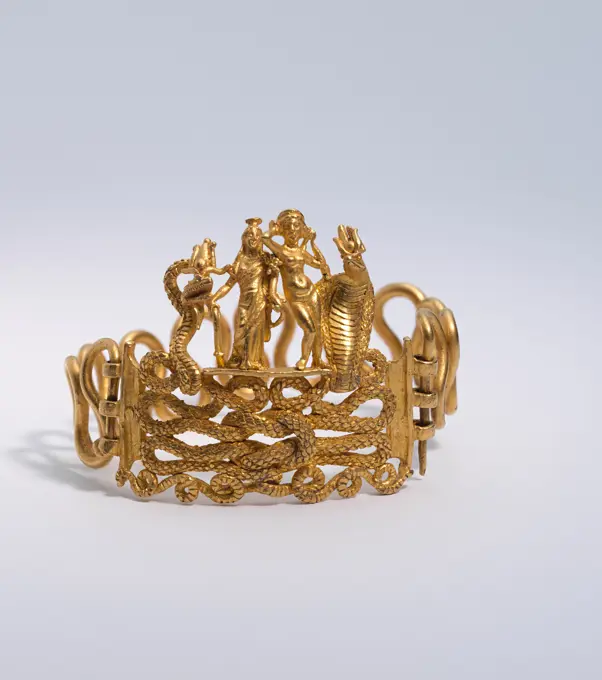
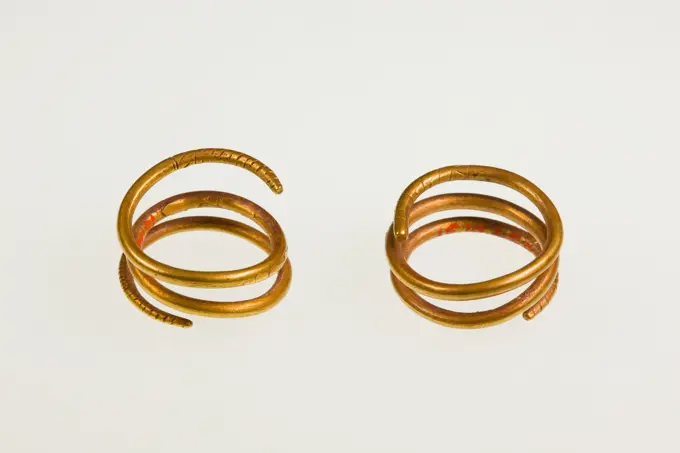
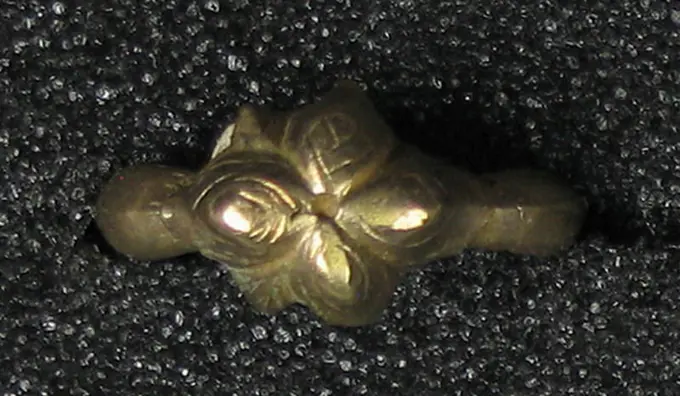
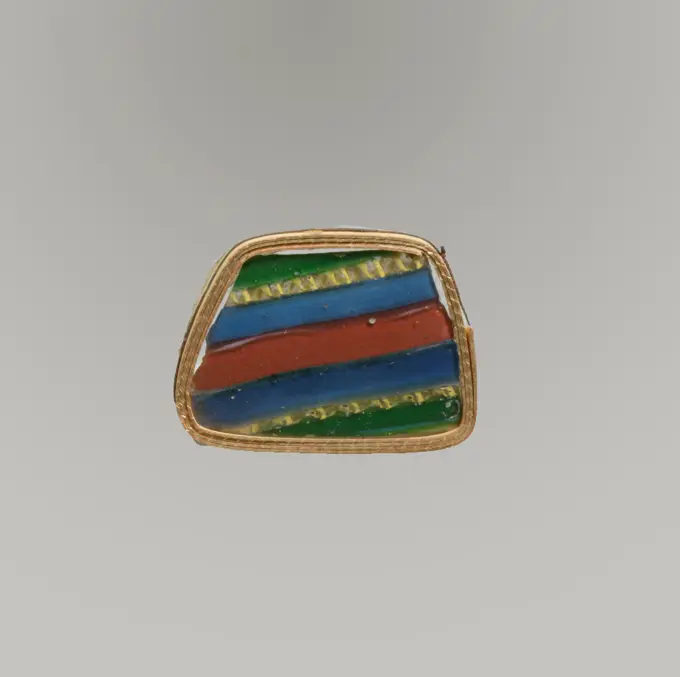
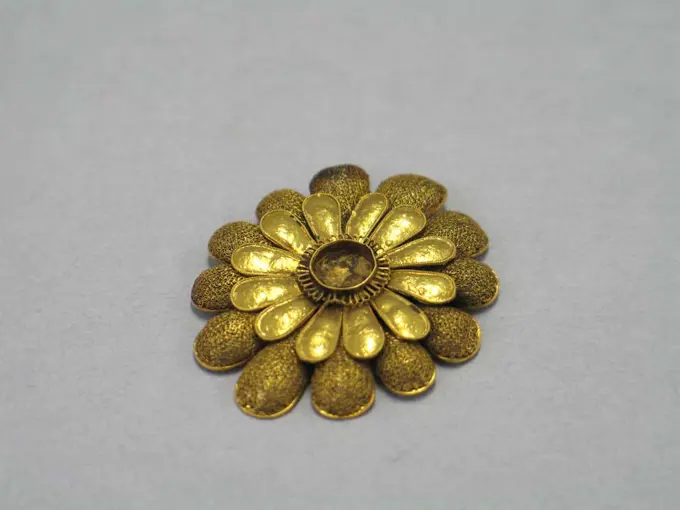
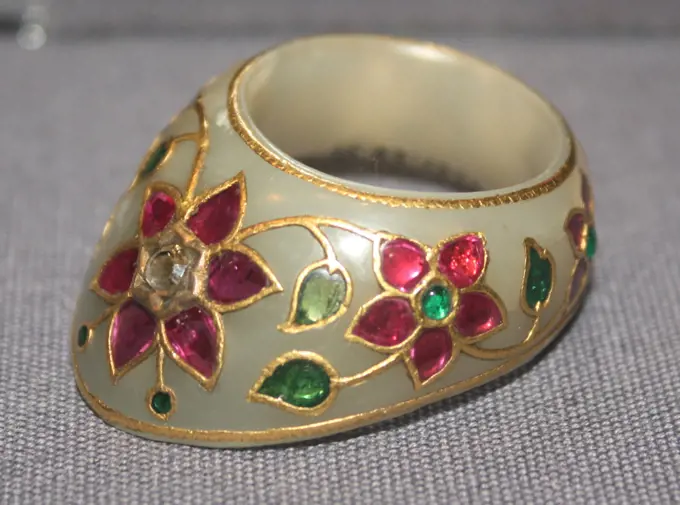
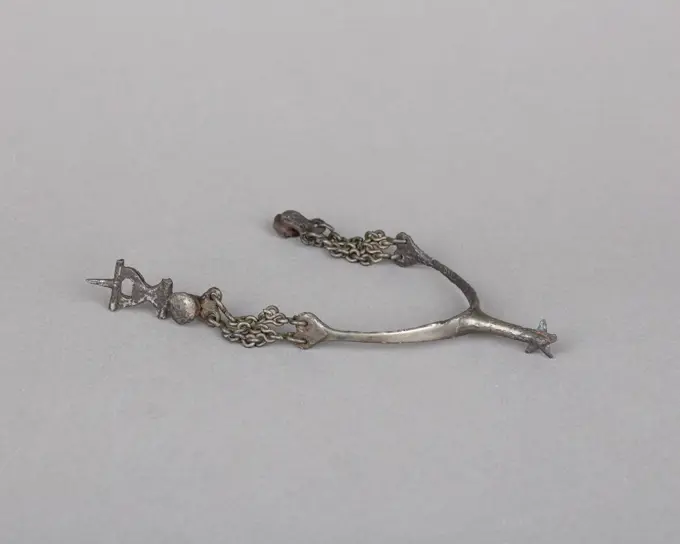
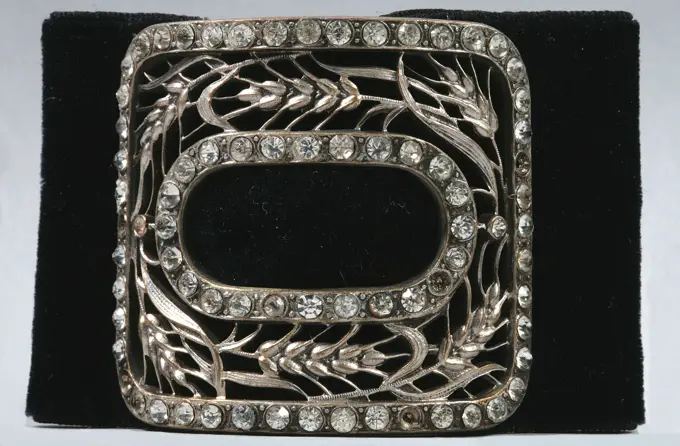
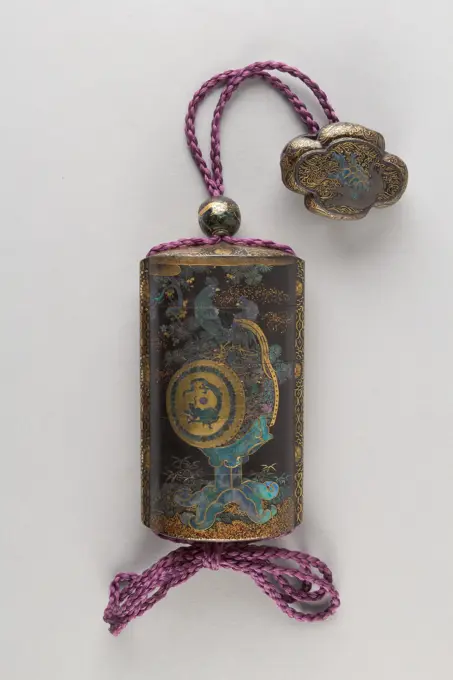
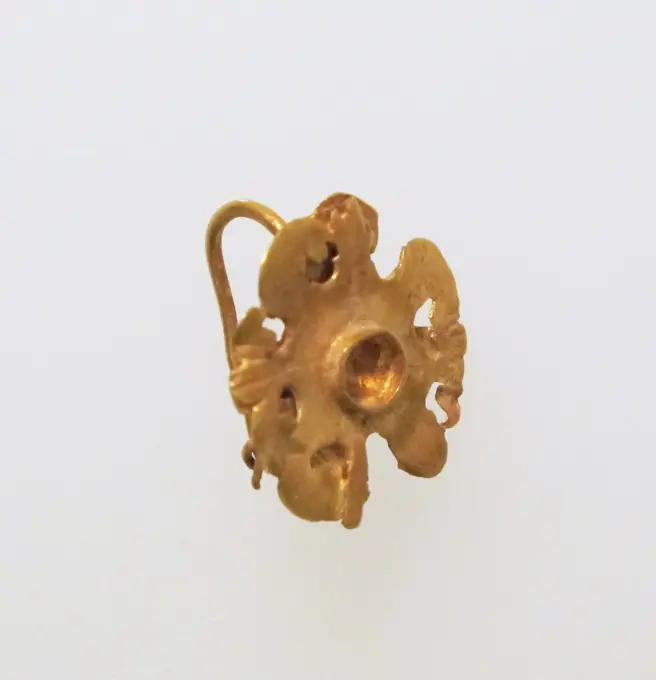
Earring with disc. Earring with disc 243242Engraved Ring 8th-12th century Indonesia (Central Java). Engraved Ring 64412Two fragments of stand knobs, foot ring, bottom and wall of ribs, goblet drinking glass drinking utensils tableware holder soil find glass, h 1,3, hand-blown glass application Fragments of standing knobs of part of base ring part of bottom and very small part of wall of rib cup in clear colorless glass Cup stands on three smooth rounded knobs (: 01, 02) on stand and base Around wide flat foot ring applied Under lightly lit bottom pontil mark Bottom base of 15 imposed colorless ribs straight vertical continuous under foot ring to wall archeology Rotterdam rail tunnel medicine drug Soil discovery, Rotterdam rail tunnel.Snake bracelet for a child 332-30 B.C. or later Ptolemaic Period Snake bracelets are known in the eastern Mediterranean and Greece from the 8th-7th centuries BC. They only appear in Egypt with the Hellenistic Period, and then continue to be found in the Roman Period.. Snake bracelet for a child. 332-30 B.C. or later. Gold. Ptolemaic Period. From EgyptEarring ca. 1st century B.C.-1st century A.D. Parthian. Earring 326147Netsuke biwa with snail, late 19th century, Unknown Japanese, 1 3/8 x 1 9/16 x 7/8in. (3.5 x 4 x 2.2cm), Ivory, Japan, 19th centuryDress ornament decorated with a palmette 5th-4th century B.C. Greek Symmetrical holes on each piece would have been used to sew the ornaments into clothing.. Dress ornament decorated with a palmette. Greek. 5th-4th century B.C.. Gold. Classical. Gold and SilverEarring with head of a goat. Earring with head of a goat. Gold. Gold and SilverRing, 1700s. India, Mughal, 18th century. Gold, colored glass, and enamel; diameter: 2.3 cm (7/8 in.).Jewellery ring isolated on the black backgroundGeisha's Head Matchsafe; Japan; brass; 6.9 x 4 x 1.3 cm (2 11/16 x 1 9/16 x 1/2 in. )A set of cufflinks from gold. Made from a Filigree.Scarab Finger Ring. Dimensions: diam. 2.5 cm (1 in);scarab: l. 1.8 cm (11/16 in). Dynasty: Dynasty 12-13. Date: ca. 1850-1750 B.C.. Museum: Metropolitan Museum of Art, New York, USA.Mathieu Lamoureux. "Taste-vin". Money. 1777. Museum of Fine Arts of the City of Paris, Petit Palais. 74384-25 Silver, silverware, bottleneck, TastevinScarab Finger Ring ca. 1479-1458 B.C. New Kingdom. Scarab Finger Ring. ca. 1479-1458 B.C.. Green jasper, gold. New Kingdom. From Egypt, Upper Egypt, Thebes, Sheikh Abd el-Qurna, below the Tomb of Senenmut (TT 71), burial 2, mummy, 3rd finger of left hand, MMA excavations, 1935-36. Dynasty 18Scandinavia. Swords scabbard mount. 6th century. Norway. Historical Museum. Oslo. Norway.. .Nose Ring, 1800s. India. Silver; diameter: 8.4 cm (3 5/16 in.).Stirrup-shaped Ring with Oblong Bezel with "Sri" Second half of the 9th-first quarter of the 10th century Indonesia (Java). Stirrup-shaped Ring with Oblong Bezel with "Sri" 50386Two Pairs of Earrings and Armbands, c. 1200 - c. 1400  Indonesia gold leaf rejected  Indonesia gold leaf rejectedPair of gold earrings with disk and pendant clustered spheres. Culture: Roman. Dimensions: Other (.5): 1 3/4 in. (4.5 cm)Other (.6): 1 13/16 in. (4.6 cm). Date: 2nd-3rd century A.D..Convex disks and pyramids of balls. Museum: Metropolitan Museum of Art, New York, USA.Ornament with Zoomorphic/Foliate Motif last quarter of the 10th-last quarter of the 15th century Indonesia (Java). Ornament with Zoomorphic/Foliate Motif 50071Carnavalet Museum, Medals CollectionBracelet with Snake-Head Endings and Arabic Inscription, One of a Pair 15th century. Bracelet with Snake-Head Endings and Arabic Inscription, One of a Pair 451749Glass mosaic inlay fragment late 1st century B.C.-early 1st century A.D. Roman Translucent deep purple, turquoise blue partially mixed with opaque yellow and appearing green, opaque white and yellow.Flat, with two straight edges forming a right-angled corner; underside tapering to corner.Mosaic pattern formed from polygonal sections of a single cane in a purple ground with a ring of white rods surrounding a green lattice design outlined in yellow and a fine purple circle around a central turquoise blue rod.Polished upper side; pitting and weathering of surface bubbles on upper side; dulling, pitting, and creamy iridescent weathering on underside, straight and one jagged edge; one broken edge unweathered.. Glass mosaic inlay fragment 257187Bracelet ca. 3rd-2nd century B.C. Parthian (). Bracelet 326030Snail motifs, Silver, Oblong, with asymmetrical curved sides and corners, featuring abstract snail motifs, one snail with antennae on lower left corner, has attached wavy tendrils that move up case body. Second snail coiled at front end of lid, has several wavy tendrils that extend toward hinge side. Upper parts of case has mottled, hammered surface. Ornament identical on reverse. Lid hinged on side. Striker on bottom., Newark, New York, USA, ca. 1900, containers, Decorative Arts, Matchsafe, MatchsafeRing with Hexagonal Bezel and Calligraphy 8th-12th century Indonesia (Central Java). Ring with Hexagonal Bezel and Calligraphy 64307Pearl Button, 1790-1800. Made in Birmingham, maker unknownFlower-Shaped Clothing Plaque 7th-9th century China (Xinjiang Autonomous Region, Central Asia) The nomadic communities of Central Asia used such plaques to embellish clothing and horse trappings. As these nomadic cultures herded animals and were constantly moving, their artistic production was expressed in portable objects that marked the wearers status and wealth. The outstanding preservation of these fragile ornaments suggests they were used in conjunction with burials, where the body was aggrandized with valuable textiles and augmented with gold. Although it is difficult to date and place these objects geographically, their presence in Central Asia and has a long, established history.. Flower-Shaped Clothing Plaque 65215Bliżej Kultury unknownRing with Hexagonal Bezel and "Sri" Inscription Second half of the 9th-first quarter of the 10th century Indonesia (Java). Ring with Hexagonal Bezel and "Sri" Inscription. Indonesia (Java). Second half of the 9th-first quarter of the 10th century. Gold. late Central Javanese period. JewelryKnotted Dragon Pendant. Culture: China. Dimensions: H. 3 1/8 in. (7.9 cm); W. 2 1/16 in. (5.2 cm). Date: 3rd century B.C..This pendant takes the shape of a dragon with a sinuous body grooved to resemble twisted rope. It illustrates the extraordinary talent and skill of early Chinese jade carvers, in whose hands intractable jade seems a supple and malleable material. Museum: Metropolitan Museum of Art, New York, USA.Earring for a Deity Showing Vishnu Riding Garuda 17th-19th century Nepal. Earring for a Deity Showing Vishnu Riding Garuda. Nepal. 17th-19th century. Gilt silver, rubies, sapphires, lapis lazuli, coral, shell, pearls, and turquoise. JewelryMaker: Zachariah Brigden, 1734-1787, Sleevebutton, ca.1755-65, Gold, 1/2 in. (1.3cm), Made in Boston, Massachusetts, American, 18thcentury, JewelryEarring 11th-12th century Considering the miniature size of most jewels, the work of Islamic goldsmiths was often technically complex and the artistic results, excellent. The cresecent shape of the earring is a symbol of renewal and regeneration, probably derived from the observation of the cycle of the moon.This object is decorated with applied circles formed of rope. The edge of the object is also masked by rope. The traditon of crescent-shaped earrings has a long history in the ancient world.. Earring 451080Purse-Shaped Vinaigrette 1815-1816 London. Silver and silver gilt . William EliottJewellery ring isolated on the black backgroundGlass mosaic carinated bowl fragment late 1st century B.C.-early 1st century A.D. Roman Body fragment.Translucent deep purple, turquoise blue, greyish blue, opaque white and yellow.Carinated side, with part of one narrow convex curve, then slanting sharply downward below.Mosaic pattern formed from polygonal sections of three canes: one in a purple ground with a hollow white circle and an inner, small yellow circle around a purple band and central white rod; another in a purple ground with a hollow rosette of greyish blue rods outlined in yellow around a purple band and a central yellow rod, and a third in a turquoise blue ground with an indeterminate pattern.Polished exterior; pitting and slight weathering of surface bubbles on exterior; dulling and iridescent weathering on interior and jagged edges.. Glass mosaic carinated bowl fragment 257350Two small (B and D) and two larger (A and C) baskets of holders, à Jour edited with well -lingered ovals and filet edges along the top and top., Anonymous, 1800 - 1825 Two small (B and D) and two larger (A and C) baskets of holders, à Jour edited with well-lingered ovals and traffic jams along the top and top. Netherlands, First quarter of the 19th century. Marked on the outside wall: re -rein sword. Netherlands (possibly) silver (metal) Two small (B and D) and two larger (A and C) baskets of holders, à Jour edited with well-lingered ovals and traffic jams along the top and top. Netherlands, First quarter of the 19th century. Marked on the outside wall: re -rein sword. Netherlands (possibly) silver (metal)Garment Clasp 14th-15th century or earlier Visayas. Garment Clasp 317656Ring, c. 1850-75. France. Gold, garnet, and enamel; diameter: 2 cm (13/16 in.). Although this ring was made in the late Renaissance style featuring rough-cut gemstones, the trailing vines and the popularity of revival styles in the mid-19th century suggest that it was made in the later period.Gold earring with glass pendant in the form of a dolphin. Culture: Roman. Dimensions: Other (Pendant): 11/16 x 3/16 x 1 1/16 in. (1.8 x 0.5 x 2.7 cm)Diameter (diameter of gold earing): 13/16 in. (2.1 cm). Date: possibly 3rd-5th century A.D..Glass pendant:Translucent cobalt blue.Shaped as a dolphin in the round, with large suspension hole serving as eyes, tooled to form rounded nose, pointed crest, and three-finned tail; small jagged projection under belly.Intact; dulling, blackish weathering, and iridescence. Museum: Metropolitan Museum of Art, New York, USA.SugarTongs.   Maker: Barzillai Benjamin, American, 1774-1844Border, Block-printed paper, Architectural border with inset panels containing floral bouquets. Printed in grisaille., France, 1835-60, Wallcoverings, BorderSword-Hilt Collar and Pommel (Fuchigashira). Culture: Japanese. Dimensions: Fuchi (a); H. 1 7/16 in. (3.7 cm); Wt. 0.8 oz. (22.7 g); kashira (b); H. 1 3/8 in. (3.5 cm); Wt. 0.4 oz. (11.3 g). Date: late 16th-early 17th century. Museum: Metropolitan Museum of Art, New York, USA.Bracelet, 1950s, 1 9/16 x 2 5/8 x 2 5/8 in. (3.97 x 6.67 x 6.67 cm), Silver, turquoise, United States, 20th centuryStands, spool-shaped, pair late 6th-5th century B.C. Greek or Etruscan. Stands, spool-shaped, pair. Greek or Etruscan. late 6th-5th century B.C.. Gold foil. Archaic. Gold and Silvercollier met zwaan.Necklace of gold, ruby, pearl and umil, in the shape of a swan. In Art Nouveau style.Glass mosaic carinated bowl fragment late 1st century B.C.-early 1st century A.D. Roman Rim fragment.Translucent deep purple, pale blue, opaque white, yellow, and red, and colorless streaks.Outsplayed rim with rounded edge; slightly convex side, turned in at bottom.Composite mosaic pattern formed from polygonal sections of two or more canes: one in a purple ground with a hollow red circle containing a scatter of white dots, and another in a purple ground with a yellow spiral; other canes distorted.Polished interior; pitting and weathering of surface bubbles on interior; dulling, pitting, and patches of weathering on exterior, underside of rim, and jagged edges.. Glass mosaic carinated bowl fragment 257364Earring-hook type with sphere ends. Earring-hook type with sphere ends 243420Semicircular fragment lead with plant motifs. Length 60 mm ( 1st - 3rd CE ) - Roman period , from the " Necropolis of Afflicted - Villa del Val" - Archaeological site of Complutum in Alcalá de Henares ( Madrid ). SPAIN.Ancient Tibet: Gau pendant. A prayer-box worn as jewellery. Decorated with Tibetan silver, coral and turquoise.Silver bowl ca. 3200-2200 B.C. Cycladic The rim is offset. Decorated on the outside with chevrons.. Silver bowl. Cycladic. ca. 3200-2200 B.C.. Silver. Early Cycladic I-II. Gold and SilverGolden ring isolated on the white backgroundEarring with Small Figure 8th-12th century Indonesia (Central Java). Earring with Small Figure 64327Large Ring with Amethyst Round 8th-12th century Indonesia (Central Java). Large Ring with Amethyst Round. Indonesia (Central Java). 8th-12th century. Gold. JewelryWatch ca. 1590 Watchmaker: R. Dieu. Watch. Case maker: Reinhold Vasters (German, Erkelenz 1827-1909 Aachen). French, Paris. ca. 1590. Rock-crystal, metal, enamel. HorologyTorque, 19th century, 21 3/16 x 2 3/16 in. (53.82 x 5.56 cm), Chased silver, India, Rajput style. Shoe buckle of silver, oval-shaped with simple line decoration in low relief. Double hinge with a tooth from the center, marked.Man's Breeches Buckle. France, 1780s. Costumes; Accessories. Paste stones and silverAnillo, obra de Lluís Masriera i Rosés, siglo XX. Colección privada.Goldsmith's art, Austria, 19th century. Gold, woven hair, turquoises and carnelian bracelet, 1815-1830.Purse, Medium: silk, metal Technique: knotted netting, Small bag of fine blue silk net with cut steel beads. Set into a frame of cut steel, with a catch to close., France, early 19th century, costume & accessories, PurseRing, 1800s. Yugoslavia. Silver; diameter: 2 cm (13/16 in.).Ornament with Heron and Turtle Design, 1100s. Korea, Goryeo period (918-1392). Bronze; overall: 3.4 x 2.5 cm (1 5/16 x 1 in.).Bracelet. Culture: Roman. Dimensions: diameter 8.10 cm.. Museum: Metropolitan Museum of Art, New York, USA.Ring with Inlay. Possibly Colonial Inca; Highlands Peru. Date: 1450-1600. Dimensions: . Silver with inlay. Origin: Peru. Museum: The Chicago Art Institute, Chicago, USA.Golden color crown model with pearls on brown backgroundBrooch.  Designer Alfred Spaney, American Manufacturer: Trifari, American, founded 1925Frame wood Very old wooden frame isolated on white Copyright: xZoonar.com/Baloncicix 14240863Half of a sawn -through wire brooch, 1998 Half of a sawn -through wire brooch with three imitation pearls; The other half of the brooch is processed in a pendant composed of sawn jewelry on the cord chain of silver. The sawn -through jewelry comes from Marjan Unger's mother. maker: NetherlandsBussum metal. imitation pearl sawing Half of a sawn -through wire brooch with three imitation pearls; The other half of the brooch is processed in a pendant composed of sawn jewelry on the cord chain of silver. The sawn -through jewelry comes from Marjan Unger's mother. maker: NetherlandsBussum metal. imitation pearl sawingHeaddress combCufflink (Denmark); Attributed to Georg Arthur Jensen (Danish, 1866-1935); Manufactured by Georg Jensen Sølvsmedie (Denmark); silver; Bequest of David Harris Cohen; 1994-113-5-a,bBracelet with Agathodaimon, Isis-Tyche, Aphrodite, and Thermouthis 1st century B.C.-A.D. 1st century Roman Period Powerful talismans of fertility and good destiny are woven into this rich golden composition. The bodies of two snakes intertwine to form a Herakles knot, the centerpiece of this bracelet. The snake on the left represents Agathodaimon, and the cobra on the right Thermouthis, two agrarian/fertility deities associated with Serapis and Isis, respectively. On the platform between them stand two goddesses, Isis-Tyche (or Isis-Fortuna), a deity closely associated with Alexandria, and the nude Aphrodite.. Bracelet with Agathodaimon, Isis-Tyche, Aphrodite, and Thermouthis. 1st century B.C.-A.D. 1st century. Gold. Roman Period. From EgyptPair of Spiral Earrings (with 16.10.467) Second Intermediate Period-Early New Kingdom ca. 1635-1458 B.C. View more. Pair of Spiral Earrings (with 16.10.467). ca. 1635-1458 B.C.. Gold. Second Intermediate Period-Early New Kingdom. From Egypt, Upper Egypt, Thebes, Asasif, Courtyard CC 41, Pit 3, Burial E 4, On body, MMA excavations, 1915-16. Dynasty 17-Early Dynasty 18Thai Knighthood (Order of the White Elephant), received by Willem Drees, Anonymous, c. 1900 - Before 1955  The carrying sign has a flower -shaped shape with eight large and eight smaller points in between. The medallion shows a golden, white geemailled elephant turned to the right with carrying saddle on a piedestal, on a golden surface, surrounded with brilliant silver, around which a flower wreath of alternating red and green geemillated points; The downside shows in the medallion in red literary figures and is also identical to the front. The carrying sign hangs with two wing-like decorations on a pagoda-like structure (a crown) That is crowned with an oval filled with snake-like shapes. Bangkok silver (metal). gilding (material)   Netherlands. ThailandRing in Quatrefoil Shape Indonesia (Central Java) 8th-12th centuryBracelet, c. 1910, 2 1/16 x 3/4 x 3/4 in. (5.24 x 1.91 x 1.91 cm), Silver, turquoise, United States, 20th centuryGold earrings and pendant from Lefkandi (Greece). Goldsmith art, Greek Civilization, mid 9th Century BC.Bowl;  19th century (1801-00-00-1900-00-00);Necklace, from a set of five, 6 9/16 x 6 3/4 x 1/2 in. (16.67 x 17.15 x 1.27 cm), Silver, Chinablue metal background with cogwheel gears blue metal background with cogwheel gears Copyright: xZoonar.com/OxanaxRishnyakx 6270366Ear Ornament, Fertility Scroll 8th-12th century Indonesia (Central Java). Ear Ornament, Fertility Scroll 64230Badge of a member of the Citizens 'Citizens' City of WarsawRing with Blue Stone set into Square Bezel Second half of the 8th-second half of the 10th century Indonesia (Java). Ring with Blue Stone set into Square Bezel. Indonesia (Java). Second half of the 8th-second half of the 10th century. Gold with blue stone. Central Javanese period. JewelryTwo gold beads. Culture: Greek. Dimensions: Other (each): 11/16 in. (1.7 cm). Date: possibly 4th-3rd century B.C..The cloisons were originally inlaid. Museum: Metropolitan Museum of Art, New York, USA.Sword-Hilt Collar and Pommel (Fuchigashira). Culture: Japanese. Dimensions: Fuchi (a); H. 1 1/2 in. (3.8 cm); Wt. 0.8 oz. (22.7 g); kashira (b); H. 1 5/16 in. (3.3 cm); Wt. 0.4 oz. (11.3 g). Date: ca. 1615-1868. Museum: Metropolitan Museum of Art, New York, USA.Engraved Gem Inset Into a Ring; 2nd - 3rd century; Gem: banded agate, green,white,dark green; ring: gold-foil; 1.1 × 0.9 × 0.7 cm (7,16 × 3,8 × 1,4 in.)Glass striped mosaic bowl fragment late 1st century B.C.-early 1st century A.D. Roman Body fragment.Translucent blue, purple appearing opaque brick red, turquoise blue appearing green, opaque yellow, with colorless glass.Slightly convex curving side. Decorated with vertical bands, forming a regular pattern: green, colorless with two spiral yellow threads, blue, red, blue, colorless with two spiral yellow threads, and green.Pinprick bubbles; exterior polished, with pitting of surface bubbles; dulling and creamy weathering on interior; some iridescent weathering on jagged edges.. Glass striped mosaic bowl fragment. Roman. late 1st century B.C.-early 1st century A.D.. Glass; cast. Early Imperial. GlassEngraved Scaraboid; Greece; mid-2nd half 6th century B.C; Carnelian; 0.5 × 1.1 × 0.8 cm (3,16 × 7,16 × 5,16 in.)Ornament China. Ornament 60858Ring with Inlay 1450-1600 Peru. Silver with inlay . IncaThumb Ring. Mughal, 17th century. White nephrite jade set with emeralds, rubies and a diamond.Brochette of silver and turquoise, c. 1920 - c. 1940 Brochette of silver and oval cabochon cut turquoise with mother rock (matrix) with a cannon closure. Netherlands silver (metal). turquoise (mineral) grinding Brochette of silver and oval cabochon cut turquoise with mother rock (matrix) with a cannon closure. Netherlands silver (metal). turquoise (mineral) grindingRowel Spur ca. 1800 European Branches with small chains on the sides, as seen on this silvered spur, were very popular on European spurs around 1800.. Rowel Spur. European. ca. 1800. Iron alloy, silver. Equestrian Equipment-SpursLoop .Case (Inr) with Design of Pine and Cherry Tree (obverse); Rooster and Hen on a Drum (reverse) 19th century Japan After the seventeenth century, the combination of pearl shell and the "sprinkled gold" ( maki-e) technique is found in lacquers produced in both Japan and the Ryky Islands. Both centers also produced works incorporating extremely thin pieces of mother-of-pearl, as here in the blue trunk of the pine tree and the white trunk of the entwined cherry. The dense, brocade-like patterning on the edges and ends, on the other hand, is more often attributable to the Ryky Islands. When combined in one image, the tree peony and the hen at the base of the entwined trees, as well as the rooster and hen on the other side, are understood as symbols of honor and wealth.. Case (Inr) with Design of Pine and Cherry Tree (obverse); Rooster and Hen on a Drum (reverse). Japan. 19th century. Black lacquer inlaid with gold foil and mother-of-pearl. Edo (1615-1868) or Meiji (1868-1912) period. IGold ring with Camee, Edward Burch, c. 1800 This oval medallion was later entertained into a ring. Neptunus is in the cameee with a trident. England gold (metal). wax. engraving This oval medallion was later entertained into a ring. Neptunus is in the cameee with a trident. England gold (metal). wax. engravingIntaglio with Victory in Chariot, 1-200. Italy, Roman, 1st-2nd Century. Red jasper in gold mount; overall: 1.6 x 1.9 x 0.5 cm (5/8 x 3/4 x 3/16 in.).