Historical Gold Jewelry

Intricate designs of ancient gold jewelry pieces, including earrings and decorative objects, showcasing craftsmanship from various cultures.
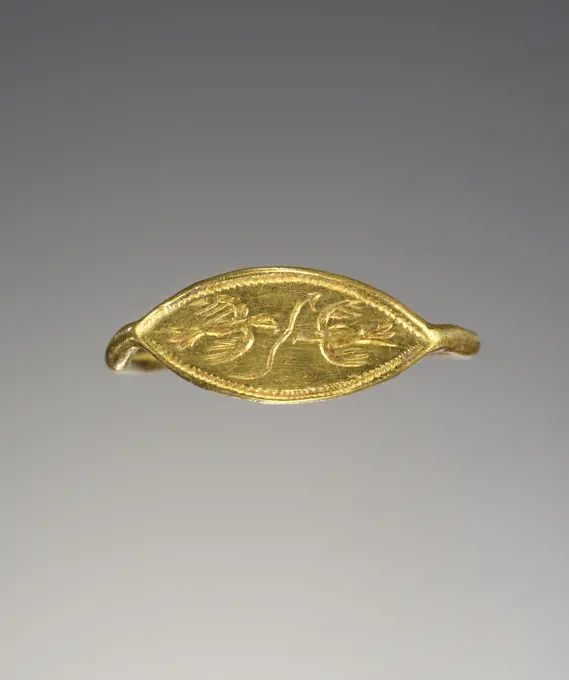
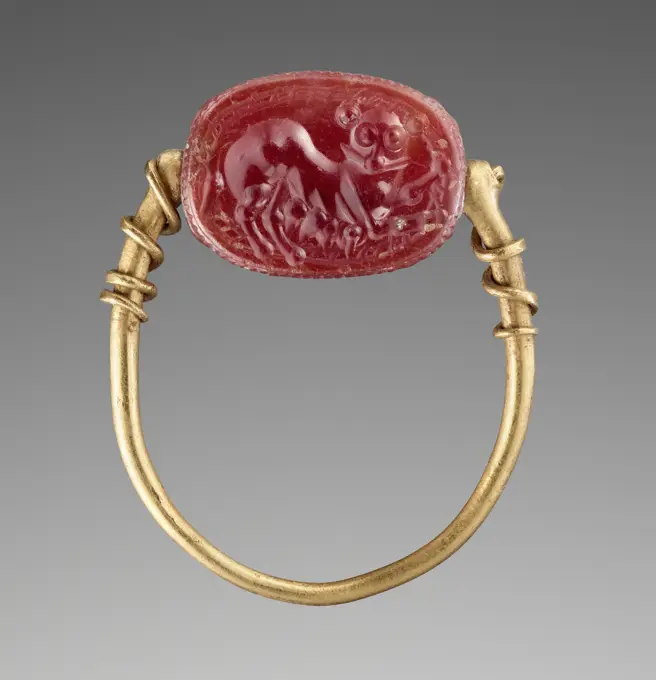
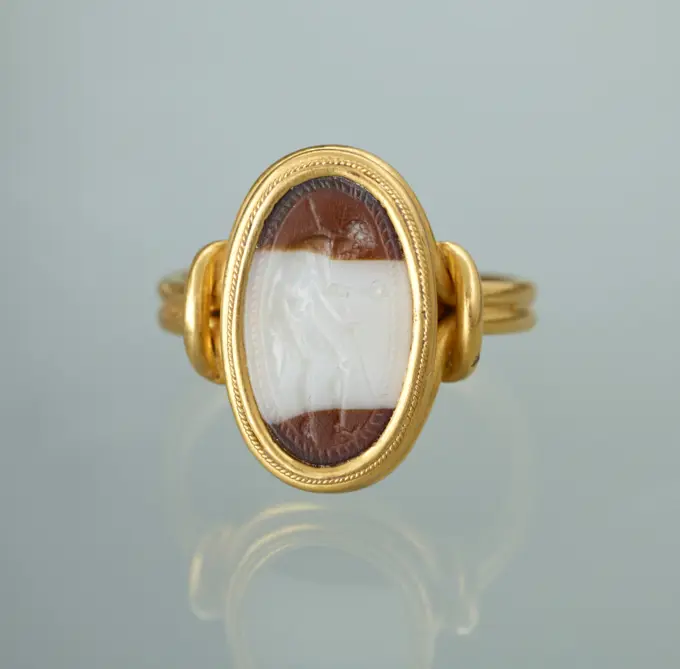
Ring; Greece; late 6th century B.C; Gold; 1.6 × 7.5 cm (5,8 × 2 15,16 in.)
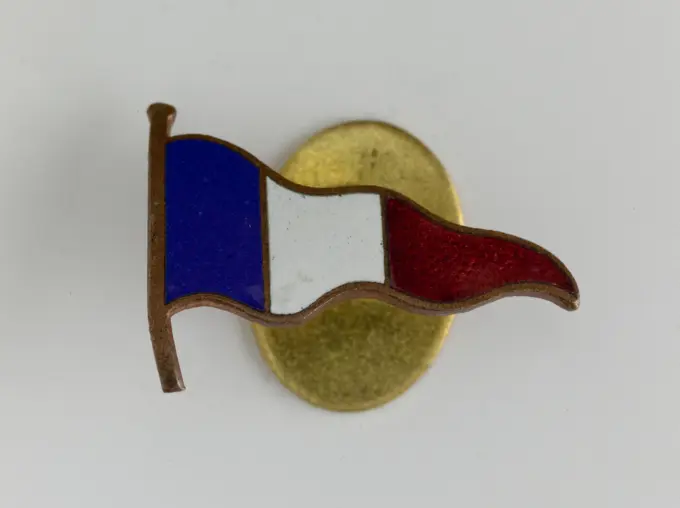
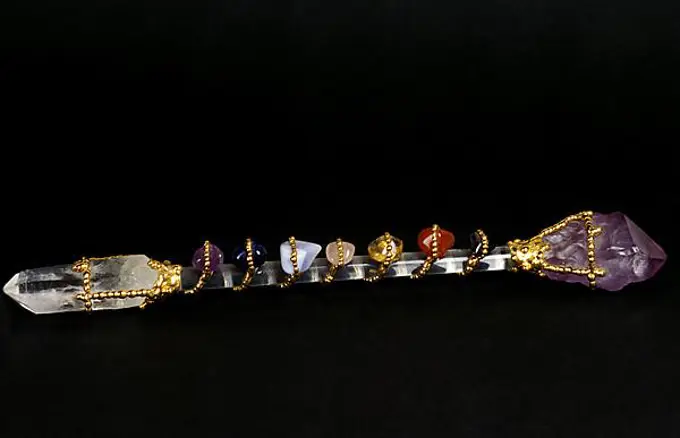
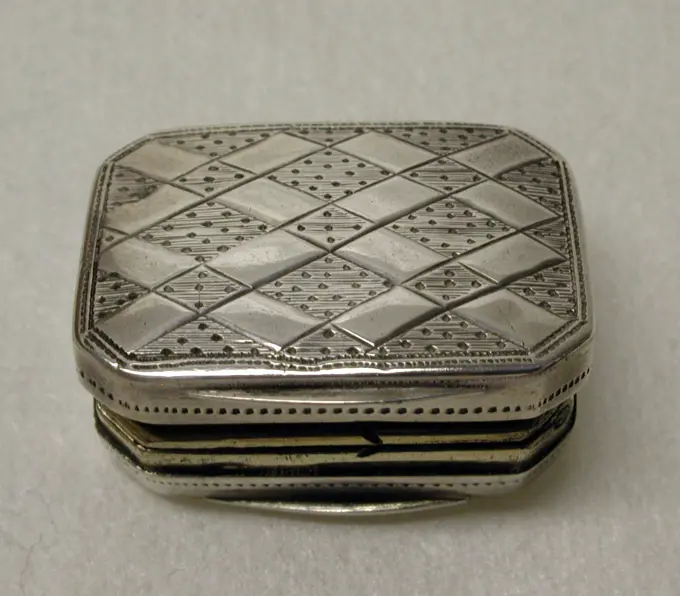
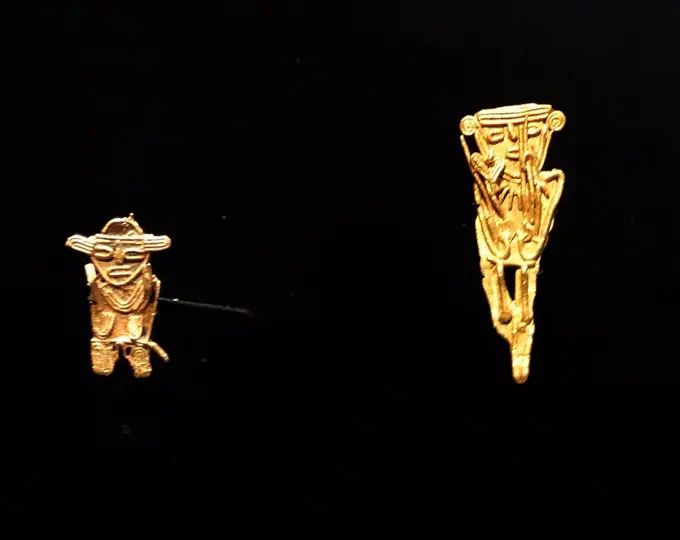
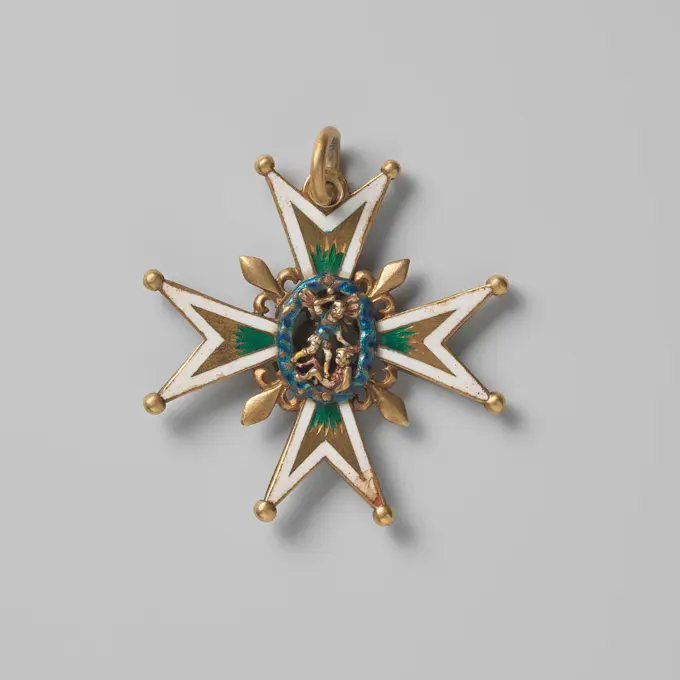
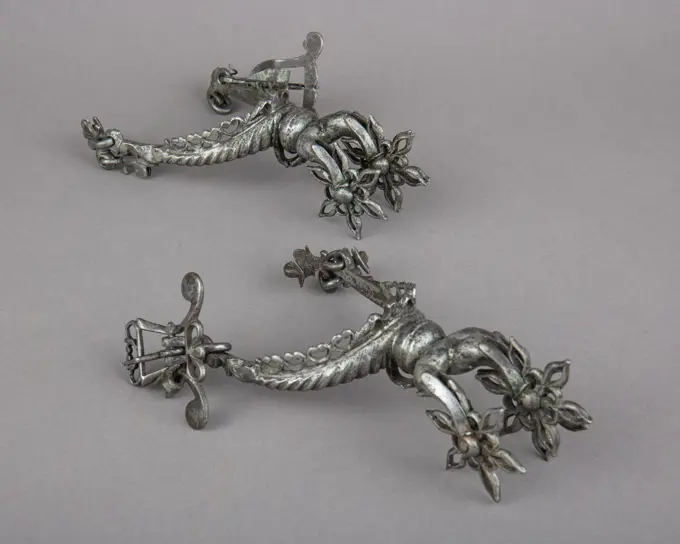
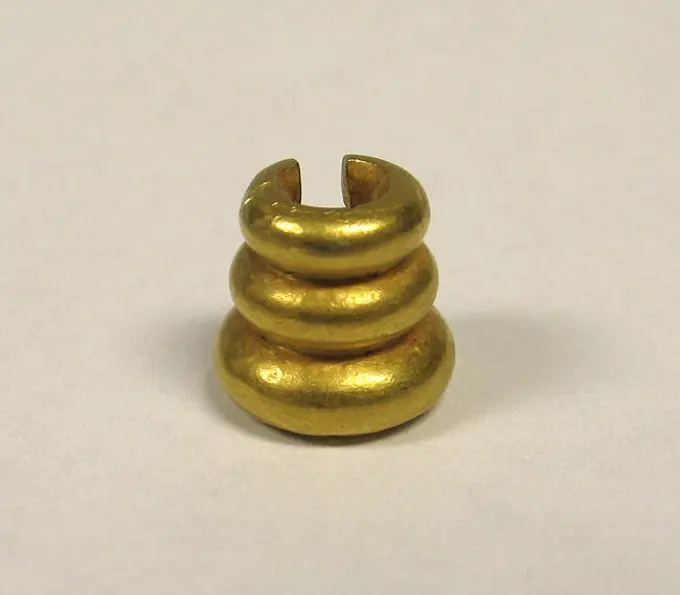
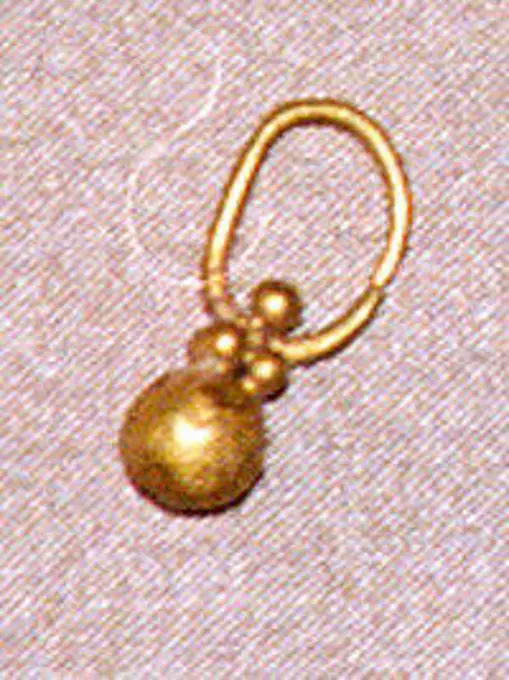
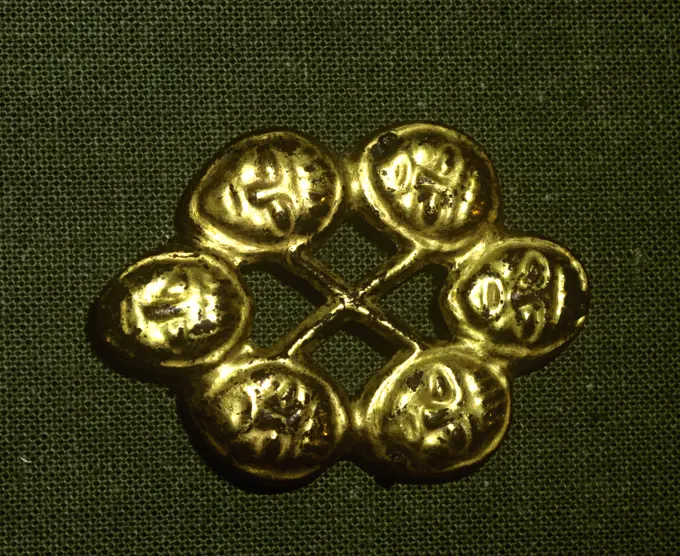
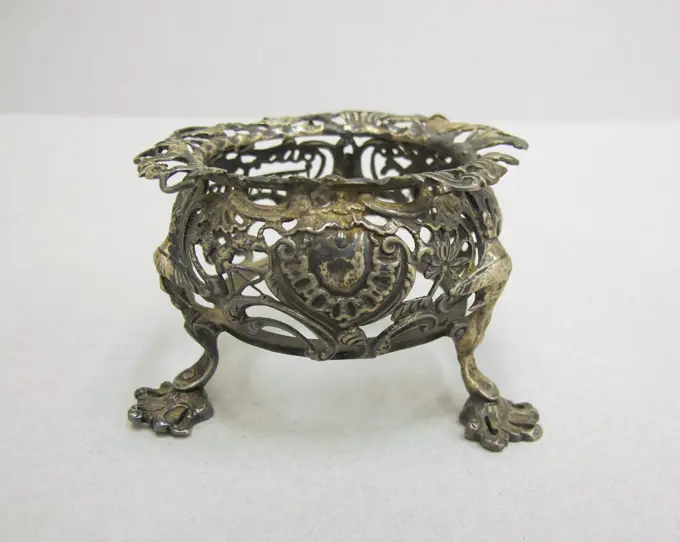
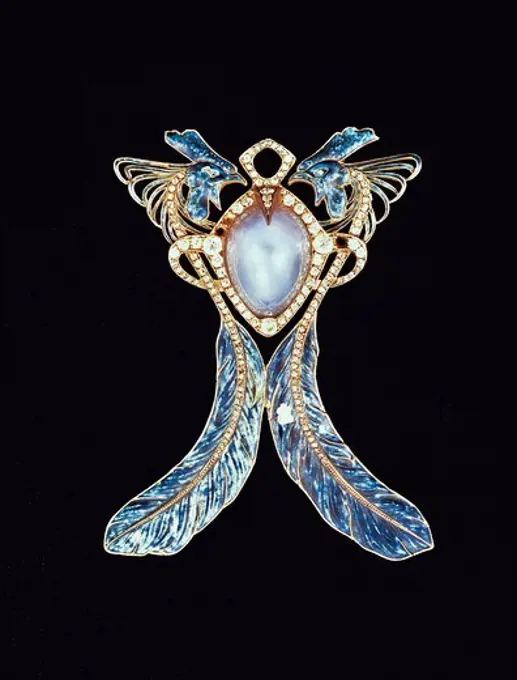
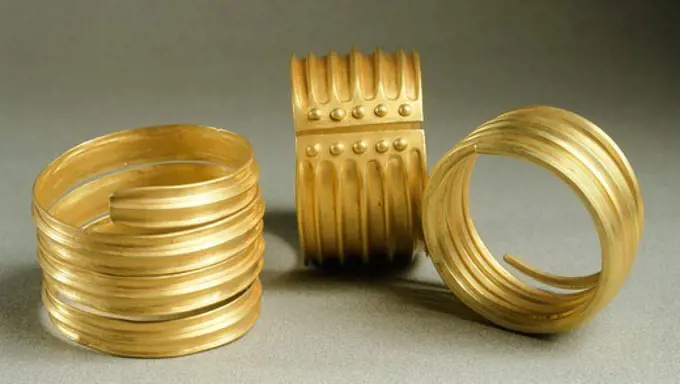
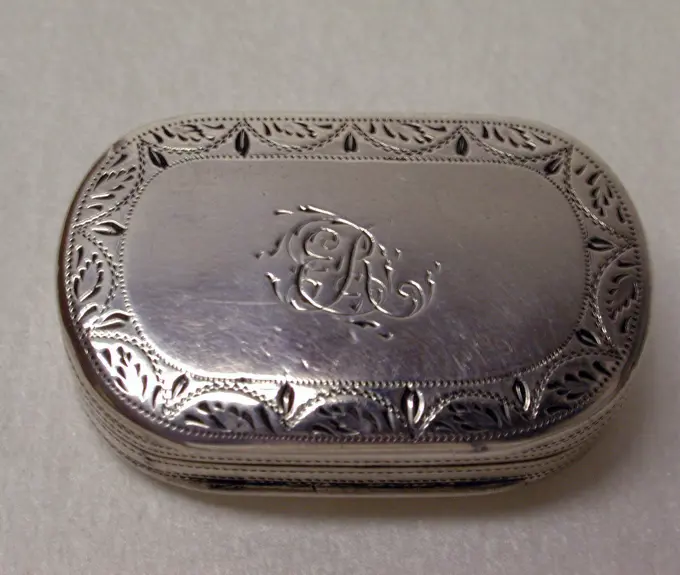
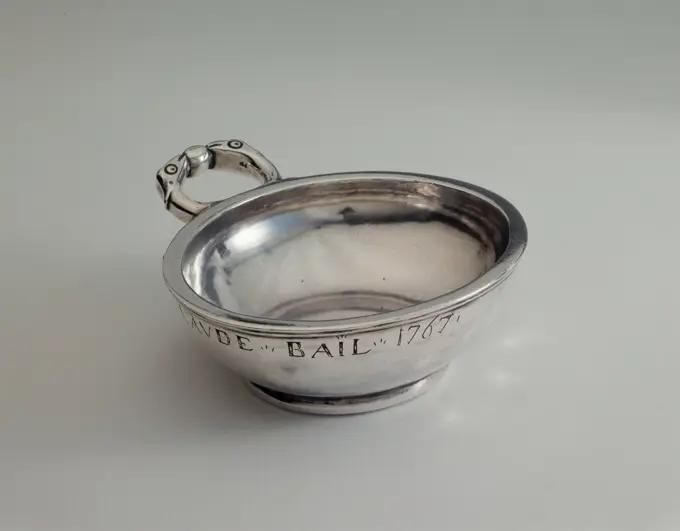
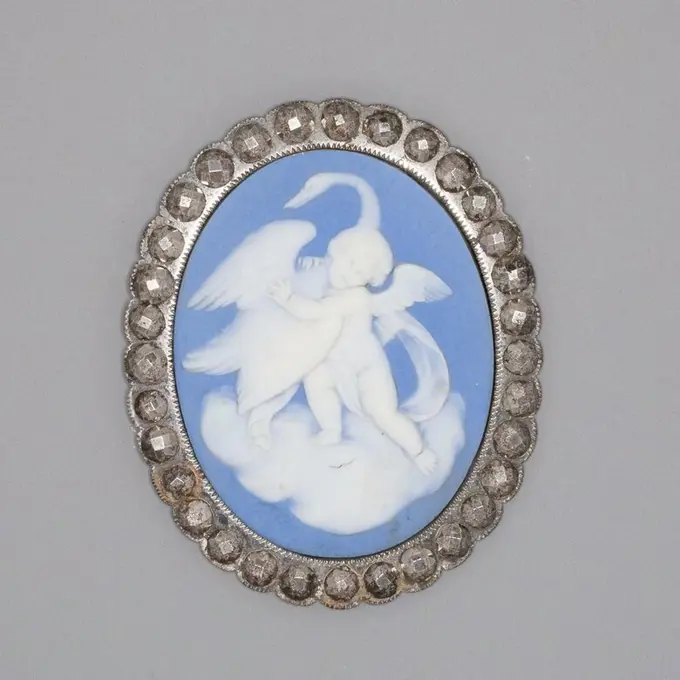
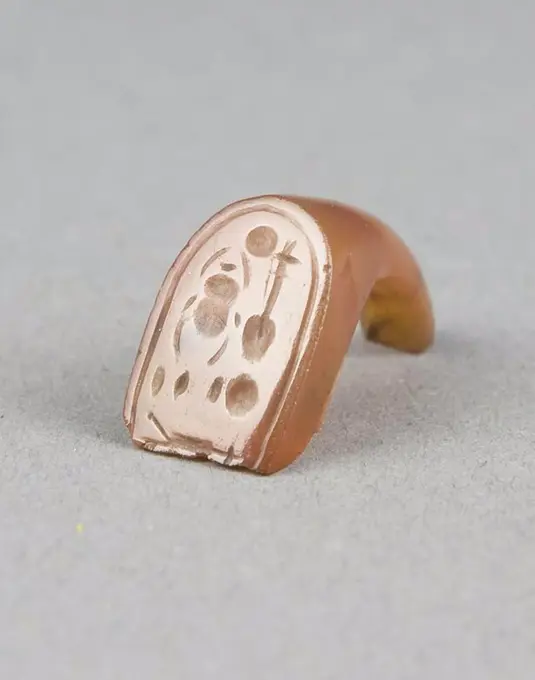
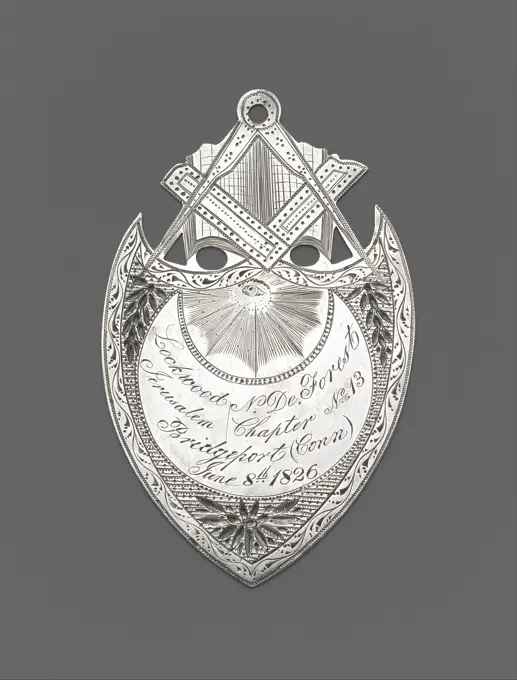
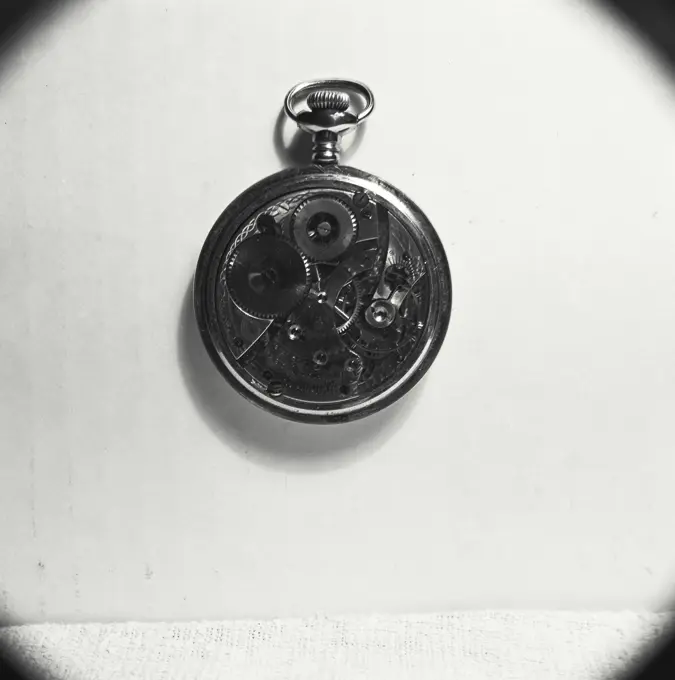
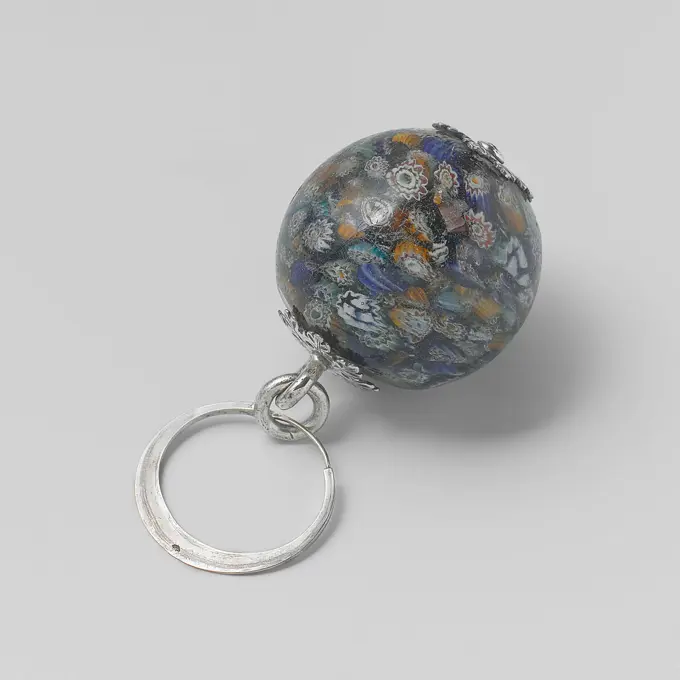
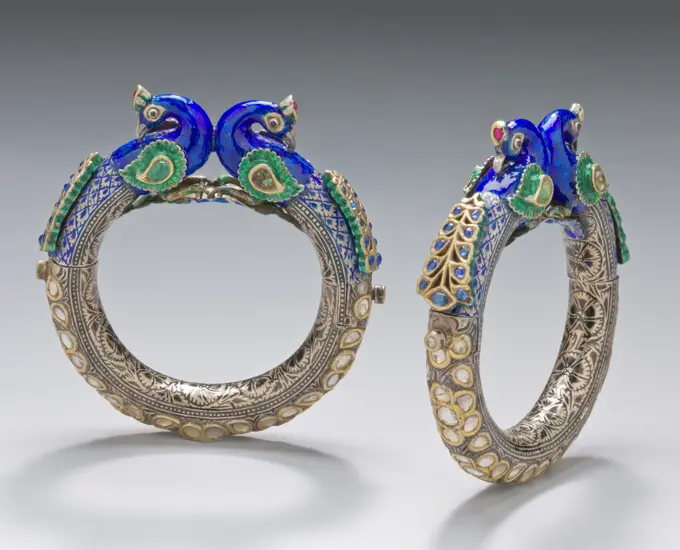
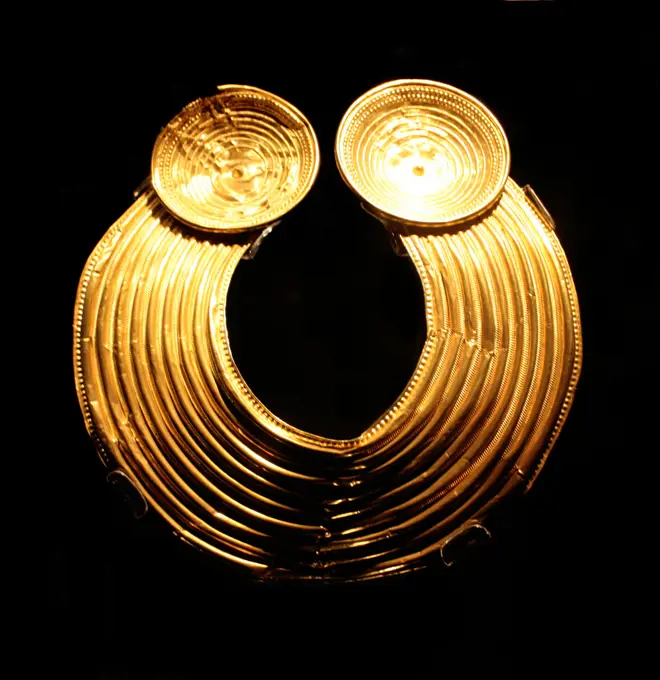
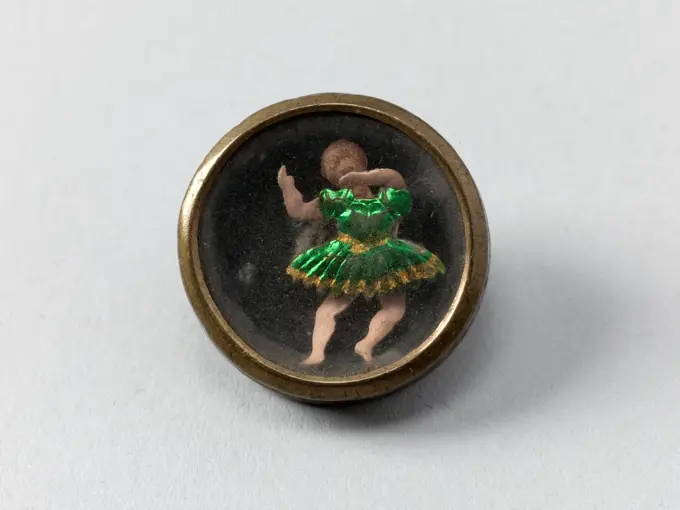
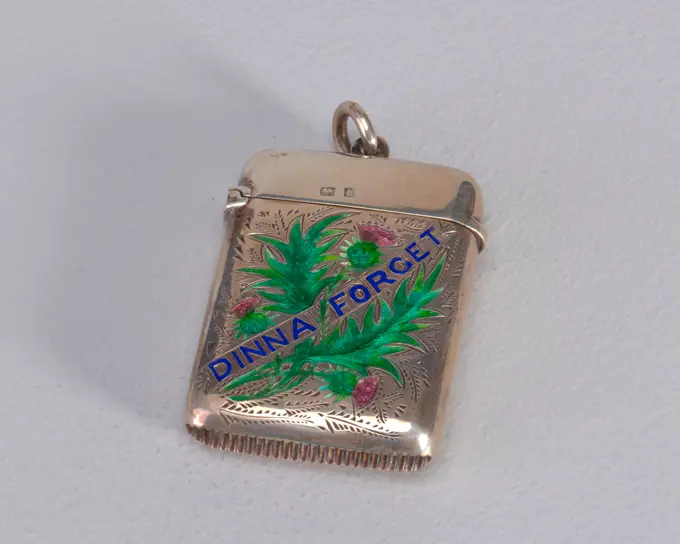
Ojime 19th century Japan. Ojime. Japan. 19th century. Edo period (1615-1868). OjimeWar 1939-1945. Boutonnier badge tricolor triangular flag. Enamelled metal. 1944-1945. General Leclerc Museum of Hauteclocque and the Liberation of Paris, Jean Moulin Museum. War 1939-1945, War 39-45, Boutonniere insignia, military insignia, Second World WarLluís Masriera / Colgante con busardo de oro, rubíes, diamantes y esmeraldas, 1896-1901. Colección privada. Author: LLUÍS MASRIERA I ROSÉS.Cameo with Three Graces 1775-1799 Burslem. Stoneware (jasperware) . Wedgwood Manufactory (Manufacturer)Glass mosaic bowl fragment late 1st century B.C.-early 1st century A.D. Roman Rim fragment of thin-walled bowl.Translucent deep purple, turquoise blue partially appearing green, opaque white and yellow.Vertical, rounded rim; convex curving side, tapering downward.Meandering-strip mosaic pattern formed from large sections of two canes: one comprising a horizontal section in purple and turquoise blue stripes flanked by white lines, and the other being a polygonal cane with a cluster of purple rods outlined in white with a central blue rod within a yellow circle.Pinprick bubbles; polished exterior, with pitting of surface bubbles; dulling, pitting, and patches of iridescent weathering on interior and two broken edges.. Glass mosaic bowl fragment 257287Precious Stone on Jewel against Black BackgroundFor Ever Flying for Freedom, Firma W. Voet & zoon, 1945 Drip -shaped pendant of silver with for ever flying for freedom. Haarlem silver (metal) casting Drip -shaped pendant of silver with for ever flying for freedom. Haarlem silver (metal) castingVinaigrette box 1808 Possibly by Matthew Boulton British. Vinaigrette box 207460gold alloy, copper and silver votive figurines. MexicanFlower-Shaped Clothing Plaque. Culture: China (Xinjiang Autonomous Region, Central Asia). Dimensions: Diam. 1 1/4 in. (3.2 cm). Date: 7th-9th century.The nomadic communities of Central Asia used such plaques to embellish clothing and horse trappings. As these nomadic cultures herded animals and were constantly moving, their artistic production was expressed in portable objects that marked the wearer's status and wealth. The outstanding preservation of these fragile ornaments suggests they were used in conjunction with burials, where the body was aggrandized with valuable textiles and augmented with gold. Although it is difficult to date and place these objects geographically, their presence in Central Asia and has a long, established history. Museum: Metropolitan Museum of Art, New York, USA.Shoe spacer of silver -plated metal in the form of a horizontal rectangle, within which angular meanders, with stras, anonymous, c. 1900 - c. 1925 Shoe spur of silver -plated metal in the form of a horizontal rectangle, in which angular meanders, with stras. France (possibly) Basic: Metal. Stones: Paste (Glass) forging / grinding Shoe spur of silver -plated metal in the form of a horizontal rectangle, in which angular meanders, with stras. France (possibly) Basic: Metal. Stones: Paste (Glass) forging / grindingYoke. Mexico, Central Veracruz, Veracruz, 600-900 CE. Stone. AndesiteCarrying the Chain of the Order of St. Michel from Cornelis Lampsins. Malthezer cross with 'pearls' (balls) on the points, between the arms every time the French lily. In the middle in an oval wreath representation of an angel (St. Michel) with arms raised and one foot on lying demon. On one side, the oval wreath is decorated with white scallops and the angel wears a shield to the left arm; On the other side blue oval wreath and angel without shield. In both cases, the sword is unclear (absent). Cross decorated with white-email edges and green flame.Gold watch, Robert Roskel, c. 1850 - c. 1900 Gold watch with white enamelled dial. On the rear bottom a decoration in translucid email with a medallion with roses in the middle and forget-me-nots. Great Britain gold (metal). Gold watch with white enamelled dial. On the rear bottom a decoration in translucid email with a medallion with roses in the middle and forget-me-nots. Great Britain gold (metal).Button with Choice of Hercules 1775-1799 Burslem. Stoneware (jasperware) . Wedgwood Manufactory (Manufacturer)Pair of Rowel Spurs first half 17th century South German This very ornamental pair of spurs is chiseled and pierced with geometrical motifs, and each object features three flower-shaped pierced rowels. Some types of spurs with several rowels were sometimes used in the 17th century with particularly difficult horses. However, on this pair it seems to be more an ornamental luxurious feature, for a pair worn like a piece of jewelry, than a truly equestrian improvement. For example, the outer rowel of each spur is without function since it would never touch the horse's flank. Such spurs are known in Germany since the mid-16th century. This type of chiseled and pierced decoration was used by the spur makers in eastern Germany in the 16th and 17th centuries. Despite their name, spur makers not only made spurs, but also all the small equestrian hardware like bits, stirrups, muzzles, cavessons or curry-combs, sometimes adorned with the same intricate decoration.. Pair of Rowel Spurs. South GerScarab. UnknownOrnament, Tooth Pattern 8th-12th century Indonesia (Central Java). Ornament, Tooth Pattern 64199Necklace, c. 1940, 15 1/4 in. (38.74 cm), Silver, United States, 20th centuryCopper ring, ring part soil find copper bronze metal d 0,3, cast Slightly flat copper or bronze ring Some irregular shape. Not finished on the inside archeology Rotterdam connecting railway tunnel Soil discovery: Railway tunnel 1988-1993.PendantBrooch.  Manufacturer: Trifari, American, founded 1925Earring ca. 7th-9th century A.D. Alanic. Earring 327580Europe, Czech Republic. Copper - gilt openwork mount or brooch or pendant with six masks of faces. 8C. Avar period. NitraLoop. Rectangular central plate, bordered by faceted steel stones and edges on the edge.Acetre de vidrio, recipiente para albergar agua bendita. Museu Català de les Arts i Tradicions Populars.SaltDishLluís Masriera / Broche de insecto, siglo XX. Colección privada. Author: LLUÍS MASRIERA I ROSÉS.Pair of gold earrings 1st-3rd century A.D. Roman In the form of rings of twisted gold.. Pair of gold earrings. Roman. 1st-3rd century A.D.. Gold. Imperial. Gold and SilverPendant with two cocks by Rene Lalique (1860-1945)Paperweight 1841-1860 Clichy. Glass . Clichy GlasshouseGolden color crown model with pearls on white backgroundPastoral ring, gold with amethyst set, 20th century, Huesca Diocesan Museum, Aragon community, Spain.Brochette of gold with half a pound from 1897 with Paul Krüger's visitor. Brochette of gold with half a pounds from 1897 with the pictures of Paul Krüger with a gun closure.Knife Handle (Kozuka). Culture: Japanese. Dimensions: L. 3 13/16 in. (9.7 cm); W. 9/16 in. (1.4 cm); thickness 1/4 in. (0.6 cm); Wt. 1.1 oz. (31.2 g). Date: ca. 1615-1868. Museum: Metropolitan Museum of Art, New York, USA.Insigne with a coat of arms and peripheral. Insignia from silver, consisting of a controlled shield surrounded by an oval ring with inscription. On the shield a weapon with helmet, helmet mark and covers. The weapon figures are two posthorns including a dog. The peripheral reads: m x laurentius x sad x receptor "" Princ oran. COM X the neighbors 1592. Possibly a Bodebus.Gold bracelets from the Metal Age, from Hinova treasure, Romania. Jewellery. Geto-Dacian Civilization, 12 th Century BC.. Shoe buckle of silver-plated metal in the form of a lying rectangle, within which angular meanders, with a radiation.Johannes Gasparus Lavater, Gottfried Eichler, c. 1677 - c. 1757 locket One -sided medallion in brass ring rear glass on bearing eye and carrying ring. Front: breastpiece man to the left inside. Reverse: label with inscription. Berlin gypsum. brass (alloy). glass castingTorc from the Berzocana Hoard. Gold. Late Bronze Age. -1000. Berzocana, Caceres, Spain. National Archaeological Museum, Madrid. Spain.Scarab Finger Ring ca. 1850-1750 B.C. Middle Kingdom. Scarab Finger Ring. ca. 1850-1750 B.C.. Lapis lazuli scarab set in gold plate and on a gold wire ringLapis-lazuli. Middle Kingdom. From Egypt; Probably from Memphite Region, Dahshur, de Morgan excavations, 1894-95. Dynasty 12-13RingVinaigrette box John Shaw 1807Bird, Brass, In the form of a bird in profile, with small incised marks on body and wings to simulate feathers. Bird's head and breast flip open as lid. Lid hinged at back of bird's neck. Identical on front and reverse. Striker on back of tail feathers., late 19th century, containers, Decorative Arts, Matchsafe, MatchsafeDominique Chantel. "Taste-vin". Money. 1767. Museum of Fine Arts of the City of Paris, Petit Palais. 74385-9 Silver, silverware, bottleneck, TastevinMedallion with Cupid and Swan. Wedgwood Manufactory; England, founded 1759. Date: 1775-1799. Dimensions: 8.3 × 6.8 × 0.6 cm (3 1/4 × 2 11/16 × 1/4 in.). Stoneware (jasperware). Origin: Burslem. Museum: The Chicago Art Institute, Chicago, USA.Finger Ring: Neferkheprure-Wanre (Akhenaton). Egyptian. Date: 1352 BC-1336 BC. Dimensions: 1.9 × 1.9 × 1.3 cm (3/4 × 3/4 × 1/2 in.). Carnelian. Origin: Egypt. Museum: The Chicago Art Institute, Chicago, USA. Author: Ancient Egyptian.Masonic Medal 1826 Possibly engraved by C. Foote Fraternal societies of freemasons, first introduced into the American colonies around 1730, became increasingly popular following the Revolutionary War. The enthusiasm for Freemasonry went hand in hand with a growing interest in the Enlightenment and with ideals of equality. Having developed originally out of craft guilds, Freemasonry often adopted symbols of the craftsfor instance the architect's square as a symbol of virtueas well as religious and heraldic devices. Jewelry formed an important part of the regalia. This shield-shaped silver medal was made as a personal jewel for Lockwood N. DeForest, a member of Jerusalem Chapter No. 13 of Bridgeport, Connecticut. It is engraved with various masonic devices and scripts, as well as with DeForest's own emblem of a three-masted schooner flying a pennant and the American flag and the date June 8, 1826. The signature of the engraver, C. Foote, appears below the sailing ship.. Masonic Medal Vintage Photograph. Still Life- back of a open-faced pocket watch showing works.Fragment ca. 1150-ca. 1250 European or Middle Eastern. Fragment 694394Globe of Millefioriglas. Bulb from Millefioriglas, pierced and equipped with a silver pen with eye, to which a flat silver ring is attached to be opened. A silver rosette on both sides of the pennegat.old concrete wall and frame old concrete wall and frame made in 3D graphics Copyright: xZoonar.com/StanislavxRishnyakx 2926972Pair of Ear Ornaments, Trumpet Form 8th-12th century Indonesia (Central Java). Pair of Ear Ornaments, Trumpet Form 64227Clair de Lune” earrings.  Designer Alfred Philippe, American, born France, 1900-1970 Manufacturer: Trifari, American, founded 1925V-shaped EarOrnamentPair of Bracelets with Peacocks. India, Rajasthan, Jaipur or Delhi, circa 1900. Jewelry and Adornments; bracelets. Enameled and partially gilded silver inlaid with emeralds, rubies, glass, and silicate minerals; paintSygnet ringCeltic. Collar known as The Shannongrove Gorget, maker unknown, late Bronze Age (probably 800-700 BC).Thief with gloved hand stealing jewelrySystem button ". Gold and painted metal, dancer's motif. Around 1830-1850. Galliera, fashion museum of the city of Paris. 74720-19 Fashion accessory, jewelry, button, child, haute couture, female mode, character, green, 19th 19th 19th 19th 19th 19th century, dress, dressSet of natural mineral gemstones of a certain typeAmazigh pectoral, Sahara desert,"Corral del Carbón" , "al-fundaq al-yadida", 14th century, Granada, Andalusia, Spain.Polar bear surrounded by Measuring tape on a white background"Dinna Forget" Matchsafe; Manufactured by J. Cook & Sons; England; silver, enamel; 4.5 x 3.2 x 1 cm (1 3/4 x 1 1/4 x 3/8 in. )