Historical Headgear

Variety of historical hats and caps, including ornate fabric headpieces and unique styles from different eras, displayed creatively.
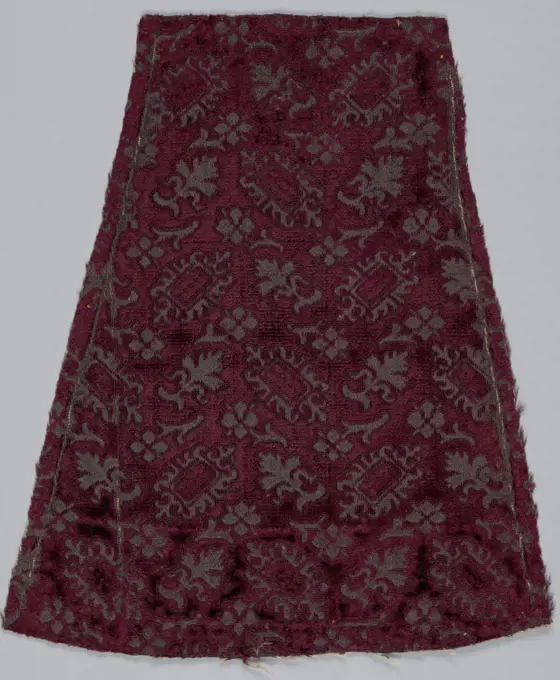
Fragment, Medium: silk Technique: cut and uncut supplementary warp pile in a five-harness satin foundation (ciselé voided velvet), Rows of diagonally placed motifs in maroon on a purple voided ground. One motif is a foliate rectangle, the other is a leaf. The diagonals are reversed from row to row. The interspaces are filled with tiny rosettes., Italy, 17th century, woven textiles, Fragment
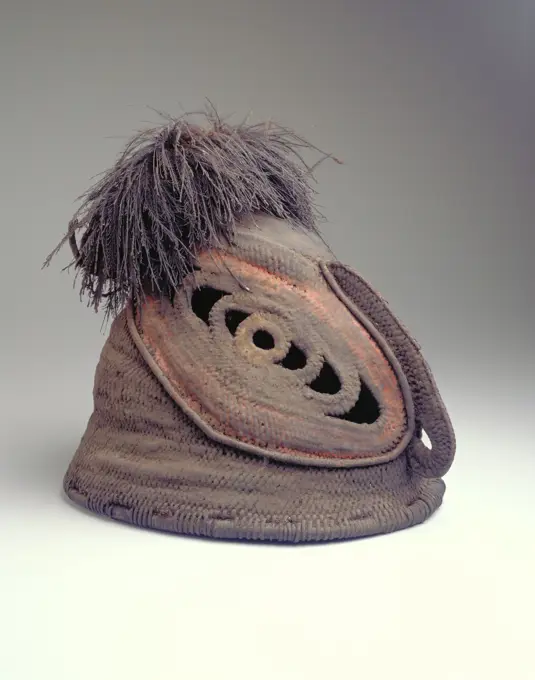
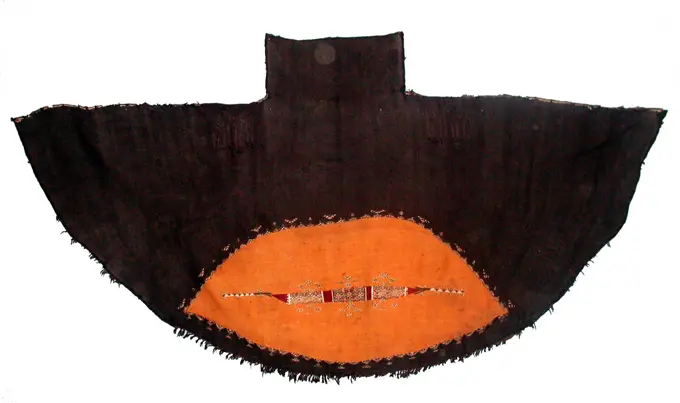
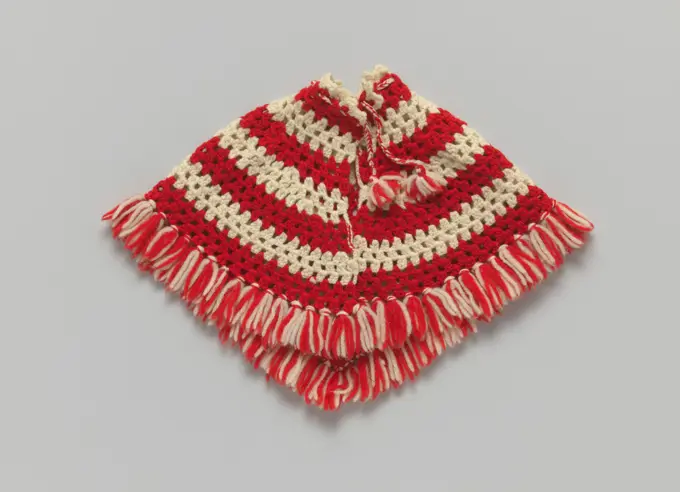
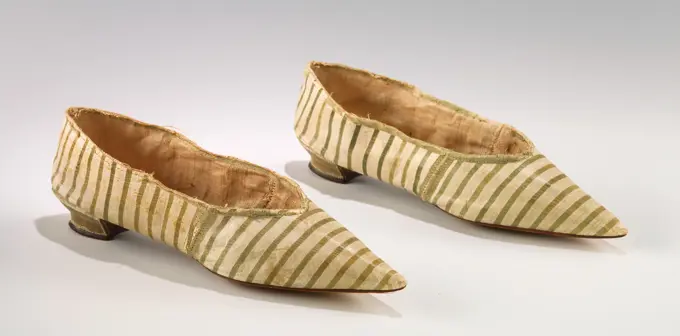
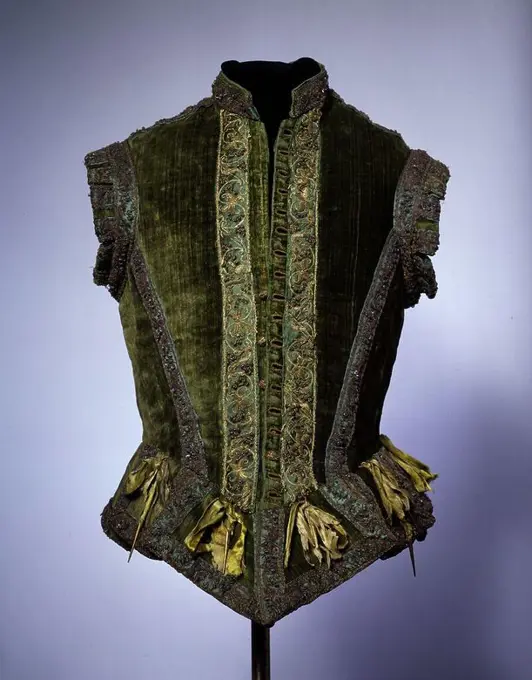
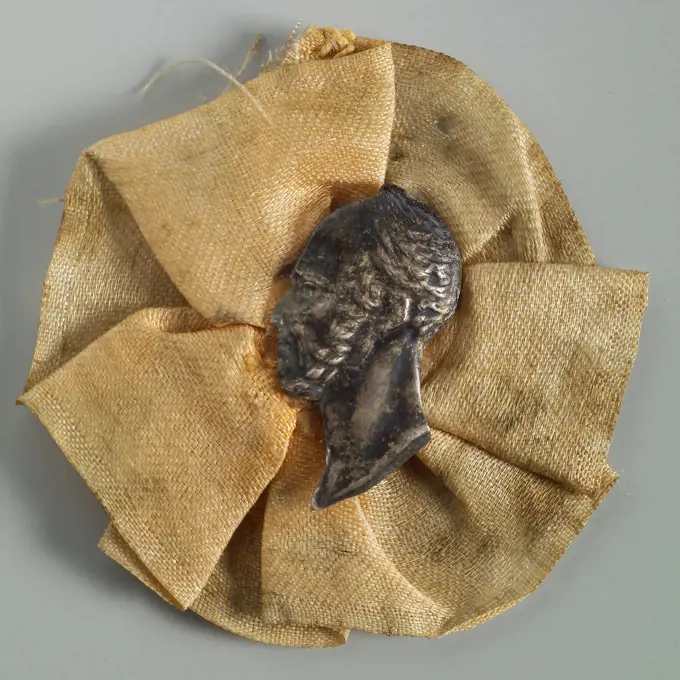
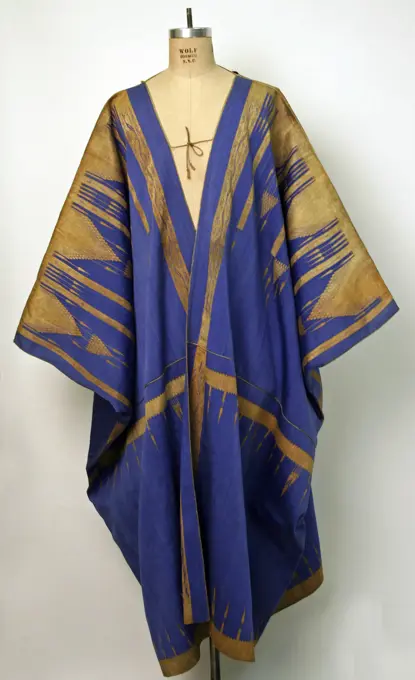
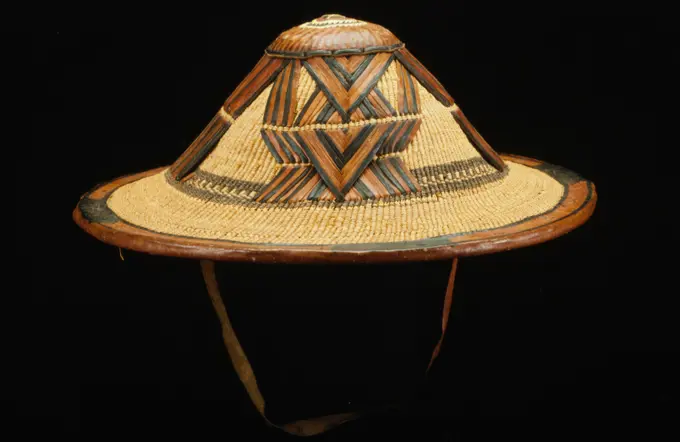
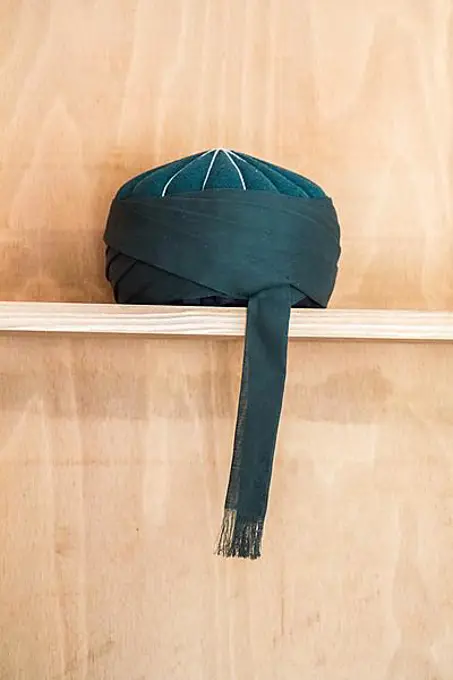
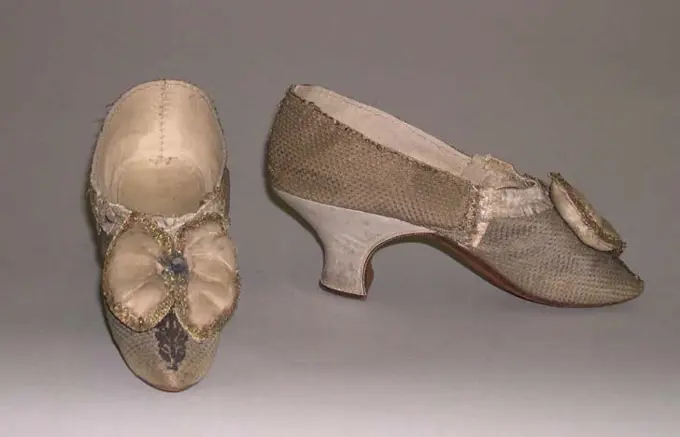
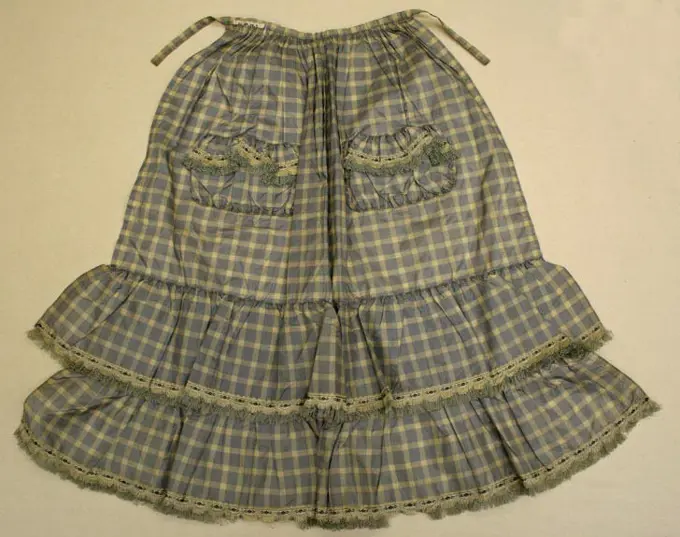
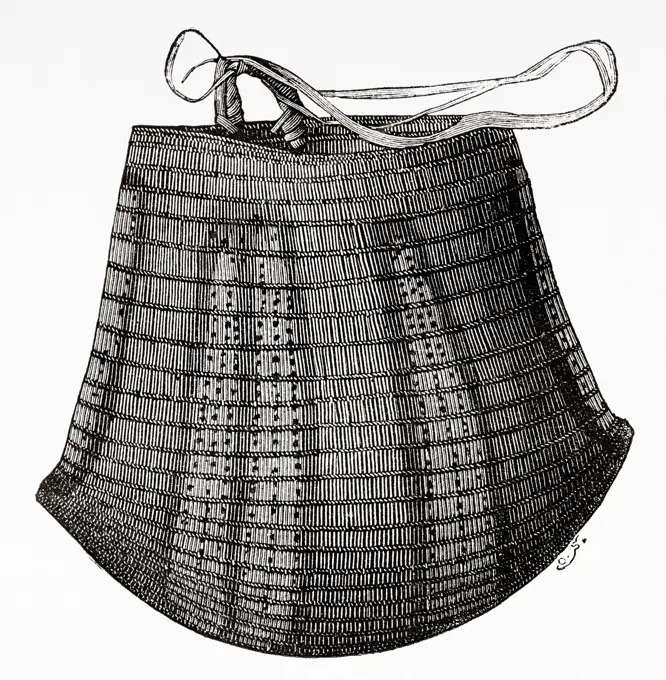
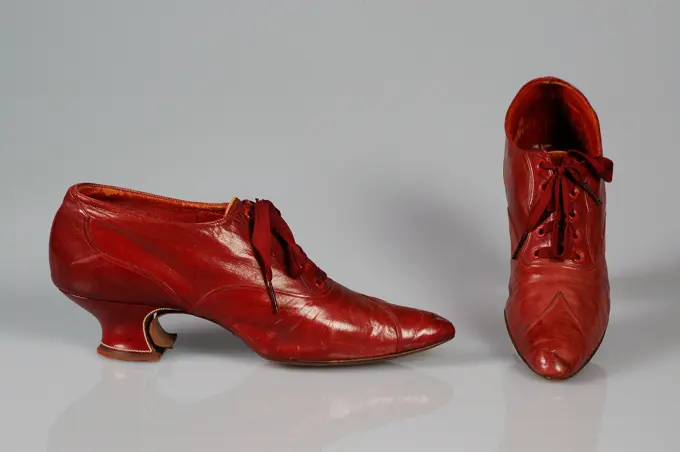
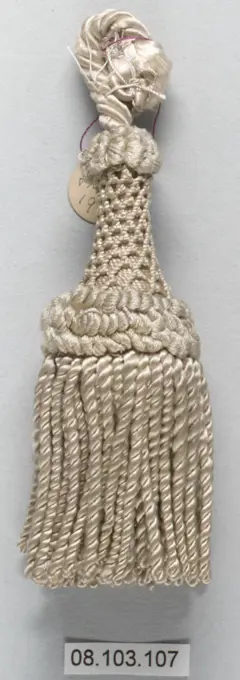
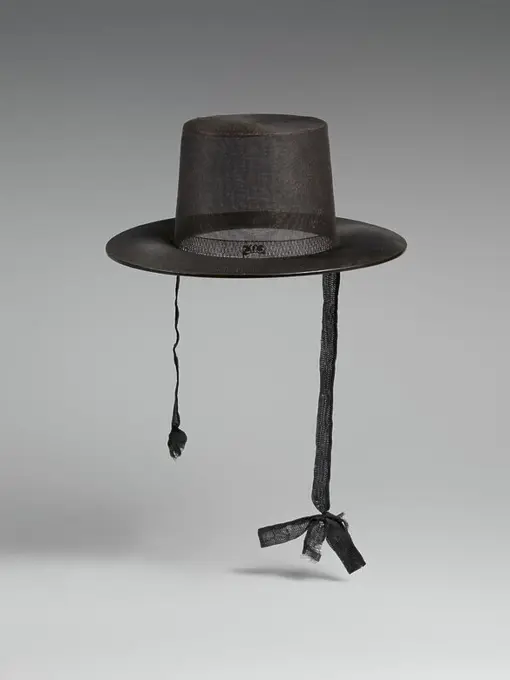
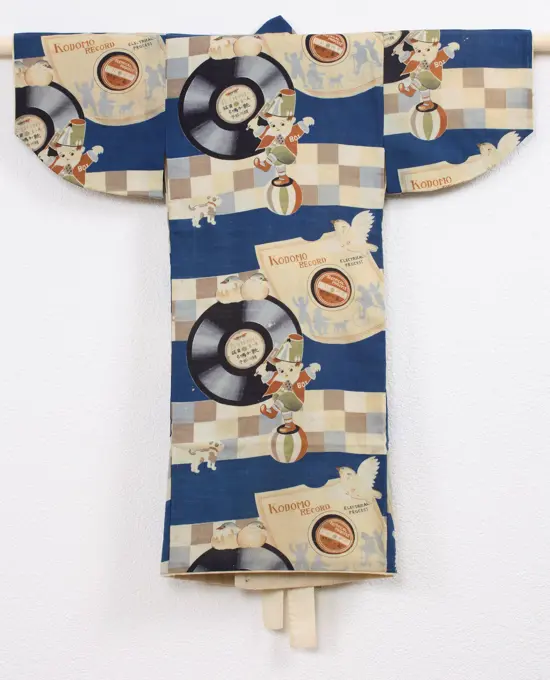
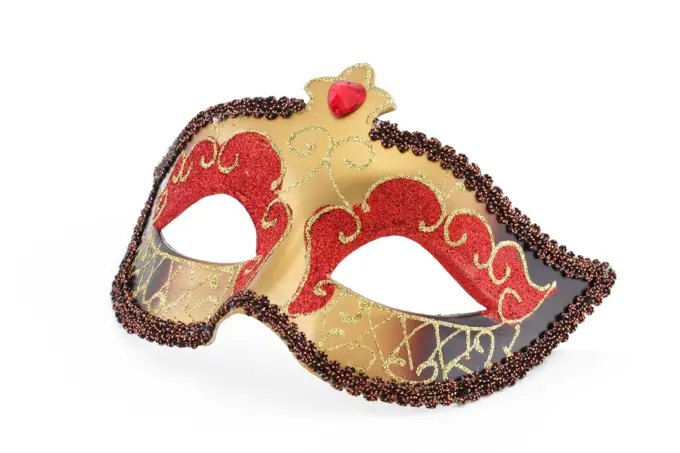
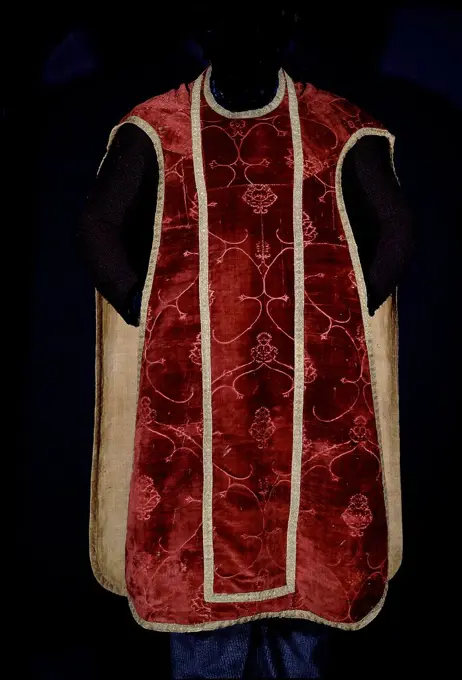
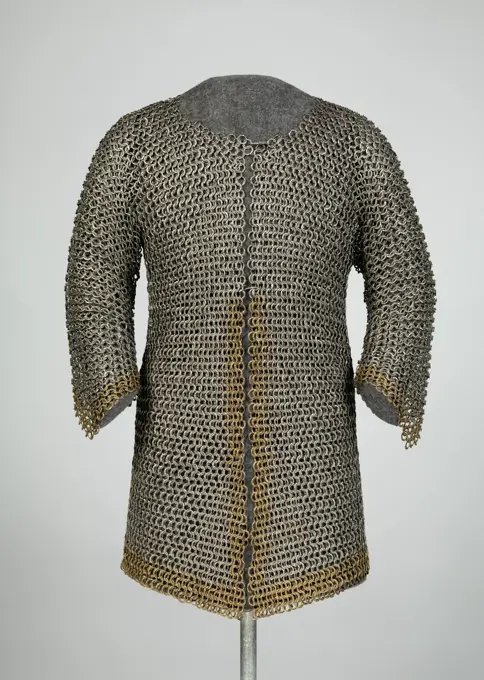
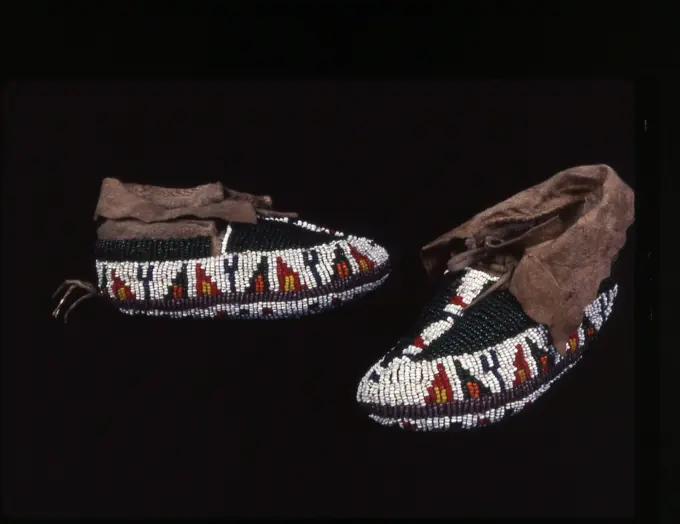
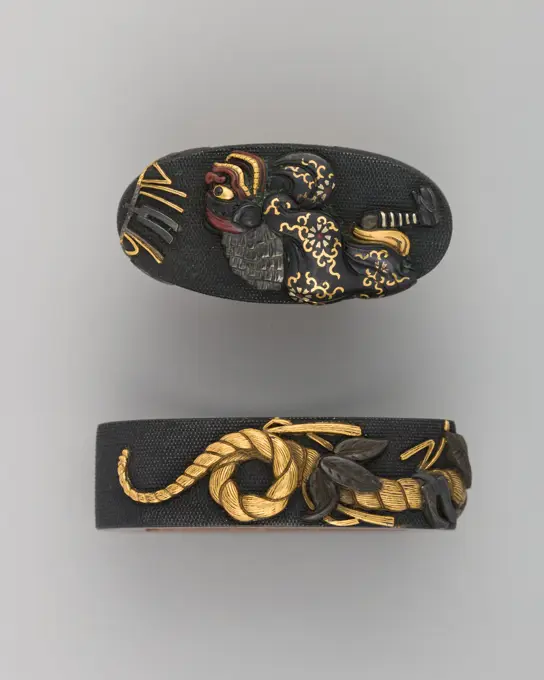
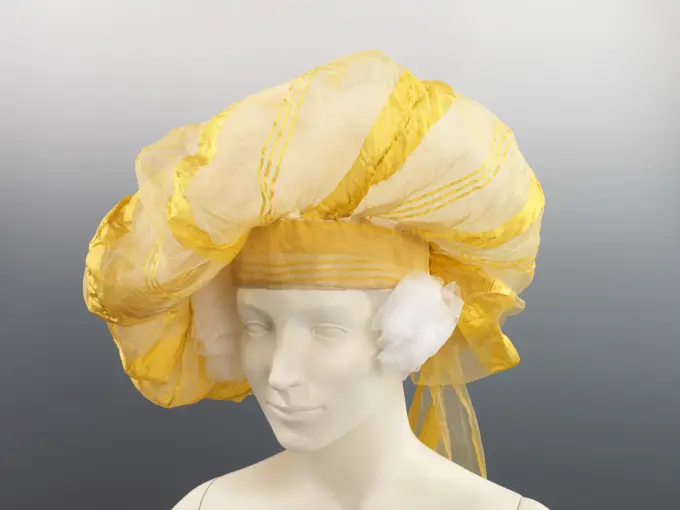
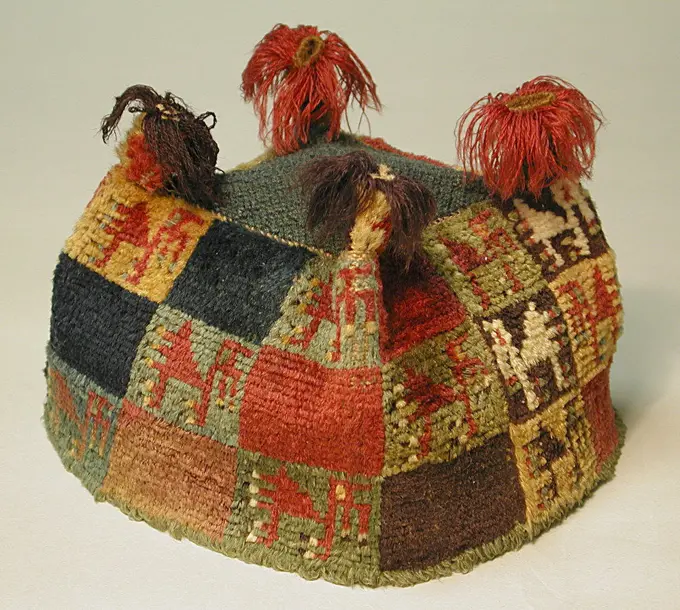
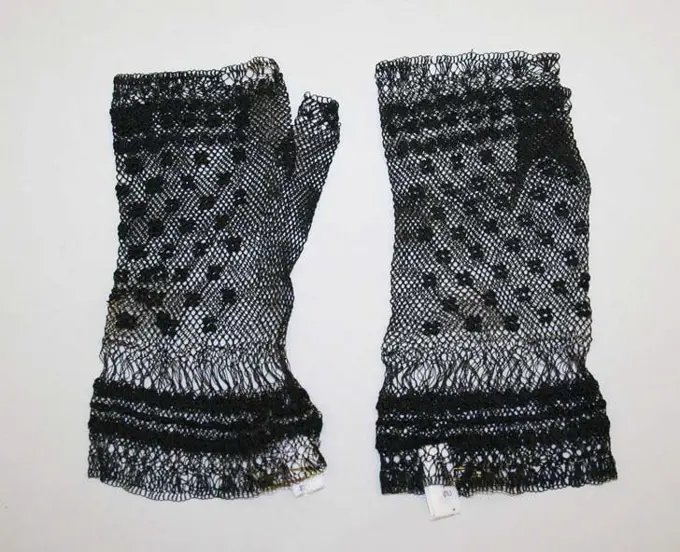
Mitts 1860s probably American. Mitts 110137Cap, Medium: silk Technique: knitted, passementerie, Cap of coral silk with a chenille tassel in the same color. Knit with altnernating bands in a simple goemetric patterns., Spain, 18th century, knotted, knitted and crocheted textiles, CapWreath from Henryk Siemiradzkis Funeral Gedlitzka's Josef B. Söhne, Czaplicki, Karol (fl. 1900 1925)Spirit Mask (baba), c. 1950, 13 x 11 1/2 x 14 in. (33.02 x 29.21 x 35.56 cm), Plant fibers, pigment, ostrich feathers, Papua New Guinea, 20th centuryMan's Cape (Akhnif) Made 1825-1875 Morocco. Wool and cotton slit tapestry weave; embroidered with wool and cotton in heavy chain, herring bone, interlacing and stem stitches; main warp cut fringe, twined and wrapped; added wrapped cut fringe and leather binding stitched with hemp . Ait Ouaouzguite Confederation (Maker)Red white striped cape with frills, anonymous, c. 1850 - c. 1920  Netherlands textile materials crocheting  Netherlands textile materials crochetingSlippers 1795-1810 J. Staton British Colored and patterned shoes and coordinated accessories were often worn as counterpoint to the white cotton dresses of the neoclassical period. An appealing striped pattern and color scheme enliven this pair of slippers, which feature the sharply pointed toe and low heel then in fashion. The high quality is displayed in the beautifully finished soles, which are burnished to form a decorative design accentuating the angular shape.. Slippers 156115Rok van wit tarlatan, anonymous, c. 1850 - c. 1920 The Tarlatan is wrinkled on ribbon around the waist and closes by means of a hook and one of the two eyes of metal. Netherlands Tarlatan. hooks and eyes: metal The Tarlatan is wrinkled on ribbon around the waist and closes by means of a hook and one of the two eyes of metal. Netherlands Tarlatan. hooks and eyes: metalDecorative cushi comb unknownCloseup of a colorful zipper with metal teethDoublet. Culture: European. Date: ca. 1580. Museum: Metropolitan Museum of Art, New York, USA.Old pen over an antique paper, isolated over whiteShoe Buckles. England, 1760s. Costumes; Accessories. Paste (glass) stones, silver, and steelChildren´s winter hat isolated on a white background.Woollen Caps Worn by Dutch Whalers, anonymous, c. 1642 - c. 1800  Hat, coarsely knitted in Tricot stitch of light brown wool with horizontal stripes. Double and with ear valves. The edge has turned half (about four centimeters.). The hat has repairs that are done with a coarse woolen thread.  wool knitting  Spitsbergen. Zeeuwsche Uytkyck sign on the orange rosette of King William I, bearmark identification carrier silver textile, Small silver portrait of King William I and discolored orange bow royal house Oranjehuis OranjeMantle ca. 1860 Maltese. Mantle 169520Woollen Caps Worn by Dutch Whalers, anonymous, c. 1650 - c. 1800  Hat, dark blue and coarse knitted, with turned edge with colored horizontal stripes: red, light brown and blue. Turned around in Tricot stitch, the procedure is reversed at the edge and the Tricot stitches are on the inside.  wool   Spitsbergen. Svalbard. Zeeuwsche UytkyckFan 1890s American or European. Fan 107440Aba 19th century. Aba 86267Tassel late 16th-early 17th century French. Tassel 213587Joe Brennan, Sleigh Bed, c 1940 Sleigh BedLarge Hat, 20th century, 8 x 15 1/2 x 15 1/2in. (20.3 x 39.4 x 39.4cm), Basketry base, leather, Niger, 20th centuryFire screen, c. 1900, William Arthur Smith Benson, British, English, 1854-1924, 29 9/16 x 20 3/4 x 8 1/8 in. (75.09 x 52.71 x 20.64 cm), Copper, brass, England, 19th-20th century, This simple, elegant screen served as a shield from fireplace heat. William Arthur Smith Benson favored minimalism in metalwork and used machine production to achieve it. Here, petal-like sheets of rolled copper, bent slightly to create an octagonal design, are attached to a brass pole. The shape suggests a ships propeller—further evidence of Bensons keen interest in machines.Bag (USA); silk, glass beadsTerracotta aryballos in the form of a sandaled foot 6th century B.C. East Greek Sandled left foot with ankle.. Terracotta aryballos in the form of a sandaled foot 246717Ottoman fashion turban for sufi dervish manEvening banner ". Lamé gold, pink metal threads (rose patterns). Gray taffeta. 20s. Galliera, fashion museum of the city of Paris. 76181-11 Accessory, evening banner, pink metallic thread, gold blade, female mode, pattern, gray taffetaParasol. Culture: American. Department Store: Stern Brothers (American, founded New York, 1867). Date: ca. 1870.This parasol is an early product produced by Stern Brothers which was established in 1867. The placement of the ruffles is very coquettish and shows a French influence, which the company, among others, undoubtedly popularized in New York. Museum: Metropolitan Museum of Art, New York, USA.Shoes 1770-89 probably British. Shoes 112642Hat of linen with Mechelse side; marked: s, anonymous, c. 1740 - c. 1760 A children's hat of linen and bobbin. Marked: S. Netherlands linen (material). bobbin lace / Mechlin (lace) A children's hat of linen and bobbin. Marked: S. Netherlands linen (material). bobbin lace / Mechlin (lace)Collar 1830 American. Collar 168634Accessory set ca. 1865 French. Accessory set 169816Undersleeves ca. 1855 American. Undersleeves 158339Apron mid-19th century American. Apron 122549Basket with Handle. .Choga 19th century. Choga 81703Ensemble 1860s British. Ensemble 84445Shards of deep sign from V.O.C. ship De 'Witte Leeuw', Before 1613 plate (dishes) Shards of deep sign from V.O.C. ship the 'Witte Leeuw'. Jingdezhen bone china (material)   Sint-HelenaWarm fur cap on a white backgroundNecklace, 18 x 9 x 3/4 in. (45.72 x 22.86 x 1.91 cm), Silver, ChinaRoach headdress -Fencing Shoulder and Arm Guard ca. 1615-1868 Japanese. Fencing Shoulder and Arm Guard 21813GORRO CUARTEL ISABELINO EJERCITO NACIONAL. Location: EXPOSICION DE LA GUERRA CIVIL ESPAÑOLA. MADRID. SPAIN.Typical traditional aboriginal basket of Herbert River painted with human blood. Queensland, Australia. Old 19th century engraved illustration, Journey to Northeast Australia by Carl Lumholtz 1880-1884 from Le Tour du Monde 1889Fan. unknown, authorALPARGATAS.Shoe of white chrome leather with Viennese heel and rounded peak nose. Shoe of white chrome leather with Viennese heel. Completed peak nose. Originally did not belong to the wedding gown.Brooch -Cape ca. 1850 American or European. Cape 107696. Stick fan with a leaf of sixteen goose springs and a handle of horn. The springs are held together by a curved, metal pin. Halfway through the handle a red surface with a front of the letter 'B' and a Chinese characters at the rear of the range.Parasol ca. 1874 American. Parasol 121648Oxfords ca. 1897 American. Oxfords 168613Poke bonnet American 1879-84Epaulet -Tassel French 19th century View more. Tassel. French. 19th century. SIlk. Textiles-TrimmingsPleated Fan And Case; Distributed by Tiffany and Co. (United States); silk leaf embroidered with steel sequins, tortoise shell sticks and bailEnsemble ca. 1864 American. Ensemble 103822Man's hat (gat). Culture: Korea. Dimensions: H. 4 1/4 in. (10.8 cm); Diam. 10 1/2 in. (26.7 cm). Date: 19th century. Museum: Metropolitan Museum of Art, New York, USA.Shoes 1690-1709 European. Shoes 168942Pacific Tree Boa in studio on white backgroundSleeve supports ca. 1827 American. Sleeve supports 82417Cap, 18th century, 11 1/2 x 11 in. (29.2 x 27.9 cm), Silk, metal thread, China, 18th century. Hood or Calèche of brown cherish cotton supported by four semicircular ribs of wood or reeds. The substance is wrinkled over the ribs, creating the convex form. The zoom is formed by a 1.5 cm tunnel where a brown satin ribbon is pulled throughout, which ends in a flat bow through a scented round opening in the middle back. Lined with glossed pink cotton.Boys miyamairi kimono with gramophone records, 1920 - 1940 Formal Kimono for a boy for the first visit to a Shinto shrine (Miyamairi Kimono), with a decoration across the entire plane of gramophone records with the text 'Butterfly', 'A-8', 'Dôyô' ('Children's song'), ' Kutsu Ga Naru '(' Shoes sound '),' Kinugawa Myôko '(name of performing singer); Plate covers with the text "Kodomo Record", "Electrical Process", with a record in the cover with the text "Kodomo Rekodo" ("Kodomo Record"), "Suzume No Gakkô" ("De Mussen School"); Dancing boys on balls, dogs and birds, against a background of alternating blue and checkered horizontal tires. The song "Kutsu Ga Naru" was from 1919, "Suzume No Gakko" came out in 1921. "Kodomo Record" is the record label. Printed wool. Cotton lining. Japan wool. cotton (textile) painting Formal Kimono for a boy for the first visit to a Shinto shrine (Miyamairi Kimono), with a decoration across the entire plane of gramophone records with the text 'Butterfly', 'ACarnival Mask inclined with shadowCASULLA DE TERCIOPELO BORDADA - PARTE DELANTERA. Location: INSTITUTO VALENCIA DE DON JUAN-COLECCION. MADRID. SPAIN.England, London, Hampstead Heath. Red kitchen aprons hanging on hooks.Viking mount for knife scabbard. Viking Ship Museum. Oslo. Norway.Miser's purse, Medium: silk, metal Technique: netted, Netted dark green silk ornamented with cut steel beads in a pattern of dots and bands in diamond patterns. Two steel rings control side opening. A fringe of steel beads at one end; a steel bead tassel at the other end., France, early 19th century, costume & accessories, Miser's purseMail Shirt ca. 1500-1600 Persian This is part of a small group of inscribed mail shirts constructed of riveted and inscribed iron-alloy and copper-alloy links, examples of which are preserved in the Worcester Art Museum, Massachusetts, and the Philadelphia Museum of Art. The links are each stamped on the obverse with the names of Allah and the five leading imams of the Shia (i.e. Muhammad, Ali, Fatima, Hasan, and Husayn), who are also collectively known as The Five (Panj tan) or the People of the Cloak (Ahl al-Kisa). They are plain on the reverse.The shirt is believed to have been used by the sculptor Anna Vaughn Hyatt Huntington (1876-1973) while modeling her monumental equestrian bronze statue of El Cid (cast in 1927), which still stands today on the grounds of The Hispanic Society, New York.. Mail Shirt. Persian. ca. 1500-1600. Iron alloy, copper alloy (latten), copper, brass. MailTop hat ca. 1850 Olangan. Top hat 168808Wall fountain with fishing. Acquired from the manufacturer at the 1900 World Expo in ParisBasketLidPair of Child's Moccasins Made 1875-1895 Plains. Doe skin sewn with sinew; decorated with beads, including soles . SiouxApron ca. 1850 American. Apron 122499Shoes early 19th century probably European. Shoes 168963Headdress made with the hair of the deceased, worn during the mourning period in Papua New Guinea.UrnSword-Hilt Collar and Pommel (Fuchigashira) 18th century Japanese A fuchigashira is a pair of matching sword fittings comprising the fuchi (collar at the base of the grip of the sword hilt) and kashira (pommel cap at the end of a sword hilt).. Sword-Hilt Collar and Pommel (Fuchigashira). Japanese. 18th century. Copper-gold alloy (shakud), gold. Sword Furniture-Fuchi-KashiraSalt. Maker, attributed to: Pittsburgh Flint Glass WorksProprietor: Bakewell, Page & Bakewells, American, 1827-1832Turban ca. 1820 British The "a la turque" style of headdress, influenced and inspired by the popular interest in Eastern cultures, was popular in the 1820s. This example is unusually large, making it visually dramatic. It could possibly have been worn with one of the higher, more elaborate hairstyles common during the period.. Turban 157012Woman's Boots. United States, circa 1835. Costumes; Accessories. Leather with silk braidStylish masks for coronovirus protection.Four-Cornered Hat 7th-9th century Wari Finely woven, brightly colored hats, customarily featuring a square crown, four sides, and four pointed tips, are most frequently associated with two ancient cultures of the Andes: the Wari and the Tiwanaku. The Wari Empire dominated the south-central highlands and the west coastal regions of what is now Peru from 500-1000 A.D. The Tiwanaku occupied the altiplano (high plain) directly south of Wari-populated areas around the same time, including territory now part of the modern country of Bolivia. The cultures not only developed and flourished as contemporaries, but also occupied adjacent lands for nearly four centuries. A Wari ceremonial center called Cerro Baúl was located a mere five miles from Tiwanaku-settled fields in the Moquegua Valley of Peru. The two cultures likely encountered each other at Cerro Baúl and elsewhere, but the nature of these interactions remains largely unknown. Four-cornered hats from both the Wari and the Tiwanaku were Oblong radicchio (Cichorium intybus var. foliosum)Evening slippers 1845-65 probably French. Evening slippers 169126