Historical Jewelry

A variety of ancient jewelry pieces, including beads, bracelets, and earrings, made from different materials highlighting cultural adornment practices.

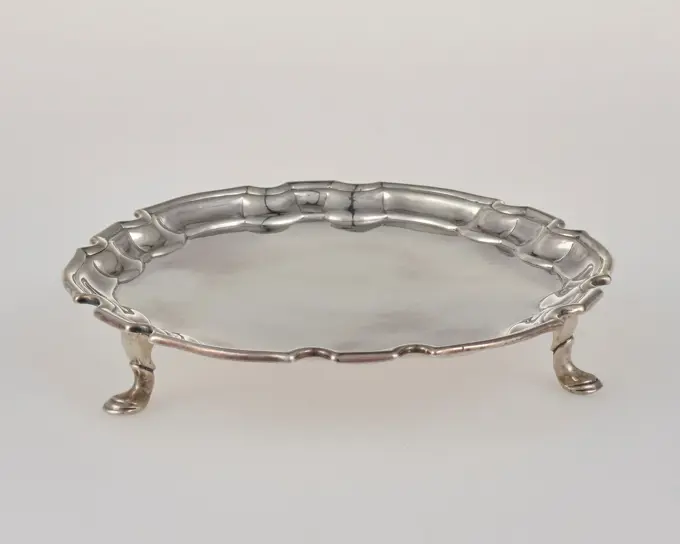
Bracelet, one of a four-piece set, 3 5/8 x 3 5/8 x 3/4 in. (9.21 x 9.21 x 1.91 cm), Silver, China
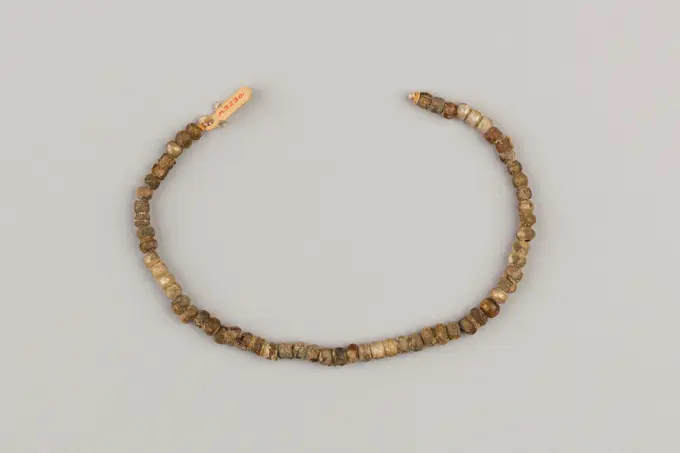
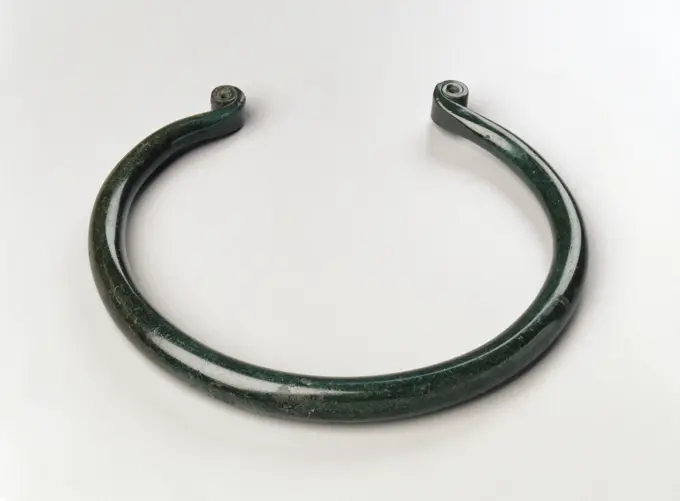
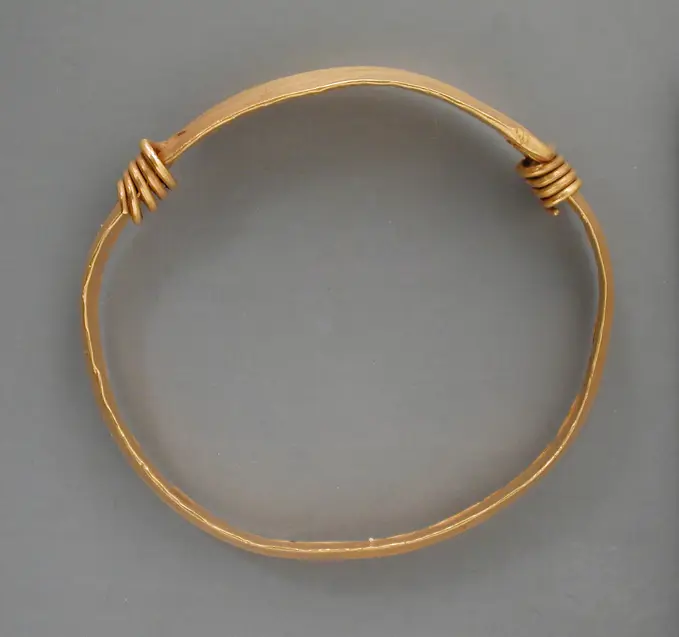
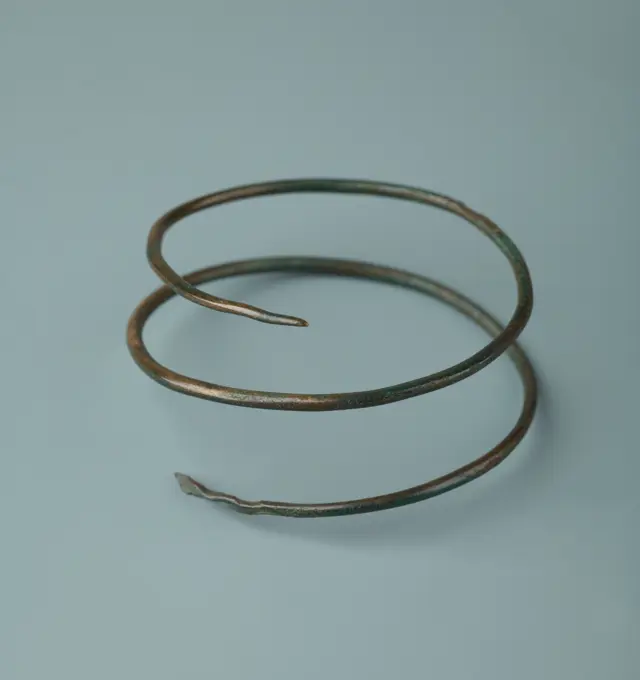
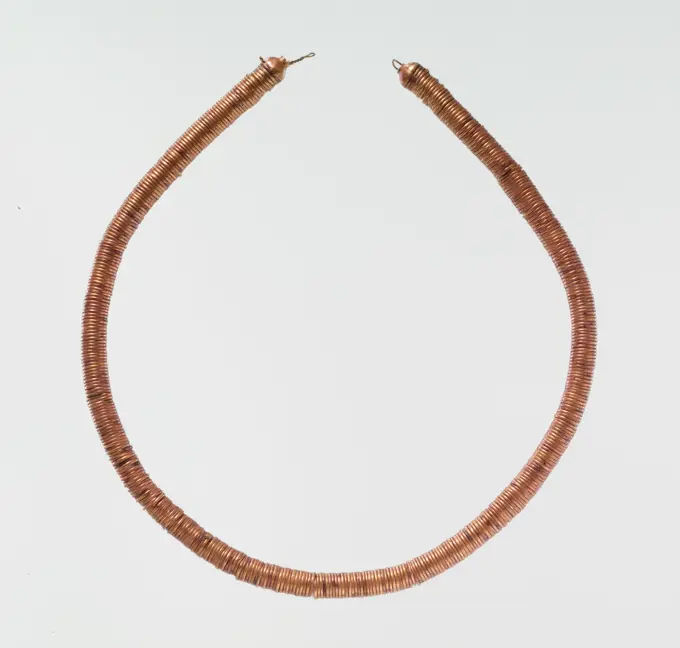
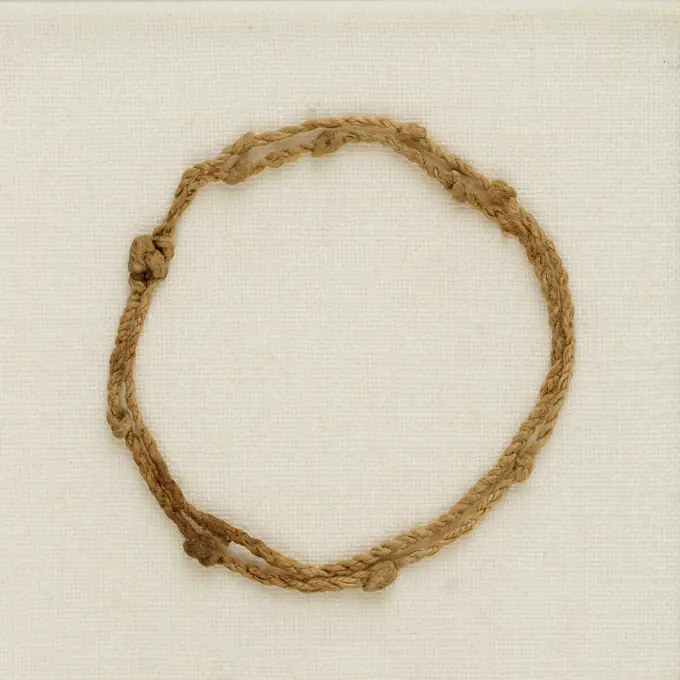
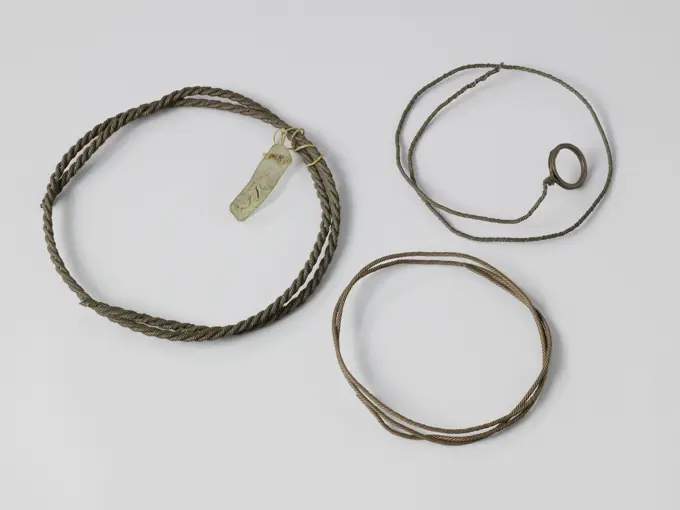
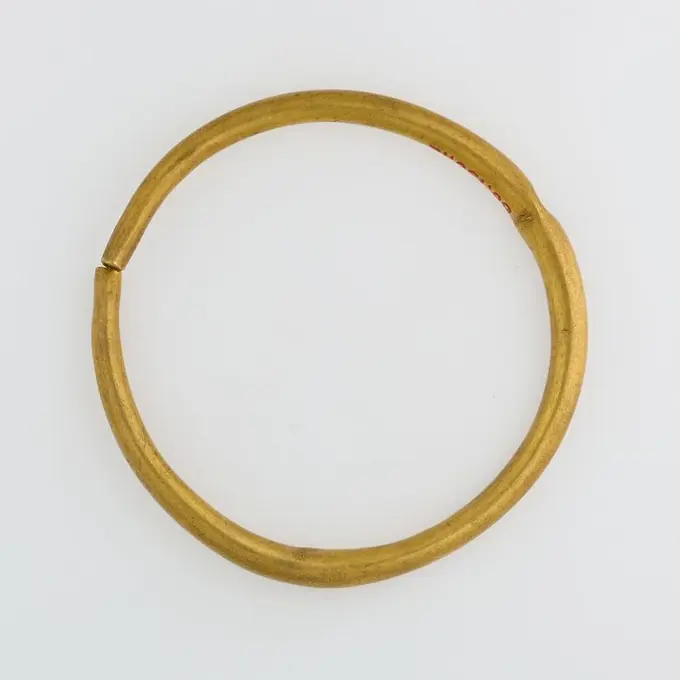
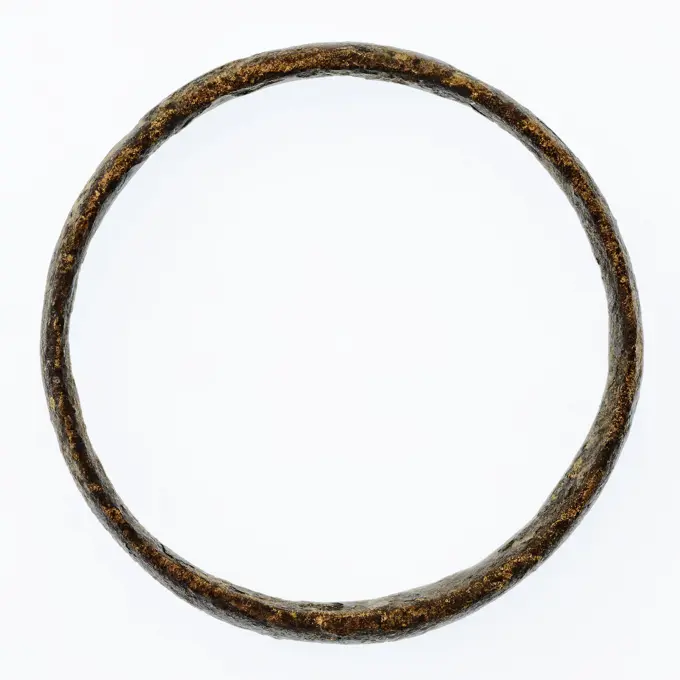
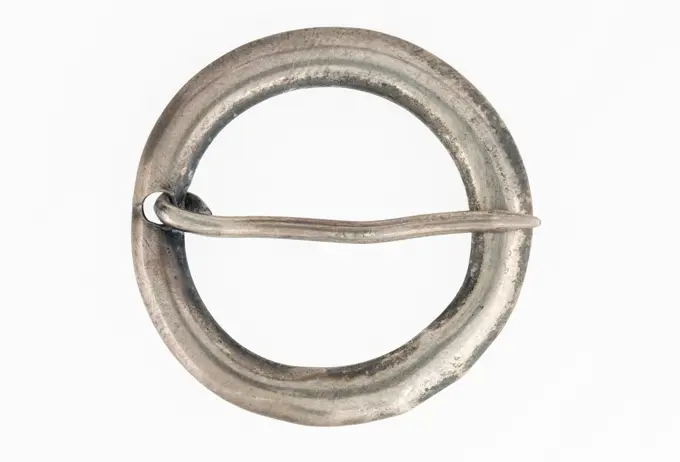
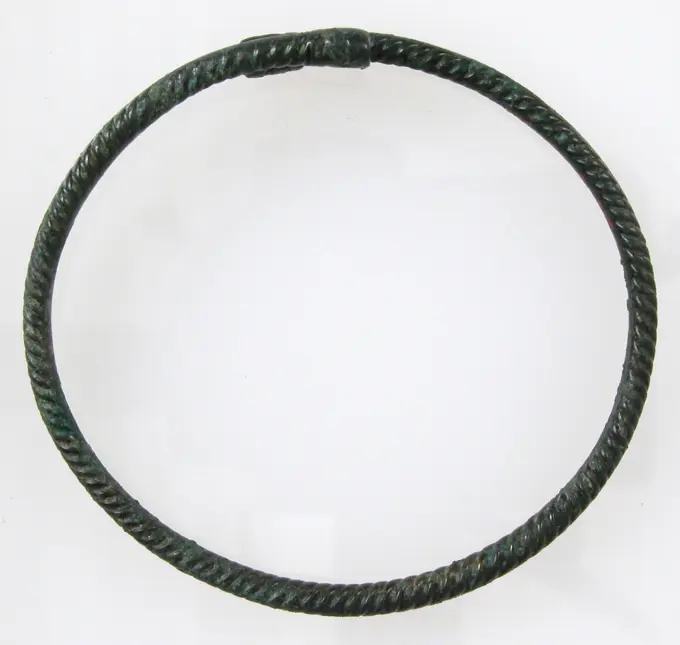
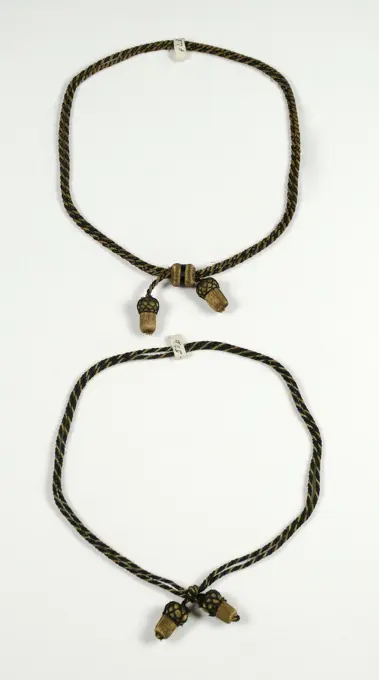
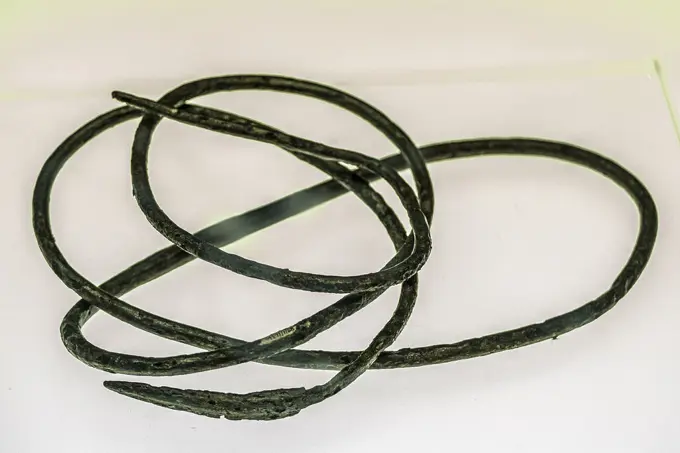
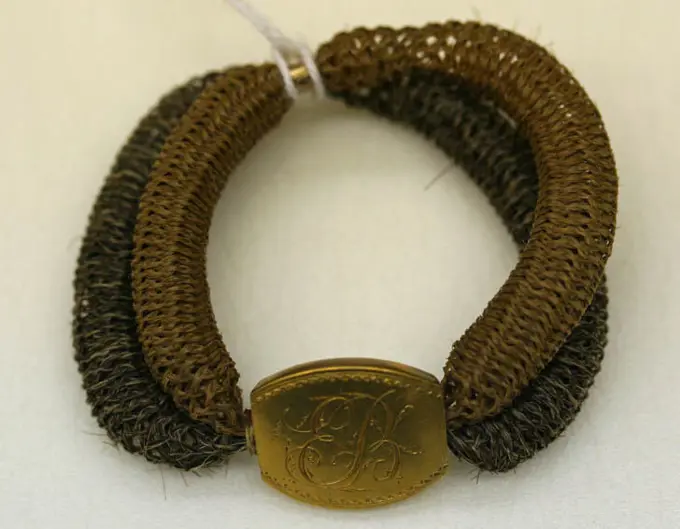
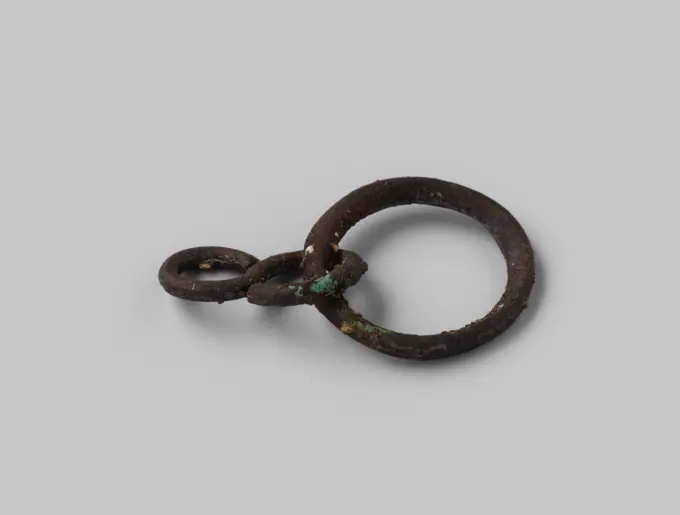
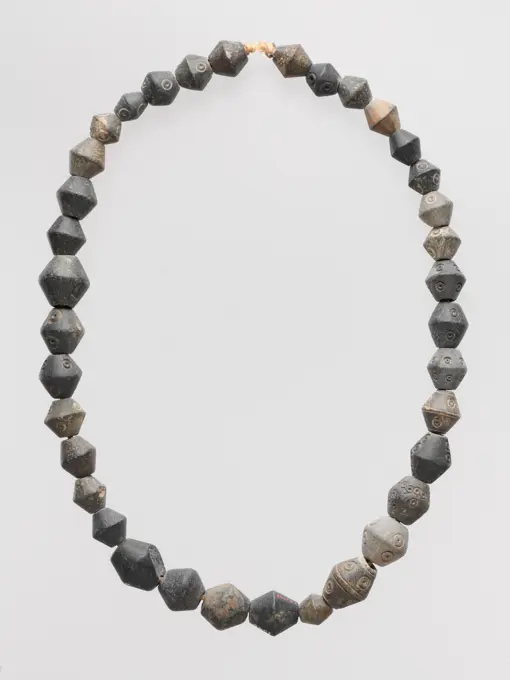
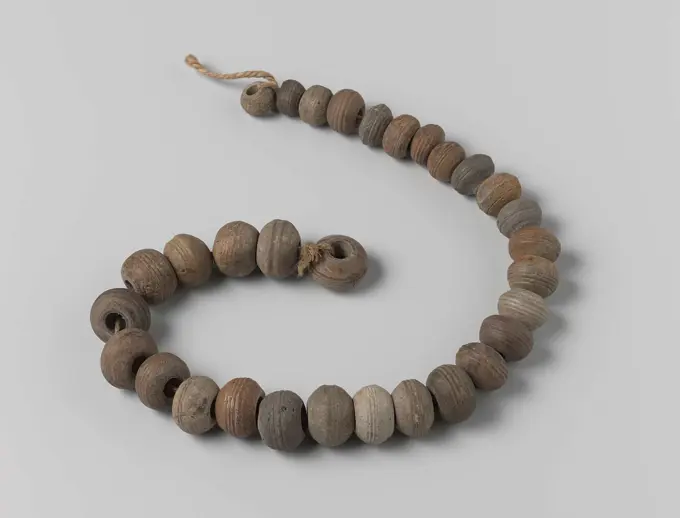
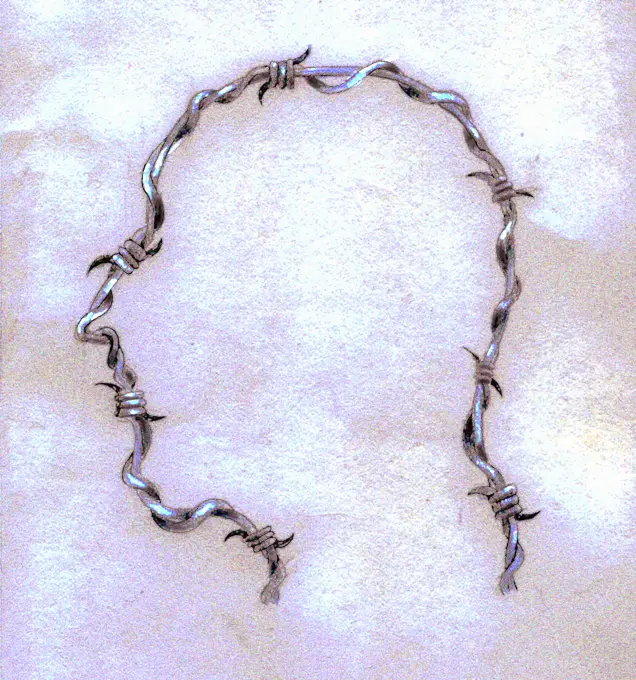
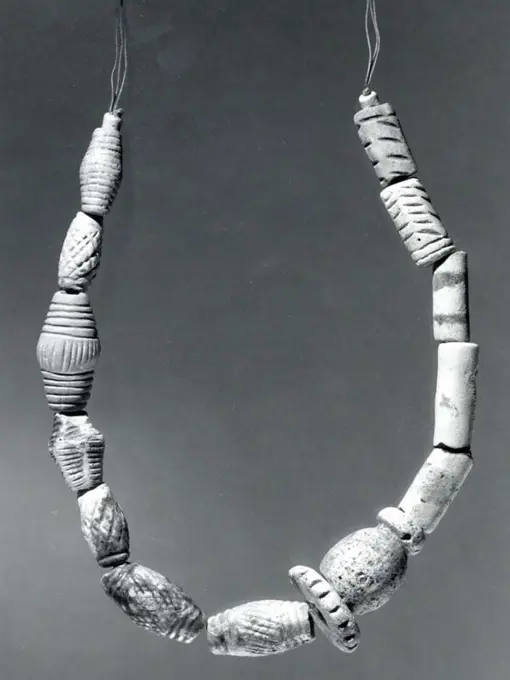
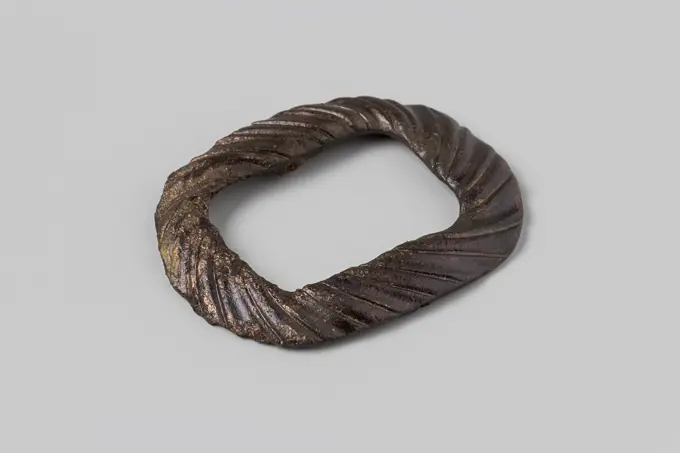
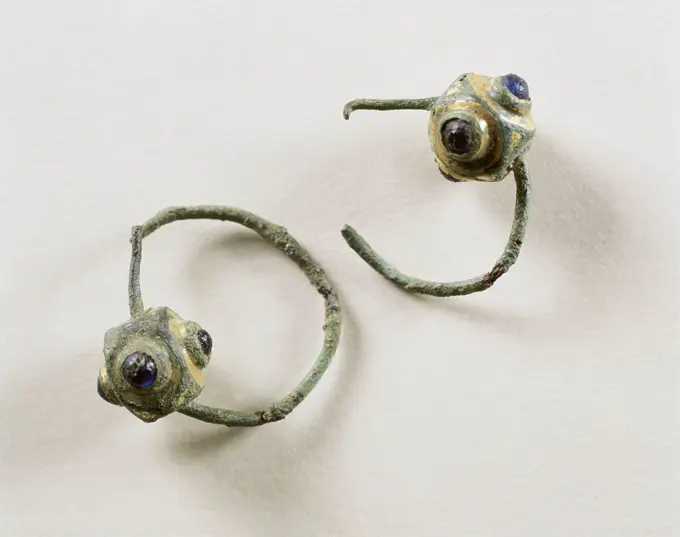
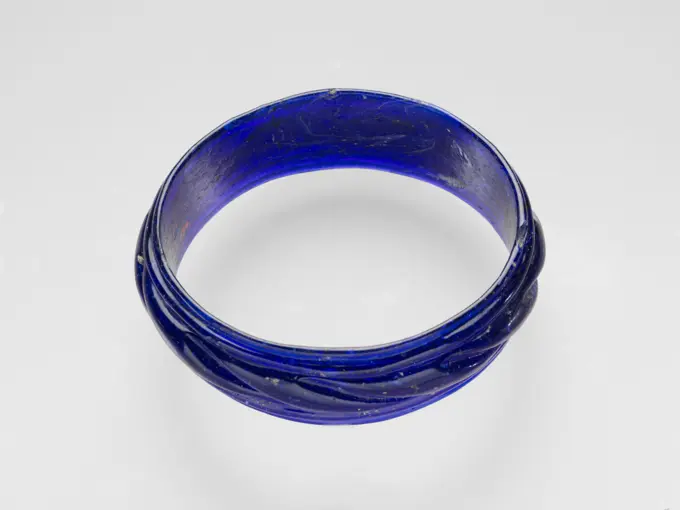
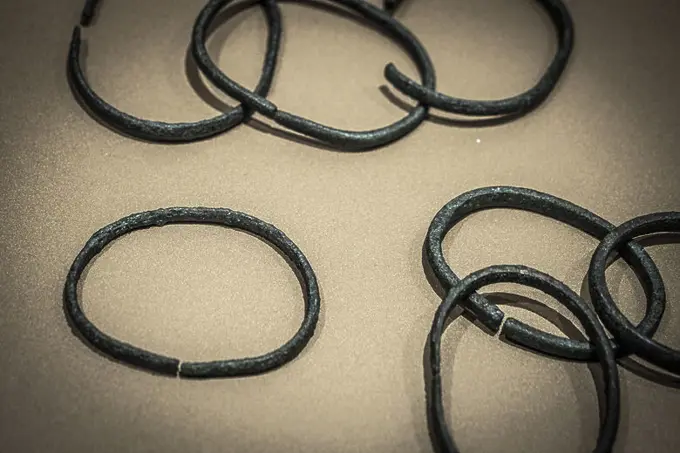
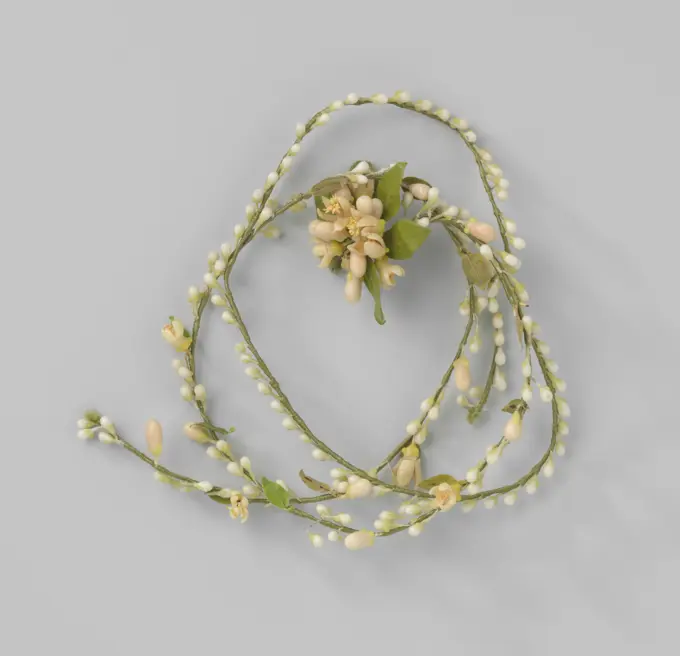
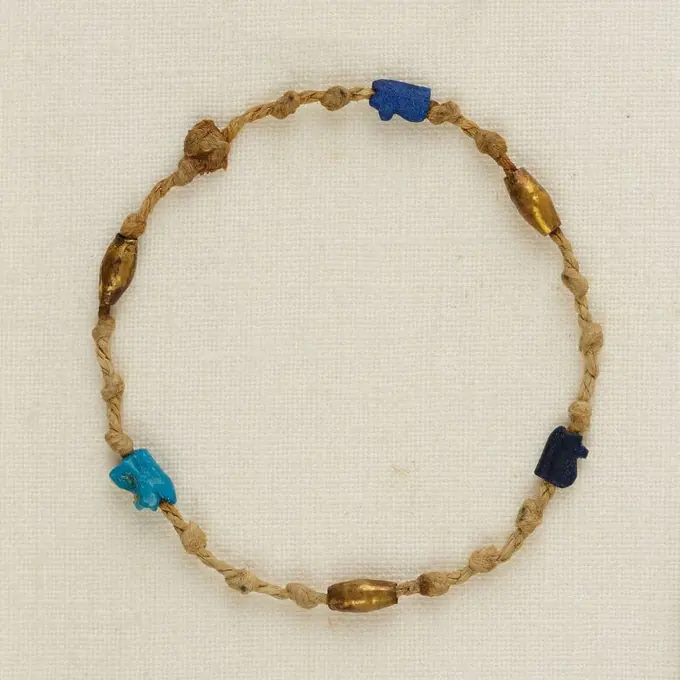
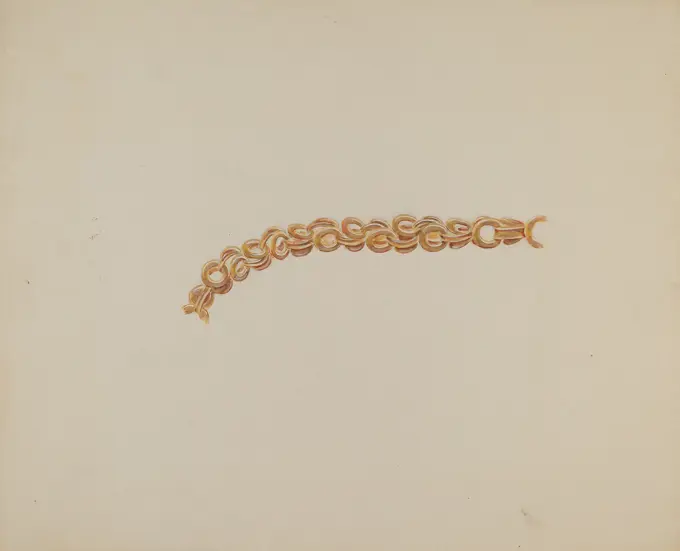
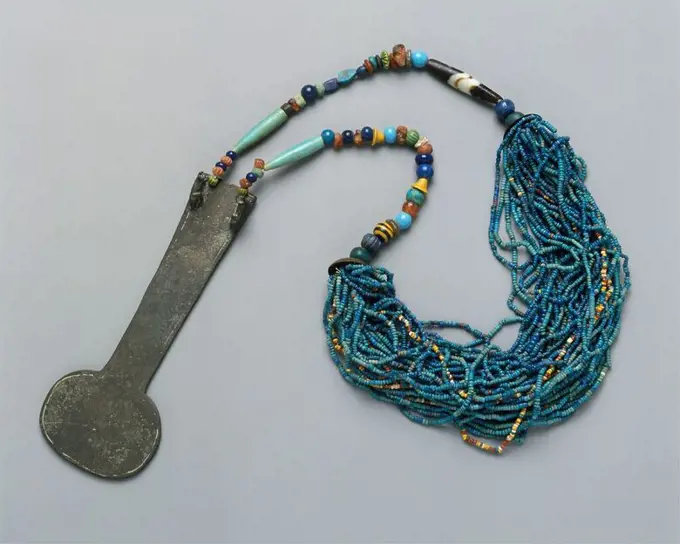
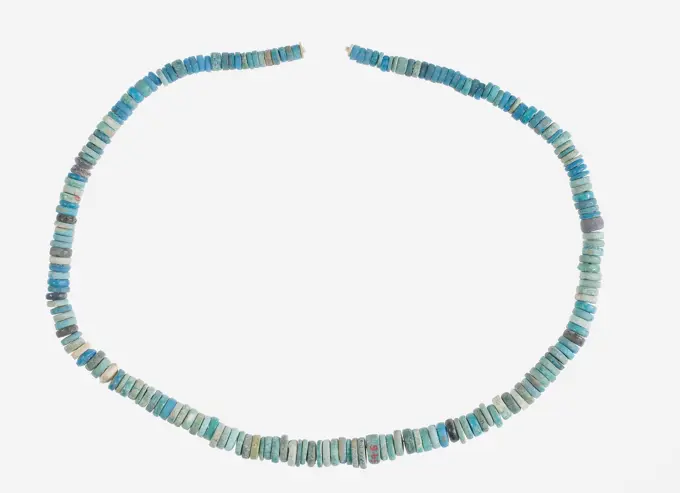
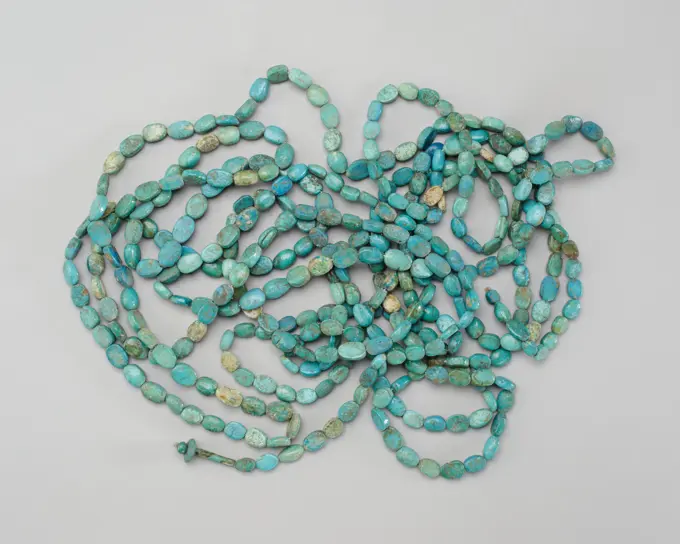
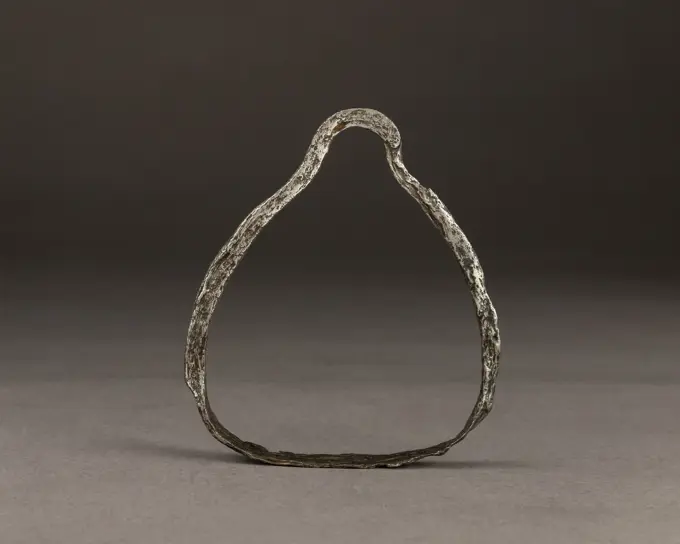
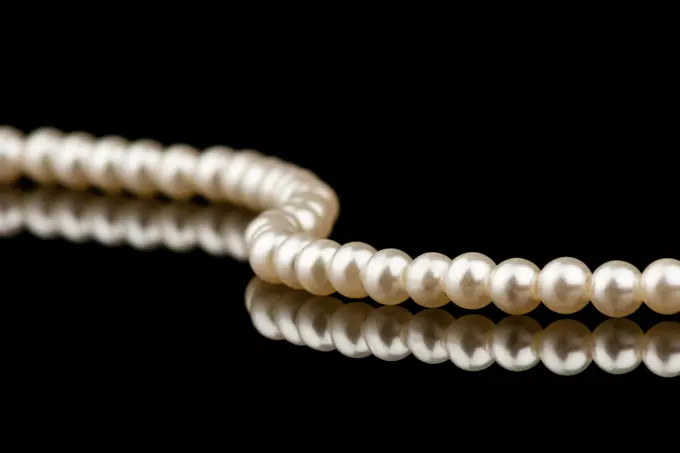
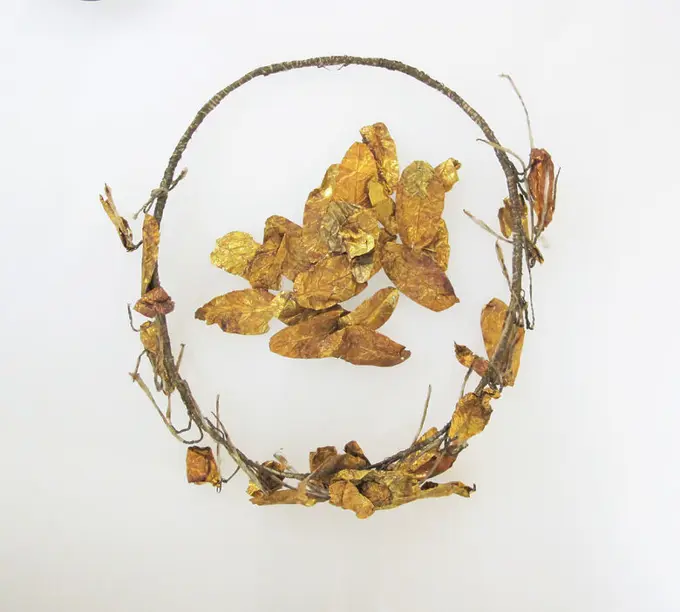
Ring, wound with wire, ring ornament clothing accessory clothing soil find buyer metal d 0.4, wounded Small metal ring. Dark undefined metal Fully wrapped with thin metal wire Remaining of setting stone archeology Rotterdam railway tunnel to carry prosperity status adornment Soil discovery: railway tunnel 1988-1993.String of 61 spheroid beads 2nd century BC-2nd century AD Ptolemaic or Roman Period. String of 61 spheroid beads 570550Ingot Torque, c. 1500 BC. Hungary, Bronze Age, c. 2500-800 BC. Bronze, wrought bronze; overall: 15.4 cm (6 1/16 in.).Gold Bracelet. Egypt, Roman, Roman Period (30 BCE - 200 CE) or later. Jewelry and Adornments; bracelets. GoldCoil BraceletChoker of Gold Rings ca. 1635-1458 B.C. Second Intermediate Period-Early New Kingdom Chokers like this one are uncommon and seem to come from around Thebes; the earliest example is from a Dynasty 11 (ca. 2040 B.C.) burial. By the beginning of Dynasty 18, they were worn in multiple strings. These short necklaces are often referred to as shebiu, even though they do not resemble the traditional necklaces of lentoid beads called shebiu collars that the king awarded courtiers. Furthermore, several examples come from female burials and there is no evidence that women were ever awarded shebiu collars in early Dynasty 18.. Choker of Gold Rings 546943Knotted bracelet ca. 1000-945 B.C. Third Intermediate Period Five bracelets of linen were found around the right wrist of Henettawys mummy. This one, made of two 2-ply strands, bears no beads or amulets, but instead is enhanced only by regularly spaced knots.. Knotted bracelet 551101Bracelet, Silver, Bracelet of silver filigree with clasp representing a snake's head., USA, ca. 1850, jewelry, Decorative Arts, BraceletEarring 7th century Frankish. Earring 465432 Frankish, Earring, 7th century, Silver, Overall: 2 13/16 x 2 11/16 x 3/16 in. (7.1 x 6.8 x 0.5 cm). The Metropolitan Museum of Art, New York. Gift of J. Pierpont Morgan, 1917 (17.193.125)Three Samples of Lightning Conductors, Jochem Pietersz. Asmus (possibly), 1795 - 1848 sample Three samples of lightning sleds for ships in the form of copper wire, all cable stroke. The two thin consisting of five yarns each, one with a copper ring at an end; The thicker thunder chain consists of three strands of five yarns and the parchment label The signature of Asmus is attached to it. Netherlands copper (metal). parchment (animal material)Hoop Earring. Dimensions: Diam. 5 cm (1 15/16 in.); Th. 0.4 cm (3/16 in.). Dynasty: Dynasty 15. Date: ca. 1648-1540 B.C.. Museum: Metropolitan Museum of Art, New York, USA.Ring with scaraboid. Ring with scaraboid 243575Bracelet, one of a four-piece set, 3 5/8 x 3 5/8 x 3/4 in. (9.21 x 9.21 x 1.91 cm), Silver, ChinaCopper ring, which is irregular in shape, ring jewel clothing accessory clothing item soil find bronze copper metal, bronze or copper ring Thin and somewhat irregular in shape. Smooth walled and slightly curved over the inside and the outside archeology Rotterdam railway tunnel adorn the joining of the connection Soil discovery: Railway tunnel 1988-1993.Brooch -Collier with links from Wajang dolls cut out in imitation turtle, c. 1930 - c. 1932 Collier with 27 links from Wajang dolls cut out in imitation turtle. Netherlands imitation tortoise shell cutting Collier with 27 links from Wajang dolls cut out in imitation turtle. Netherlands imitation tortoise shell cuttingNecklace. Culture: Irish. Dimensions: Overall: 8 x 5 5/16 x 3/8 in. (20.3 x 13.5 x 1 cm). Date: ca. 1000 B.C.. Museum: Metropolitan Museum of Art, New York, USA.Earring, crescent-shaped. Earring, crescent-shaped 243295Bracelet 16th century Spanish. Bracelet 464037 Spanish, Bracelet, 16th century, Gold, Overall (a): 4 1/2 x 3/16 in. (11.5 x 0.5 cm) Overall (b): 2 7/8 x 3/16 in. (7.3 x 0.5 cm). The Metropolitan Museum of Art, New York. Gift of J. Pierpont Morgan, 1917 (17.190.154a, b)Bracelet 5th century BC-AD 1st century () Celtic. Bracelet 464950 Celtic, Bracelet, 5th century BCAD 1st century (), Copper alloy, Overall: 2 5/16 x 2 3/16 x 5/16 in. (5.9 x 5.5 x 0.8 cm). The Metropolitan Museum of Art, New York. Gift of J. Pierpont Morgan, 1917 (17.191.246)Military accessory 1862 American. Military accessory 173522Bracelet (Bangle) ca. 3100-2649 B.C. Early Dynastic Period Flint bangles such as this one are mainly found in burials. The deceased often wore multiple bangles together, on one or both forearms. These items were in use for a relatively short time, only during the Early Dynastic period, and most examples date specifically to the First Dynasty. They were made through a combination of flaking and grinding. Flint bangles were extremely difficult to produce and demonstrate the exceptionally high degree of expertise achieved by Egypts flint knappers. They also show that Ancient Egyptians used flint for personal adornment and display, not just to make implements needed for utilitarian and subsistence purposes.. Bracelet (Bangle). ca. 3100-2649 B.C.. Flint. Early Dynastic Period. From Egypt, Northern Upper Egypt, Abydos, Osiris Temple precinct, Tomb M14, Egypt Exploration Fund excavations, 1902. Dynasty 1Soliferreum, Carratiermes Necropolis, 4th-3rd century BC, Tiermes Archaeological Site Museum, Soria, Spain.Two round buckles or rings, clasp fastener component soil find bronze copper brass metal, cast Two round rings probably round buckles Ring with curled piece of copper wire. Ring to which remnant of iron sting archeology Rotterdam to attach railway tunnel Ground discovery: rail tunnel Rotterdam.Soliferreum, Necrópolis de Carratiermes, siglo IV-III a.C. museo del Yacimiento arqueológico de Tiermes, Soria, comunidad autónoma de Castilla y León, Spain, Europe.Bracelet 1850-60 American or European. Bracelet. American or European. 1850-60. hair, goldRing -shaped fragment with links from the wreck of the East Indians Hollandia, Anonymous, 1700 - in Or Before 1743 fragment Varied parts or fragments, rings or ring-shaped fragments; circular, circular in section, with fragm of chain. Netherlands copper (metal)   SecondBracelet or anklet with lion ca. 8th-7th century B.C. Iran. Bracelet or anklet with lion 324679Pendant in the form of a Dragon, 475-221 BCE, 8 7/16 x 3/4 x 5/16 in. (21.43 x 1.91 x 0.79 cm), Translucent green jade, China, 5th-3rd century BCERider track, iron bracket with two eyes at the end, track clothing accessory clothing soil find iron metal, forged Track or horseshoe U-shape with obliquely upright point. Two long oval eyes at the ends for attachment to footwear archeology Rotterdam City Triangle Meent Market Binnenrotte spur horse riding rider Soil discovery corner corner Meent Markt (Binnenrotte).Earring 7th century () Frankish. Earring. Frankish. 7th century (). Silver (loop); gold, chrysoprase, glass, pearls. Made in Northern France. Metalwork-SilverEarring-loop type, plain. Earring-loop type, plain 243268Bangle with Circular Motifs ca. 2700 B.C.-A.D. 400 Thailand. Bangle with Circular Motifs 53285Chlorite necklace with 36 biconical beads ca. 1600-600 B.C. Cypriot Some beads have concentric circles.. Chlorite necklace with 36 biconical beads. Cypriot. ca. 1600-600 B.C.. Chlorite. Late Bronze or Early Iron Age. Miscellaneous-StoneBracelet. Dimensions: diameter 7.90 cm.. Museum: Metropolitan Museum of Art, New York, USA.Brooch -Clapper. Dimensions: L. 24 cm (9 7/16 in.); Greatest width. 3.8 cm (1 1/2 in.); Th. 1.2 cm (1/2 in.). Dynasty: Dynasty 12, mid-late. Date: ca. 1900-1800 B.C..Clappers are among the earliest percussion instruments in ancient Egypt. This clapper is shaped like a forearm and hand; a bracelet adorns the wrist. Clappers were used in all activities featuring music or singing, such as banquets, funerary processions, and rituals. Museum: Metropolitan Museum of Art, New York, USA.Spur. Unknown 1st century B.C.-1st century A.D.Bracelet. UnknownBracelet. Greece, Hellenistic period, circa 2nd century B.C.. Jewelry and Adornments; bracelets. GoldTorque, 11 1/4 x 10 3/8 x 1 in. (28.58 x 26.35 x 2.54 cm), Silver, ChinaA knot on a flex to a portable computer, close-up.picture frame of rope isolated on a white backgroundRing -shaped fragment from the wreck of the East Indians Hollandia, Anonymous, 1700 - in Or Before 1743 fragment Varied parts or fragments, rings or ring-shaped fragments; fragm, sim. 80H625. Netherlands copper (metal)   SecondBrooch -31 Spine stones. 31 Spine stones from stoneware to a cord.Ring 4th century Coptic. Ring 477771Barbed wire forming outline of headBall of stringBeads ca. 9th century B.C. Iran. Beads 325322ShoeSP from the wreck of the East India Hollandia.schoen SP. Buckle, Chape Buckle, Shoe Buckle; (1) Ring (6x4.7, 0.4T), Diagonally RibbedA knot.Necklace of braided lacquered iron with cameee in golden lock ,, 1850 - 1860 Neck necklace of black painted iron with a black cameee in a golden lock. Two tires are attached to the oval lock that closes closely around the neck and are made of extremely fine, interlocking malies. On the camee a classic youngsters head with a headband around the long curls. Great Britain (possibly) gold (metal). iron (metal) lacquering Neck necklace of black painted iron with a black cameee in a golden lock. Two tires are attached to the oval lock that closes closely around the neck and are made of extremely fine, interlocking malies. On the camee a classic youngsters head with a headband around the long curls. Great Britain (possibly) gold (metal). iron (metal) lacqueringDrinking horn -alter pferdekragen hängend an einer weißen wand old horse collar hanging on a white wall LicenseRF Copyright: xZoonar.com/MilanxVasicekx 12850738heart shape knot of rope on dark backgroundBracelet. Bronze, China, undoubtedly Dynasty of Han (206 BC-220 AD). Paris, Cernuschi museum. 78599-27 Jewel, bracelet, bronze, Asian civilization, Chinese civilization, han, metal dynastyFragment (Bonnet Trim). Probably Europe. Date: 1850. Dimensions: Appro×. 9.5 × 1.25 cm (3 3/4 × 1/2 in.)Height repeat: approc. 1.3 cm (1/2 in.). Silk and straw, plain weave with raised profile formed by extended, spaced, and crossed ground weft turns. Origin: Europe. Museum: The Chicago Art Institute, Chicago, USA.Torque 19th century. Torque 443149Visigothic earrings in bronze, covered with a layer of gold and glass paste. Unknown provenance. 5th-7th centuries. Archaeological Museum. Barcelona. Catalonia. Spain.Jewelry set 1850-99 American or European. Jewelry set 124341Belt, 20th century, 132 x 1 1/2 in. (335.28 x 3.81 cm), Cotton, wool, Ecuador, 20th centuryNecklace ca. 9th century B.C. Iran. Necklace 326183Glass bracelet late 3rd-2nd century B.C. Celtic Translucent cobalt blue.Seamless broad band with flattened semicircular cross section.On outer surface, two narrow ribs at sides running around band, flanking broad projecting rib decorated with twelve diagonal grooves.Intact, except for one weathered chip in edge; surface pitting and tiny patches of weathering.Blue bracelet with three raised rings and twisted ribbon pattern.. Glass bracelet. Celtic. late 3rd-2nd century B.C.. Glass; drawn and tooled. Hellenistic. GlassWaiter, 1731-1732, John Tuite, British, 1 1/8 x 6 x 6in. (2.9 x 15.2 x 15.2cm), Silver, England, 18th centuryropes with knot isolated on white backgroundBustle 18th century American. Bustle 109258Bracelet probably 14th-15th century The earliest known examples of this type of seamless mosaic glass bracelet are from the late thirteenth century; it continued to be produced well into the nineteenth century at Hebron, in Palestine. This bracelet, together with thirty-three others in the collection, comes from UpperEgypt and was probably made during the Mamluk period.. Bracelet 446014Breaking rope. Isolated over white.Bracelet 14th century () Middle Niger civilization. Bracelet 317913BraceletLarge keyring holding numerous skeleton keysbronze hoops and anklets from cremation tomb, Jabalquinto, 9th-7th century BC, Iberian culture, Iberian Museum of Jaén, Andalusia, Spain.Wreath made of reed isolated on whiteLorgnon and chain, Steel, cut-steel beads, glass, The glasses, each set at the end of a flowering stem, hinged together with ring at hinge. (b) Chain of oval links of steel., France, 19th century, jewelry, Decorative Arts, Lorgnon and chainSmall buckle, round clip with middle post, clasp fastener component soil find copper bronze metal, Round bracket with middle post archeology Rotterdam rail tunnel confirm Soil discovery: trajectory rail tunnel Rotterdam.Fitting ring from the wreck of the East Indians Hollandia, Anonymous, 1700 - in or before 1743  Fittings, bands and bracing, circular: riveted; squashed, strip with cut-corner ends, overlapping seam with 2 rivets, 1 circular hole. Netherlands copper (metal)   SecondBridal wreath and matching corsage of orange blossom of washing, cotton and paper. Bridal wreath and matching corsage of orange blossom of washing, cotton and paper. Model bridal wreath: small fluffy from which a double garland hangs with flower buds, which was processed in the hair.Armlet ca. 1479-1425 B.C. New Kingdom. Armlet. ca. 1479-1425 B.C.. Faience. New Kingdom. From Egypt, Upper Egypt, Thebes, Wadi Gabbanat el-Qurud, Wadi D, Tomb of the Three Foreign Wives of Thutmose III. Dynasty 18Gold jewelry chains and hesitated illustration of gold jewelryBracelet with wedjat eye amulets and barrel beads. Dimensions: Diam. ca. 3.8 cm (1 1/2 in.). Dynasty: late Dynasty 21. Date: ca. 1000-945 B.C..Strung on this single strand of 2-ply linen cord are three gold barrel beads alternating with wedjat eye amulets, one of faience and two of dark blue glass. The wedjat amulets represent the healed eye of the falcon-god Horus, a powerful symbol of protection and regeneration. This is one of four bracelets found around the left wrist of Henettawy's mummy. Museum: Metropolitan Museum of Art, New York, USA.Chain or belt of a long cord in its entirety with white beads, two long beads brushes at the ends. Chain or belt of a long-tied cotton thread bundle, closed off with white beads in its entirety. Halfway through every half a slowed knot. Two long beads brushes at the ends.Dorothy Posten, Gold Chain, c 1937 Gold ChainTorque, 10 1/2 x 9 3/4 x 1 1/4 in. (26.67 x 24.77 x 3.18 cm), Silver, ChinaSwitch bracelet with links on which four arches each in wire, c. 1950 - c. 1970 Switch bracelet with five links of rounded squares on which four wire arches are mounted each time. The metal is gambled between the arches. The bracelet closes with a spring ring. Netherlands metal Switch bracelet with five links of rounded squares on which four wire arches are mounted each time. The metal is gambled between the arches. The bracelet closes with a spring ring. Netherlands metalBodhisattva Guanyin Seated in a Rock Grove, 1675-1700. China, Qing dynasty (1644-1911). Opaque ochre and translucent red-orange amber; overall: 22.9 cm (9 in.).Bracelet probably 14th-15th century The earliest known examples of this type of seamless mosaic glass bracelet are from the late thirteenth century; it continued to be produced well into the nineteenth century at Hebron, in Palestine. This bracelet, together with thirty-three others in the collection, comes from UpperEgypt and was probably made during the Mamluk period.. Bracelet 446026Menat necklace from Malqata. Dimensions: L. of counterpoise 14.7 cm (5 13/16 in.). Dynasty: Dynasty 18. Reign: reign of Amenhotep III. Date: ca. 1390-1353 B.C..A <i>menat</i> necklace consists of a heavy, keyhole-shaped counterpoise (<i>menat</i>) and many strands of beads. Although the necklace is sometimes shown being worn (fig. 2 above), it was more often carried by females participating in religious ceremonies. It functioned as a percussion instrument that was shaken to create a soothing noise that was thought to appease a god or goddess. In the New Kingdom the <i>menat</i> necklace and sistrum (68.44) were attributes of women who held the title "Singer of Amun-Re" such as Renenutet, who is depicted holding her <i>menat</i> on her lap in a statue. In the early 20th century, the Museum conducted excavations at Malqata, a site at the southern end of the Theban necropolis where Amenhotep III had built a festival city for the celebration of his three jubilees (or <i>heb sed</i>s). ThisMiser's Purse (France); silk, steel; L: 21.5 cm (8 7/16 in.)wet old rusty iron chain isolated on white wet old rusty iron chain isolated on white background Copyright: xZoonar.com/ValeryxVoennyyx 6195772String of Small Disk Beads ca. 1390-1353 B.C. New Kingdom. String of Small Disk Beads. ca. 1390-1353 B.C.. Faience. New Kingdom. From Egypt, Upper Egypt, Thebes, Malqata, Palace of Amenhotep III, MMA excavations, 1910-12. Dynasty 18Cloves and dried juniper berries in linesJewelry from Indian Arts and Crafts Board displayStrand of Scarab and Scaraboid Beads ca. 1504-1447 B.C. New Kingdom Almost 400 scarabs, most now strung on a strand about 13 1/2 feet long (more than 4 meters), were lying loose on the floor of a coffin inscribed with the name and title of the scribe Amenemhat. Only thirteen of the scarabs were inscribed and these are now strung separately. They had probably been inside a disintegrated basket found near the head of Amenemhat's mummy. Amenemhat was buried in a family tomb established by his father, Neferkhawet. The damp conditions inside the tomb, which was dug into the desert floor near the edge of the cultivated land, had caused the basket and other organic material to disintegrate.. Strand of Scarab and Scaraboid Beads. ca. 1504-1447 B.C.. Faience. New Kingdom. From Egypt, Upper Egypt, Thebes, Asasif, Tomb of Neferkhawet (MMA 729), east chamber, Burial of Amenemhat (V), inside coffin, basket, MMA excavations. Dynasty 18, earlyStirrup 10th-11th century West Slavic Horses had great importance in Slavic society, in both its social and religious aspects. Equestrian equipment, like stirrups, spurs and bits, are regularly found in their burials, even after their Christianization, among the goods warriors wanted to bring with them to the afterlife. The elite would sometimes even be accompanied by sacrificed horses, a meaningful practice at that time, considering the high economic value of horses.. Stirrup. West Slavic. 10th-11th century. Iron. probably East prussia. Equestrian Equipment-StirrupsSet of Four Mirriors (Cuirass) 18th-19th century Tibetan or Nepalese. Set of Four Mirriors (Cuirass) 35942Loop 2 rows of stones on a single strip.Apulian Volute Handle Fragment. UnknownPearl necklace Pearl necklace cloeseup with reflection on black background Copyright: xZoonar.com/FelixxFurox 5657323Wreath. Culture: Greek. Dimensions: 7 3/8 × 7 × 1 1/4 in. (18.7 × 17.8 × 3.2 cm). Museum: Metropolitan Museum of Art, New York, USA.