Historical Jewelry Artifacts

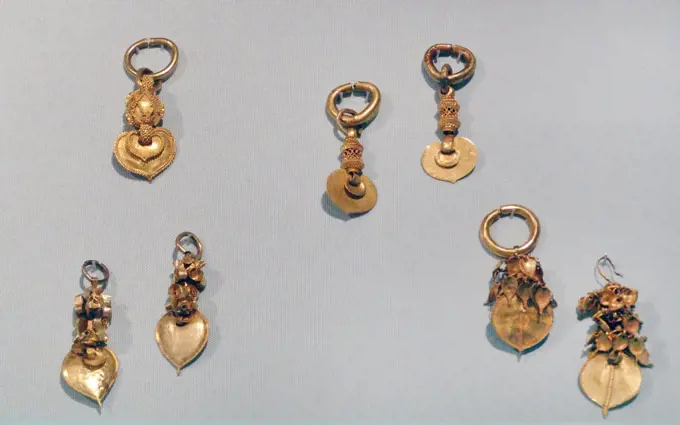
An assortment of intricate jewelry pieces including earrings and rings, showcasing unique designs and materials from different cultural and historic backgrounds.

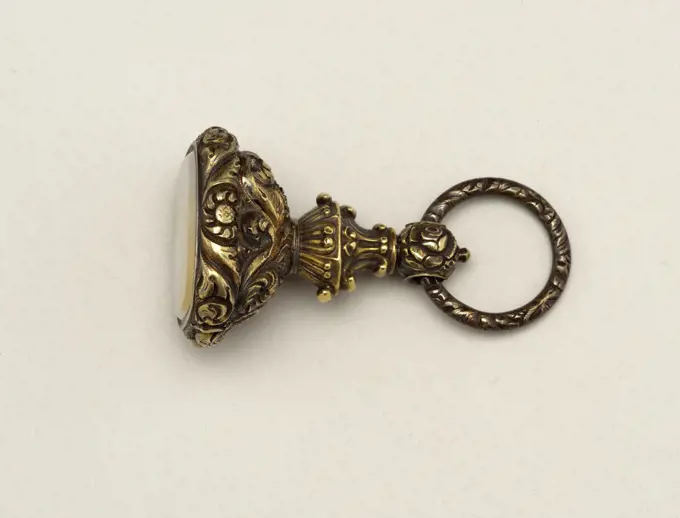
Escutcheon (England)
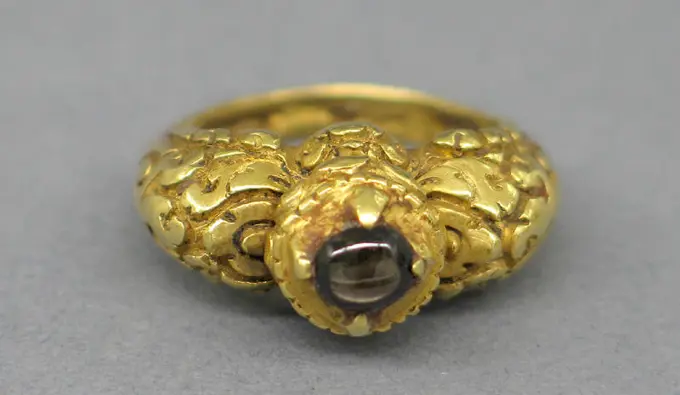
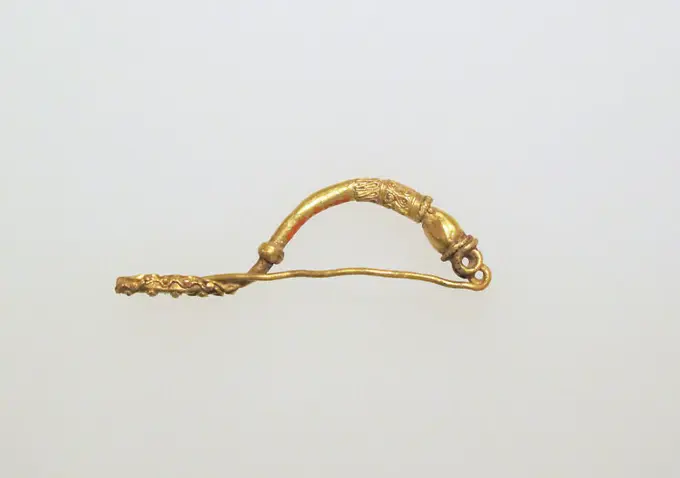
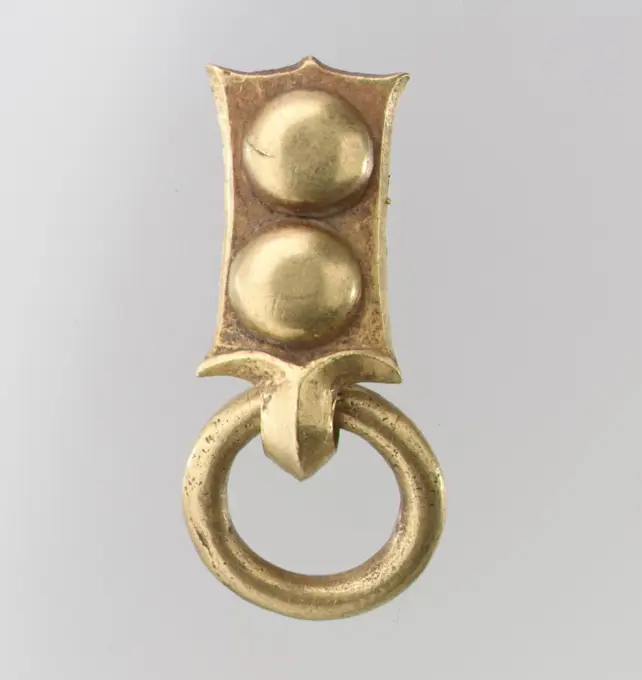
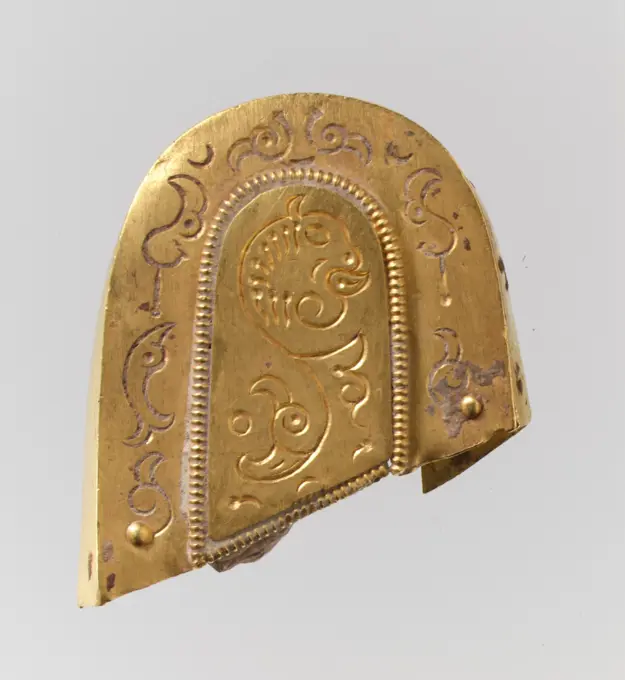
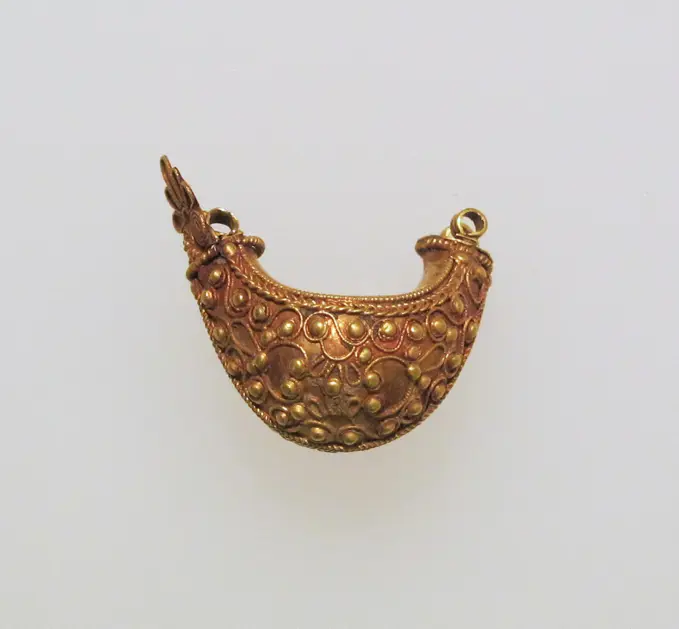
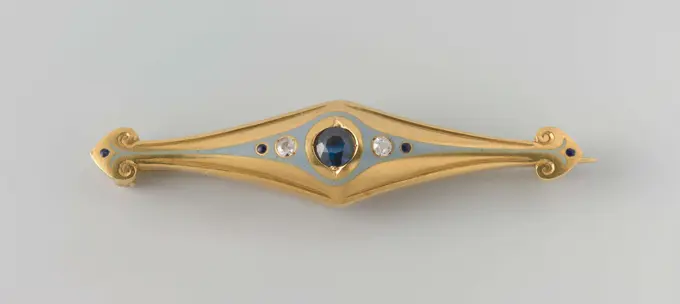
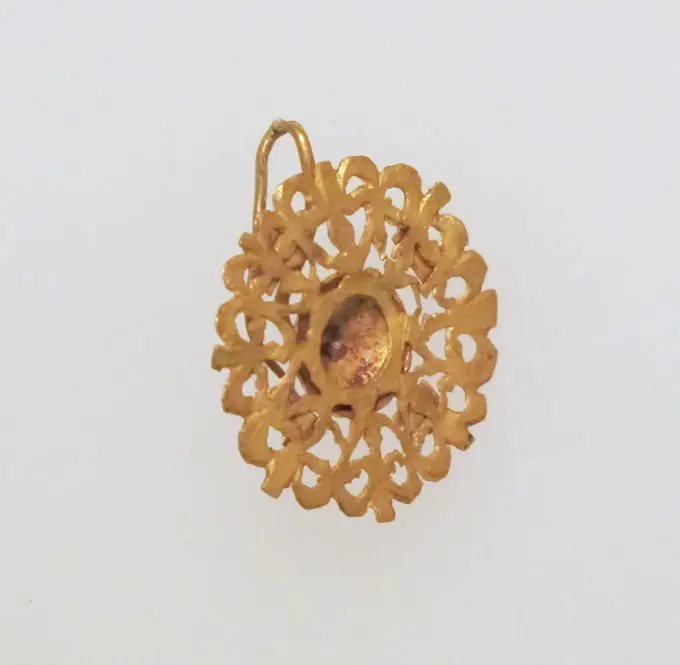
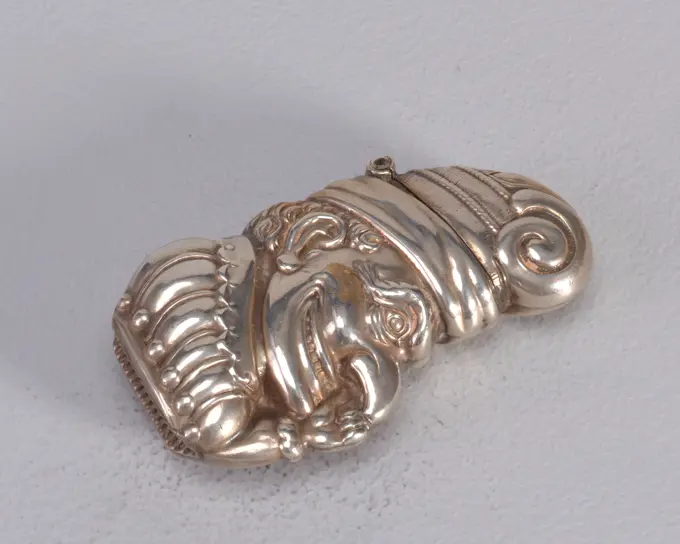
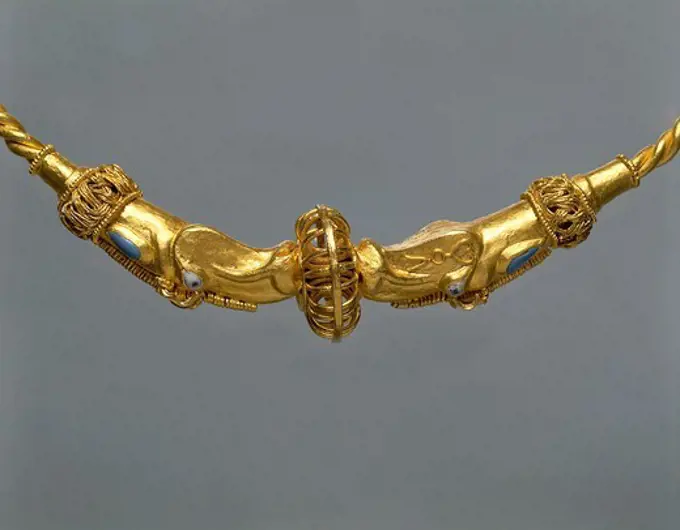
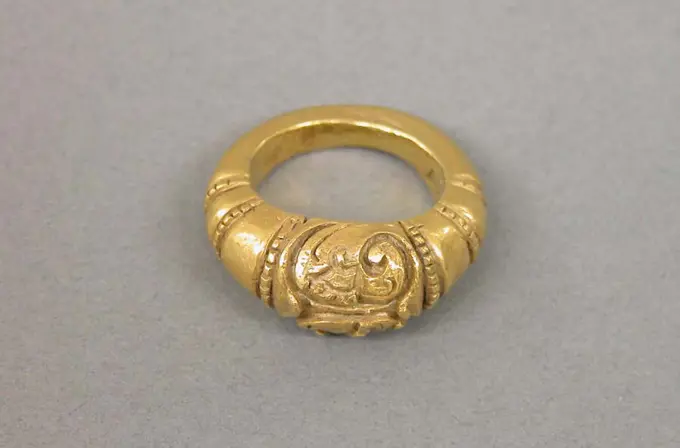
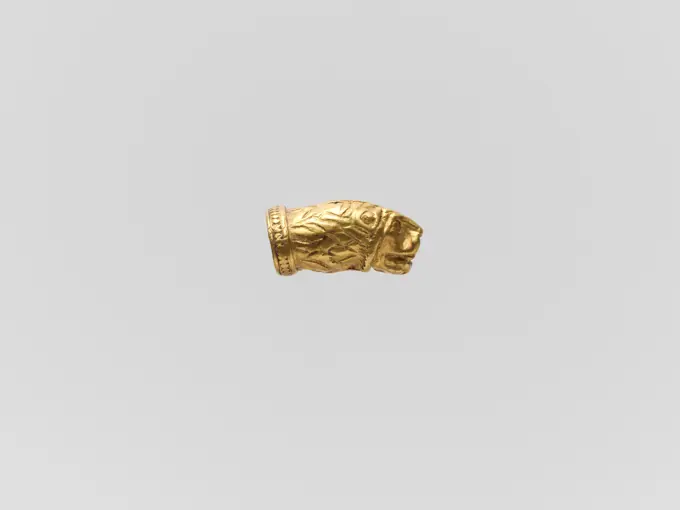
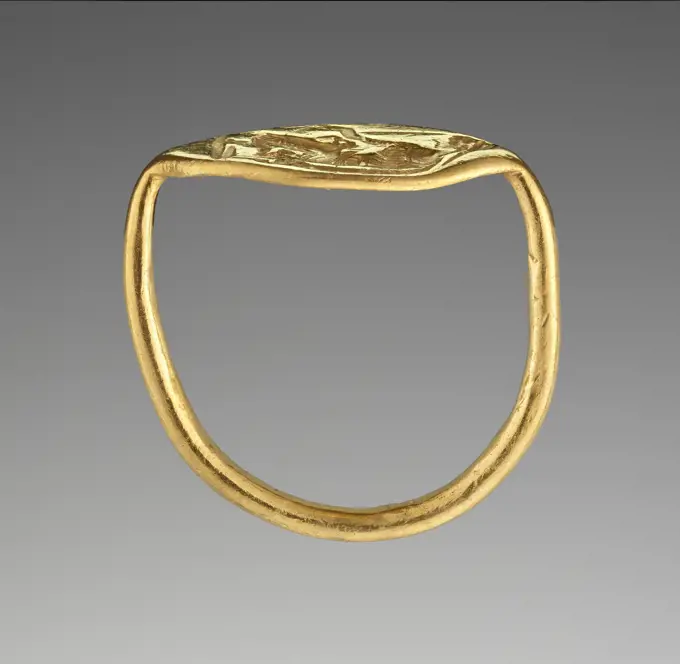
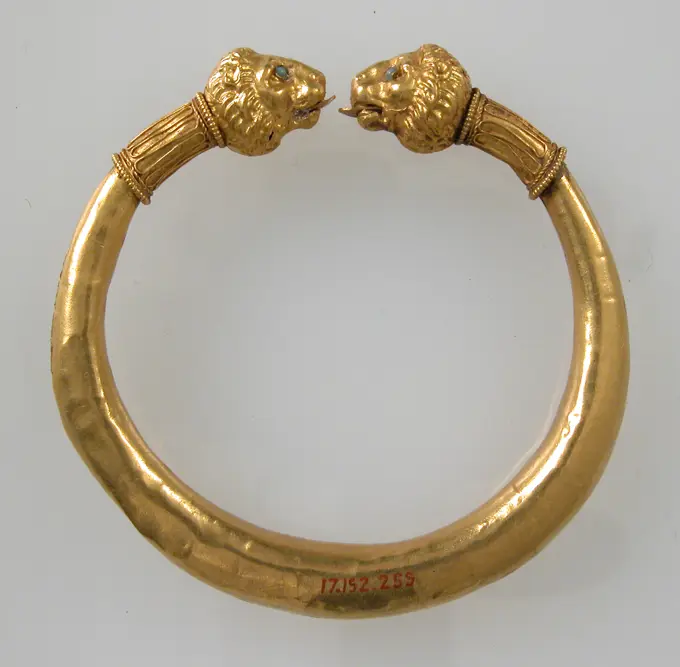
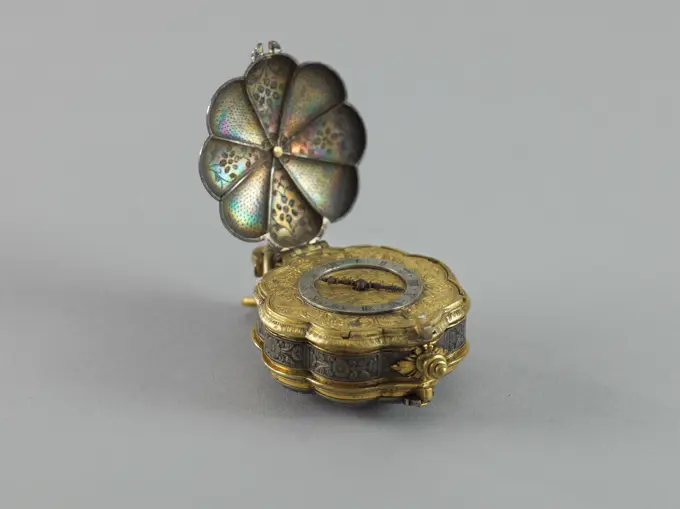
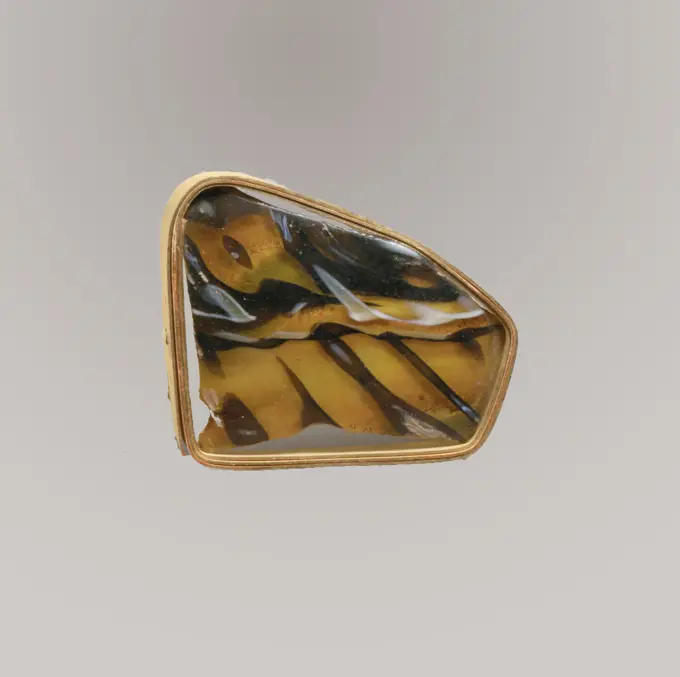
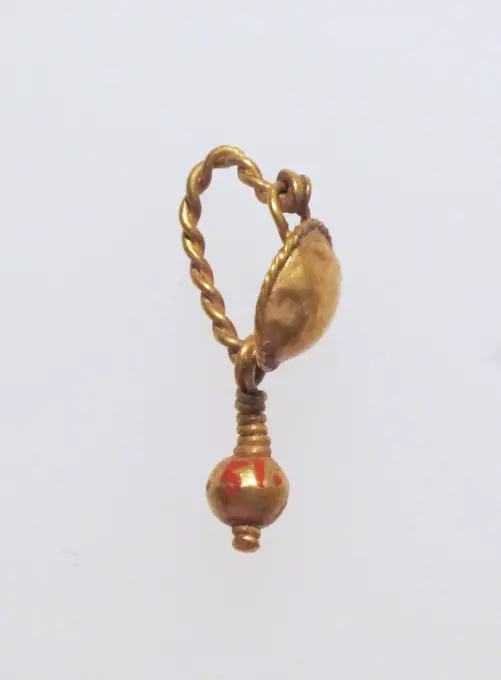
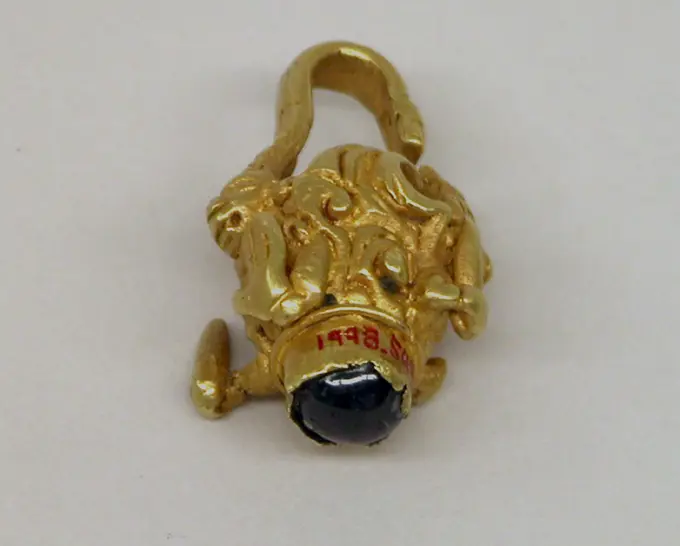
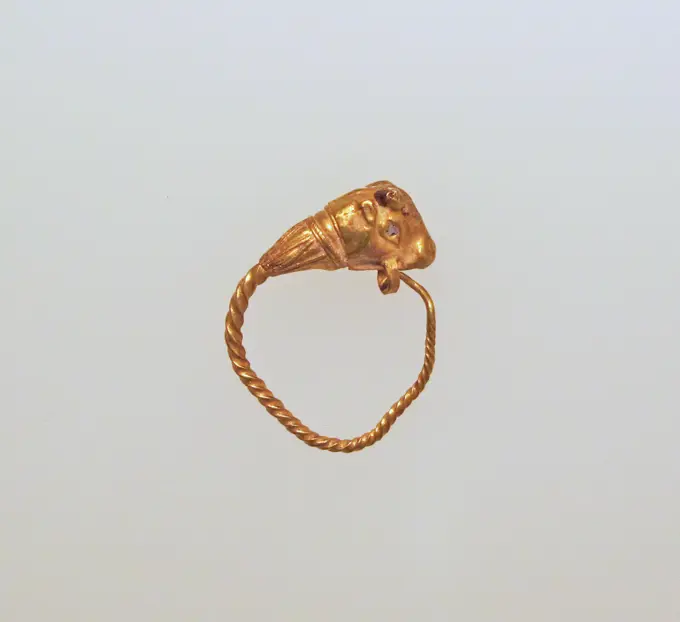
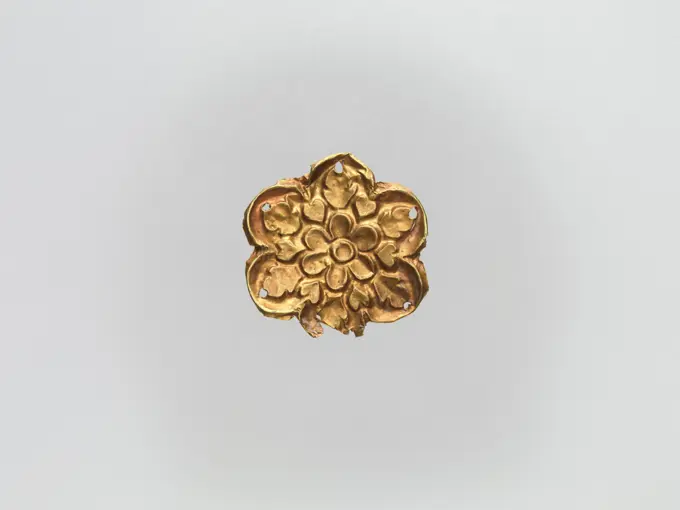
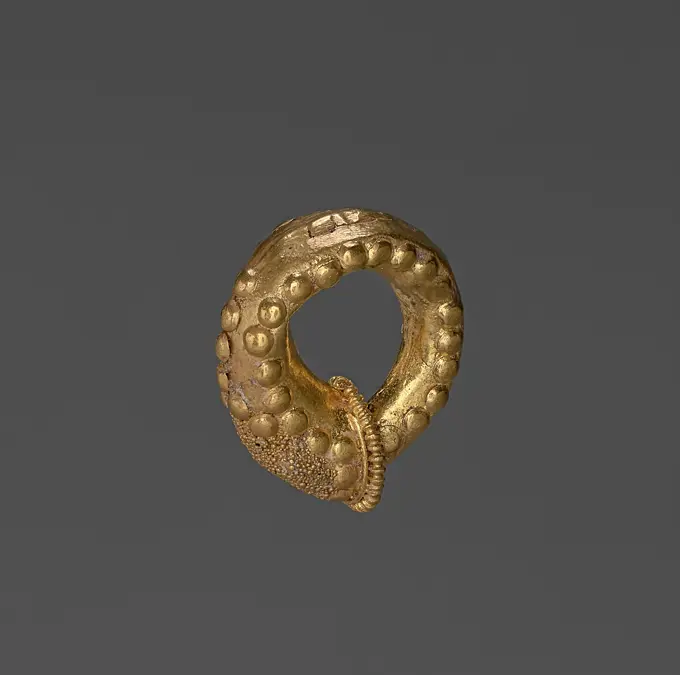
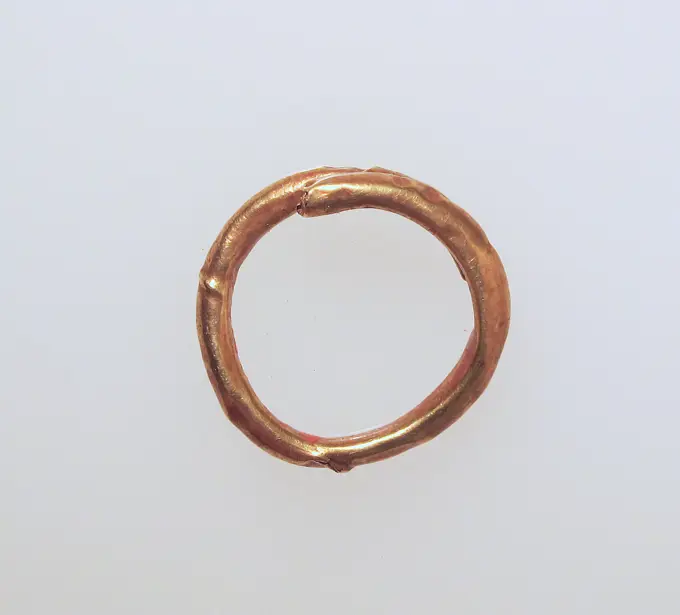
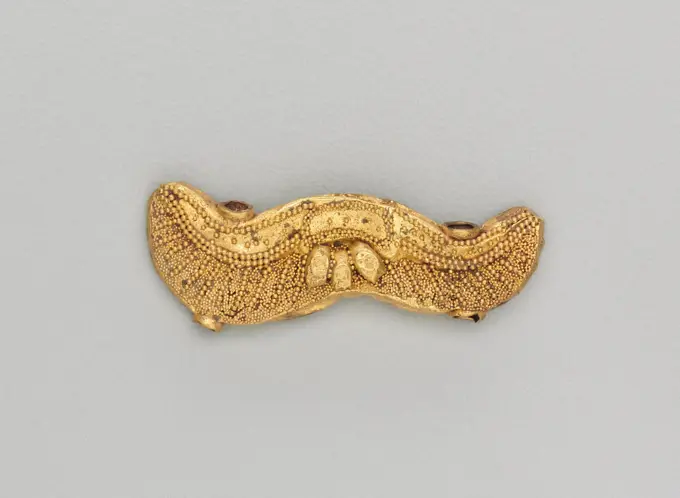
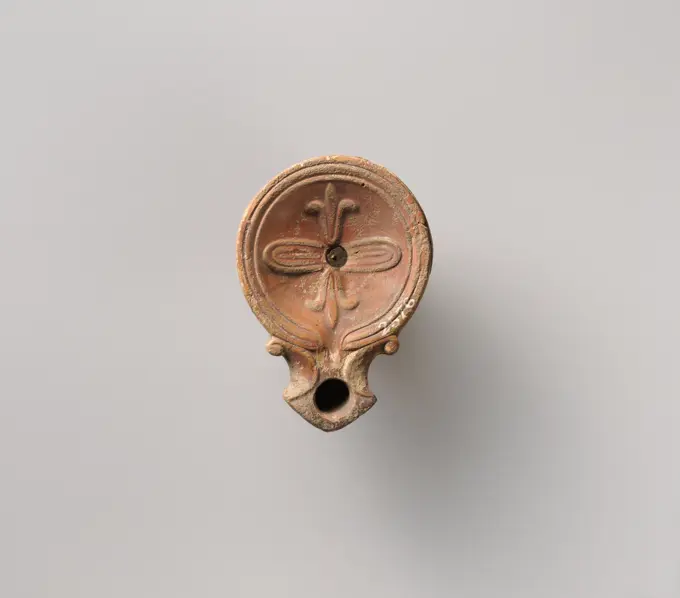
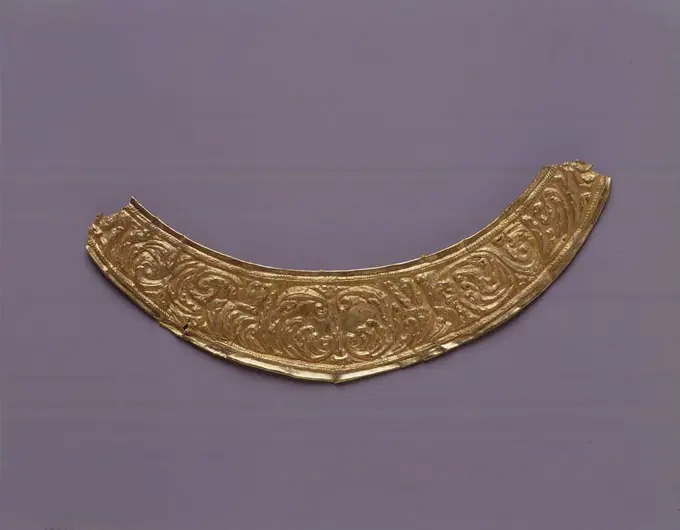
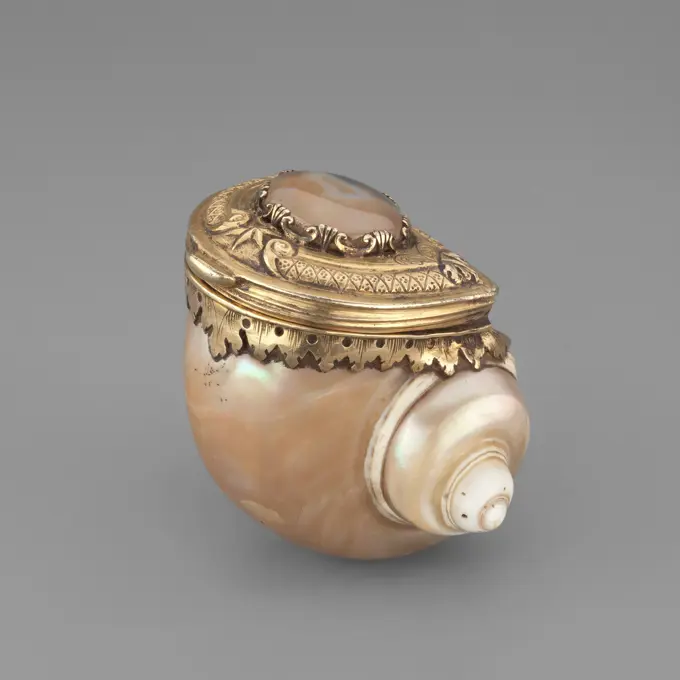
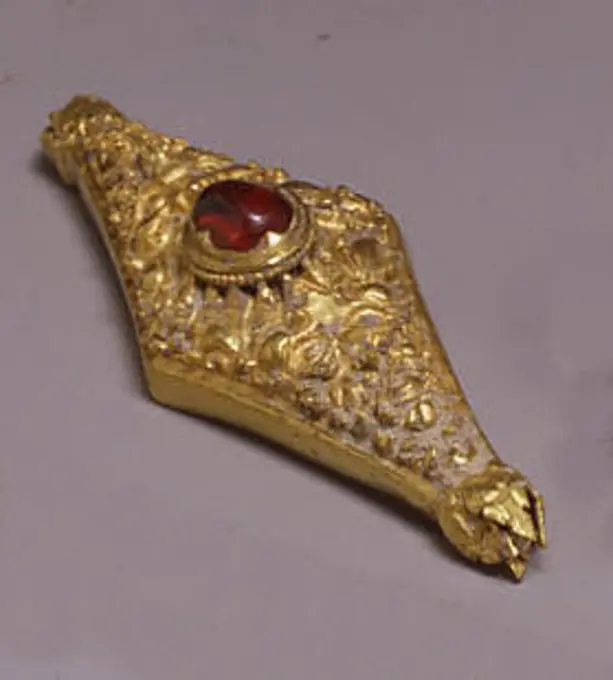
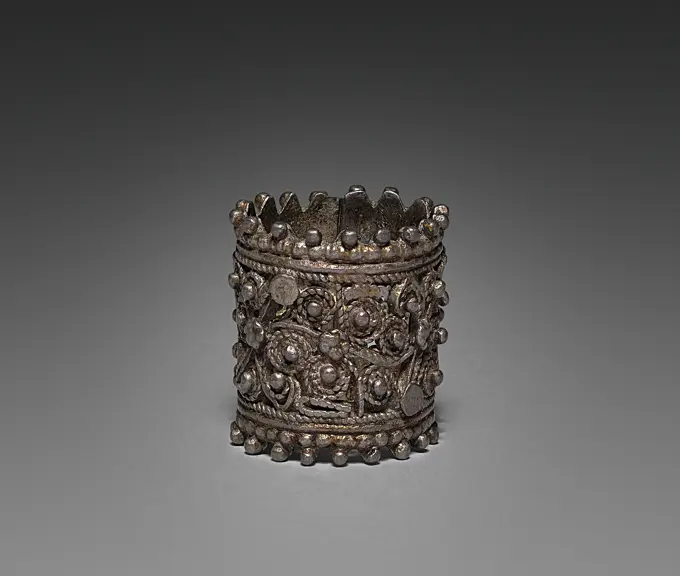
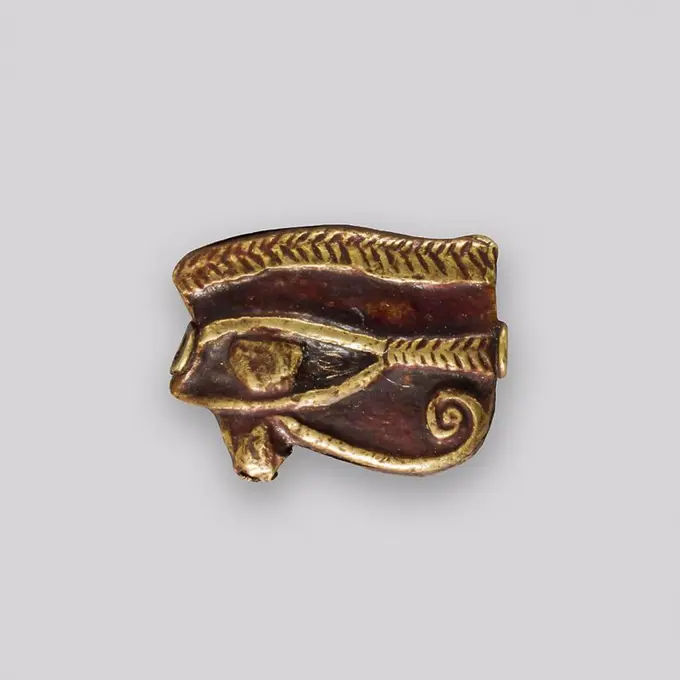
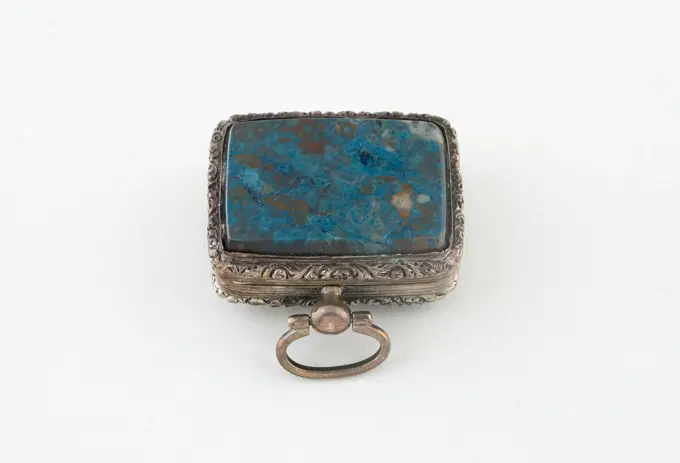
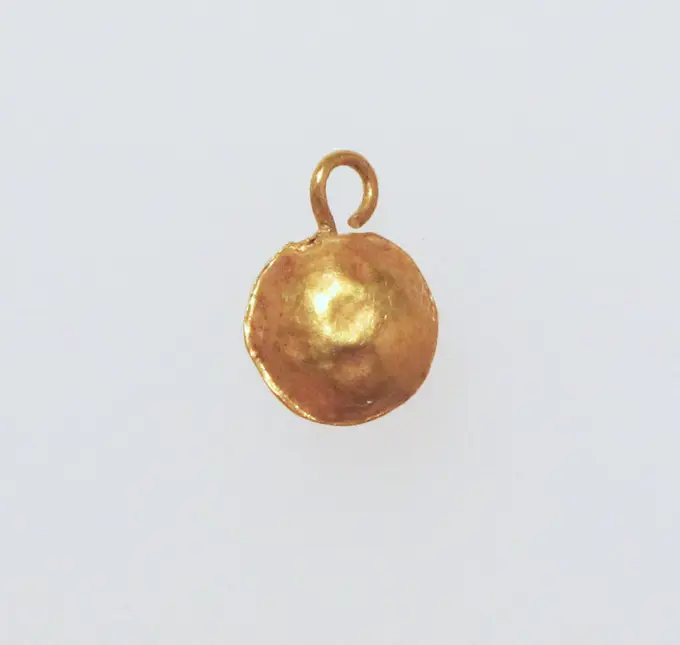
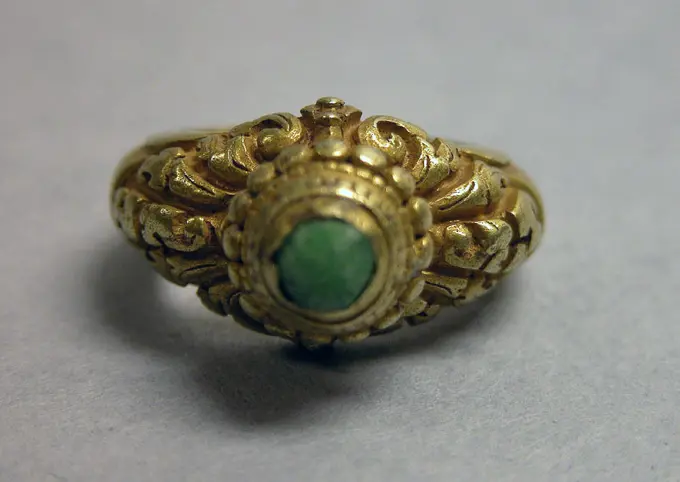
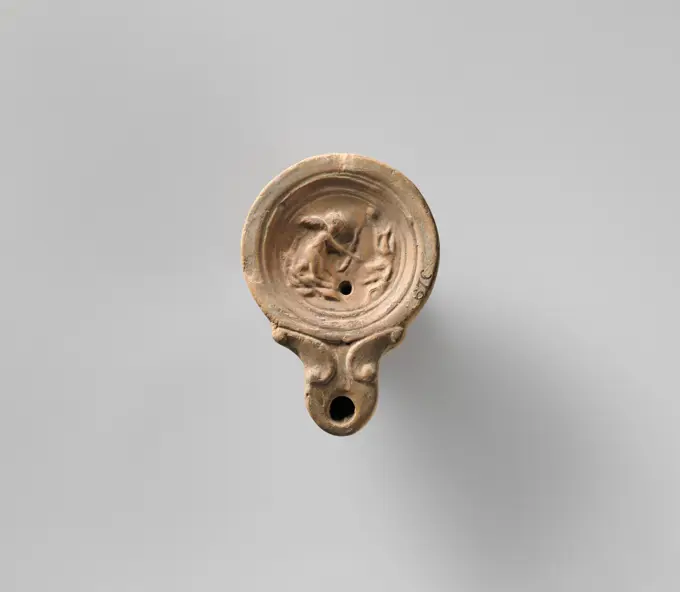
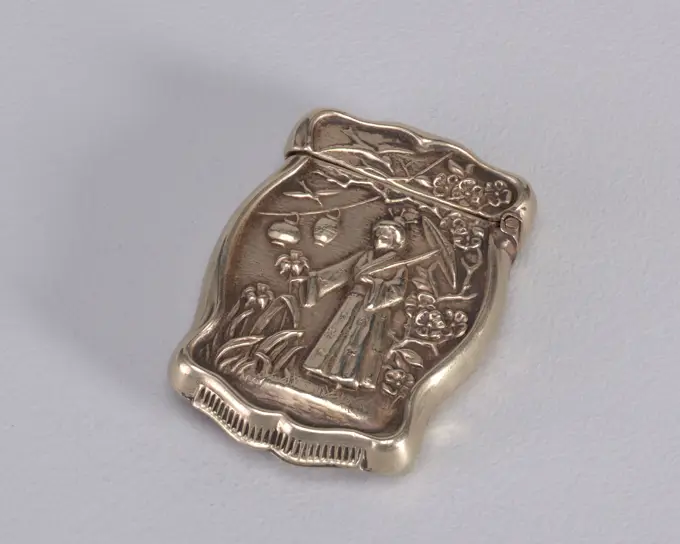
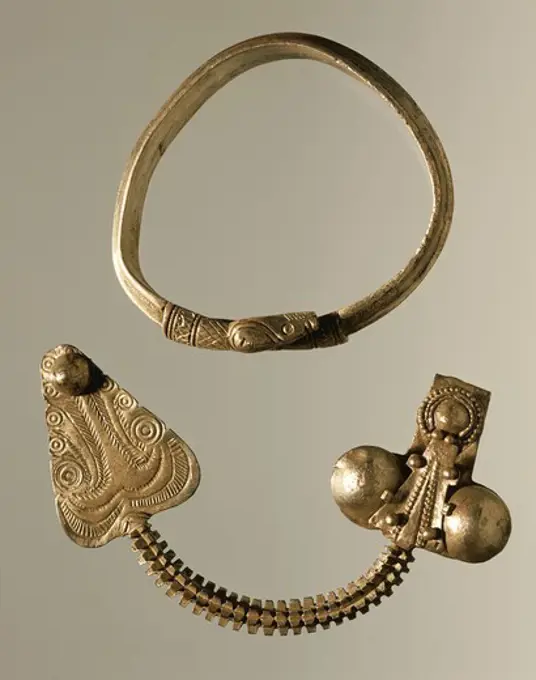
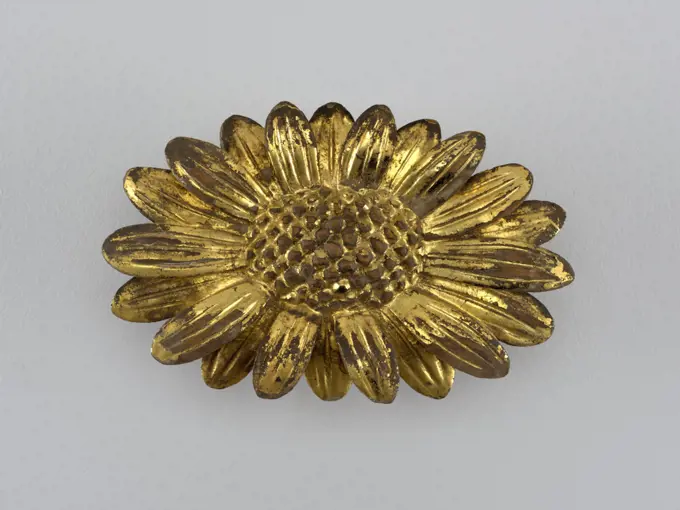
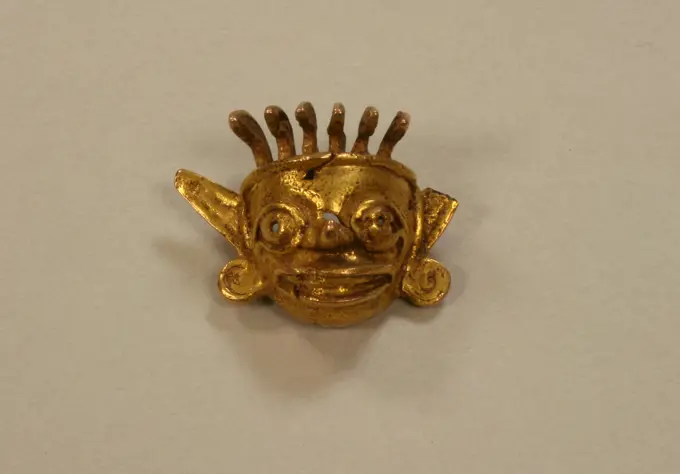
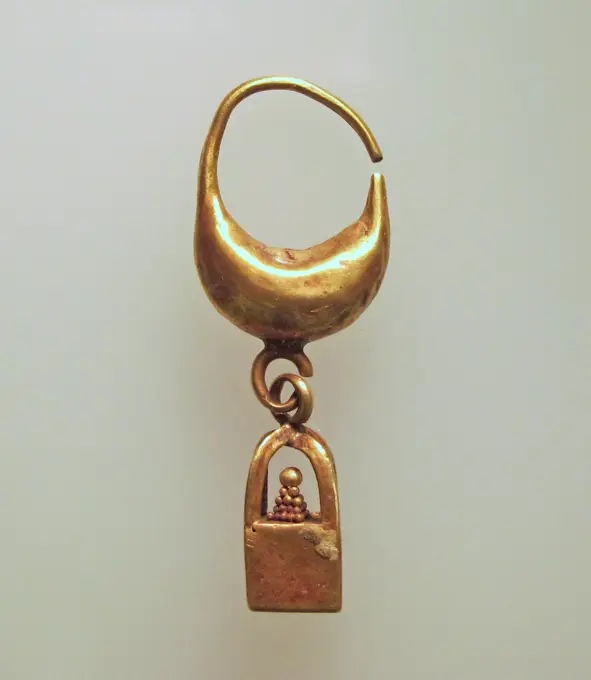
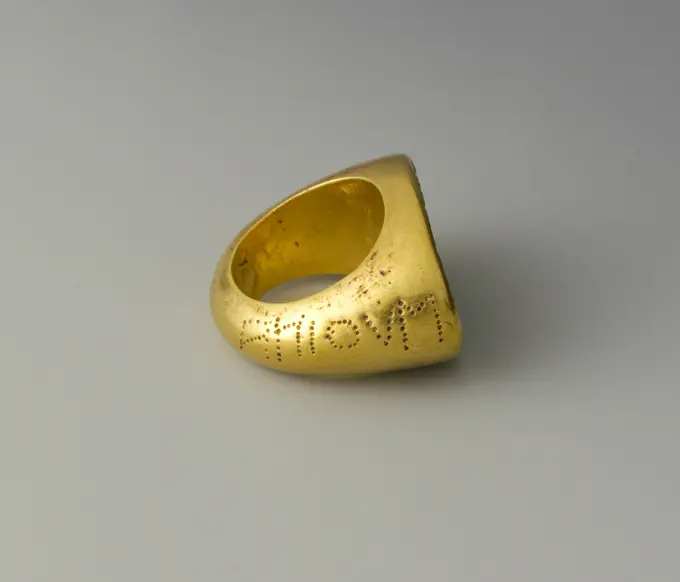
Earring, crescent-shaped. Earring, crescent-shaped 243316Stirrup-Shaped Ring with Stone and Foliate Designs Second half of the 8th-second half of the 10th century Indonesia (Java). Stirrup-Shaped Ring with Stone and Foliate Designs 50418Kolczyk dekorowany głową byka. unknown, authorEscutcheon (England)Weighted Fastener Second half of the 8th-second half of the 10th century Indonesia (Java). Weighted Fastener 49985Fibula, bow-shaped. Culture: Italic. Dimensions: Other: 1/2 × 1/4 × 1 13/16 in. (1.3 × 0.6 × 4.6 cm). Museum: Metropolitan Museum of Art, New York, USA.Gold Belt Mount with Loop 700s Avar The treasure contains an array of belt fittings, some elaborately decorated, some unfinished or defectively cast. Some show no signs of use, while others are quite worn.The AvarsThe Avars were a nomadic tribe of mounted warriors from the Eurasian steppe. The Byzantine emperor Justinian negotiated with them in the sixth century to protect the Empires northern border along the Black Sea. Emboldened by their subjugation of numerous tribes, they unsuccessfully attempted to seize the Empires capital, Constantinople. They remained a scourge of both Byzantium and the Western kingdoms until Charlemagne defeated them through a series of campaigns in the 790s and early 800s.All the money and treasure that the Avars had been years amassing was seized, and no war in which the Franks have ever engaged.. brought them such riches and such booty. Up to that time the Avars had passed for a poor people, but so much gold and silver was found.. that one may well thinkPiece from a Luxury Iron Dagger ca. 600 Langobardic These piecesgrip terminal, mounts, scabbard chape, all in goldare all that remain of a luxury dagger. The stamped designs of sea monsters and dolphins belong to Byzantine metalworking tradition and appear on other Langobardic objects from this period.This group of objects was found in the grave of a Langobardic horseman, who was buried in his warrior dress, with weapons, shield, helmet, and the fittings for his horse. What remains are the many gold pieces that would have ornamented his clothing and equipment, and they attest to the great wealth of the Langobardic aristocracy within a generation of settling in Italy.. Piece from a Luxury Iron Dagger 469021Mount, Bronze, Two putti kissing, with terminations in acanthus rinceaux., France, ca. 1820, metalwork, Decorative Arts, MountEarring with plain loop and disc. Earring with plain loop and disc 243119Ring. Ring 243477Earring, boat-shaped. Earring, boat-shaped 245946Brooch, Tortoiseshell inlaid with gold and silver, Brooch of tortoiseshell, oval in shape, having at each end two adjacent deep triangular indentations and an oval boss in top center. Top and sloping sides are banded or piqued in gold and silver in floral design., Italy, France, mid 19th century, jewelry, Decorative Arts, Brooch. Brooch of gold and gray enamel, with a star sapphire, two diamonds and four sapphires.Gold earring with rosette disk 3rd century A.D. Roman The rosette is formed by eight overlapping peltae. The central pearl or stone is missing.. Gold earring with rosette disk 243405Earring, One of a Pair 12th century Traces of bluish-green glaze can be seen on the surface of the quartz stones in these earrings in an effort to imitate turquoise. Sourced locally in Iran, turquoise was a favorite stone in the medieval period, and according to eleventh-century scholar Al-Biruni, was believed to protect from the evil eye. Glazing stones to modify their appearance is a practice that is known since antiquity and provided a more economical alternative to sourcing expensive gemstones. View more. Earring, One of a Pair. 12th century. Gold wire with filigree and pale stone. Found Iran, probably Gurgan. JewelryEscutcheonEarring, crescent-shaped. Earring, crescent-shaped 243297Ring with intaglio of female figure 1st century A.D. Roman In intaglio: female figure with cornucopia.. Ring with intaglio of female figure. Roman. 1st century A.D.. Gold. Gold and SilverFinger Ring 7th century Frankish. Finger Ring 465260 Frankish, Finger Ring, 7th century, Gold, garnet cabochon, Overall: 15/16 x 7/8 x 5/16 in. (2.4 x 2.2 x 0.8 cm) bezel: 7/16 x 5/16 in. (1.1 x 0.8 cm). The Metropolitan Museum of Art, New York. Gift of J. Pierpont Morgan, 1917 (17.192.197)Boxing Glove Matchsafe; USA; silver; 4 x 2.8 x 1.2 cm (1 9/16 x 1 1/8 x 1/2 in. )Gold and enamel necklace, from the Vinnica Region, Ukraine. Detail. Jewellery. Sarmatic Civilization, 4th Century BC.-1st Century A.D.Ring with Foliate Scroll Pattern Second half of the 8th-second half of the 10th century Indonesia (Java). Ring with Foliate Scroll Pattern 50144Gold finial ending in a lion's head 5th-4th century B.C. Cypriot The object may have been one of the finials of a bracelet with an animal's head at each end of the hoop. This type of jewelry was common through much of the Mediterranean world including Cyprus.. Gold finial ending in a lion's head. Cypriot. 5th-4th century B.C.. Gold. Classical. Gold and SilverGold earring with head of a goat 2nd century B.C. Greek. Gold earring with head of a goat 242905Scarab ca. 1786-1482 B.C. New Kingdom. Scarab 552420Ear Ornament in Twisted Shape 3rd century-second half of the 10th century Indonesia (Java). Ear Ornament in Twisted Shape. Indonesia (Java). 3rd century-second half of the 10th century. Gold. Proto-classical or Central Javanese period. JewelryGold earrings from the Three Kingdoms period (Silla Kingdom). Worn by noblemen and women. Dated 400 ADCarnavalet Museum, Medals CollectionEarring-loop type, plain. Earring-loop type, plain. Gold. Gold and SilverFrog Pendant 11th-16th century Chiriqui. Frog Pendant 309534Seated Woman, Possibly Penelope; late 5th century B.C; Gold; 1.7 × 1 cm (11,16 × 3,8 in.)Bracelet 3rd century Pontic. Bracelet 465329Ring with Raised Circular Bezel and Ribbed Hoop Second half of the 8th-second half of the 10th century Indonesia (Java). Ring with Raised Circular Bezel and Ribbed Hoop 50196Gold Earring with Pearls and Sapphires 6th-7th century Byzantine These elegant earrings are decorated with pearls, a favorite jewel of the Byzantines. Sapphires, then called hyakinthoi (hyacinths), became popular in Byzantine jewelry in the sixth century.. Gold Earring with Pearls and Sapphires 464029 Byzantine, Gold Earring with Pearls and Sapphires, 6th7th century, Gold, sapphire, pearls, Overall: 2 3/8 x 1 x 3/8 in. (6 x 2.5 x 1 cm, 11g) Wt: 11g w/o hook: 1 9/16 x 1 x 1/4 in. (4 x 2.5 x 0.7 cm) Wt.: 11g. The Metropolitan Museum of Art, New York. Gift of J. Pierpont Morgan, 1917 (17.190.146). Buckle of silver with decorated edge and a hinged part that two teeth marked.Cuper, Barthélemy (n. - D.1638), watch (main title), 1600. Silver and brass chopped and engraved. Petit Palais, Museum of Fine Arts of the City of Paris.Ceremonial Chain of the Guild of Saint George of Zevenbergen, c. 1520 - c. 1541 The chain consists of nine links. Densely woven oak leaf has been applied to a gilt soil, in which different species of birds are incorporated. A total of seven gilded mountains have been included in the tenders, an allusion to the name of the city of Zevenbergen, and six in colors enamelled coats of arms. These relate to the guild, the city and the Lord of the Zevenbergen Heerlijkheid. Cornelis van Bergen was also the winner of the King's Competition of July 1546 and Schenker of the chain. Sint Joris and the Dragon can be seen in the middle of the front link, with Keizerin Alexandra as a spectator, wife of emperor Diocletian. She holds a sheep on a rein. Eyes have been applied to the divorces of the links. This depends on two emblems of the shooters on the foot arch and a shield with the weapon of Cornelis van Bergen-Glymes, Lord of Zevenbergen, accompanied by the emblems that he and his father of the sameGlass mosaic bowl fragment late 1st century B.C.-early 1st century A.D. Roman Deep translucent purple, appearing brown, light honey yellow, blue, and opaque white.Convex side.Marbled mosaic pattern in a yellow ground with parallel stripes and swirls in purple interspersed with streaks in white and blue.Some pinprick bubbles; exterior polished, with pitting of surface bubbles; dulling, creamy weathering, and iridescence on interior and jagged edges.. Glass mosaic bowl fragment. Roman. late 1st century B.C.-early 1st century A.D.. Glass; cast. Early Imperial. GlassEarring-hook type with ball pendant and disc. Earring-hook type with ball pendant and disc 243385Earring with pendant. Earring with pendant 243156Pair of earrings, 300 - 600 A few earrings, composed of injured wire. Java gold (metal) A few earrings, composed of injured wire. Java gold (metal)Seated Winged Female Matchsafe; Manufactured by William B. Kerr & Company (United States); USA; silver; 5.7 x 4 x 1 cm (2 1/4 x 1 9/16 x 3/8 in. )Vices Theme, with Woman Smoking Matchsafe; USA; silver; 6.5 x 4 x 1 cm (2 9/16 x 1 9/16 x 3/8 in. )Gold earring with head of a dolphin 4th-3rd century B.C. Greek. Gold earring with head of a dolphin 242882Shoe Buckles. United States, late 18th century. Costumes; Accessories. Brass, silver-plated, and steelPair of Ear Ornaments with Design of Fused Discs 8th-12th century Indonesia (Central Java). Pair of Ear Ornaments with Design of Fused Discs. Indonesia (Central Java). 8th-12th century. Gold. JewelryEarring with Puspaka Motif Second half of the 9th-first quarter of the 10th century Indonesia (Java). Earring with Puspaka Motif. Indonesia (Java). Second half of the 9th-first quarter of the 10th century. Gold. late Central Javanese period. JewelryGold earring with head of a bull 4th-3rd century B.C. Greek. Gold earring with head of a bull 242909Gold pendant in the form of a bull's head ca. 1400-1050 B.C. Cypriot Most of the raw materials for Cypriot jewelry came from the East. Gold became plentiful in the Late Bronze Age, when Syria and Egypt were the primary sources. These earrings are a Cypriot creation, an ornament in the form of a bull's head.. Gold pendant in the form of a bull's head. Cypriot. ca. 1400-1050 B.C.. Gold. Late Bronze Age. Gold and SilverRing, Hollow Petal Shape 12th-14th century Indonesia (East Java). Ring, Hollow Petal Shape 64301Flower-Shaped Clothing Plaque 7th-9th century China (Xinjiang Autonomous Region, Central Asia) The nomadic communities of Central Asia used such plaques to embellish clothing and horse trappings. As these nomadic cultures herded animals and were constantly moving, their artistic production was expressed in portable objects that marked the wearers status and wealth. The outstanding preservation of these fragile ornaments suggests they were used in conjunction with burials, where the body was aggrandized with valuable textiles and augmented with gold. Although it is difficult to date and place these objects geographically, their presence in Central Asia and has a long, established history.. Flower-Shaped Clothing Plaque. China (Xinjiang Autonomous Region, Central Asia). 7th-9th century. Gold. Period of Tibetan Empire. MetalworkEarring, 300s BC. Italy, Etruscan, 4th century BC. Gold; overall: 1.4 x 1.7 cm (9/16 x 11/16 in.).Bead. Dimensions: l. 2.1 cm (13/16 in.). Date: 100 BC-200 AD.Gold glass beads were a Hellenistic development. They were created by combining drawn tubes of colorless glass with gold foil. The earliest examples were finished bead by bead. These are all modern stringings; most ancient stringing patterns are lost as the string decays. Museum: Metropolitan Museum of Art, New York, USA.Earring or spiral Cypriot. Earring or spiral. Cypriot. Gold. Gold and SilverEarring with bird Etruscan Hollow.. Earring with bird 245962Knob for the Polish costume unknownWatch chain fob, Gold, stone, USA, mid-19th century, jewelry, Decorative Arts, Watch chain fobSet of Pendants Ending in a Bull's Head, 185-72 BC. India, Sunga Period (185-72 BC). Gold repoussé with granulation;Fish with Folded Fin Matchsafe; Japan; brass; 6.3 x 3.8 x 1.5 cm (2 1/2 x 1 1/2 x 9/16 in. )Terracotta oil lamp 1st century B.C.-1st century A.D. Roman Loeschcke Type 1A. Mold-made. Deep, concave discus: cross-shaped floral design, comprising two lotus buds at top and bottom and two rounded, broad leaves at sides; a single filling hole at center; band of lines and grooves at edge, interrupted at front by a funnel-shaped channel across top of nozzle. Volutes flanking broad angular nozzle, with large wick hole. Undefined, flat base.Broken and repaired on underside, with one large hole in body towards back.. Terracotta oil lamp. Roman. 1st century B.C.-1st century A.D.. Terracotta; mold-made. Early Imperial. TerracottasEarring 6th-7th century Langobardic or Byzantine () Fashionable in Italy for at least a century before the arrival of the Langobards, earrings of the “basket” variety, like the many shown in this case, quickly became part of Langobardic women’s dress.. Earring 469004Vanamala (Jewelled Garland) or Neckband Second half of the 9th-first quarter of the 10th century Indonesia (Java). Vanamala (Jewelled Garland) or Neckband 49684Ring: Amun-Ra, flanked by nb signs. Egyptian. Date: 1550 BC-1069 BC. Dimensions: W. 0.8 cm (5/16 in.); diam. 2.5 cm (1 in.). Faience. Origin: Egypt. Museum: The Chicago Art Institute, Chicago, USA. Author: Ancient Egyptian.Earring with nail head pendant, 12 Cypriot. Earring with nail head pendant, 12 242652Turbo Marmatus shells;  after. 18th century (1750-00-00-1750-00-00);Ministry of Finance (Warsaw - 1950-) - message, National Bank of Poland (Warsaw - 1945-), leaves, shells, transmission (provenance), regency (ornament), plant (ornament)Gold earring with convex disk and small disk 1st-2nd century A.D. Roman Convex discs of plain foil.. Gold earring with convex disk and small disk. Roman. 1st-2nd century A.D.. Gold. Imperial. Gold and SilverRing, 1900s. Cambodia, 20th century. Gold; diameter: 1.8 cm (11/16 in.).Gold spiral. Culture: Cypriot. Dimensions: Length: 1 1/16 in. (2.7 cm). Date: ca. 1600-1100 B.C..Of plain wire with two turns. Museum: Metropolitan Museum of Art, New York, USA.Sacred Thread Clasp 8th-early 10th century Indonesia (Java). Sacred Thread Clasp. Indonesia (Java). 8th-early 10th century. Gold. Eastern Javanese period. JewelryPair of Gold EarringsRing, 20th Century. India. Silver; overall: 2.3 cm (7/8 in.).EarOrnament, 11th-14thcentury, Gold, 3.16 × 1.965 cm, 31.446 g (1 1/4 × 3/4 in., 31.446g), Made in Java, Indonesia, Java, Late Classic Period(1000-1400), JewelryAmulet of the Eye of the God Horus (Wedjat). Egyptian. Date: 305 BC-30 BC. Dimensions: 0.9 x 1.2 x 0.3 cm (3/8 x 1/2 x 1/8 in.). Gold. Origin: Egypt. Museum: The Chicago Art Institute, Chicago, USA. Author: Ancient Egyptian.Vinaigrette 1825-1835 Birmingham. Silver, silver gilt, and hardstone .Ring; Roman Empire; 250 - 400; Gold, carnelian; 2.7 × 2.9 cm (1 1,16 × 1 1,8 in.)Gold ring with three horizontal ribs 8th-7th century B.C. Cypriot or Greek Three plain gold rings joined together without an inscription.. Gold ring with three horizontal ribs. Cypriot or Greek. 8th-7th century B.C.. Gold. Geometric. Gold and SilverPendant, lentoid. Pendant, lentoid 243110Earring 3rd century () Avar. Earring 465171 Avar, Earring, 3rd century (), Gold, Overall: 2 1/4 x 1 7/16 x 3/8 in., 0.2oz. (5.7 x 3.7 x 1 cm, 5g). The Metropolitan Museum of Art, New York. Gift of J. Pierpont Morgan, 1917 (17.192.116)Netsuke of Peasant and Child Loading a Boat 19th century Japan. Netsuke of Peasant and Child Loading a Boat 60369Carriage sign of the Royal Archic Schutterij and Resilience Association Claudius Civilis, Anonymous, 1854 medal Silver carrying sign with gilded winch, royal crown, eye and ring.  penning: silver (metal). lier, kroon en ring: gilding (material) gildingRing with Inset Circular Green Stone Second half of the 8th-second half of the 10th century Indonesia (Java). Ring with Inset Circular Green Stone. Indonesia (Java). Second half of the 8th-second half of the 10th century. Gold with green stone. Central Javanese period. JewelryGlass mosaic fragment 2nd century B.C.-mid-1st century A.D. Greek, Eastern Mediterranean Thin-walled body fragment. Translucent purple, turquoise blue, and opaque white and yellow.Almost flat side, with two straight edges almost at right angle to each other.Mosaic pattern formed from polygonal sections of two canes: one in a purple ground with a white spiral and a central yllow rod, and another in a blue ground with a white spiral and a central white rod.One unweathered chip on one edge; polished exterior; pitting and weathering of surface bubbles on exterior; pitting and creamy iridescent weathering on interior and edges.Perhaps cut down in antiquity into a rectangular shape.. Glass mosaic fragment 257387Terracotta oil lamp ca. A.D. 40-100 Roman Loeschcke Type 4. Mold-made. Discus: winged Eros standing at left on rocks, holding bow and arrow, which he aims at an indeterminate figure at right; a single small filling hole at bottom, slightly to right; band of lines and grooves towards edge; a narrow, horizontal shoulder. Volutes flanking nozzle. Incised base ring, and raised, slightly concave base.Intact, but slight surface chipping on base.. Terracotta oil lamp. Roman. ca. A.D. 40-100. Terracotta. Early Imperial. TerracottasGold and enamel necklace, from the Vinnica Region, Ukraine. Jewellery. Sarmatic Civilization, 4th Century BC.-1st Century A.D.Bracelet (Possibly German); engraved raised sheet gold, cabochon emerald, rose-cut cut diamonds; Overall: 20.5 x 3.7 x 2.5 cm (8 1/16 x 1 7/16 x 1 in.)Auguste Fannière (1818-1900) and Joseph Fannière (1820-1897). Jellyfish head. Citrine, ruby, diamonds, gold and enamel. Around 1865-1870. Museum of Fine Arts of the City of Paris, Petit Palais. Fashion accessory, jewelryAsian Female with Parasol Matchsafe; Made by Bristol Manufacturing Company (United States); USA; metal alloy; 6.2 x 4.5 x 1 cm (2 7/16 x 1 3/4 x 3/8 in. )Topknot Pin, 918-1392. Korea, Goryeo period (918-1392). Bronze; overall: 1.4 cm (9/16 in.).Prehistory, Serbia, 4th century b.C. Silver Celtic-Illyrian necklace and fibula. From Curug.Carving, wood, gilded, Chrysanthemum branches carved in almost full round and lacquered in gold. B: Flower, two buds and leaves, the flower carved of a separate piece of wood., ca. 1800, woodwork, Decorative Arts, CarvingOrnament, Head 8th-16th century Coclé (Macaracas). Ornament, Head 312697Vishnu and Garuda RodFinialEarring, boat-shaped with cage and ball pendant Cypriot. Earring, boat-shaped with cage and ball pendant. Cypriot. Gold. Gold and SilverGold serpentine fibula (safety pin) with animals in granulation. Culture: Etruscan. Dimensions: length 3 1/2in. (8.9cm). Date: 7th century B.C..Ornamented with granulation. Museum: Metropolitan Museum of Art, New York, USA.Filigree Disk Brooch with Central Boss, late 600s. Frankish (late Merovingian), 7th century. Gilt silver, copper alloy, glass, almandine; overall: 4.2 x 4.3 x 1.8 cm (1 5/8 x 1 11/16 x 11/16 in.).Pair of Small Pendants in Piscine Shape second half of the 8th-second half of the 10th century Indonesia (Java). Pair of Small Pendants in Piscine Shape. Indonesia (Java). second half of the 8th-second half of the 10th century. Gold. Central Javanese period. JewelryGold ring late 4th or early 3rd century B.C. Etruscan This large gold ring is one of 43 objects in the museum's collection from a single tomb discovered near Bolsena, north of Rome. While the ring no longer has the gem that once filled its sizeable ovoid bezel, it is inscribed on either side with the Etruscan word SUTHINA, indicating that this object was dedicated as a tomb offering. The words were not etched into the ring but rather were formed by a series of small, discrete punched dots. This item of jewelry, along with a number of the other objects in the tomb, probably belonged to the deceased in life and was then marked accordingly upon his or her death.. Gold ring. Etruscan. late 4th or early 3rd century B.C.. Gold. Late Classical or Hellenistic. Gold and SilverBronze buckle. Bronze buckle.Disk Brooch. Culture: Frankish. Dimensions: Overall: 2 1/8 x 7/8 in. (5.4 x 2.2 cm). Date: 7th century. Museum: Metropolitan Museum of Art, New York, USA.