Historical Jewelry Artifacts

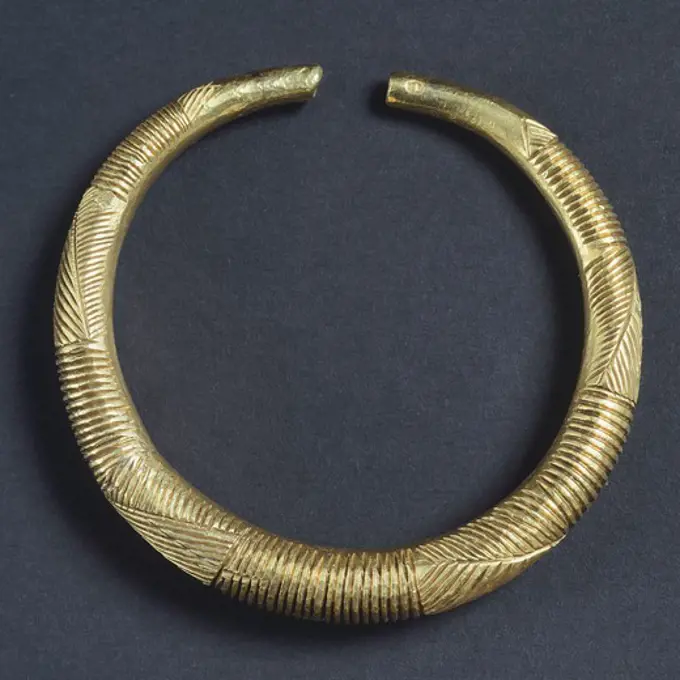
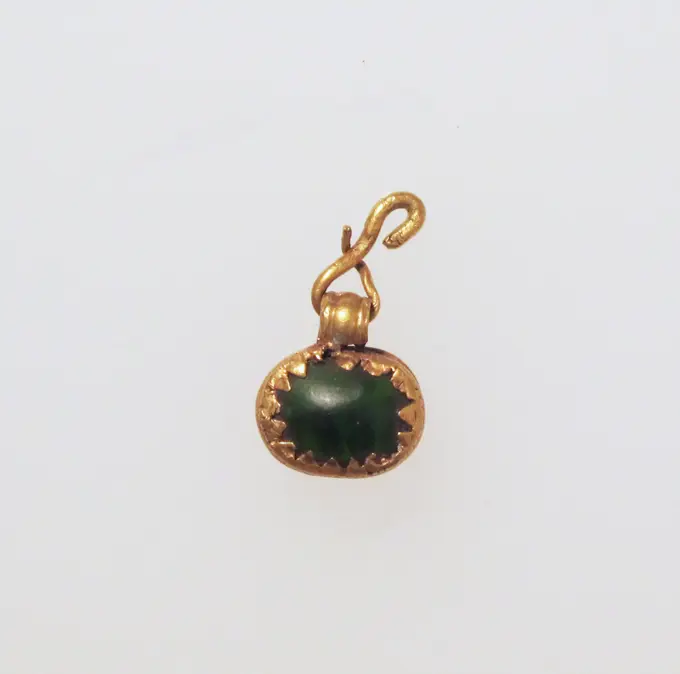
An assortment of intricate jewelry pieces including earrings and rings, showcasing unique designs and materials from different cultural and historic backgrounds.

Escutcheon (England)
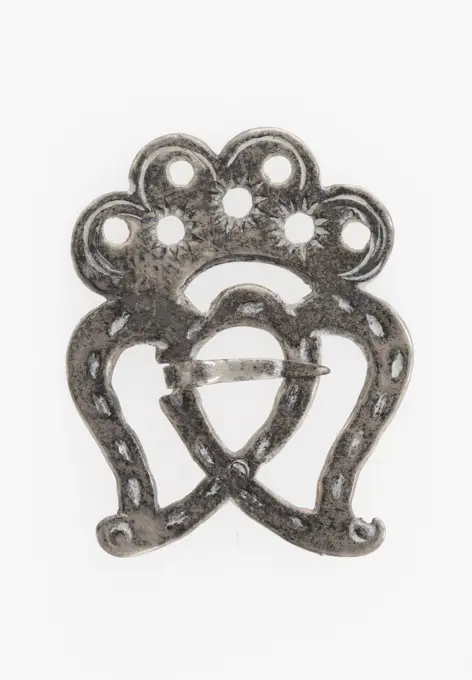
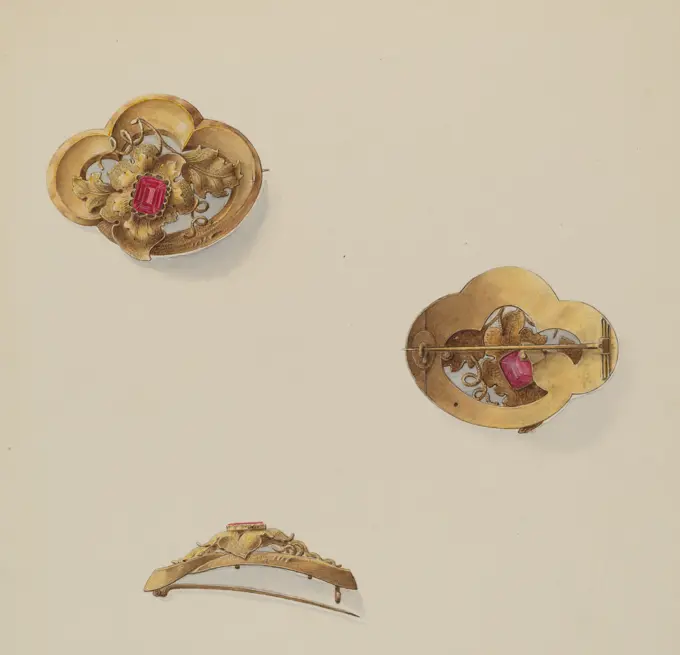
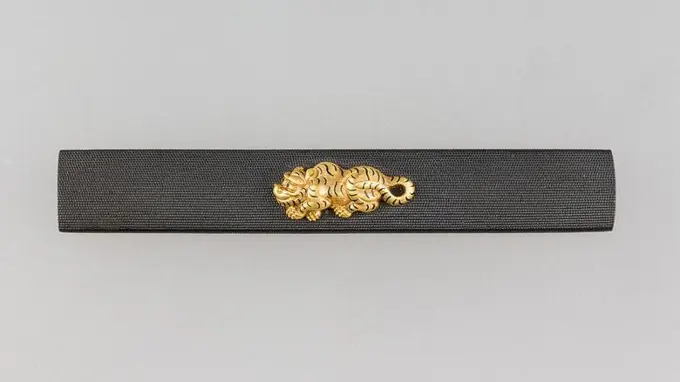
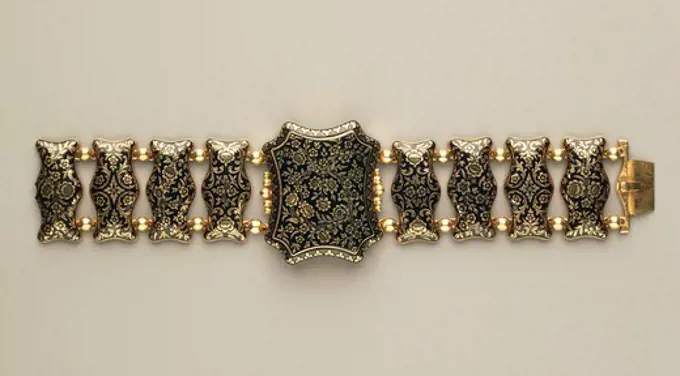
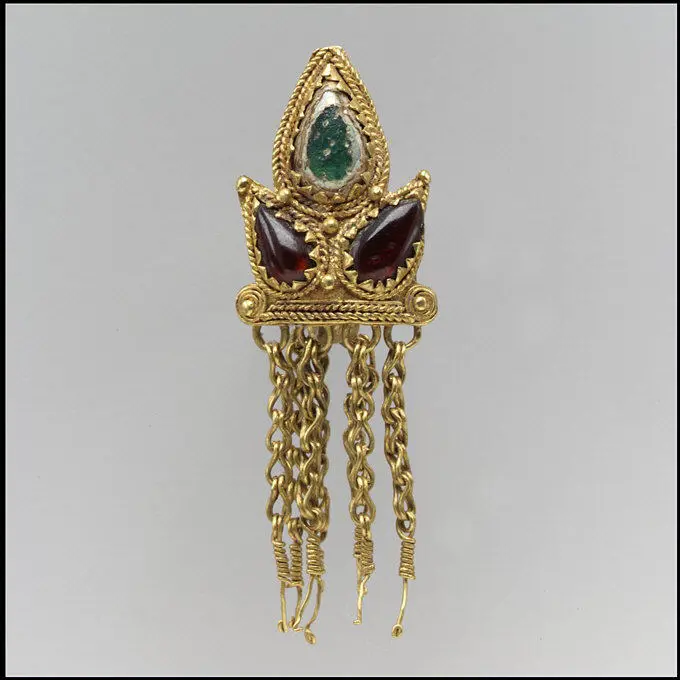
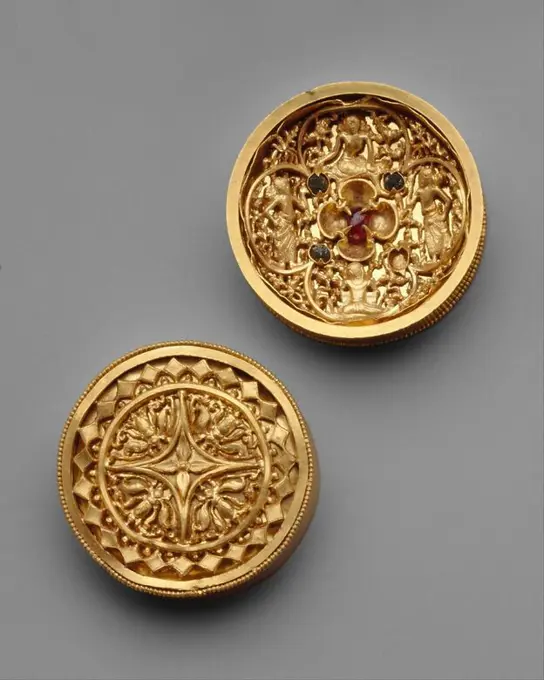
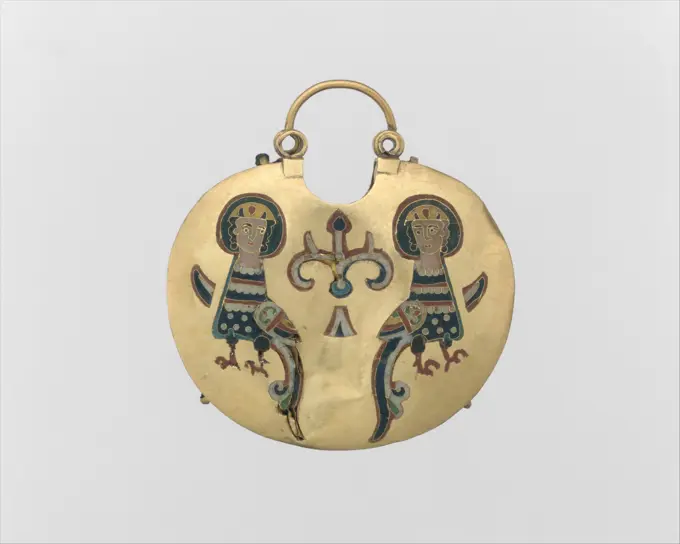
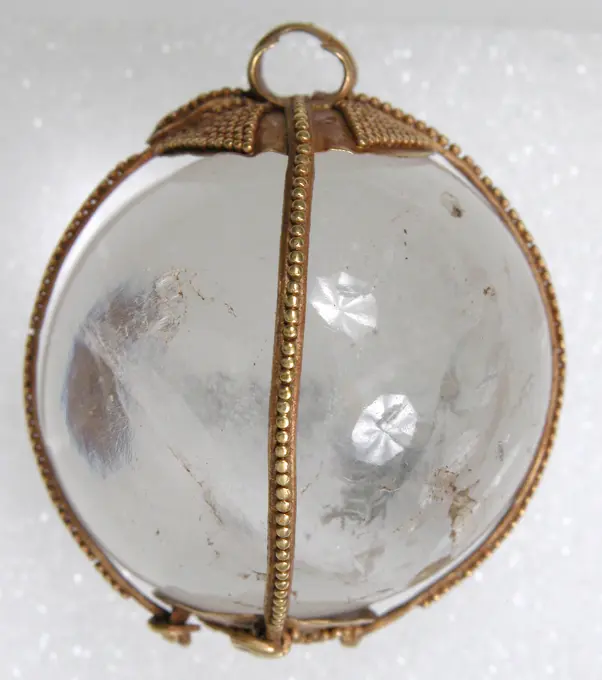
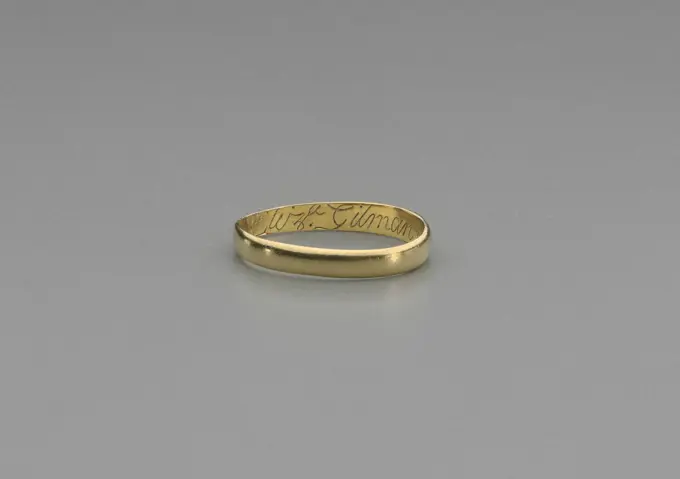
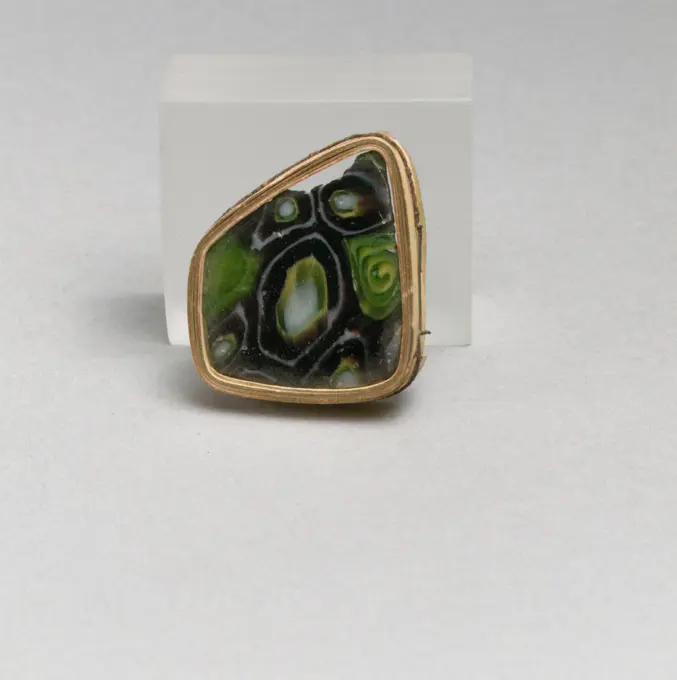
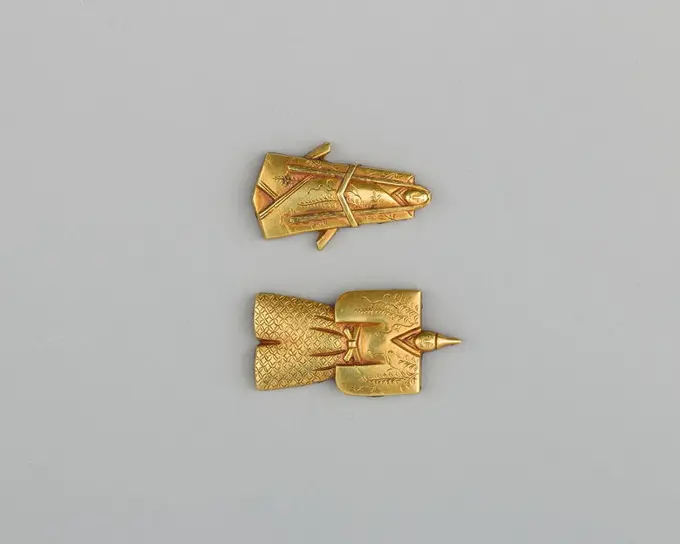
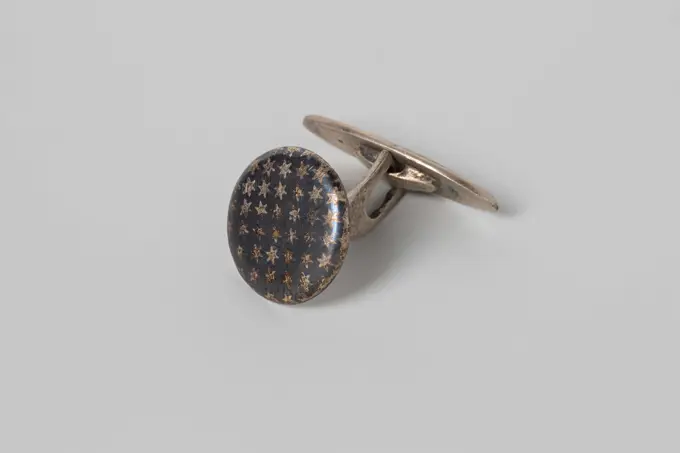
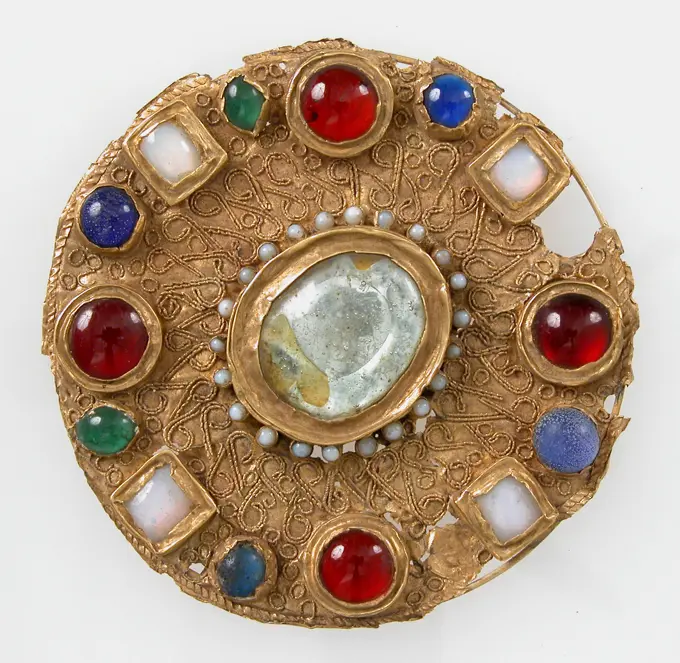
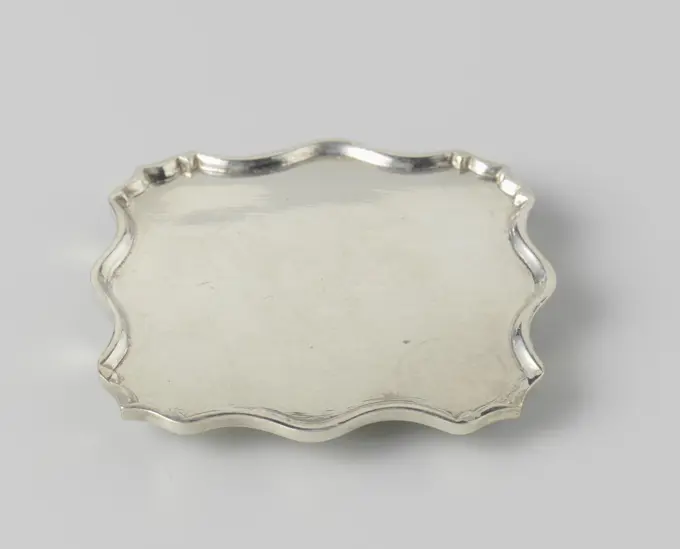
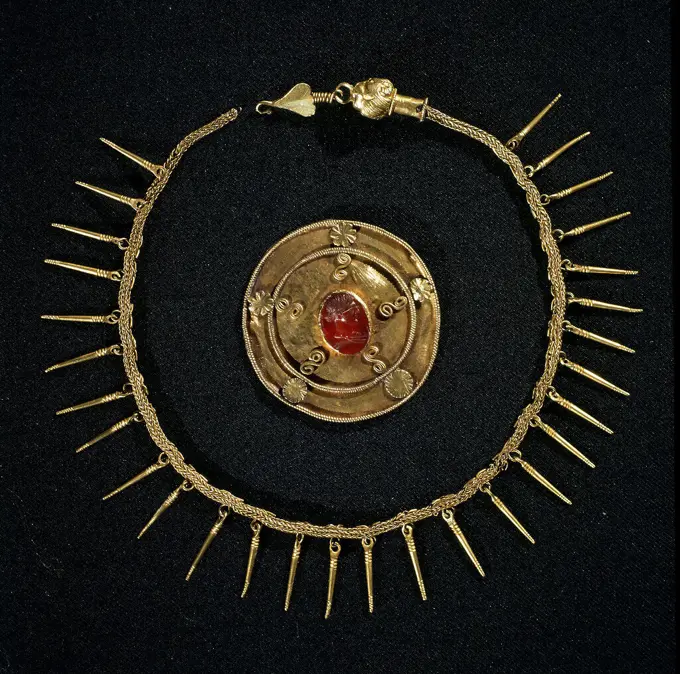
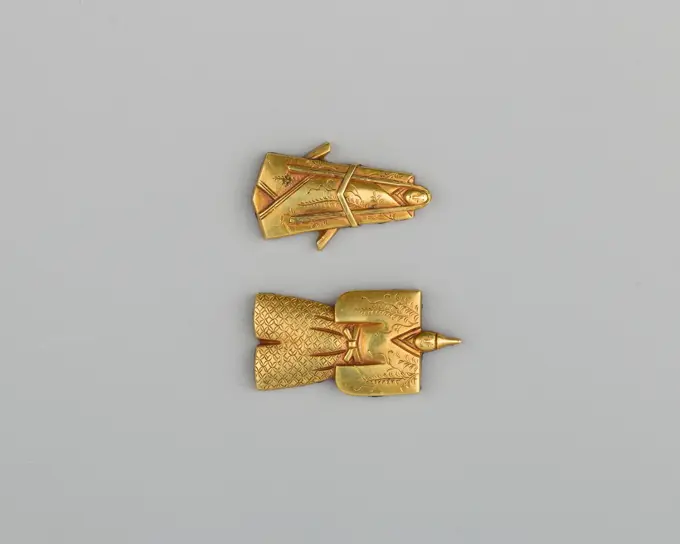
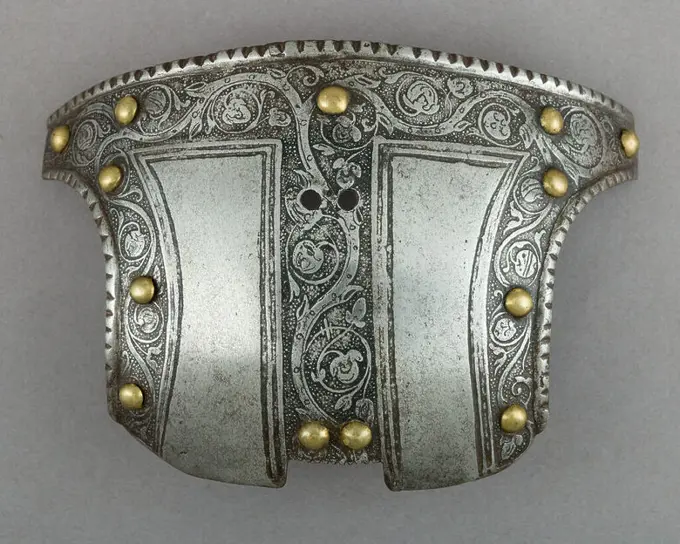
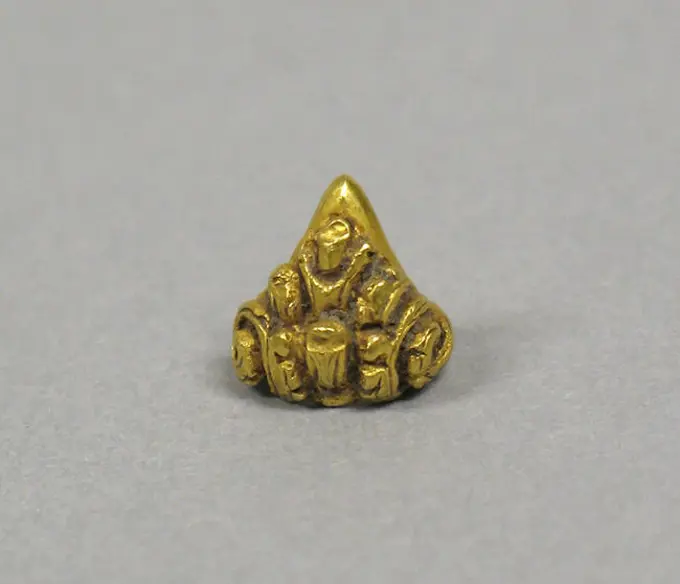
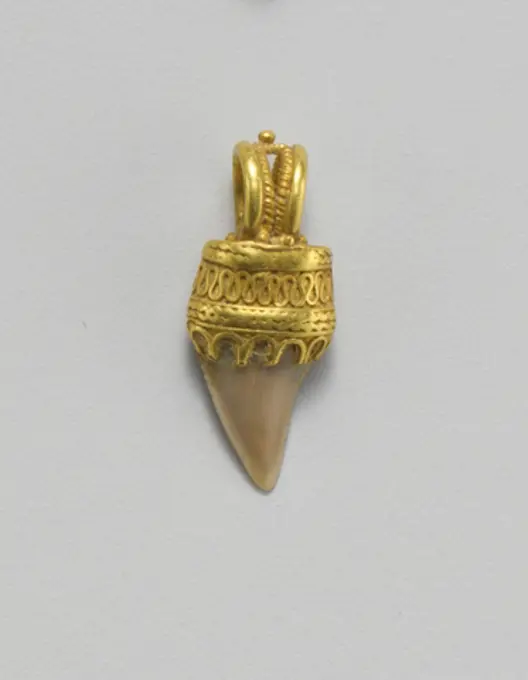
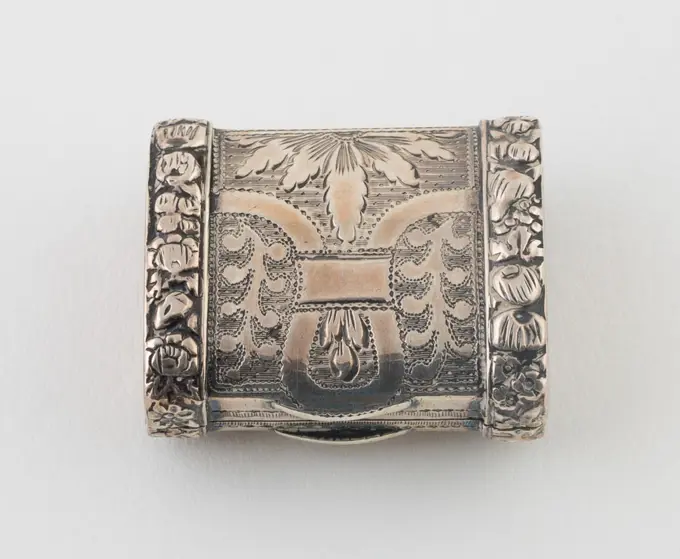
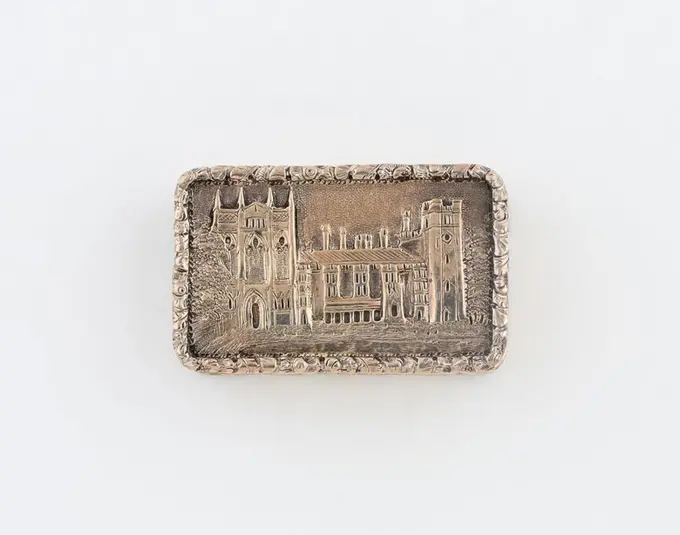
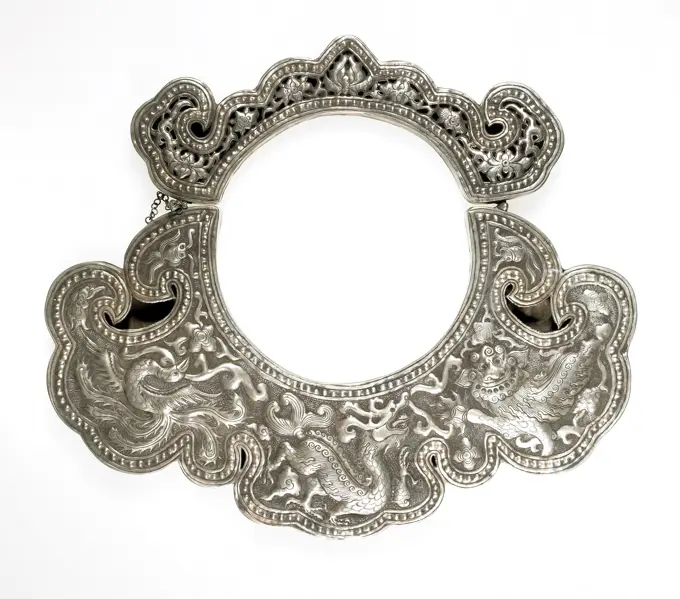
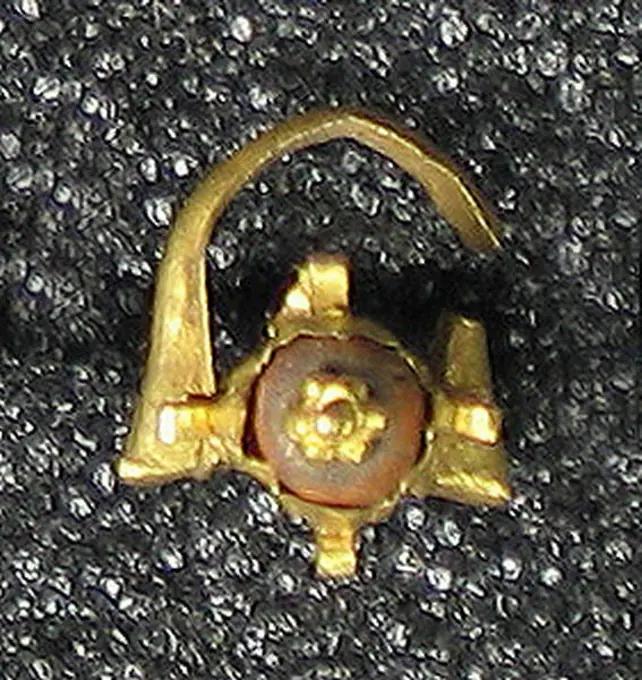
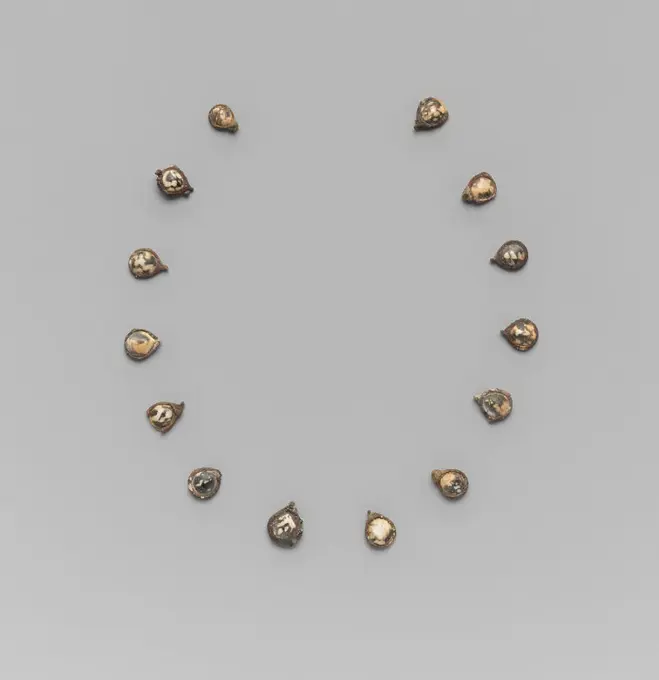
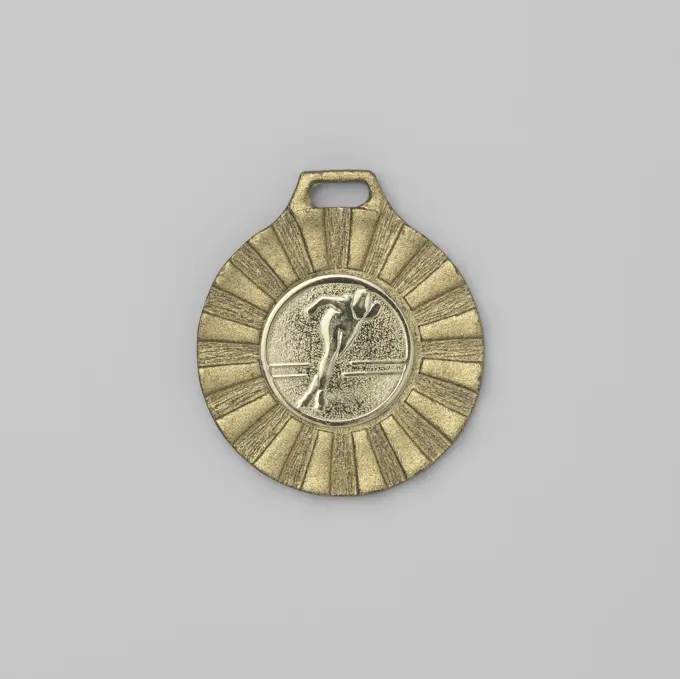
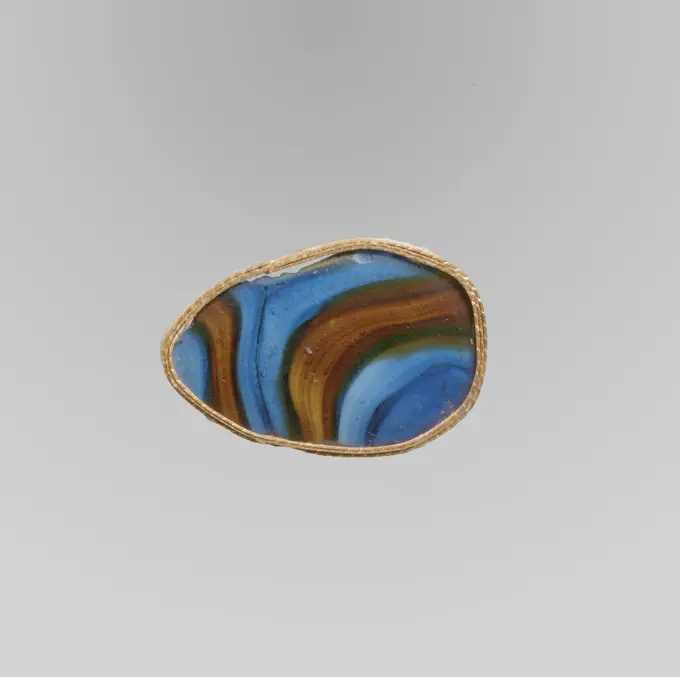
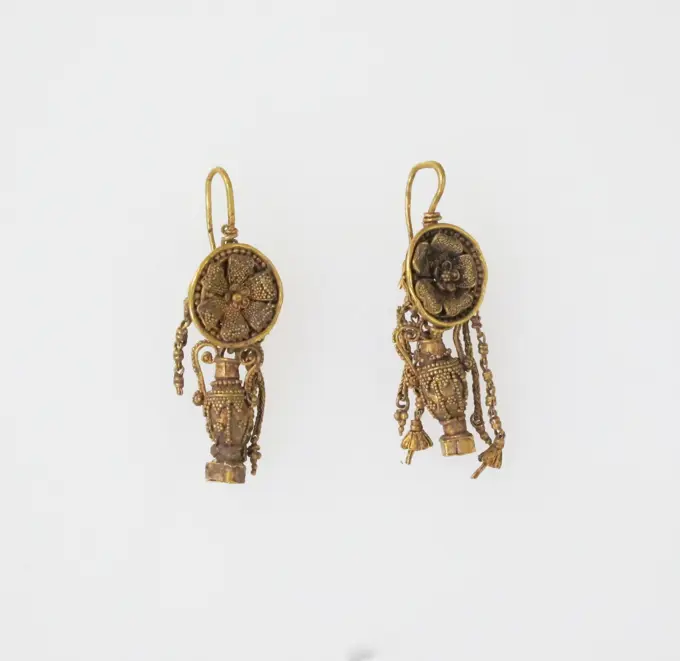
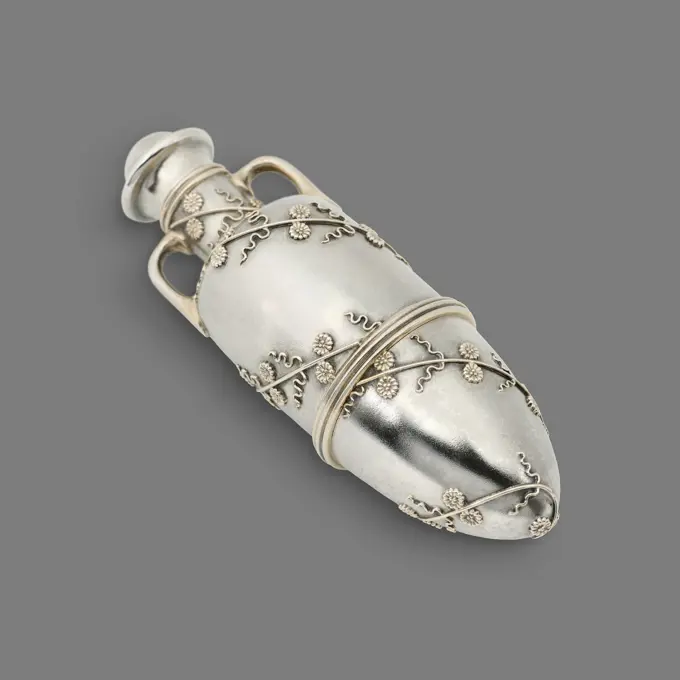
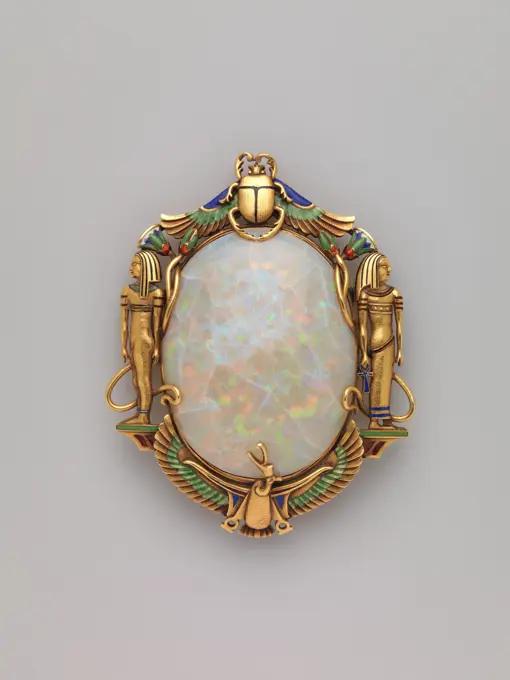
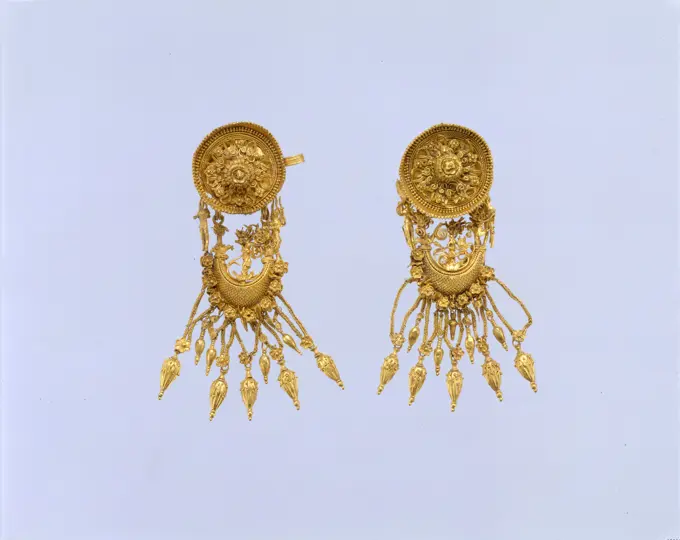
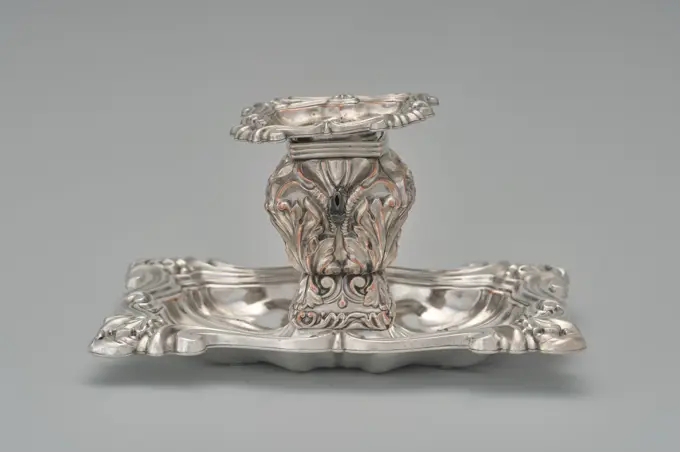
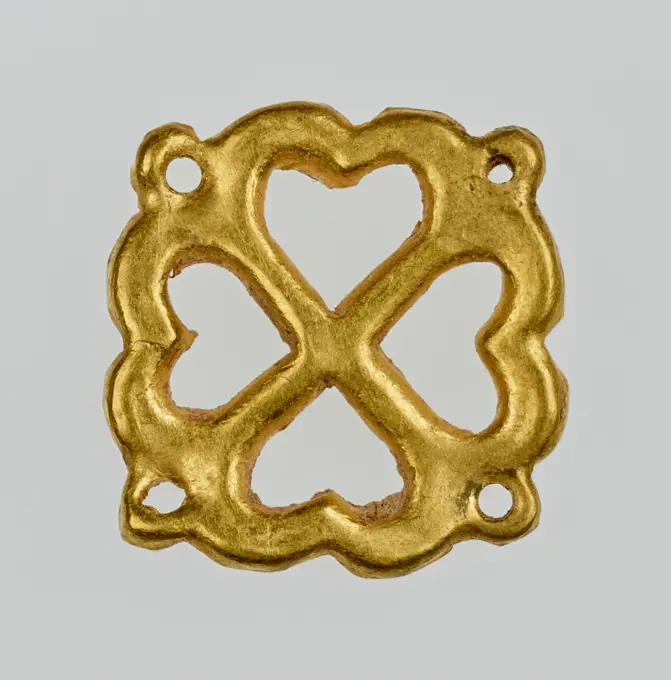
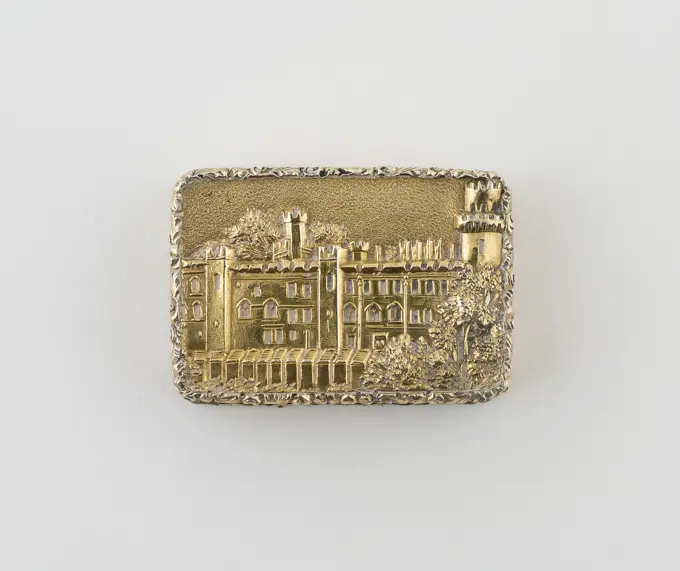
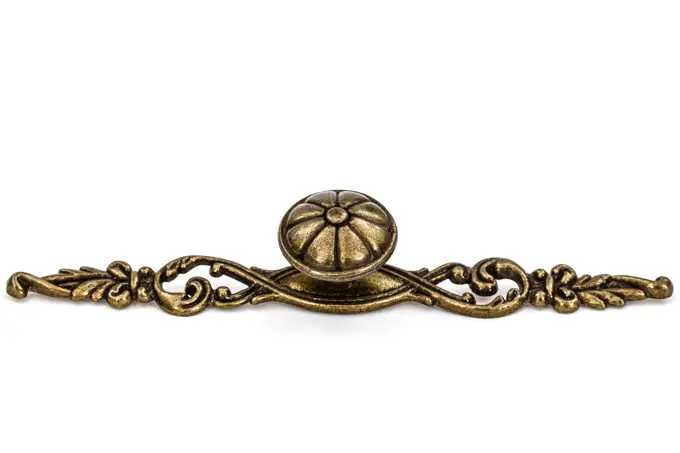
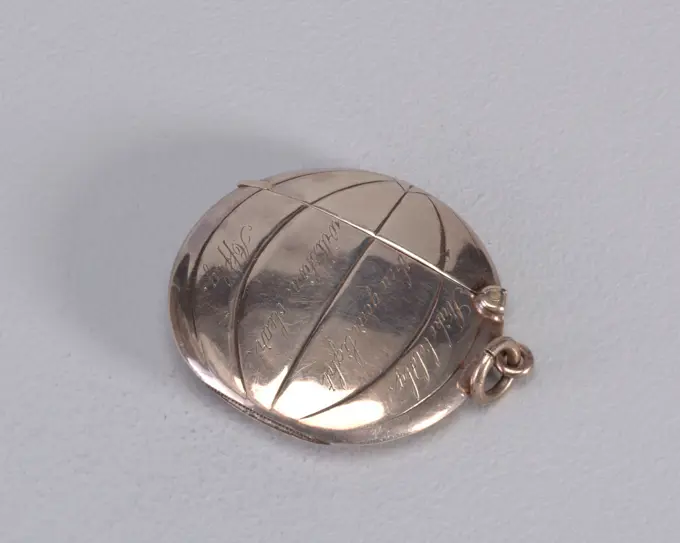
British Football Matchsafe; Manufactured by Sampson Mordan & Company; England; silver; 4.4 x 5.7 x .6 cm (1 3/4 x 2 1/4 x 1/4 in. )Luckenbooth brooch -Beads, 7 Roman. Beads, 7. Roman. Glass. Glassmatchsafe, metal, 1882, containers, Decorative Arts, matchsafeNotBracelet spirals, pair 7th-6th century B.C. Etruscan. Bracelet spirals, pair 247171Ring with ThreeGemsJohn H Tercuzzi, Brooch, c 1937 BroochKnife Handle (Kozuka). Culture: Japanese. Dimensions: L. 3 13/16 in. (9.7 cm); W. 9/16 in. (1.4 cm); thickness 3/8 in. (1 cm); Wt. 1.3 oz. (36.9 g). Date: 1720-84. Museum: Metropolitan Museum of Art, New York, USA.Goldsmith's art, Austria, 19th century. Miniature decorated gold and enamel bracelet, 1829. Back side.Box and cover, gold, tortoise shell and mother of pearl, Maker is I Spies or Spits or Johann Spies, London, England, Germany, France, Switzerland, ca. 1790, containers, Decorative Arts, Box and coverRing, 1700s-1800s. India, Mughal. Gold, emerald, glass, silver foil, and enamel; diameter: 2.3 cm (7/8 in.).Pearl. Glass. Gallo-Roman. Paris, Carnavalet museum. 51537-8 Gallo-Roman, Gallo-Roman, pearl, glassBraceletEarring mid-1st century Sarmatian This earring is said to be from the ancient city of Olbia, long a colonial trading post of the ancient Greeks on the northern coast of the Black Sea. At the time these earrings were made, Olbia's local inhabitantsGreeks, Scythians, and Sarmatianswere flush with gold and silver received from the Romans in exchange for local goods, such as salt and grain.. Earring. Sarmatian. mid-1st century. Gold, garnets, green glass. Metalwork-GoldHanger of gold. Hanger of gold, part of one pair.Pair of Earplugs Ornamented with Figures and Inlaid Stones. Culture: Indonesia (Java). Dimensions: W. 3/8 in. (1 cm); Diam. 1 3/4 in. (4.4 cm). Date: early 9th-14th century. Museum: Metropolitan Museum of Art, New York, USA.Buckle, 1900s. China, 20th century. Brass, engraved and set with glass; diameter: 5.2 cm (2 1/16 in.).Earring with Foliate Decoration 8th-12th century Indonesia (Central Java). Earring with Foliate Decoration 64354Rectangular and curved shoe spacer of gilded copper, decorated with leaf and flower vines in relief, on a granulated fond, anonymous, c. 1790 - c. 1830 Shoe spur, rectangular model with rounded corners and bent. Decorative: A leaf and flower drink runs in relief on a granulated soil between smooth lists. Snaps: Both are equal and of steel with two arched eyes on the pivot, one of which has two sharp points and the other has a cross -shaped support for the loose, hinged tongue (), Which also has two points. The tray is riveted in separately applied side cheeks of the upper buckle. State: The under iron is completely rusted. Geneva (Possible) whole: copper (metal). whole: Gilding (Material). whole: Metal gilding / granulation Shoe spur, rectangular model with rounded corners and bent. Decorative: A leaf and flower drink runs in relief on a granulated soil between smooth lists. Snaps: Both are equal and of steel with two arched eyes on the pivot, one of which has two sharp points and the Wedding ring 1862 American. Wedding ring 123443Temple Pendant with Two Sirens Flanking a Tree of Life (front) and Confronted Birds (back) 11th-12th century Kievan Rus' When Kievan Rus, a powerful new state to the north of the Byzantine Empire, accepted Christianity as its official religion in 988, the aristocracy also adopted the manners and dress of the Byzantine court. Local artists soon produced their own versions of Constatinopolitan fashions. This temple pendant of precious metals worked in cloisonné enamel or niello are local variants of the more intricately detailed works made for the Byzantine court.As in Byzantium, temple pendants may have been worn next to the face by both the men and the women of Rus. The works shown here were perhaps buried by their owners when the Mongol armies under Batu Khan sacked Kiev in 1240.. Temple Pendant with Two Sirens Flanking a Tree of Life (front) and Confronted Birds (back) 464554Eagle of the CincinnatiMedal. Maker, possibly by: Jeremiah Andrews, American, active Philadelphia, 1784-91Lluís Masriera / Collar con decoración en oro, platino, marfil, diamantes y zafiros, 1916. Colección privada. Author: LLUÍS MASRIERA I ROSÉS.Rock Crystal Amuletic Sphere Pendant 4th-5th century Hunnic or Frankish. Rock Crystal Amuletic Sphere Pendant. Hunnic or Frankish. 4th-5th century. Rock crystal, gold. Lapidary Work-CrystalRing Composed of Continuous Keben Fruit Motifs Second half of the 8th-second half of the 10th century Indonesia (Java). Ring Composed of Continuous Keben Fruit Motifs 50150Shoe spur of silver, the sides of which have the shape of a crown, in flat relief, anonymous, c. 1714 Shoe spur of silver, the sides of which are the shape of a crown, in flat relief. A hinged closure at the rear. Sneek whole: Silver (Metal) forging Shoe spur of silver, the sides of which are the shape of a crown, in flat relief. A hinged closure at the rear. Sneek whole: Silver (Metal) forgingCzarka; unpredictable Lona Manufaktura; 16th century (1500-00-00-1600-00-00);MourningRing. Maker, attributed to: David Griffeth, 1735-1779Honorand: Elizabeth Gilman, American, 1739-1758Glass mosaic fragment late 1st century B.C.-early 1st century A.D. Roman Thin-walled body fragment.Translucent deep purple, light blue appearing green, opaque white and yellow.Shallow convex curving side.Composite mosaic pattern formed from polygonal sections of two canes: one in a purple ground with an outer white circle and an inner yellow circle, enclosing a ground in blue with a central white rod, and the other in a blue ground with a yellow spiral.Polished exterior; pitting of surface bubbles on exterior; dulling and deep pitting on interior and jagged edges.Probably from the same vessel as 91.1.1898.. Glass mosaic fragment 257281Fragment of an Ornament 8th-12th century Indonesia (Central Java). Fragment of an Ornament 65105Gibson Girl and Flowers, Silver, Oblong, curved sides, rounded corners, featuring raised decoration of Gibson Girl with upswept hair and low cut dress, leaning forward to smell roses in small vase on table top, identical decoration on reverse. Lid hinged on side. Striker on bottom., ca. 1895, containers, Decorative Arts, Matchsafe, MatchsafeMosquito net of silver. The hook is attached to an oval shield with an engraved decoration of a stylized leaf motif, anonymous, c. 1790 - c. 1800 Mosquito net of silver. The hook is attached to an oval shield with an engraved decoration of stylized leaf motif. Indonesia (possibly) silver (metal) Mosquito net of silver. The hook is attached to an oval shield with an engraved decoration of stylized leaf motif. Indonesia (possibly) silver (metal)Quatrefoil BezelRingChild's bracelet ca. 2650 B.C. Early Dynastic Period. Child's bracelet. ca. 2650 B.C.. Gold. Early Dynastic Period. From Egypt, Northern Upper Egypt, Abydos, Umm el-Qaab, Tomb of Khasekhemui, Egypt Exploration Fund excavations. Dynasty 2Pair of Sword-Grip Ornaments (Menuki). Culture: Japanese. Dimensions: Menuki (a); L. 1 in. (2.5 cm); Wt. 0.2 oz. (5.7 g); menuki (b); L. 7/8 in. (2.2 cm); Wt. 0.1 oz. (2.8 g). Date: 18th century. Museum: Metropolitan Museum of Art, New York, USA.Straight Pin, c. 500 BC. Italy, Etruscan, late 6th Century BC. Gold and glass; overall: 6.4 cm (2 1/2 in.).Round cufflink from Niello silver with star pattern. Round cufflink from Niello silver with star patternEngraved Scarab inset into a Ring. UnknownDisk Brooch 7th century or later Frankish. Disk Brooch 464987 Frankish, Disk Brooch, 7th century or later, Gold, wire, glass paste cabochons, Overall: 2 7/16 x 1/4 in. (6.2 x 0.6 cm). The Metropolitan Museum of Art, New York. Gift of J. Pierpont Morgan, 1917 (17.191.28)Pair of Sword-Grip Ornaments (Menuki). Culture: Japanese. Dimensions: L. of each 1 3/8 in. (3.5 cm); Wt. of each 0.3 oz. (8.5 g). Date: 18th century. Museum: Metropolitan Museum of Art, New York, USA.Pair of sword-Grip Ornaments (Menuki) 18th century Japanese Menuki are a pair of ornamental sword fittings attached to either side of a sword hilt.. Pair of sword-Grip Ornaments (Menuki). Japanese. 18th century. Copper-gold alloy (shakud), copper, gold, silver. Sword Furniture-MenukiA close up of a champagne bottle corkRing with garnet. Ring with garnet 243678Ring, Silver, paste stones, two human teeth, Silver ring said to be a memorial to a child. In a silver setting are two teeth surrounded by a ring of green and red paste jewels; one heart-shaped piece and two pieces in design of keys are attached to small rings on the ornament., India, 19th century, jewelry, Decorative Arts, RingTray, Arnoldus van Geffen, 1752 Square tray with swinging, raised edge. The tray is on a stand ring. The tray is marked: stk. = Amsterdam, Jrl. = S (1752) and Mt. = Arnoldus van Geffen. The tray is on a folding table (BK-NM-1177-181-A), on the tray is a gift jug (BK-NM-11177-181-II) and six drinking glasses (BK-NM-11177-181-B -III to BK-NM-11177-181-B-VIII). Amsterdam silver (metal) Square tray with swinging, raised edge. The tray is on a stand ring. The tray is marked: stk. = Amsterdam, Jrl. = S (1752) and Mt. = Arnoldus van Geffen. The tray is on a folding table (BK-NM-1177-181-A), on the tray is a gift jug (BK-NM-11177-181-II) and six drinking glasses (BK-NM-11177-181-B -III to BK-NM-11177-181-B-VIII). Amsterdam silver (metal)Carving; wood, gildedCOLLAR ILERGETE EN ORO Y CAMAFEO CON EFIGIE ROMANA EN ORO PROCEDENTE DE LA PEDRERA. Location: ARCHAEOLOGICAL MUSEUM. Lerida. SPAIN.Nose Ornament 6th-7th century Moche (Loma Negra). Nose Ornament 313404Circular blue glass set in gilt copper, Tibet, 18th century AD.Pair of Sword-Grip Ornaments (Menuki) 18th century Japanese Menuki are a pair of ornamental sword fittings attached to either side of a sword hilt.. Pair of Sword-Grip Ornaments (Menuki). Japanese. 18th century. Gold. Sword Furniture-MenukiSword Pommel (Kashira) ca. 1615-1868 Japanese A kashira is a pommel cap mounted at the end of a sword hilt, usually made as part of a set with a matching fuchi (hilt collar).. Sword Pommel (Kashira). Japanese. ca. 1615-1868. Copper-gold alloy (shakud), gold. Sword Furniture-Fuchi-KashiraSilver Ring with Inlays 2nd century B.C.-A.D. 2nd century Vicús (). Silver Ring with Inlays 315215Top Half of a Shaffron (Horse's Head Defense). Culture: German. Dimensions: H. 5 in. (12.7 cm); W. 7 9/16 in. (19.2 cm); D. 2 1/4 in. (5.7 cm); Wt. 8 oz. (226.8 g). Date: ca. 1550-60. Museum: Metropolitan Museum of Art, New York, USA.Pair of hand jewels with rings (hathiphul), anonymous, c. 1750 Thumb ring (Arsi) of gold with mirror, caught in filigre appliqué. Surat gold (metal). looking glasses filigree Thumb ring (Arsi) of gold with mirror, caught in filigre appliqué. Surat gold (metal). looking glasses filigreeEar Ornament Garuda, Meru 8th-12th century Indonesia (Central Java). Ear Ornament Garuda, Meru 64404Cord Fastener or EarOrnamentMiniature Oval Basket, Early 1900s. California, Pomo, 20th century (). Coiled; overall: 1 cm (3/8 in.).Mount; bronze, giltGold swivel ring with agate scaraboid 6th-5th century B.C. Cypriot or Phoenician Two seated roaring lions with a plant between them.. Gold swivel ring with agate scaraboid. Cypriot or Phoenician. 6th-5th century B.C.. Gold, agate. Late ArchaicPair of Sword-Grip Ornaments (Menuki) 18th century Japanese Menuki are a pair of ornamental sword fittings attached to either side of a sword hilt.. Pair of Sword-Grip Ornaments (Menuki). Japanese. 18th century. Copper-gold alloy (shakud), gold. Sword Furniture-MenukiBrooch - clasp;  19th century (1801-00-00-1900-00-00);Osman dynasty (1299-1922), crescents (ornament), Islamic art, Turkish (culture)Gold bracelet from the district of Krosno, Poland. Goldsmith art. Lusatian Culture.Pendant with scaraboid. Pendant with scaraboid 243107Pink ring. Pink ring of gold. With serrated decoration.Earring-hook type with pendants and ruby setting. Earring-hook type with pendants and ruby setting. Gold, ruby. Gold and SilverTooth pendant set in gold 4th century B.C. Etruscan This pendant was originally strung on a necklace with garnet stars, bullae and pendants, which were modern and have been removed.. Tooth pendant set in gold. Etruscan. 4th century B.C.. Gold, bone. Late Classical. Gold and SilverPurse-Shaped Vinaigrette 1818-1819 Birmingham. Silver and silver gilt .Vinaigrette. Taylor and Perry; Birmingham, England. Date: 1835-1836. Dimensions: 4.1 × 3.8 cm (1 5/8 × 1 1/2 in.). Silver and silver gilt. Origin: Birmingham. Museum: The Chicago Art Institute, Chicago, USA.Scarab. UnknownTorque, 11 3/4 x 13 3/4 x 3/4 in. (29.85 x 34.93 x 1.91 cm), Silver, ChinaCast Earring with Granulation 8th-12th century Indonesia (Central Java). Cast Earring with Granulation 64432Fourteen pendants for a necklace. Dimensions: Range of each: H. 1.5 to 2 cm (9/16 to 13/16 in.); W. 1 to 1.6 cm (3/8 to 5/8 in.); D. 0.5 to 0.7 cm (3/16 to 1/4 in.). Date: ca. 1887-1750 BC.These fourteen pendants are unique. Each pendant was created by fashioning a flat oval cut from the upper surface of a marine shell, probaly in the family Neritidae. Each piece of shell was then set into a flat piece of silver with a loop at the top. Museum: Metropolitan Museum of Art, New York, USA.Award Slotermeertoertocht 1991, Unknown, 1991  Metal distinction with a bearing eye; front: in middle silver -colored circle with stylized skater, outside of which bronze -colored ray wreath; Reverse: Engraved: Slotermeertoertocht 6-2-1991.  metal striking (metalworking)Gold, garnet, and agate necklace and earrings 1st century B.C. Greek The necklace and earrings form a matching set; all are decorated with a large cabochon garnet. The chain loops on the earrings are unusual and must have been made to pass round the back of the ear lobe so that the garnet and gold decoration covered the front of the ear itself. Such fine Late Hellenistic parures are rare in comparison to the material from the rich burials of the early part of the Hellenistic period.. Gold, garnet, and agate necklace and earrings. Greek. 1st century B.C.. Gold, garnet, agate. Late Hellenistic. Gold and SilverEarOrnamentTray; Heath, John Thomas & Middleton, John Hartshorne, Hukin & Heath (Birmingham; London; company z Otnic; Fl. 1855-1953); 1897/98 (1897-00-00-1898-00-00);Buckle, 1900s. China, 20th century. Gilt brass set with green jade; overall: 3.9 x 5.2 cm (1 9/16 x 2 1/16 in.).Silver loop.Buckle, 1900s. China, 20th century. Gilt brass, engraved and set with rose quartz and gray stone; overall: 11.5 cm (4 1/2 in.).Glass mosaic bowl fragment late 1st century B.C.-early 1st century A.D. Roman Body fragment.Translucent cobalt blue, purple appearing brown, and opaque white.Shallow convex curving side.Spiraling mosaic pattern formed from large polygonal sections of a signled cane in a blue ground with wavy bands of purple flanked by white.Polished exterior; slight pitting of surface bubbles on exterior; dulling and faint iridescent weathering on interior and jagged edges.. Glass mosaic bowl fragment. Roman. late 1st century B.C.-early 1st century A.D.. Glass; cast. Early Imperial. GlassEarring with pendant amphora 4th-3rd century B.C.. Earring with pendant amphora. 4th-3rd century B.C.. Gold. Late Classical or Hellenistic. Gold and SilverWall blaker with back plate in four-pass shape. Wall blaker with back plate in four-pass shape.Badge or Harness Pendant ca. 1400 Spanish Heraldry, or coat-of-arms, were vitally important in Europe throughout the Middle Ages and the Renaissance. Heraldic emblems were used to identify noble families, cities, regions, and even countries. In addition to being displayed on shields and flags, heraldry was incorporated into architectural decoration on the interior and the exterior of buildings, on furniture, works of art, clothing, and horse equipment. Harness pendants, like this example, would have been attached to a headstall, bridle, or other straps making up the tack of a horse ridden by a nobleman or noblewoman, or a member of their household. Many harness pendants also have decoration that is simply ornamental, or have symbols that are not specifically heraldic in nature.. Badge or Harness Pendant. Spanish. ca. 1400. Copper, gold, enamel. Miscellaneous-BadgesScarab Finger Ring ca. 1981-1802 B.C. Middle Kingdom The scarab (kheper) beetle was one of the most popular amulets in ancient Egypt because the insect was a symbol of the sun god Re. This association evolved from the Egyptians' misunderstanding of the scarab's life cycle. An adult beetle lays its eggs inside a ball of dung, which is then buried underground. When the young beetles hatch, the only portion of this process easily visible to an observer is the beetle emerging fully developed from a dung ball, a seemingly magical event. Thus, the Egyptian word for scarab translates as "to come into being."The scarab forms food balls out of fresh dung using its back legs to push the oversized spheres along the ground toward its burrow. The Egyptians equated this process with the sun's daily cycle across the sky, believing that a giant scarab moved the sun from the eastern horizon to the west each day, making the amulet a potent symbol of rebirth. The earliest scarab amulets appeared in the FFern and Daisy Perfume Bottle No 2661 c 1870-1875 New York City. Silver . Tiffany and CompanyBrooch Marcus and Co. American ca. 1900 This exquisite brooch, marked by the New York firm of Marcus & Co., features a large white opal set in an Egyptian-inspired gold frame with a scarab at the top, Egyptian figures on each long side, and a stylized ibis below. Unfurled wings and lotus blossoms are ornamented in red, blue, and green enamels. This piece exemplifies Marcus & Co.s work in the Egyptian revival style, a taste that captivated the imagination of jewelers and their patrons from the 1860s into the 1920s. Evoking exotic treasures unearthed from Egyptian royal tomb, jewelry adorned with talismanic motifs such as scarabs, lotus blossoms, sphinxes, and ibises were believed to offer protection from evil and the promise of eternal life. Although authentic ancient Egyptian jewelry was highly desirable, it was also extremely scarce, thereby increasing the demand for newly created interpretations. Prior to establishing Marcus & Co with his sons in 1892, German immigrant Herman Marcus Sygnet ringEar Ornament with MakaraheadCeintuur Spac of Cantillewead, Guillaume Louis Ploem, 1824 - 1830 Ceintuur splash decorated with cantillewead in gold. By creating three -dimensional shapes with thin gold thread, the suggestion of a voluminous jewel is awakened. This style, inspired by embroidery, was loved in the period 1820-1840. Cantilleade is fragile and some of the so -called 'spiders' have been lost. Amsterdam gold (metal). silver (metal) gilding Ceintuur splash decorated with cantillewead in gold. By creating three -dimensional shapes with thin gold thread, the suggestion of a voluminous jewel is awakened. This style, inspired by embroidery, was loved in the period 1820-1840. Cantilleade is fragile and some of the so -called 'spiders' have been lost. Amsterdam gold (metal). silver (metal) gildingPair of gold earrings with disk and boat-shaped pendant ca. 330-300 B.C. Greek Pair of gold earrings with elaborate disc and boat-shaped pendant, part of the Madytos Jewelry.This group of jewelry is said to have come from a tomb at Madytos on the European side of the Hellespont. The gold diadem is richly worked in repousse with an elaborate floral pattern. Dionysos, the god of wine, and his wife, Ariadne, sit in the center; muses playing musical instruments perch among the vines and along the sides. The tiny figure of a must playing a lyre also appears just above the crescent form on each of the boat-shaped earrings. The seedlike pendants of the earrings are identical to those on the elaborate necklace.. Pair of gold earrings with disk and boat-shaped pendant. Greek. ca. 330-300 B.C.. Gold. Hellenistic. Gold and SilverBu Uarek;  19th century (1840-00-00-1850-00-00);Pair of Sword-Grip Ornaments (Menuki). Culture: Japanese. Dimensions: Menuki (a); L. 1 in. (2.5 cm); Wt. 0.3 oz. (8.5 g); menuki (b); L. 1 3/8 in. (3.5 cm); Wt. 0.3 oz. (8.5 g). Date: 18th century. Museum: Metropolitan Museum of Art, New York, USA.Lotus Blossom Star. UnknownVinaigrette with View of Warwick Castle 1846-1847 Birmingham. Silver gilt .Matchsafe (USA); Manufactured by Theodore B. Starr; gold, diamonds, emeralds, rubiesRingPair of Sword-Grip Ornaments (Menuki). Culture: Japanese. Dimensions: L. of each 1 3/16 in. (3 cm); Wt. of each 0.2 oz. (5.7 g). Date: 18th century. Museum: Metropolitan Museum of Art, New York, USA.Furniture accessories: Stylish bronze handles, isolated on a white background Furniture accessories: Stylish bronze handles, isolated on a white background Copyright: xZoonar.com/OleksandrxKostiuchenkox 9780881Pedestal; gilt